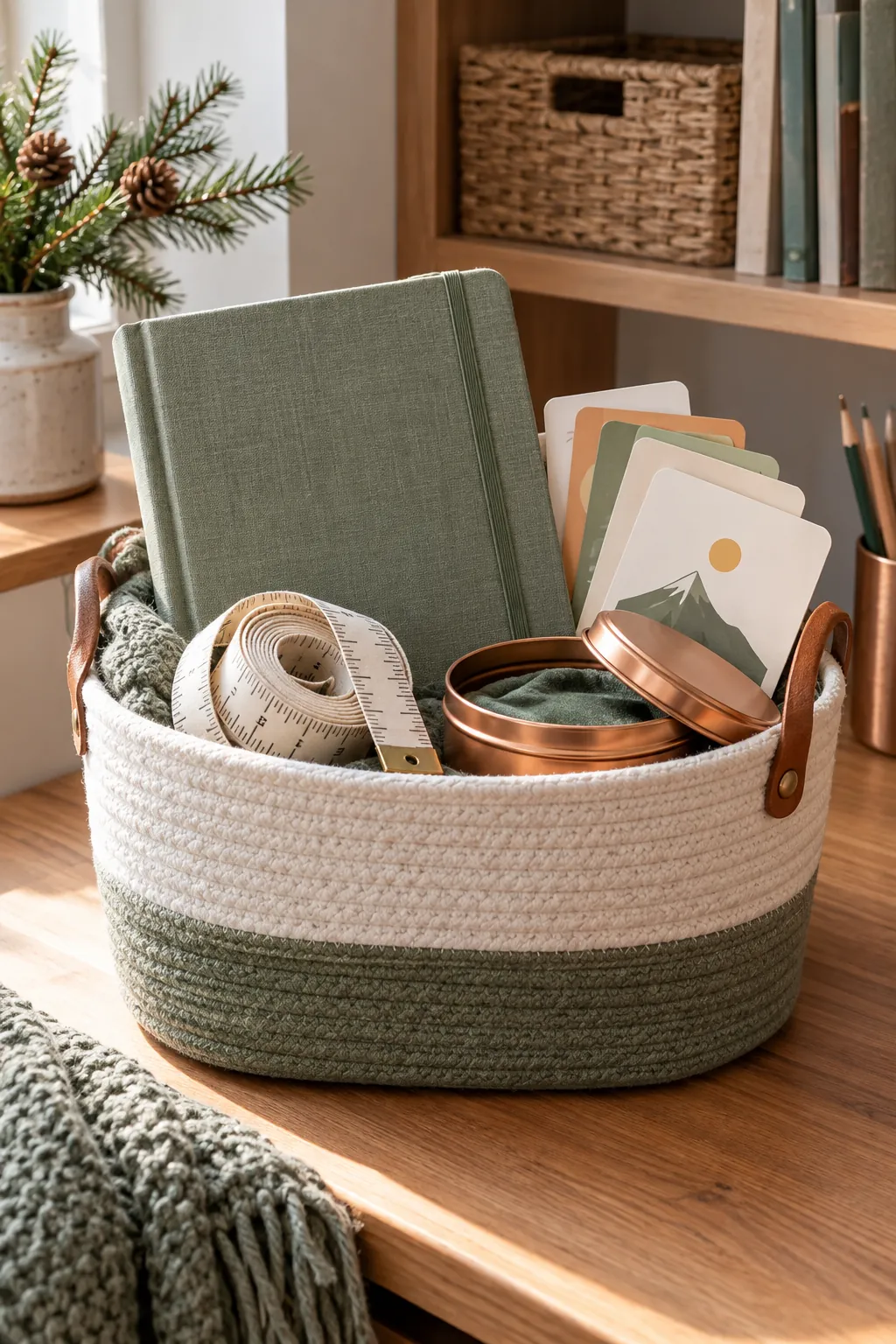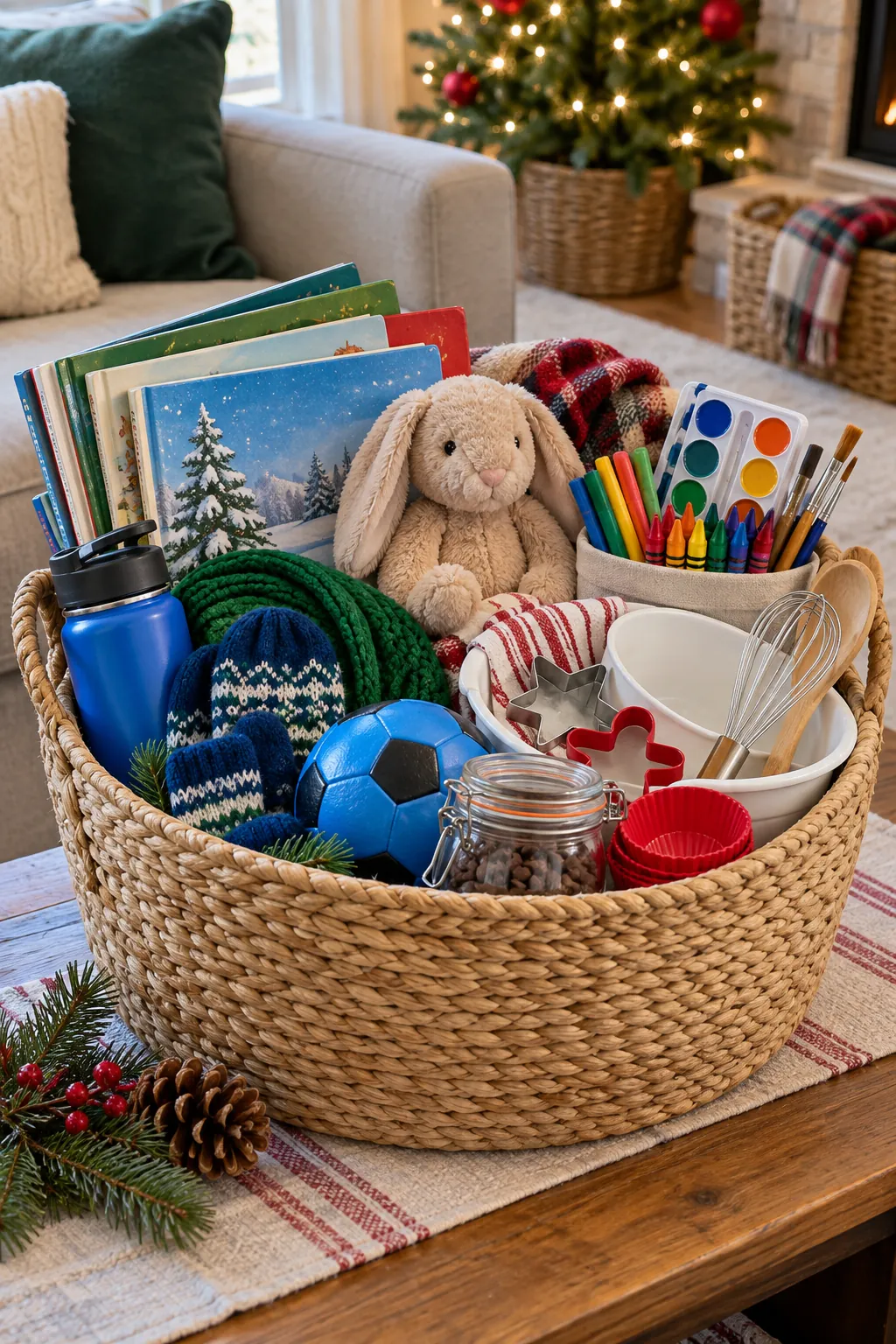
Children can spot filler quickly, and parents are often left storing it. A stronger basket gives one clear activity, useful pieces, and a container that earns its space. Check age labels, allergies, clothing sizes, and household rules before you buy.
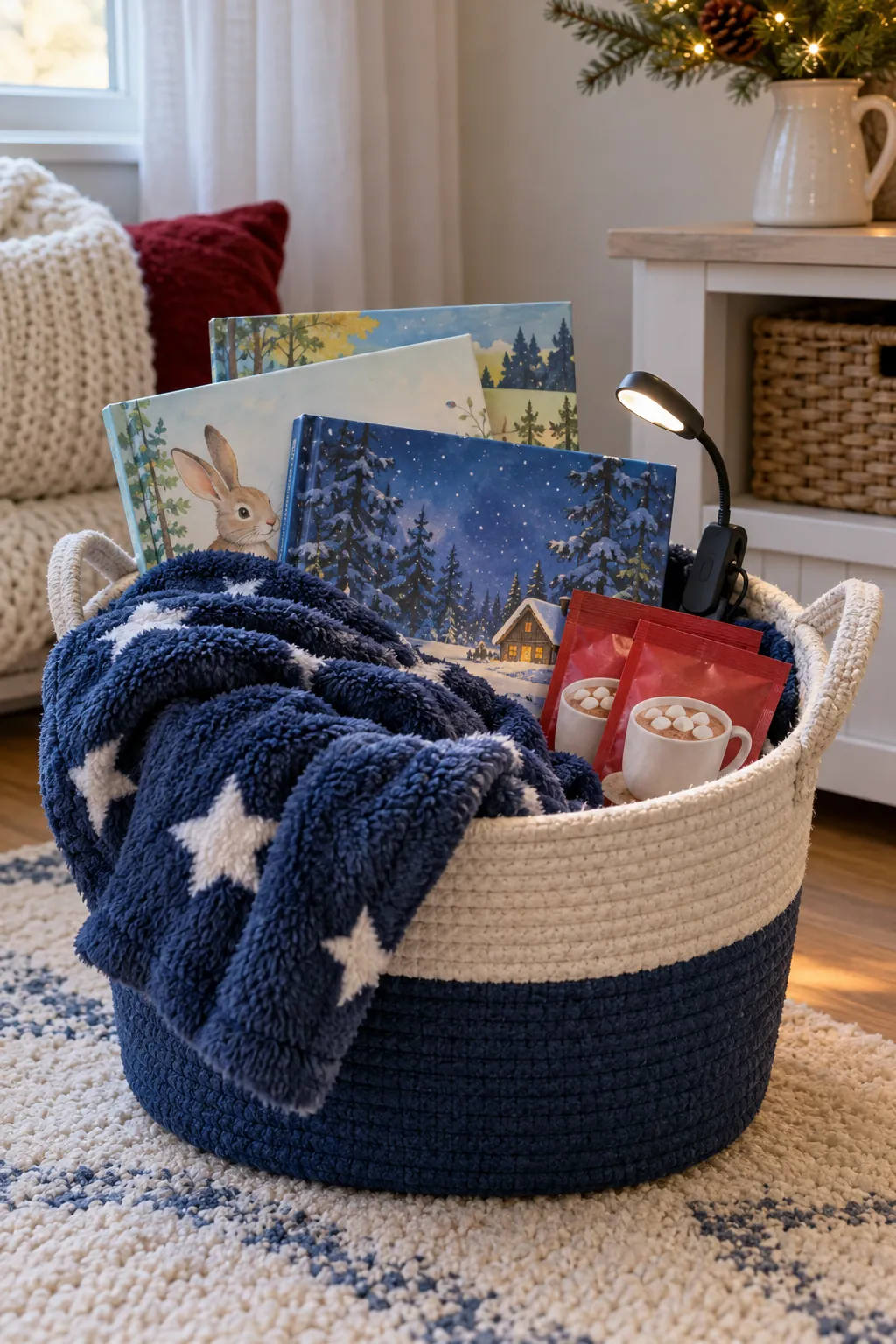
Cozy Reading Basket
Choose books near the child’s current reading level and add one title that an adult can read aloud. The blanket makes the container useful after the treats are gone. Confirm food preferences before adding cocoa.
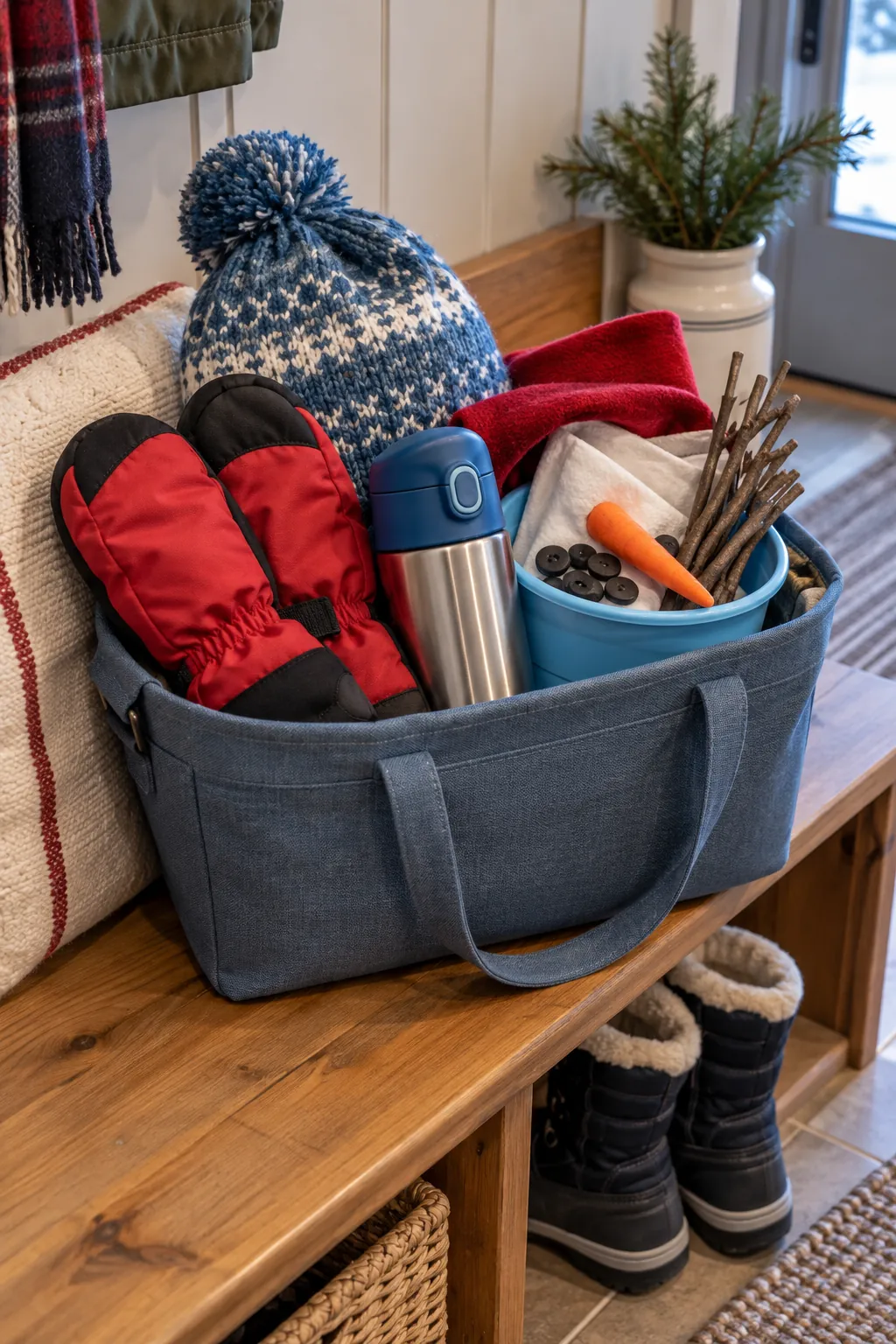
Snow Day Adventure Basket
Match the gloves and hat to the child’s actual size before wrapping. A thermos is useful only when an adult can check the drinking temperature. Keep the snowman pieces large enough for the child’s age.
Little Artist Basket
Washable supplies reduce stress for both the giver and the parent. Thick paper handles generous paint better than thin sheets. Check every label for the intended age and supervise small accessories.
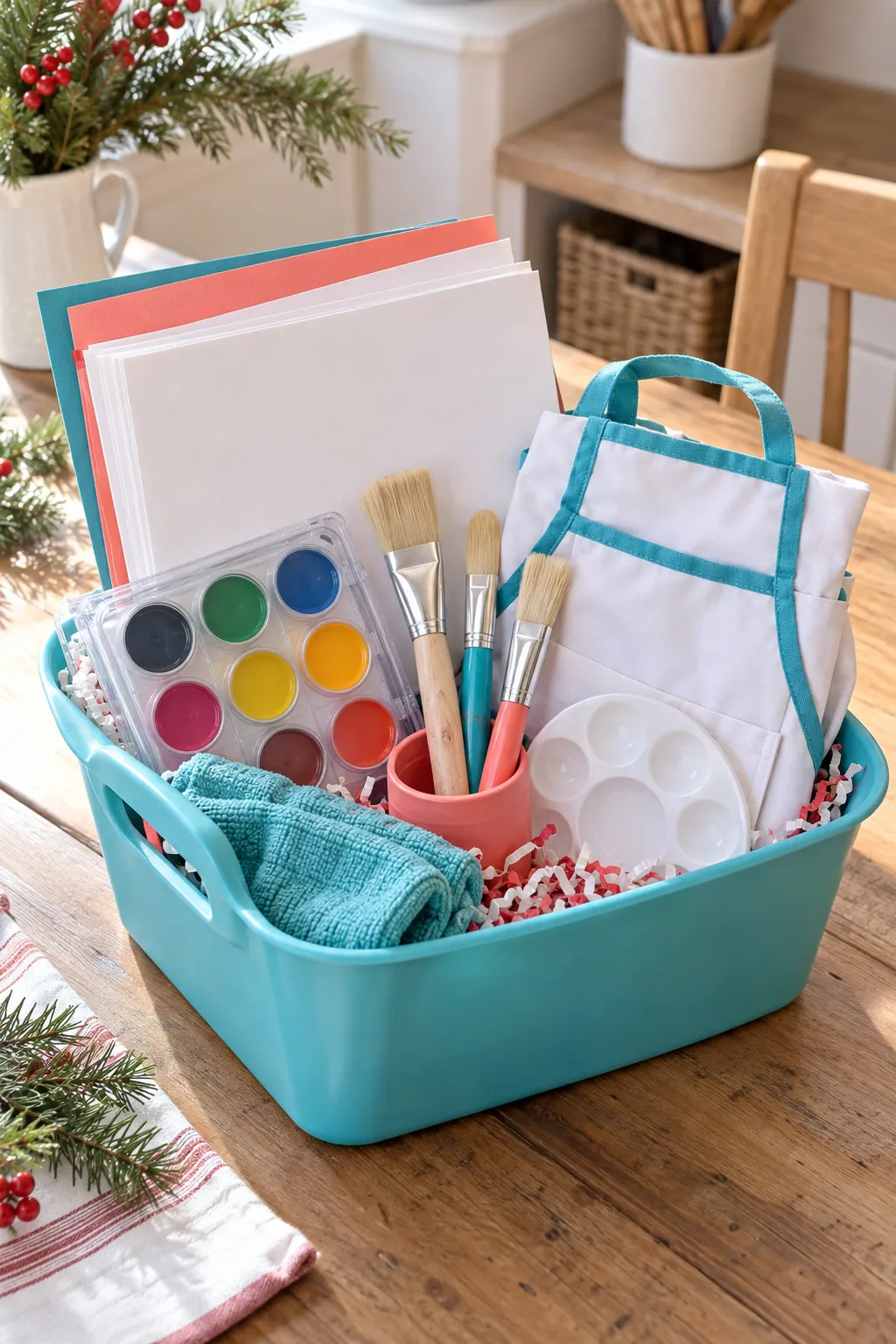
Building Challenge Basket
Open ended pieces stay interesting longer than a single purpose toy. Select one system that works with pieces the child already owns when possible. Use the tray to make cleanup part of the activity.
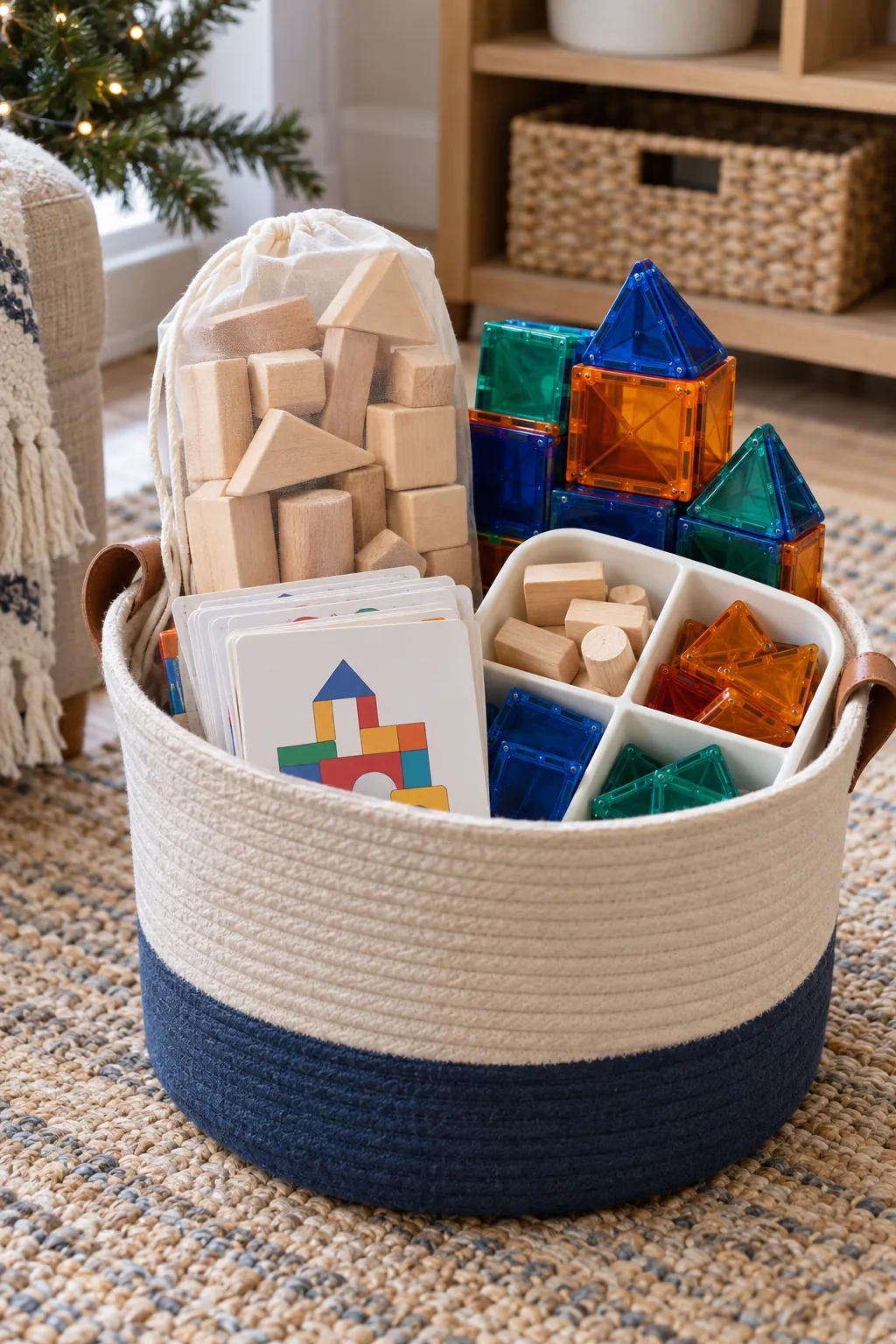
Movie Night Basket
A planned activity can feel generous without adding permanent clutter. Choose a film that suits the household and keep portions age appropriate. The throw can become the basket itself with a ribbon around it.
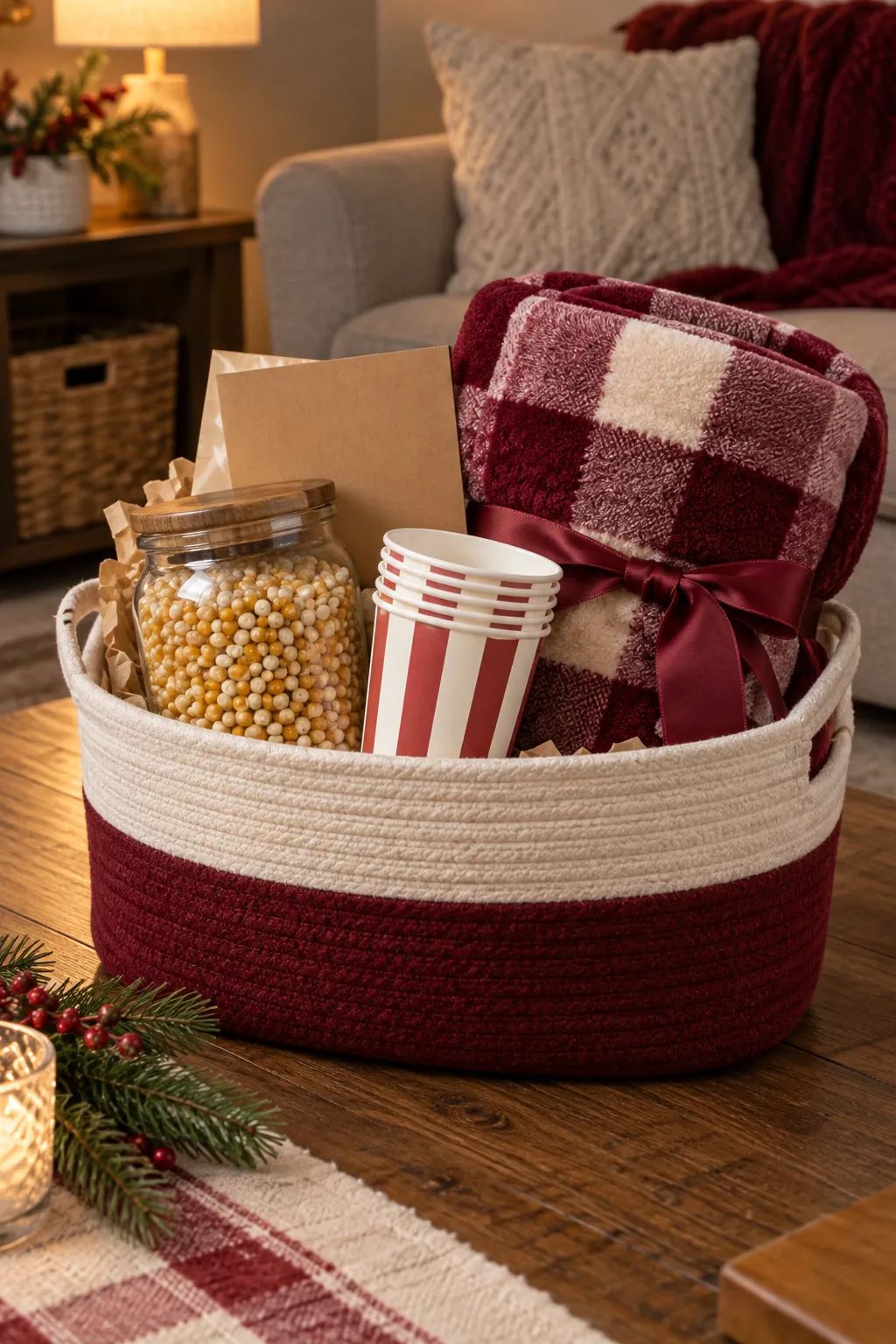
Baking Helper Basket
A short recipe gives the tools an immediate purpose. Measure ingredients into ordinary pantry portions rather than adding novelty sweets. An adult should handle heat and sharp tools while the child pours and stirs.
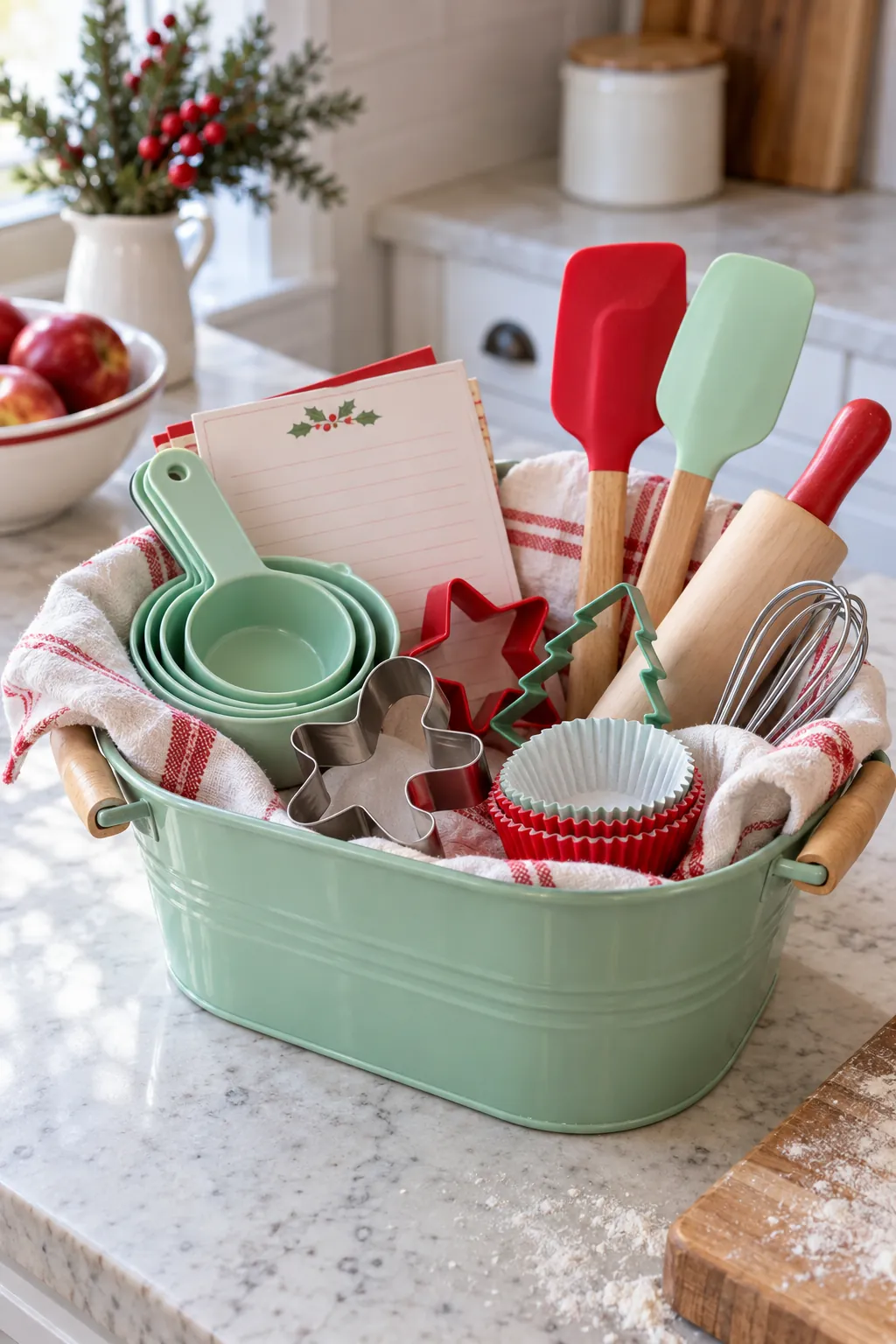
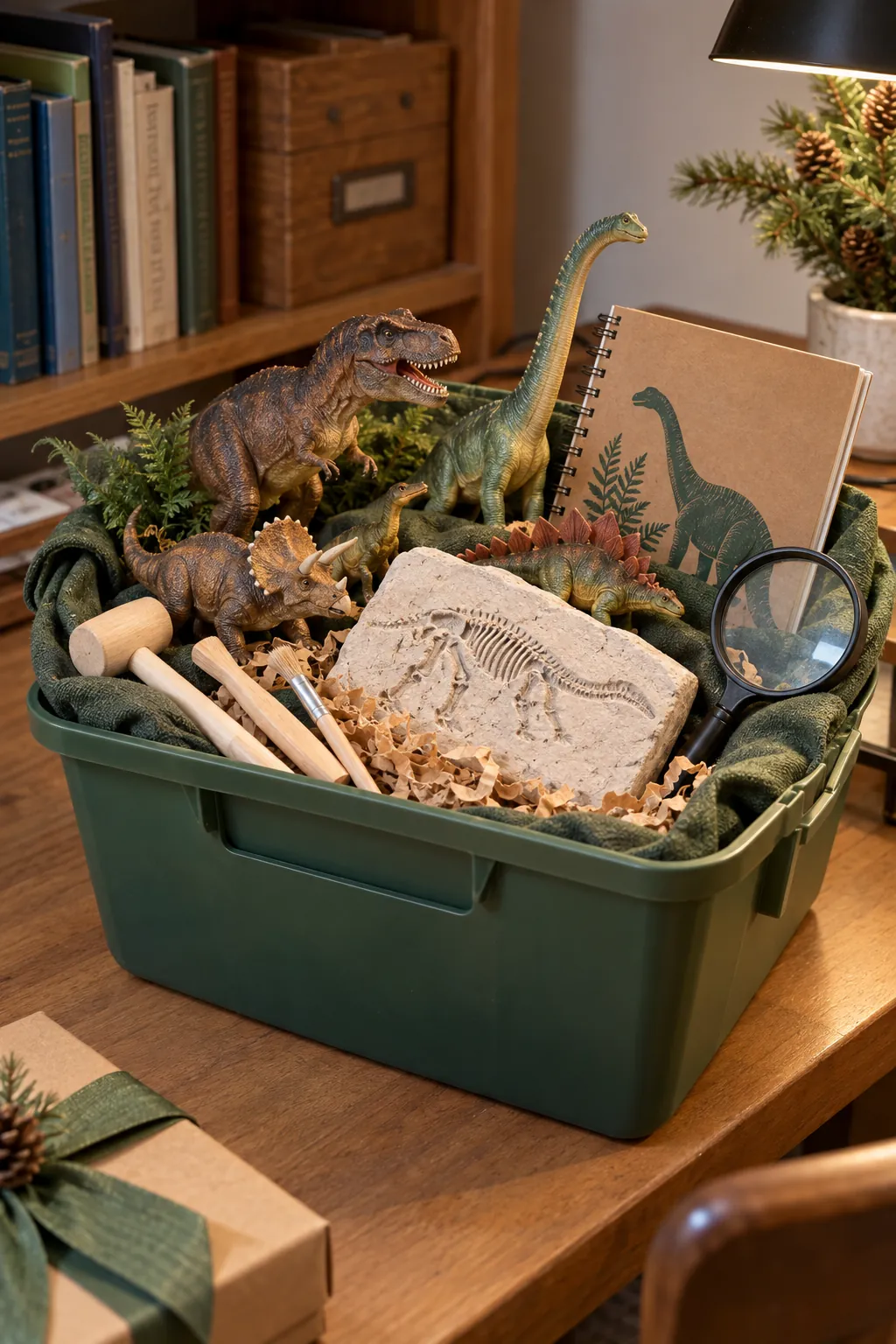
Dinosaur Discovery Basket
Pick figures that are large enough for the child and skip tiny fossils for younger recipients. The notebook invites observation instead of passive collecting. A magnifier also works outdoors after the dig is finished.
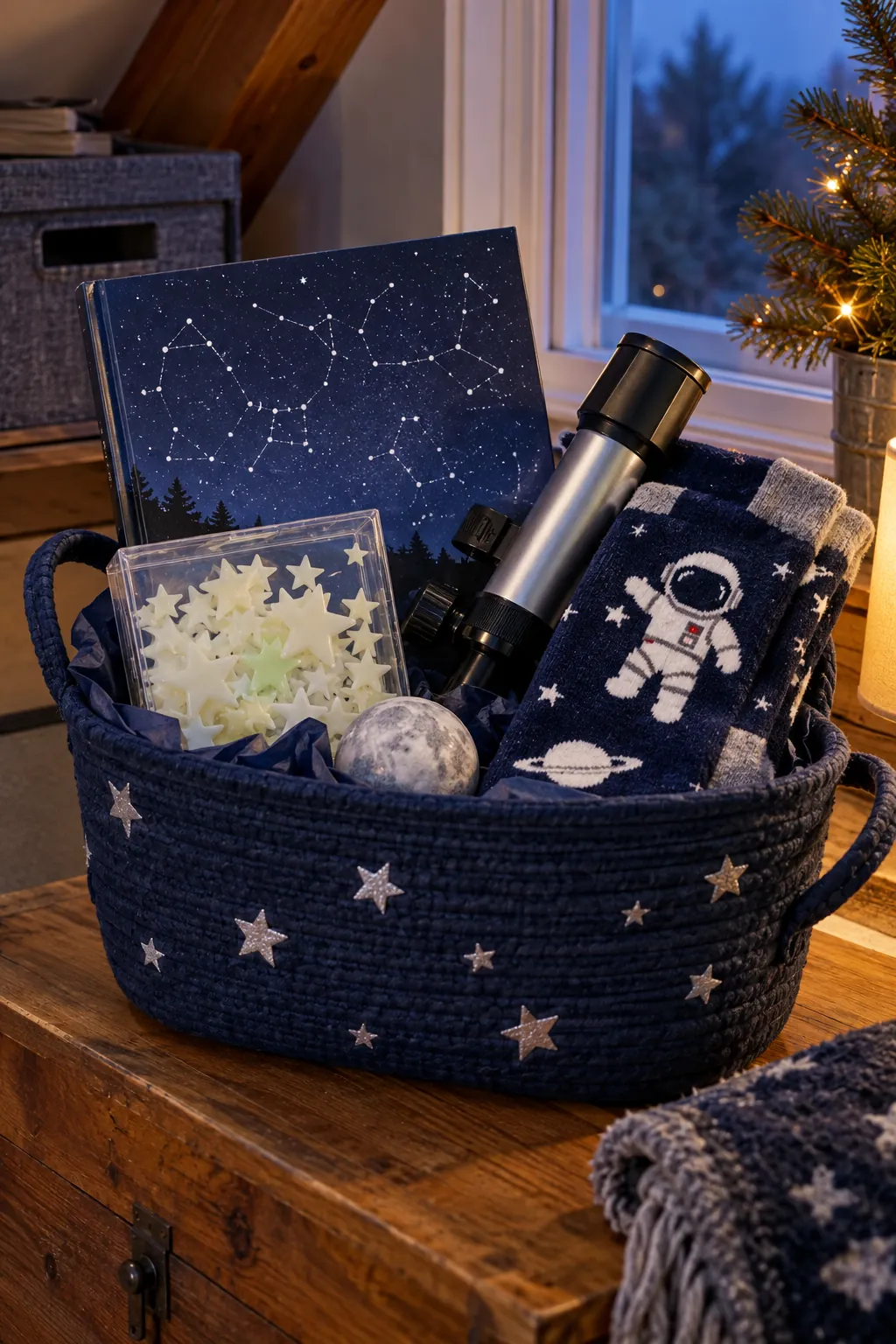
Space Explorer Basket
Use removable glow stars so the gift does not create a decorating problem. Pair the guide with a date when an adult can look at the sky with the child. Confirm that every optical accessory is safe for supervised use.
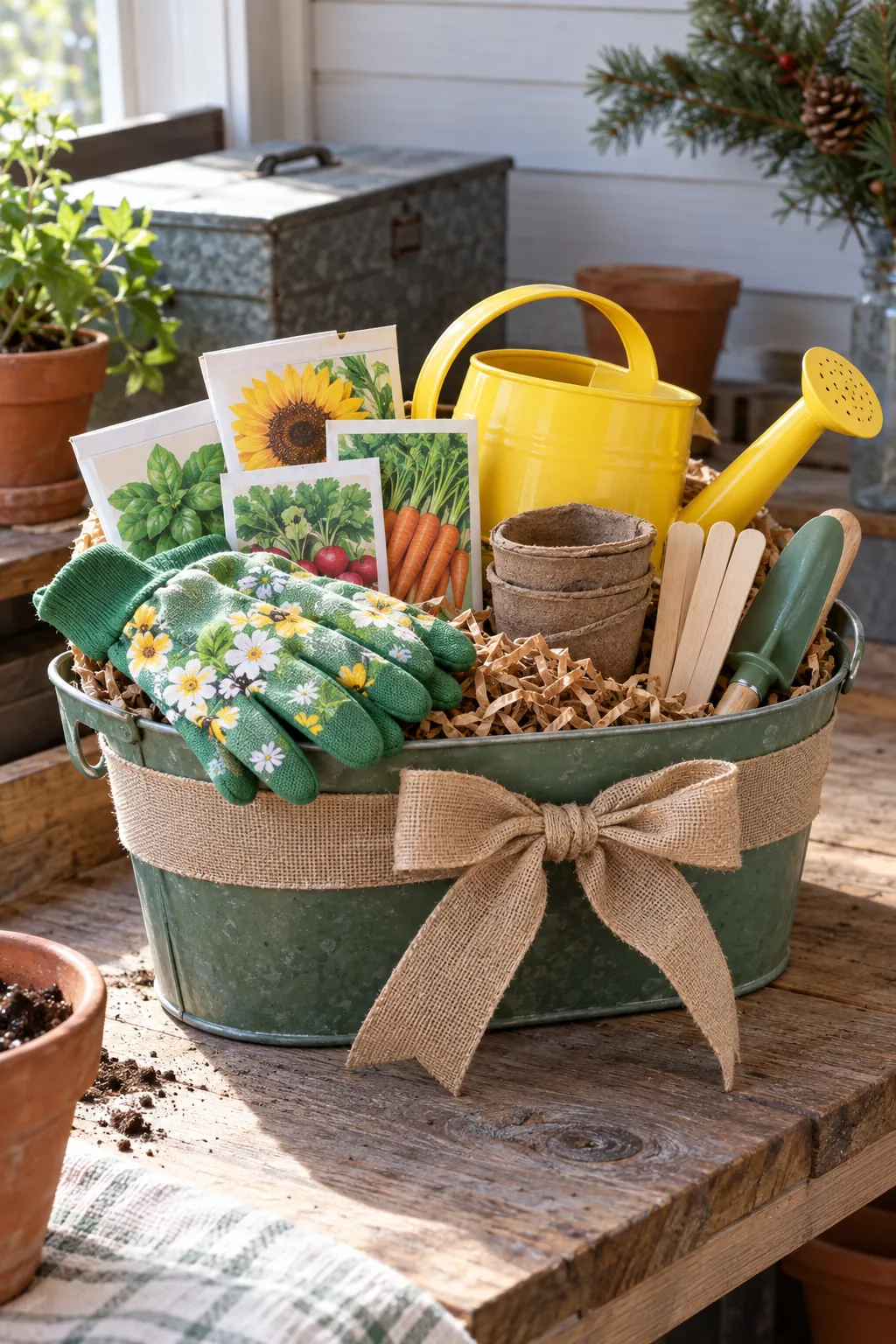
Garden Starter Basket
Fast sprouting seeds offer a better first experience than difficult varieties. Write the planting month on a separate tag so the family knows when to begin. Choose gloves that fit instead of oversized decorative ones.
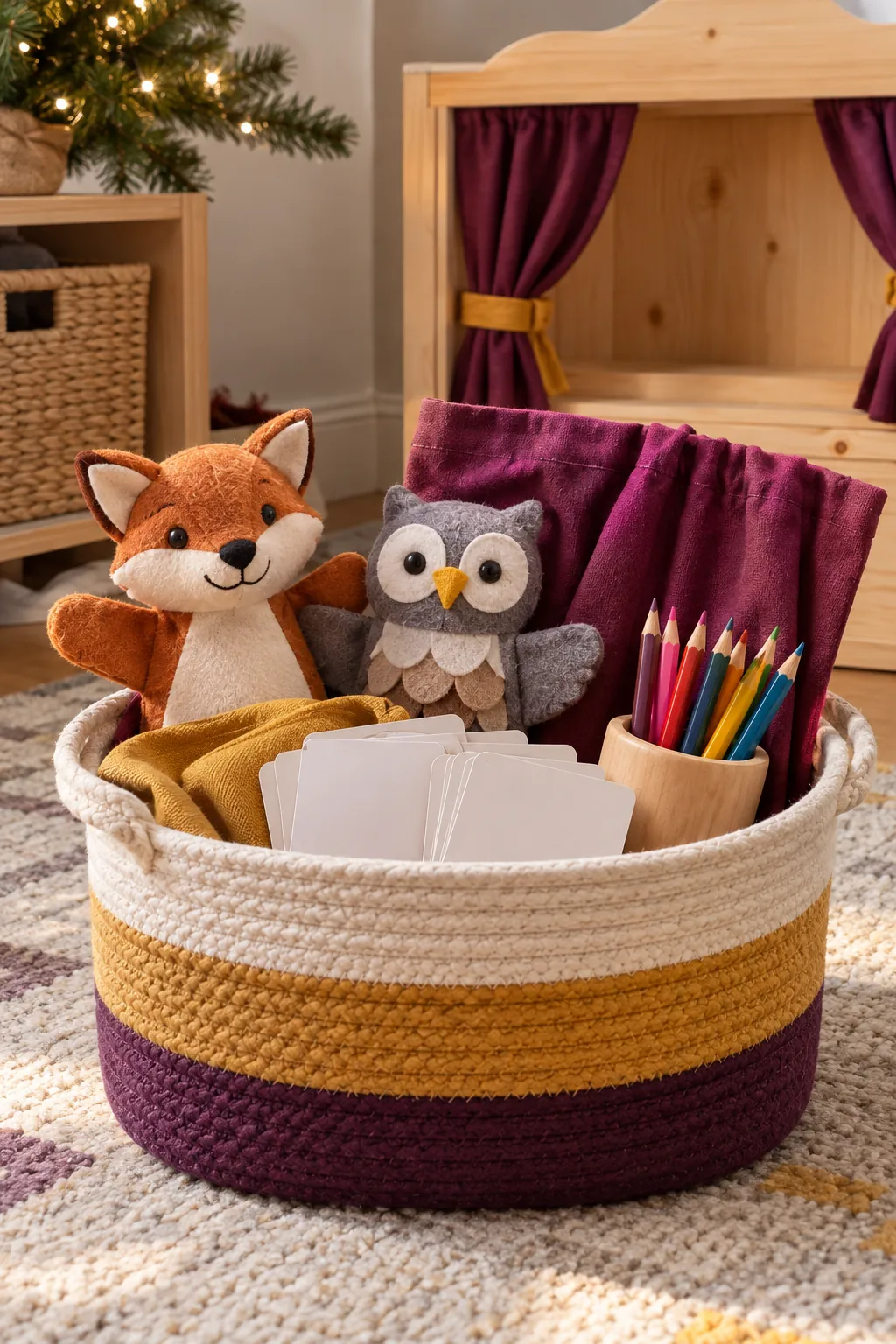
Puppet Story Basket
Two contrasting characters make it easier to invent a conversation. Blank cards let the child draw a beginning, middle, and ending. Keep cords and loose decorations out of the simple stage setup.
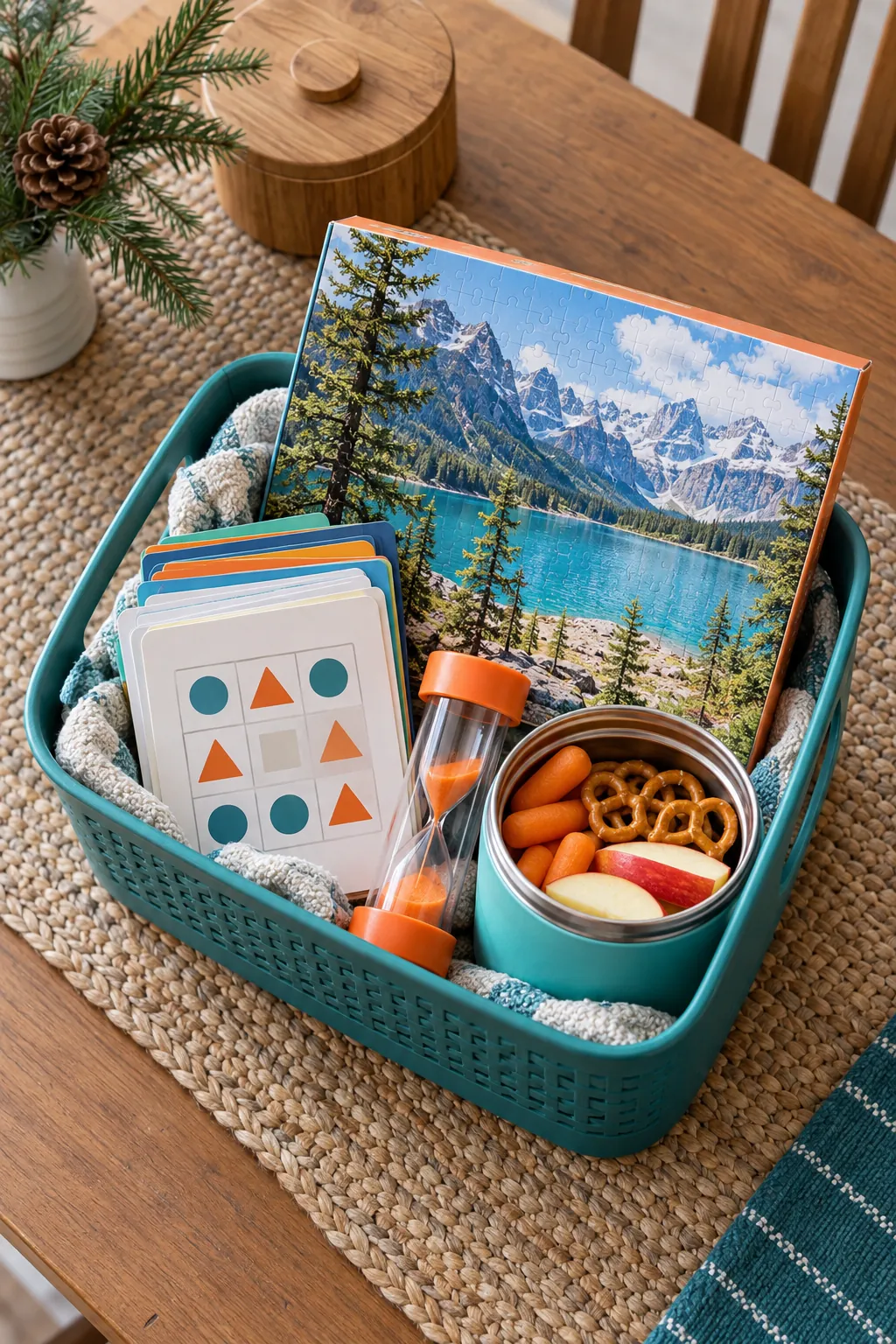
Puzzle Break Basket
Match the piece count to the child rather than choosing the largest box. Logic cards can extend the idea for older siblings. A lidded snack cup protects the pieces from crumbs and also serves a daily purpose.
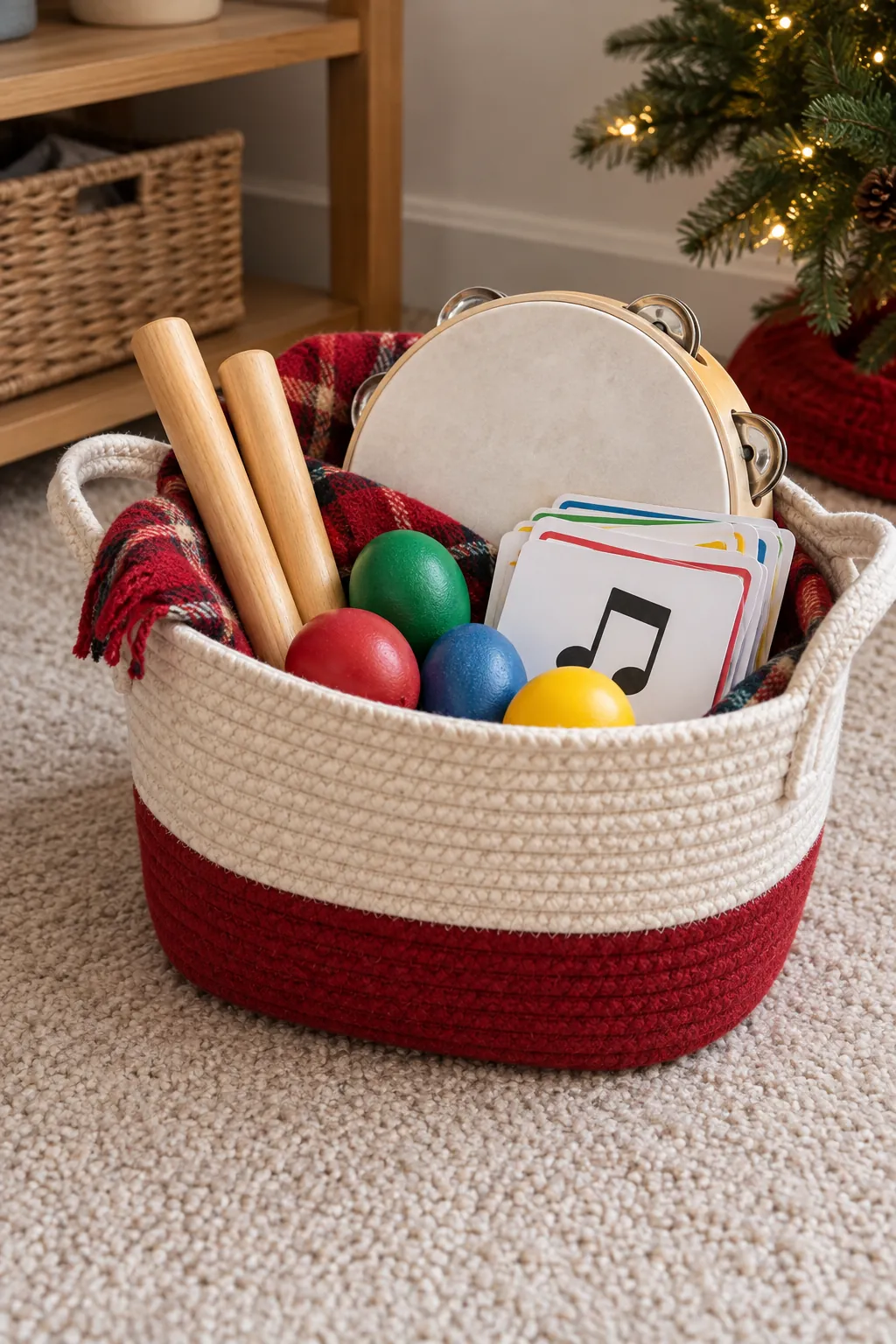
Music Maker Basket
Simple rhythm tools work for many ages and do not require lessons. Include a quiet play rule so the gift fits shared living spaces. Test every piece for secure parts before giving it to a young child.
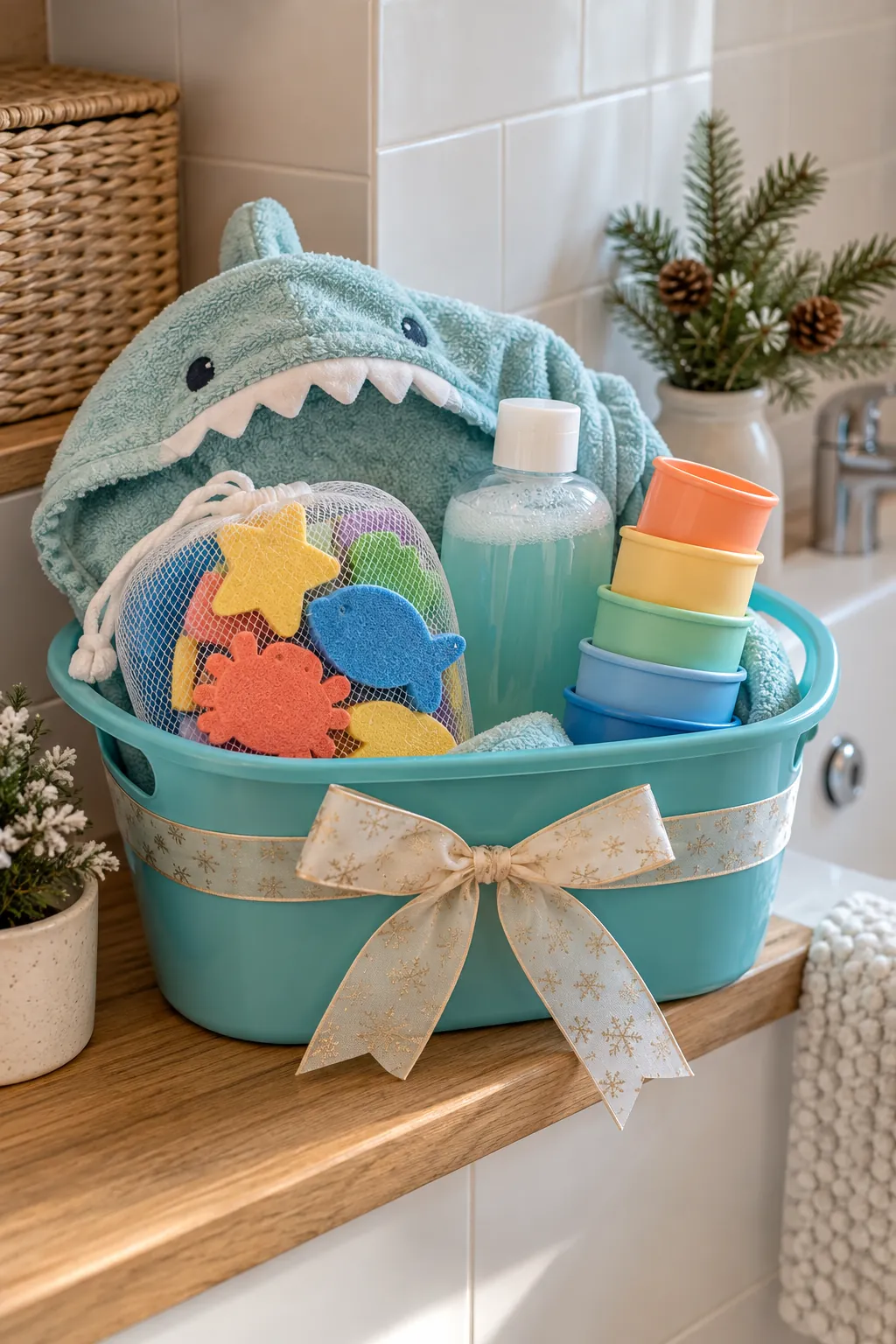
Bath Time Fun Basket
Ask the parent about skin sensitivity before choosing scented products. A hooded towel is practical and creates the basket shape. Drain and dry the toys after use so they do not trap water.
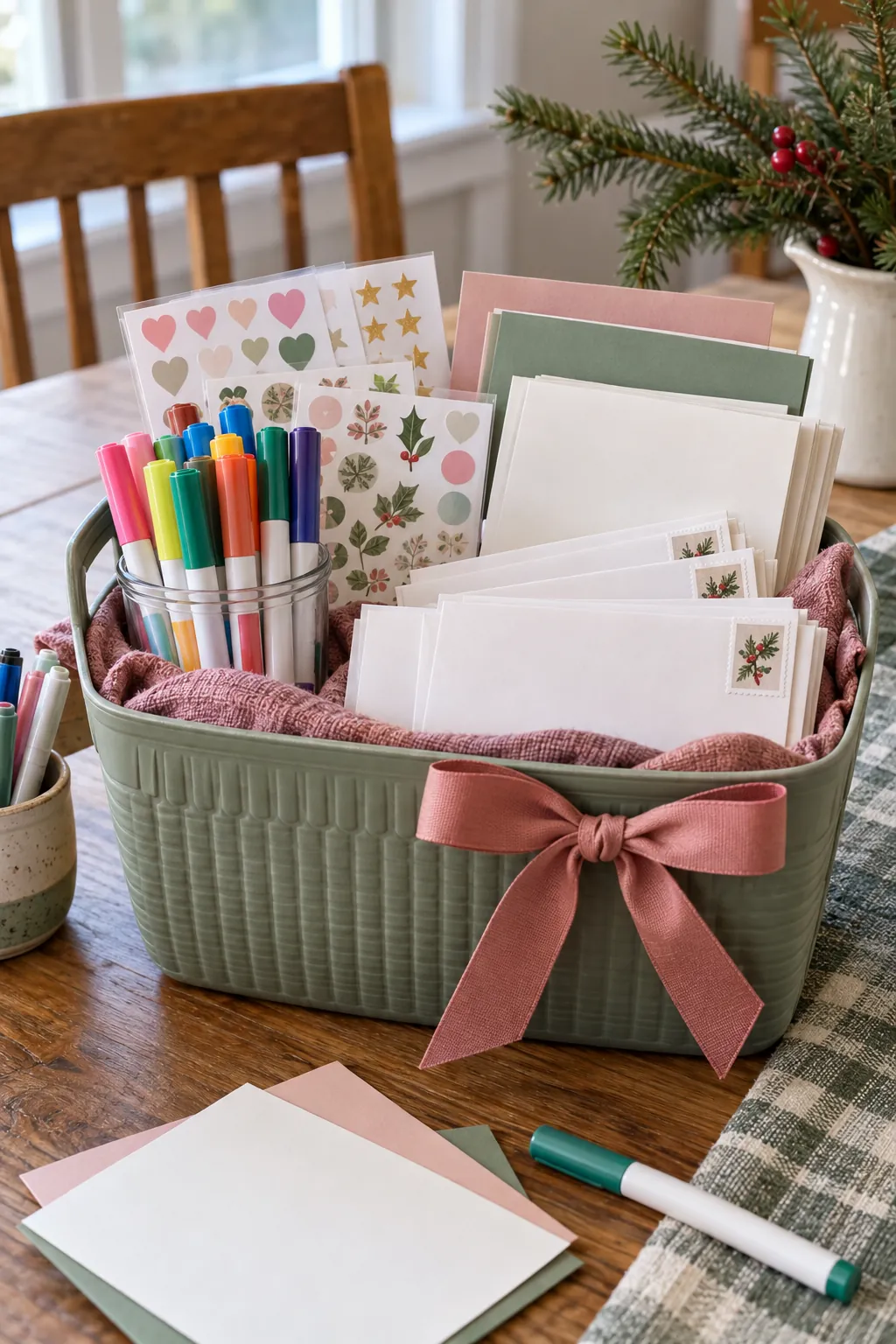
Kindness Project Basket
The child can make thank you notes or cheerful cards for relatives. Preaddressed envelopes remove a barrier without dictating the message. Keep the activity voluntary and let the child choose whom to encourage.
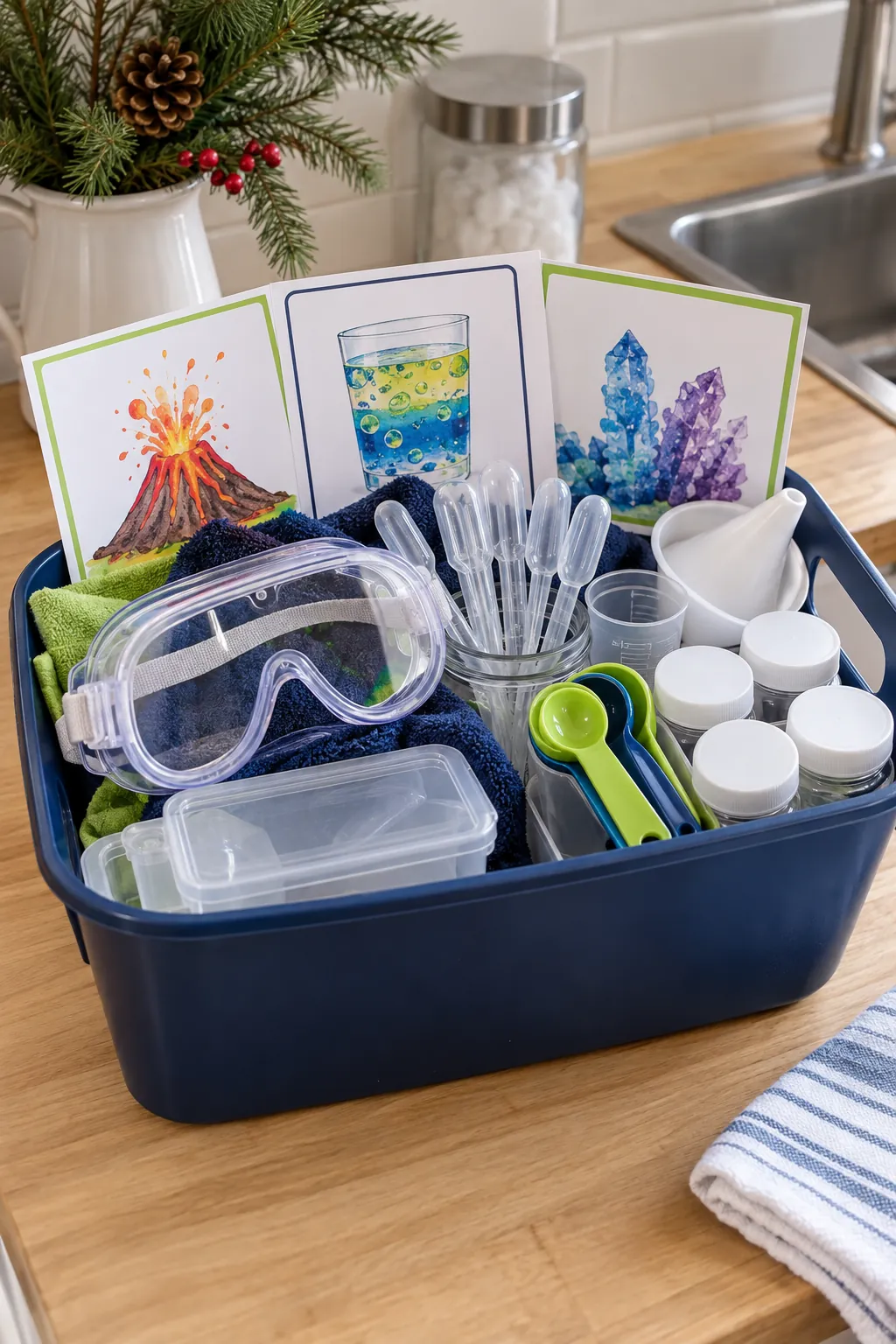
Science Experiment Basket
Use household ingredients named on the activity cards and avoid dramatic claims. Goggles model careful habits even for simple mixing. An adult should review every activity and manage anything hot, sharp, or reactive.
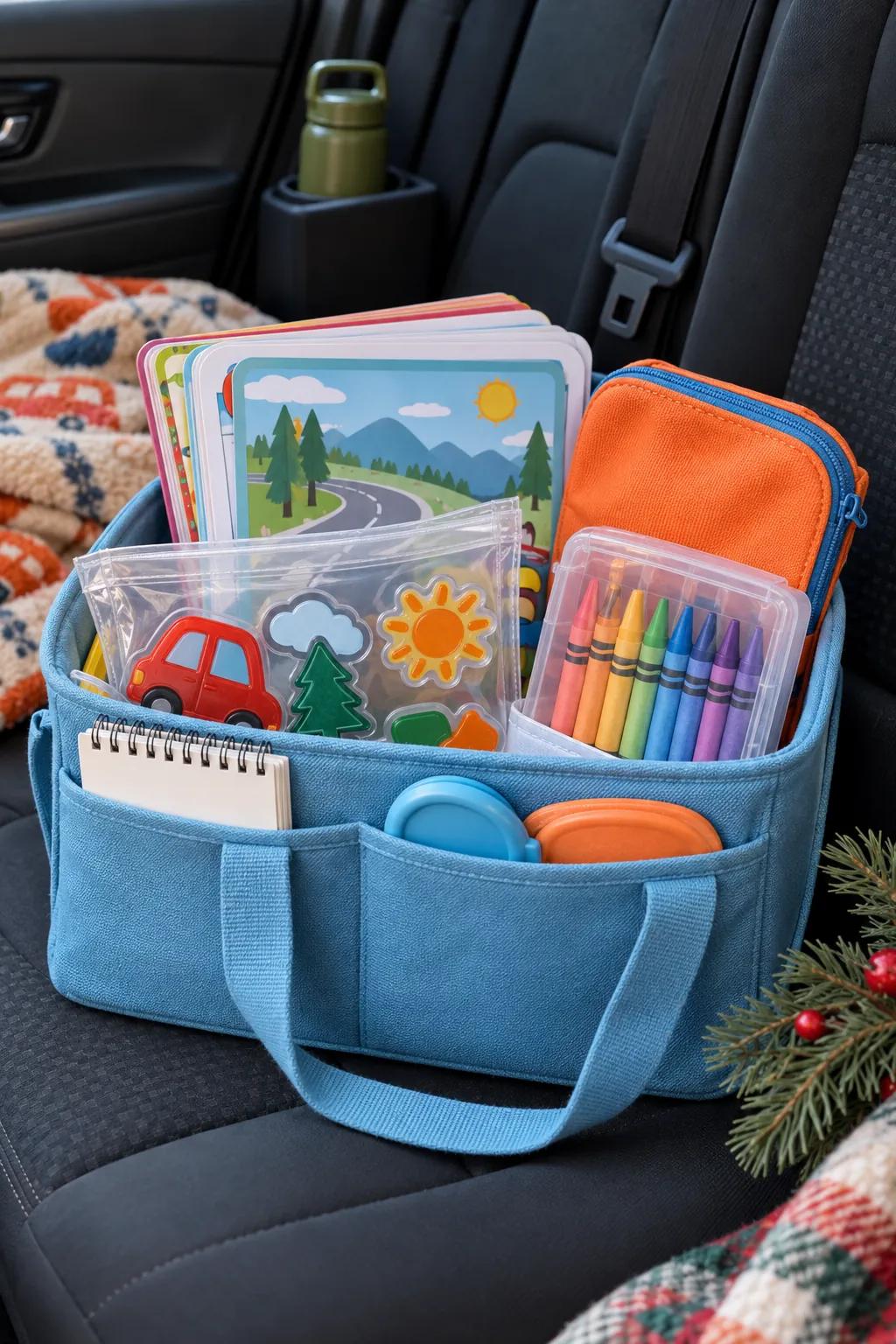
Road Trip Quiet Basket
Choose activities that do not contain loose pieces likely to disappear under a seat. A zip pouch keeps the set together between trips. Window clings should stay on side windows and never block the driver’s view.
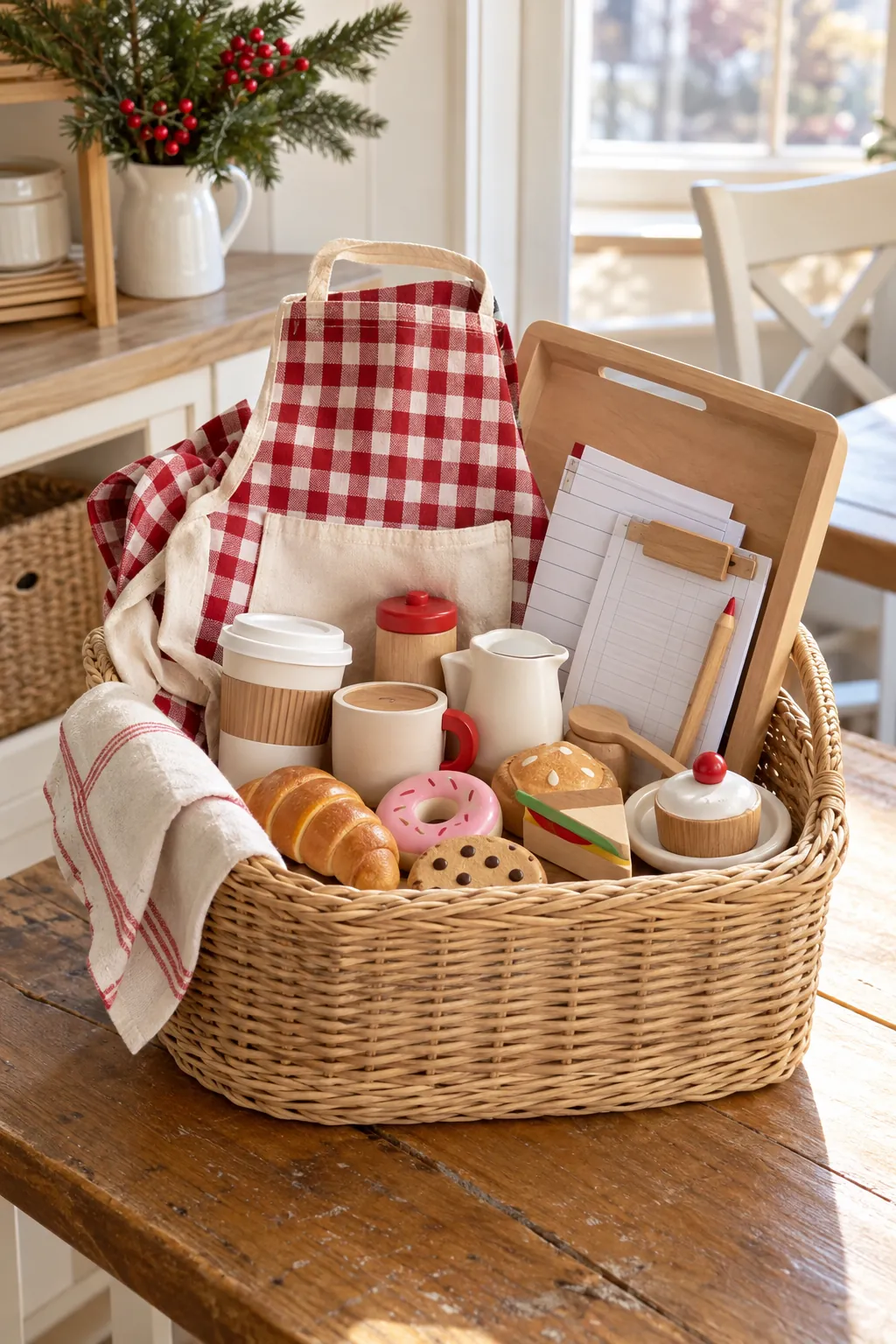
Pretend Cafe Basket
Wooden food and an order pad support repeat play without batteries. Add foods the child recognizes from home. The tray should be light, stable, and free from sharp edges.
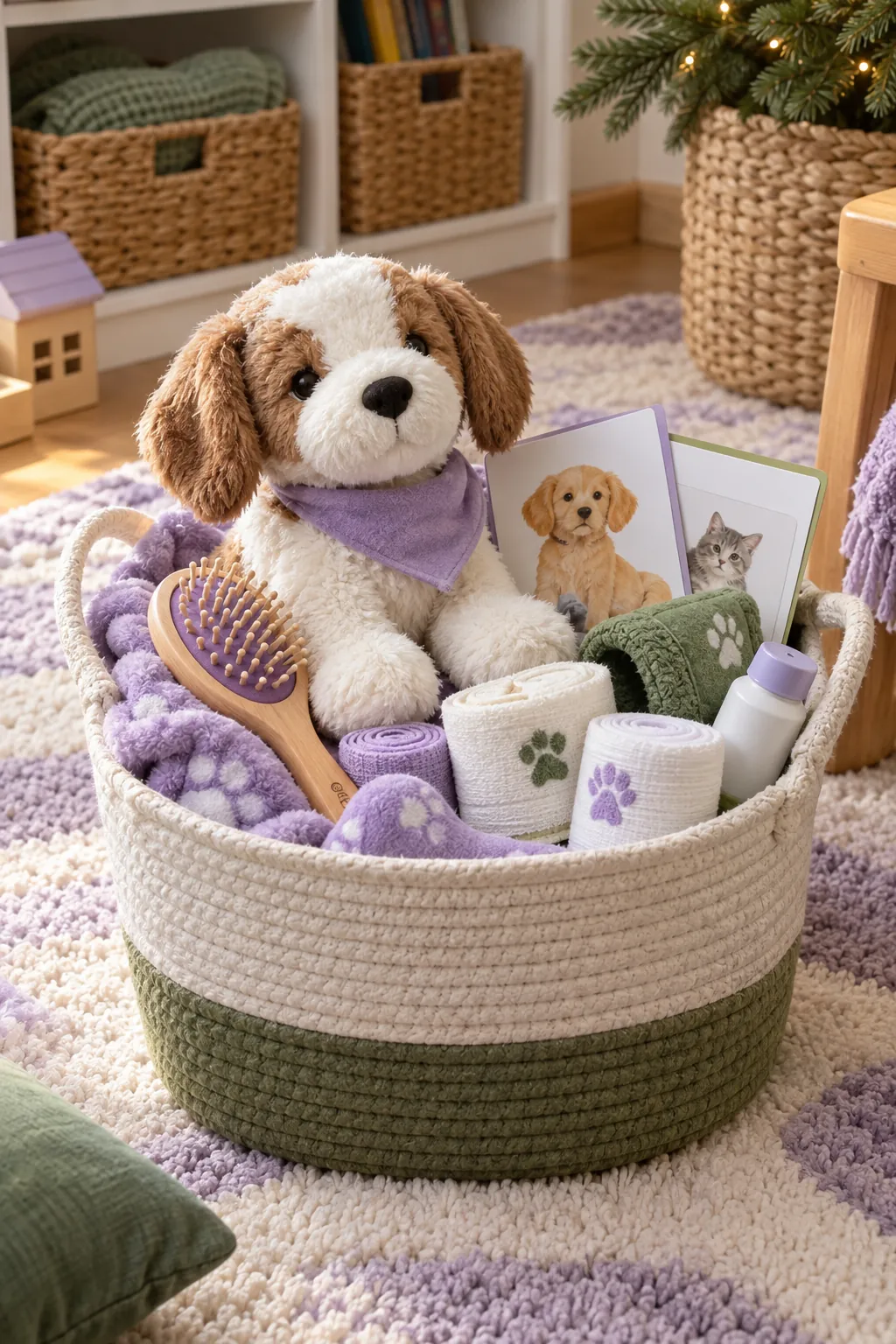
Animal Care Basket
Pretend care play can help a child practice gentle routines. The plush animal gives every tool a clear purpose. Keep wraps loose and never use them on a real pet without adult guidance.
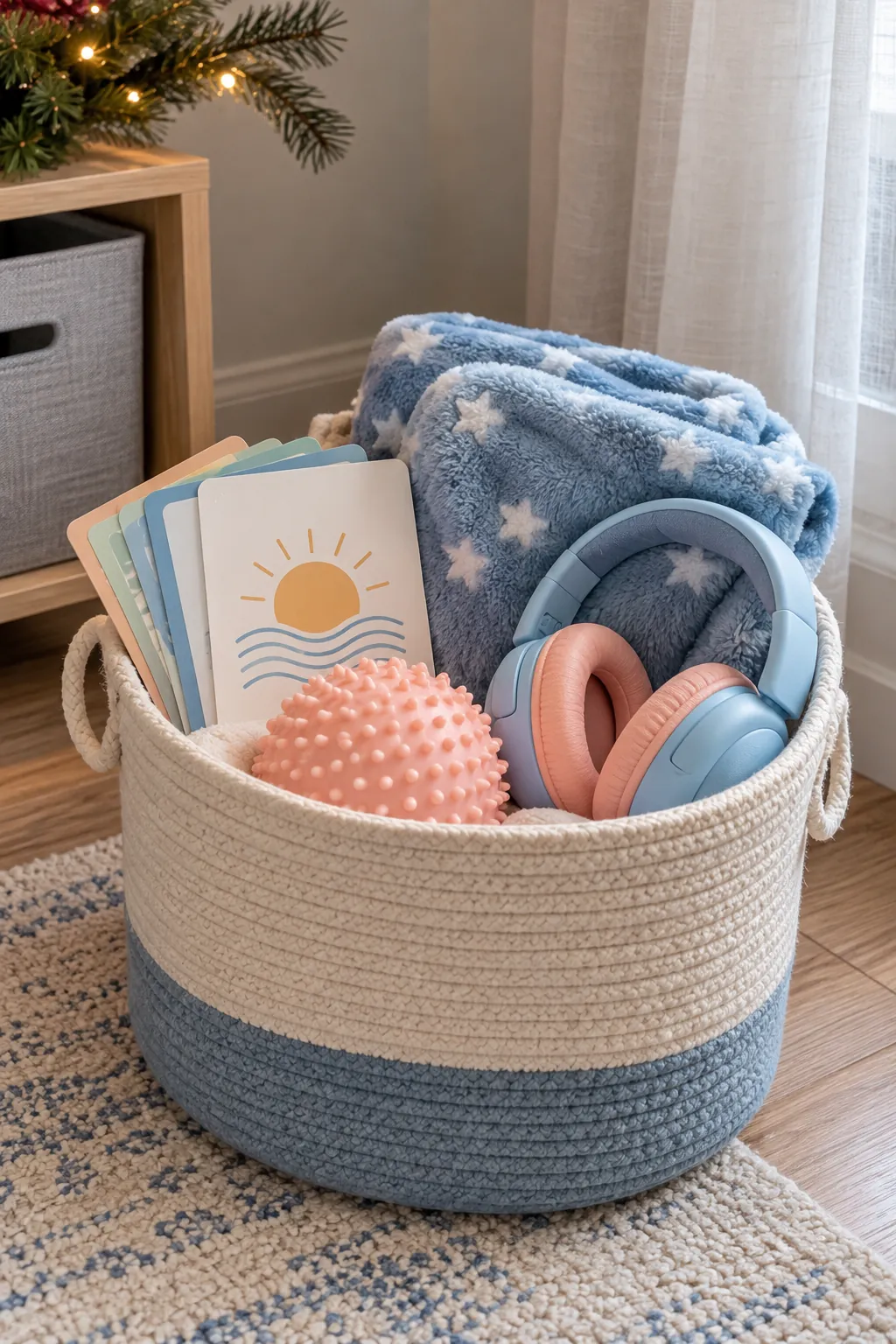
Calm Corner Basket
A calm basket is not a punishment box. Invite the child to try each item while already settled so it feels familiar later. Confirm headphone volume limits and avoid promising that one tool will solve every hard feeling.
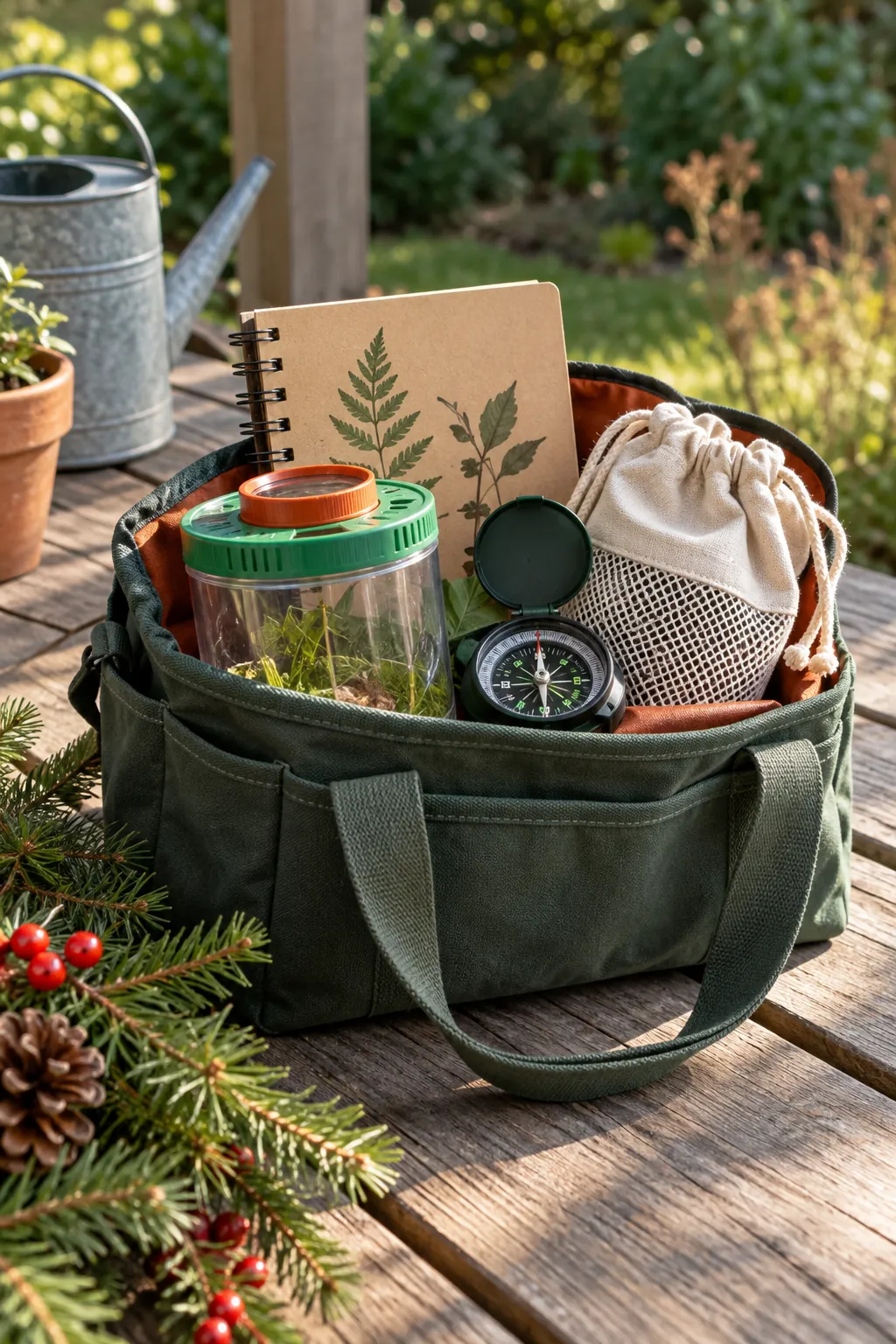
Outdoor Explorer Basket
A nature journal makes ordinary walks feel purposeful. Teach the child to look closely and release living creatures where they were found. Check the pouch before bringing it indoors.
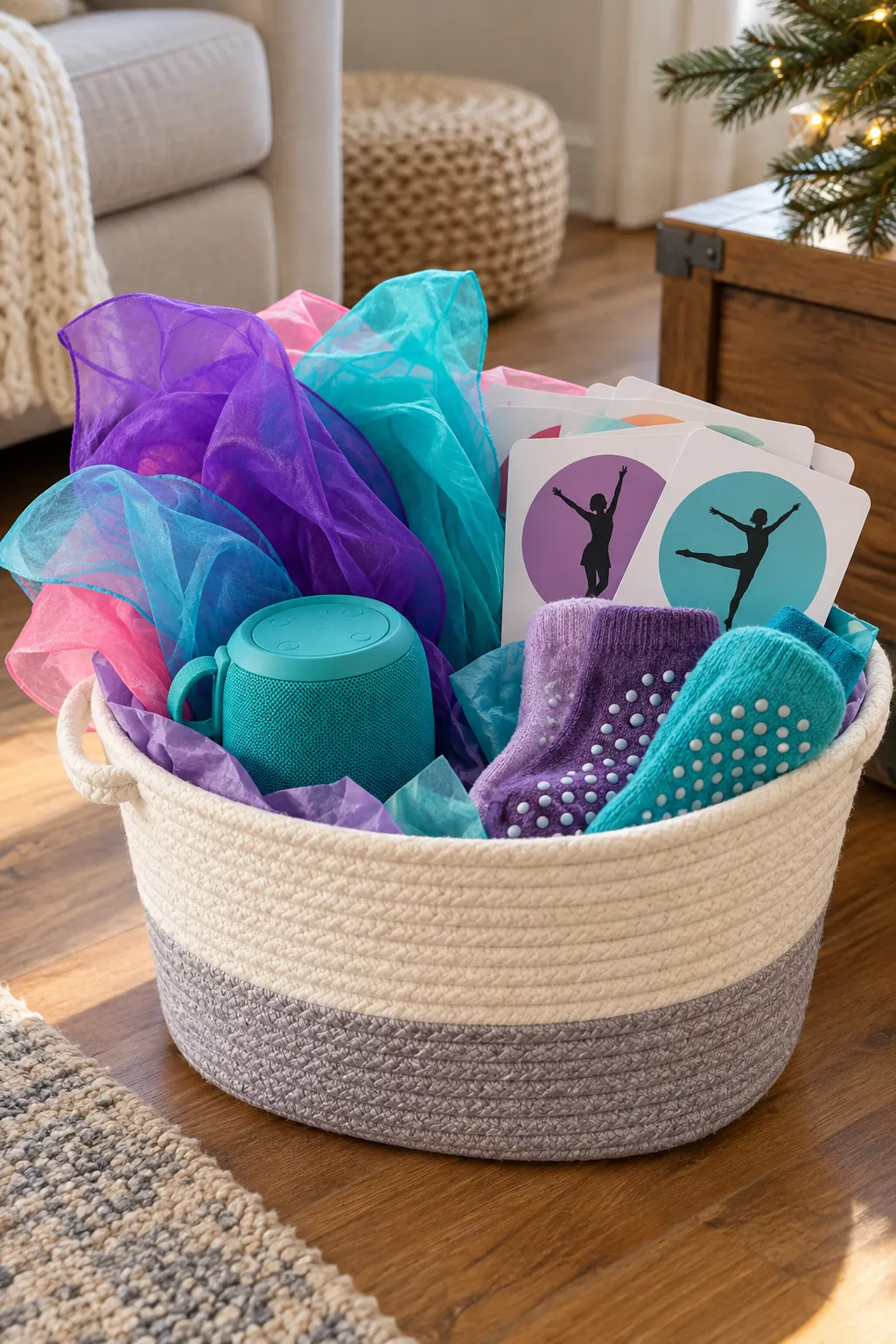
Dance Party Basket
Scarves create movement without requiring formal steps. Pick a speaker with simple volume controls and set a household friendly limit. Clear the floor before play so the activity has safe space.
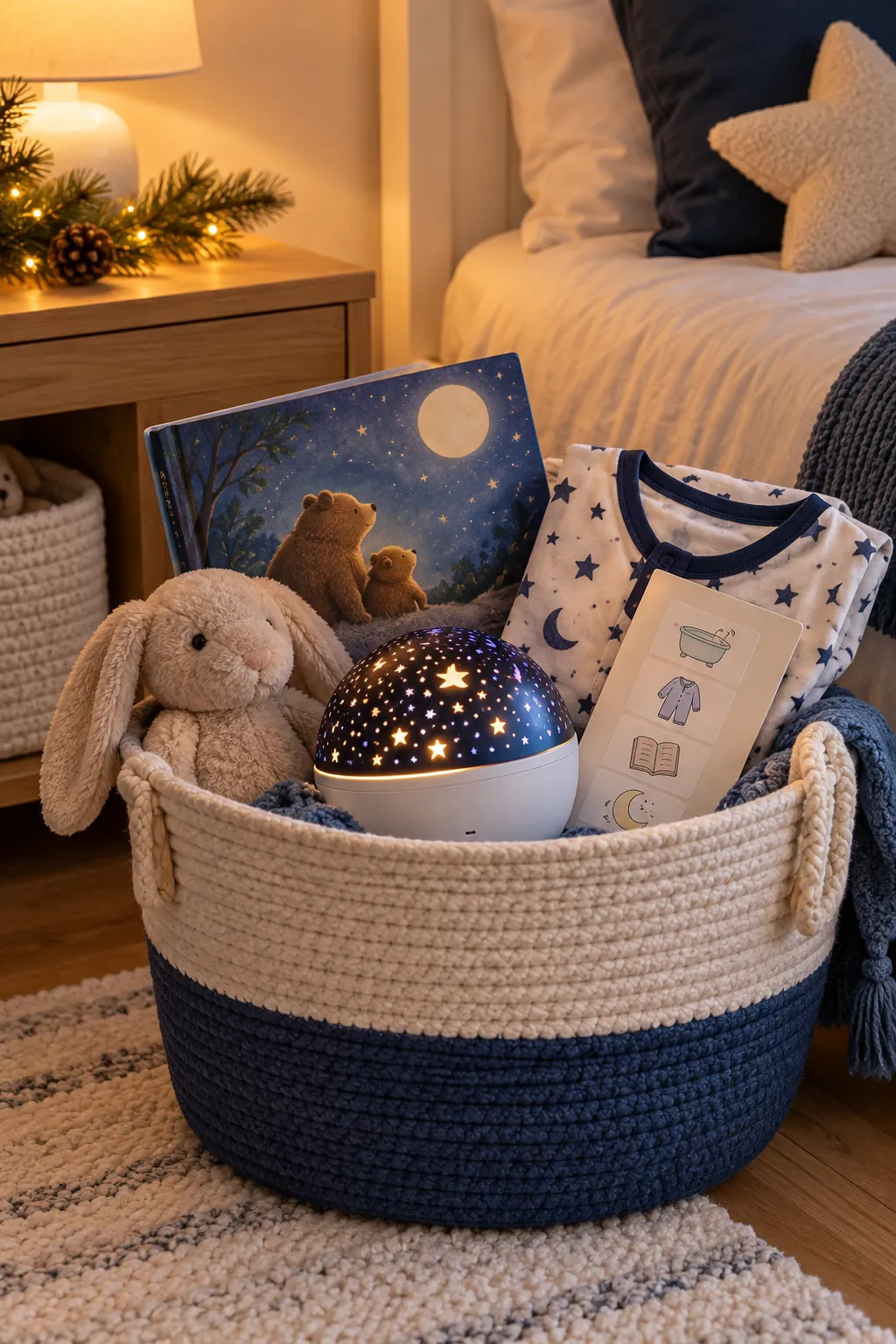
Bedtime Wind Down Basket
The routine card should show a few steps that fit the family’s real evening. Soft pajamas need the correct size and season. A gentle projector works best as a brief cue rather than an all night distraction.
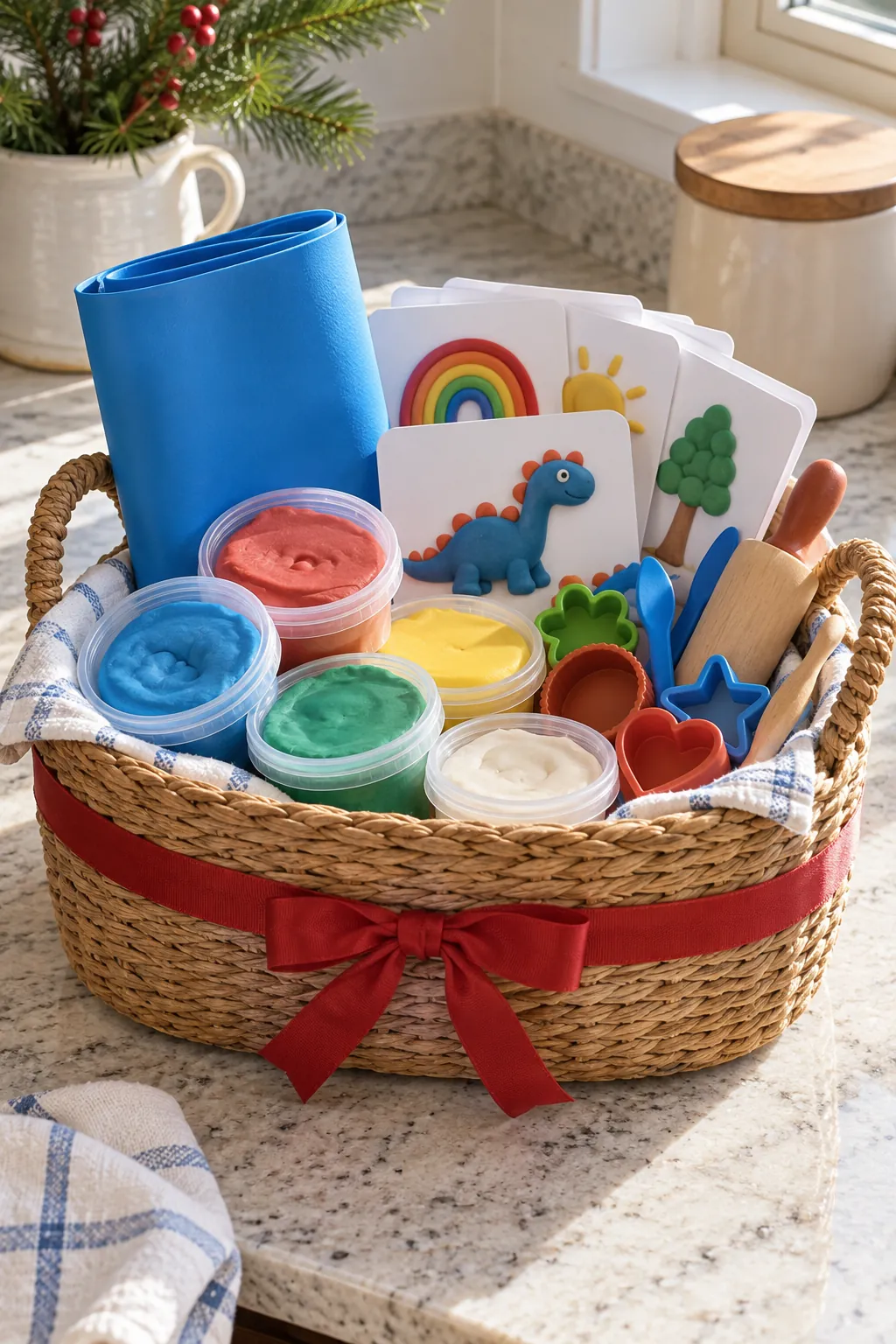
Clay Play Basket
Select clay marked for the child’s age and store colors in sealed cups. A washable mat protects the table and defines the work area. Shape tools should have rounded edges.
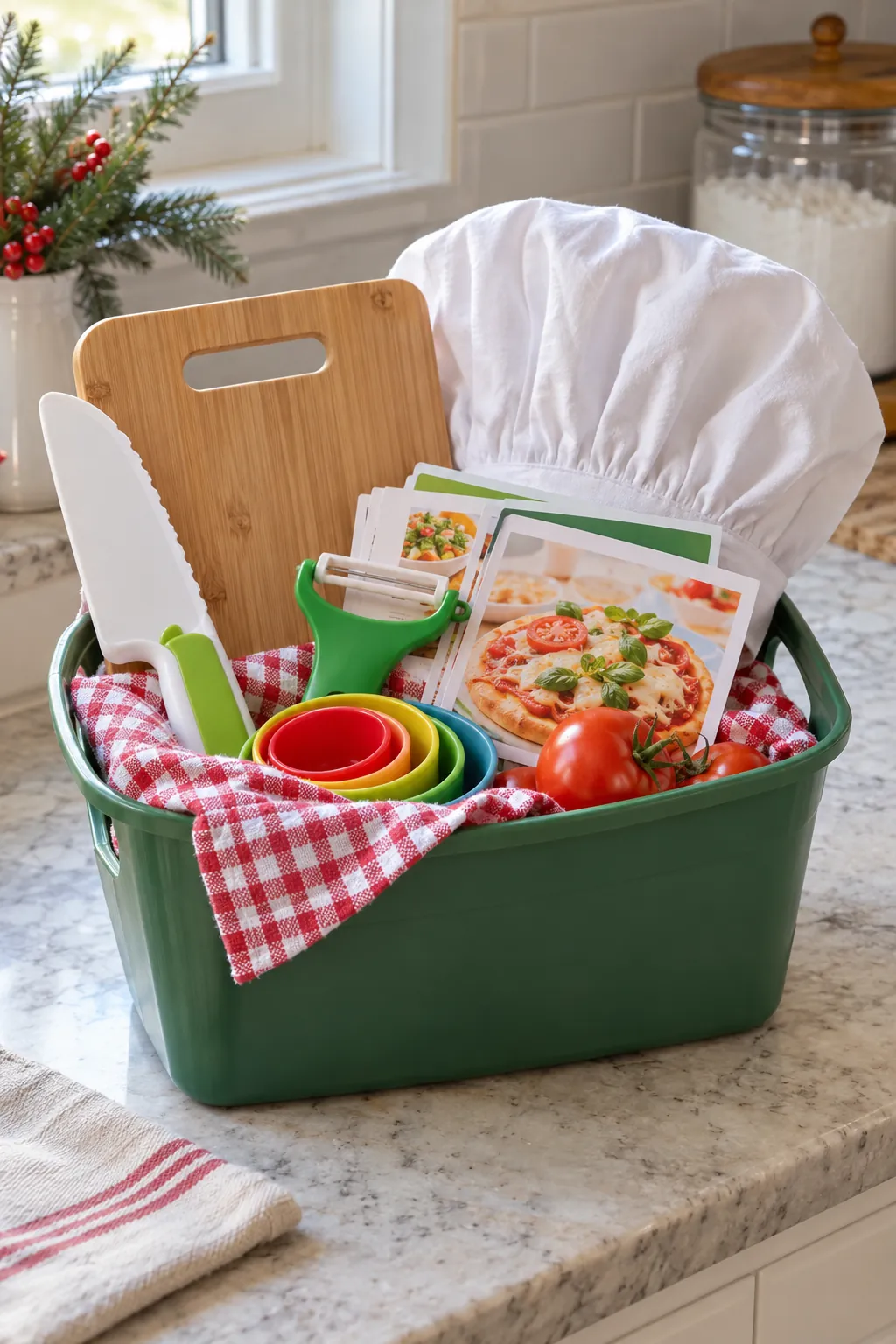
Junior Chef Basket
Food preparation builds confidence when the tools match the child’s skill. Include a recipe with only a few supervised steps. Ask about allergies and never treat a child safe knife as supervision free.
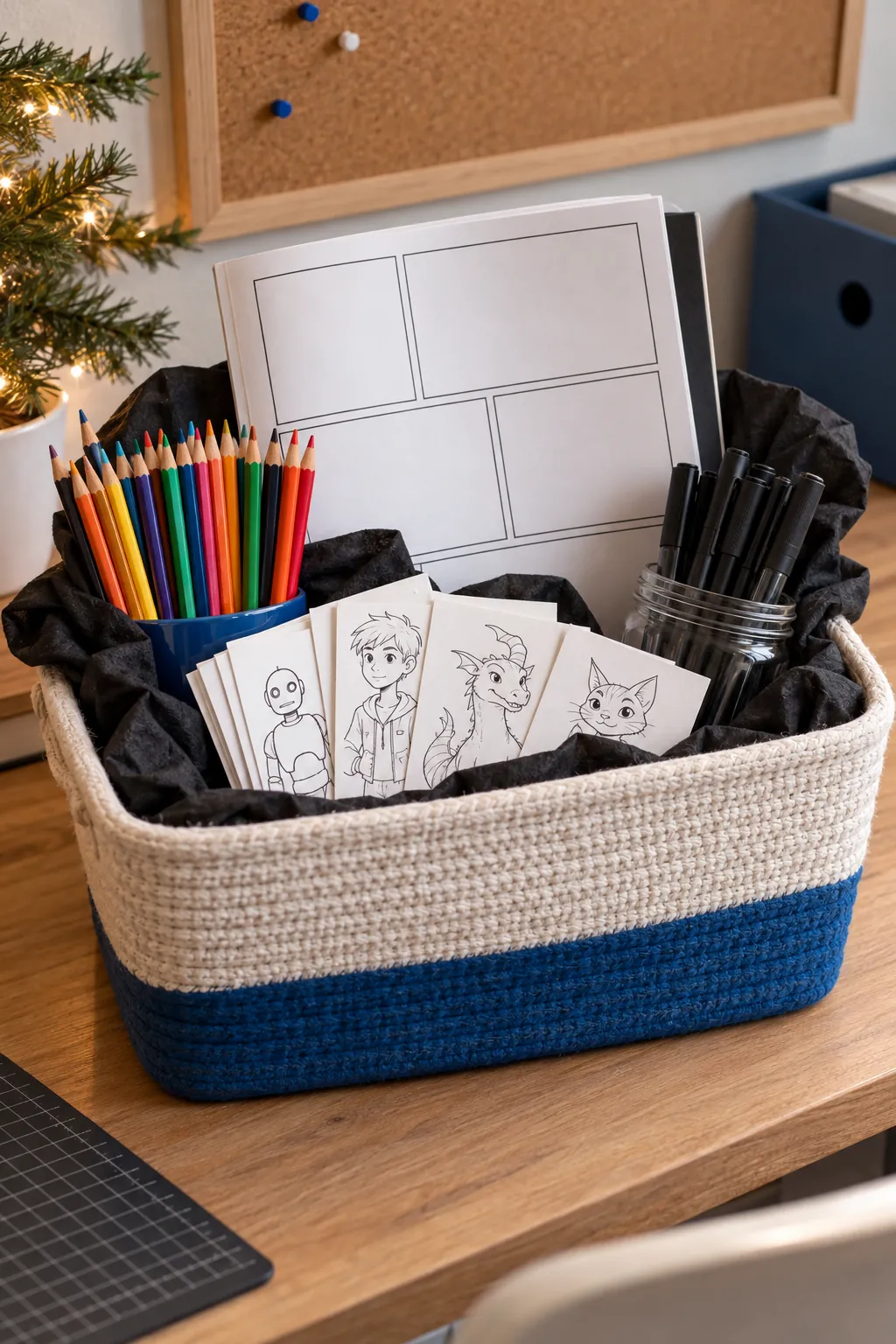
Comic Creator Basket
Prompt cards can suggest a hero, setting, and problem without writing the story for the child. Good black liners make drawings feel finished. Avoid permanent markers when the work surface is shared.
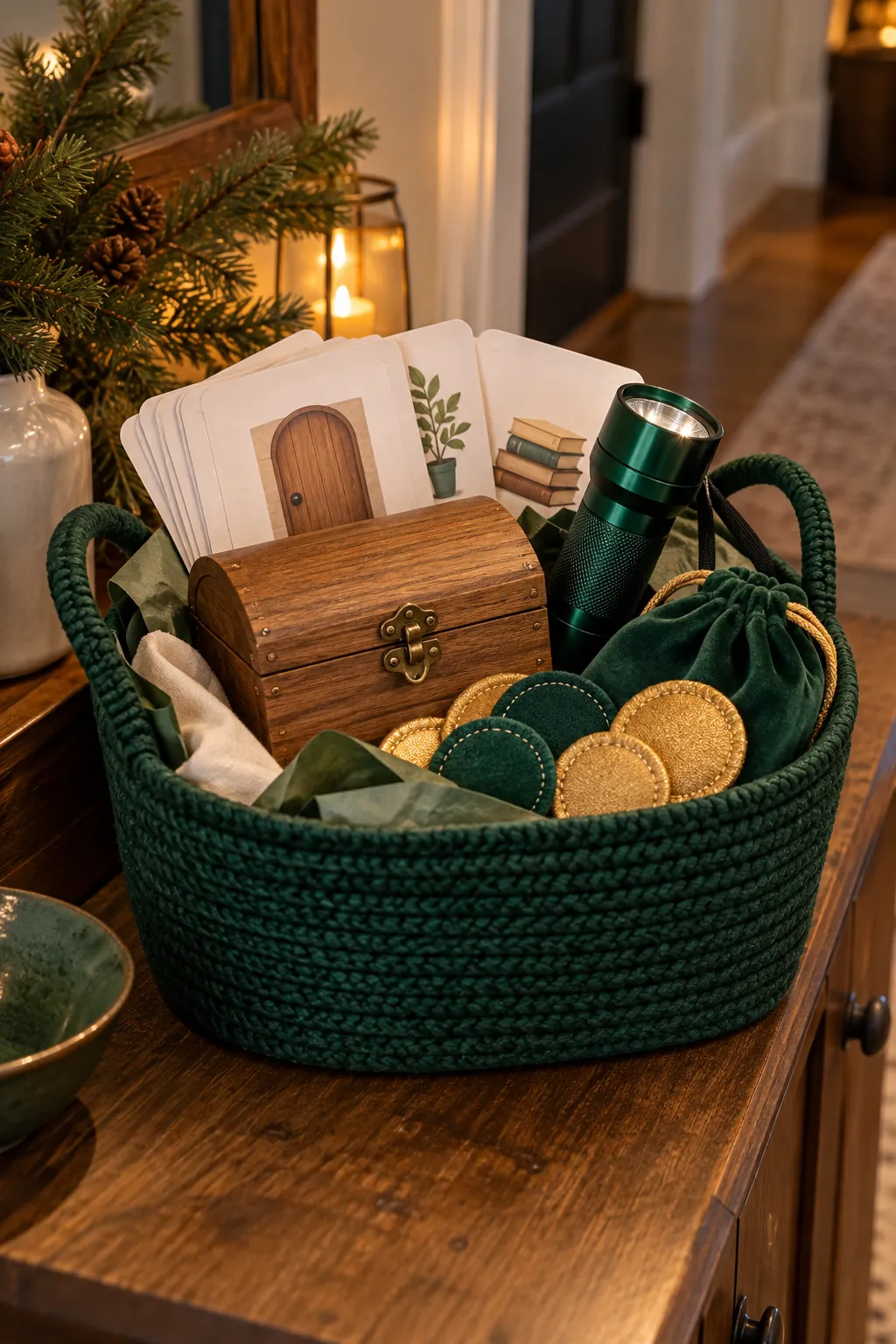
Treasure Hunt Basket
Keep clues inside familiar safe spaces and write them for the child’s reading ability. A flashlight adds drama but should not become a reason to enter unsafe rooms. Reusable tokens prevent the game from depending on candy.
Grow With Me Basket
Focus the cards on skills the child wants to practice, not adult pressure. The measuring ribbon can record growth without comparing siblings. A keepsake tin gives small memories one defined home.