
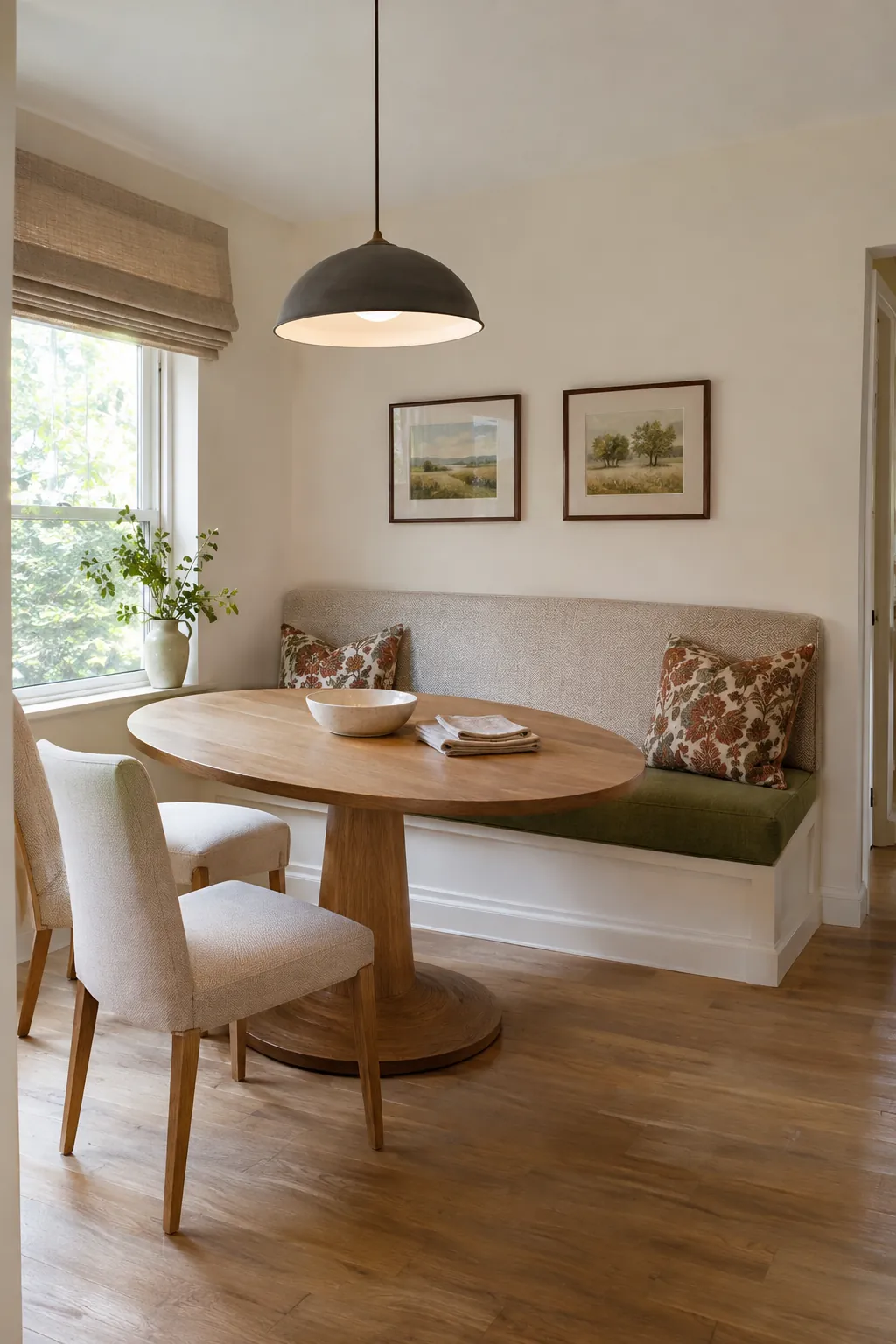
Bench seating can free a tight room, but it can also create a place that looks welcoming and feels awkward to use. The difference comes from matching the bench to a real activity, leaving an easy route in and out, and choosing soft materials that stay comfortable through a meal or a quiet hour by the window.
Give the bench one clear purpose
Decide whether the bench will support daily dining, occasional guests, reading, dressing, or entryway tasks. A dining nook bench needs upright comfort and table access, while a window seat can be deeper and more relaxed. This decision controls the seat depth, back support, lighting, and type of accessories that belong there.
A movable bench is often the safer choice when the room must change for larger gatherings. Built in bench seating works best when the same corner serves the same purpose every day. Avoid adding a permanent banquette only to fill an empty wall.
Build comfort into the back and seat
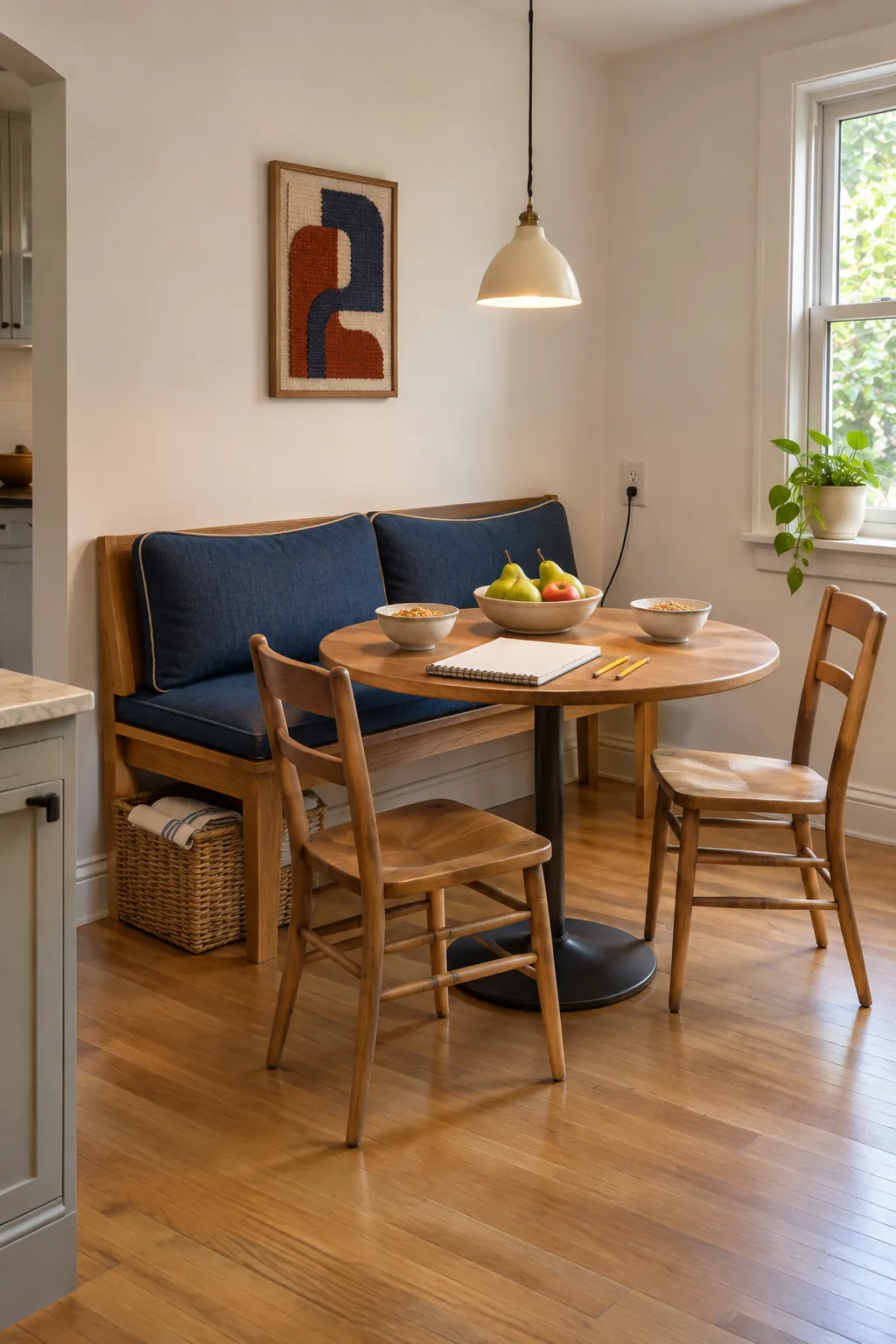
A thin pad on a hard box does not create comfortable seating. Use resilient seat foam with enough depth to support the body without making feet dangle. Add a proper upholstered back or firm back cushions so people do not lean against a cold wall or projecting window sill.
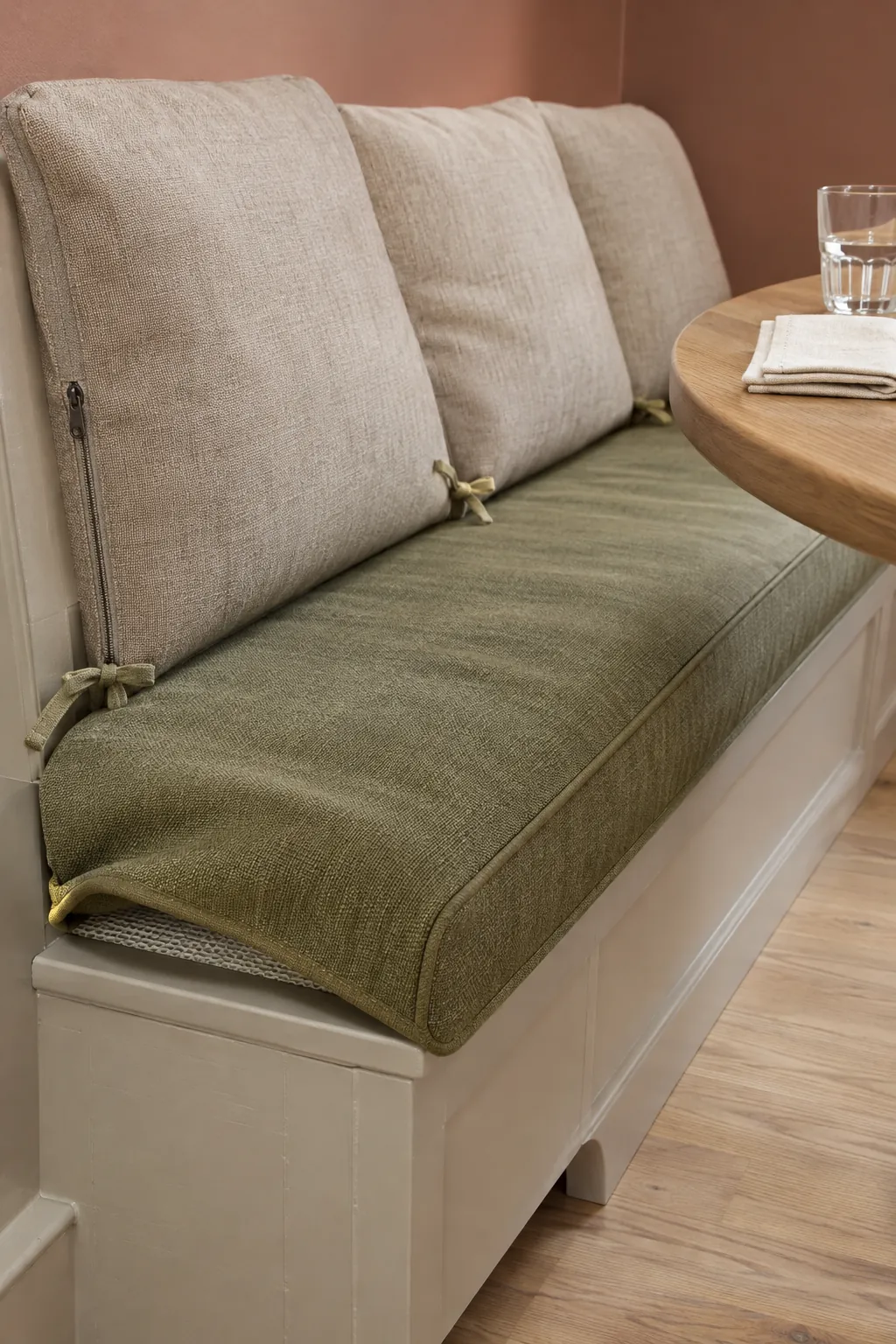
Keep the cushion from sliding with a fitted cover, discreet ties, or a nonslip layer. Test the finished height against the table before ordering custom cushions because the foam changes the sitting position. Removable covers make daily use much easier in a kitchen or family dining space.
Pair it with a table that allows easy entry
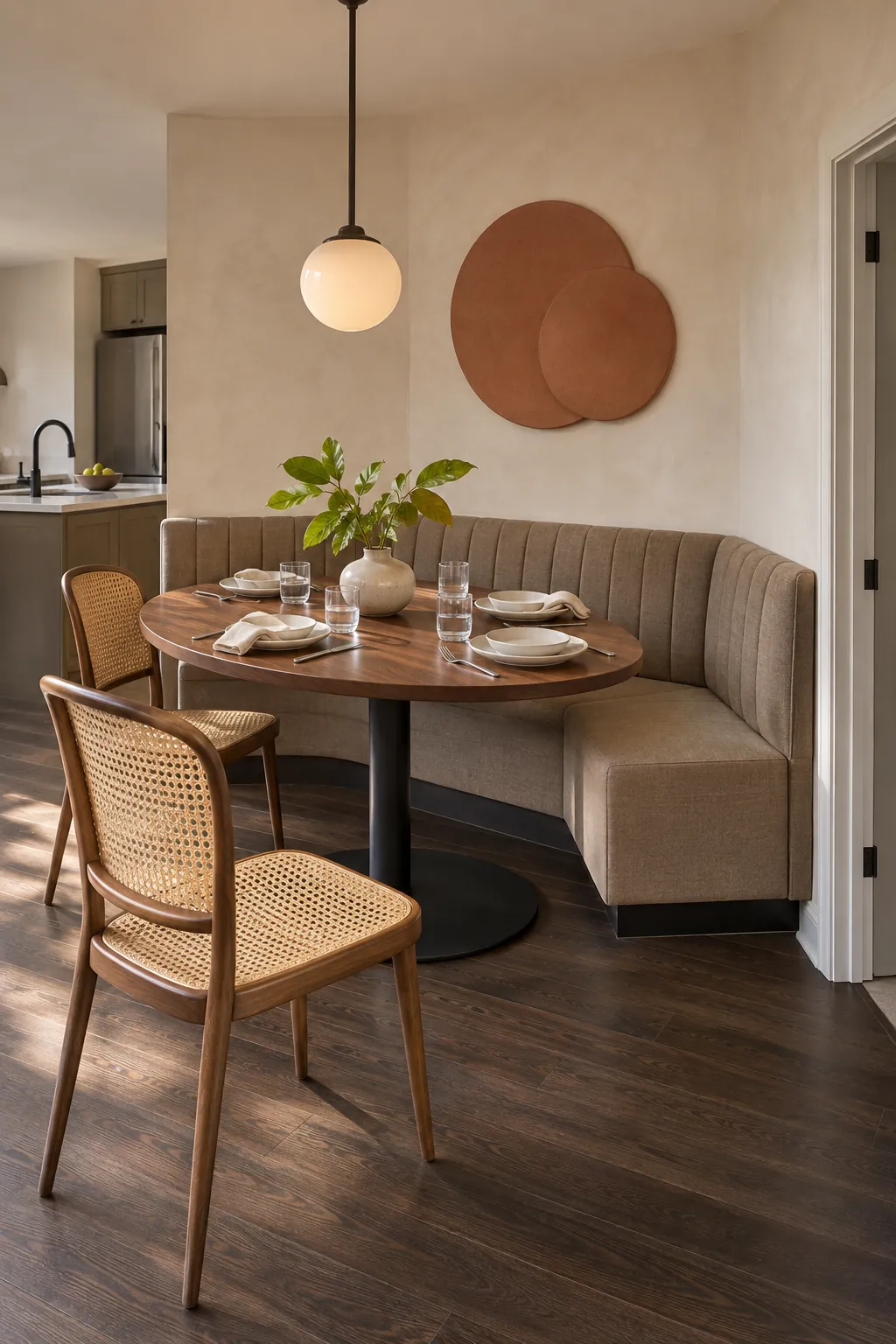
A pedestal table gives knees and feet more freedom than legs placed at each corner. Round and oval tops also remove sharp corners from the route into a corner bench dining setup. The table should sit close enough for a relaxed reach but far enough away that a person can slide into place without twisting.
People seated at the back of a long banquette should not need several others to stand every time they leave. Break a large arrangement into shorter seating runs or keep one end open. Add light armless dining chairs on the accessible side so the group can change without dragging heavy pieces through the room.
Use textiles to connect the bench to the room
Let one color from the room reappear in the bench seating cushions, then add a second quieter tone for depth. A tailored seat cushion creates a calm foundation, while two or three back cushions can introduce pattern without covering every inch. Keep the fabric scale in proportion to the small seating area.
Choose durable upholstery that matches the risk of spills, sunlight, pets, and frequent use. A washable performance weave is more useful than a delicate fabric that causes worry at every meal. Place one soft throw at a window seat, but leave dining benches free of loose layers that compete with plates and people.
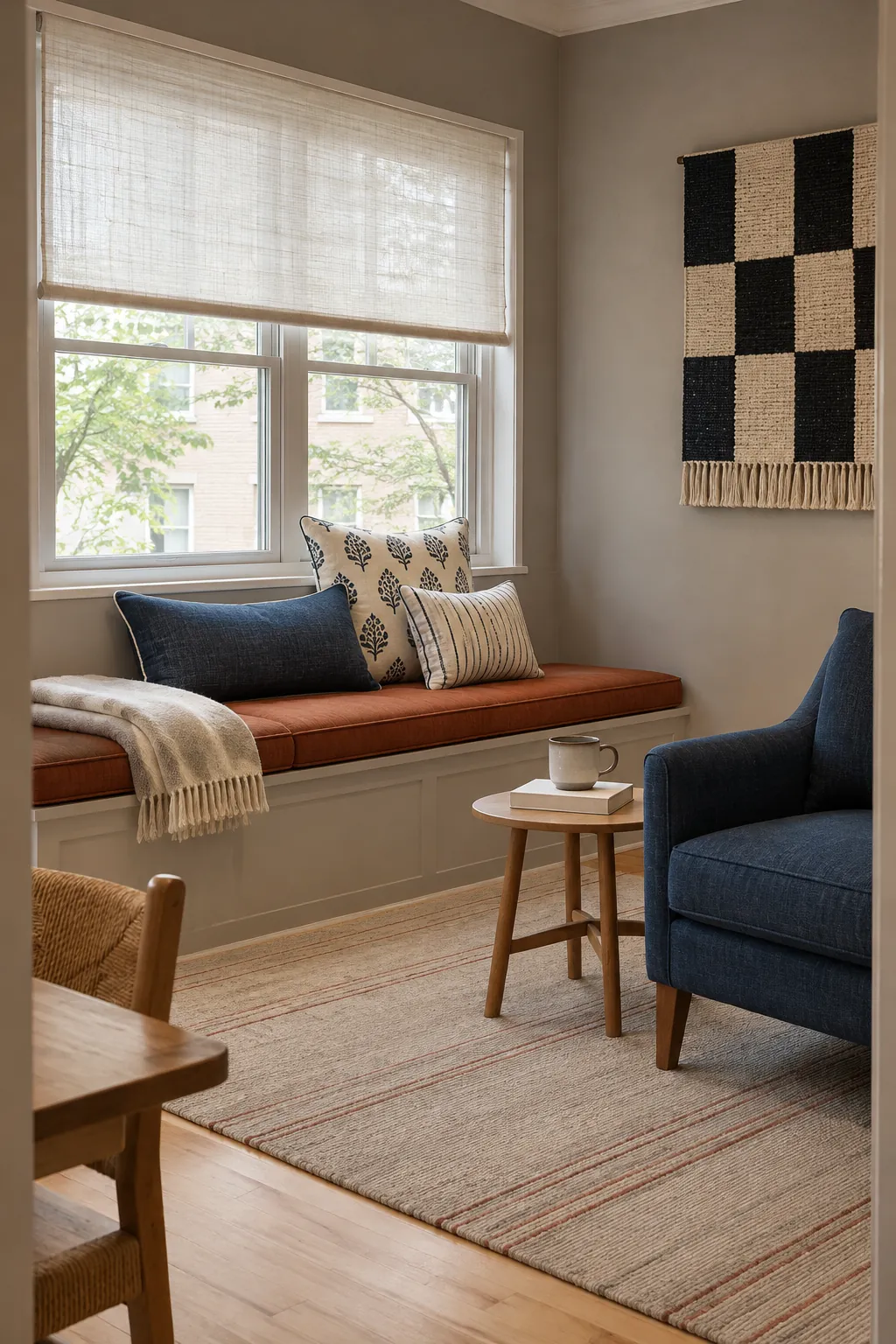
Make storage easy enough to use
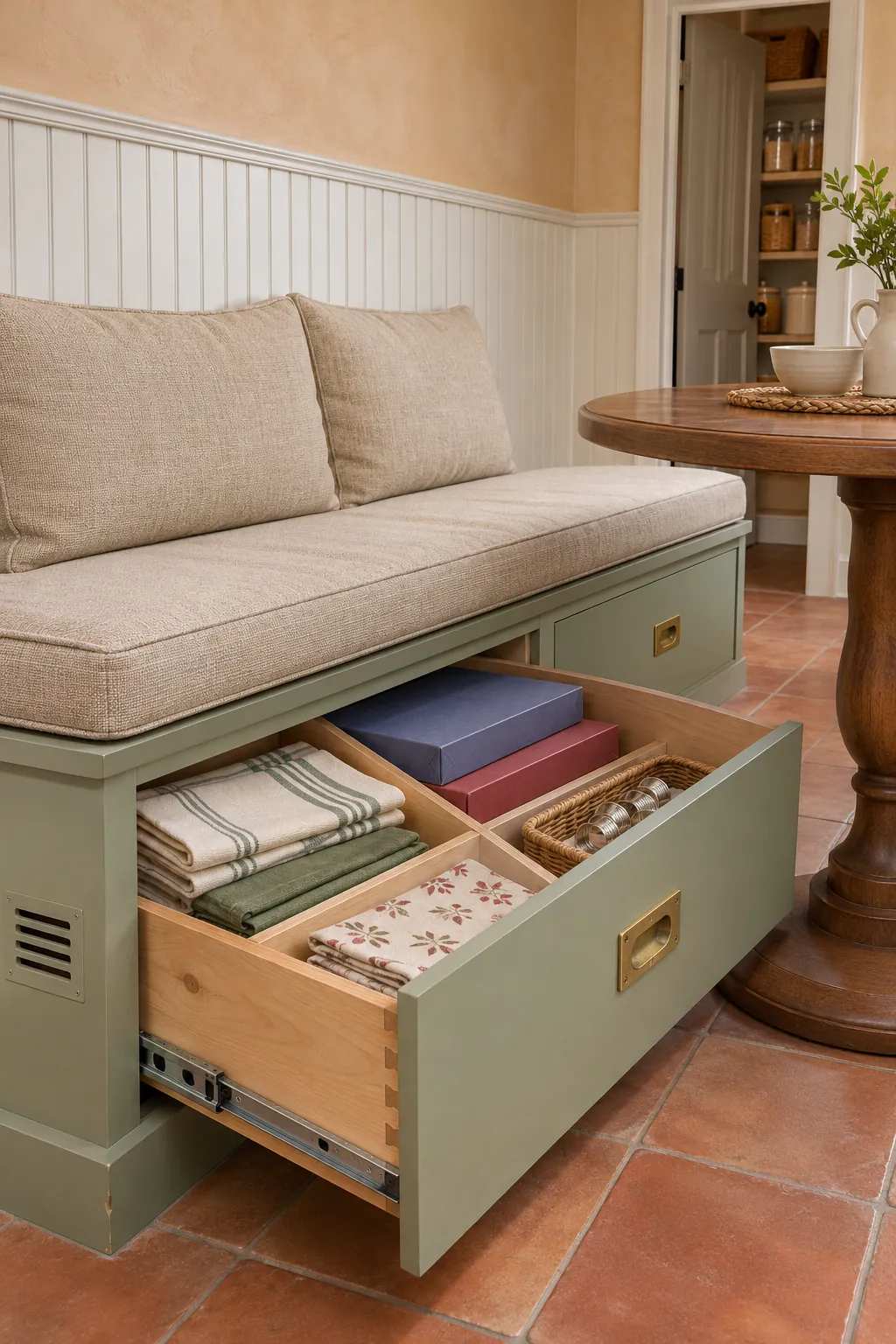
Storage bench seating should hold items that belong near the bench, such as table linens, games, seasonal throws, or shoes. Deep lids can become inconvenient when a table must move first, so drawers or separate lift sections may work better. Light lids need safe hinges that stay open while both hands are inside.
Do not sacrifice a comfortable seat angle or leg space merely to gain maximum volume. Divide the interior so small items do not disappear at the bottom. Leave ventilation where shoes or textiles may hold moisture.
Finish the wall and light the seat
A bench usually sits low, so the wall above it needs visual weight without becoming crowded. One pendant, a focused sconce, or a single horizontal art piece can define the zone. Keep hard frames and projecting shelves away from head and shoulder height.
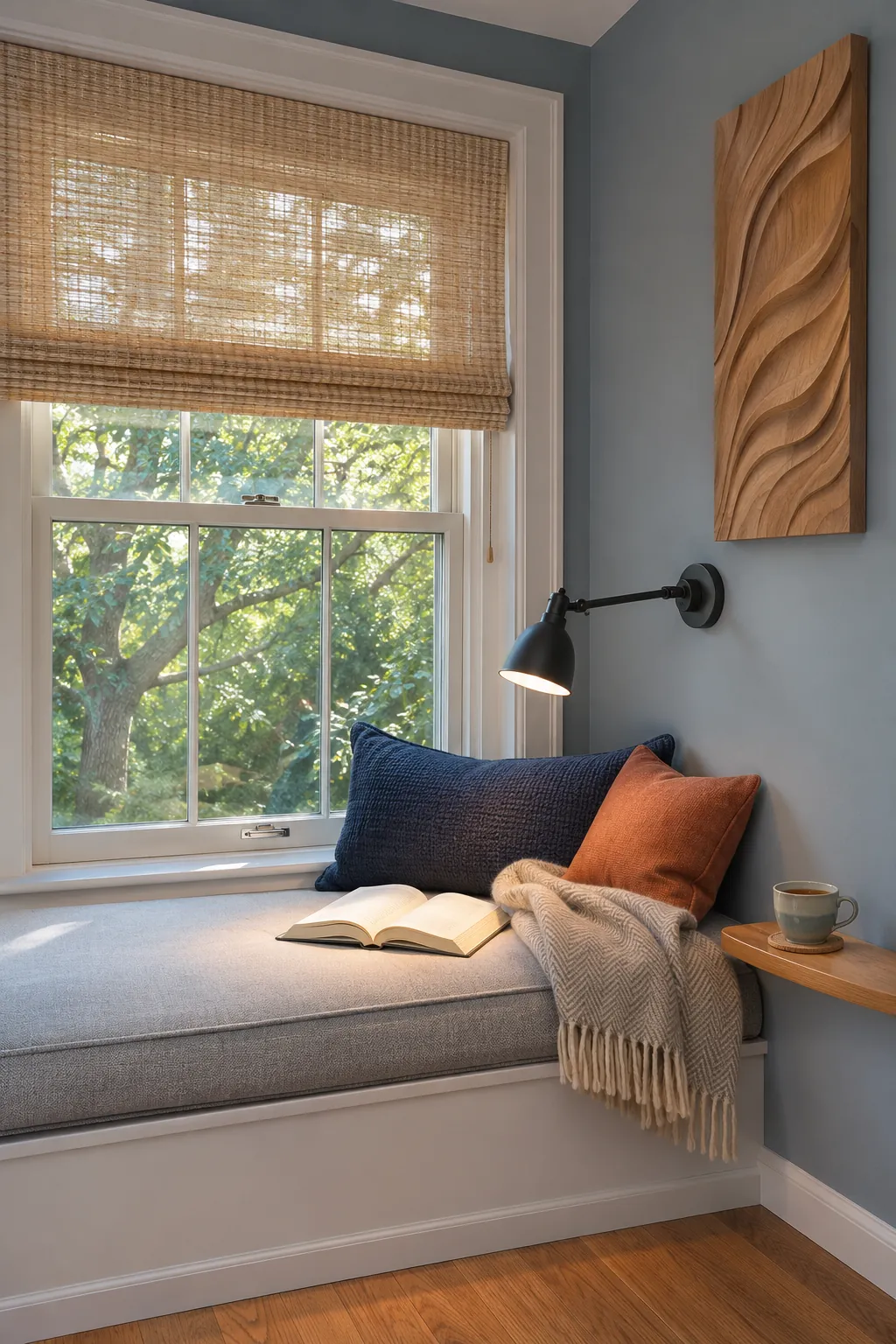
At a window seat, use a shade that controls glare while preserving daylight. In a dining nook, center the light over the table rather than the bench so faces and food receive even illumination. The best finished arrangement should invite someone to sit without requiring them to move cushions, dodge corners, or rearrange the room first.