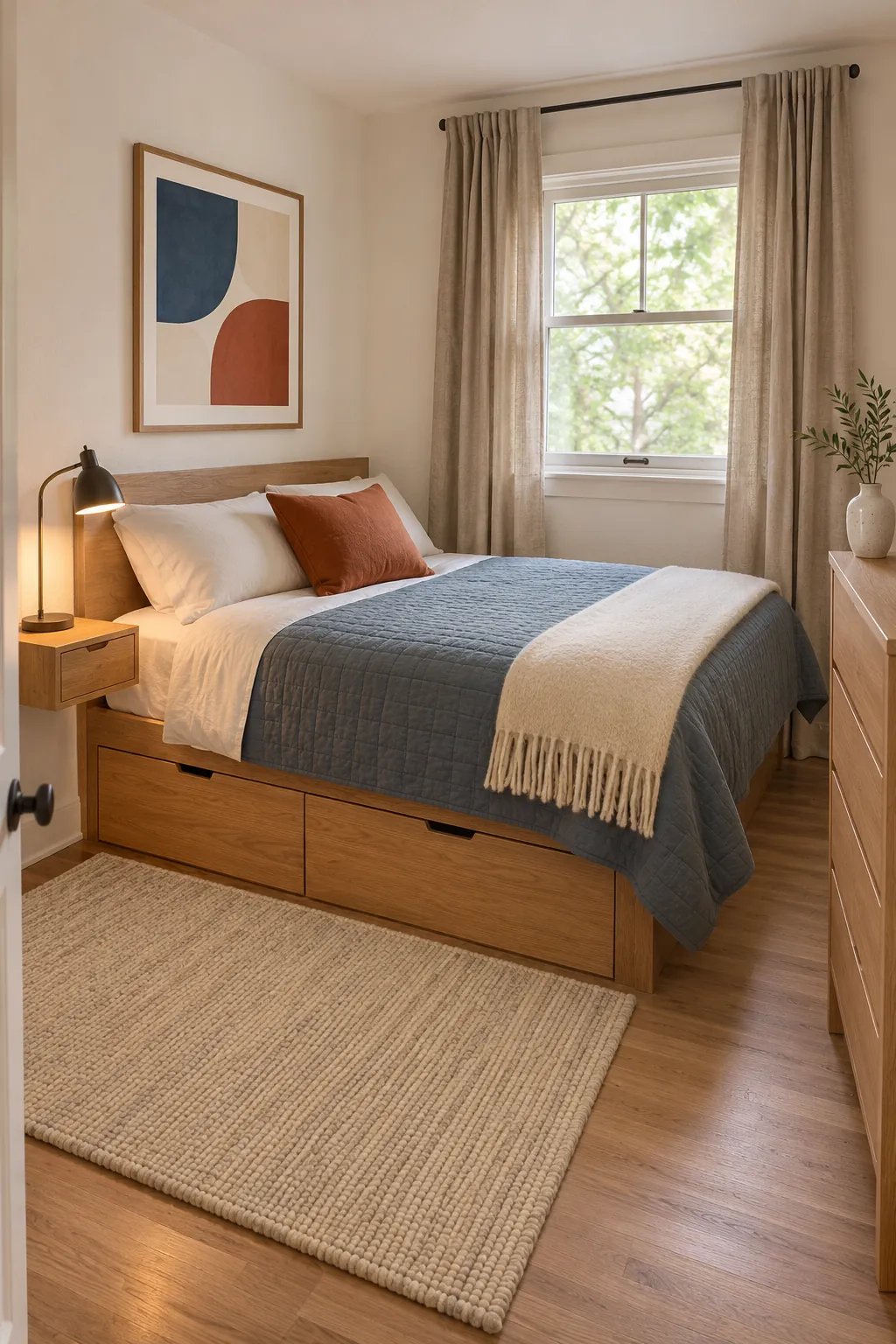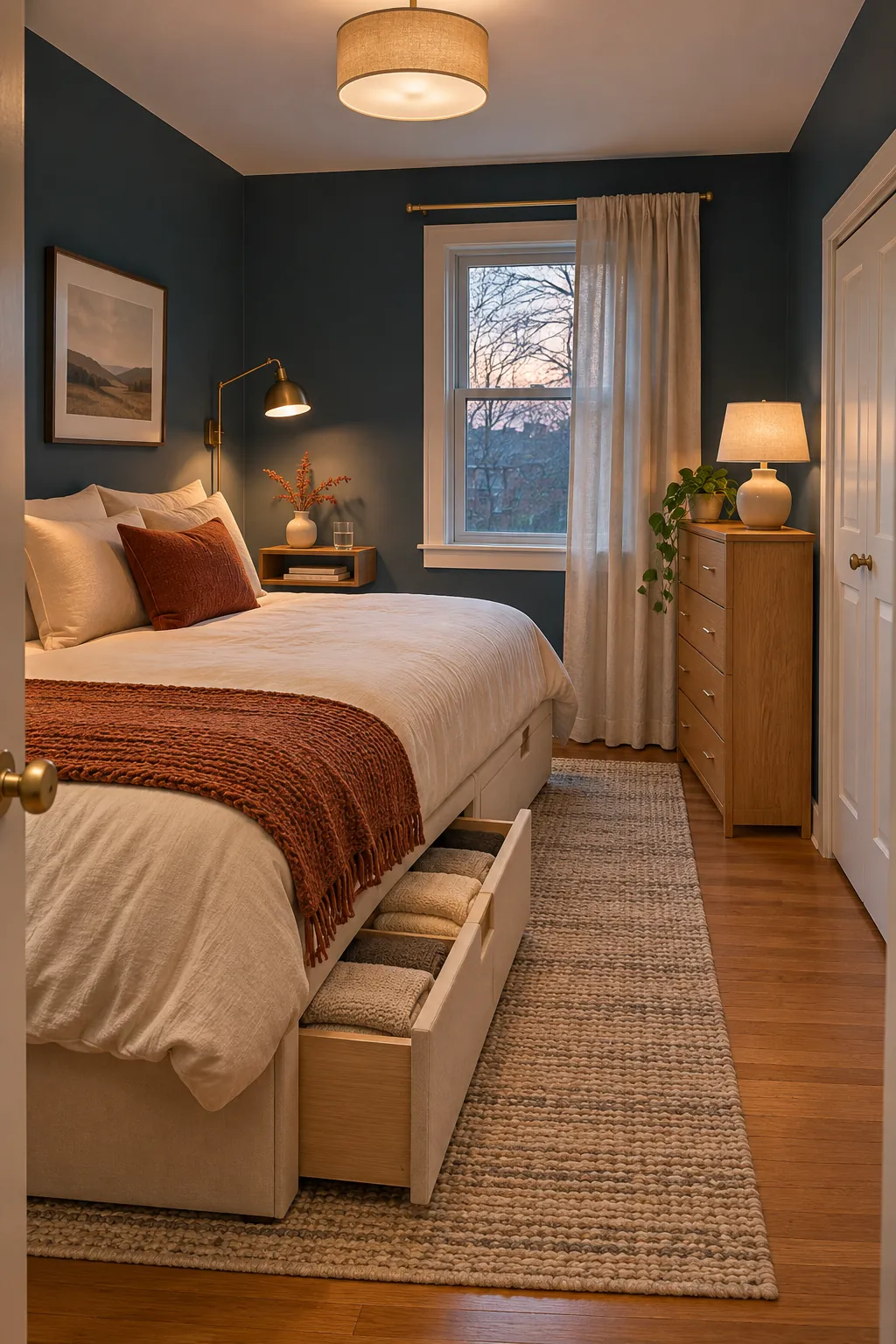
A small bedroom makeover feels successful when the room becomes easier to use, easier to clean, and more comfortable at night. Set the budget around the changes that solve daily problems first. Paint and decoration have more impact after storage, lighting, and furniture scale are working.
Edit the room before spending
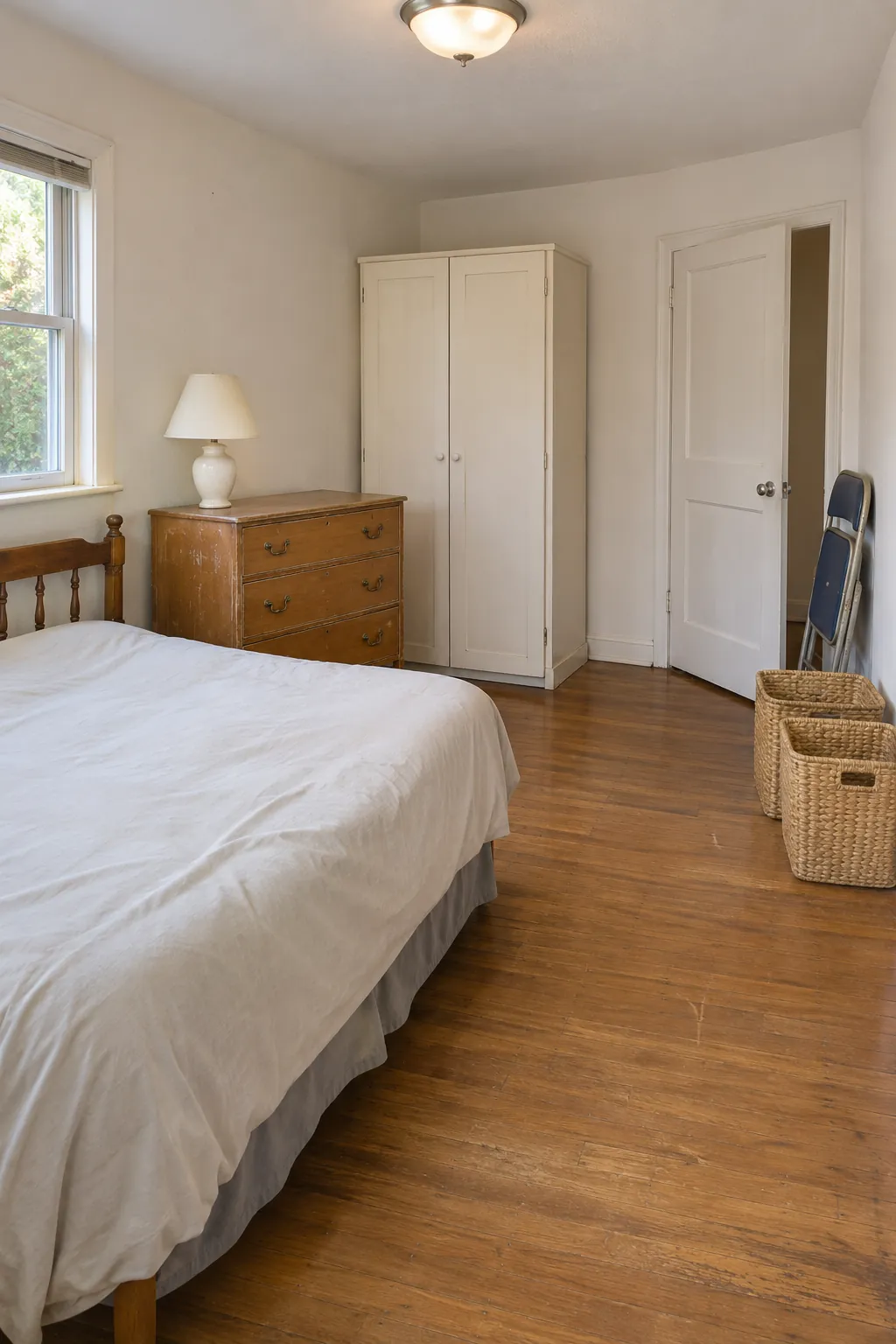
Empty crowded surfaces and remove furniture that has no useful job. Check whether under bed boxes, extra chairs, and decorative storage are helping or merely holding forgotten items. Keeping fewer, better placed pieces gives the makeover a clear starting point and may reduce what you need to buy.
Choose paint for the desired mood
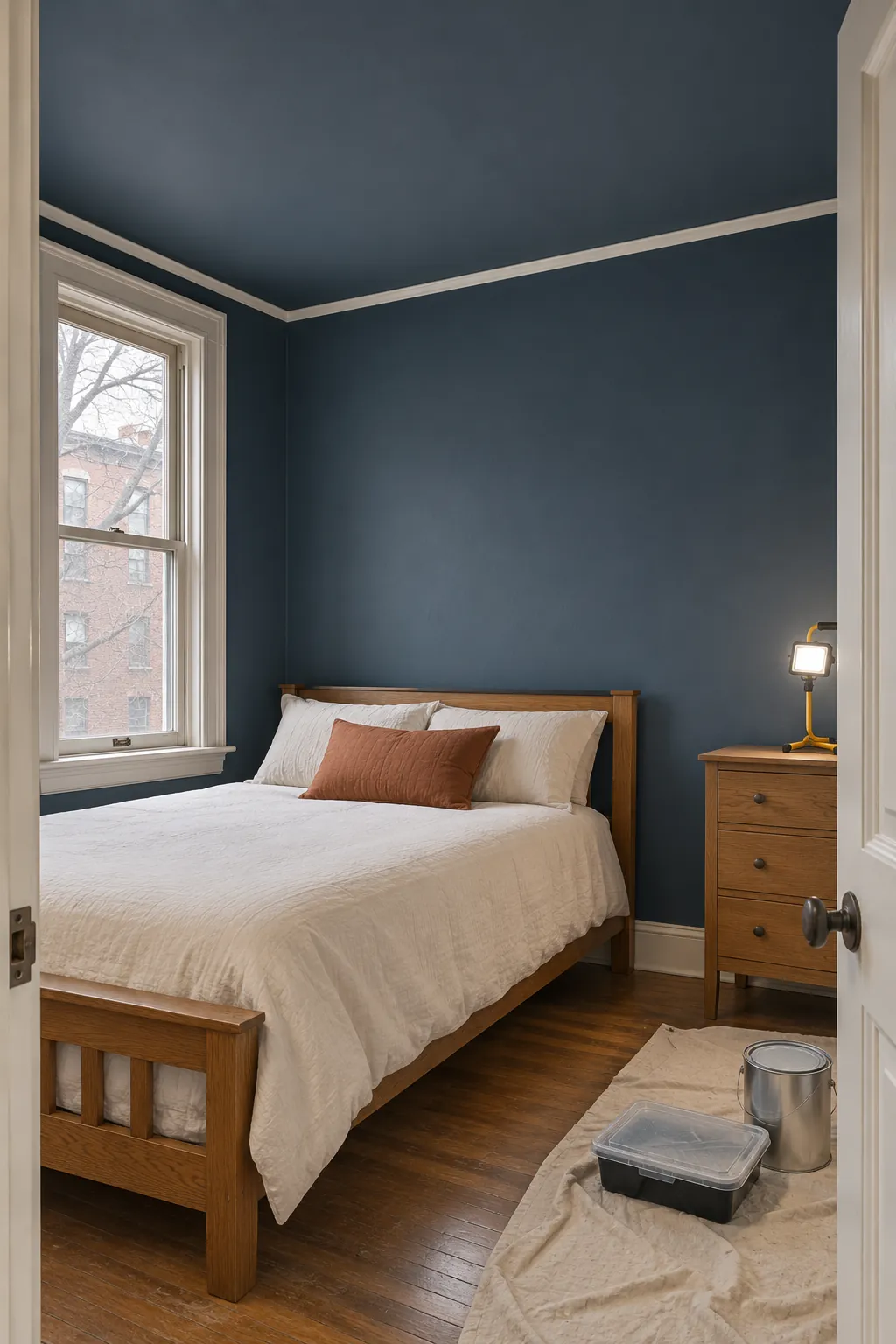
Light colors can reflect daylight, while a deep blue or green can make a small room feel enveloping and restful. Sample the color on more than one wall and view it during morning, afternoon, and evening. Paint the trim with care, since clean edges often make a budget refresh look more finished.
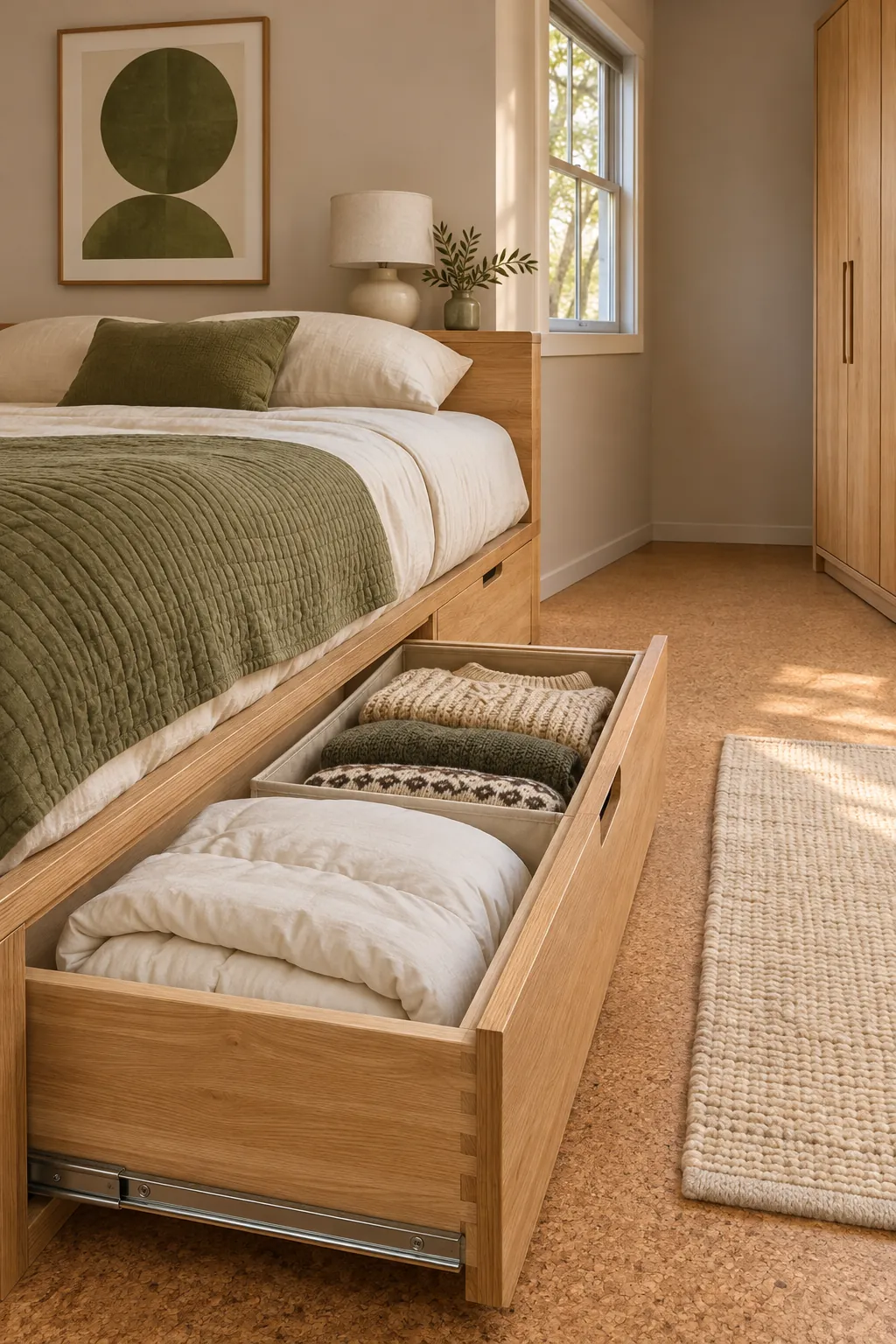
Upgrade to a storage bed when needed
A storage bed can replace loose containers and reduce the need for another dresser. Choose drawers that open into the available aisle and confirm that rugs or doors will not interfere. Store bulky bedding or seasonal clothes there, while daily items stay in easier reach.
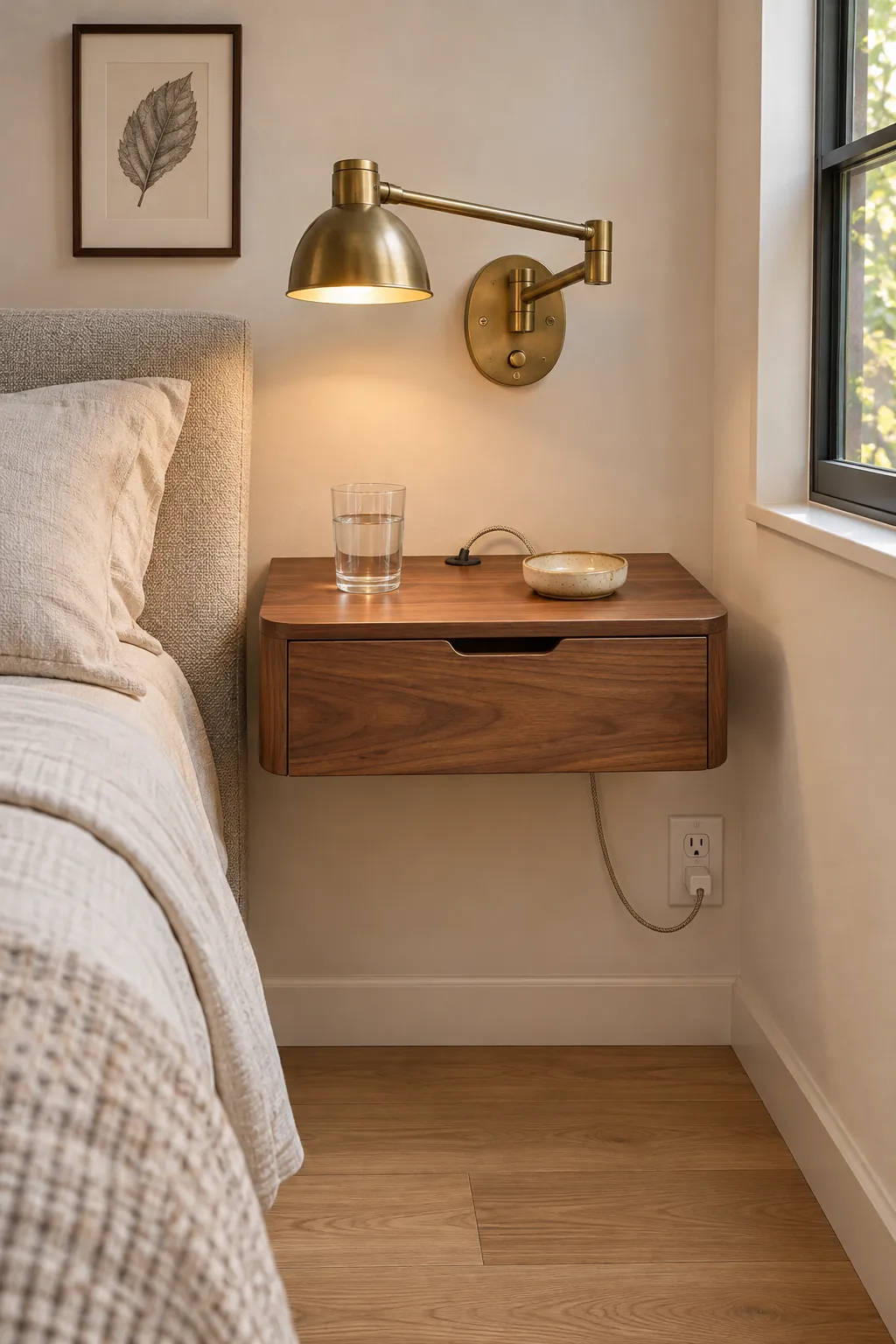
Mount the nightstand and reading light
A wall mounted nightstand removes furniture legs from a tight bedside path and makes the floor easier to clean. Size it for a glass, phone, and small book rather than every possible item. Pair it with a wall lamp so the compact surface stays useful.
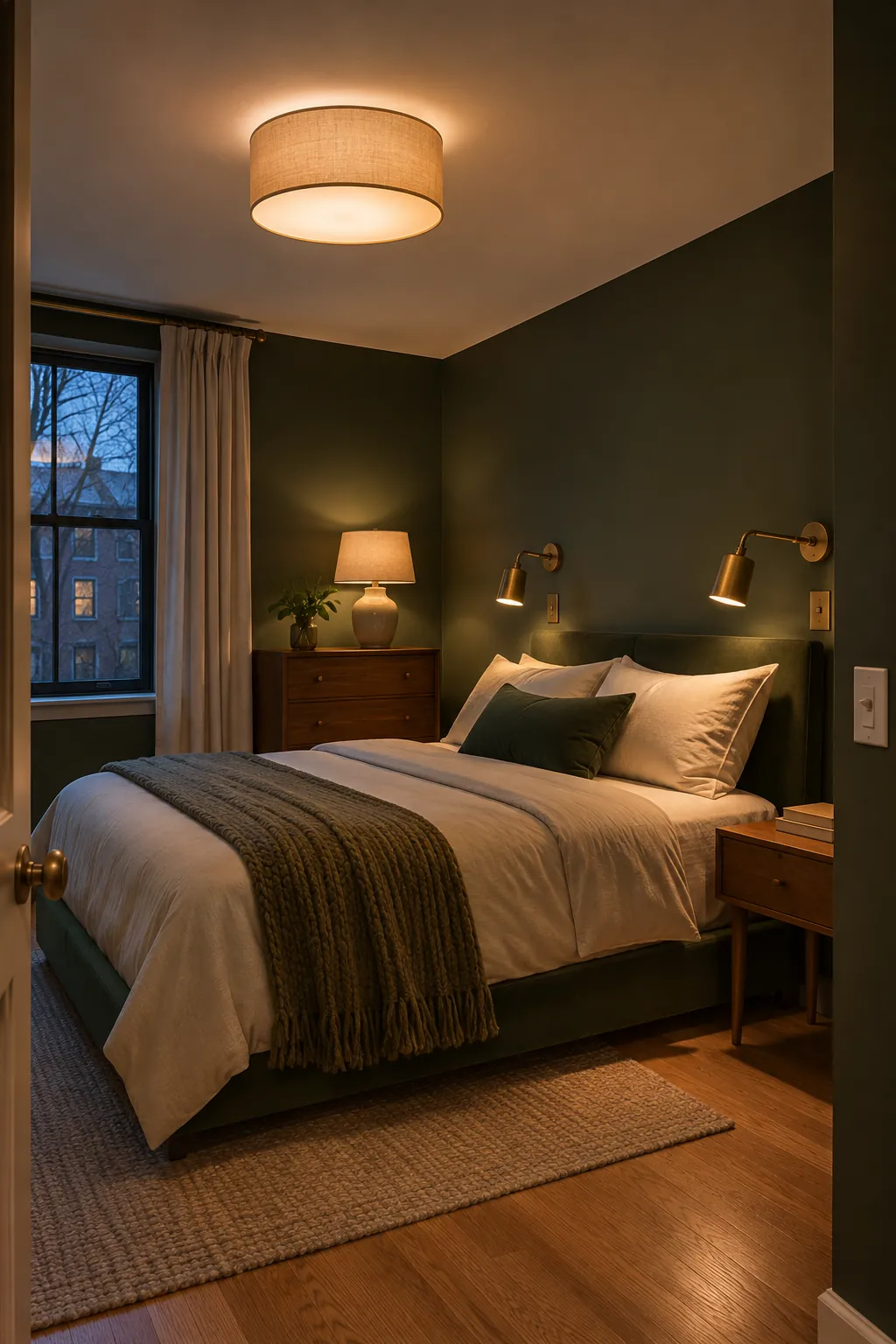
Create cozy bedroom lighting
Use one soft ambient source and one focused light for each activity. Warm bulbs with similar color help the room feel settled, while a dimmer gives you practical brightness without keeping it harsh at bedtime. Keep shades compact and place switches where they are easy to reach.
Finish with controlled texture and decor
Choose bedding, curtains, and one rug that share a limited palette but have different textures. Add a single meaningful wall piece or a small group that fits the wall rather than filling every gap. Leave enough open surface for the room to stay calm after daily life returns.