
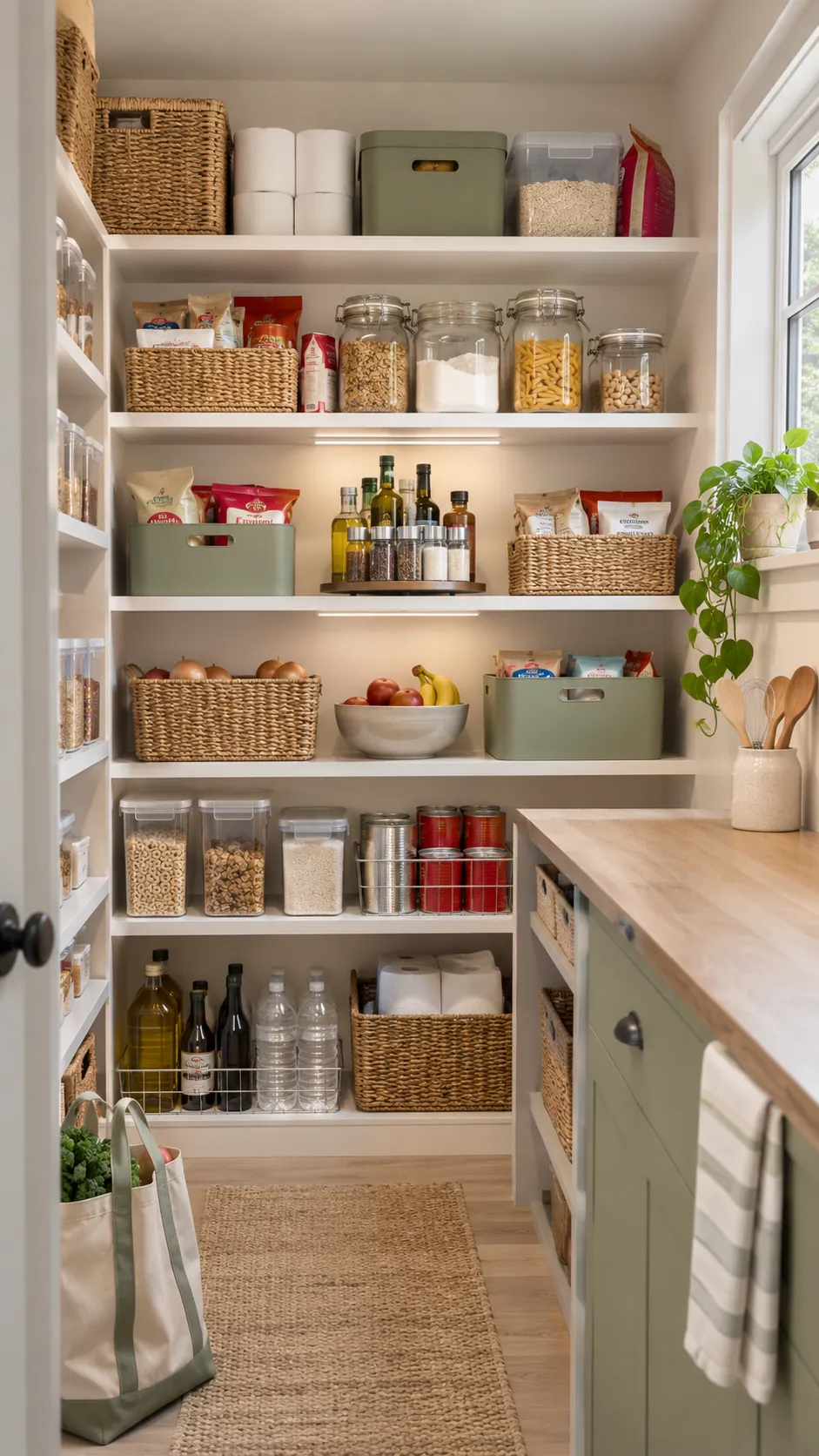
A pantry can look full and still fail at the moment you need dinner. The usual problem is not a lack of containers. It is that food sits where nobody can see it, reach it, or remember it. A useful system starts with daily habits, then gives every common item an obvious home.
Start With a Simple Pantry Edit
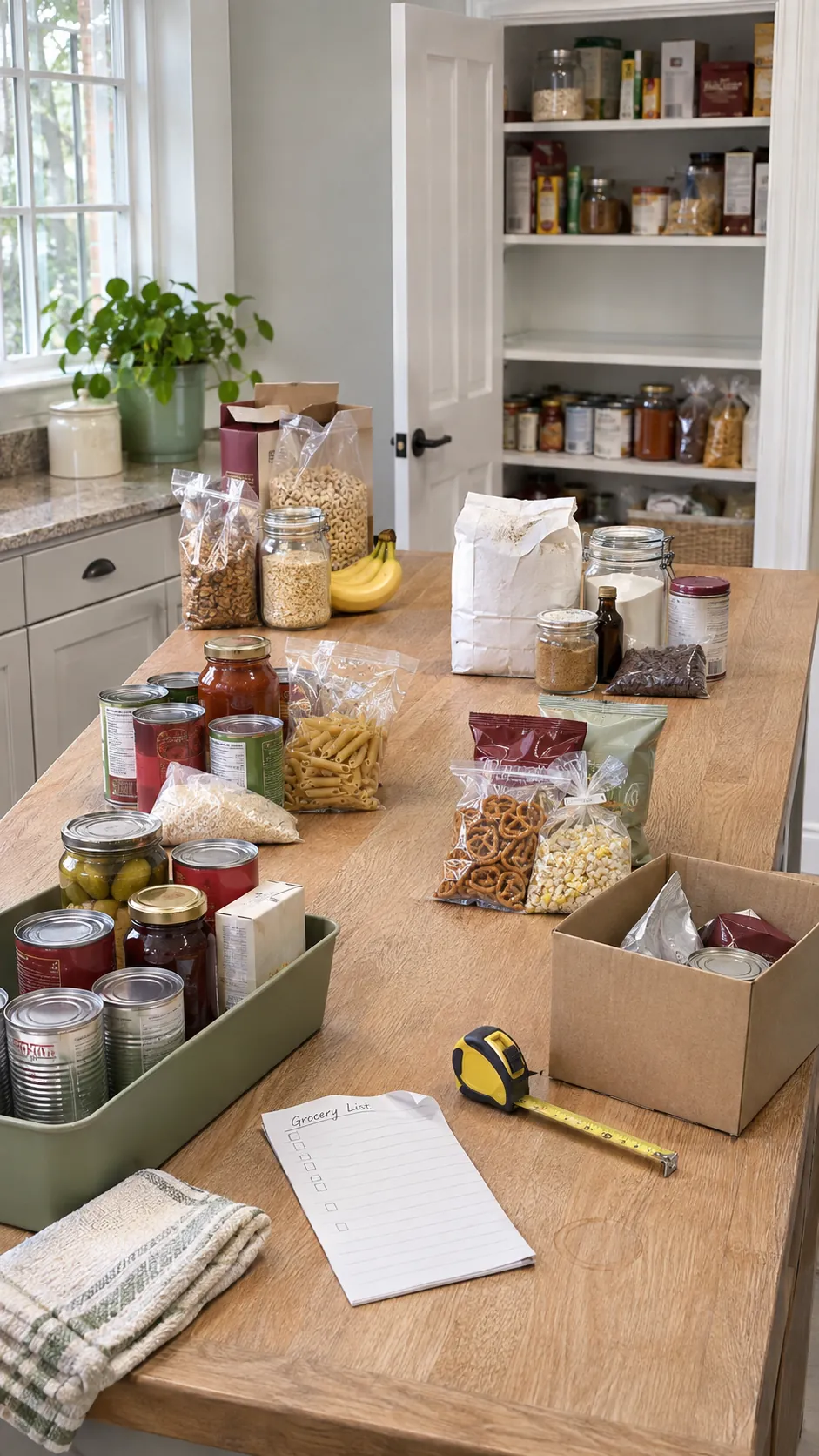
Take everything out one shelf at a time so the project stays manageable. Discard expired food, combine open duplicates, and set aside anything your household does not eat. Notice which foods you keep buying before the old supply is gone. That pattern tells you where visibility matters most.
Group the remaining food by how you use it, not only by package type. Breakfast, quick lunches, baking, dinner starters, snacks, and backstock are practical categories for many homes. Keep categories broad enough that every person can return an item without making a new decision.
Give Prime Space to Daily Food
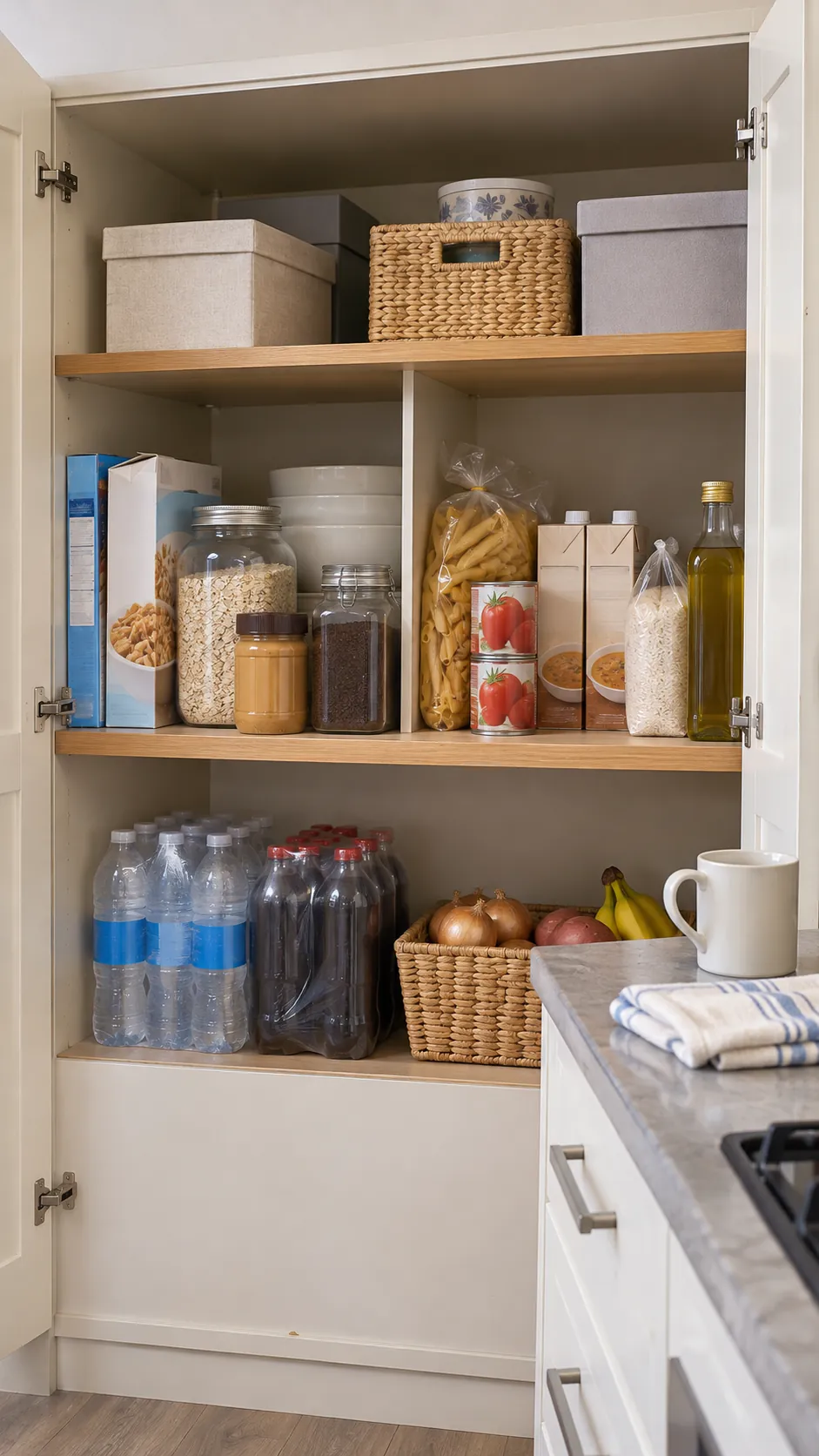
Place the foods you use most between waist and eye level. Breakfast supplies can share one shelf near the pantry entrance, while dinner basics can sit close to the kitchen work area. Heavy bottles belong lower, but not so low that they disappear behind deep bins. Rare serving pieces and unopened bulk goods can use the highest shelves.
This approach works for a small pantry room and for a single pantry closet. It also prevents attractive storage organization ideas from making ordinary cooking harder. The best location is the one that shortens a repeated task.
Make Deep Shelves Behave Like Drawers
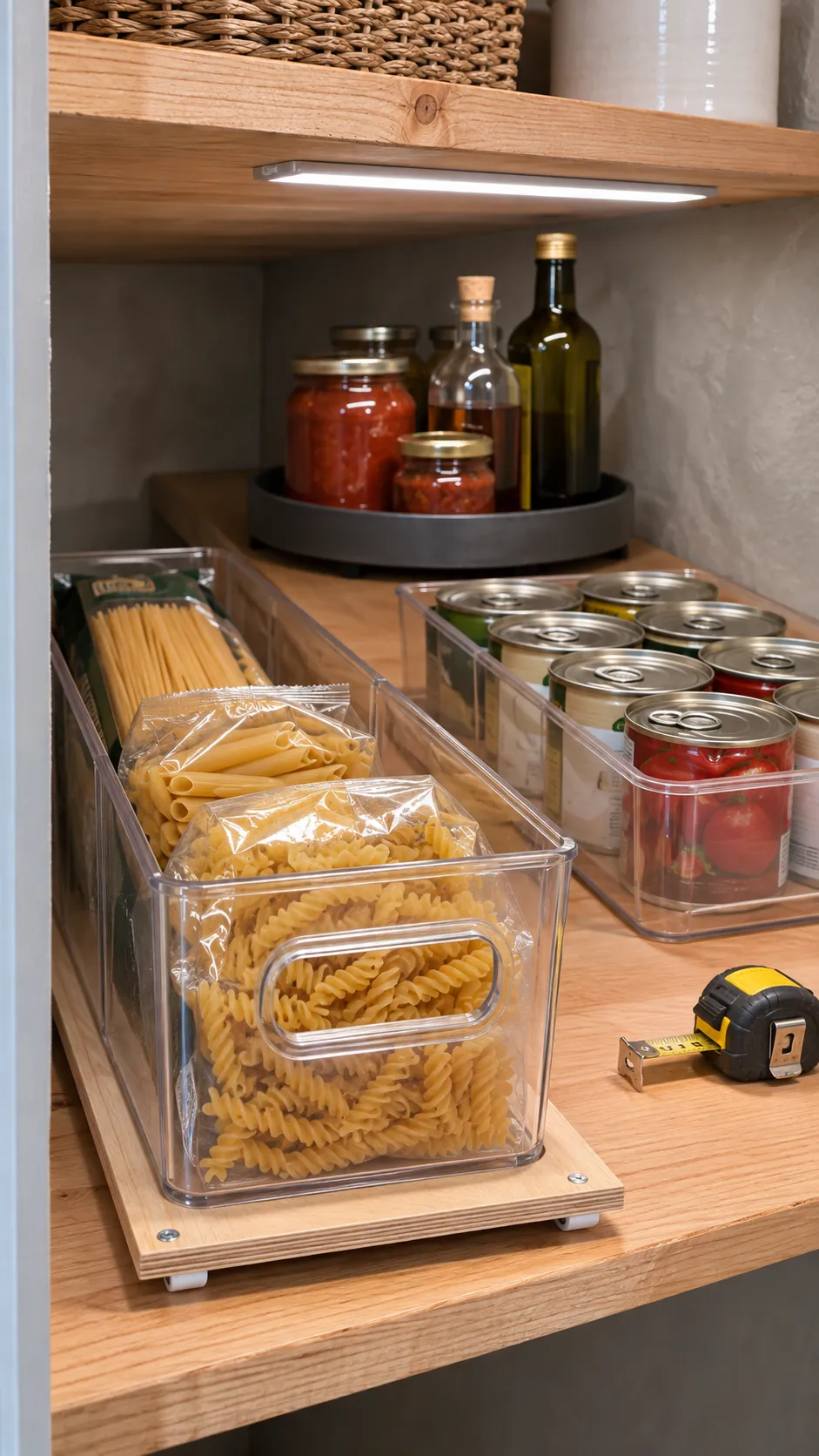
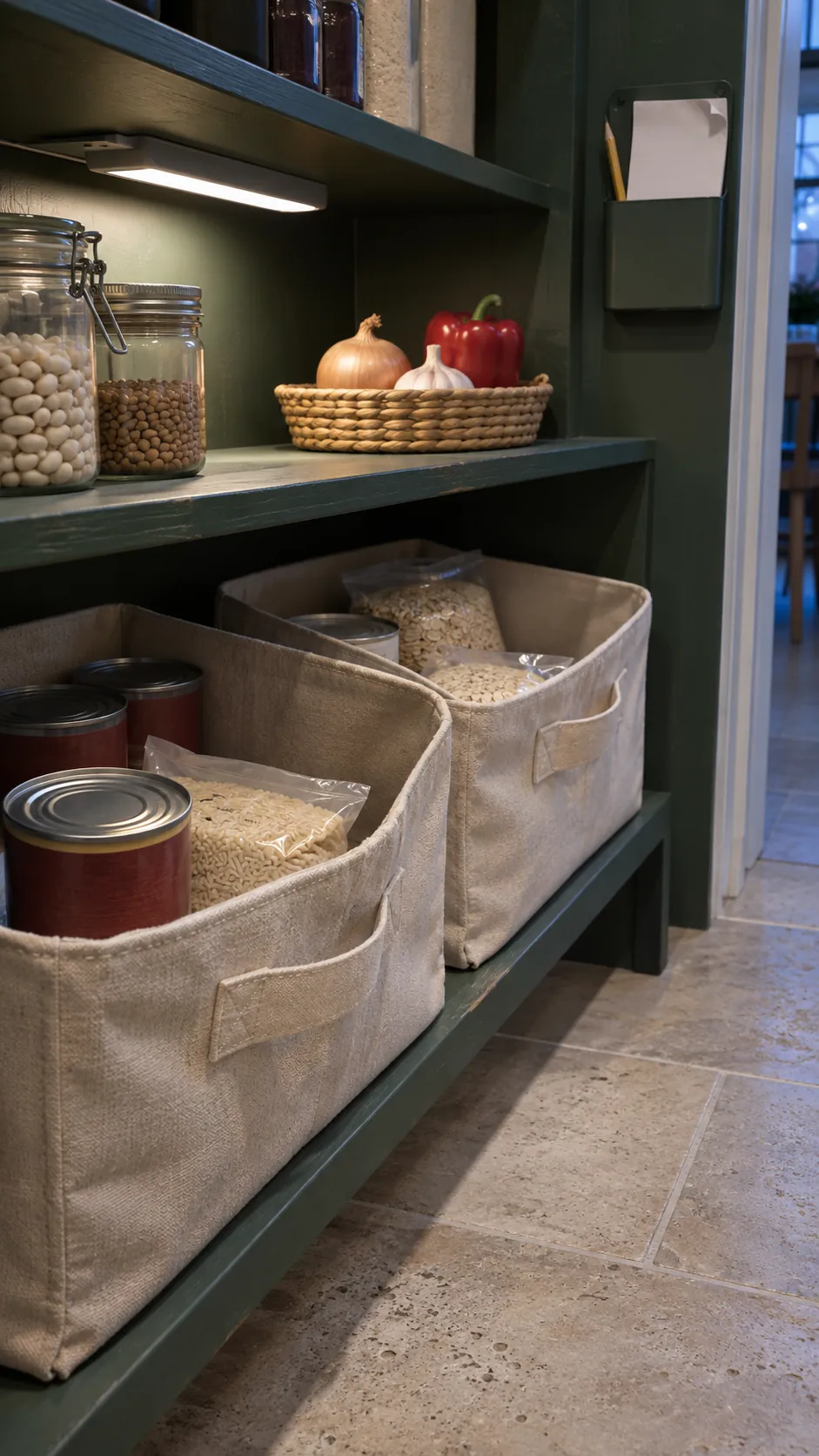
Deep shelves create hidden rows, so use containers that move the whole category forward at once. A handled bin can hold pasta packets, a turntable can gather sauces, and a low tray can corral cans. Shelf risers help only when the rear row remains visible and easy to lift out.
Measure the clear depth and height before buying anything. Leave finger space around each bin and avoid filling every inch. Empty space is useful because groceries change from week to week. If a container must be unpacked to reach one item, it is too complicated for daily use.
Use Clear Containers Selectively
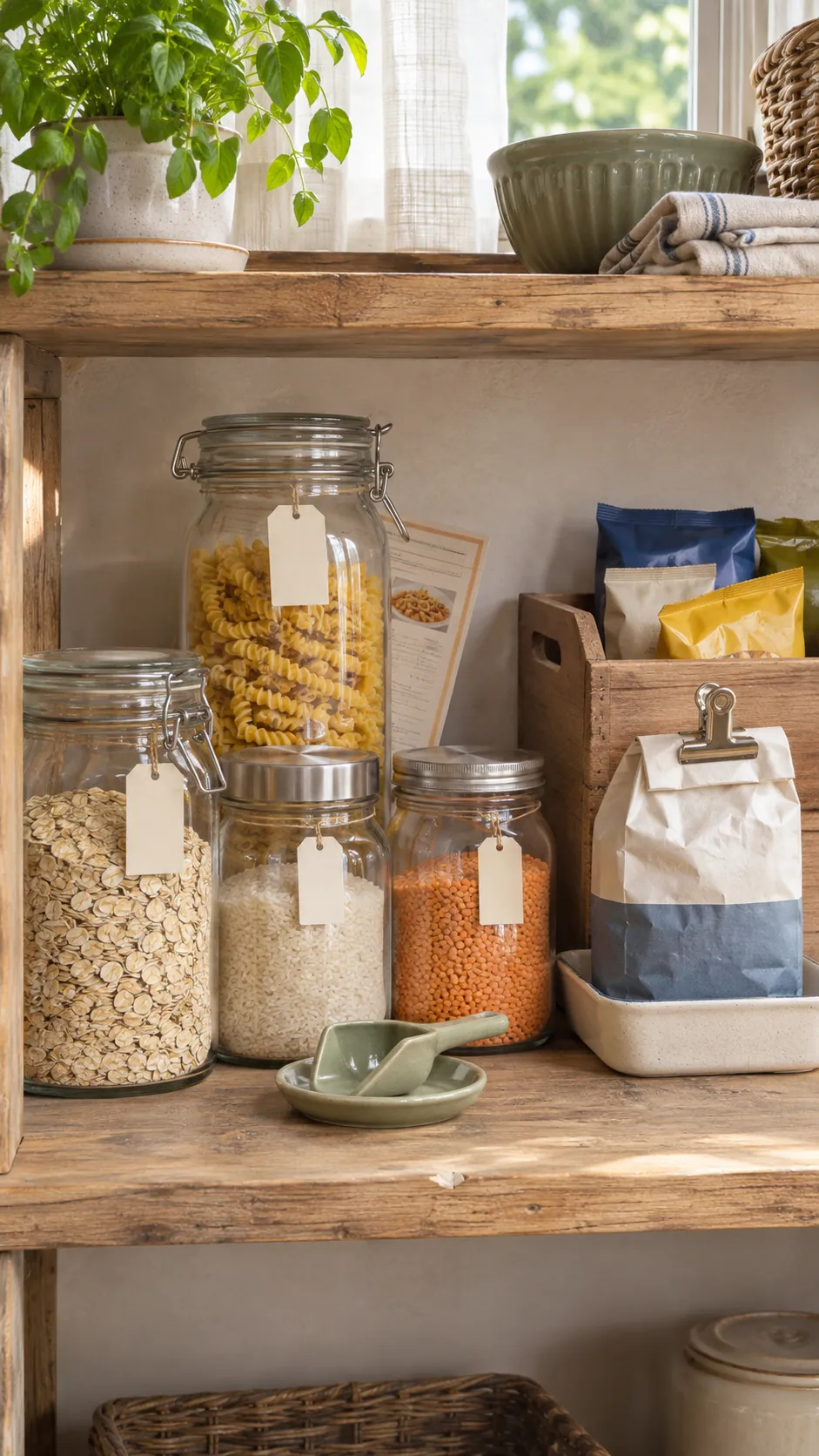
Clear jars are valuable for foods that you buy often and can identify at a glance. Flour, rice, oats, pasta, and cereal are good candidates when airtight storage suits the food. Keep cooking directions and date information with the container if the original package matters.
Do not decant everything just to create a matching display. Packets, mixed snacks, and changing ingredients often work better in open bins. Use containers to solve a real problem such as spills, stale food, or unstable stacks. A modest mix of original packaging and simple vessels costs less and is easier to maintain.
Turn Low and High Areas Into Useful Storage
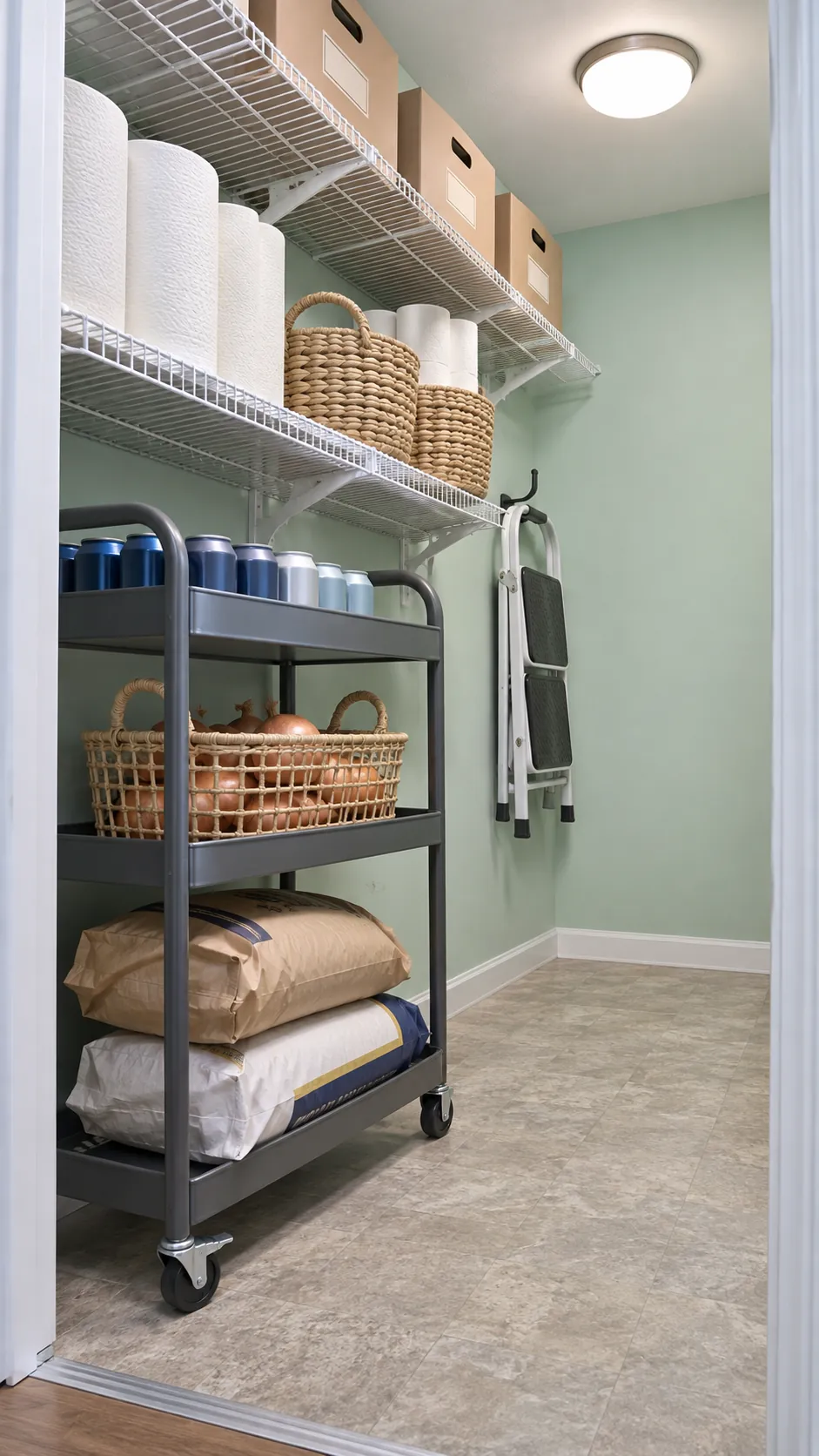
The floor and top shelf should hold defined categories instead of random overflow. Put heavy backstock, drinks, or a sturdy produce basket below. Store light seasonal pieces and clearly labeled reserve supplies above. Keep a stable step stool nearby if the top shelf is part of the plan.
A narrow rolling cart can use open floor space under high wire shelves, but confirm that it does not block the door or walkway. Door racks work well for light packets and spices when the hinges can carry the load. These pantry ideas for small spaces add capacity without hiding the foods you already own.
Create a Backstock Limit
Reserve one shelf or a few bins for unopened extras. When that area is full, pause bulk purchases until space returns. Put the newest item behind the older one so the older supply is used first. A short shopping note on the pantry door can prevent another duplicate.
Review the pantry before planning meals and before shopping. Move food that should be used soon into a visible meal starter area. This small habit reduces waste more reliably than a detailed inventory that nobody updates.
Keep the System Easy to Reset
Leave broad category labels only where they help other people. Return misplaced items while a kettle boils or before putting groceries away. Wipe one shelf when it becomes empty instead of scheduling a complete pantry overhaul. If a category keeps overflowing, enlarge its space or reduce how much you buy. A system that adapts to real household habits will stay useful long after the first tidy day.