
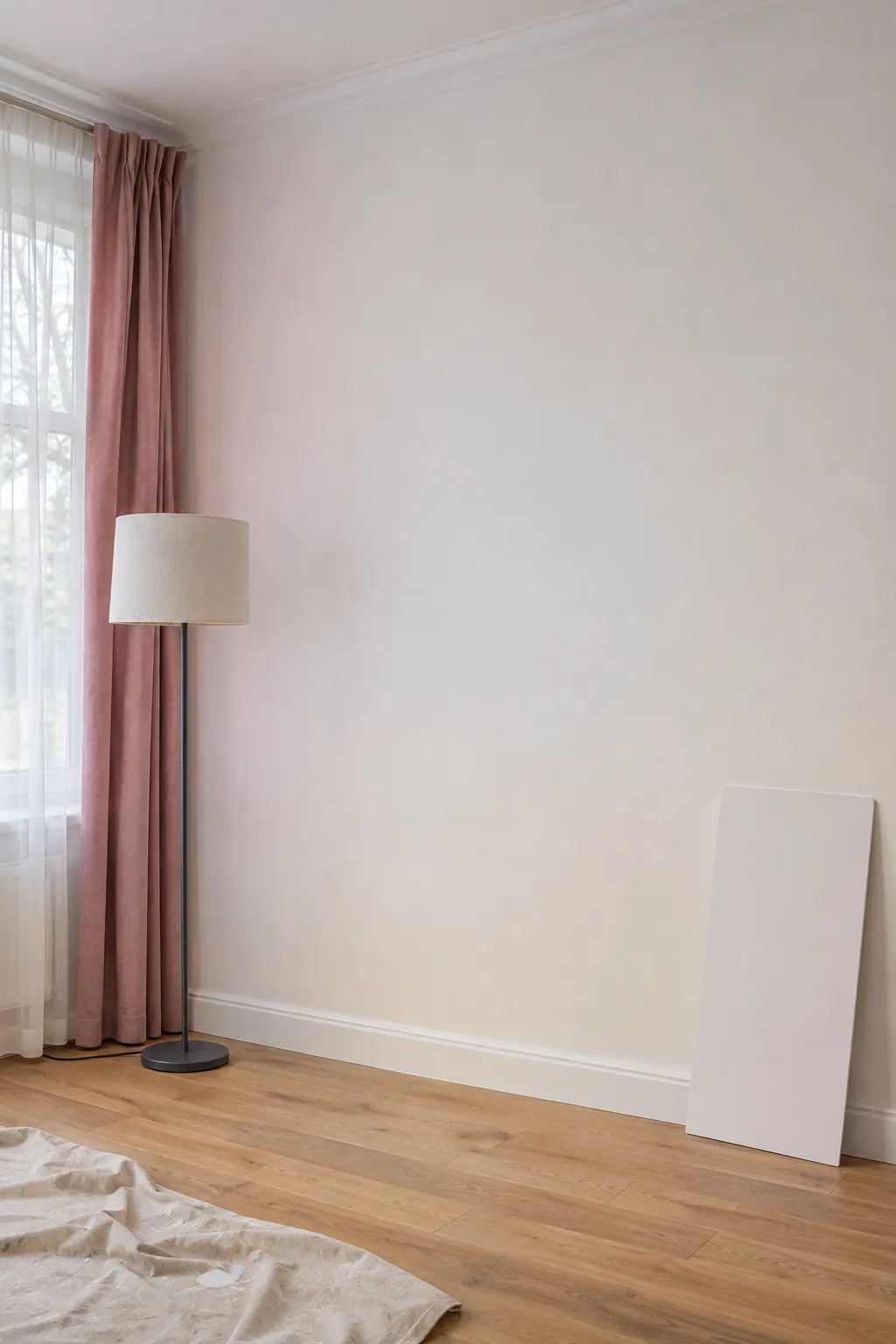
A white paint chip can look clean and quiet in the store, then turn creamy, peach, or pink after it covers the room. That change does not always mean the paint was mixed incorrectly. White is highly responsive to nearby color and light, so the room often reveals an undertone that the small chip concealed.
The pattern of the color shift matters. A uniform cast across every wall points toward undertone and lighting, while isolated yellow marks or edges call for a surface check. Diagnose the cause before buying more paint, because a cooler bulb cannot seal a stain and another coat cannot remove an undertone.
White paint always carries an undertone
Most whites contain small amounts of other pigments that affect how they read beside fixed finishes. Red or violet influence may appear pink. Yellow or beige influence creates a creamier white, while blue or gray influence can feel cooler and sometimes brighter in dim rooms.
A small card makes these differences hard to see because the eye compares it with the store wall and surrounding samples. Once the same color surrounds a room, its quiet bias becomes the dominant field. Compare several whites directly against the trim, flooring, counters, and fabrics that will remain.
Natural light changes through the day
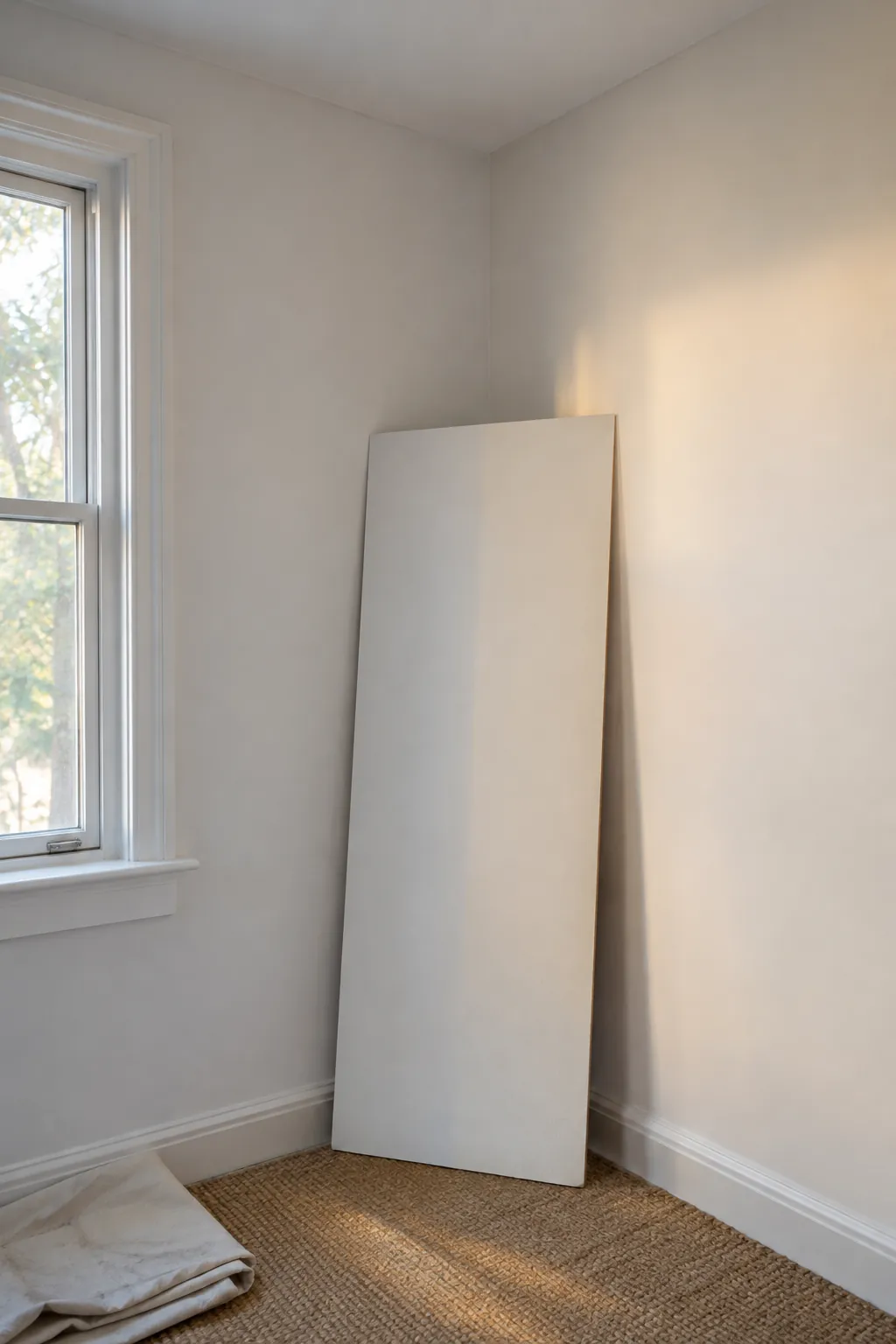
Window direction, weather, season, and time all affect white wall paint. Cool indirect light can emphasize gray or blue, while low warm sunlight can pull yellow, peach, and pink forward. A white that looks balanced at noon may feel creamy late in the day.
Rooms with limited daylight often show the color of their lamps more strongly. Judge the paint in the morning, afternoon, evening, and at night with the lights you normally use. Do not choose a white from the brightest moment if the room is mainly occupied after sunset.
Light bulbs can add yellow or pink
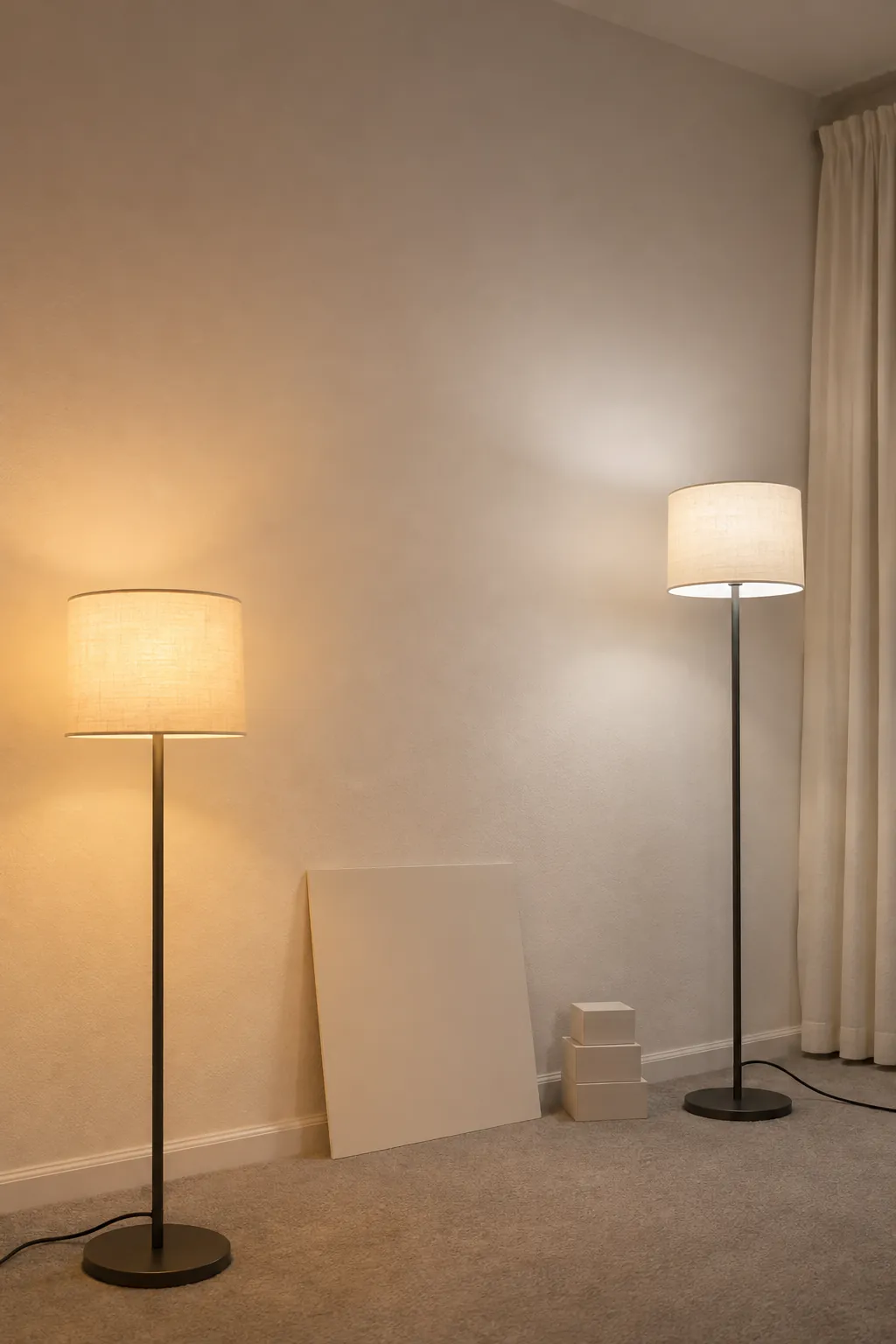
Warm lamps make many whites look creamier because their light contains more yellow and red. Cooler lamps can reduce that warmth, but they may also make a warm white look dull or reveal a green or gray tendency. Bulb color rendering also affects whether subtle wall pigments look natural.
Use the same bulb type throughout one connected space before judging the walls. Mixed bulbs create different patches of color that can resemble an uneven paint formula. Replace one lamp first and observe the room at night before changing every fixture.
Nearby finishes reflect their color
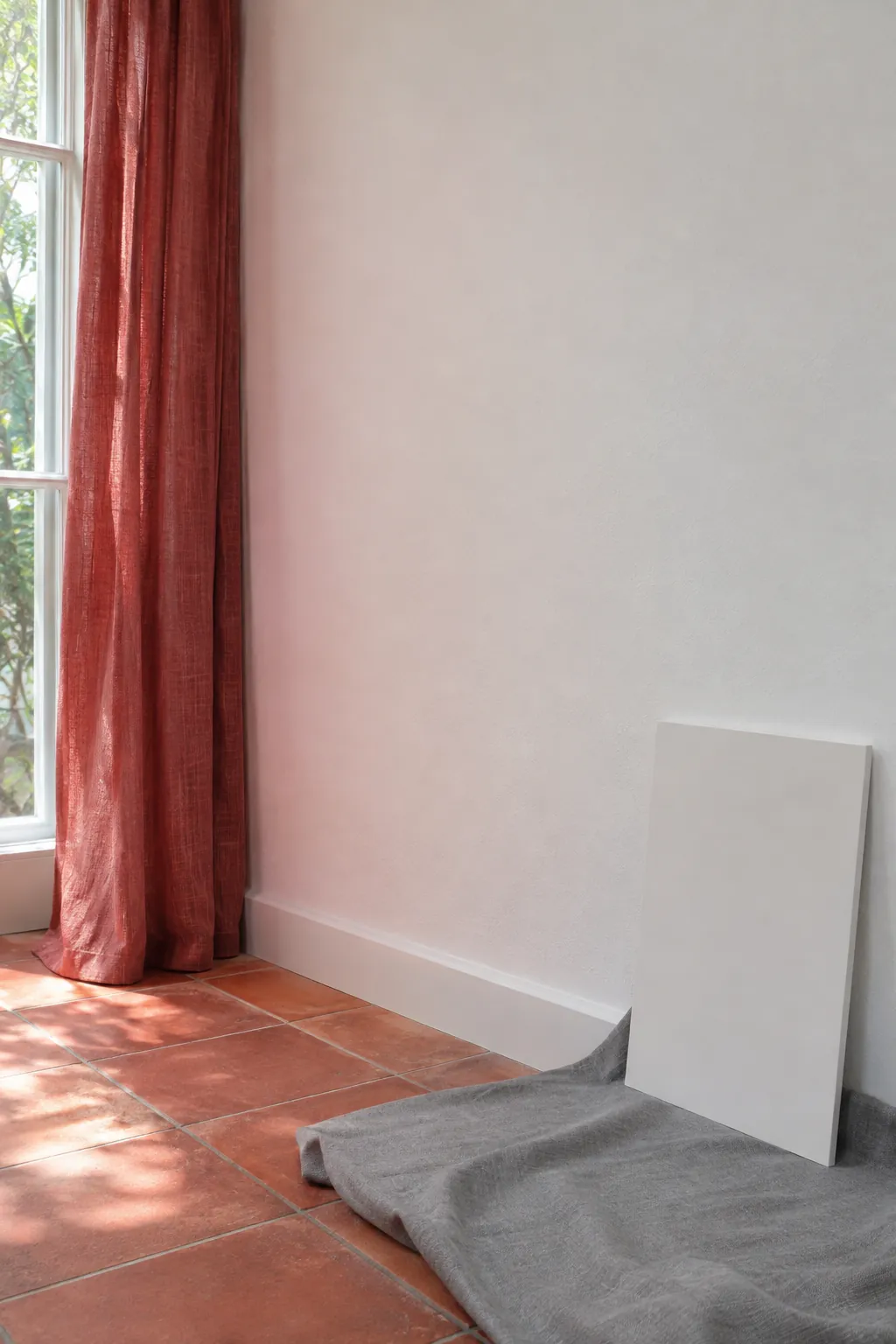
Sunlight can bounce from red brick, terracotta paving, wood floors, curtains, or a strong painted wall onto white surfaces. The reflected color may be strongest near a window or along one side of the room. Glossy counters and floors can intensify the effect.
Temporarily cover a suspected surface with a neutral sheet and look again. If the cast weakens, the wall color may be sound and the room is borrowing color from its surroundings. This test is more useful than staring at the paint can formula alone.
Old stains and coatings can bleed through
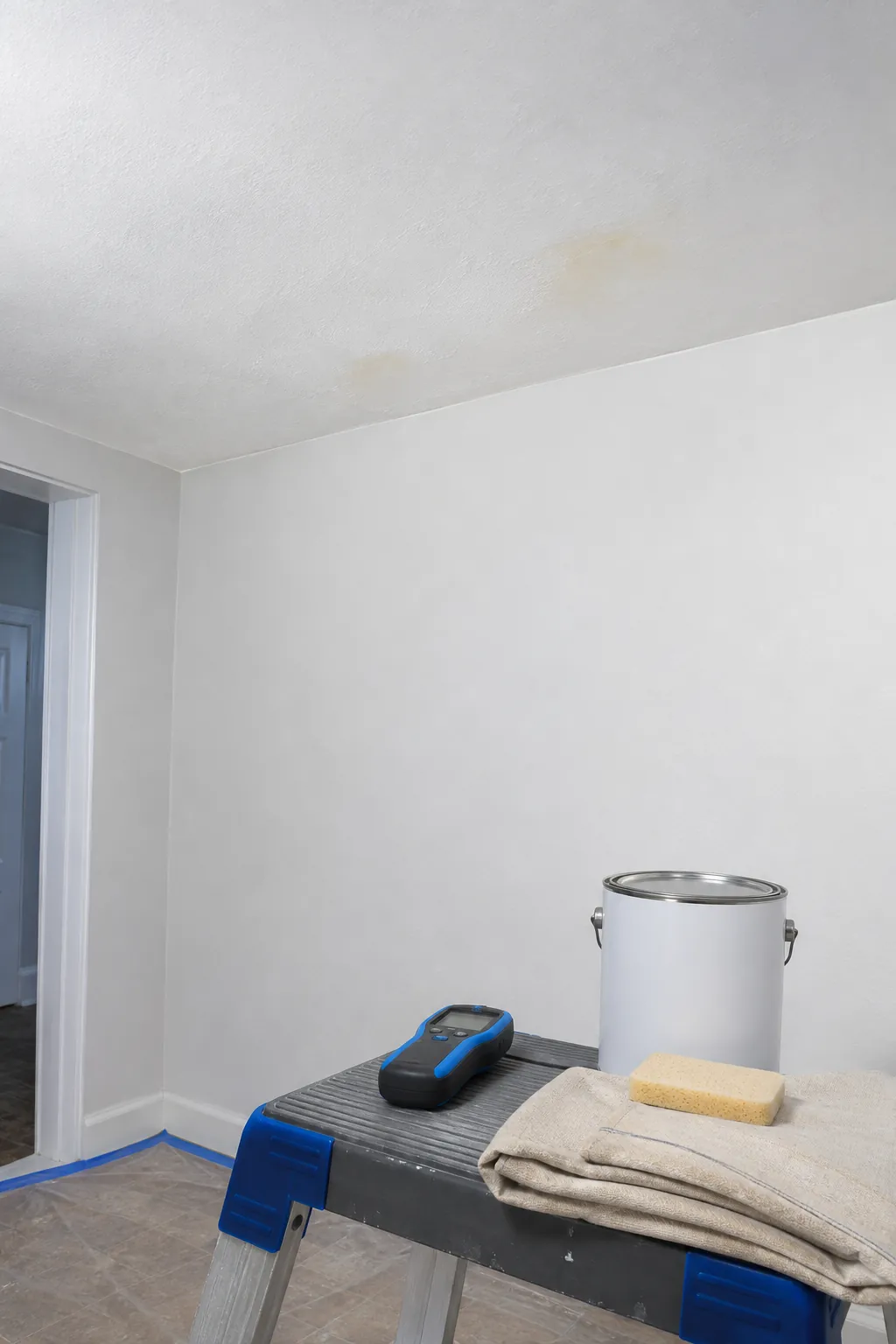
Scattered yellow spots are different from a room wide warm cast. Smoke residue, water stains, wood tannins, old oil coatings, adhesive, and some contaminants can migrate through fresh water based paint. Extra finish coats may hide them briefly, then the discoloration returns.
Find and correct any active moisture source before sealing a stain. Clean the surface as appropriate, let it dry, and use a stain blocking primer suited to the substrate and contaminant. Test a repaired area before recoating the whole wall.
Fresh paint needs time to dry and settle
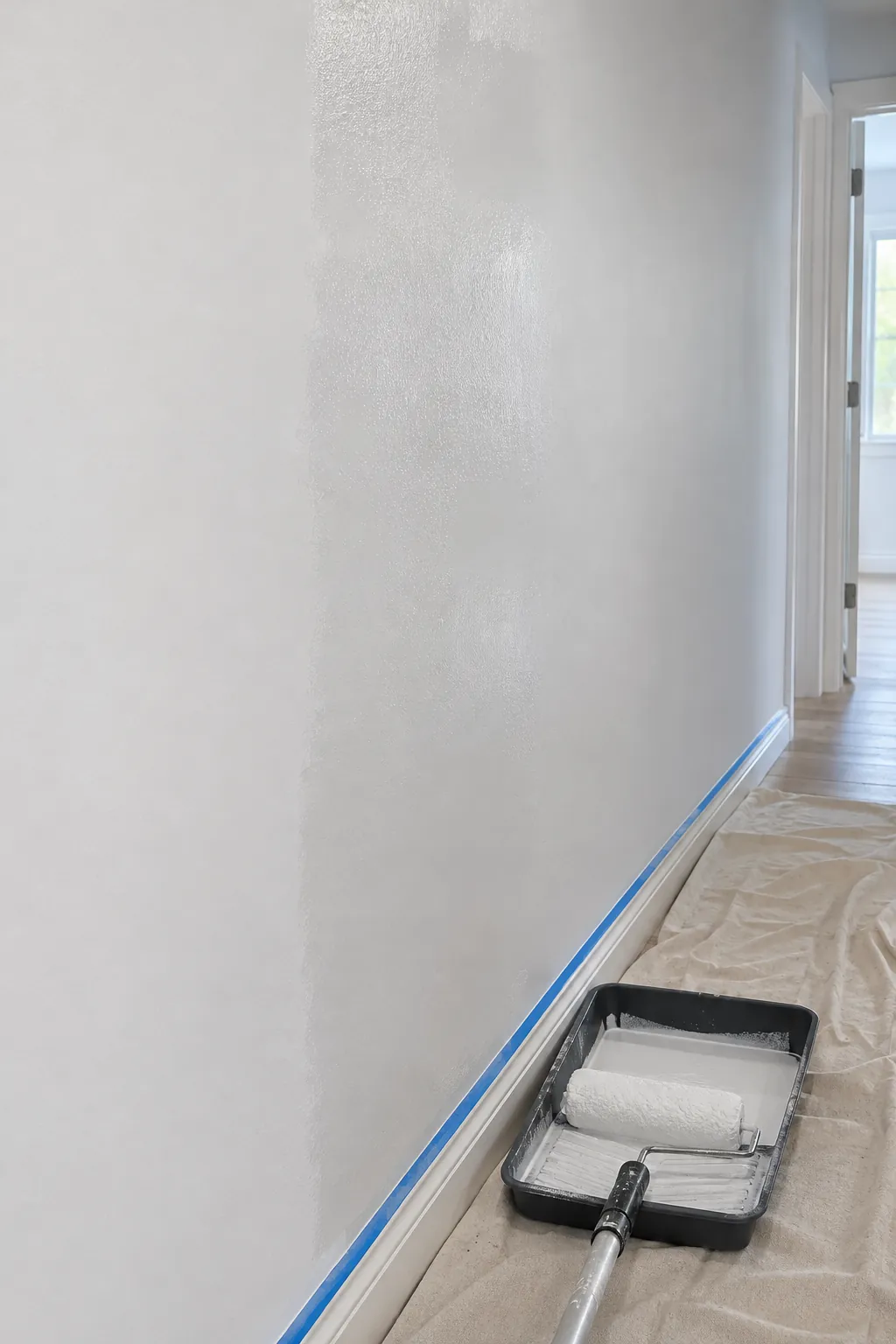
Wet paint often looks darker or more translucent than its final color. Uneven drying can produce temporary patches where one area reflects more light. Wait for the stated recoat and cure guidance before making a final color judgment.
Coverage also matters when a strong old color remains below. A proper primer and complete coats create a more reliable field for judging undertone. If the wall looks evenly pink after it dries, another identical coat will usually strengthen coverage without changing the basic color bias.
Test large movable samples in context
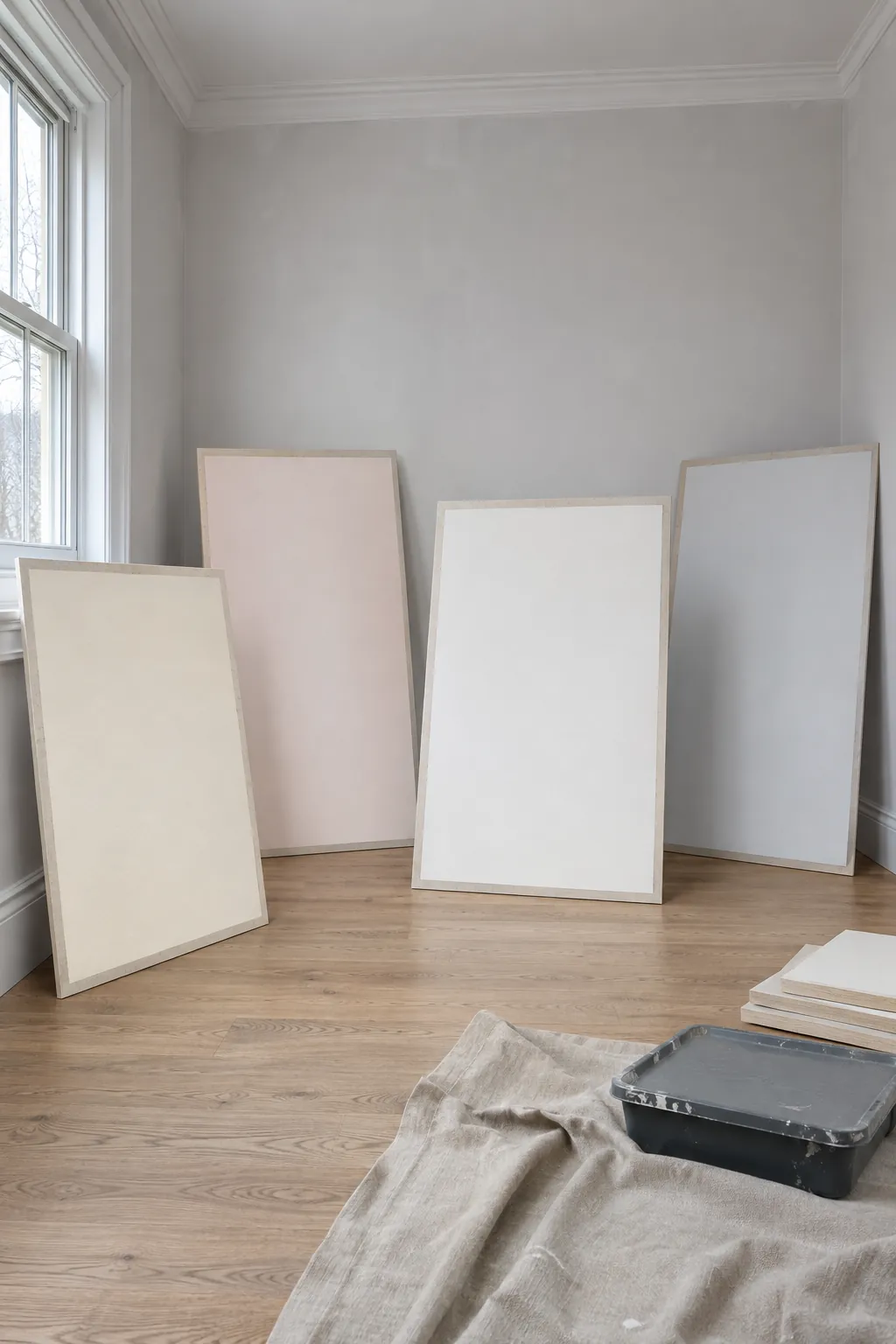
Paint two coats on separate large sample boards and let them dry fully. Move the boards beside trim, flooring, cabinets, and the darkest corner. Leave a narrow neutral border around each sample so the existing wall color does not distort the comparison.
Keep the test in place through a full day and view it under the actual evening lamps. Compare only a few candidates at once. Too many similar whites make small differences harder to interpret and encourage a quick choice based on names rather than the room.
Decide whether lighting or repainting is the right fix
If the white looks wrong only under one lamp, change that light first. If reflected color is responsible, adjust the nearby curtain, rug, or finish only when that change also suits the room. These corrections can improve the wall without creating another expensive painting project.
Repaint when the dried color remains uniformly incompatible under the light and finishes you intend to keep. Prime first when stains, contamination, or a strong old color affect the result. The dependable replacement is not the most popular white, but the tested white that stays acceptable in this room from morning through night.