
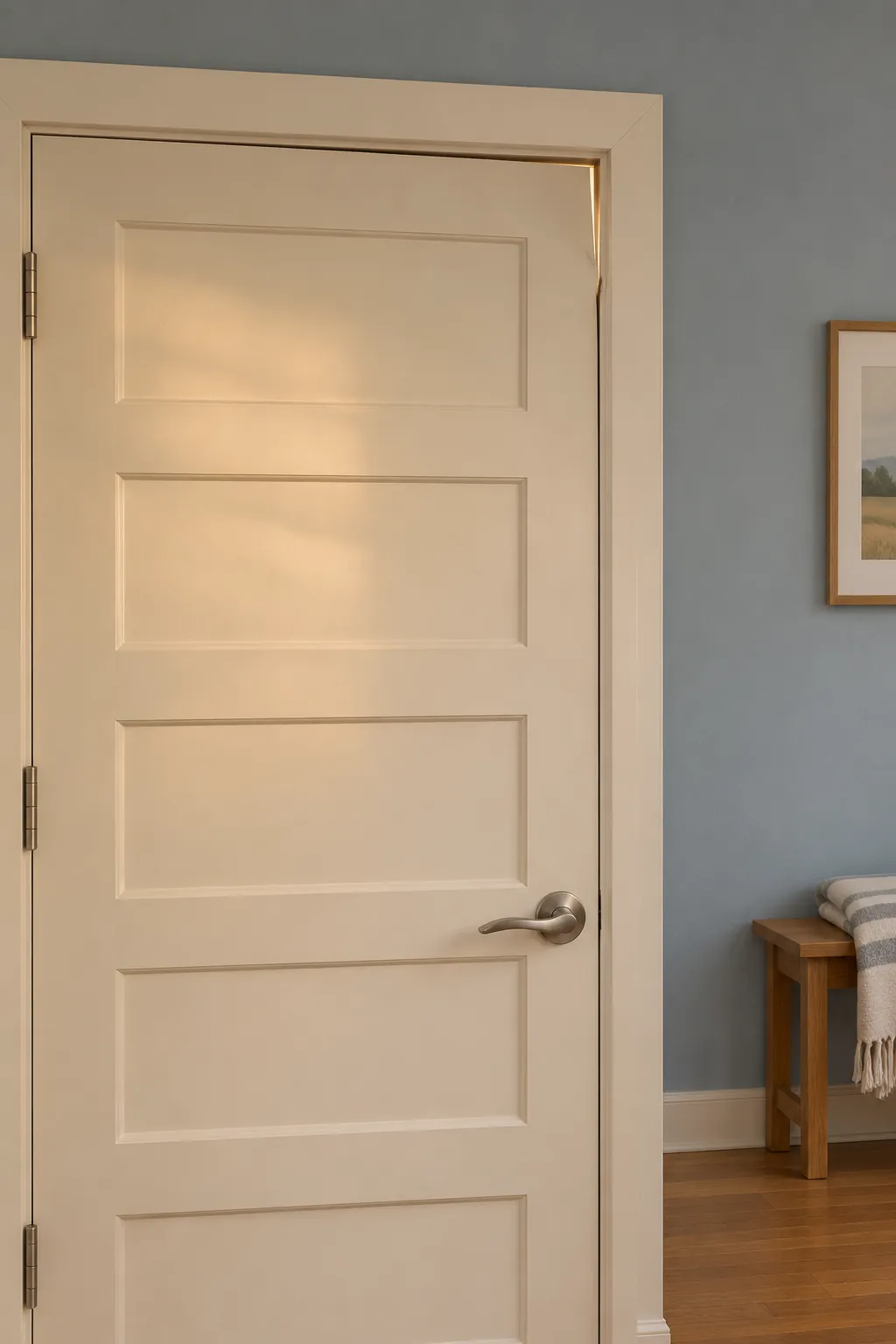
If a bedroom door only catches when you lift the handle, pay attention to where the door touches the frame. That small clue can save you from sanding the wrong edge or moving a strike plate that was already in the right place.
Read the gap around the door
Close the door slowly and stop at the first point of contact. Look at the narrow gap between the door and the frame, especially at the two top corners. A gap that widens at the hinge end of the top edge and narrows at the upper latch corner often means the latch side has dropped.
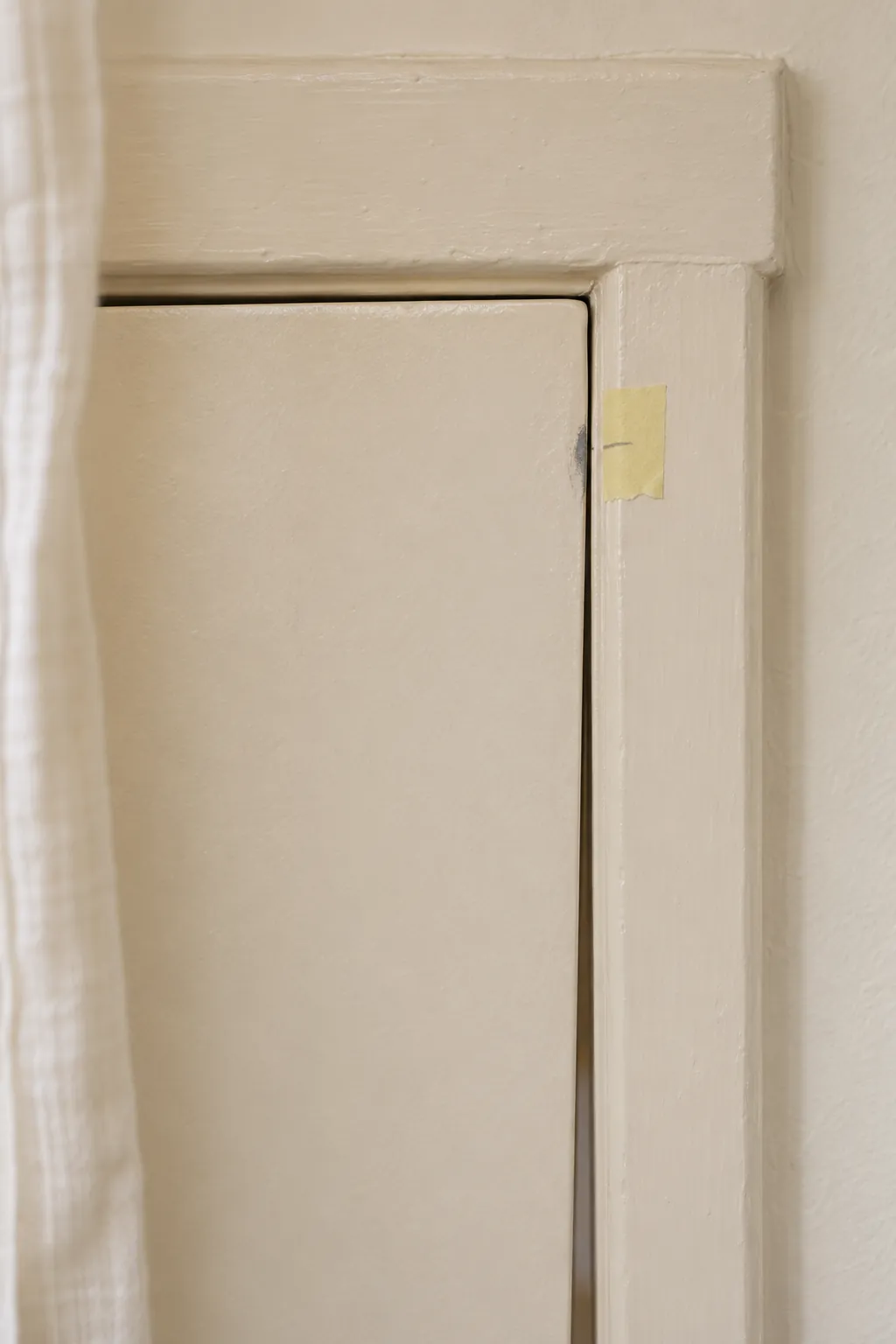
Work the handle with the door open to make sure the latch moves freely. Then hold the latch in with the handle as you ease the door shut. If the door clears the frame this way, check where the latch meets the strike after checking the hinges. A pencil line on masking tape beside a scuff makes the contact point easy to find again.
Lift the latch edge and watch the top hinge
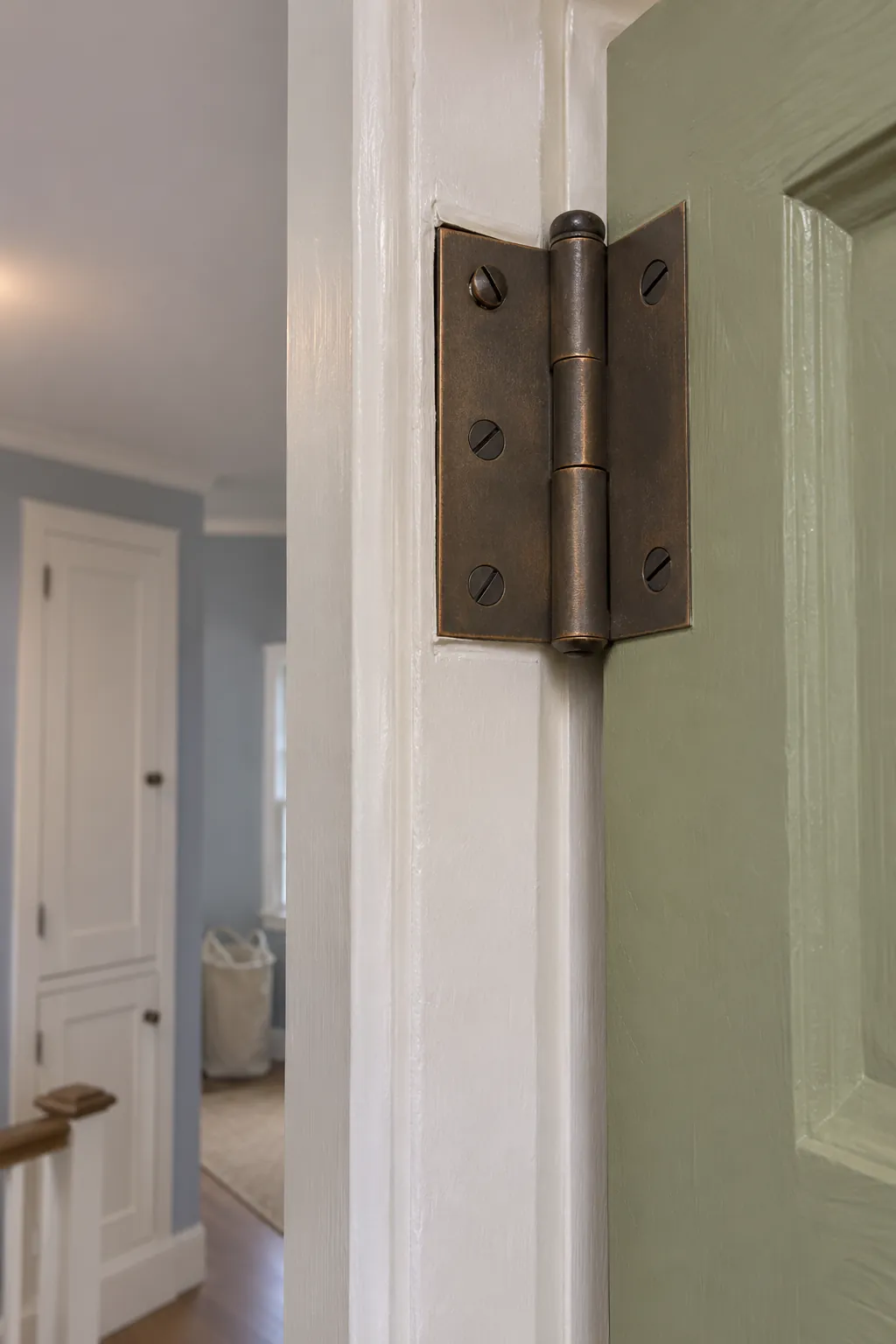
Open the door a few inches and gently lift the latch edge by the knob or lever. Watch where each hinge leaf meets the wood. A leaf that shifts against the jamb or door points to loose fasteners. If both leaves stay still and you can see movement between the hinge knuckles, the hinge itself may be worn.
Snug the existing hinge screws
Slip a wood wedge under the latch end to support the door at its current height. Tighten loose hinge screws on both leaves with a screwdriver that fits the heads. Seat each screw head flush with its hinge leaf so the two leaves can fold together fully.
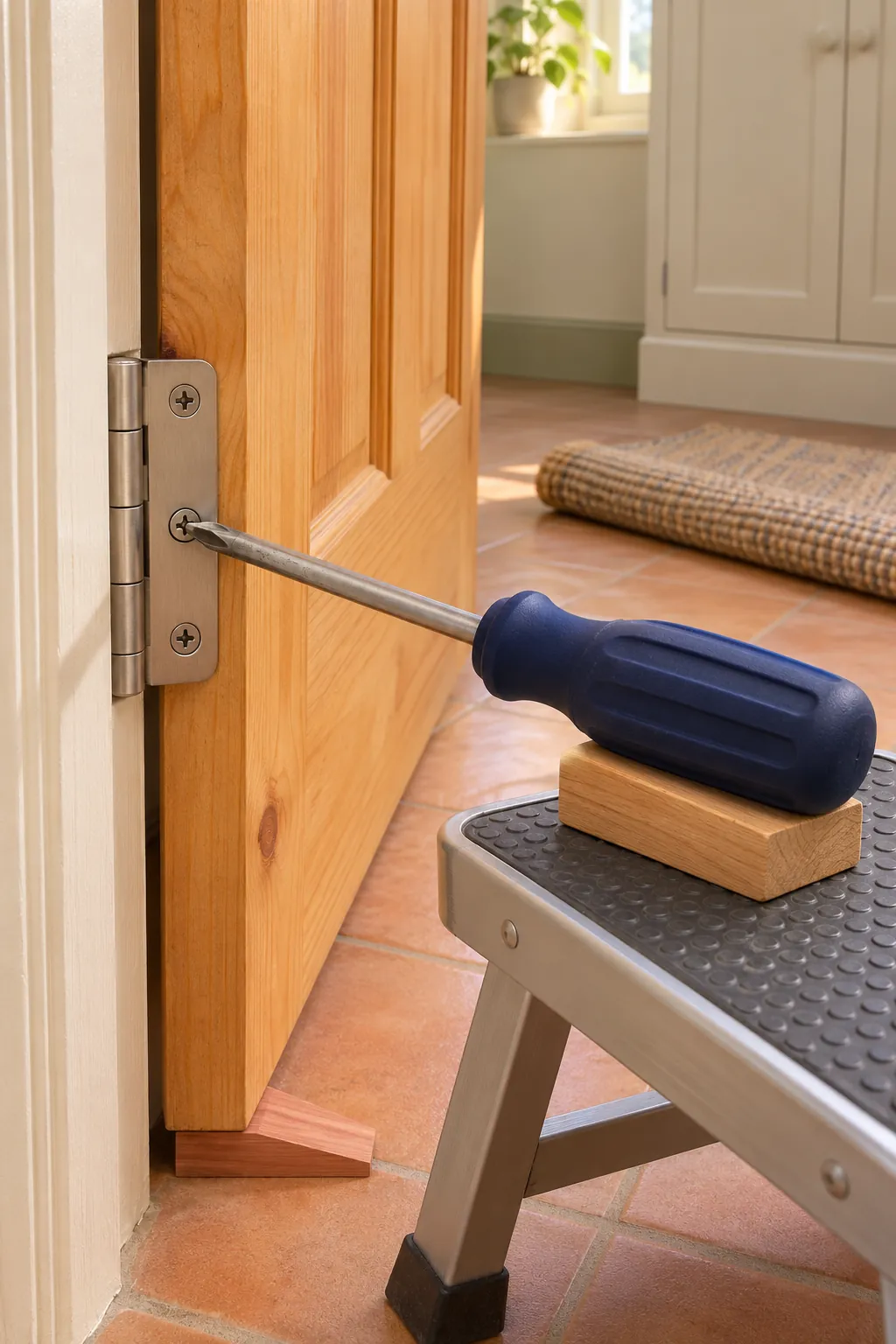
Remove the wedge and close the door after the first adjustment. A screw that turns repeatedly without getting snug has lost its grip. Stop turning it and repair that hole before making further door hinge adjustments.
Restore the grip in a stripped hole
Support the door securely before loosening a hinge leaf. For a stripped hole in sound solid wood, drill the damaged hole round, glue in a snug hardwood dowel, and let the glue cure according to its label. Trim the dowel flush, then drill a centered pilot hole sized for the screw before reinstalling the hinge.
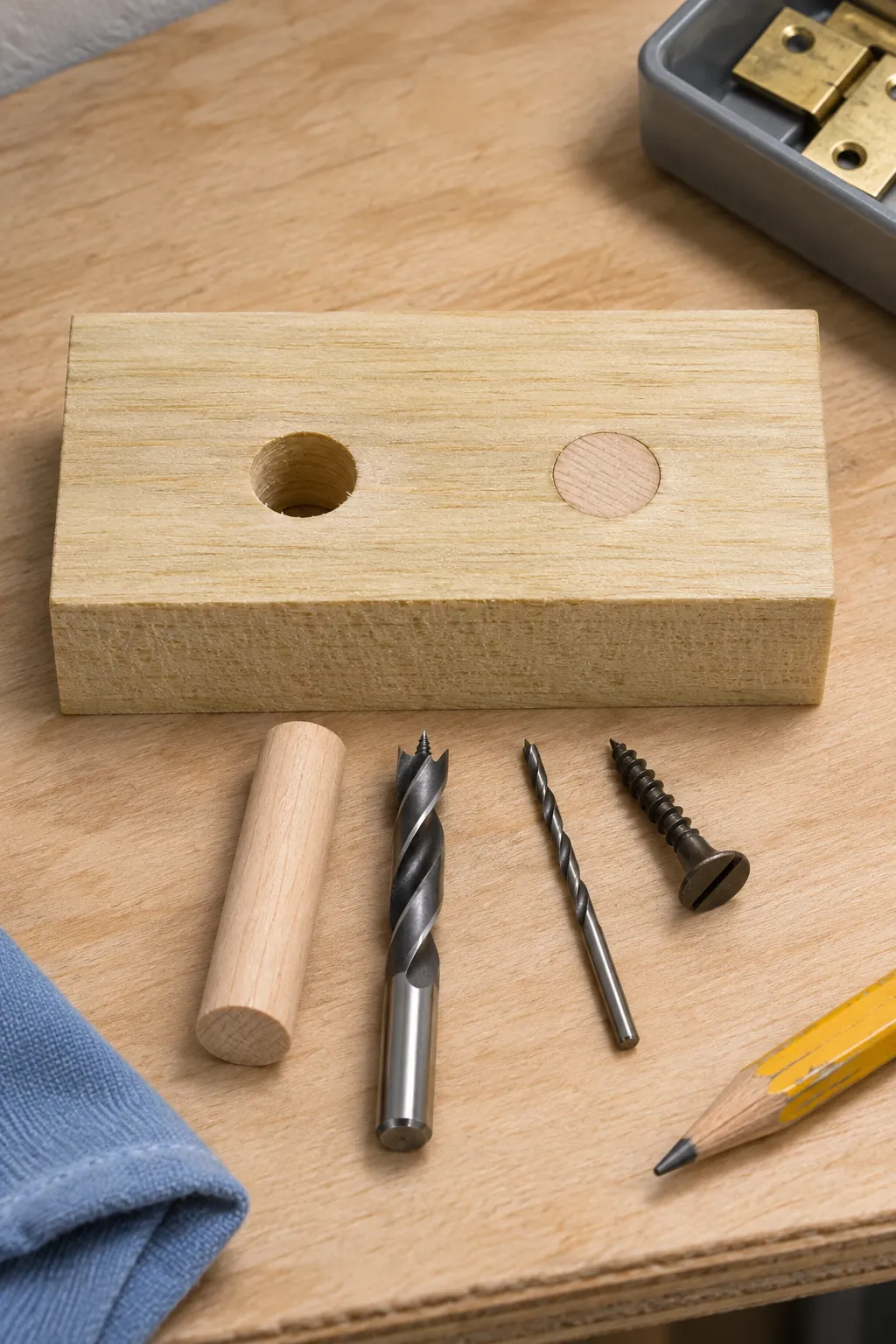
A longer screw can help on the jamb side if you know it will reach sound framing safely. Choose a matching flat head that seats inside the hinge recess and stop as soon as the leaf is secure. Drawing the jamb in too far can shift the gap again. For a hollow door with a damaged hinge edge, check the door maker’s repair guidance before drilling deeper.
Check the hinge fit before adding a shim
Check that every leaf sits flat in its shallow recess. A proud screw head or a lump of paint under a leaf can hold the door away from the frame. If the hinges are sound and the upper latch corner still rubs the side jamb, a thin purpose made shim behind the lower jamb leaf can shift that end of the hinge line slightly toward the latch side and tilt the top corner away from the rub.
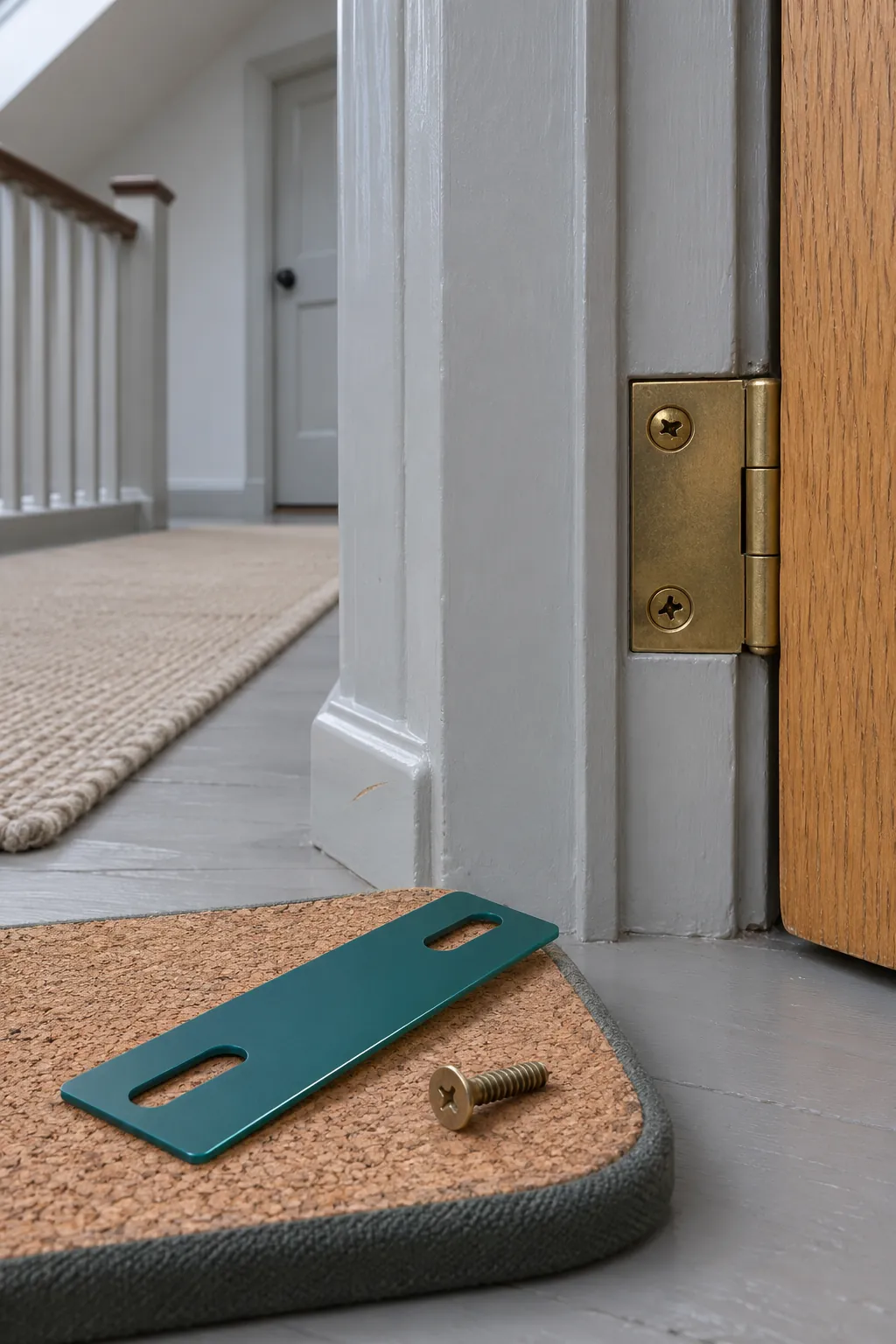
Try one thin shim and retest carefully. Remove it if the gap tightens elsewhere or the hinge starts to bind. A hinge with worn knuckles or a bent leaf needs a matching replacement before a shim can give you a reliable reading.
Confirm the door closes and the latch catches
Close the door gently several times with the wedge removed. Check that the repaired corner clears, the other gaps still look even, and the latch clicks into the strike without lifting the handle. If the door now moves freely and the latch still misses, use a small smear of washable chalk on the latch tip to mark where it meets the strike.
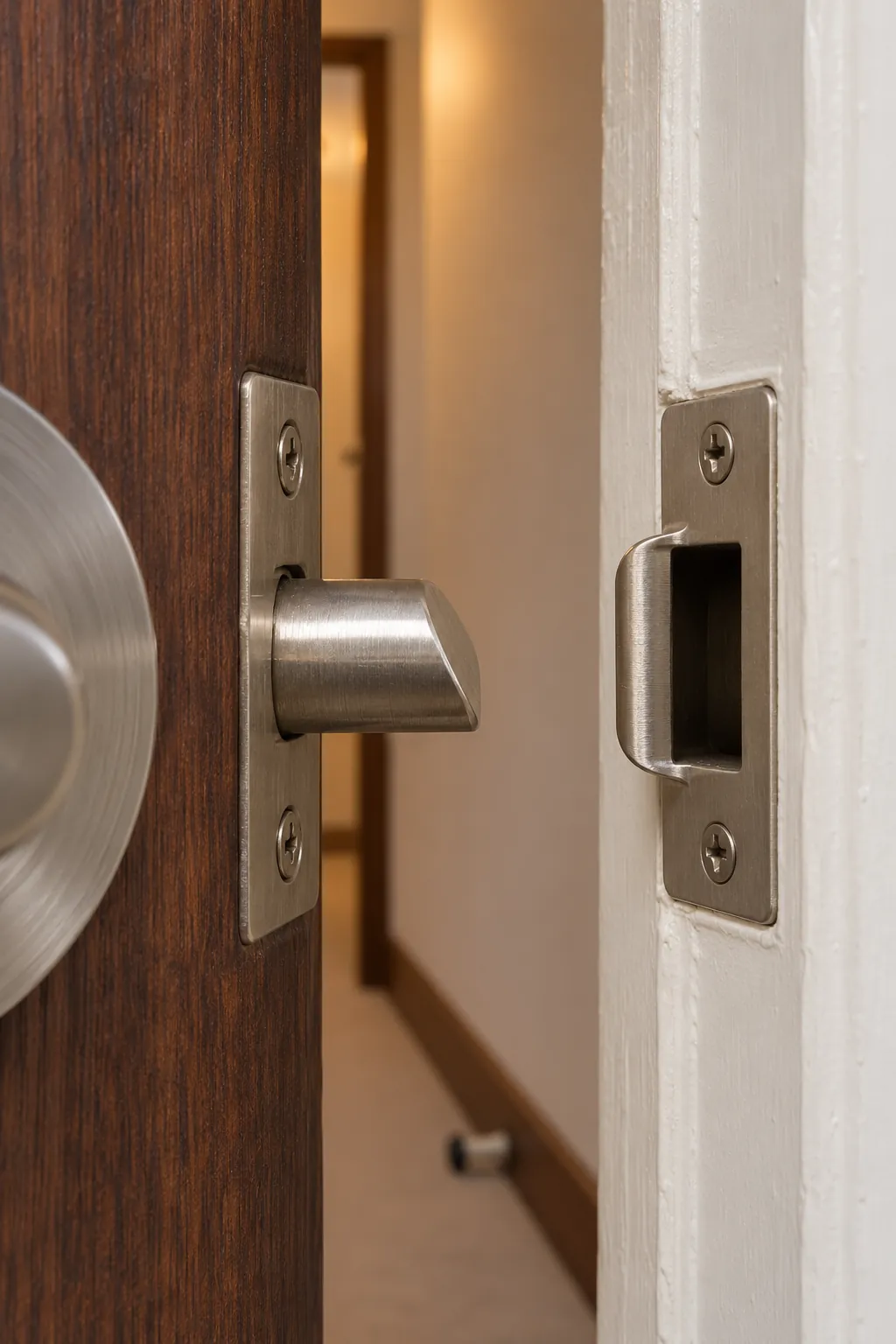
If the gap shifts again or the jamb moves when you push it lightly, inspect the frame before trimming the door. A loose jamb, split wood around a hinge, or several nearby doors that have begun binding may call for a carpenter to check the opening. The repair is ready for daily use when the door closes under a gentle push and stays latched with the handle released.