
Have you ever admired the lush, glossy leaves of a rubber plant and wished you could bring that beauty into your home? You’re not alone! Rubber plants (Ficus elastica) are popular indoor plants, known for their stunning foliage and low-maintenance nature. However, to keep your rubber plant thriving and looking its best, you need to know a few essential care tips.
In this article, we’ll share ten crucial tips for rubber plant care that will help your Ficus leaves shine and flourish. Whether you’re a seasoned plant parent or just starting your indoor gardening journey, these tips will ensure you enjoy a healthy and vibrant rubber plant for years to come.
Choose the Right Potting Mix for Your Rubber Plant
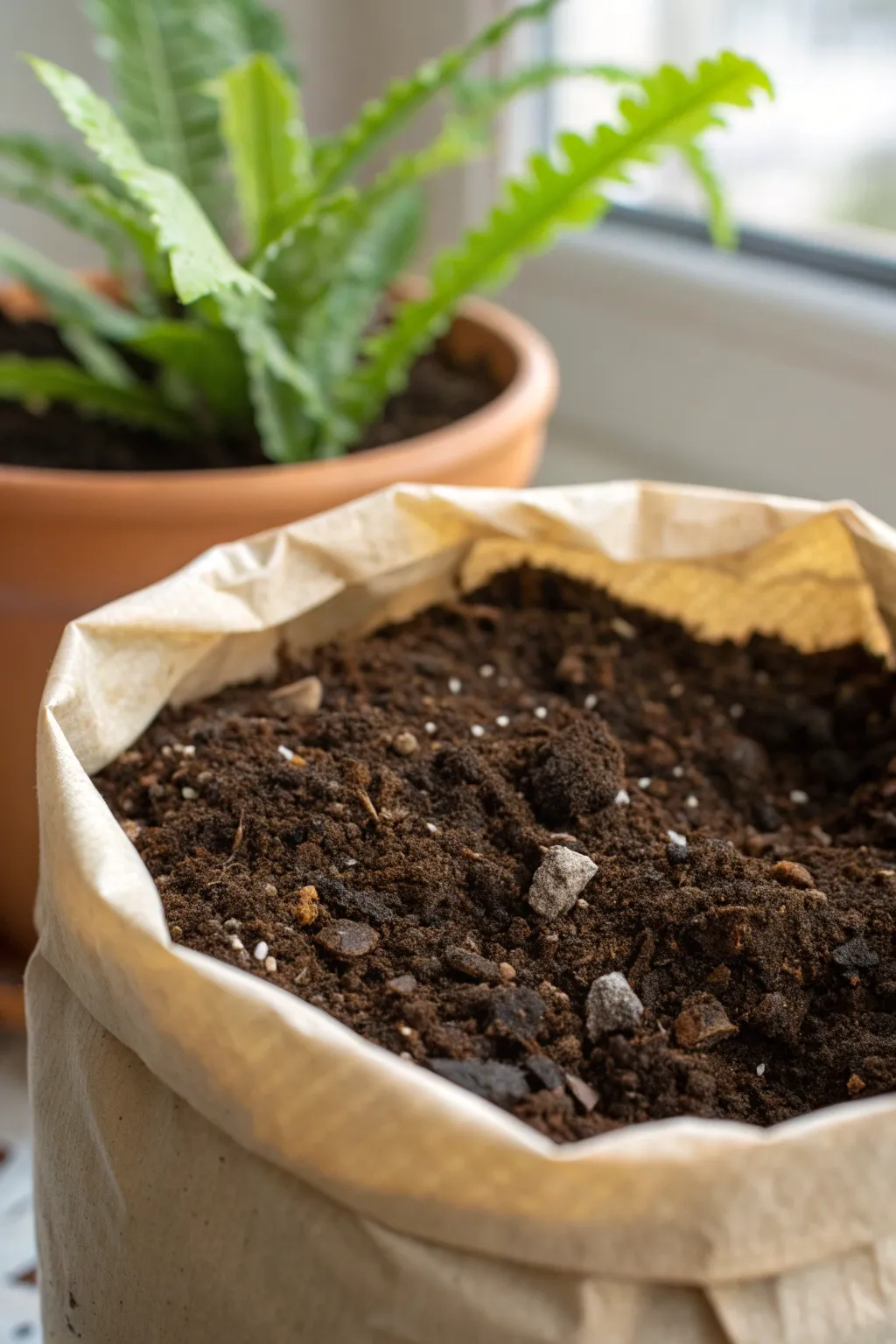
Selecting the right potting mix is crucial for your rubber plant’s health. A well-draining mix is ideal, as rubber plants don’t like sitting in soggy soil. Look for a blend that includes peat moss, perlite, and pine bark. This combination allows for both moisture retention and drainage, promoting a healthy root system. If you’re using a store-bought mix, you can enhance it by adding extra perlite to ensure it’s light and airy, which is perfect for your Ficus indoor plant.
Remember, the right potting mix sets the foundation for your plant’s growth, so take your time to find one that suits your rubber plant’s needs.
Provide Bright, Indirect Light
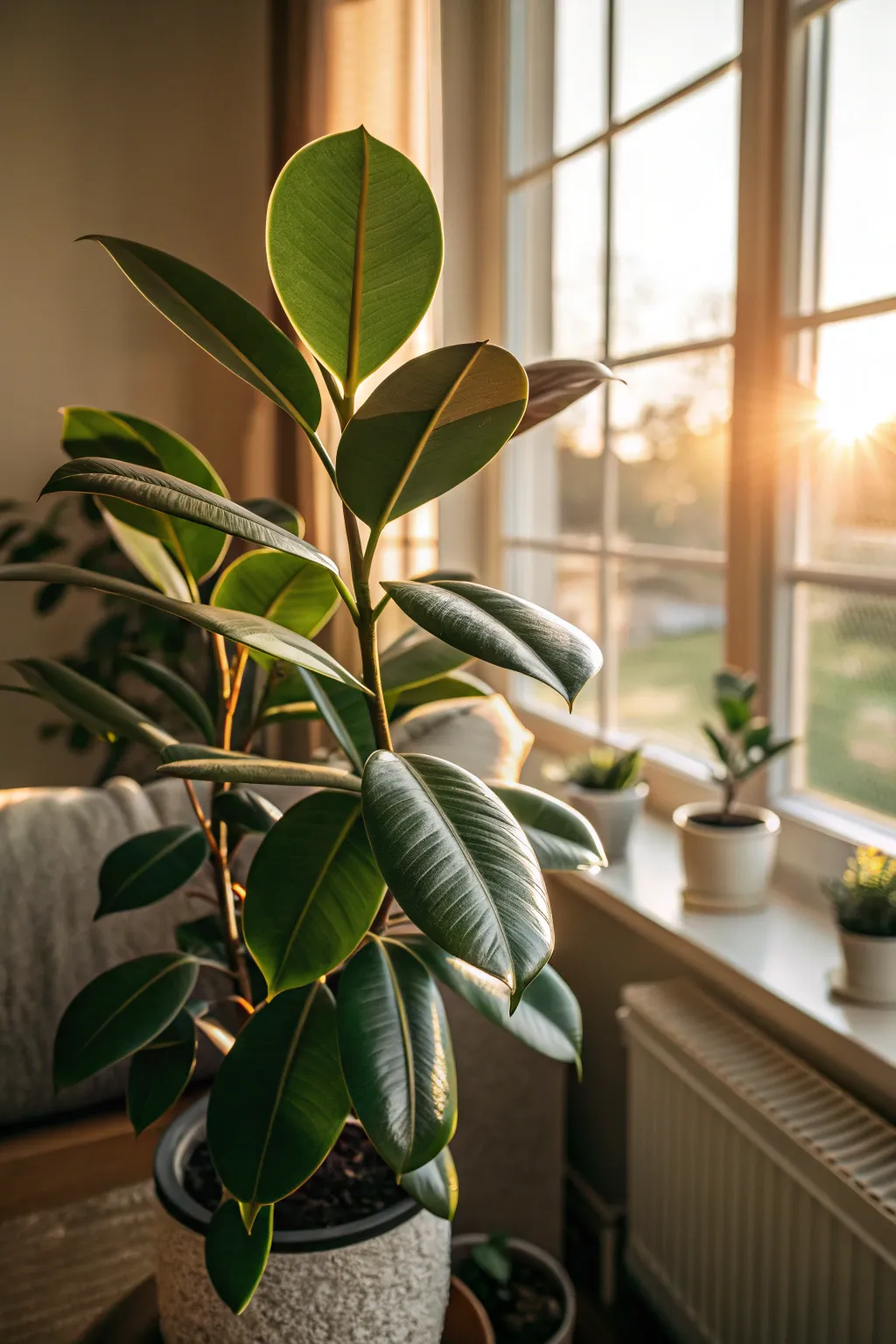
Rubber plants thrive in bright, indirect light. While they can tolerate lower light conditions, their growth may slow down, and the leaves might lose their vibrant color. Place your plant near a window where it can soak up the filtered sunlight but avoid direct sun exposure, which can scorch the leaves. If your space lacks natural light, consider using a grow light to supplement its needs. A well-positioned rubber plant not only grows better but also enhances the aesthetic of your home decor.
Water When the Top Inch of Soil is Dry
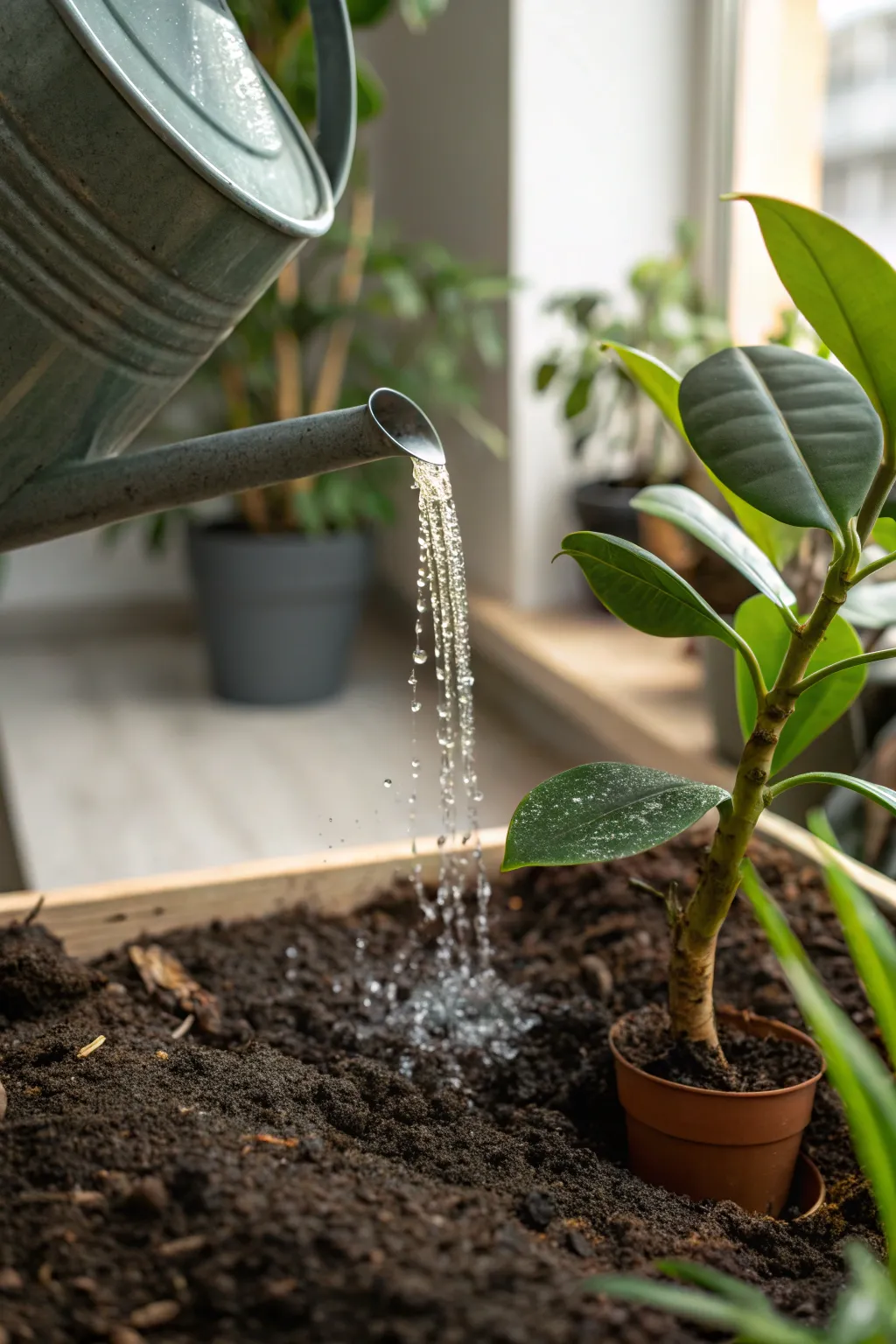
One of the most common mistakes with rubber plant care is overwatering. To avoid this, check the top inch of the soil—if it feels dry, it’s time to water. Rubber plants prefer their soil to dry out a bit between waterings. When you do water, do so thoroughly until it drains out of the bottom of the pot. This ensures the roots get enough moisture without becoming waterlogged. During the winter, reduce watering frequency since the plant’s growth slows down.
Maintain Humidity for Optimal Growth
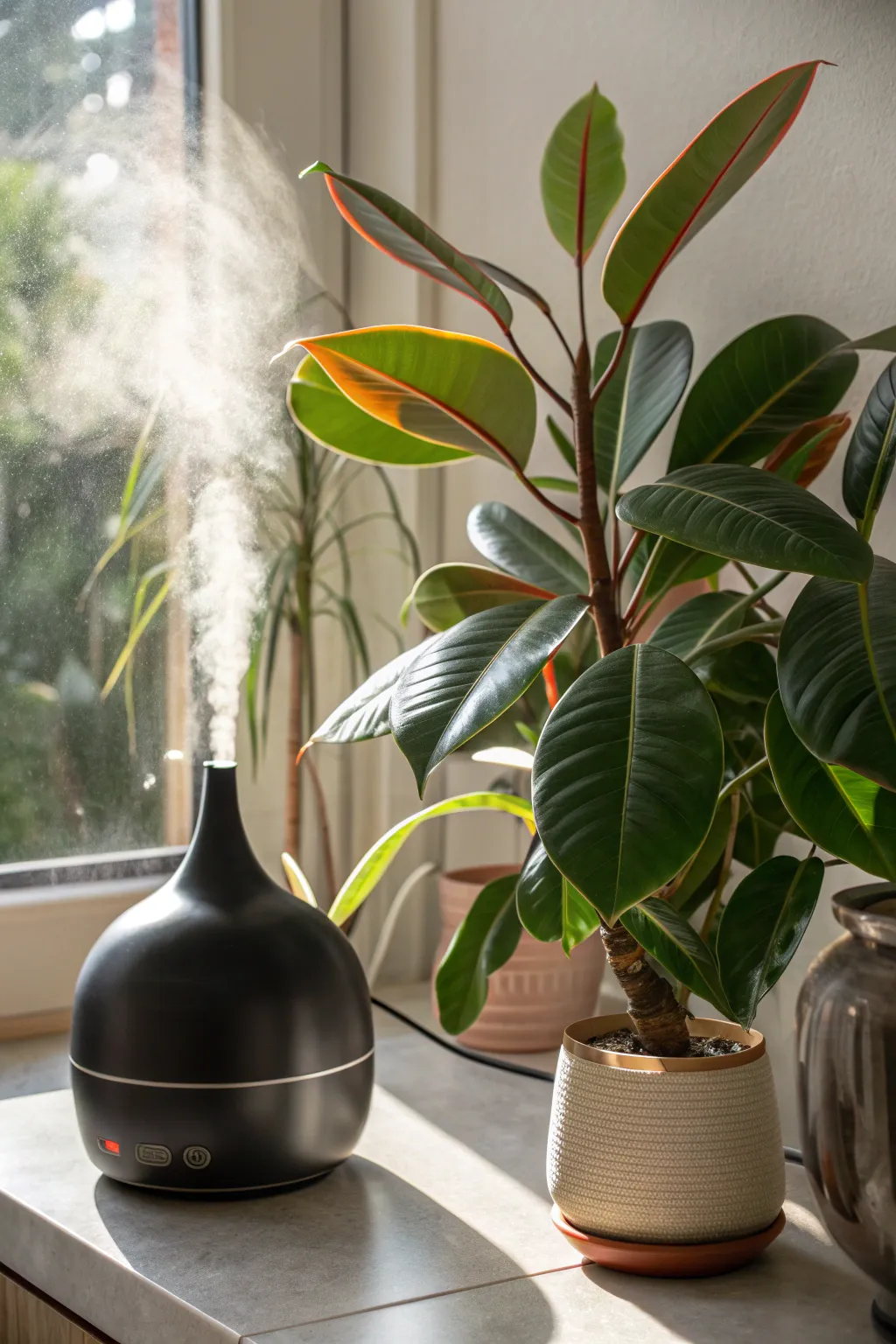
Rubber plants enjoy humidity, making them ideal for homes with higher moisture levels, like kitchens and bathrooms. If your home is dry, especially during winter, consider using a humidifier to create a more suitable environment. Alternatively, you can place a tray of water with pebbles under the pot to increase humidity without saturating the roots. Keeping the humidity levels around 50% will help your rubber plant grow lush, healthy leaves.
Fertilize During the Growing Season
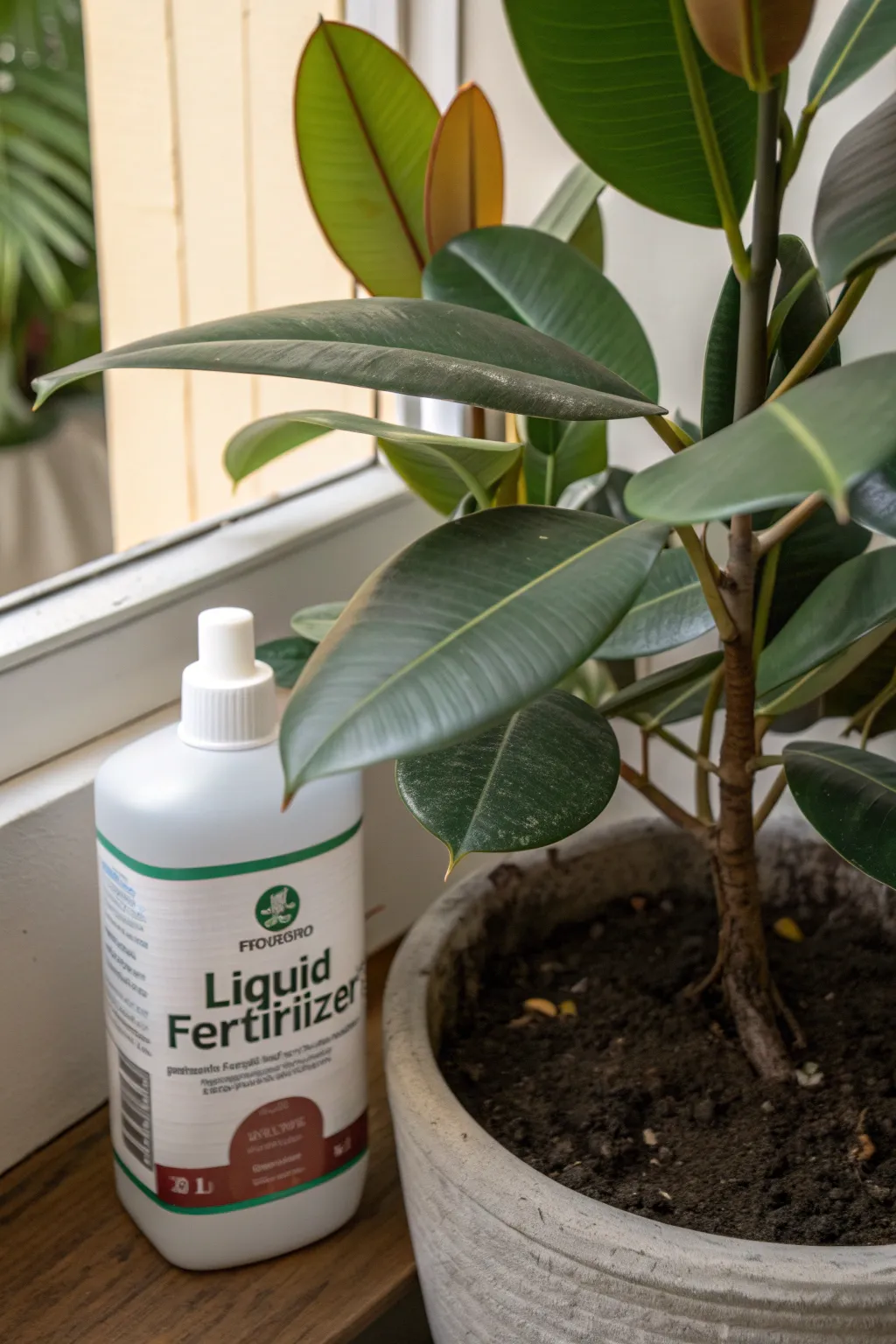
To keep your rubber plant healthy, fertilize it during the growing season, which typically runs from spring to early fall. Use a balanced liquid fertilizer every four to six weeks, diluting it to half strength to avoid fertilizer burn. This feeding will provide the necessary nutrients for growth and support the development of beautiful Ficus leaves. Avoid fertilizing in the winter months when the plant is dormant.
Prune for Shape and Health
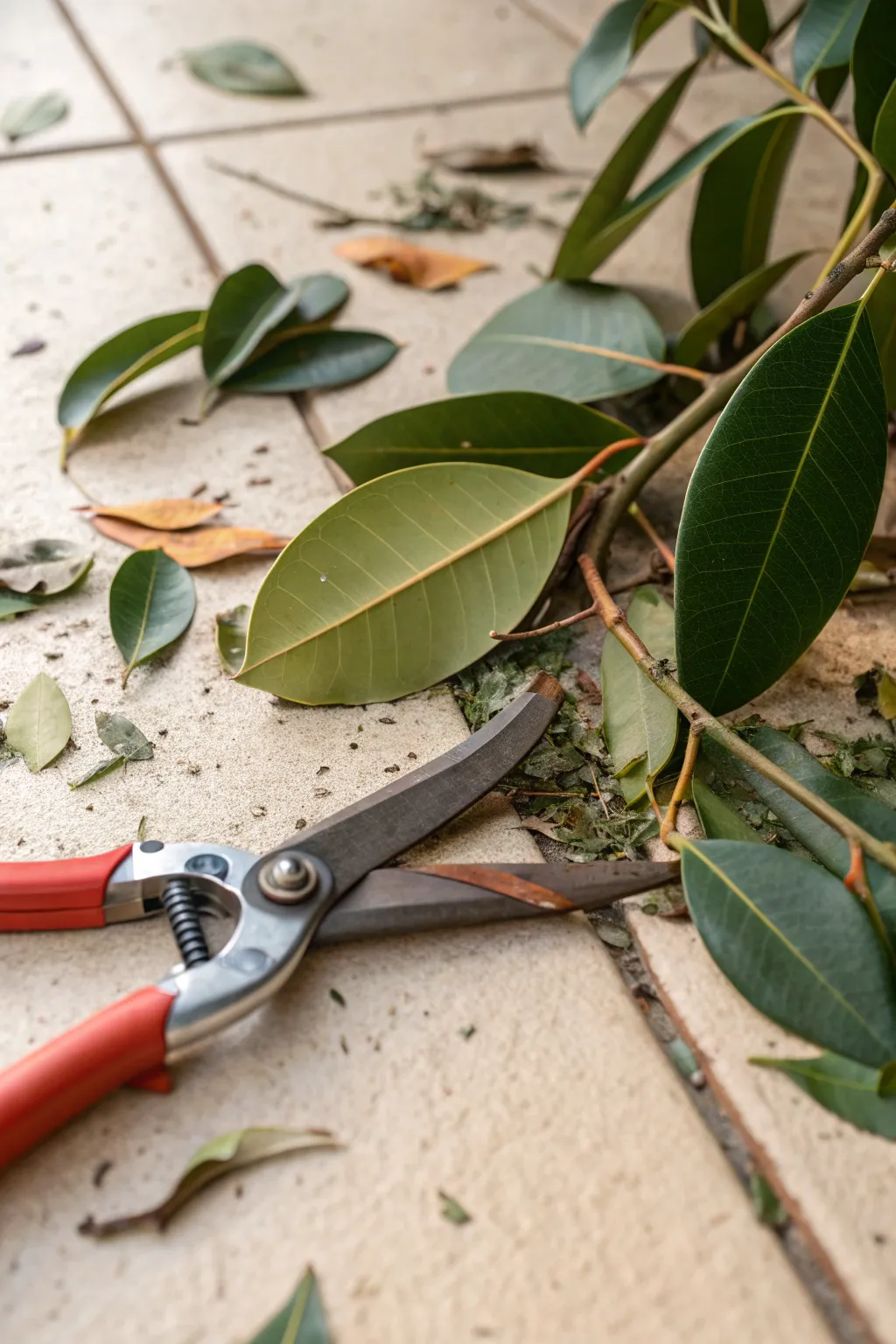
Regular pruning helps maintain the shape and health of your rubber plant. Trim away any dead or yellowing leaves to encourage new growth and improve air circulation. You can also pinch back the tips of the stems to promote bushier growth. Use clean, sharp shears to avoid damaging the plant, and consider pruning in the spring when the rubber plant is actively growing. A well-maintained rubber plant not only looks better but is also less prone to pests and diseases.
Repot Every 2-3 Years
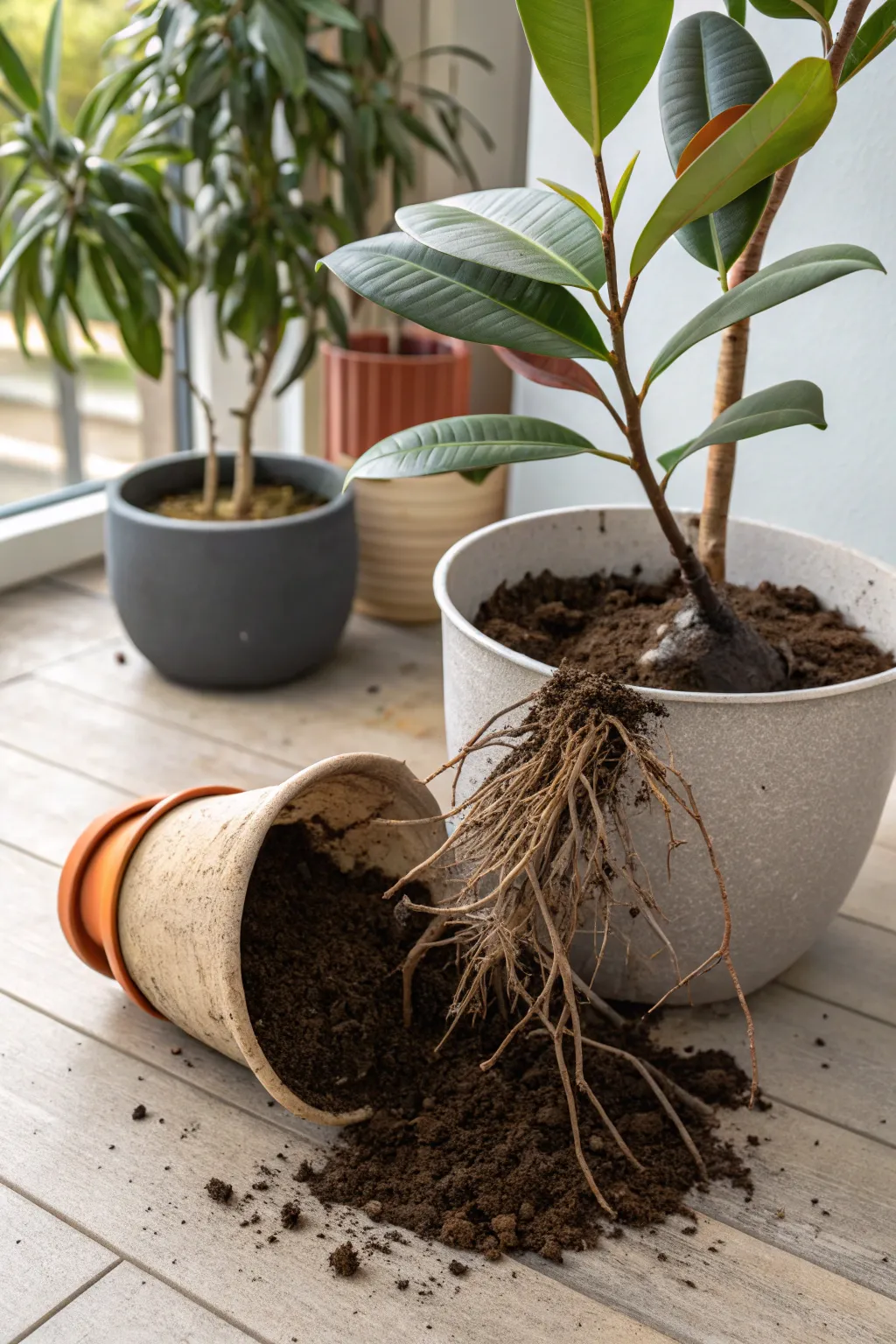
Rubber plants can outgrow their pots quickly, so it’s essential to repot them every 2-3 years. Choose a pot that is one size larger, and refresh the potting mix to provide new nutrients. Repotting also gives you the opportunity to check the roots for any signs of rot or pest infestations. The best time to repot is during the spring, as this aligns with the plant’s growth period. A larger pot allows for better root expansion and overall plant health.
Watch for Common Pests
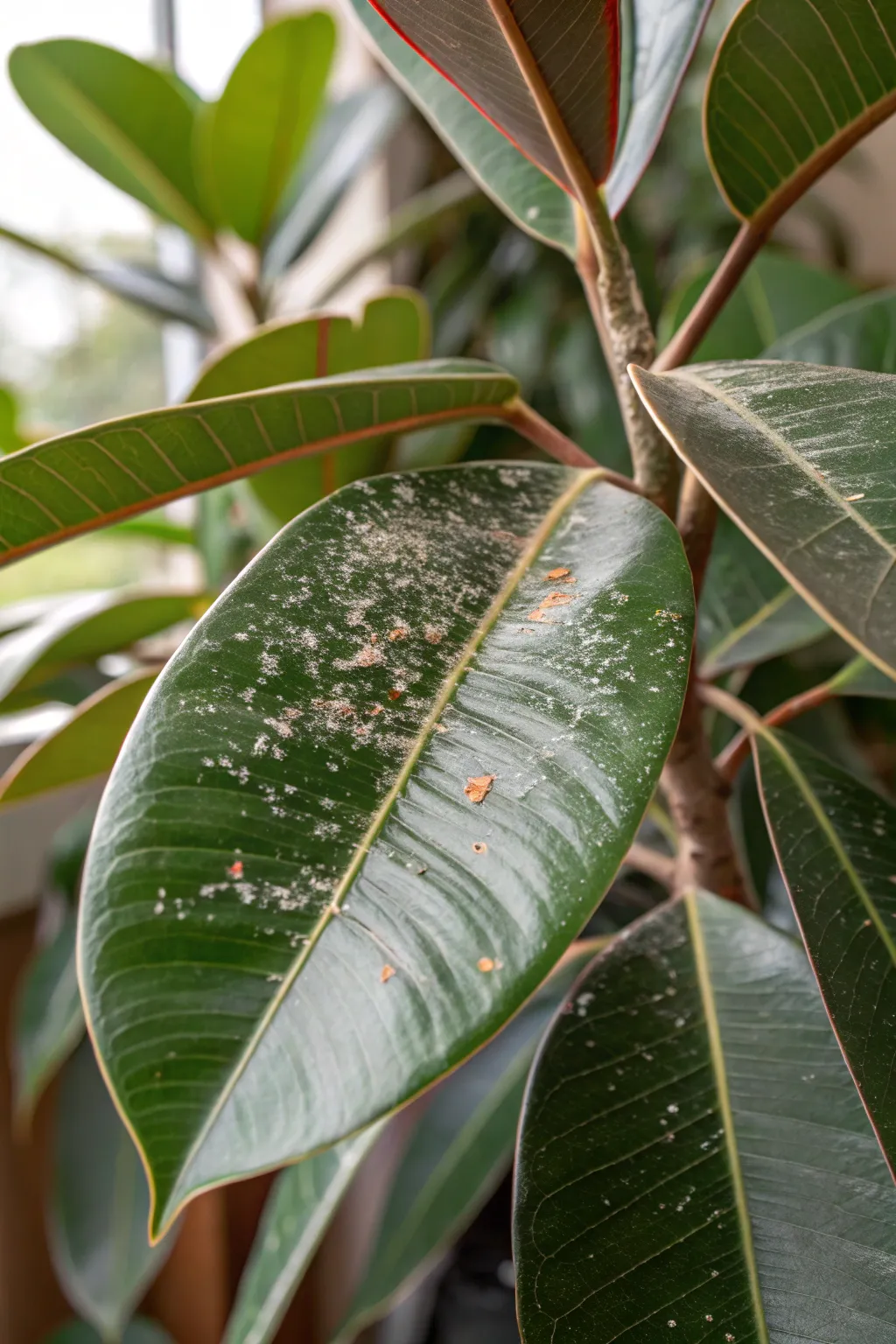
Like many houseplants, rubber plants can be susceptible to pests such as spider mites, mealybugs, and scale. Regularly inspect the leaves for any signs of infestation, such as webbing or sticky residue. If you spot pests, treat the plant with insecticidal soap or neem oil. Keeping your rubber plant clean by wiping the leaves will also help prevent pest problems. Staying vigilant ensures your plant remains healthy and beautiful.
Propagate from Cuttings for New Plants
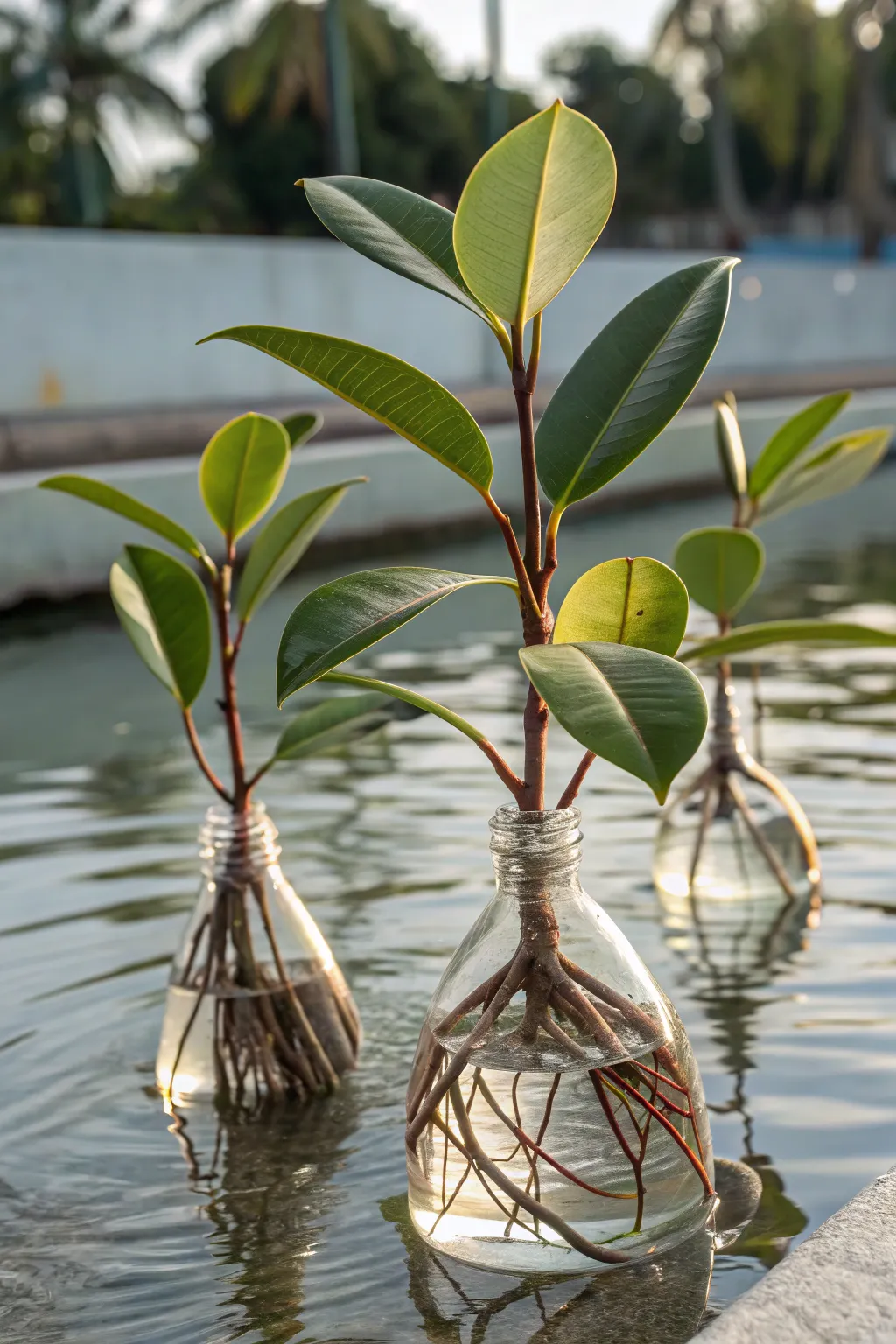
If you want to expand your plant collection, propagating your rubber plant is a rewarding option. You can take cuttings from healthy stems and place them in water or soil. For water propagation, ensure the cut end is submerged, and once roots develop, transfer it to a pot. Soil propagation requires a well-draining mix. Be patient, as it may take several weeks for roots to form. This method not only gives you new plants but also lets you share your love for rubber plants with friends and family.
Clean Leaves Regularly to Enhance Photosynthesis
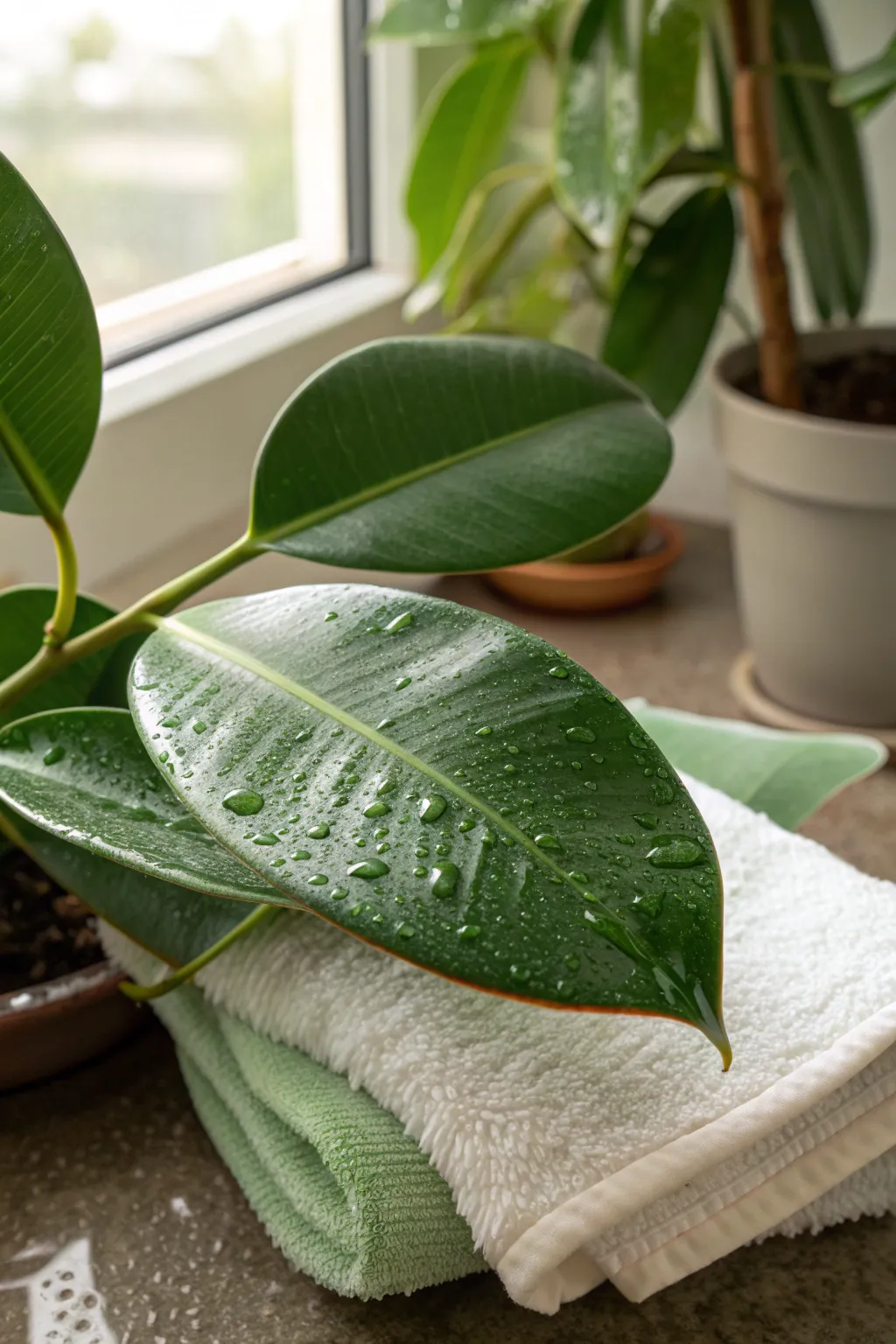
Keeping the leaves of your rubber plant clean is crucial for its health. Dust can accumulate on the leaves, blocking sunlight and hindering photosynthesis. Use a damp cloth to gently wipe the leaves every few weeks. This not only helps the plant absorb more light but also prevents pests from taking up residence. A clean rubber plant looks healthier and can thrive better in your indoor environment.