The most useful retro detail is one you can live with after the first week. A bold fabric still needs to be comfortable, a lamp still needs to light the room, and a new cabinet still needs to fit through the door. Begin with one manageable change and let the room tell you what it needs next.
Start With a Patterned Chair Cover
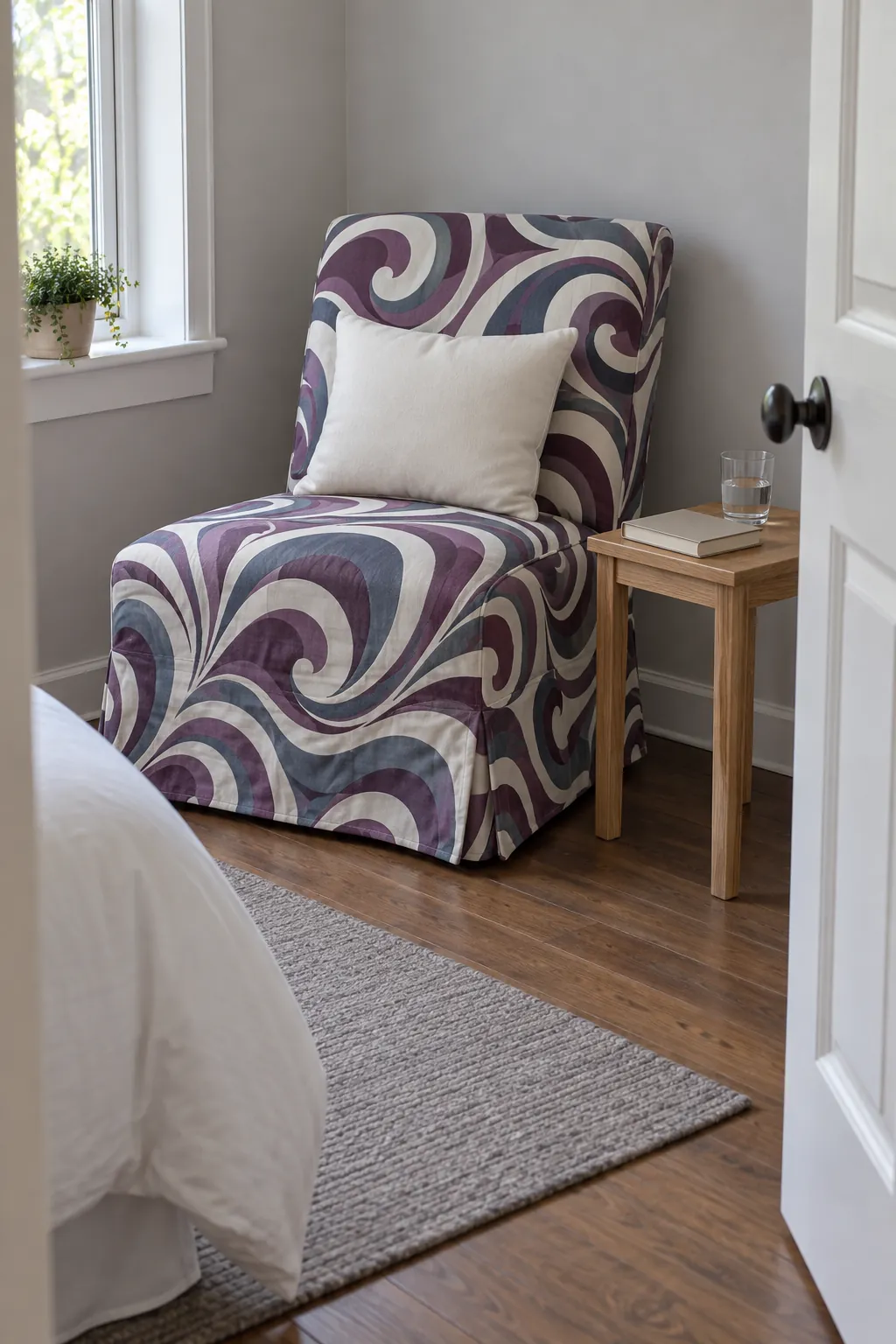
In a 70s bedroom, a swirling print works well on a small upholstered piece because you can see the whole pattern without covering every wall. Try a fitted cover before paying to rebuild a chair that may need structural repairs. Choose a solid cushion that repeats one quiet color from the print. If you reupholster, have the frame, springs, and filling assessed so the fabric budget follows the real repair cost.
Use Warm Color in Useful Kitchen Objects
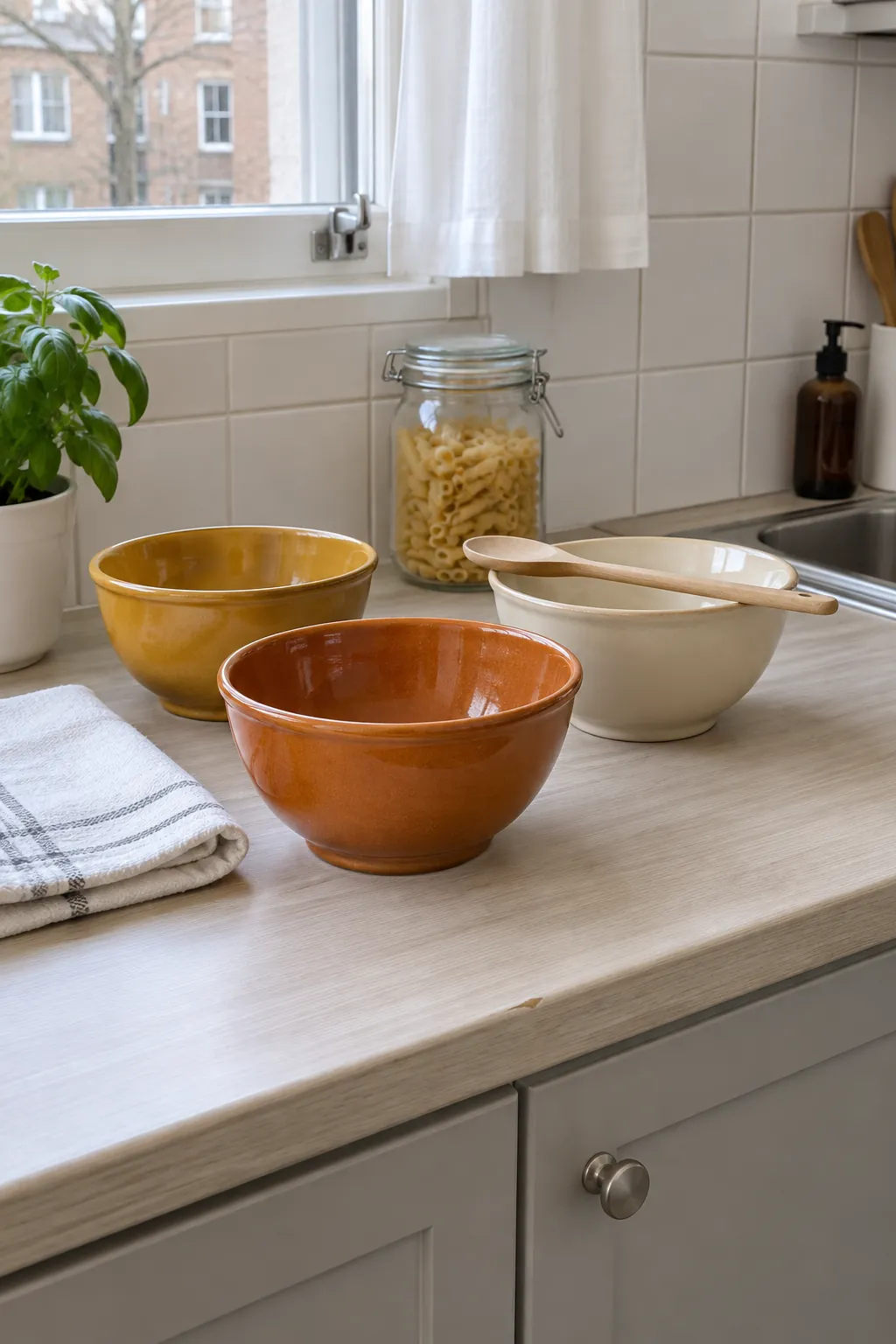
Orange and mustard can bring energy to a kitchen through objects you already need. A small set of bowls or a washable curtain is easier to change than a full cabinet finish. Keep enough plain counter space around the color so the room remains comfortable for cooking. Check secondhand ceramics for chips and suitability for food use before serving from them. An unknown vintage bowl can still be displayed safely as a decorative object.
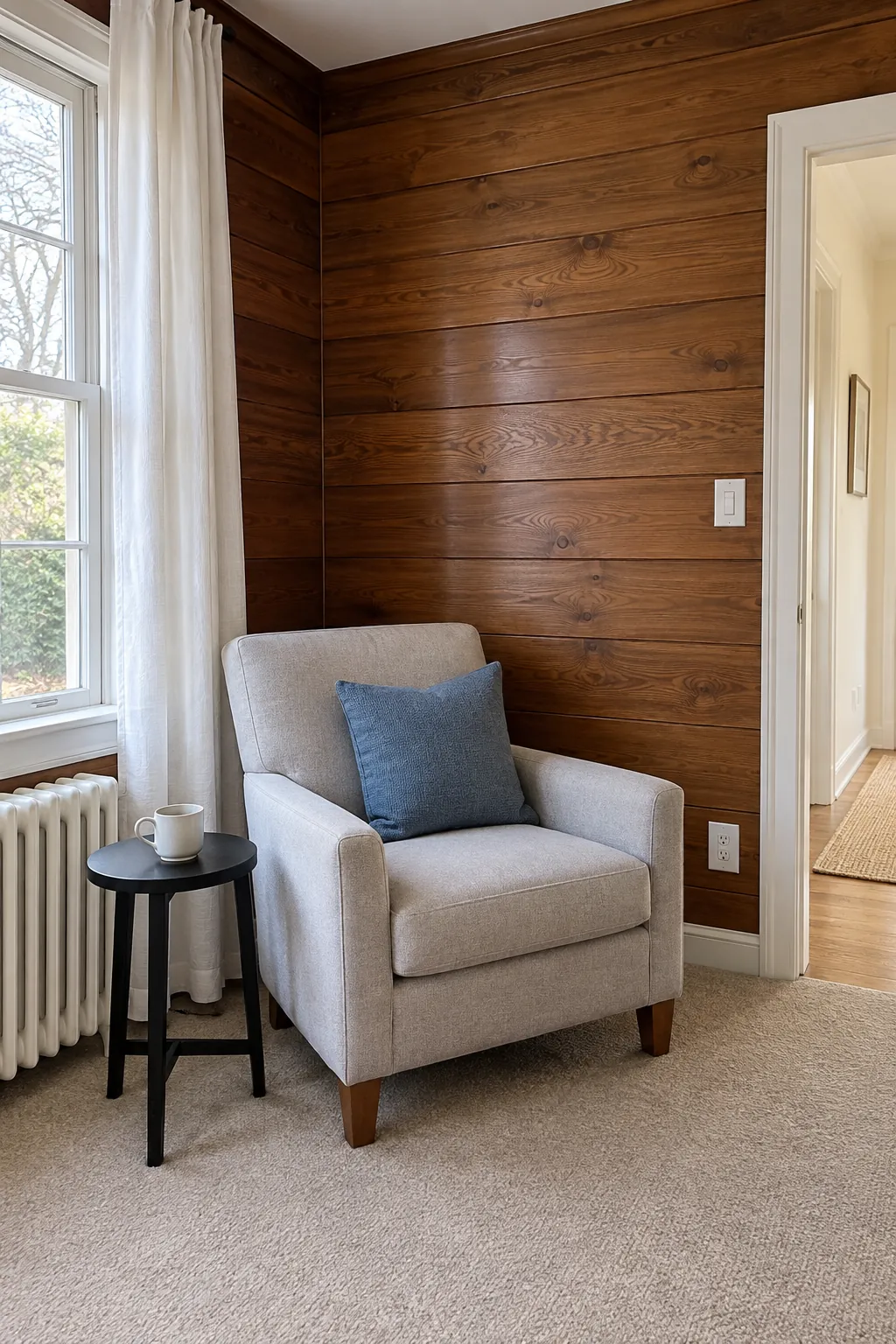
Keep Sound Wood Paneling and Lighten Its Neighbors
Before painting a paneled room, compare it with lighter curtains and upholstery. The contrast may be enough to make the grain feel intentional. Clean a hidden patch first and use products suited to the existing finish. Do not sand or remove old building materials until you know what they contain. If you rent, ask about changes and test any removable product as directed, since adhesive products can damage finishes. Keeping the original surface can be the simplest option.
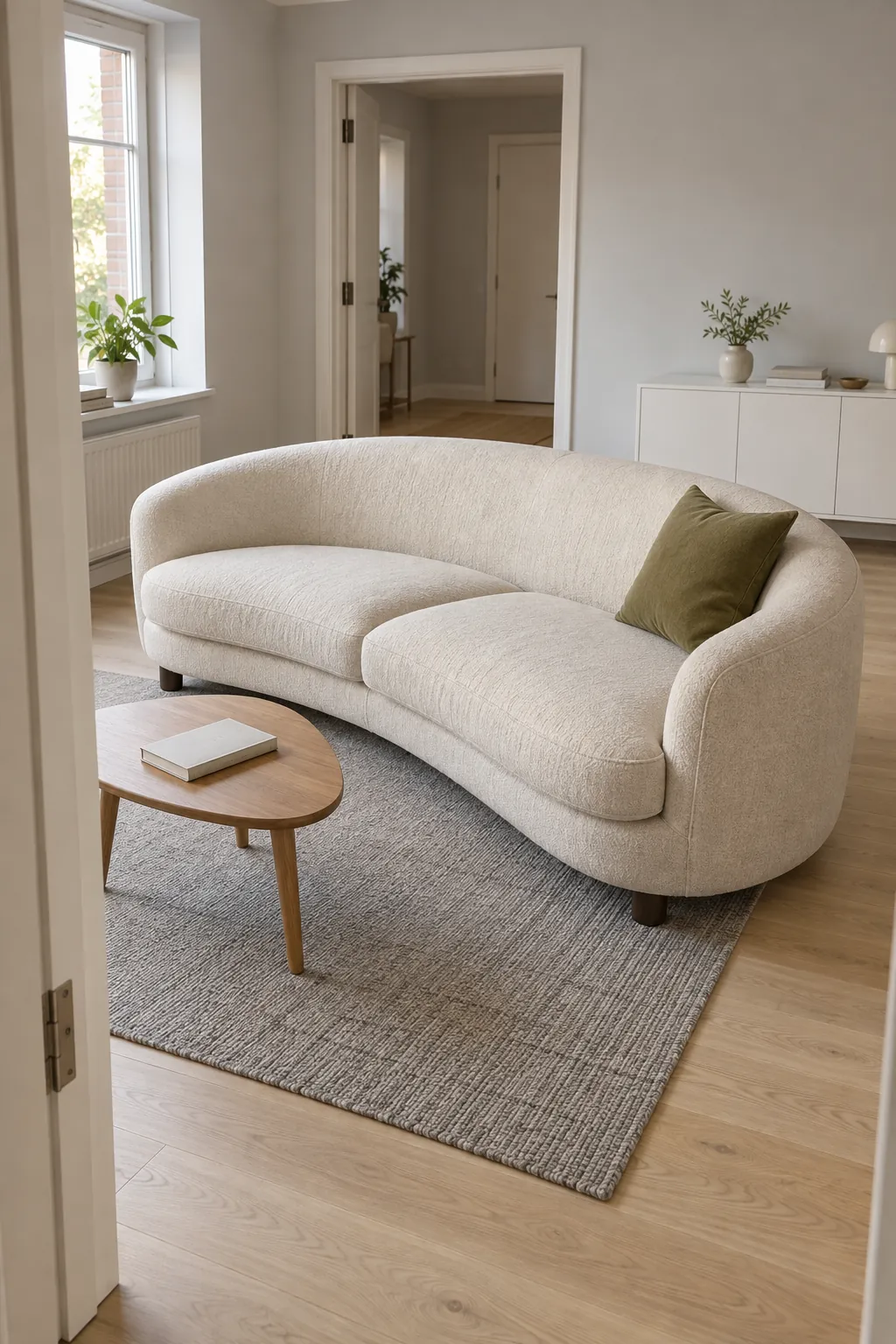
Check Curved Furniture Against the Room Plan
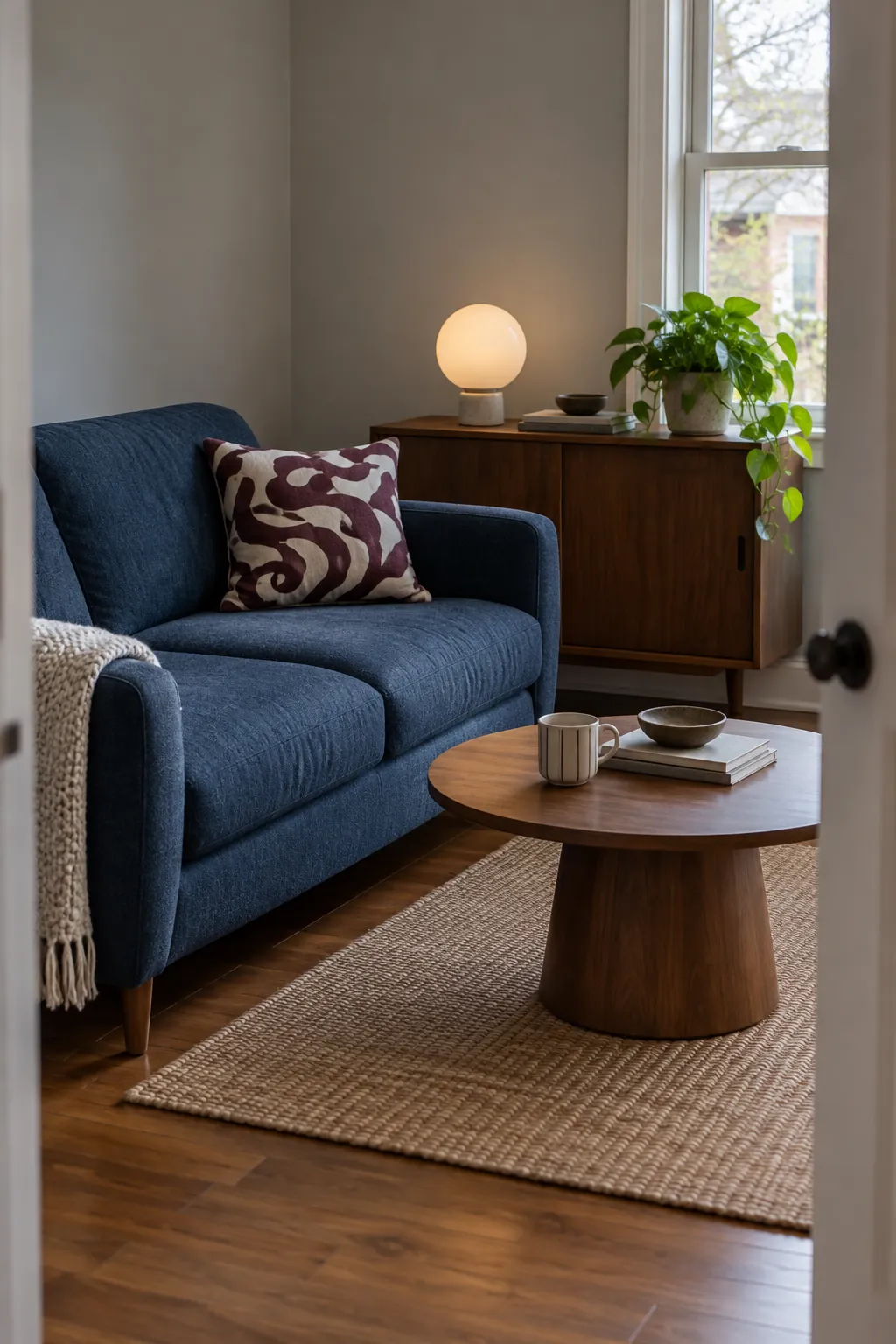
A rounded sofa can suit a modern 70s home, but its curved back can use more space than a straight one. Mark the complete footprint, including the widest points, before buying. Measure doorways and turns along the delivery route as well as the final position. Sit on the piece to check support, then leave enough room for a useful table and a clear walkway.
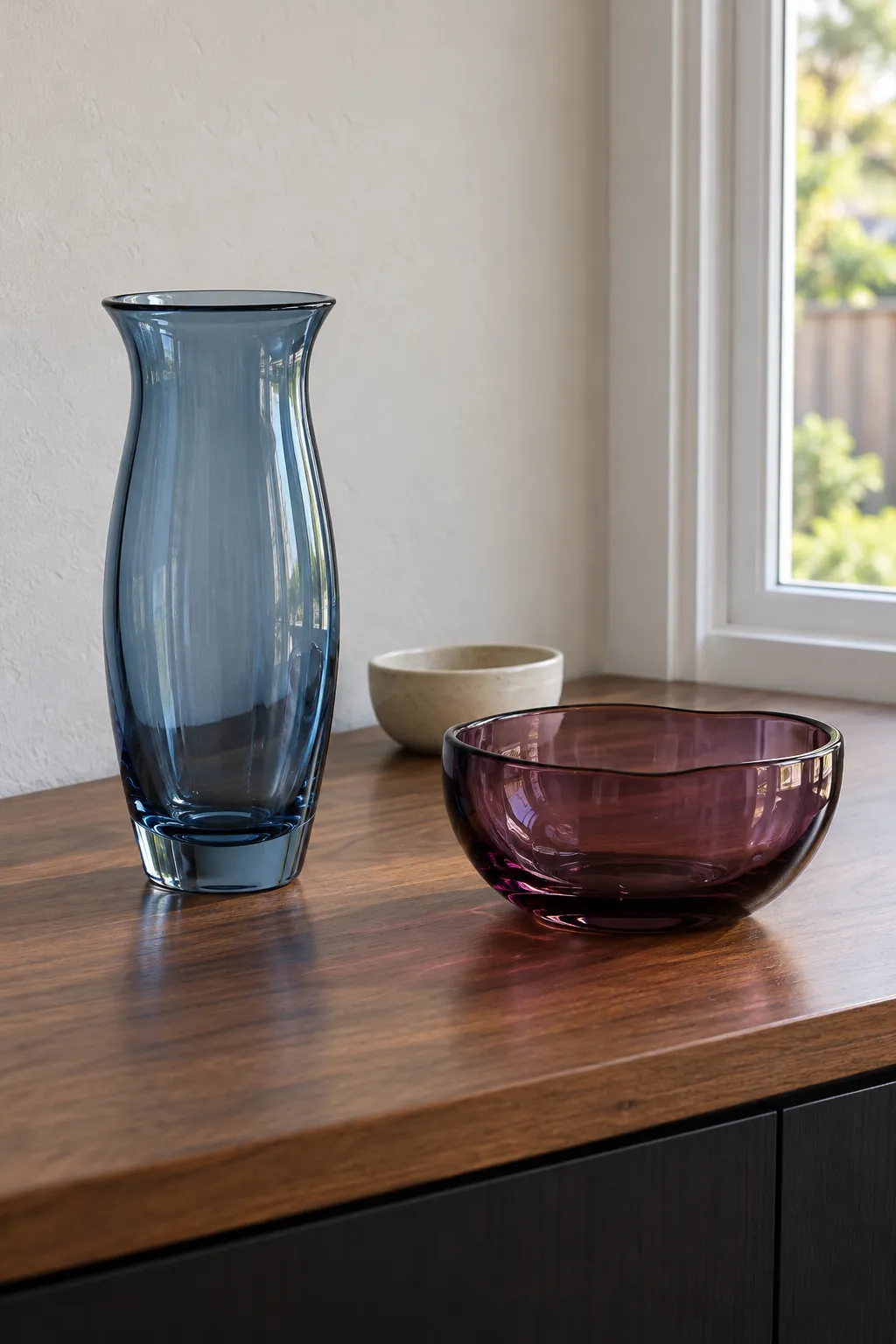
Make Colored Glass a Small Focus
A few colored glass pieces catch light more effectively than a shelf packed edge to edge. Place a tall vase beside a lower bowl so their outlines remain separate. Keep heavy or fragile pieces away from unstable edges and places where children or pets can knock them. Check for cracks at rims and bases when buying used glass. Avoid using an unknown vintage vessel for food or hot liquids unless its suitability is established.
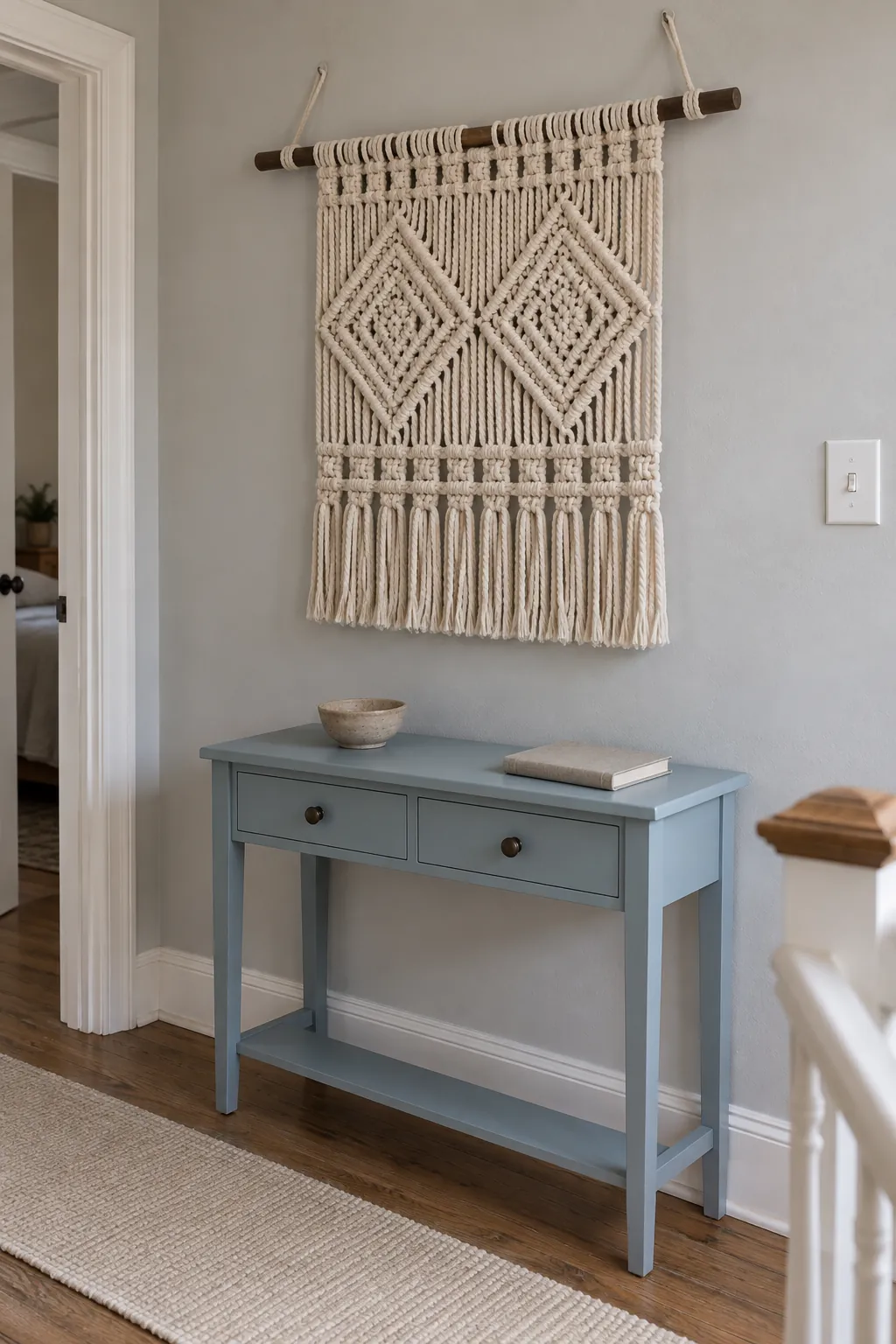
Hang One Macrame Piece With Clear Edges
A knotted textile can bring soft texture to a plain wall without adding another strong color. Choose a size that leaves space around the outer fringe so the pattern stays readable. Use a suitable fixing for the piece and the wall construction. Keep it away from heat sources, damp corners, and places where long cords can be pulled.
Give a Globe Lamp a Real Lighting Role
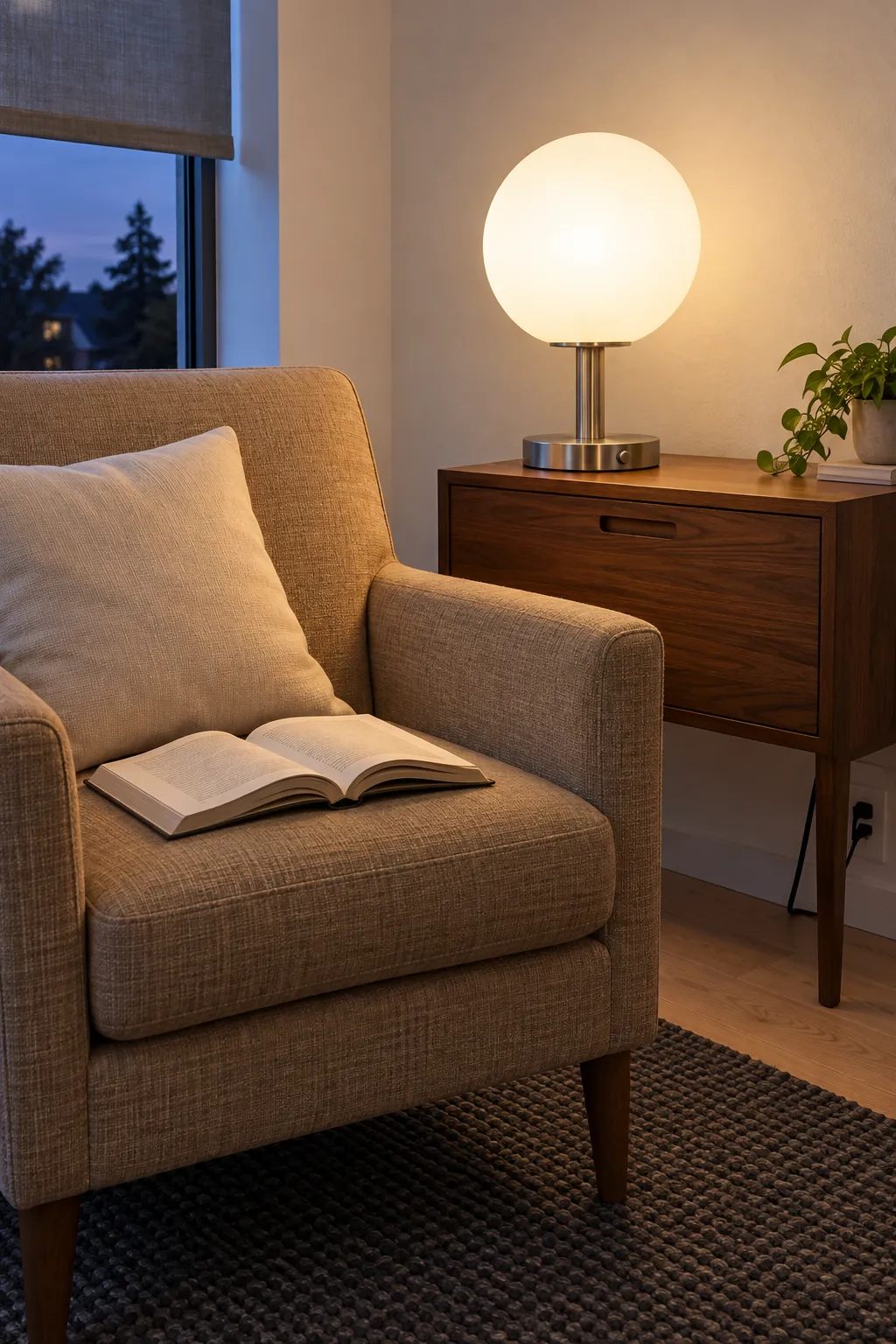
A rounded lamp can echo the decade while supplying the light a room actually lacks. Look at the fitting from your normal sitting position to check for glare. Use the bulb type and wattage specified for that fixture, and have vintage wiring checked before use. Put its base on a stable surface with a safe cord route. Leave room around any ventilation openings. The most convincing statement light also makes the room easier to use.
Mix Velvet and Corduroy Where Hands Reach
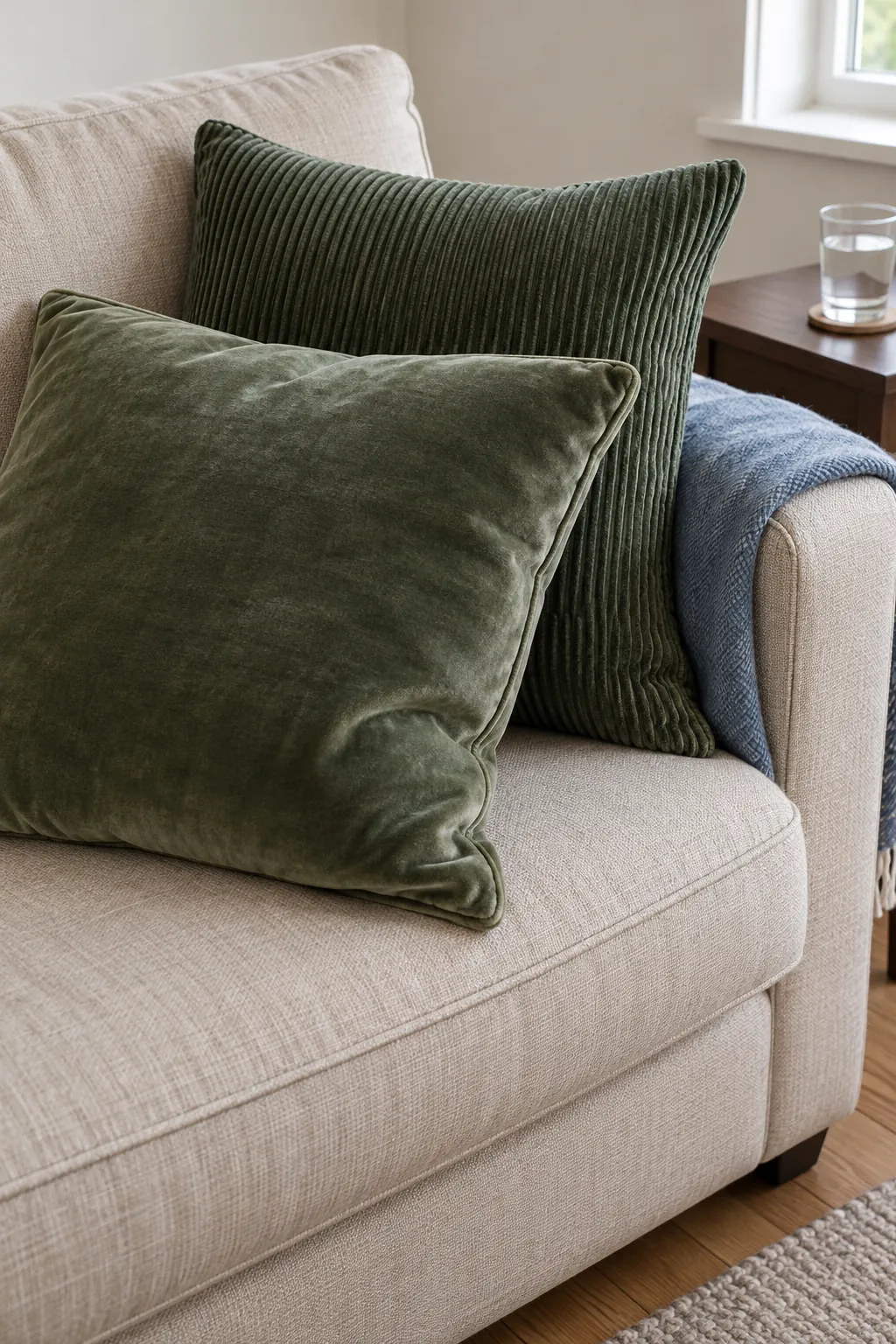
Texture matters most on the cushions and seats you touch. A velvet cushion beside a ribbed corduroy one gives variety even when their colors are close. Brush or clean each fabric according to its care label because pile and ribs can respond differently. Check sample fabrics in changing light before choosing a large upholstered piece.
Choose Plants for the Window You Have
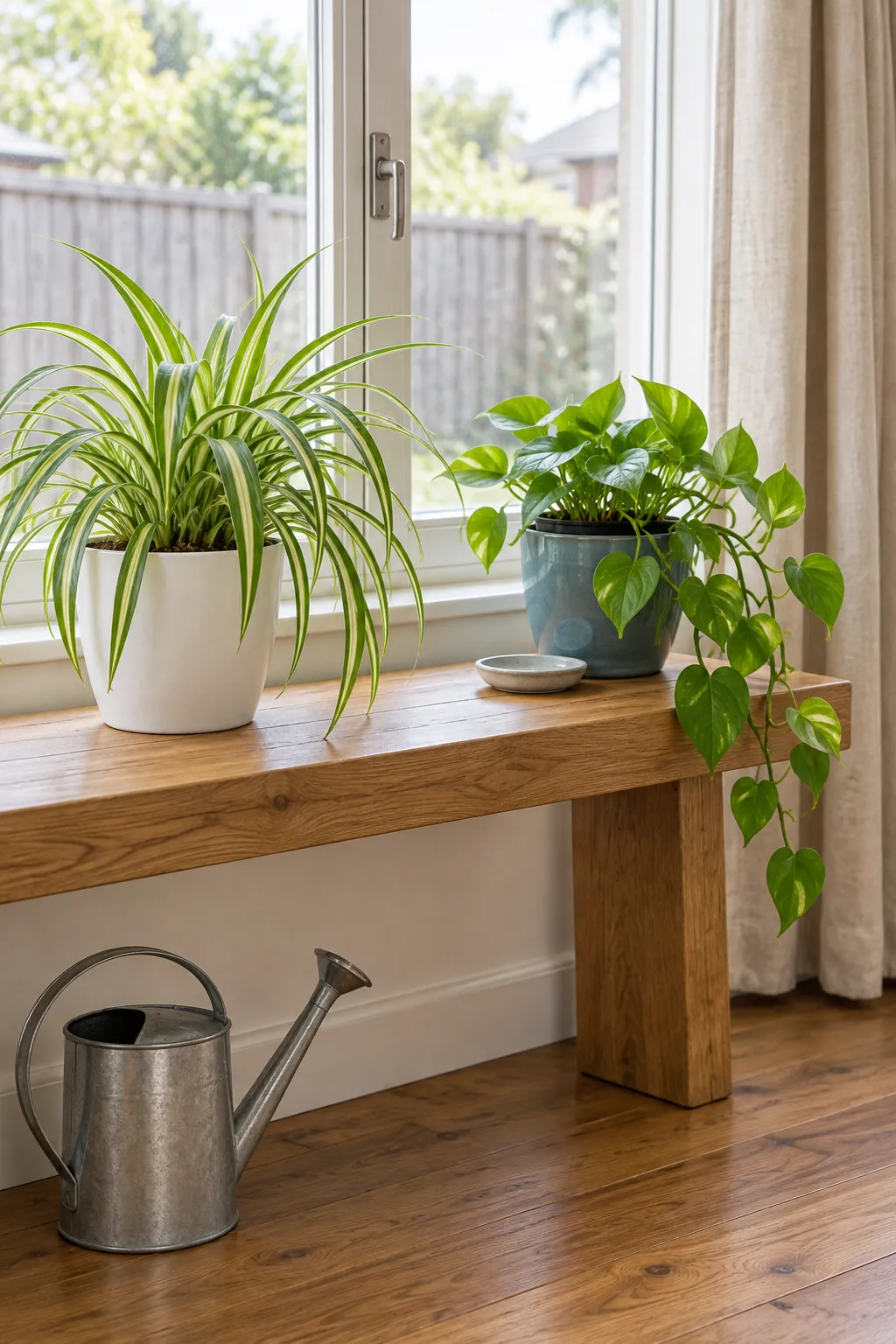
A leafy corner starts with available light, not with the number of pots in an inspiration image. Match plant care to the window exposure and keep drainage water away from furniture and floors. Rotate pots when needed so growth does not lean heavily in one direction. Choose containers that you can lift comfortably for watering. Check toxicity before placing plants within reach of pets or children.
Give an Eclectic Display One Connecting Detail
A mixed display feels collected when one feature links its different pieces. Use a repeated frame color, a shared line weight, or a limited palette rather than buying objects from a single decade. Arrange paper outlines before hanging to test spacing without making unnecessary holes. Keep the heaviest objects on suitable fixings and leave room for the display to grow. Stop when each piece can be seen clearly, even if an empty area remains.