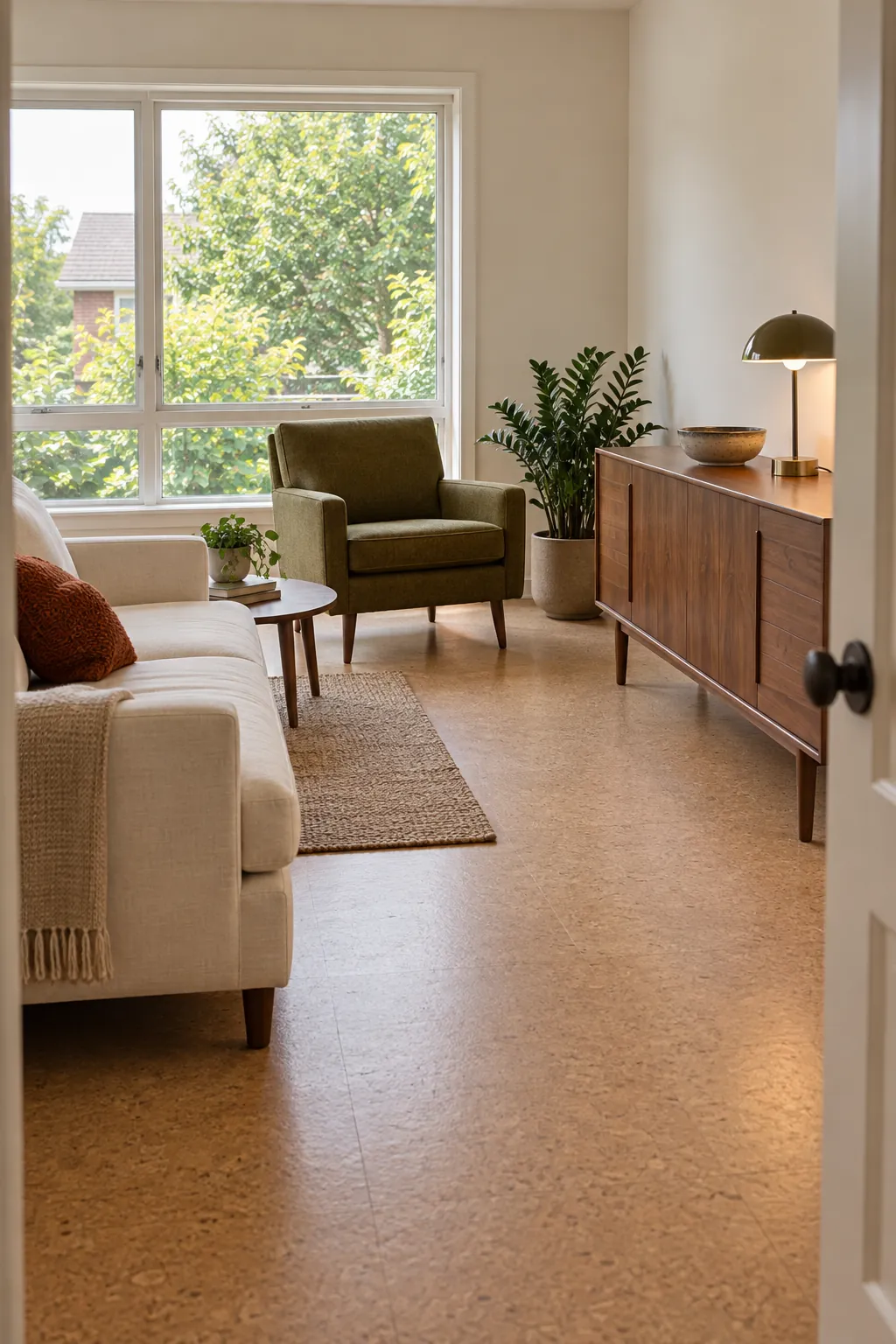
A room can borrow the warmth of the seventies without reproducing every finish from the decade. Keep the pieces that work, choose one strong pattern or color, and give each addition a practical job. The most convincing modern 70s home usually leaves room for ordinary life rather than filling every surface with retro objects.
Geometric fabric in one clear focal point
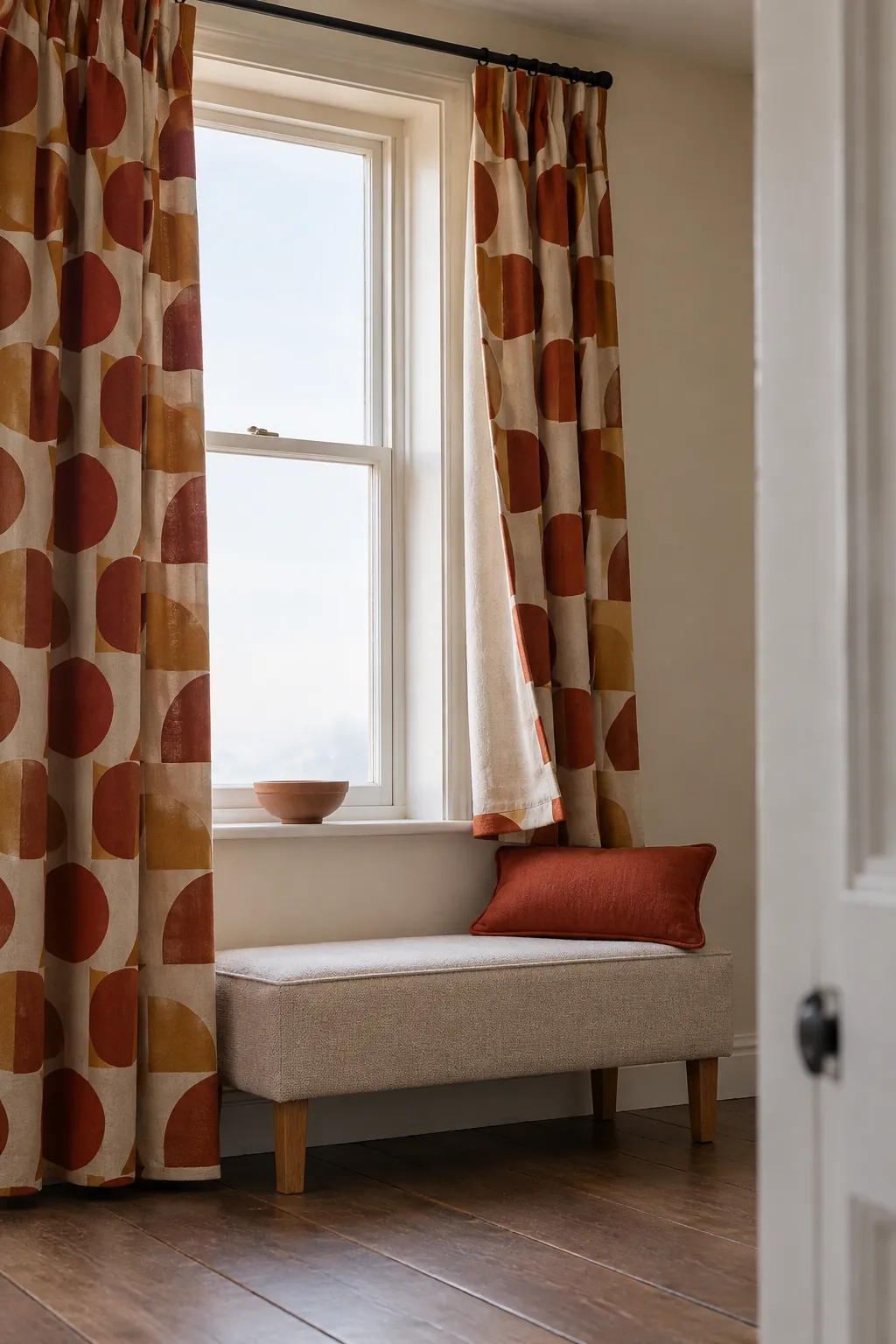
A geometric curtain or cushion can establish the period reference without covering the entire room in pattern. Pick one color from the fabric and repeat it in a smaller, plain object nearby. Check the fabric in daylight before committing to full curtains because large repeats look different when folded. Keep the surrounding upholstery simple so the shapes remain readable.
Warm wood with a lighter surrounding palette
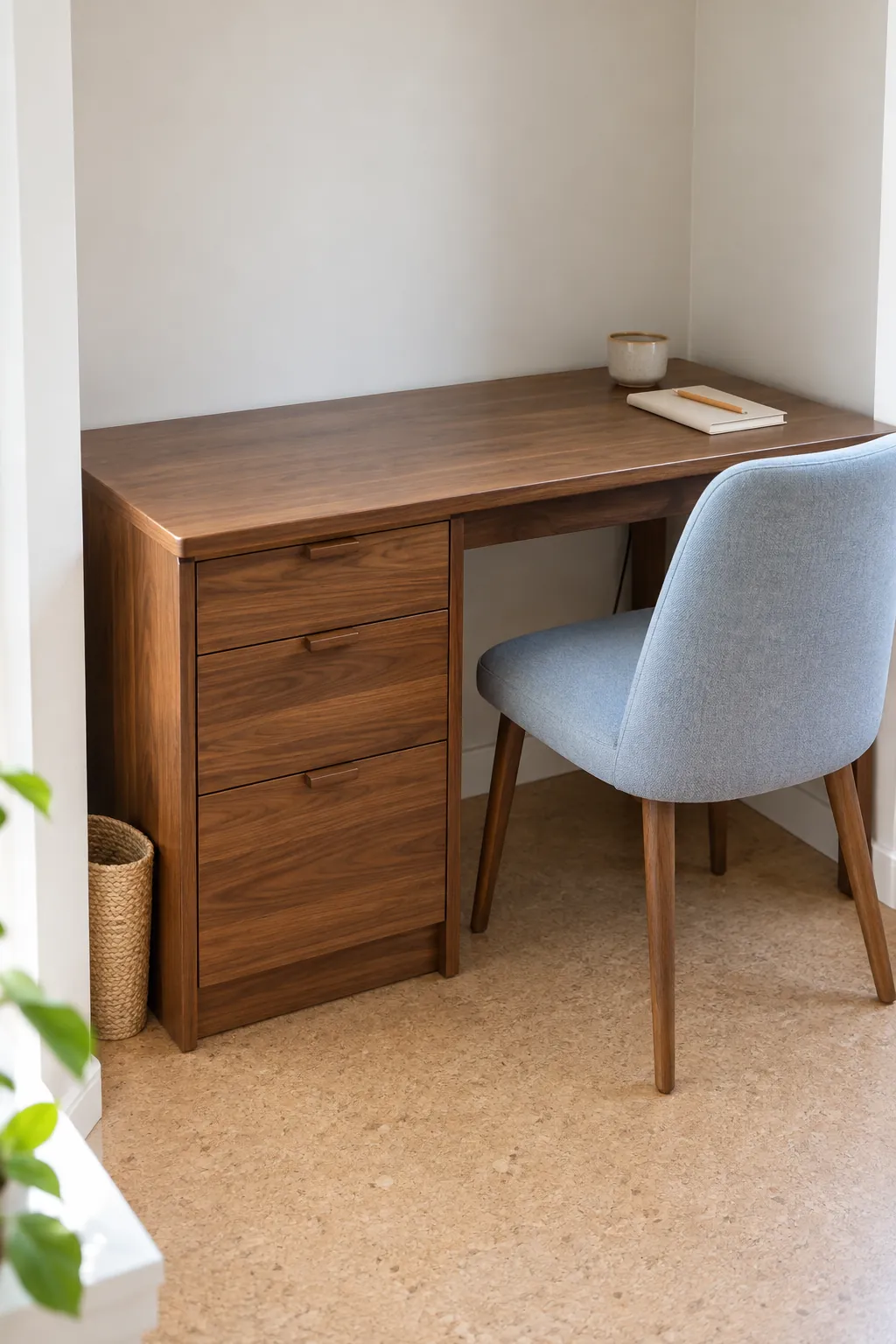
A walnut desk or teak sideboard brings more visual weight than a small decorative accessory. Give it a pale wall or simple floor treatment so the grain does not compete with several other dark finishes. Inspect drawers, joints, and veneer edges when buying a used piece. A warm wood accent can connect a retro living room to modern furniture without requiring a matching set.
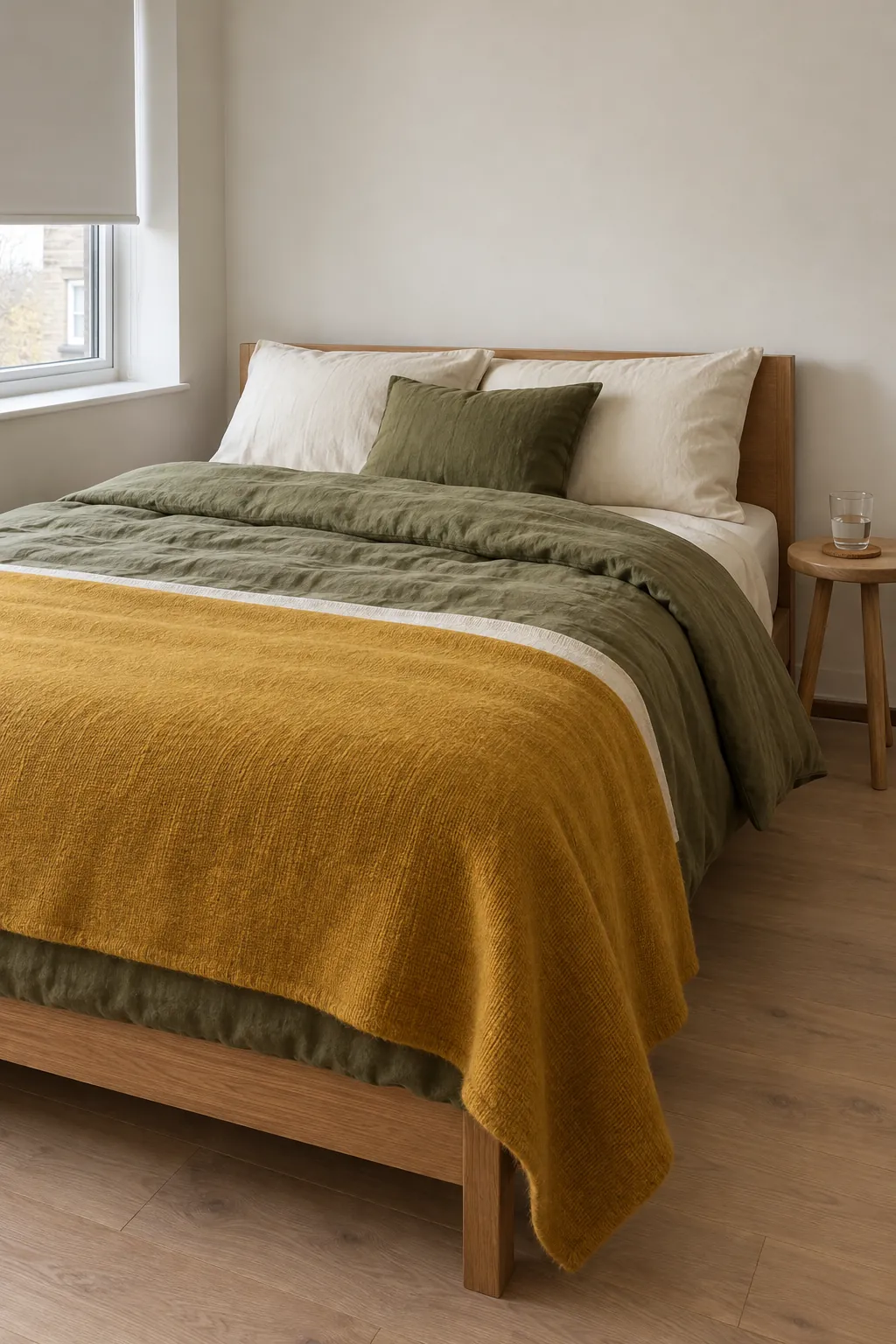
Mustard and olive tested in real daylight
Mustard and olive can feel calm when their proportions suit the available light. Start with a removable textile before painting a large wall, especially in a room that already feels dim. Compare samples beside the floor and existing woodwork rather than on a screen. A cream or off white surface can keep these earthy tones from becoming a uniform brown cast.
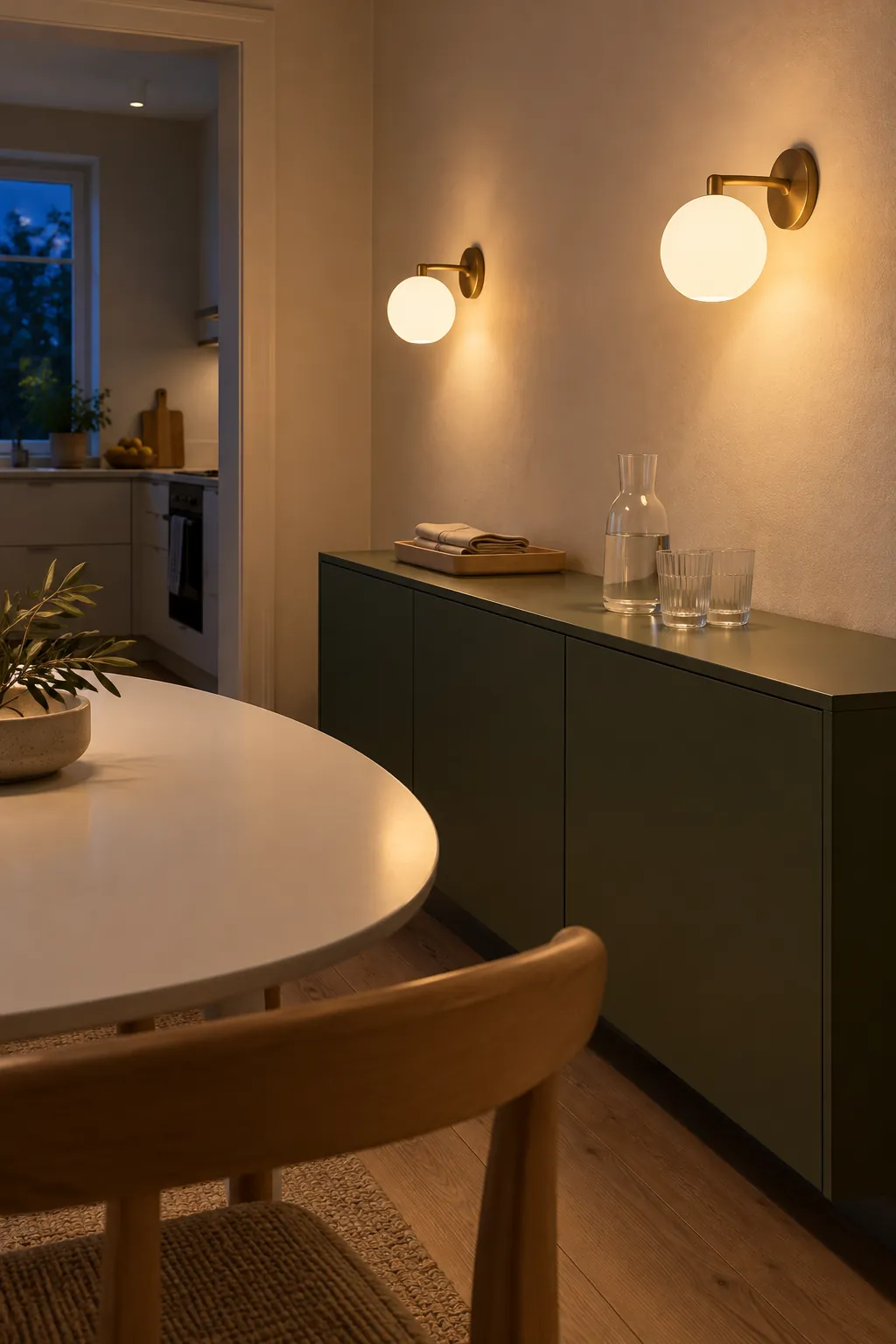
Wall lighting that leaves the table usable
A pair of globe sconces can supply a retro shape while freeing space on a narrow dining console. Choose the placement for useful light and comfortable sightlines rather than symmetry alone. Hardwired fixtures need suitable installation, and vintage fittings should be checked before use. If wiring changes are impractical, look for a properly rated plug in version and plan the cable route.
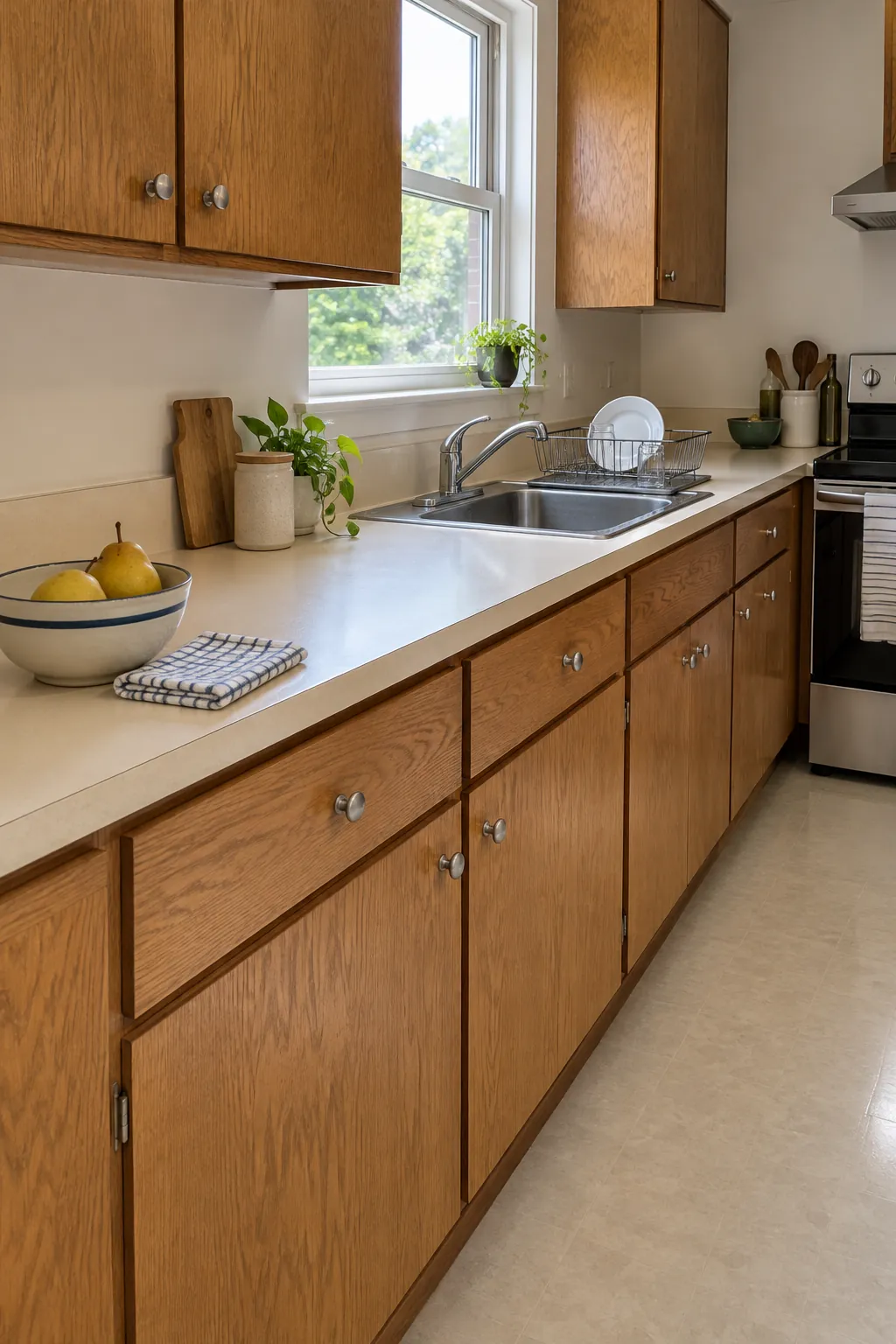
Existing kitchen cabinets kept in service
Sound wood cabinets may need better lighting and useful organization more than replacement. Clean and assess their finish before choosing paint or new hardware, and test any treatment in an inconspicuous place. A simple countertop and a few colorful dishes can make older cabinetry feel intentional. Compare the condition of hinges, drawer runners, and work surfaces before spending on appearance alone.
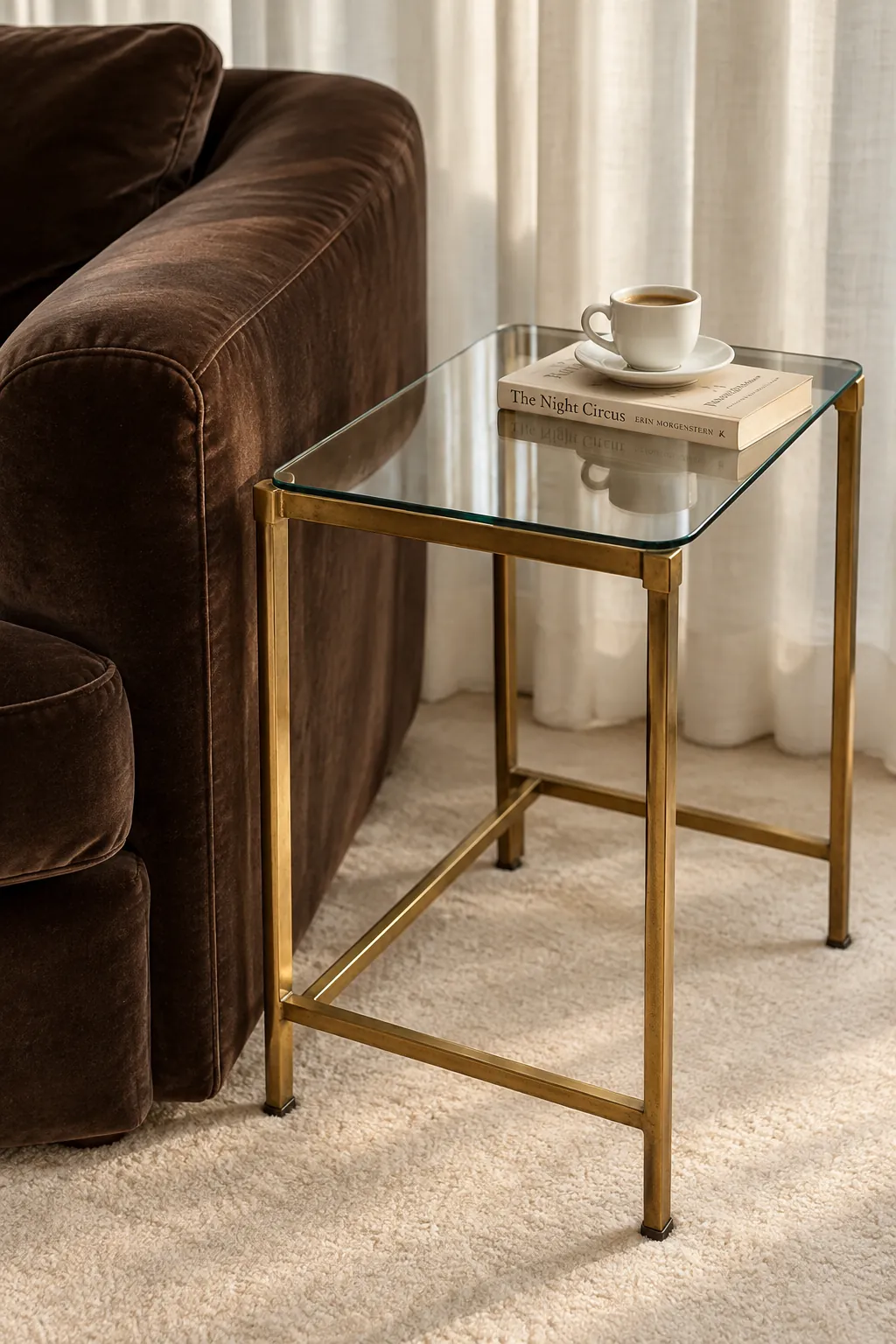
A small dose of metallic glamour
Metallic accents offer one route into the glamorous side of seventies style. A brass framed side table can sit comfortably beside plain upholstery without turning the room into a period set. Treat Art Deco as an earlier influence that can be mixed in deliberately, rather than calling every geometric object a seventies original. Check glass edges and stability before placing drinks or heavy objects on an older table.
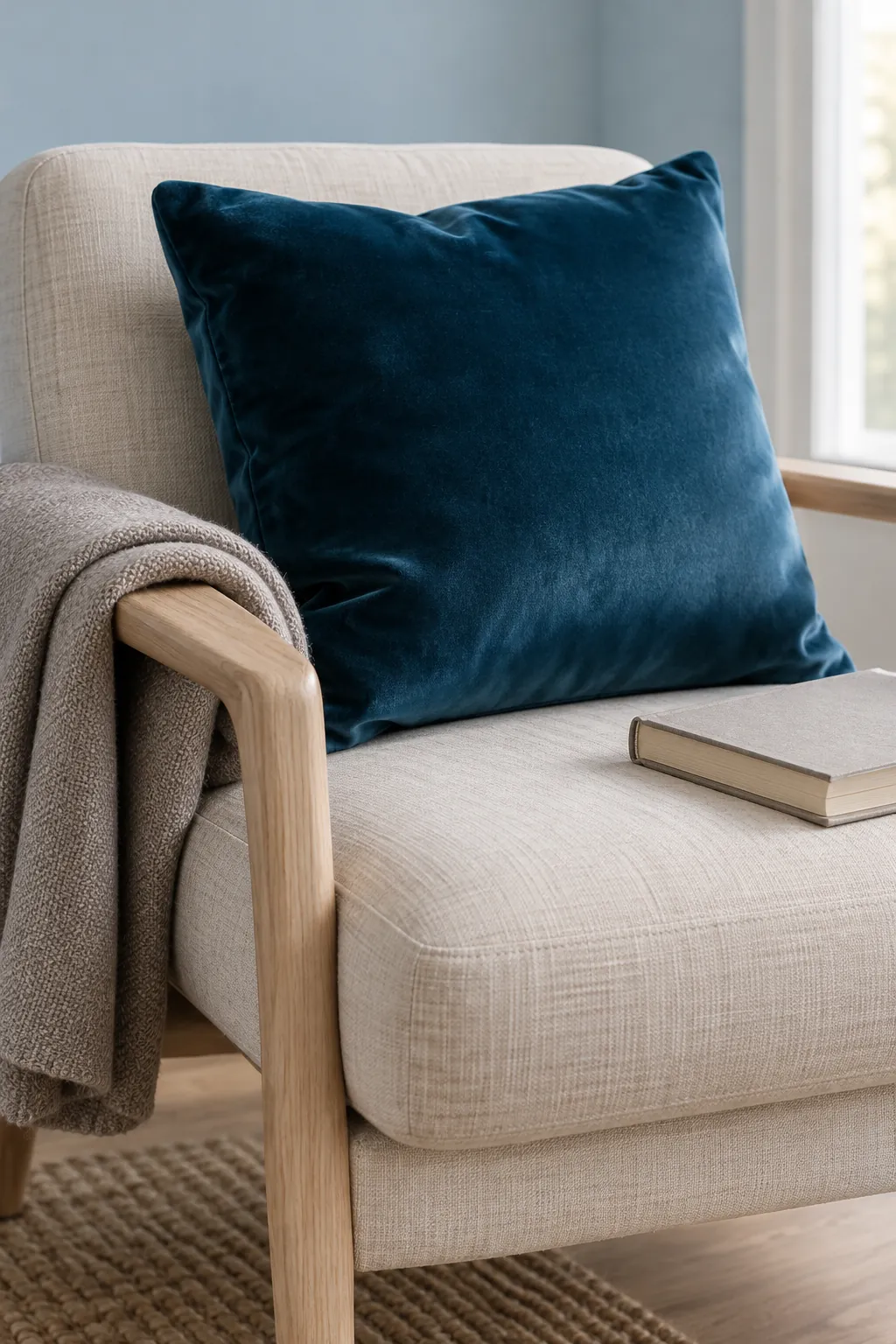
Velvet balanced with a quieter fabric
Velvet looks richer when it has a plainer texture beside it. Combine one velvet cushion with a cotton or linen seat cover rather than layering every glossy fabric you can find. Check care instructions because upholstery fabrics differ in cleaning needs and durability. In a frequently used corner, comfort and maintenance should decide the final combination.
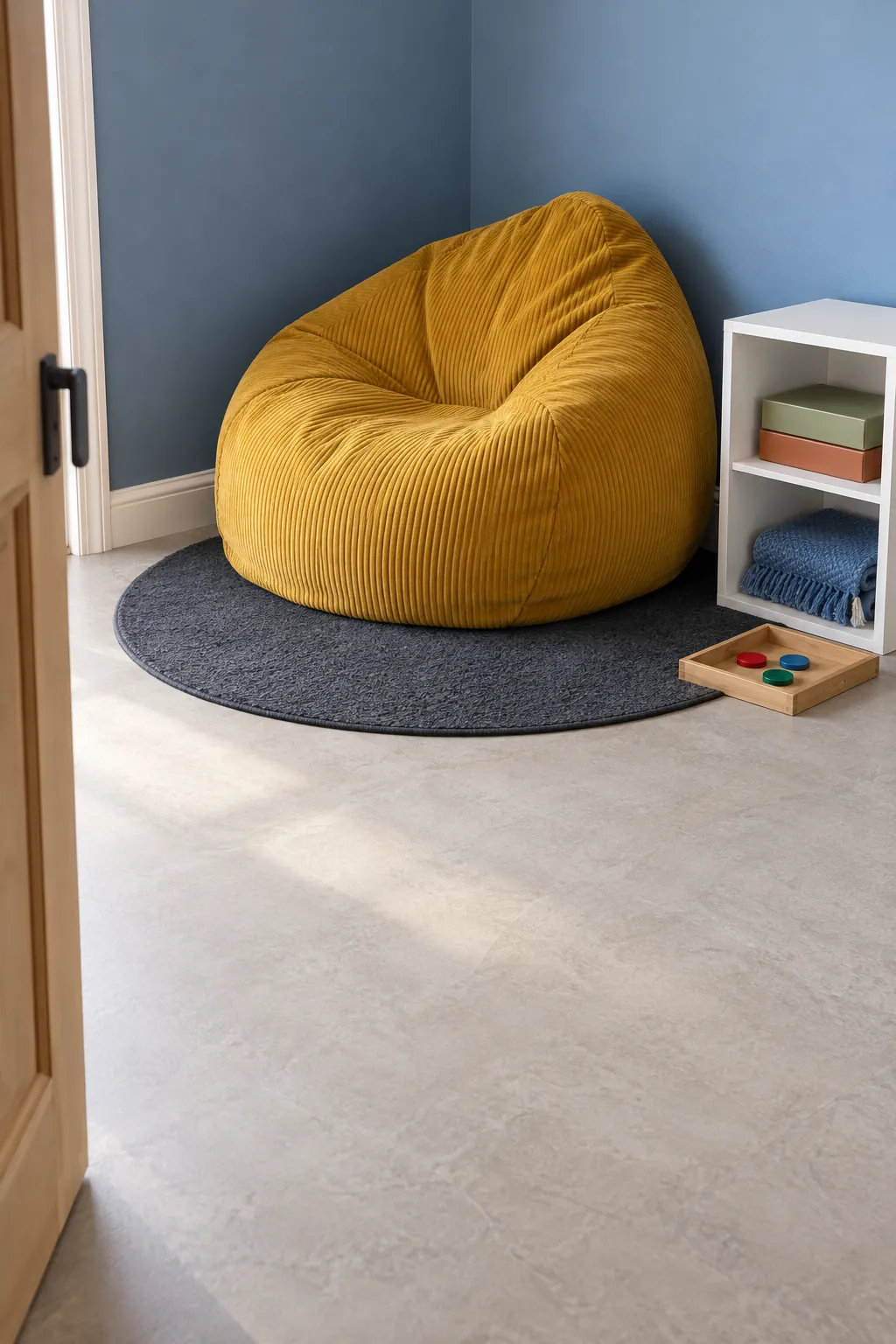
Casual seating with a clear route around it
A bean bag works best where someone will actually use floor level seating. Check the cover, closure, filling guidance, and intended user before buying, especially for a family room. Leave space to stand up and walk around it instead of pushing it into a tight passage. A single casual seat can add playfulness without dictating the whole room.
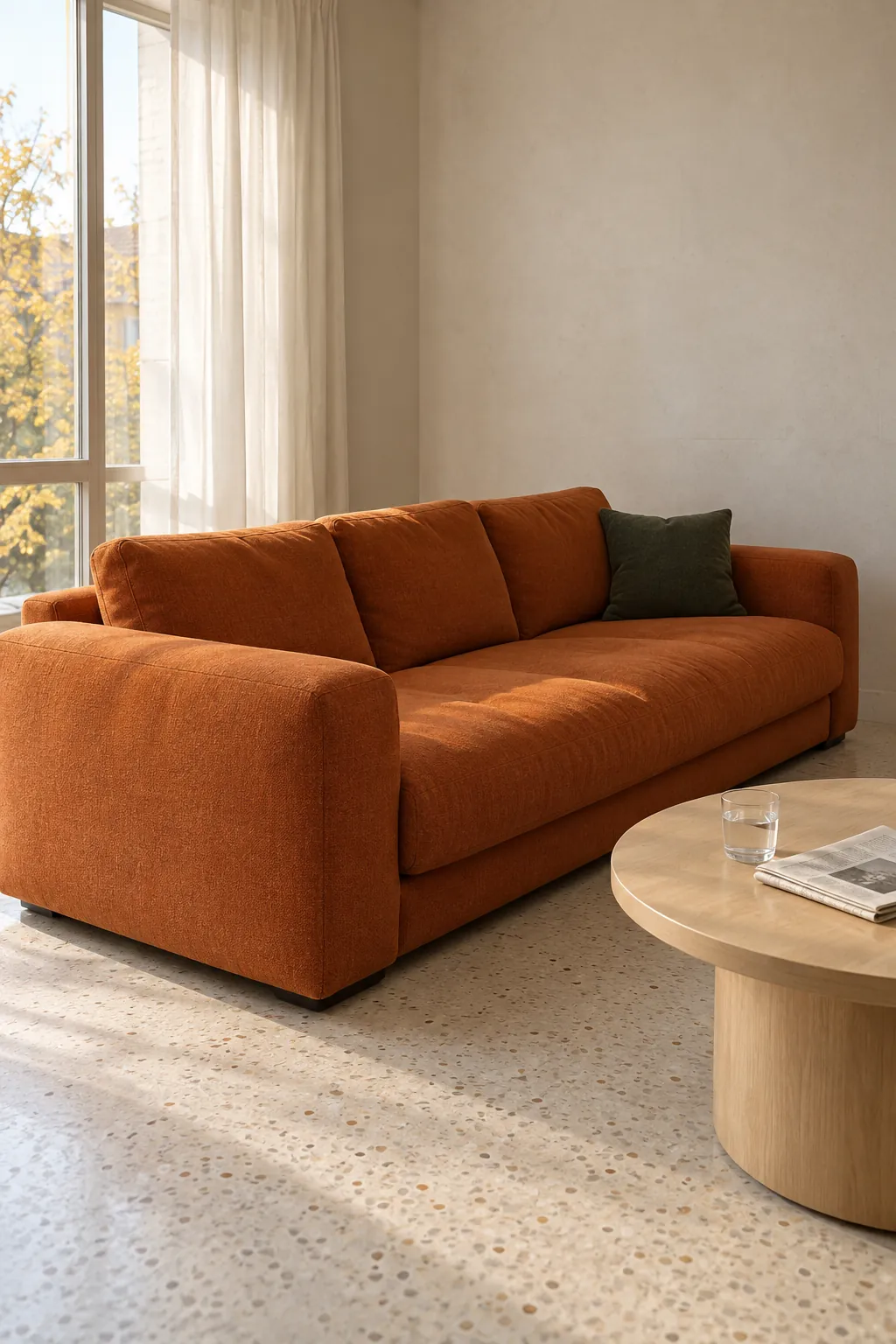
A low sofa chosen for everyday comfort
A low sofa can give a vintage 70s living room its silhouette, but seat height matters as much as appearance. Try getting in and out of it before committing, particularly if several people will use it. Orange upholstery makes a stronger statement than a small cushion, so keep nearby surfaces quieter. Measure both the seating area and the delivery route before buying a bulky secondhand sofa.
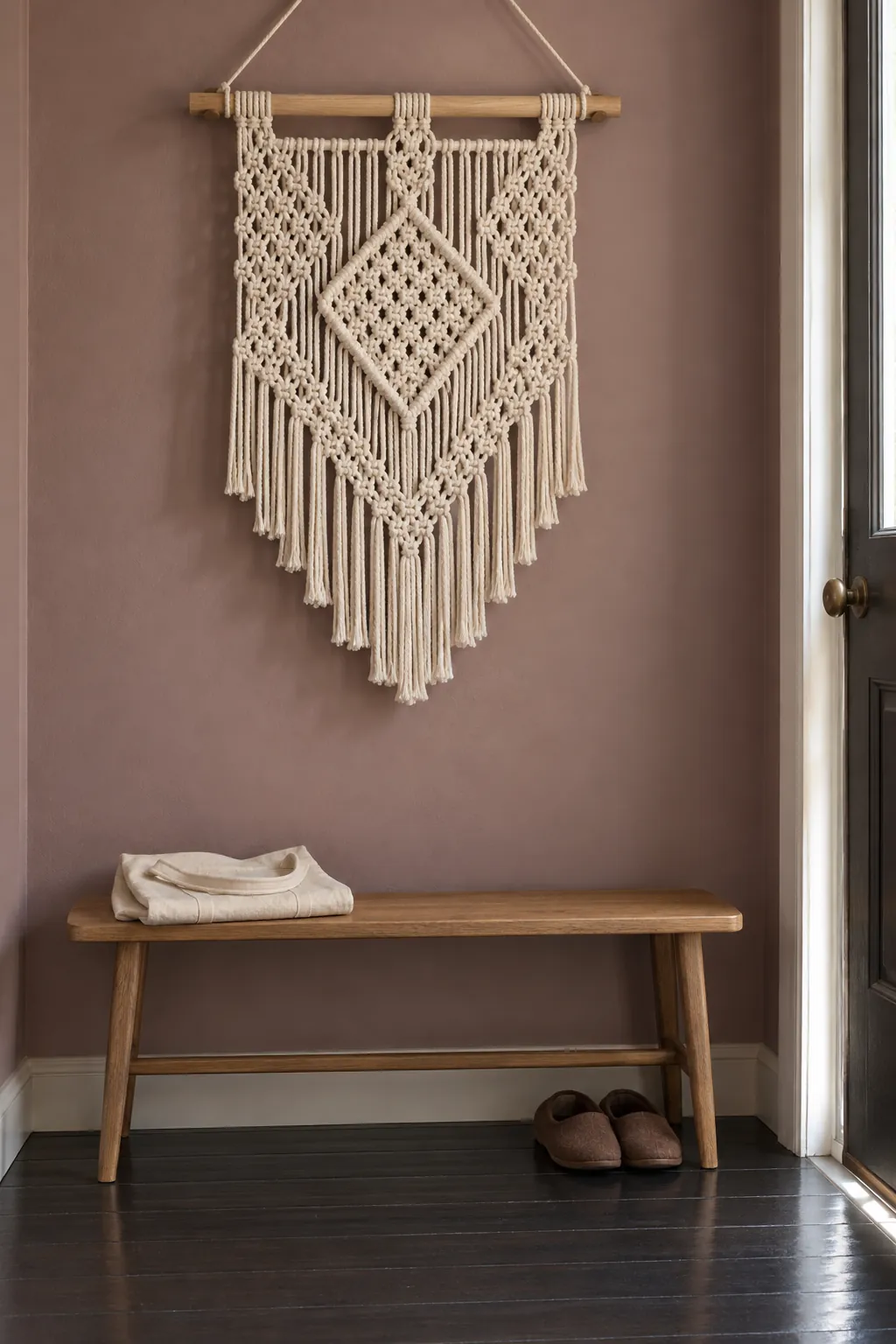
Macrame as a defined textile accent
A macrame hanging adds texture without introducing another painted color block. Choose a size that relates to the furniture below it and secure it with a suitable fixing. A simple diamond knot pattern is easier to combine with other pieces than a wall filled with several competing hangings. Leave space around the textile so its shape and shadow remain visible.
Orange and brown with enough pale space
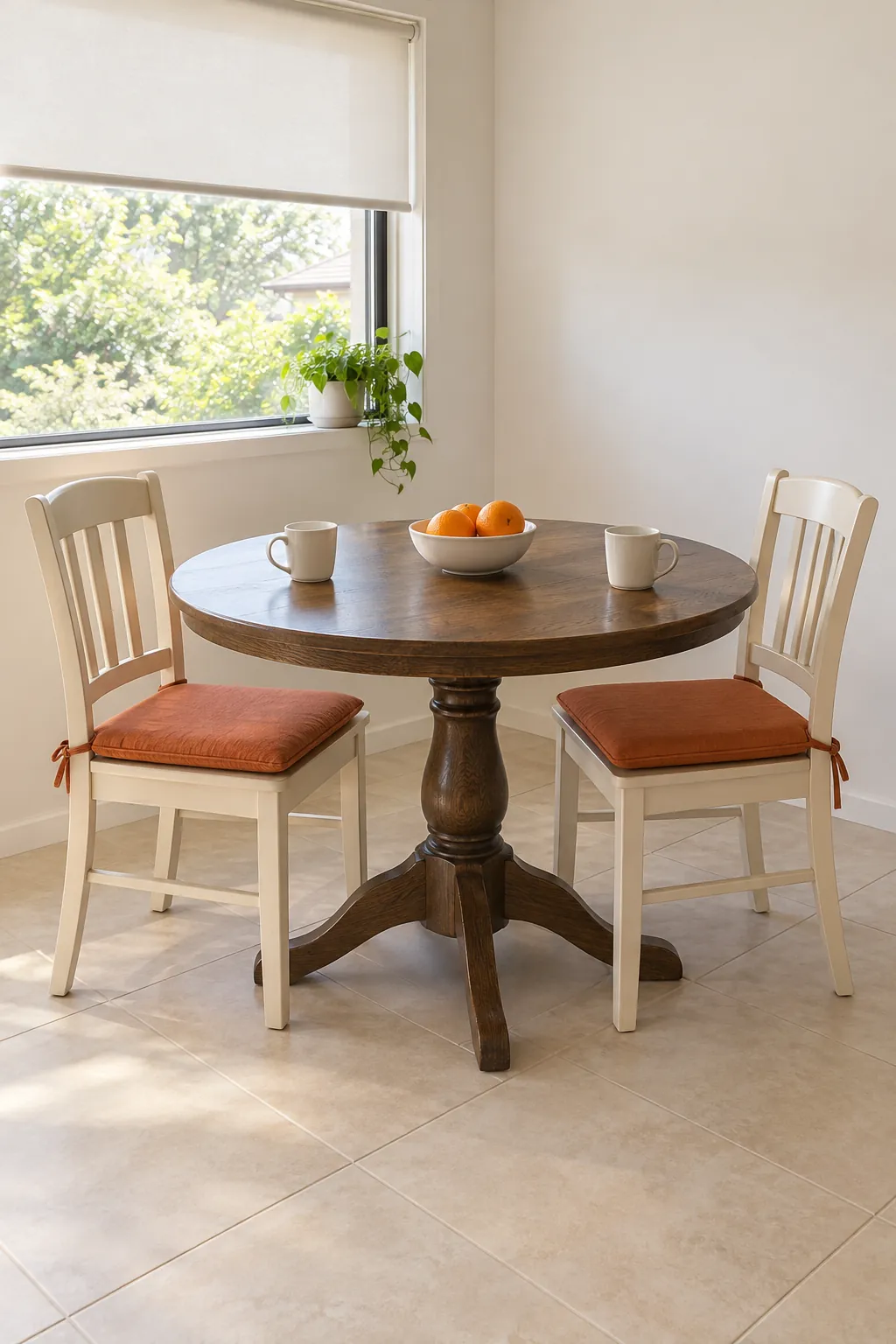
Orange and brown can feel heavy when every large surface uses one of them. Introduce terracotta through a washable seat pad or small textile while letting the wall stay pale. Compare the orange against your wood finish because red brown timber and yellow orange fabric can clash. A limited palette is easier to adjust than several permanent finishes changed at once.
Open shelves limited to useful dishware
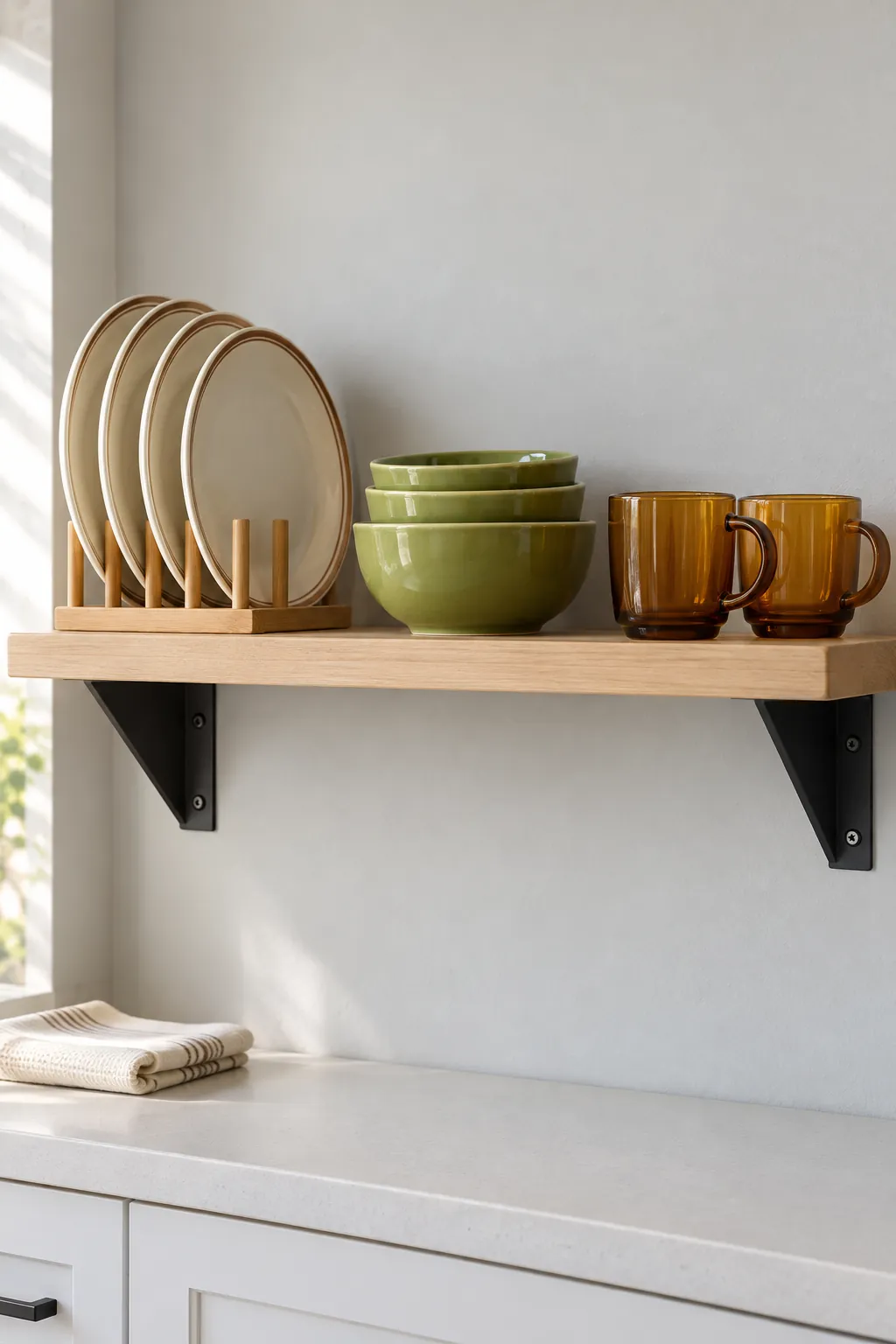
An open shelf becomes easier to maintain when it holds items you use often. Mix a small group of retro bowls or cups with enough empty space to lift them safely. Keep fragile or questionable vintage pieces for display if their food use suitability is unknown. A closed cupboard below can handle the less attractive equipment that does not need to be seen.
A bold rug with simpler furniture above it
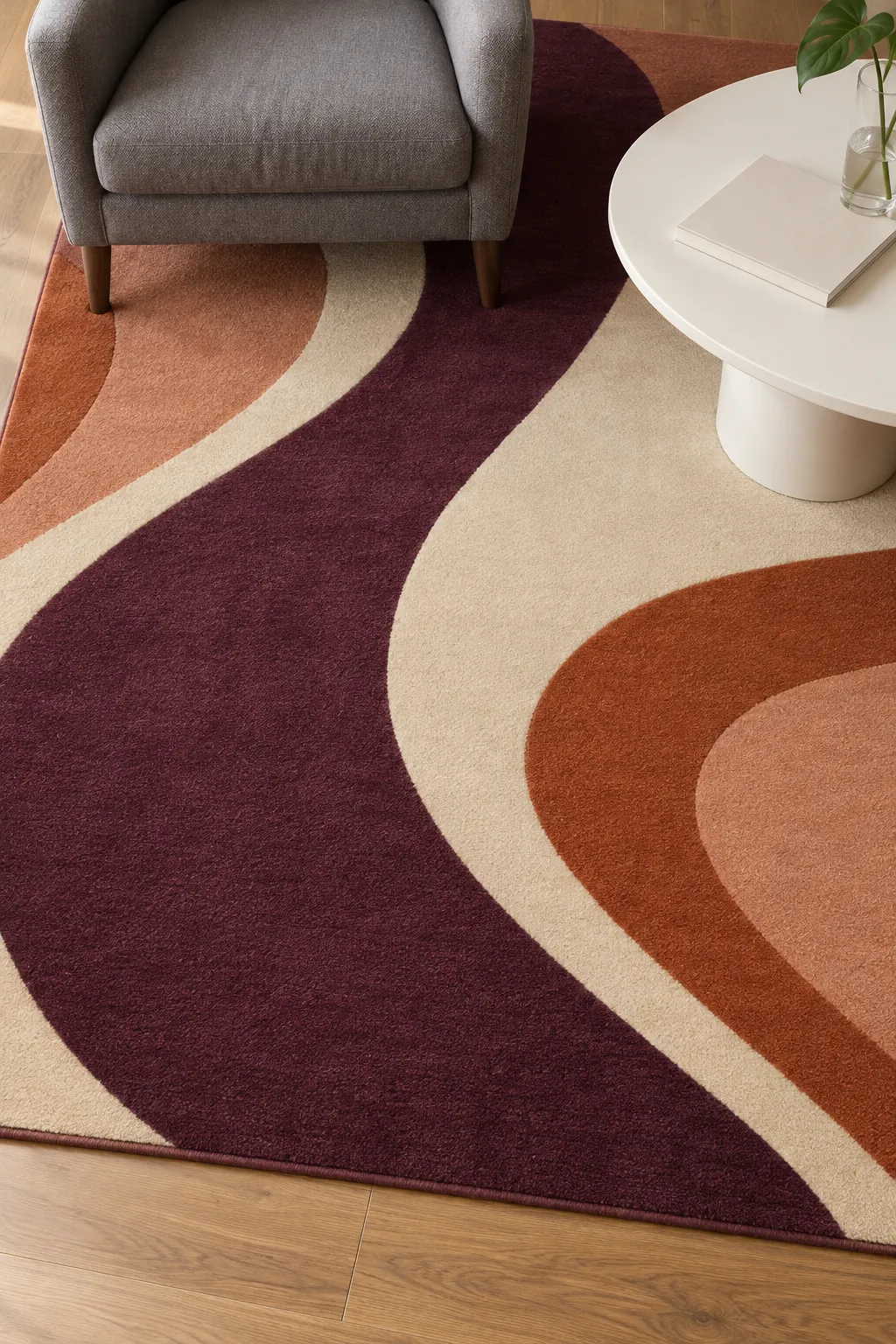
A patterned rug can carry the most energetic part of a retro scheme. Test its size against the furniture footprint so the pattern does not become a small isolated patch. Choose a pile and construction you can clean in the room where it will live. Plain furniture and a quieter wall let a strong print do its job without visual competition.
Bamboo used where its structure makes sense
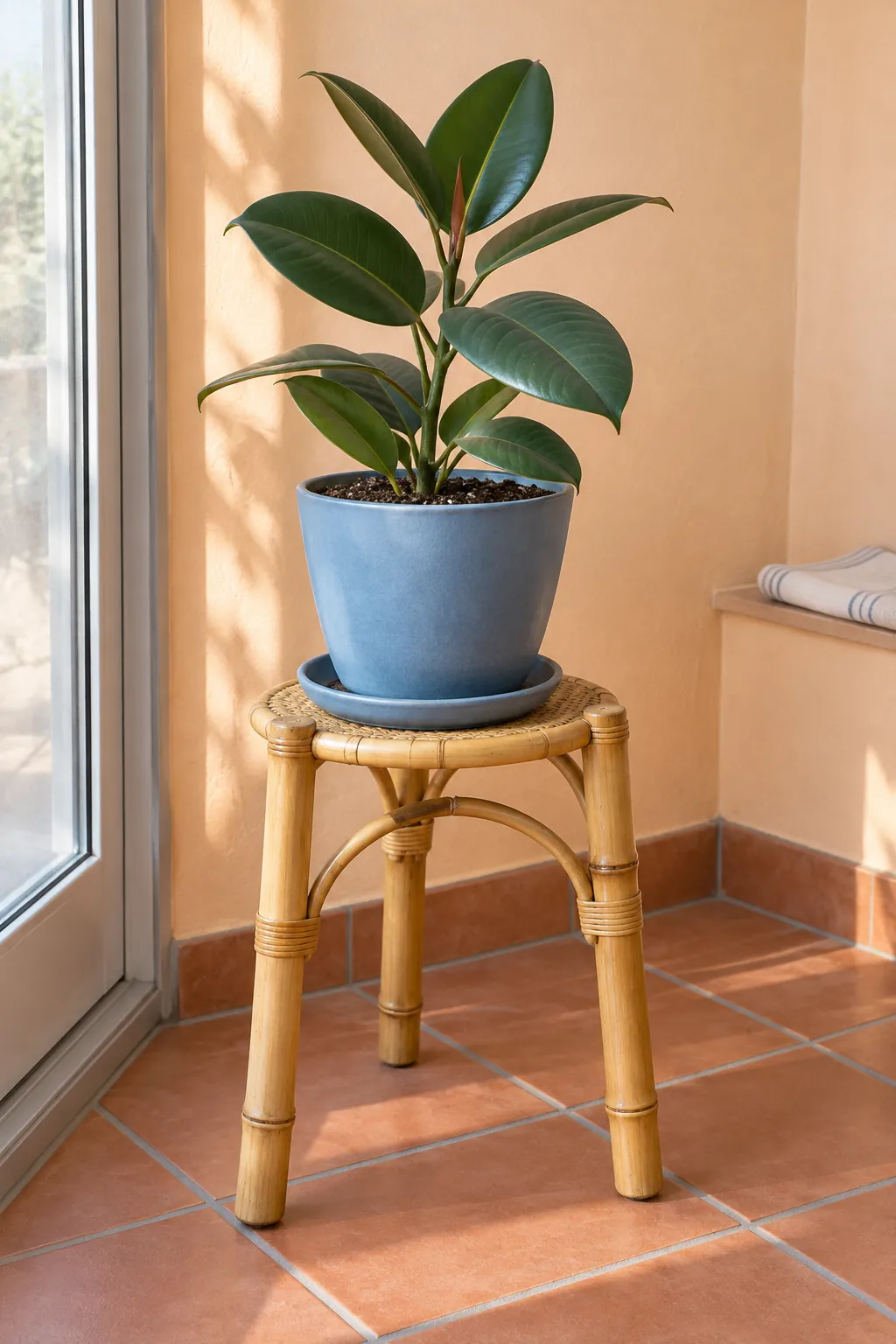
A bamboo plant stand or small chair brings a lighter construction than a large dark cabinet. Check joints and the intended load instead of assuming every woven or cane object has the same strength. Keep it out of standing water and follow its care instructions. Pair the material with a simple pot or textile so its shape remains the main feature.
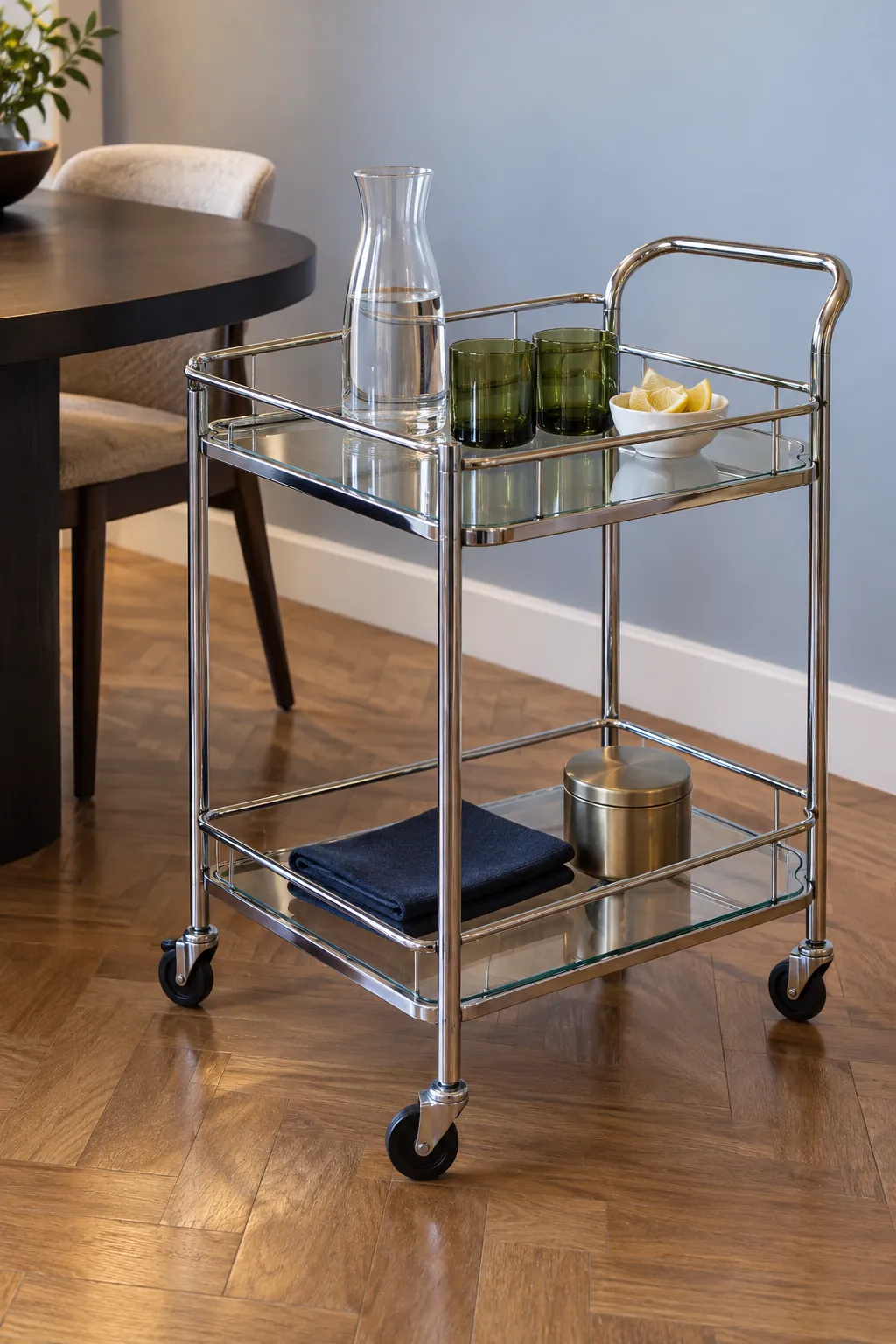
A drinks trolley that can actually move
A vintage trolley can serve drinks, tea, or a small collection of glassware. Check that its wheels roll safely and that the load stays within the maker's guidance. Keep the top useful rather than filling every tier with bottles. Store breakable pieces securely if the trolley will move through a shared living space.
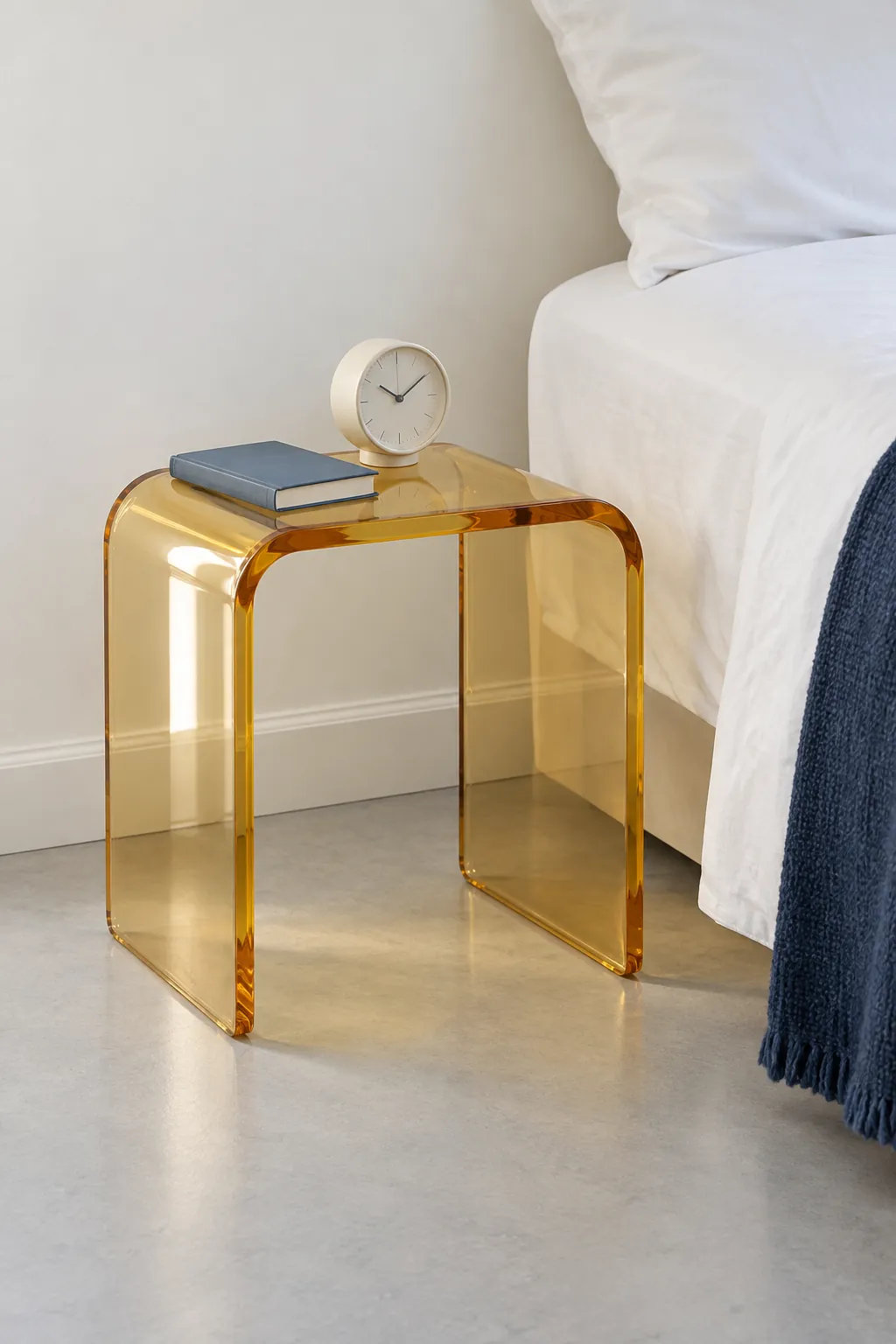
One acrylic piece with room to breathe
An acrylic stool or side table can introduce a playful shape without the visual bulk of another wooden cabinet. Clear material still needs space around it and can show scratches easily. Check its weight limit and cleaning guidance before using it as seating. One transparent accent usually has more impact than a group of competing colored pieces.
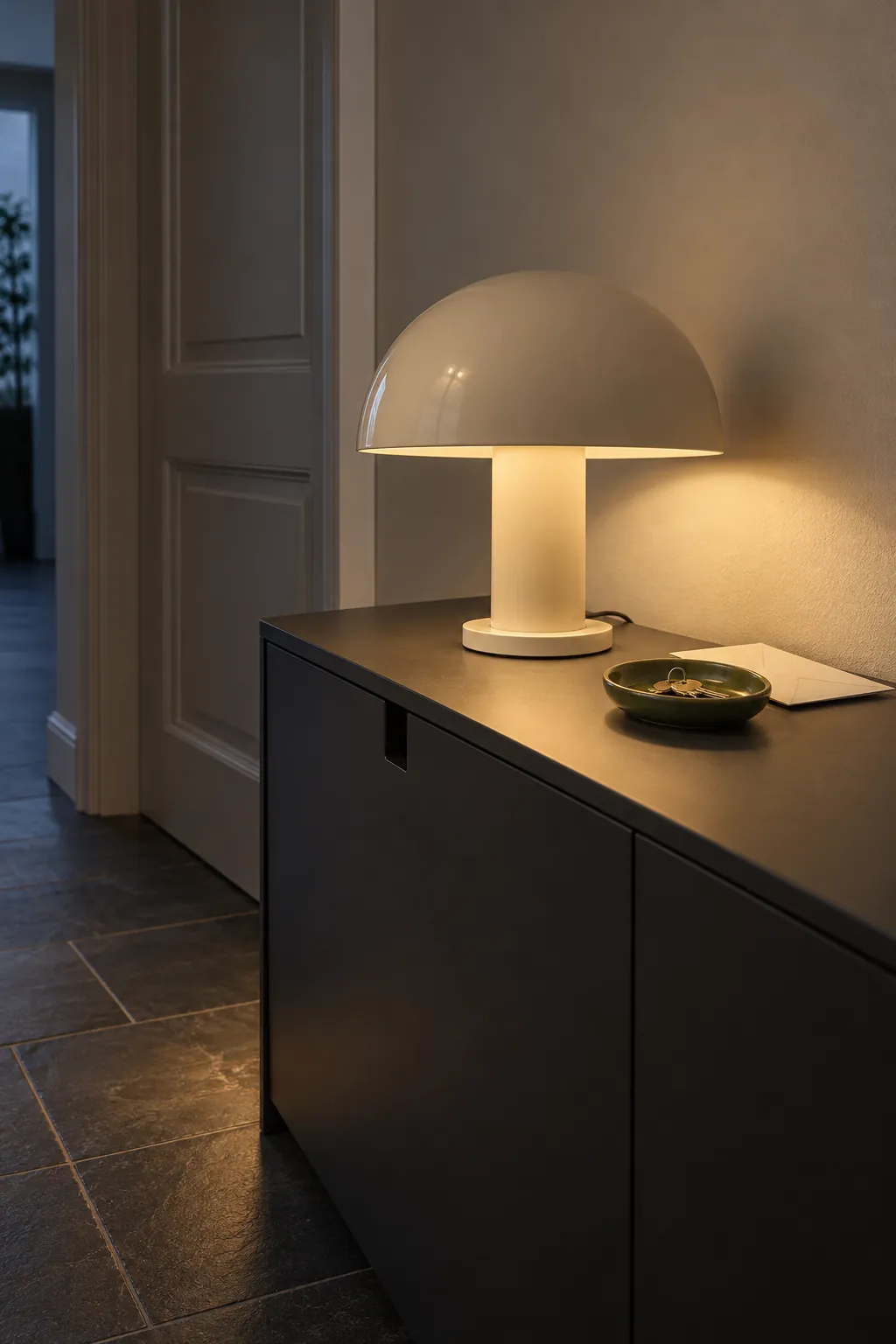
A sculptural lamp that supplies useful light
A mushroom shaped lamp gives a room a recognizable retro outline at a small scale. Place it where its light is useful, such as a hall table or reading side surface. Check shade temperature limits, bulb compatibility, and electrical condition before using a vintage fitting. A working lamp can provide more value than several small ornaments competing for the same surface.
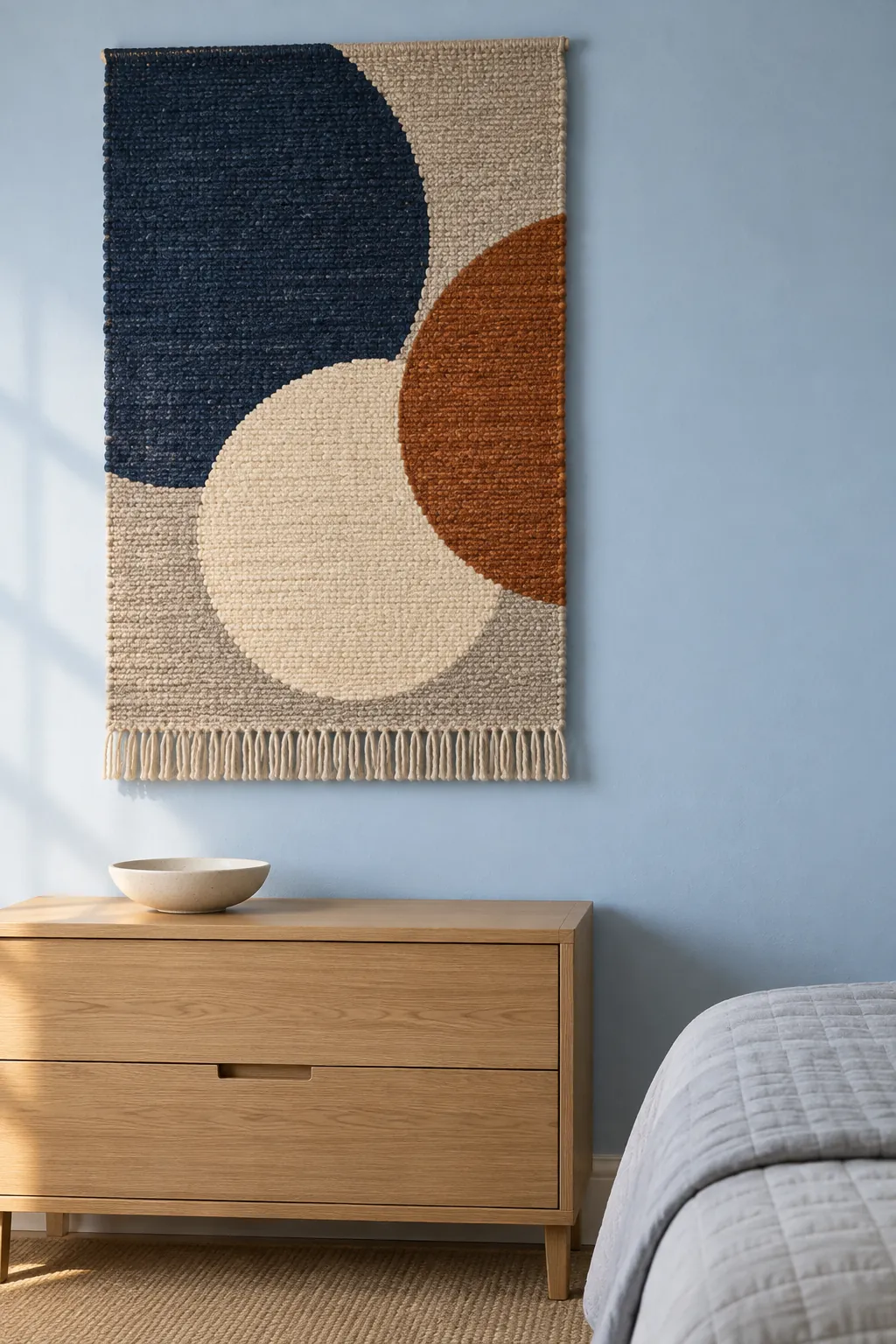
A tapestry with a specific woven design
A tapestry can supply color and a softer surface when a room feels visually hard. Choose a specific motif and a size that suits the wall rather than treating any large textile as interchangeable. Check the hanging method and leave airflow around fabrics where damp is a concern. The strongest arrangement gives the weave space instead of surrounding it with unrelated pictures.
Conversation seating without a structural rebuild
A sunken lounge is a structural feature, so it is rarely a simple decorating project. You can borrow its conversational layout on a level floor by turning seats toward each other. Keep the center reachable and maintain a clear route to the door. If an existing home has a level change, consider lighting and access needs before choosing furniture around it.
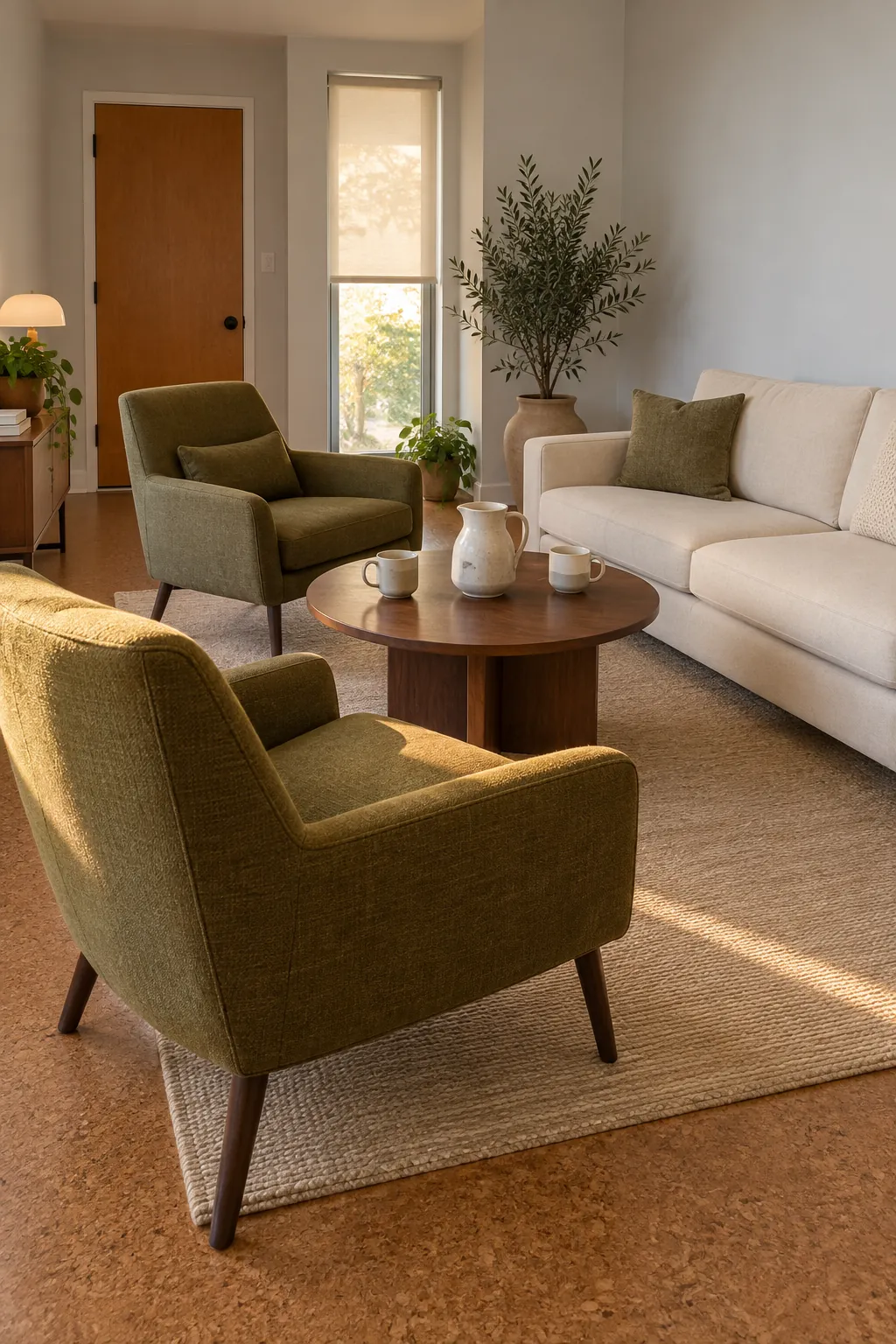
Wallpaper confined to a deliberate surface
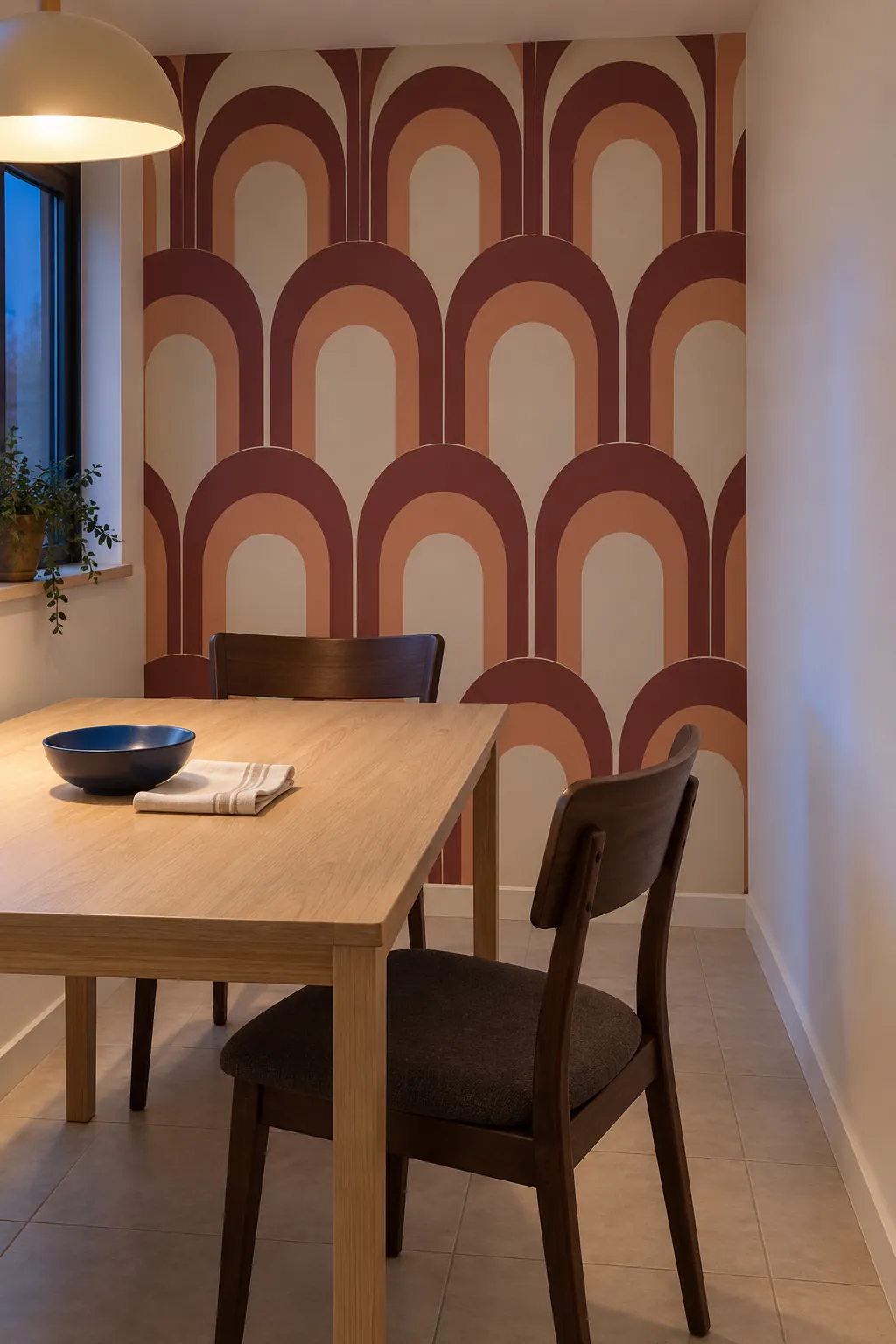
Wallpaper makes a stronger commitment than a cushion, so start by deciding exactly which surface needs emphasis. A large repeat can work on a short wall when the neighboring surfaces stay plain. Test samples under daytime and evening light, and check any removable product against the actual finish. An accent should suit the room's use rather than hide practical problems behind a busy print.