
The 1970s was a vibrant decade full of bold ideas and unique aesthetics in home design. If you’ve ever walked into a home and felt an instant wave of nostalgia, it’s likely due to the distinctive features that defined this era. From eclectic decor to innovative layouts, the 70s set the stage for many modern design trends we see today. This list will take you through eight unique features of 70s house design that can inspire your own home renovations, especially if you’re considering tiny home renovations or just want to add a touch of retro flair to your space.
Tiny Home Renovations with 70s Style

Incorporating 70s design elements into tiny home renovations can create a charming and cozy atmosphere. Think bright colors, geometric patterns, and natural materials. Use 70s-style tiles for your kitchen backsplash or bathroom floor to add a pop of color and character. Consider open shelving with a vintage finish to display quirky decor items. This approach not only maximizes space but also pays homage to the playful spirit of the 70s. A compact living area can easily showcase an eclectic mix of retro furniture and accessories, making it feel both spacious and inviting.
Eclectic Maximalism in the Bathroom
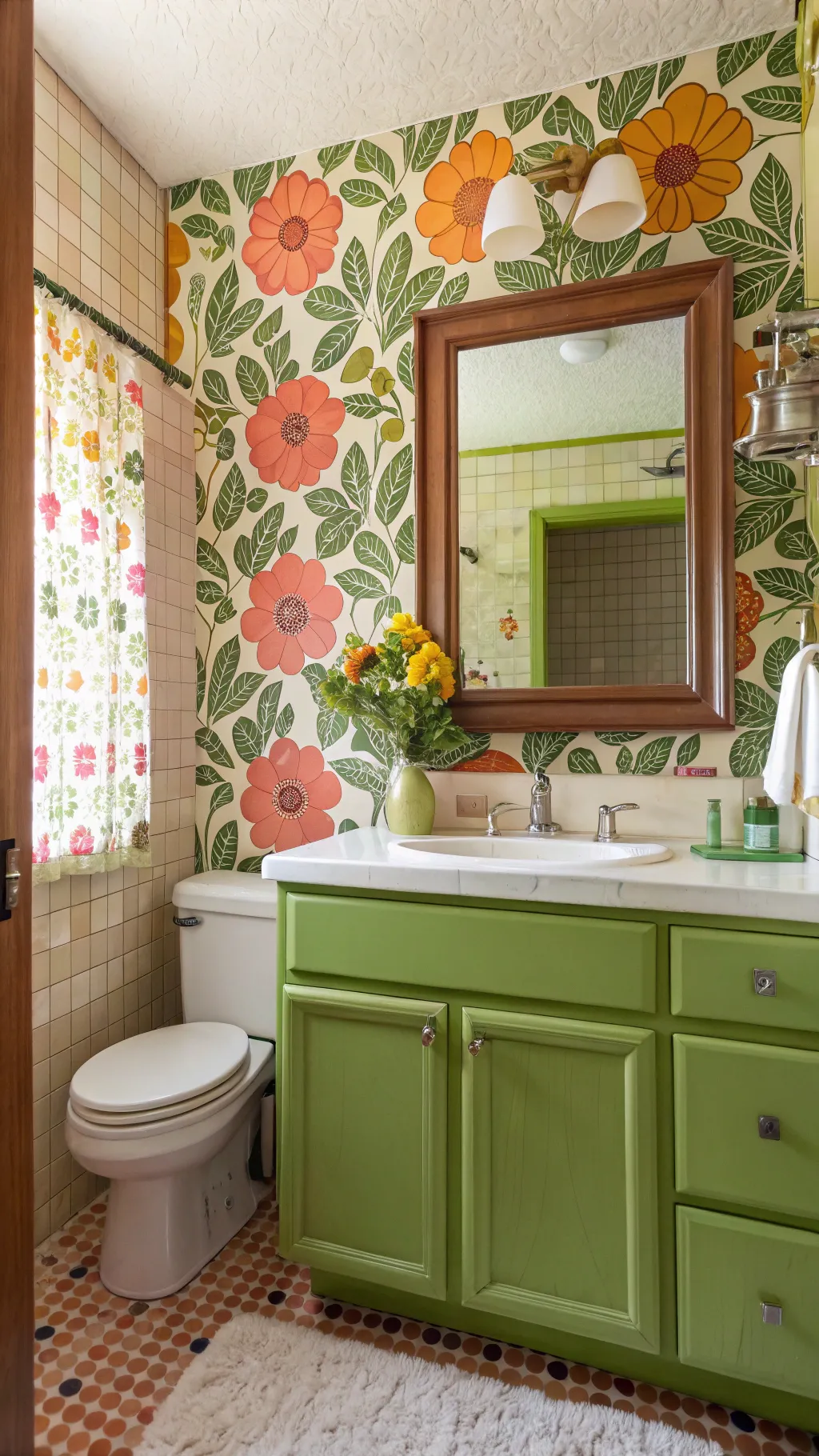
The 70s bathroom aesthetic embraced eclectic maximalism, allowing homeowners to express their personalities through bold choices. Consider a mix of patterns and textures, like floral wallpapers paired with funky tile designs. Choose vibrant colors such as avocado green or mustard yellow for fixtures and accents. Install a sunken tub or a large vanity with unique knobs to enhance the retro vibe. Adding plants or vintage artwork can further elevate the space, creating a personal oasis that feels both nostalgic and lively.
Sunken Lounge Rooms with Conversation Pits
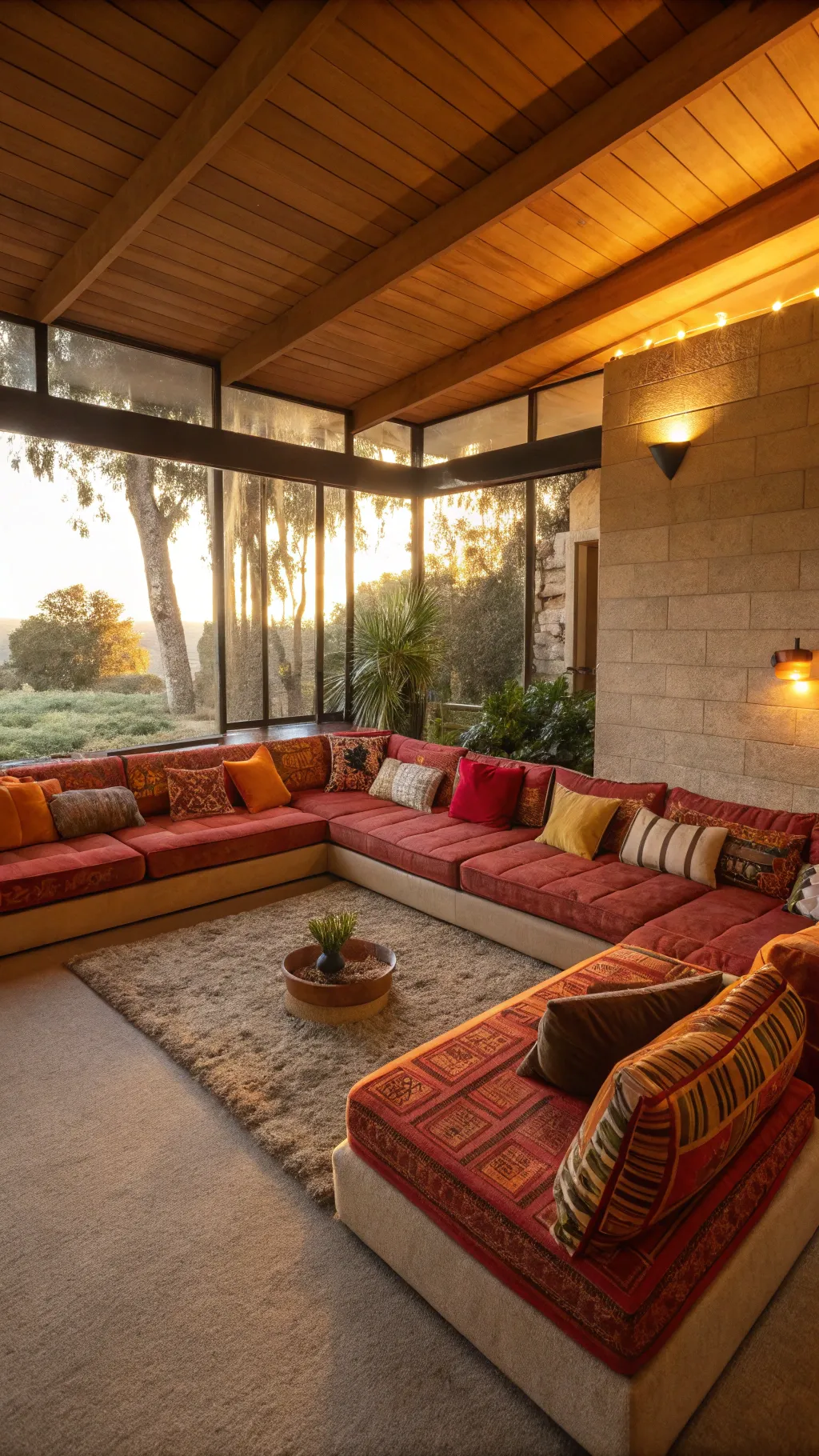
One of the most iconic features of 70s homes was the sunken lounge room, often referred to as a conversation pit. These cozy spaces encouraged social interaction and relaxation. You can recreate this look by lowering the floor in your living area and surrounding it with comfortable seating, like a plush 70s sectional sofa. Use bold cushions and throws to make it inviting. The addition of a low coffee table can enhance the casual atmosphere, making it the perfect spot for gatherings with friends or family.
Funky 70s Furniture Pieces
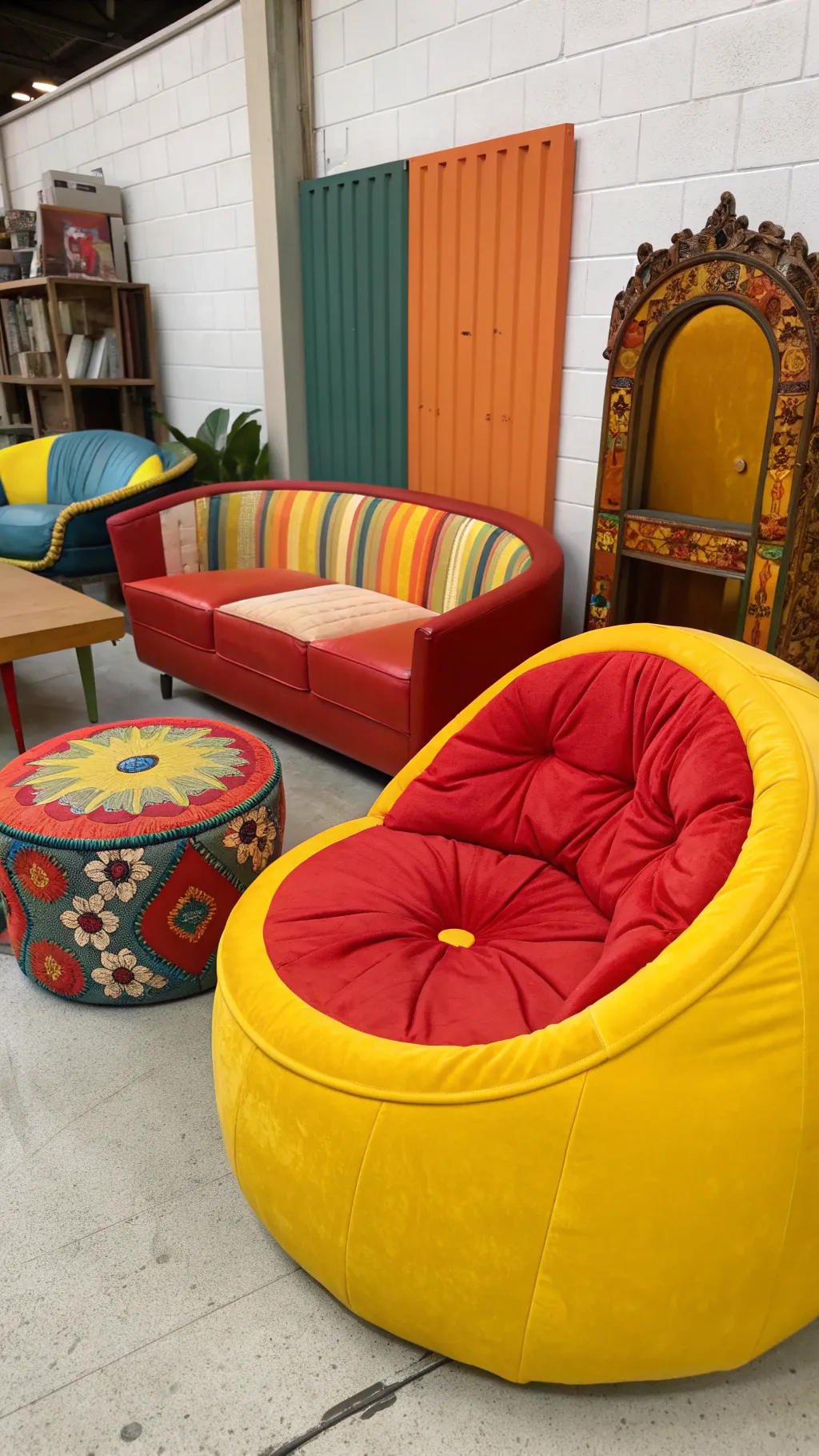
Funky furniture from the 70s is characterized by bold colors, unique shapes, and unconventional materials. Look for vintage bean bag chairs, curved sofas, and bold patterned armchairs that can serve as statement pieces in your home. When incorporating these items, aim for a mix-and-match approach—pairing different styles can create an eclectic yet harmonious look. Don’t shy away from using bright colors like orange, teal, or purple. The key is to have fun and let your personality shine through each piece.
Timber Interiors of 70s Australian Beach Houses

The 70s was also a time of embracing natural elements, especially in Australian beach houses. Timber interiors became a signature feature, providing warmth and a connection to nature. To capture this style, consider using wooden beams, paneling, or even reclaimed wood for your tiny home renovations. Large windows that invite natural light and views of the outdoors are also essential. Combine these elements with airy fabrics and ocean-inspired decor to create a serene coastal vibe.
Retro Style House Exteriors

The exterior of a 70s house often featured bold colors and unique architectural details, like flat roofs and expansive windows. To bring retro style to your own home, consider a fresh coat of paint in vibrant hues, or opt for siding that mimics the classic look. Add large, geometric windows to let in natural light and create a welcoming facade. Include landscaping with native plants and a modern pathway to enhance the overall aesthetic while embracing a bit of that 70s charm.
Modern 70s House Aesthetics
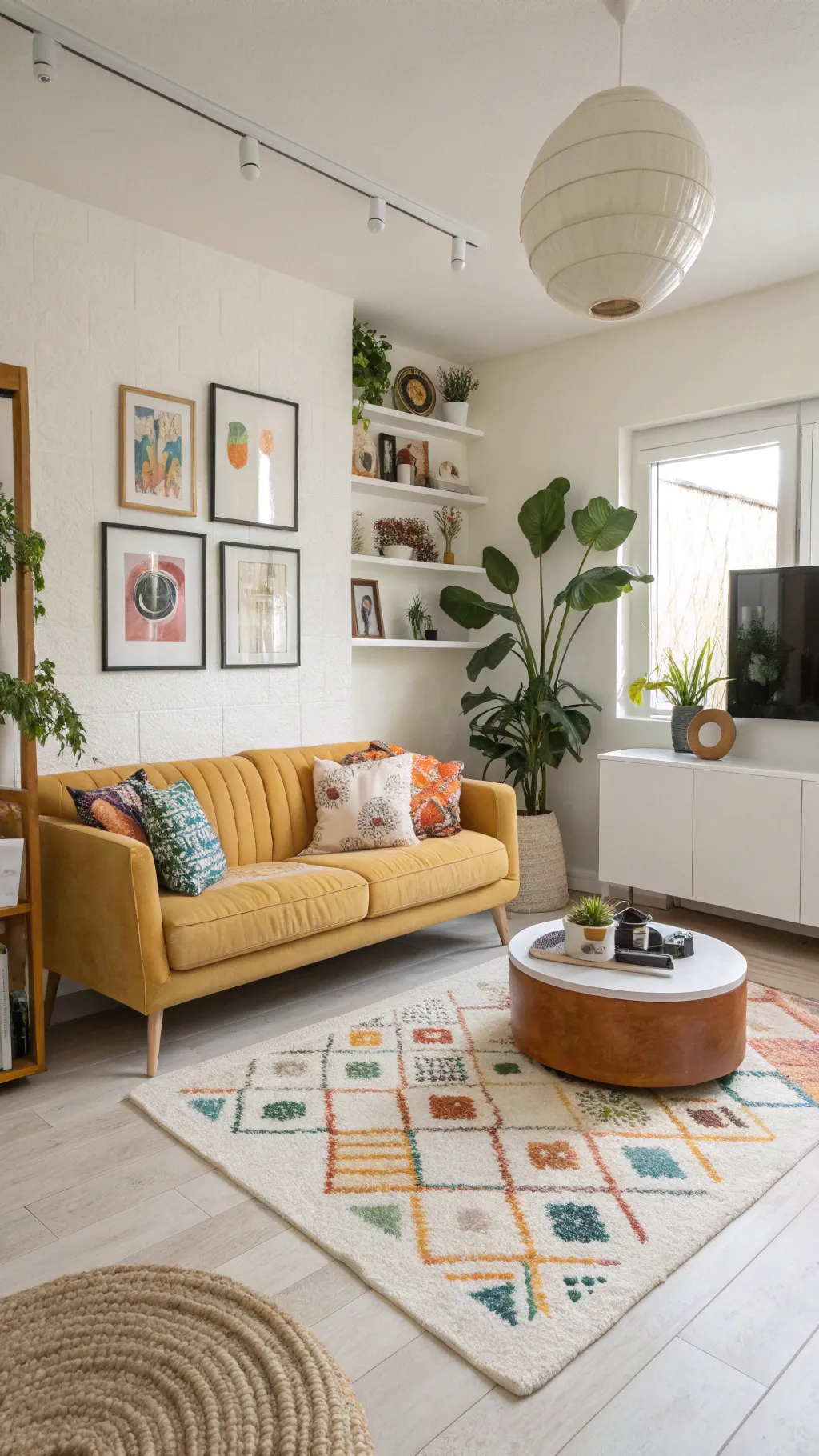
Modern interpretations of 70s house aesthetics focus on clean lines and minimalism, while still incorporating playful elements. Use a neutral color palette with pops of color in decor and furnishings. Incorporate retro light fixtures and wall art that reflect the era’s patterns and designs. By blending modern furniture with vintage finds, you can create a cohesive look that feels fresh yet familiar. This approach allows you to enjoy the nostalgic elements without overwhelming your space.
Unique House Details from the 70s
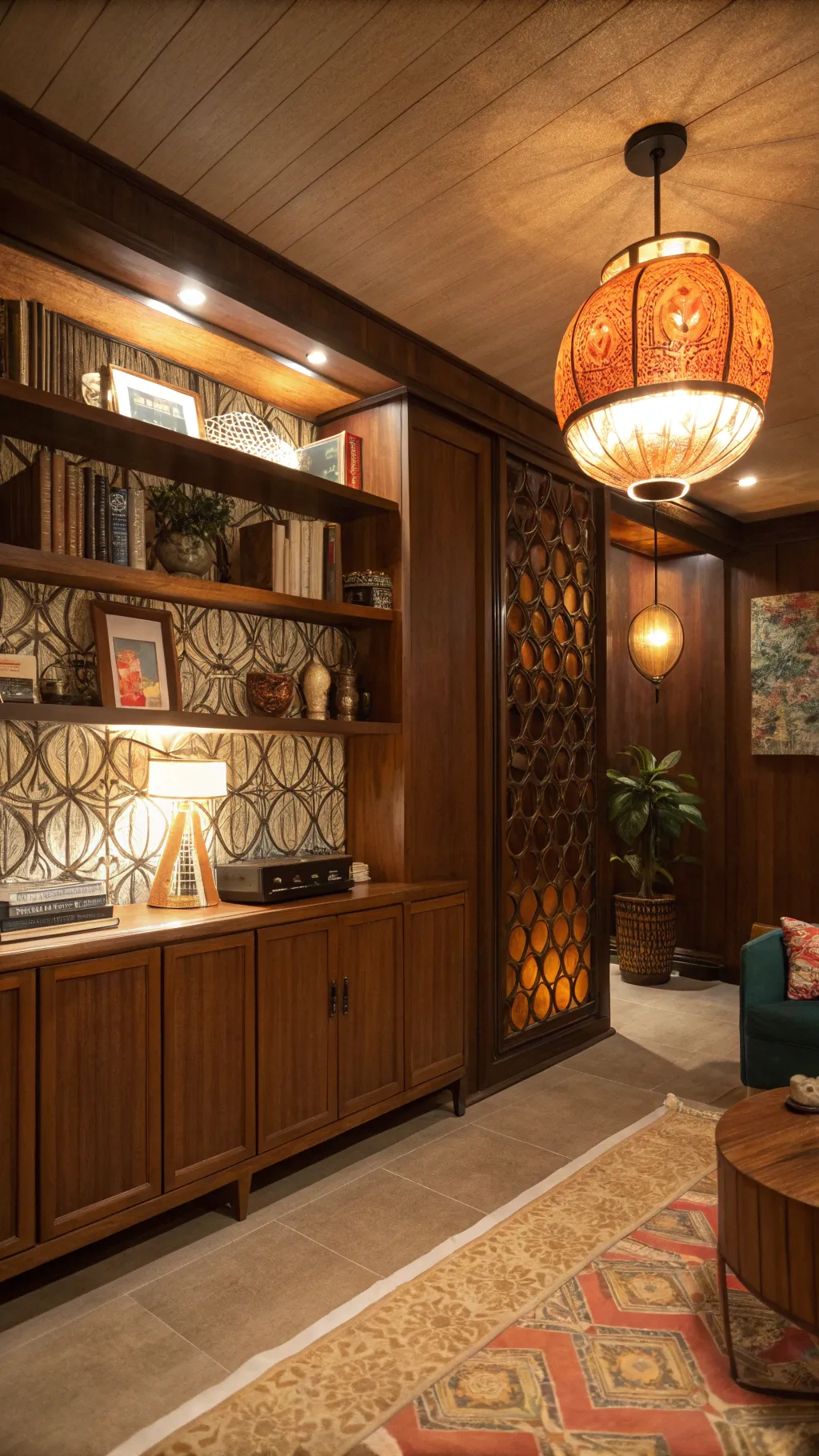
One of the charms of 70s design lies in its unique details. Look for features like built-in shelving, sunken floors, and decorative wood paneling. Incorporate funky light fixtures and colorful tiles into your design to pay homage to this era. These small, thoughtful details can turn any space into a nostalgic retreat. When renovating, keep an eye out for original features in older homes and consider how you can highlight them in your design.