
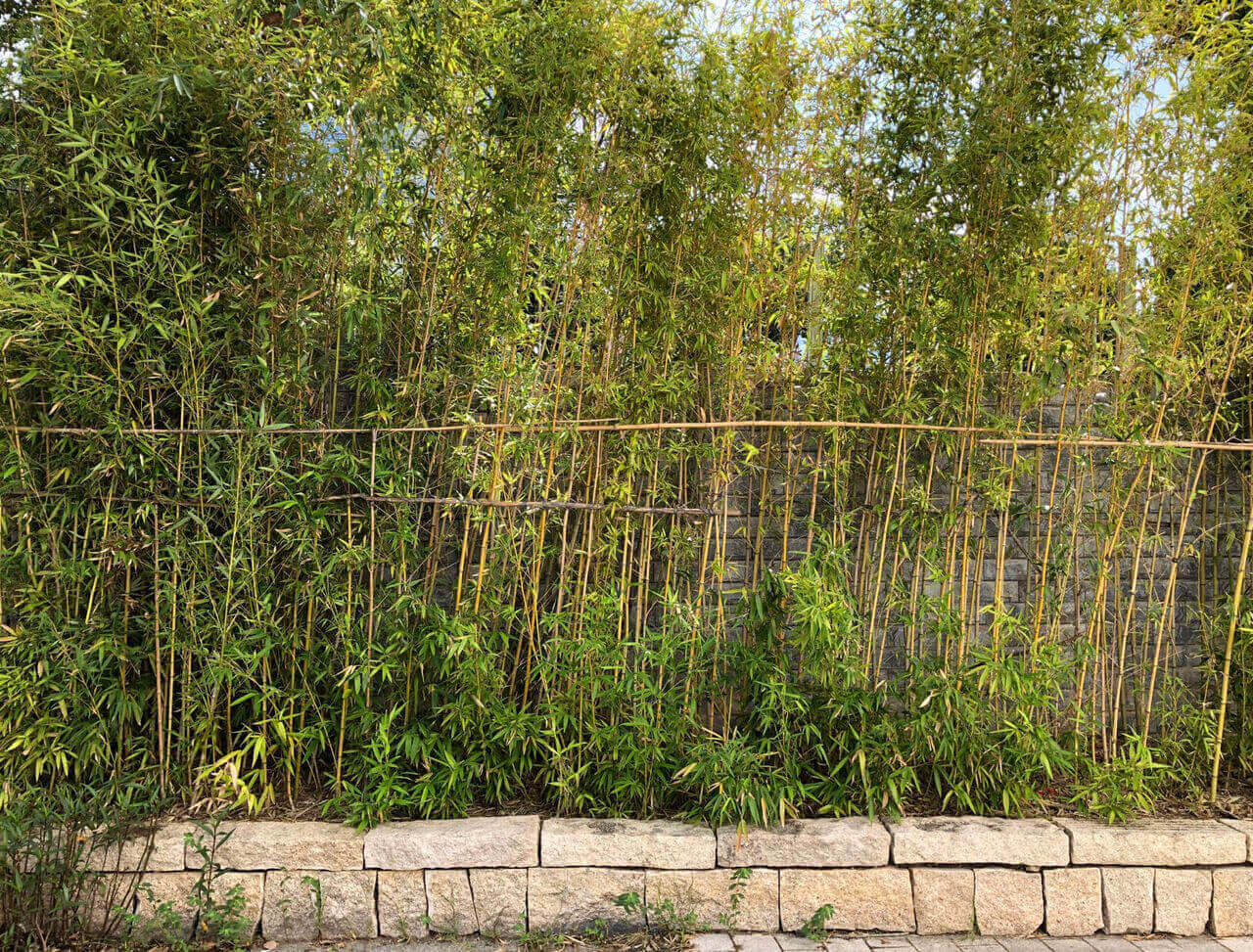
Versatile, eco-friendly, and standing tall, bamboo has many outdoor aesthetic uses, including its nifty use as a privacy screen. Let’s face it: Privacy screens are particularly helpful for creating a natural wall between your property, your nosy neighbor, and the outside world. It blocks unwanted views while increasing fencing appeal and reducing noise. Given that various bamboo is used differently, which type should we use for privacy screens?
The best bamboo for privacy screens is clumping bamboo, which grows in tight clusters and does not spread aggressively. It is the preferred option for many since this specific type also comes in different sizes, colors, and shapes. Its varieties include Bambusa multiplex, oldhamii, and textilis.
Clumping bamboo does not need a lot of water or fertilizer and can tolerate various soil and climate conditions. It also does not produce underground rhizomes that can invade your garden or neighbor’s yard. So it’s easy to control and grow. There are so many reasons to have it as your go-to choice. Let’s take a closer look at the details you should consider.
Planting Clumping Bamboo For Privacy
Choosing clumping bamboo for your privacy screen is a savvy move. But how should you approach it? Here’s the five-level playbook:
- Choose the Perfect Variety: Bamboo is divided into two main types: clumping (sympodial) and running (monopodial). Among the clumping bamboos, species from the Bambusa genus are commonly seen in private home bamboo hedges. Unlike running bamboo, they are not invasive.
Now, the type of Bambusa suitable for you depends on your climate. After considering that, think about the desired height. Bambusa textilis is a popular choice among bamboo enthusiasts. However, you have other options! Varieties like Oldhamii and Multiplex offer colors and sizes that stand out from the rest.
- Find the Sweet Spot: Growing bamboo necessitates a spot with partial shade and excellent drainage. Yes, it is a versatile plant. But it thrives most in moist and well-draining soil with organic matter. So avoid extremes! If the area is too wet, dry, or hot – it’s a big red flag for any bamboo species.
- Dig Deep & Plant Smart: Dig a hole twice the root ball’s size! If it came in a pot, go a little deeper than its depth. The goal is to ensure the root is not too deep or shallow. Once done, backfill with soil and compost. Finally, press/pat the dirt to eject little blurps of air pockets, and finish with some love and quenching water.
- Mind the Spacing Game: Deliberately space bamboo plants based on how you want your screen density. 3 to 5 feet apart for a bushy, fast growth. Bamboo can grow really fast, so allow room to breathe. 6 to 10 feet also does the trick for a more natural, airy appearance.
- Mulch Like a Pro: Surround your shoots with organic mulch. Go with the good stuff like wood chips, straw, or pine needles. This shields roots from risky temperatures and suppresses nosy weeds, keeping the habitat moist and healthy. Keep it 2 to 4 inches thick! Don’t allow any contact with the culms.
By mastering these steps, your clumping bamboo privacy screen will elevate your outdoor space with eco-friendliness and minimal upkeep. It’s not a problematic plant to work with. You’ll soon be enjoying the perfect privacy without compromising your environment.
Nurturing Your Bamboo Barrier
Maintaining your clumping bamboo privacy screen is a breeze, but it still deserves a bit of love and attention from time to time. Here’s four tips to learn how to pamper it like a pro:
- Water with Precision: While clumping bamboo is drought-tolerant, regular watering makes it thrive. Water once a week in summer and monthly in winter – especially In dry spells or if the leaves curl. Gauge based on rainfall and soil. Soaker hoses, drip systems, or sprinklers ensure even and deep watering.
- Feed Smartly: Feed your bamboo twice yearly with balanced organic fertilizer or compost. It’s not a needy plant, but spring and fall boost its growth rate. If possible, try and use controlled-release or slow-release fertilizers at planting. And keep in mind that compost or composted manure enriches the soil and aids drainage.
- Shape and Trim: Occasional pruning keeps your bamboo in check. This little bit of maintenance is best practiced in late winter or early spring before new shoots emerge. You’ll want to use sharp pruning shears, loppers, or a saw to help maintain size and appearance. Also, removing older or weaker culms can help improve sun intake and air circulation.
- Weather and Pest-proofing: Even though they are cold-hardy and pest-resistant, there are still some measures you’ll want to consider to shield your bamboo. In extreme conditions, wrap the culms with burlap, fleece, or plastic to thwart frost damage. You’ll want to Prioritize root insulation by watering before a freeze.
Also, mulch is excellent for cushioning the roots and deters weeds. Stow away aphids, mites, or scale insects (all the known bamboo pests) with insecticidal soap or neem oil.
By embracing these tips, your clumping bamboo privacy screen will thrive, offering beauty, texture, and eco-friendly benefits for years. It’s not just for privacy; your outdoor space thrives alongside your well-being and within a healthy bamboo setting.
Tackling Bamboo Challenges And Pests
It’s fascinating how resilient bamboo is (to a point). Clumping bamboo still faces common issues and pests that may affect its vitality and appearance. Here’s how to spot any hiccups (or nasty buggers) and address them:
- Yellowing Leaves: Yellow, as welcoming as the color is, can result from nutrient deficiency. It is tricky to discern; it can be from too much water, sun exposure, or aging. A good start is investigating the soil moisture. Use balanced organic fertilizers and provide shade or mulch. After that, remove the damaged leaves.
- Brown Tips: More easier to discern than yellowing leaves; dry air, low humidity, or even excessive salt buildup can be the cause. Misting the leaves and increasing water intake are healthy ways to address it. Next, leach the soil salts and trim the affected areas.
- Fungal Spots: Fungal infections often manifest as brown or black spots. They are easy to identify and treat. Treatment begins with improving air circulation and removing infected leaves. But how can we prevent them? Avoiding overhead watering and using fungicide treatments are the smartest choices.
- Bamboo Mosaic Virus (BaMV): A virus that causes leaf streaks or mottling, giving that “mosaic” appearance. This treatment starts with dealing with aphids with insecticidal soap or neem oil (as mentioned before). Dealing with them can solve many problems! Also, remove any leaves that you can easily spot. Disinfecting and rinsing your gardening tools afterward is a must.
- Sooty Mold: This black fungus thrives on honeydew – evidently produced from the same pesty buggers that can cause BaMV. Again, pesticide is the unsung hero in this department. Oh, but it doesn’t end there. You’ll also need to take care of what the insects left behind – washing off honeydew (to prevent more pests from coming). While you are at it, try to rinse off any mold and prune the affected parts.
- Rot Problems: The infamous root rot can be due to poor drainage or overwatering. Again, bamboo is not a maintenance-heavy plant. But try to keep tabs on how much you water them (every two to three days is the general norm). You can treat any form of root decay with soil drainage – removing affected sections can help stop any spread.
Take action before any of these issues become too problematic! These tips ensure lasting benefits for a healthy and attractive privacy screen. It is all about Improving its resilience and adaptability.
Harvested Alternative – Bamboo Fences and Panels: Home-Grown and Premade
Home-grown is a great hobby for eco-green gardening buffs out there. But premade bamboo fences are another. These panels offer a swift and cost-effective solution. They’re ready-made products crafted from bamboo poles or slats intricately woven or nailed together. The unique selling key? Creativity. They present a tropical range of styles, colors, and sizes, offering many playful ideas.
Why would we choose to premade over planting it ourselves? Some would say they save you time and money, sidestepping the waiting game for bamboo to grow. But their main selling feature is their flexibility. We can adapt and relocate them at will! Plus, they boast durability and pest resistance (a major plus) thanks to protective treatments.
But you can’t just haul and install. Tools like a drill, screws, nails, and some creativity are typically required. The pros are that you can still attach them to existing structures or erect freestanding designs with posts and stakes. Or, hang them from pergolas or trellises using wire or rope. Installation methods can vary – but know that you have options!
Maintenance still plays a vital role here. Premade panels require regular cleaning with a detergent solution and a soft brush. But what’s more is the yearly varnish or oil treatments to fend off fading, cracking, or splitting. So you’ll want to keep a keen eye for loose or damaged parts and fix them on time.
Overall, both home-grown or premade bamboo panels offer an eco-friendly, attractive alternative for your privacy screen needs.
Premade panels share benefits with clumping bamboo. Things like fixed heights and noise reduction are among them, as well as air filtration and a potential home for wildlife. Custom panels range from 3 to 8 ft, while home-grown clumping bamboo can reach up to 50 ft. So keep size in mind – especially if your yard starts on an incline or decline.
Bamboo Privacy Screen Enhancements
Want to add personality to your bamboo privacy screen? Elevate its appeal with lights and accessories. Here are some ideas to get your creativity going:
- Lights: Offering a cozy or romantic vibe, a little light can always go a long way. String lights, fairy lights, lanterns, or solar options can work wonders. Because bamboo doesn’t have an even, flat surface, it provides a lot of shadowing for imaginative and colorful lighting. Wrap, hang, or weave them to enhance the screen’s beauty, as well as your mood and style.
- Accessories: Infuse both character and charm with ornaments, wind chimes, banners, flags, or signs. You could even use various methods to engrave your own pattern into them. If you choose to go with accessories or pot plants, you can attach them with culms with hooks, nails, or wires. Let your interests, hobbies, or ethos shine through.
- Plants: Bring vibrancy with hanging baskets, pots, or planters filled with flowers, herbs, or succulents near your bamboo screen. Use vines or climbers to envelop the screen in a green scenery. Bright colors usually stand out the most alongside lengths of bamboo. So, pick plants that complement your bamboo screen’s color and texture.
You’ll also want a natural canvas for creativity and satisfaction outside its efficient and eco-friendly aspects. Elevate your outdoor space with a natural, personalized privacy screen that leaves a lasting and striking impression!
Summary
When it comes to shielding your space from prying eyes while enhancing the aesthetics of your outdoor haven, the choice is clear: clumping bamboo is the unrivaled winner. It offers an eco-friendly and visually appealing solution to your privacy needs. You can’t go wrong with characteristics like its non-invasive growth, minimal maintenance needs, and tolerance to various soils and climates.