
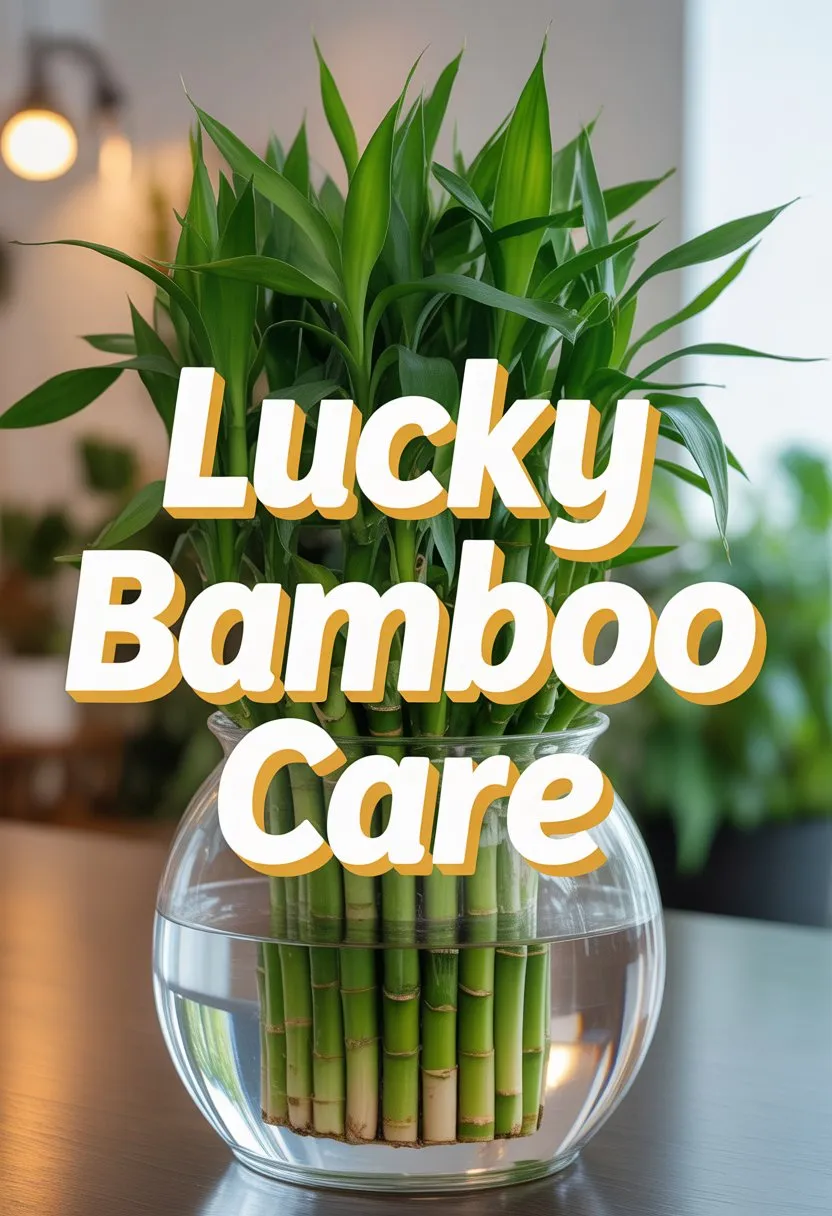
Lucky bamboo has become a favorite indoor plant because it is easy to grow and adds a clean, calming look to any space. Despite its name, it isn’t actually bamboo but a type of dracaena that thrives with simple care. To keep lucky bamboo healthy, provide bright indirect light, consistent moisture for its roots, and a stable indoor environment.
It can grow in either water or soil, making it a flexible choice for different home setups. When grown in water, the roots should always stay submerged, and the water should be refreshed regularly. In soil, the plant prefers slightly damp conditions without becoming waterlogged.
Light, temperature, and humidity all play a role in its long-term health. Lucky bamboo does best in moderate indoor temperatures, away from direct sunlight or drafts. With proper care, it can grow steadily, stay green, and even be shaped or propagated to create new plants.
Key Takeaways
- Lucky bamboo thrives in bright, indirect light and steady indoor conditions
- Consistent moisture is essential, whether grown in water or soil
- Proper care helps prevent yellowing leaves and supports healthy growth
Understanding Lucky Bamboo
Lucky bamboo is a popular indoor plant known for its ability to grow in both water and soil. It is often associated with cultural traditions, symbolic meanings, and practical care requirements that make it distinct from other houseplants.
What Is Lucky Bamboo?
Lucky bamboo is not a true bamboo but a type of tropical plant called Dracaena sanderiana. It belongs to the Asparagaceae family and is native to Central Africa. Despite its name, it shares no botanical relation to real bamboo species.
This plant is commonly grown in water-filled containers with pebbles for support, though it also adapts well to potting soil. It thrives in bright, indirect light and warm indoor temperatures ranging from 65°F to 95°F.
Many people choose lucky bamboo for its simple structure and ease of care. Its stems can be trained into spirals, braids, or clusters, making it both decorative and versatile for home or office settings.
Symbolism and Origins
Lucky bamboo has a strong presence in Chinese culture, where it is seen as a symbol of prosperity, health, and good fortune. Its popularity spread worldwide through feng shui practices, where plant placement is believed to influence energy flow within a space.
The number of stalks in an arrangement often carries specific meanings. For example:
- Two stalks: love and partnership
- Three stalks: happiness, wealth, and long life
- Five stalks: balance and health
While its roots trace back to Africa, the plant became widely cultivated in Asia and marketed globally as a symbol of luck. Its low maintenance needs and cultural associations helped it gain recognition as a traditional gift for new homes and businesses.
Lucky Bamboo vs. Dracaena Sanderiana
The term “lucky bamboo” often causes confusion because it suggests a relation to bamboo, which belongs to the grass family. In reality, the plant is Dracaena sanderiana, a tropical shrub with very different characteristics.
Unlike true bamboo, which grows rapidly and outdoors, lucky bamboo is slow-growing and suited for indoor environments. It can survive in low-light conditions, making it more adaptable to household settings.
A simple comparison highlights the differences:
| Feature | Lucky Bamboo (Dracaena sanderiana) | True Bamboo (Grass family) |
|---|---|---|
| Family | Asparagaceae | Poaceae |
| Growth speed | Slow | Fast |
| Typical environment | Indoor, water or soil | Outdoor, soil |
| Main use | Decorative, symbolic | Construction, landscaping |
Understanding this distinction helps prevent confusion when caring for the plant and ensures proper expectations for its growth and appearance.
Choosing the Right Growing Method
Lucky bamboo can thrive in both water and soil, but each method requires different care routines. The choice depends on how much maintenance someone prefers and the look they want for their plant.
Growing Lucky Bamboo in Water
When grown in water, the lucky bamboo plant needs its roots fully submerged but not the entire stem. A clear glass container works well because it makes it easy to monitor water levels and root health. Pebbles or small stones can help stabilize the stalks.
Use distilled or filtered water to avoid chlorine and fluoride, which can damage the plant. The water should be refreshed every 2–3 weeks to prevent algae buildup and root rot. If the container collects debris or slime, it should be rinsed thoroughly before refilling.
The water level should cover the roots by at least 1–2 inches. Keeping the container clean and the water fresh is more important than frequent fertilizing. If fertilizer is used, a very diluted liquid formula applied once every couple of months is sufficient.
This method highlights the plant’s roots and works well for decorative displays. However, it requires consistent attention to water quality.
Growing Lucky Bamboo in Soil
When grown in soil, lucky bamboo develops a more traditional root system. A well-draining potting mix is essential to prevent the roots from sitting in excess moisture. Containers with drainage holes work best to avoid waterlogging.
Soil-grown plants should be watered when the top inch of soil feels dry. Overwatering can lead to root rot, so the soil should be kept slightly moist but never soggy. Unlike water-grown plants, soil provides more stability and nutrients, which can support stronger growth.
Fertilizer can be applied lightly every few months during the growing season. A balanced liquid fertilizer at half strength is usually enough. This method requires less frequent maintenance compared to water culture but still benefits from careful monitoring of light and watering.
Soil cultivation often results in a more robust plant, making it a good option for those who prefer lower maintenance and a more natural look.
Light and Placement Requirements
Lucky bamboo grows best when it receives steady but gentle light and is positioned away from harsh conditions. The choice of placement directly affects leaf color, stalk strength, and overall growth.
Importance of Indirect Sunlight
Lucky bamboo thrives in bright, indirect sunlight. Direct exposure to strong sun can scorch the leaves, leaving them with dry or yellow patches. On the other hand, very low light slows growth and may cause pale or weak stalks.
The plant benefits most from filtered light, such as near a window with sheer curtains. This provides enough brightness without the risk of damage. If natural light is limited, a fluorescent lamp can serve as a safe alternative.
Maintaining balanced light conditions helps the plant keep its green, glossy leaves. Too much variation between bright and dark periods can stress the plant, so consistency matters. Regularly rotating the container ensures even growth on all sides.
Ideal Locations in Your Home
Placement should prioritize steady lighting and stable conditions. A table, desk, or shelf near an east- or north-facing window usually works well. These spots receive soft light that does not overheat the plant.
Avoid placing lucky bamboo in direct afternoon sun from south- or west-facing windows. If these are the only options, a sheer curtain or light-filtering shade reduces intensity.
The plant also does well in rooms with consistent artificial light, such as offices or hallways. Just make sure it is not positioned under strong heat vents, air conditioners, or drafty windows.
For quick reference:
| Location Type | Suitability | Notes |
|---|---|---|
| East/North window | High | Bright, indirect light, gentle sun |
| South/West window | Moderate | Needs curtain or filter |
| Interior room light | Moderate | Works with fluorescent lighting |
Watering and Moisture Care
Lucky bamboo requires consistent moisture but not excess water. The type of water used and how often it is applied directly affects its health, while too much water can quickly lead to root damage.
Water Quality and Frequency
Lucky bamboo grows best when watered with clean, low-mineral water. Tap water with high chlorine or fluoride can cause leaf tips to brown. Many growers prefer filtered, distilled, or rainwater to avoid chemical buildup.
When grown in water-filled containers, the roots should stay submerged by about 1–2 inches. The water should be replaced every 7–10 days to prevent stagnation and bacterial growth. If grown in soil, the top layer should be kept evenly moist but not soggy.
Frequency depends on conditions. In warm, dry environments, watering may be needed weekly. In cooler or more humid spaces, soil-grown plants may only need water every two weeks. Winter growth slows, so less frequent watering is usually required.
Quick reference:
- In water: refresh weekly
- In soil: water when the top inch feels slightly dry
- Use filtered or distilled water when possible
Avoiding Overwatering
Overwatering is one of the most common problems with lucky bamboo. Constantly saturated soil or stagnant container water can lead to yellowing leaves, root rot, and foul odors.
For plants in soil, drainage is essential. Containers should allow excess water to escape, and glued pebble arrangements should be monitored closely since they can trap moisture.
In water-only setups, the container should not be filled to the top. Keeping just enough water to cover the roots prevents the stems from sitting in excess moisture.
Signs of overwatering include soft stems, mushy roots, and leaves turning yellow. If these symptoms appear, reduce watering frequency and replace the water with fresh, clean water immediately.
Maintaining a balance between moisture and oxygen around the roots helps the lucky bamboo plant remain healthy and stable.
Temperature and Humidity Needs
Lucky bamboo grows best when kept in a stable environment with warm air and consistent moisture. Sudden changes in temperature or prolonged dry air can stress the plant and slow its growth.
Optimal Temperature Range
Lucky bamboo prefers a warm indoor climate. The ideal range is 65–90°F (18–32°C), which aligns with typical household conditions. It can tolerate slightly cooler or warmer temperatures, but extremes below 50°F (10°C) or above 100°F (38°C) may cause leaf yellowing or stem damage.
Placement is important. Avoid drafty windows, heating vents, or air conditioning units, as these create sudden fluctuations. A steady environment helps the plant maintain healthy green leaves and prevents stress.
During summer, lucky bamboo can handle warmer conditions if kept out of direct sunlight. In winter, it should be protected from cold drafts near doors or poorly insulated windows. Keeping the plant in a consistent indoor area ensures steady growth year-round.
Quick reference:
- Ideal: 65–90°F (18–32°C)
- Minimum tolerance: ~50°F (10°C)
- Maximum tolerance: ~100°F (38°C)
Maintaining Proper Humidity
Lucky bamboo benefits from moderate to high humidity, similar to conditions found in many tropical environments. While it adapts to average indoor humidity, dry air can cause leaf tips to brown.
To improve conditions, place the plant away from heating sources that dry the air. A small humidifier nearby, or a tray filled with water and pebbles under the container, can add consistent moisture.
Misting the leaves with room-temperature water also helps, but it should be done lightly to avoid water buildup. Consistent humidity reduces stress and supports vibrant, healthy foliage.
Practical methods to maintain humidity:
- Use a pebble tray with water
- Run a humidifier in dry seasons
- Lightly mist leaves when air feels dry
Fertilizing and Nutrient Tips
Lucky bamboo benefits from light feeding, but too much fertilizer can harm the plant. Using the right type of fertilizer and applying it on a proper schedule helps maintain healthy green leaves and steady growth.
Choosing the Right Fertilizer
Lucky bamboo responds best to gentle, balanced fertilizers. A water-soluble fertilizer with an NPK ratio close to 1-1-1 works well because it provides equal amounts of nitrogen, phosphorus, and potassium without overwhelming the roots.
Many growers prefer using specialty lucky bamboo fertilizers or diluted aquarium plant food. These options supply trace minerals in small amounts, which mimic the plant’s natural growing conditions.
Always dilute standard houseplant fertilizer to about one-tenth strength before use. Stronger solutions can burn the roots, especially when the plant grows in water rather than soil.
Organic options, such as liquid seaweed extract, also work if applied sparingly. They provide micronutrients and are less likely to cause fertilizer buildup.
Fertilizing Schedule for Water and Soil
When grown in water, lucky bamboo requires very little feeding. A couple of drops of liquid fertilizer or aquarium water every 4–6 weeks is usually enough. Some growers add one small drop monthly, depending on plant size and container volume.
In soil, the plant can handle slightly more frequent feeding. Apply a diluted liquid fertilizer about every 6–8 weeks during the growing season, ensuring the soil stays moist but not soggy.
Always avoid fertilizing during periods of stress, such as after repotting or when the leaves show signs of yellowing. In these cases, fresh water changes and proper light often correct the issue without extra nutrients.
Regular monitoring is important. If leaves turn pale or yellow, it may indicate too much fertilizer rather than too little.
Pruning, Maintenance, and Propagation
Keeping lucky bamboo (Dracaena sanderiana) healthy requires periodic trimming, removal of damaged parts, and careful propagation when new plants are desired. Clean cuts and proper handling prevent disease and encourage strong, balanced growth.
How to Prune Lucky Bamboo
Pruning controls height, removes weak stems, and shapes the plant. Use sharp, sterilized scissors or shears to avoid crushing the stalks or spreading bacteria. Always cut just above a node, where new shoots are most likely to emerge.
Remove yellowing leaves or dead stems promptly. This prevents decay from spreading and keeps the plant looking neat. If a stalk is too tall, trim it back gradually rather than removing large sections at once.
Many growers prune in spring when growth is more active, but trimming can be done any time if the plant looks overgrown. After cutting, the exposed areas may be sealed with melted candle wax to reduce water loss and infection.
A simple checklist helps:
- Disinfect tools before every use
- Cut above nodes for regrowth
- Remove unhealthy parts immediately
- Avoid cutting the main stalk base to prevent permanent damage
Propagating New Plants
Propagation allows one plant to produce several new stalks. Start by cutting a healthy shoot that is at least 4–6 inches long. Make the cut just below a node, as this is where roots will form most reliably.
Place the cutting in a container of clean, filtered water. The water should cover the lower nodes but not the leaves. Replace the water every 7–10 days to prevent stagnation and bacterial growth.
Once roots reach about 1–2 inches, the new stalk can stay in water or be planted in soil with good drainage. Many people prefer to keep propagated lucky bamboo in water-filled containers with pebbles for support.
Key points for success:
- Use healthy, green shoots only
- Keep water fresh and free of chlorine
- Wait for roots before transplanting
- Provide bright, indirect light for strong growth
Common Problems and Solutions
Lucky bamboo often shows stress through its leaves or stems. Discoloration, pests, and fungal issues are the most common concerns, but most can be corrected with simple adjustments in care.
Yellow Leaves and Their Causes
Yellowing leaves usually signal water or light problems. Tap water containing chlorine or fluoride can harm the plant, so filtered or distilled water works best. Consistent use of untreated tap water often leads to leaf discoloration.
Too much direct sunlight also causes yellowing. Lucky bamboo prefers bright, indirect light rather than harsh rays. If placed near a sunny window, a sheer curtain helps diffuse the light and prevent damage.
Overwatering is another factor. In soil, the top inch should dry before watering again. In water-filled containers, stagnant water encourages root stress, so changing the water every 7–10 days keeps the plant healthy.
If leaves turn fully yellow and dry, trimming them is necessary since they will not recover. Cutting back unhealthy growth allows the plant to focus energy on producing new leaves.
Pests and Disease Prevention
Lucky bamboo is generally resistant to pests but can still attract spider mites, mealybugs, or aphids. These pests appear as small white spots, webbing, or sticky residue on leaves. Wiping the plant with a damp cloth or using insecticidal soap usually resolves infestations.
Fungal growth may occur if water is not refreshed regularly. Cloudy water or a foul smell indicates bacterial buildup. Cleaning the container and rinsing the roots helps prevent further spread.
Maintaining proper airflow and avoiding overcrowding reduces disease risk. The plant should not sit in soggy soil or stagnant water for extended periods, as this weakens roots and makes it more vulnerable to pests and fungi.
Regular monitoring and quick intervention keep the lucky bamboo plant healthy and less prone to recurring problems.