
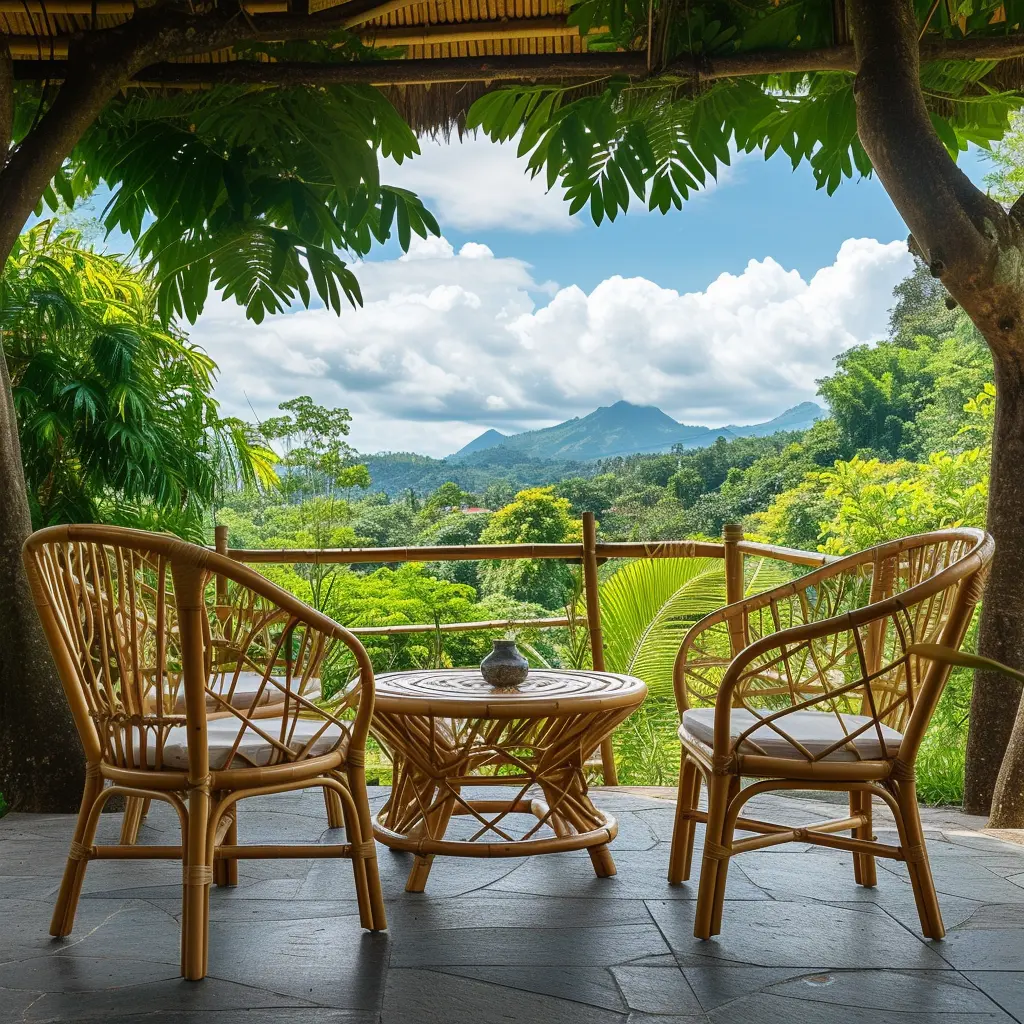
Exploring the use of bamboo in outdoor furniture settings raises intriguing questions about its durability and care. Renowned for its strength and aesthetic appeal in indoor applications, bamboo’s performance in outdoor environments is less straightforward. In this exploration, I’ll tackle the practical realities of using bamboo furniture outdoors, focusing on its responses to different environmental factors. From understanding how bamboo reacts to moisture and sunlight to learning the best ways to maintain it, I aim to provide clear, actionable guidance for anyone considering bamboo furniture for their outdoor areas.
Key Takeaways
- Bamboo’s Reaction to Weather: Bamboo furniture is prone to deterioration when exposed to the elements, particularly moisture and sunlight, leading to fading, splintering, and structural damage.
- Maintenance Requirements: To enhance durability, bamboo furniture requires regular maintenance, including sealing, cleaning, and protection from extreme weather conditions.
- Impact of Treatment: Treated bamboo, using sealants or varnishes, shows improved resilience against outdoor conditions but still necessitates periodic maintenance.
- Expected Lifespan: Untreated bamboo furniture typically lasts up to 2 years outdoors, while treated pieces can endure for about 5 years, depending on environmental conditions and maintenance.
- Preventive Measures: Positioning bamboo furniture under shelter, applying suitable sealants, and bringing it indoors during harsh weather can significantly extend its outdoor lifespan.
- Alternatives for Outdoor Use: Some bamboo products are specifically designed for outdoor use, featuring enhanced treatments and protective coatings to withstand the elements better.
Caring For Your Bamboo Furniture
While many things are permissible, most are not beneficial. You’re not alone if you think that bamboo products can survive outside.
Although bamboo “timber” is a resource derived from a plant that grows outdoors, the products do not fare well when left outside unless they are specially treated to improve their resilience.
If you’ve accidentally left your furniture outside, don’t panic! A day or two of exposure shouldn’t have dire consequences, but there are several steps to take to reduce the damage.
Why Is It Bad For Your Bamboo Furniture To Be Outside?
Bamboo is a tall grass (belonging to the Subfamily Bambusoideae) and is not wood (which means that the products manufactured from harvested culms are also not wood).
Regular wood contains chemicals that resist degradation from the elements; however, products made from these hard grasses lack essential chemicals (like tannins and other oils).
Some bamboo products are better suited to outdoor lifestyles and are usually treated with strong chemicals that improve longevity. However, even with these treatments, bamboo has a limited lifespan thanks to the process of weathering (exposure to the elements).
How Does Bamboo Furniture Deteriorate When Left Outside?
When exposed to the elements, bamboo begins to fade (lose its color), splint/splinter, and rot (as moisture seeps in). While slow at first, these effects compound and cause your furniture to lose structural integrity (i.e., it starts falling apart).
When left outside, these products are exposed to certain elements which cause “weathering.”
The elements which have the most significant impact include the following:
Damage And Deterioration From Rain
The most significant issue outdoor bamboo experiences is moisture, particularly in wet climates. Once water penetrates bamboo, it causes the material to rot (fungus begins to grow and break down the plant material).
Additionally, moisture causes the fibers to swell. As the material dries, it results in cracks that destabilize the product and exacerbate the degradation process.
Products made from these plants excel at drawing moisture from the air (hygroscopic), but pieces left in the rain are most at risk.
Damage And Deterioration From Sun Exposure
The sun is a deadly laser, slowly destroying most things under it. The most obvious sun damage is fading color.
Sunlight delivers energy to the material, destabilizing atoms and making them more susceptible to water, wind, and other wear and tear.
According to a study, lignin readily absorbs UV radiation and degrades the quickest. Lignin is essential to these plants’ stability and “hardness,” making untreated bamboo less suitable for outdoor use.
Damage And Deterioration From Temperature Fluctuations
Aside from water and sunlight’s direct impact, the changes in temperature cause plant fibers to expand and contract. This “movement” weakens the wood, causing it to warp and lose stability.
Temperature extremes further hasten the deterioration of these products. For example, when items freeze, the moisture within rapidly expands, fracturing the surrounding fibers. Cracks and splinters are left as the items thaw.
Damage And Deterioration From Insects
Aside from moisture, insects are one of the most significant issues outdoor furniture made from these grasses experiences.
Wood boring beetles, termites, and other pests bite chunks for food or to lay their eggs inside. Although dried out, the “wood” contains sugars/starches that attract insects to the furniture (think about when a plant dies and falls over; after a few days, it’s swarming with insects).
As they tunnel searching for sustenance, they cause structural damages, create pathways for water/moisture to enter, and often result in mold and other fungi setting in.
Damage And Deterioration From Dust/Dirt
Although dirt and dust might not seem harmful to your furniture, the tiny grains of silica present have a “grinding” effect on the items (particularly when blown by strong winds).
Over time, this grinding action wears through resins and other treatments, further exposing the wood to weathering.
How Quickly Does Bamboo Furniture Deteriorate?
How long an outside product survives is related to various factors, including:
- The climate conditions. Areas with higher moisture/rainfall (like the tropics) may speed up degradation, while areas with less rainfall are “kinder” to the material.
- The type of furniture. Thicker pieces like tables tend to be more sturdy than thinner products.
- Pre-treatment. Chemical products found in resin, UV coatings, oils, insect barriers, etc., preserve the wood, increasing its resilience.
- Maintenance. A bamboo item left alone has less survivability than a well-maintained item.
As a ballpark figure, untreated products living outside survive up to 2 years, and treated products (sealed with resin, oil, or other chemical treatments) last roughly 5 years.
Are There Bamboo Products That Can Live Outside?
Although most manufacturers don’t recommend leaving bamboo furniture outside, some products are better suited to living outdoors. Products that are sealed, varnished, and treated with resins are better equipped to survive outside.
The quintessential factor determining whether bamboo can live outside or not is effective management.
How Can You Improve Bamboo Furniture’s Outdoor Capacity?
If you’re set on keeping your bamboo furniture as an outdoor set (for whatever reason), there are several actions you can take to improve its longevity.
Applying An Adequate Sealant/Purchasing A Pre-sealed Piece
If the furniture is to live outside, the first action to give it a fighting chance is to purchase a set/piece pretreated with resin or varnish.
It is essential for the coating to be UV, water, and insect-proof to combat the most significant threats your furniture will face.
If you can’t find adequately pretreated furniture, consider applying one yourself. Tung oil is a popular alternative if you don’t want to use varnish or other harsh chemicals.
Keep The Items Out Of The Sun And Rain
Just because a product stays outside doesn’t mean it should bear the brunt of the elements. A patio, shady tree, or other outdoor structure will significantly improve your item’s longevity.
It may also require moving the items “in and out” regularly to avoid the rain and sun.
Alternatively, consider erecting a roof structure to provide shade or purchasing a cover that fits snuggly over the table, chairs, etc.
Bring The Furniture Piece Inside During Extreme Weather/Adverse Seasons
Sometimes mother nature strikes with great fury and woe betide anything caught in her wrath. In particularly harsh conditions, consider moving your bamboo furniture indoors (heavy rains, frost, snow, etc.).
When the weather is bad, you don’t generally spend time outside, so bringing the furniture in won’t subtract value from your yard/deck.
Regularly Clean, Sand, And Reseal Your Furniture
Maintenance is an integral part of management, which occasionally means a “do-over.”
Periodically sanding the top layer of these items and applying a suitable sealer is a great DIY project and a sound method to improve their longevity. You also improve the aesthetic appeal by stripping off the old top coat.
However, before re-doing your tables and chairs, regular cleaning is essential and includes:
- Wipe them with a soft dust cloth.
- Vacuuming excessive dust/dirt and areas that you can’t wipe.
- Use a mild detergent to wash the items, and allow them to adequately dry.
- Clean any spills immediately. Preventing mold and water damage is paramount to the longevity of these products.
Conclusion
Although bamboo furniture can stay outside, it is generally not recommended as exposure to the elements causes excessive deterioration. Outdoor bamboo items need protection by applying a sealer or oil and keeping them out of direct sunlight and water. Daily cleaning, periodically resealing the furniture, and moving them indoors during adverse weather are also recommended.