
Fitting a functional sink into a small bathroom or powder room often feels like a puzzle. When square footage is limited, every inch counts, and a standard-sized vanity can make the room feel cramped and difficult to navigate. Choosing the right small vanity sink is about more than just aesthetics; it is about finding a balance between usability and physical space.
This guide explains how to navigate the world of compact bathroom fixtures. We will look at different styles that save space, how to measure your bathroom accurately, and the best ways to handle storage and installation. Whether you are updating a guest bath or a tiny master ensuite, these tips will help you create a functional space that does not feel crowded.
Common styles for compact bathroom sinks
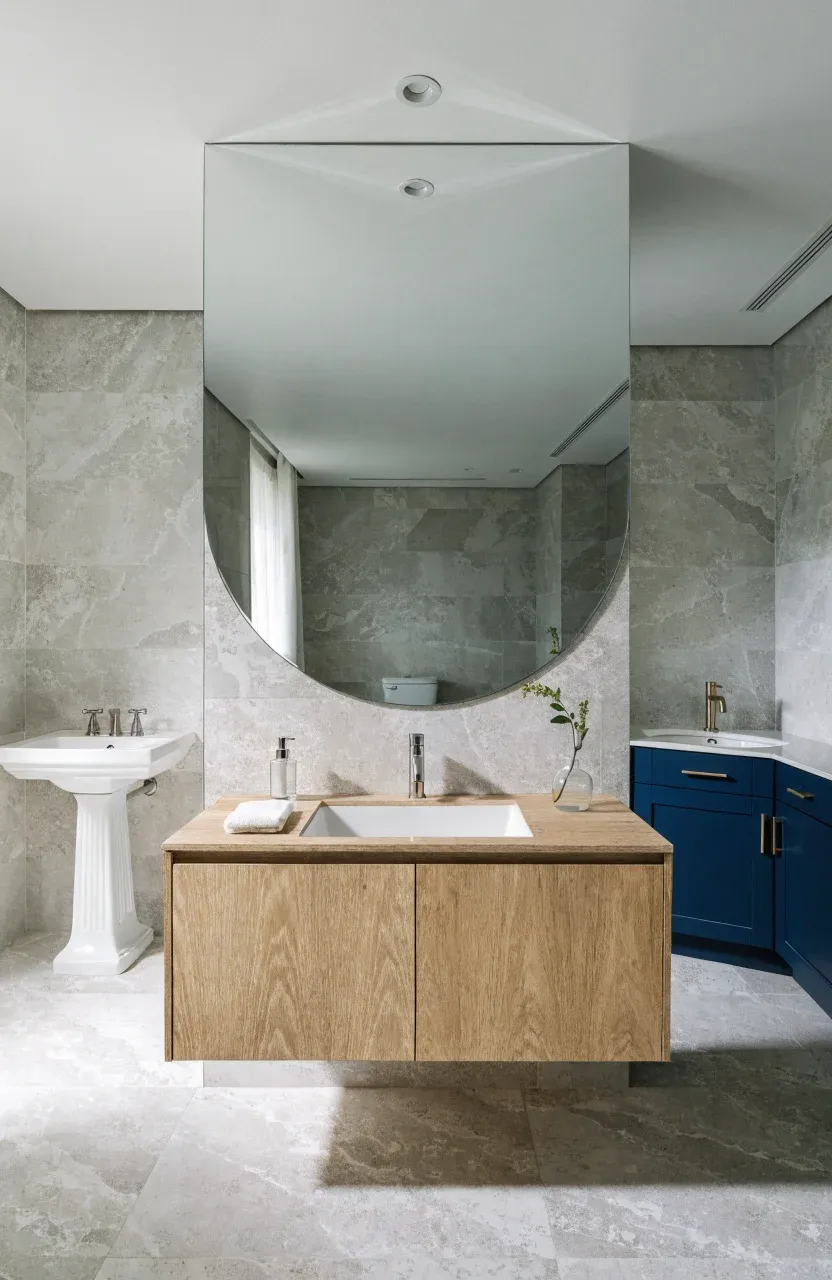
There are several designs specifically made for small rooms. Floating or wall-mounted vanities are popular because they leave the floor visible, which makes the bathroom feel larger. Corner sinks are another great option; they use a part of the room that usually goes to waste. If you need something very slim, look for 'petite' or 'cloakroom' basins. These have a narrow profile and often place the faucet to the side rather than the back to save depth. Pedestal sinks are classic and take up very little visual space, though they offer no hidden storage. Console sinks, which sit on thin metal legs, provide a light, airy look while giving you a small landing area for soap or a toothbrush.
Measuring your space to ensure a proper fit
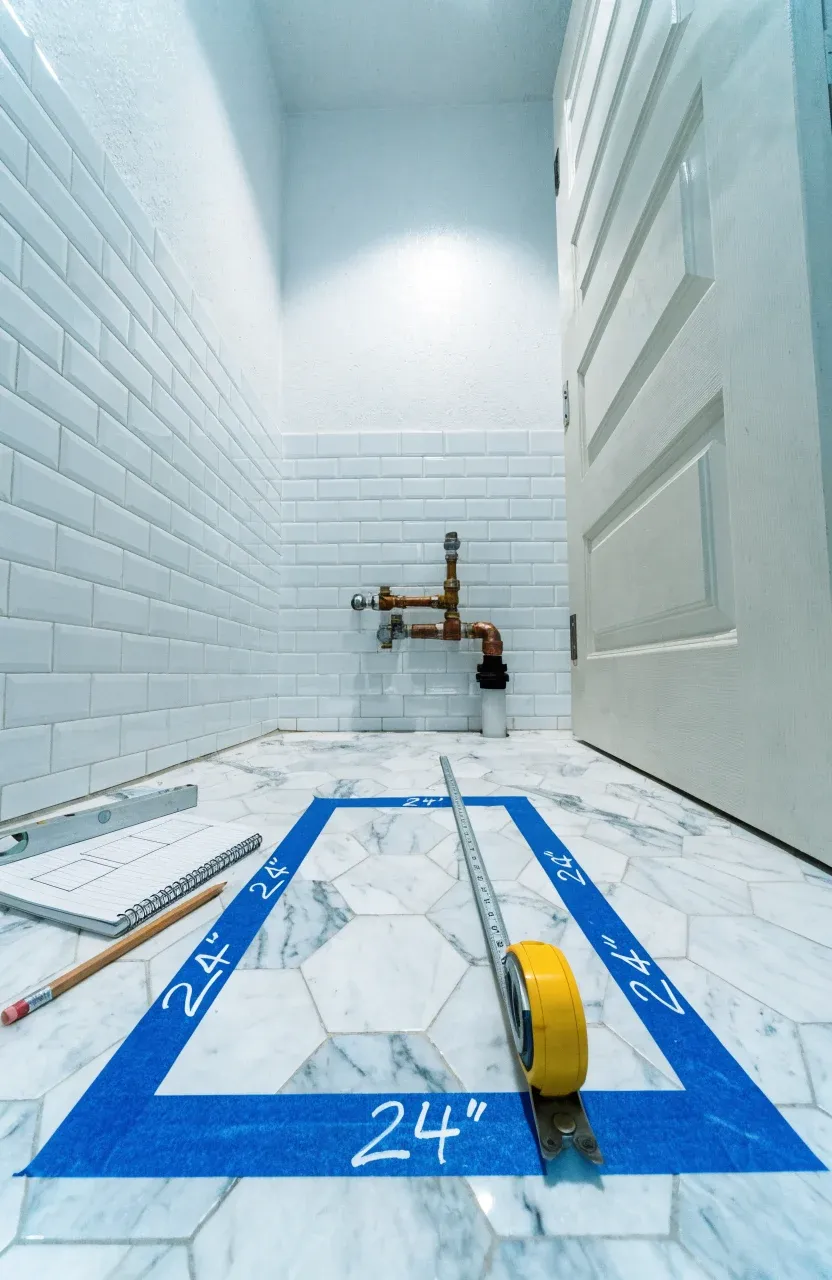
Before buying anything, you need to measure the footprint of your potential vanity. Start by measuring the width and depth of the available area. But do not just measure the wall space; you must also account for 'clearance.' This means checking that the bathroom door can still open fully and that there is enough room for someone to stand in front of the sink comfortably. Use painter's tape to mark the dimensions of the new vanity on the floor. This helps you visualize how much walking space remains. Also, check the height of your existing plumbing. Small vanities often have different drain alignments than standard ones, so knowing where your pipes enter the wall is vital before you commit to a specific model.
Storage solutions for small vanity cabinets
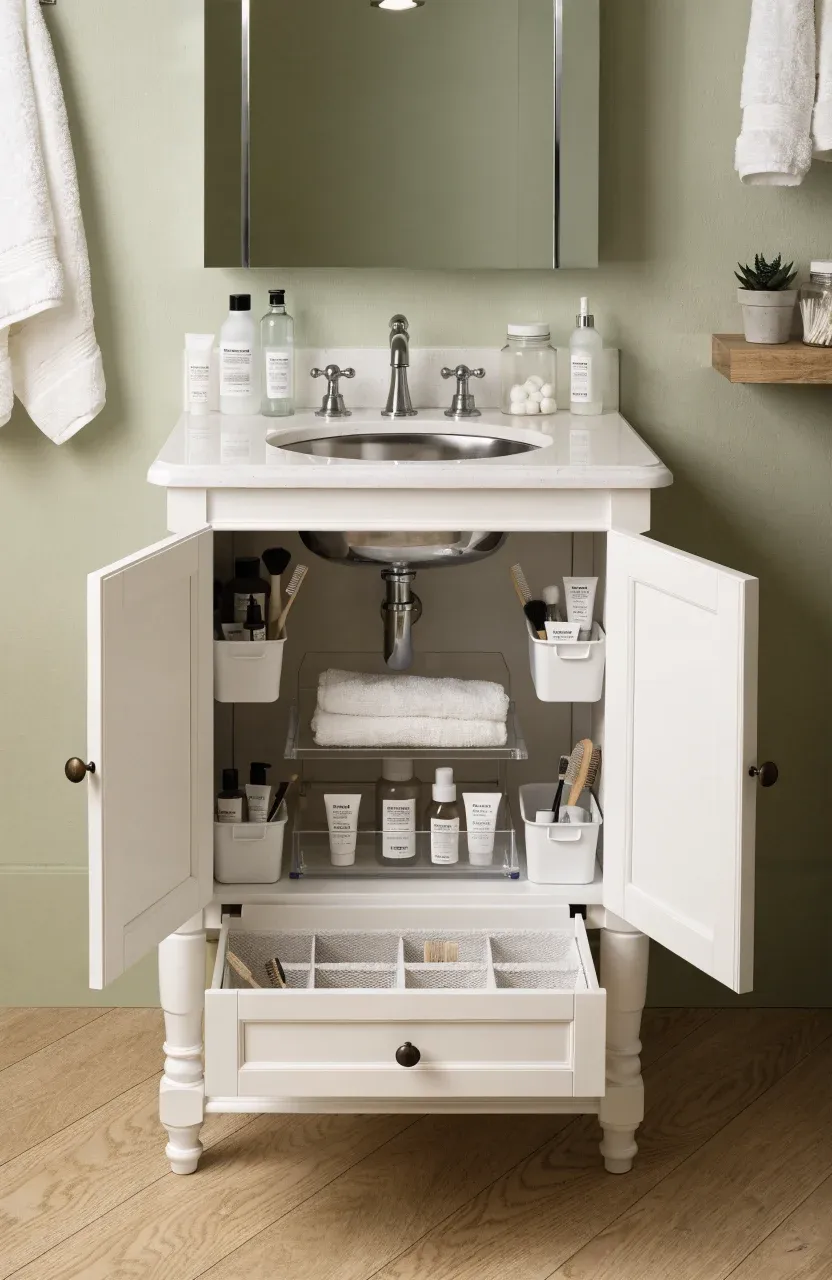
Just because a vanity is small does not mean it cannot hold your essentials. Look for cabinets with built-in drawers rather than just doors; drawers allow you to reach items at the back without digging. If your vanity is very narrow, you can use the inside of the door for storage by attaching small bins or hooks. Many people also use tiered organizers under the sink to work around the plumbing pipes. If you choose a wall-mounted sink with no cabinet, consider adding a floating shelf above the faucet or a mirrored medicine cabinet. This shifts the storage load from the floor to the wall, keeping the room open and organized.
Selecting the right faucet for a shallow basin
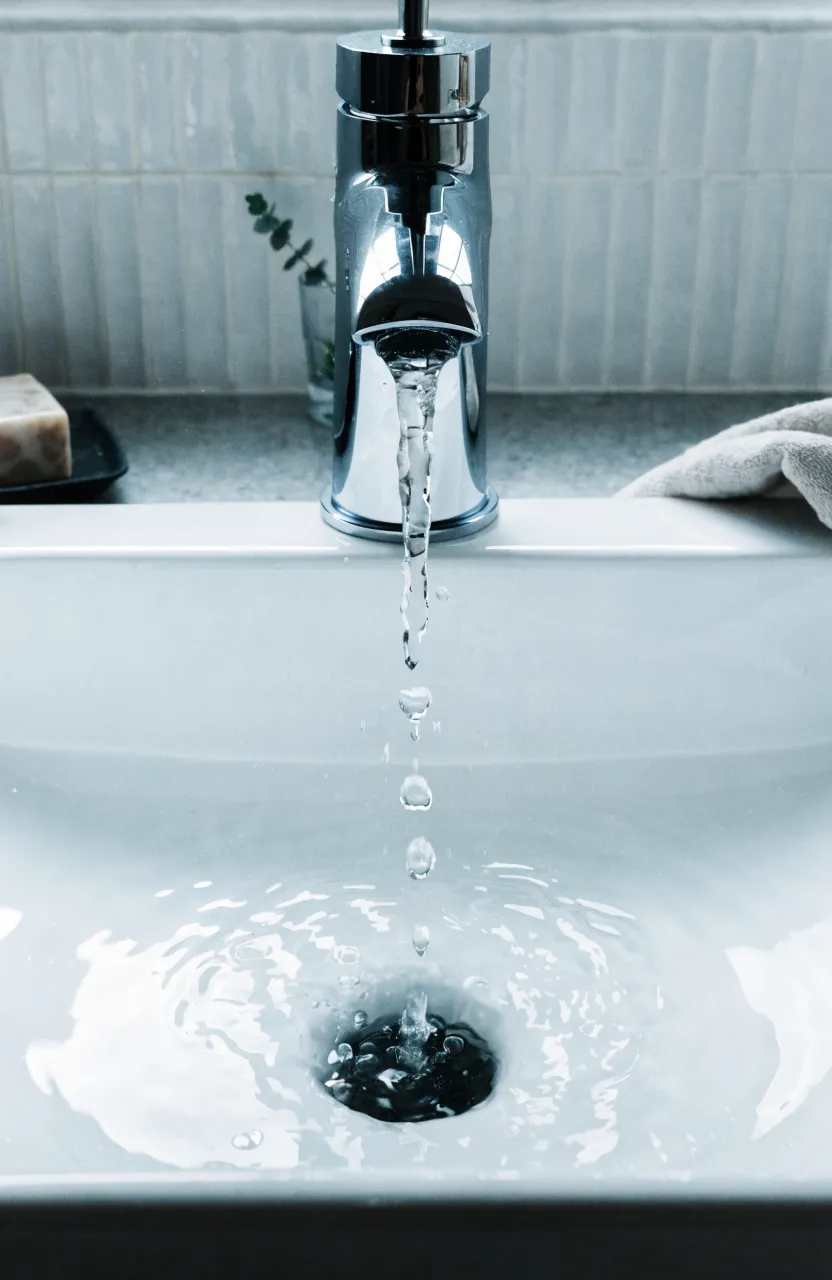
Choosing a faucet for a small sink requires careful thought about scale and splashing. A large, high-arc faucet might look stylish, but it can easily overwhelm a tiny basin and cause water to splash everywhere. For shallow sinks, a low-profile faucet is usually better. Pay attention to the 'reach' of the spout. You want the water to fall near the center of the drain, not too close to the back edge where it is hard to wash your hands, and not so far forward that it splashes out. Single-handle faucets are ideal for tight spaces because they only require one hole in the sink or countertop and are easier to operate in cramped quarters.
Material options and their long-term durability
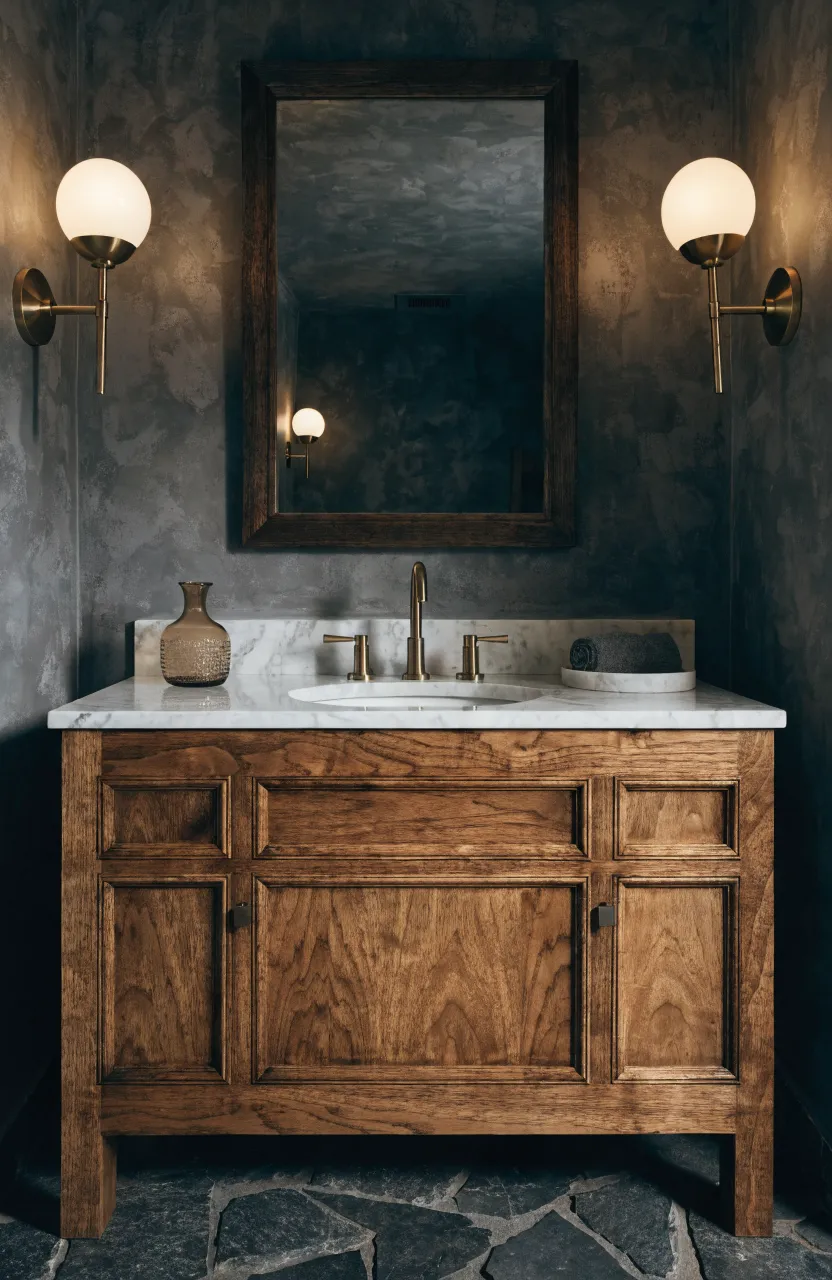
The material of your sink affects both how it looks and how long it lasts. Ceramic and vitreous china are the most common choices for small sinks because they are easy to clean and resist scratches. If you want a more modern look, stainless steel or resin composites are durable and can be molded into very slim shapes. Natural stone like marble or granite looks beautiful but requires regular sealing to prevent stains. For the vanity cabinet itself, avoid cheap particle board. Bathrooms are humid, and low-quality wood can swell and peel. Look for solid wood, marine-grade plywood, or metal frames that can withstand moisture over time.
Installation tips for wall-mounted and floor models

Installing a small vanity is a project many DIYers can handle, but there are a few tricks. For wall-mounted models, the most important step is securing the unit to the wall studs. A floating vanity is heavy, and drywall alone will not hold it. If the studs do not line up with your vanity, you may need to open the wall and add wood blocking between the studs for support. For floor models, make sure the unit is perfectly level. Floors are rarely flat, so use shims under the base before bolting it to the wall. Always use 100% silicone caulk to seal the gap between the sink and the wall to prevent water from dripping behind the cabinet and causing mold.
Improving a small bathroom starts with picking the right fixtures. By focusing on smart measurements, durable materials, and the right faucet scale, you can make a tiny space feel much more functional. Take the time to tape out your floor plan and check your plumbing before purchasing. Once you have the right vanity in place, you will find that even the smallest bathroom can be both stylish and easy to use.