
A modern front yard is more than just a lawn and some flower beds. It is an intentional space that uses clean lines and specific plant choices to create a welcoming entrance. Many homeowners struggle to find the right balance between a yard that looks styled and one that feels like a messy overgrown forest. By focusing on a few key principles, you can create a landscape that complements the architecture of your home while keeping maintenance to a minimum.
In this guide, we will look at how to select plants based on their physical shape, how to use a limited color palette for a sophisticated feel, and why including native species is a smart move for long-term care. You will also learn how to layer these plants and balance them with hardscape materials like stone and wood to finish the look.
Defining the Modern Landscape Aesthetic
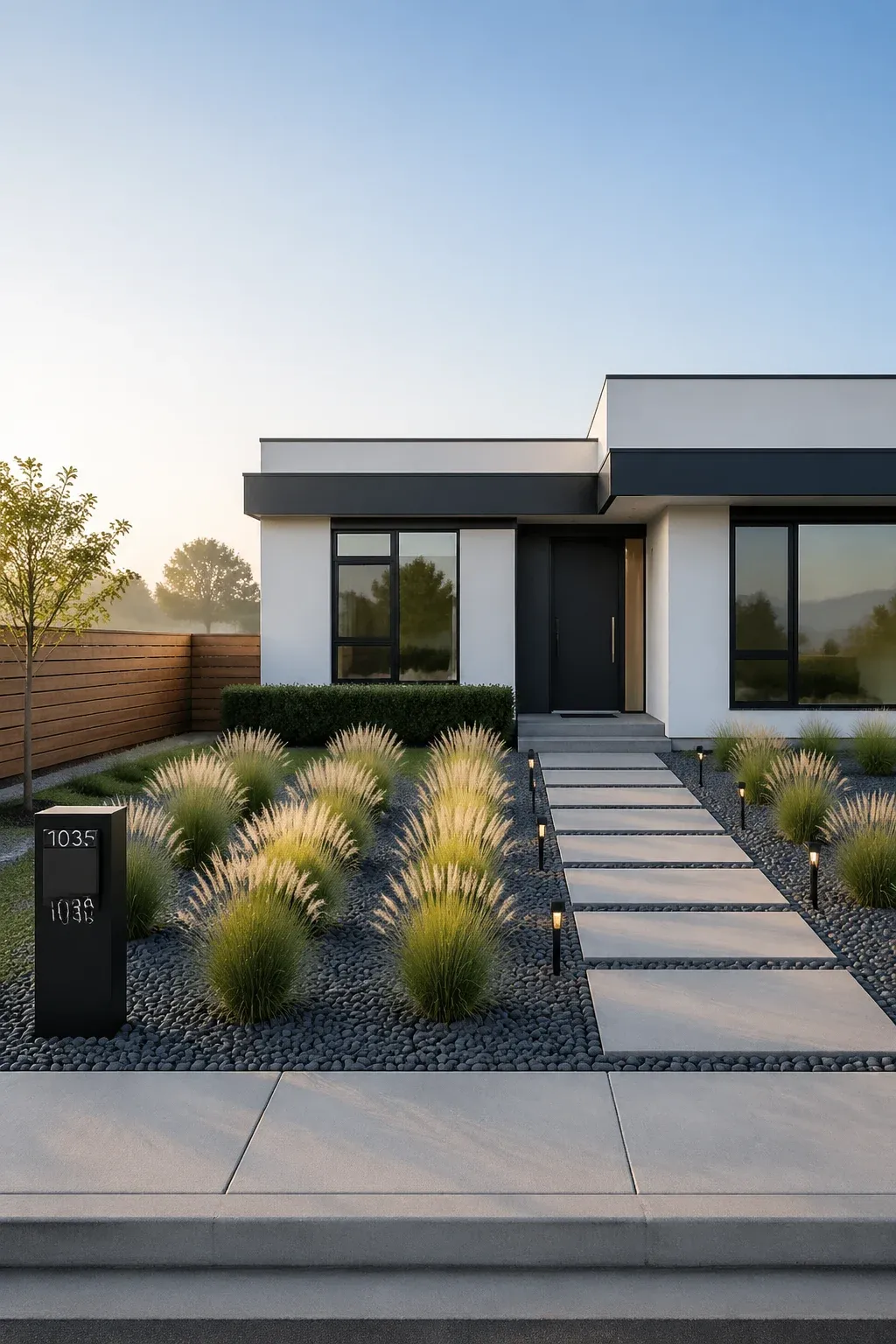
Modern landscaping is rooted in simplicity and minimalism. Unlike traditional gardens that might feature a chaotic mix of many different flower types, a modern yard focuses on repetition and negative space. This means you don't need to fill every square inch of soil with a plant. Leaving room between groups of plants allows the eye to rest and highlights the individual beauty of each specimen.
Think about the architecture of your house. If your home has sharp corners and flat surfaces, your garden should echo those lines. You are looking for a sense of order. This often involves planting in grids or straight rows rather than random clusters. The goal is to make the yard look curated and calm, providing a smooth transition from the street to your front door.
Selecting Plants Based on Structure and Form
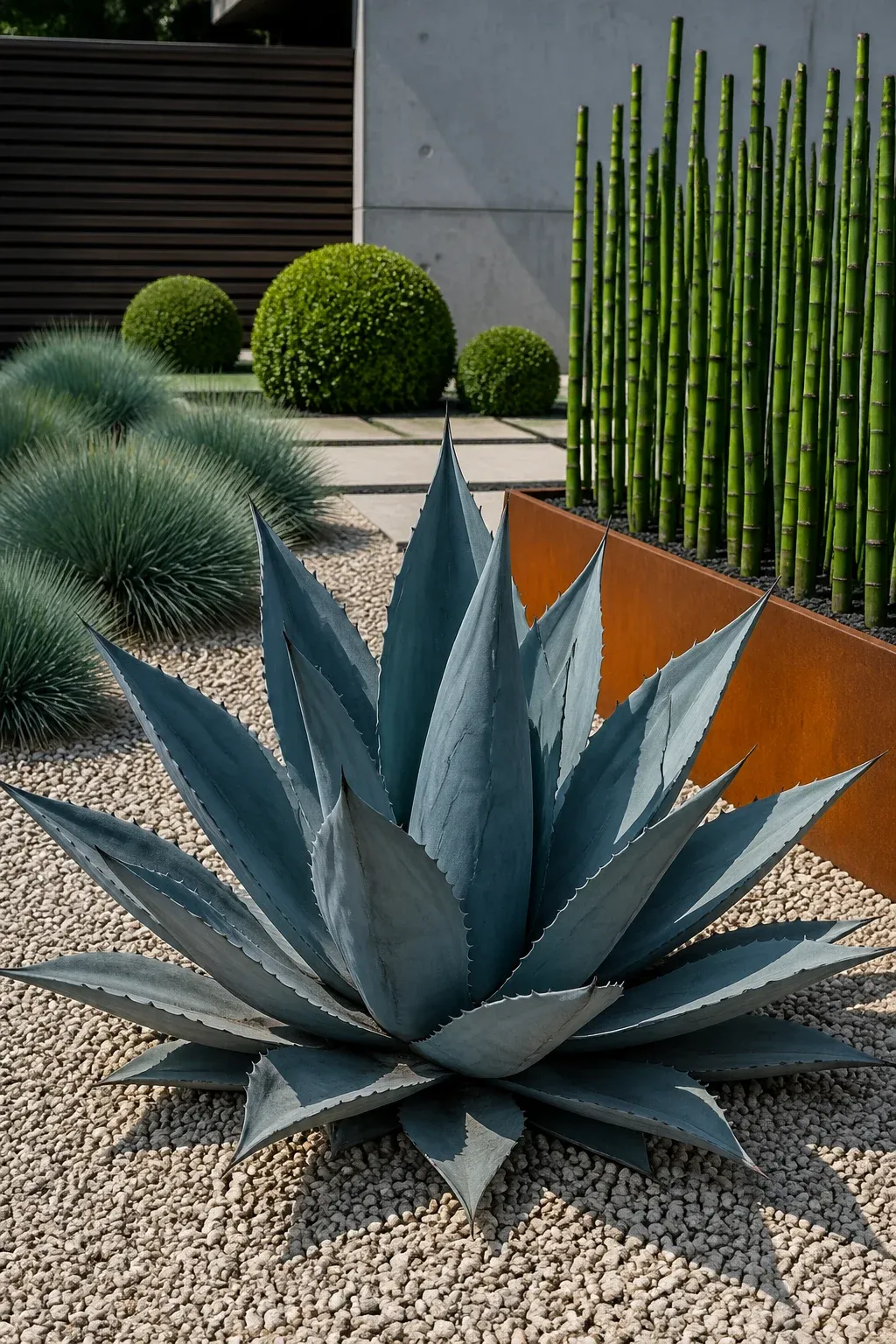
In a modern design, the shape of the plant is often more important than the flower it produces. You want plants with strong, recognizable silhouettes. Architectural plants like agave, tall ornamental grasses, or boxwoods trimmed into spheres or cubes work well here. These plants keep their shape throughout the year, ensuring your front yard looks good even in the winter.
When shopping, look for plants that have a clear vertical or horizontal growth habit. Upright plants like Horsetail Reed or Sky Pencil Holly provide height without taking up much width, making them great for narrow spaces near the entryway. Mounding plants like Blue Oat Grass provide a soft, rounded contrast to the hard edges of a walkway. Avoid plants that are naturally 'floppy' or require constant staking to stay upright.
Using Color Palettes for a Clean Front Yard Look
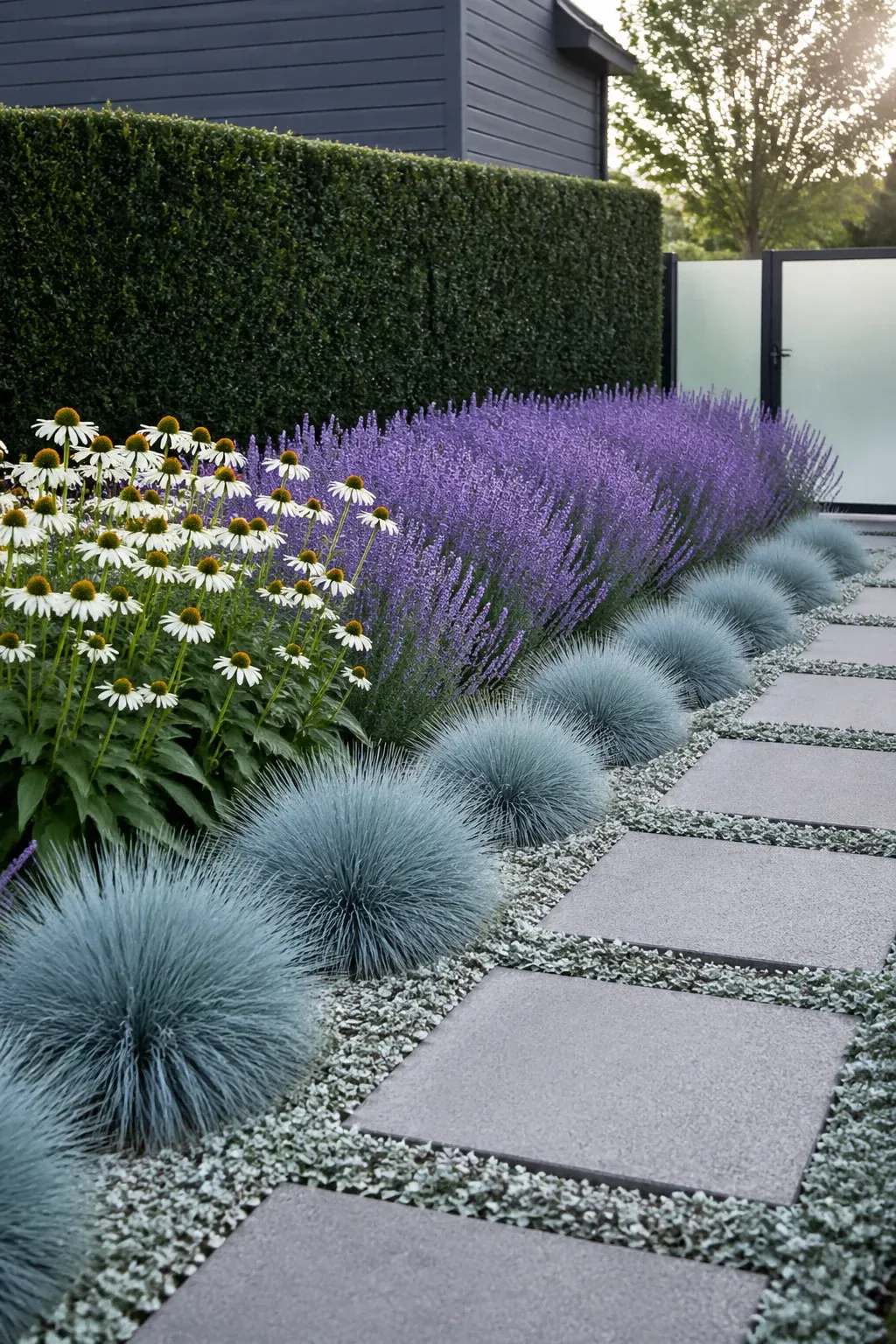
Modern yards usually stick to a restrained color palette. Instead of a rainbow of colors, try focusing on different shades of green, silver, and white. This creates a cohesive look that feels high-end and peaceful. Using various shades of green—from deep forest hues to bright chartreuse—can provide enough visual interest without the need for bright, clashing flowers.
If you want to add a pop of color, choose one or two accent colors and use them sparingly. For example, a row of purple lavender against a grey concrete wall looks striking because of the contrast. Using mass plantings of a single color is more effective than mixing several different colors in one small area. This repetition reinforces the modern theme and makes the design feel intentional.
Incorporating Native Species for Easier Maintenance

One of the best ways to keep a modern yard looking sharp is to use plants that actually want to grow in your climate. Native plants are adapted to your local soil and rainfall patterns, which means they usually need less fertilizer and water once they are established. They are also less likely to suffer from local pests and diseases.
Using natives doesn't mean your yard has to look like a wild meadow. Many native grasses and shrubs have very tidy growth habits. For instance, certain native sedges can replace a traditional lawn, providing a soft green carpet that requires almost no mowing. By choosing the right native species, you get the modern look you want with half the weekend chores.
Layering Plants to Create Depth and Texture
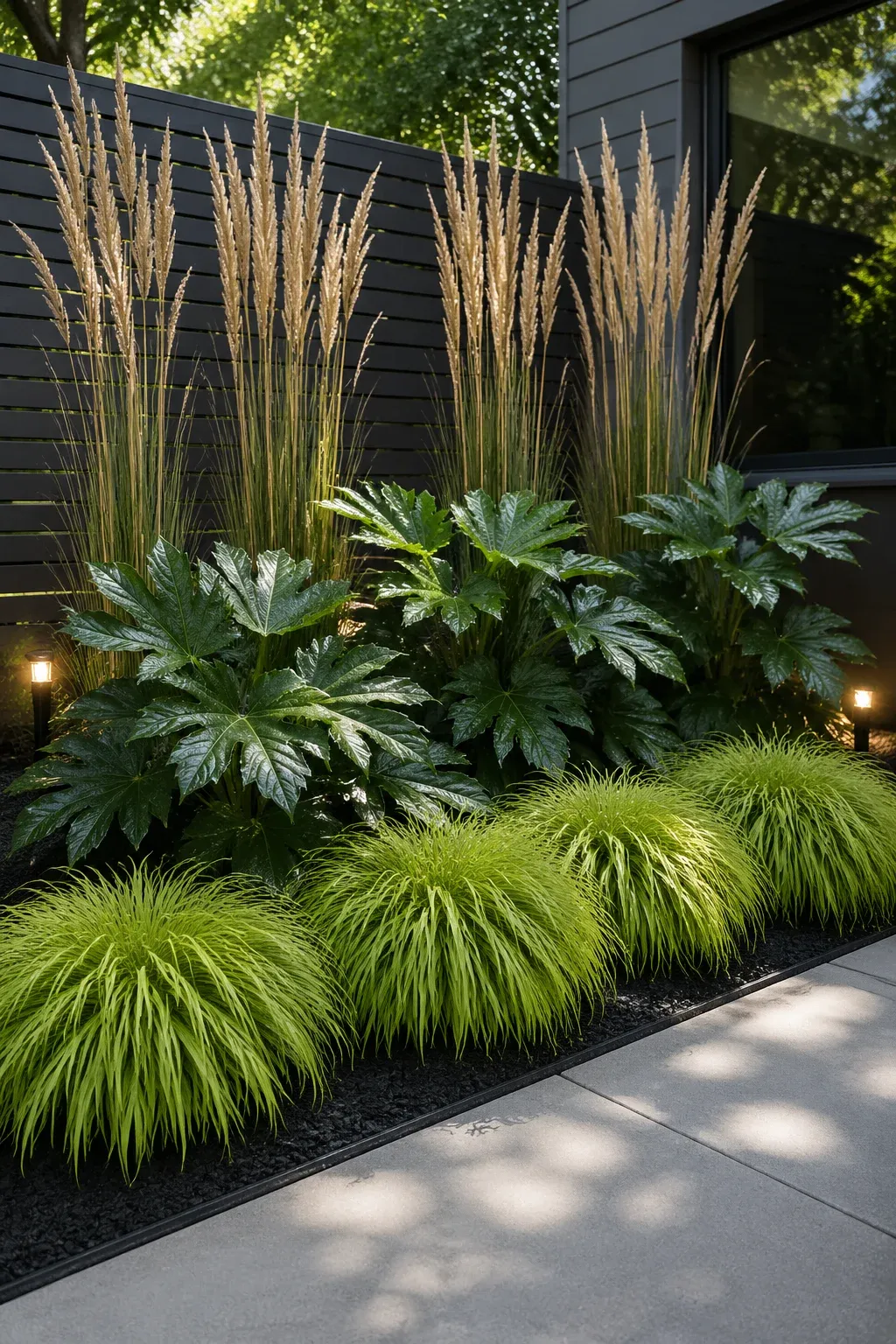
To prevent a modern yard from looking flat or boring, you need to layer your plants. This doesn't mean creating a tall wall of greenery. Instead, think about three distinct levels: groundcover, mid-level accents, and tall background plants. This hierarchy draws the eye through the space and makes a small front yard feel larger.
Texture plays a huge role in layering. Pair a broad-leafed plant like a Hosta or a Fatsia with a fine-textured grass. The contrast between the big, bold leaves and the thin, wispy blades of grass creates visual depth. Even if both plants are the same shade of green, the difference in texture will make the arrangement stand out. Stick to grouping three or five of the same plant together to maintain a clean, organized feel.
Balancing Soft Greenery with Hardscape Elements
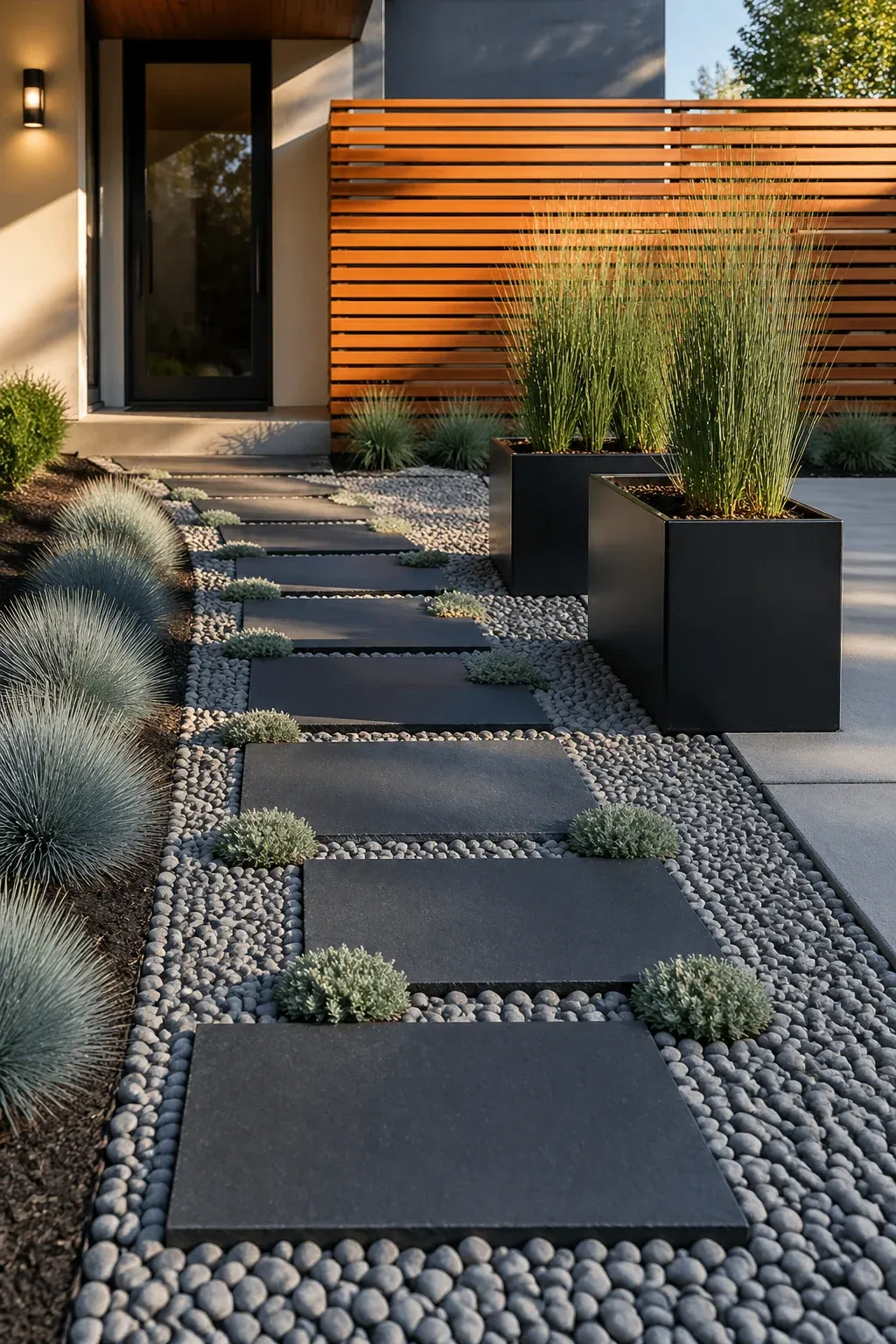
Hardscaping is a foundation of modern design. Materials like poured concrete, oversized pavers, dark mulch, or light-colored gravel provide the structure that allows the plants to shine. The key is to find a balance where the plants soften the hard edges of the stone and wood. Too much hardscape can feel cold and industrial, while too many plants can feel messy.
Try using gravel as a mulch substitute in certain beds to highlight structural plants. Large, flat stepping stones with low-growing moss or thyme in the gaps create a beautiful, geometric path. You can also use wooden slat fencing or steel planters to add warmth and different textures. These elements provide a permanent framework that keeps the yard looking structured through every season.
Creating a modern front yard is about making deliberate choices and sticking to a simple plan. By focusing on plant structure, a limited color palette, and the smart use of hardscaping, you can build a landscape that is both beautiful and easy to manage. Start by picking one or two architectural plants you love and build your design around them. With a little patience, your front yard will become a clean, welcoming space that adds real value to your home.