
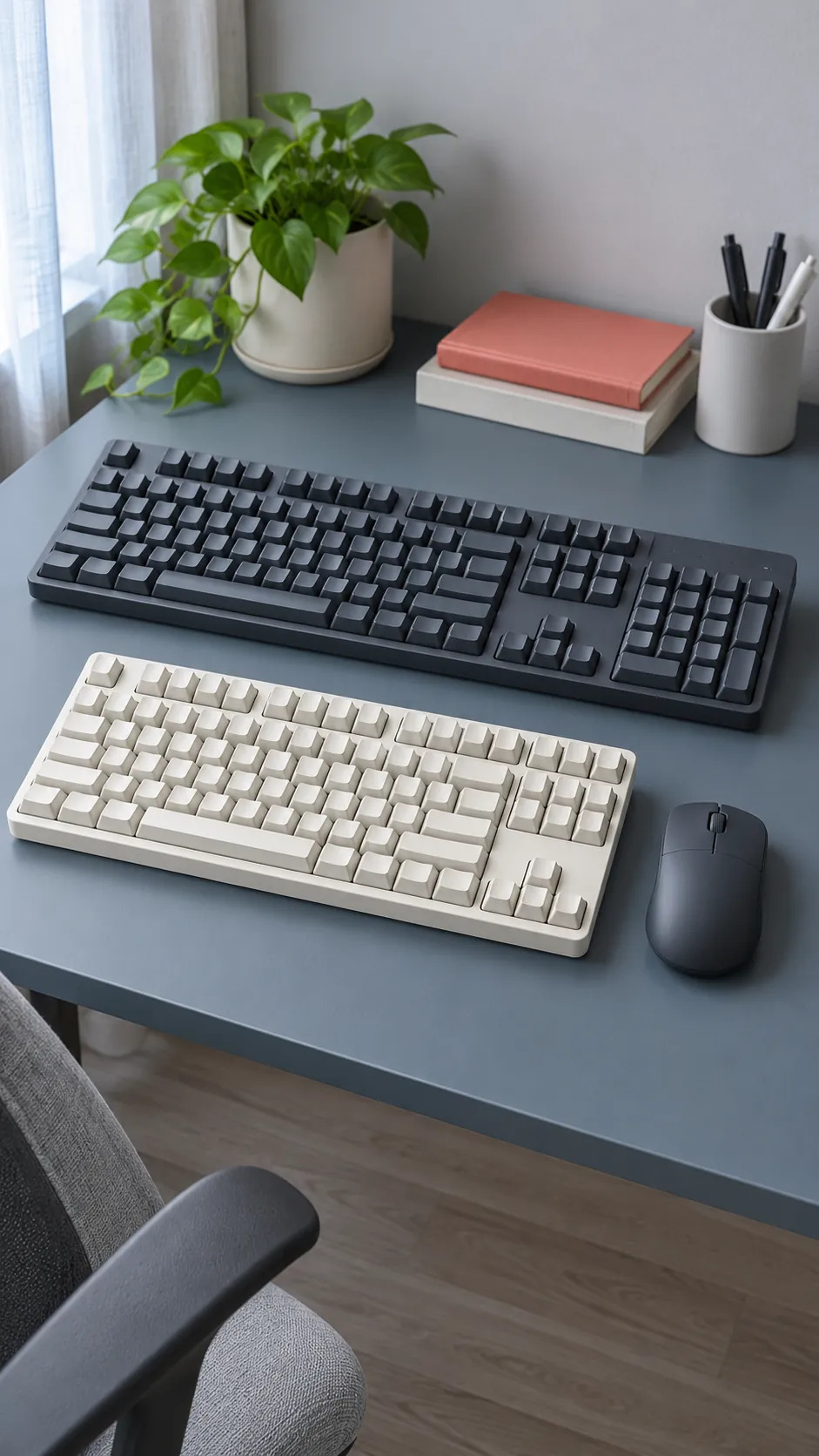
The width that matters is what remains after you put your typing keys in front of you. A number pad can shift a right handed mouse several inches farther out. If you use that pad all day, the space may be worth it. If you use it only for an occasional batch of figures, a shorter keyboard gives you that space back every day.
Measure the mouse space you actually use
Set your current keyboard where the letters and space bar line up with your body. Move the mouse normally for a minute and mark the outer edge of the area it uses. Check for desk legs, drawer sides, monitor bases or laptop stands that limit that path.
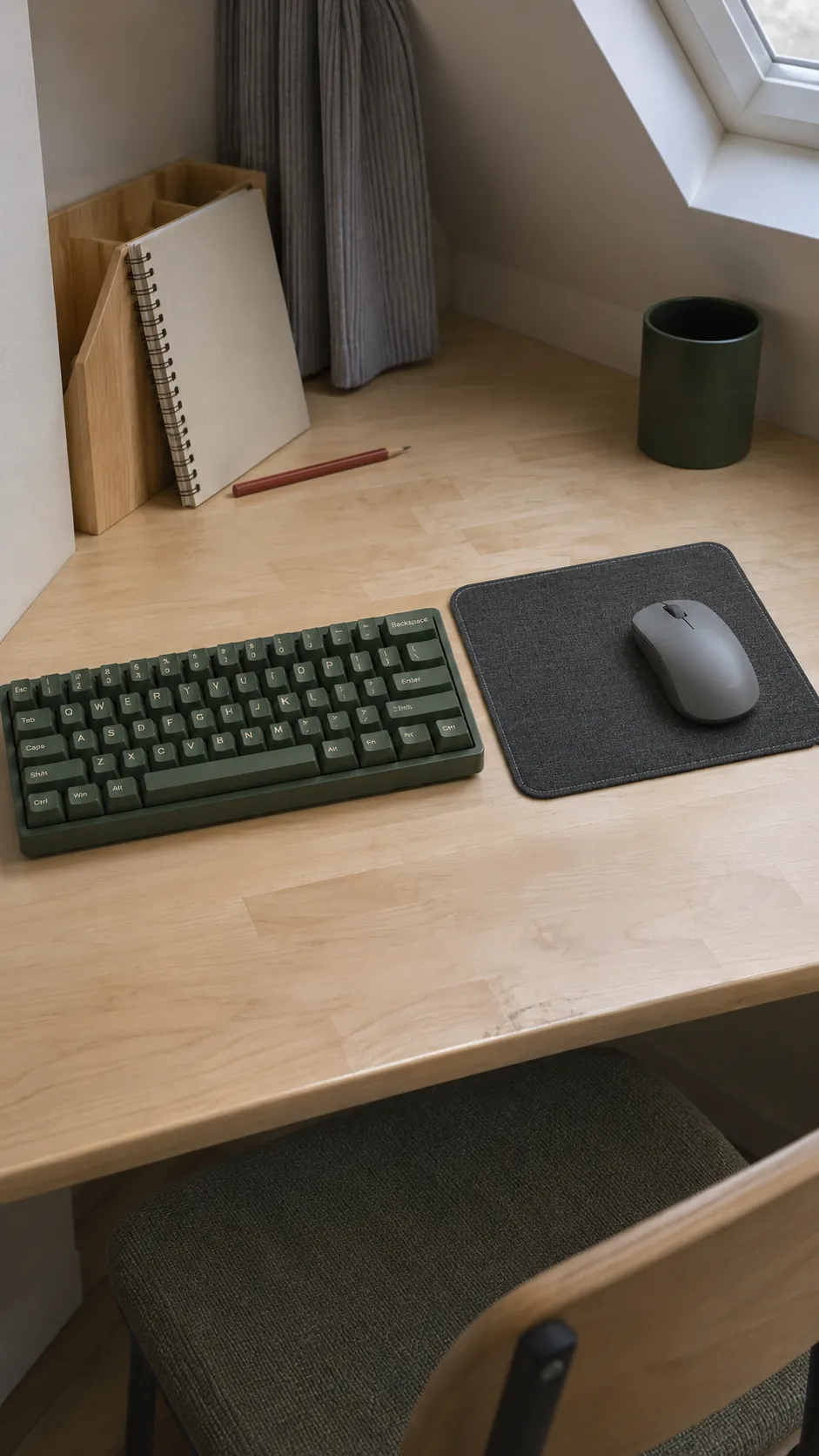
Subtract your preferred mouse width and a small gap between devices from the usable desk width. For example, a 26 inch zone with 8 inches for the mouse and 1 inch between devices leaves 17 inches for the keyboard. Measure the exact case width of each model. A broad frame can take up room even when the keyboard has fewer keys.
Keep the keys you use without looking
A tenkeyless keyboard keeps the function row, arrow keys and separate navigation cluster on a standard layout. It drops the built in number pad, which makes it a sensible first size to try when you need more mouse space. Smaller layouts vary. A 75 percent board usually keeps a function row and arrows by packing the keys closer together. A 65 percent board often puts function keys behind a shortcut. Check the exact model before you buy.
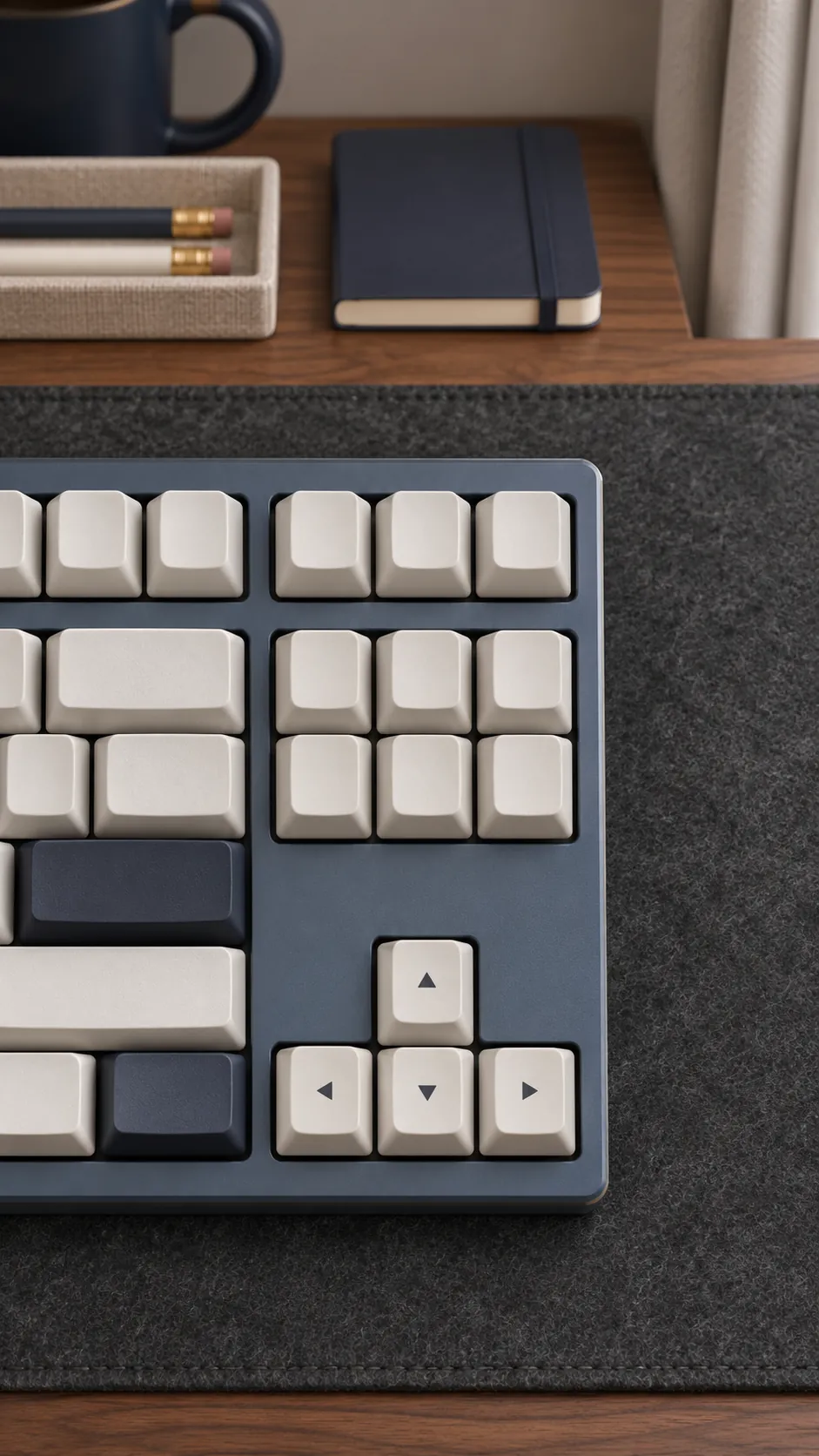
Spend a day noticing how often you press Home, End, Delete or function keys in your main programs. If a key is part of muscle memory, look for a layout that keeps it in a position you can reach. Shorter cases are easy to measure. The time it takes to change a familiar shortcut is harder to guess.
Keep a number pad if number entry is daily work
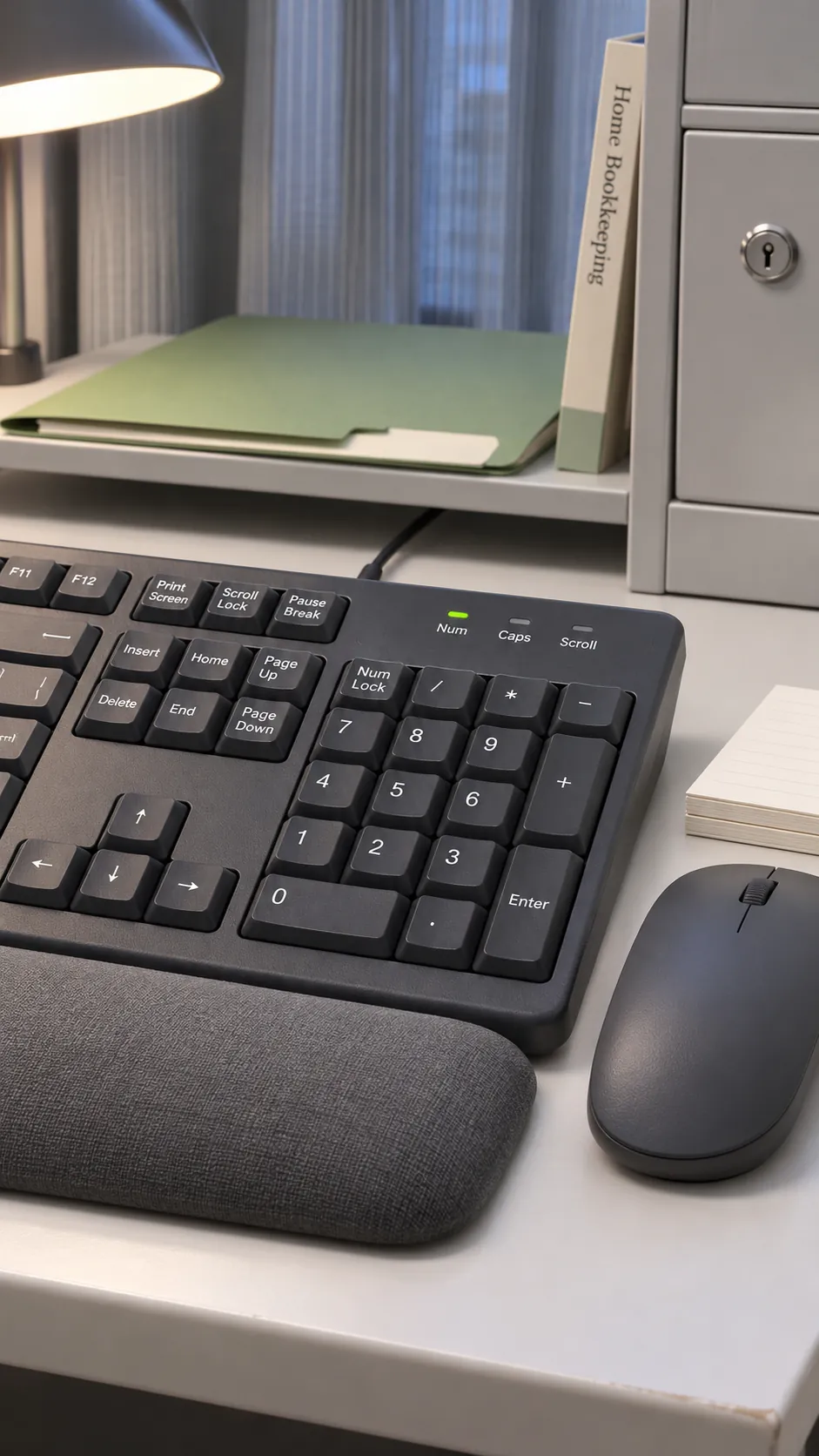
If you enter figures in long batches or depend on number pad shortcuts in a work app, try keeping those keys within reach. A full size keyboard gives them dedicated space and a familiar layout. A near full size compact layout can retain the pad, often by moving the arrows or merging the navigation keys. Compare where the keys are, especially the zero and Enter keys you hit most.
Move an occasional number pad out of the way
A separate number pad lets you keep a compact keyboard for most of the day. Bring it forward only when you have a batch of entries, or place it on the opposite side from the mouse if that suits your hands. The same choice comes up in this discussion about compact keyboards with number pads.
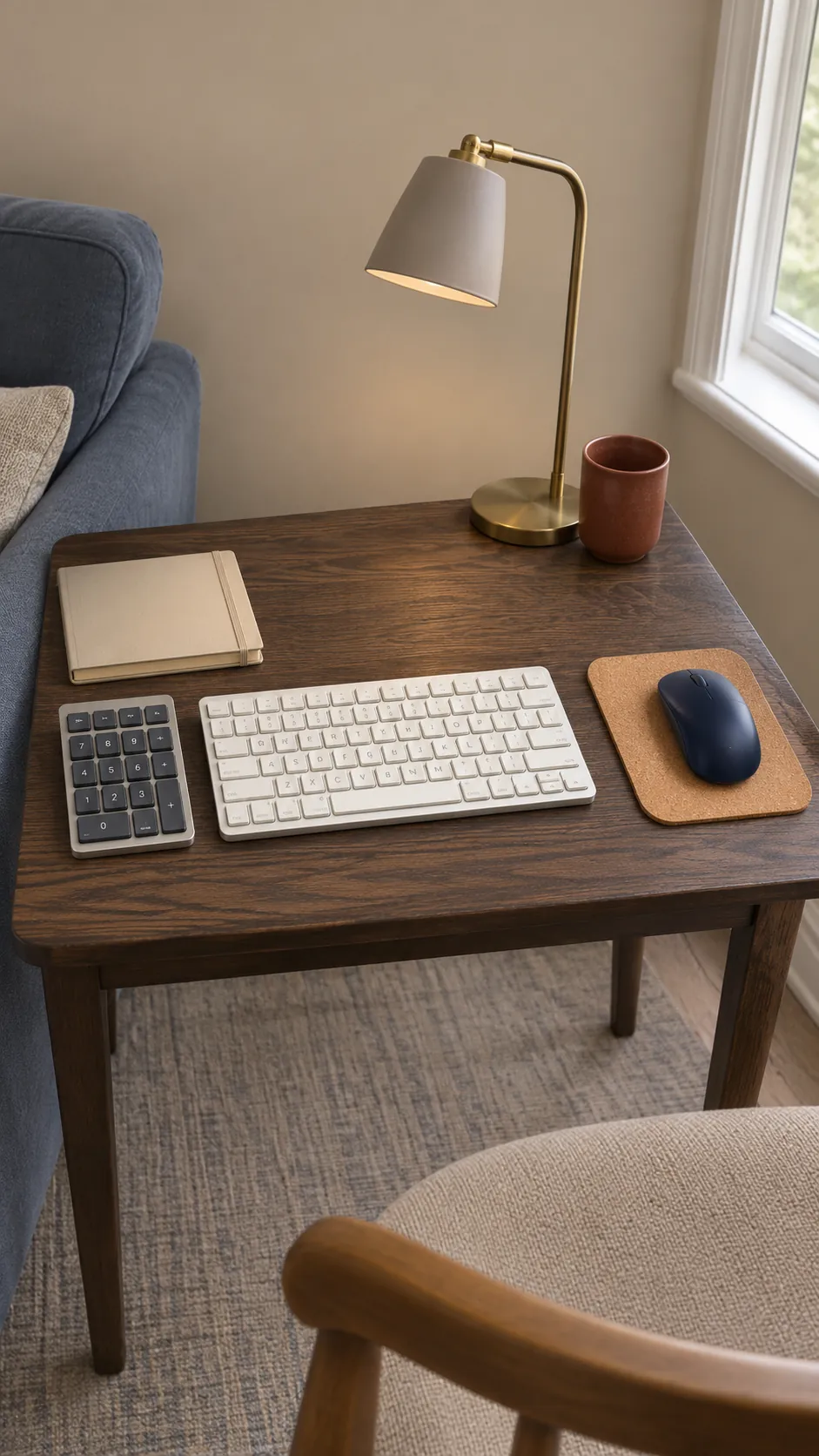
Check whether you have somewhere to put the pad afterward. If two devices are always side by side on the narrow desk, measure their combined width before assuming the change will save space. Check that the number pad sends the shortcuts your apps expect.
Check depth and connection space
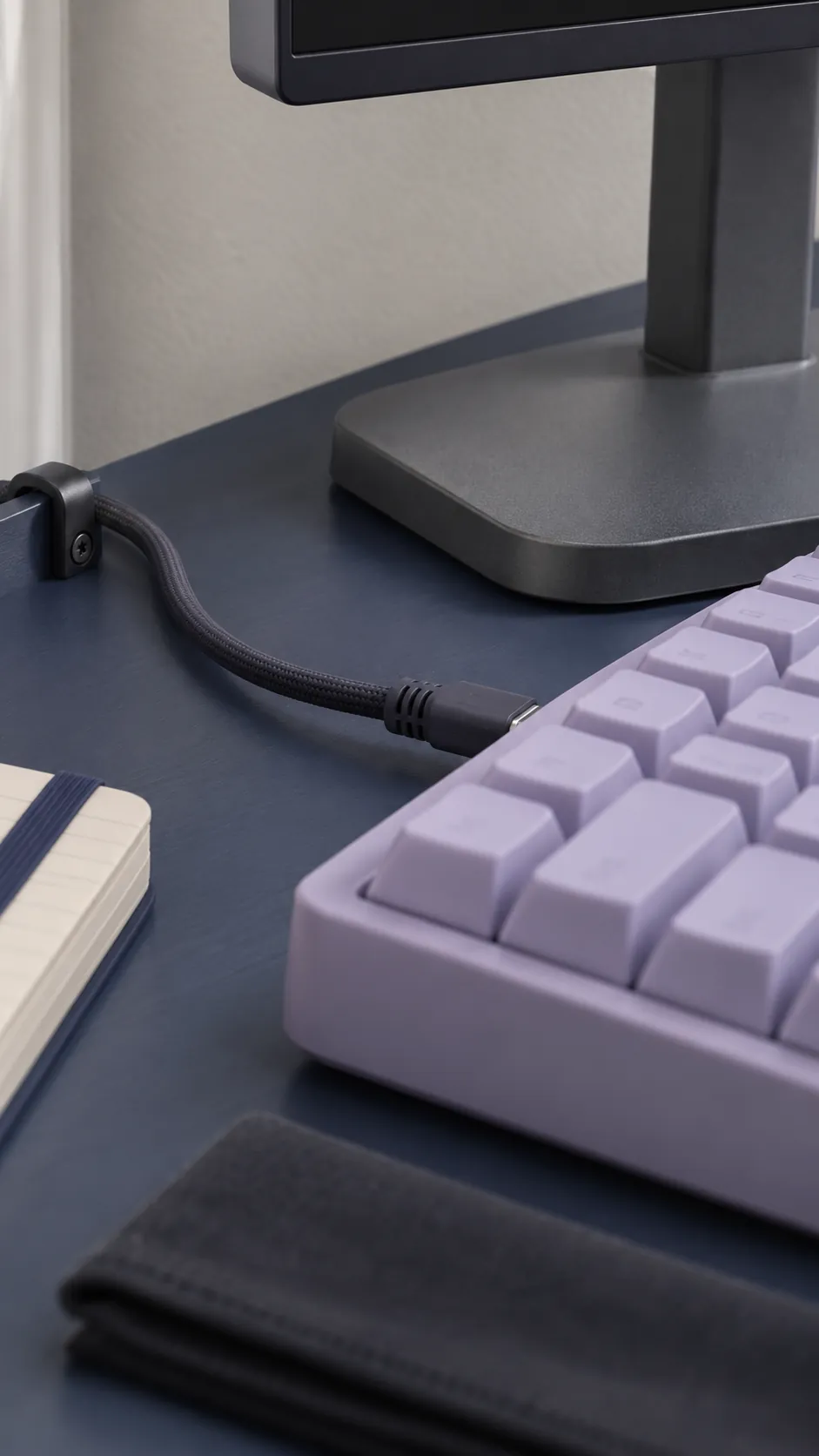
Measure from the front edge of the keyboard to the end of its plug or cable bend, then add the depth of any wrist rest. On a shallow desk, a rear cable can run straight into a monitor foot. A wireless model can free that strip of desk. Check how it pairs, where it charges and whether a receiver uses a port you need for other gear.
Try the smaller footprint before you order
Cut a piece of paper to the candidate model’s dimensions and put it where the keyboard will go. Set the mouse beside it in your natural reach. Try the full mouse sweep and check that nearby objects stay out of the way. Then compare the actual key layout with the keys you used that day.
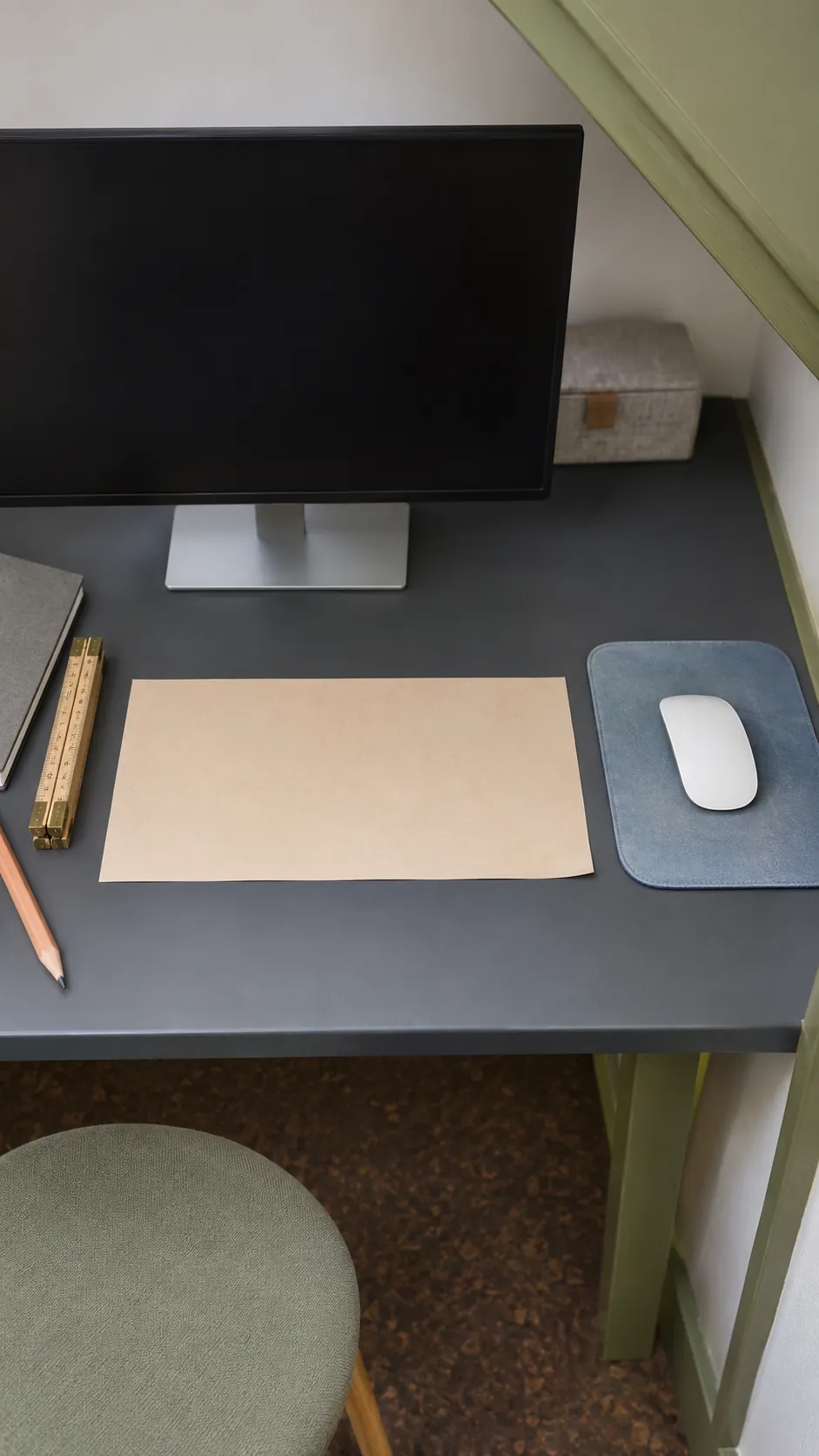
If a compact layout meets both checks, the extra mouse room will be there every time you sit down. If it makes routine number entry awkward, keep a pad and see whether a shorter case with the keys arranged more tightly fits the same spot.