
Mid-century modern design isn't just for your living room furniture. Bringing this aesthetic to your front yard creates a seamless transition from the street to your front door, emphasizing the 'indoor-outdoor' flow that defined the era. This style relies on minimalism, natural materials, and a clear sense of order. By focusing on structure rather than clutter, you can create a curb appeal that feels both vintage and fresh.
In this guide, we will look at how to use geometric shapes, specific plant choices, and smart lighting to build a functional landscape. You will learn how to balance hard surfaces like concrete and gravel with soft greenery to achieve that iconic 1950s and 60s look. The goal is a yard that looks intentional and stays easy to maintain.
Geometric Layouts and Defined Walkways
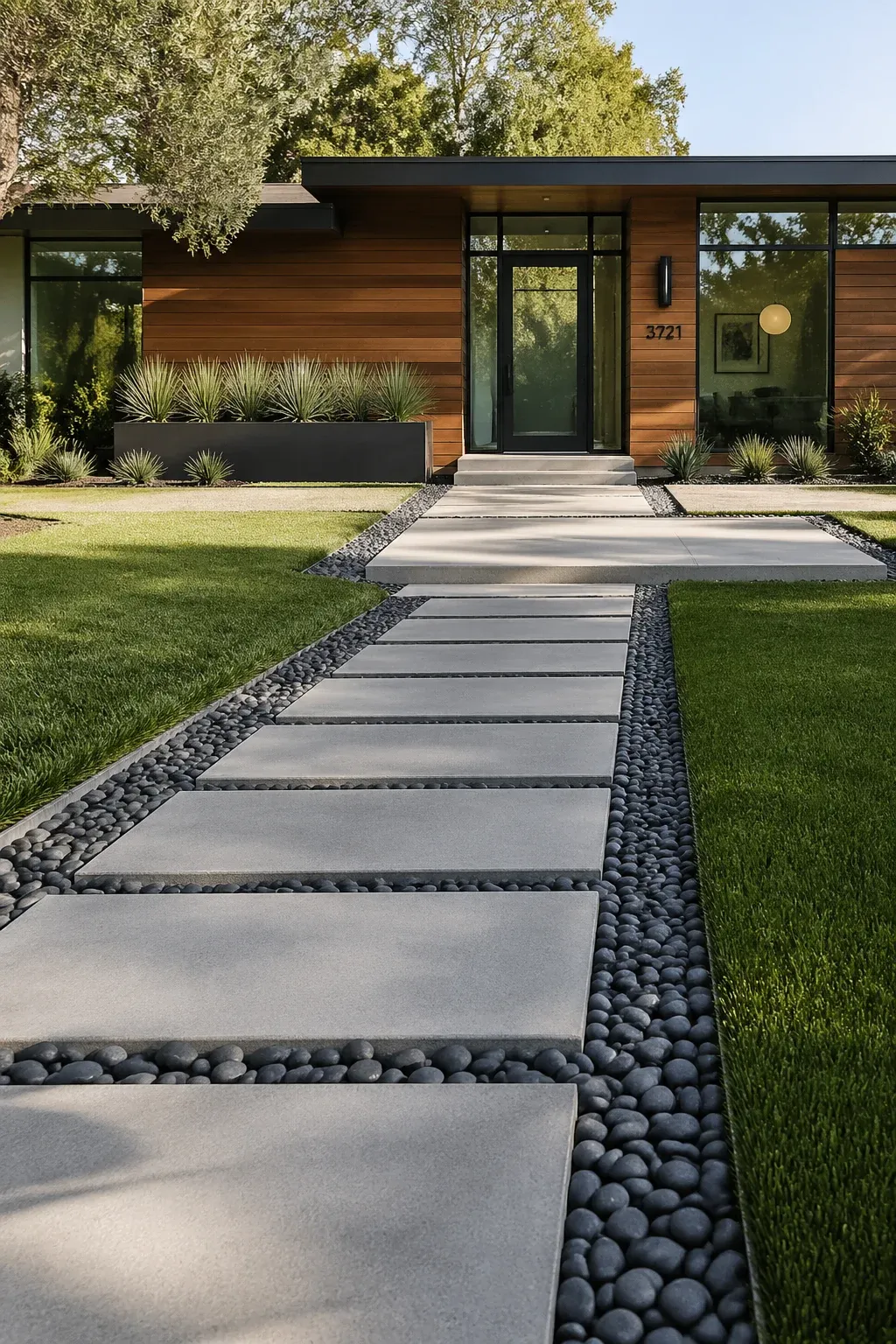
The foundation of a mid-century modern yard is its shape. Instead of the typical winding paths found in cottage gardens, this style uses straight lines and right angles. Large, rectangular concrete pavers are a staple. You can space them out with small gaps in between to create a 'floating' look. Filling those gaps with dark river stones or a low-growing groundcover adds visual interest without breaking the clean line.
Think about the path from the driveway to the porch. Instead of one solid slab, consider an offset pattern of large squares. This layout guides the eye and feels more architectural. It also helps with drainage, as the gaps between pavers allow rainwater to soak back into the ground rather than running off into the street.
Choosing Plants with Architectural Interest
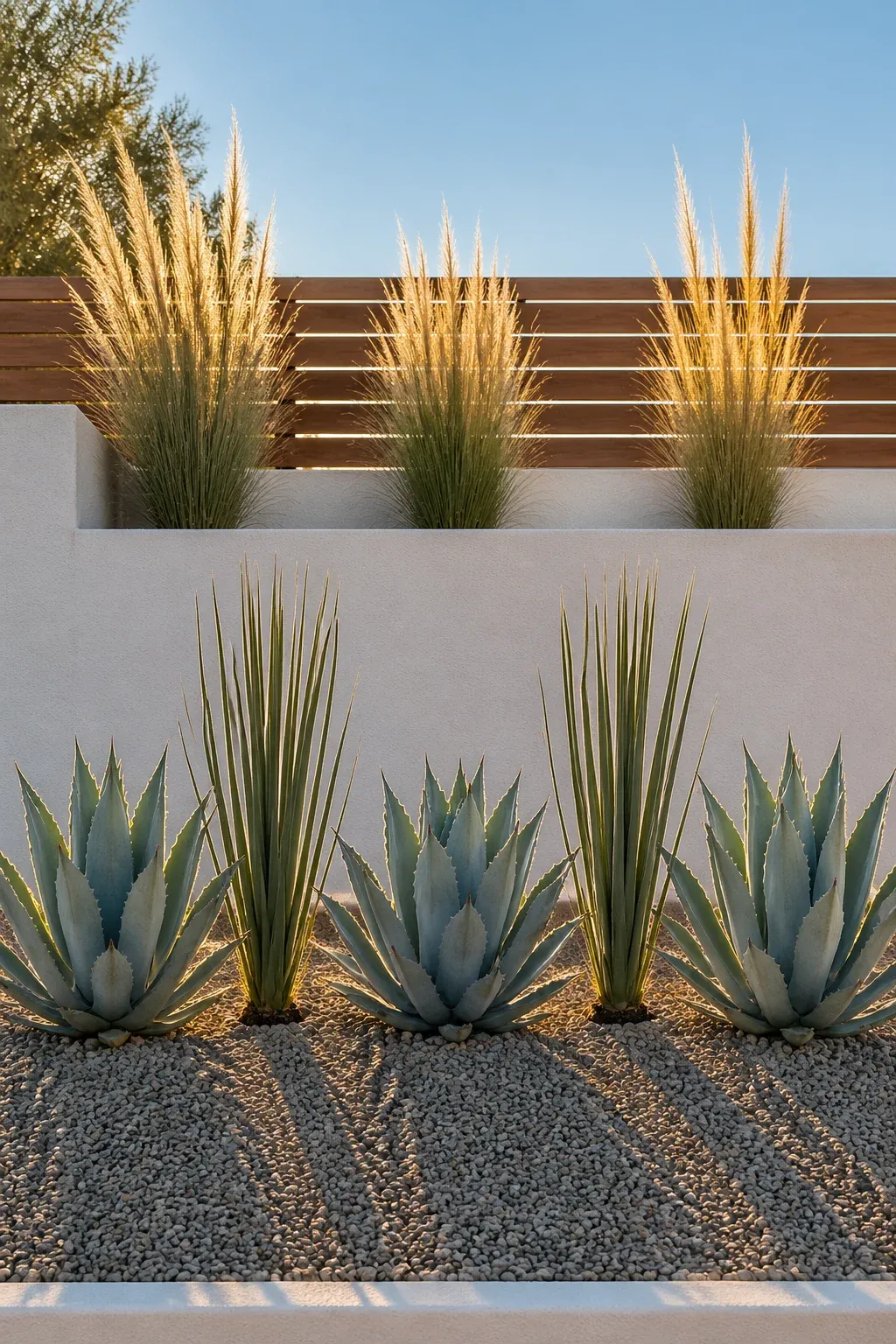
Plants in a mid-century landscape act like living sculptures. You want species that have a strong, distinct shape. This isn't the place for messy, overgrown bushes. Instead, look for plants like Agave, Yucca, or Snake Plants that offer sharp, pointed leaves. These provide a striking contrast against flat house siding or concrete walls.
Ornamental grasses are another great choice. They add height and movement while keeping a tidy footprint. If you live in a climate where they thrive, bamboo species can also work well to provide vertical lines. Just be sure to use clumping varieties or root barriers to keep them from spreading. The key is to plant in clusters or neat rows to maintain the organized feel of the design.
Using Hardscape Materials to Add Texture
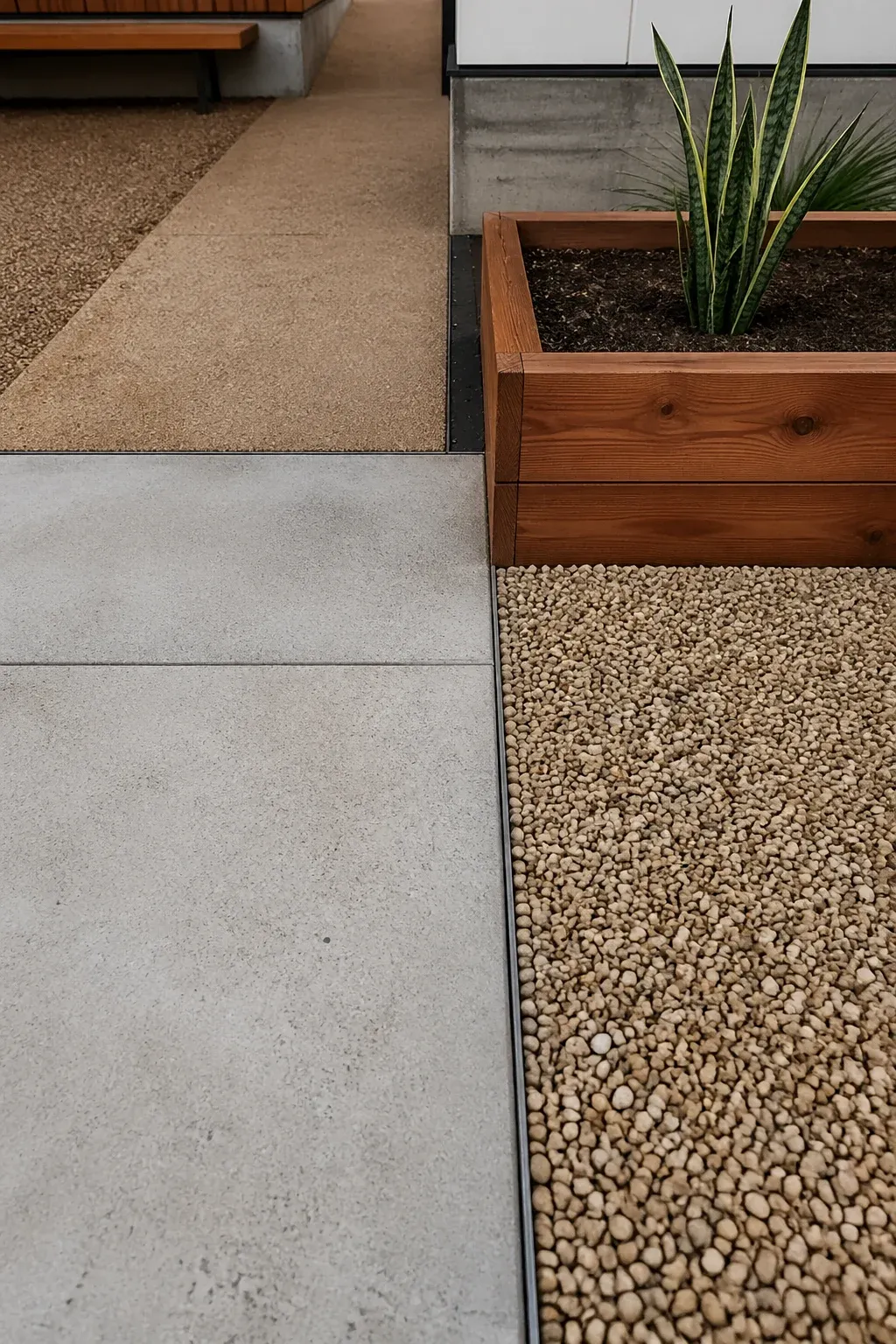
Hardscaping does a lot of the heavy lifting in this design style. Mixing different materials prevents the yard from looking flat. You might pair smooth concrete walkways with areas of crunchy pea gravel or decomposed granite. These textures create a sensory experience and help define different zones in the yard.
Wood is also a vital element. Using warm cedar or redwood for a small deck or a raised planter box brings a natural warmth that balances the coolness of stone and concrete. If you use gravel, stick to neutral tones like grey, tan, or white. These colors act as a backdrop that makes the green of your plants pop.
Fencing and Screen Walls for Privacy
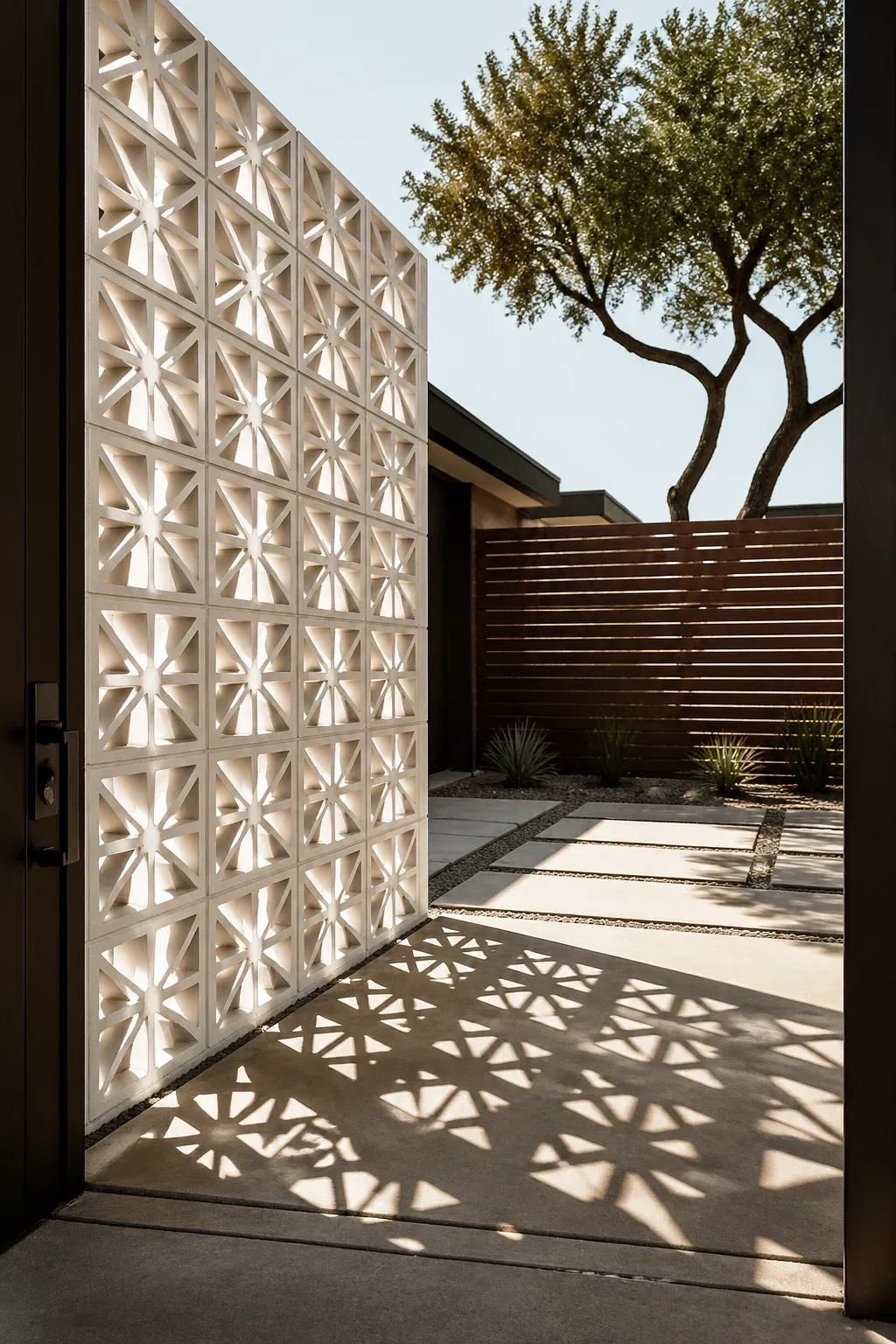
Mid-century homes often use screen walls to create private courtyards in the front of the house. Breeze blocks—concrete blocks with decorative cutouts—are a classic choice. They provide privacy and shade while still letting air and light pass through. They also create beautiful shadow patterns on the ground throughout the day.
If you prefer wood, horizontal slat fencing is the way to go. Standard vertical fences feel too traditional. By running the boards horizontally, you emphasize the width of the property and match the low-slung profile of mid-century architecture. Keep the spacing between slats narrow for privacy or wider if you just want to define the boundary.
Lighting the Pathway and House Features
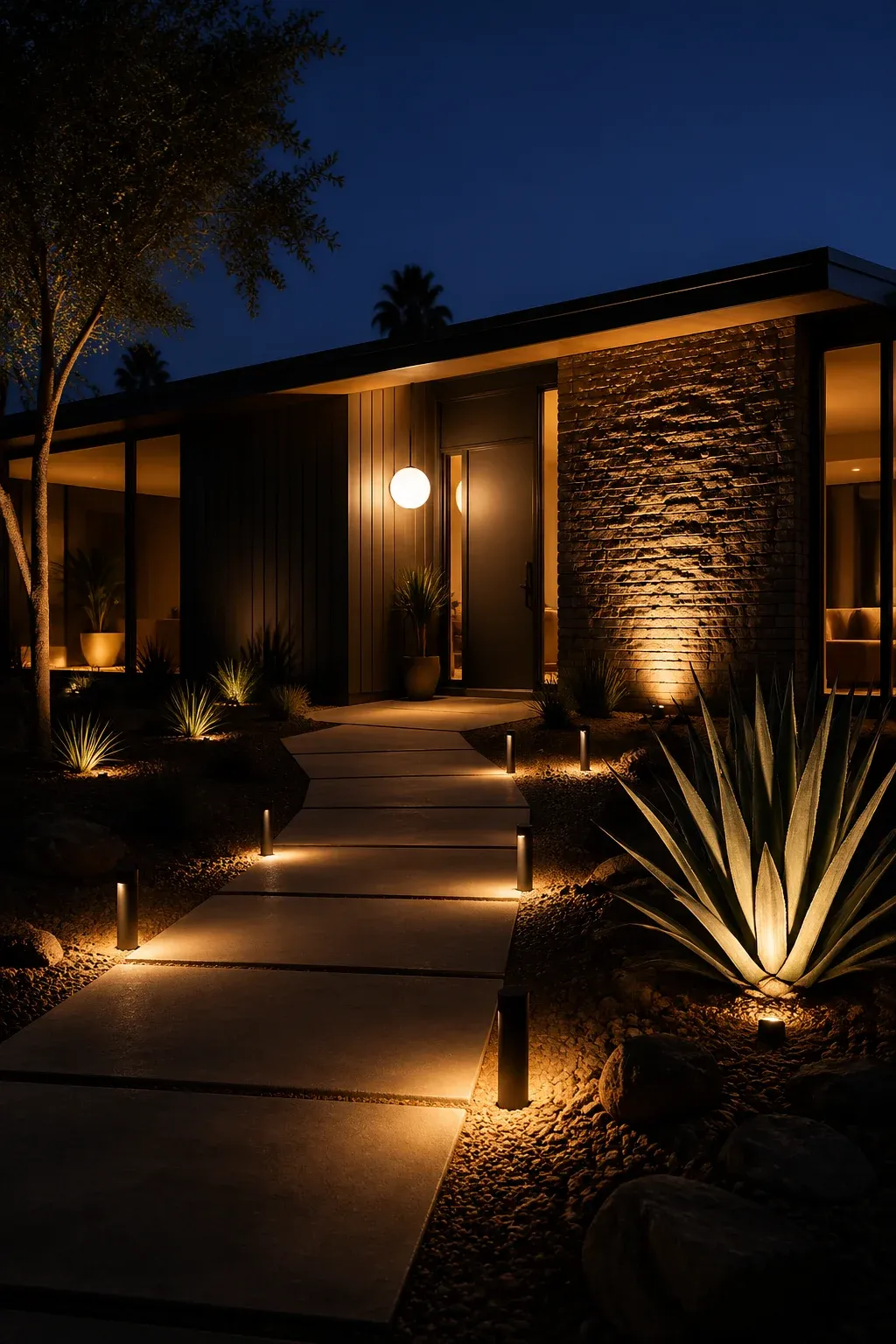
Lighting should be both functional and dramatic. Avoid the generic plastic stakes from big-box stores. Instead, look for fixtures with simple cylinder or globe shapes. Path lights should be low to the ground, casting light downward to highlight the texture of your gravel or the edges of your pavers.
Up-lighting is a great way to show off your architectural plants at night. Positioning a small spotlight at the base of a large agave or a multi-trunk tree creates a focal point after the sun goes down. If your house has a unique roofline or a textured stone wall, grazing that surface with light can make the whole property look more expensive and well-designed.
Managing Color Palettes in the Landscape
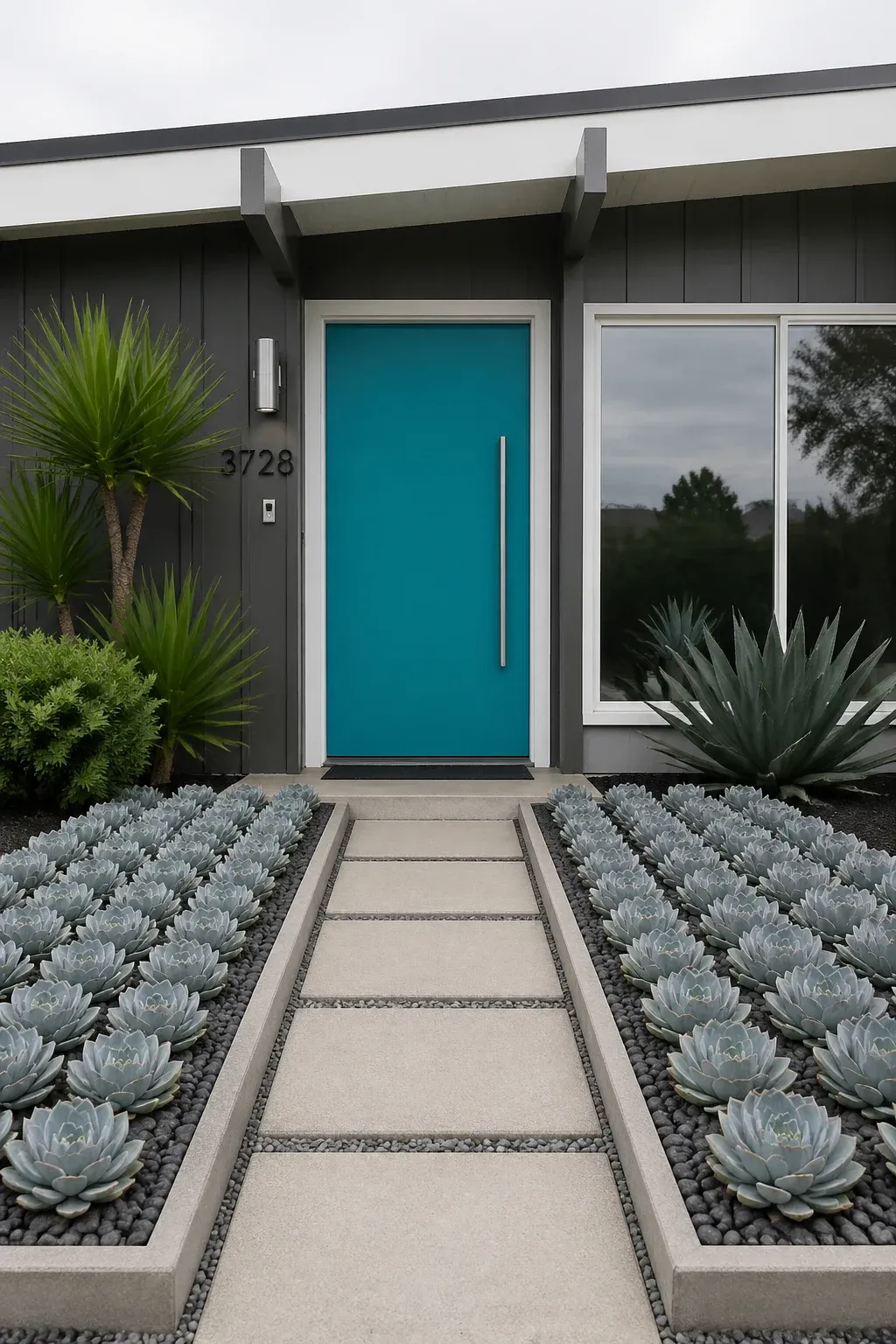
The color palette for a mid-century yard is usually restrained. Stick to a base of greens, greys, and browns. This creates a calm, sophisticated environment. However, you can use a 'pop' of color to draw attention to the front door. A bright orange, teal, or chartreuse door is a hallmark of this era.
In the garden itself, use plants with silver or blue-toned foliage to add variety without introducing too many busy colors. If you want flowers, choose one or two colors and stick to them. Mass planting a single type of flower in a rectangular bed looks much more 'mod' than a mix of many different species. This consistency keeps the landscape looking clean and intentional.
Creating a mid-century modern front yard is all about embracing simplicity and structure. By focusing on clean lines, architectural plants, and a mix of textures, you can build an outdoor space that complements your home’s history while functioning perfectly for modern life. Start by sketching out a geometric path and choosing a few high-impact plants to set the tone for your new landscape.