
A bare wall can often feel cold and uninviting, but filling it with a collection of meaningful items changes the entire mood of a room. A rustic gallery wall isn't just about hanging pictures; it's about bringing the textures of the outdoors inside to create a space that feels lived-in and warm. Whether you have a collection of family photos or a stash of dried leaves and old wood, these elements can work together to tell a story on your wall.
This guide covers the practical steps of choosing materials and arranging your display. You will learn how to mix different textures, handle reclaimed materials, and find a layout that feels intentional rather than cluttered. By the end, you'll have a clear plan for creating a display that reflects your personal style and a love for natural beauty.
Choosing the Right Wood Frames and Textures
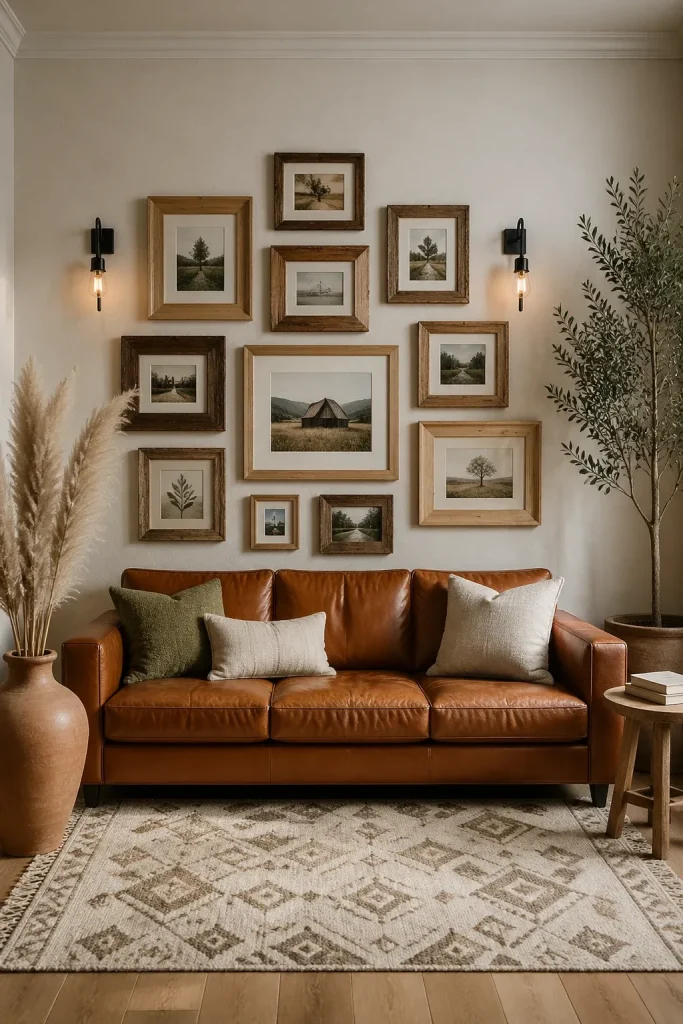
The foundation of a rustic wall lies in the frames. Instead of matching sets from a big-box store, look for frames with character. Rough-sawn timber, weathered barn wood, and even bamboo can provide the tactile quality needed for this style. Mixing different wood species is encouraged. A dark walnut frame can sit comfortably next to a lighter pine or bamboo frame as long as they all share a matte or natural finish.
Avoid shiny, polished surfaces that look too modern. Look for frames that show the grain, knots, and slight imperfections of the wood. These details add depth to the wall and make the display feel more authentic. If you find a frame you like but the finish is too bright, a quick sanding or a wipe of dark wax can give it that aged, earthy appearance you're after.
Mixing Personal Photos with Natural Elements
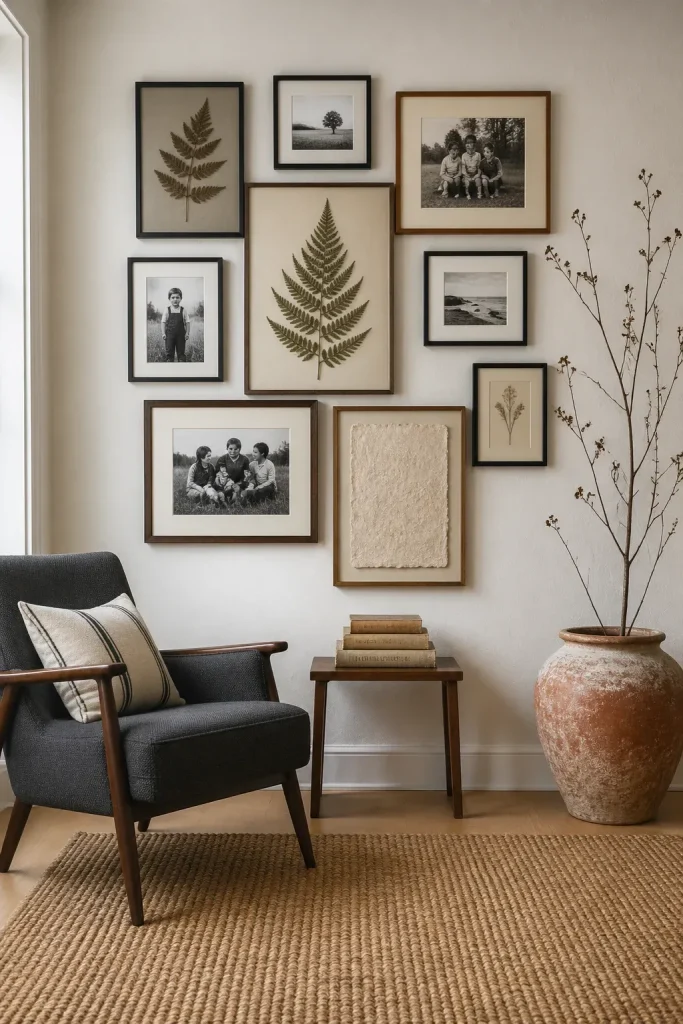
A gallery wall shouldn't just be a sea of faces. To get that organic look, break up the photography with natural textures. You might frame a piece of handmade paper, a pressed fern, or a flat piece of cork. This variety prevents the wall from looking like a formal portrait studio and gives the eye a place to rest.
When choosing photos, consider printing some in black and white or sepia tones. These muted palettes blend seamlessly with wood and stone. If you prefer color, look for shots taken outdoors in natural light. A mix of close-up textures—like a photo of tree bark or a macro shot of a leaf—can act as a bridge between your family memories and the natural world.
Finding the Balance Between Symmetrical and Organic Layouts
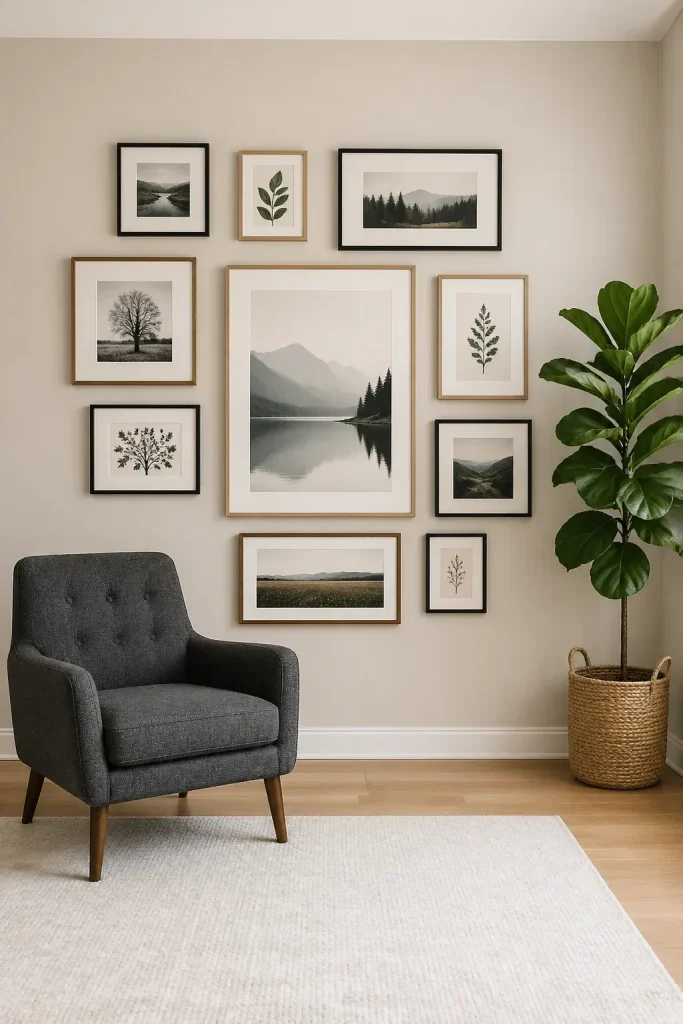
There are two main ways to approach your layout. A symmetrical grid feels organized and calm, while an organic, asymmetrical arrangement feels more relaxed and curated over time. For a rustic look, the organic approach usually works best. Start by placing your largest or most visually heavy piece slightly off-center and build outward from there.
Keep the spacing between items relatively consistent, usually about two to three inches. This prevents the wall from looking messy. If you have a lot of small items, group them together so they act as one large visual block. The goal is to create a sense of movement where the viewer's eye flows naturally from one piece to the next without getting stuck on a single spot.
Incorporating Found Objects and Reclaimed Materials
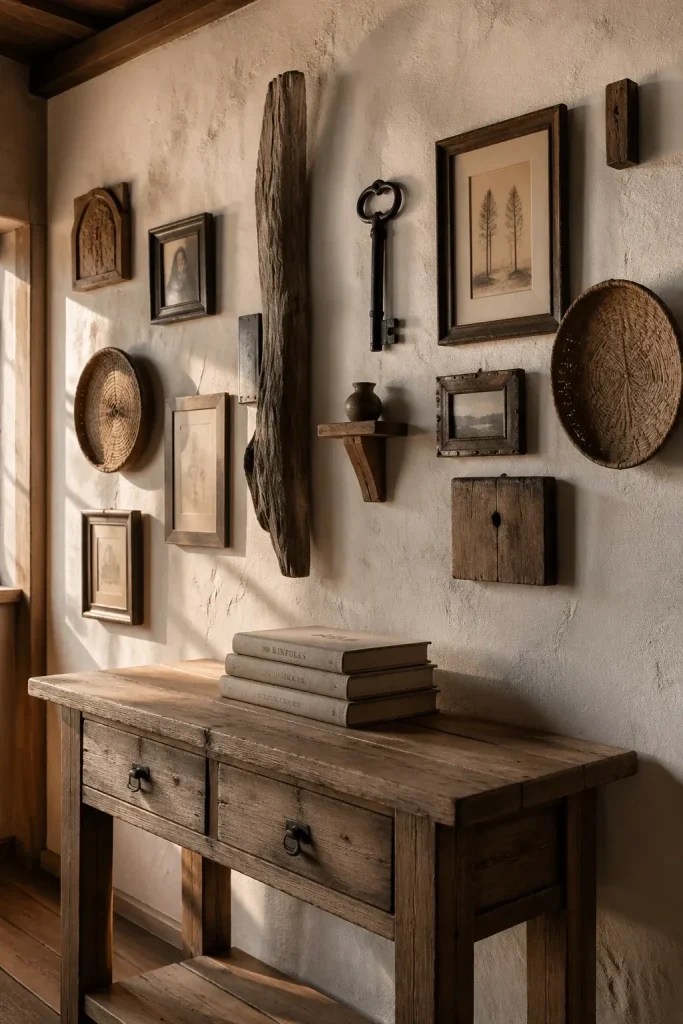
Rustic decor is at its best when it includes items that have a history. You don't have to stick to flat frames. Consider hanging a small piece of driftwood, a vintage metal key, or a shallow woven basket. These three-dimensional objects add shadows and physical depth to the wall, making it much more interesting than a flat surface.
Reclaimed materials like old fence pickets can be used as a backing for smaller photos or as a shelf to hold tiny treasures. Just make sure any found objects are cleaned and treated if they came from the outdoors. Using items like bamboo stalks or dried vines can also bring a unique vertical element that breaks up the square and rectangular shapes of standard frames.
Using Neutral Colors and Earthy Tones to Tie Everything Together
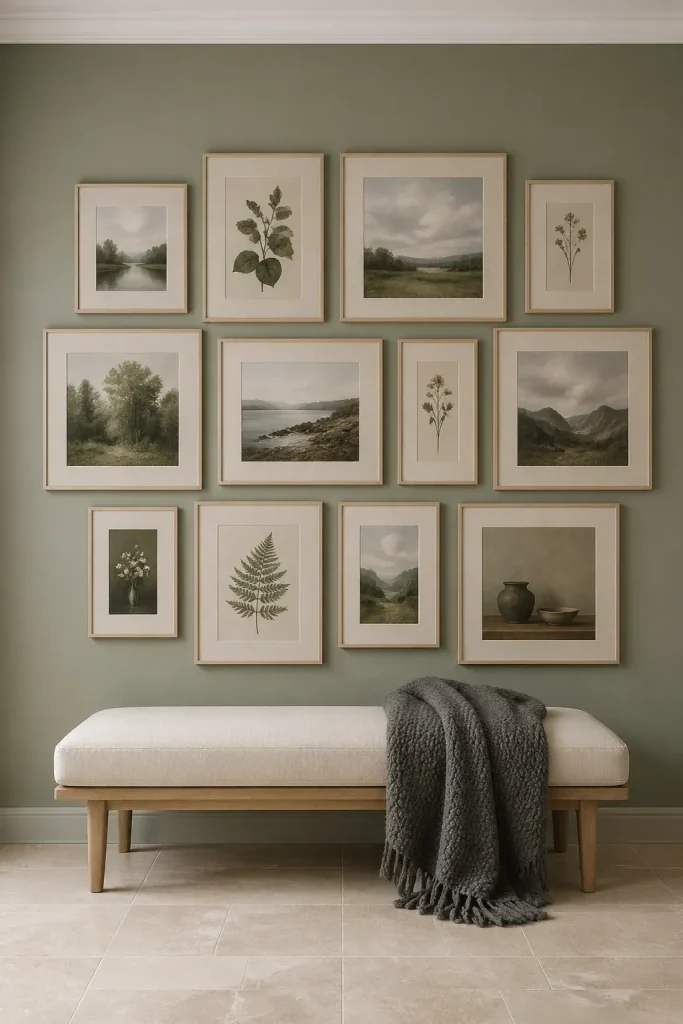
Color is the glue that holds a diverse gallery wall together. Stick to a palette inspired by the forest and the field. Think mossy greens, warm browns, slate grays, and creamy off-whites. These colors don't compete with each other and allow the textures of the wood and paper to stand out.
If you find your wall is looking a bit disjointed, use mats to create a sense of unity. Using the same shade of cream or oatmeal-colored matting in different frames can instantly make the collection look like it belongs together. Avoid bright, neon, or highly saturated colors that can distract from the natural, calming vibe you are trying to build.
Measuring and Hanging Your Wall Display with Care
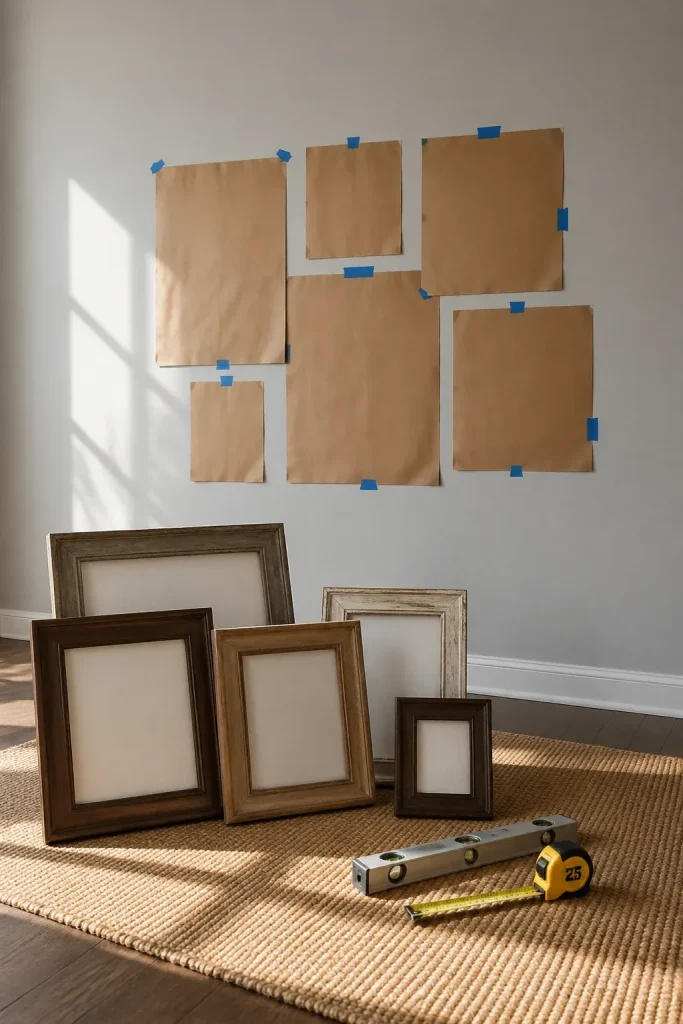
Before you hammer a single nail, lay everything out on the floor. This allows you to move pieces around until the balance feels right. Once you have a layout you love, trace each item onto kraft paper and tape the cutouts to the wall using painter's tape. This lets you see exactly how the display fits the scale of your room.
When it comes to hanging, make sure you use the right hardware for the weight of each piece. Heavier wood frames or reclaimed objects might need wall anchors. Use a level to ensure your horizontal lines are straight, but don't stress if things aren't perfectly aligned to the millimeter. A little bit of imperfection is part of the rustic charm. Step back frequently to check the overall balance as you work.
Building a natural rustic gallery wall is a rewarding way to bring personality and warmth into your home. By focusing on raw textures, earthy colors, and a mix of personal and found objects, you create a space that feels both cozy and sophisticated. Take your time gathering pieces that mean something to you, and don't be afraid to let the display grow and change over time. Start by clearing a spot on your floor today and laying out the pieces you already have.