
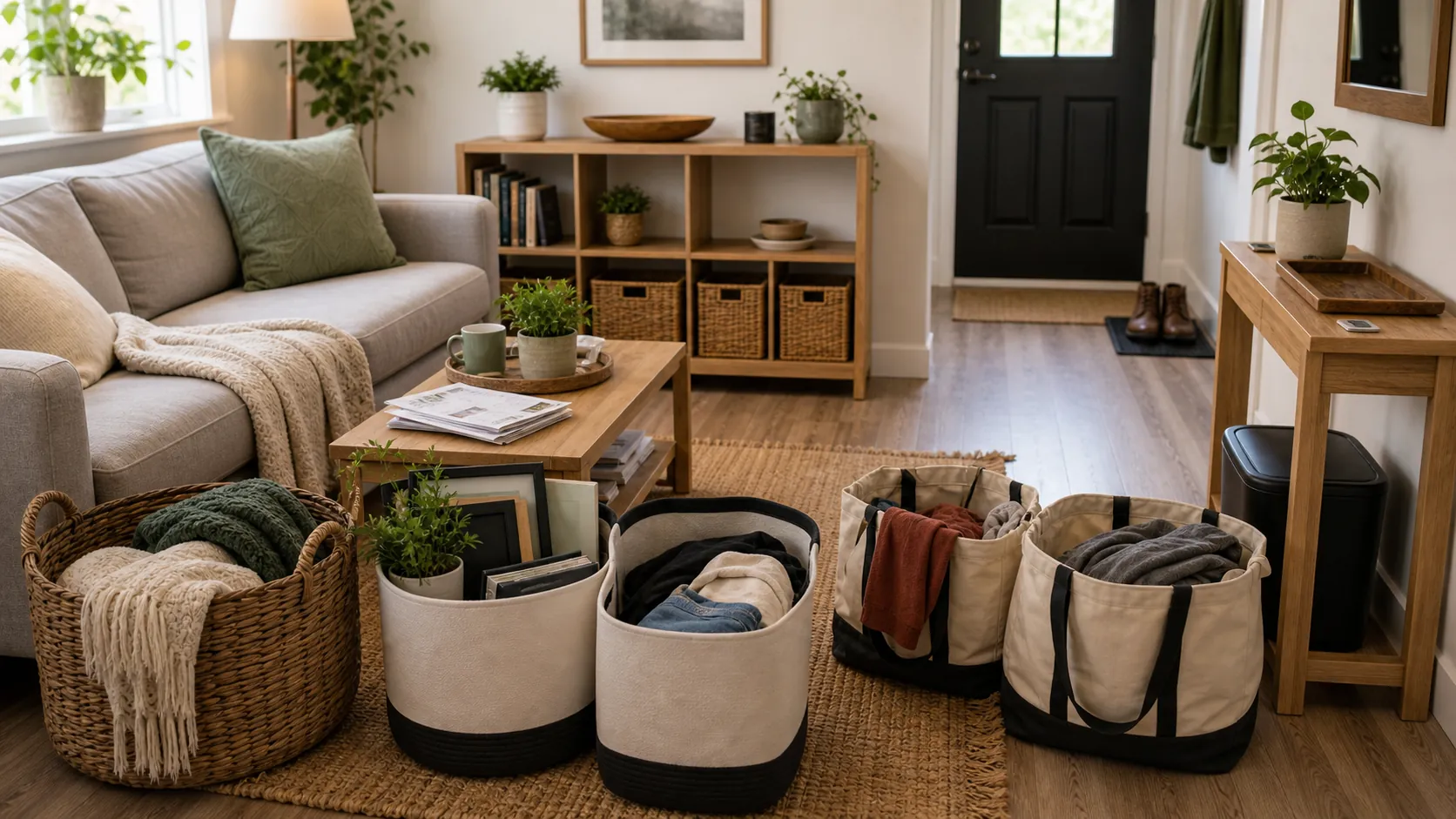
A small home can hold a full life, but it cannot comfortably hold unlimited stuff. When closets are packed, counters are covered, and storage bins are stacked in every corner, cleaning gets harder and the home starts to feel smaller than it really is.
This decluttering checklist is for small homes with too much stuff and not enough breathing room. It is not about becoming a minimalist overnight. It is a practical declutter plan that helps you decide what stays, what leaves, and what needs a better home.
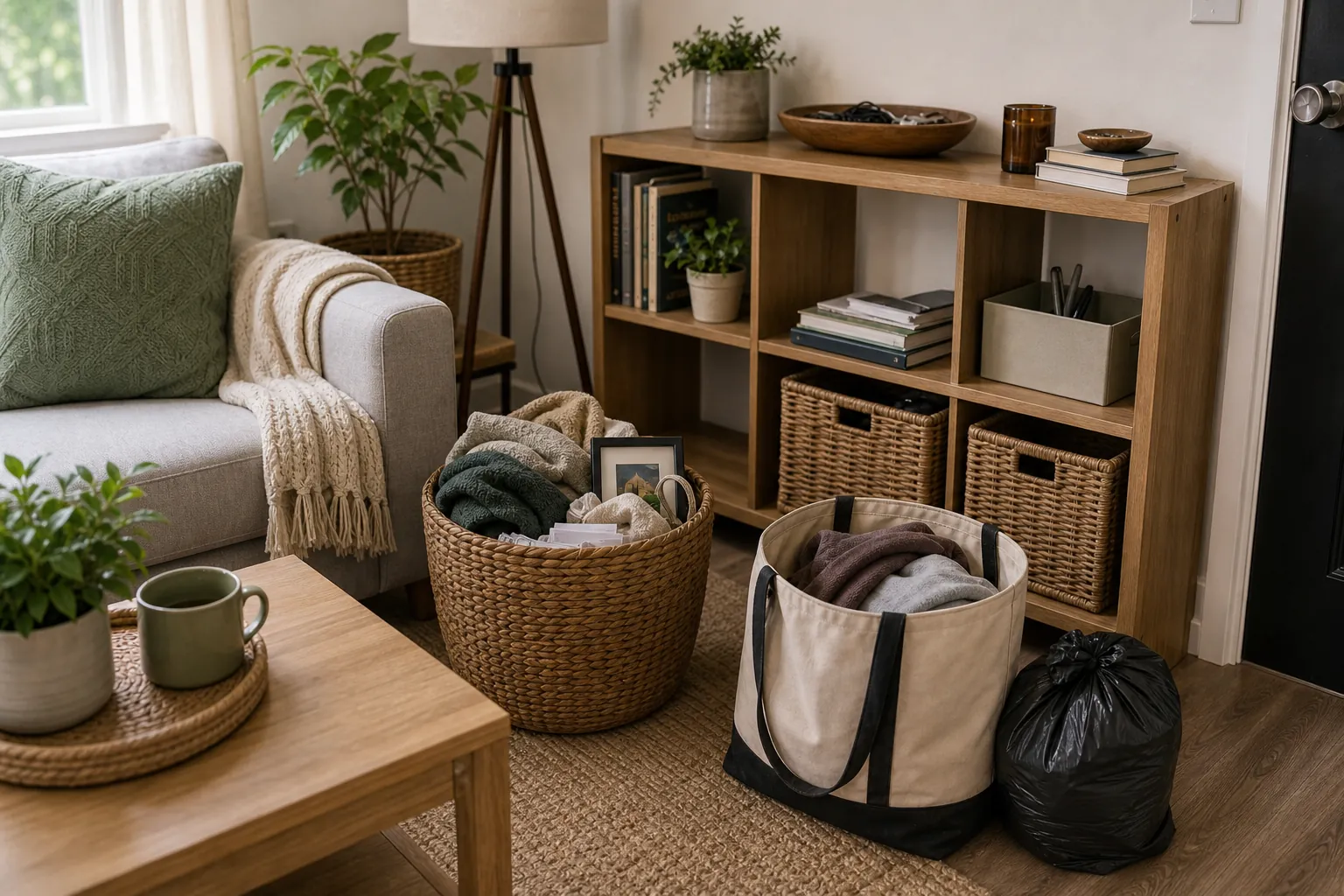
Before You Buy More Storage, Do This First
Storage can help a small home, but it cannot fix owning more than the space can handle. More bins often hide the problem for a few weeks, then the clutter comes back because the amount of stuff has not changed.
Before buying baskets, shelves, or under-bed boxes, walk through the home and mark the pressure points. Which areas always overflow? Which surfaces collect random items? Which cabinet makes you avoid opening it? Those are the places where small home decluttering will make the biggest difference.
The Small Home Decluttering Checklist
Use this checklist in order. The order matters because it removes easy decisions first and saves emotional decisions for later.
- Pick one small zone, not the whole home.
- Remove trash, recycling, and obvious broken items.
- Pull out duplicates and choose the best one.
- Group similar items so you can see the real quantity.
- Decide what belongs in the zone and what belongs elsewhere.
- Set a storage limit for the category.
- Bag donations immediately and move them near the door.
- Clean the empty space before putting keepers back.
This is a clutter control system, not a one-time burst of energy. If you can repeat it in one drawer, one shelf, one cabinet, or one corner, you can work through the whole home without turning it upside down.
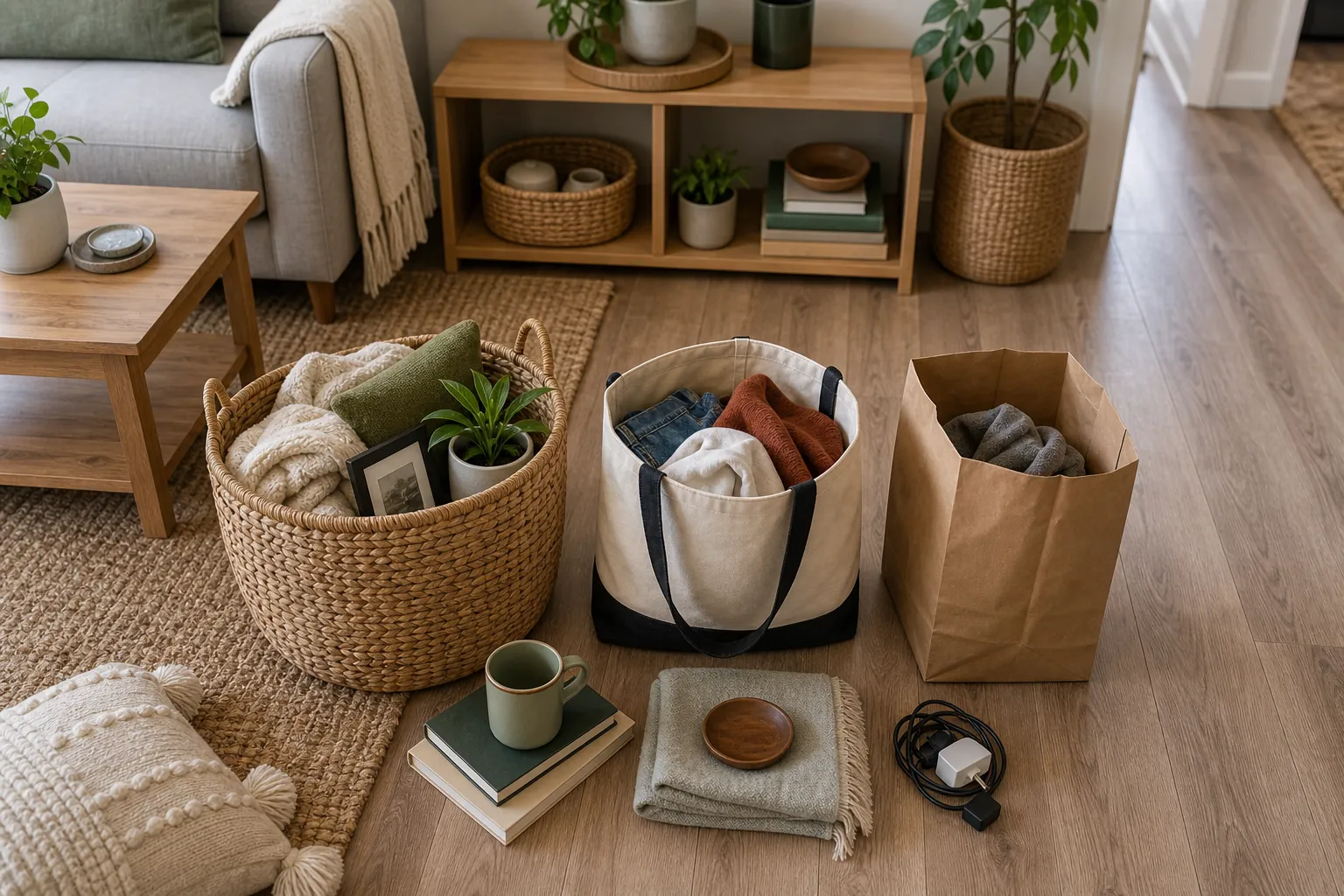
Start With A Tiny Zone
When a small home has too much stuff, the temptation is to empty every closet and start fresh. That usually creates a bigger mess than you can finish. Start with a zone you can complete in 20 to 45 minutes.
- One kitchen drawer
- One bathroom shelf
- One nightstand
- One entryway basket
- One section of the closet
Finishing one small zone builds momentum. Half-emptying the whole home builds dread. A useful decluttering checklist should help you finish, not make the space unusable for days.
Use The Four Decision Categories
For each item, choose one category:
- Keep here: You use it in this zone and it fits the storage limit.
- Move elsewhere: It belongs in your home, but not in this spot.
- Donate or sell: It is useful, but not useful to you now.
- Trash or recycle: It is broken, expired, worn out, incomplete, or not worth passing on.
Do not create a fifth category called “maybe forever.” If you truly cannot decide, use one small maybe box with a date on it. If you do not look for the item before that date, it is ready to leave.
Kitchen Checklist: Duplicates, Lids, And Counter Clutter
The kitchen is often where too much stuff becomes obvious. Extra mugs, mismatched food containers, rarely used gadgets, duplicate utensils, and expired pantry items steal storage from the things you actually use.
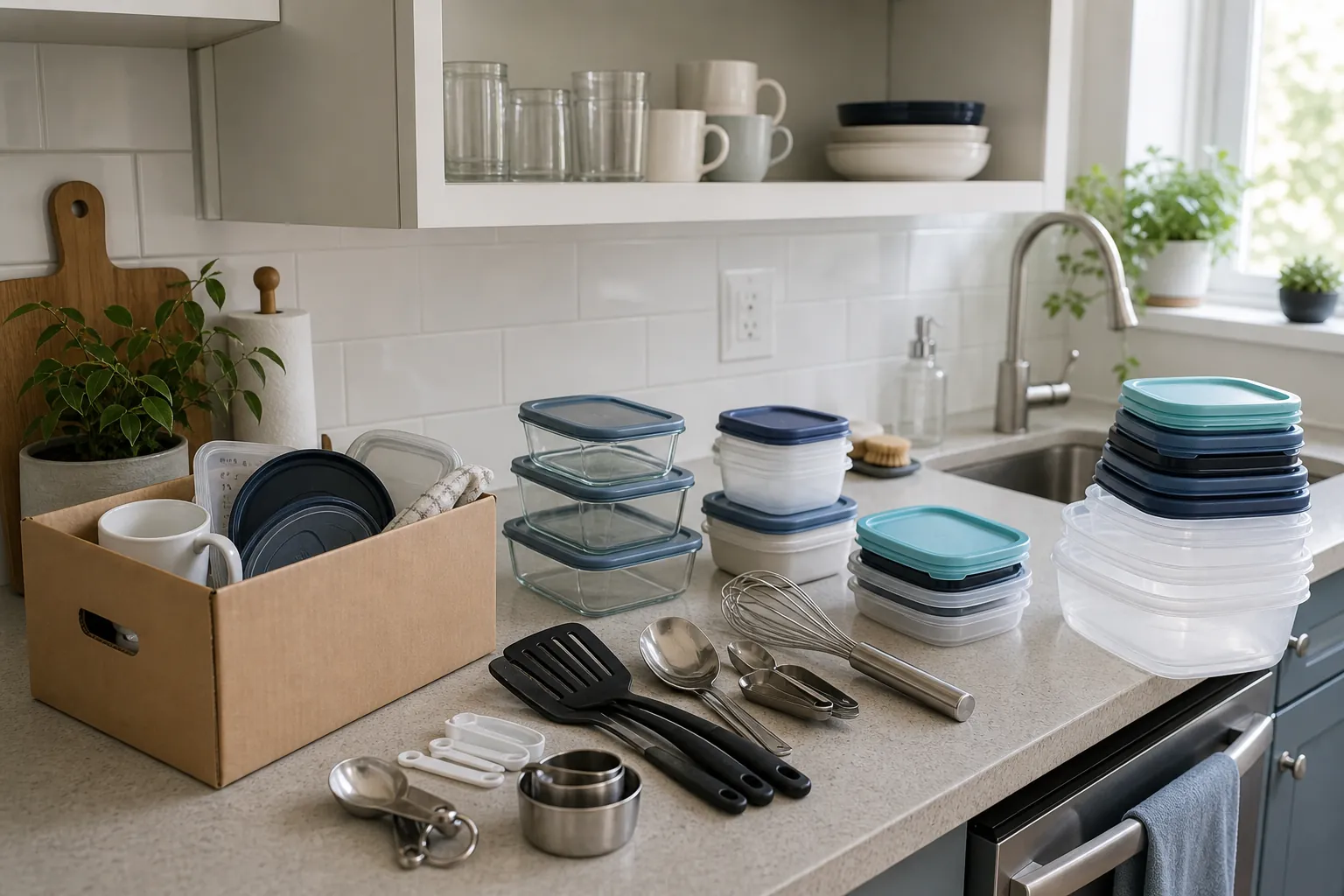
Use this kitchen decluttering checklist:
- Match every food container with a lid and remove unmatched pieces.
- Keep the best duplicate, not every duplicate.
- Move rarely used appliances out of prime counter space.
- Clear expired pantry items, old spices, and chipped dishes.
- Limit daily mugs, plates, and bowls to what you actually use between dishwashing cycles.
A small kitchen does not need every possible tool within arm’s reach. It needs the right tools easy to reach and the extras out of the way or out of the home.
Closet Checklist: Keep What Fits Your Real Week
Small closets get overwhelmed by fantasy life items: clothes for a version of your schedule, body, job, climate, or social life that is not your current reality. You do not have to discard every sentimental piece, but daily storage should serve daily life.

Check for:
- Clothes that do not fit comfortably now.
- Items you avoid because they need repair, special care, or the right mood.
- Duplicates you do not reach for.
- Seasonal pieces taking up prime space out of season.
- Old bags, shoes, and accessories that make the closet harder to use.
Use slim hangers, shelf dividers, hooks, or bins only after the edit. Small space storage works best when it holds what earned its place.
Bathroom Checklist: Small Items Need Firm Limits
Bathroom clutter is often small, but small items multiply fast. Samples, old makeup, expired medicine, hair tools, travel bottles, backup products, and half-used toiletries can fill every drawer.
Sort bathroom items by type, then set limits. One daily makeup bag. One backup bin. One tray for hair tools. One small basket for travel products. When the container is full, use something up or let something go before adding more.
Paperwork Checklist: Stop The Piles From Moving Around
Paper clutter often survives because it feels important. Create three destinations: action, archive, and recycle. Action papers need a task and a deadline. Archive papers need a file. Everything else should leave the home.
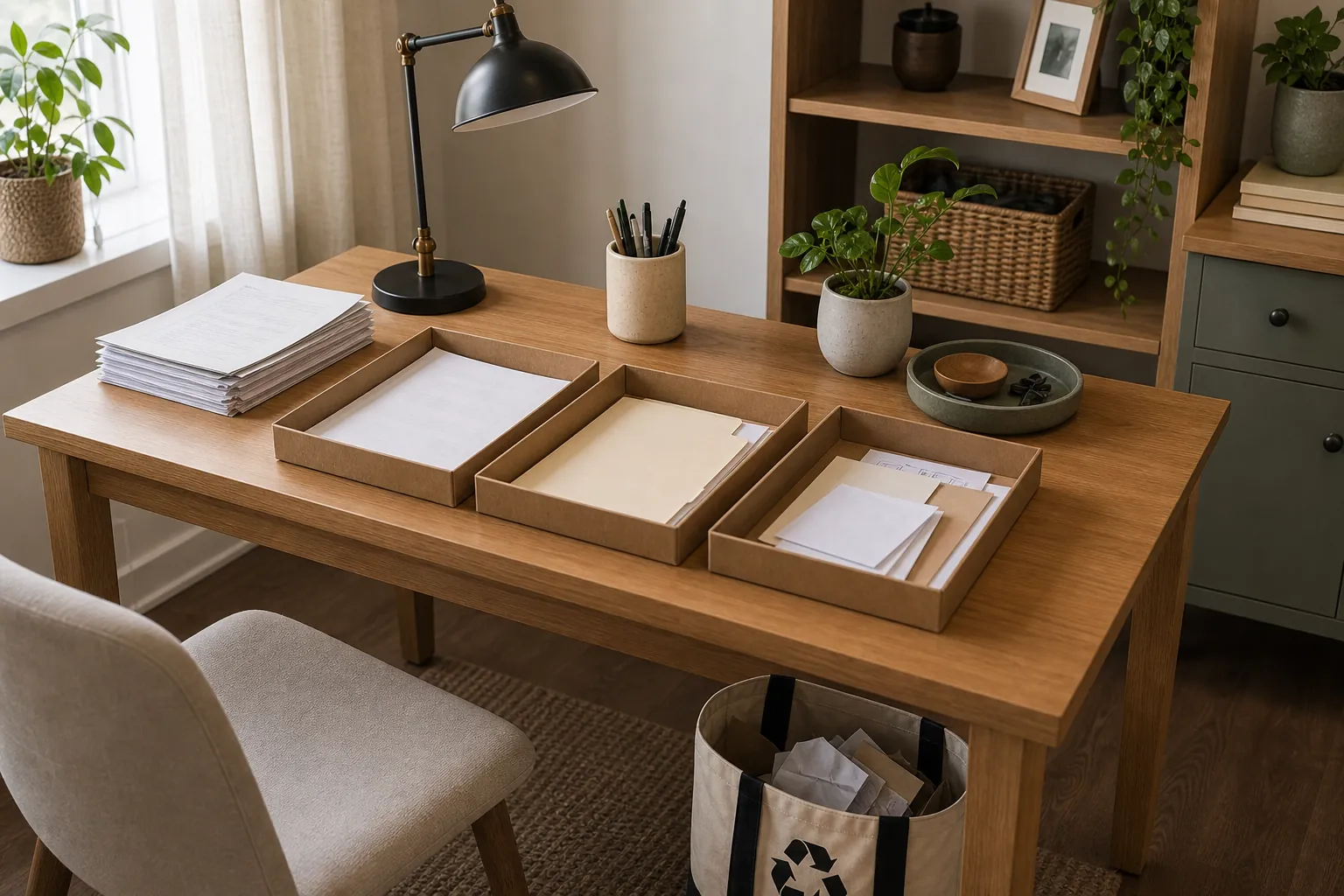
Do not let paperwork live on every counter. Give it one tray or folder. If the paper does not fit the system, the system is telling you to make decisions more often.
Storage Checklist: Containers Are Limits, Not Hiding Places
Good home organization is not about fitting the maximum amount into every inch. It is about making the things you use easy to find, easy to return, and easy to clean around.
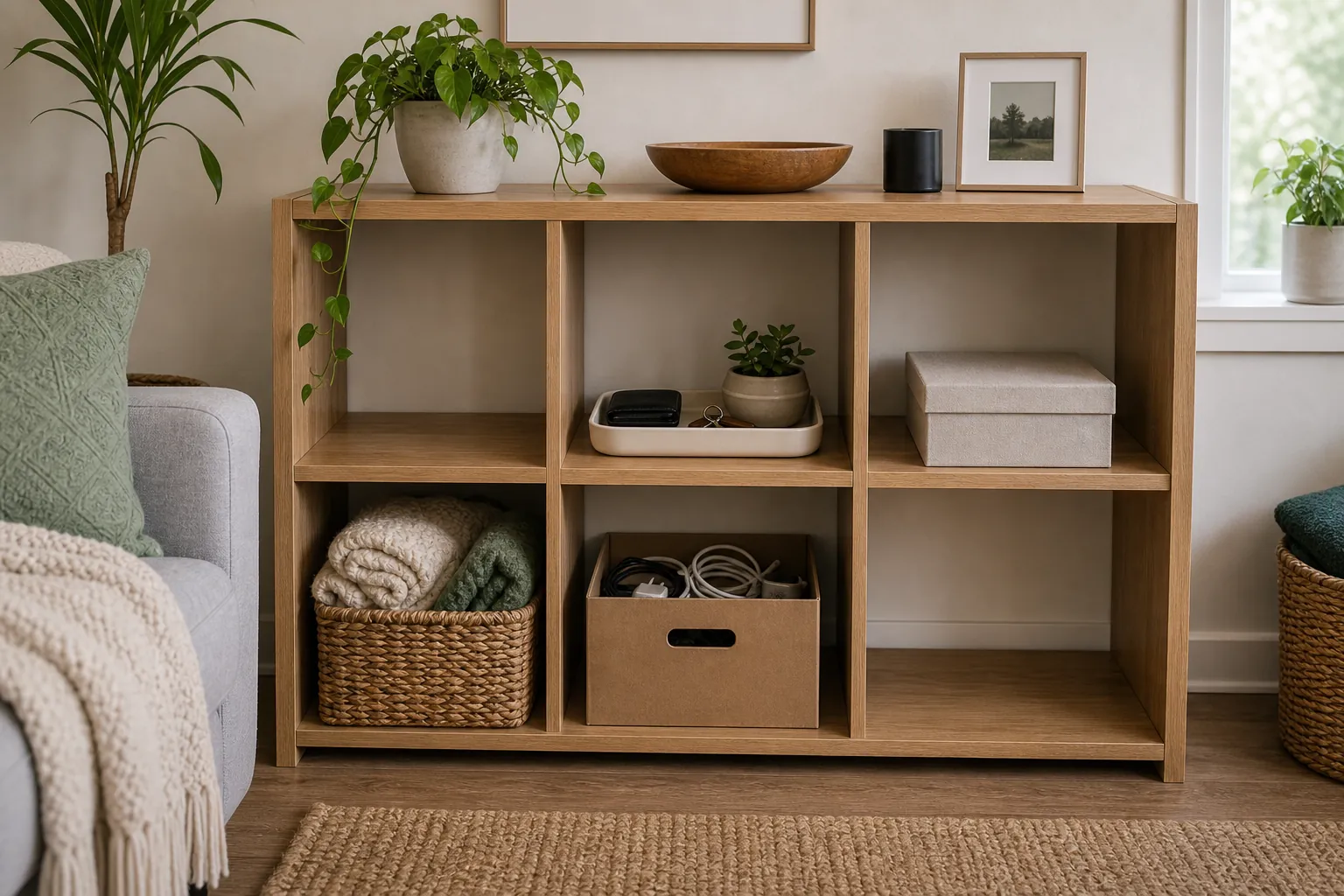
Use containers as limits. One basket for blankets. One bin for cords. One drawer for office supplies. One box for keepsakes. If the category outgrows the container, edit the category before buying another container.
Donation Checklist: Get Items Out Fast
A donation bag that sits in the hallway for a month is still clutter. Once a bag or box is full, close it, move it near the door, and schedule the drop-off. If you sell items, set a short deadline. If they do not sell, donate them.
The faster items leave, the less likely they are to drift back into drawers, closets, and “just in case” piles.
The 15-Minute Declutter Plan For Busy Days
When you do not have time for a full session, use this short reset:
- 3 minutes: collect trash and recycling.
- 4 minutes: move misplaced items to one basket.
- 4 minutes: pick one drawer, shelf, or surface.
- 4 minutes: remove duplicates, broken items, and things that clearly do not belong.
This quick version supports your cleaning routine because it removes the friction that makes cleaning slow. A tidy home is easier to wipe, sweep, vacuum, and reset.
Keep The Checklist Going
Decluttering a small home with too much stuff is not solved by one perfect weekend. Work through one small zone, finish it, remove donations, and repeat. Over time, the home starts to feel easier because every cabinet, drawer, and surface holds less indecision.
The goal is not an empty home. The goal is a home where your things fit your space, your routines, and your real life. When that happens, small space cleaning becomes faster, apartment organization feels simpler, and clutter control stops being a constant battle.