
Creating a space for a new baby often involves balancing soft aesthetics with functional storage. Scalloped edges have made a major comeback in interior design, bringing a sense of whimsy and movement that fits a child's room. These wavy details soften the straight lines of a room, making the environment feel more welcoming and less rigid.
In this guide, we will look at how to use scalloped shelves to organize and beautify your nursery. You will learn about choosing the right colors, arranging small trinkets, and ensuring everything is mounted safely. Whether you are building a reading corner or a display for heirlooms, these shelves offer a charming solution for any modern nursery.
Design Qualities and Visual Appeal of Scalloped Edges
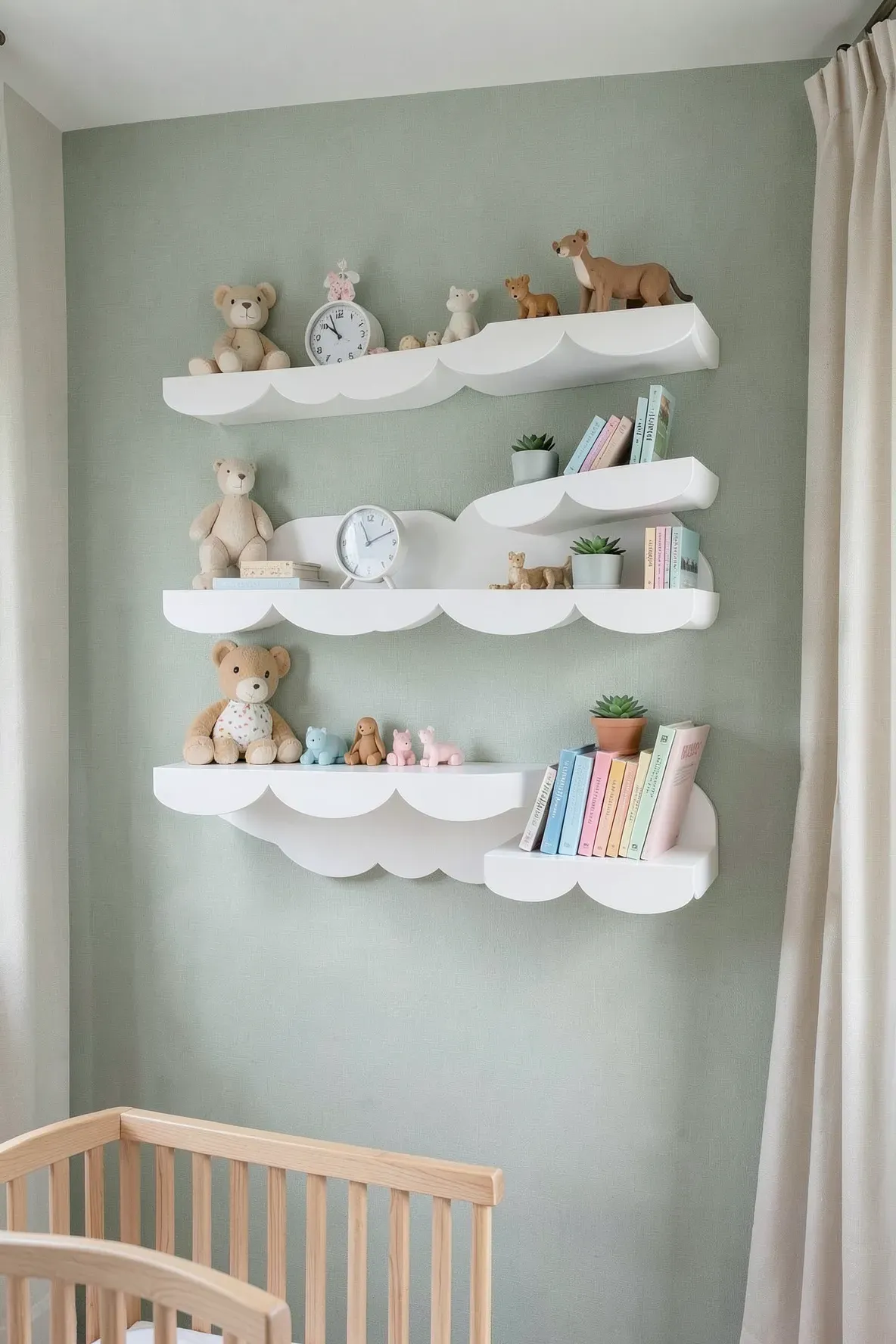
The defining feature of scalloped shelves is the rhythmic, undulating curve along the edge. Unlike standard flat-edge shelving, these curves create a soft visual boundary that mimics clouds or waves. This shape adds a layer of texture to the walls without requiring extra wallpaper or paint. It works well in a nursery because it feels youthful and gentle. The repetitive pattern also helps draw the eye across the room, making a small wall feel more intentional and designed.
Choosing Between Floating Shelves and Traditional Bookcases
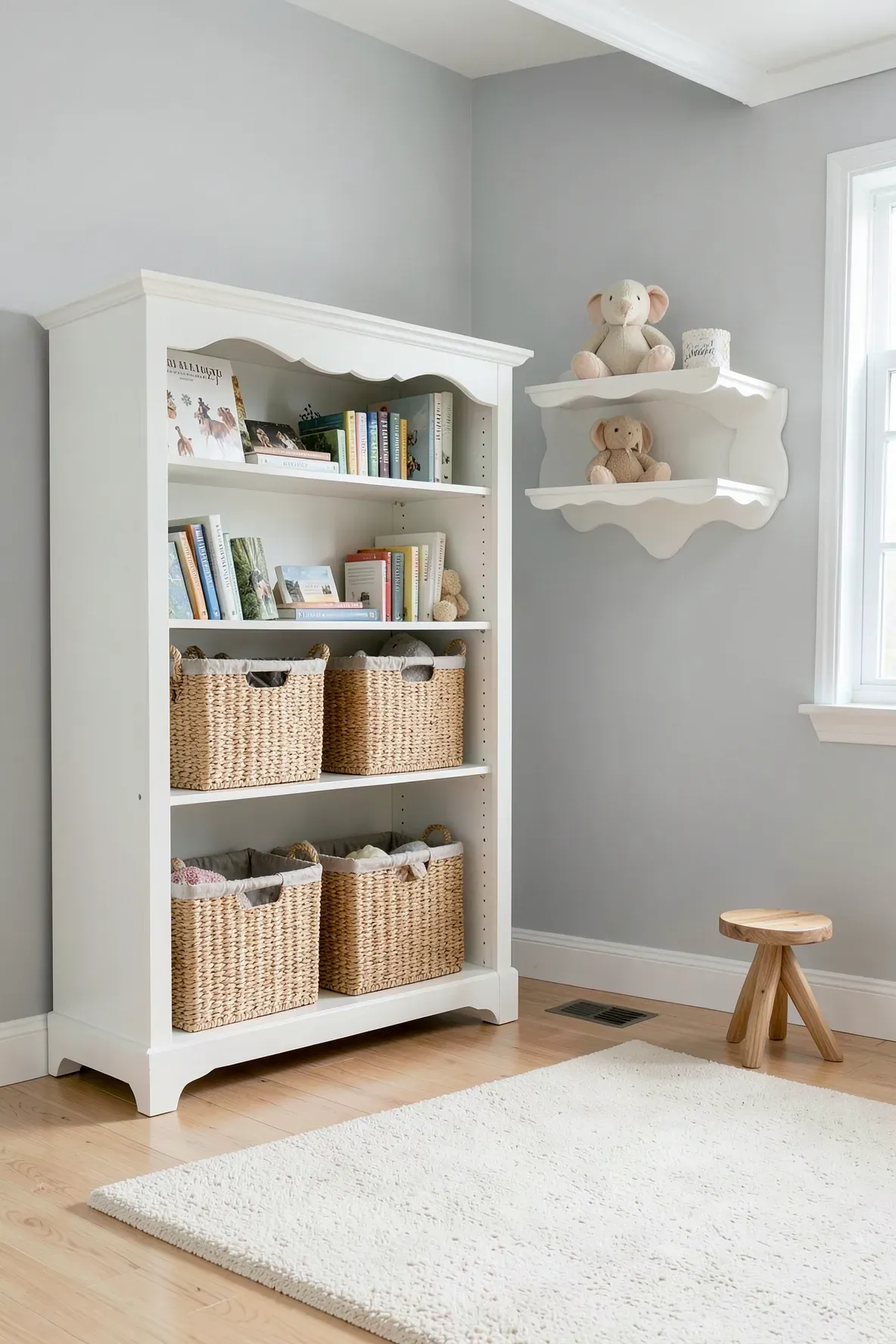
When planning your nursery shelving ideas, consider the floor space. A nursery bookcase is excellent for heavy items and large toy bins, providing a sturdy anchor in the room. However, nursery floating shelves are better for smaller spaces or for keeping items out of a toddler's reach. Floating styles give a lighter, airier look to the wall. If you have a tight corner, a single scalloped wall shelf can act as a decorative accent, while a full bookcase serves as a primary storage hub.
Selecting Colors for a Bright and Colorful Nursery
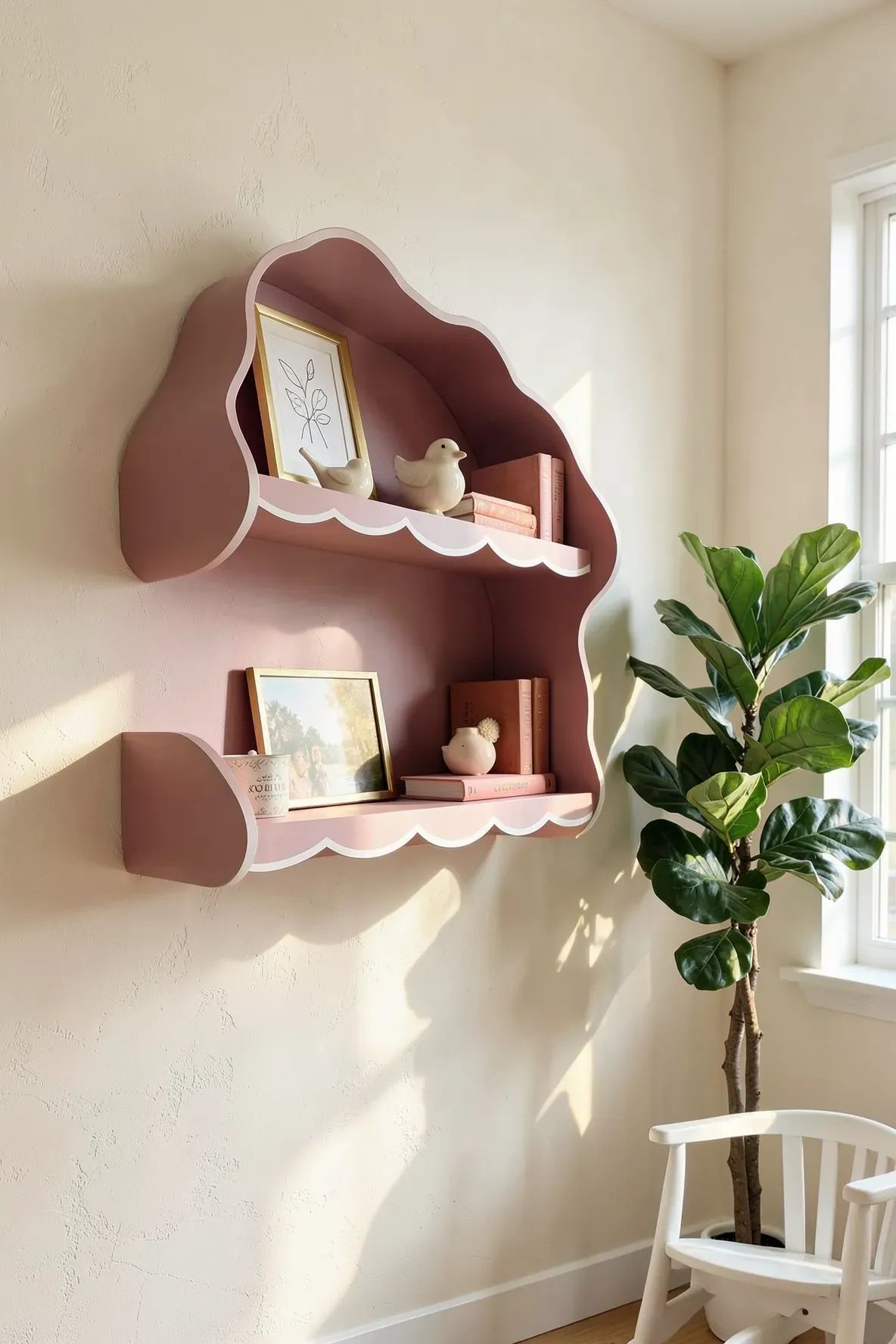
A colorful nursery doesn't mean every piece of furniture must be a neon shade. You can use scalloped shelves to introduce pops of color against a neutral wall. Soft pastels like sage green, dusty rose, or pale blue are popular choices that remain calming. For a bolder look, try painting the scalloped edges a contrasting color to make the wavy silhouette stand out. If the walls are already a deep color, white or natural wood shelves provide a clean break that keeps the room from feeling too heavy.
Creative Baby Shelf Decor and Arrangement Ideas
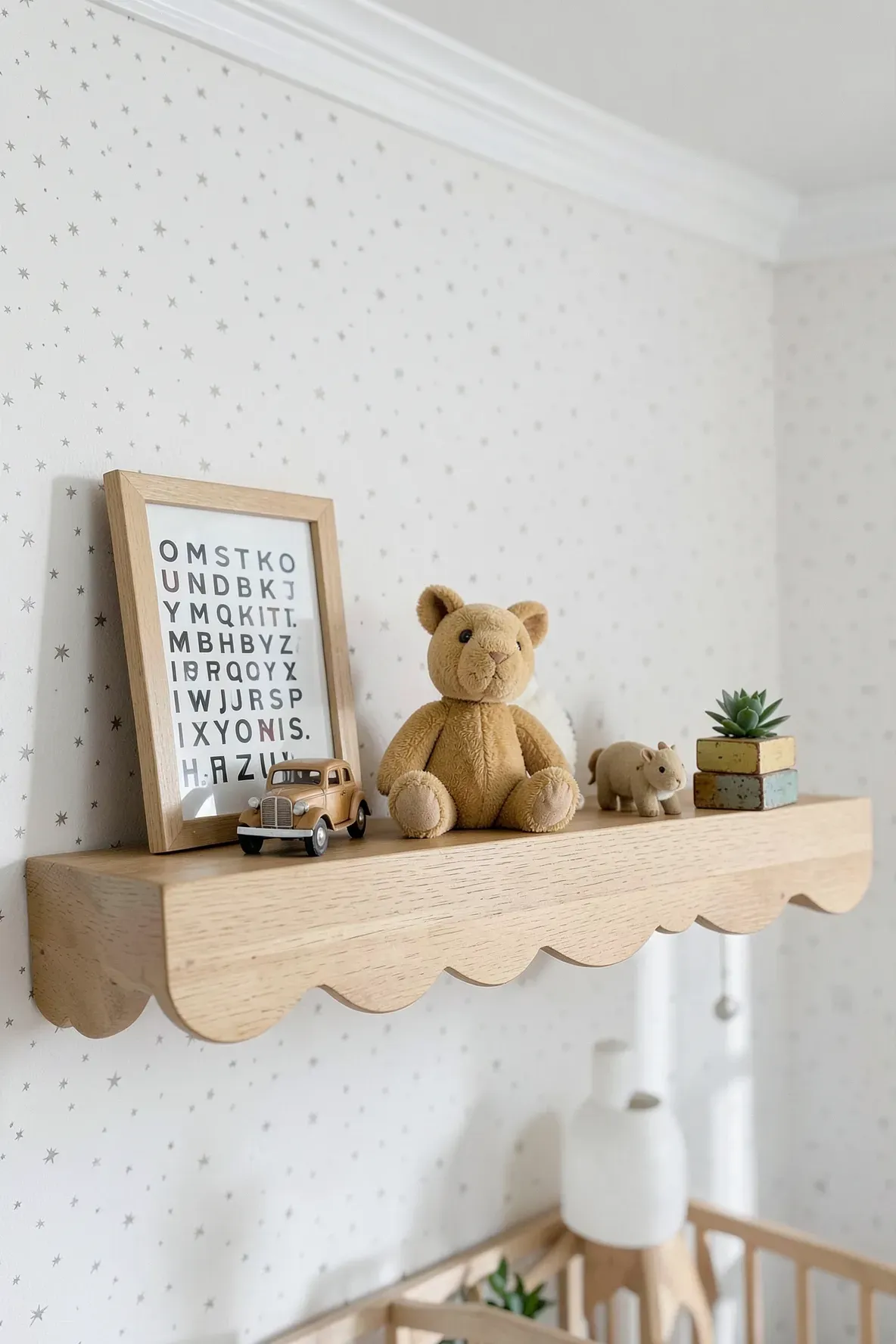
Styling your baby shelf decor is where the personality of the room comes through. Start by layering items of different heights. Place a tall framed print in the back, then add a small wooden toy or a ceramic piggy bank in front. Use the scalloped edge as a frame for plush animals or small succulents. It is often helpful to follow the 'rule of three'—grouping items in odd numbers to create a balanced look. Don't overfill the shelves; leaving some negative space allows the scalloped detail to remain visible.
Practical Storage Uses for Nursery Wall Shelves
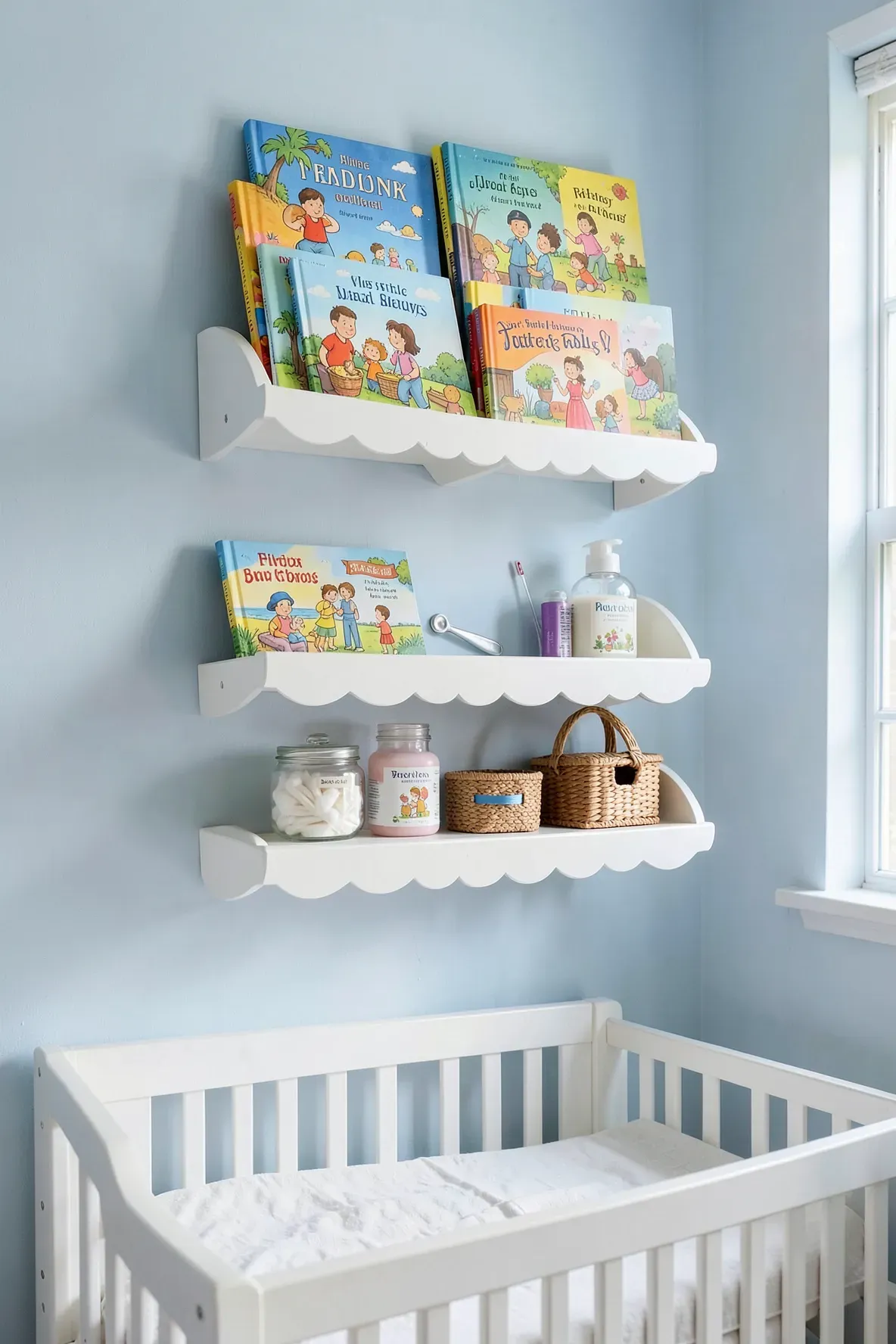
While they look pretty, nursery wall shelves must also be functional. They are the perfect spot for items you need to grab quickly but want to keep away from curious hands, such as diaper creams or thermometers. You can also use them to display the current week's bedtime stories, making it easy to swap books in and out. If the shelf has a front lip, it is particularly useful for propping up thin picture books, turning the covers into temporary wall art.
Material and Finish Options for Long Lasting Nursery Shelving
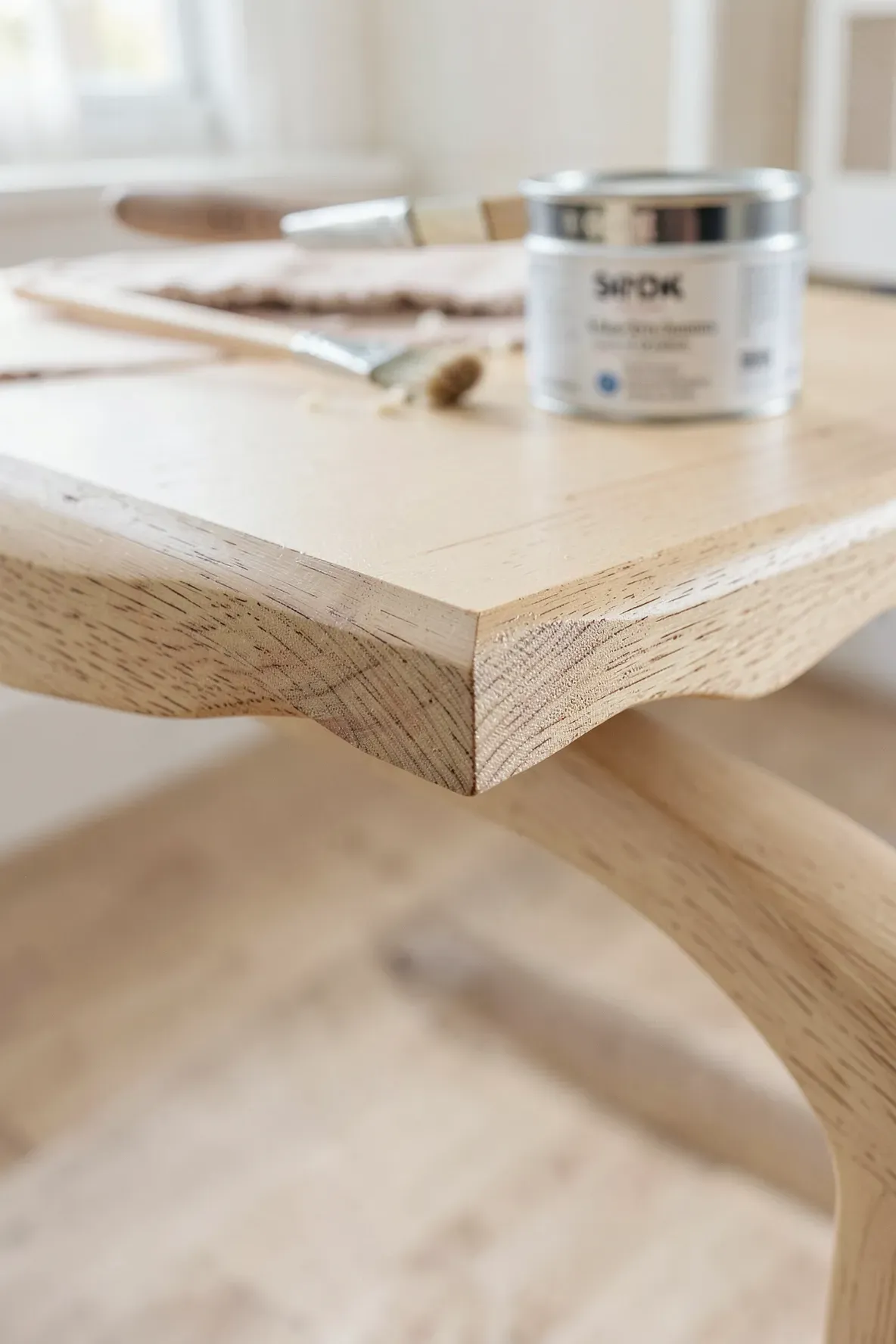
Nursery shelving should be durable enough to handle years of use. Solid wood is a top choice for its weight-bearing capacity and timeless look. MDF is a common alternative for painted scalloped shelves because it provides a smooth surface for lacquered finishes. Look for non-toxic, low-VOC paints and stains to ensure the air quality in the baby's room remains safe. A matte or satin finish is usually better than high-gloss, as it hides fingerprints and dust more effectively.
Safety Considerations for Installing Baby Room Shelves
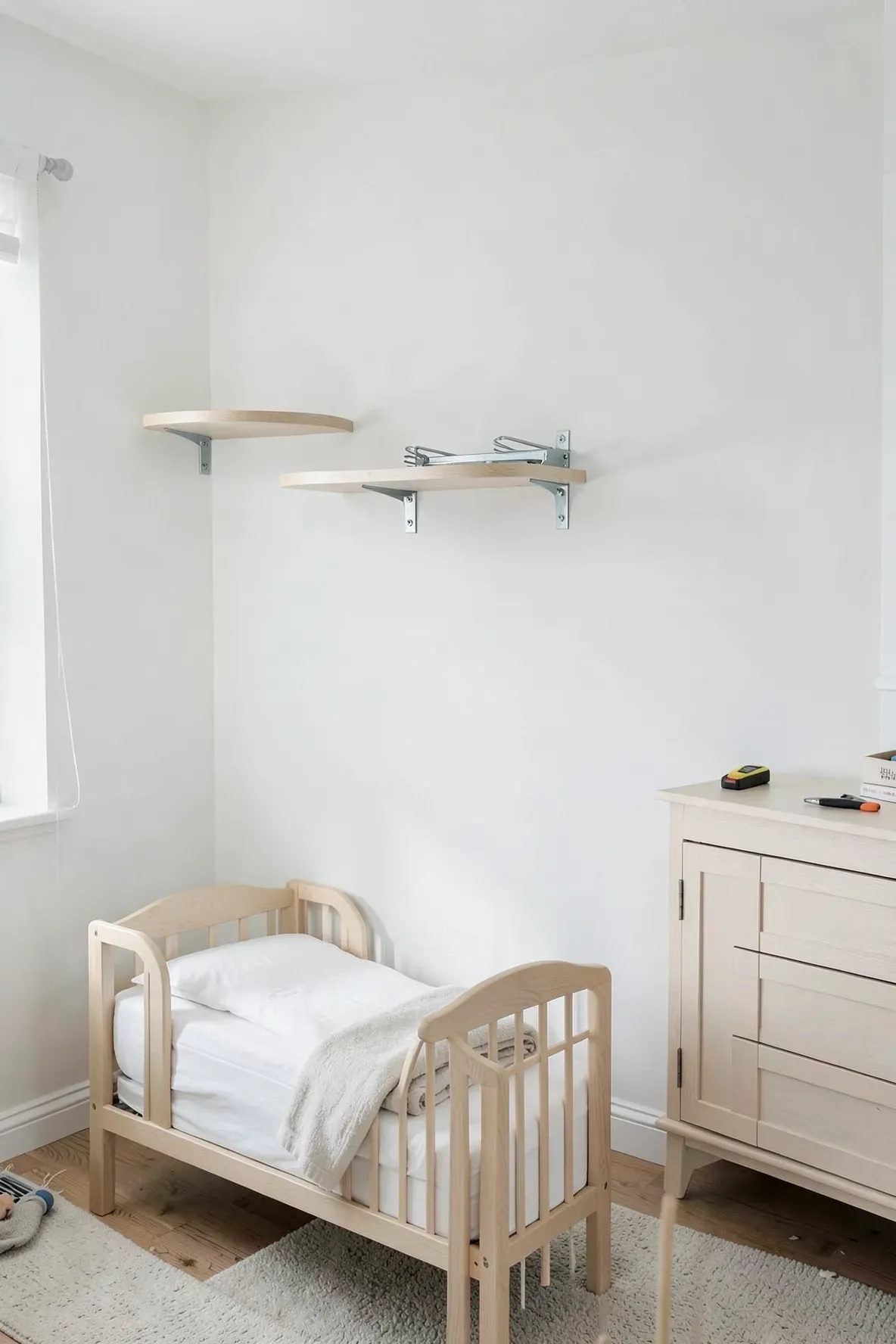
Safety is the most important factor when hanging baby room shelves. Always use a stud finder to anchor the shelves into the wall framing. If a stud isn't available, use heavy-duty toggle bolts rather than simple plastic anchors. Ensure the shelves are mounted at a height where a standing toddler cannot pull themselves up on them. Periodically check the brackets to make sure they haven't loosened over time. Avoid placing heavy or glass items directly over the crib area.
Combining Scalloped Details with Other Nursery Furniture Styles

You don't need a room full of wavy furniture to make this style work. Scalloped shelving pairs beautifully with mid-century modern cribs or vintage-style dressers. The key is to find a common thread, like a similar wood tone or paint color. If your other furniture is very angular and modern, the scalloped edges provide a nice contrast that prevents the room from feeling too clinical. You can also carry the scallop theme into textiles, like a rug with a curved border or a scalloped window valance.
Scalloped shelves are a simple way to add character and organization to your child's room. By choosing the right materials and focusing on a cohesive color palette, you can create a space that feels both playful and orderly. Start with one or two shelves to see how they change the energy of the room, and enjoy the process of styling a special corner for your little one.