
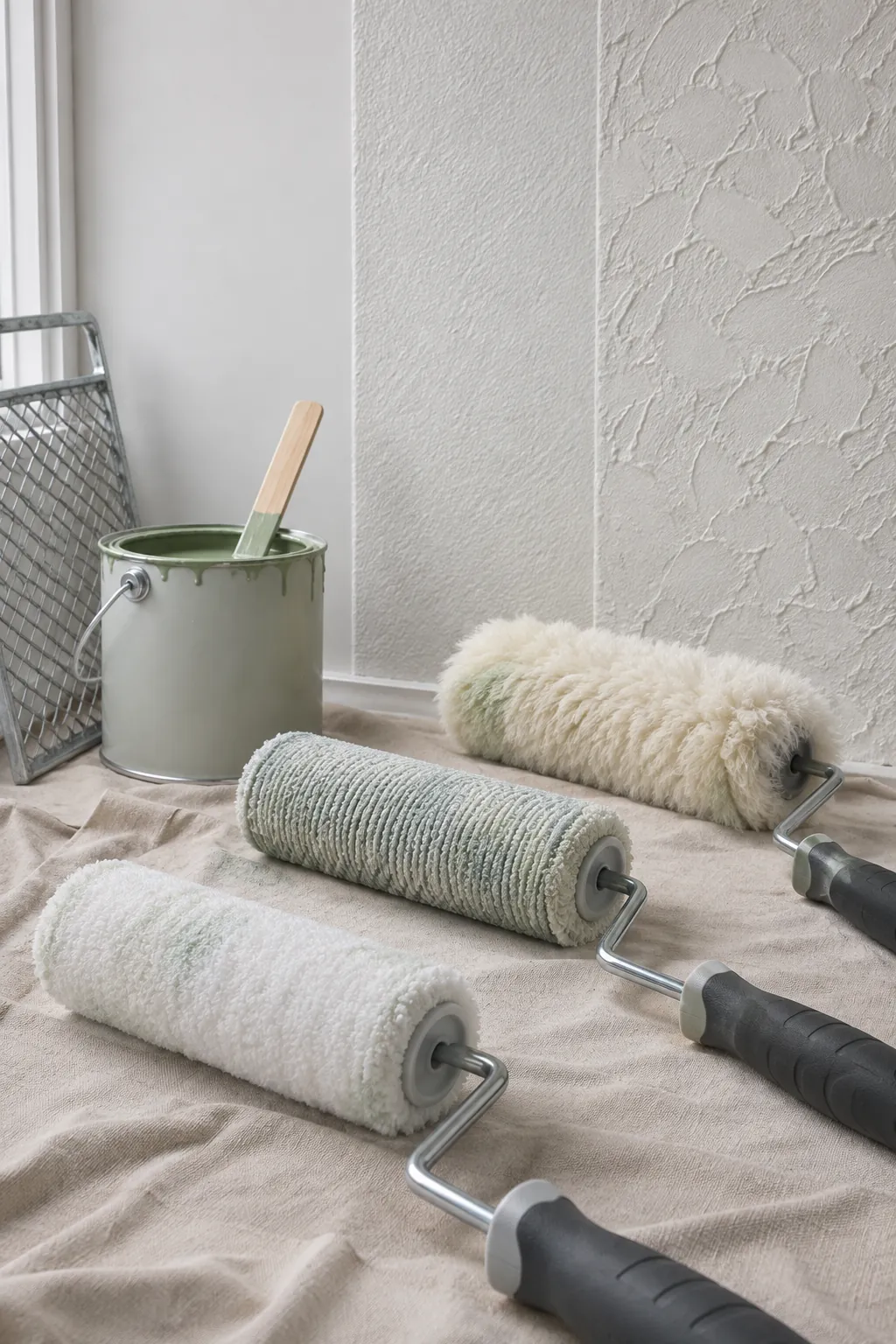
A roller cover can make good paint look uneven when its nap does not match the wall. The wrong cover may skip low spots, shed fibers, throw paint, or leave a stipple that stays visible after the room dries. A useful choice starts with the surface, not with the label on the paint can.
Most interior walls need a nine inch frame and a quality cover, but the correct nap and fabric change with texture, sheen, and the finish you expect. The guide below explains those choices and shows how loading and pressure affect the result.
Read the wall texture before you shop
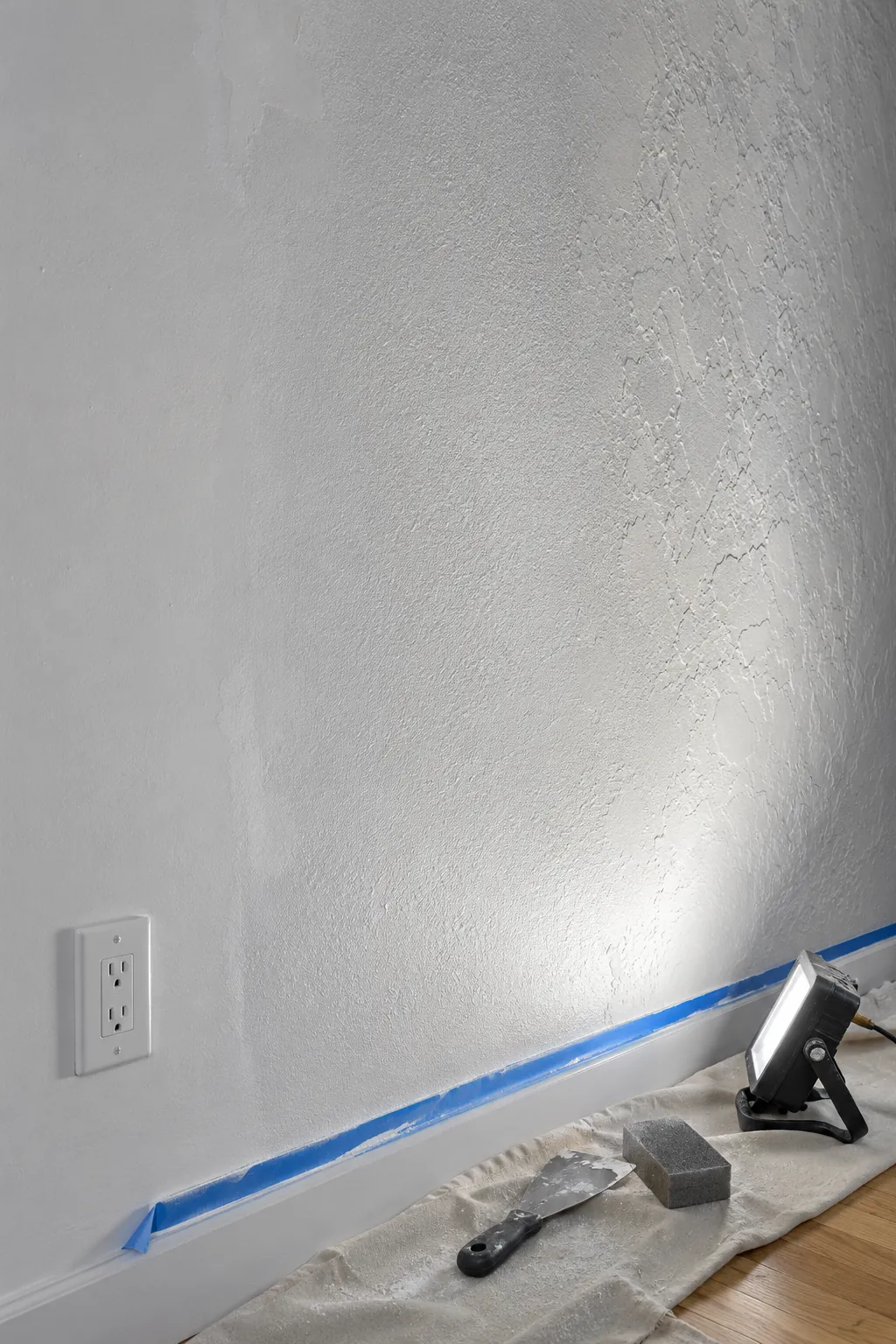
Stand beside the wall and look across it under side light. A level smooth wall has few visible peaks, while orange peel has shallow rounded dimples and knockdown has broader raised islands. Heavy texture, masonry, and deep plaster patterns need more paint carried into their recesses.
Do not assume that a wall is smooth because it feels flat from the center of the room. Patch repairs, old roller stipple, and layers of paint can create a mixed surface. Choose for the roughest meaningful area, or use a separate cover on a small repaired section when preserving a fine finish matters.
Match the roller nap to the surface
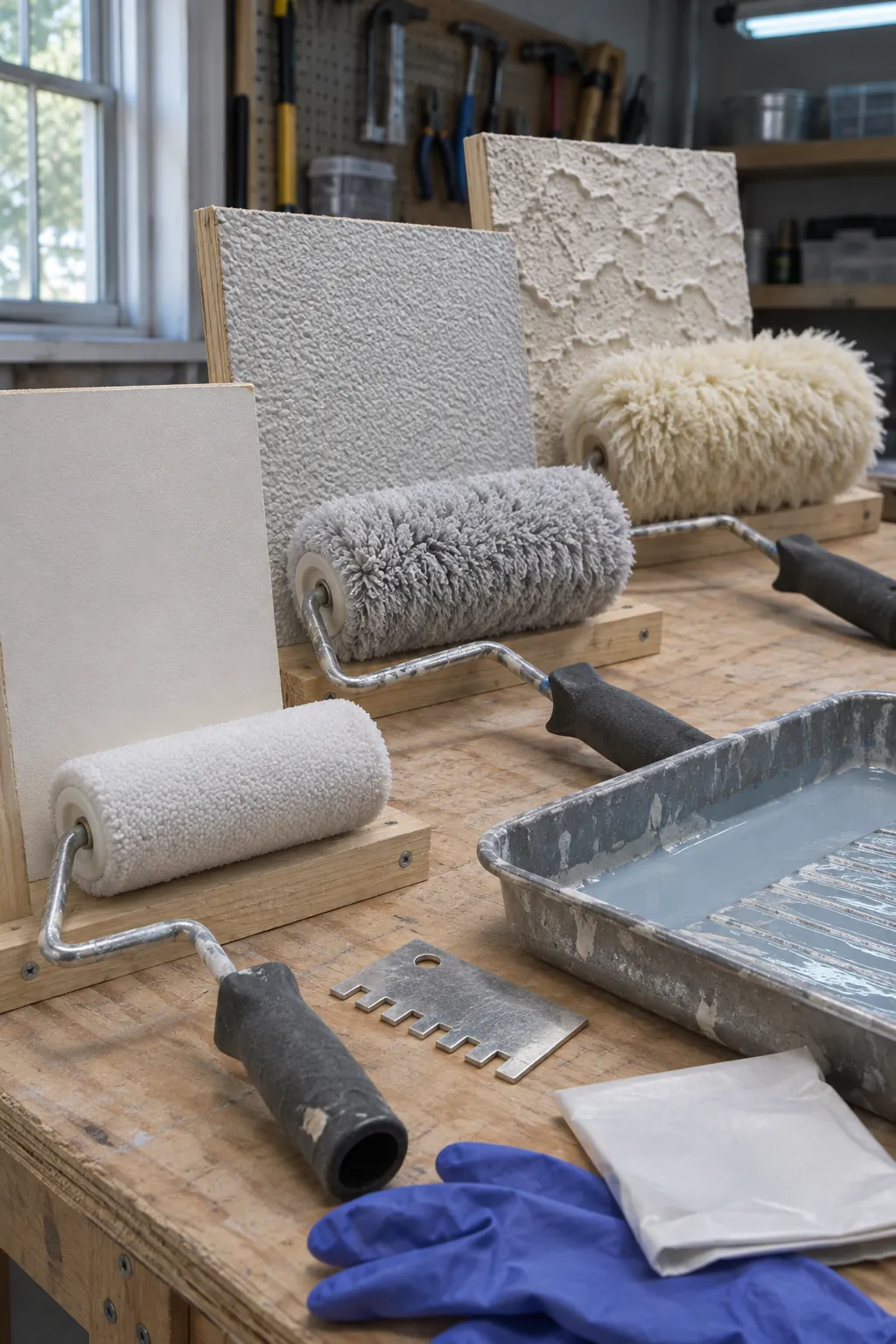
For very smooth drywall, a one quarter inch cover can leave a fine finish, but it holds little paint and demands careful loading. A three eighths inch cover is the practical general choice for smooth or lightly textured interior walls. It carries more paint while keeping stipple modest when the cover is good and the painter avoids excess pressure.
Use a one half inch nap for noticeable orange peel, light knockdown, or surfaces with shallow grooves. A three quarter inch nap reaches deeper texture, rough plaster, brick, or concrete, but it also creates more stipple and splatter. Longer nap is not a shortcut for poor preparation, because it can bridge small defects without fixing loose paint, ridges, or uneven patches.
Choose a cover material that suits the paint
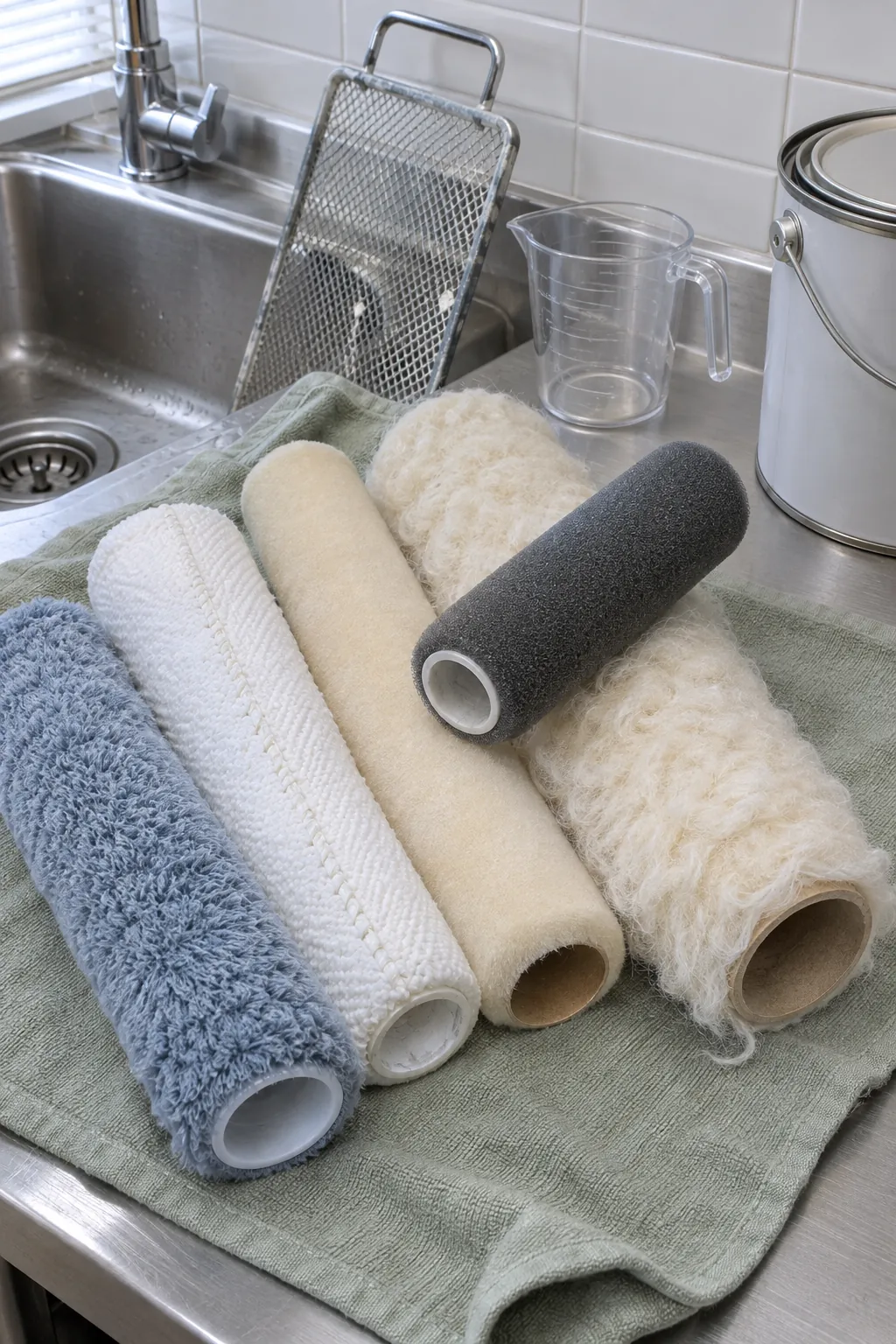
Woven microfiber is a dependable choice for many water based wall paints because it releases paint evenly and can leave a controlled finish. A quality woven synthetic cover also works well for general interior painting and usually resists shedding better than a cheap cover. Mohair style covers suit smooth surfaces and some higher sheen coatings when a fine finish is more important than paint capacity.
Foam covers are useful on very smooth doors, cabinets, and trim with the right coating and technique, but they are rarely the best first choice for broad walls. They can slide, form bubbles, or leave an unfamiliar texture when overloaded. Natural wool carries substantial paint on rough surfaces, though it costs more and may be unnecessary for a single average room.
Use a roller width you can control
A nine inch roller is the safest default for walls. It fits common trays and buckets, turns easily near corners, and gives a new painter enough control to keep a wet edge. A four inch mini roller helps behind toilets, beside cabinets, and on narrow wall sections where a full frame cannot move freely.
Wider frames can cover open walls quickly, but speed falls away if the painter cannot load them evenly or keep both ends at equal pressure. Heavy wide covers also increase fatigue, which can cause dry passes and visible lap marks. Choose the largest width that remains comfortable through a full wall, not the largest one sold.
Account for sheen, coverage, and splatter
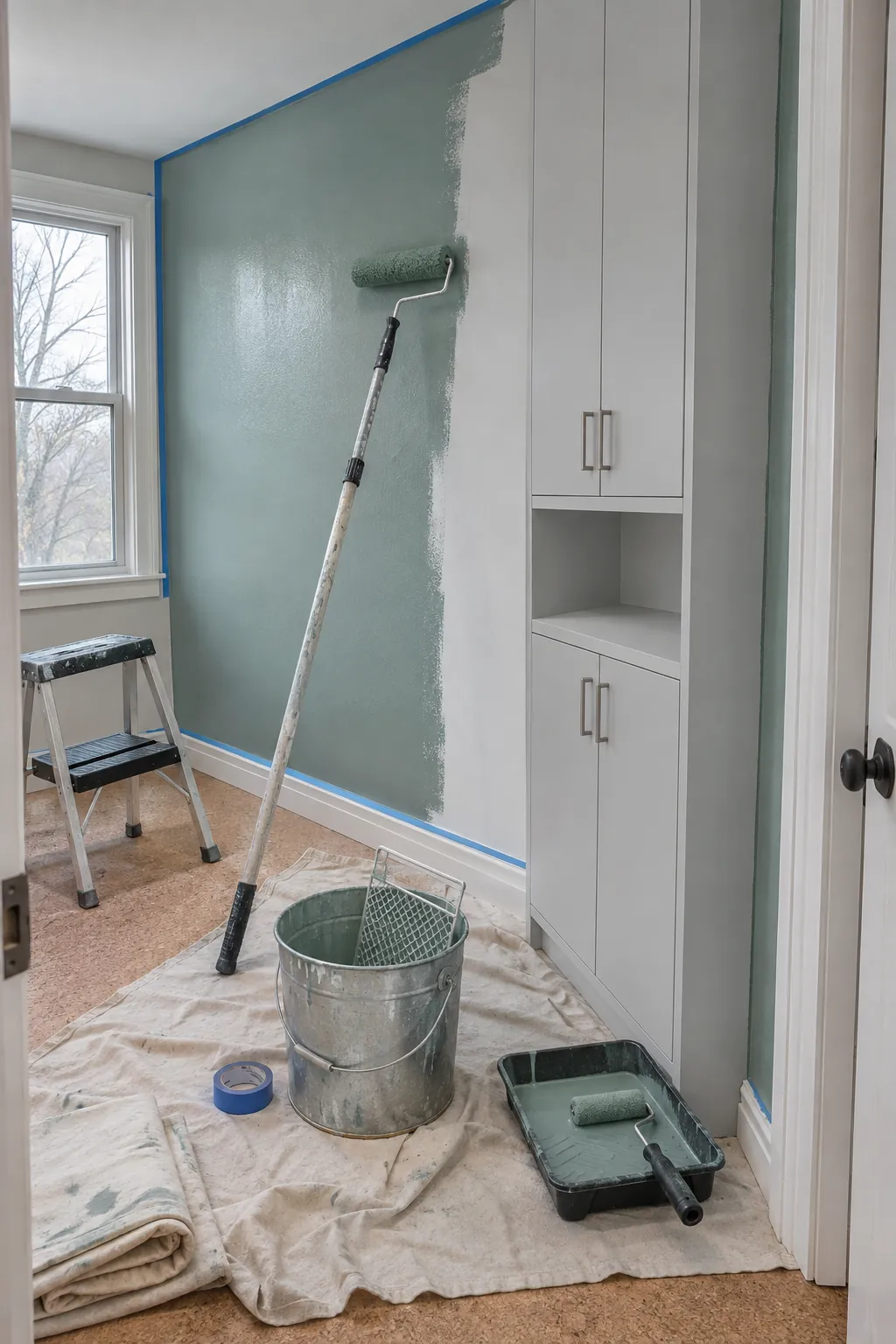
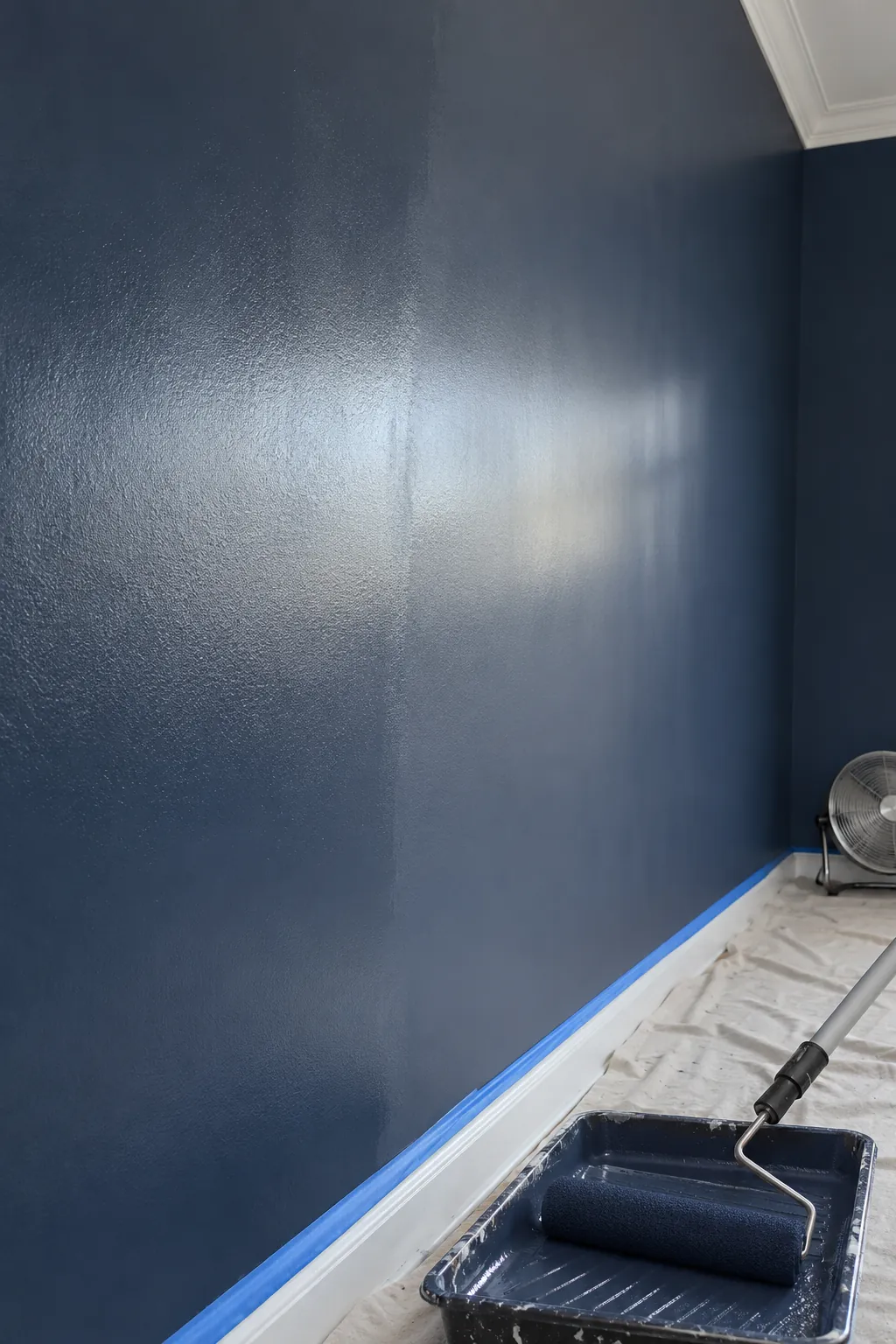
Flat paint can hide some minor roller texture, while satin and higher sheens reveal ridges, lint, and uneven overlap under light. A smoother cover and steady technique matter more as sheen rises. Dark colors can also show flashing when sections dry at different rates.
Longer nap holds more paint, but it can throw more droplets when rolled fast or overloaded. A cover that spins freely on a straight frame reduces the urge to force it across the wall. Good coverage comes from a fully loaded cover and a controlled working area, not from pressing hard enough to hear the frame scrape.
Prepare and load a new roller cover
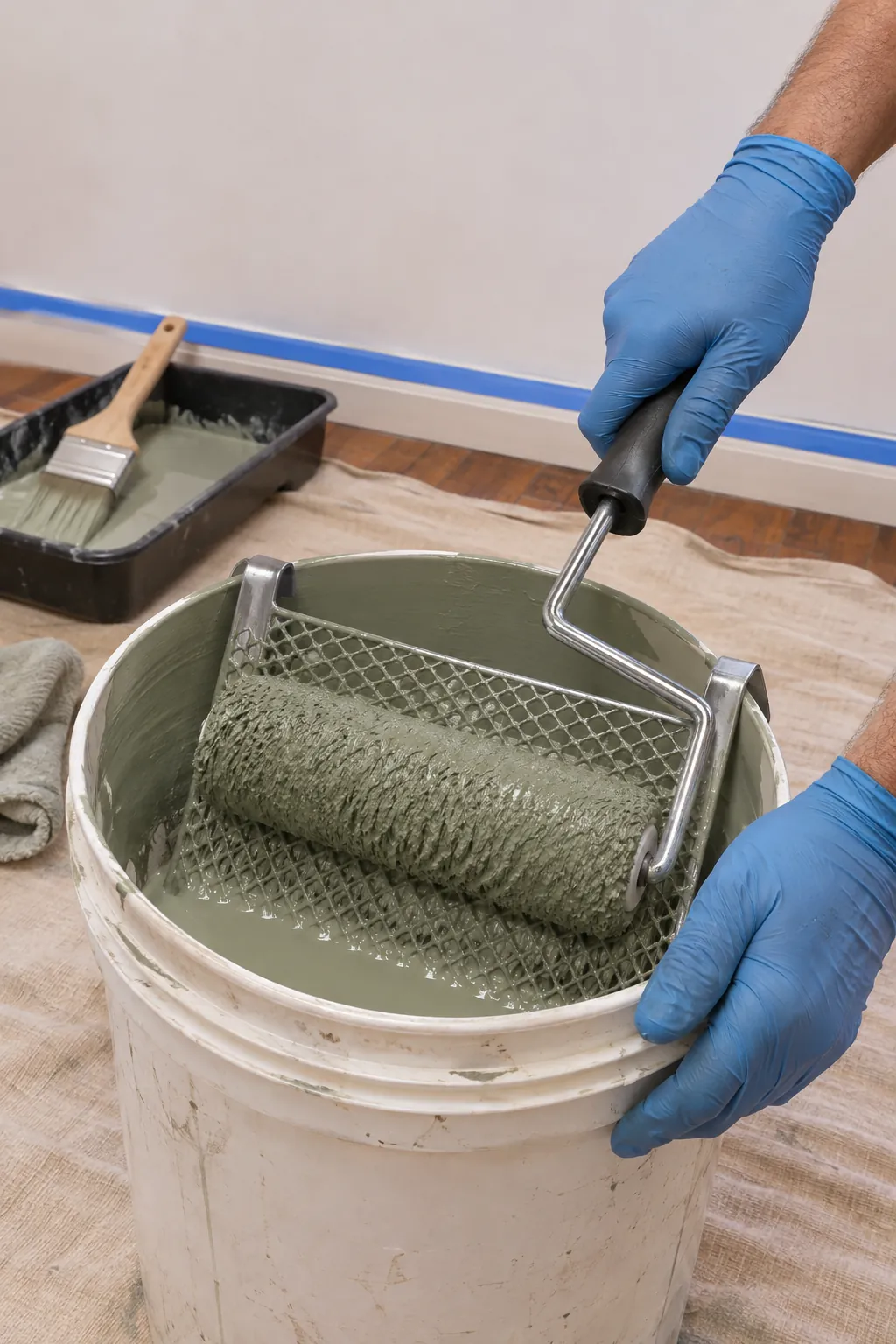
Remove loose fibers before the cover touches paint. Many synthetic covers can be lightly dampened with water for water based paint, then spun or squeezed until only barely moist. Follow the cover and coating instructions if the material requires a different preparation.
Work paint through the full circumference in the tray or bucket screen. The cover should look evenly wet without dripping from its ends. Roll a short test area on prepared scrap or an inconspicuous wall section to check release, stipple, and lint before committing to the main wall.
Roll with steady pressure and a wet edge
Apply paint to a manageable wall section, spread it without racing, then finish with light passes in one direction. Reload before the cover sounds dry or needs force. Keep the next section close enough that its edge blends into wet paint.
Pressing harder does not make a thin nap reach deep texture well. It squeezes paint from the cover ends and can create ridges. If low spots remain bare after normal pressure, the surface needs a longer nap, a slower pass from another direction, or careful brush work in isolated recesses.
Correct the cause of common roller problems
Heavy stipple can come from a nap that is too long, thick paint, a poor cover, excess pressure, or paint that began to set before the final pass. Bare pinpoints on texture usually mean the nap is too short or the cover was not loaded fully. Lines at the cover ends point to uneven pressure, too much paint, or a frame that does not rotate cleanly.
Let the coating dry for the time stated by the manufacturer before judging color and coverage. Sand or repair raised defects only when the coating and wall system allow it, then remove dust and recoat the complete area needed for an even appearance. When the surface is sound and the roller matches its texture, a second coat should improve uniformity instead of repeating the same failure.