
Imagine the smell of fresh herbs and grilled food drifting through your backyard as you host a dinner under the stars. Creating a functional outdoor kitchen and dining area isn't just about adding value to your home; it’s about changing how you live and eat during the warmer months. These spaces act as a natural extension of your home, allowing you to cook, eat, and relax without constantly running back and forth to the indoor kitchen.
Key Takeaways:
- Select a location that balances convenience with safety and wind protection.
- Focus on durable, weather-resistant materials for your cooking surfaces and furniture.
- Use smart layouts and vertical storage to make small spaces highly functional.
- Incorporate lighting and plants to create a welcoming atmosphere for guests.
Choosing the Right Spot for Your Outside Dining Area
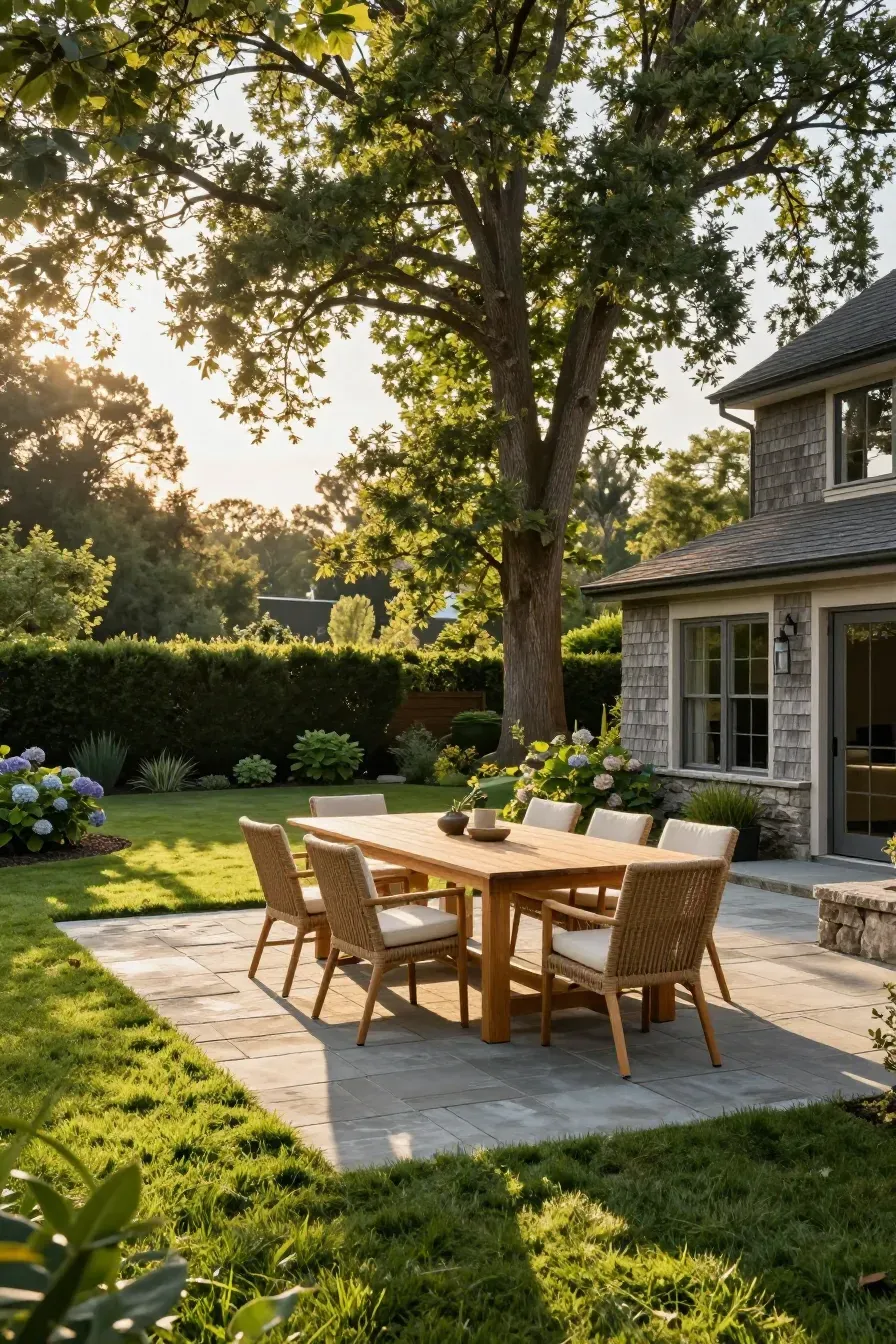
The location of your outside dining area determines how often you will actually use it. You want a spot that feels private but remains close enough to the house for easy access to utilities and indoor supplies. Look for a flat surface to ensure your garden dinner table sits level and steady. Consider the path of the sun throughout the day; a spot that is pleasant at noon might be blindingly bright during dinner time. It is also wise to check the typical wind direction in your yard. You don't want smoke from the grill blowing directly toward your guests or back into your open windows.
Designing an Open Kitchen Outdoor for Cooking and Prep
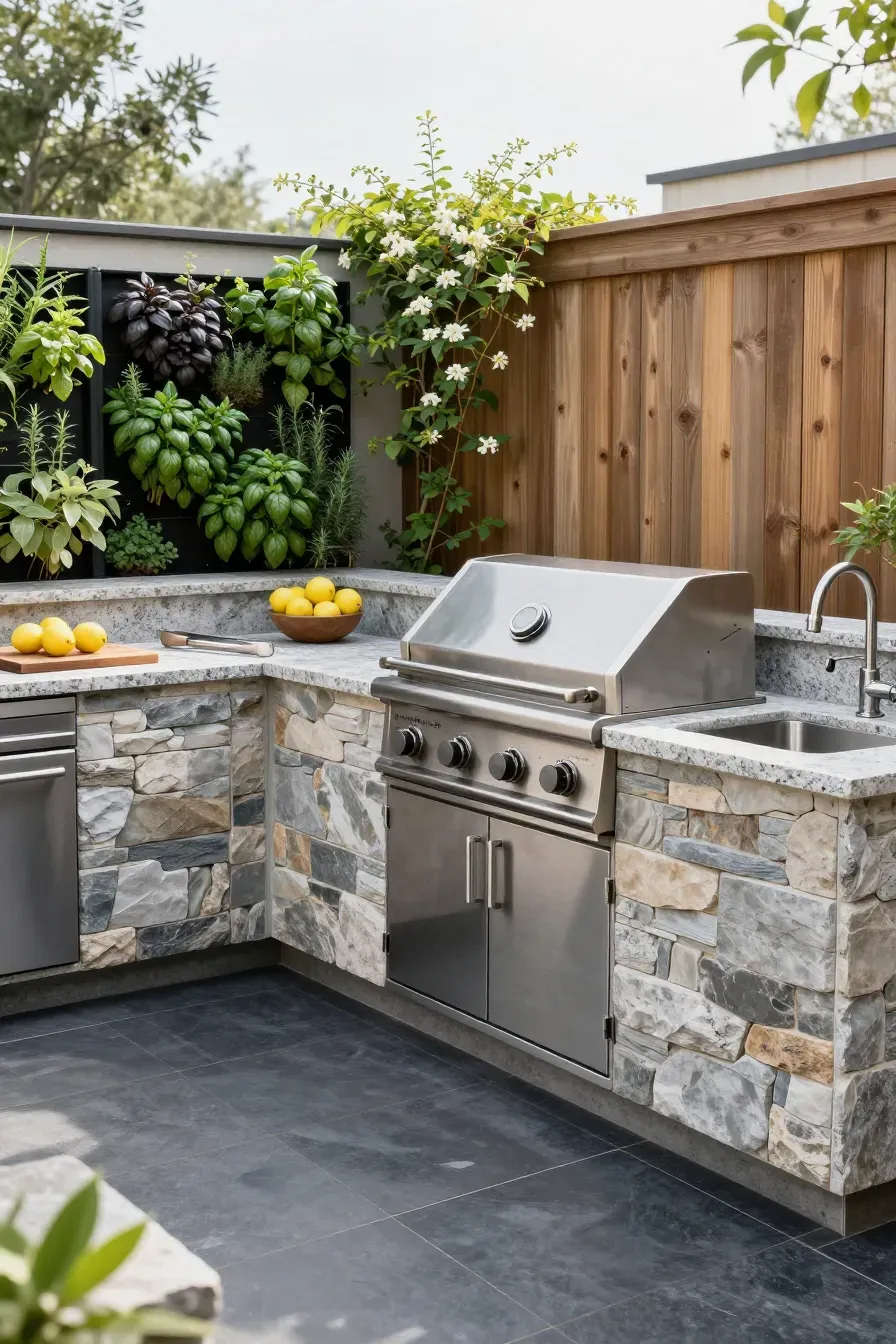
An open kitchen outdoor area needs to be more than just a grill on a patio. Think about the workflow, often called the 'work triangle,' between your prep area, the cooking surface, and the sink or storage. Stainless steel and stone are top choices for countertops because they handle rain and sun without warping. Make sure you have enough counter space to set down platters and prep vegetables. If you are installing a permanent garden kitchen outdoor setup, consider running water and electricity lines early in the process to avoid digging up your landscaping later.
Picking Durable Furniture for Your Garden Dinner Table
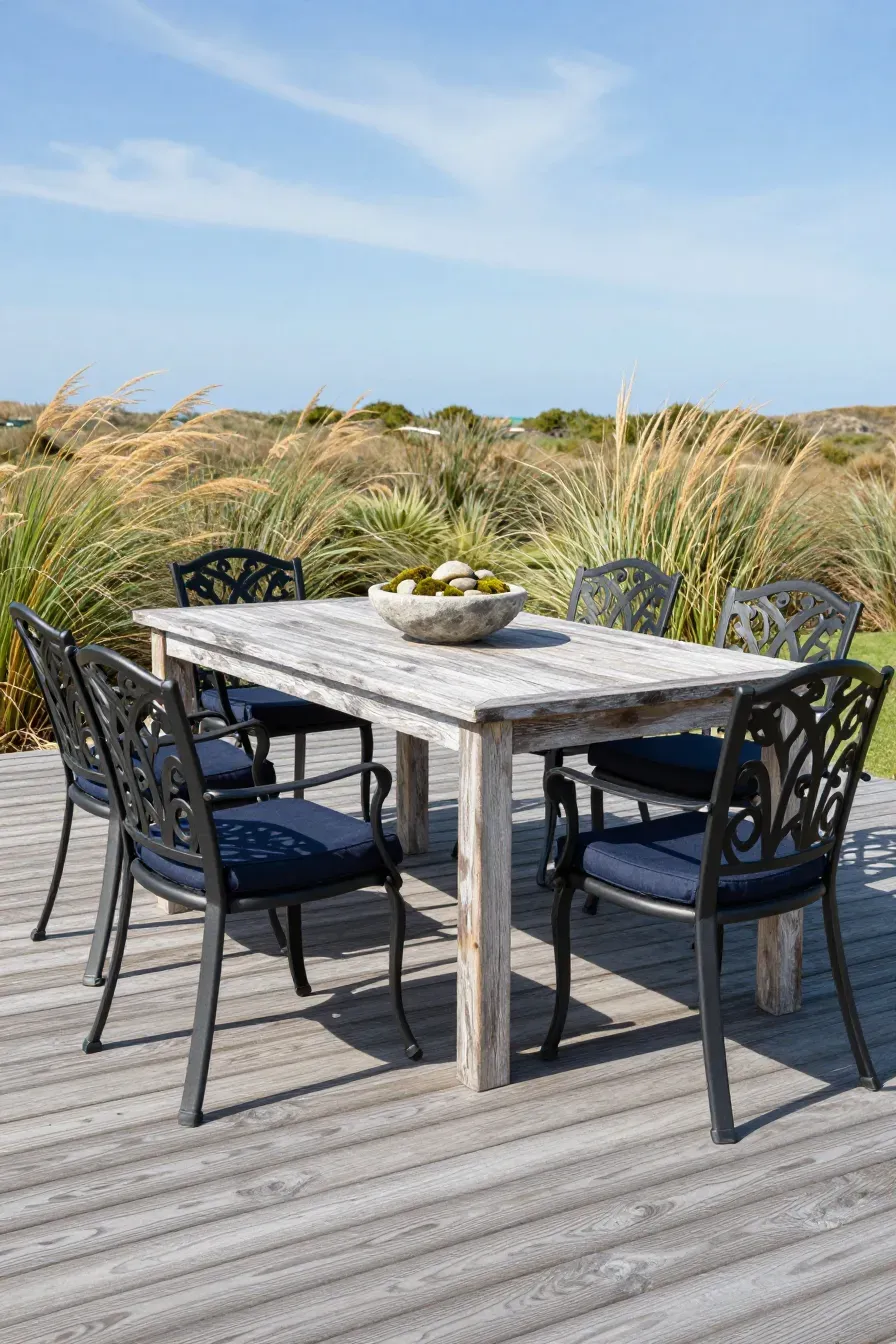
Your garden dinner table is the heart of your outdoor eating spaces. Since it stays outside, the material matters most. Teak is a popular natural choice because its oils protect it from rot, though it requires some maintenance to keep its color. Metal options like powder-coated aluminum are lightweight and won't rust. When choosing chairs, prioritize comfort and ensure they fit easily under the table. If you live in a particularly windy area, heavier wrought iron or solid wood furniture will stay put during storms, saving you the trouble of chasing chairs across the yard.
Making the Most of a Small Outdoor Dining Area
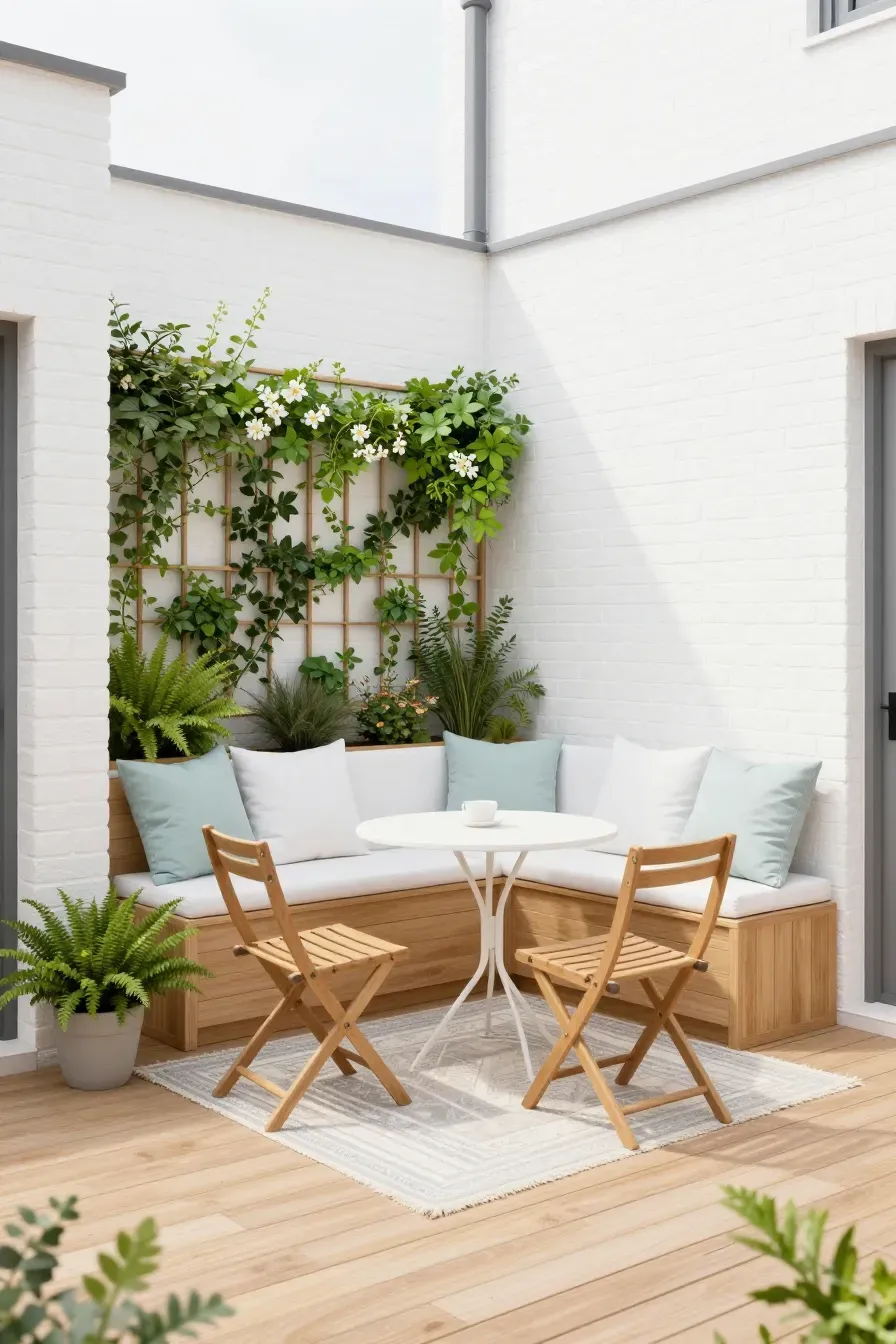
You do not need a massive estate to enjoy eating outside. A small outdoor dining area can feel cozy rather than cramped with the right layout. Use folding furniture or bistro sets that can be tucked away when not in use. Built-in bench seating along a fence or wall saves space by removing the need for chair clearance. Vertical gardening on walls or fences adds greenery without taking up floor space. Keeping the area clutter-free and using light-colored materials can also help the space feel more open and airy.
Providing Shade and Shelter for Your Summer Kitchen Outdoor
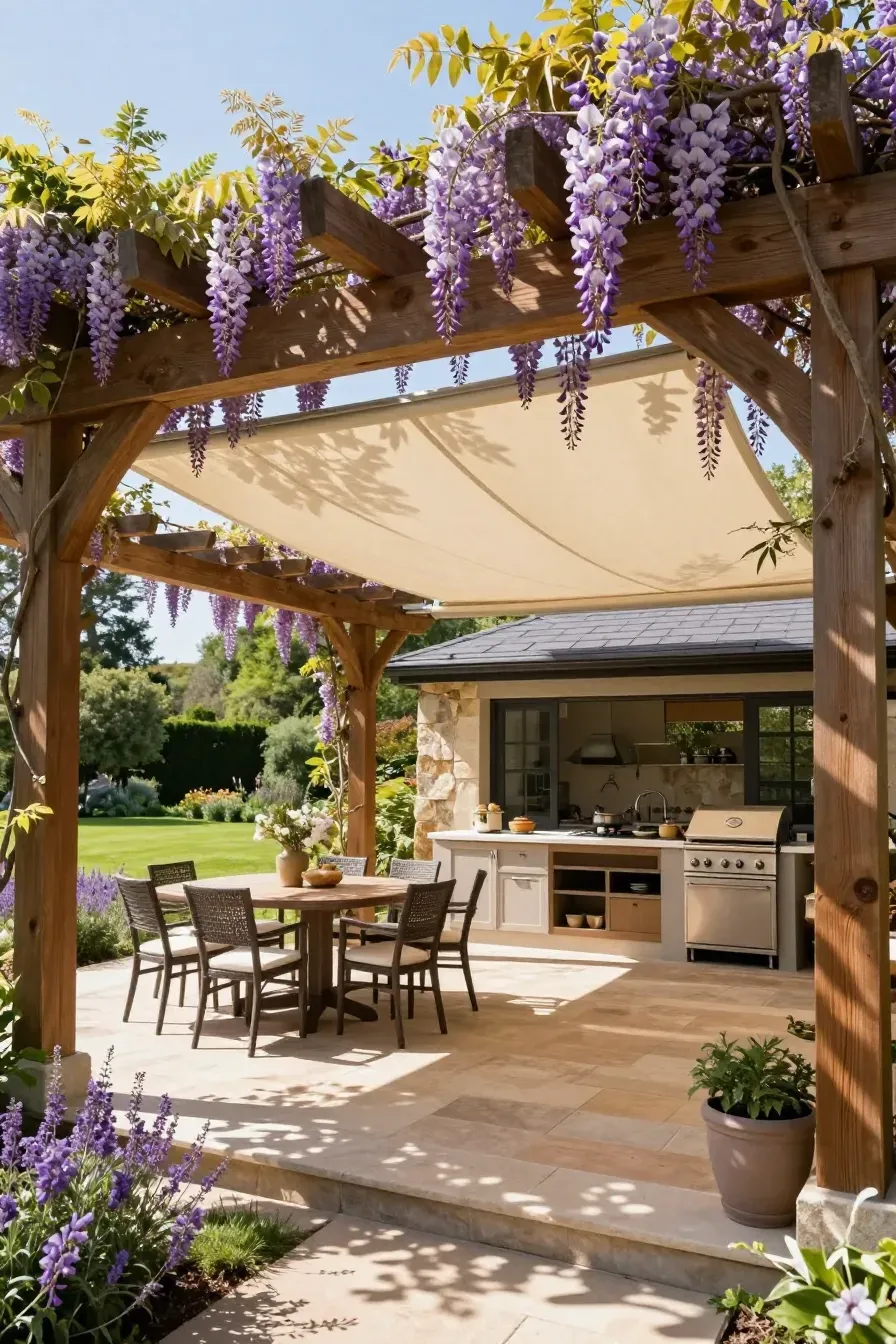
Heat and rain are the two biggest disruptors for a summer kitchen outdoor space. A pergola covered in climbing plants offers soft, dappled shade, while a solid roof or a large umbrella provides better protection from sudden rain showers. If you want a more flexible option, retractable awnings or sail shades can be adjusted based on the time of day. Shelter isn't just for people; your appliances and food prep areas should also be shielded from direct, intense sunlight to keep the cook cool and prevent food from spoiling quickly.
Adding Lighting and Plants to Your Garden Entertainment Area
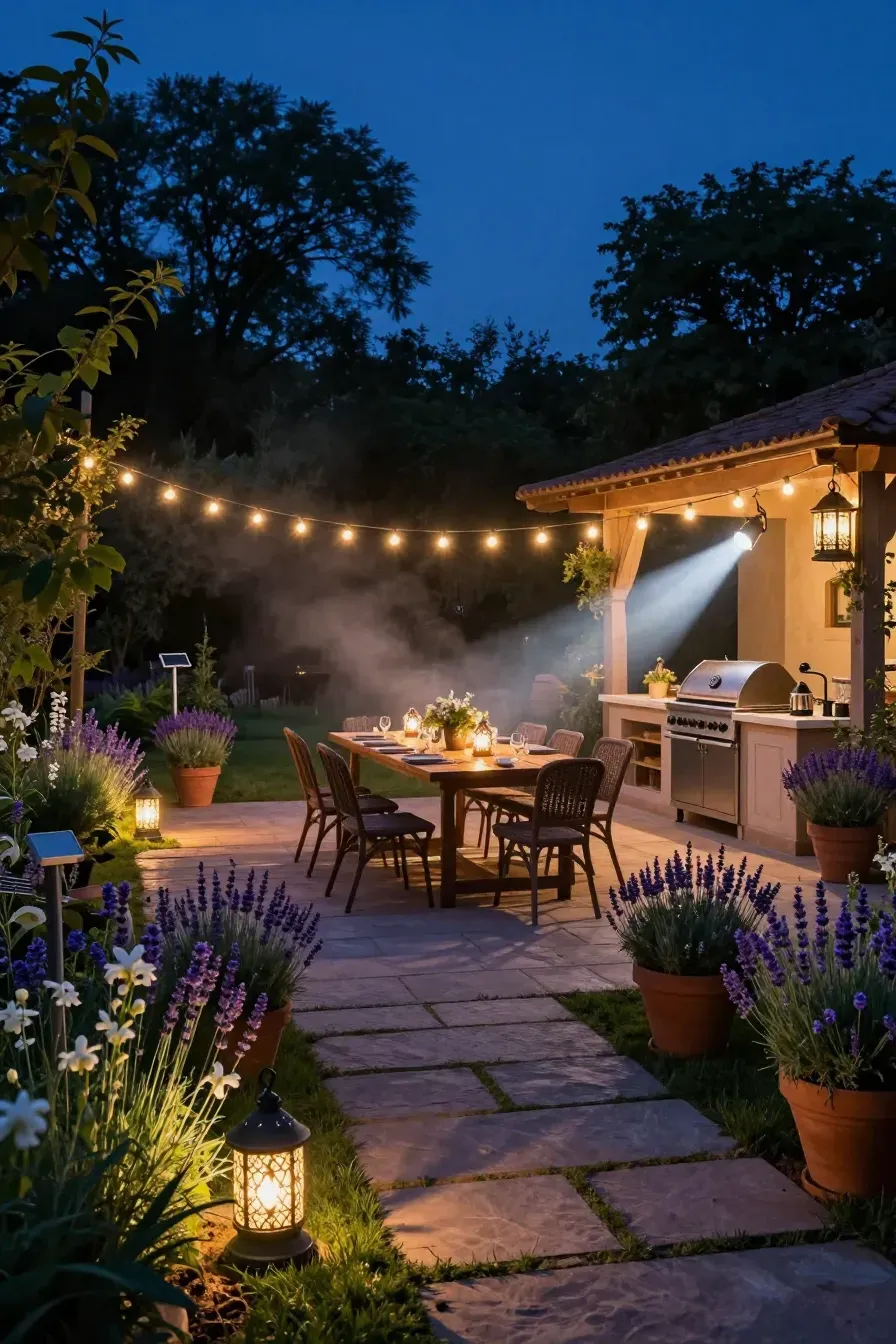
To keep the party going after dark, your garden entertainment area needs layers of light. Task lighting over the grill is essential for safety, while soft string lights or lanterns around the dining table create a relaxed mood. Solar-powered path lights are an easy way to guide guests through the garden without needing an electrician. Surround the area with fragrant plants like lavender, jasmine, or rosemary. These not only look beautiful but can also help deter pests and provide fresh seasoning for your outdoor kitchen and dining activities.
Building an outdoor kitchen and dining space is an investment in your lifestyle and your home's appeal. By focusing on a smart layout and durable materials, you create a spot where memories are made over shared meals. Start by mapping out your space today, and soon you'll be enjoying the fresh air and great food in your own backyard retreat.