
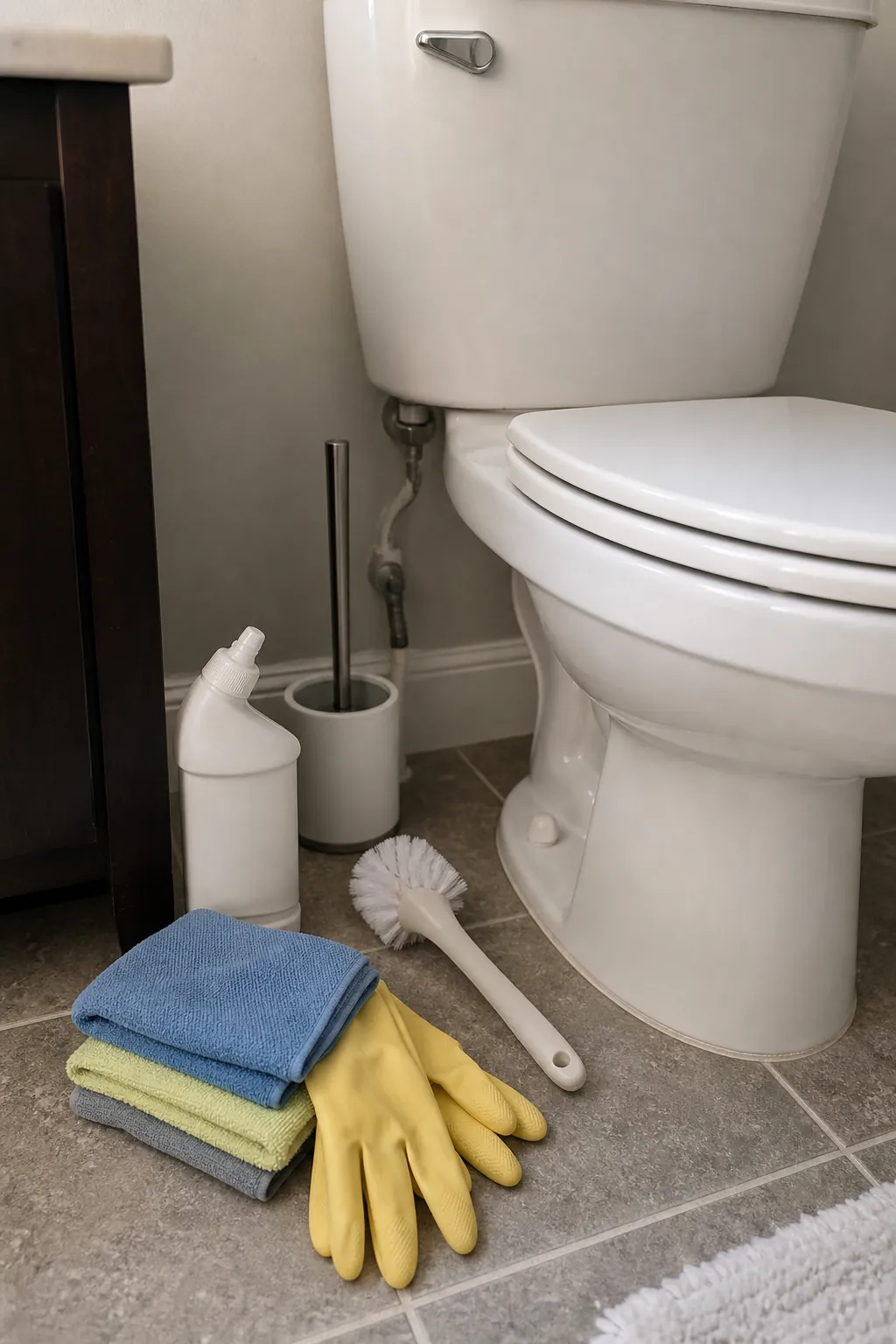
The toilet is the smallest fixture in the bathroom, but it can make the whole room feel unfinished. The usual mistake is cleaning only the bowl and ignoring the handle, hinges, base seam, floor edge, brush holder, and tank area. These toilet cleaning hacks focus on the places that actually create stains, odors, and repeat grime.
One safety rule comes first: do not mix cleaners. Bleach, vinegar, ammonia, acids, disinfectants, and drain products should stay separate. If you switch products, rinse the surface and tools first. That one habit makes every bathroom cleaning routine safer.
Clean The Outside Before The Bowl
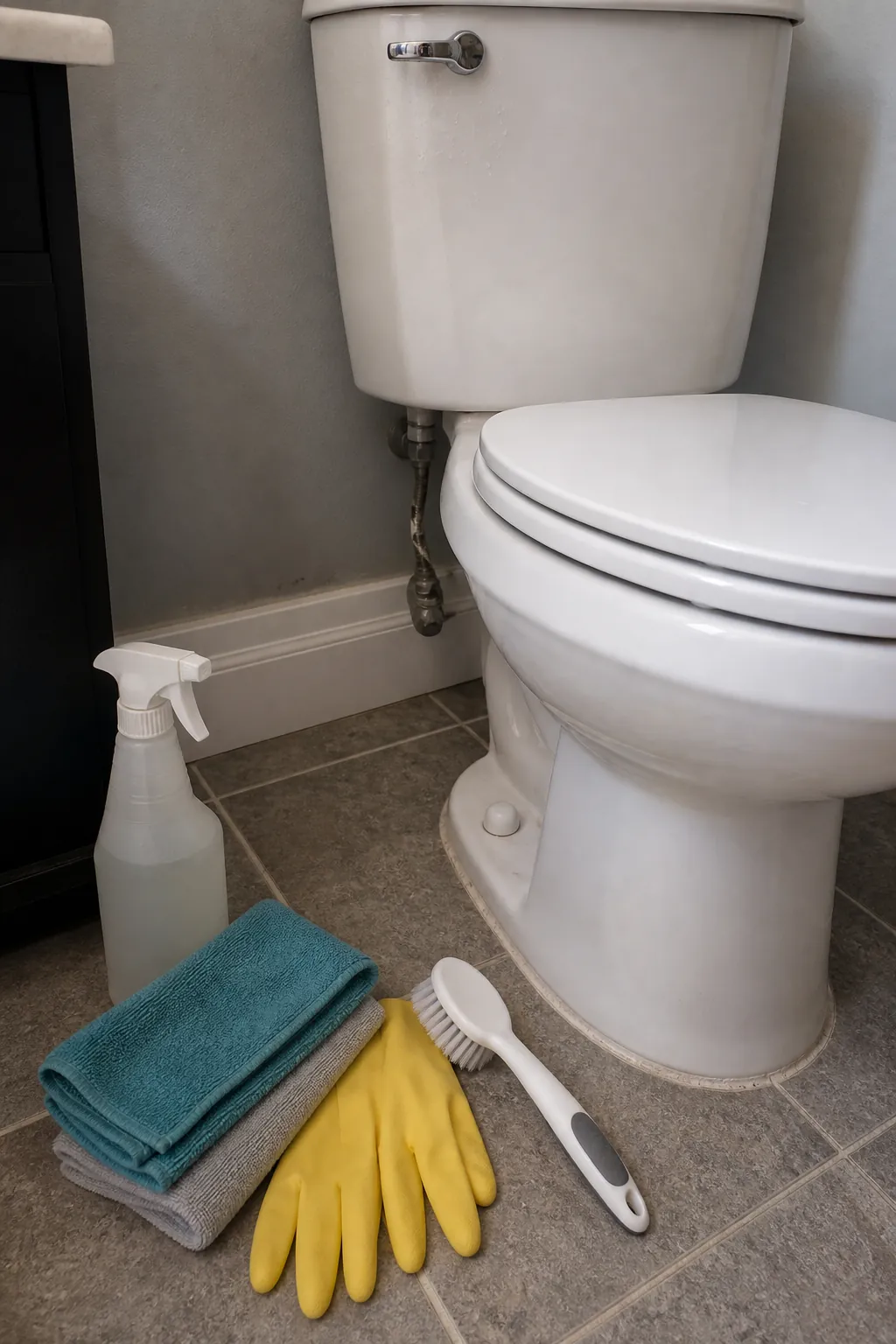
Start with the handle, tank front, seat top, lid edge, outer bowl, and base. These surfaces collect hand contact, dust, hair, and floor residue. If you scrub the bowl first, you are more likely to rush the exterior and miss the areas people actually touch.
Use a dedicated cloth for the toilet zone. Fold it into quarters so you can rotate to a fresh side as you move from cleaner areas to dirtier edges. This small change makes bathroom cleaning tips feel more controlled and less messy.
Let Bowl Cleaner Sit Under The Rim
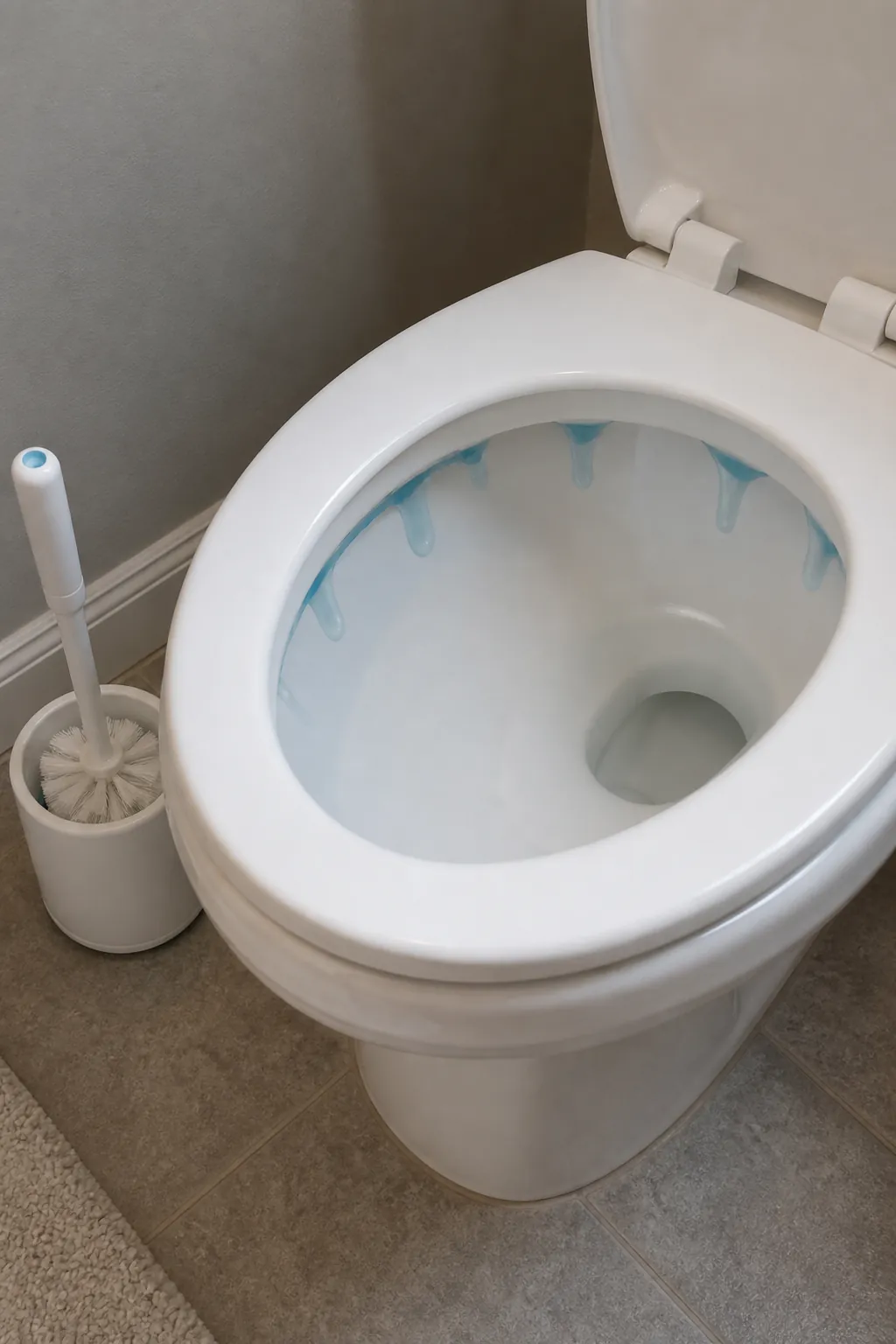
Toilet bowl stains often need time more than force. Apply a toilet bowl cleaner under the rim, let it sit according to the label, then scrub the waterline, lower bowl, and rim channel. The dwell time helps loosen mineral film and organic buildup so you are not grinding at the same stain for ten minutes.
If you prefer a homemade bathroom cleaner for the surrounding seat and base, keep it outside the bowl and do not combine it with a toilet bowl product. The safest hack is not a stronger mixture; it is using one product correctly.
Use Pumice Only On Wet Porcelain
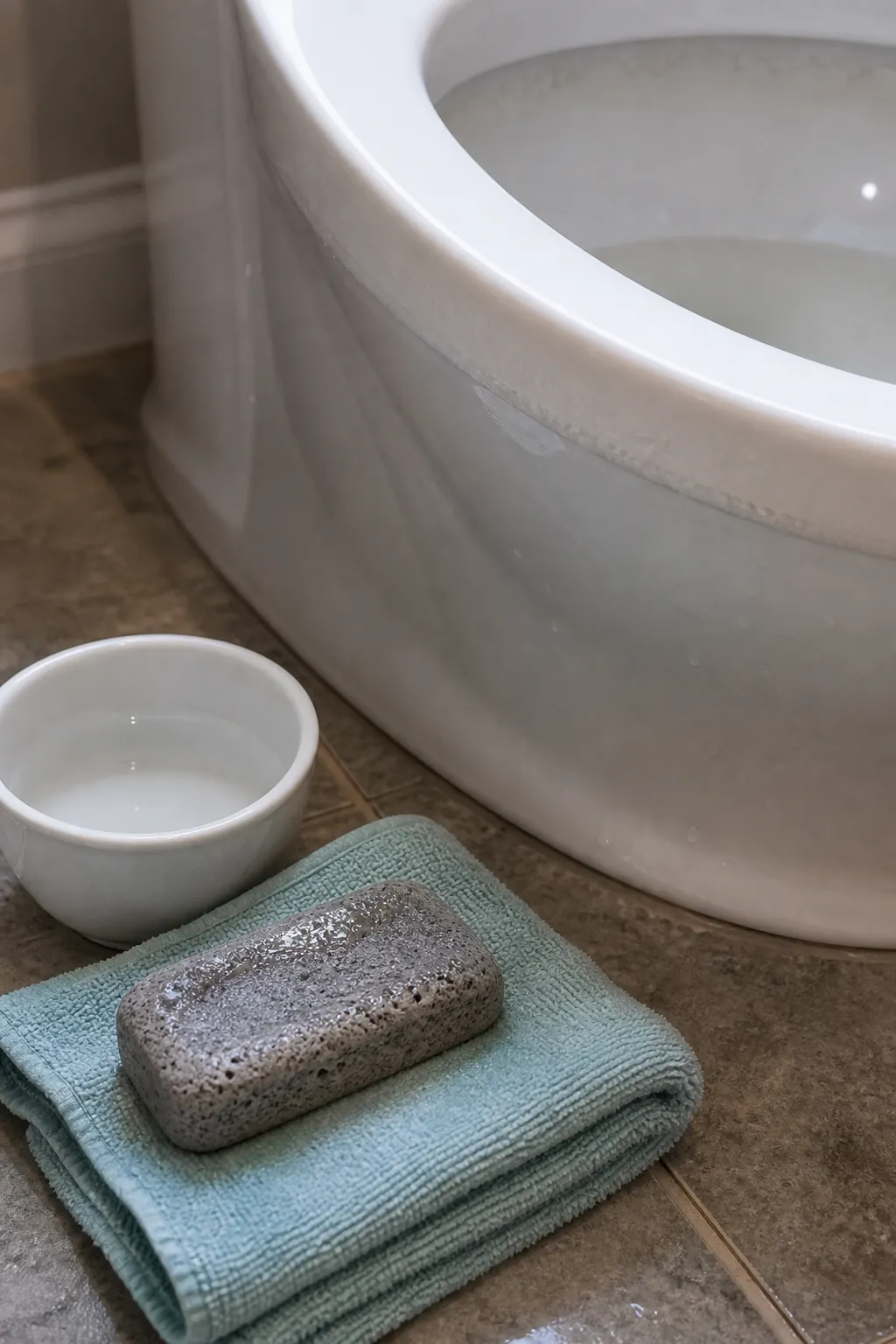
A wet pumice stone can help with stubborn hard-water rings on plain porcelain, but it is not a universal tool. Keep both the stone and porcelain wet, test gently, and stop if the surface feels rough or scratched. Do not use pumice on plastic seats, glazed color finishes, natural stone, metal, or acrylic surfaces.
This is one of those deep cleaning hacks that works only when the surface is right. If the toilet has a delicate coating, a specialty hard-water product used by itself is a better choice.
Detail The Hinges And Bolt Caps
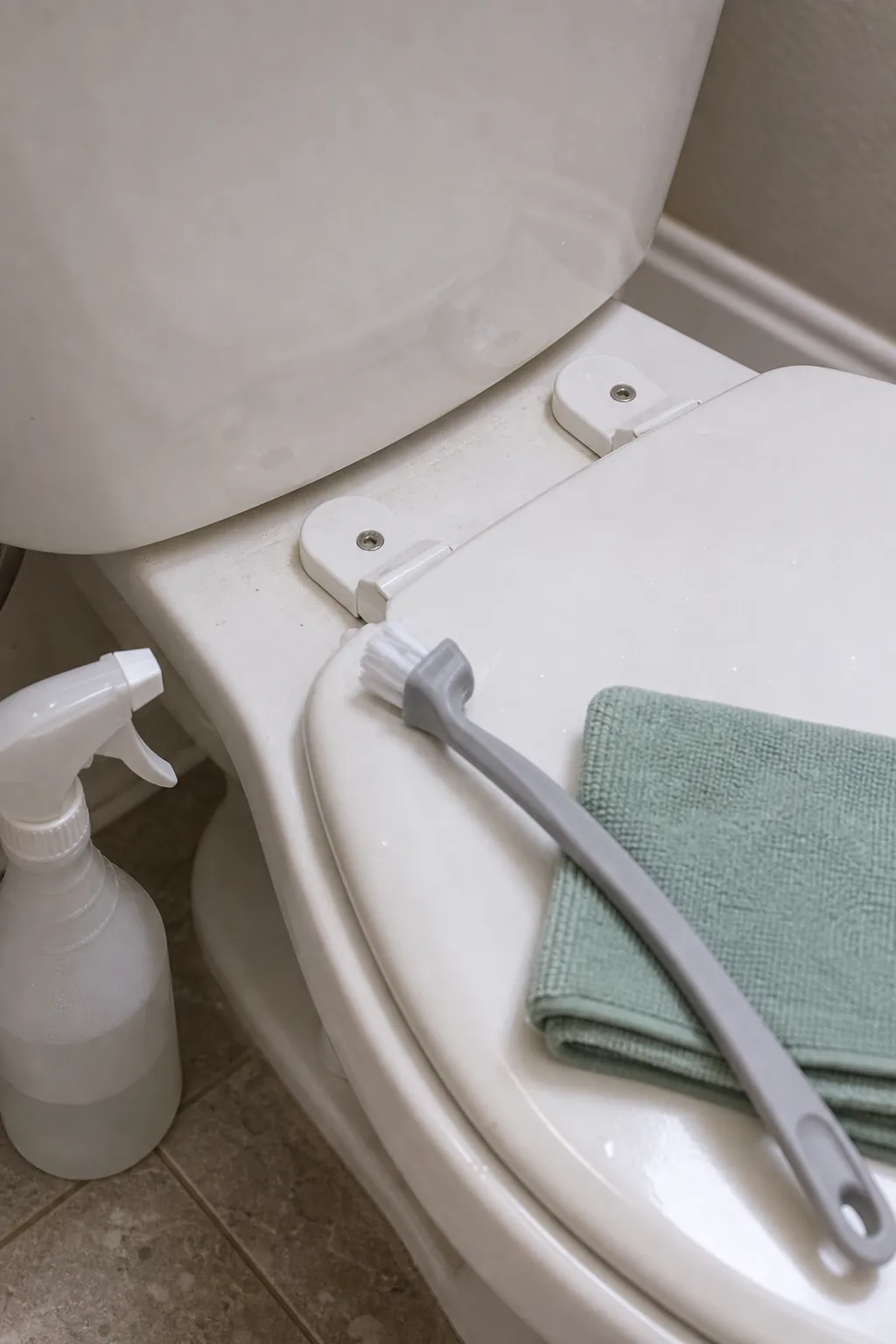
The hinge area is where a toilet can look clean but still smell stale. Dust, cleaner residue, and tiny splashes sit around hinge caps, bolt covers, and seat edges. Spray the cloth instead of flooding the hinge, brush the creases gently, then wipe dry so liquid does not sit under the hardware.
If your seat has quick-release hinges, remove it only if the manufacturer design makes that easy. Otherwise, a small detail brush and folded cloth are enough for a weekly reset.
Skip Risky Tank Additives
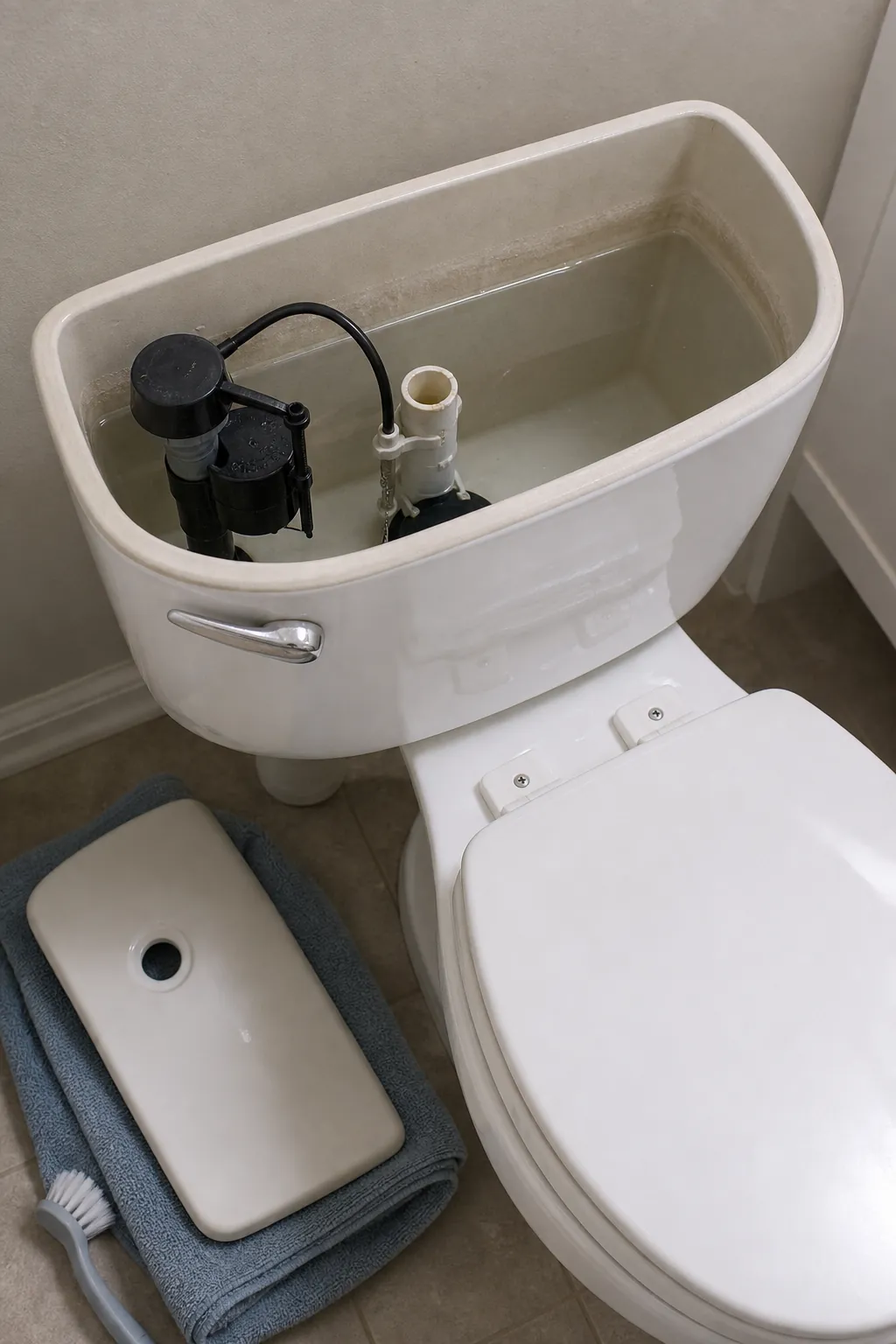
Searches for toilet tank smell good often lead to tablets, soaps, or scent tricks. The safer move is to inspect the tank, clean mineral film if needed, and avoid adding products that can damage rubber parts or create chemical reactions. A toilet tank should not be used as a fragrance diffuser.
If the tank smells musty, check for standing residue, old parts, or a bathroom ventilation issue. If the toilet rocks, leaks, or smells like sewer gas, that is not a cleaning problem; it may need a wax ring, seal, or plumbing repair.
Build A Weekly Toilet Reset Kit
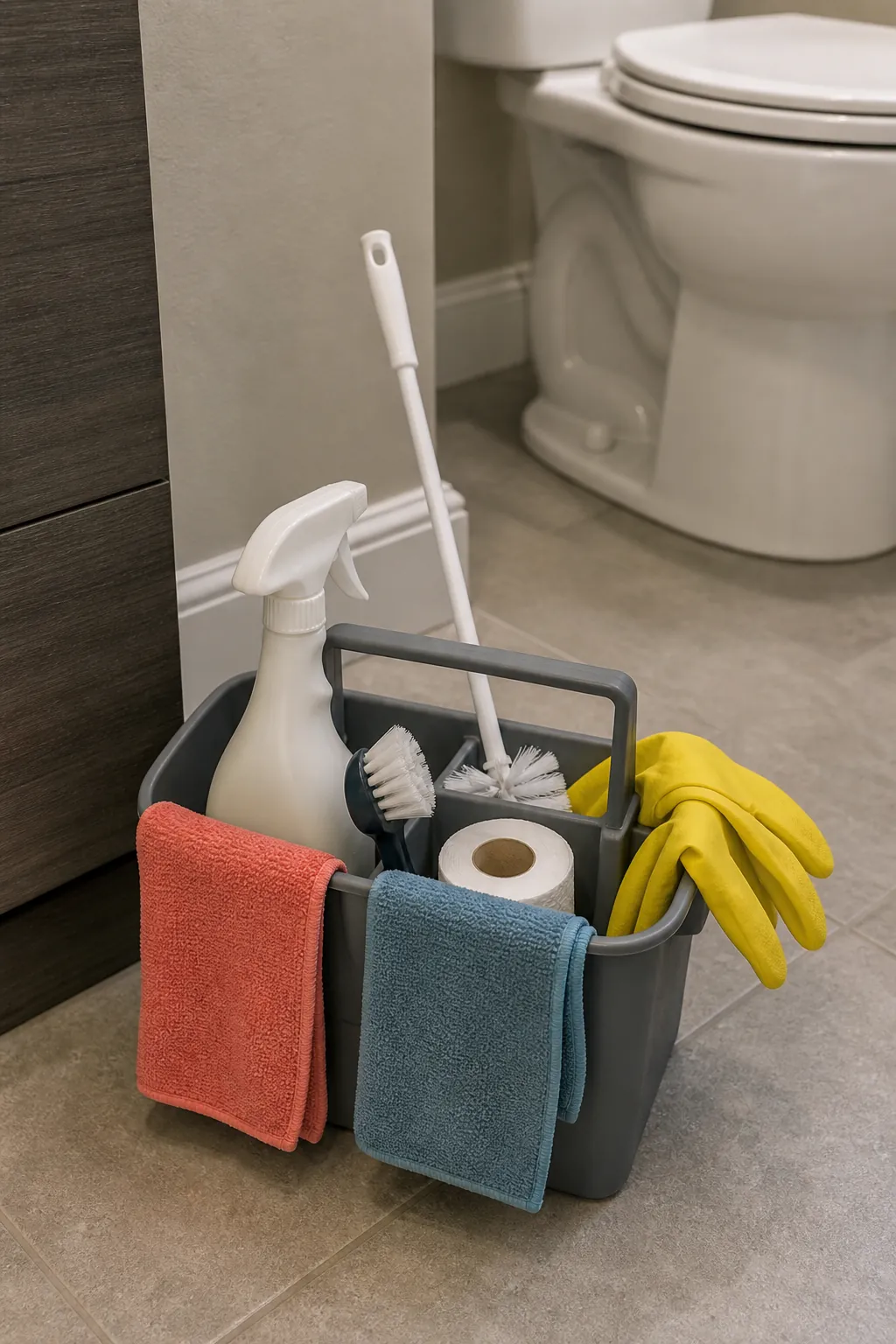
The best toilet routine is short enough that you actually repeat it. Keep gloves, dedicated cloths, a detail brush, a toilet brush, and one appropriate cleaner together. Once a week, clean outside surfaces, let bowl cleaner sit, brush the bowl, detail hinges, wipe the floor seam, and dry the base edge.
This is where bathroom smell hacks become routine instead of cover-up. Empty the trash, rinse or replace the brush holder when needed, hang damp mats to dry, and leave the door open for airflow after cleaning.
A clean toilet is not only a shiny bowl. It is a dry base seam, clean hinges, a fresh brush holder, a safe tank, and a bathroom that can actually dry after use. That is the difference between a one-time scrub and best cleaning hacks you can keep using.