
Many bathrooms feel cramped and dark, especially in older homes or apartments where square footage is limited. A full wall mirror is one of the most effective ways to change that feeling without moving a single wall. By reflecting the existing floor space and any available light, these large glass panels trick the eye into seeing a room that is twice its actual size.
Key Takeaways:
- Large mirrors increase natural light by reflecting windows and fixtures.
- Frameless designs offer a seamless, modern look that expands the visual field.
- Proper installation requires specific adhesives and safety considerations.
- Planning for electrical outlets and plumbing is necessary before ordering glass.
Practical benefits of floor to ceiling glass in small bathrooms
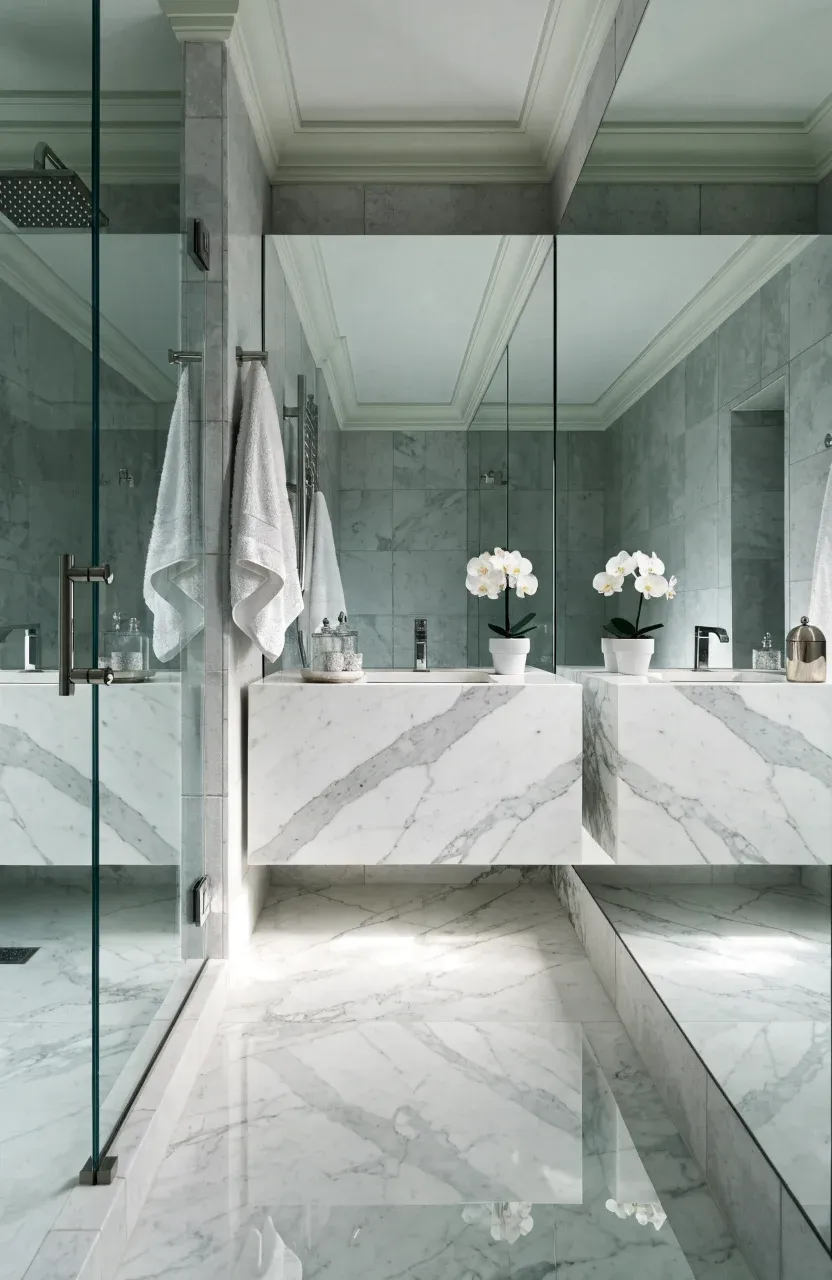
A floor-to-ceiling mirror does more than just show your reflection. In a small bathroom, it eliminates the visual breaks that occur with standard-sized mirrors. When the glass reaches from the floor or vanity all the way to the ceiling, the boundaries of the room seem to disappear. This creates an airy atmosphere that makes even a tiny powder room feel less claustrophobic. Additionally, these mirrors bounce light into dark corners, reducing the need for heavy overhead lighting during the day.
Choosing between framed and frameless wall mirrors
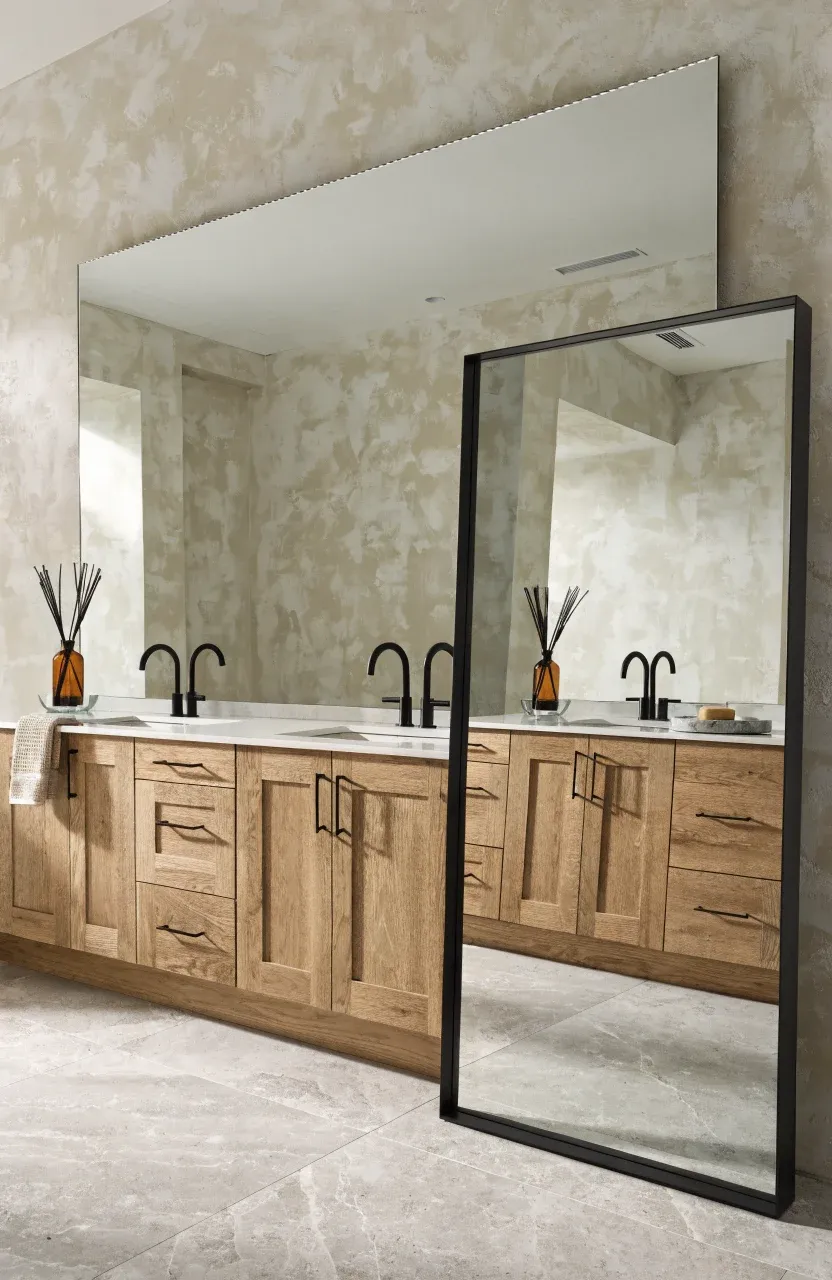
The choice between framed and frameless glass depends on the look you want. Frameless mirrors are the best for making a space feel infinite because they blend into the walls. They are typically held in place by small clips or industrial adhesive for a clean finish. Framed mirrors, on the other hand, act more like a piece of furniture. While a frame adds style, it also creates a border that defines the wall's end. If your goal is purely to make the room look larger, go frameless. If you want to add a specific design element like wood or metal, choose a thin frame.
Installation methods for large scale mirrored panels
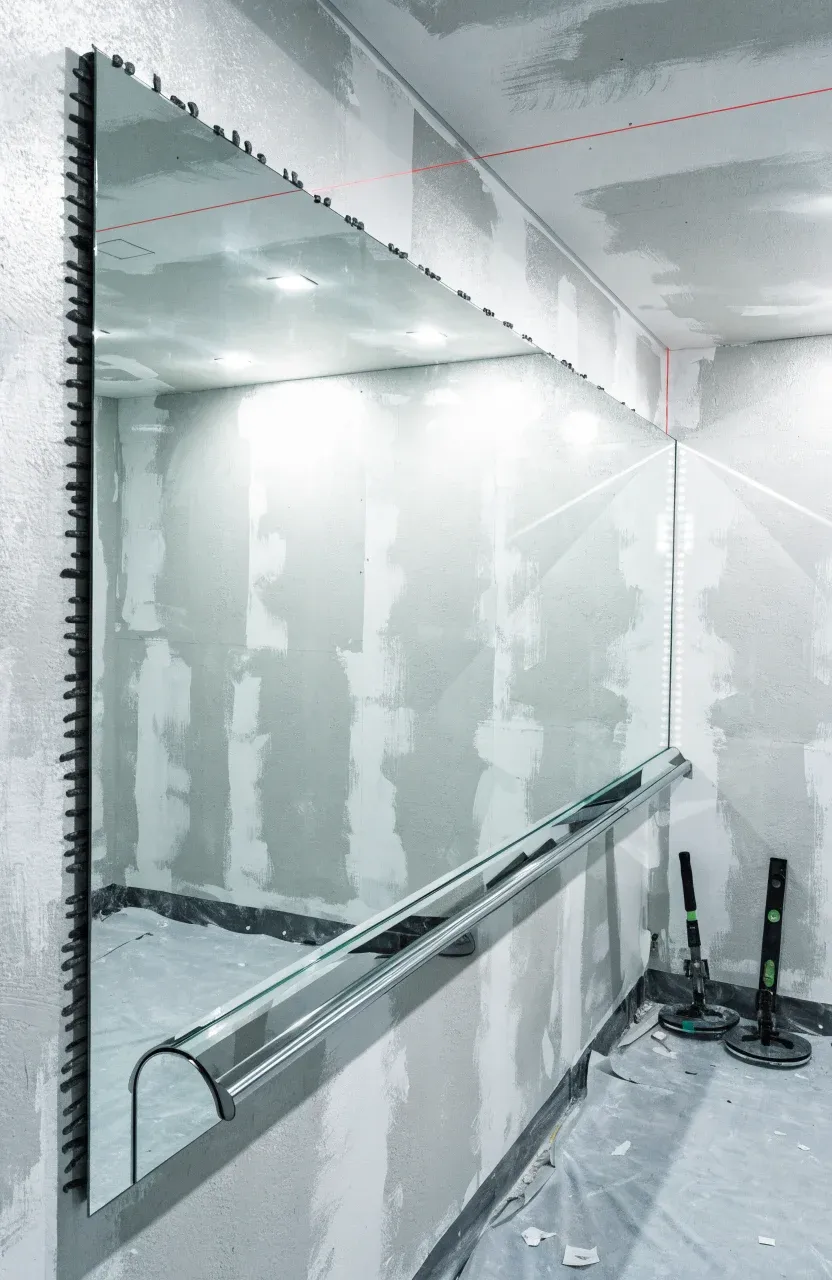
Installing a massive sheet of glass is a two-person job. Most professionals use a combination of mirror mastic—a specialized glue that won't damage the silver backing—and mechanical fasteners. J-molds or L-bars are often used at the bottom to support the weight of the glass while the glue cures. It is vital to ensure the wall is flat and sturdy. If the wall is bowed, the mirror might distort your reflection, making it look like a funhouse mirror. Always leave a tiny gap at the edges for house settling and temperature changes.
Integrating vanity lighting and electrical outlets into the glass
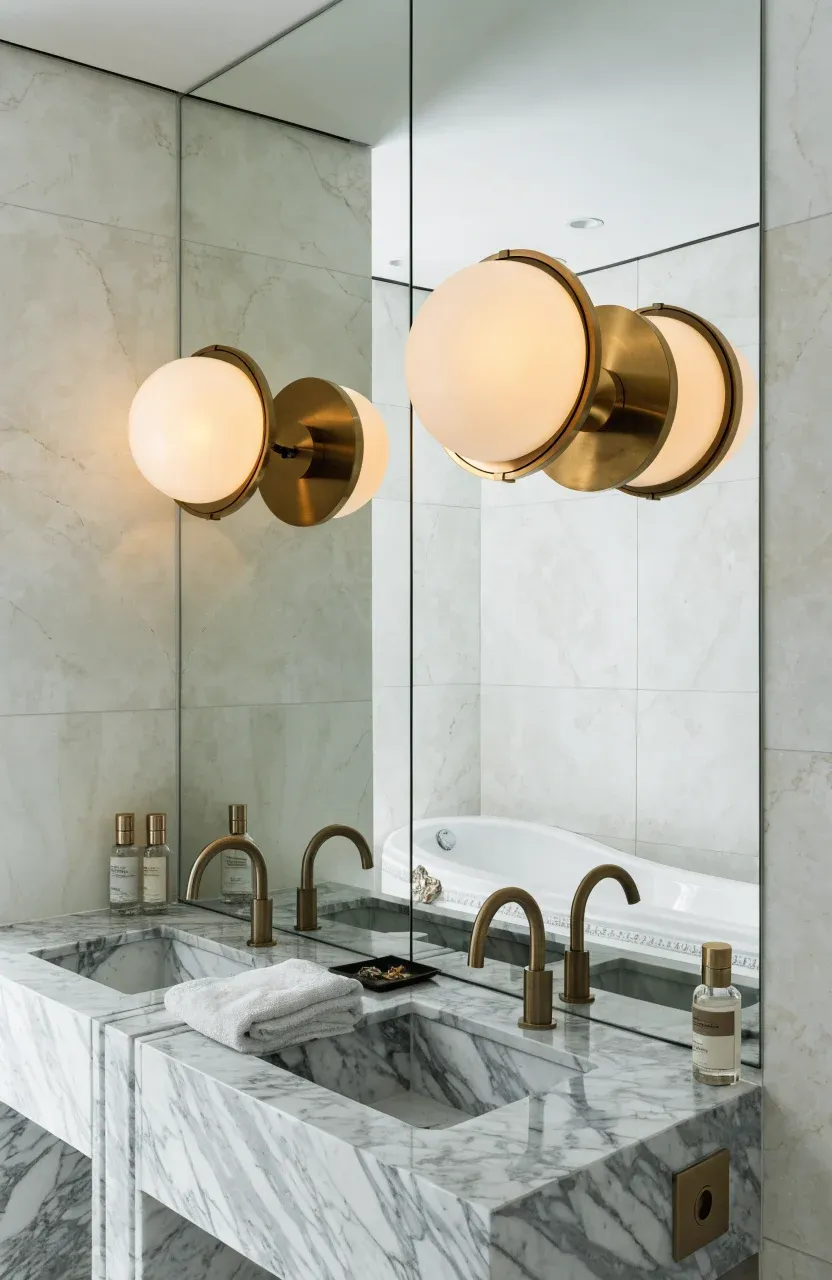
One challenge with full wall mirrors is that they often cover the spots where lights and outlets usually go. You don't have to give these up. Glass shops can cut custom holes for electrical boxes before the mirror is tempered or delivered. Sconces can be mounted directly through the mirror, which looks high-end and doubles the light output through reflection. Just make sure your electrician and glass installer coordinate measurements perfectly, as you cannot easily cut new holes once the mirror is on the wall.
Cleaning and maintenance for large reflective surfaces
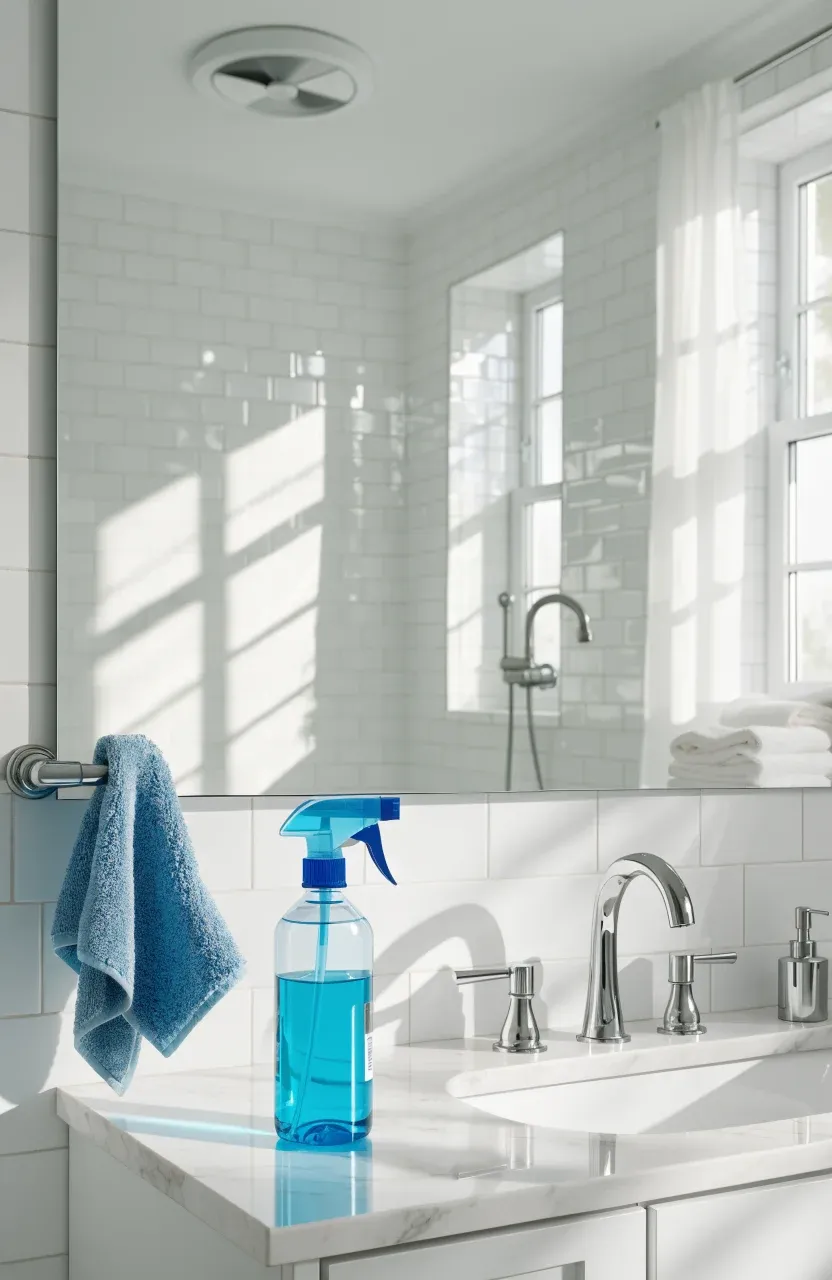
Large mirrors show dust and water spots more easily than painted walls. To keep them clear, avoid using ammonia-based cleaners which can cause 'black edge' over time—a breakdown of the silver backing. Instead, use a simple mix of water and a little dish soap or a dedicated glass cleaner with a microfiber cloth. Start from the top and work your way down in a S-pattern. In bathrooms with heavy moisture, ensure your ventilation fan is running to prevent condensation from sitting on the glass surface for too long.
Working around plumbing and architectural features
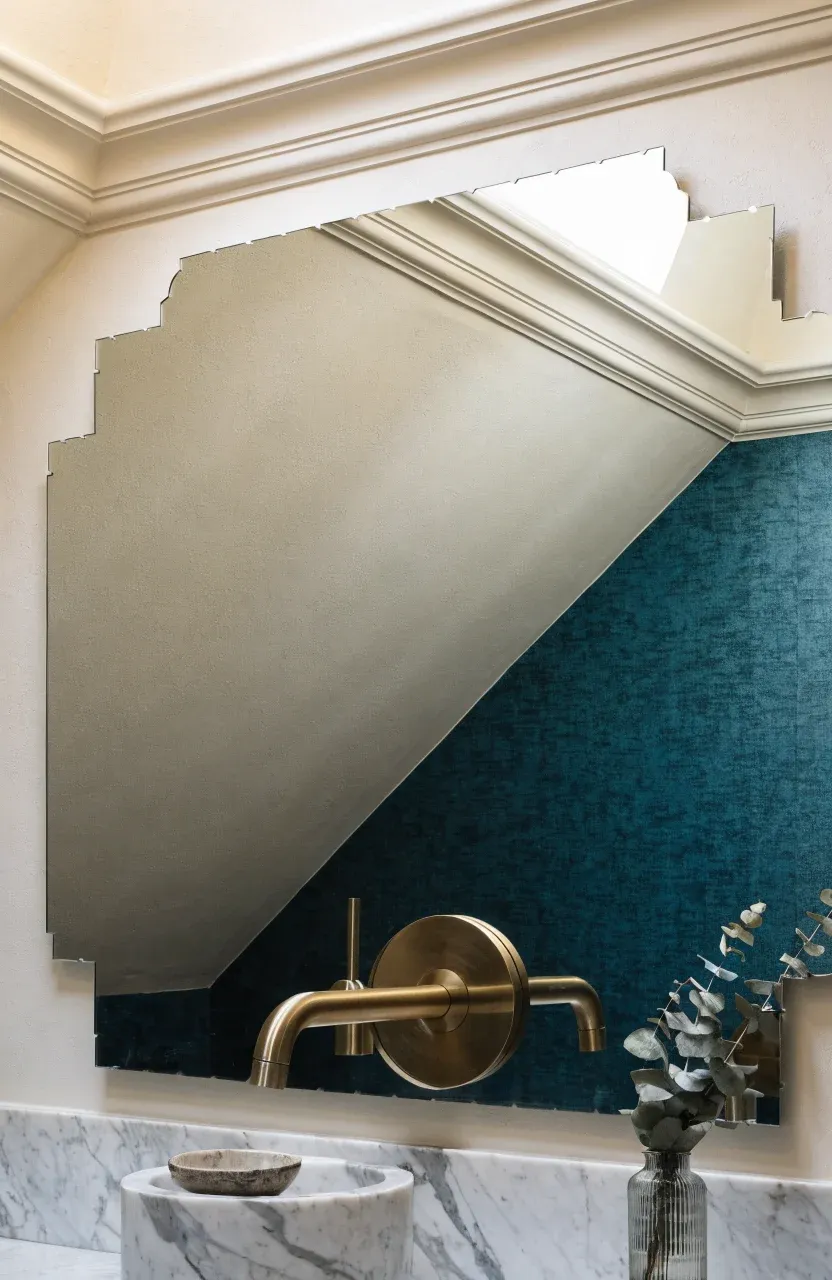
Rarely is a bathroom wall a perfect rectangle. You might have to deal with sloping ceilings, crown molding, or pipes. Custom-cut mirrors can be shaped to fit around these features. If a pipe or faucet needs to come through the mirror, a circular cutout is made. For baseboards or crown molding, you can either install the mirror between them or remove the molding and reinstall it over the glass for a built-in look. Taking precise templates with cardboard or laser levels before ordering the glass prevents expensive mistakes.
Adding a full wall mirror is a smart investment for any bathroom renovation. It solves the common problems of poor lighting and limited space without the high cost of a structural remodel. If you are ready to brighten up your home, start by measuring your largest bathroom wall and consulting with a local glass professional to see what sizes are available for your layout.