
Traditional front yards often rely on high-maintenance turf grass and clipped hedges, but modern landscape design is moving toward something more fluid and sustainable. Ornamental grasses offer a way to create a sophisticated look that feels both structured and alive. These plants bring movement to the garden, swaying with the slightest breeze and catching the evening light in ways that rigid shrubs simply cannot.
This article explains how to use these versatile plants to build a front yard that looks professional and intentional. You will learn how to choose the right shapes, how to arrange them for a minimalist effect, and how to pair them with modern materials like concrete and steel for a polished finish.
Choosing Grasses Based on Form and Texture
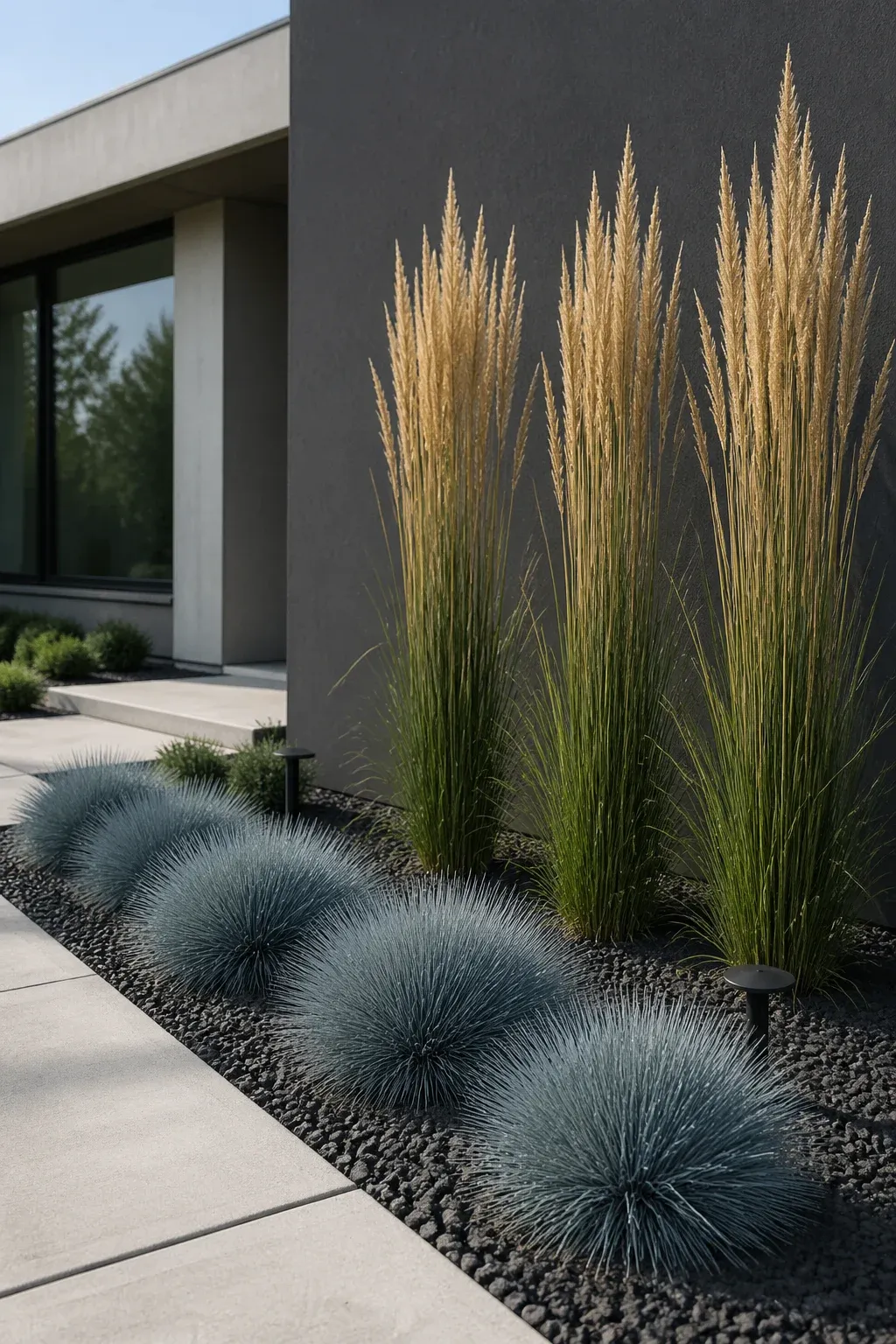
When designing a modern space, the silhouette of the plant is more important than its flowers. Modern design relies on clear shapes. You can choose upright, vertical grasses like 'Karl Foerster' feather reed grass to act as architectural pillars. These create strong lines that lead the eye upward and work well against flat walls.
On the other hand, mounding grasses like Blue Fescue or Japanese Forest Grass provide a softer, rounded shape that works well for filling gaps or softening the edges of a walkway. Texture also plays a big role. Fine-textured grasses look like a mist from a distance, while coarse-textured grasses with wider blades feel bold and sturdy. Mixing too many textures can look messy, so stick to two or three distinct forms to keep the design cohesive.
Arranging Grasses for a Clean Minimalist Look

The key to a modern look is restraint. Instead of planting one of everything, try mass planting. Using a single species in a large group or a long row creates a powerful visual statement that looks organized rather than chaotic. This repetition is a hallmark of modern architecture.
Spacing is also vital. In a traditional garden, plants often grow into one another to form a solid mass. In a modern front yard, leaving space between individual grass clumps allows their specific shape to be seen clearly. You can also arrange them in a grid pattern for a very formal, geometric feel, or in staggered rows to create a sense of depth without losing the clean lines.
Pairing Grasses with Hardscape and Modern Materials
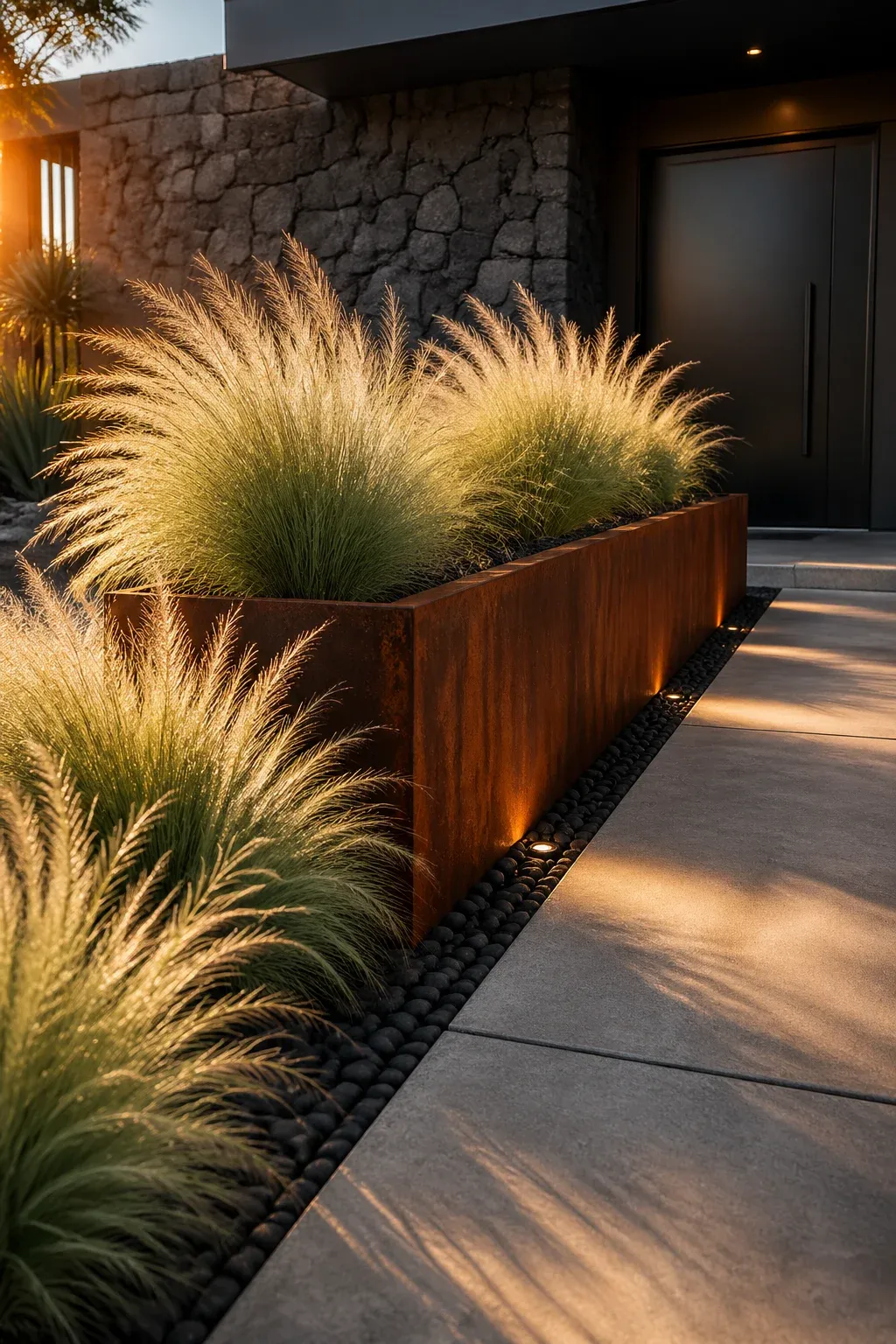
Grasses look their best when contrasted against hard, cold materials. The soft, wispy blades of a Mexican Feather Grass look striking next to a smooth poured-concrete driveway or a dark basalt gravel mulch. Using metal edging, like weathered steel, can also help define the planting beds and keep the grass from looking like it is spilling over uncontrollably.
Think about the colors of your home and hardscape. If you have a grey or black modern home, blue-toned grasses or bright green varieties will pop. If your home uses warm wood or tan stone, grasses with golden seed heads or bronze foliage will complement those tones. The goal is to create a balance between the static elements of the house and the organic movement of the plants.
Selecting Varieties for Year-Round Visual Interest
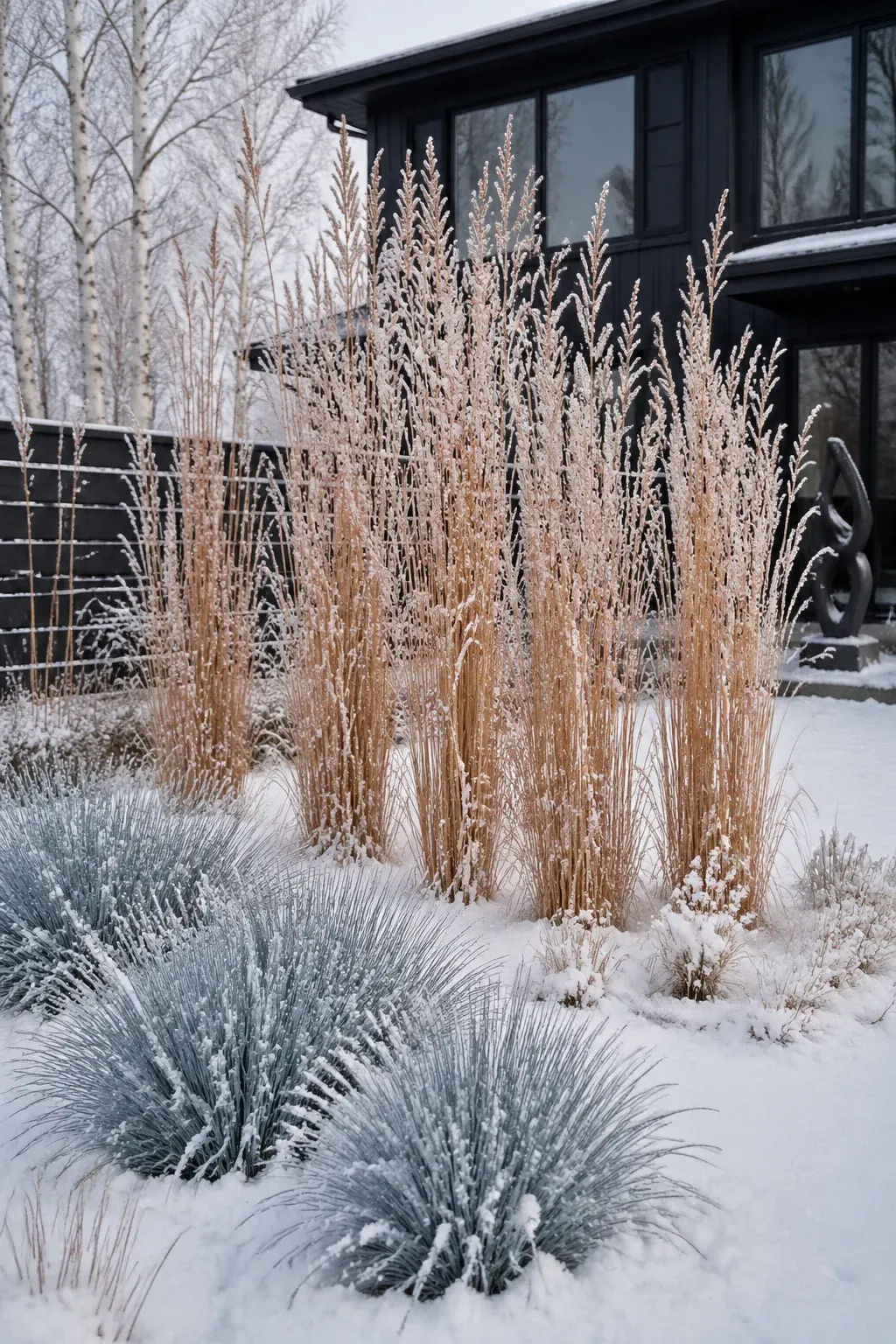
A common mistake is choosing grasses that only look good in the summer. For a front yard that looks great in January, look for 'evergreen' or 'winter-interest' varieties. Many ornamental grasses turn a beautiful tan or copper color in the fall and hold their shape through the snow.
Switchgrass and Little Bluestem are excellent choices because they stand tall even in winter winds. Some grasses, like Blue Oat Grass, keep their color through the cold months. By selecting a mix of cool-season and warm-season grasses, you ensure that as one variety begins to fade, another is reaching its peak. This prevents the yard from looking empty during the off-season.
Soil Preparation and Planting Basics
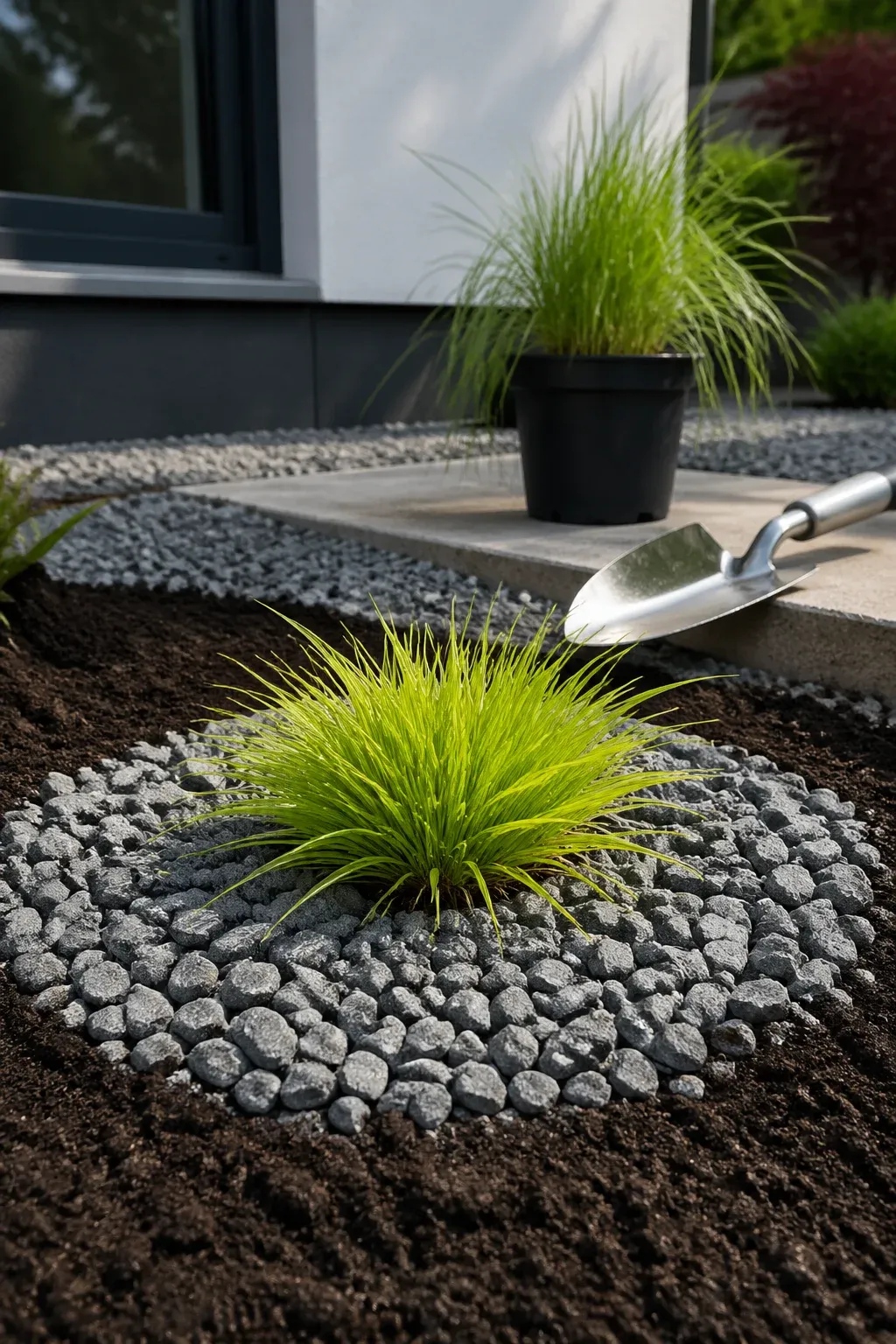
Most ornamental grasses are tough, but they won't thrive in soggy soil. Modern landscapes often use gravel mulches, which help with drainage and keep the base of the plant dry. Before planting, check if your soil is heavy clay. If it is, you may need to work in some compost or fine gravel to loosen it up.
When you put the plants in the ground, make sure the top of the root ball is level with the soil surface. Planting them too deep can cause the crown to rot. Give them plenty of water during their first growing season to help the roots get deep into the ground. Once they are established, many of these grasses are very drought-tolerant, which is a major benefit for front yard curb appeal.
Seasonal Maintenance and Pruning Habits
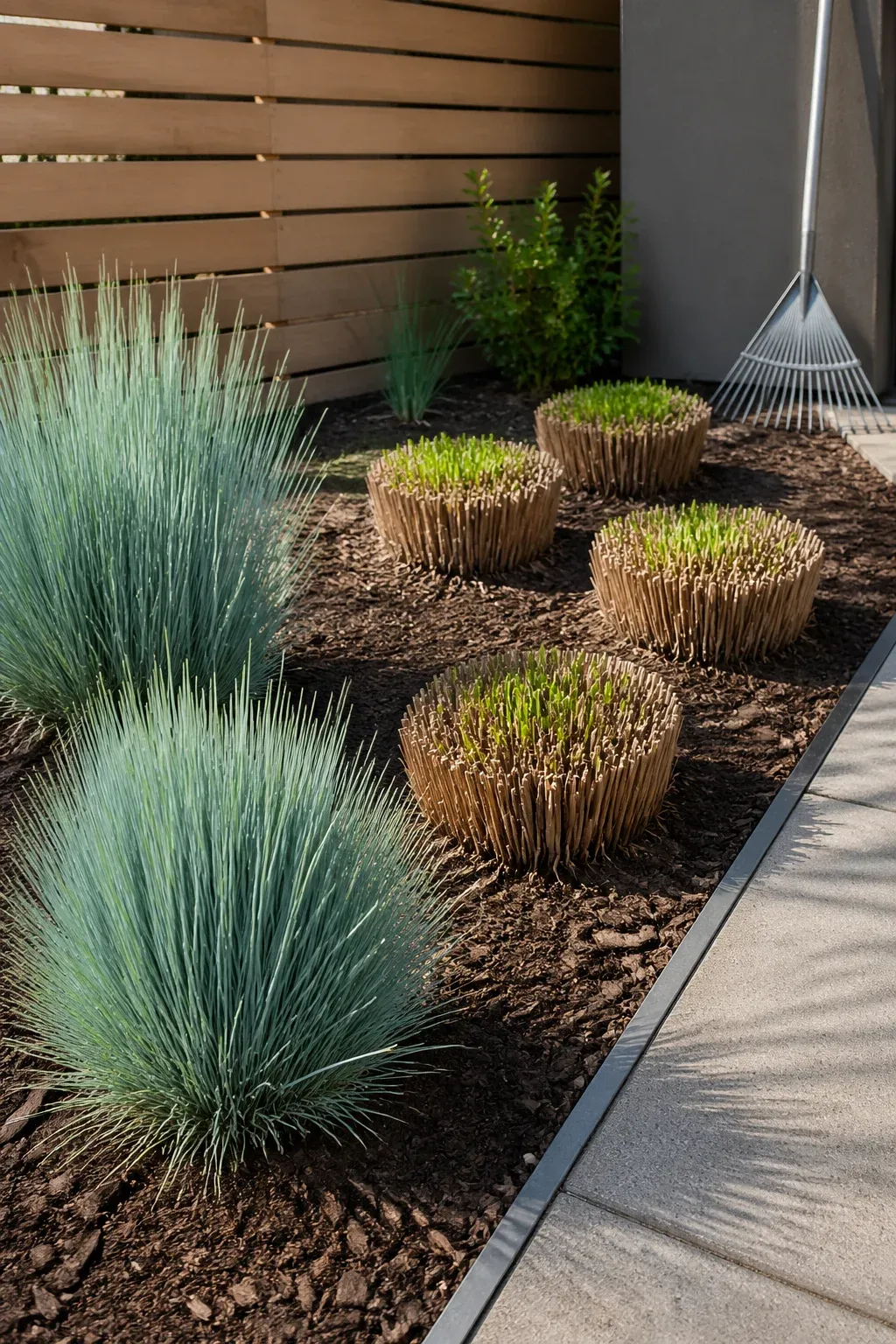
Modern gardens should be low-maintenance, but they aren't 'no-maintenance.' Most ornamental grasses only need to be cut back once a year. For warm-season grasses, do this in late winter or very early spring before new green shoots appear. Cutting them back to about 4 to 6 inches from the ground allows the new growth to emerge cleanly.
If you have evergreen grasses, don't cut them to the ground. Instead, just comb through them with gloved hands to pull out dead blades or do a light trim to tidy up the ends. Keeping up with this annual chore ensures that your front yard looks intentional and well-kept rather than overgrown and neglected.
Switching to ornamental grasses can turn a high-maintenance front lawn into a stylish, modern space that requires much less water and work. By focusing on simple shapes, mass plantings, and strong hardscape contrasts, you can create an entryway that stands out in the neighborhood. Take a look at your current yard and identify one area where a row of architectural grass could replace a tired shrub or a patch of weeds.