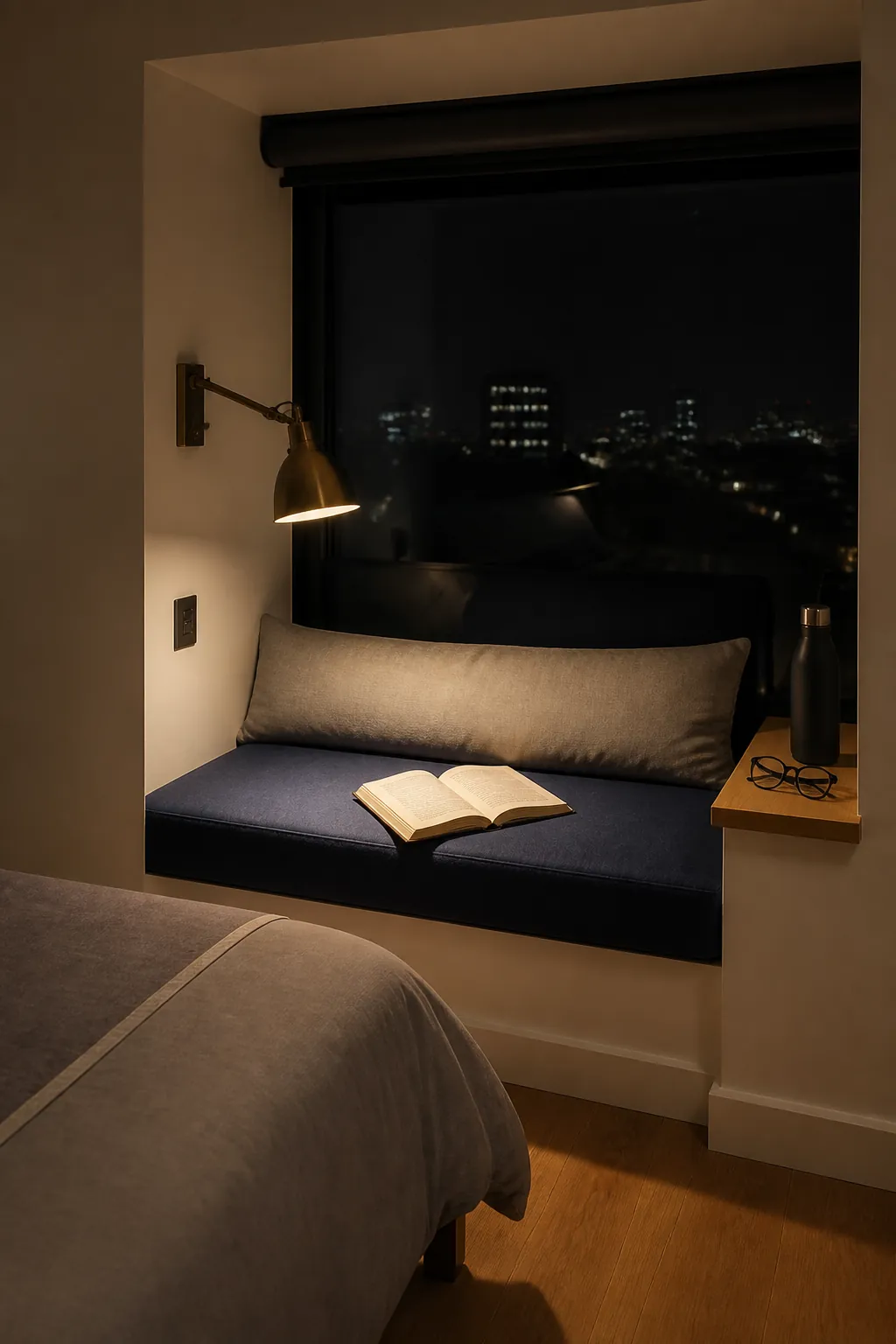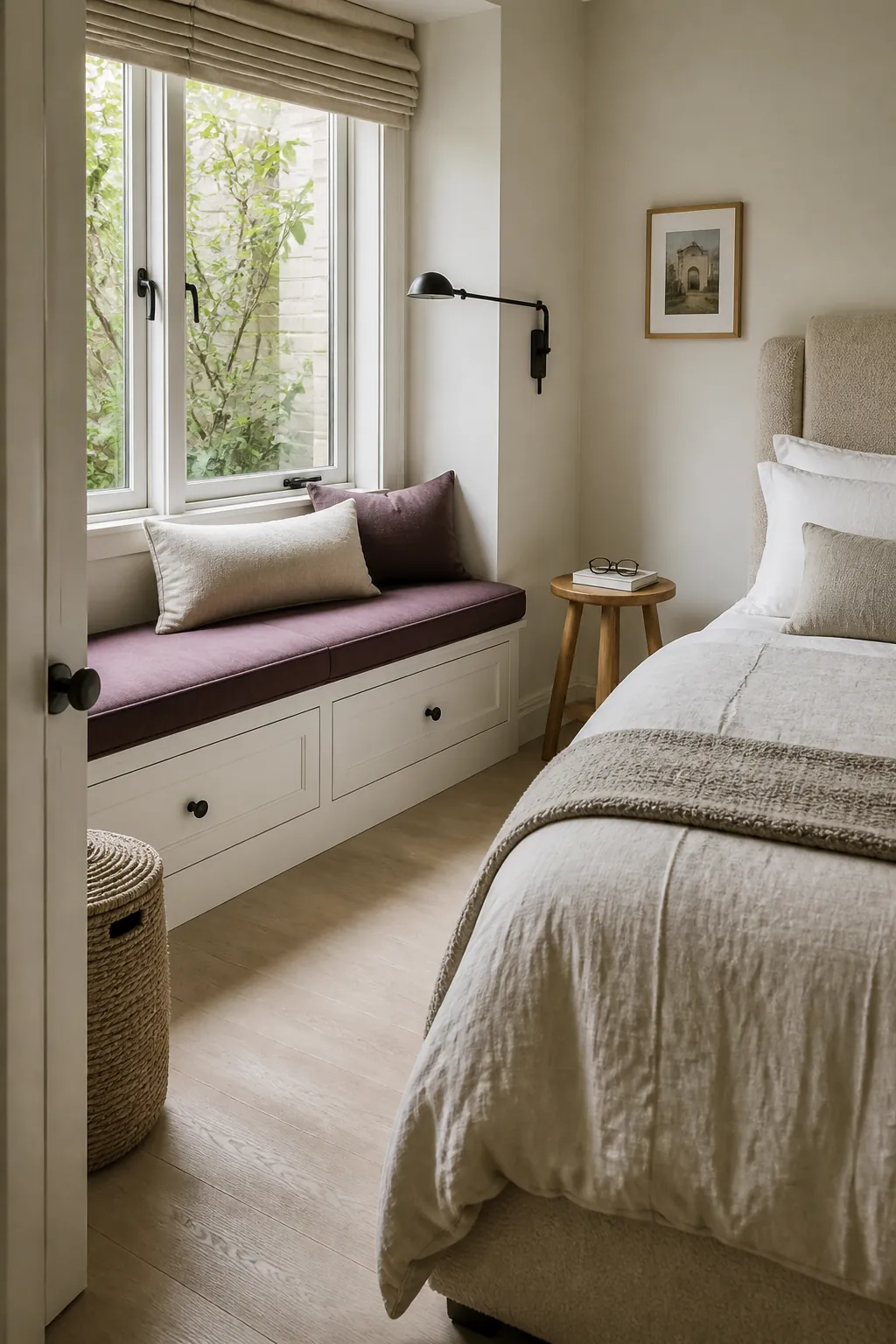
A bedroom window can look like the natural place for a bench, yet the wrong proportions can crowd the bed, block a drawer, or leave the sitter pressed against cold glass. A successful nook protects circulation first, then adds the depth, support, privacy, and storage that make it useful every day. The result should feel like part of the bedroom rather than spare furniture pushed against a wall.
Choose The Right Window And Protect The Route
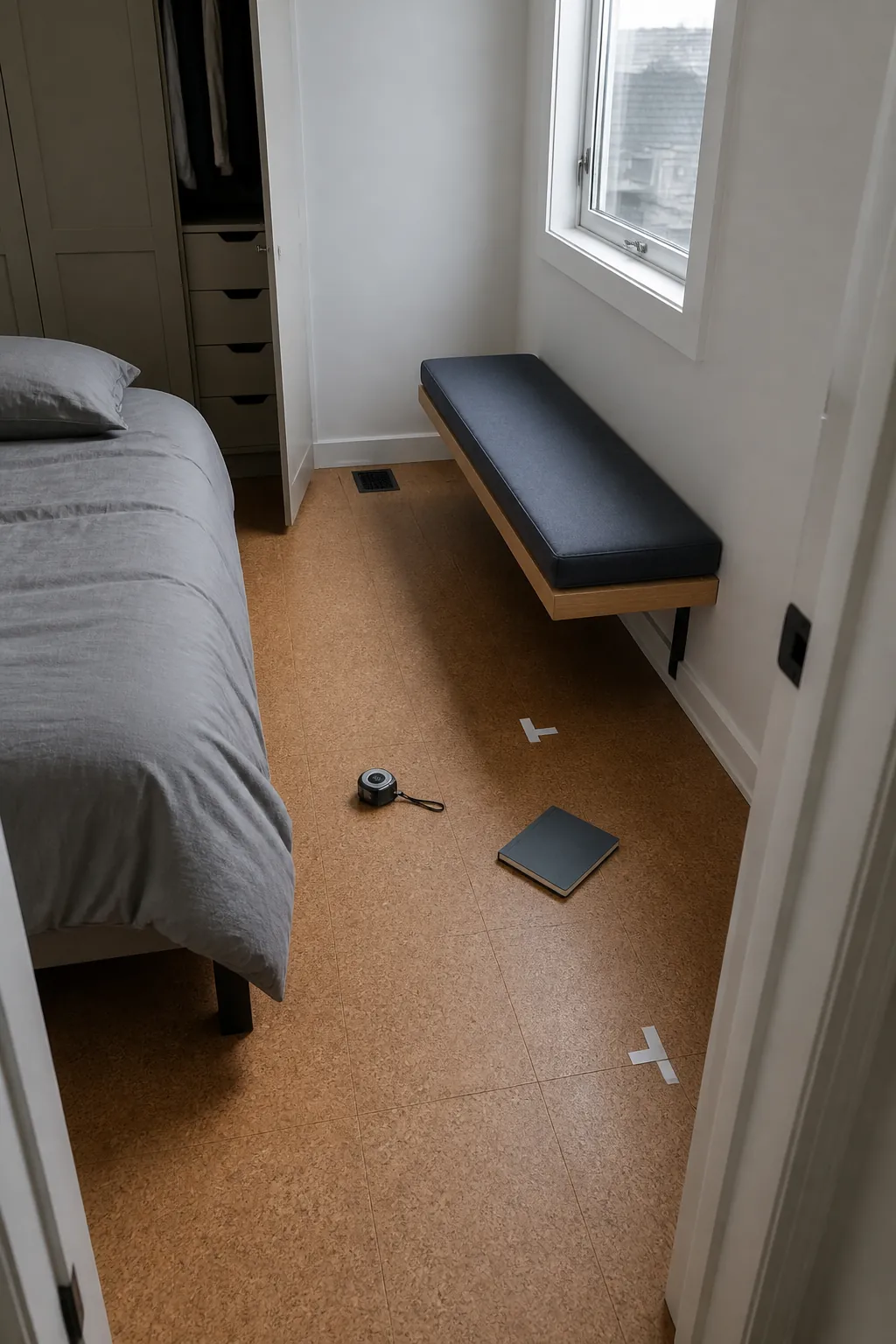
Start by marking the floor area needed to walk around the bed, open wardrobes, and reach the window. A bench beside the bed should not catch the duvet or force a sideways step through the room. Check the window opening, latch, heater, vent, and any required escape route before deciding that the recess is available.
A low sill often suits a bedroom window bench because the seat can remain visually quiet beneath the glass. A higher sill may allow a deeper back cushion, but the finished seat height still needs to feel natural. Test the proposed footprint with boxes and a folded blanket, then sit there long enough to notice whether the room still works.
Build Comfort From The Finished Seat Height
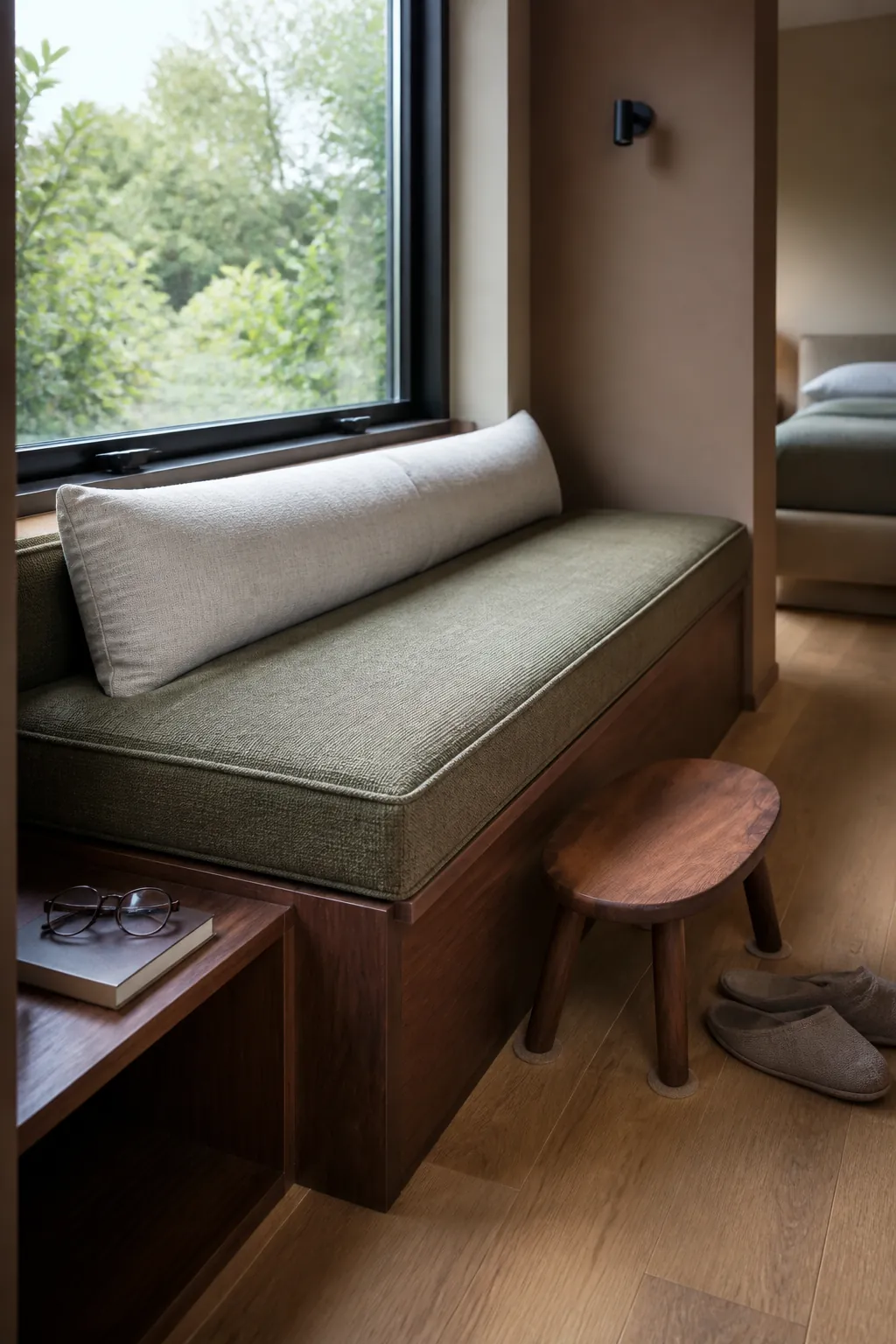
Measure height after adding the cushion, because a thick pad can turn a sensible cabinet into an awkward perch. The seat should support the thighs while allowing feet to rest comfortably on the floor or a stable platform. A dense foam core lasts better than a loose pillow when the nook is used for dressing, reading, or putting on shoes.
Depth matters just as much as height. A shallow bedroom bench works for upright tasks, while a deeper window sofa bedroom arrangement needs proper lumbar support so the sitter does not slump against glass. One fitted base cushion and one long back cushion usually provide more usable space than a pile of decorative pillows.
Match The Bench To The Bedroom Layout
A wall to wall seat gives a broad window nook bedroom scheme a calm built in appearance. A short window side seating bench is better when the bed, a radiator, or a wardrobe occupies the same wall. In a narrow room, a floating design exposes more floor and can make the route feel wider.
Coordinate the bench with one element already in the room rather than copying everything. The cushion might repeat the headboard texture, while its color relates to a throw or curtain border. This connection is enough to make the new seat belong without creating a matched furniture set.
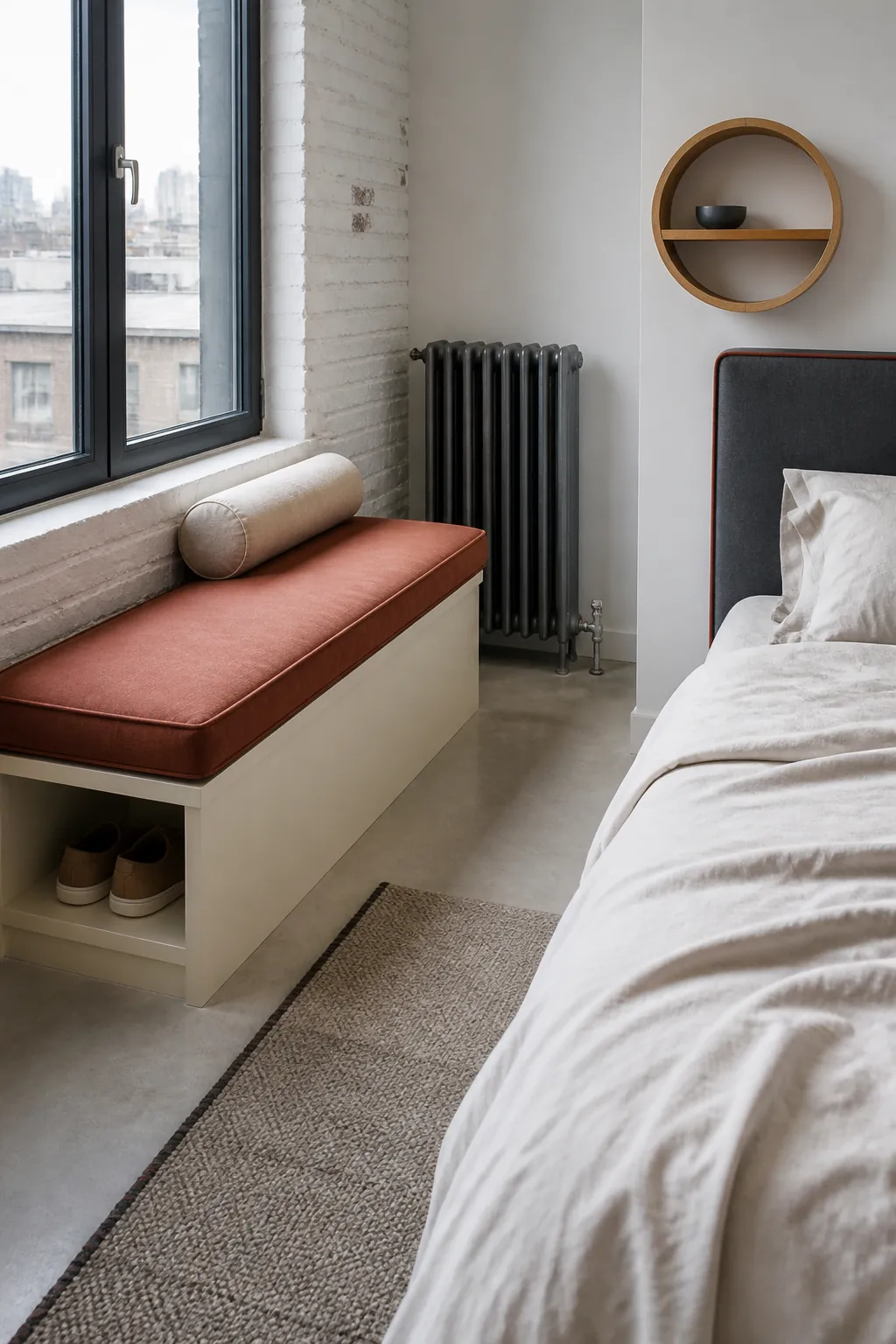
Use Storage That Opens Without Moving The Cushion
Drawers are often the easiest storage choice for a bedroom window bench because they open independently below a fixed cushion. They work well for spare bedding, seasonal clothing, and items that would otherwise migrate under the bed. Confirm that each drawer can extend fully without meeting a rug, bedside table, or bed corner.
Open cubbies suit baskets and shoes, although they need enough clearance for handles and regular cleaning. A lift top can store bulky items, but it becomes frustrating when pillows and a heavy cushion must be removed first. Choose the access pattern that matches what you will retrieve, not the one that looks most seamless in a photograph.
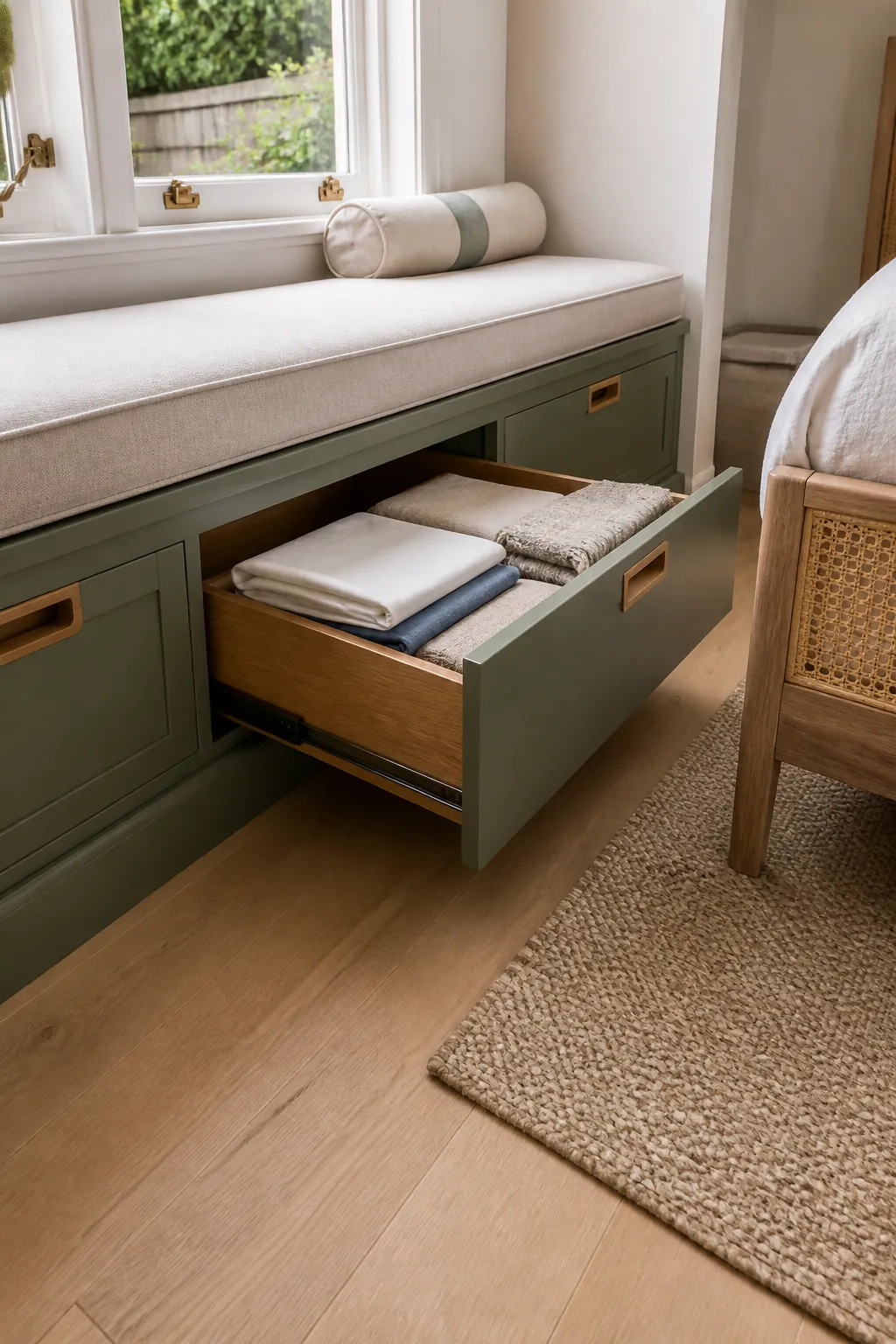
Control Privacy Drafts And Morning Glare
A seat places the body close to the window, so small comfort problems become noticeable. Repair air leaks, keep vents open, and use a lined shade when cold glass makes the nook unpleasant. In a sunny bedroom, a light filtering layer can soften glare while protecting fabric from rapid fading.
Roman shades and cellular shades usually stay clear of the sitter when they fit inside the reveal. Curtains can still work if they stack beyond both ends instead of falling behind the cushion. Cordless controls are the safer choice in family bedrooms, and every treatment must leave the latch easy to reach.
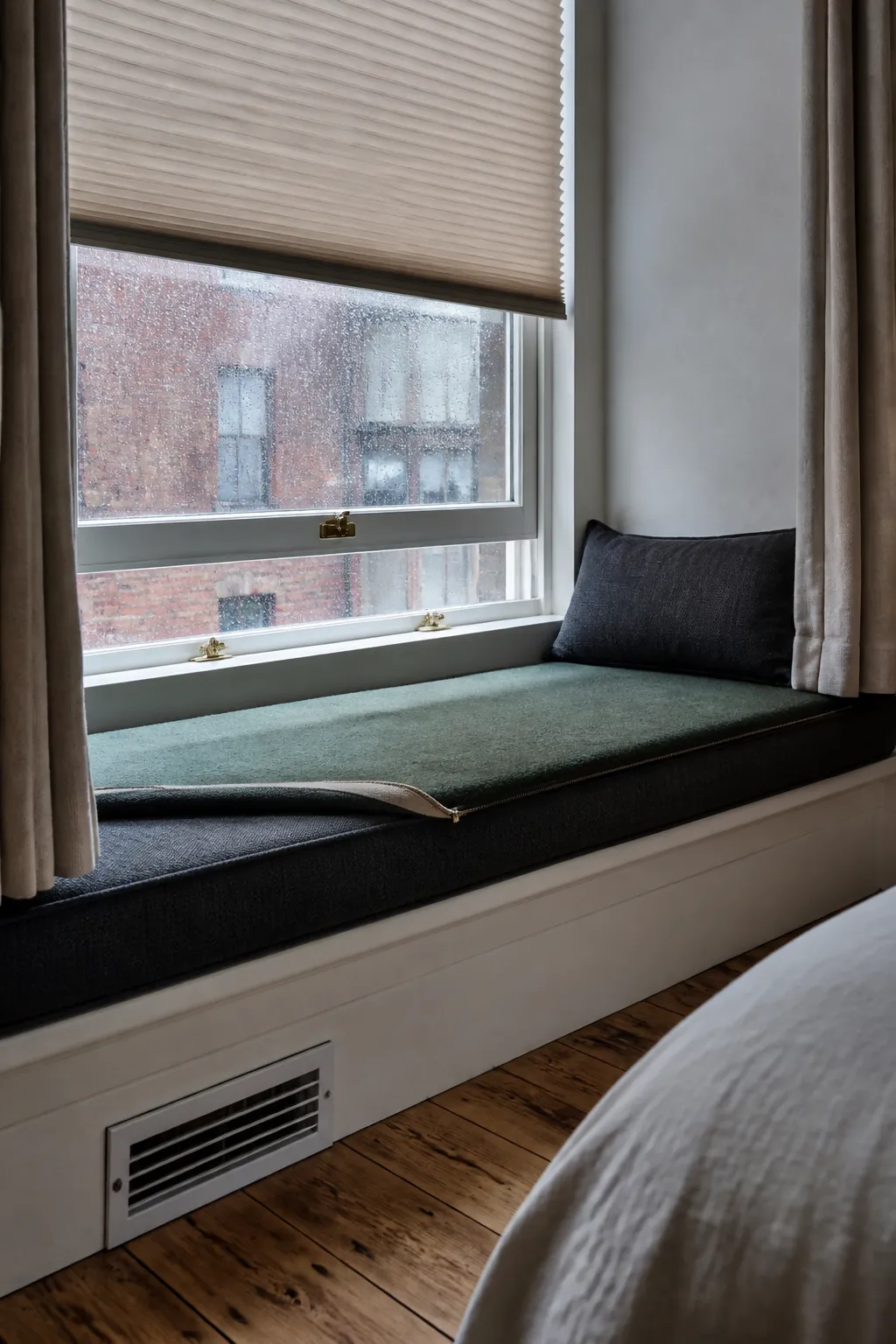
Give The Nook A Real Evening Purpose
Daylight makes any window seat attractive, but a useful reading nook needs light after sunset. A compact wall lamp keeps the seat clear and can direct light onto a book without brightening the whole bedroom. Place the switch where it can be reached while seated and route wiring through solid construction.
Keep one stable surface nearby for glasses, a book, or a closed drink container. A narrow ledge or small movable table is usually enough, provided it does not steal the walkway. When comfort, light, storage, and access all support the same routine, window seating in a bedroom becomes a place you use rather than a place you style.