
Bringing greenery into your home shouldn’t feel like a risk for your pets. Many common indoor plants, like lilies or pothos, can be quite dangerous if a curious cat decides to take a nibble. It is frustrating to choose between a beautiful living space and the safety of your furry friends, but you don’t actually have to pick one over the other.
This list focuses on pet friendly house plants that are completely safe for cats and dogs. Whether you have a sunny living room or a dark hallway, there are plenty of houseplants safe for cats that add style without the worry. These options help you create a lush house plants aesthetic while keeping your home a safe environment for everyone.
Spider Plant for Hanging Baskets

The Spider Plant is a classic choice for anyone looking for easy house plants. It produces long, thin leaves that arch gracefully, often sprouting small ‘babies’ on the ends of long stems. These dangling plantlets are very tempting for cats to swat at, but you can rest easy knowing they are non toxic house plants cat owners can trust. They thrive in bright, indirect light but are hardy enough to survive in lower light conditions too.
To get the best look, place your Spider Plant in a hanging basket near a window. This keeps the trailing stems out of reach of very persistent chewers while letting the plant grow freely. Water it when the top inch of soil feels dry, and it will continue to produce fresh, green growth year-round.
Parlor Palm for Low Light Corners

If you have a spot in your home that doesn’t get much sun, the Parlor Palm is a great solution. This slow-growing palm has been a favorite since Victorian times because it handles indoor conditions so well. It is one of the most reliable no sunlight plants indoor enthusiasts recommend because it doesn’t need a window to stay green. It stays relatively small and compact, making it a good fit for bookshelves or side tables.
Because these are pet safe house plants, you don’t have to worry if your cat brushes against the fronds. They prefer consistent moisture but don’t like to sit in soggy soil. Give them a quick misting now and then if your home feels dry, as they enjoy a little extra humidity.
Boston Fern for Humid Bathrooms

Boston Ferns are famous for their bushy, feathery fronds that add a soft texture to any room. These are excellent air purifying house plants that help clean the environment while staying safe for your pets. They love moisture and high humidity, which makes them a top pick for a bathroom with a window. If the air gets too dry, the leaves might turn brown and drop, so keeping them away from heaters is a smart move.
To keep a Boston Fern happy, check the soil daily to ensure it stays damp. You can also set the pot on a tray filled with pebbles and water to boost the local humidity. They look great on a pedestal or in a tall planter where the fronds can spill over the sides.
Calathea Prayer Plant for Colorful Foliage
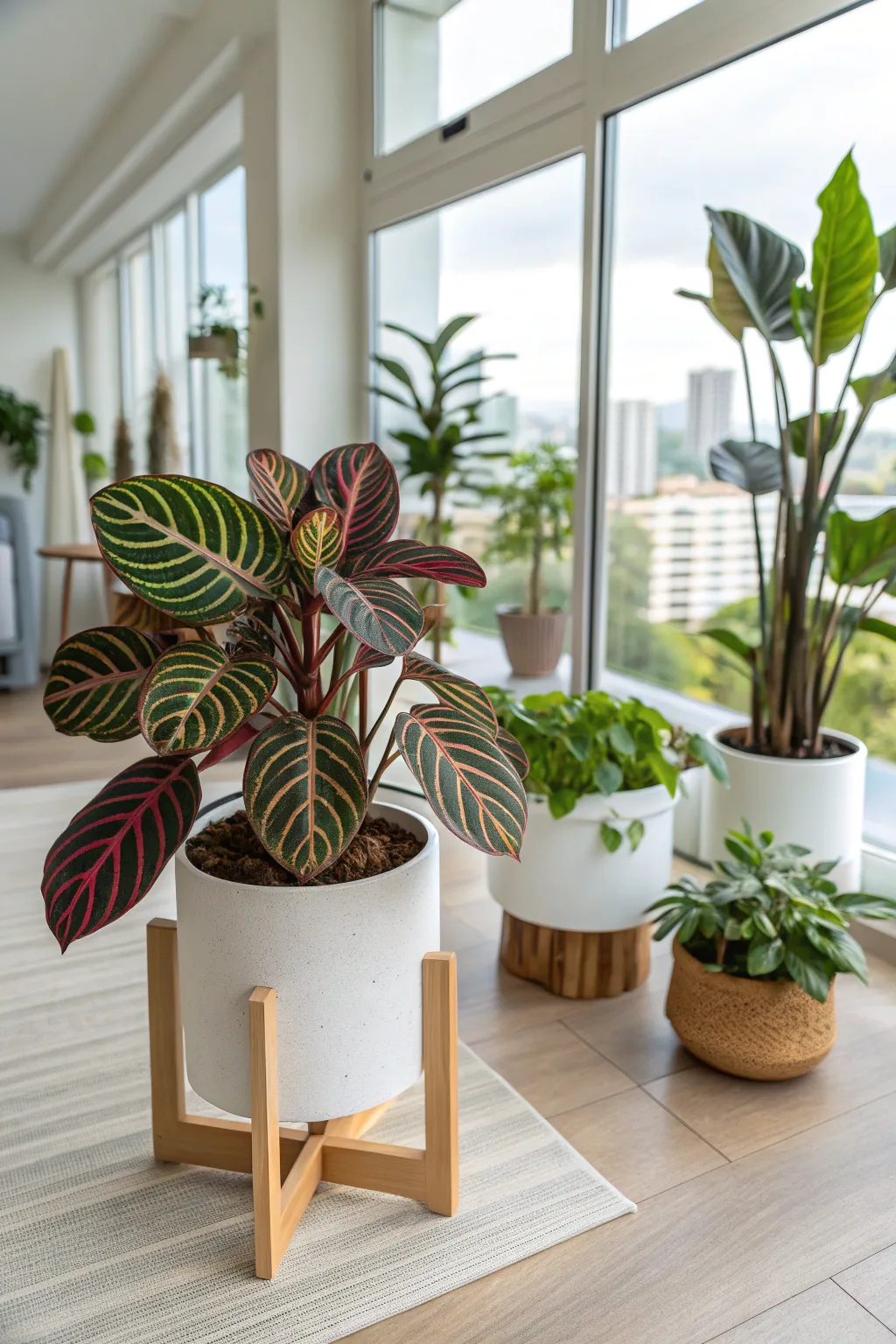
Calatheas are known for their stunning leaf patterns and the way their leaves fold up at night, resembling hands in prayer. These cat friendly house plants come in various shades of green, purple, and pink, providing a lot of visual interest without the need for flowers. They prefer medium to filtered light, as direct sun can actually bleach the beautiful colors right off their leaves.
These plants can be a bit picky about water quality. If you notice the edges of the leaves turning brown, try using filtered water or rainwater instead of tap water. They appreciate a regular watering schedule and humid air, so grouping them with other plants can help create a tiny microclimate they will love.
African Violet for Flowering Indoor Color
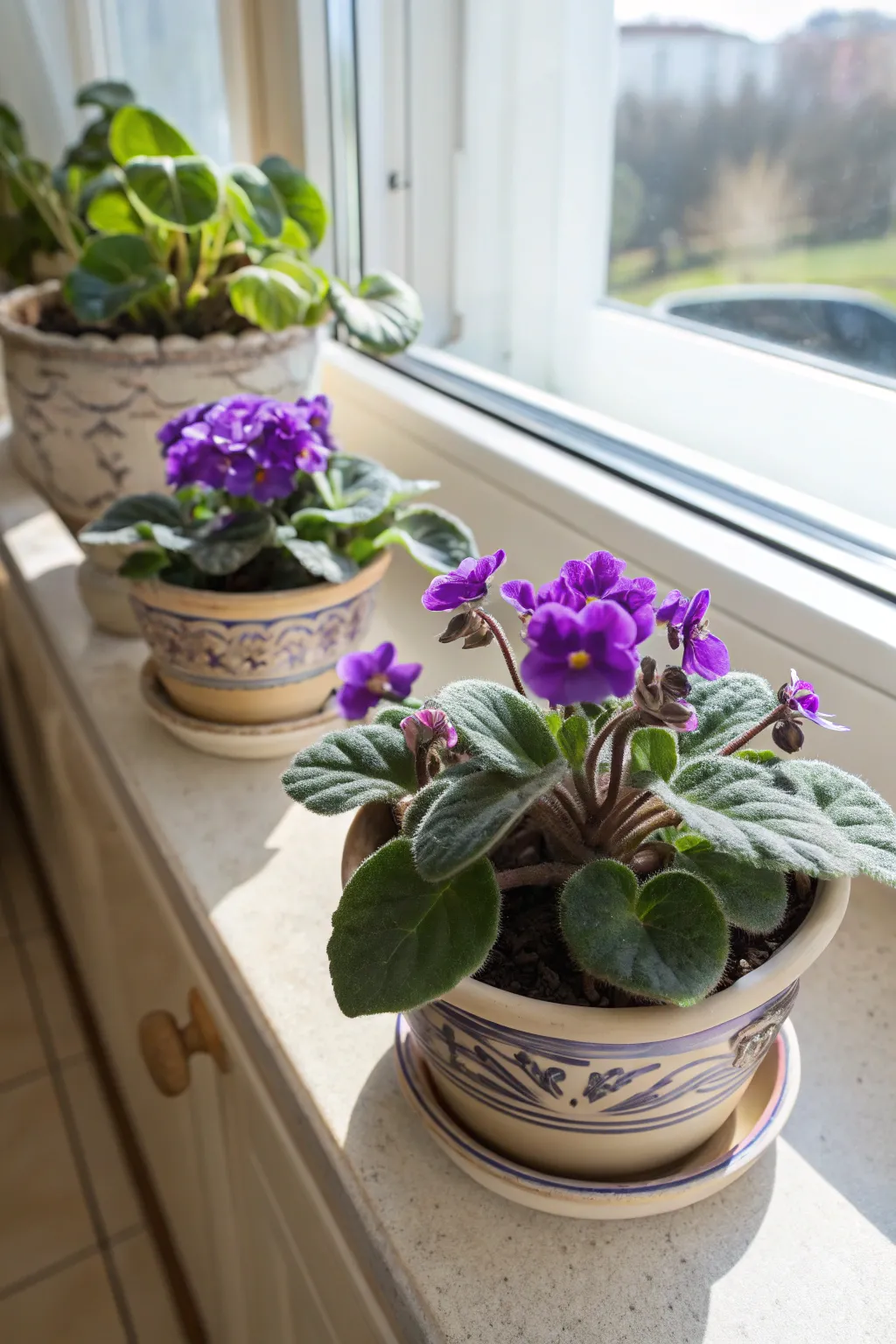
Many people think they can’t have flowers in a pet-friendly home, but African Violets prove that wrong. These small, fuzzy-leaved plants produce clusters of purple, blue, or pink blooms throughout the year. They are completely safe for cats, so you can keep them on a sunny windowsill or a coffee table without any stress. They stay small, which is helpful if you have limited space.
When watering African Violets, try to avoid getting water on the leaves, as it can cause unsightly spots. The best method is to water from the bottom by placing the pot in a shallow dish of water for about twenty minutes. They like bright, indirect light and will bloom most often when they receive plenty of it.
Areca Palm for Natural Air Purification

The Areca Palm is a larger option that works well as a floor plant to fill an empty corner. It is highly rated as one of the best air purifying house plants, helping to filter out common indoor toxins. Its tall, feathery fronds give a tropical feel to any room. Unlike some other palms, the Areca is entirely non-toxic to both cats and dogs.
These palms need bright, indirect light to stay healthy and vibrant. If the leaves start to turn yellow, it might be getting too much direct sun. They prefer to stay slightly moist during the spring and summer, but you can let the soil dry out a bit more during the winter months.
Polka Dot Plant for Patterned Leaves
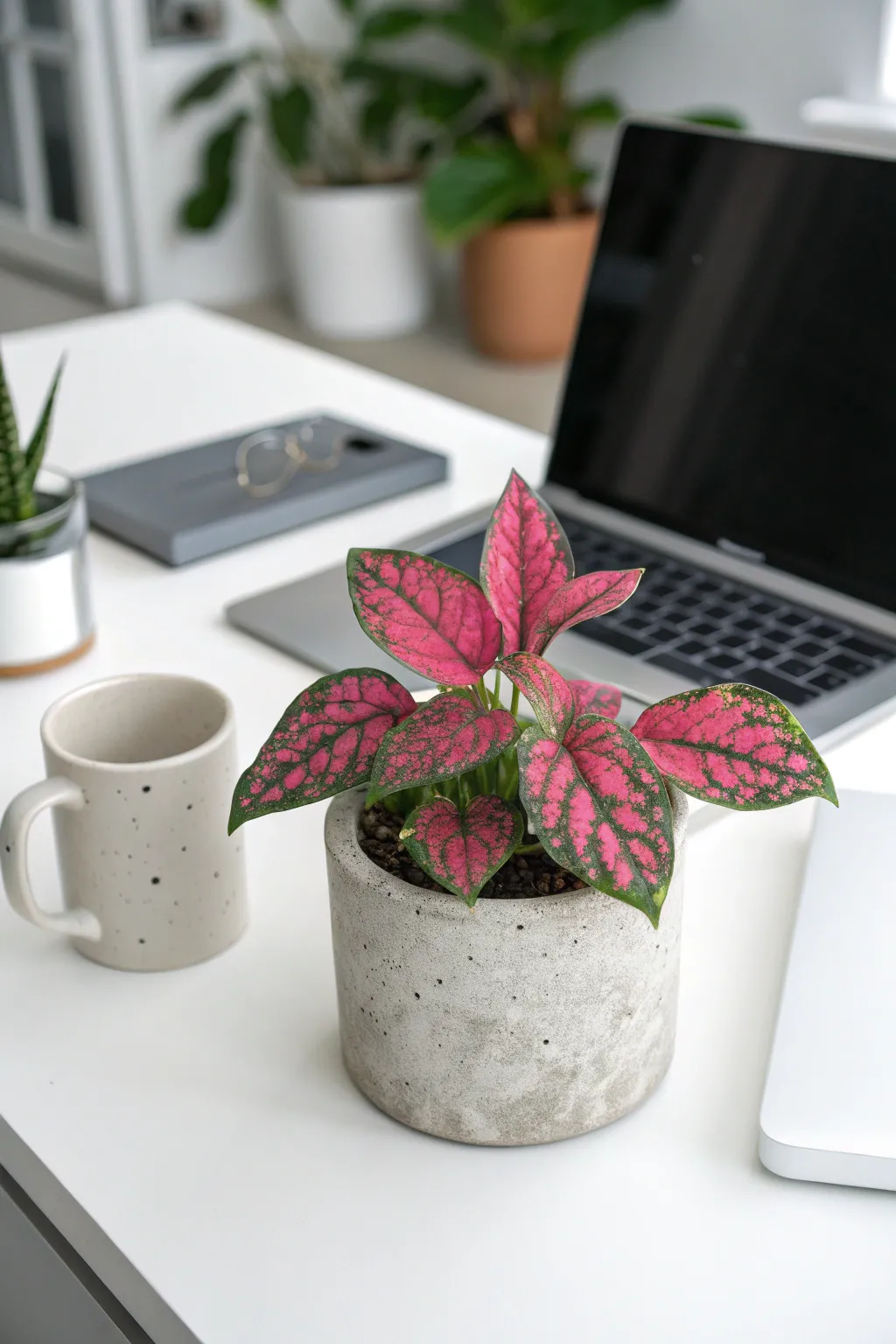
The Polka Dot Plant is a fun, eye-catching addition to a desk or shelf. It features bright splashes of pink, red, or white against green leaves, making it look almost like it was painted. These are great pet safe house plants for someone who wants a pop of color without the commitment of a large tree. They stay fairly small and can be easily pruned to keep a bushy shape.
If the plant starts to get leggy or stretched out, it usually means it needs a bit more light. Pinching off the tops of the stems will encourage it to grow more leaves at the base. They like to stay moist, so don’t let the soil dry out completely between waterings.
Staghorn Fern for Wall Mounted Decor
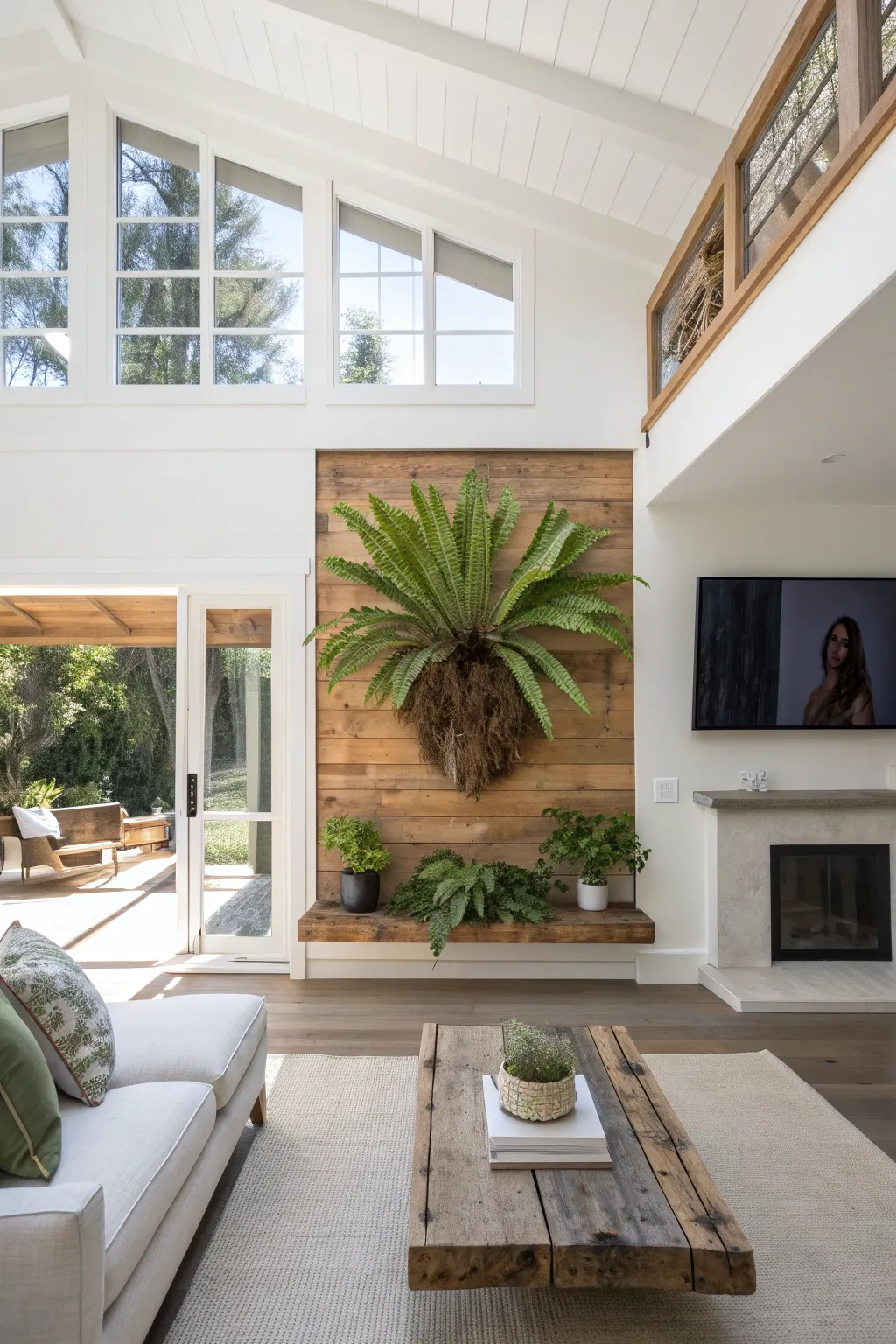
Staghorn Ferns are unique because they don’t actually need to grow in soil. In nature, they grow on the sides of trees, and in a home, they look amazing mounted on a piece of wood and hung on the wall. This makes them a great way to incorporate the house plants aesthetic while keeping the greenery completely out of reach of curious pets. They have two types of fronds: one that covers the base and another that looks like deer antlers.
To water a mounted Staghorn Fern, you can take the whole piece to the sink and soak it for a few minutes once a week. They enjoy bright, indirect light and plenty of humidity. If you prefer, you can also grow them in a basket with plenty of organic matter like peat or orchid bark.
Money Tree for Upright Growth
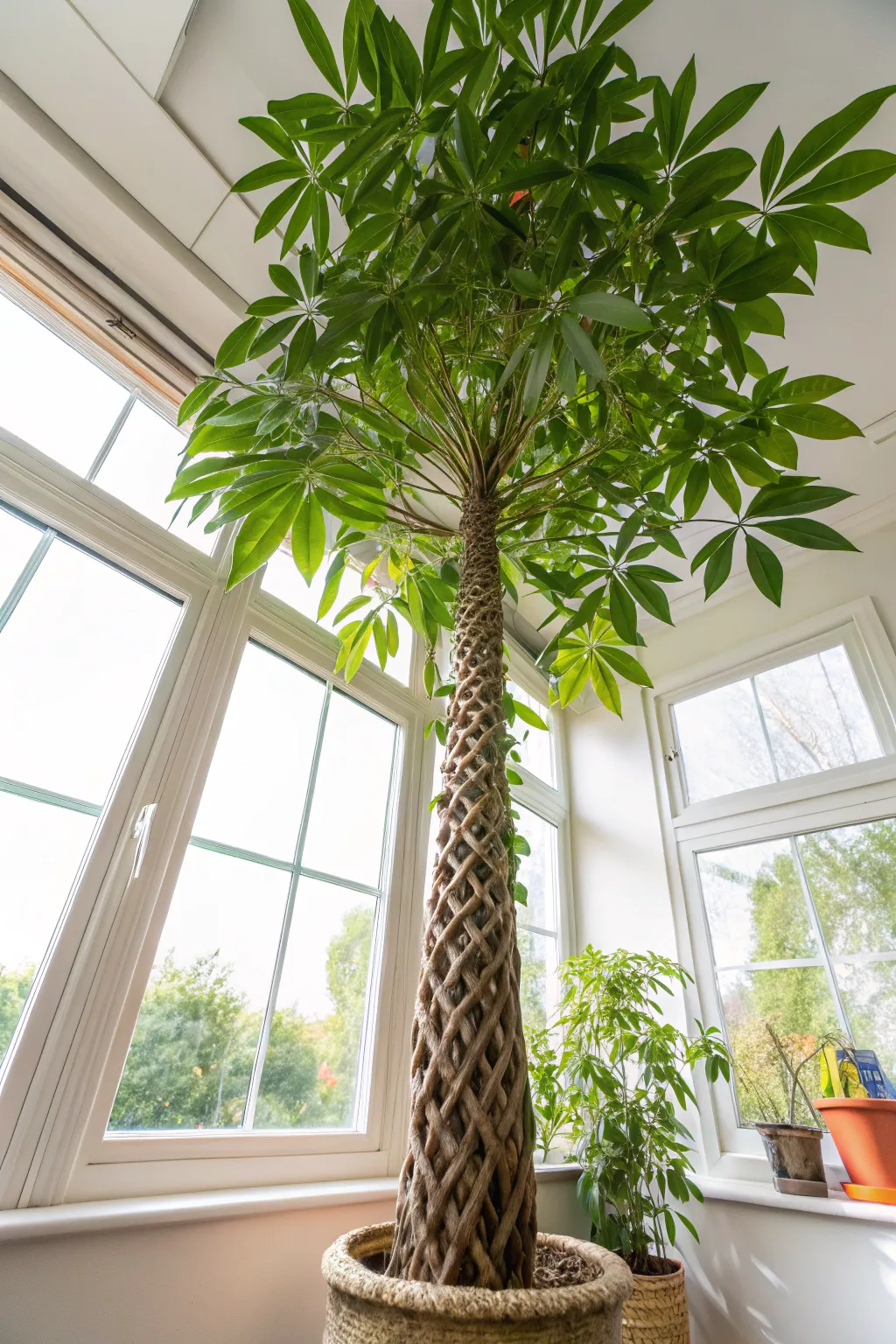
The Money Tree is a popular choice for its braided trunk and shiny green leaves. It is often cited as one of the most resilient and easy house plants for beginners. It can grow quite tall, making it a good focal point for a room. Most importantly, it is one of the few large indoor trees that is entirely safe for cats to be around.
These trees prefer deep but infrequent watering. Wait until the top few inches of soil are dry before giving it a good soak. They like bright, indirect light but can adapt to lower light levels if necessary. Avoid moving them around too much, as they like to stay in one spot once they get settled.
Purple Waffle Plant for Unique Texture
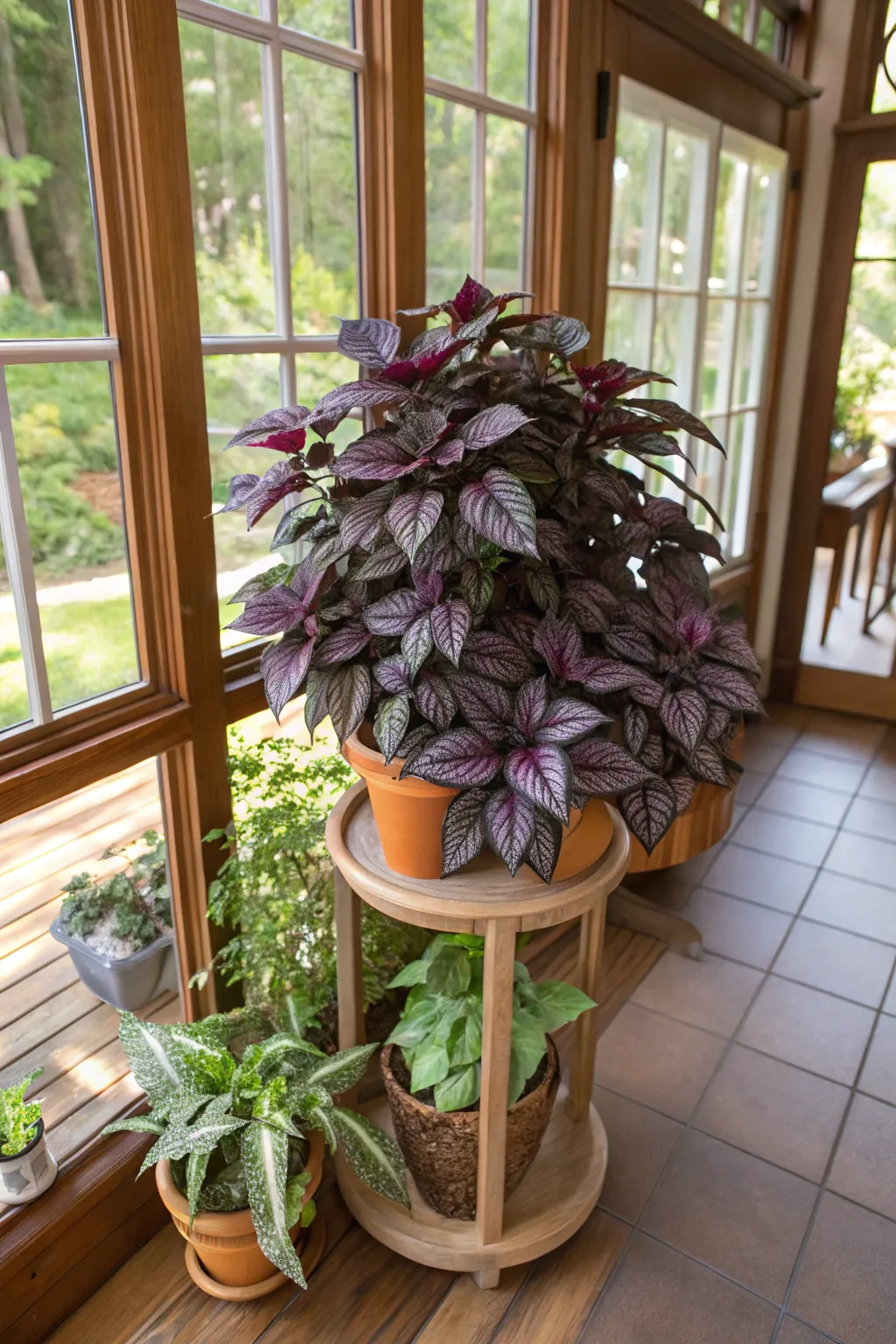
The Purple Waffle Plant gets its name from its puckered, crinkly leaves that have a deep green top and a rich purple underside. This texture adds a lot of variety to a plant collection. It is a low-growing plant that works well in terrariums or as a ground cover in larger indoor pots. It is a hardy, non toxic house plants cat friendly option that is very expressive.
You will know exactly when this plant needs water because it will start to wilt or ‘faint.’ Once you give it a drink, it perks right back up within an hour. It prefers bright, indirect light to keep that deep purple color vibrant, though it can tolerate lower light if needed.
Burro’s Tail for Trailing Succulent Displays
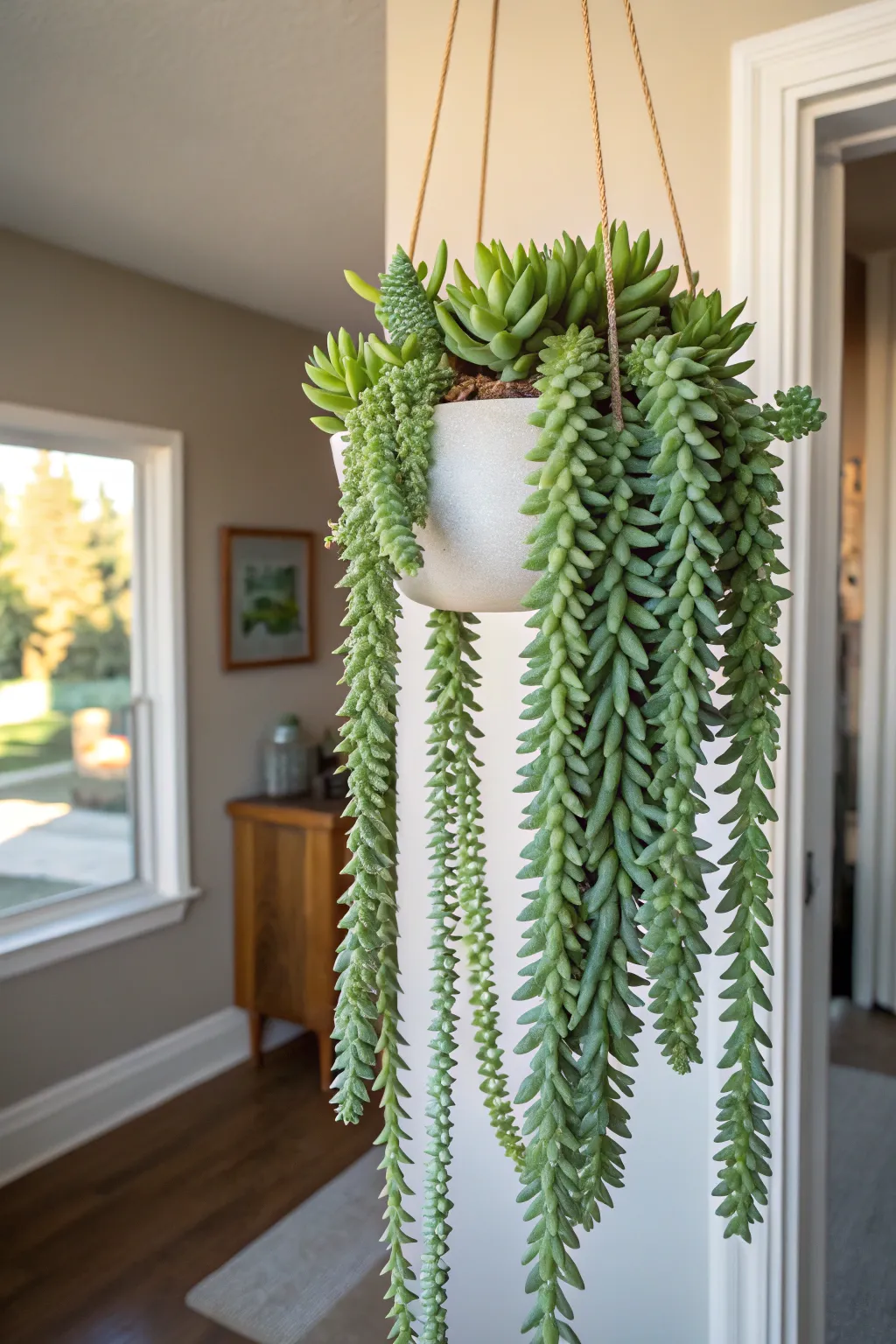
If you love succulents, the Burro’s Tail is a fantastic pet-safe choice. It features long, trailing stems packed with fleshy, tear-drop shaped leaves. It looks best in a hanging pot where the stems can drape down several feet. Unlike many other succulents that can be toxic, this one won’t hurt your cat if they happen to knock a leaf off and play with it.
Like most succulents, the Burro’s Tail needs very little water. Let the soil dry out completely before watering it thoroughly. It loves bright light and can even handle some direct sun. Be careful when handling it, as the little leaves fall off quite easily if bumped.
Pitcher Plant for Natural Pest Control

The Pitcher Plant is a fascinating carnivorous plant that is safe for pets but bad news for gnats and flies. It has long, tube-like traps that hang down, making it a very interesting conversation piece. While it looks exotic and dangerous, it is actually a cat friendly house plants option that won’t harm your feline if they get too close. It is a great way to add a bit of drama to your indoor garden.
These plants have specific needs, usually requiring distilled water or rainwater rather than tap water. They love high humidity and bright, indirect light. Keeping the soil consistently moist is key to keeping their pitchers healthy and full of the fluid they use to catch bugs.
Hoya Carnosa for Wax Like Blooms
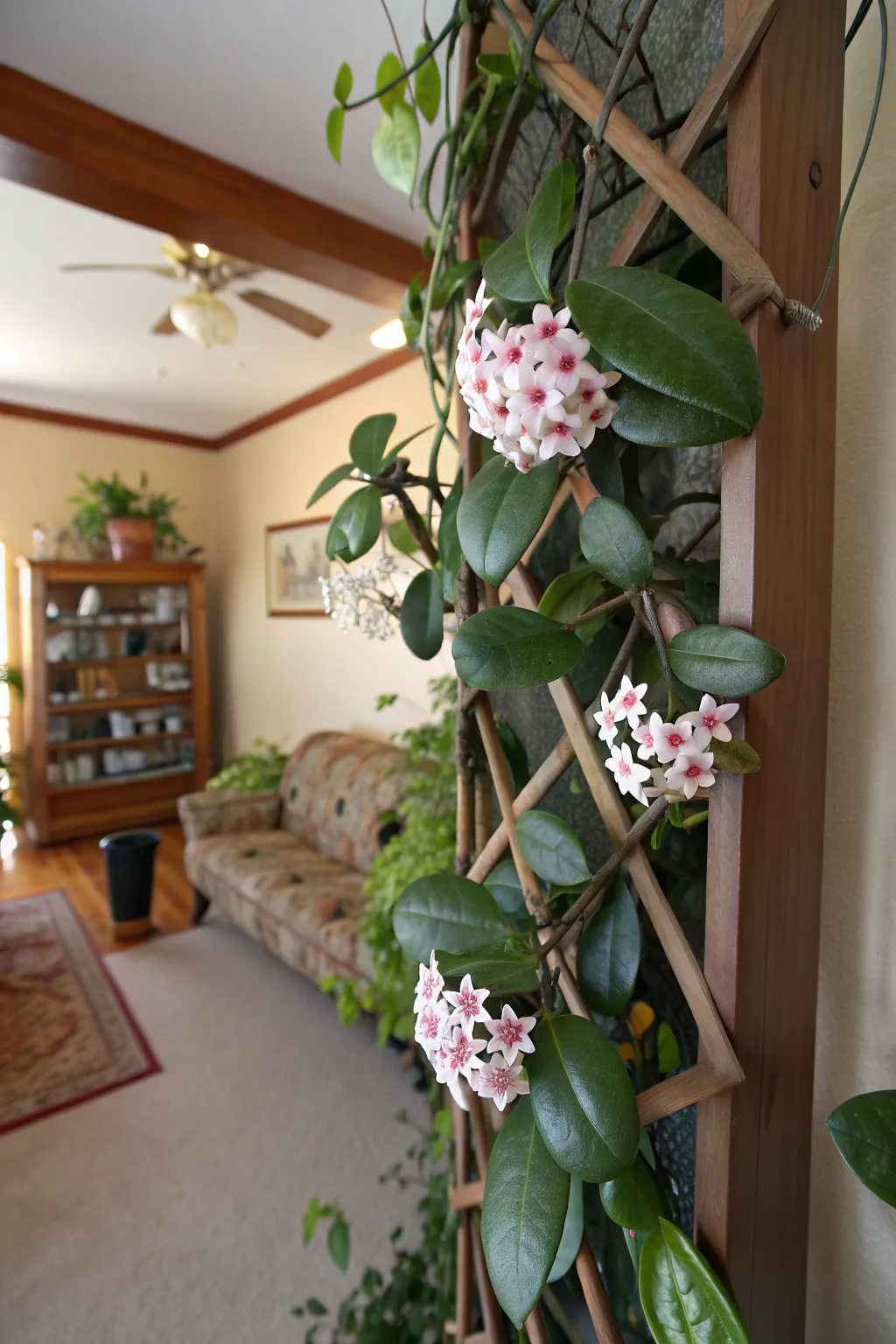
Hoya Carnosa, often called the Wax Plant, is a trailing vine with thick, succulent-like leaves. It is a very durable plant that can live for decades with the right care. When it is happy, it produces clusters of star-shaped, fragrant flowers that look like they are made of wax. It is a safe choice for pet owners who want a climbing or trailing plant that isn’t a pothos or ivy.
Hoyas are very easy to care for because they don’t mind drying out between waterings. They actually prefer to be a bit root-bound, so you don’t need to rush to repot them. Give them a spot with bright, indirect light to encourage them to bloom.
Cast Iron Plant for Low Maintenance Spaces
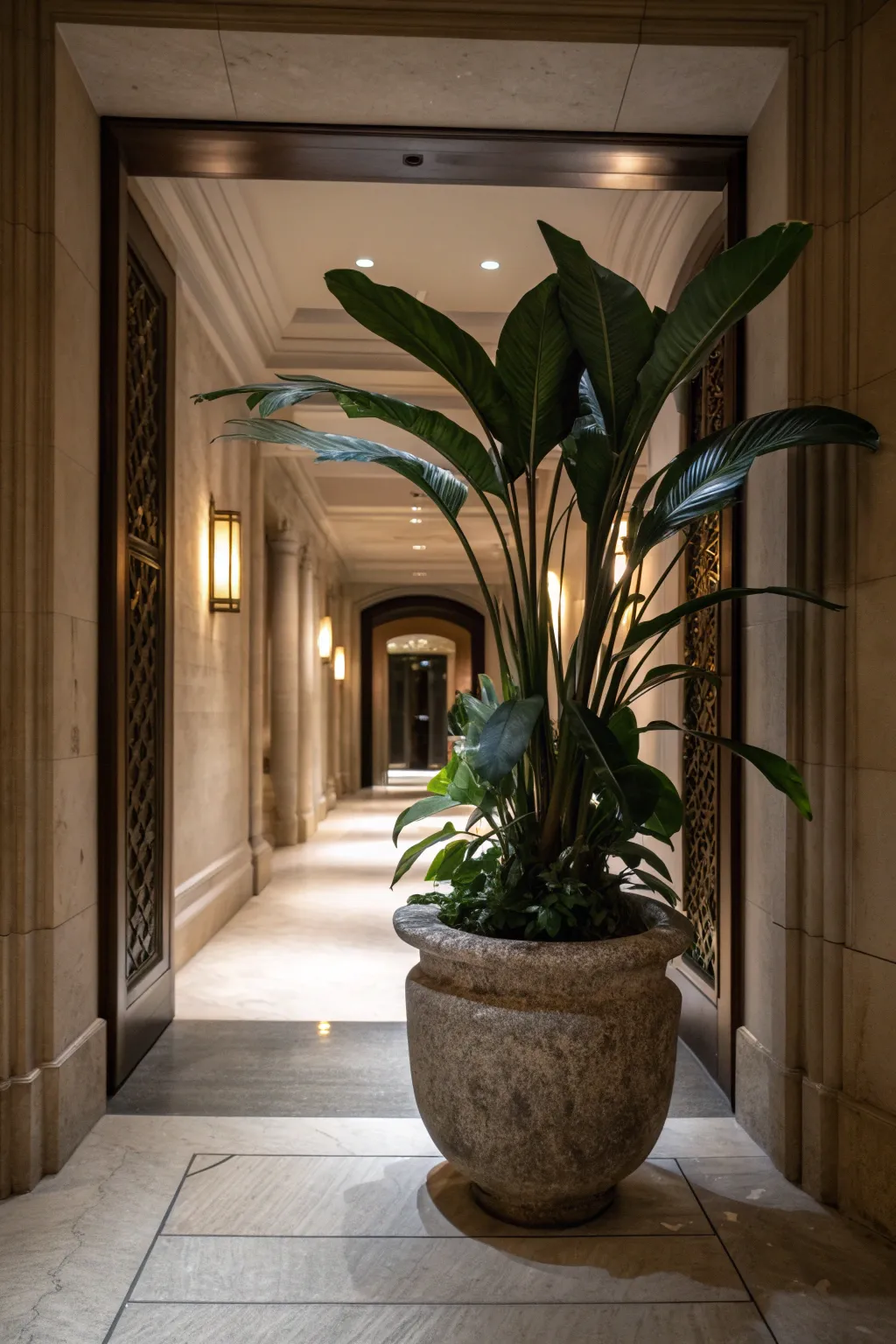
The Cast Iron Plant earned its name by being almost impossible to kill. It can survive in low light, poor soil, and irregular watering, making it the king of easy house plants. Its long, dark green leaves grow directly from the soil and can handle a lot of neglect. It is a perfect choice for those dark corners where nothing else seems to grow.
While it grows slowly, it is very steady and reliable. You only need to water it when the soil feels dry to the touch. Because it is non-toxic, it is a safe and sturdy option for homes with active pets who might occasionally bump into the foliage.
Friendship Plant for Soft Velvety Leaves

The Friendship Plant is known for its heavily textured, velvety leaves that are soft to the touch. The leaves often have a striking bronze or deep green color with pale green veins. It is a small, bushy plant that stays under a foot tall, making it ideal for terrariums or small shelves. It gets its name because it is very easy to grow new plants from cuttings to share with friends.
This plant loves a humid environment and moderate light. It doesn’t like direct sun, which can scorch its delicate leaves. Keep the soil moist but not soggy, and it will reward you with lush, crinkly foliage that is completely safe for your cats to explore.