A room that looks lovely for one night can become awkward by Saturday morning. Guests need places for clothes, control over light and warmth, and permission to follow a simple household rhythm. Preparing those details makes a family visit more comfortable than adding another pumpkin to the nightstand.
Test the Bed Before Guests Arrive
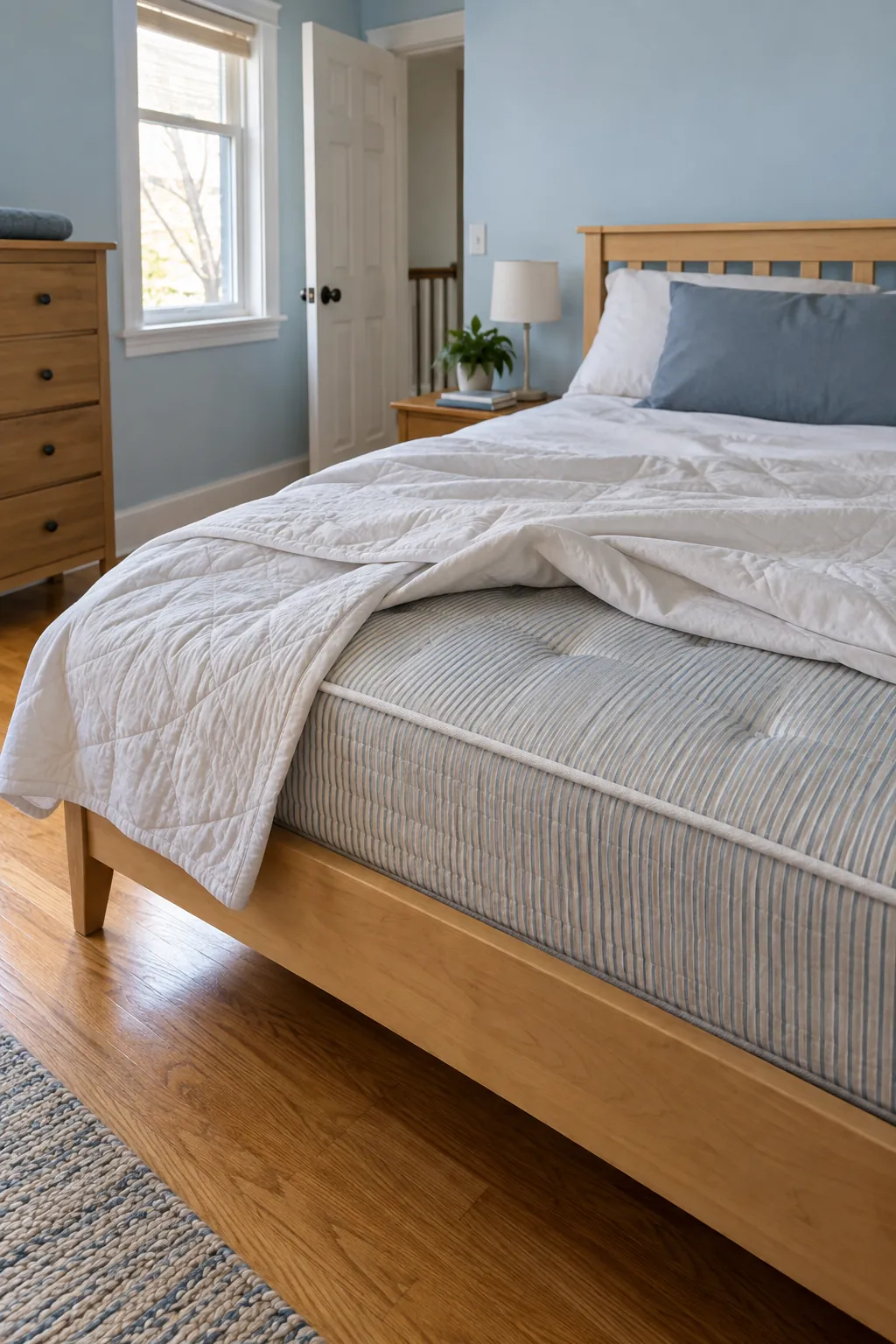
Spend one night on the guest bed, or at least lie on it long enough to notice a sagging center, squeaking frame, or hard edge. Relatives staying all weekend will feel those small faults far more than a missing seasonal pillow. If the mattress is uncomfortable, a supportive topper is more useful than another decorative layer.
Make the Bedding Easy to Use
Choose clean sheets that feel comfortable against skin and put the top edge where a sleepy guest can find it. A washable duvet or quilt simplifies the bed when someone stays several nights. Leave the decorative cushions off the sleeping surface so there is no nightly pile to move.
Put an Extra Blanket Within Reach
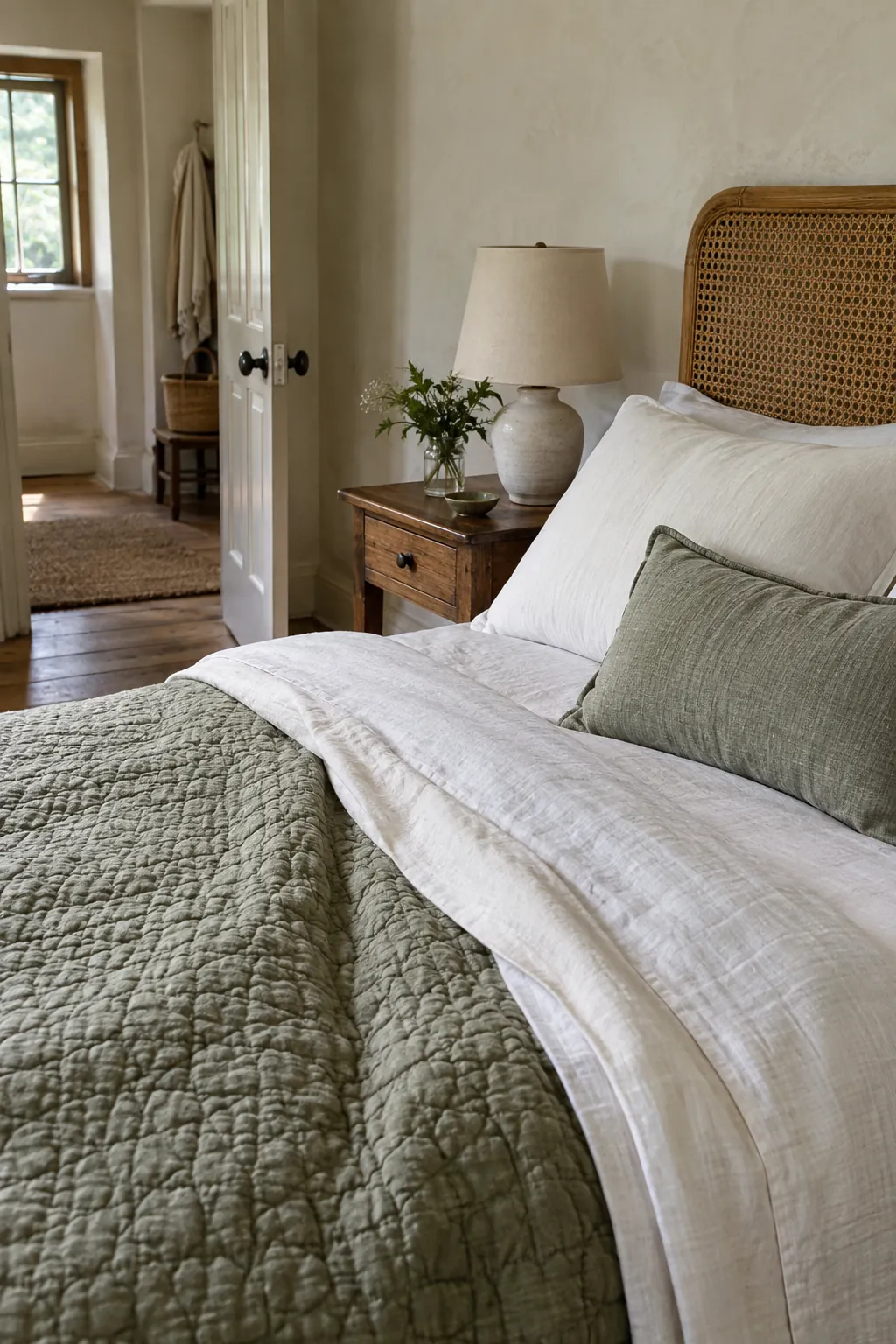
Fold a clean spare blanket where guests can reach it without opening every closet. Different sleepers want different warmth, especially when the house cools overnight. Tell your relatives where the blanket is rather than relying on them to ask at bedtime.
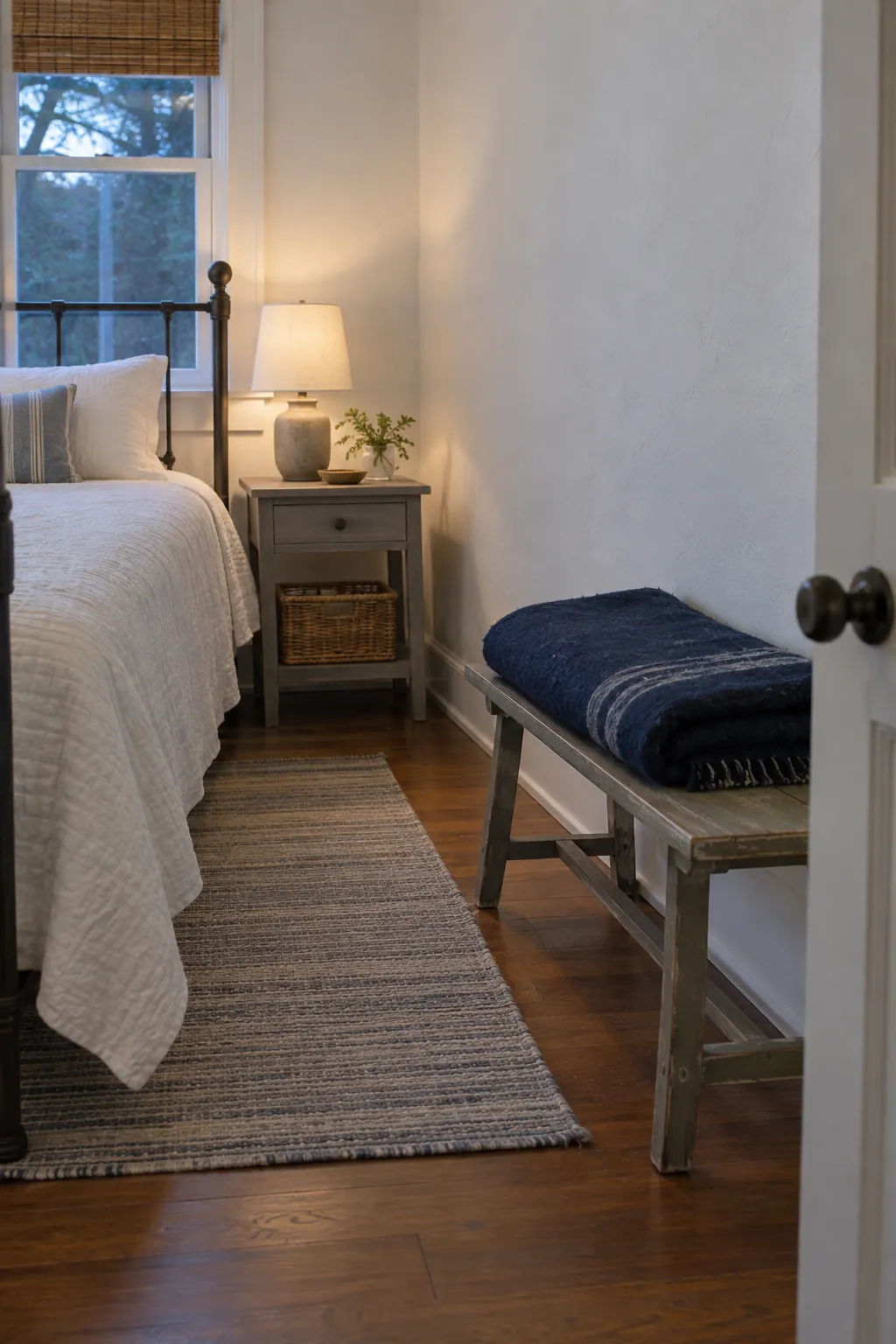
Offer More Than One Pillow Feel
Set out a firm pillow and a softer alternative so a guest can choose without explaining a sleep preference. Keep the spare in a clean case on a shelf or chair, not on the floor. A pair of distinct pillows is more thoughtful than a stack of identical ones that never suits the sleeper.
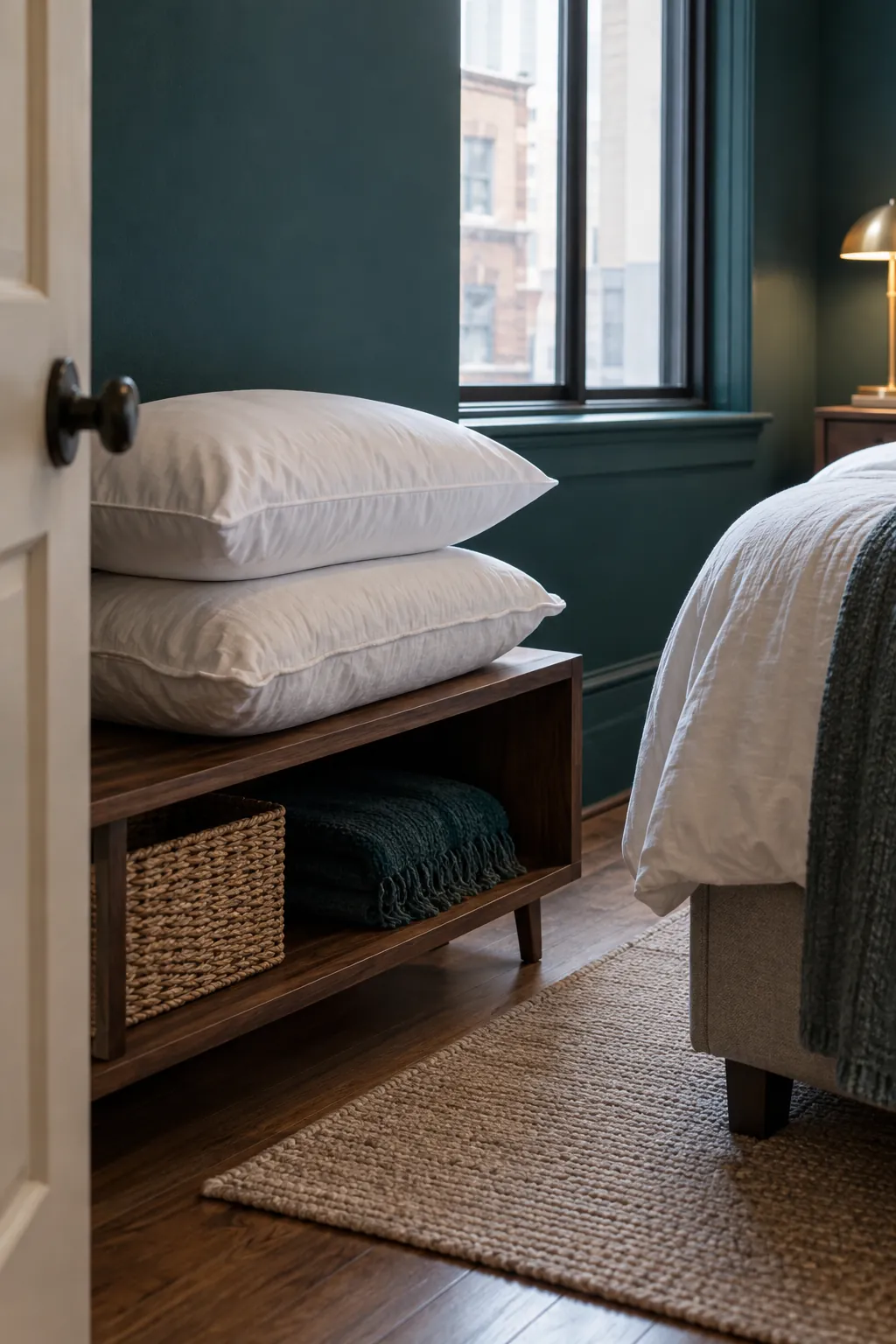
Place a Lamp Where It Can Be Switched Off
Put a working bedside lamp within reach of someone already under the covers. Test its switch from the pillow rather than from where you stand beside the bed. This small detail lets a relative read or settle in without crossing an unfamiliar dark room.
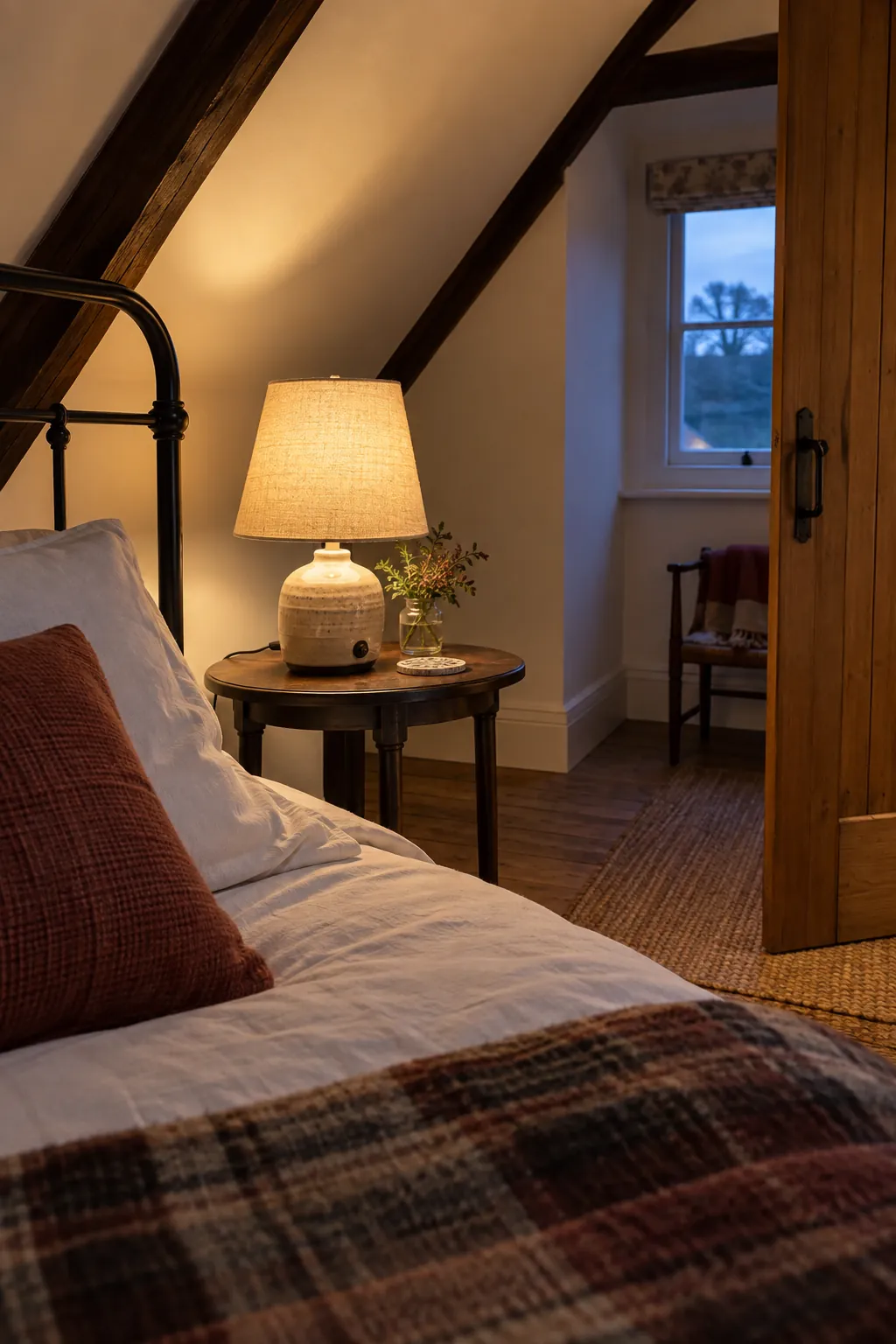
Make Charging Simple
Check whether a guest can plug in a phone without shifting furniture or crawling beneath the bed. A clear outlet or a safe charging spot on the nightstand helps visitors find their way and reach family in the morning. Keep loose cables out of the walking route.
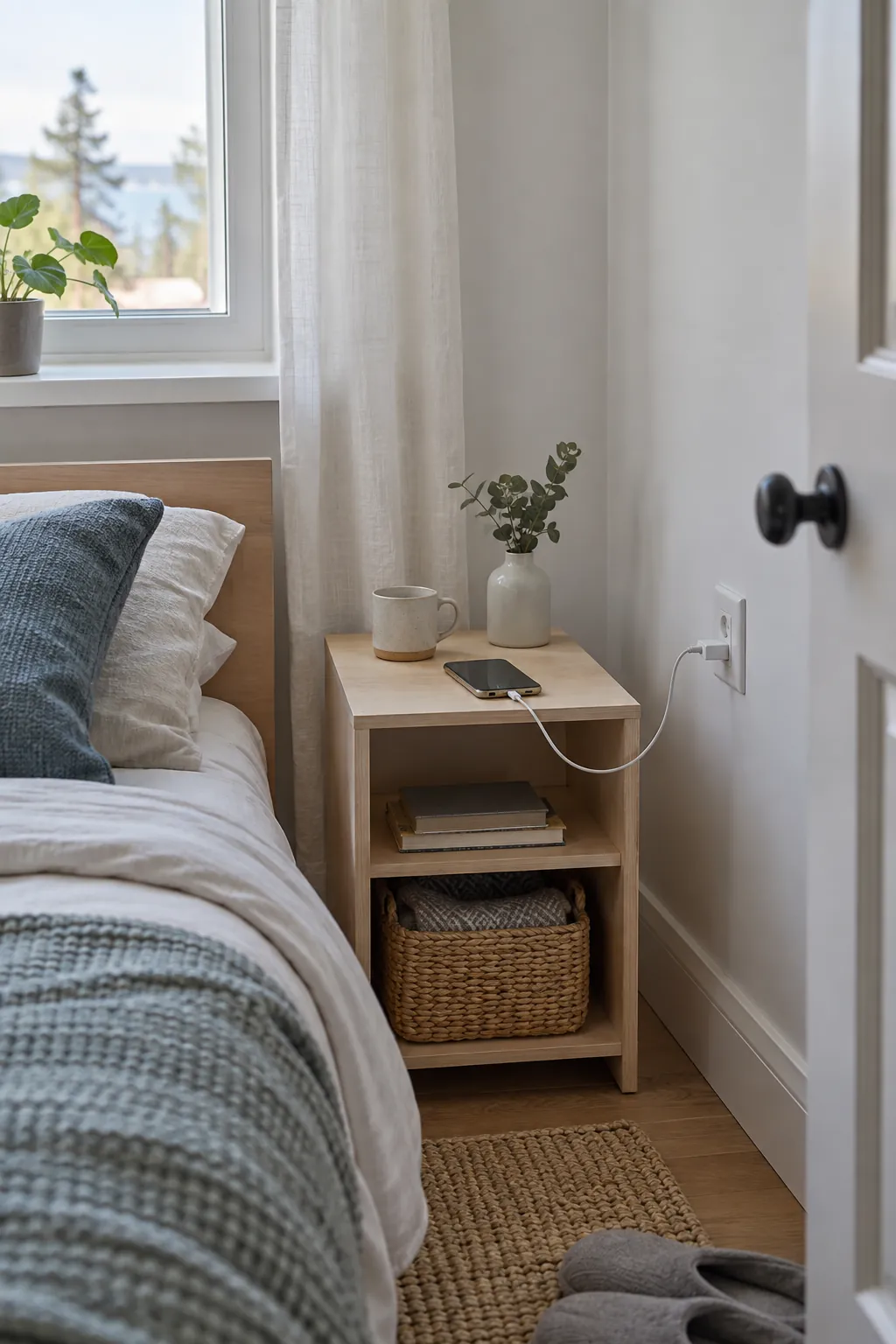
Give a Suitcase a Landing Place
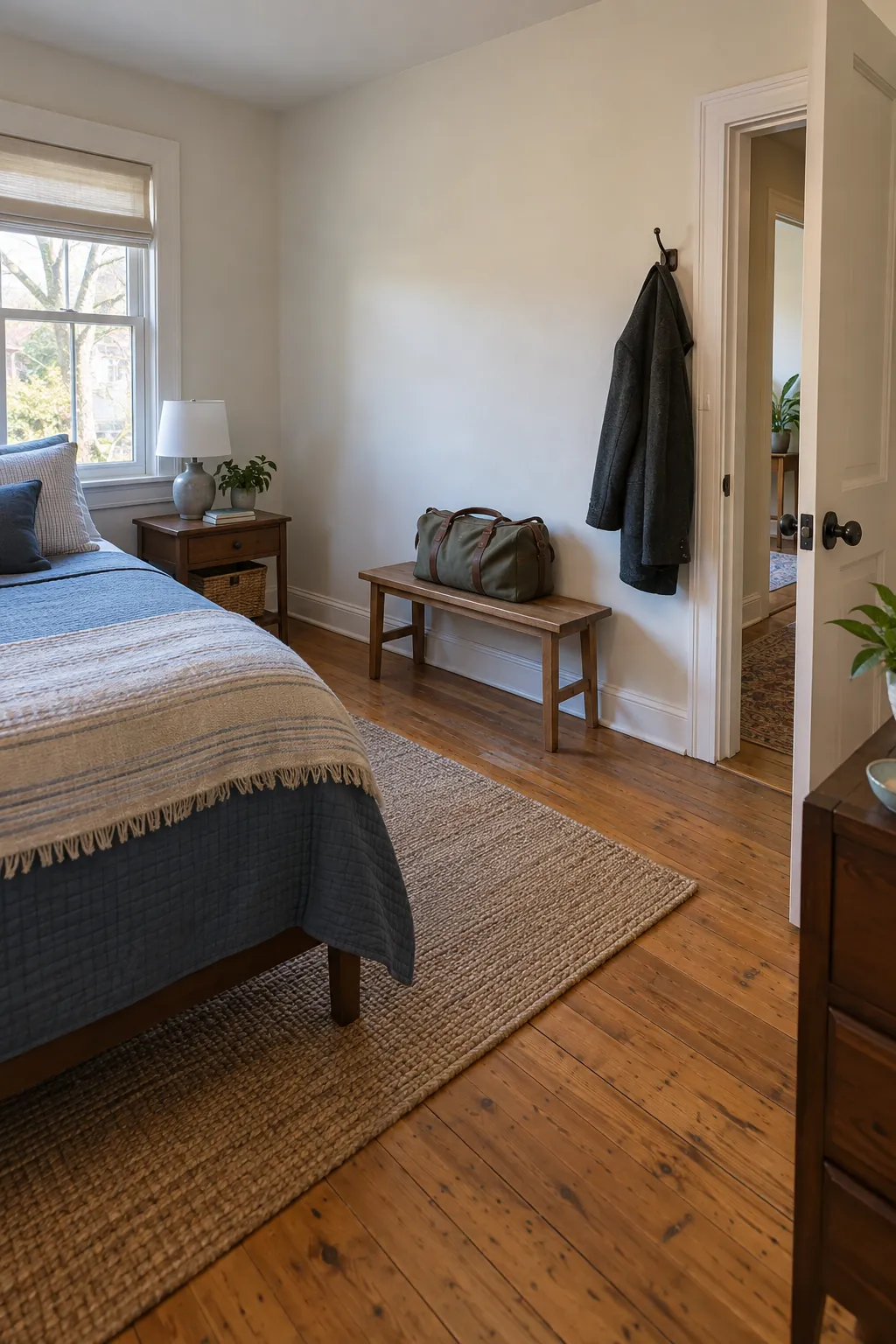
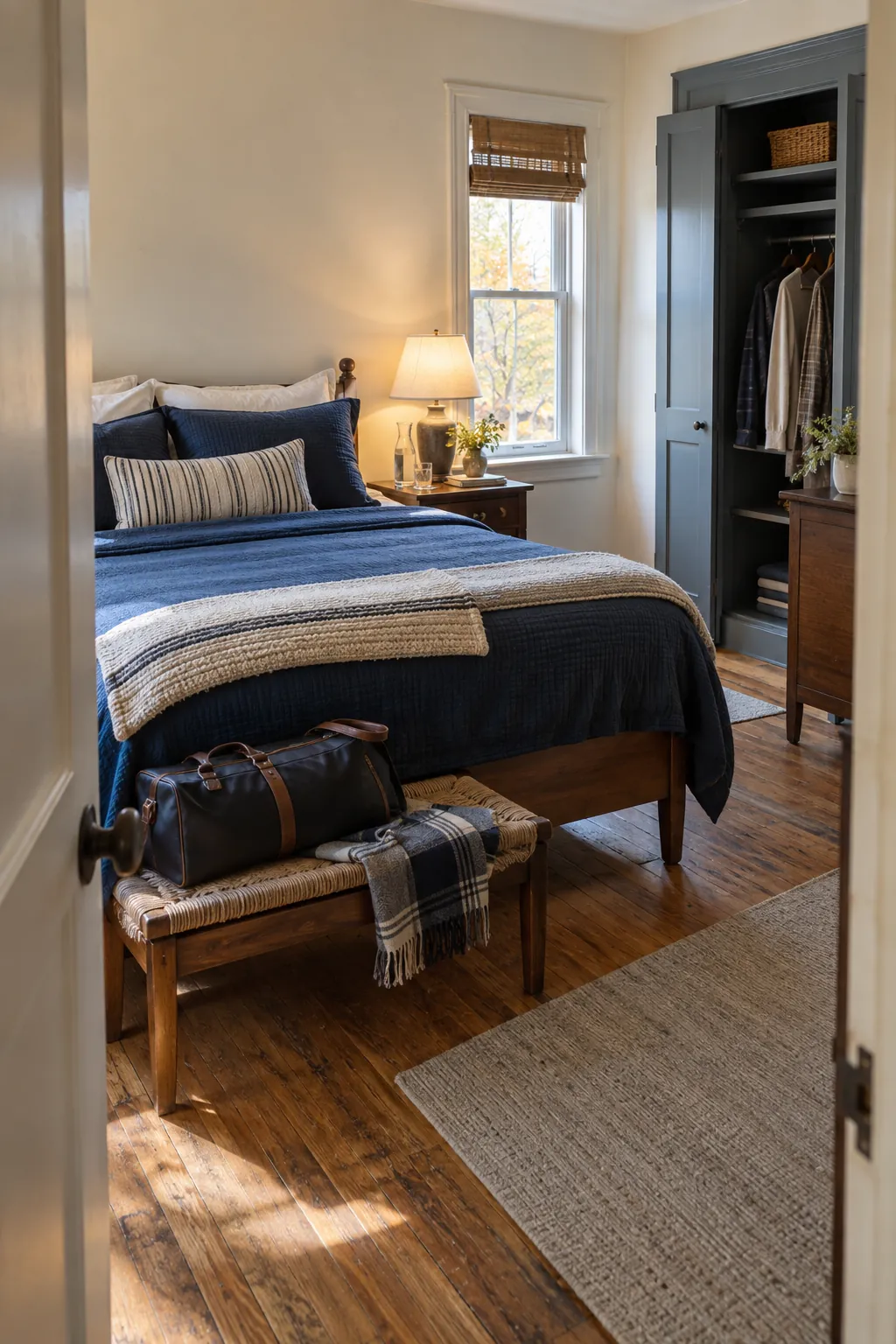
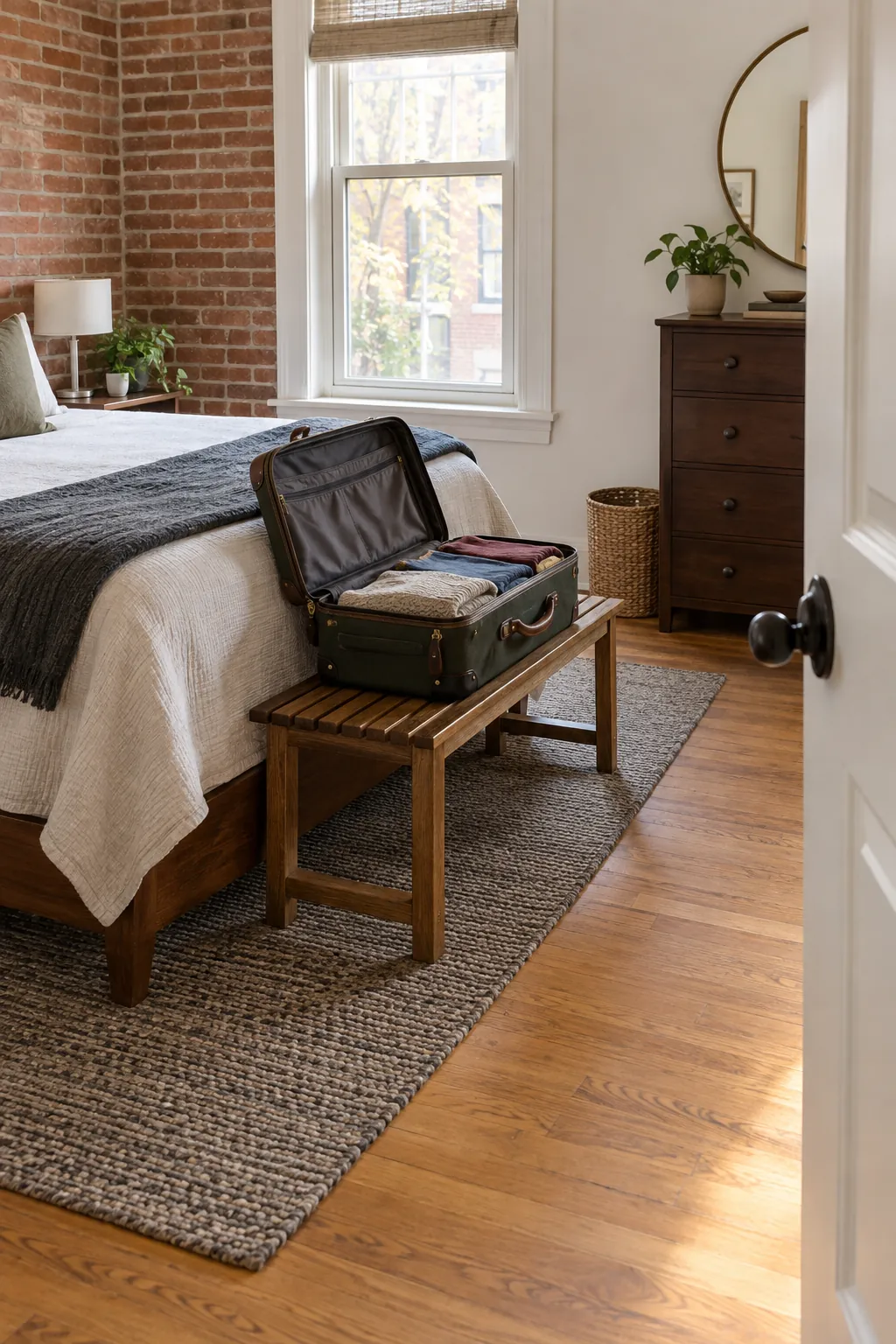
Clear a bench, low stand, or sturdy stool so luggage does not occupy the bed all weekend. Leave enough space to open a suitcase without blocking the door. This is especially helpful when a spare room usually doubles as storage or an office.
Empty a Drawer or a Short Hanging Rail
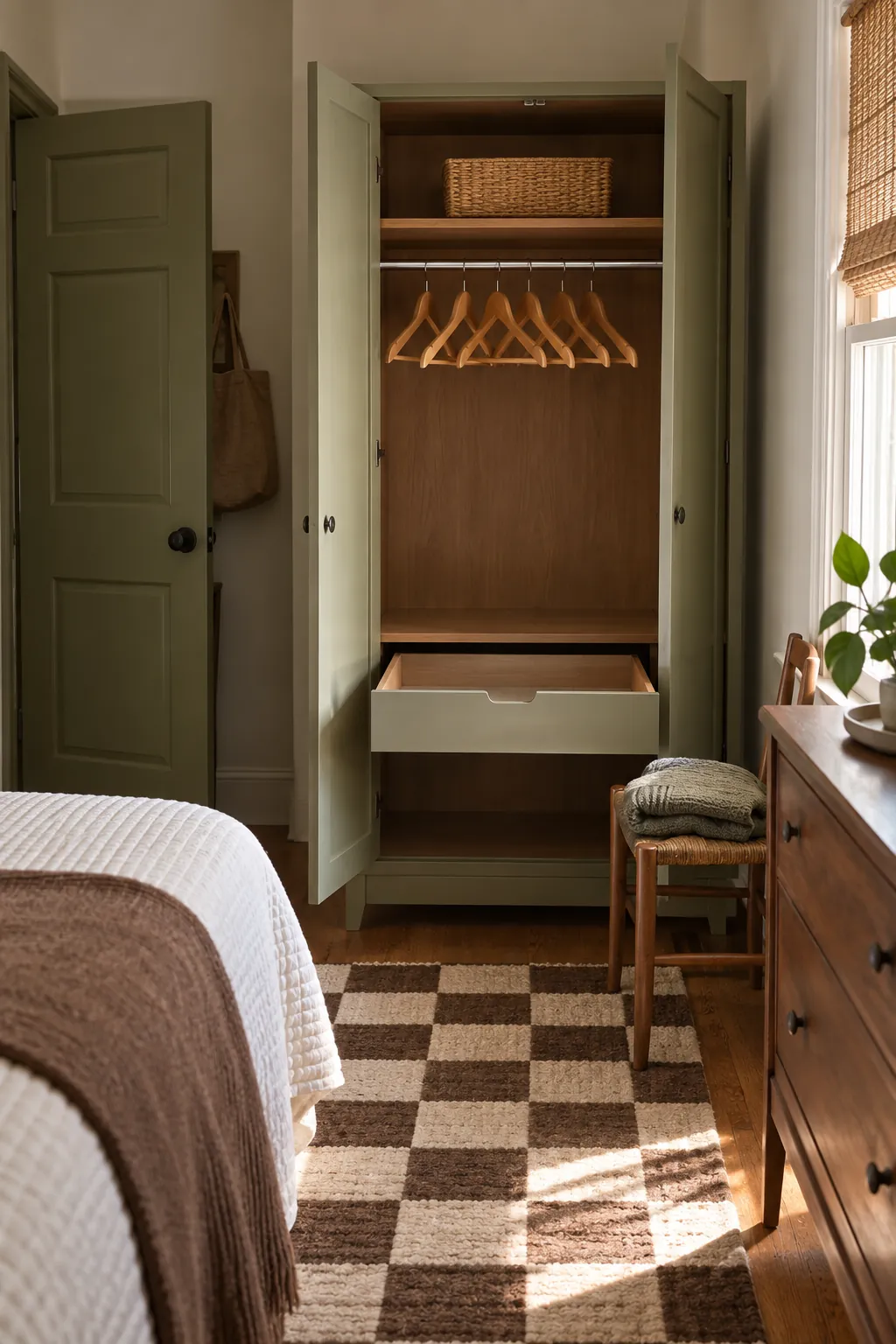
Offer real storage for clothing worn across several days, even if that means moving your own things temporarily. A few empty hangers and one clear drawer work better than a closet crammed with holiday supplies. Show the available space when guests arrive so they know it is meant for them.
Close the Curtains From Inside the Bed
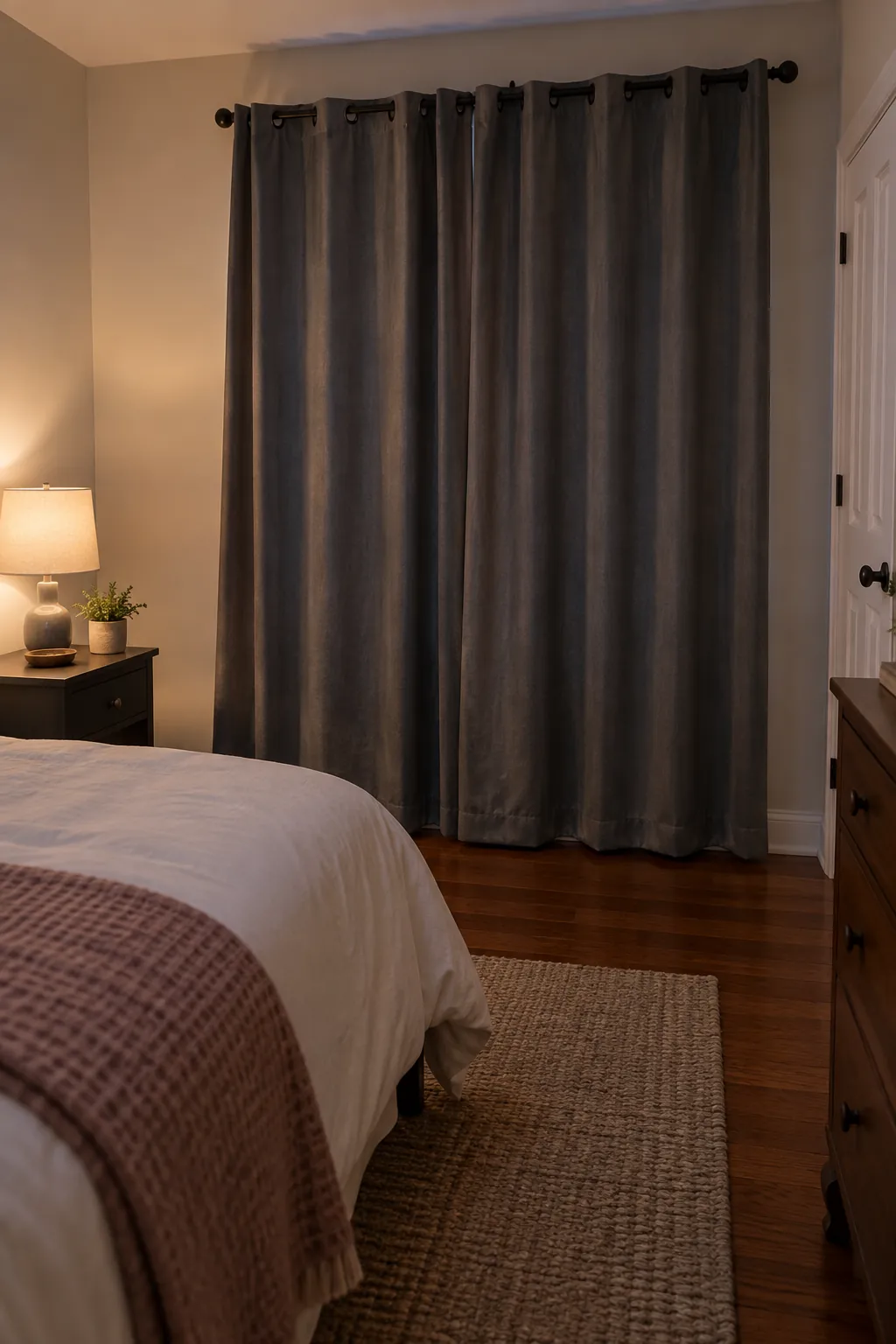
Check privacy at night with the room lights on, not only in daylight. Curtains or a properly fitted shade should close without gaps that expose the sleeping area to neighbors. Choose a treatment your guest can operate easily without standing on furniture.
Add a Mirror With Room to Stand
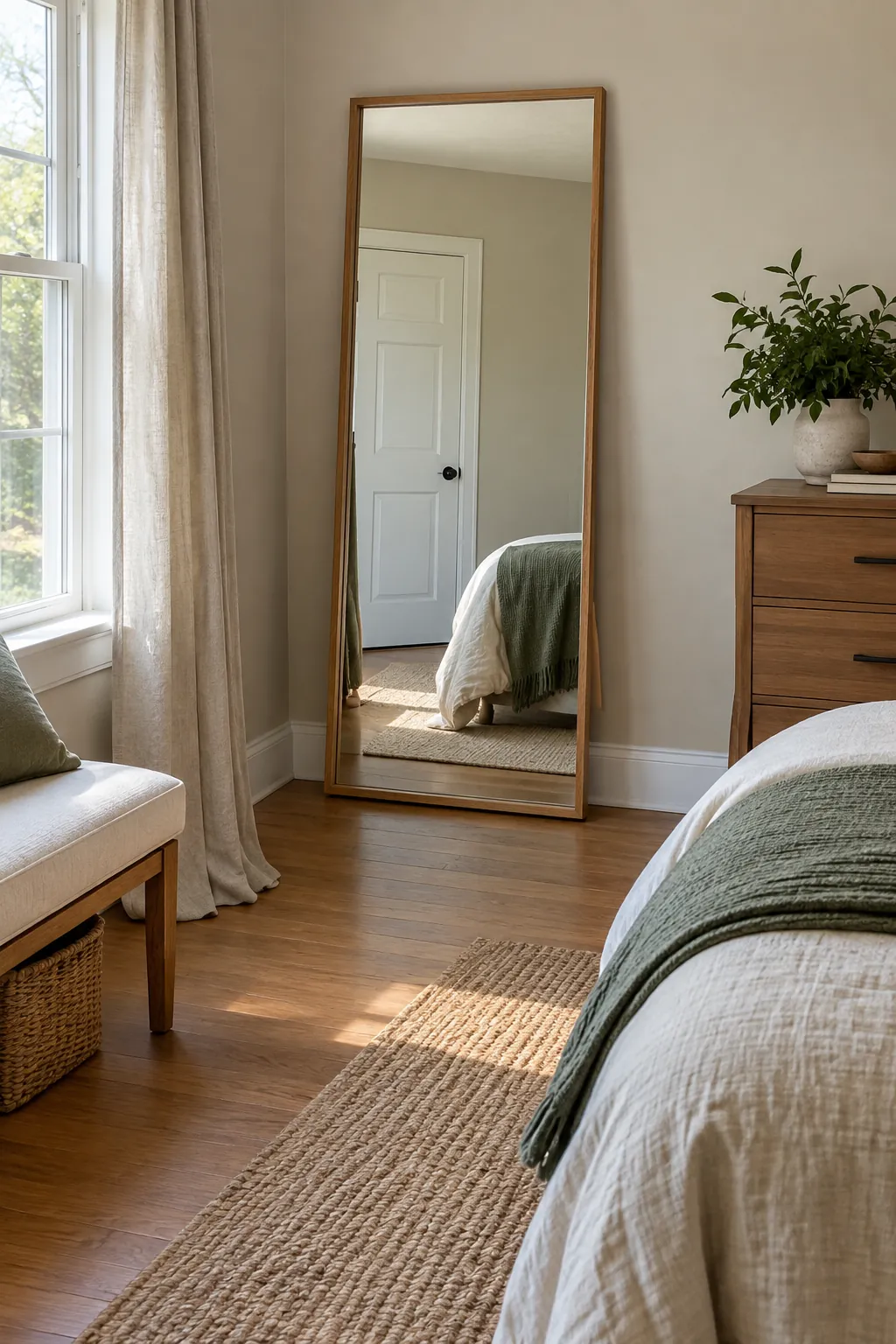
A guest who is dressing for dinner needs a mirror and enough floor to step back from it. Put it where daylight or a lamp reaches the face without harsh glare. A small mirror above an obstructed desk does less work than a simple full length mirror beside clear floor.
Set Out Towels and Bathroom Basics
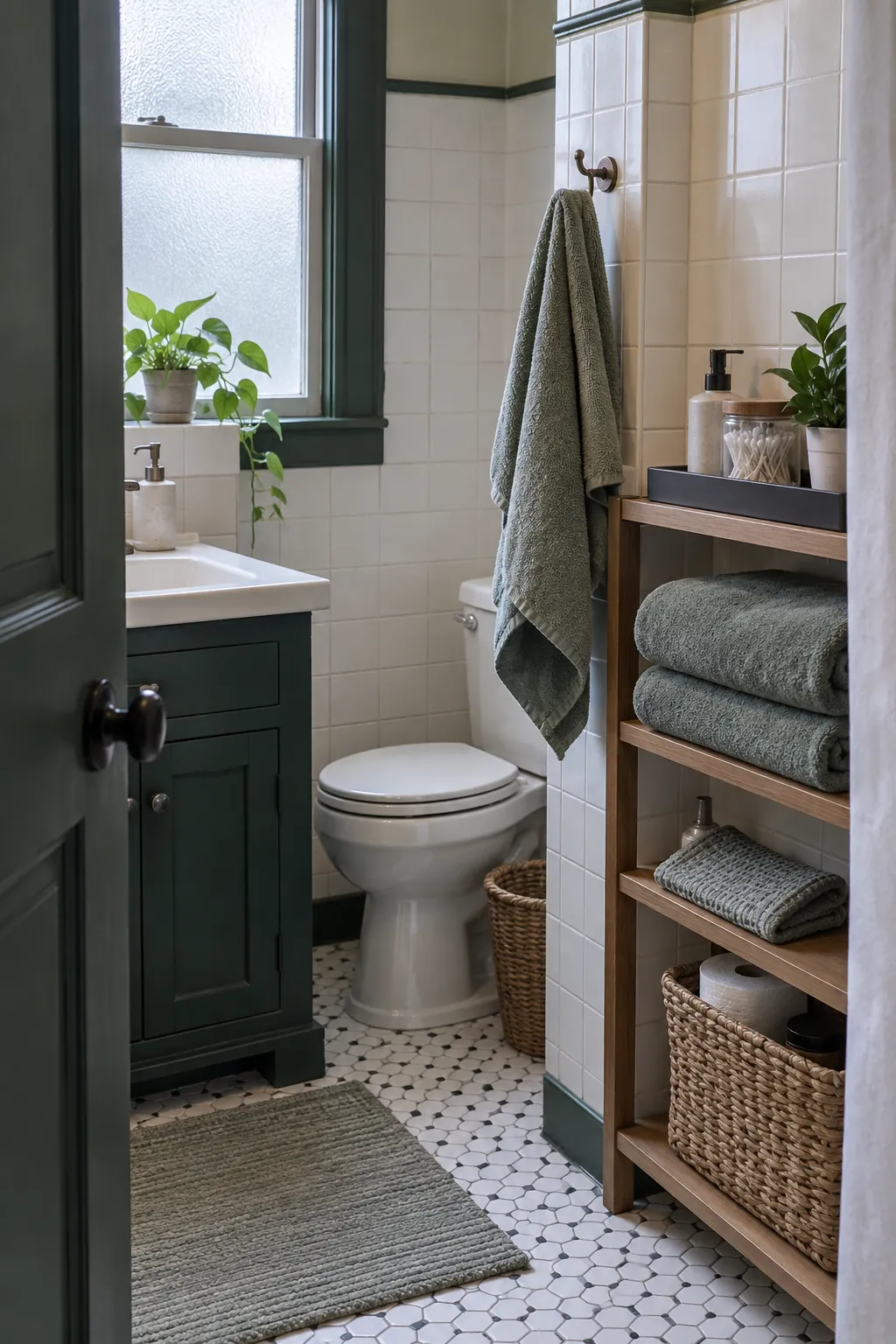
Place clean towels where guests can identify them without interrupting breakfast preparation. Add a spare roll of paper, tissues, and any basics you expect visitors to use. Tell them which bathroom is theirs and where wet towels should go after a shower.
Keep Water Near the Bed
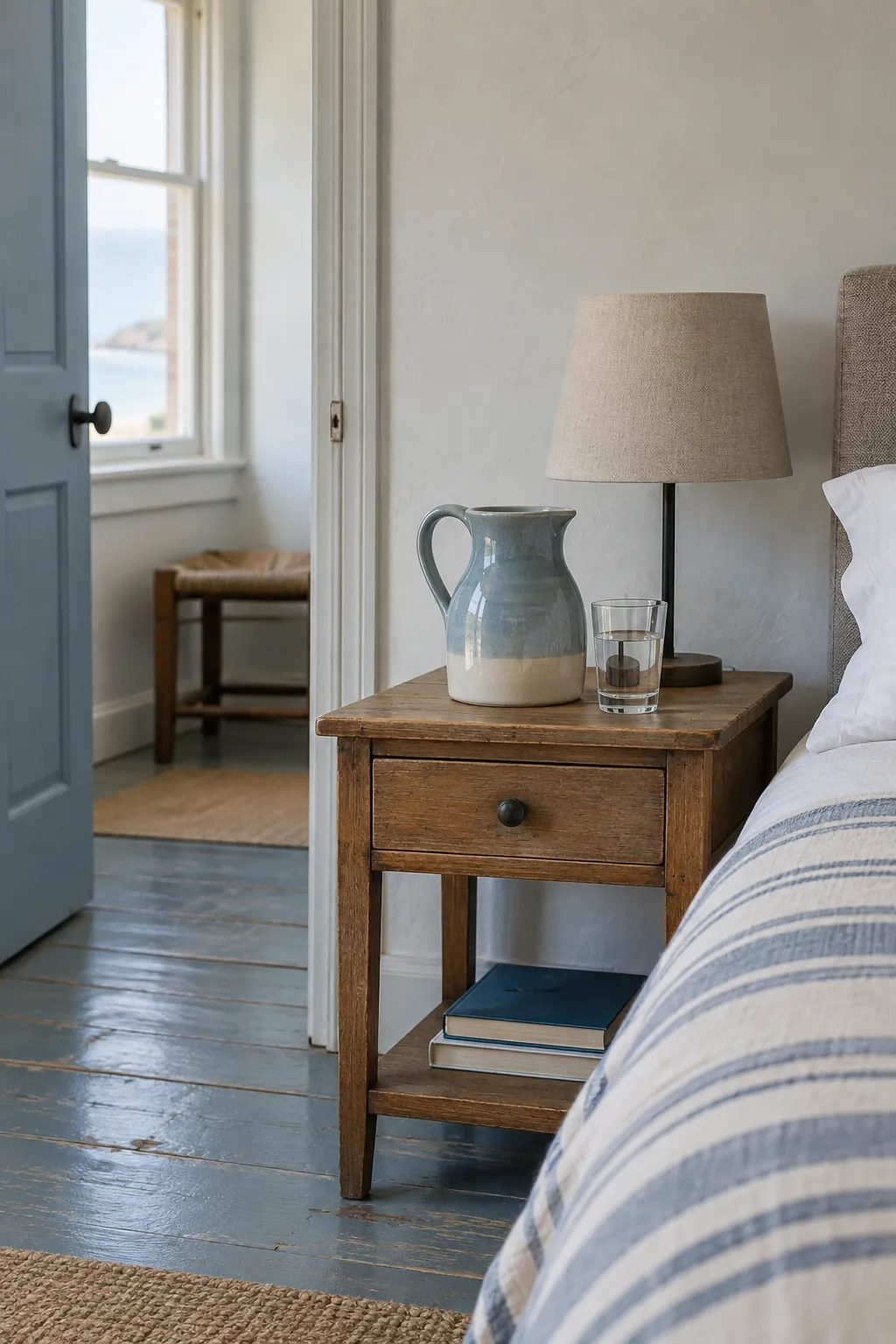
Put a filled water carafe or a covered glass on a stable bedside surface. A relative unfamiliar with your home should not have to search the kitchen after everyone sleeps. Leave room beside the water for glasses or a phone so the nightstand remains usable.
Explain How to Adjust the Temperature
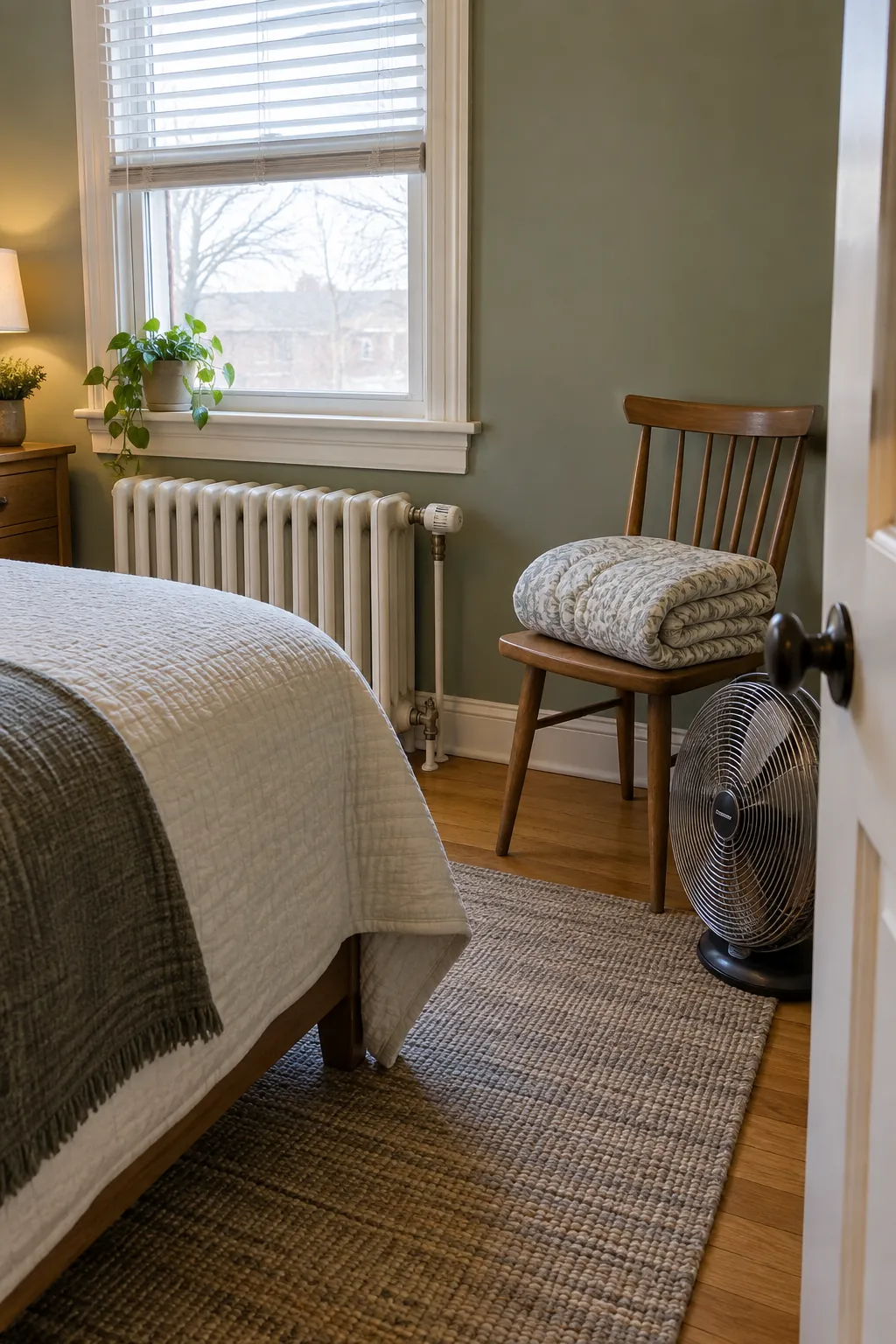
Show guests how to open the window, use the fan, or change the heat if those controls are available. Put a lighter cover and a warmer layer where they can choose for themselves. A comfortable weekend stay depends on that choice after the host has gone to bed.
Protect a Little Quiet Time
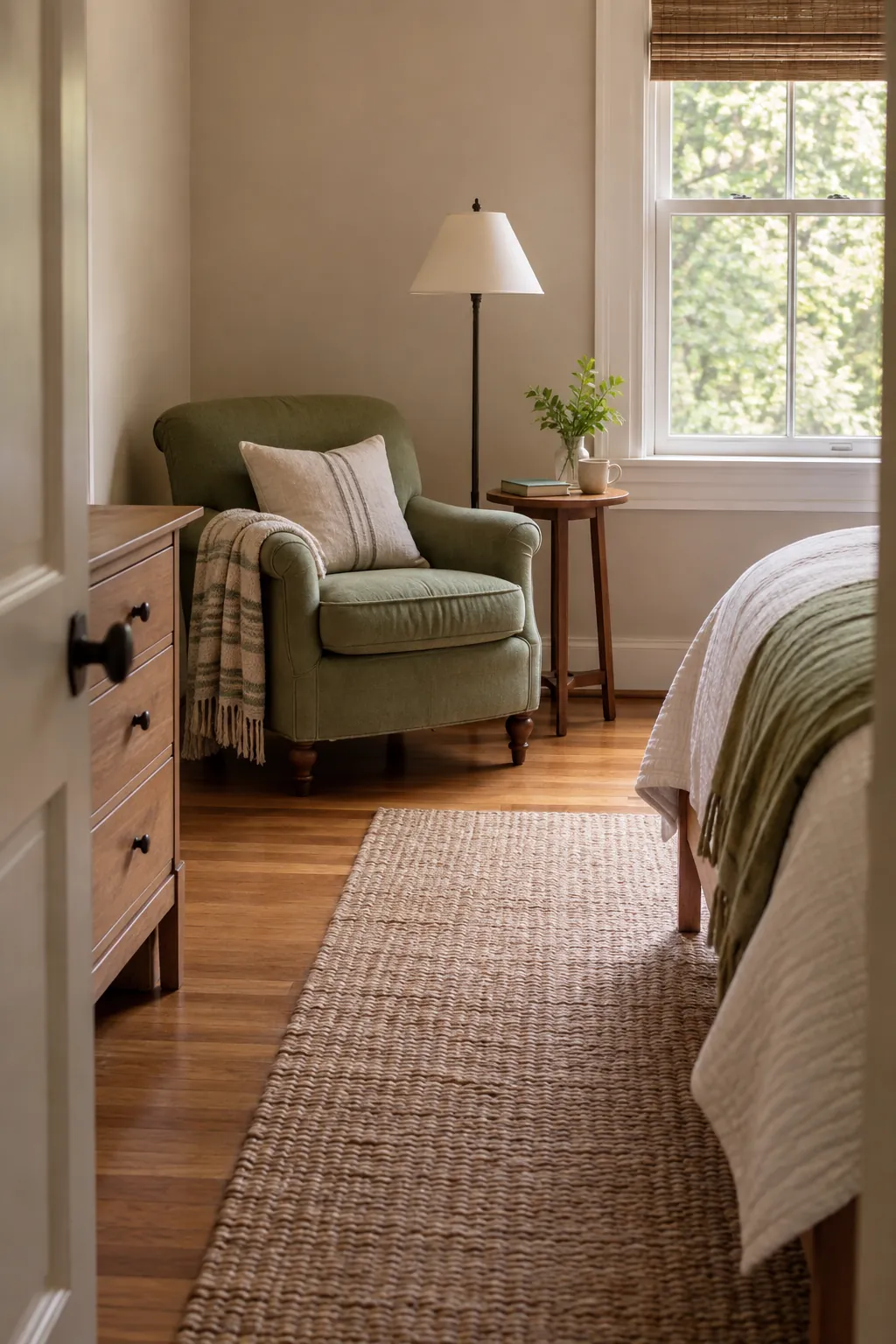
A visitor may enjoy the family gathering and still need an hour alone. Place a comfortable chair away from the busiest door, with a reading light and a surface for a book. Let relatives know it is fine to rest there without making them explain the need for privacy.
Leave a Simple Morning Plan
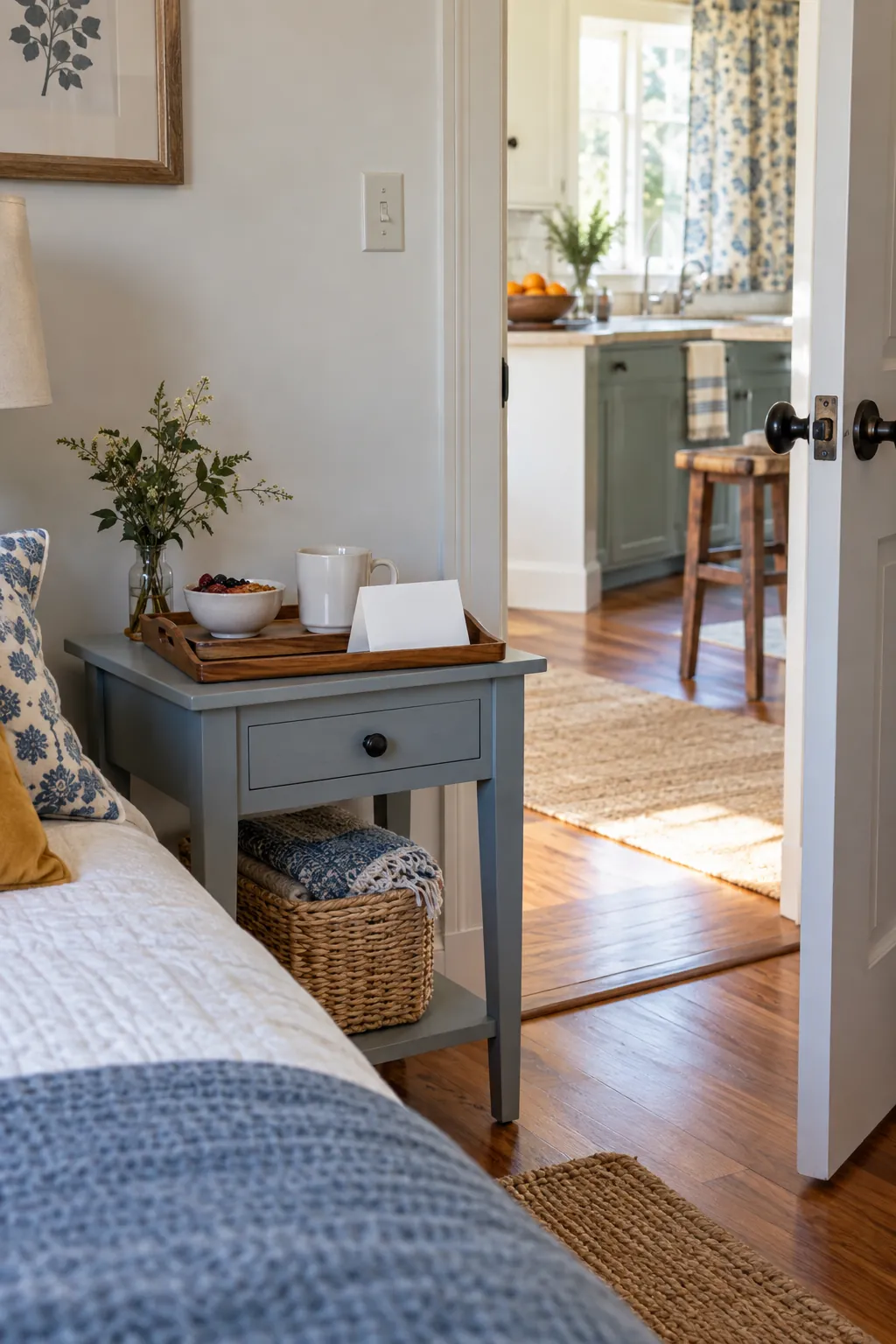
Tell guests when coffee usually starts and where they can find breakfast without waking the household. A short handwritten note with the wireless network information and kitchen basics can help, but avoid turning the room into an instruction board. For children or early risers, agree on the morning routine before bedtime.
Keep Departure Space Clear
Before the weekend ends, leave a spot where guests can gather their bag, coat, and forgotten chargers. A clear surface near the room door makes packing less frantic and keeps the bed usable until they leave. Check the closet and outlet together after breakfast, then let the room return to normal at its own pace.