
The 1970s was a decade bursting with bold colors and eclectic styles, leaving a lasting mark on interior design. Whether you lived through it or just admire its charm, incorporating 70s elements can add personality to your space. From funky patterns to cozy textures, these retro ideas will inspire you to refresh your home while capturing that nostalgic vibe.
In this list, you’ll find 17 engaging ideas that showcase the essence of 70s interior design. Each one is designed to help you create a warm, inviting atmosphere that feels both stylish and fun. Let’s jump into these groovy inspirations that can transform your living space into a 70s haven!
Bold Patterns with Geometric Shapes
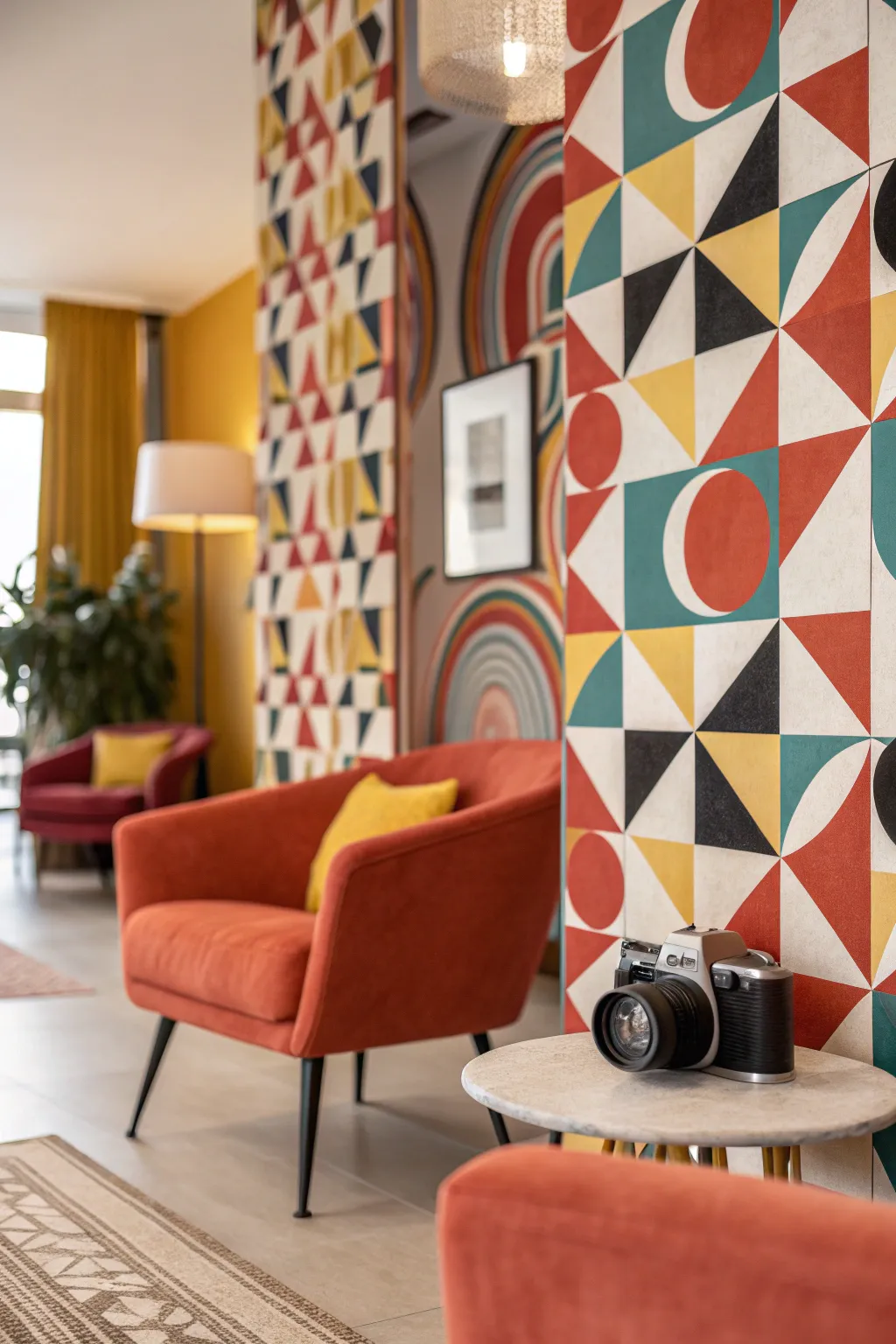
The 1970s embraced bold patterns, especially geometric shapes that caught the eye. Think vibrant wallpaper or fabric featuring triangles, circles, and abstract designs. You can add this retro touch by using bold curtains or statement upholstery on chairs and sofas. For a harmonious look, pair these patterns with solid colors to balance the visual interest.
Earthy Tones in Upholstery Choices
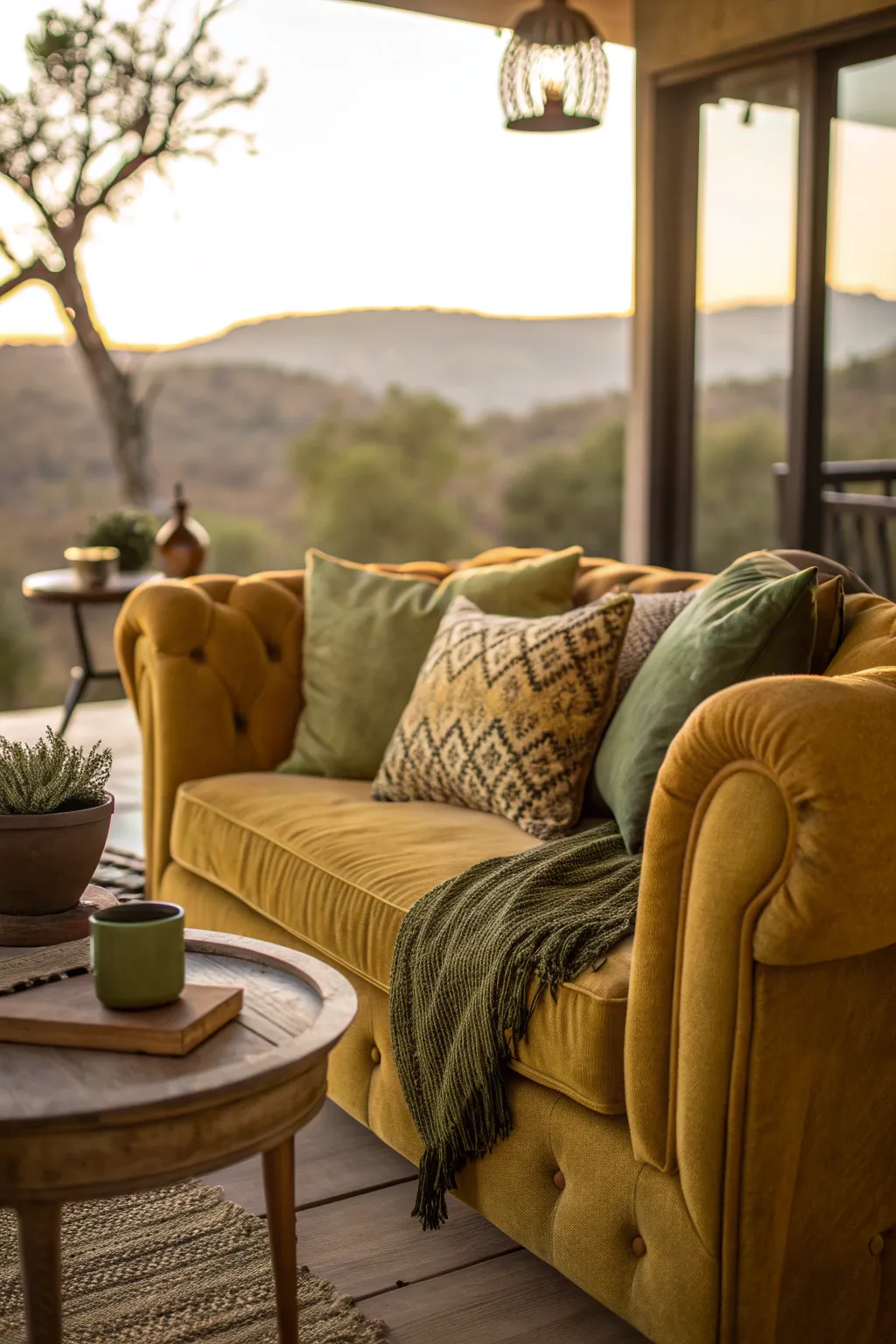
Earthy tones dominated 70s interiors, with shades like mustard yellow, olive green, and burnt orange becoming staples. When selecting upholstery, consider using these warm colors for your sofas or accent chairs. Mixing these tones can create a cozy and inviting atmosphere, perfect for a family room or living space.
Statement Lighting Fixtures in Dining Rooms
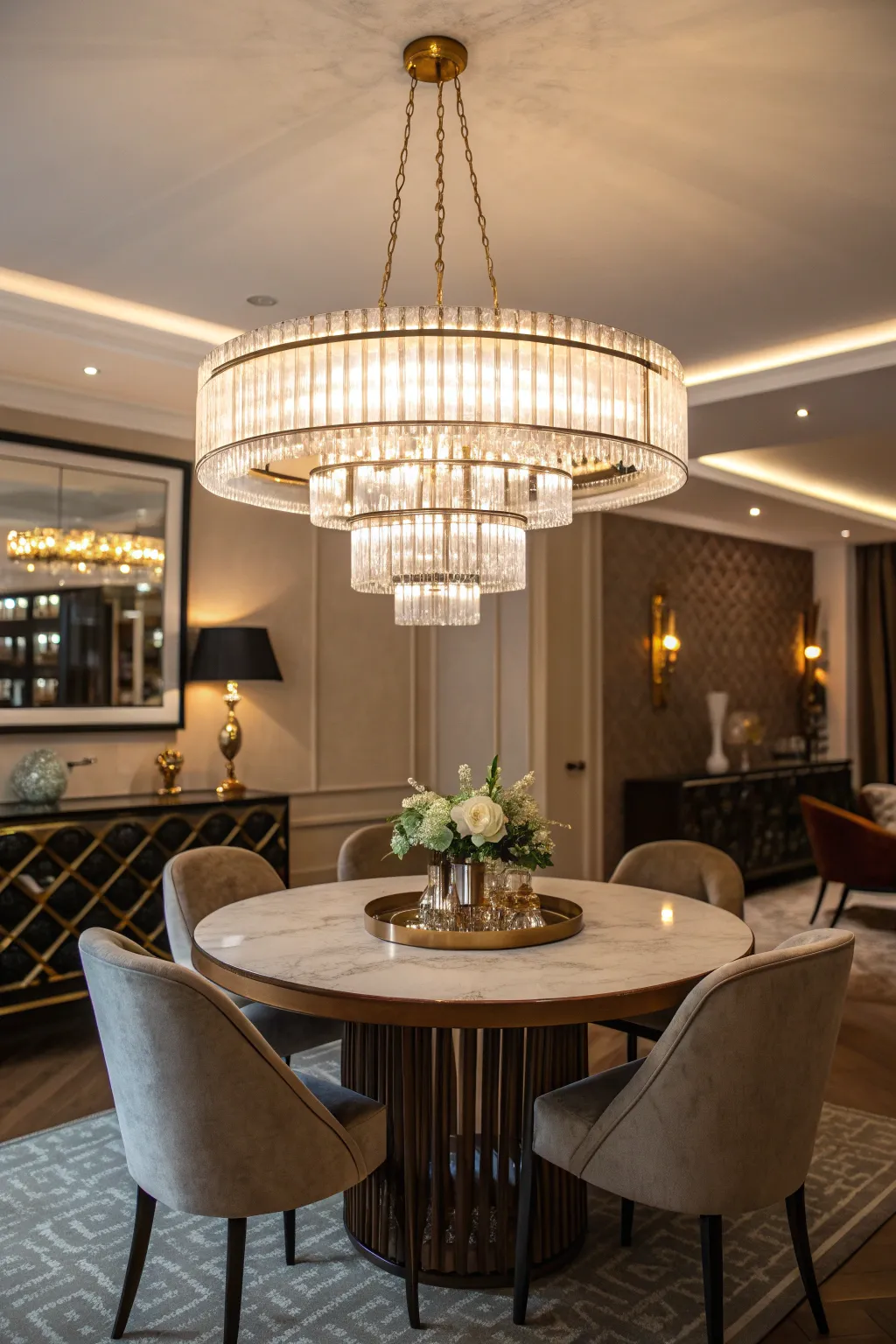
Lighting is crucial for capturing that 70s vibe, and statement fixtures can become focal points in your dining area. Look for pendant lights with funky designs or retro-inspired chandeliers. These pieces not only provide illumination but also enhance the aesthetic, bringing a touch of 70s luxury to your dining room.
Modular Furniture for Flexible Spaces
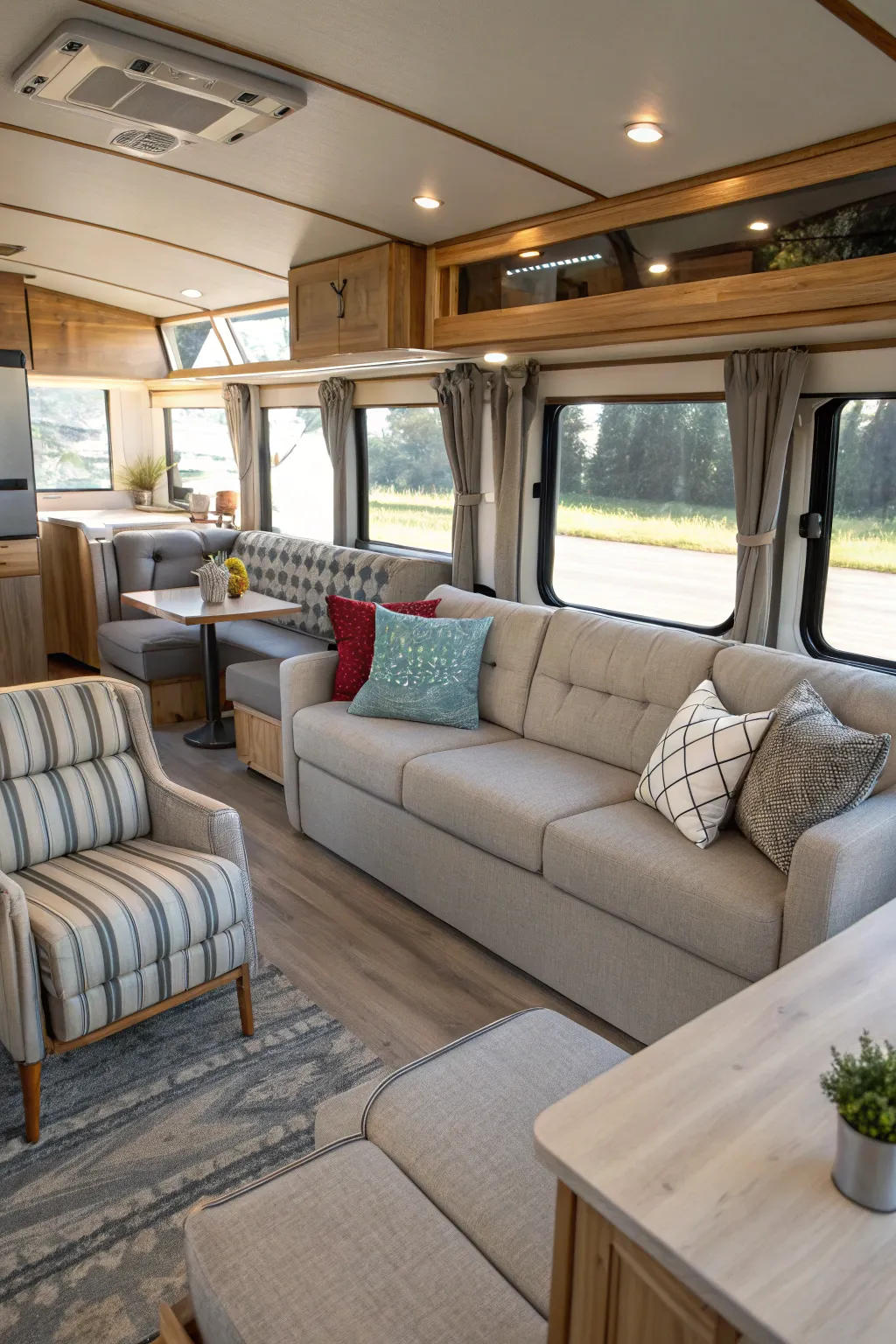
Modular furniture was a popular choice in the 70s, allowing for flexible arrangements in living areas. This type of furniture can include sectional sofas or stackable chairs. Incorporating modular pieces offers versatility and can easily adapt to your changing needs, making your space both functional and stylish.
Vintage Wall Art Featuring Iconic 70s Imagery
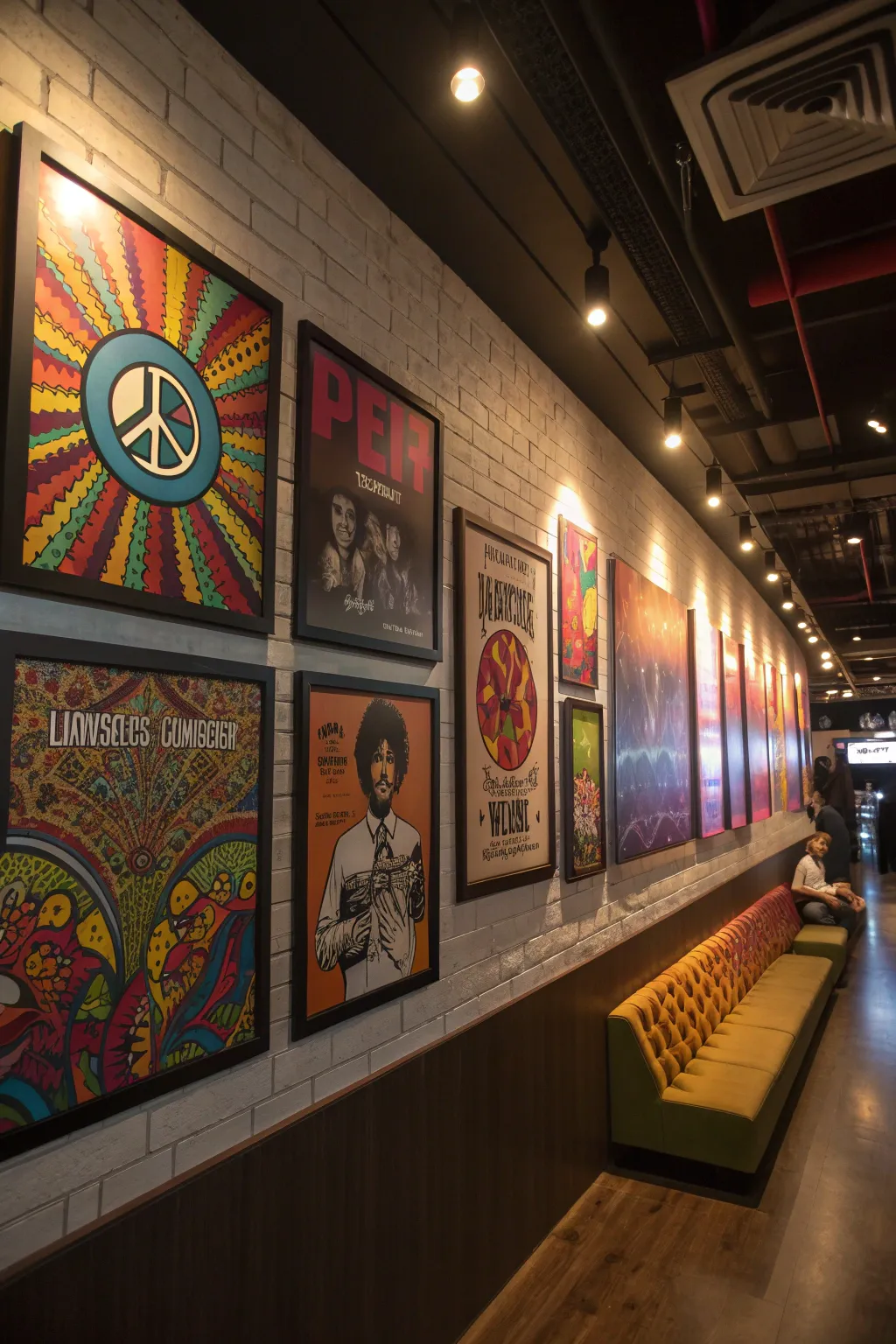
Wall art from the 1970s often features iconic imagery, from psychedelic designs to famous pop culture references. Consider hanging framed prints or canvas art that reflects this era. These art pieces can serve as conversation starters, adding character and nostalgia to your walls.
Use of Shag Carpets for Textural Contrast
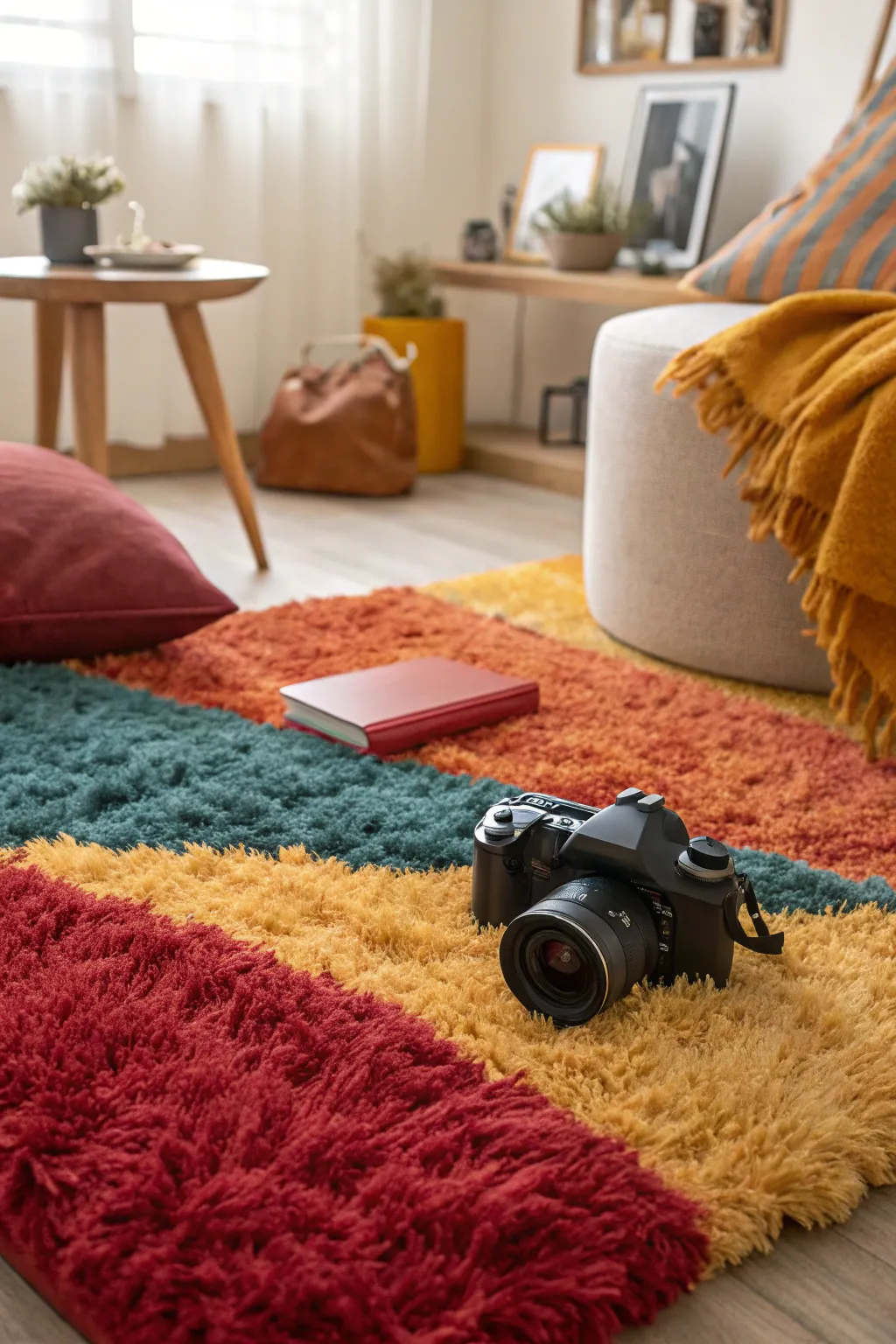
One of the defining features of 70s interiors is shag carpeting. This textural option adds comfort and warmth to any room. When incorporating shag carpets, opt for bold colors or neutral tones that complement your existing decor. The plush feel underfoot can create a cozy atmosphere that invites relaxation.
Colorful Accent Walls with Retro Paints
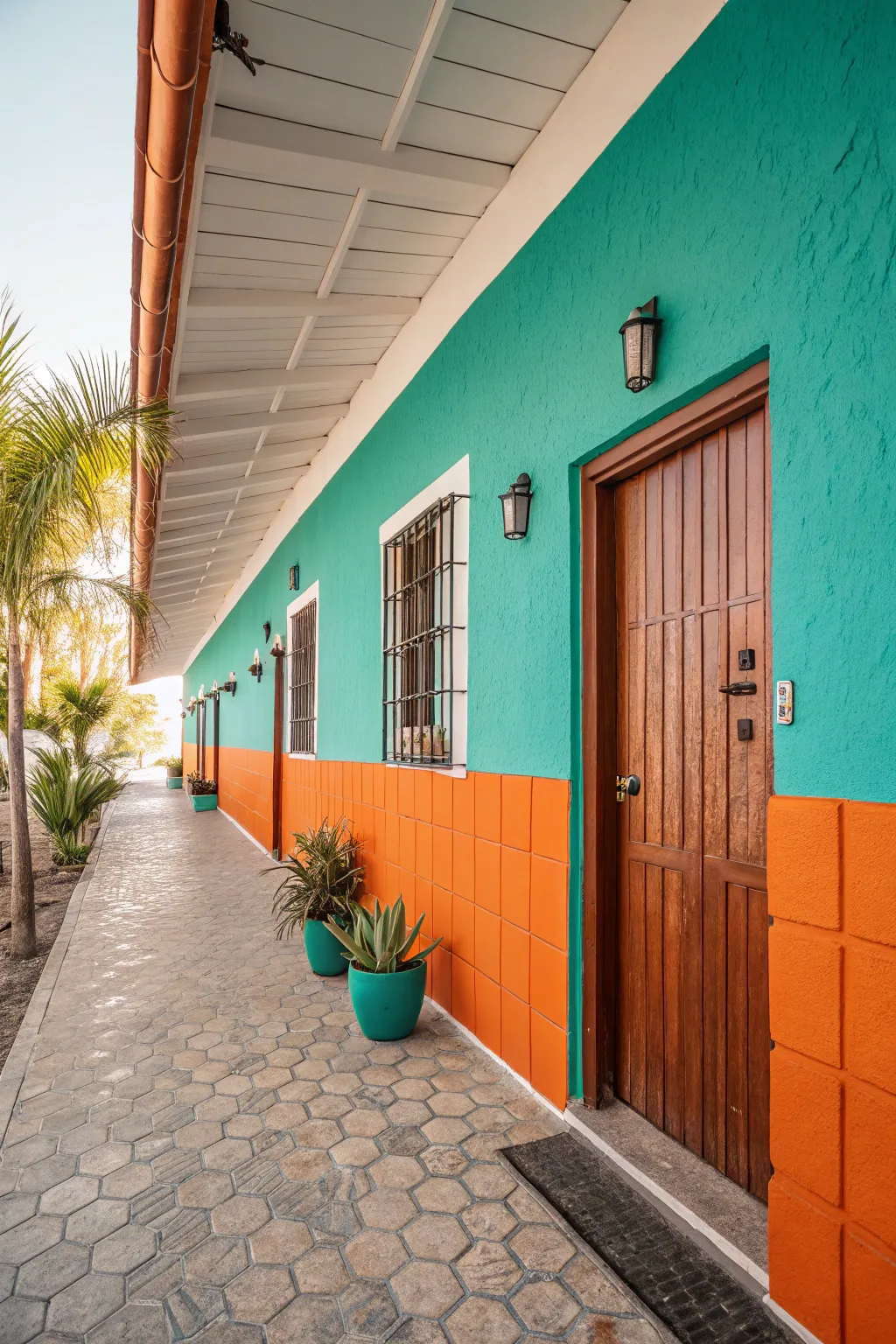
Accent walls are a simple way to inject color into a room, and retro paint options from the 70s can create a lively atmosphere. Choose bright colors like teal or pumpkin orange for an eye-catching feature. This not only adds depth to the space but also channels that vintage 70s spirit.
Incorporate Houseplants in Decorative Pots
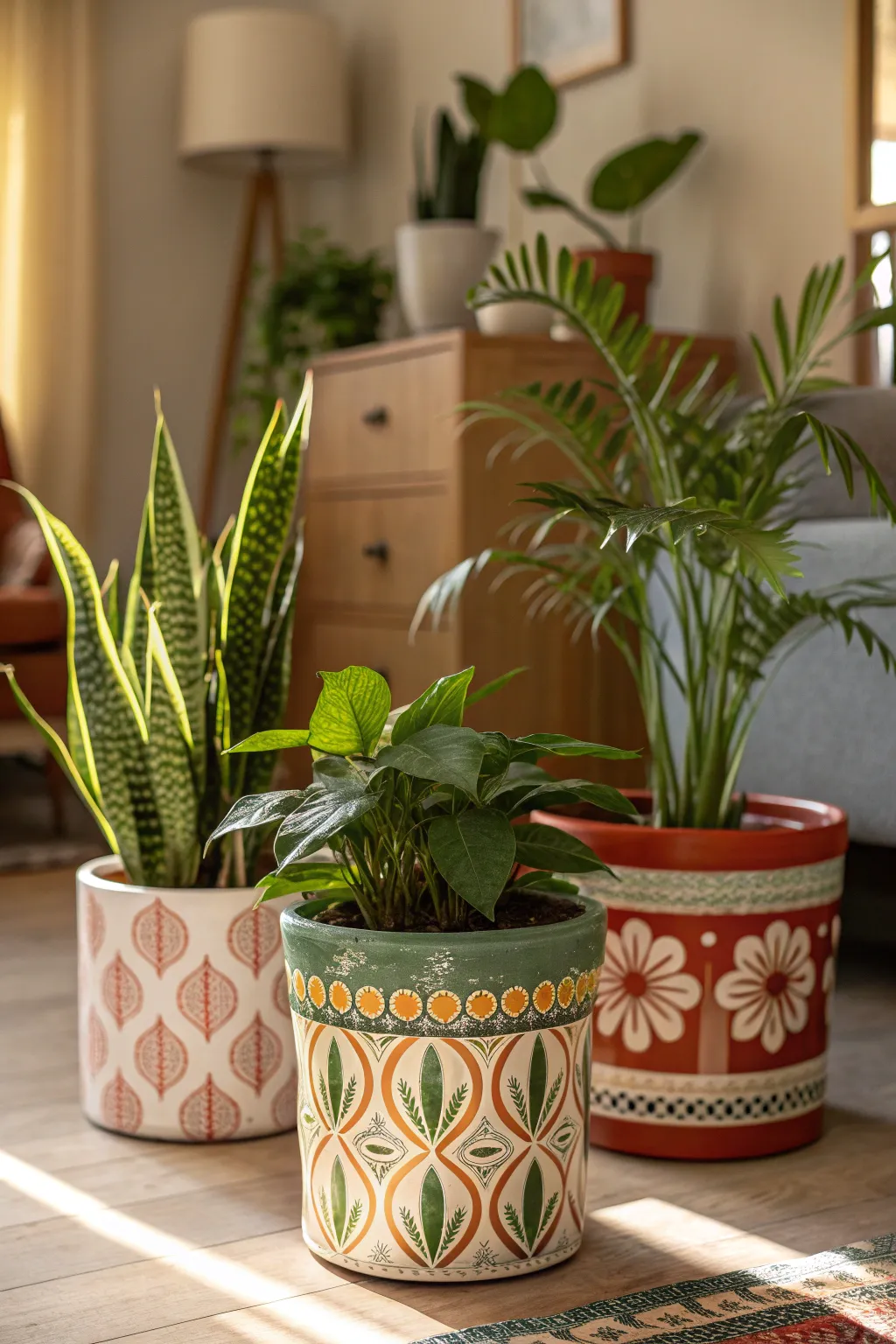
Houseplants were a staple in 70s homes, reflecting the era’s appreciation for nature. Select a variety of indoor plants and place them in decorative pots featuring retro designs. Not only do plants enhance air quality, but they also bring life and color into your interiors, making them feel fresh and inviting.
Mix and Match Textiles for a Layered Look
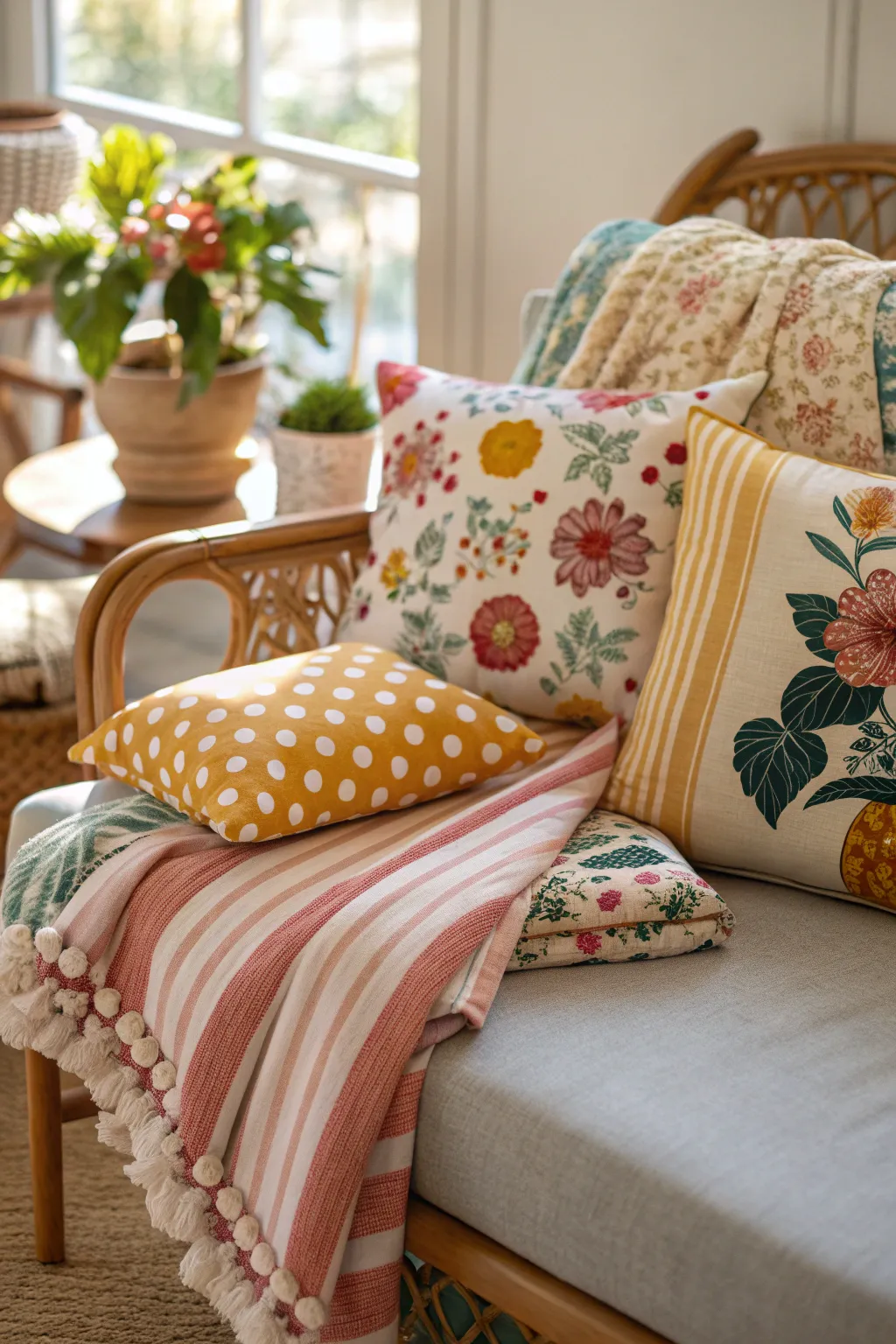
The 70s encouraged a playful approach to textiles, with layering different fabrics and prints. Consider combining floral patterns with stripes or polka dots for cushions and throws. This eclectic mix can create a warm, inviting atmosphere, perfect for retro-inspired spaces.
Retro Kitchen with Funky Appliances
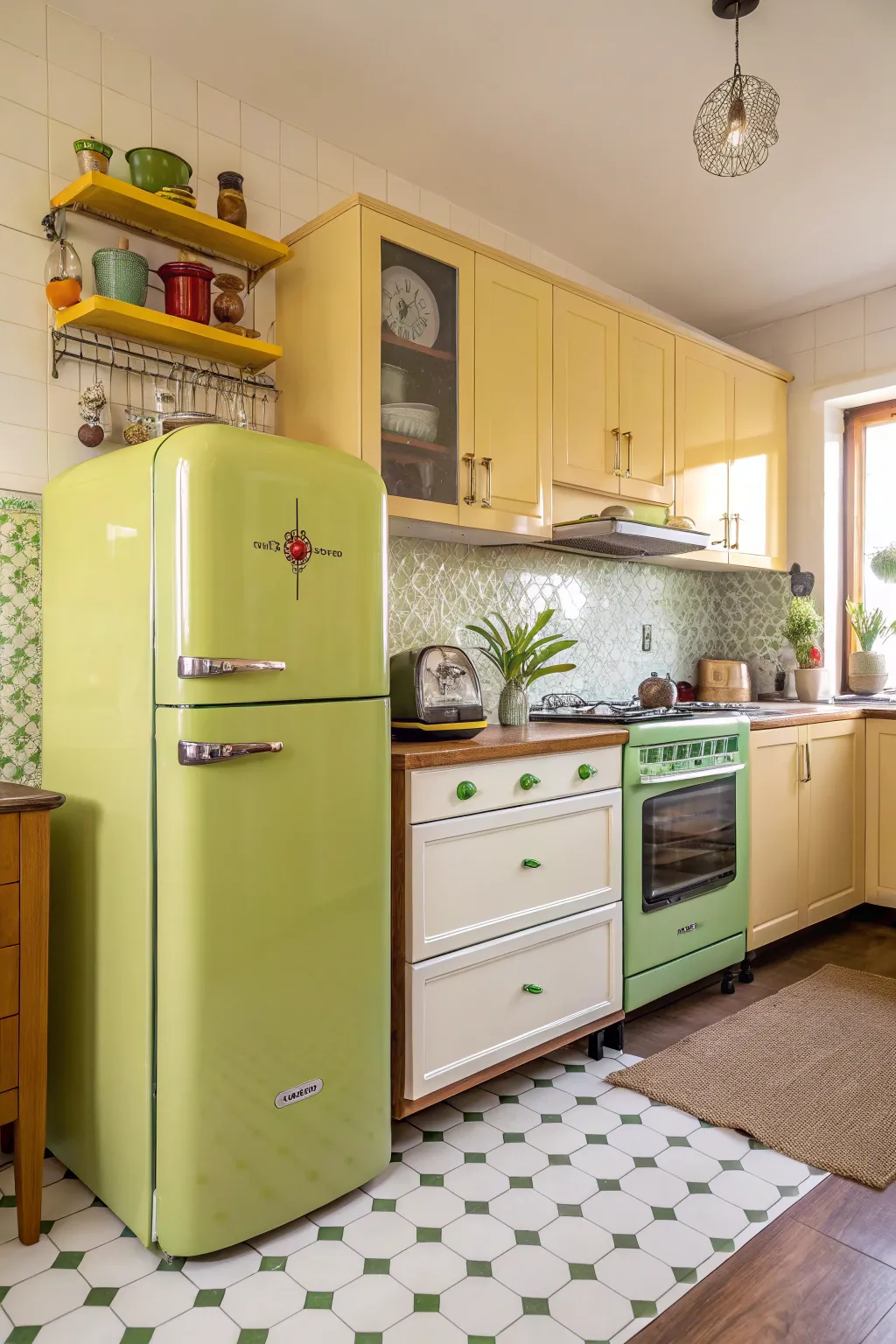
The kitchen is a great place to showcase 70s style through funky appliances. Look for retro-colored items in bright shades like avocado green or harvest gold. These appliances can add character and charm, turning your kitchen into a vibrant focal point that pays homage to the past.
Open Shelving Displaying Bold Dishware
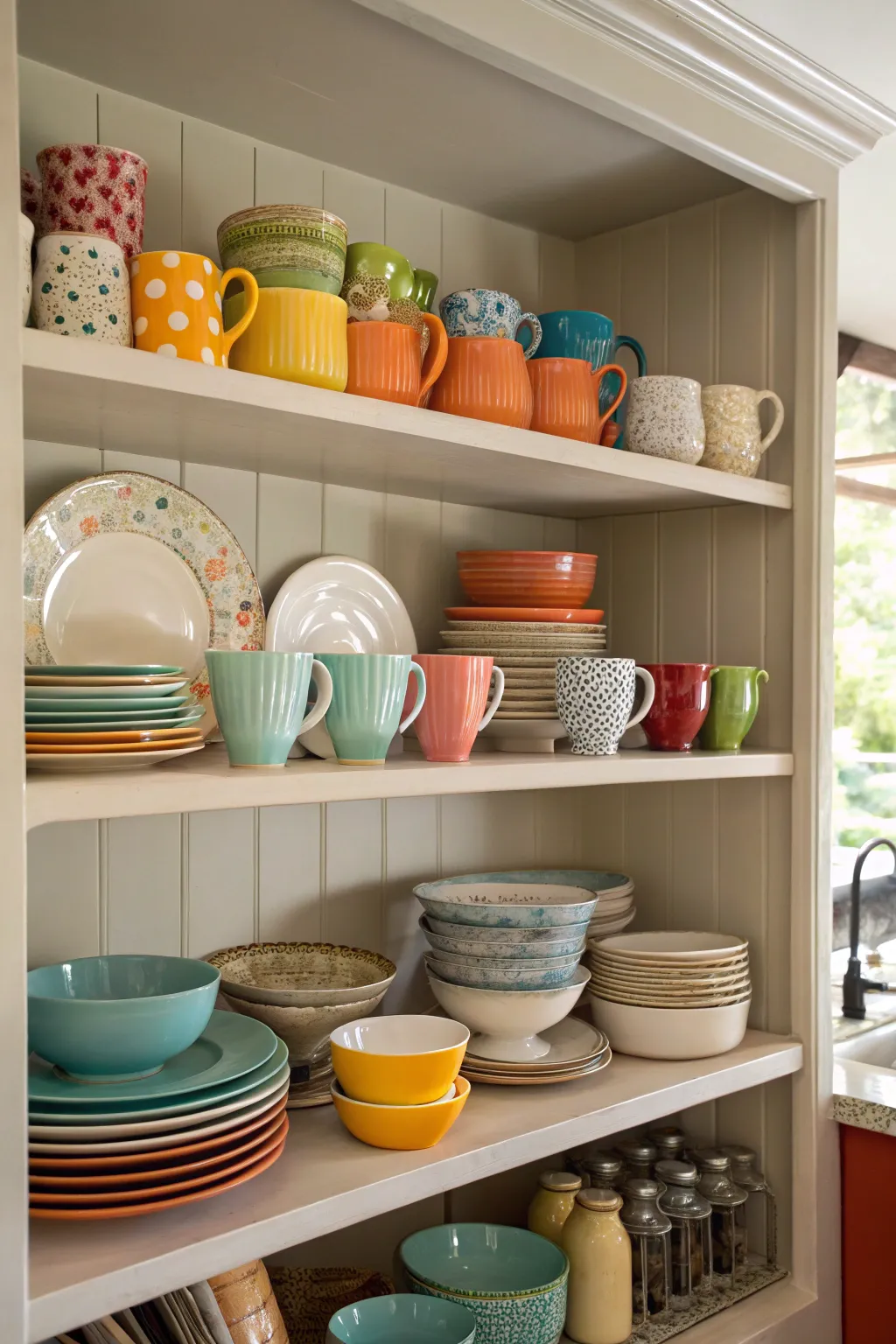
Open shelving was a popular trend in 70s kitchens, allowing homeowners to display their dishware. Consider installing shelves to showcase vintage plates and colorful mugs. This not only provides easy access to your kitchenware but also adds a decorative element that reflects your personal style.
Wood Paneling for a Cozy Feel
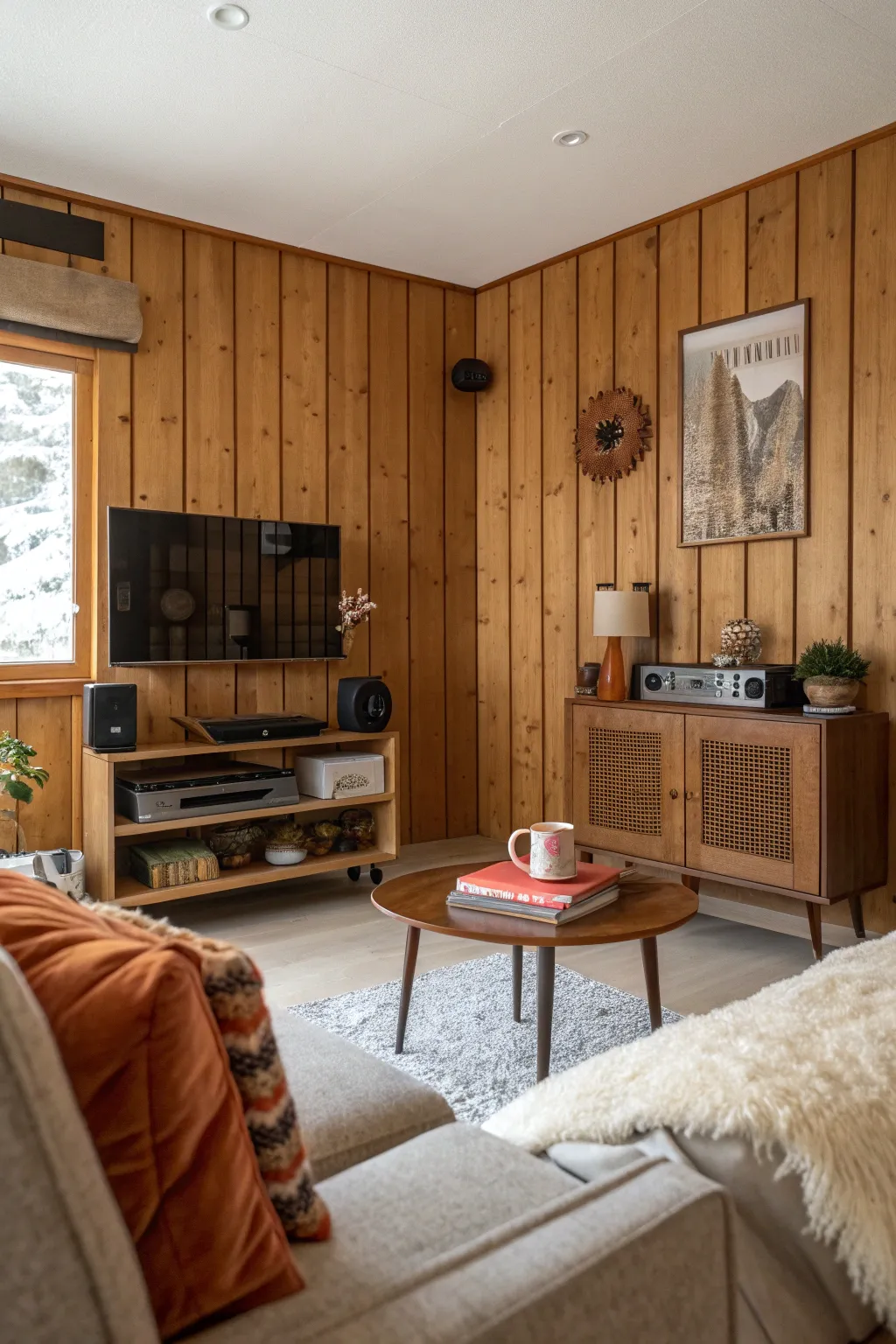
Wood paneling was a hallmark of 70s design, often used to create a warm and inviting environment. Consider adding wood panels to a feature wall in your living room or den. This can enhance the cozy vibe while also providing a classic retro look that feels timeless.
Sculptural Furniture as a Focal Point
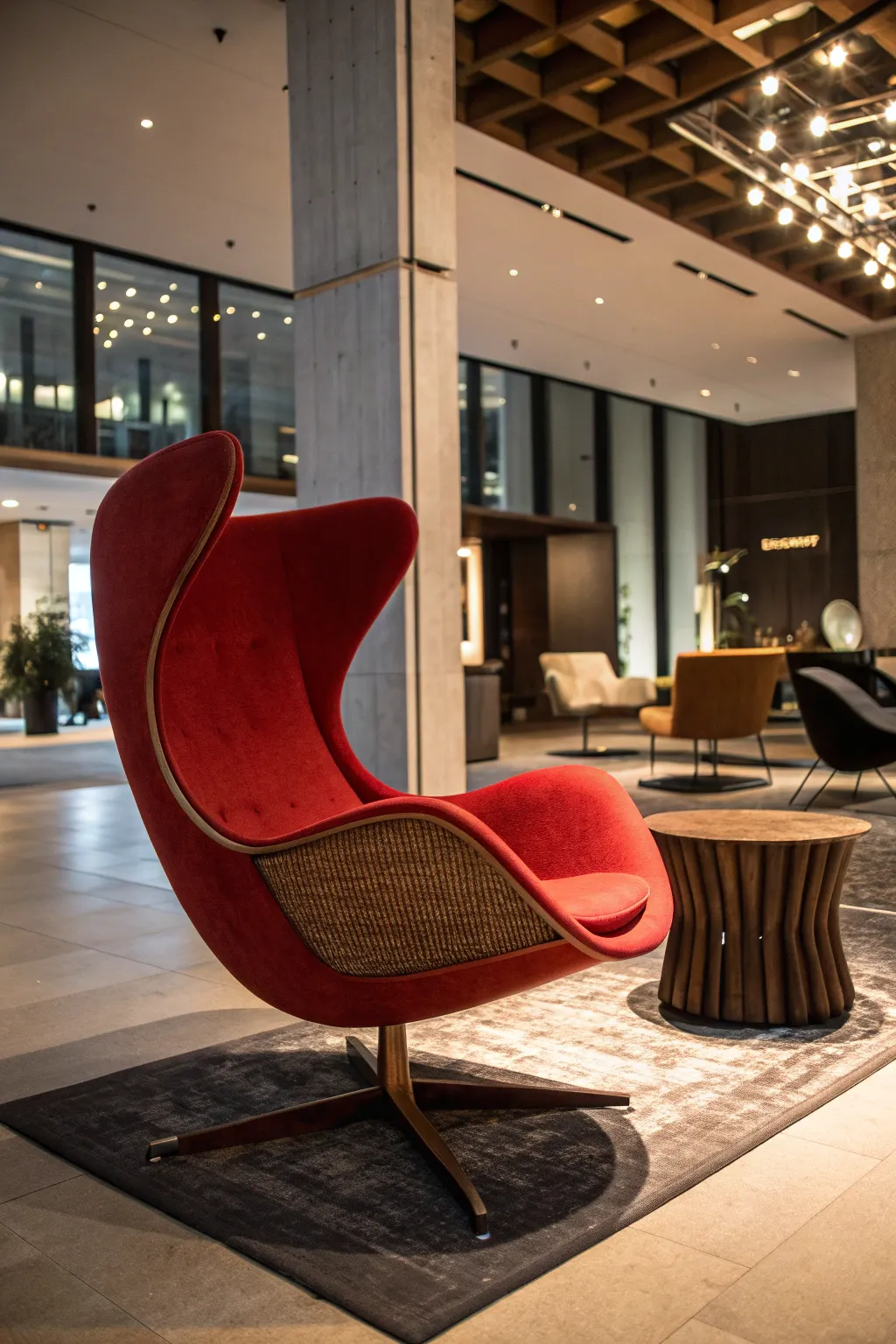
Sculptural furniture pieces were all the rage in the 70s. Look for chairs or tables with unique shapes that can serve as conversation starters. These pieces not only add visual interest but also embody the artistic spirit of the era, making your space feel dynamic and engaging.
Art Deco Elements in Living Spaces
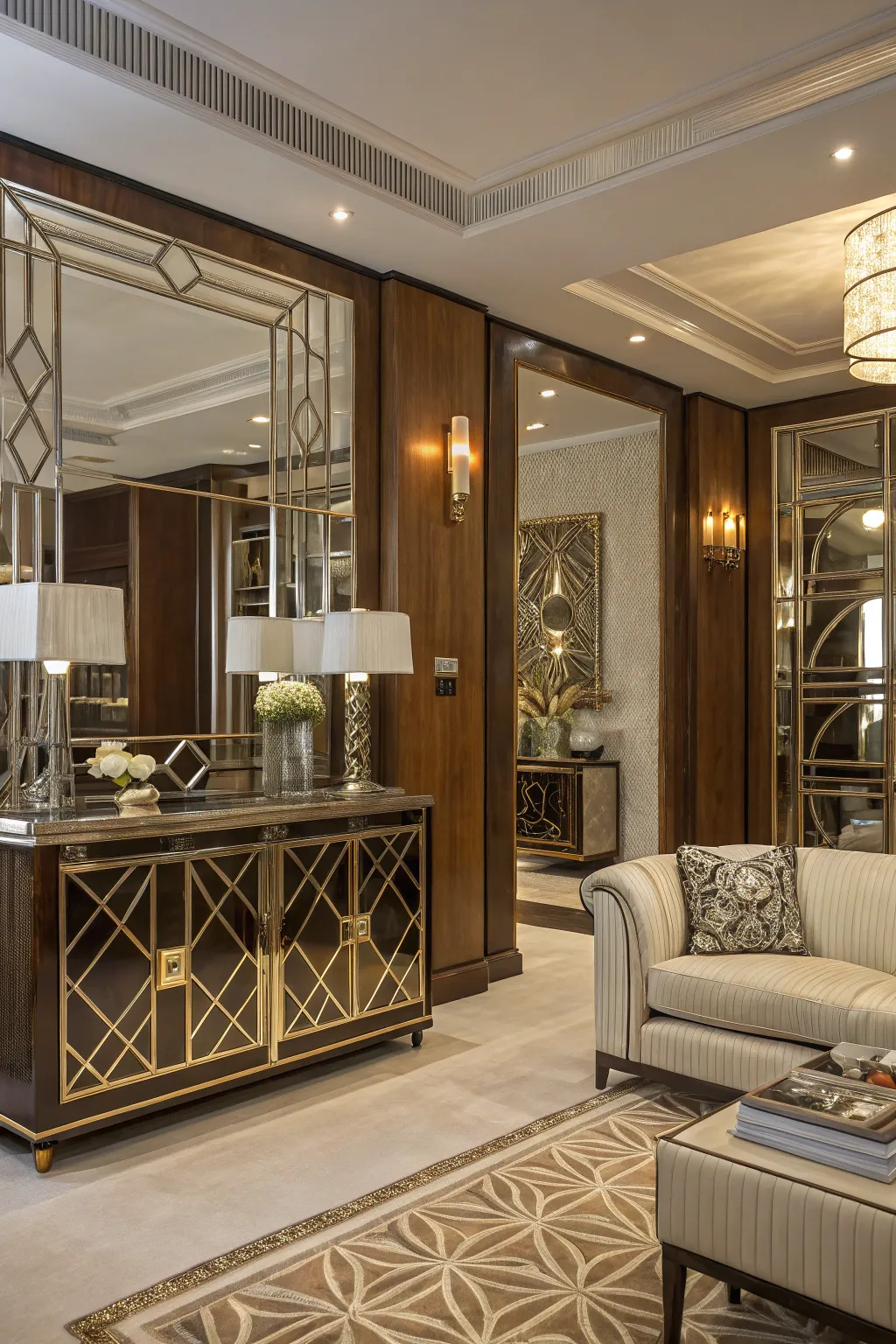
Art Deco influences also found their way into 70s interiors, offering a touch of luxury. Incorporate elements like mirrored surfaces or geometric patterns in your decor. This can enhance the elegance of your living space while maintaining a retro aesthetic that feels sophisticated.
Use of Mirrors to Enhance Light
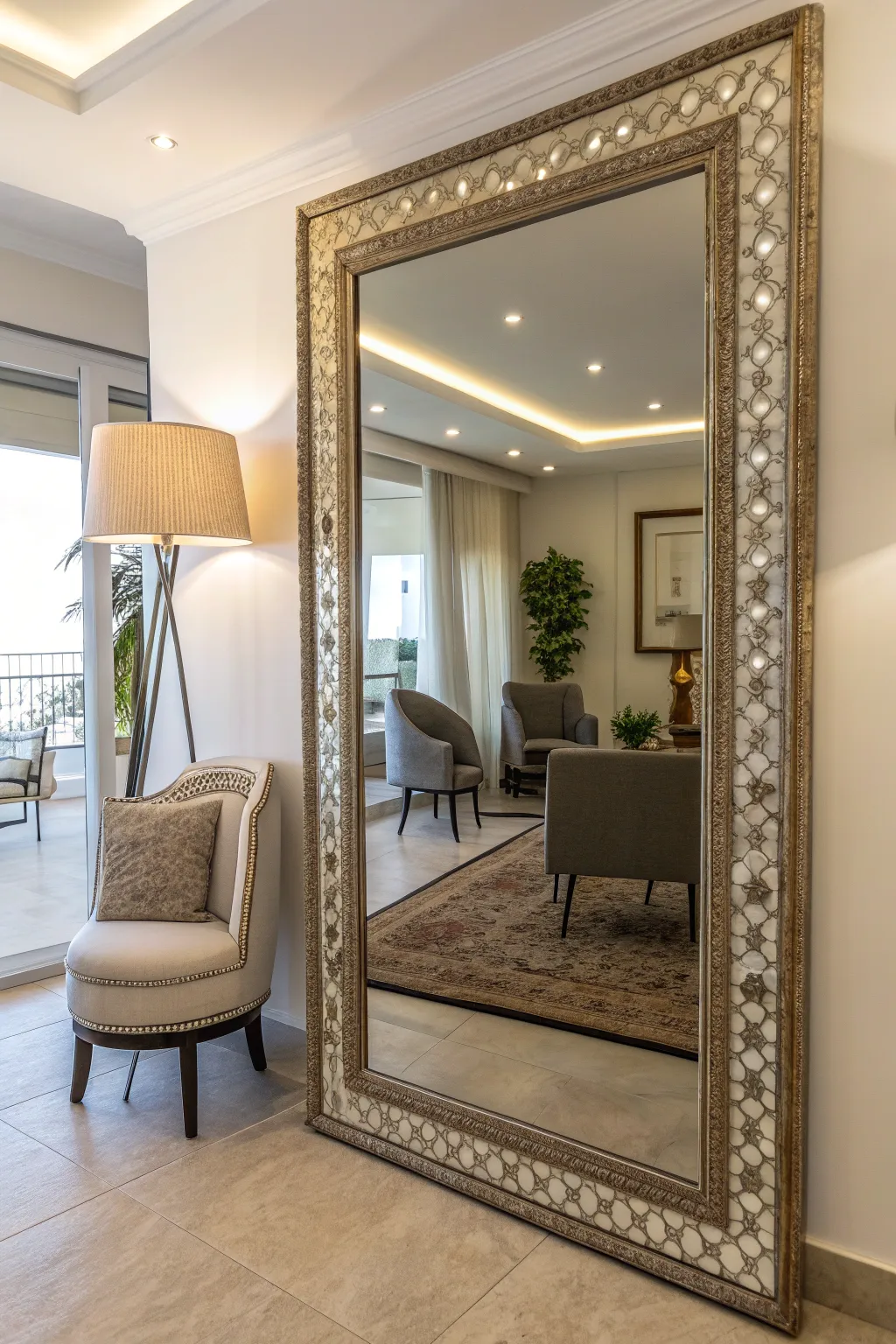
Mirrors were a popular choice for both functionality and decoration in the 70s. Strategically place mirrors to reflect light and create the illusion of a larger space. Choose mirrors with decorative frames that complement your decor style, adding depth and brightness to your room.
Unique Coffee Tables with Creative Designs
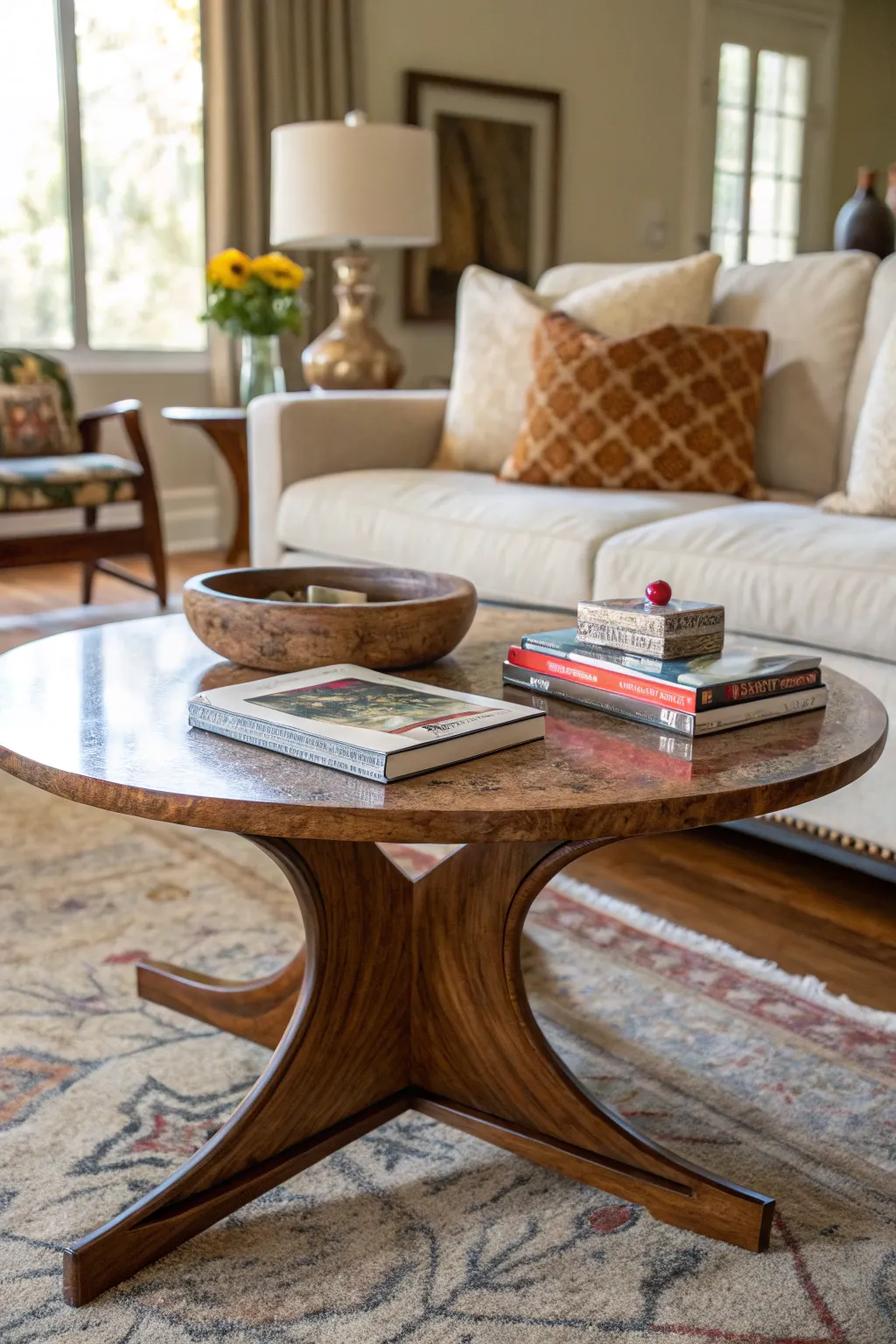
Coffee tables in the 70s often featured unique and creative designs, serving as statement pieces in living rooms. Look for tables made from unconventional materials or with interesting shapes. These tables can add a touch of artistry, making your living area feel distinctly retro.
Floor Cushions and Poufs for Relaxed Seating
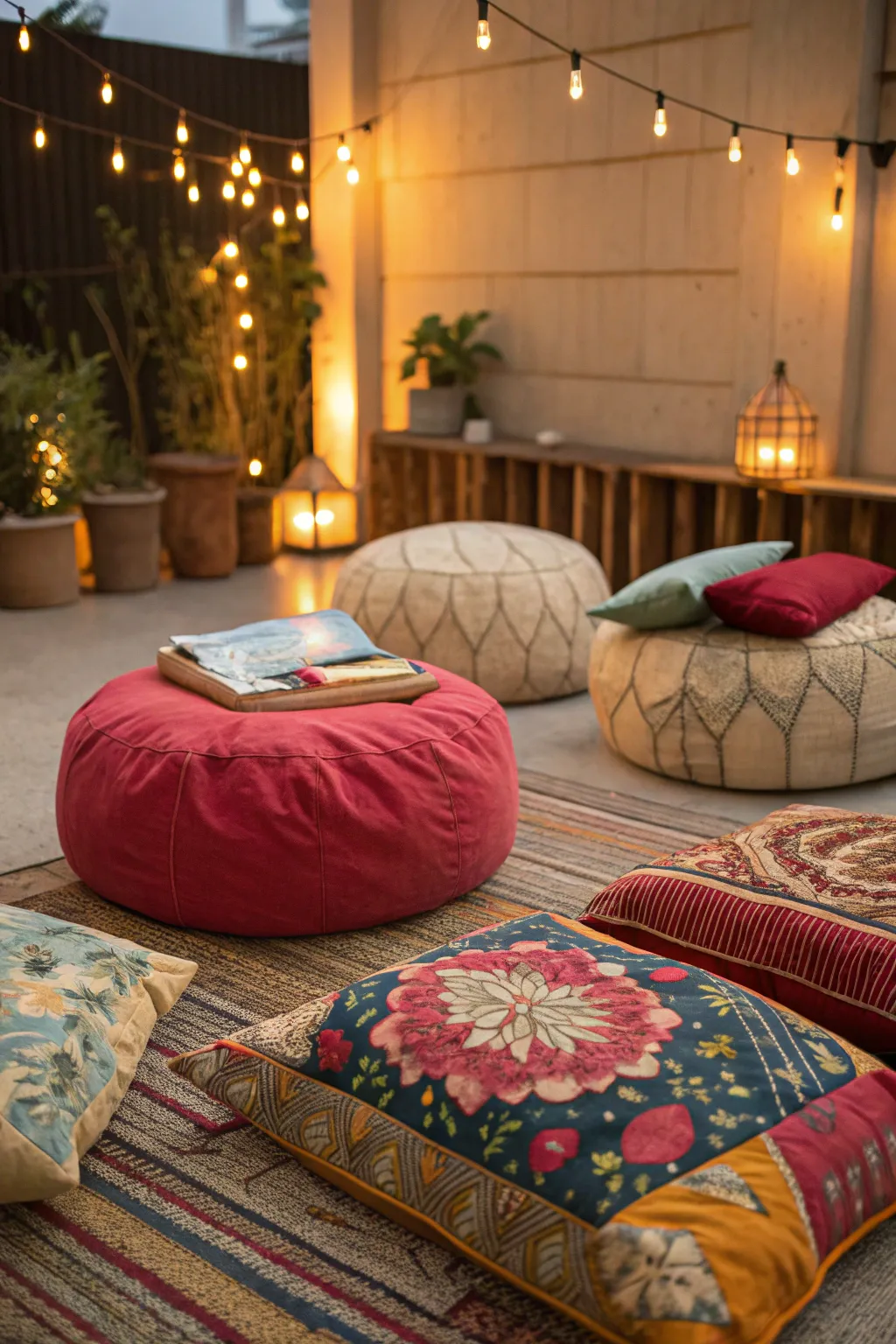
Floor cushions and poufs were commonly used in 70s homes, promoting a relaxed and informal vibe. Incorporate these soft seating options in your living area or playroom. They not only provide additional seating but also encourage a casual atmosphere where family and friends can gather comfortably.