
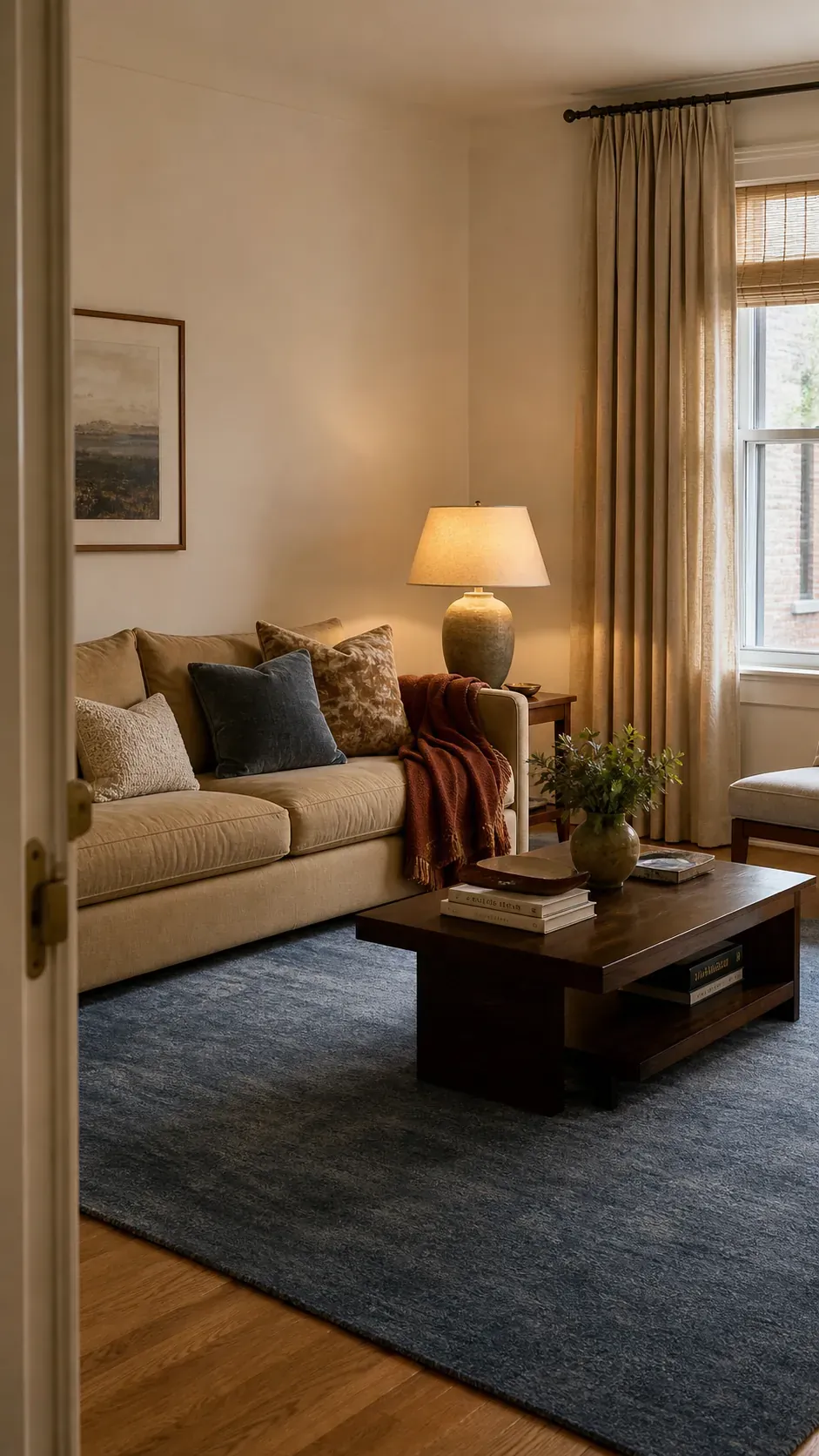
A room can have the right furniture and still feel like nobody finished the thought. Reddit decorating threads return to the same missing layer: rugs, curtains, pillows, blankets, and warmer pools of light. Yet adding all of them at once can turn flatness into clutter. These soft decor ideas work because each solves a specific problem—scale, height, color, texture, comfort, or daily organization.
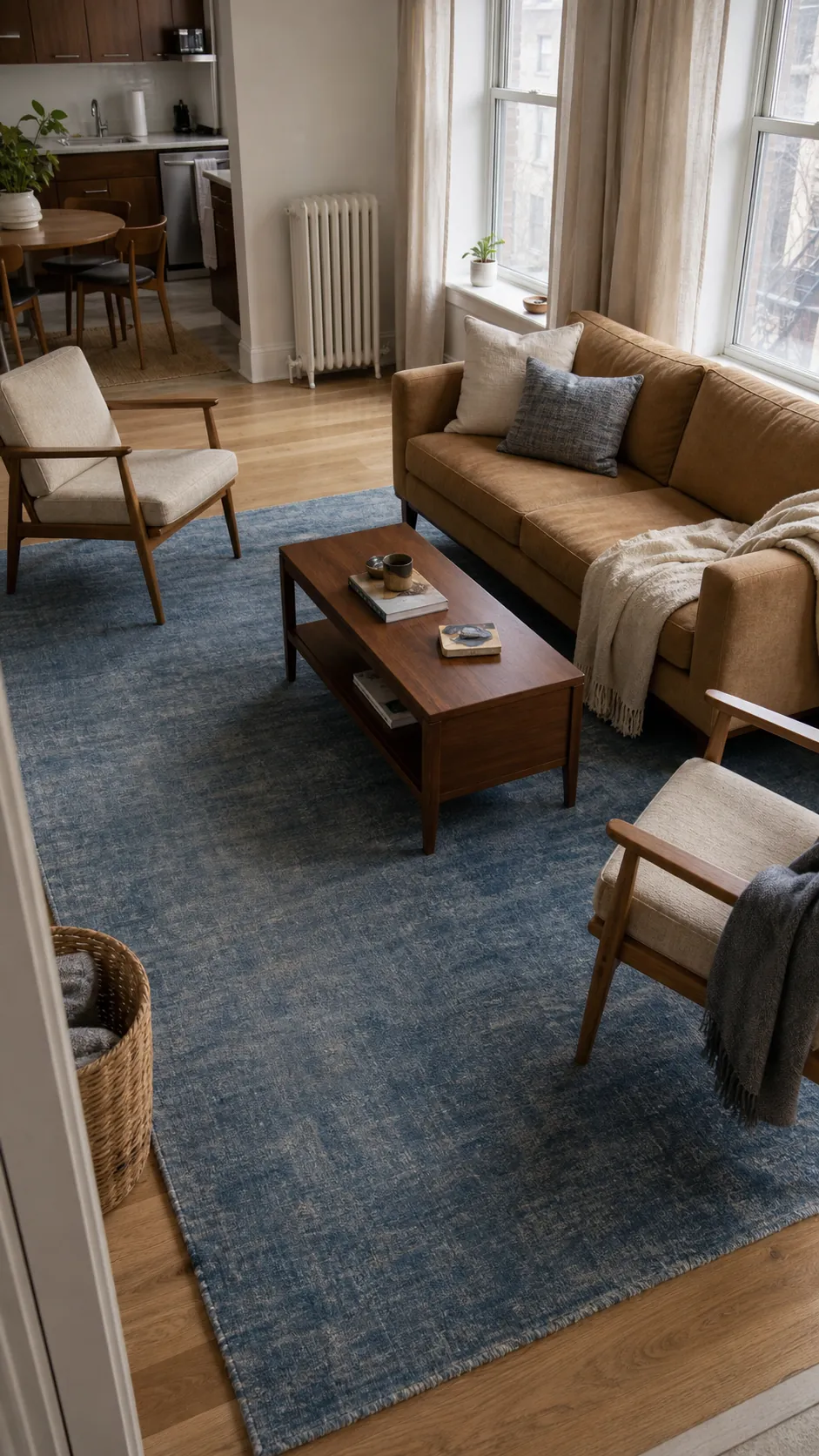
Use a Rug That Reaches the Furniture
A rug should define the conversation or sleep zone rather than float like a mat. In a living room, place at least the front legs of the sofa and chairs on it. In a bedroom, leave a comfortable landing beside the bed. Correct scale makes existing furniture look more intentional before you add a single new accessory.
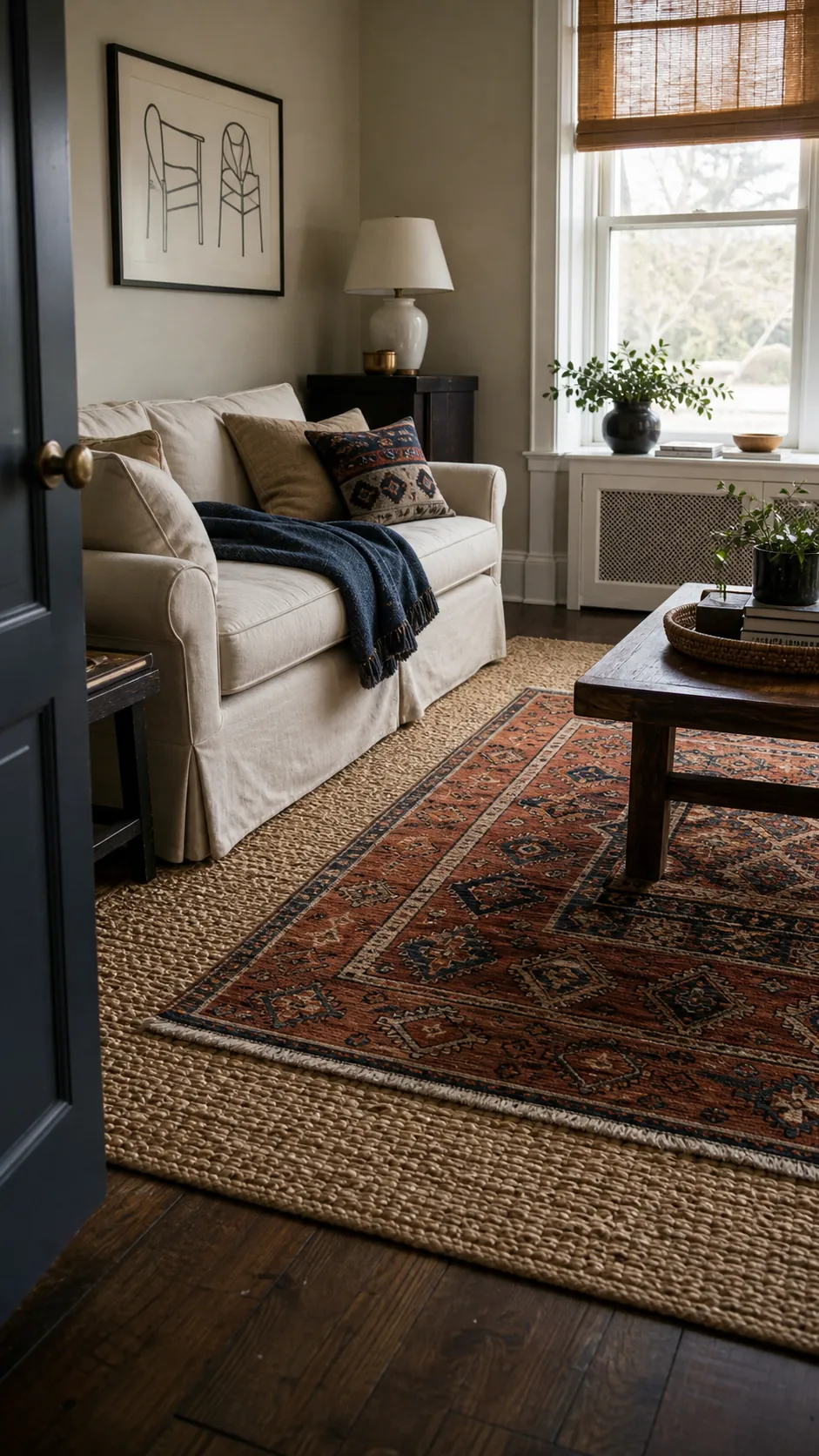
Layer a Favorite Small Rug Over a Plain Base
If a patterned rug you love is too small, place it over a larger natural-fiber or low-profile neutral rug. Keep both layers flat and use a non-slip pad where needed. The larger base establishes the boundary; the smaller rug supplies color and personality without forcing an expensive replacement.
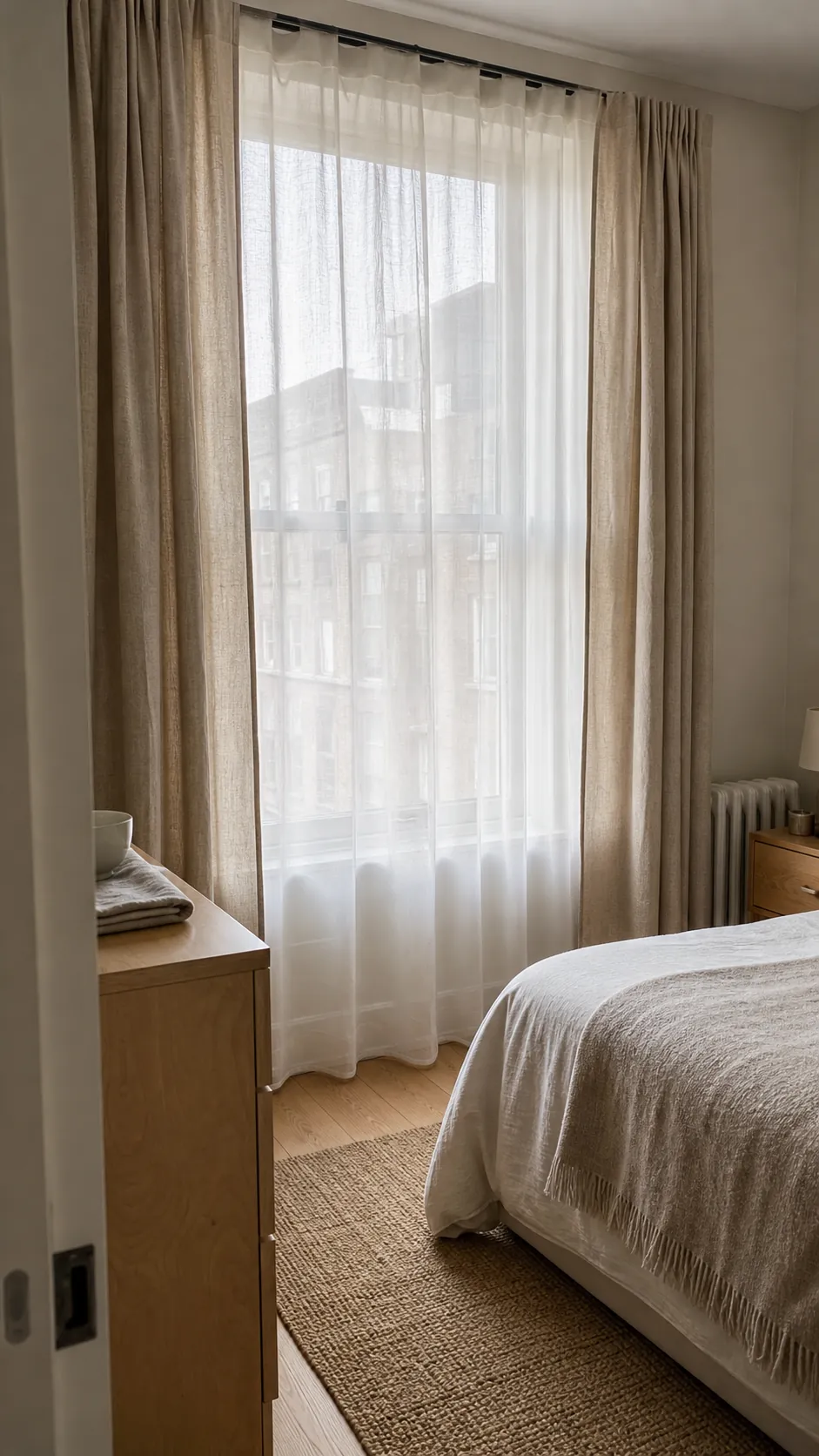
Frame the Window With Full-Length Curtains
Bare glass often leaves all visual weight in the lower half of a room. Hang curtains high and wide enough that open panels sit mostly beyond the glass. Use sufficient fullness so closed curtains still form folds. This adds height, acoustic softness, privacy, and a finished architectural edge.
Add a Sheer Layer for Daytime Softness
A translucent sheer filters glare and gives a window presence even when blackout panels stay open. Choose warm white, flax, or another undertone that suits the walls. In apartments, sheers also create daytime privacy without sacrificing all natural light.
Build a Practical Three-Pillow Group
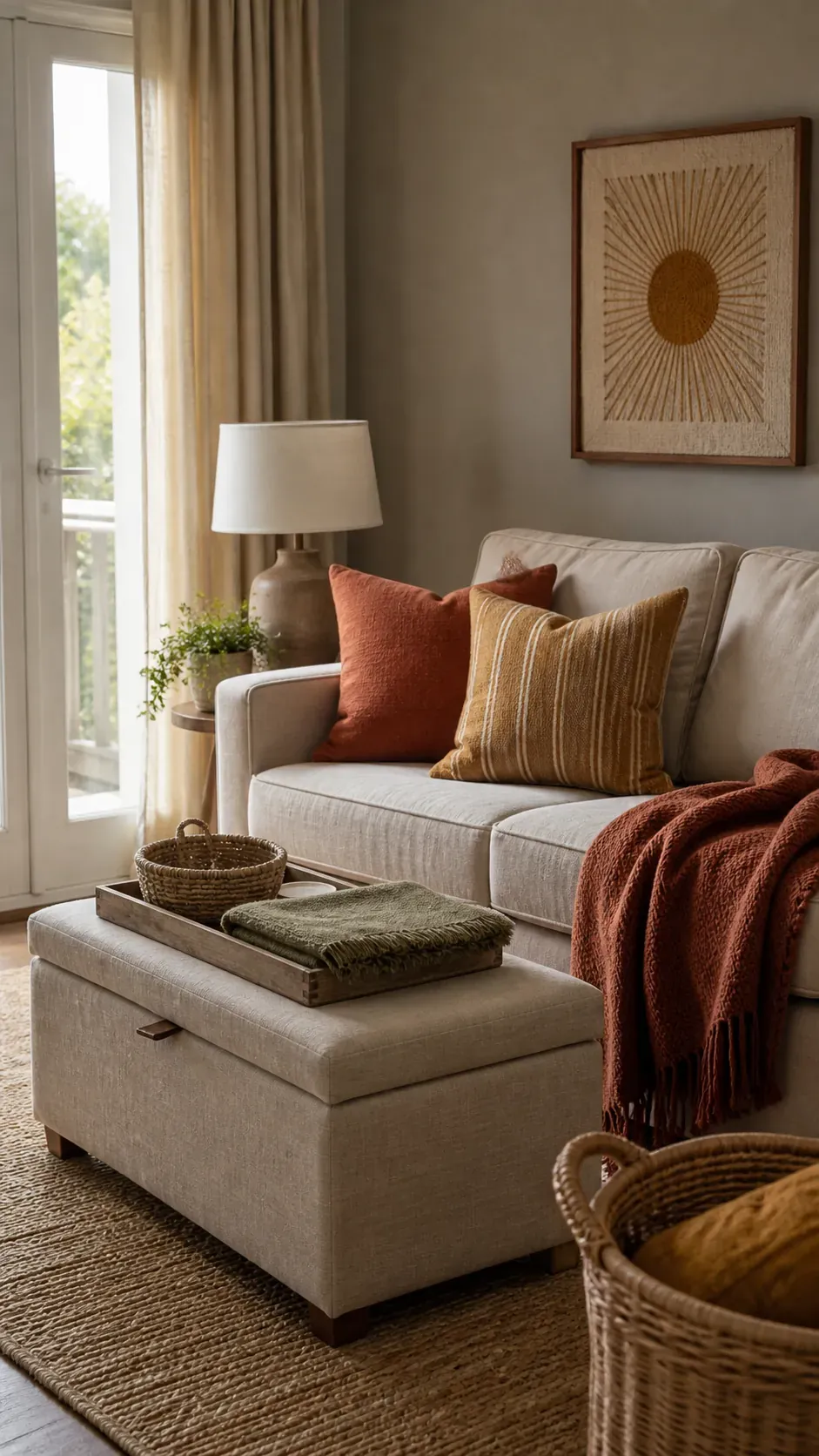
Use pillows as color bridges, not a matching set. A reliable sofa group combines one larger solid, one textured cushion, and one smaller pattern or lumbar. Repeat colors already present in the rug, curtains, or art. Three useful pillows usually add more polish than seven pillows that must be removed.
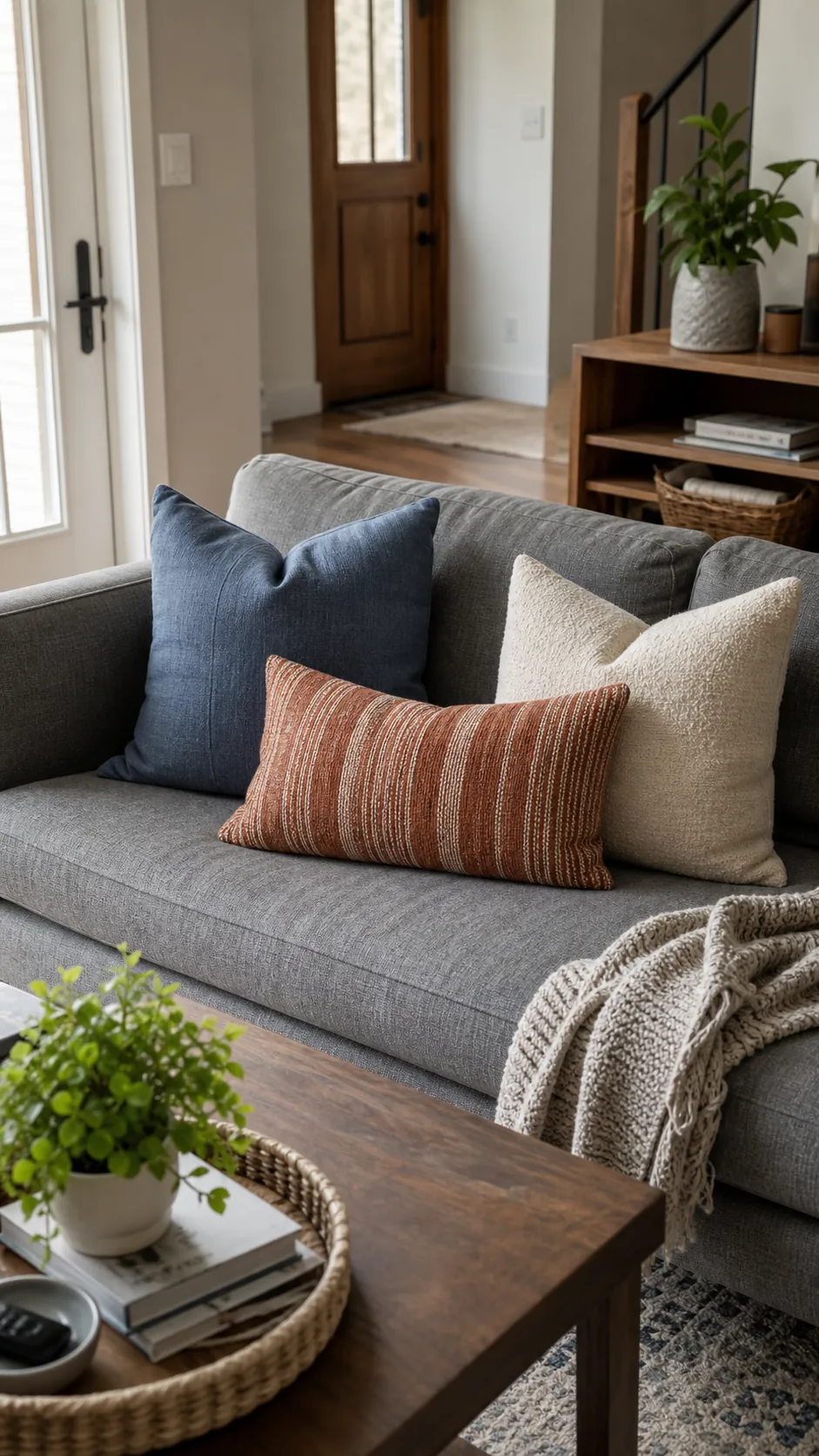
Mix Pillow Shapes to Break Repetition
A row of identical squares can look like store staging. Pair a generous square with a smaller rectangle, round bolster, or softly structured lumbar. Keep the palette related so the silhouette changes without making the room noisy. The variation creates an easy, collected rhythm.
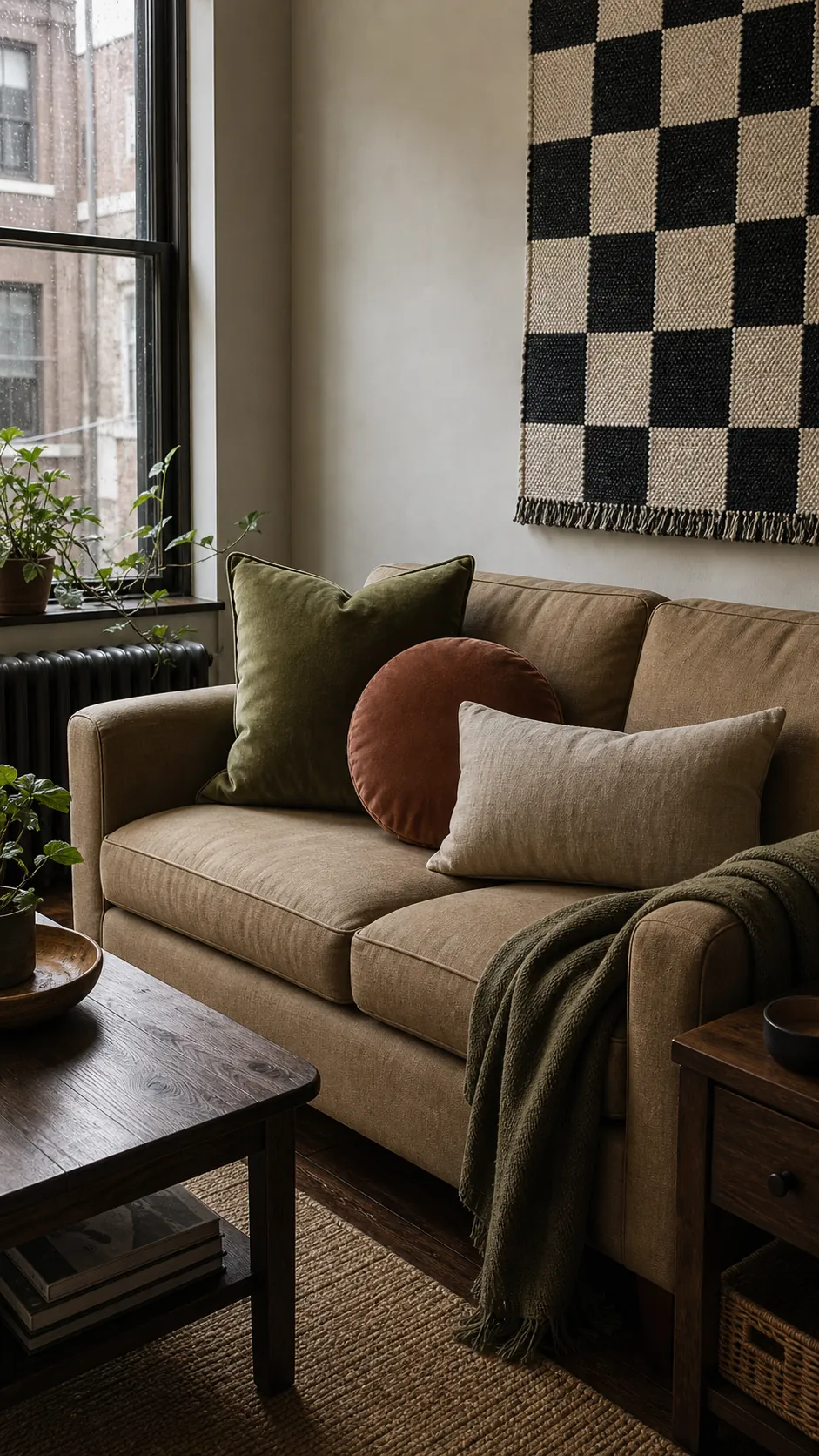
Drape a Throw Instead of Folding It Perfectly
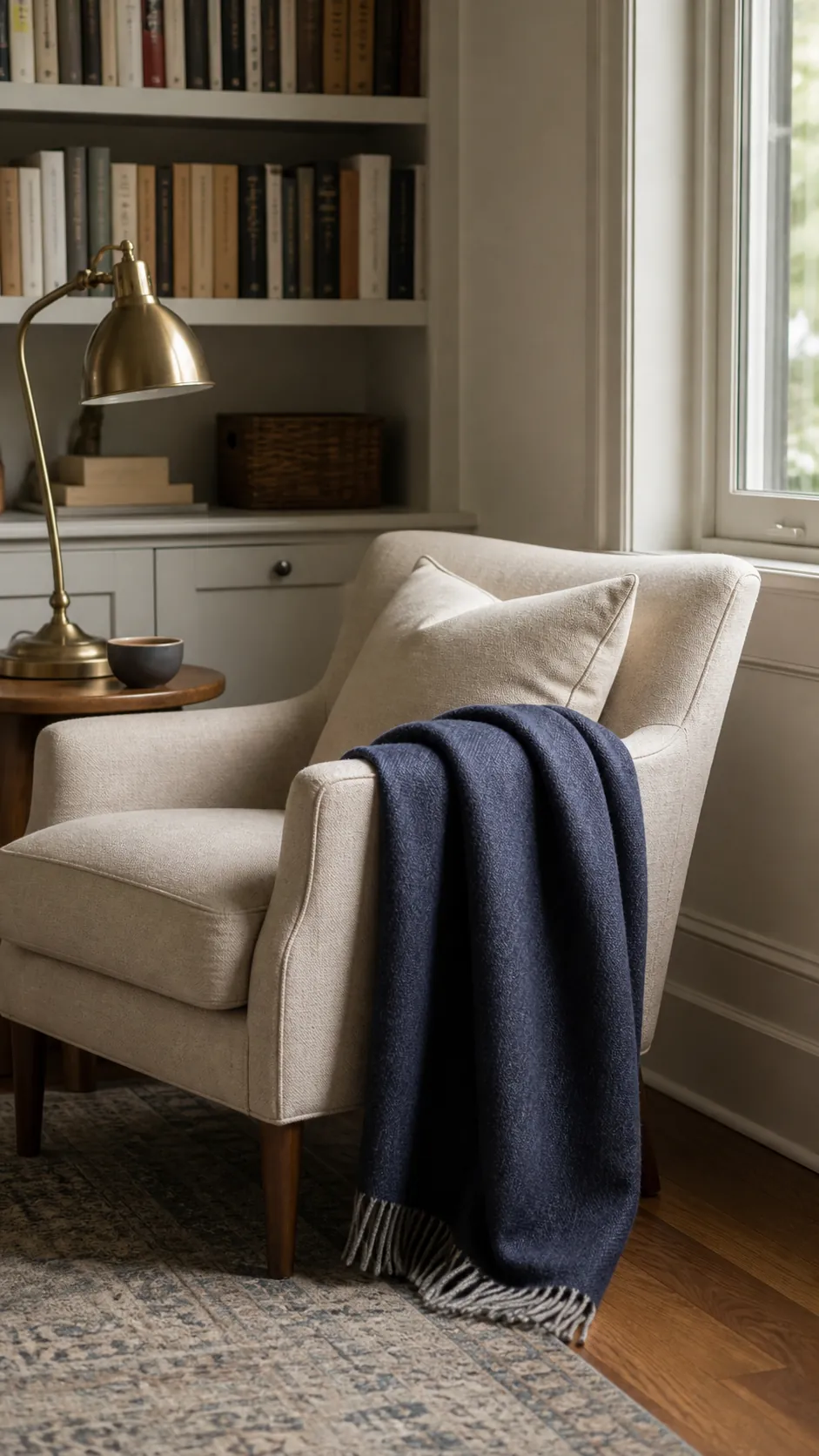
A throw introduces color and texture, but a rigid showroom fold can feel artificial. Let it fall over one sofa arm, a chair back, or the foot of the bed with enough structure to look intentional. Keep walkways and heater clear, and choose a fabric you will actually use.
Fold a Quilt Across the Foot of the Bed
A quilt at the foot of the bed gives pale bedding a defined lower edge and offers useful warmth. Choose one with visible stitching or a restrained pattern, then repeat a small color from it in a pillow. The bed gains depth without requiring a complete coordinated set.
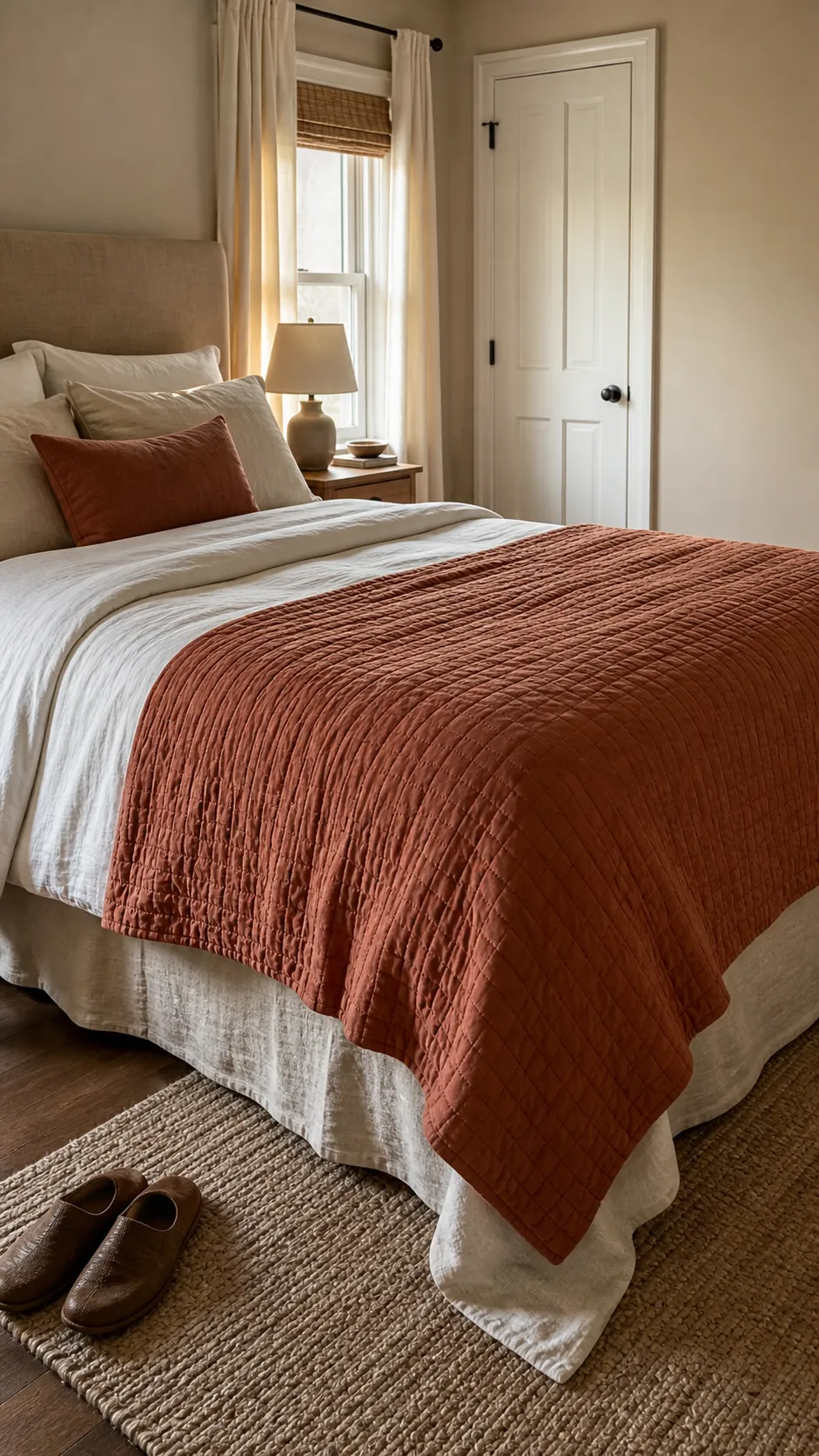
Upgrade Sleeping Pillows With Proper Shams
Flat or mismatched pillows can make even good bedding look unfinished. Use supportive sleeping pillows and place clean shams or larger euros behind them. Let the front layer remain relaxed rather than overly chopped. This creates height, comfort, and a stable backdrop for one decorative cushion.
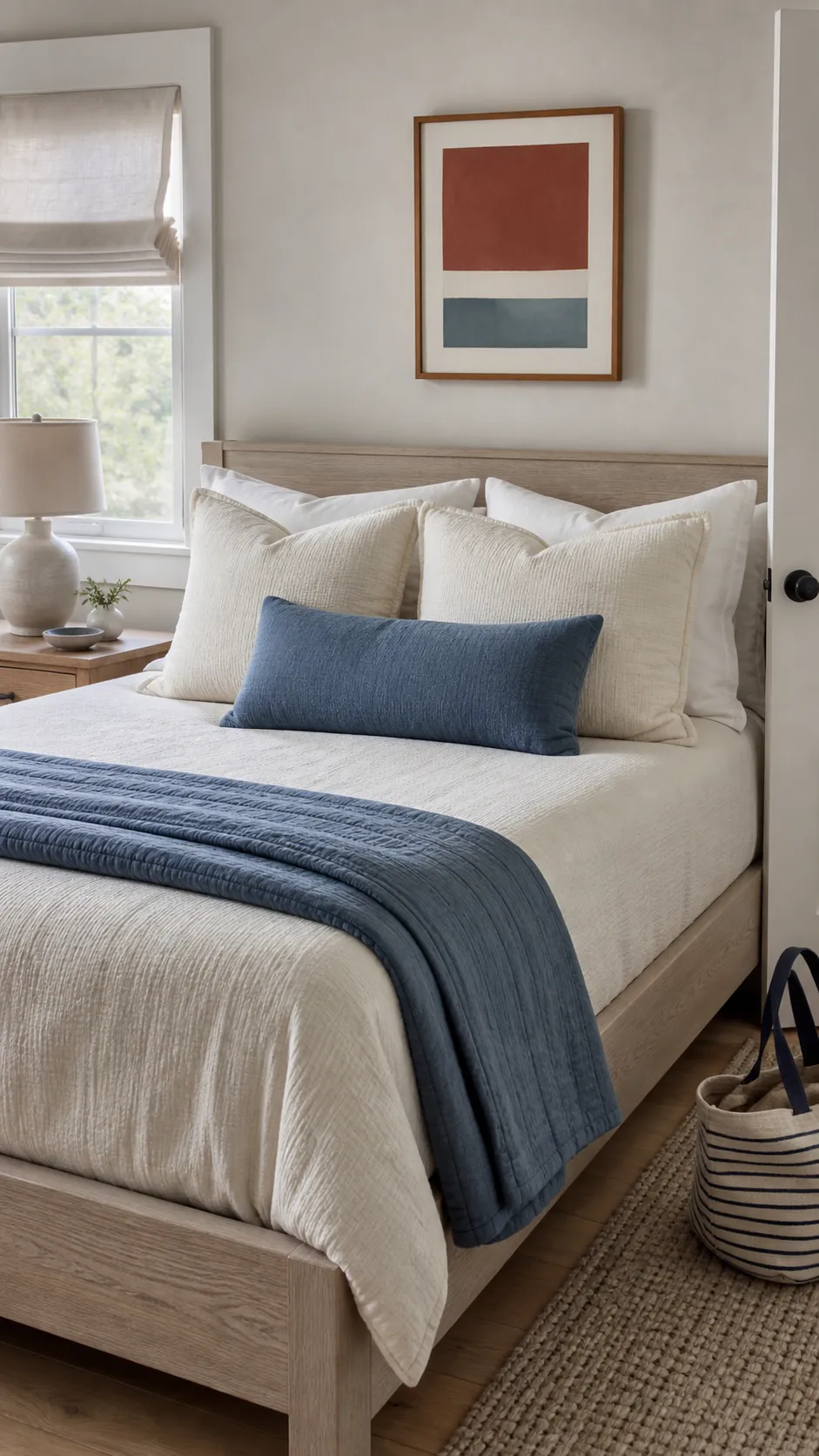
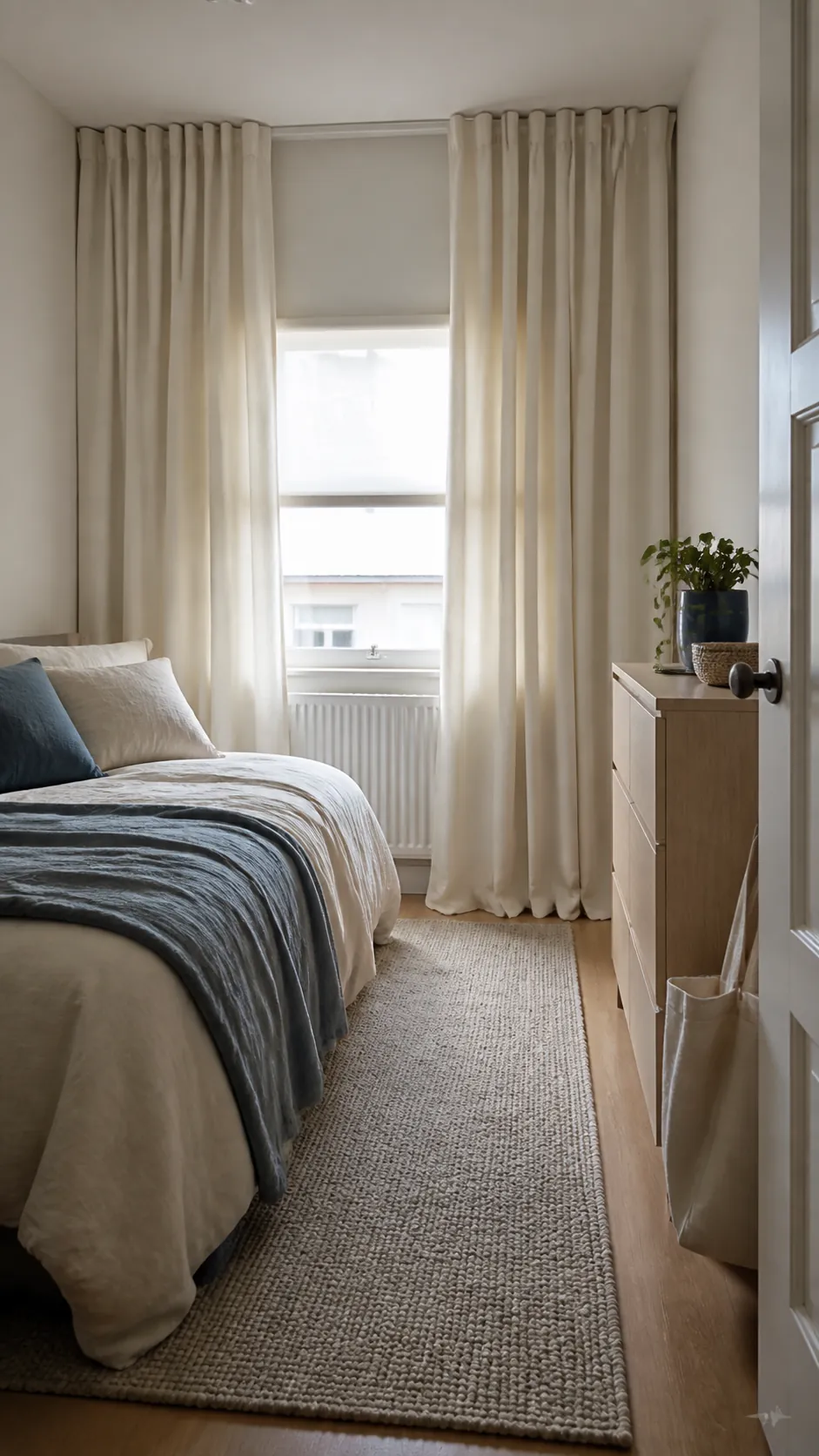
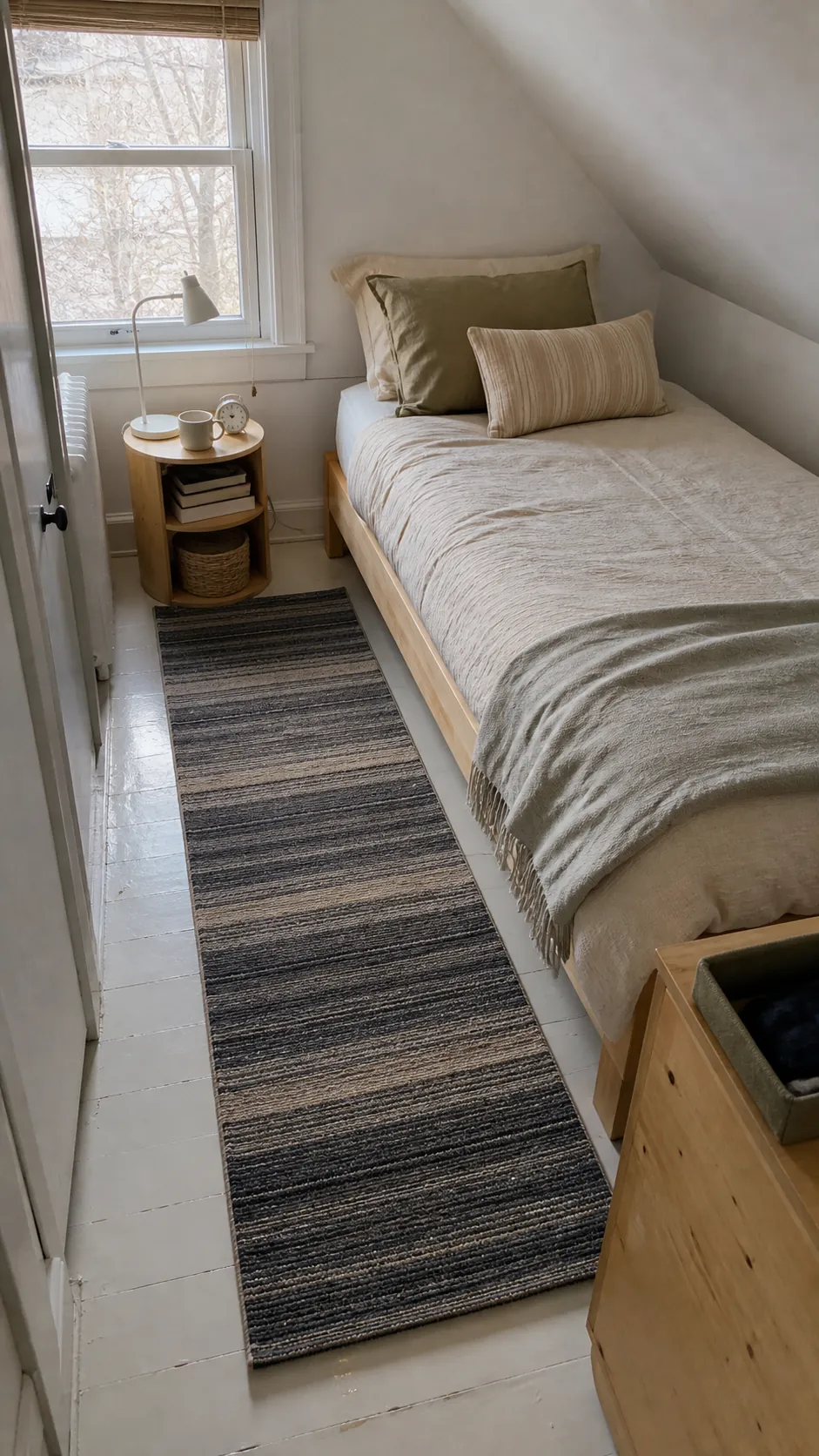
Place a Runner Beside the Bed
In a tight bedroom where a large rug will not fit, a washable runner can soften the first step of the morning and add a long visual line. Leave doors and drawers clear, use a proper pad, and align the runner with the bed rather than the wall.
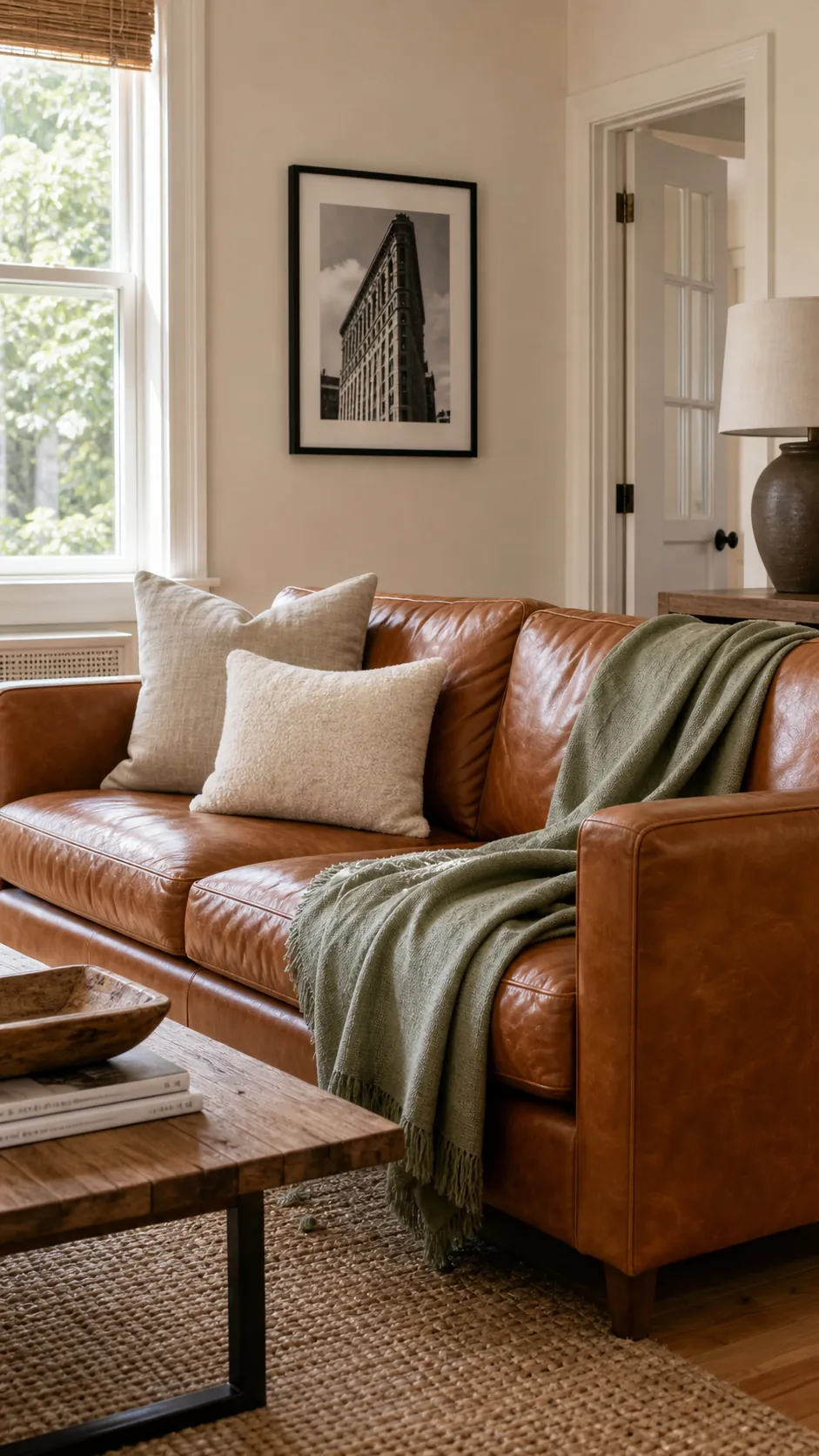
Warm a Leather Sofa With Woven Textiles
Leather benefits from materials that absorb rather than reflect light. Add a wool or cotton throw, linen cushion, and one soft-pile pillow in colors already found nearby. Avoid covering every inch; the leather should remain visible as a contrasting material, not disappear beneath accessories.
Use One Velvet Accent for Depth
Velvet changes tone as the nap catches light, which makes it effective in neutral rooms. One velvet pillow or compact upholstered stool is enough. Pair it with drier linen, wool, or cotton surfaces so the shine feels intentional rather than glamorous or theatrical.
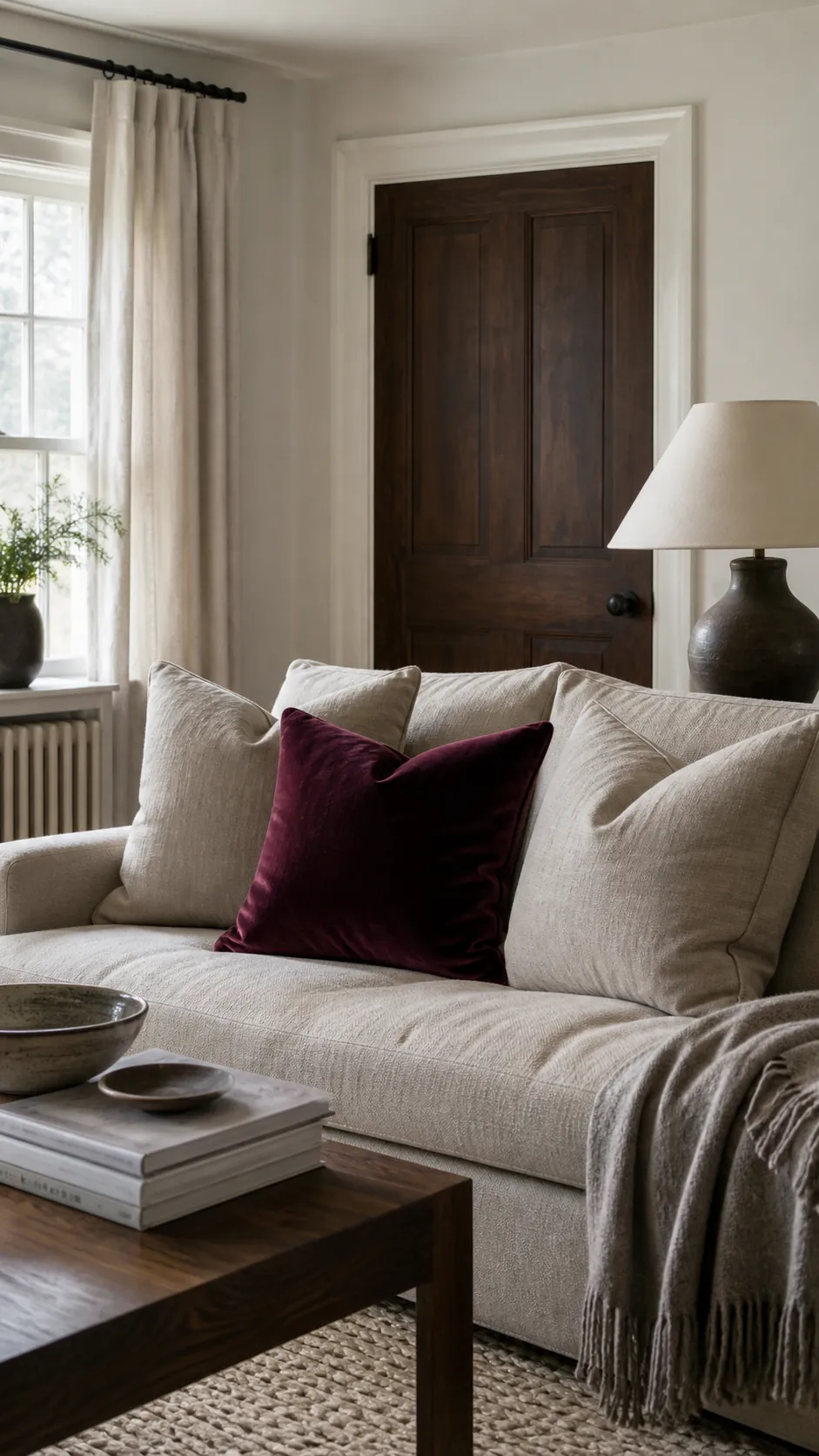
Bring in a Chunky Knit With Restraint
A chunky knit adds visible shadow and touchable scale, particularly beside smooth cotton or linen. Use one blanket or cushion, not a whole set, and check that the loops are practical for pets, children, and laundering. Texture should support daily life, not create a maintenance problem.
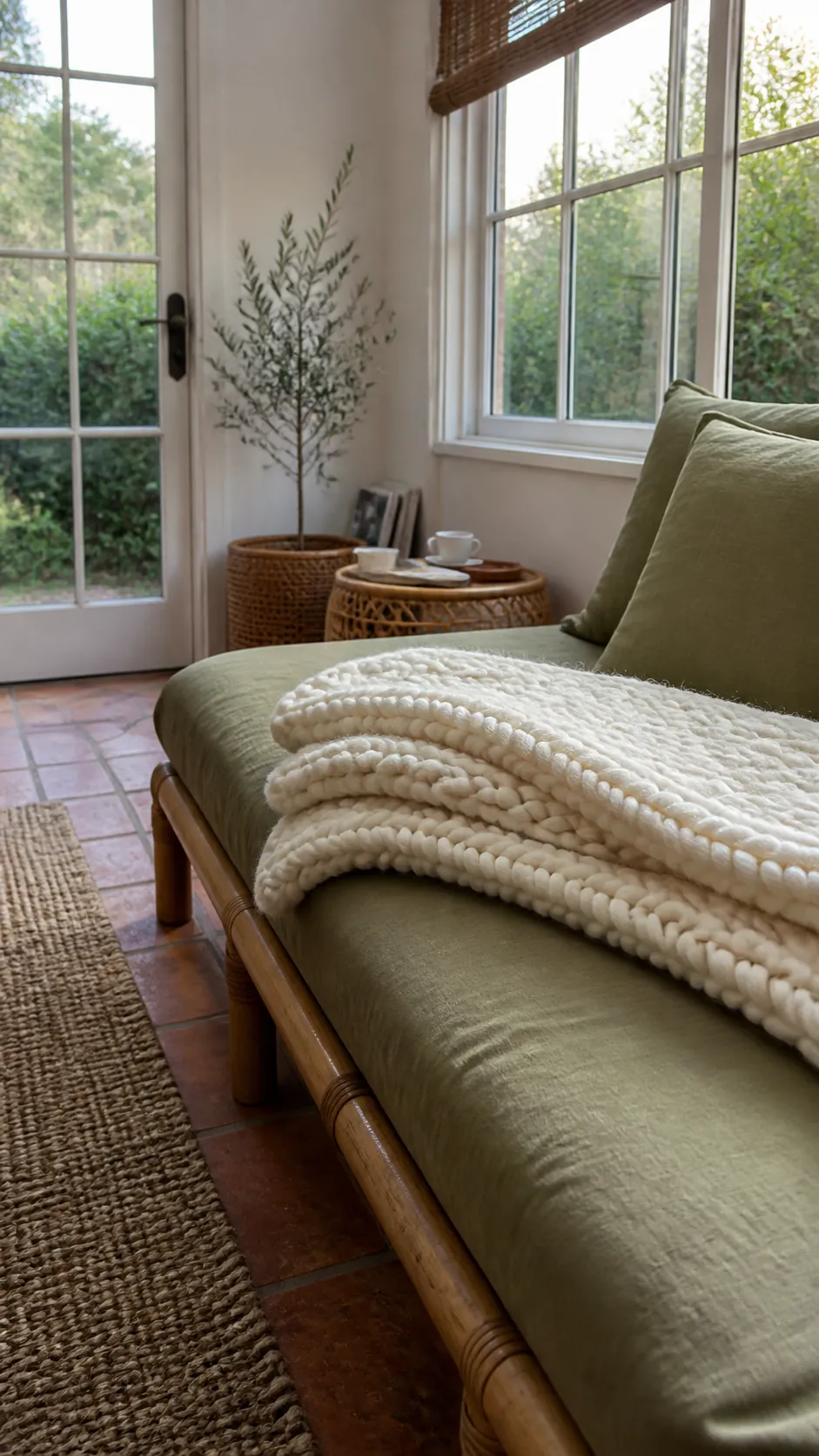
Choose a Woven Basket for Loose Blankets
A basket turns spare throws and floor cushions into an intentional soft-decor station. Pick a size that holds the items without overflowing, and place it where the blankets are used. Natural weave introduces texture while solving clutter instead of merely adding another object.
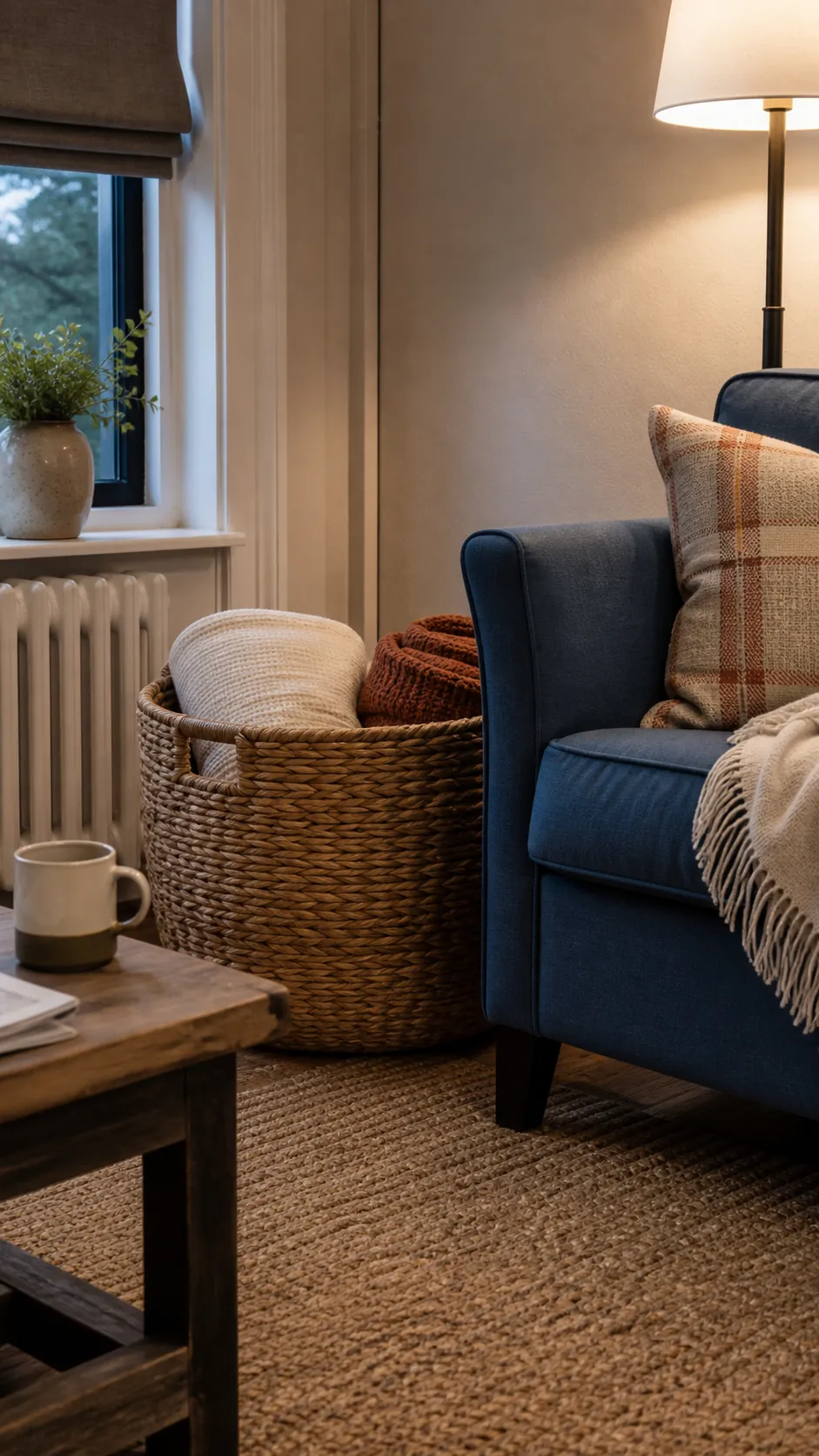
Add an Upholstered Bench for a Soft Horizontal Line
A bench at the foot of a bed or behind a sofa can repeat an accent color and create a useful place to sit. Keep its width and walking clearance proportional to the room. A simple woven upholstery usually integrates more easily than a loud print.
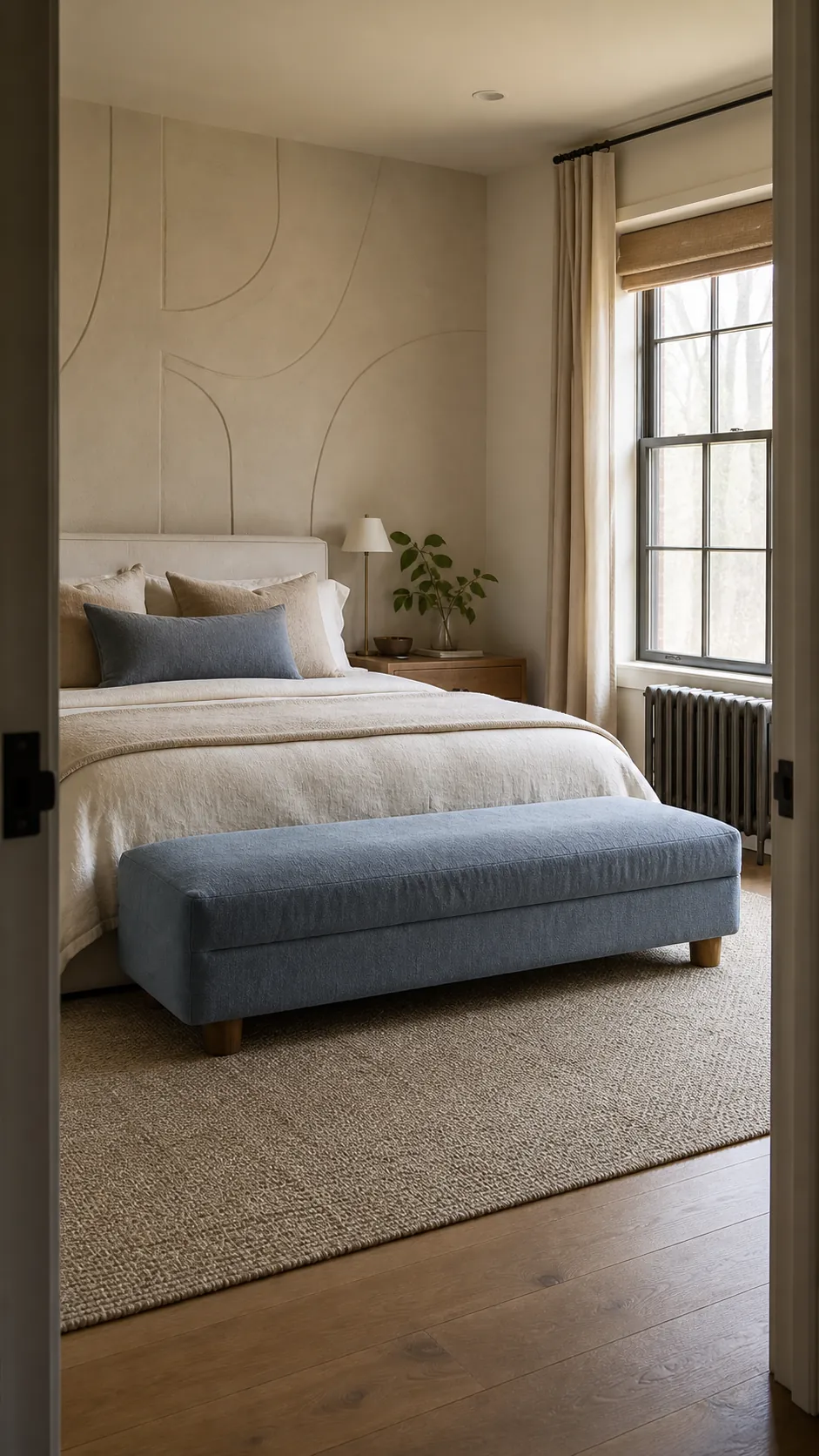
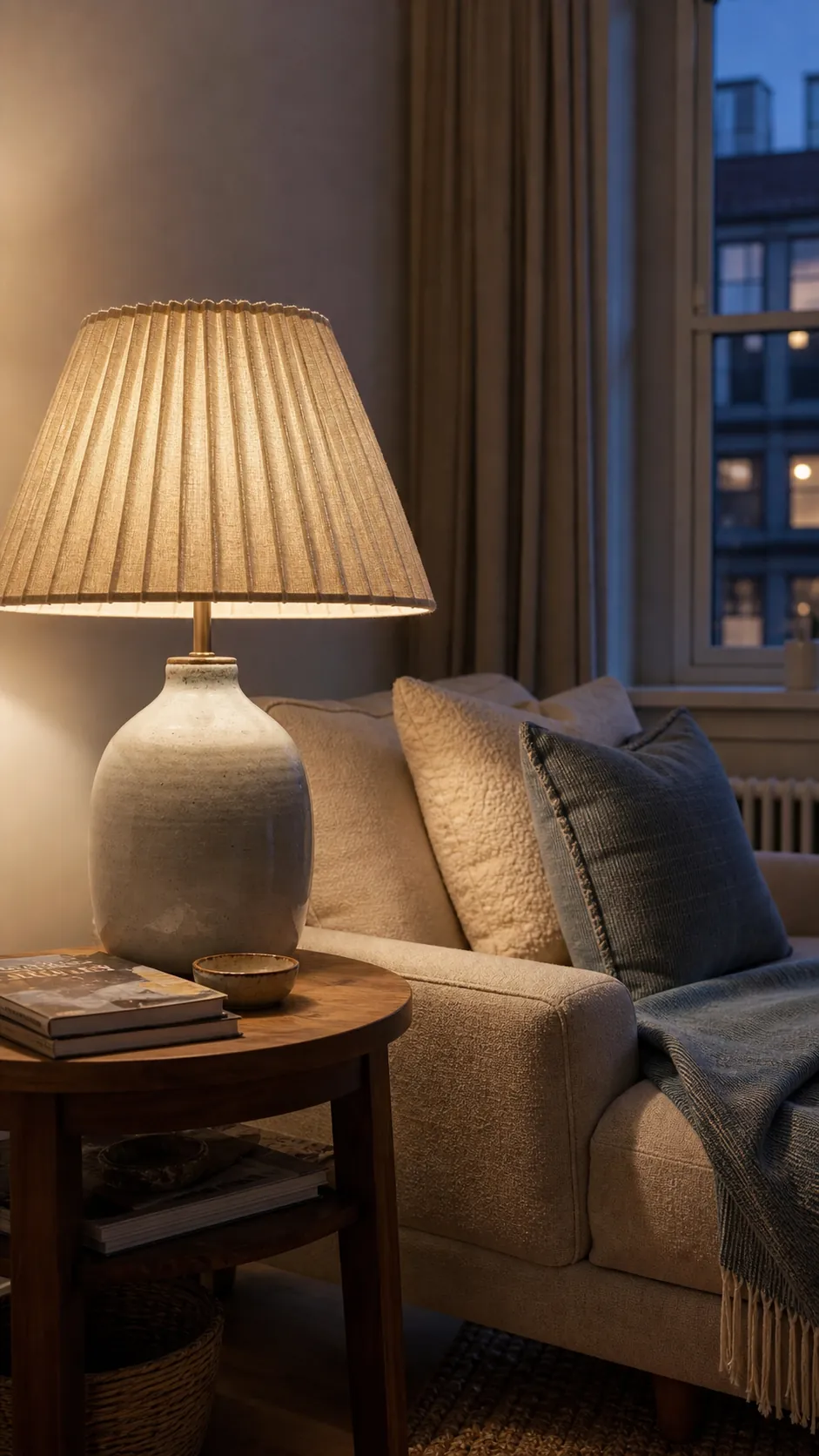
Try a Fabric Lampshade to Soften Evening Light
A linen or pleated fabric shade diffuses lamplight and adds another tactile surface at eye level. It works especially well when the room relies on harsh ceiling lights. Choose a warm bulb and enough lamps for separate pools of light rather than trying to make one fixture illuminate everything.
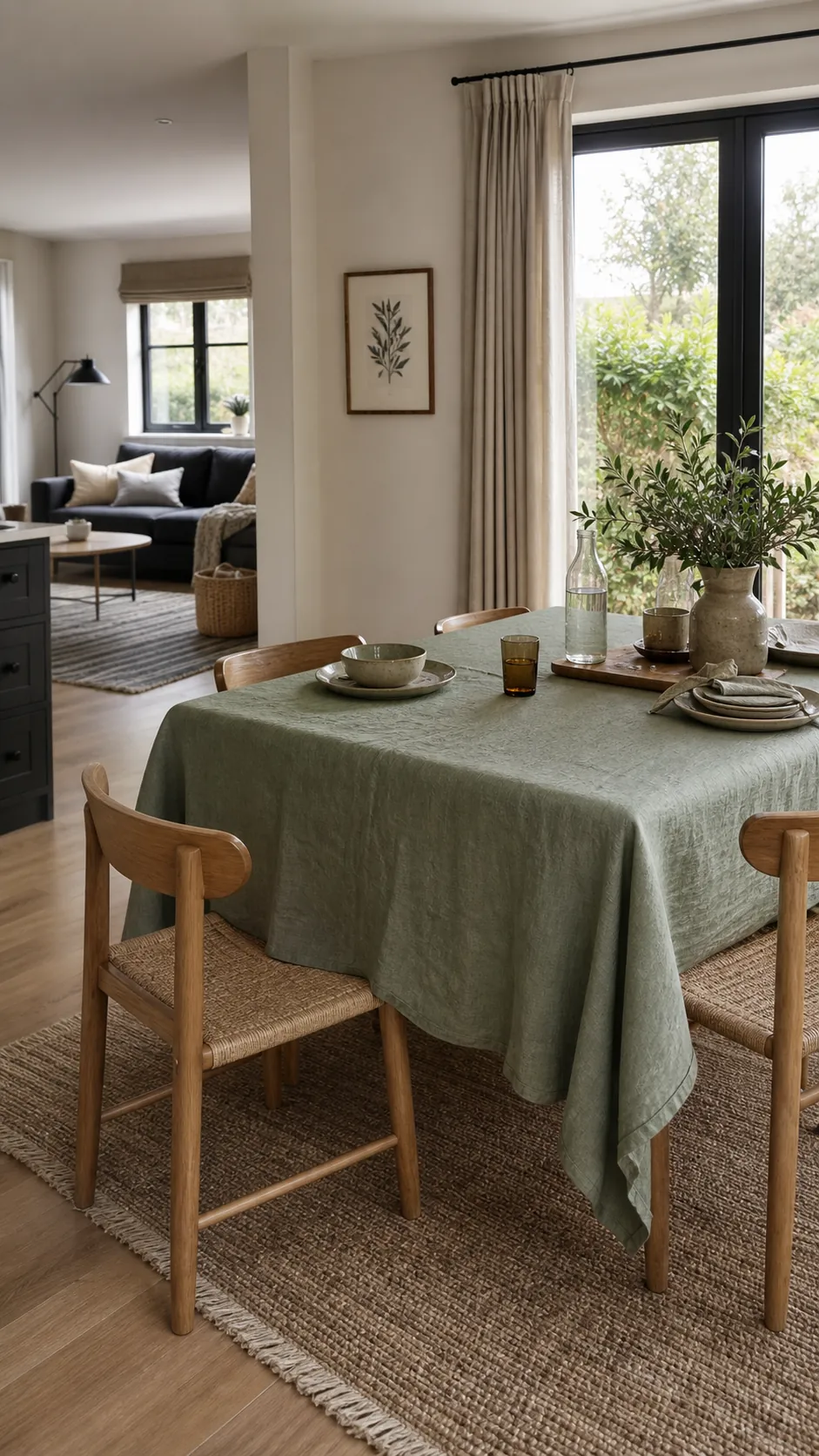
Use a Tablecloth to Calm a Hard Dining Zone
A washable linen or cotton tablecloth can soften a dining area filled with wood, metal, and straight lines. Let it drop evenly without dragging near chair legs. A subtle stripe or solid color can repeat nearby curtains and connect an open-plan dining zone to the living room.
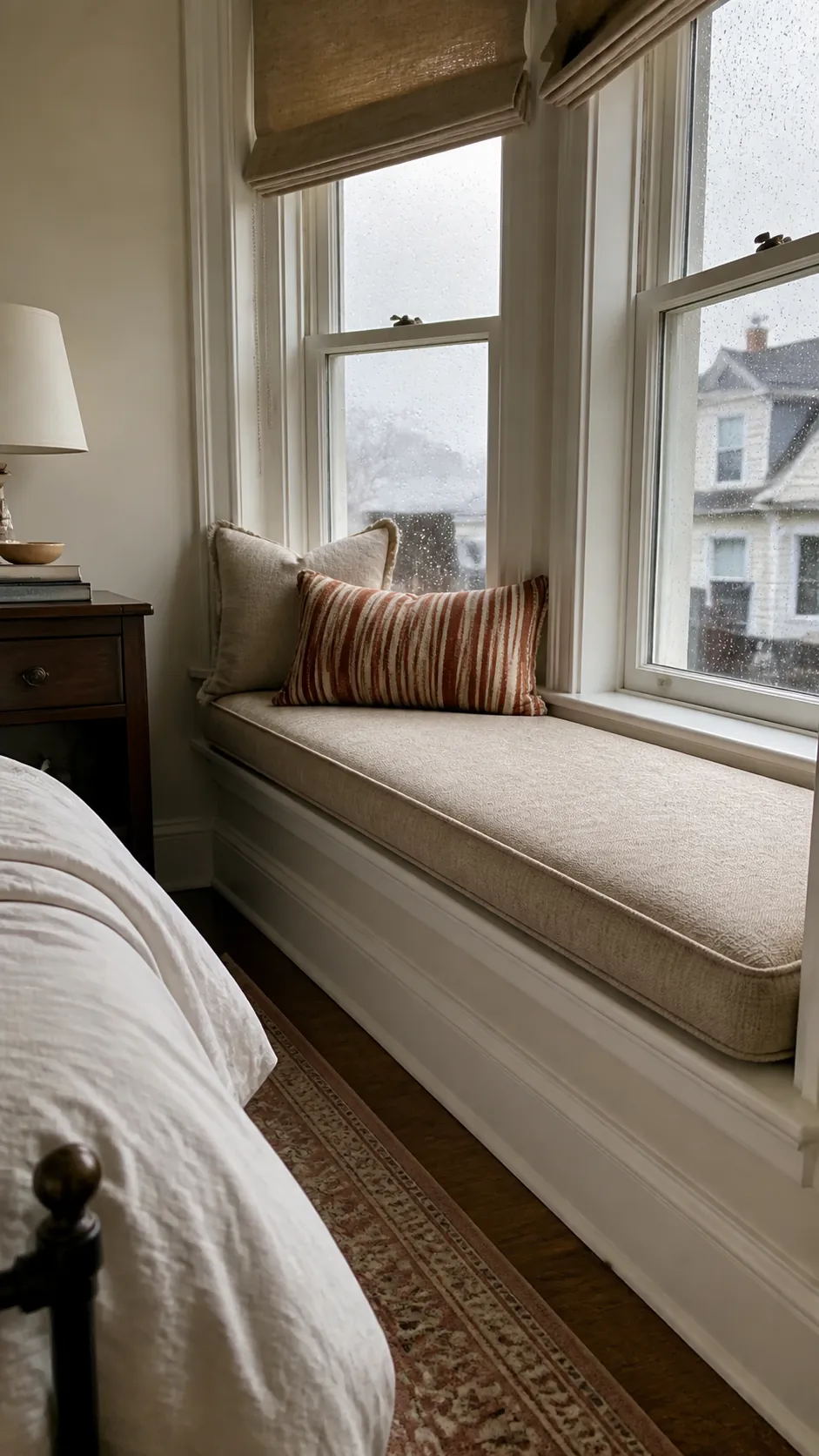
Add a Cushion to a Hard Window Seat
A fitted window-seat cushion turns an architectural ledge into a usable place and visually links the window to other textiles. Use dense foam, a removable cover, and fabric that tolerates sun. One small lumbar can repeat the room palette without crowding the seat.
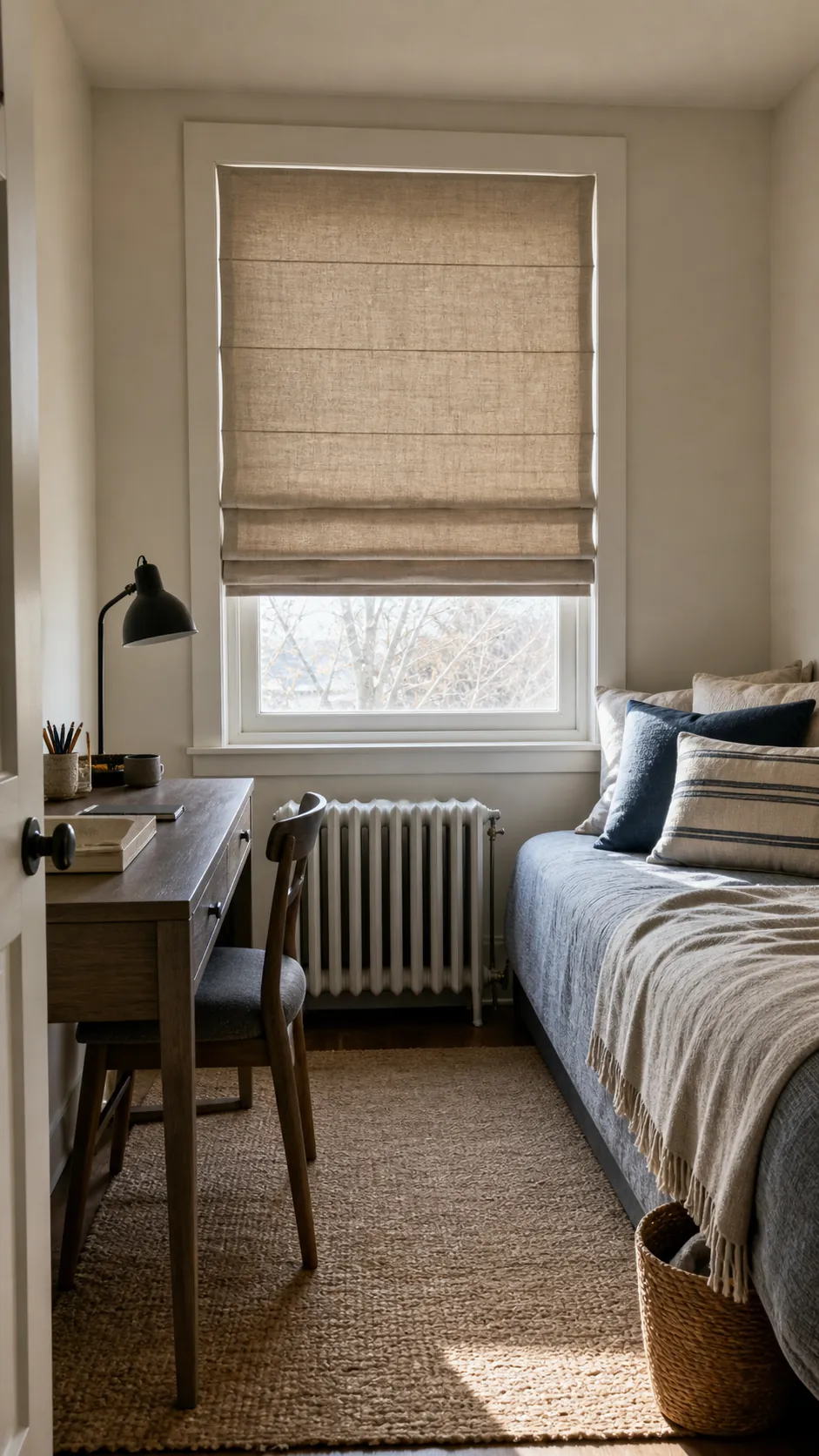
Use a Roman Shade Where Curtains Cannot Hang Safely
Radiators, desks, or built-ins can make floor-length curtains impractical. A lined Roman shade adds fabric, privacy, and a tailored finish without blocking heat or furniture. Mount it carefully, confirm cord safety, and choose a texture that relates to the rug or cushions.
Place a Small Rug Where the Room Changes Function
A runner in an entry or a compact rug beneath a reading chair can mark a secondary zone without dividing the whole room. Repeat one color from the main rug or curtains, but vary the pattern scale. This creates continuity across an open plan.
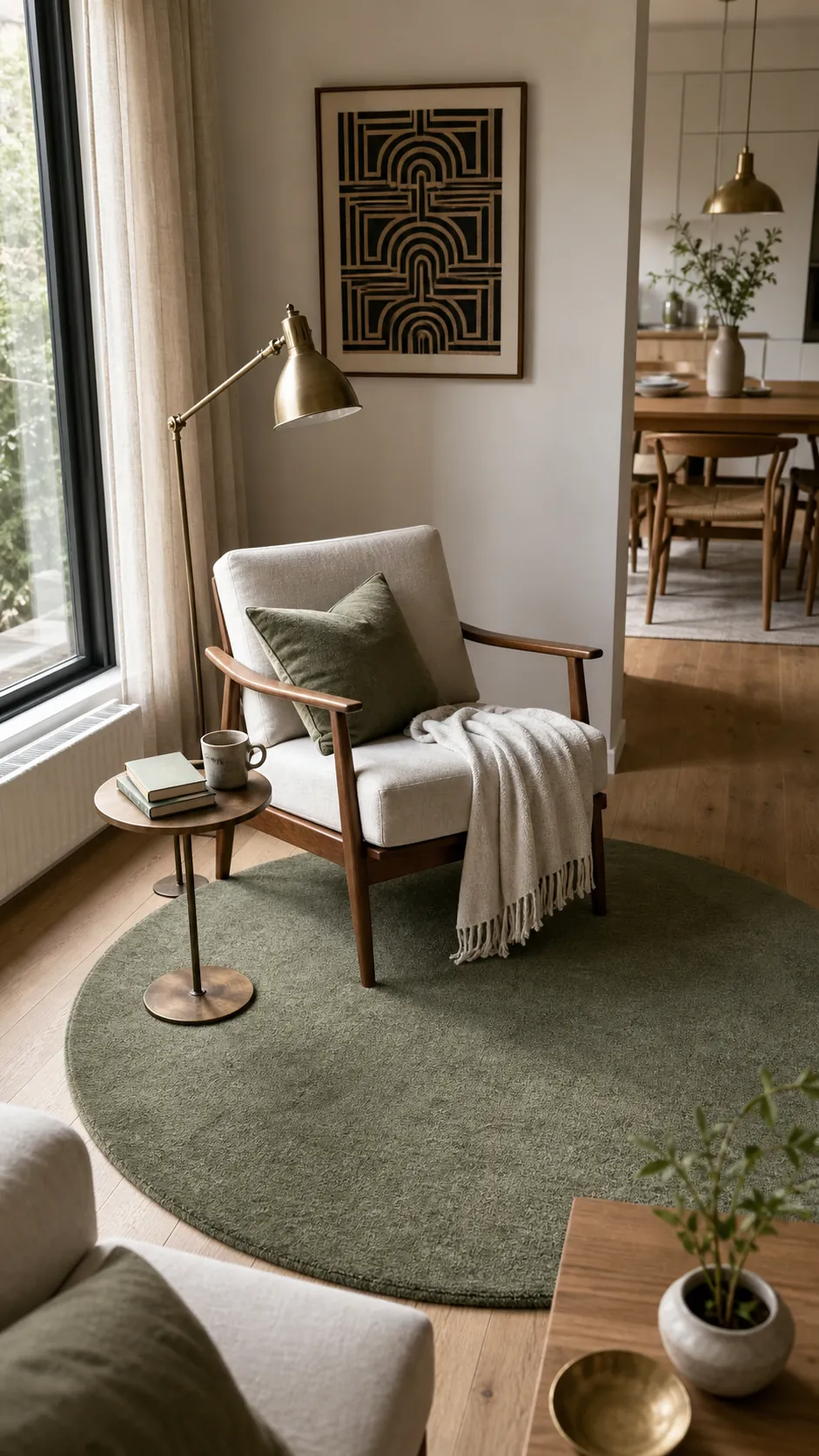
Repeat One Accent Color at Three Heights
Carry a color from low to high: perhaps rust in the rug, a sofa pillow, and a curtain border or lampshade. The three points guide the eye around the room. Keep each occurrence different in size and texture so the repetition feels connected rather than copied.
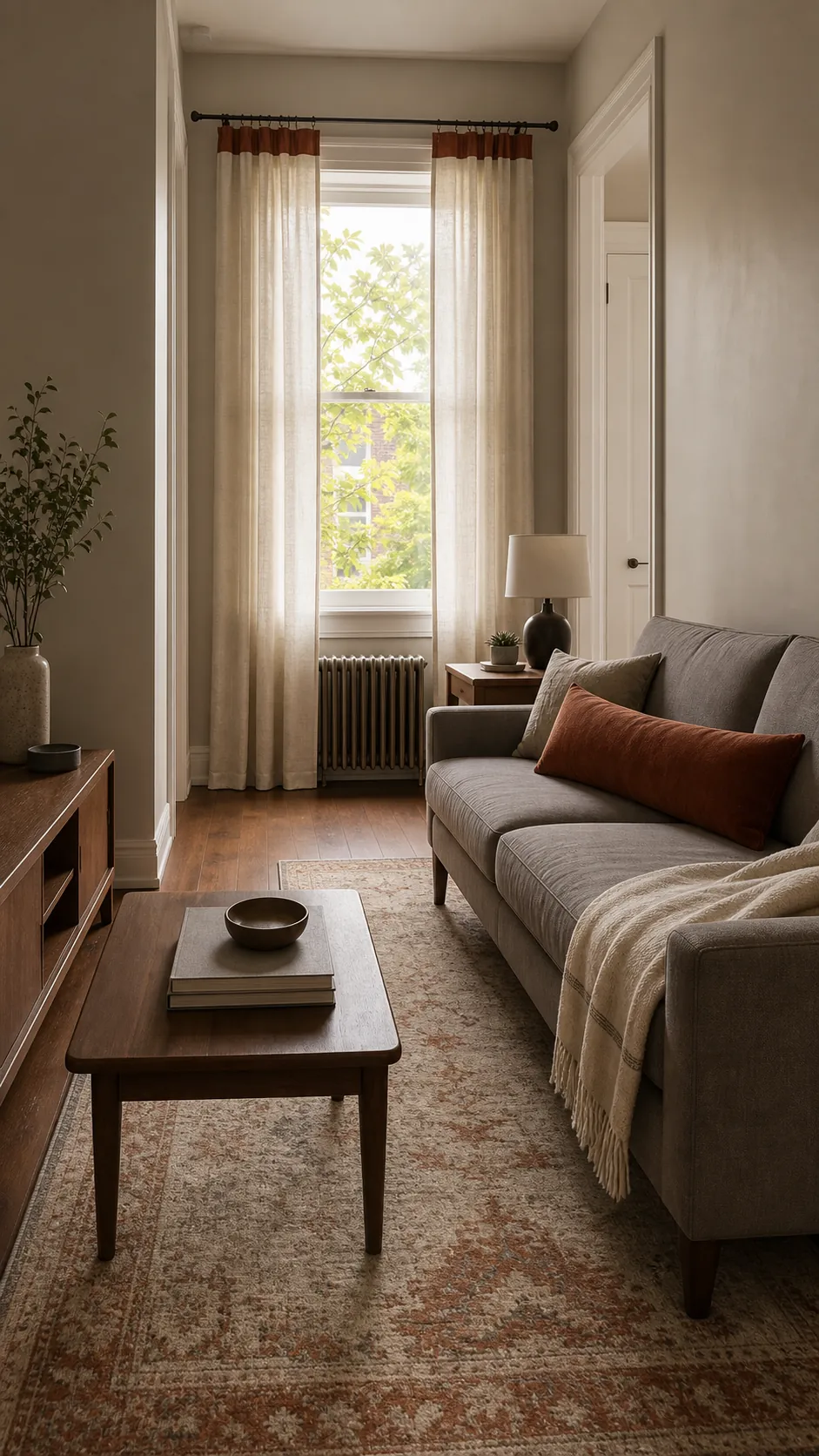
Balance Smooth and Nubby Fabrics
If every surface is smooth, a room can look flat; if every surface is heavily textured, it can feel visually dusty. Pair smooth cotton curtains with a nubby wool rug and one boucle cushion, or reverse the emphasis. Contrast works best when one texture leads and the others support it.
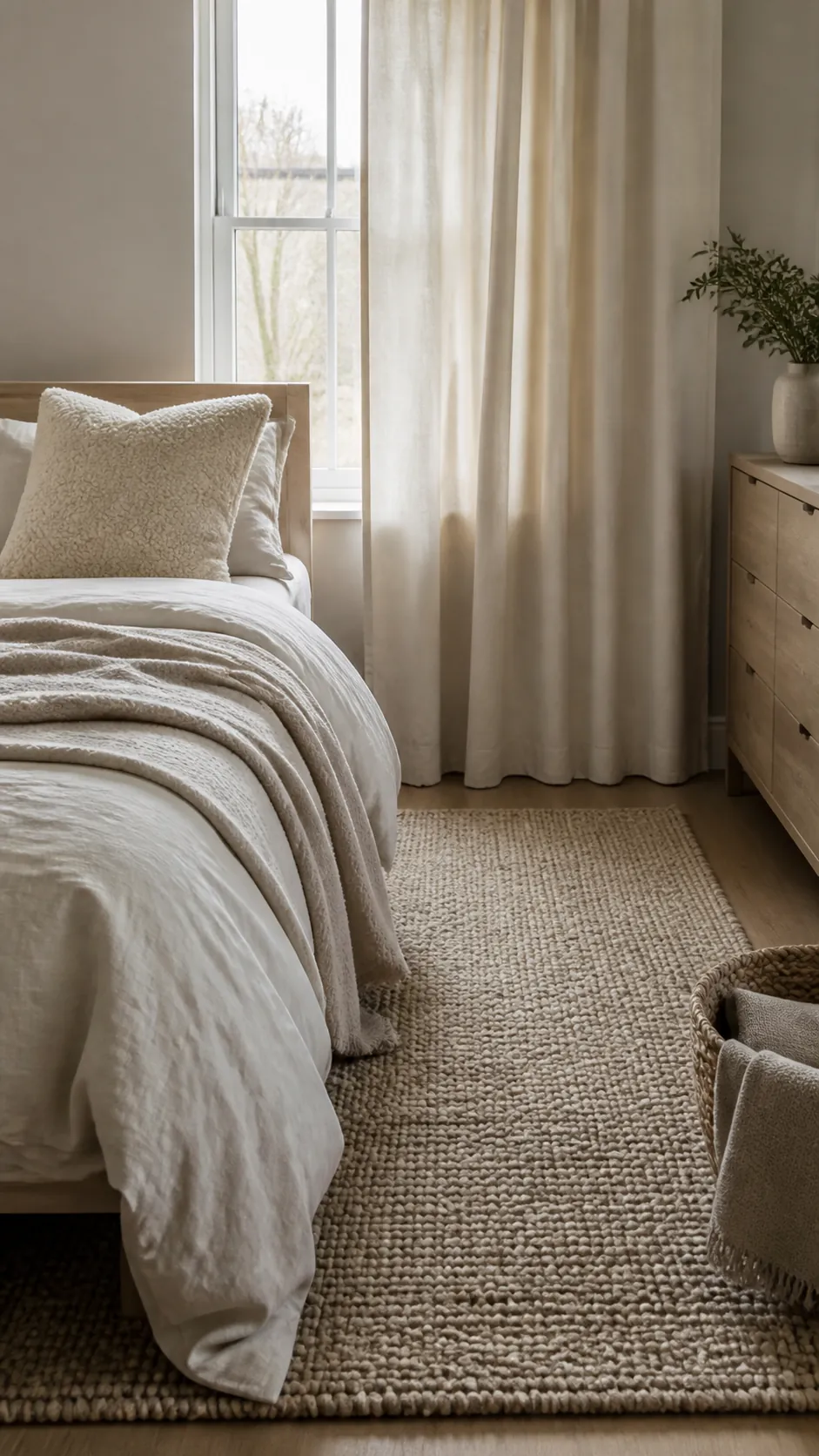
Let Soft Decor Correct the Room’s Proportions
Use textiles to redirect the eye. Ceiling-height curtains stretch a low room, a wide rug broadens a narrow seating group, and a long lumbar can calm a tall stack of pillows. Choose the proportion problem first, then select the soft layer that visibly addresses it.
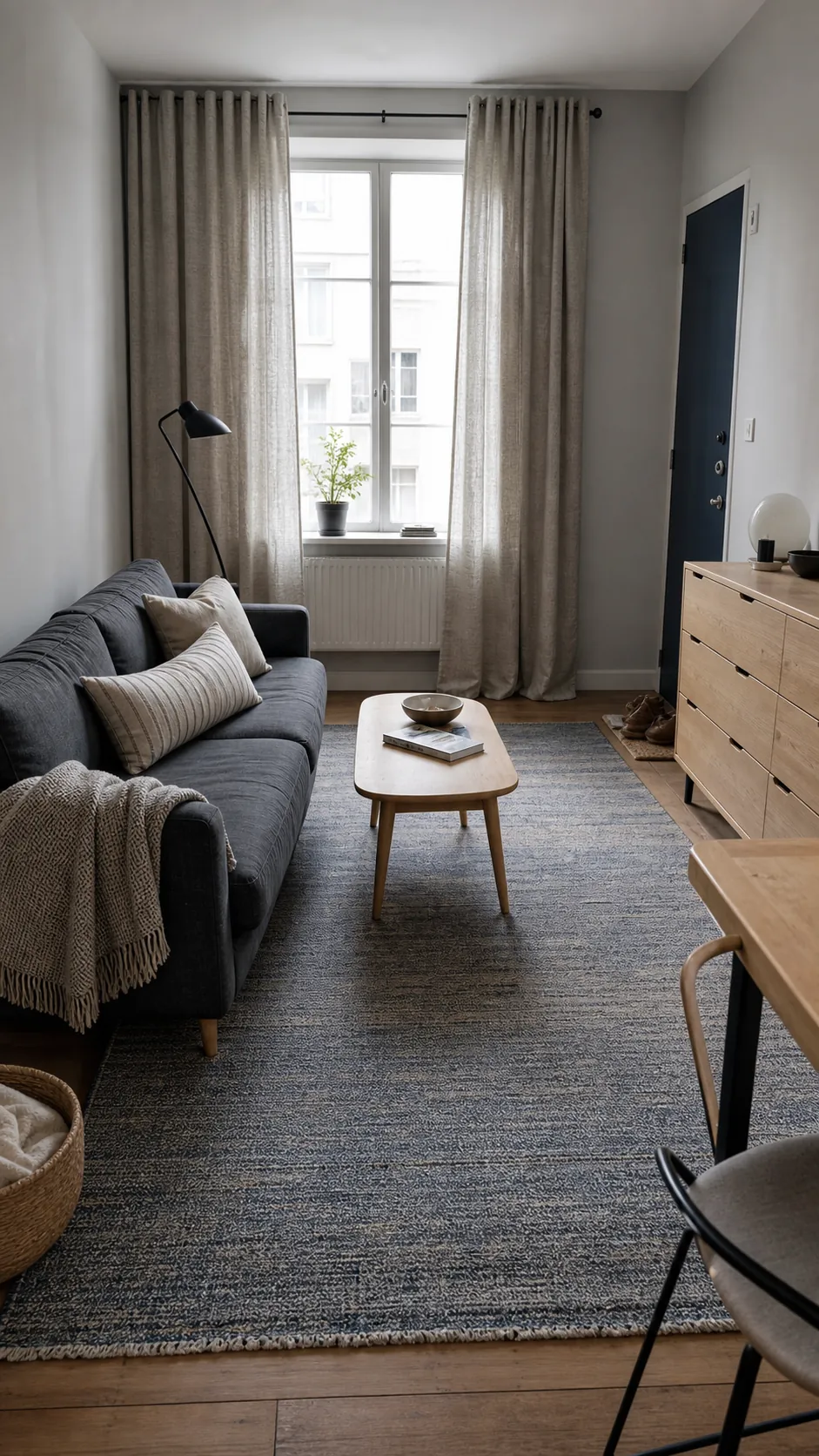
Keep a Seasonal Textile Swap Small
Store one compact set of seasonal changes: pillow covers, a throw, and perhaps a lightweight table runner. Leave the main rug and curtains stable. Small swaps keep the room fresh without creating storage pressure or sending the palette in a completely unrelated direction.
Remove the Soft Pieces That Do Not Earn Their Place
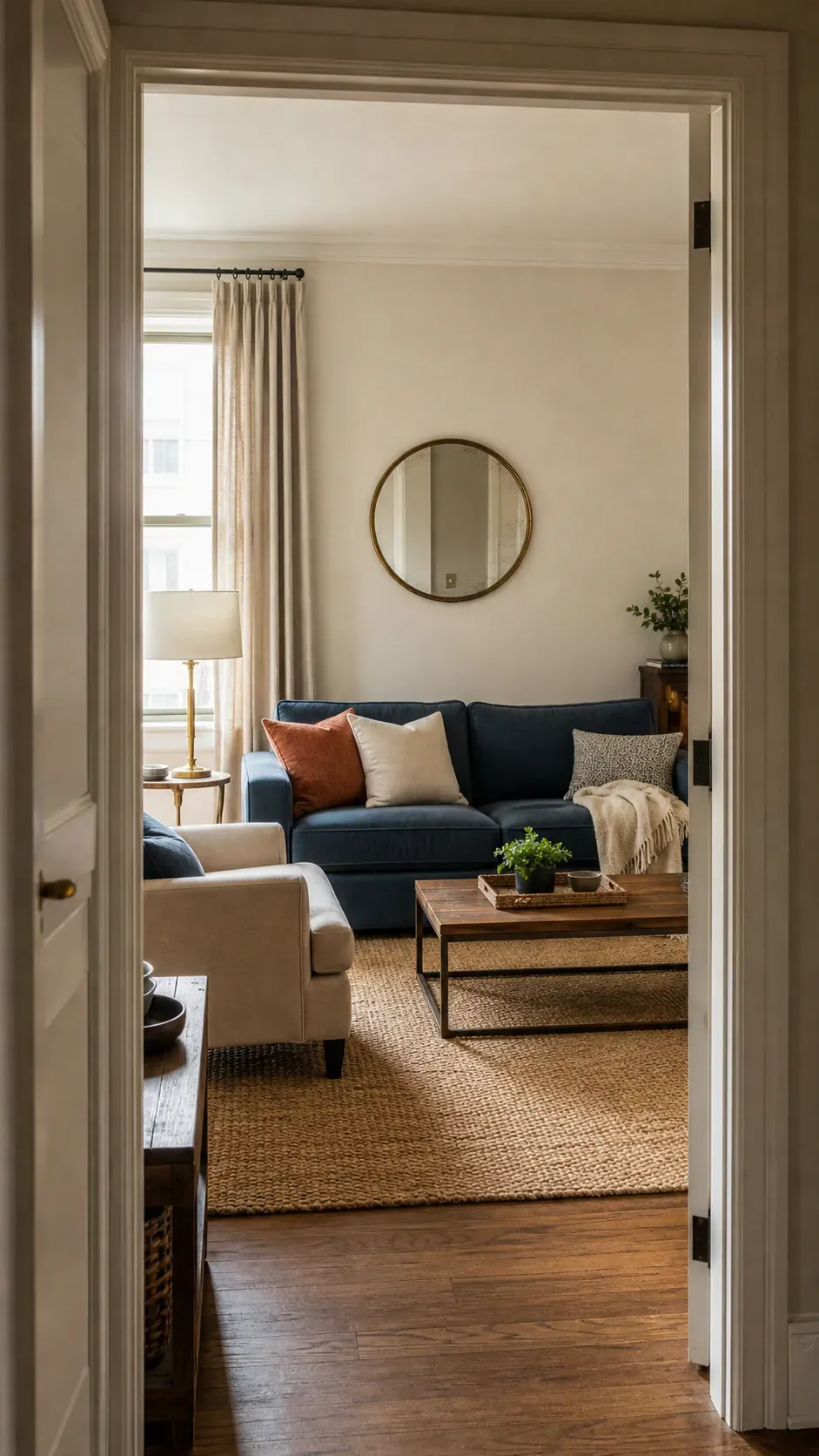
The last step is subtraction. Stand in the doorway and identify the textile that looks stranded, blocks light, crowds seating, or repeats a texture without adding comfort. Remove it for a day. A room feels finished when every soft layer strengthens scale, color, use, or atmosphere—not when every surface is covered.