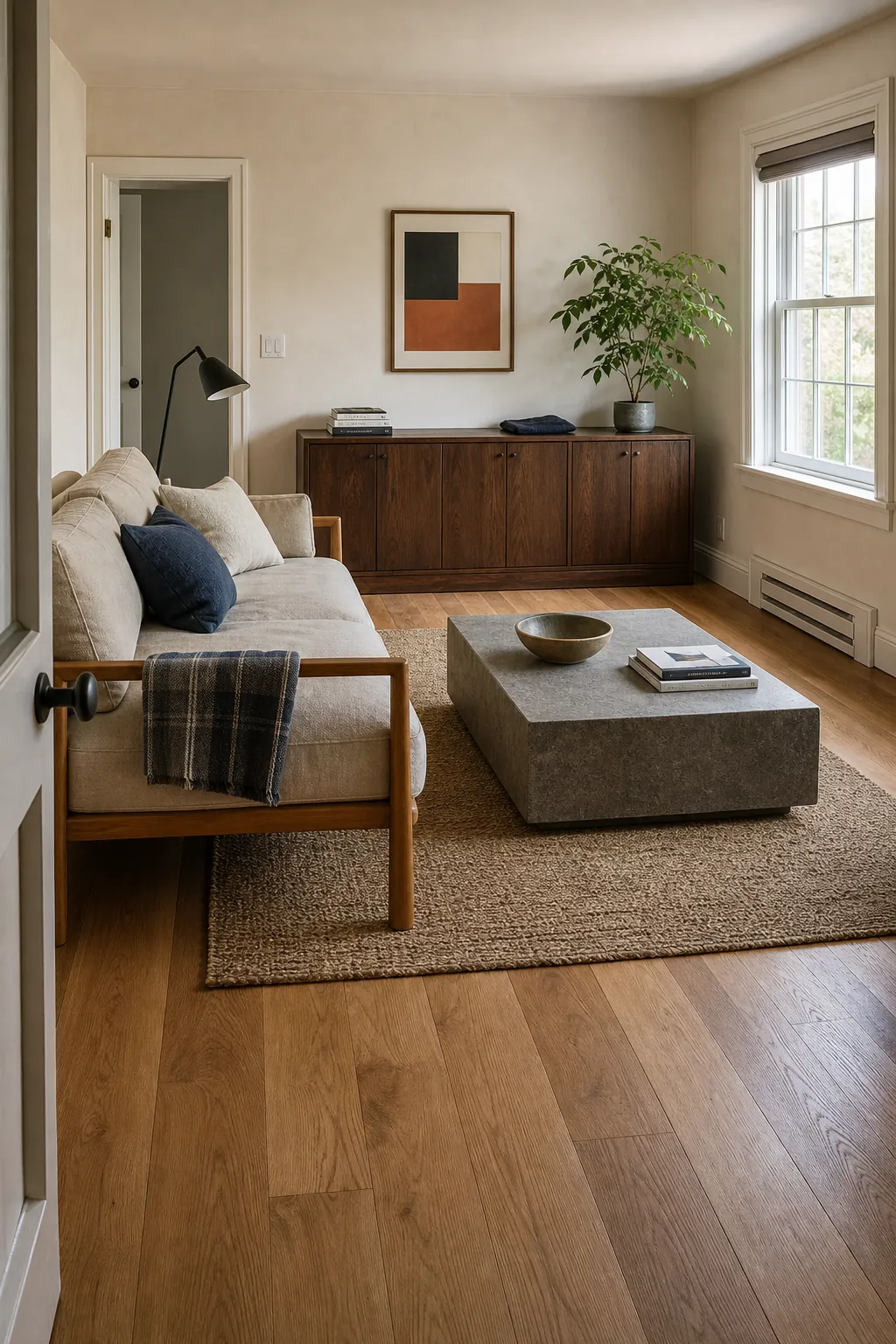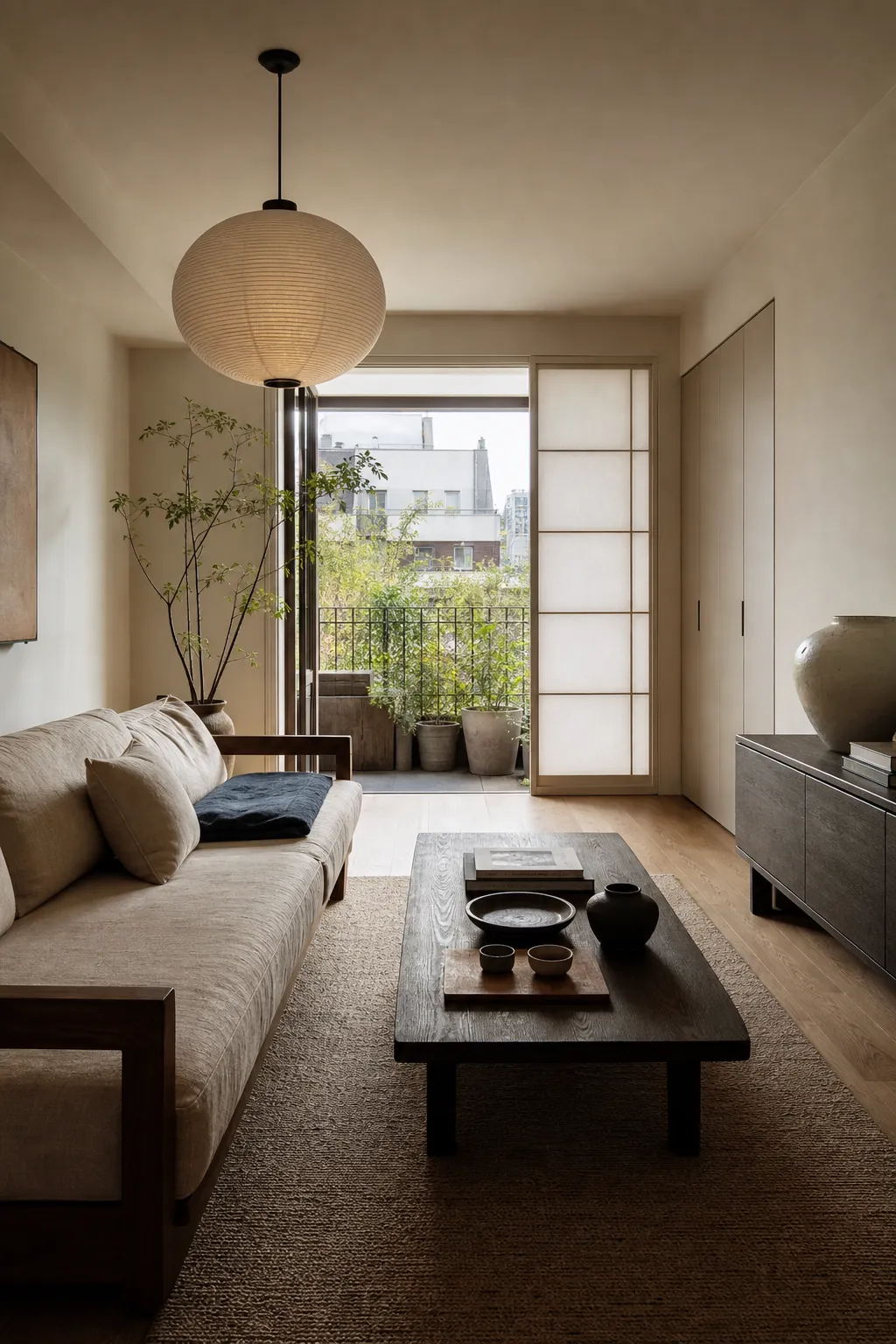
Asian-inspired home decor works best when it feels like a home shaped by materials, rituals, and craftsmanship—not a room assembled from symbols. The most convincing spaces choose a clear regional thread, leave breathing room around meaningful objects, and make everyday life easier. These 27 ideas move from quiet Japanese-inspired rooms to richer Chinese and Southeast Asian notes, with practical ways to adapt each one to a modern home.
Build the room around warm natural wood
Start with one wood family instead of collecting unrelated “Asian” accessories. Pale oak and ash support a Japanese inspired home, while walnut, elm, or teak can create a deeper New Chinese Style Interior. Let the grain show on a low console, slatted screen, or substantial coffee table.
Repeat the same wood tone three times across the room, then stop. That restraint makes the scheme feel intentional and gives ceramics, linen, and greenery a calm foundation.

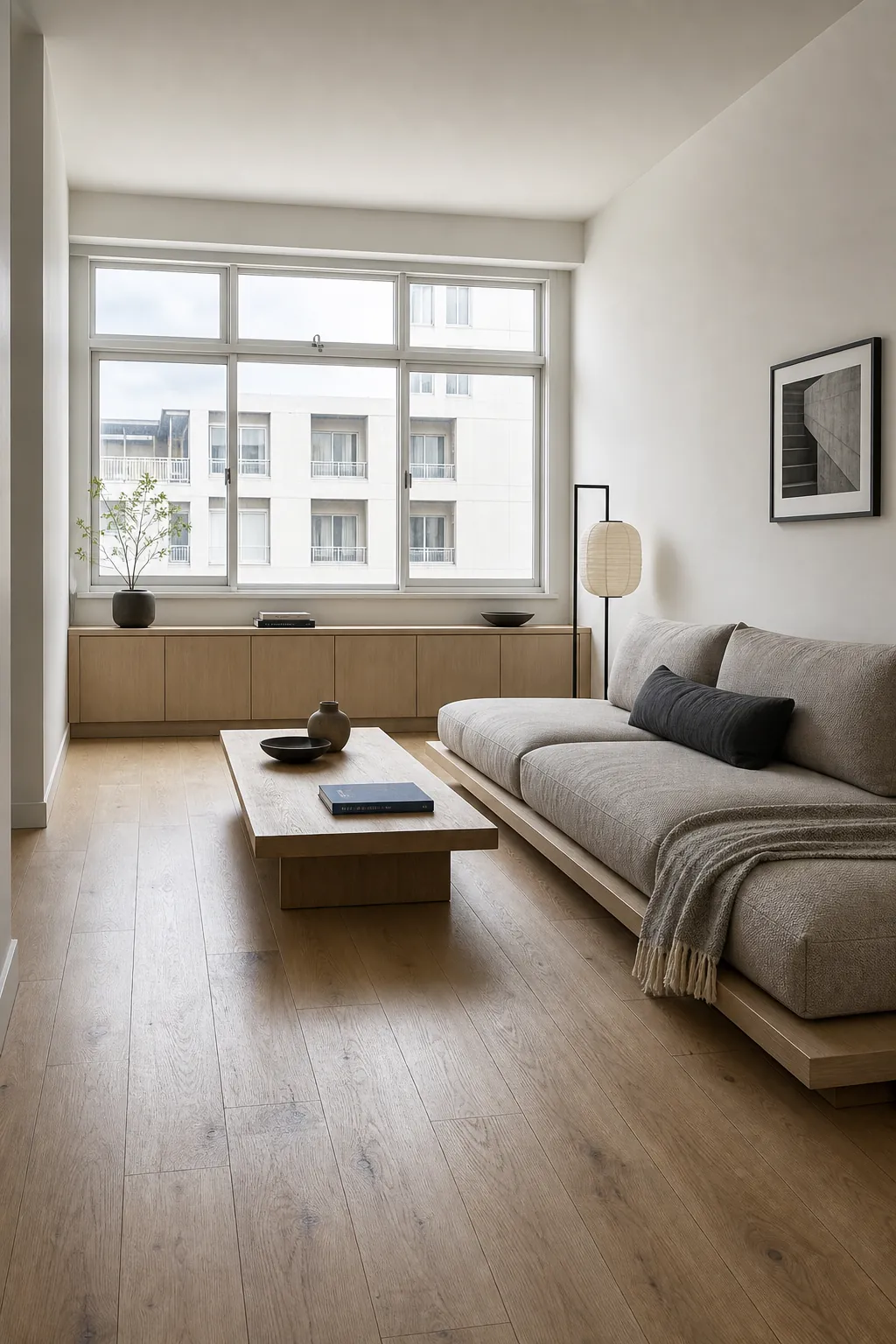
Lower the furniture for a calmer sightline
A low sofa, platform bed, or coffee table creates more visible wall and window space, making even a compact room feel wider. This is especially effective in a Japanese inspired living room where the architecture, daylight, and empty space should remain part of the composition.
Keep comfort practical: choose a seat height that works for your household, then use the low profile as a visual cue rather than copying floor-level living literally.
Filter daylight through a paper-style screen
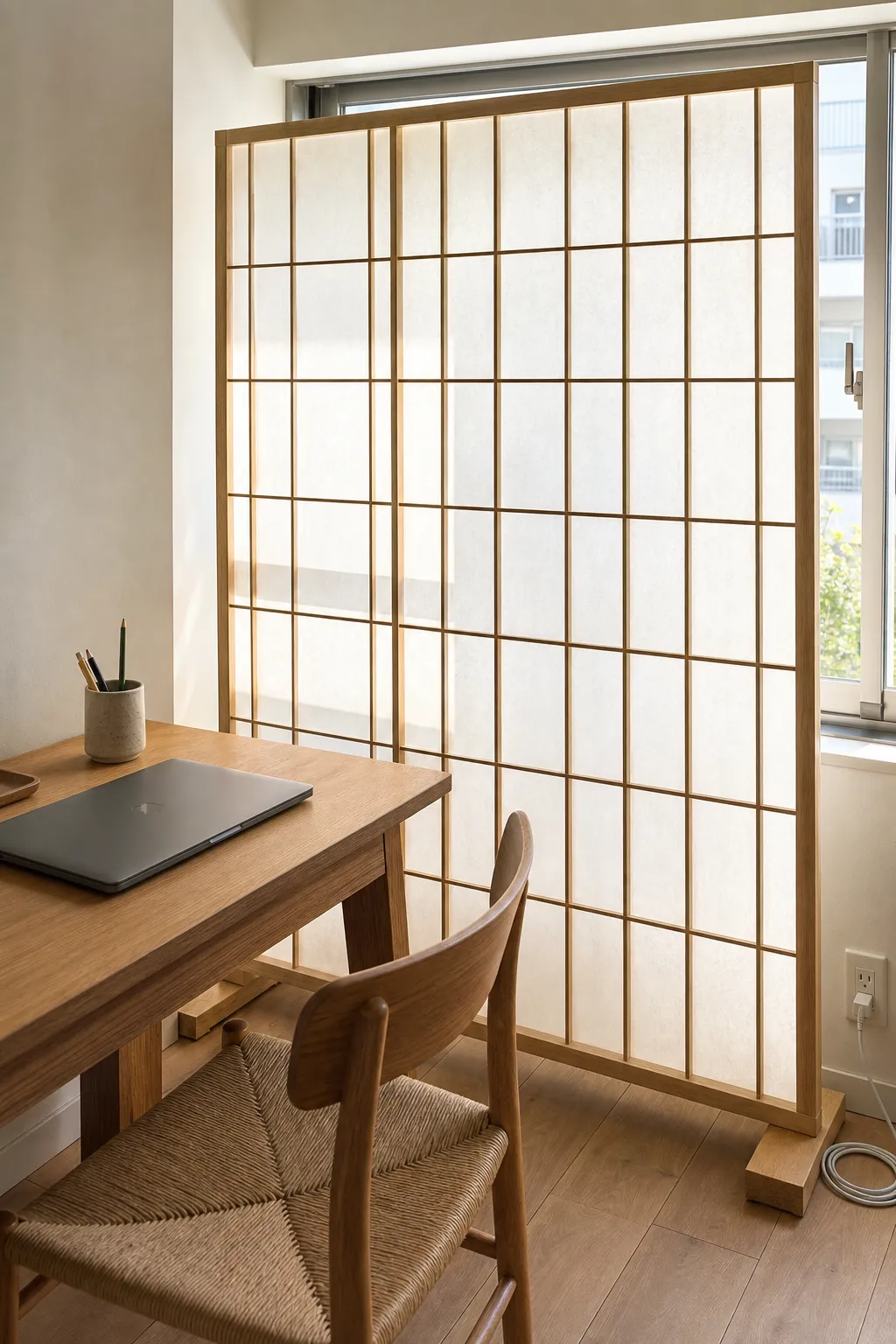
Shoji-inspired panels soften glare and turn daylight into an architectural feature. In a rental, use translucent roller shades, rice-paper-look window film, or a freestanding timber-and-paper screen rather than installing permanent tracks.
Choose a simple rectangular grid and a warm white diffuser. The goal is luminous privacy, not theatrical imitation. Keep the surrounding window treatment plain so the geometry can carry the idea.
Give one handmade ceramic vessel space
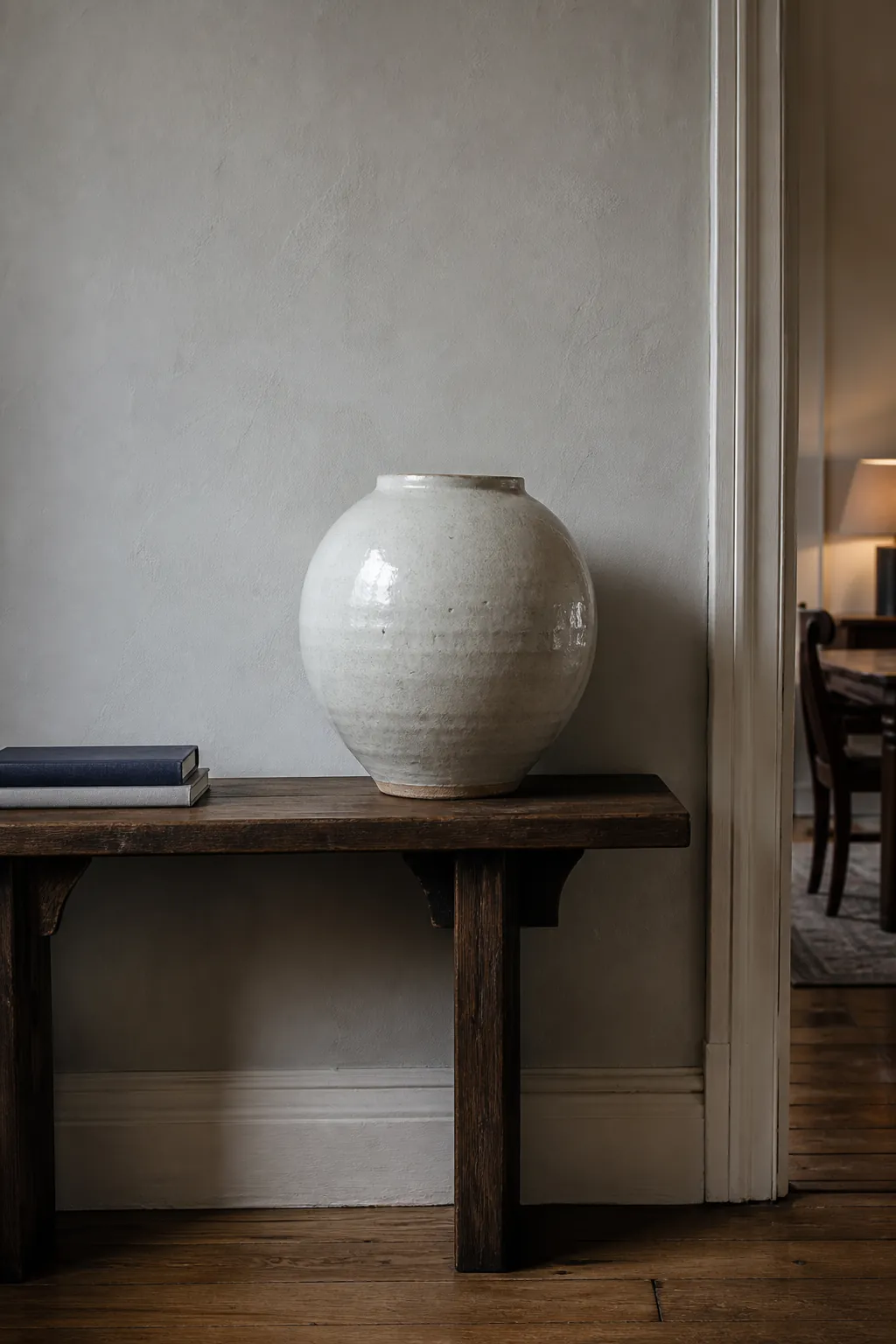
A moon jar, tea bowl, or irregular stoneware vase has more impact when it is not crowded by filler. Place one piece on a wood shelf or console with enough negative space to notice its silhouette, glaze variation, and hand-thrown character.
Look for local studio pottery or vintage pieces rather than treating provenance as a costume. A modest vessel with visible tool marks often contributes more warmth than a perfectly matched decorative set.
Create a grounded tea corner
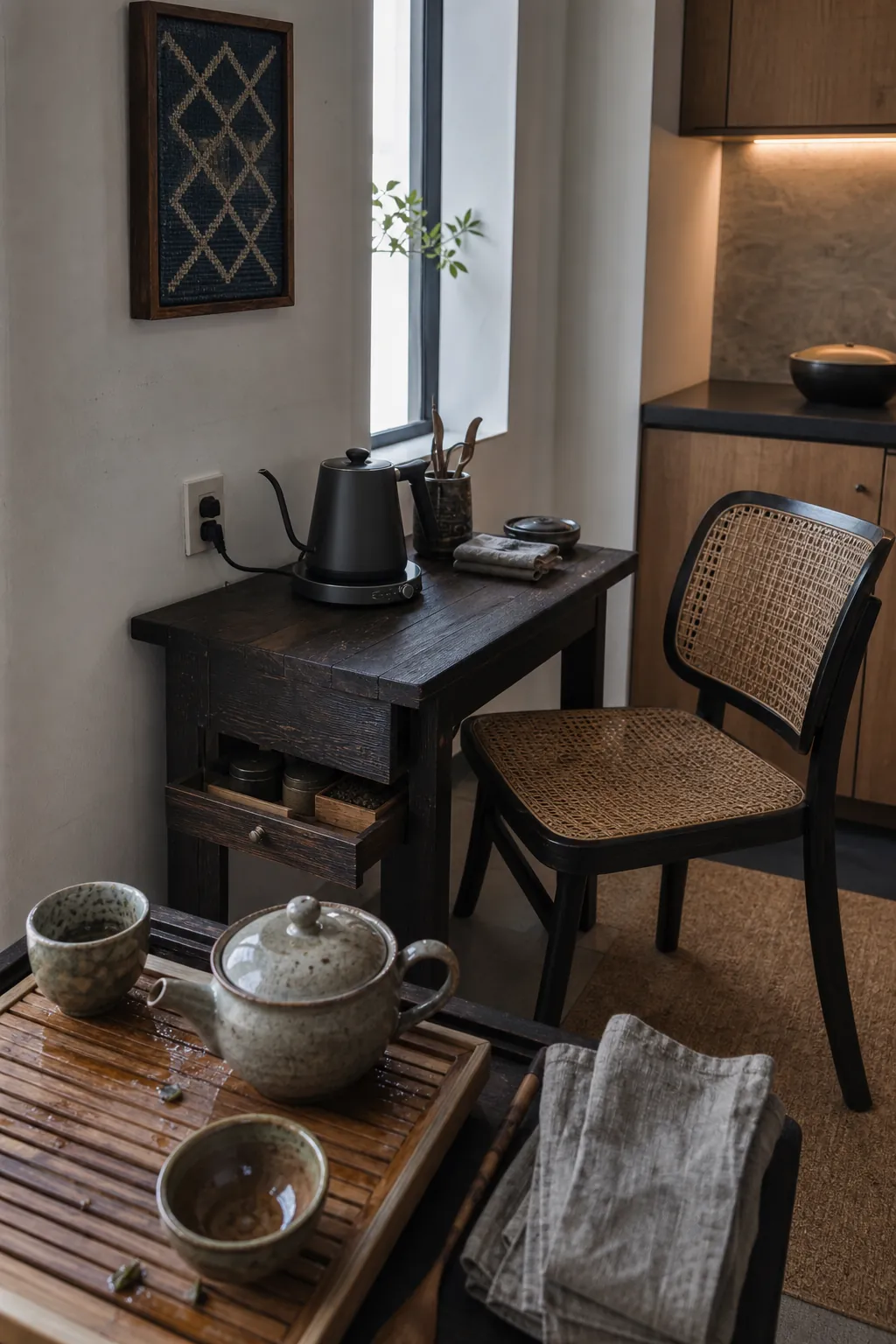
Turn an unused corner into a daily-use tea station with a small timber table, tray, kettle, cups, and closed storage for supplies. The arrangement should make the ritual easier, not merely look serene in a photograph.
Add one comfortable chair or floor cushion only if you will use it. A linen napkin, bamboo tray, and handmade cups introduce texture while keeping the surface easy to reset.
Use a restrained ink painting as the focal point
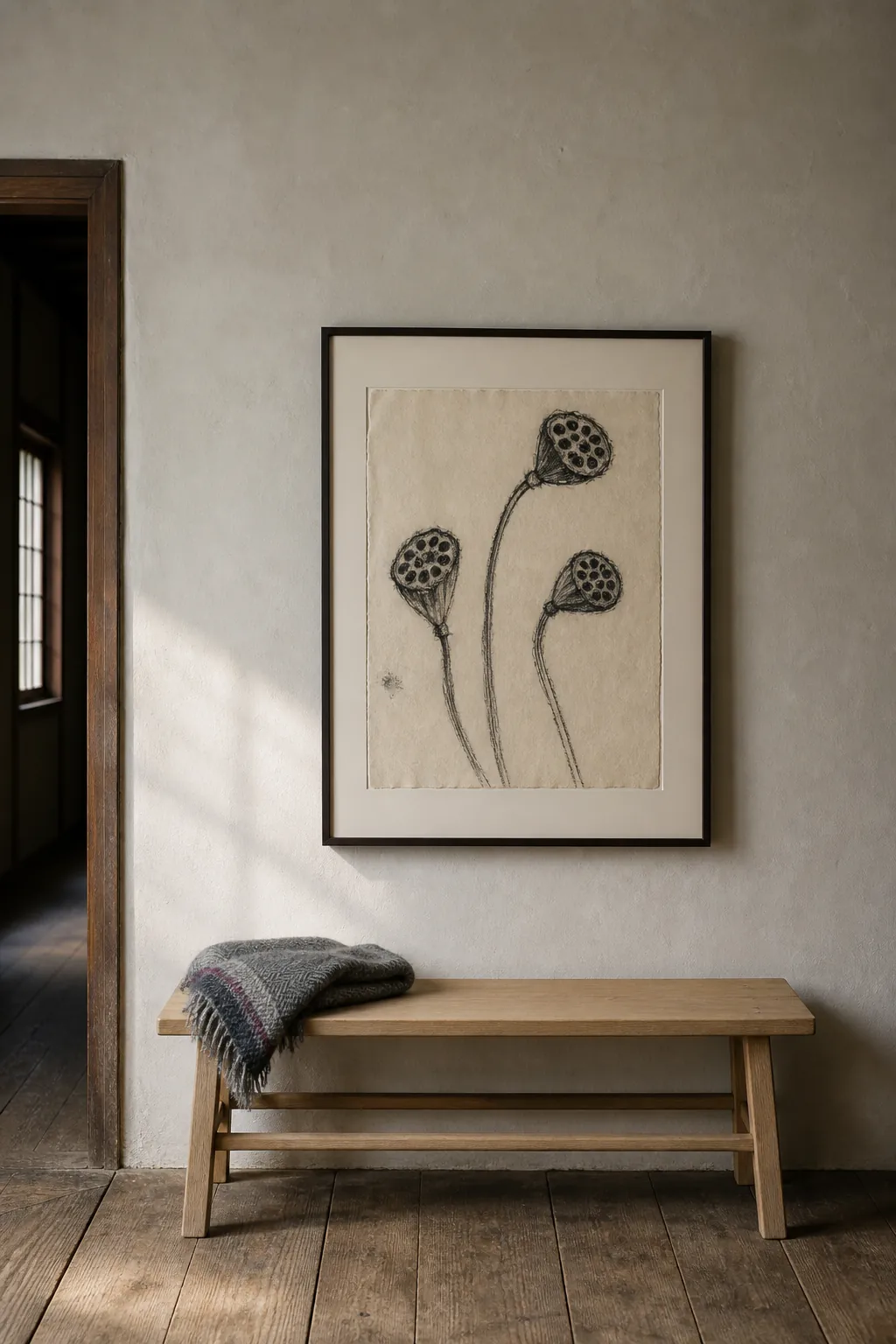
A single ink wash, calligraphic study, or charcoal botanical can anchor a wall without turning it into a theme display. Choose work you understand and genuinely enjoy, then frame it with a generous mat and quiet timber profile.
Hang it slightly lower than a typical gallery wall so it relates to the furniture. Avoid surrounding it with a symmetrical cluster of unrelated motifs; one confident piece needs room to breathe.
Divide an open room with timber slats
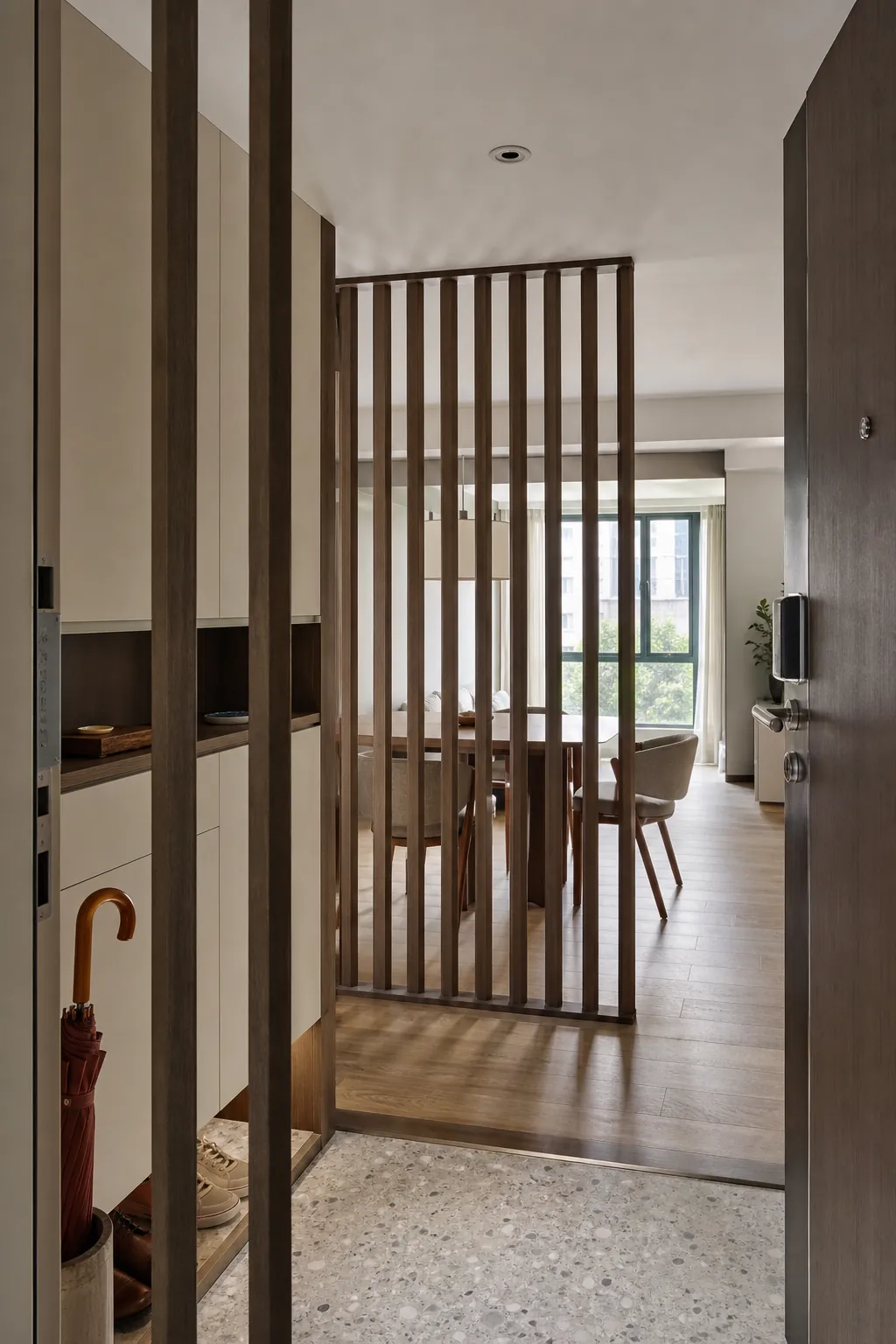
A slatted divider can separate an entry, dining area, or work zone while preserving light and airflow. This suits modern Asian interior design because it organizes movement without relying on a heavy solid wall.
Match the slats to existing joinery and keep the spacing regular. In a rental, a stable freestanding screen provides the same layered view without drilling into floors or ceilings.
Layer woven bamboo without making it tropical
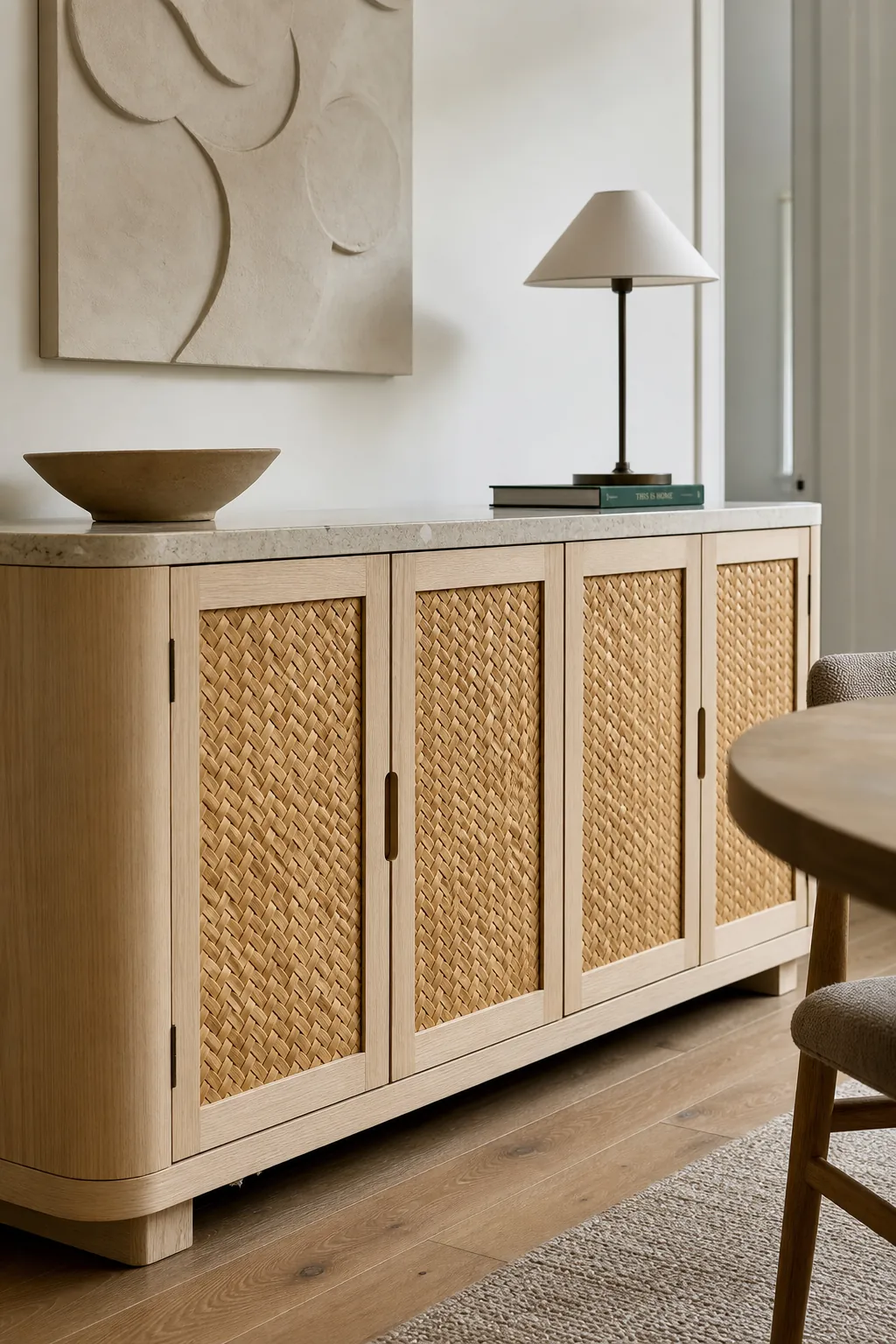
Bamboo works best as a texture rather than a repeated motif. Try one woven blind, a cane-front cabinet, or a finely made tray alongside plain plaster, linen, and wood. The contrast keeps the material crisp and architectural.
Avoid matching bamboo furniture sets. One or two woven surfaces are enough to catch light and add craft detail while the rest of the room remains visually quiet.
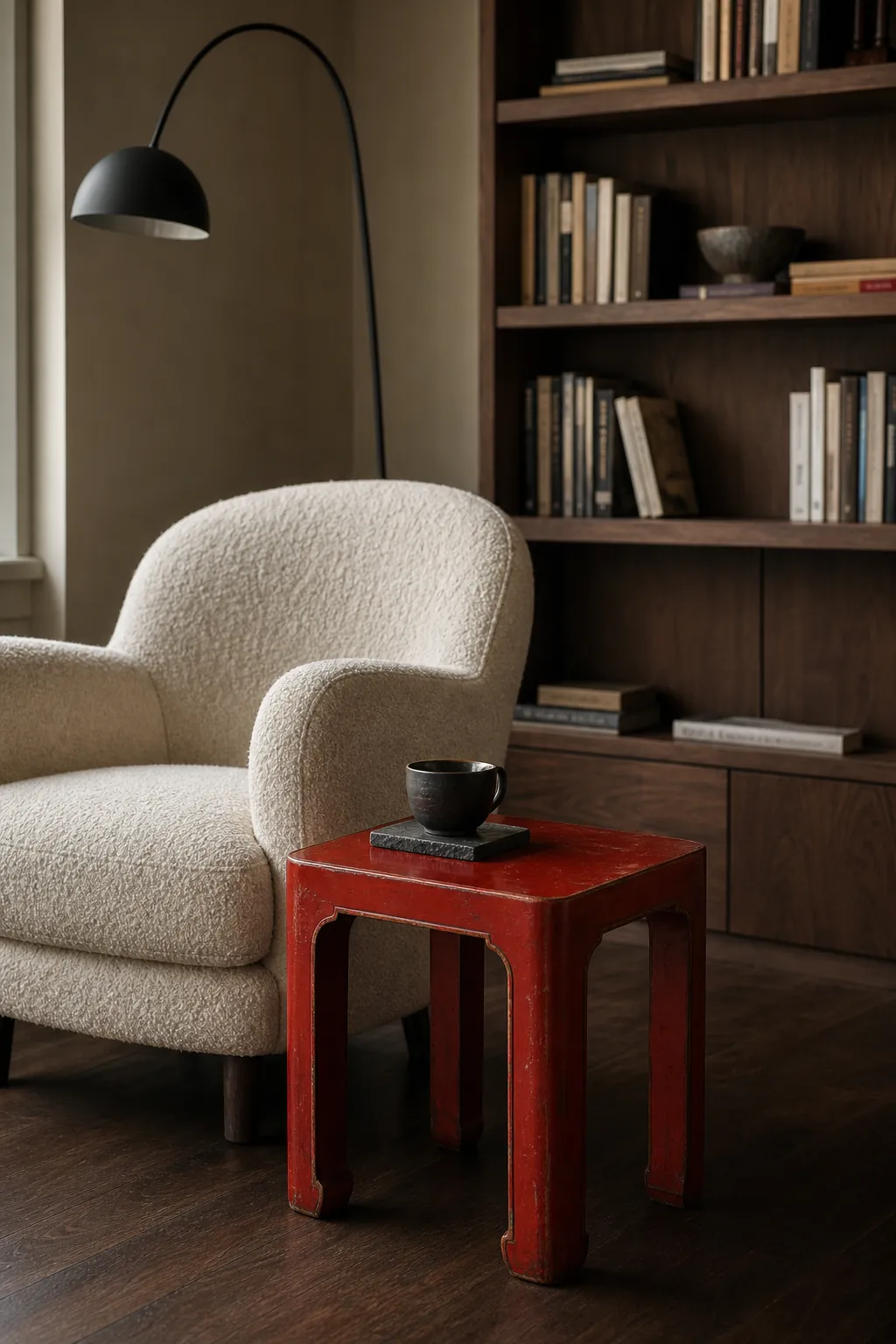
Warm a neutral room with cinnabar red
Deep red can reference Chinese interiors without overwhelming a modern home. Use it on one lacquered side table, cushion, or glazed vessel, surrounded by walnut, cream, and charcoal so the accent stays deliberate.
Repeat the color only once in a smaller detail. This creates a visual rhythm without turning every object into a matching statement.
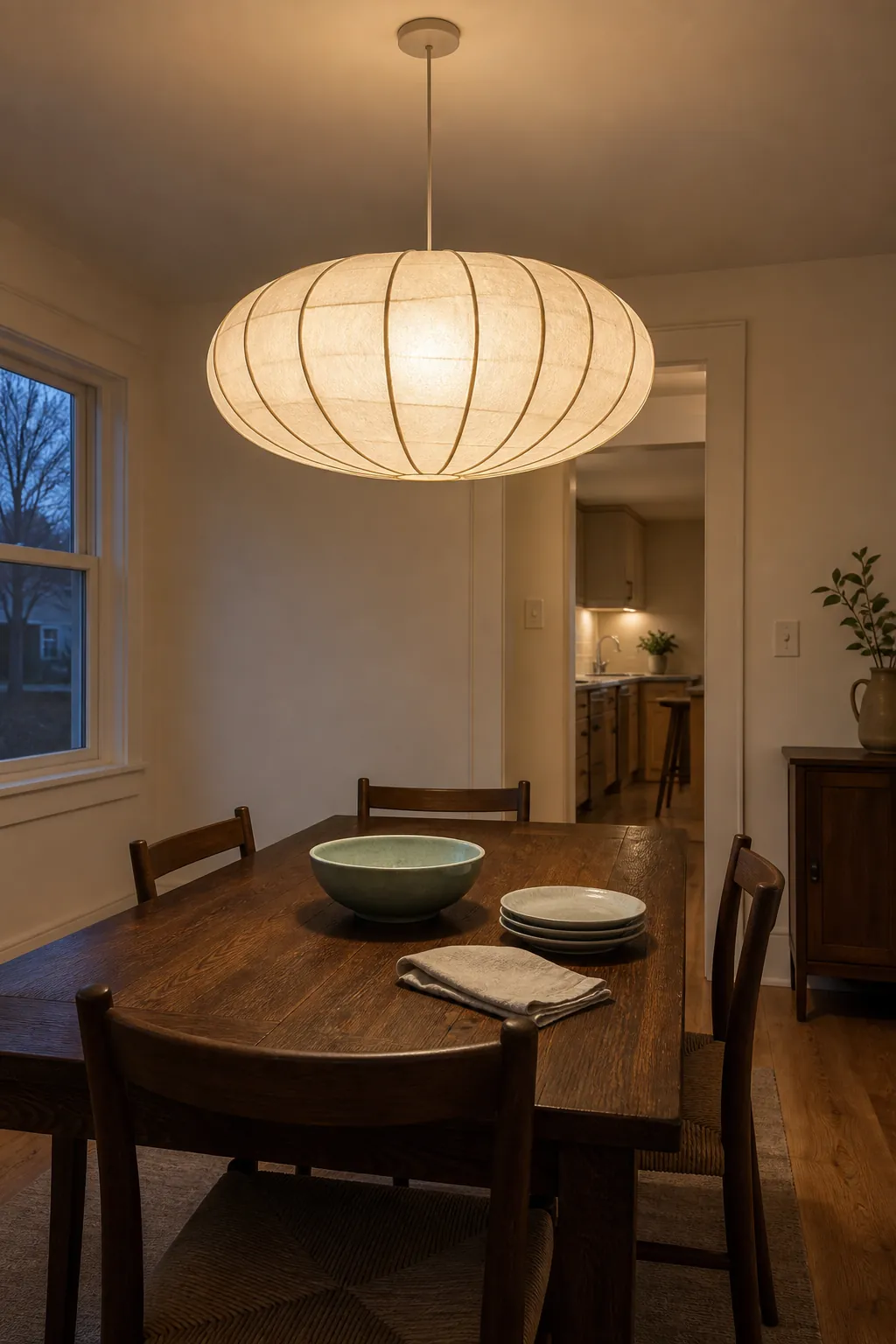
Bring in a sculptural paper lantern
A paper pendant or table lamp adds a soft volume that balances straight-lined furniture. Choose a simple globe, oval, or gently irregular form and use a warm-dim bulb so the shade glows rather than appearing stark.
Scale matters: one generous pendant over a dining table is calmer than several small lanterns scattered through the room. Keep electrical fittings minimal and professionally installed.
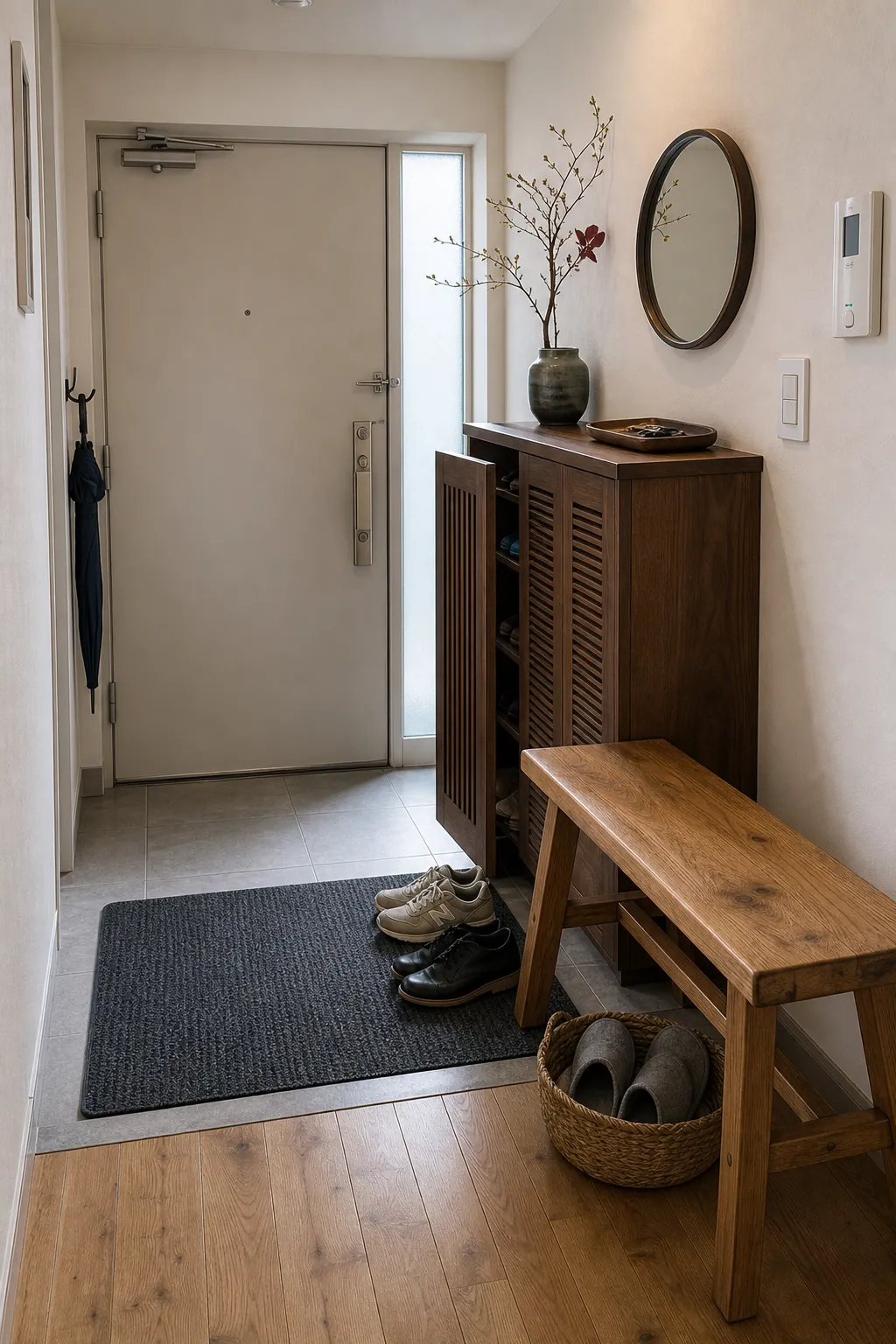
Style an entry with a shoe-removal zone
Asian decor ideas feel most authentic when they support household habits. A slim shoe cabinet, sturdy bench, washable mat, and basket for slippers create a practical threshold between outdoors and home.
Keep the top of the cabinet mostly clear, perhaps with one small branch arrangement and a tray for keys. The calm comes from removing friction at the doorway, not from decorative minimalism alone.
Frame a courtyard or balcony as living decor
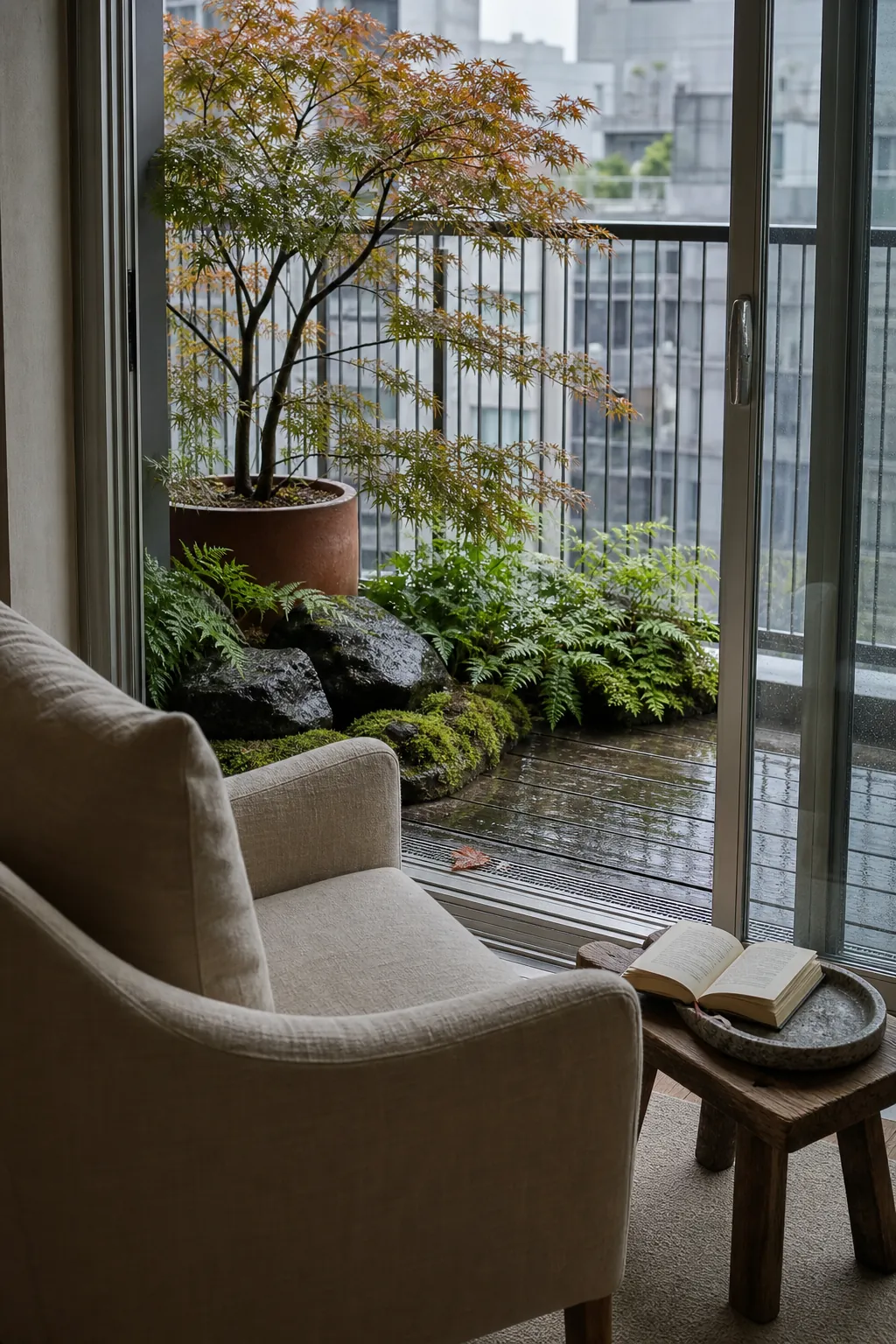
Instead of filling the room with nature-themed objects, make the real view the focal point. Align seating toward a balcony planter, courtyard tree, or small stone-and-moss composition and keep the window edge uncluttered.
Repeating one outdoor material indoors—a stone tray, timber stool, or clay pot—strengthens the connection. Even an apartment can achieve this with a carefully edited balcony rather than a literal garden.
Choose a hand-knotted or flatwoven rug
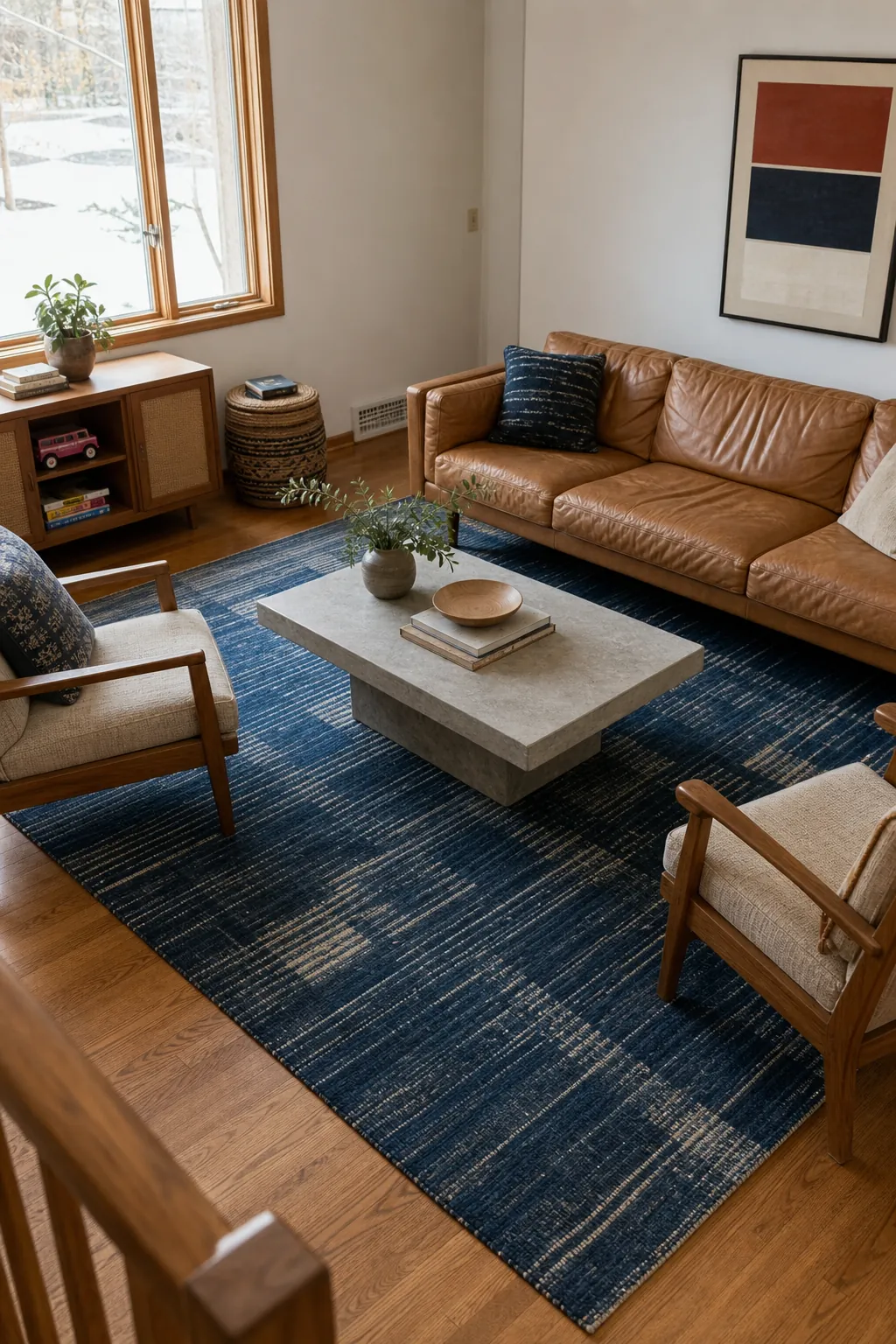
A rug can add pattern without relying on obvious symbols. Look for an indigo flatweave, muted geometric kilim, or hand-knotted design with visible tonal variation, then let it define the seating area.
Choose a large enough size for at least the front legs of the furniture to rest on it. A properly scaled rug makes an eclectic mix feel grounded and prevents the room from reading as a collection of small props.
Make black accents structural
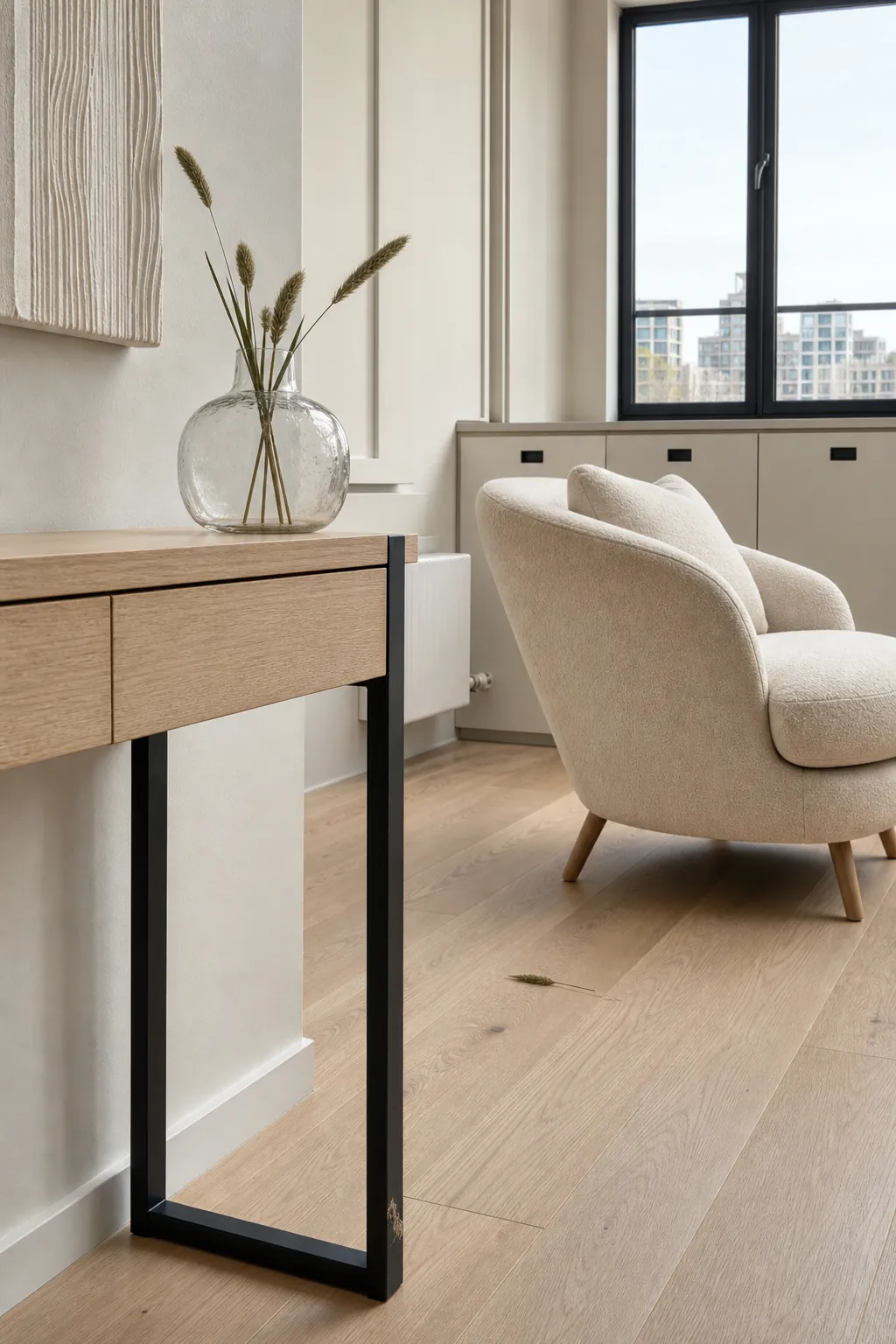
Charcoal or black creates definition in a pale room when it follows actual structure: a window frame, table base, cabinet pull, or thin picture frame. That controlled repetition is more sophisticated than distributing black ornaments everywhere.
Use matte or softly rubbed finishes rather than high-gloss plastic. The dark lines should sharpen the room’s geometry while wood, paper, and textiles keep it welcoming.
Introduce a vintage Chinese cabinet
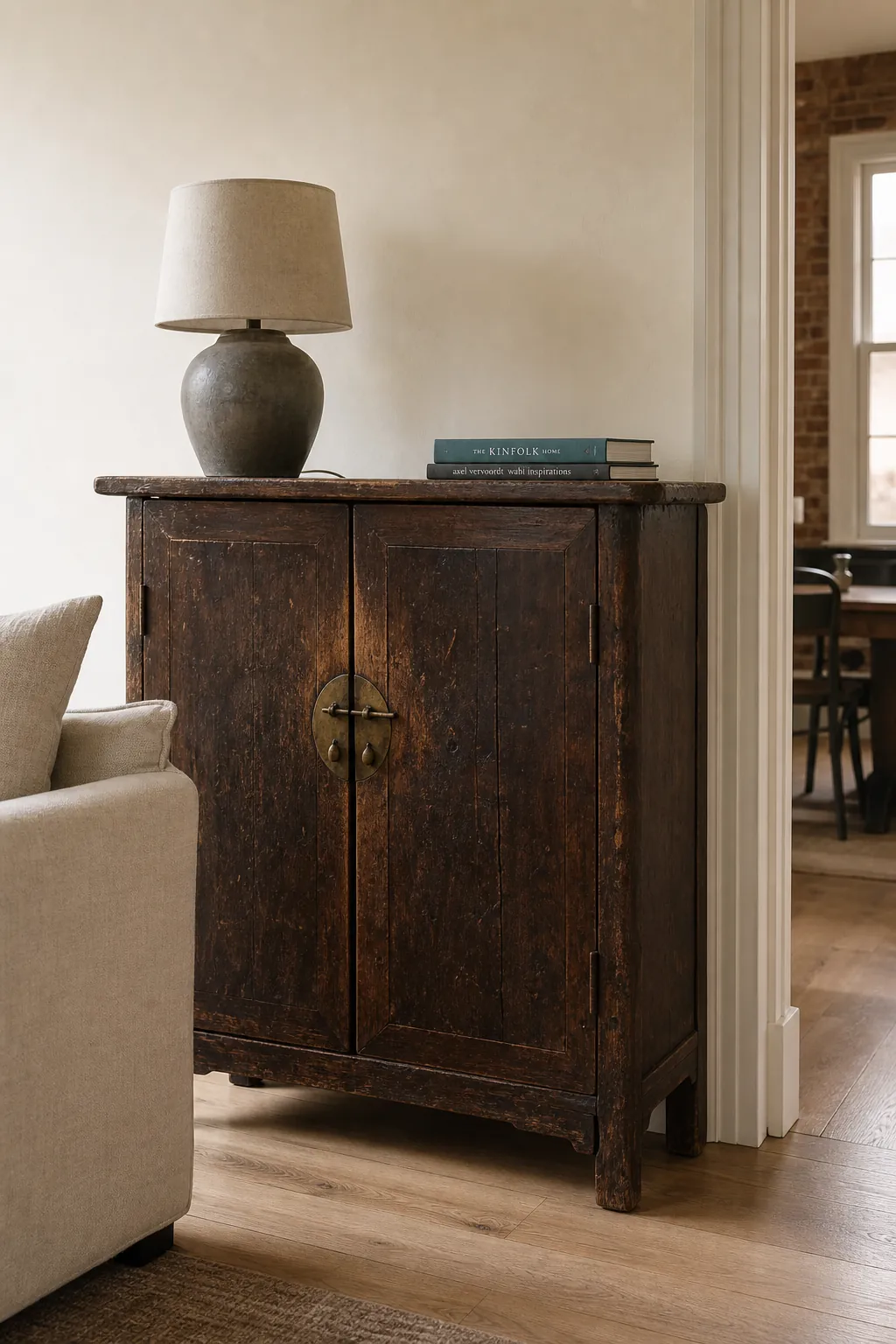
One aged cabinet can give a clean room history and depth. Seek solid joinery, useful storage, and a finish with honest wear rather than a newly distressed reproduction covered in decorative hardware.
Pair it with modern seating and a plain wall so the piece reads as furniture, not scenery. Check drawers, hinges, and interior odors before buying vintage, especially when it will store linens or tableware.
Use tatami texture in a modern way
You do not need a traditional room to enjoy the quiet texture of rush grass. A tatami-style bench pad, modular floor mat, or woven headboard panel can add linear detail and a fresh natural scent.
Keep it dry, vacuum gently, and avoid placing it in a damp basement or splash zone. Pair the straw tone with plain cotton, pale timber, and a small amount of charcoal.
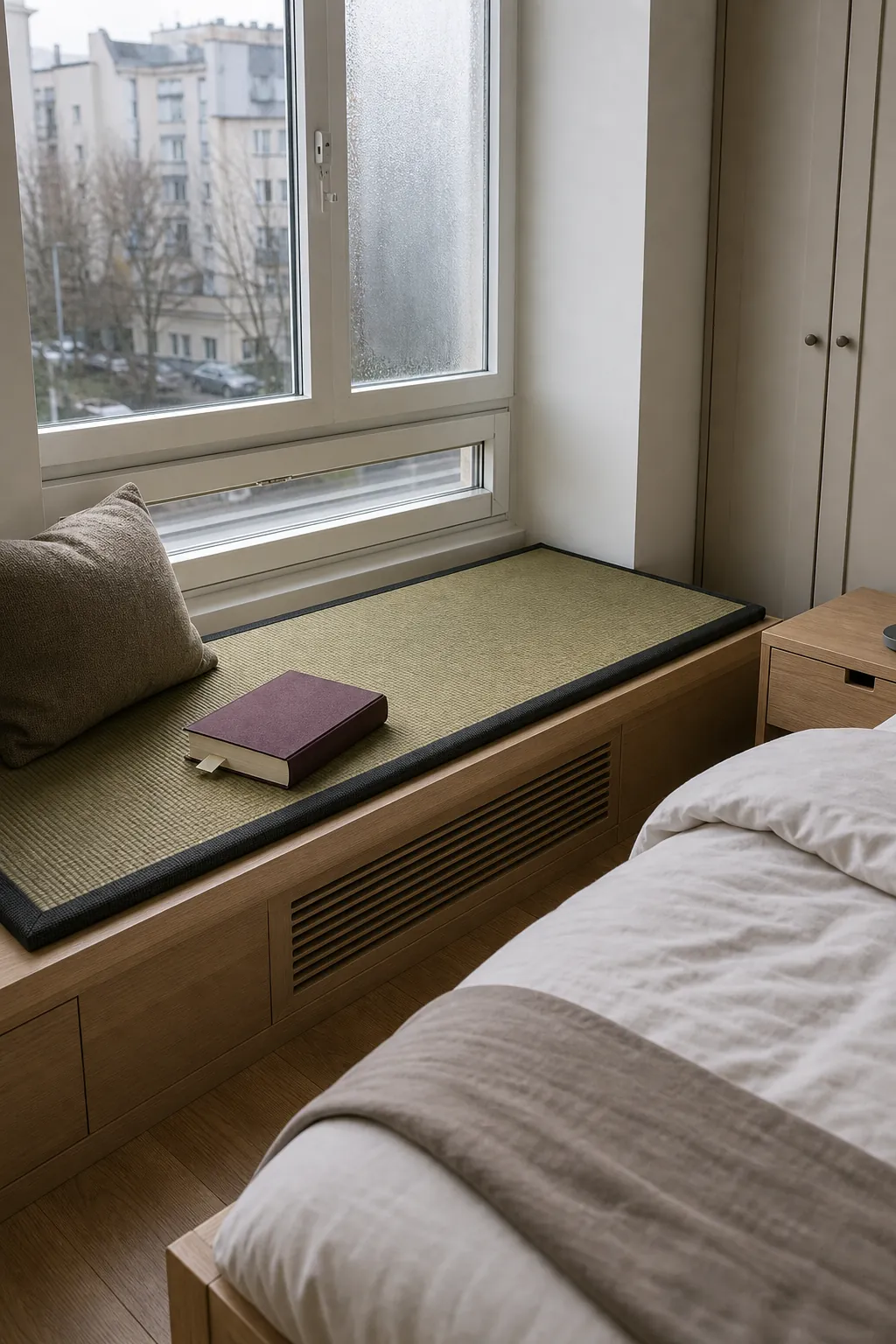
Keep a bedroom palette quiet and tactile
For a restful Japanese inspired home, build the bedroom from warm white, mushroom, flax, and brown rather than stark white and gray. Layer washed linen, cotton, wood grain, and a wool throw to prevent minimalism from feeling empty.
Hide chargers and small clutter in bedside drawers, but keep the room lived-in with a book, water carafe, or folded robe. Calm is compatible with ordinary daily use.
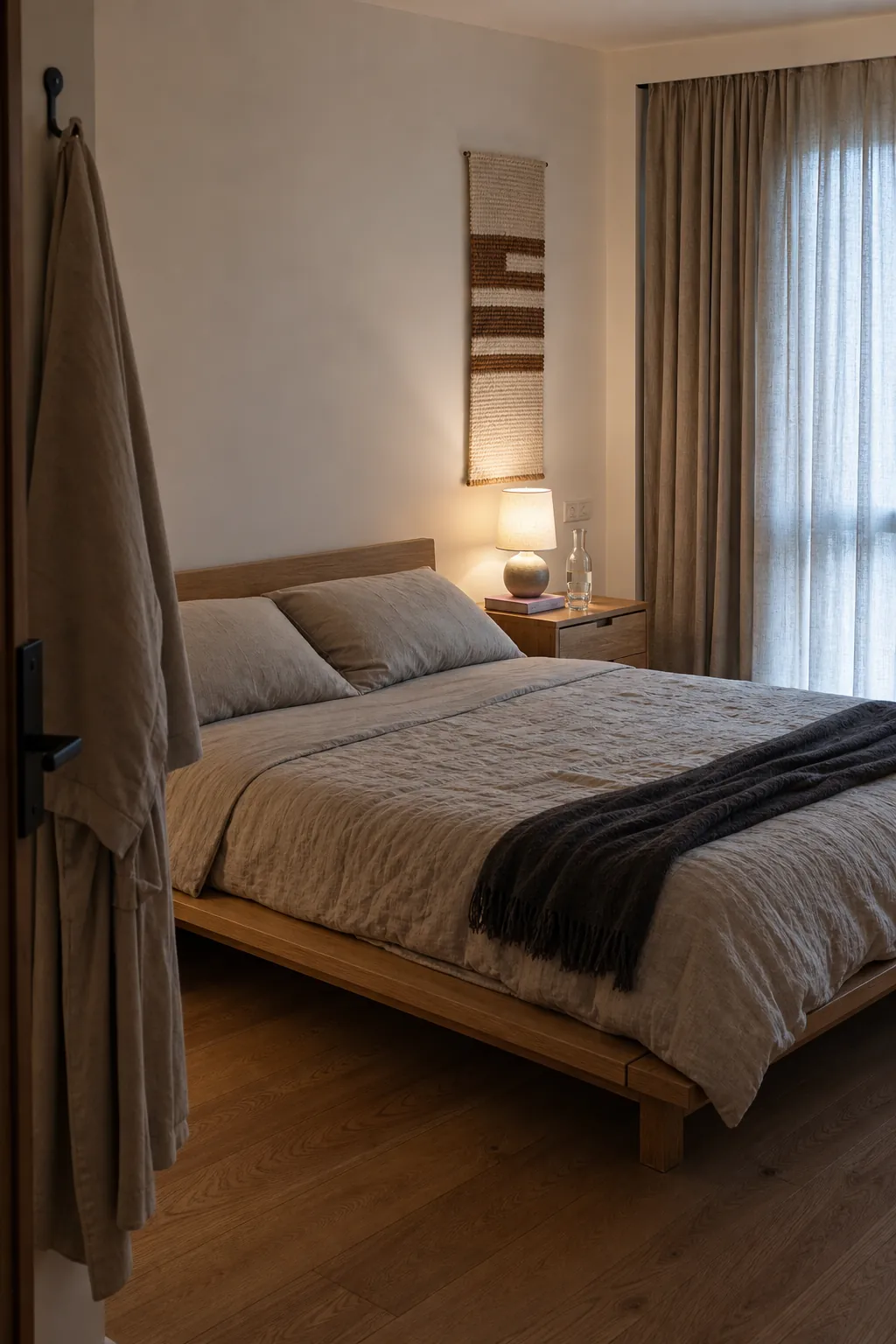
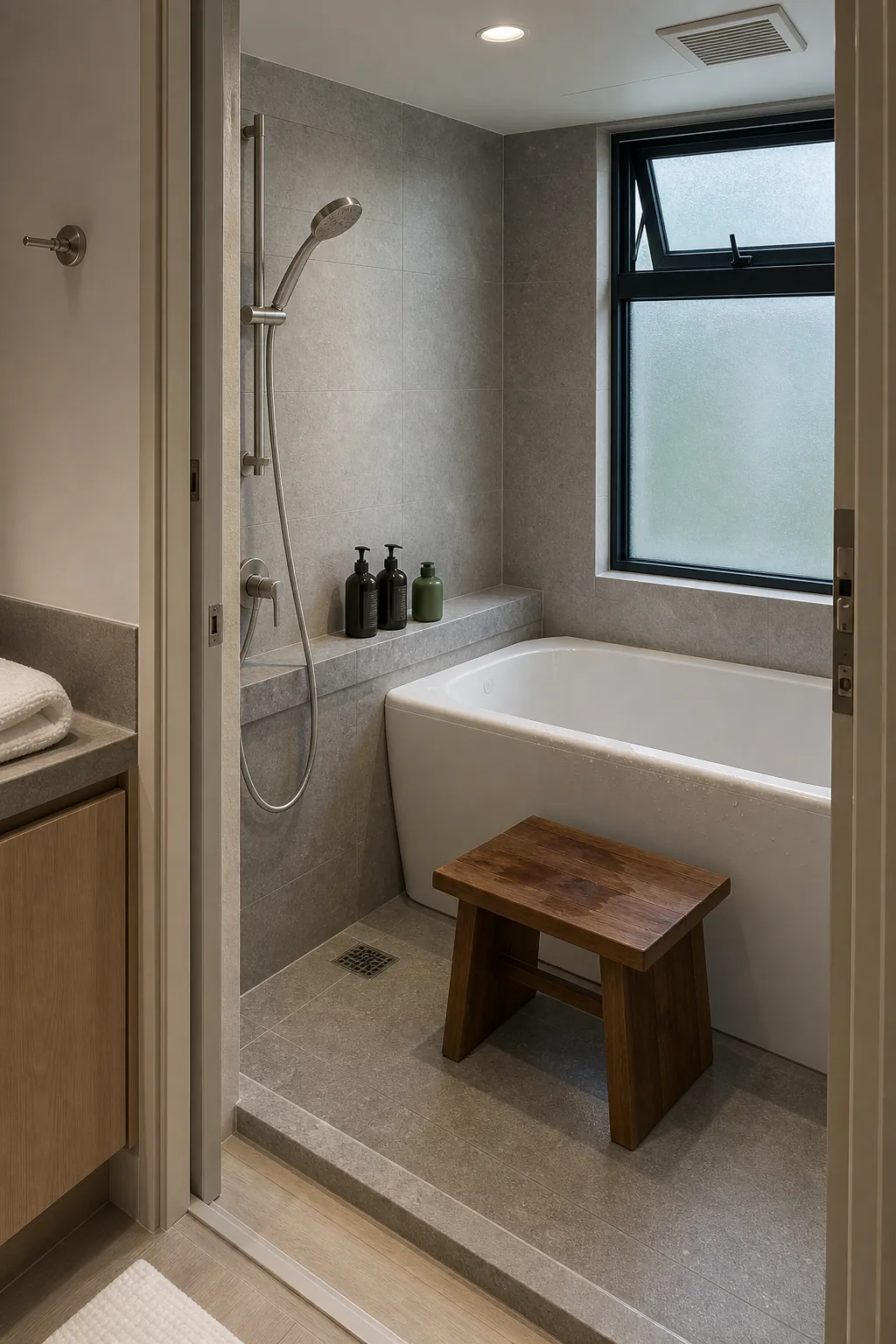
Turn bathroom bathing into the design cue
An Asian inspired bathroom does not require a total renovation. Emphasize the bathing zone with a deep soaking tub when space allows, or simply organize a shower with a timber stool, stone tray, soft towels, and concealed bottles.
Use moisture-safe materials and provide ventilation; untreated decorative wood can warp or mold. The successful version feels clean, warm, and easy to maintain after every use.
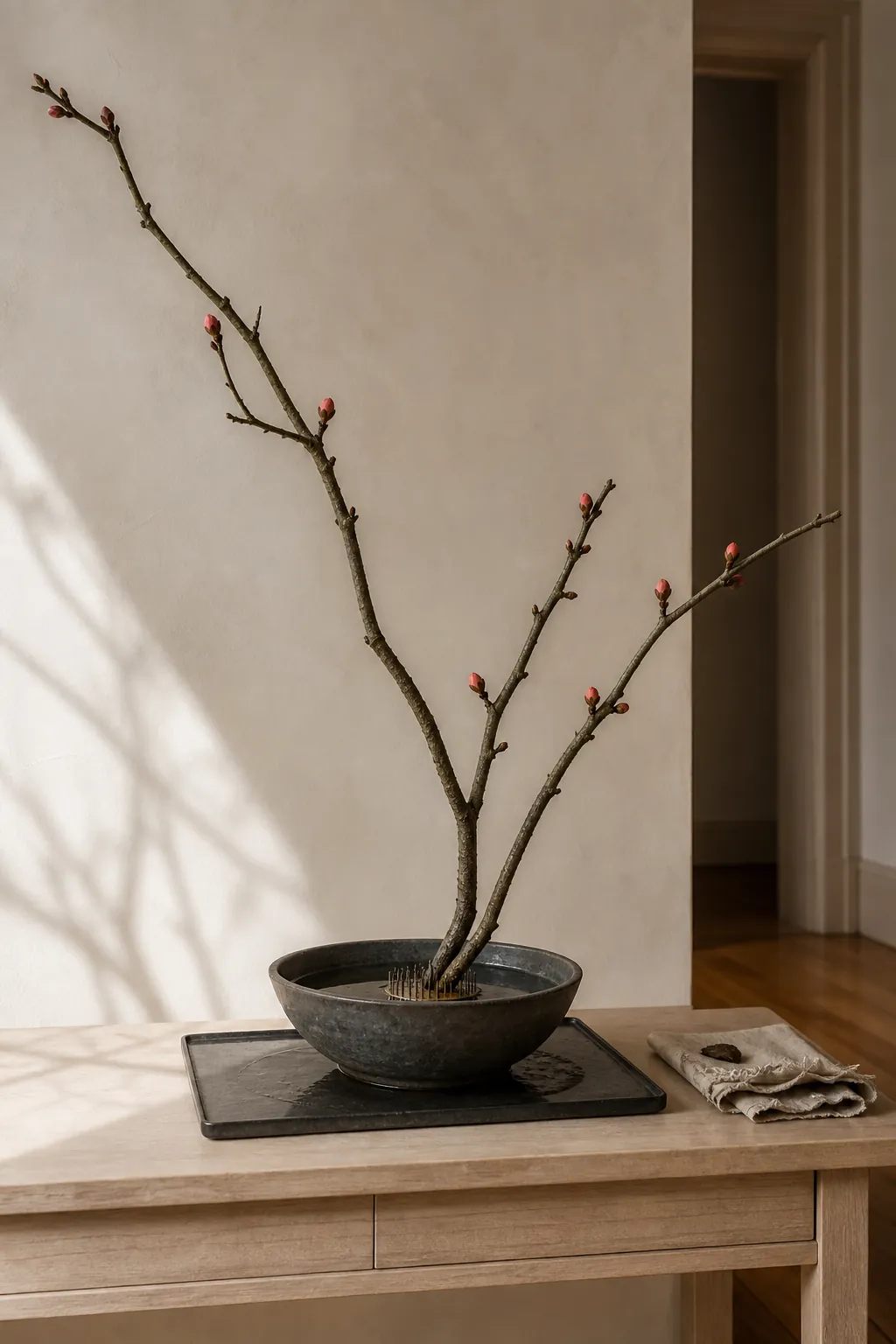
Display an ikebana-inspired branch arrangement
A few branches arranged with asymmetry can provide scale and movement without visual clutter. Use a heavy vessel, trim stems thoughtfully, and consider the empty space between forms as part of the composition.
Seasonal garden clippings are enough; you do not need exotic flowers. Protect wood surfaces from water and keep arrangements away from unstable edges, pets, and high-traffic paths.
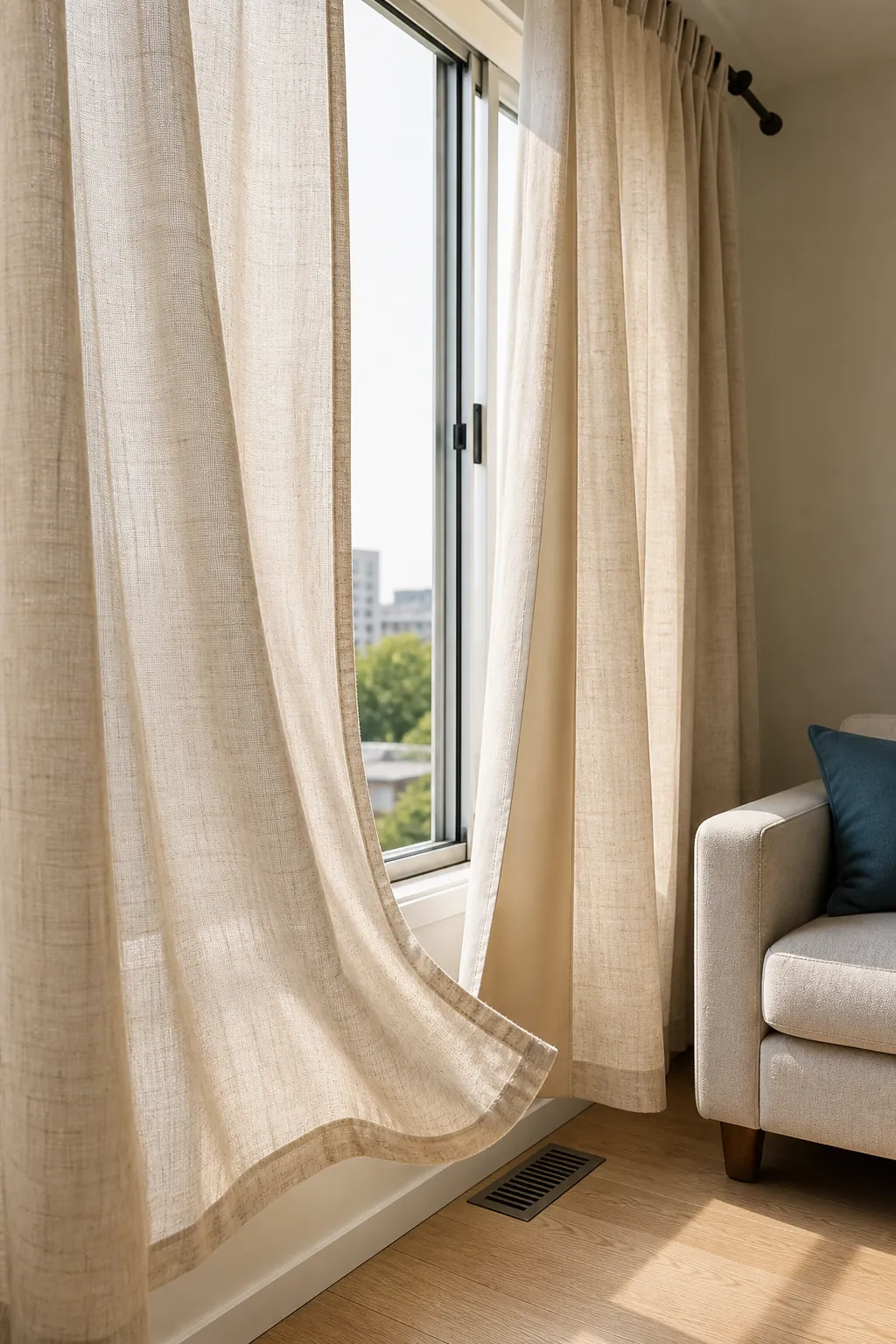
Add linen curtains that move with the air
Full-height linen or linen-blend curtains soften architecture and introduce gentle movement. Choose an oatmeal, flax, or warm white fabric with enough body to hang well, then mount the rod close to the ceiling to lengthen the room.
Pair them with a discreet blackout layer where sleep or heat control matters. The result is visually light without sacrificing the practical performance a real household needs.
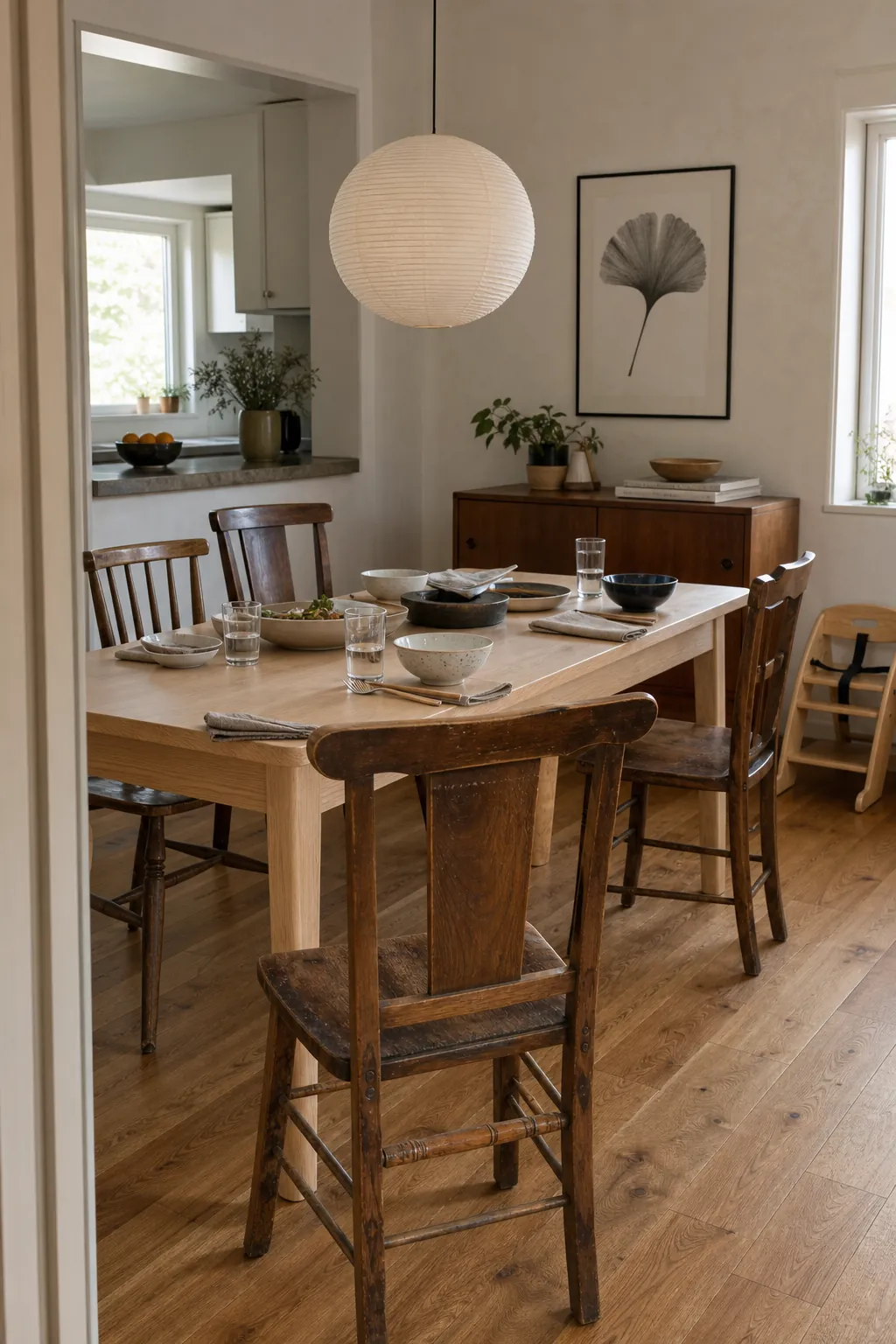
Mix old and new around the dining table
A contemporary table can sit comfortably with vintage elm chairs, handmade bowls, and a simple paper pendant. Keeping the large shapes clean allows the irregularities of age and craft to become the character.
Test seat height and stability before committing to mismatched vintage chairs. Use a restrained table setting so family meals remain easy to serve, clear, and clean.
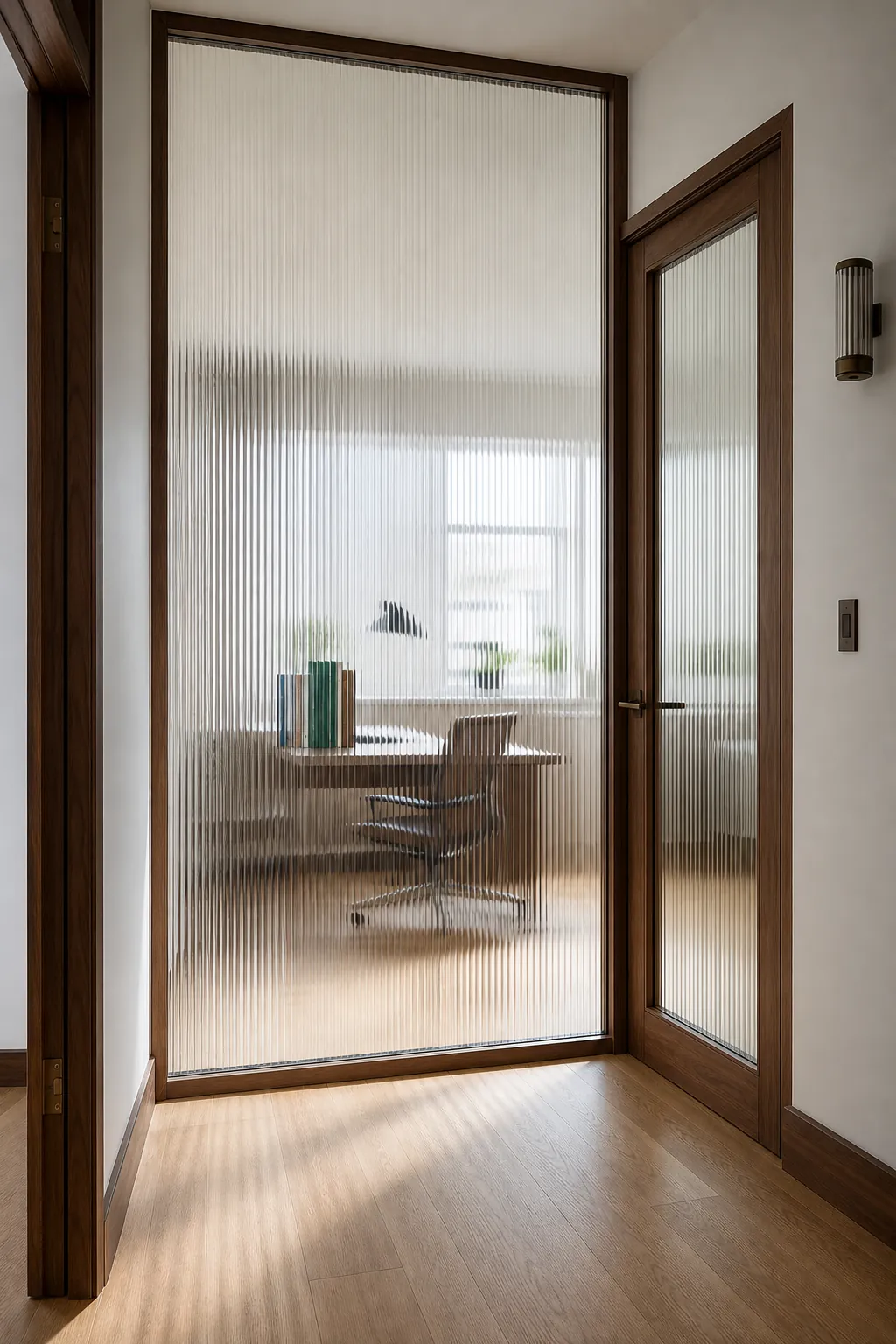
Use fluted glass for soft separation
Fluted glass gives privacy while carrying daylight between a kitchen, study, or bathroom and the adjoining room. Its vertical rhythm pairs naturally with timber joinery and offers a modern alternative to literal screen reproductions.
Specify safety glass and use it where blurred silhouettes are acceptable. A dark bronze or wood frame can connect it to other structural accents in the home.
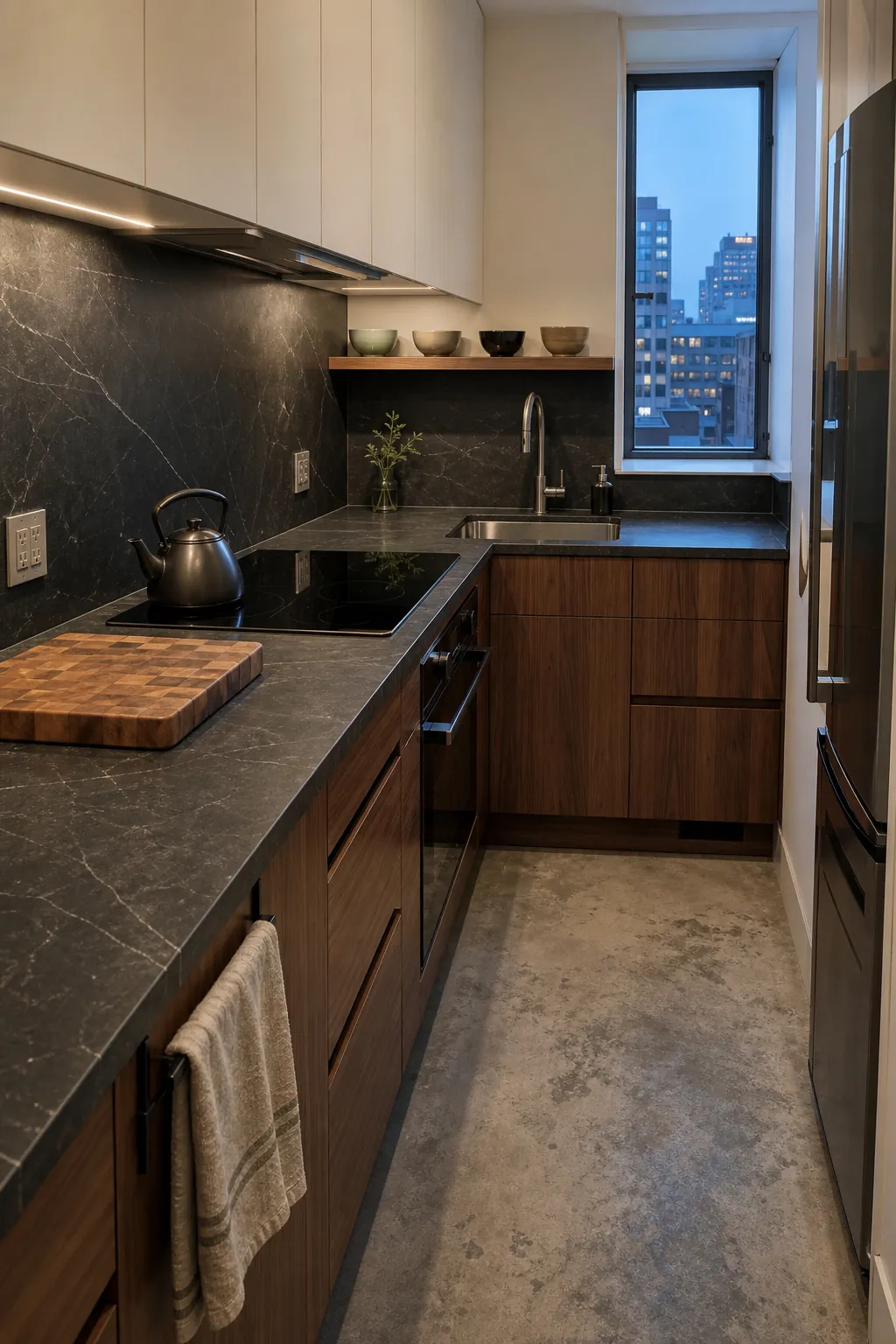
Ground the kitchen with stone and wood
Modern Asian interior design in a kitchen often comes through material discipline: flat wood cabinetry, honed stone, simple hardware, and one open shelf for frequently used ceramics. Let joinery and texture replace decorative signs.
Choose durable finishes for the way you cook. Seal porous stone, provide a proper backsplash, and keep oils or steam away from delicate paper and unfinished timber.
Create rhythm with vertical joinery
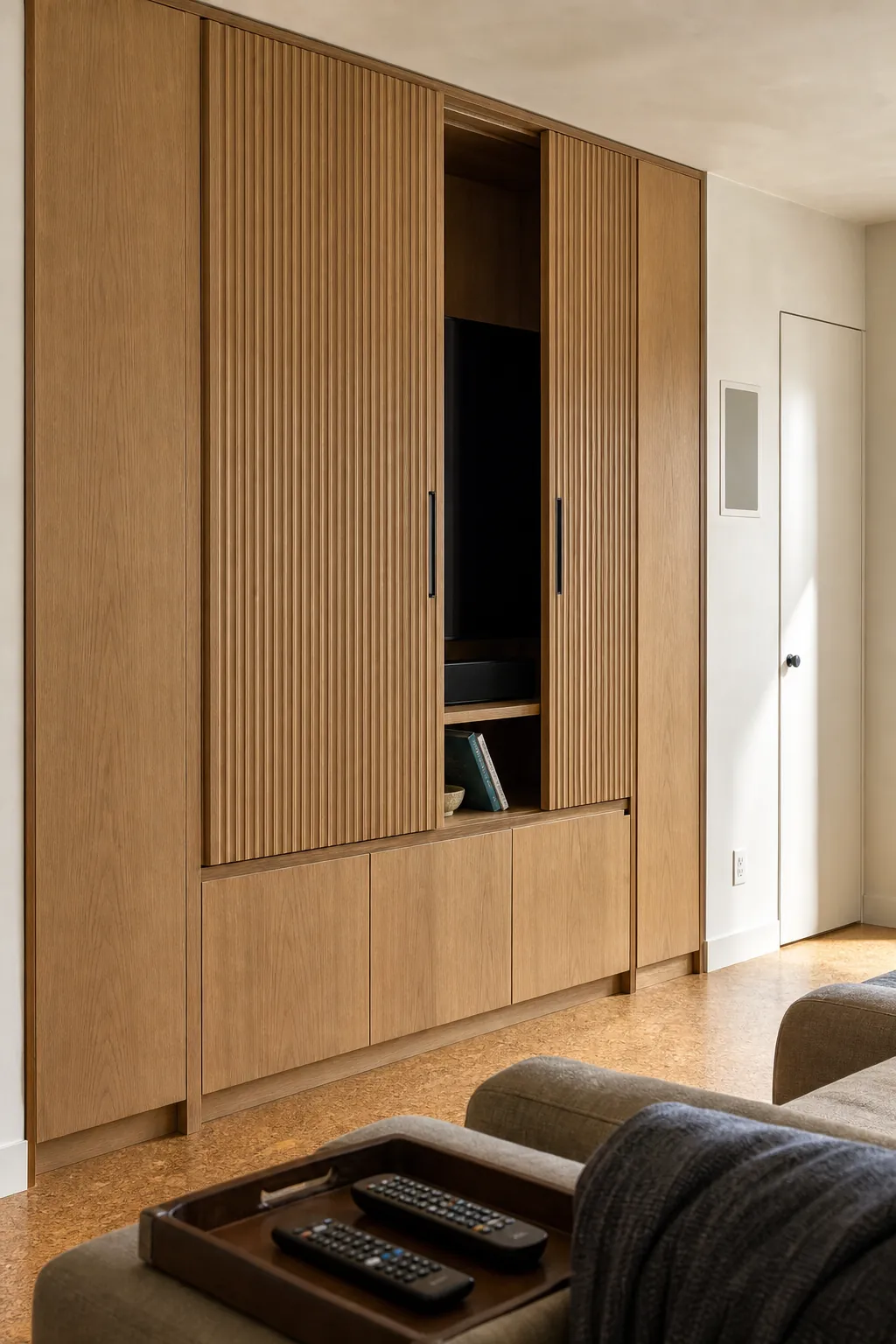
Repeated vertical lines can make standard cabinetry feel considered. Use narrow pulls, reeded doors, or evenly spaced battens on one built-in, balanced by plain surfaces elsewhere.
Keep grooves shallow enough to clean and align the pattern across doors and drawers. Good detailing reads as craft; excessive repetition quickly becomes visual noise.
Bring an indigo textile into a reading nook
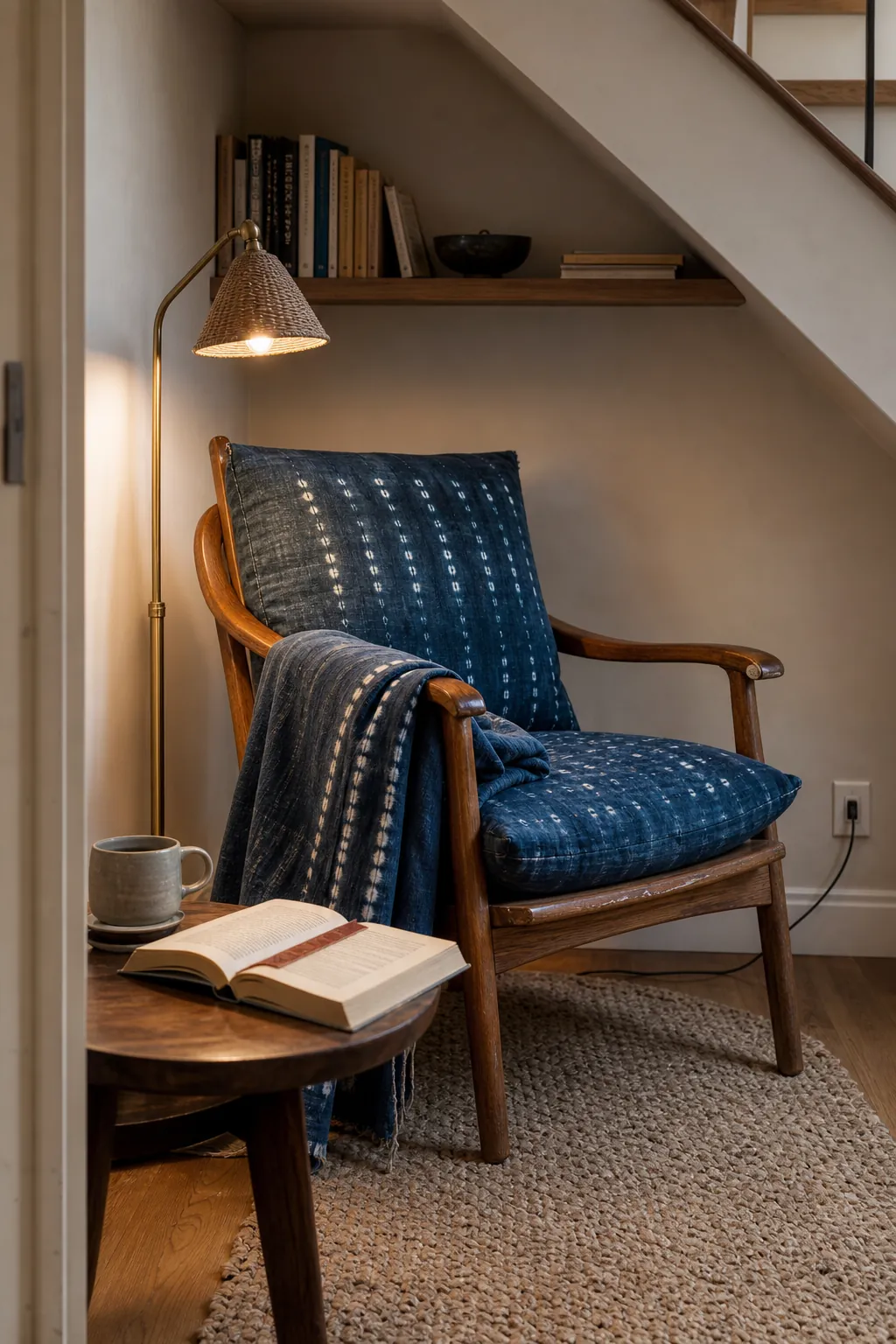
An indigo cushion, folded throw, or vintage resist-dyed textile can give a neutral nook depth and a sense of handwork. Use it where it will be touched and enjoyed, not stretched across a wall as an anonymous prop.
Protect older dyes from strong direct sun and test for color transfer. Pair the blue with warm wood, natural leather, or flax linen for a balanced everyday composition.
Let one bonsai or sculptural plant lead
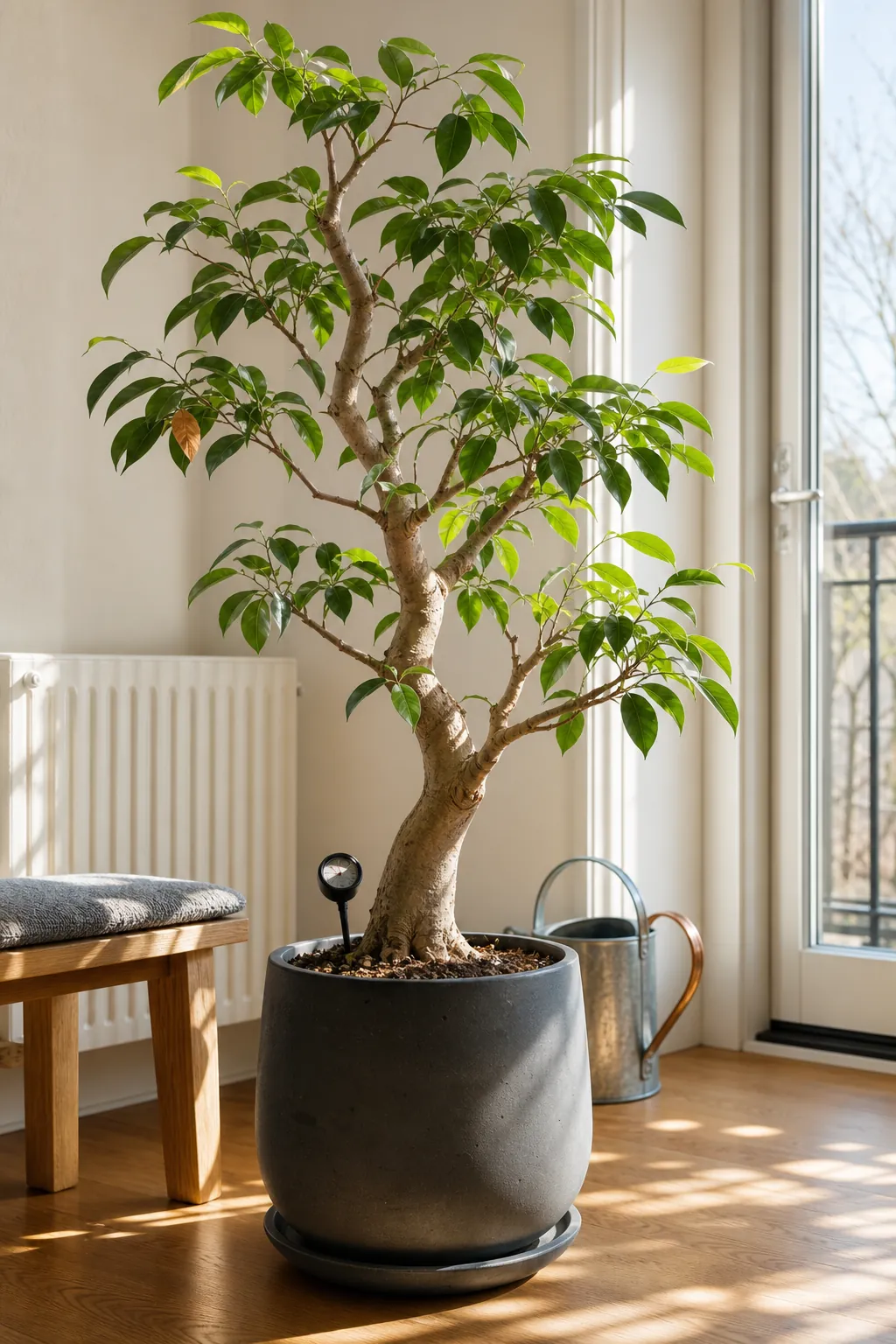
One well-placed plant is more powerful than a line of tiny pots. Choose a species that suits your actual light and care routine, then place it in a plain ceramic container with a saucer that protects the furniture.
A ficus, pine-like indoor specimen, or beautifully pruned common houseplant can provide the same sculptural effect. Healthy growth matters more than an exotic label.
Finish with fewer objects and better spacing
The final edit matters more than one last purchase. Remove duplicate motifs, keep walkways clear, and leave part of each shelf empty. Then look for what the room still needs functionally: a reading light, a tray, closed storage, or a comfortable place to sit.
A convincing Asian-inspired home is specific, useful, and personal. Choose a regional influence you respect, learn about the objects you bring in, and let craftsmanship, natural materials, and daily rituals carry the story. The room should feel calmer because it works better—not because it has been stripped of life.