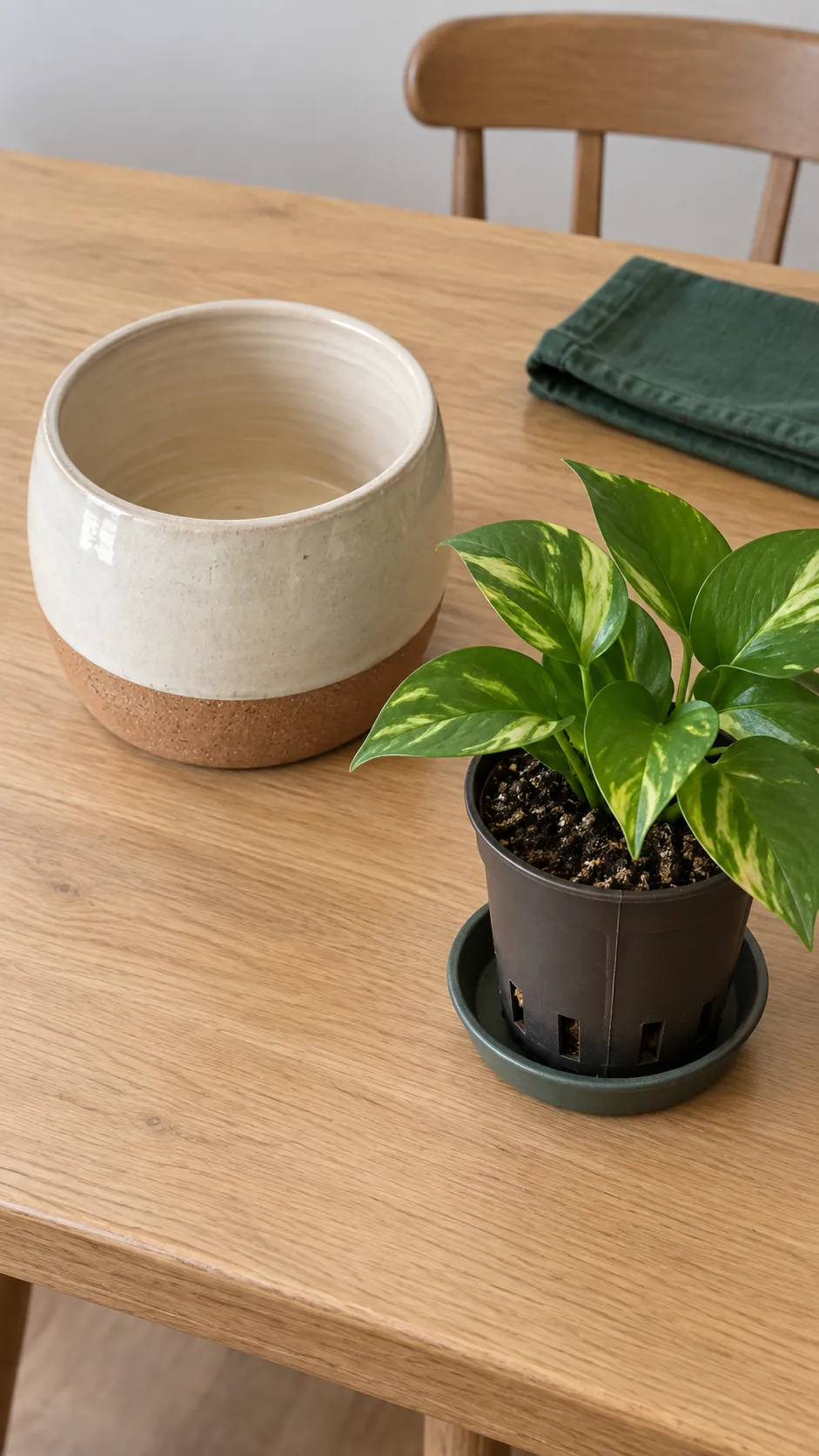
The pot you love can become the pot you dread watering if its opening is too tight or its base traps runoff. Start with drainage access and the size of the roots, then choose the color, texture, and shape. A decorative ceramic shell with a removable nursery pot often gives you both an attractive display and a manageable care routine.
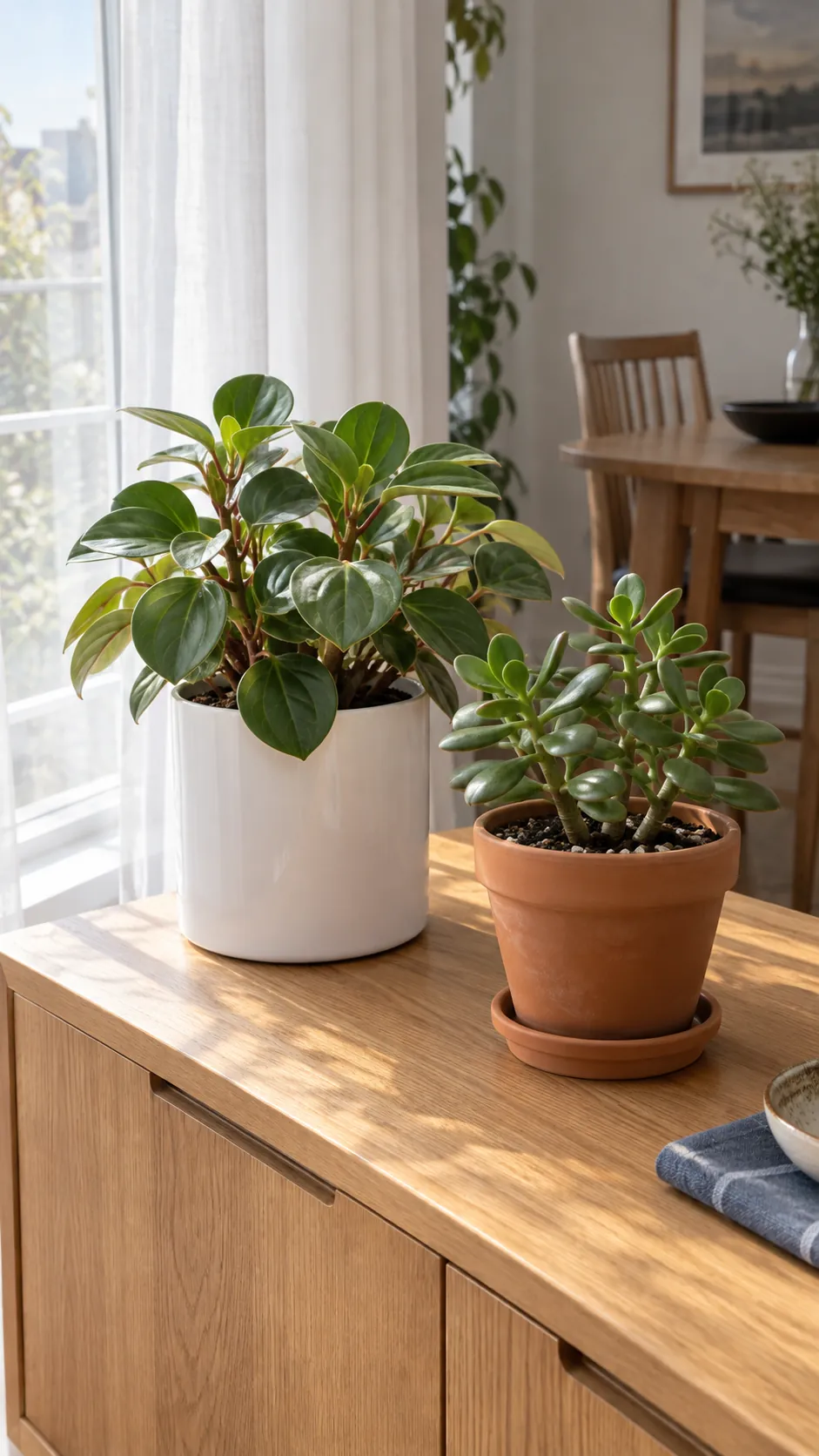
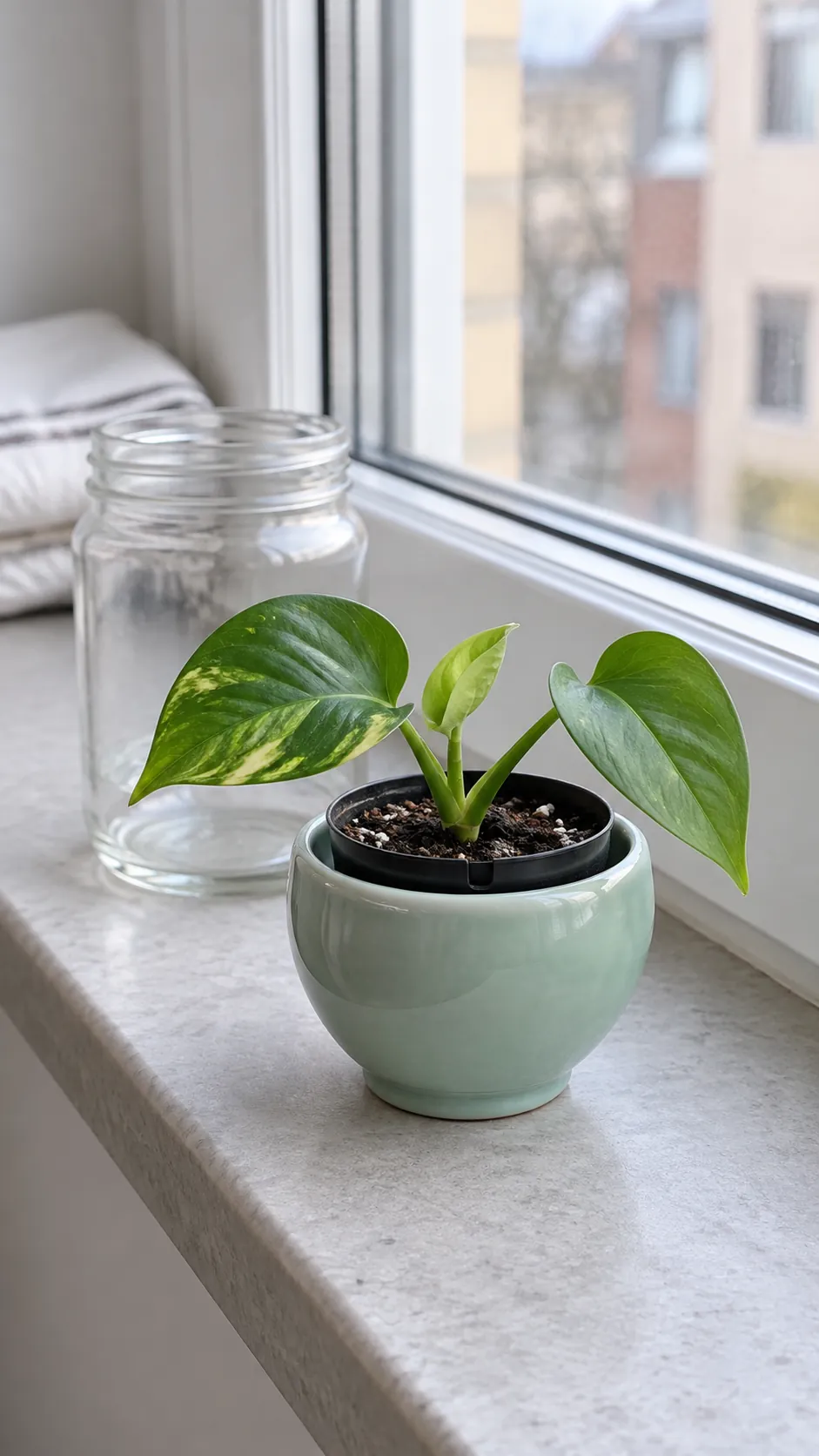
A white cylinder with a removable nursery pot
A plain white cylinder lets leaf shape do the decorating, especially beside patterned curtains or a busy bookcase. Keep the plant in a plastic nursery pot that lifts out easily, with enough clearance to grip the rim. Water that inner pot at the sink and return it only after it has drained, so the ceramic shell never becomes a hidden reservoir.
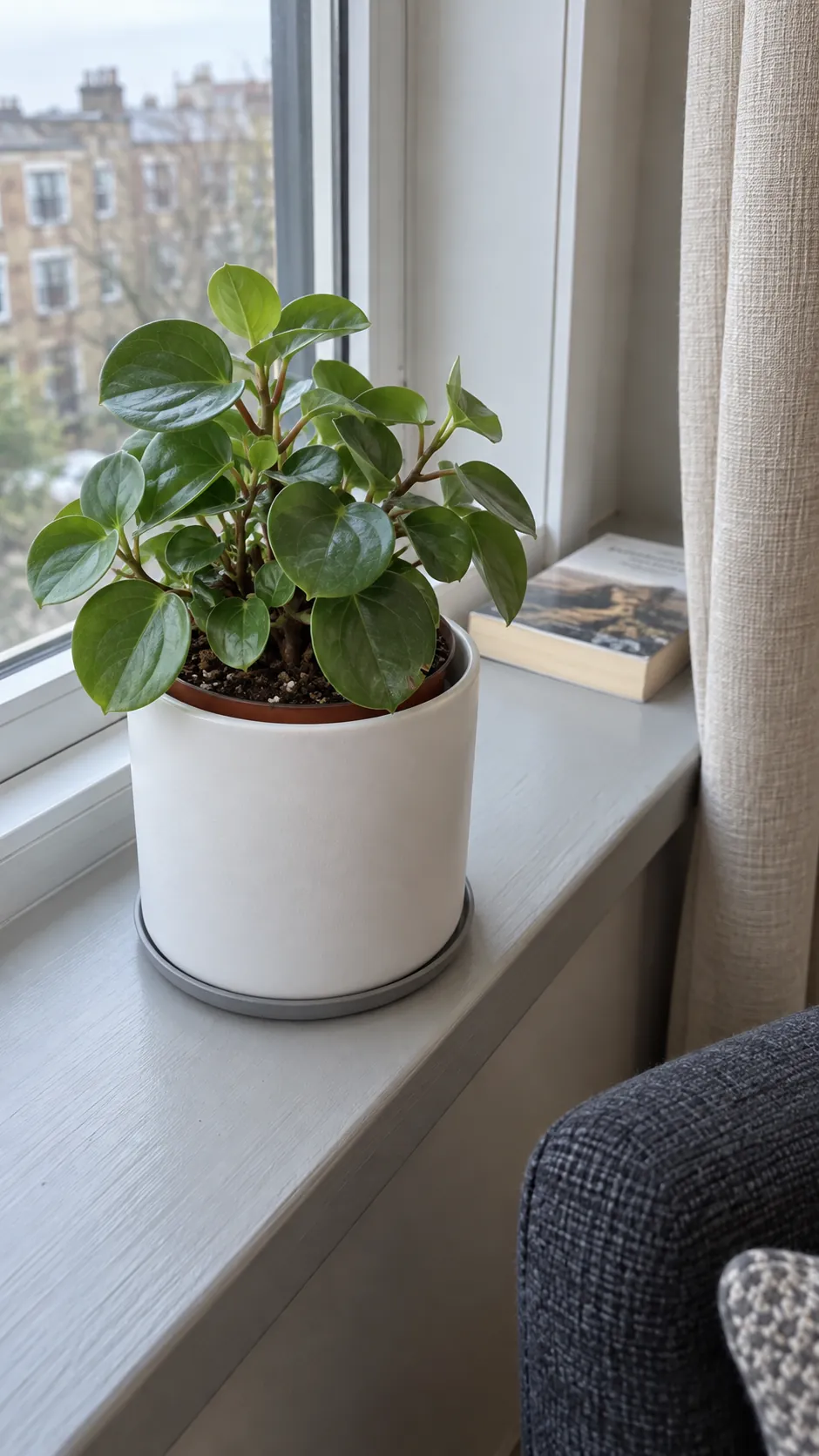
An unglazed terracotta pot for a sunny succulent
Terracotta pots suit a bright sill where a succulent needs its growing mix to dry between drinks. Their porous walls can release moisture faster than glazed ceramic, although temperature, airflow, and pot size still matter. Choose a drainage hole and a separate saucer rather than trusting the clay alone to prevent soggy roots. Check the mix before watering instead of carrying over a schedule from a glazed container.
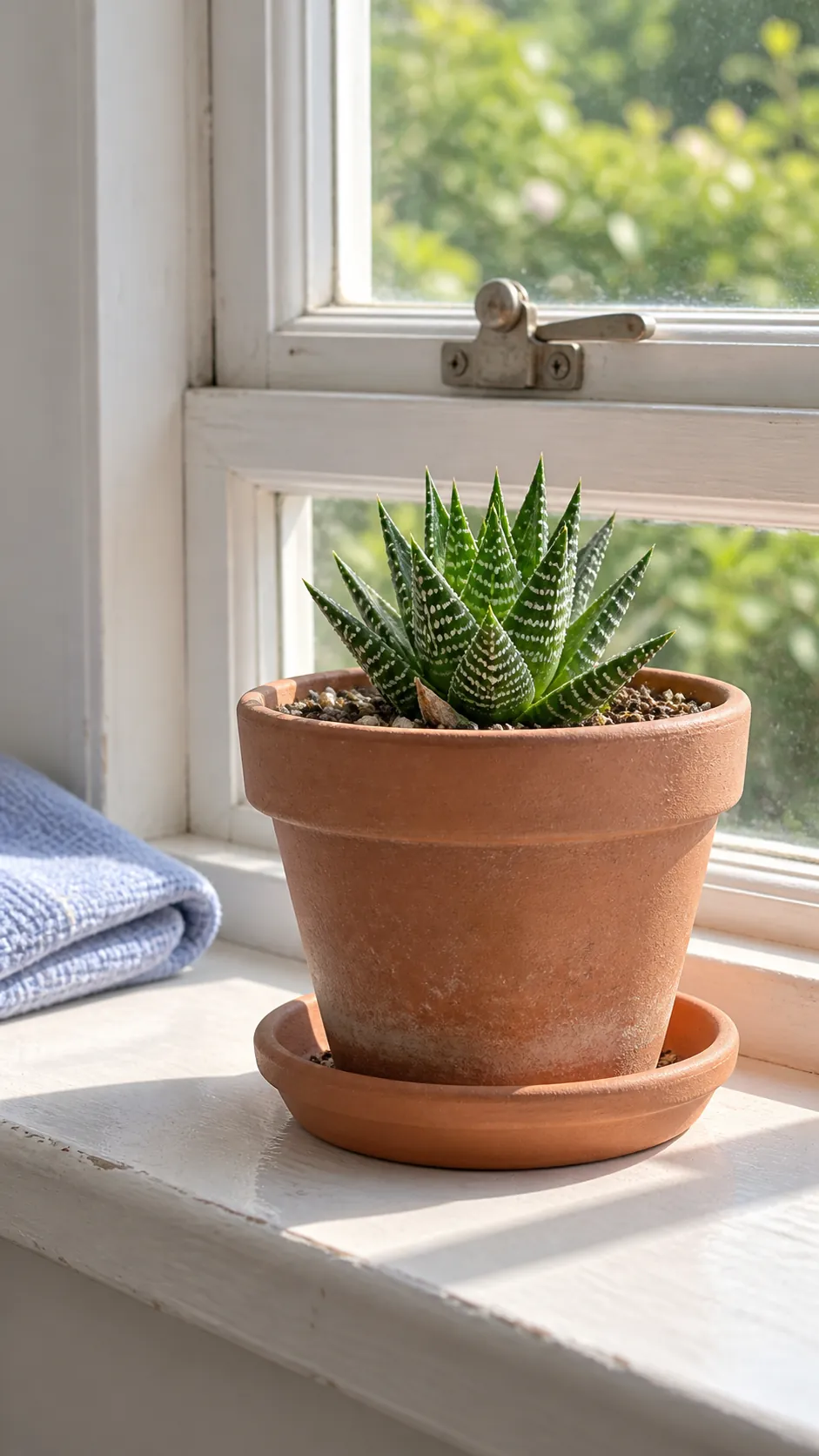
A cobalt bowl for a compact jade
A deep blue bowl makes a jade plant's rounded leaves look especially sculptural. Select a bowl with enough depth for the existing root ball and a working drainage hole, rather than a shallow serving dish. The broad footprint helps a branching plant stay balanced. Keep the soil surface accessible so you can check moisture without pushing through a layer of decorative stones.
A ribbed sage planter beside a reading chair
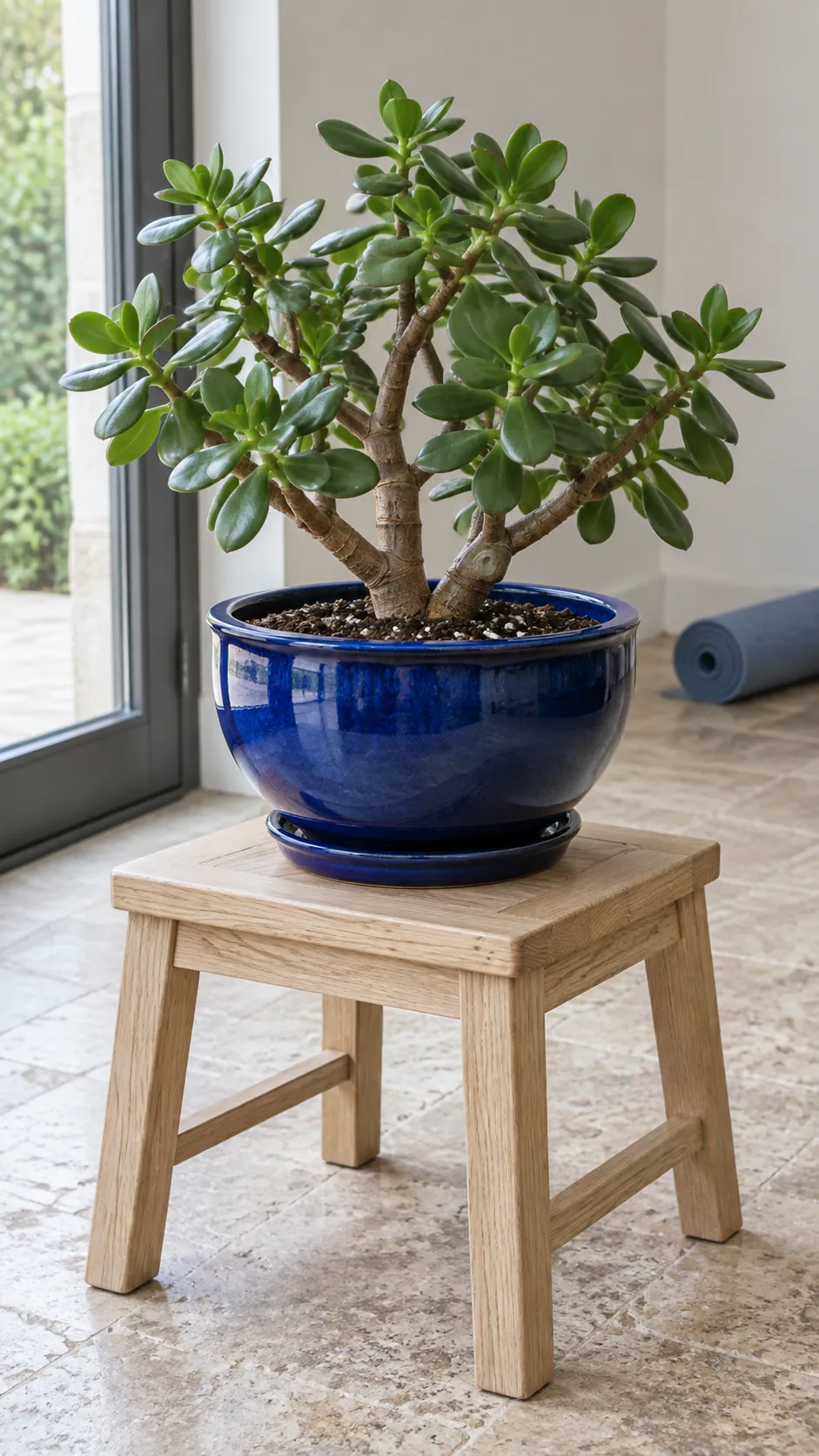
Vertical ribs give a muted pot enough character to stand beside a textured chair without competing with it. A small parlor palm brings softer foliage to the arrangement when the available light suits it. Place the planter on a stable side table away from an elbow or a swinging book. Dust the grooves with a soft brush before dirt settles into the glaze.
A wide mouthed stoneware pot for easy repotting
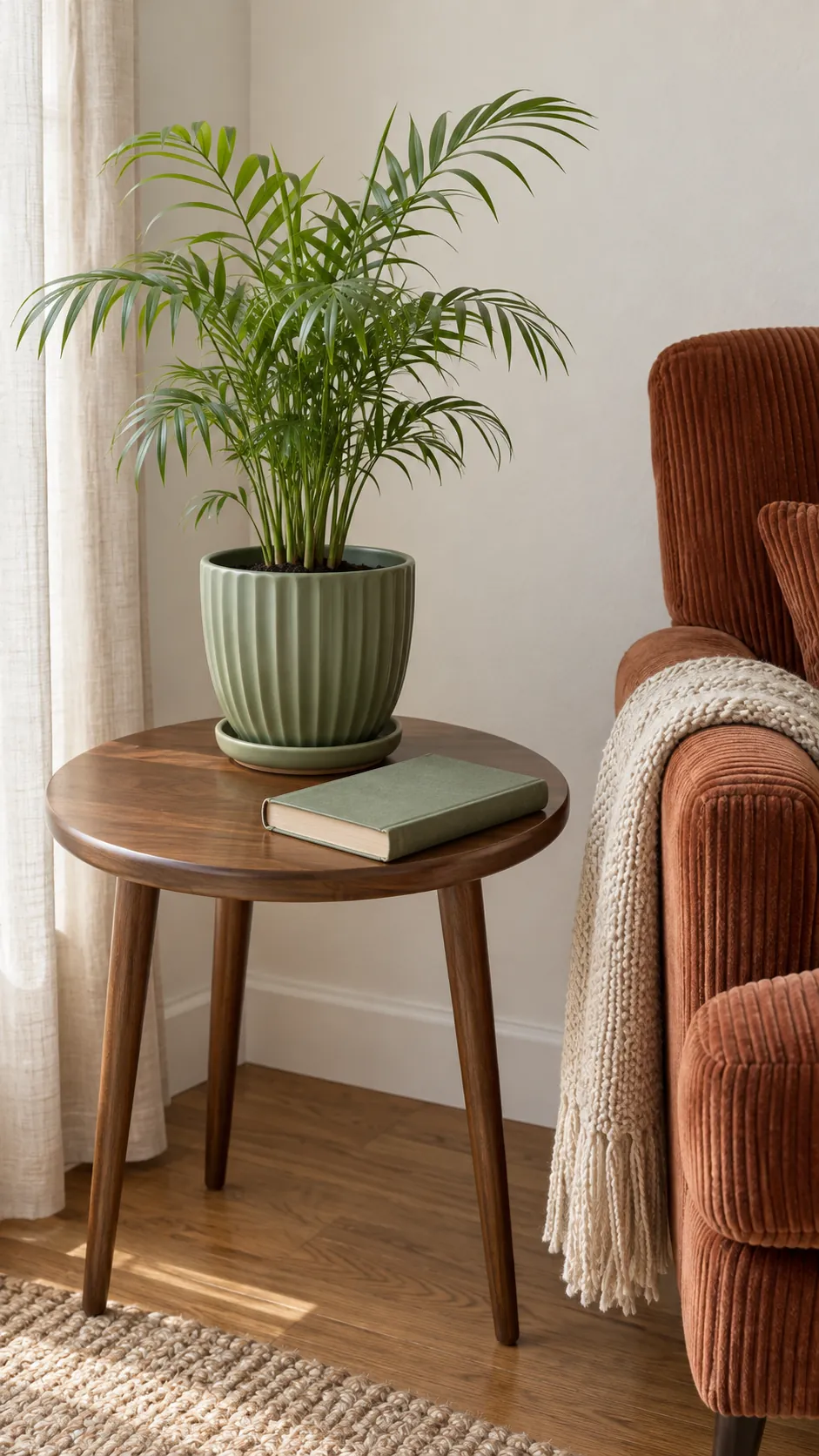
A generous opening is a practical detail worth choosing before a dramatic silhouette. Pots that narrow sharply at the neck can trap an established root ball, making the next repot unnecessarily difficult. Look for straight sides or a gentle outward flare in handmade ceramic planters. Let the clay's natural color provide the interest instead of choosing a shape that works against maintenance.
A small speckled pot for a desktop peperomia
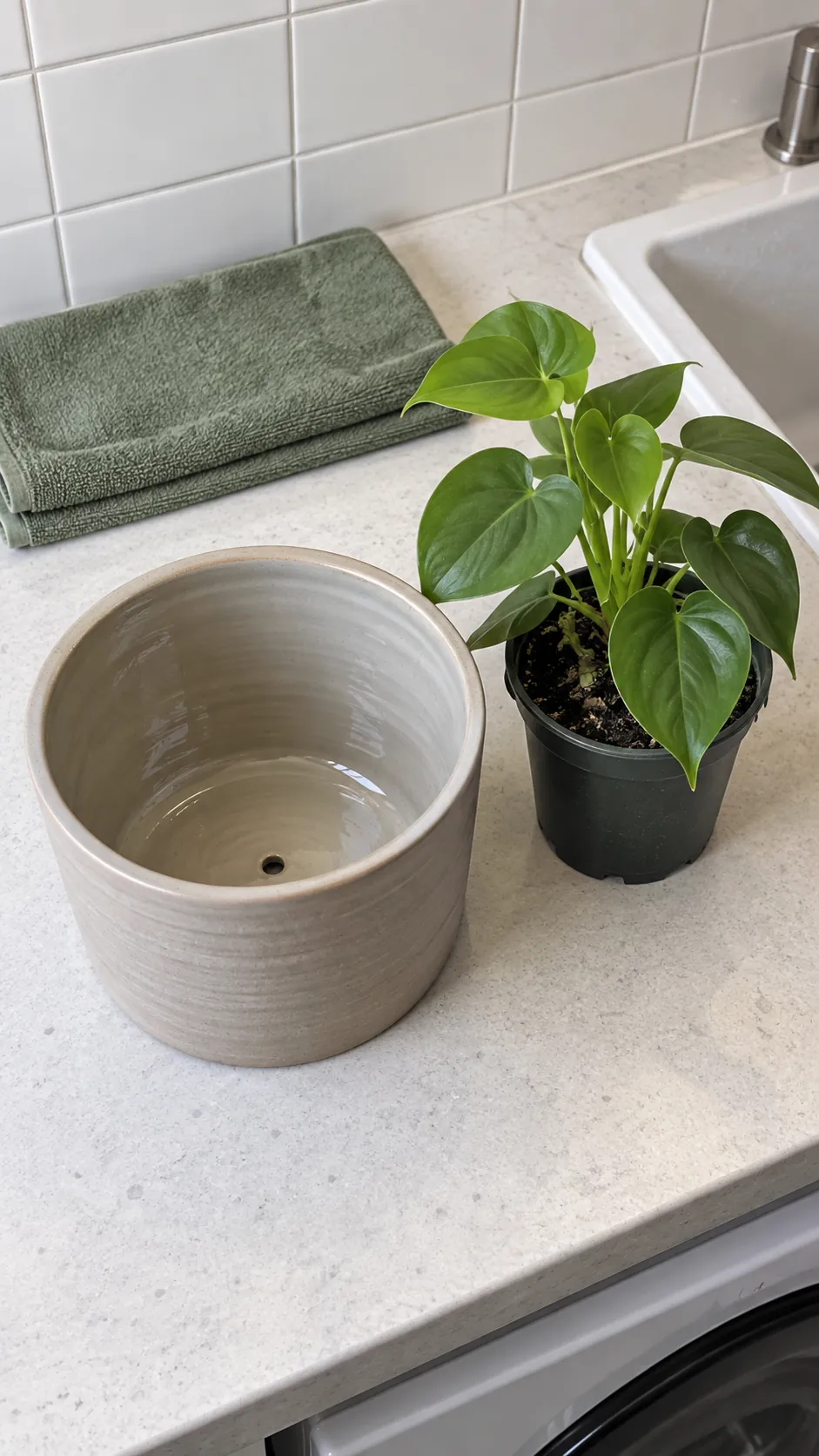
A compact peperomia can bring greenery to a desk without swallowing the working surface. Choose a pot close to the size of its current nursery container, since an oversized volume of mix can stay wet longer than expected. Put a waterproof tray underneath even if the ceramic looks fully glazed. Leave room to move the keyboard and clean the desk without brushing the leaves.
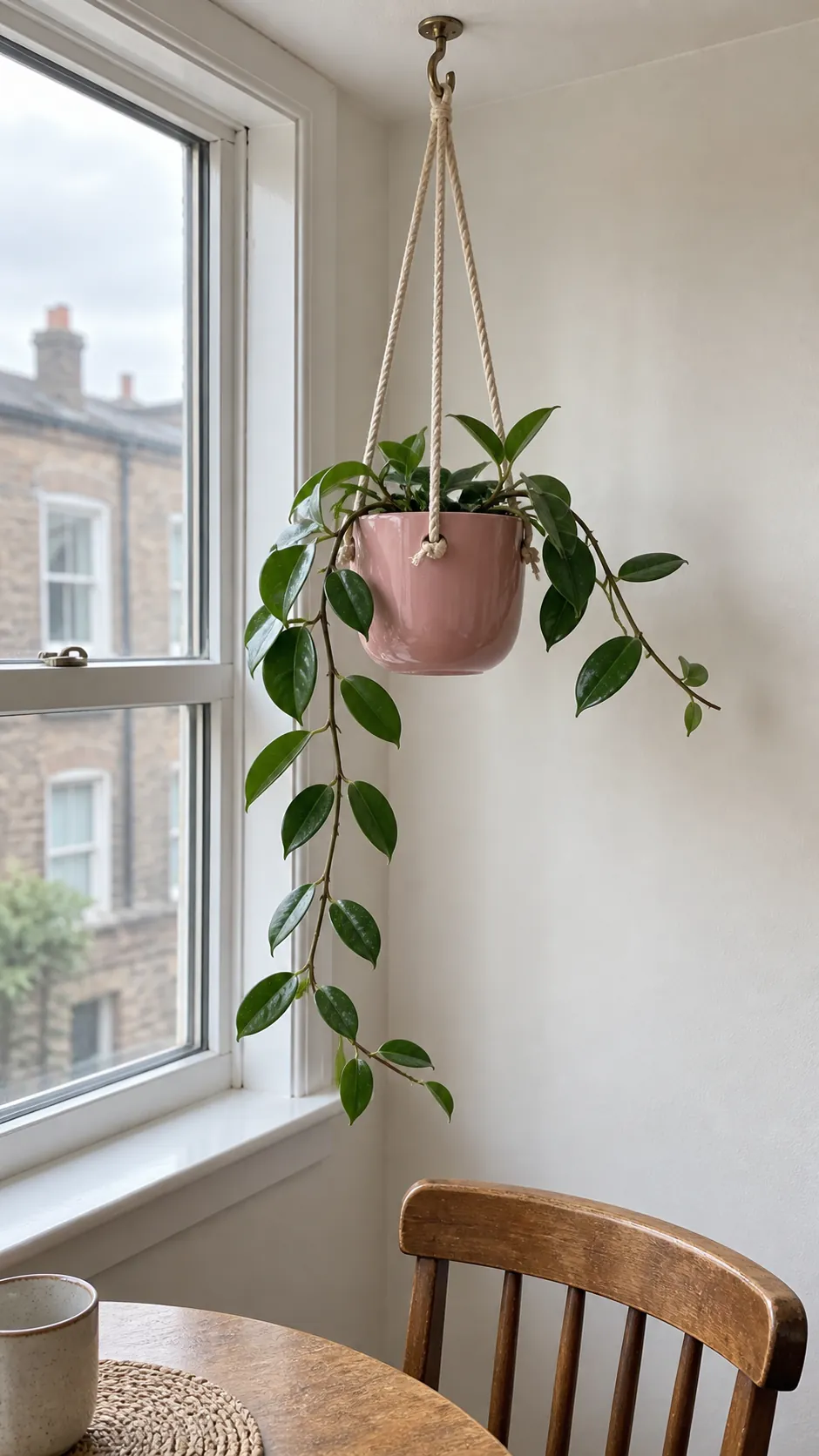
A hanging ceramic cup with a trailing hoya
A hanging cup frees a narrow window ledge while giving trailing growth room to descend. Check the combined wet weight of the plant, ceramic, and support hardware before choosing an anchor. A removable liner makes watering easier than pouring water into a suspended shell. Keep the hanger where you can safely reach it for inspection rather than treating height as a substitute for care.
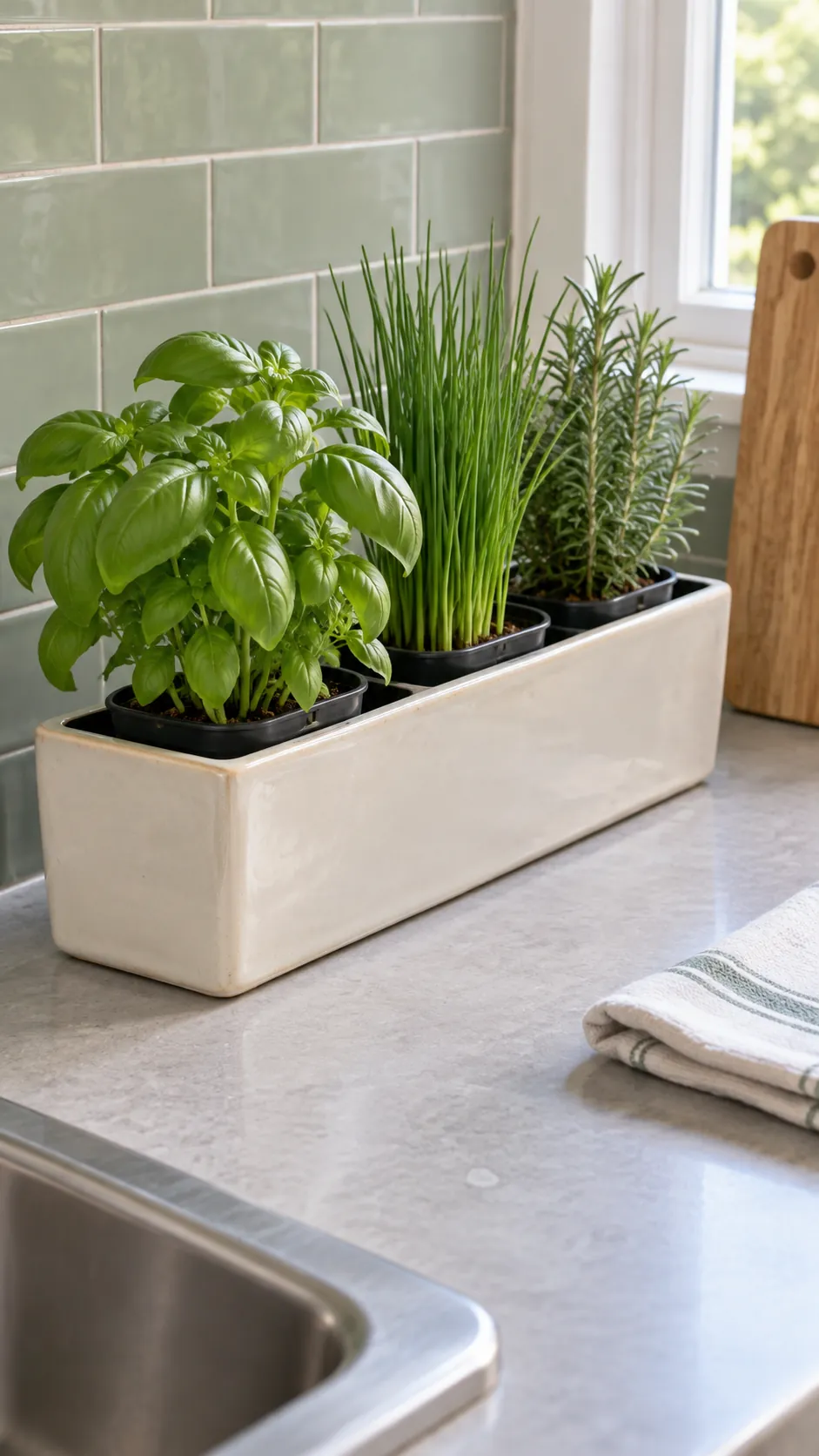
A rectangular herb planter with separate inserts
A long ceramic trough can make a kitchen herb collection look coherent without forcing every plant into the same watering routine. Use separate nursery pots inside it so basil and rosemary can be checked independently. The outer trough should be emptied whenever runoff collects. Place the arrangement where the herbs receive appropriate light, not merely where the counter has a convenient gap.
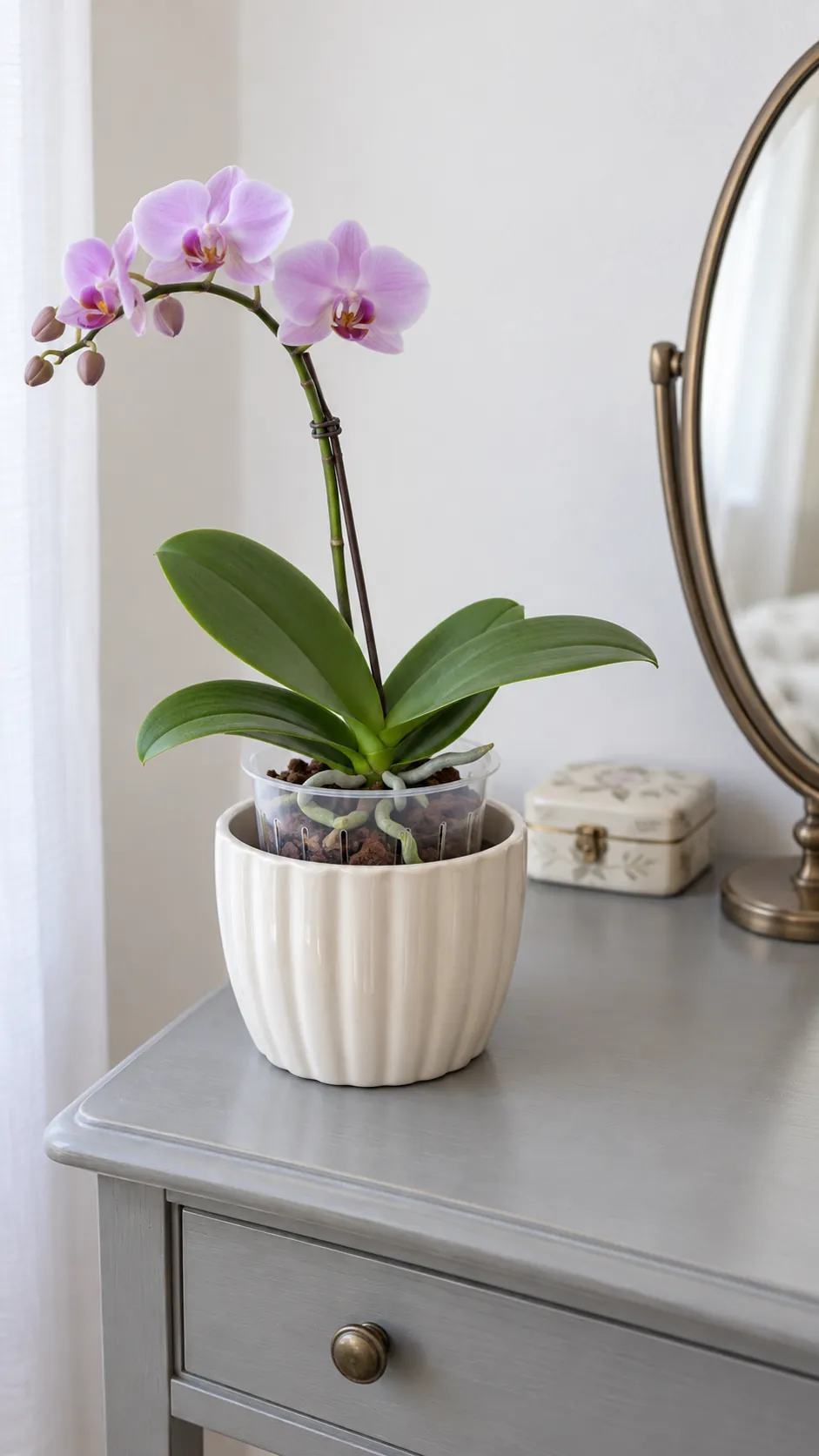
A flared orchid cachepot with breathing room
An orchid's clear inner pot can sit inside a decorative ceramic shell while remaining easy to inspect. Choose a shell wide enough that the liner does not wedge tightly against its sides. Remove the orchid for watering and let it drain fully before replacing it. The ceramic exterior hides the working container without making the roots inaccessible.
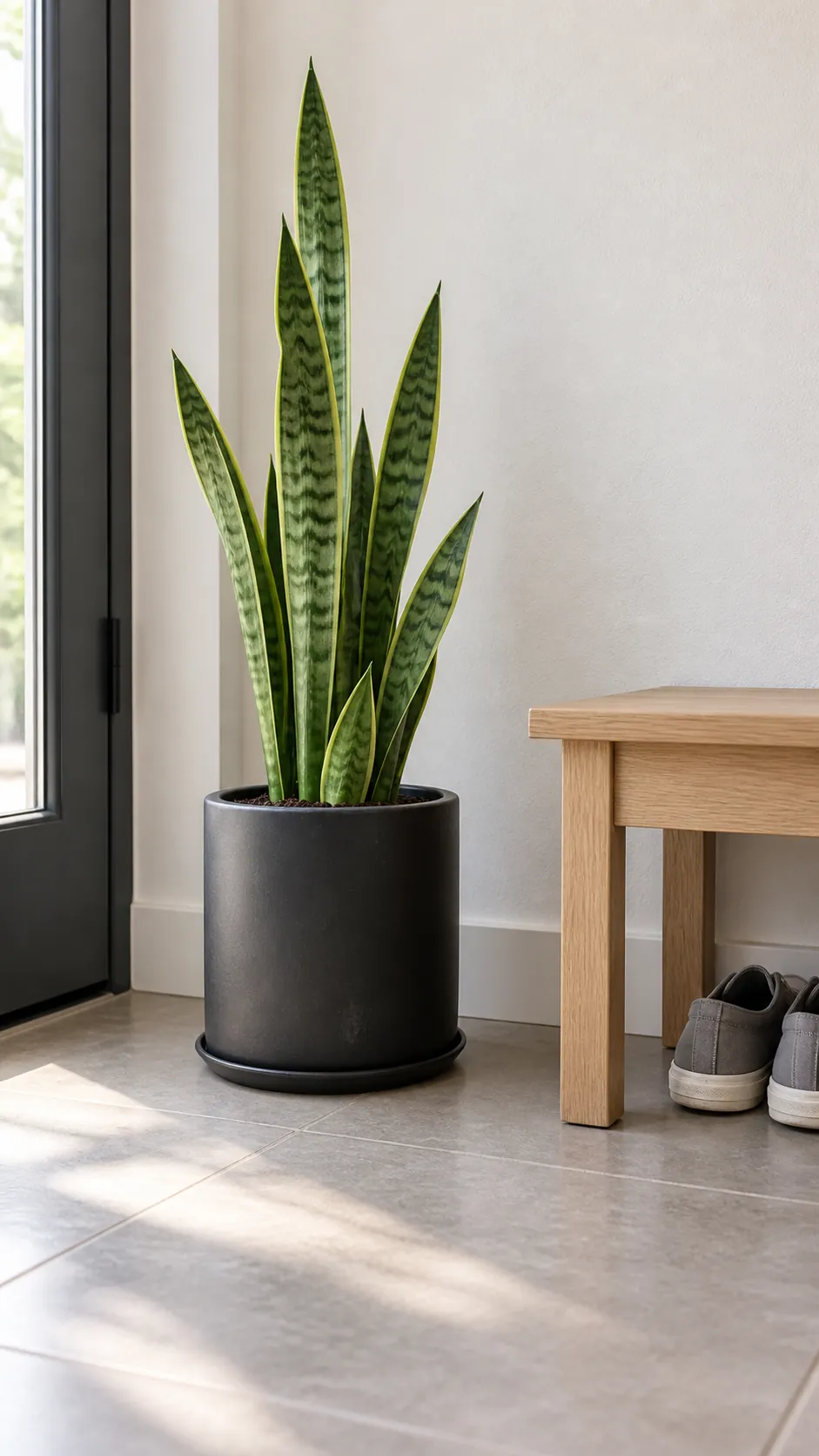
A black matte pot for upright foliage
An upright snake plant looks crisp against a matte black vessel and a pale wall. Keep the pot proportionate to the root system rather than buying a large container to match the eventual height of the leaves. Matte surfaces often show mineral splashes, so wipe them gently before residue builds. A heavy base is useful, but it should still be possible to lift the liner for watering.
A hand pinched pot with an uneven rim
A softly irregular rim gives pottery plant pots the evidence of a maker's hand. Pair that small scale form with a compact plant whose leaves do not hide the rim completely. Check that the base sits flat and that any drainage opening is clear. Handmade variation can be attractive without requiring a planter that rocks whenever it is touched.
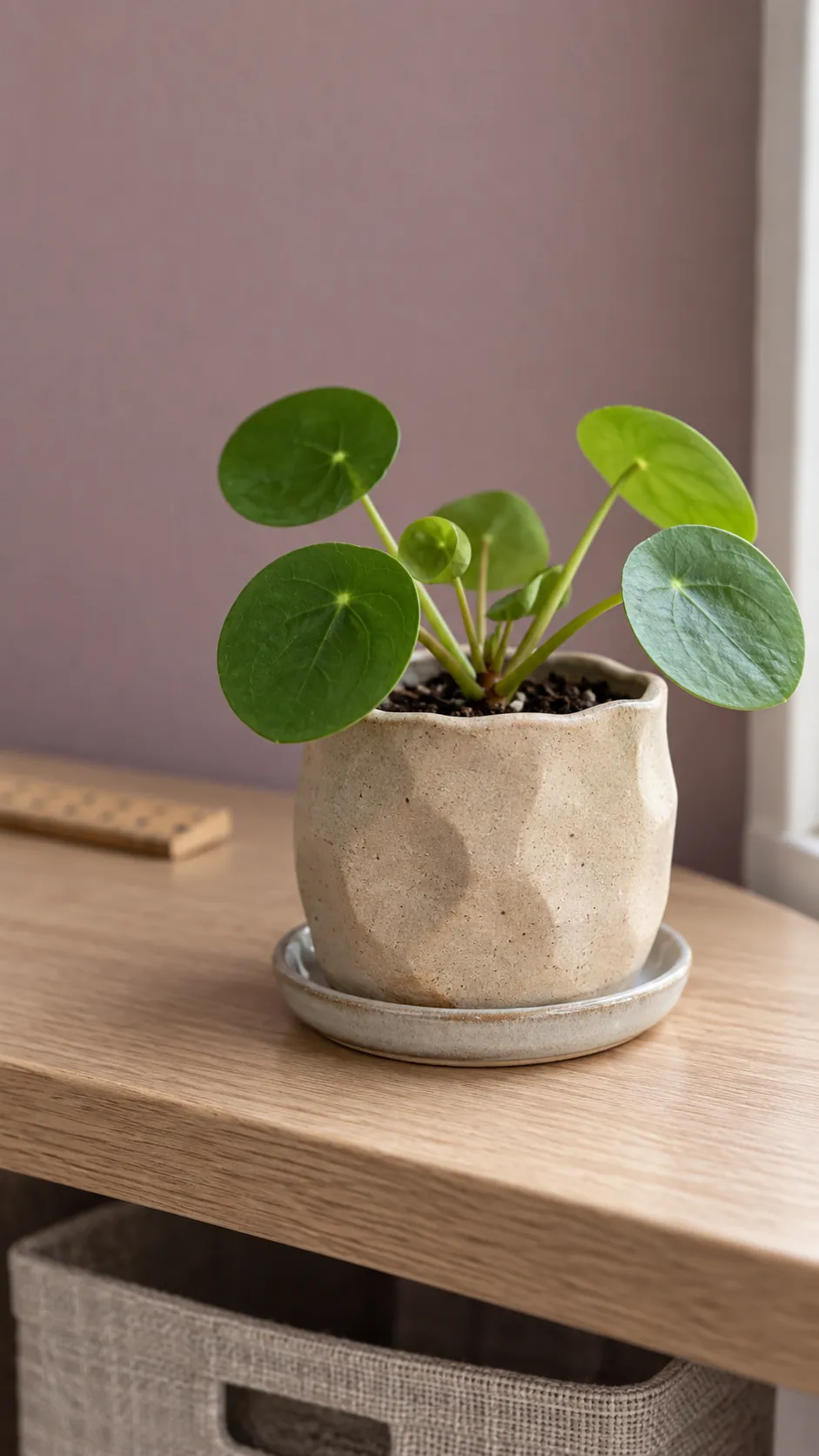
A footed planter that reveals its saucer
Small feet lift a ceramic body enough to make the underside easier to check. Choose a design with a separate, accessible saucer so runoff can be removed without dismantling the display. The feet need a level surface and a wide enough stance to resist tipping. This is a useful form on a low cabinet where a leaking tray would otherwise go unnoticed.
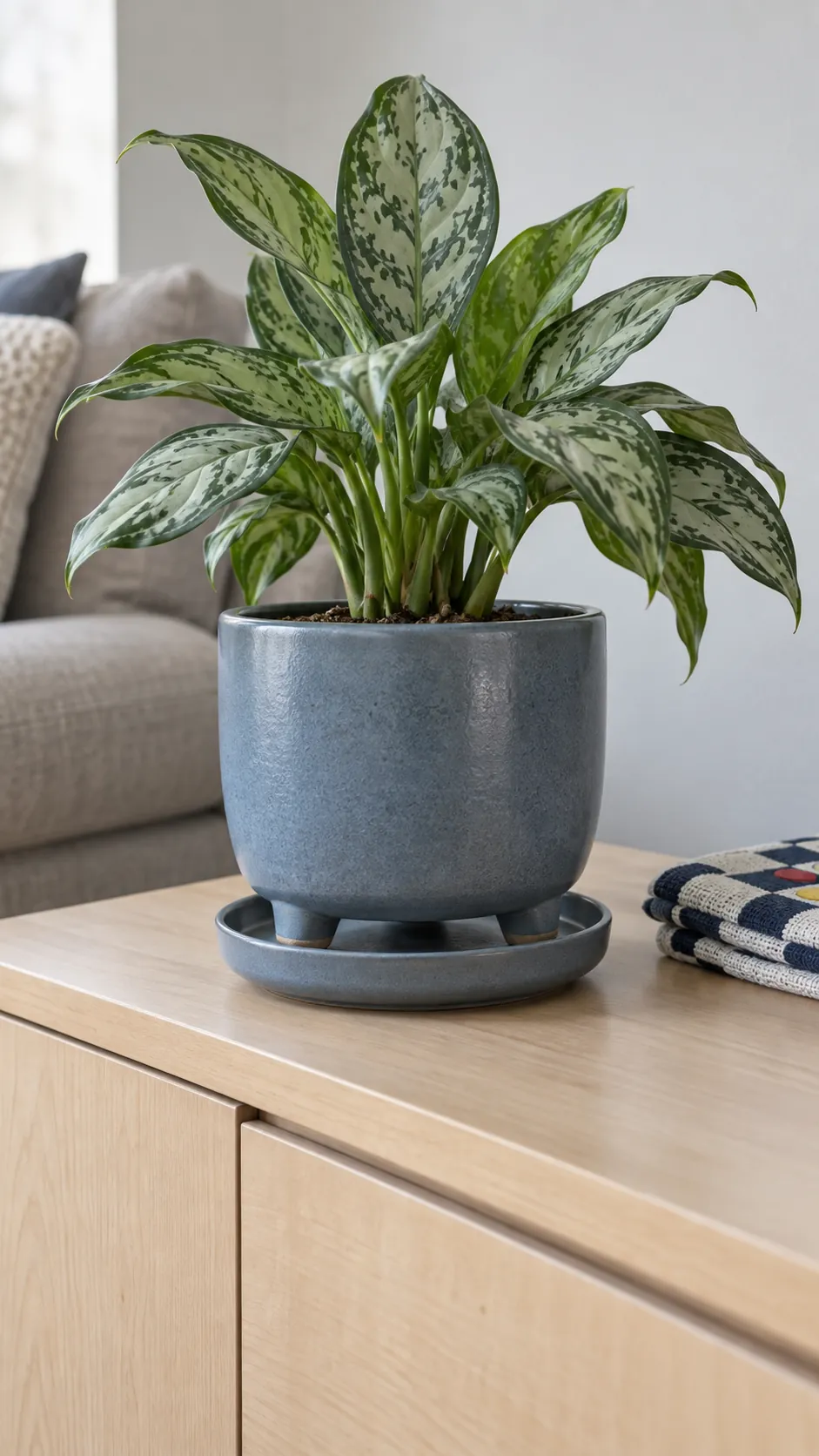
A brushstroke pot for a quiet bedroom corner
Loose blue brush marks can add pattern to a room that already has solid bedding and simple furniture. Keep the surrounding objects spare so the painted ceramic remains visible. A small leafy plant is easier to relocate toward suitable window light than a heavy floor specimen. Confirm that painted decoration belongs to the fired finish or follows the maker's cleaning guidance before scrubbing it.
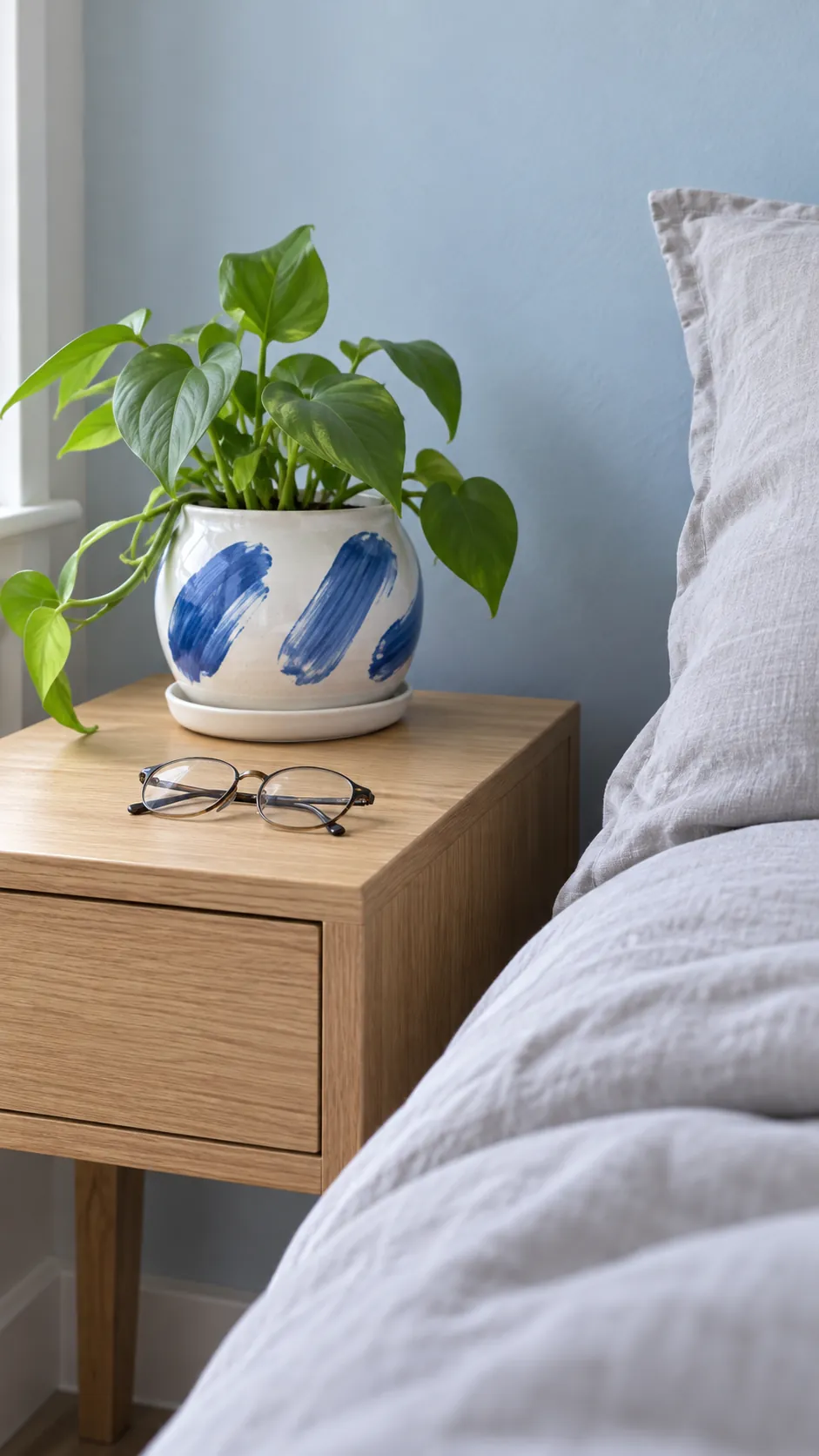
An oval bonsai container chosen for the roots
An oval bonsai pot works when its depth and drainage suit the tree's established training and root system. It is a specialized growing container, not simply a shallow decorative bowl. Check the species' indoor or outdoor needs before deciding where to display it. A handsome tabletop arrangement does not replace the light, seasonal conditions, and watering that the tree requires.
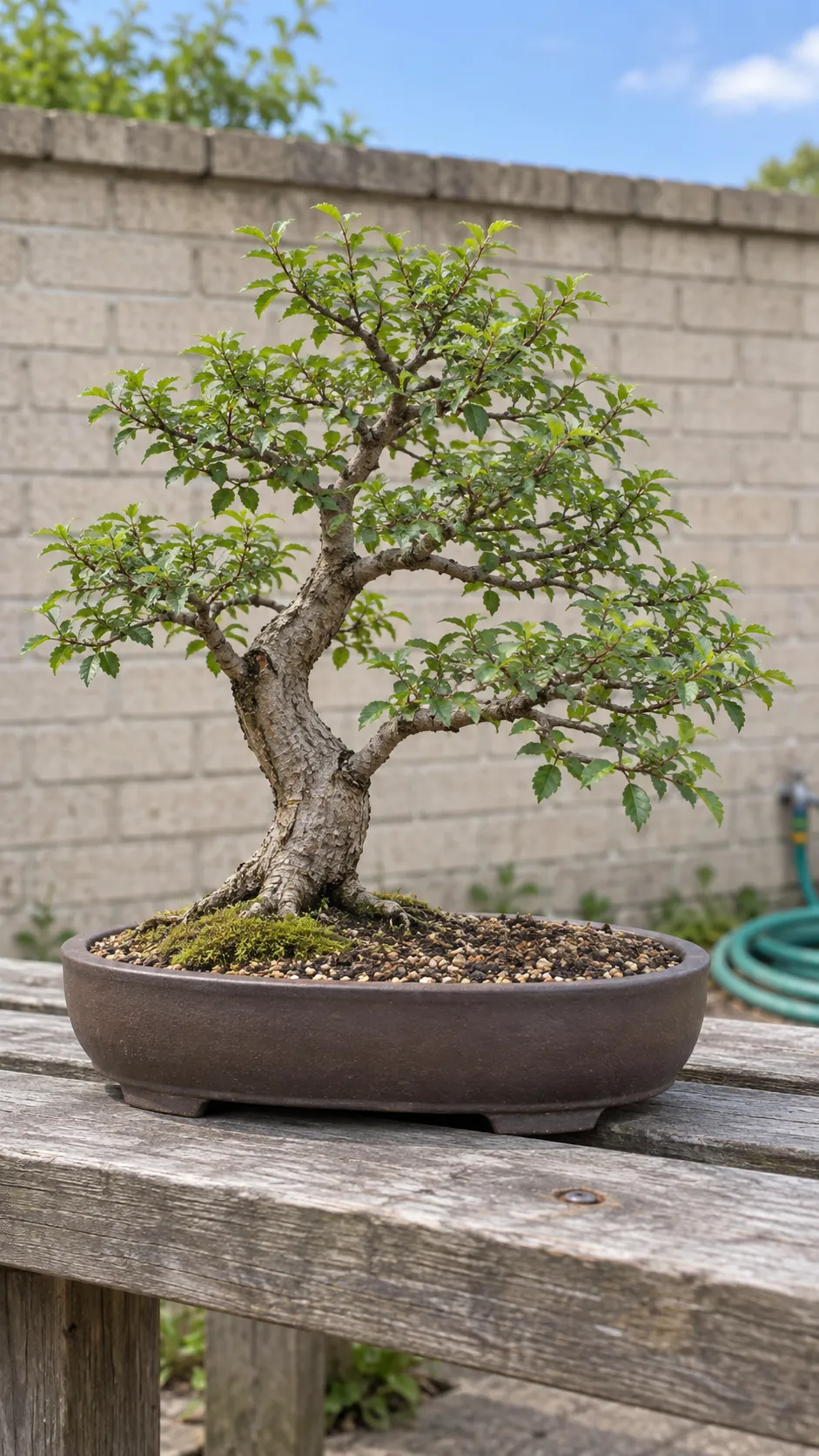
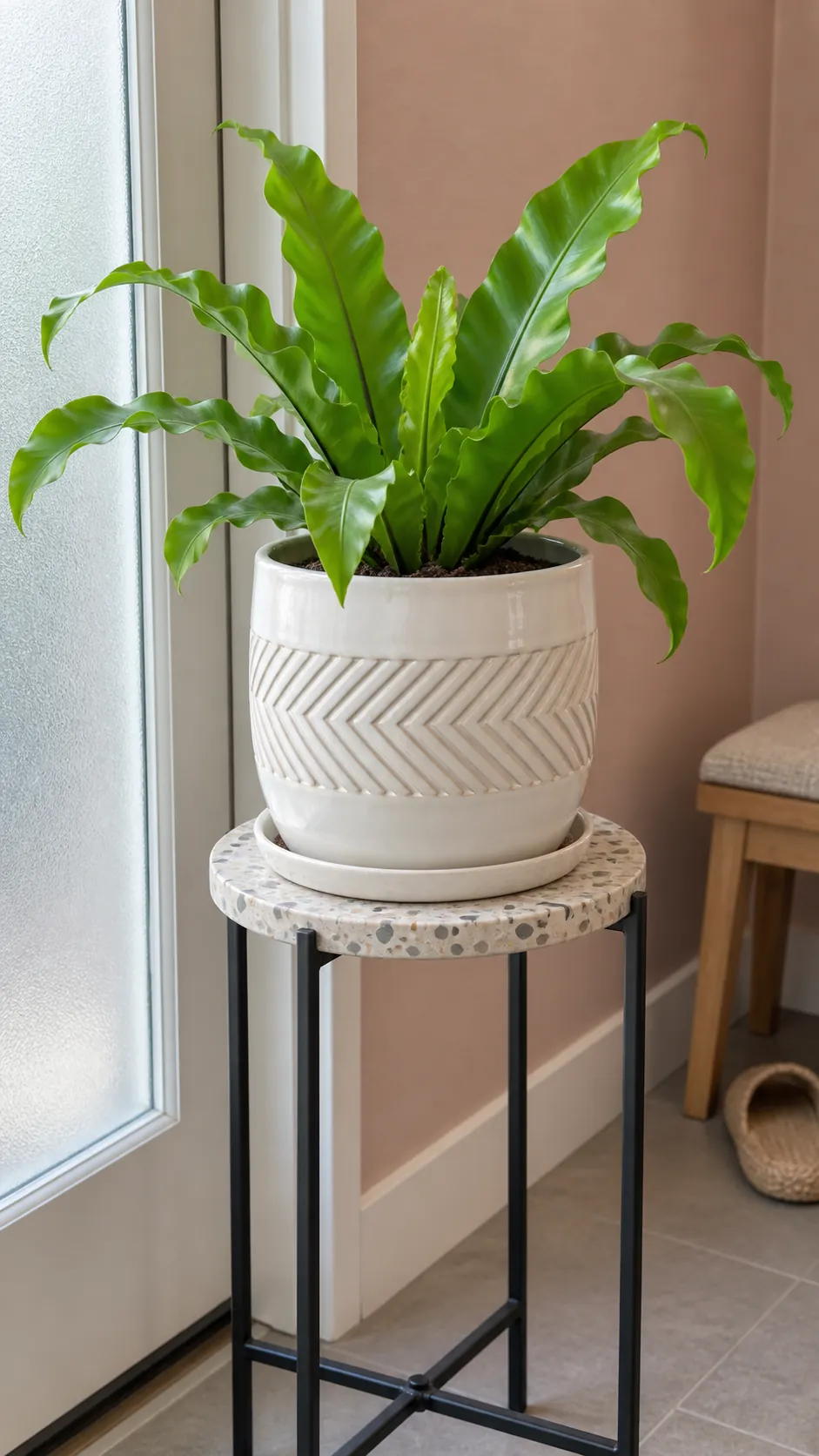
A carved band around a fern pot
A broad carved band can echo the texture of fern fronds without copying their shape literally. Choose a glazed vessel with drainage or a removable inner pot, then monitor the growing mix for the fern species you own. Many ferns appreciate consistent moisture, but standing water is a separate problem. Keep the carved surface clear of damp soil so its detail remains easy to clean.
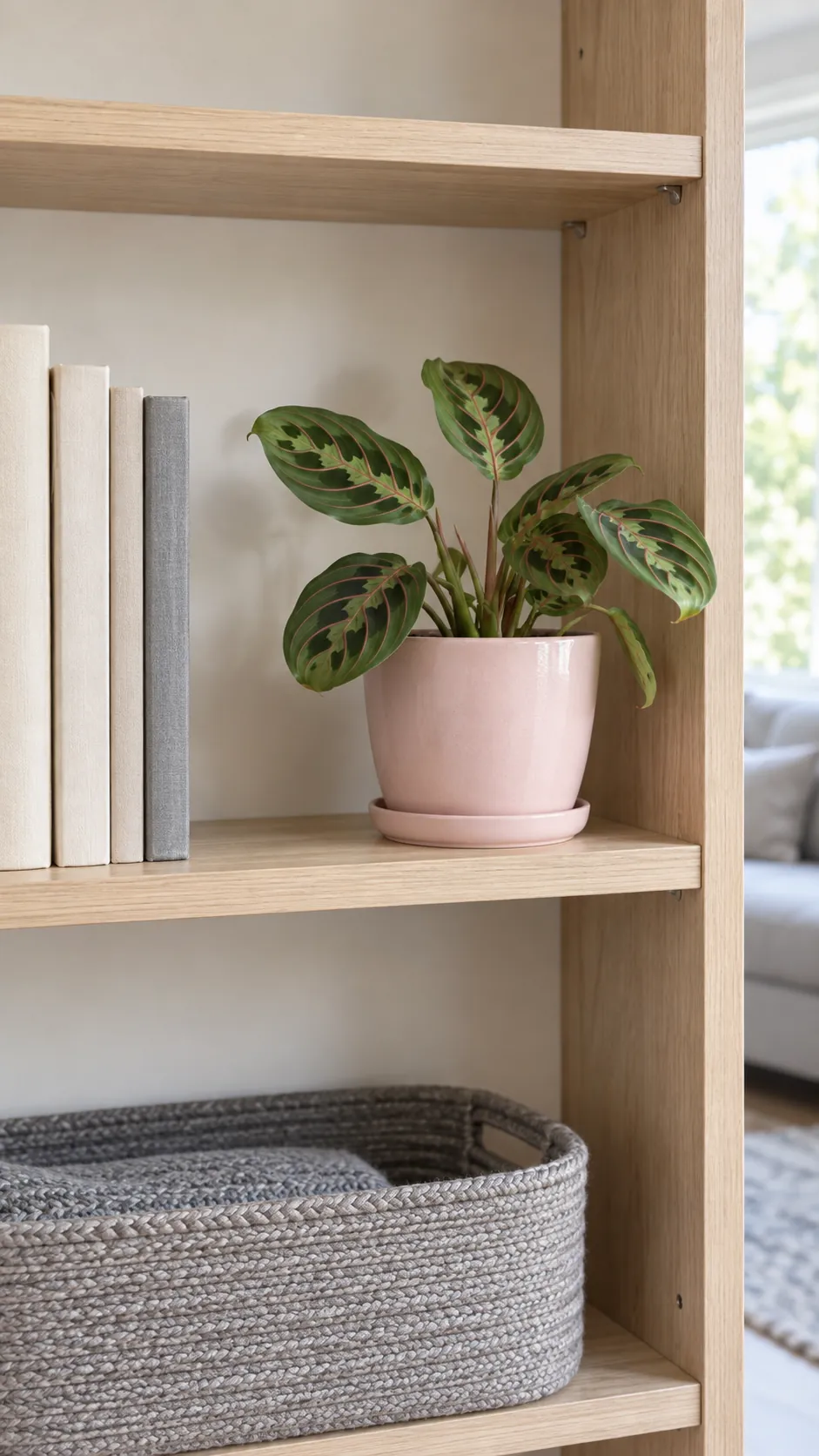
A pale pink pot on an open shelf
A pale pink planter makes a gentle accent among cream books and natural wood. Give the plant enough clearance above the shelf for new leaves and enough actual light to grow. Pull the pot forward only as far as the shelf safely supports its full base. A light colored waterproof saucer can blend into the display while still doing useful work.
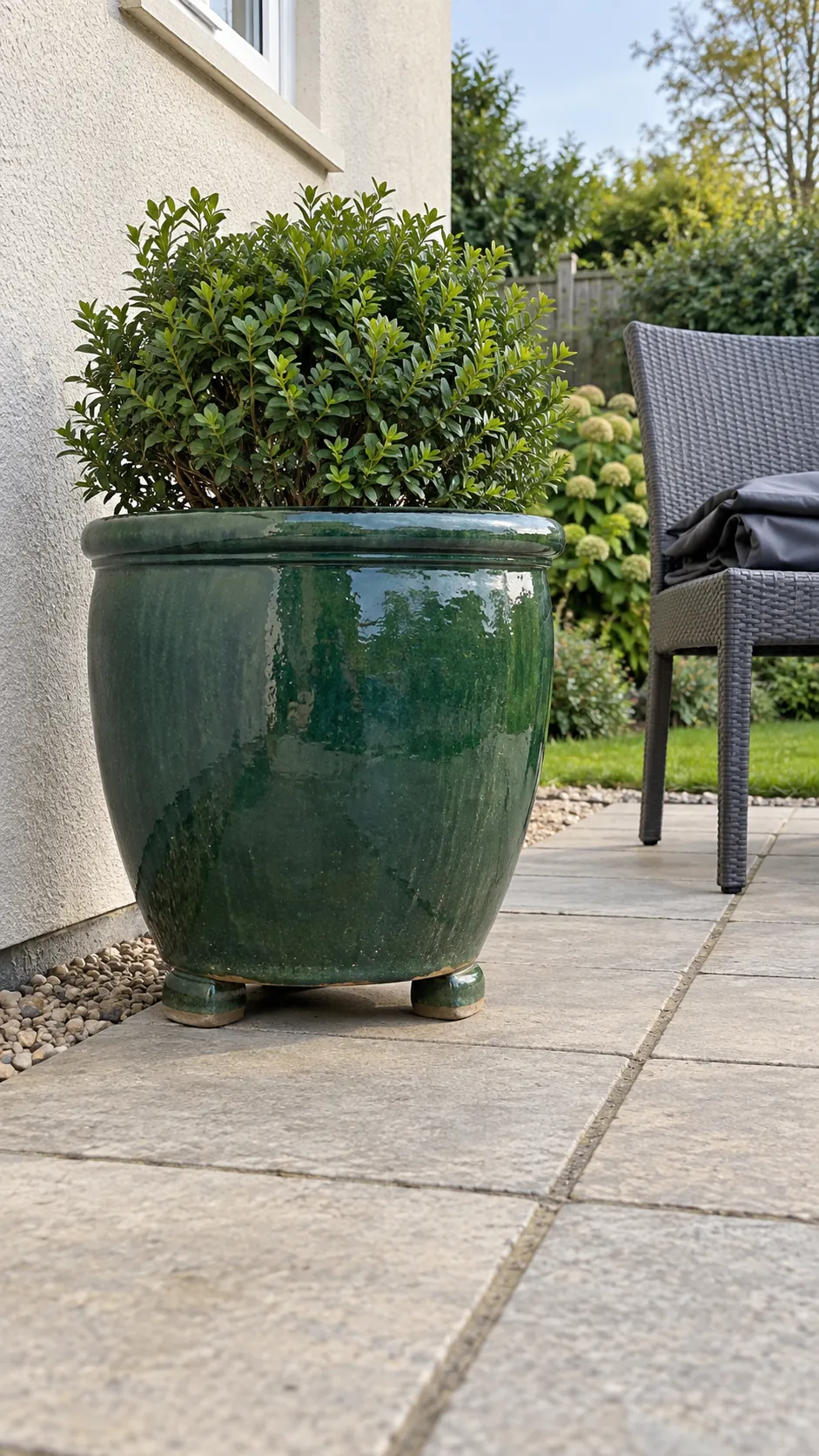
A generously sized patio pot with frost guidance
A substantial ceramic planter can anchor a patio corner, but outdoor durability depends on the specific product. Ask the maker whether it is suitable for your climate and follow winter storage instructions, especially where freezing is possible. Elevate drainage openings clear of the ground with suitable pot feet. Plan how you will move the filled container before planting it, because wet mix adds considerable weight.
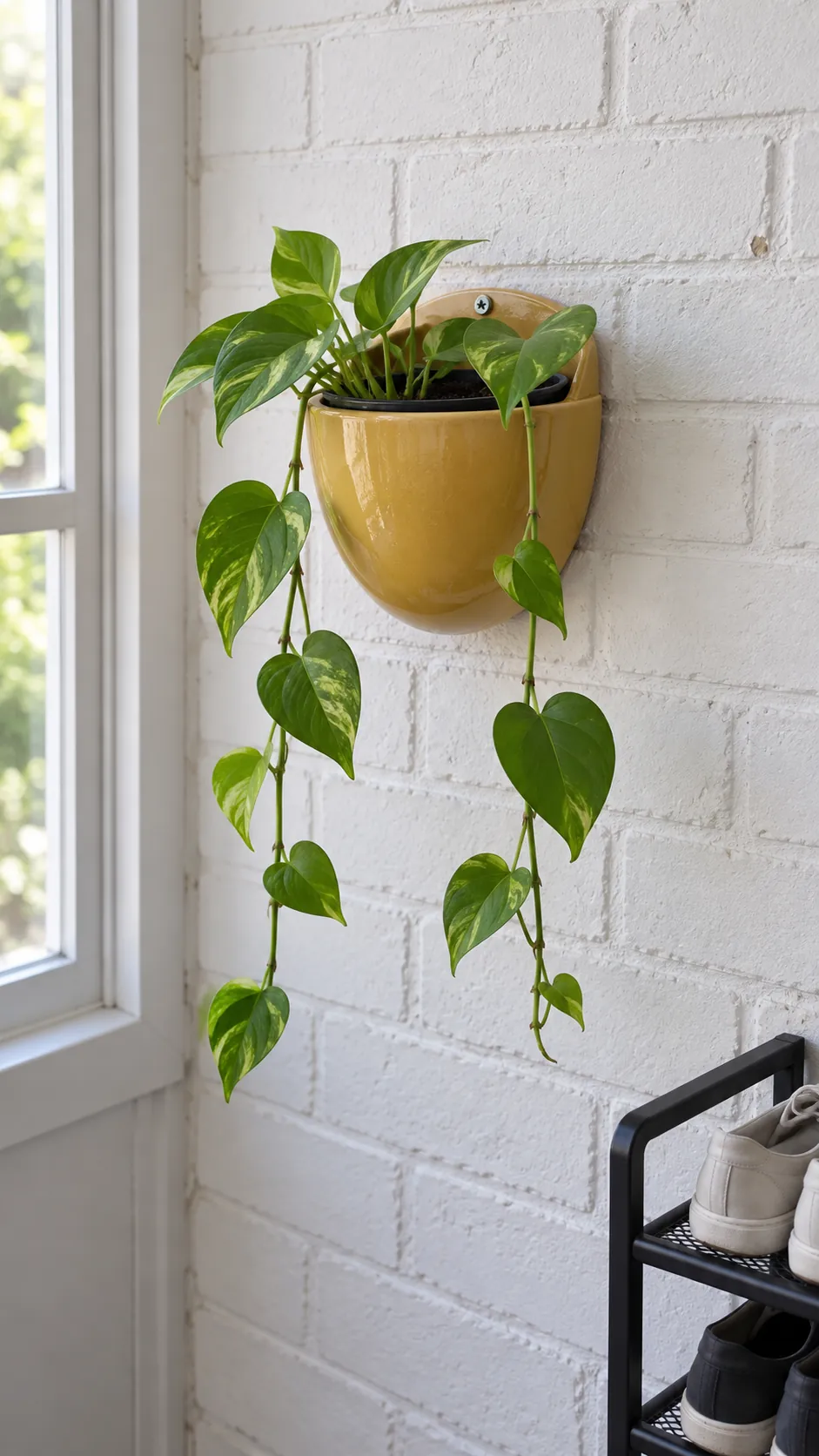
A small wall pocket with a removable insert
A ceramic wall pocket can put greenery into a narrow space that has no room for furniture. Use hardware rated for the filled weight and appropriate to the wall material. Choose an insert you can remove without tugging the plant through a tight opening. Water it away from the wall, then check the pocket for trapped moisture before hanging it again.
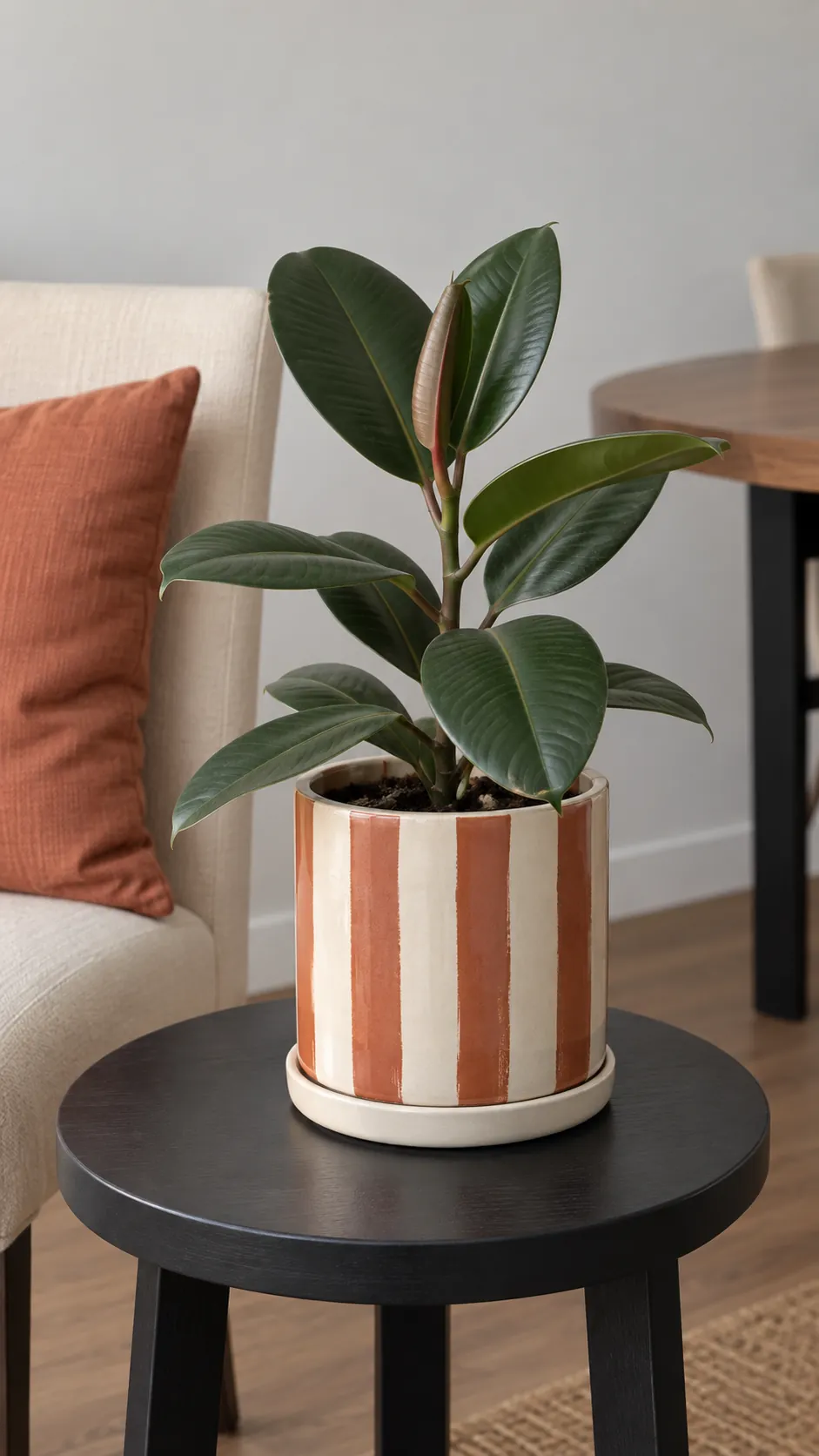
A striped pot that connects two room colors
Broad stripes are an easy way to connect a plant corner with colors already present in a rug or cushion. Two deliberate colors usually read more clearly than a crowded mix of tiny motifs. Rotate the plant as its growth requires rather than keeping the prettiest stripe permanently facing forward. The design should remain attractive from more than one side.
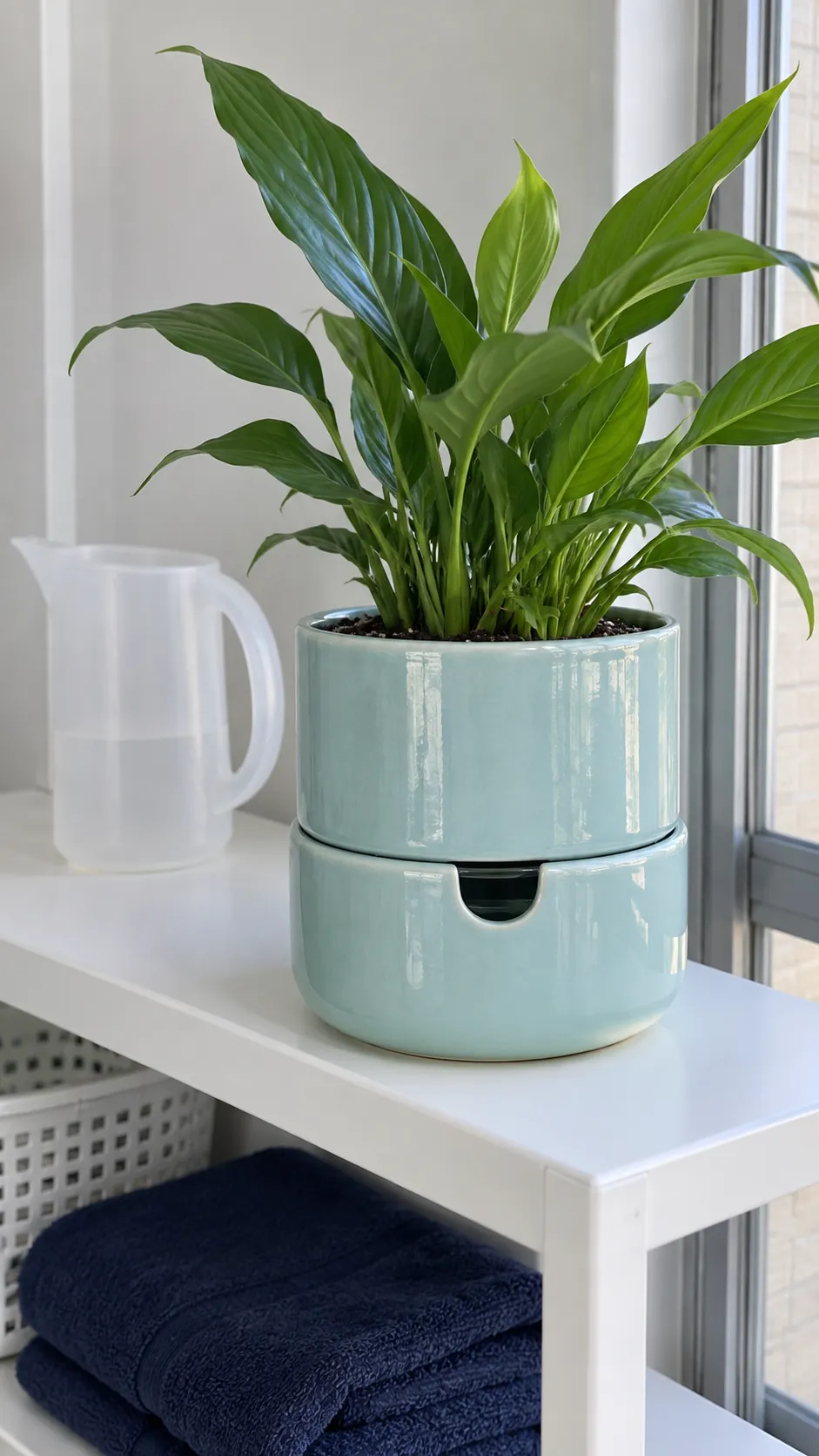
A glazed reservoir planter with a visible water check
A ceramic reservoir design can be useful when its wicking system matches the plant and growing medium. Look for a way to inspect the water level instead of assuming an enclosed base is working correctly. Follow the maker's setup instructions and watch the plant's response during the first weeks. A reservoir changes watering management; it does not make every plant suitable for constantly moist conditions.
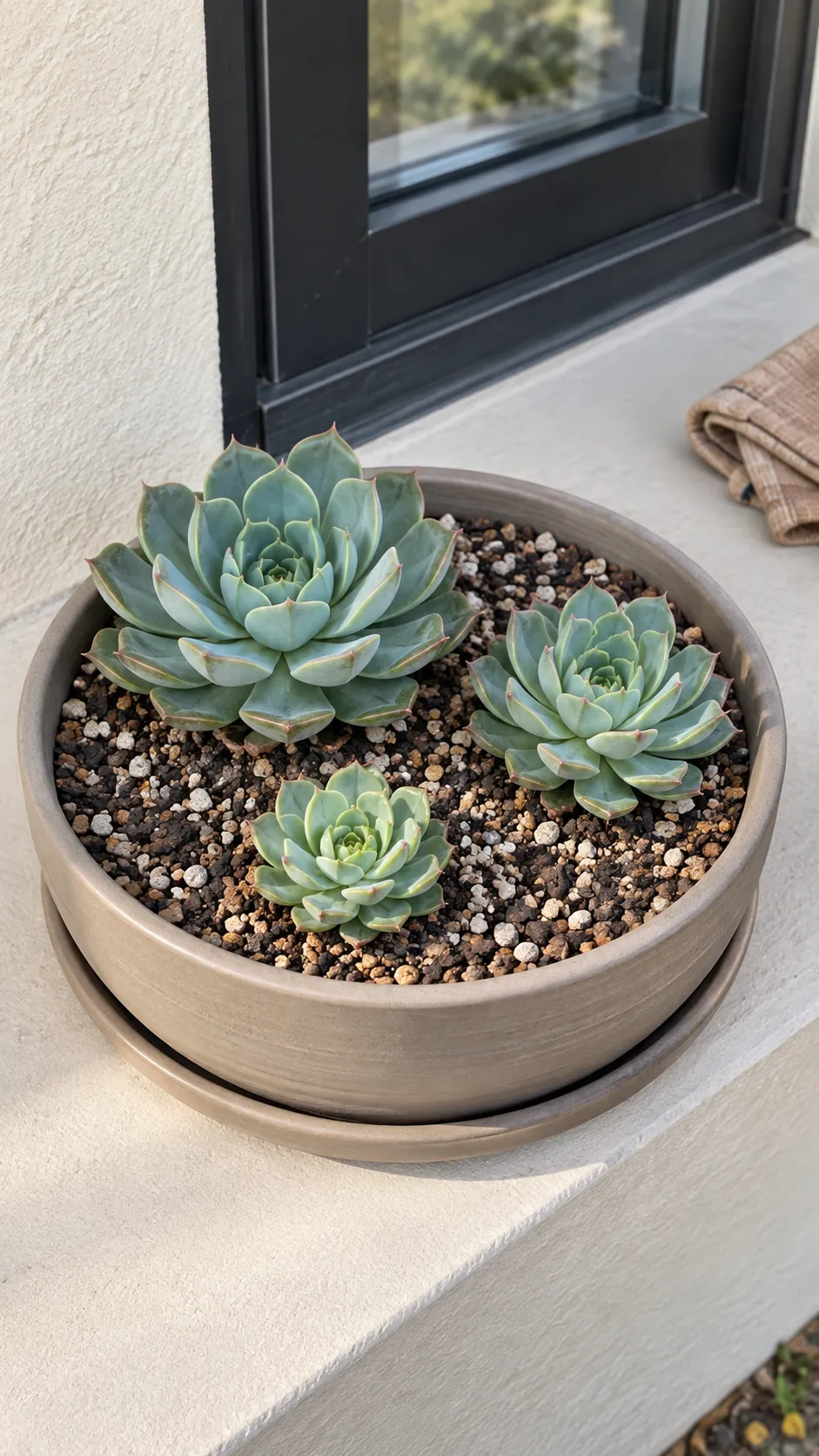
A low succulent dish with room between plants
A broad dish gives a few small succulents room to show their individual shapes. Choose plants with compatible light and watering needs, and make sure the container has functional drainage. Resist crowding every exposed patch of mix with another rosette. Space between plants makes it easier to inspect leaves and notice trouble before it spreads through the arrangement.
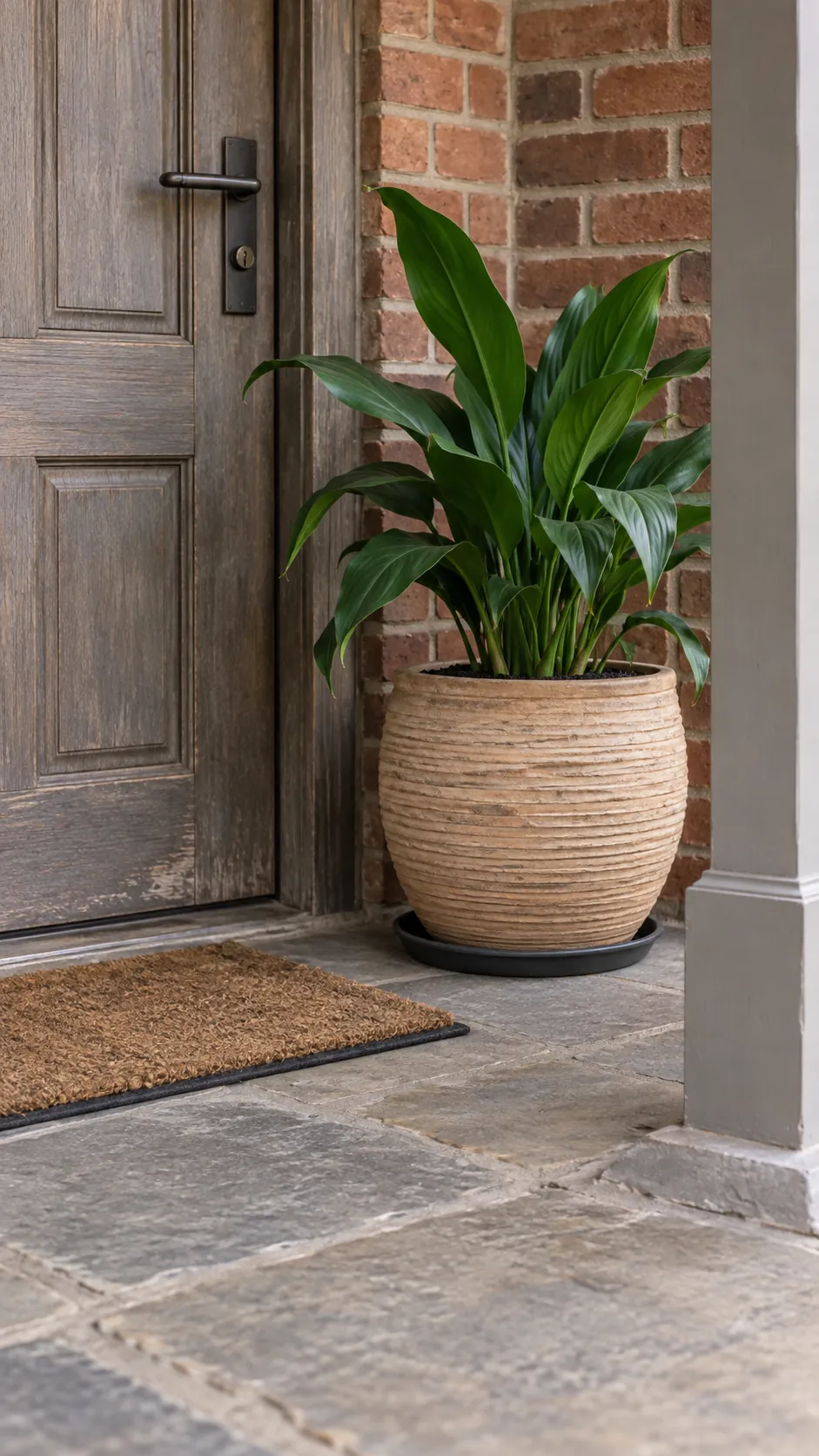
A textured clay pot for a sheltered porch
An earthy, rough surfaced vessel can sit comfortably beside brick or weathered timber. Use it in a sheltered position if its maker does not rate it for full outdoor exposure. A smooth inner liner can make the decorative shell easier to maintain. Keep the base away from persistent puddles, and inspect the surface before seasonal temperature changes.
A tiny glazed pot for a rooted cutting
A rooted cutting does not need a large ceramic home simply because you want the display to look finished. Fit a small nursery container inside a miniature glazed shell and keep its rim reachable. That arrangement lets you inspect the young plant without disturbing its roots unnecessarily. Move up in size when the root system needs it, rather than jumping straight to a mature plant's container.
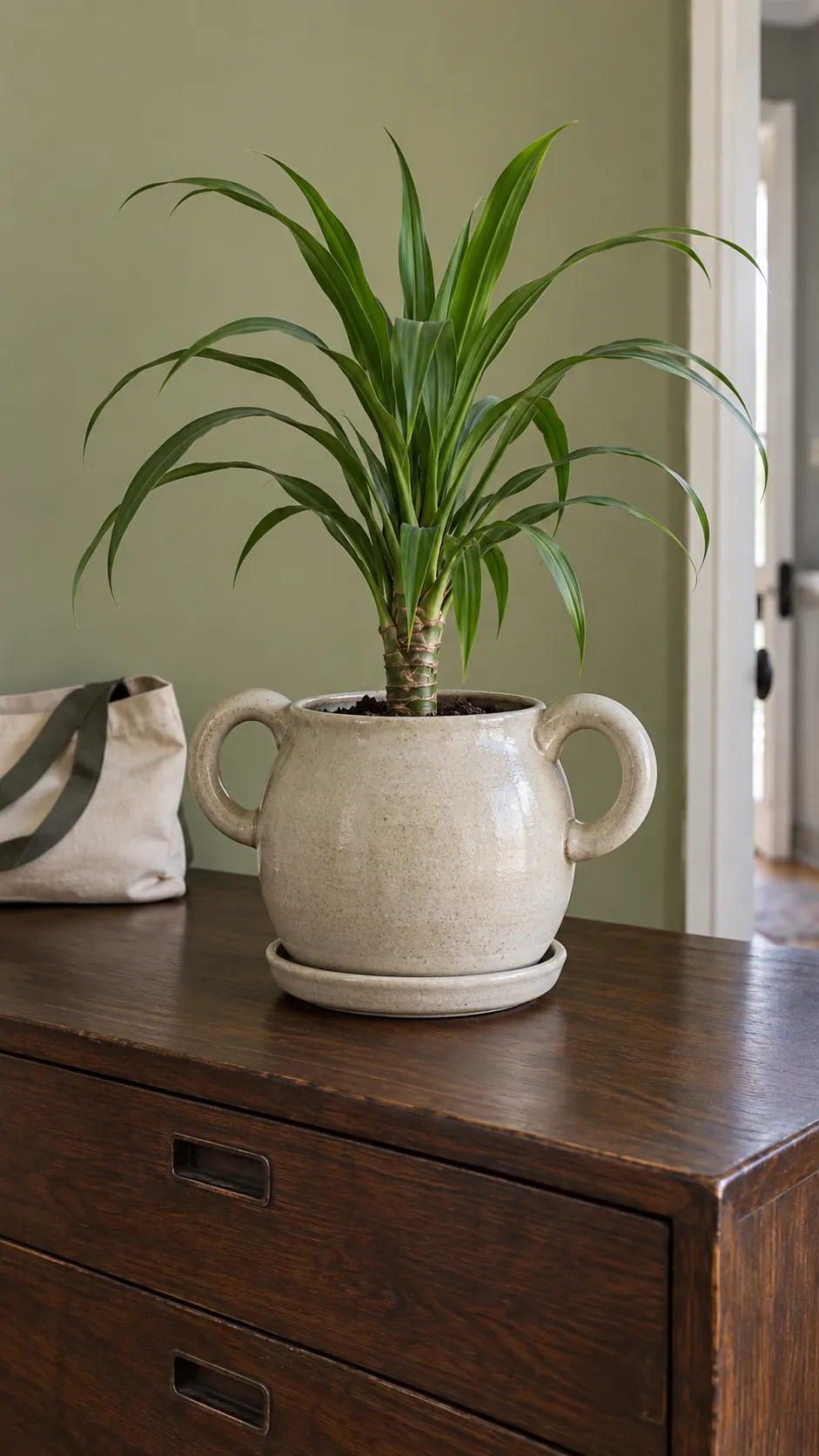
A sculptural handle pot that stays easy to lift
Loop handles can give a simple vessel a distinctive profile beside upright leaves. Ask whether those handles are functional before using them to carry a planted pot. Support the base when moving a heavy or unfamiliar handmade piece. Leave sufficient space around the loops so nearby objects do not catch when the pot is lifted.
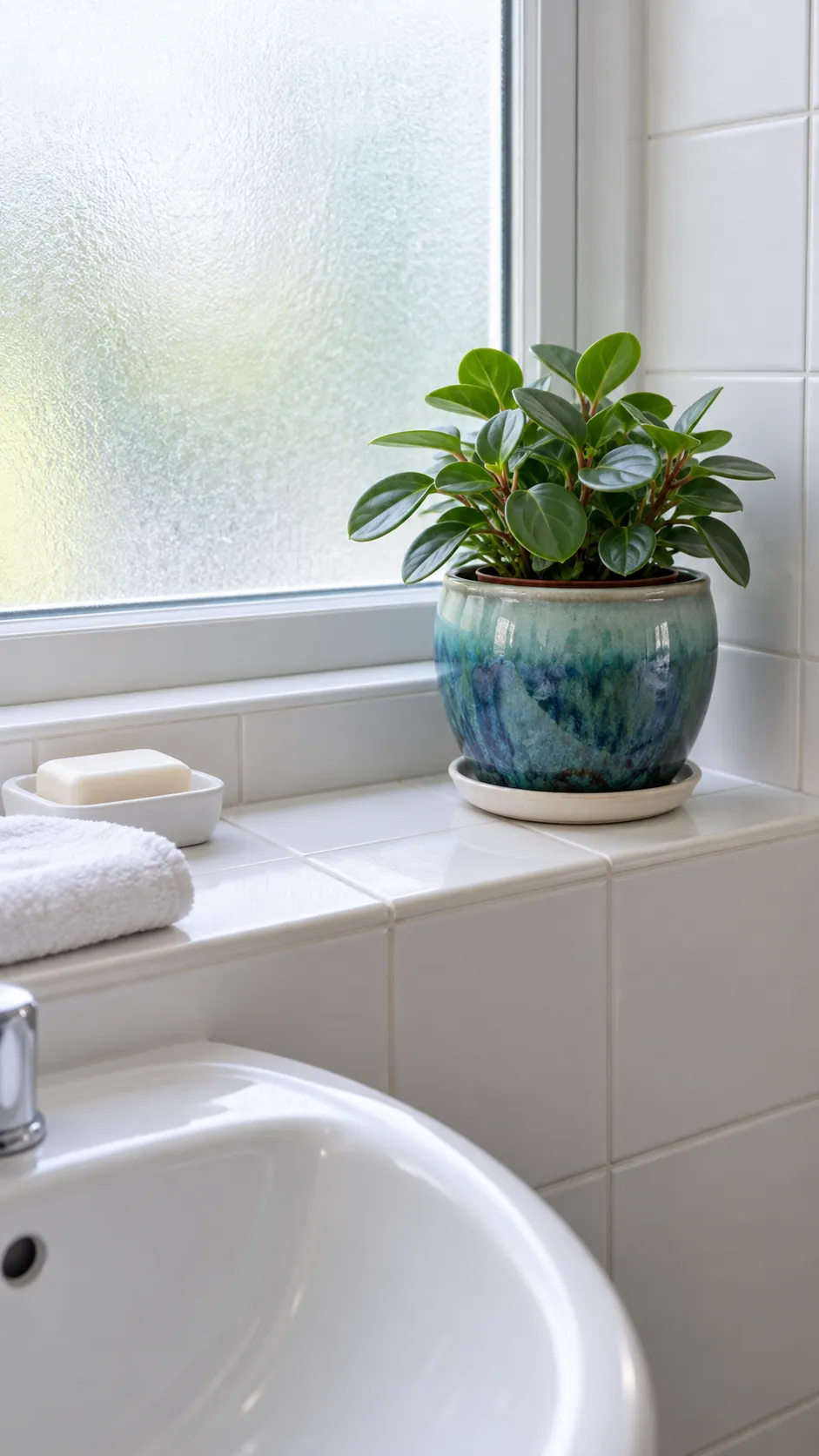
A blue green glaze beside a bright bathroom window
A watery glaze can suit tile and glass without turning the bathroom into a themed display. Choose the plant for the actual window light and room conditions, since occasional shower steam does not compensate for a dark location. Keep the planter out of direct spray and away from toiletries that can spill into the mix. An accessible liner makes cleaning the surrounding ledge straightforward.
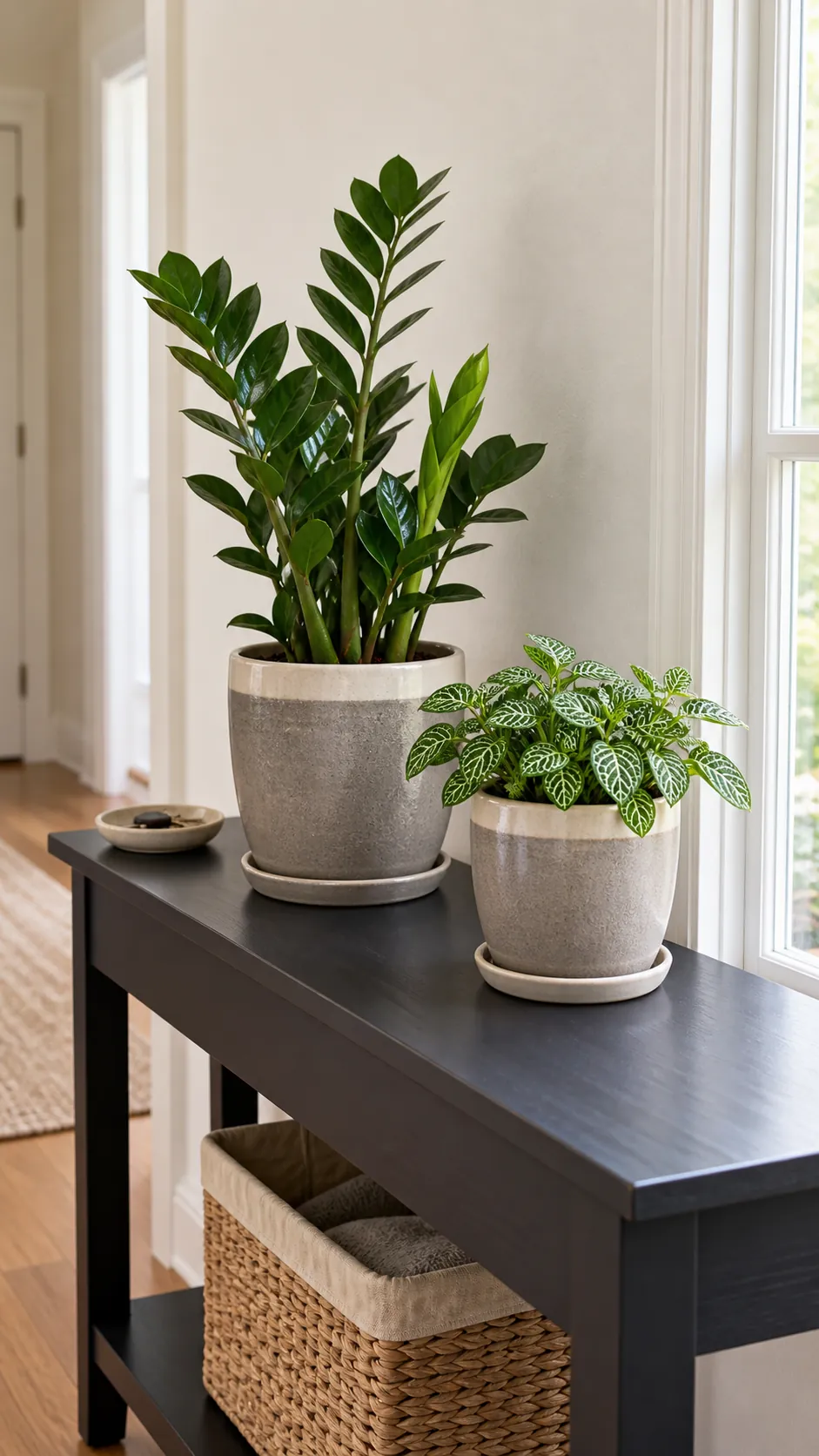
A matched pair with different plant heights
Two related ceramic planters can frame a console without needing identical plants. Keep one plant compact and let the other rise higher, while matching their placement to available light. Separate liners allow each plant to be watered when it needs it. Repetition in the pottery supplies the visual connection, so the foliage can stay different.
A favorite handmade pot used as a cachepot
A beautiful piece without a drainage hole can still belong in a plant collection. Treat it as a decorative outer shell and keep the roots in a removable container with drainage. Do not add stones and assume they turn the closed base into a drain. Before buying any unique plant pots, check one practical detail: can you remove the plant, water it properly, and put it back without a struggle?