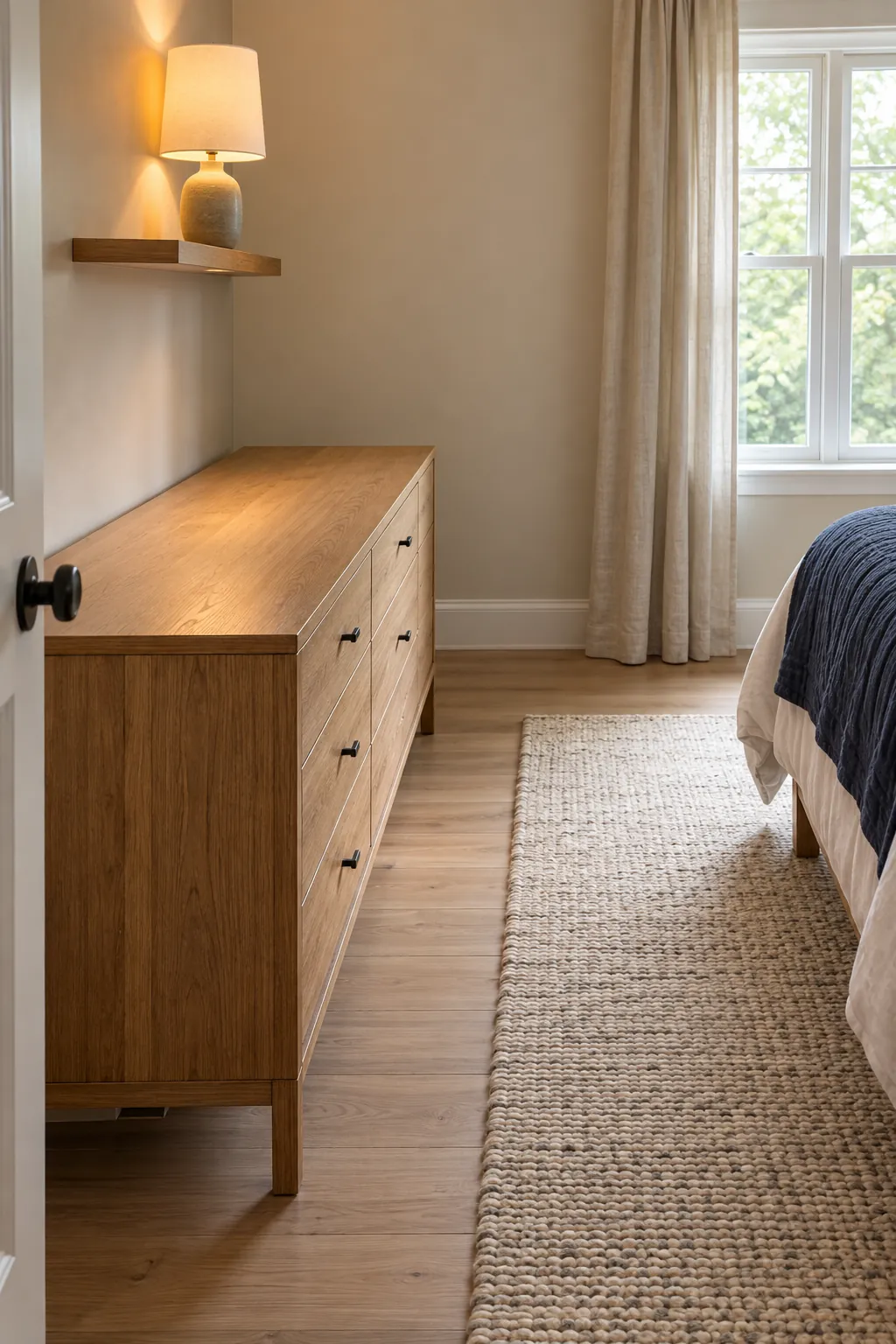
A room can feel charming for one night and become frustrating by the fourth morning. Long stay visitors need places to unpack, charge devices, rest alone, manage laundry, and follow the rhythm of the household. Comfort comes from daily function as much as fresh bedding.
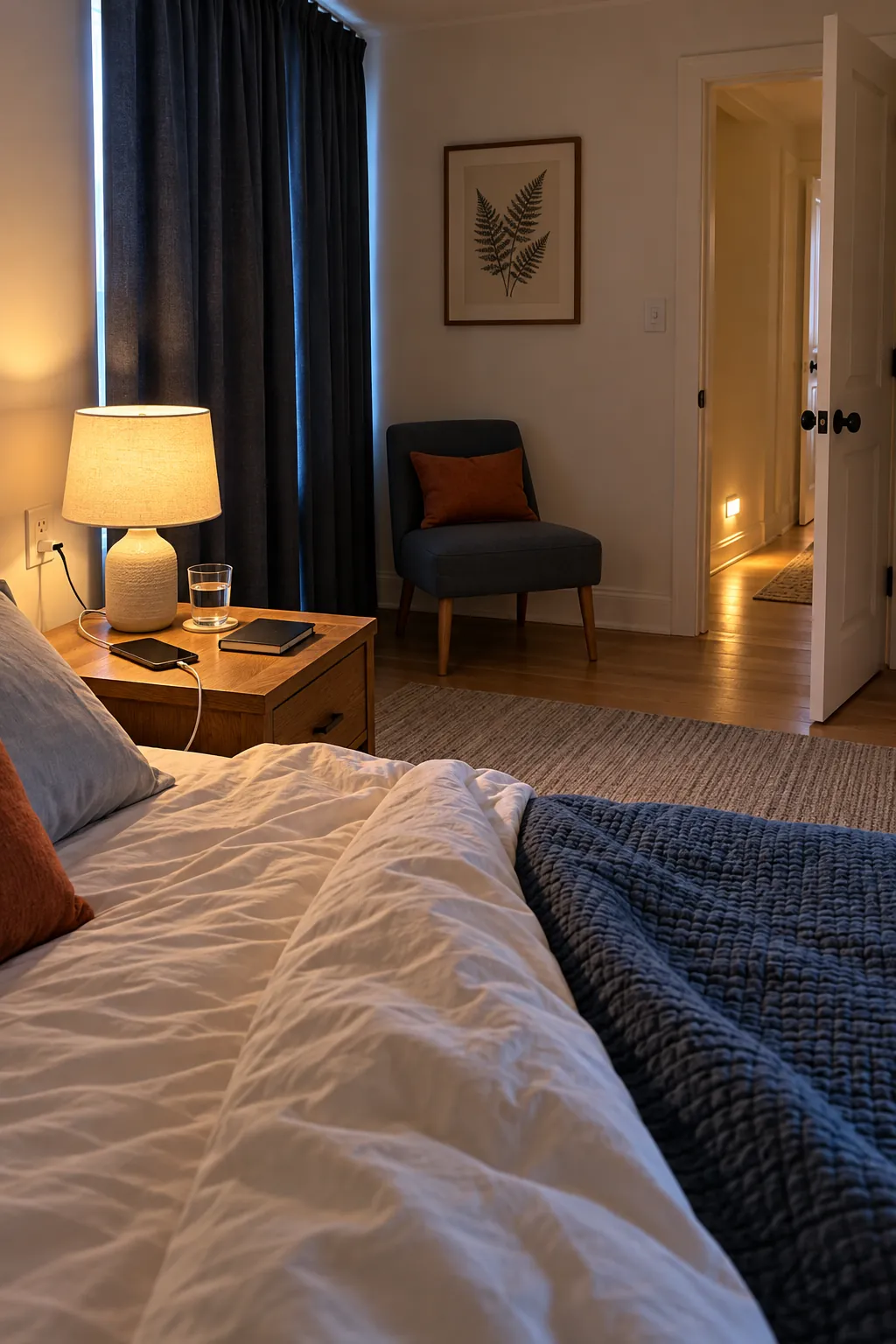
Prepare the room by living in it yourself for at least one full night. Notice the light, temperature, sounds, outlet access, mattress support, and route to the bathroom. Then make space for your guest rather than filling every surface with decor.
Sleep in the room before they arrive
A personal test reveals problems that a quick visual check misses. Use the bed, close the curtains, charge a phone, and walk to the bathroom after dark. Fix the rough pillowcase, bright light, unstable table, or noisy vent before a visitor must ask.
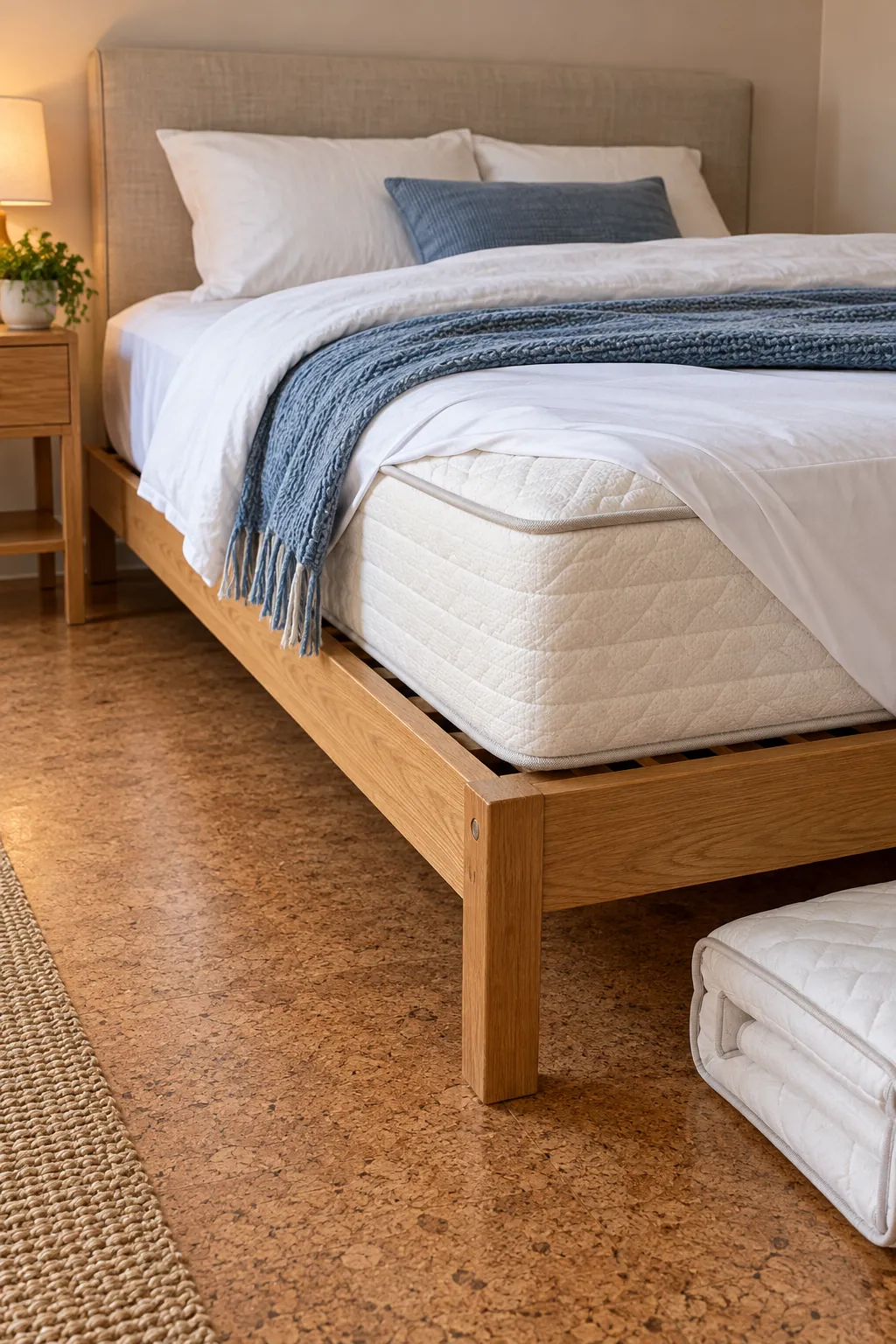
Choose a mattress made for nightly sleep
A thin temporary pad becomes difficult during a longer visit. Use a supportive mattress in good condition, then protect it with a clean breathable cover. If the bed is unfamiliar, tell your guest what firmness to expect and offer a topper only when it genuinely improves support.
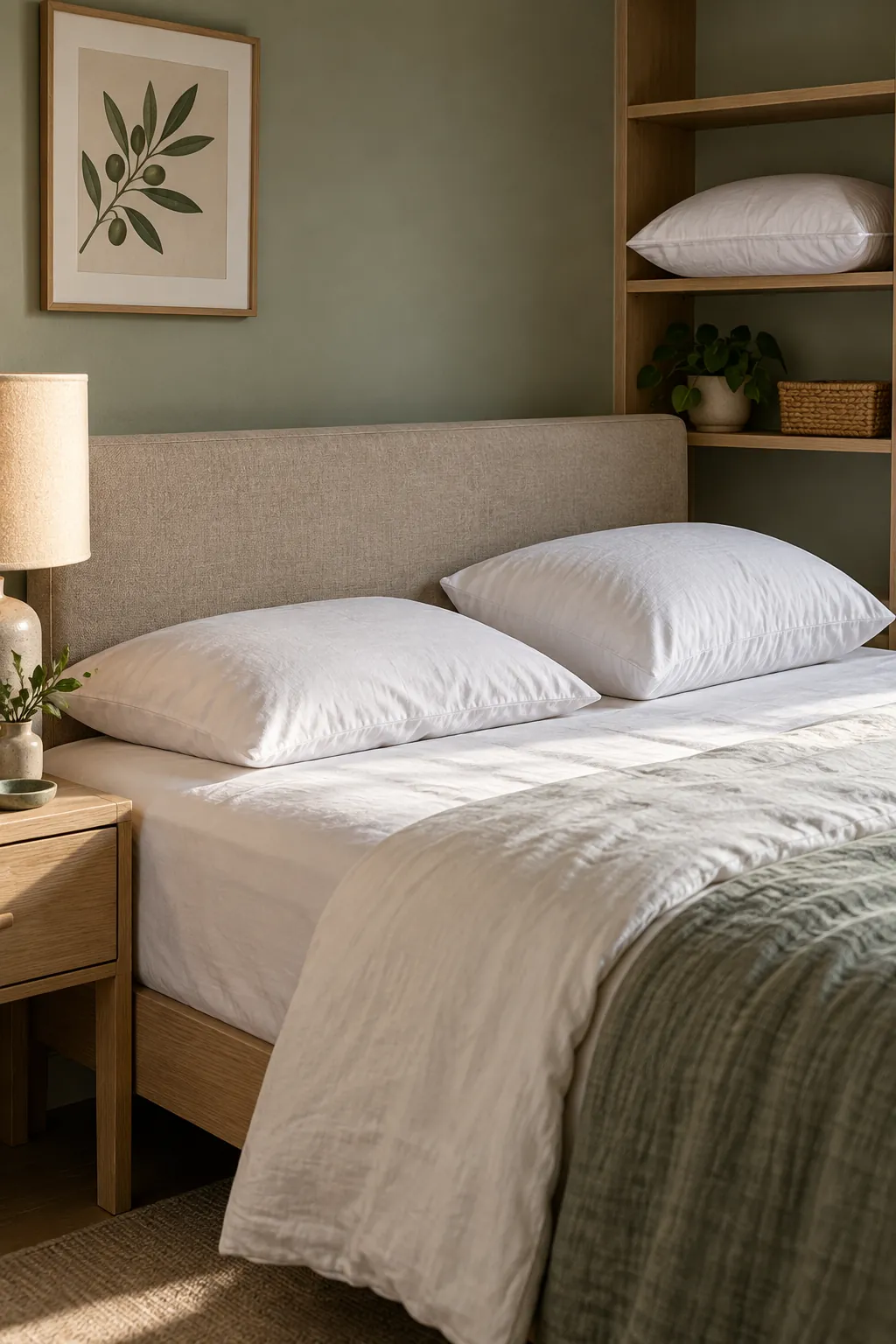
Offer two useful pillow choices
One high firm pillow does not suit every sleeping position. Provide a softer lower option and a more supportive option with freshly washed cases. Store decorative cushions elsewhere so the guest does not have to move a pile every night.
Layer bedding for changing temperatures
A breathable sheet, medium blanket, and separate duvet let visitors adjust without waking the host. Keep each layer light enough to move easily and explain where extra bedding belongs. Seasonal flexibility matters when relatives stay through several weather changes.

Keep an extra blanket within reach
A guest should not search through private cupboards during a cold night. Fold one clean blanket on a bench or place it in a clearly marked open basket. Choose a washable material and keep it away from dust, pets, and strong fragrance.
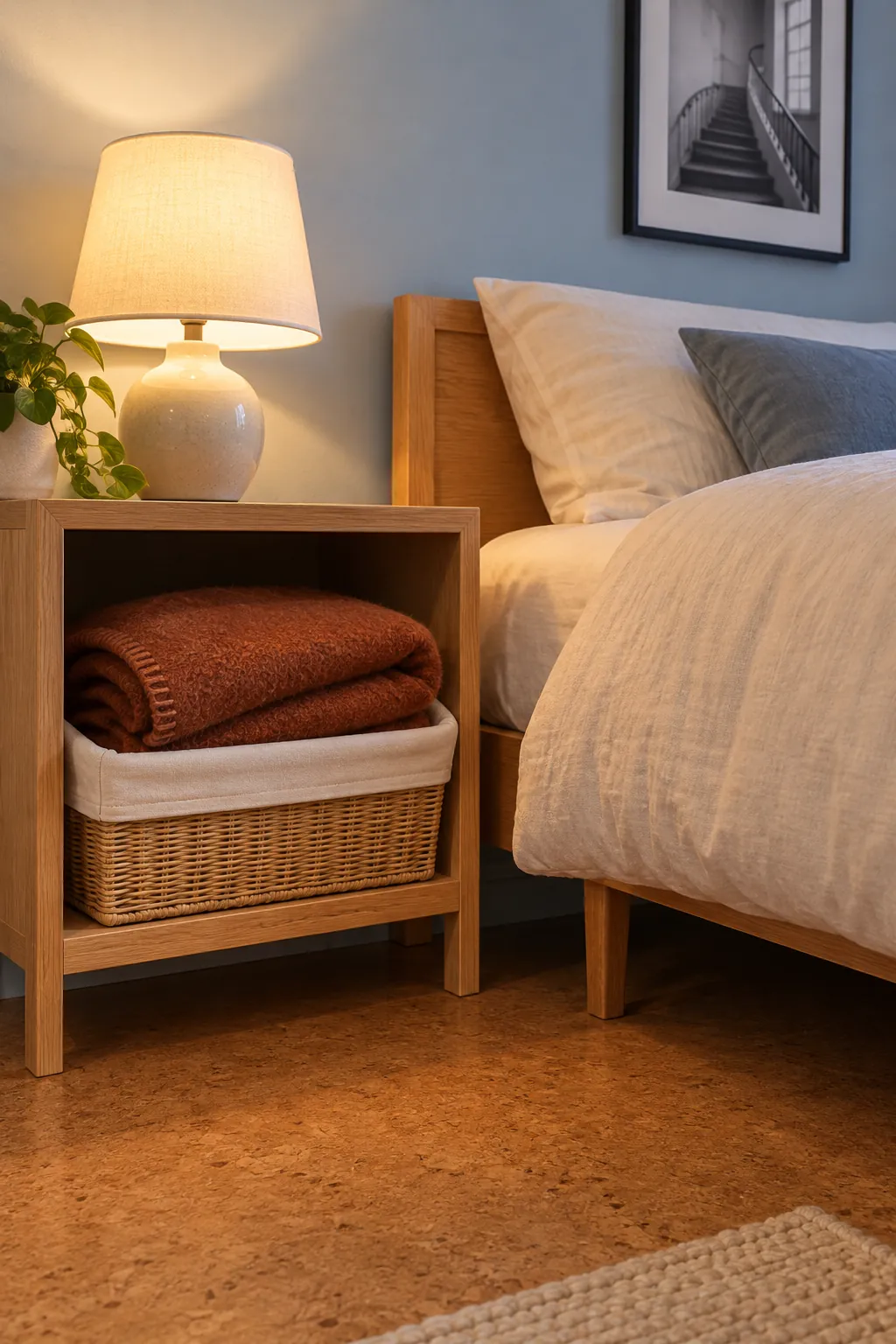
Give each side a real bedside surface
Long stay visitors collect glasses, books, medication, and personal items around the bed. Provide a stable surface on each used side instead of a narrow decorative pedestal. Leave most of the top empty so the guest can arrange it without moving your objects.

Add reading lights with simple controls
A visitor should be able to switch off the light from bed without learning a smart home system. Use reachable lamps with familiar switches and shades that prevent glare. Test whether the light supports reading while allowing the other side of the bed to stay dim.

Provide visible charging on both sides
Do not make guests unplug a lamp or crawl behind furniture to charge a phone. Place an approved charging point within reach on both occupied sides of the bed. Keep spare cables tidy, label nothing with sensitive network details, and route cords away from walking paths.
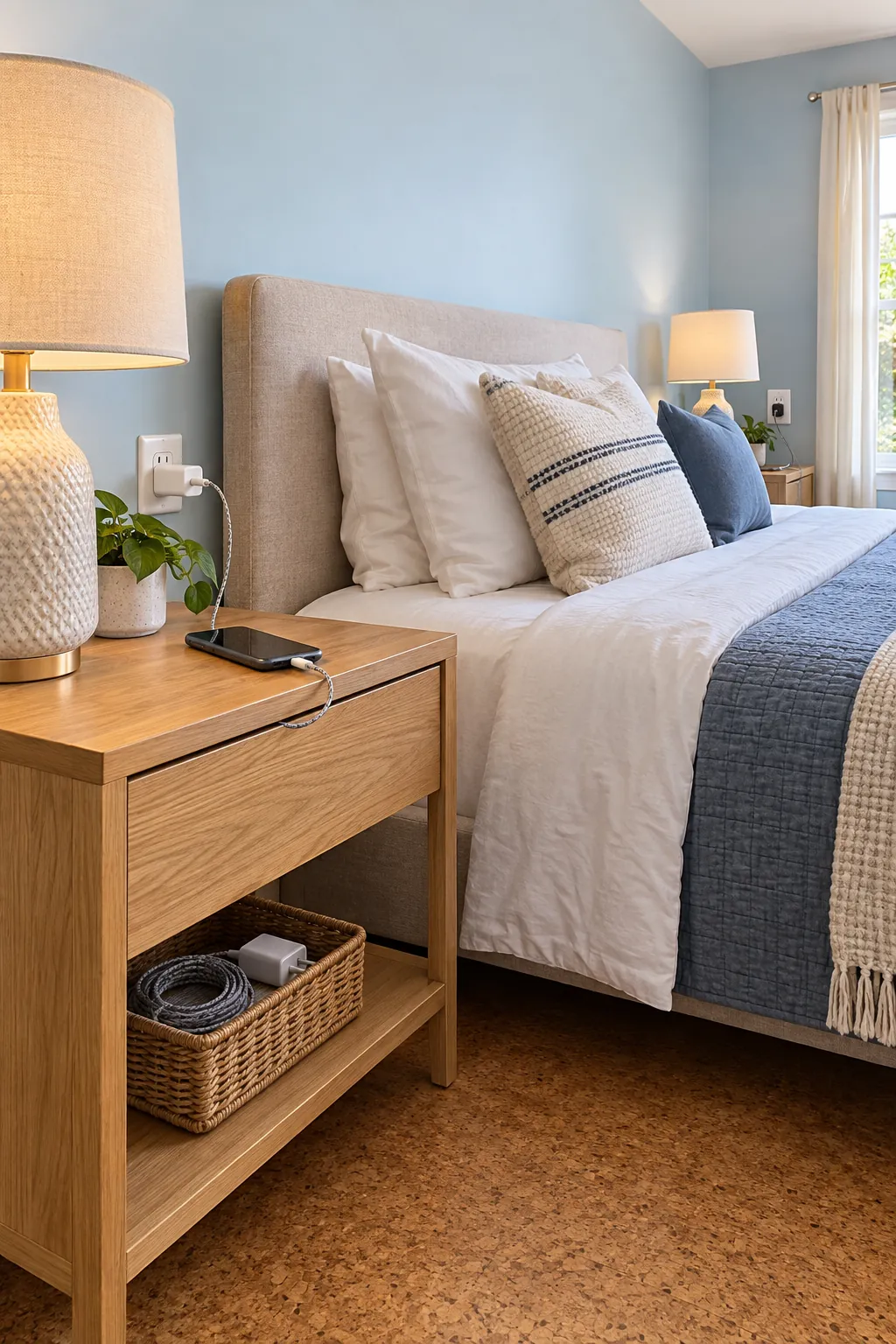
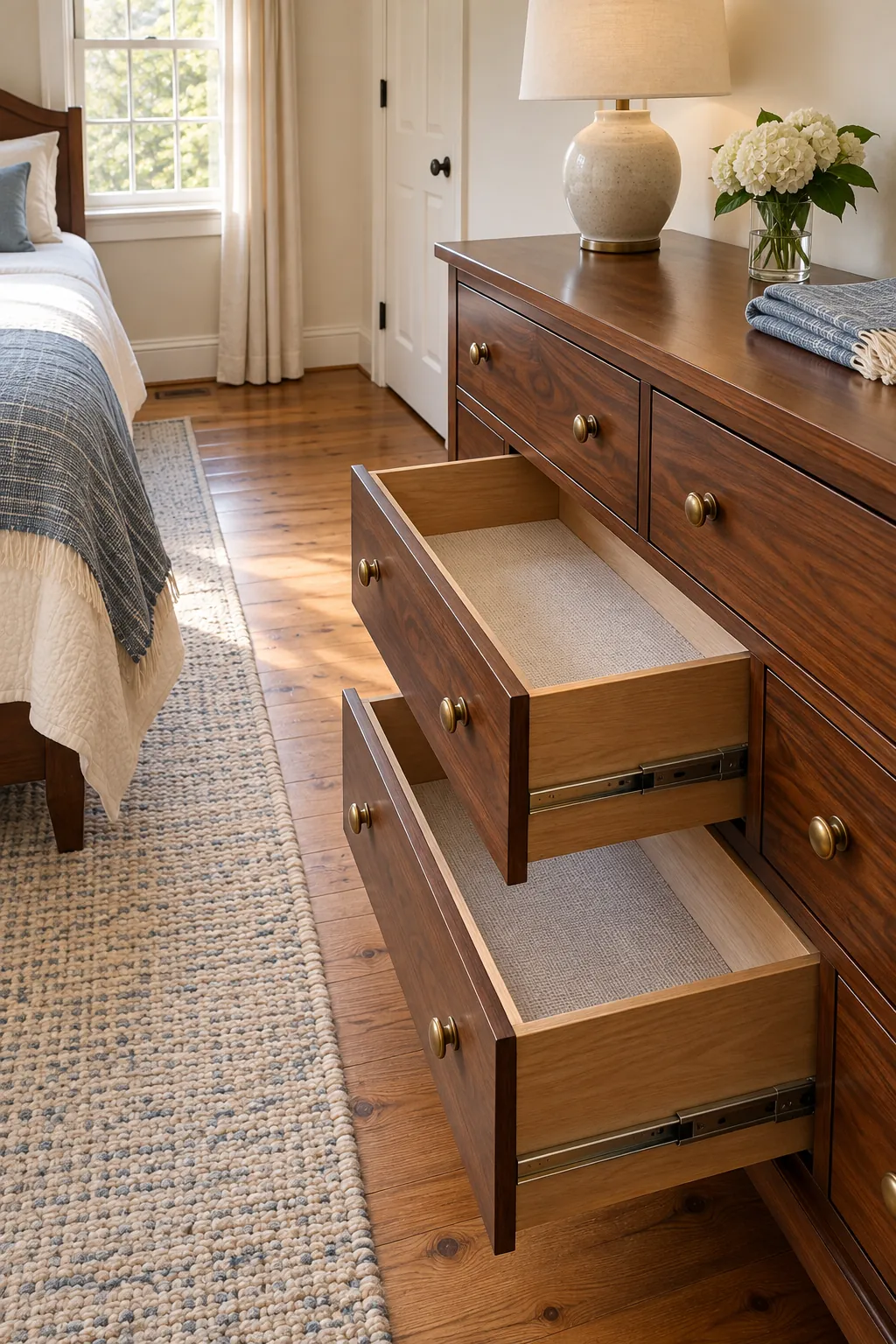
Empty at least two dresser drawers
Living from a suitcase for a week makes a guest feel temporary. Clear two clean drawers, check that they open smoothly, and leave them completely empty. Move household overflow elsewhere instead of asking visitors to work around it.
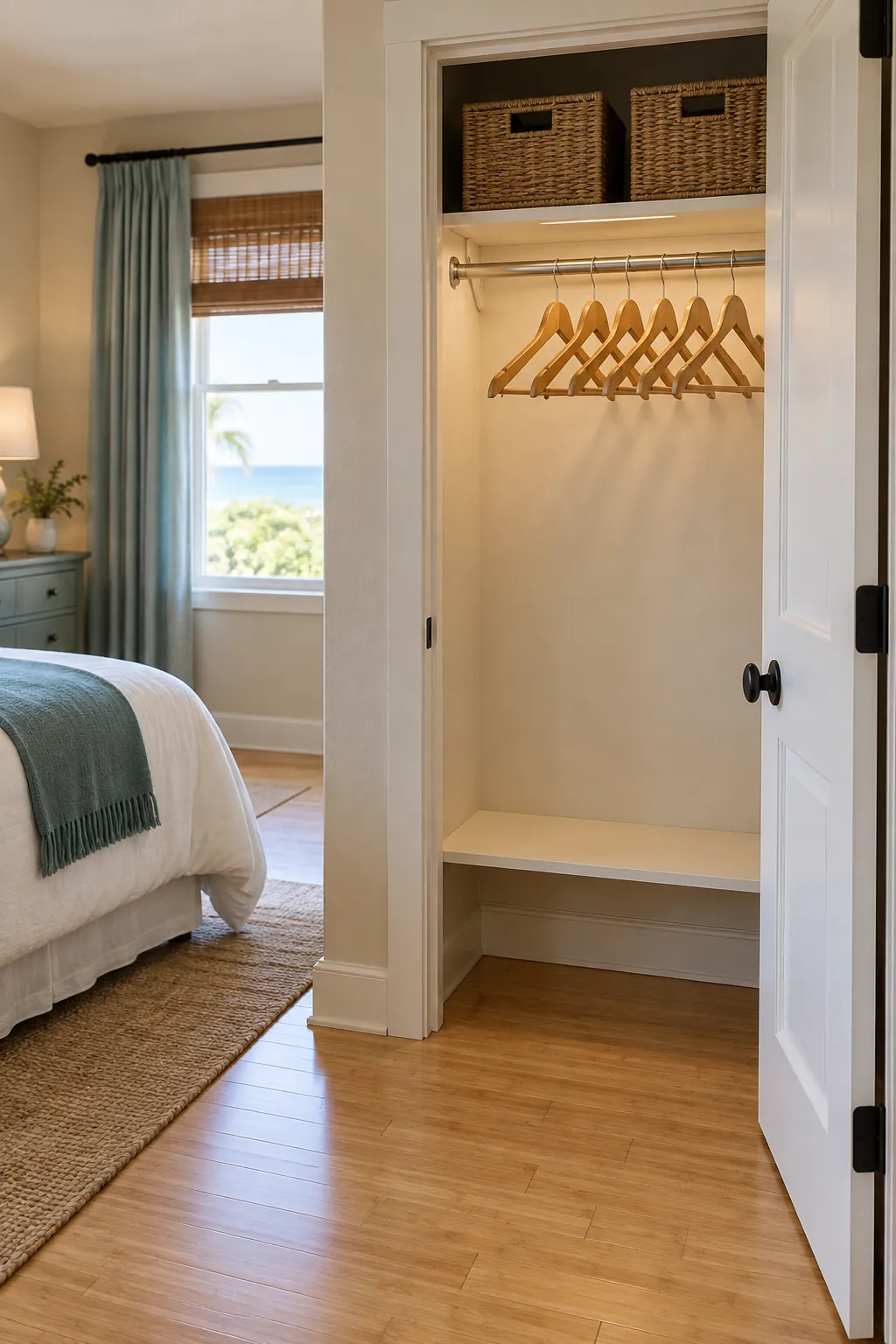
Reserve genuine hanging space
A few inches between stored coats is not useful closet space. Leave a clear section with matching sturdy hangers and enough height for longer clothing. Add a lower shelf or floor zone for shoes while keeping personal storage closed and separate.
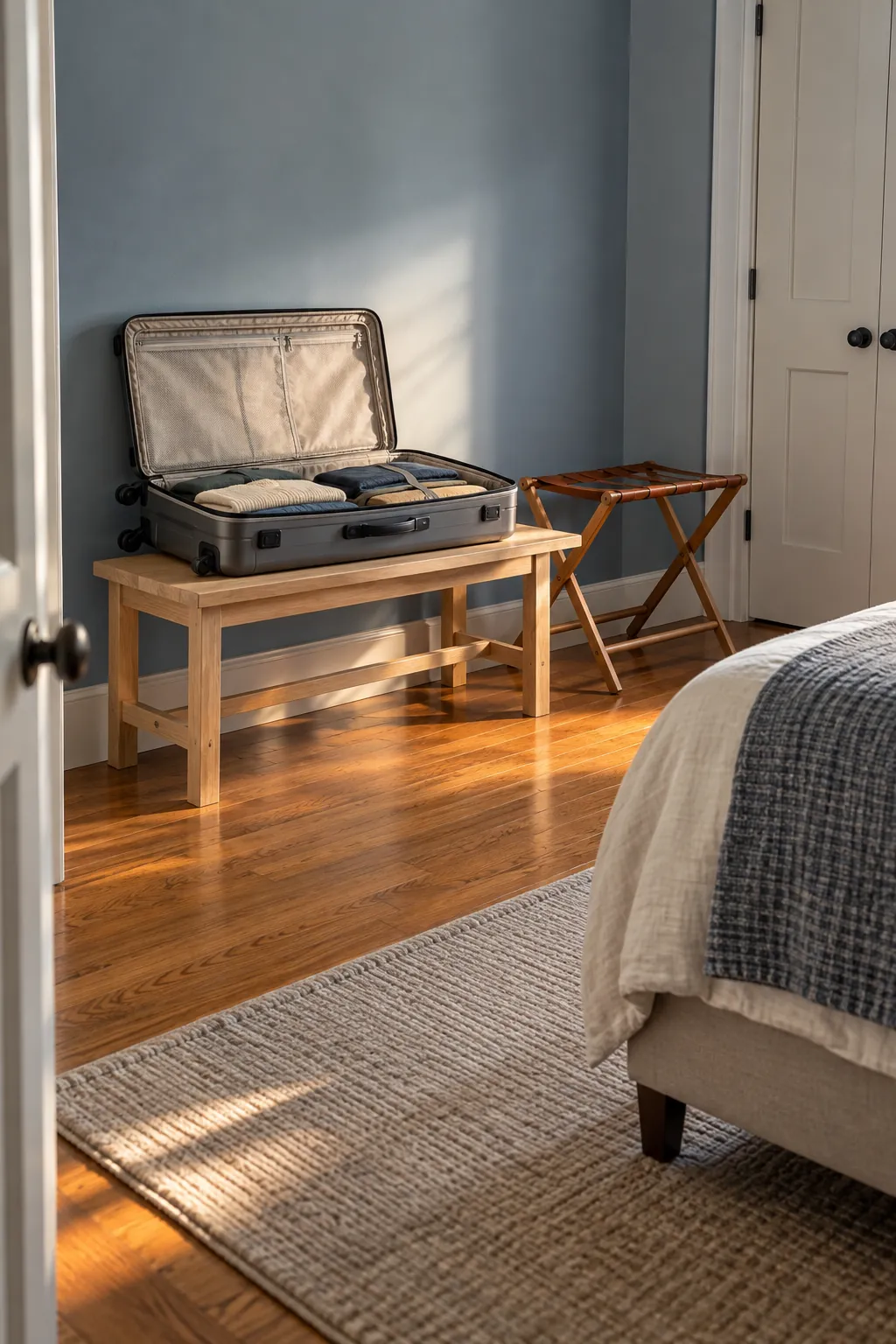
Set up a proper luggage station
A sturdy bench or folding rack keeps a suitcase off the bed and open at a comfortable height. Place it where the lid can lift without blocking the door or closet. Keep the station empty between guests instead of using it as a landing place for household items.
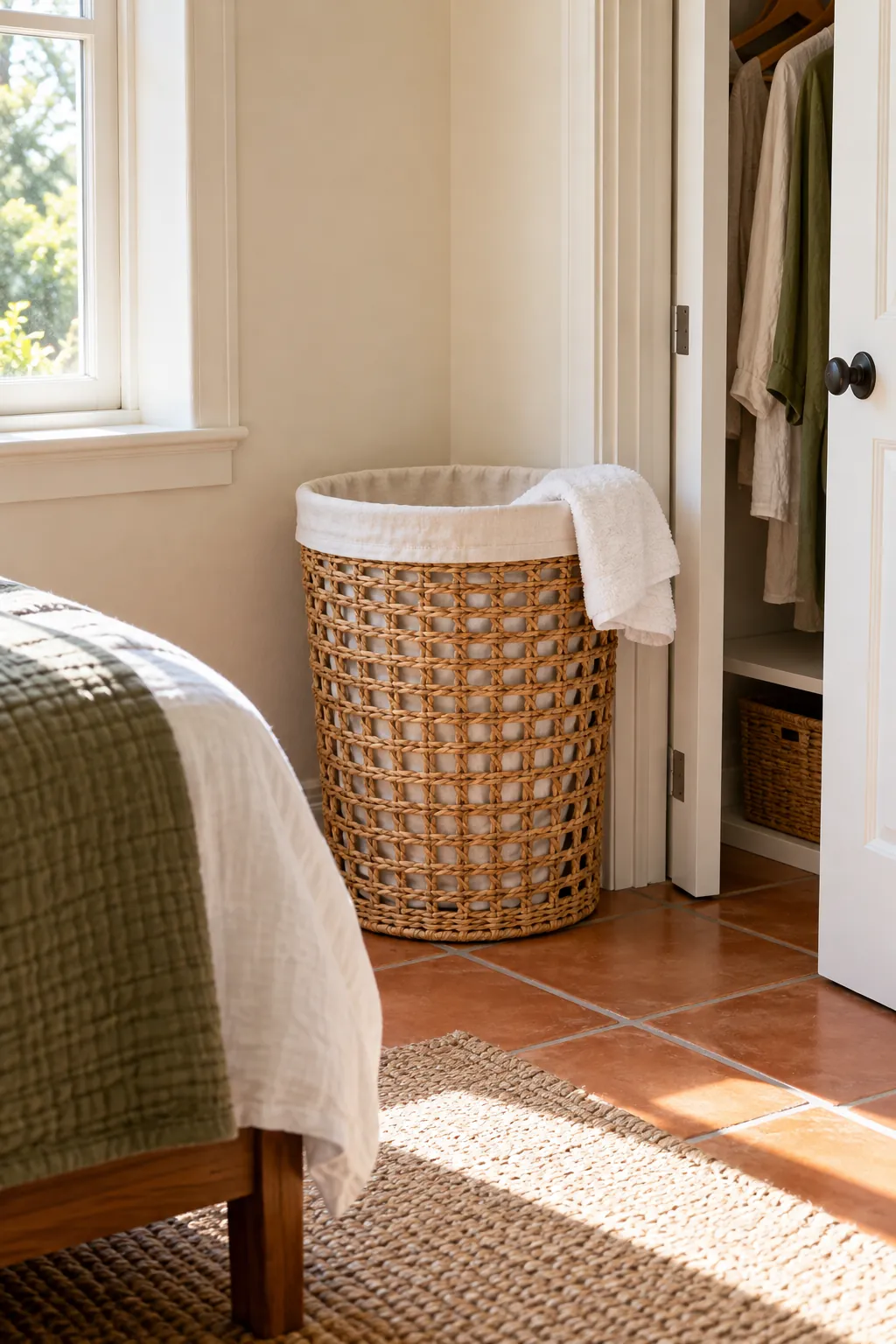
Include a breathable laundry hamper
Long stay visitors need a clear place for worn clothes. Use a lightweight hamper with ventilation and a washable liner, then explain the household laundry routine. Place it near the closet but away from heaters, damp towels, and the main walking path.
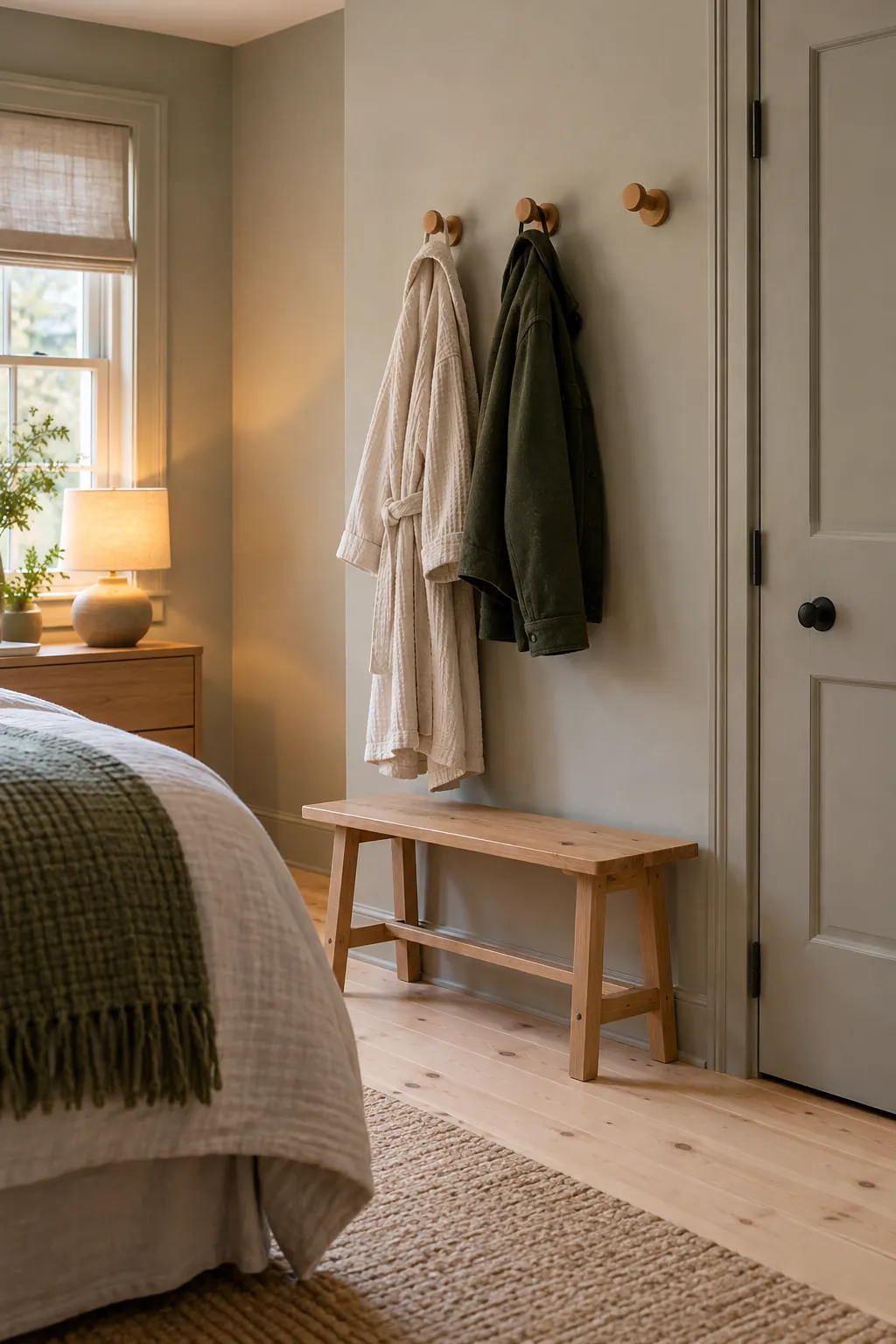
Add hooks for daily clothing
Hooks give robes, a jacket, and tomorrow’s clothes a place between uses. Mount them securely on an approved surface or use a stable over door rack that still lets the door close. Keep the arrangement outside the path and avoid overloading it.
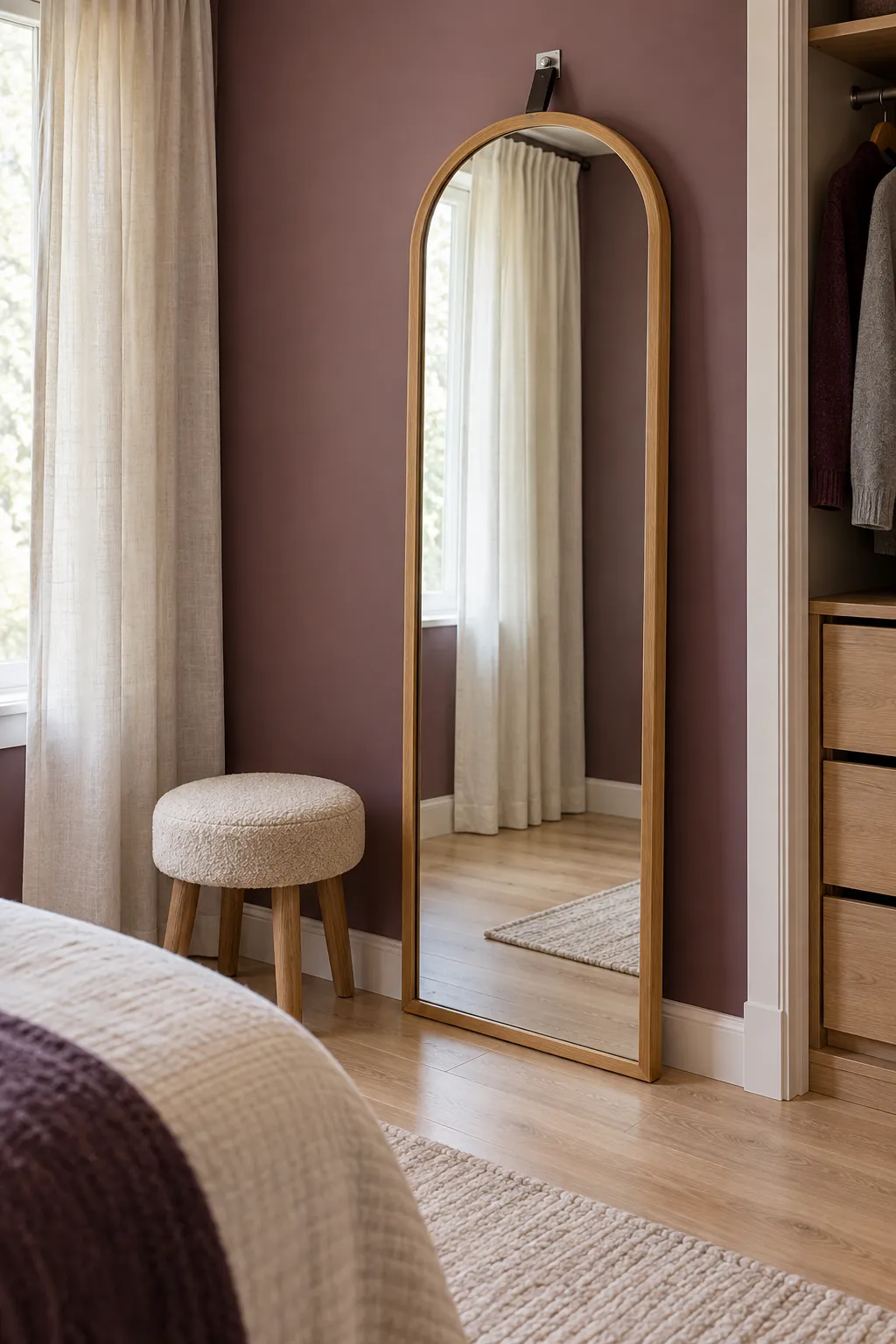
Place a full length mirror near dressing space
A mirror is most useful where a guest can step back and see it in good light. Secure a floor mirror or use a closet door mirror without blocking the route. Angle it away from the pillow if a large nighttime reflection feels uncomfortable.
Create a chair that belongs to the guest
A private chair gives visitors somewhere to read, dress, or take a call without sitting on the bed. Choose a supportive seat with a nearby surface and light, then resist covering it with cushions. Keep enough floor around it for easy entry and cleaning.
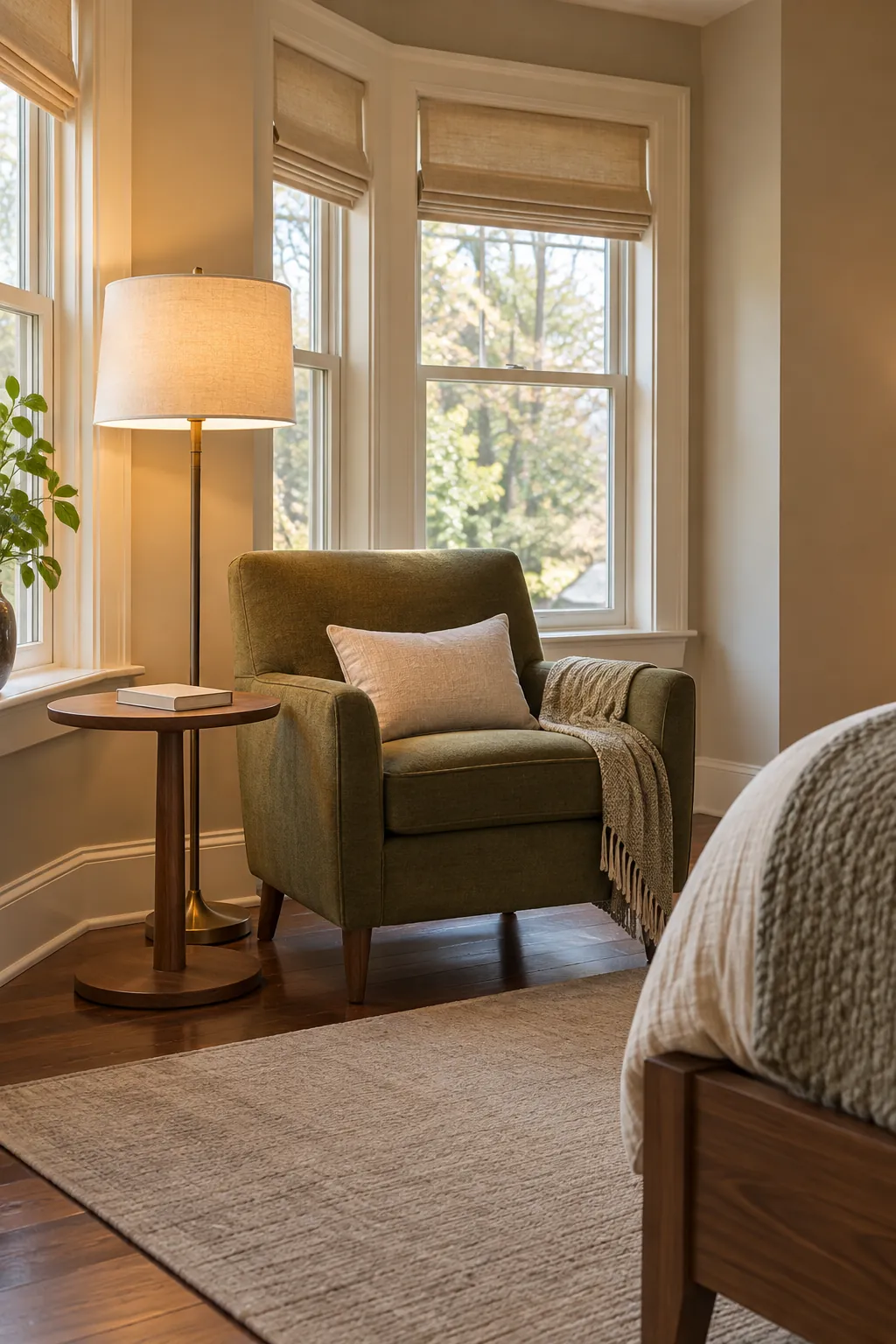
Provide a small work surface
Even vacationing guests may need to answer a message, fill out a form, or organize travel plans. A compact desk or clear console gives those tasks a proper place. Add a comfortable chair and outlet, but do not turn the room into your active home office during their stay.
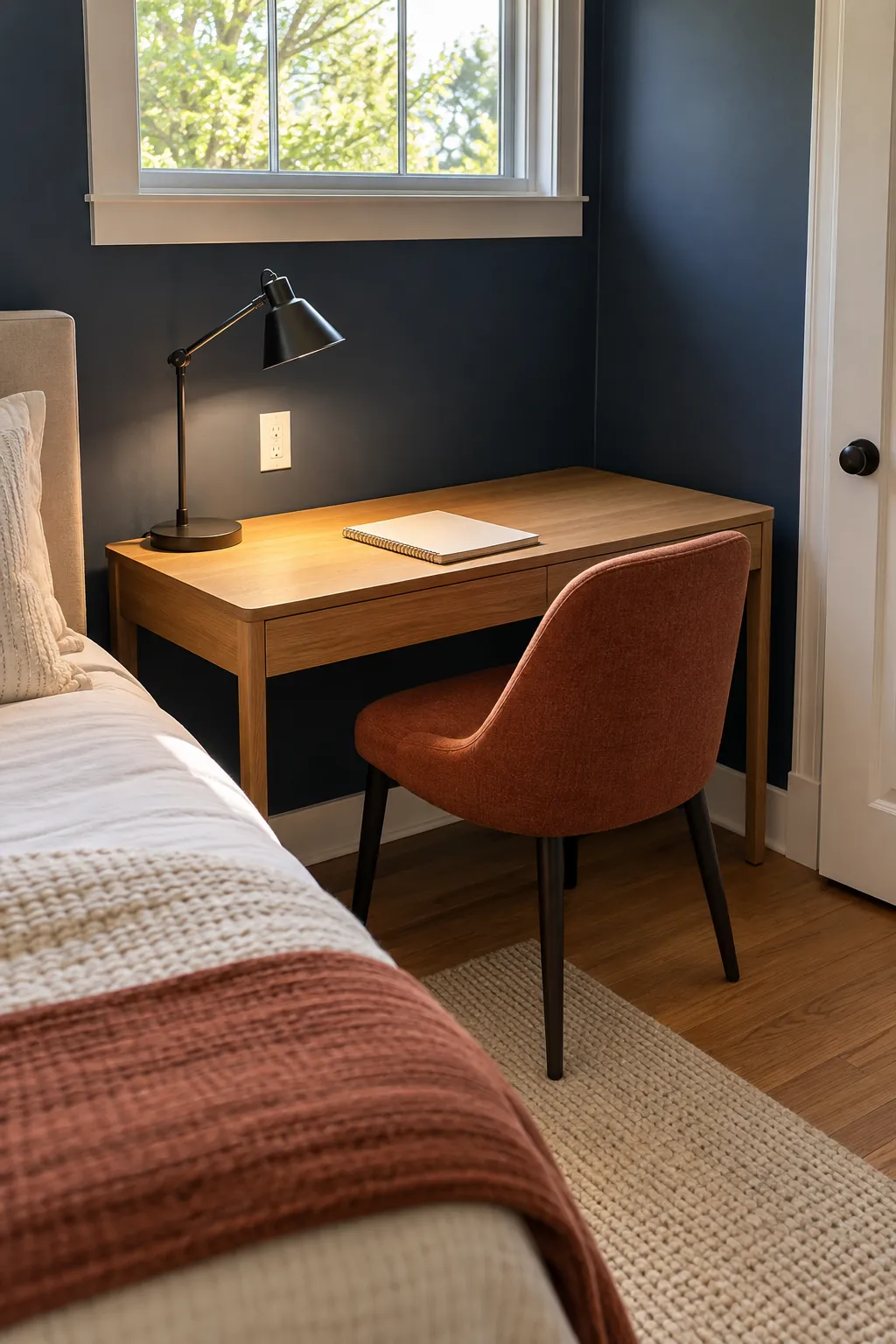
Set out a refillable water carafe
A covered carafe and sturdy glass reduce late night trips through an unfamiliar home. Place them on a stable tray away from electronics and refresh the water daily. Tell guests where they can refill it so the gesture supports independence rather than creating extra service.
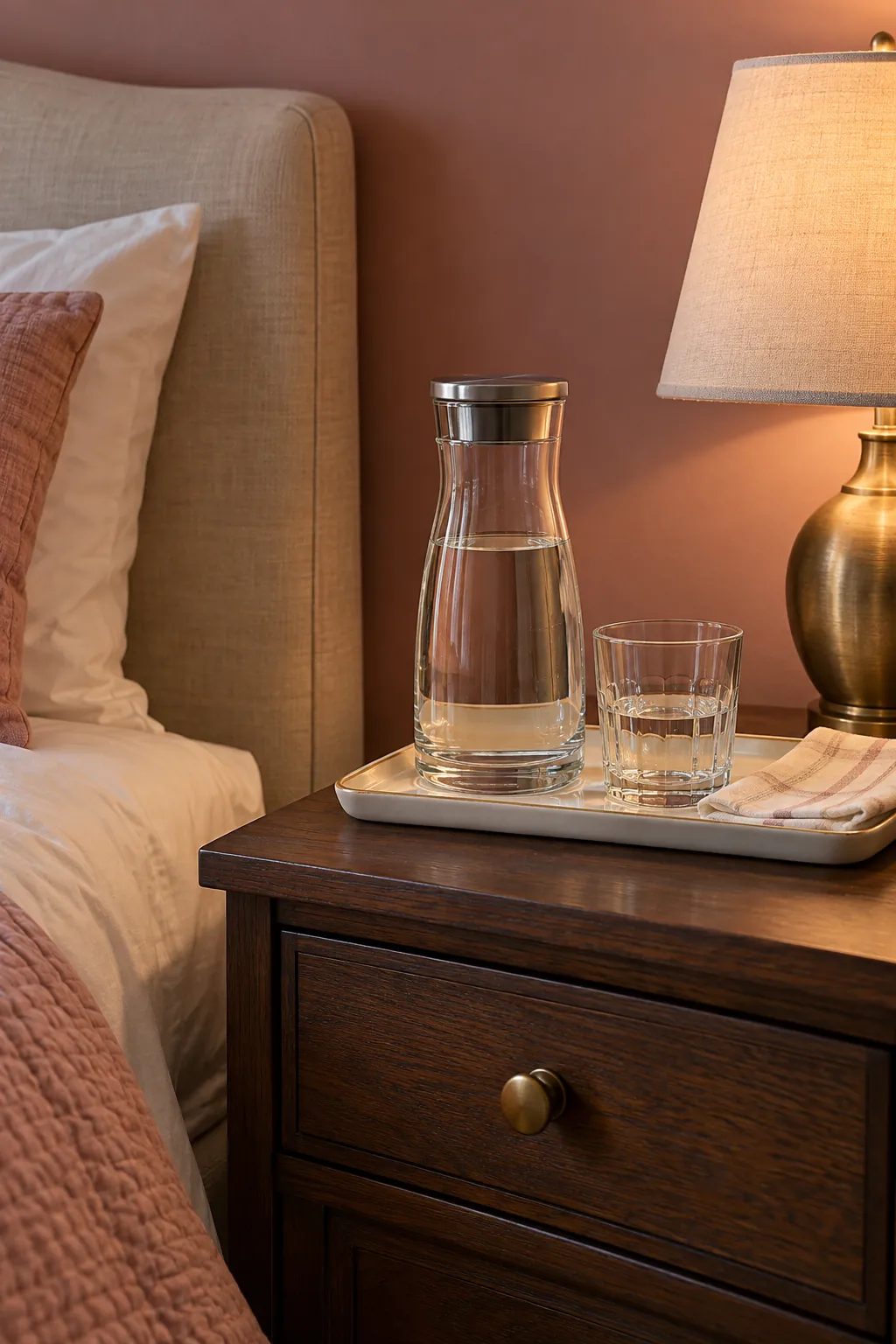
Offer a small shelf for personal food
Visitors staying longer may have medication schedules, dietary needs, or snacks they prefer to keep nearby. Leave one clean shelf or lidded basket for sealed items and explain kitchen storage options. Avoid fragranced treats, allergens, and food that attracts pests.
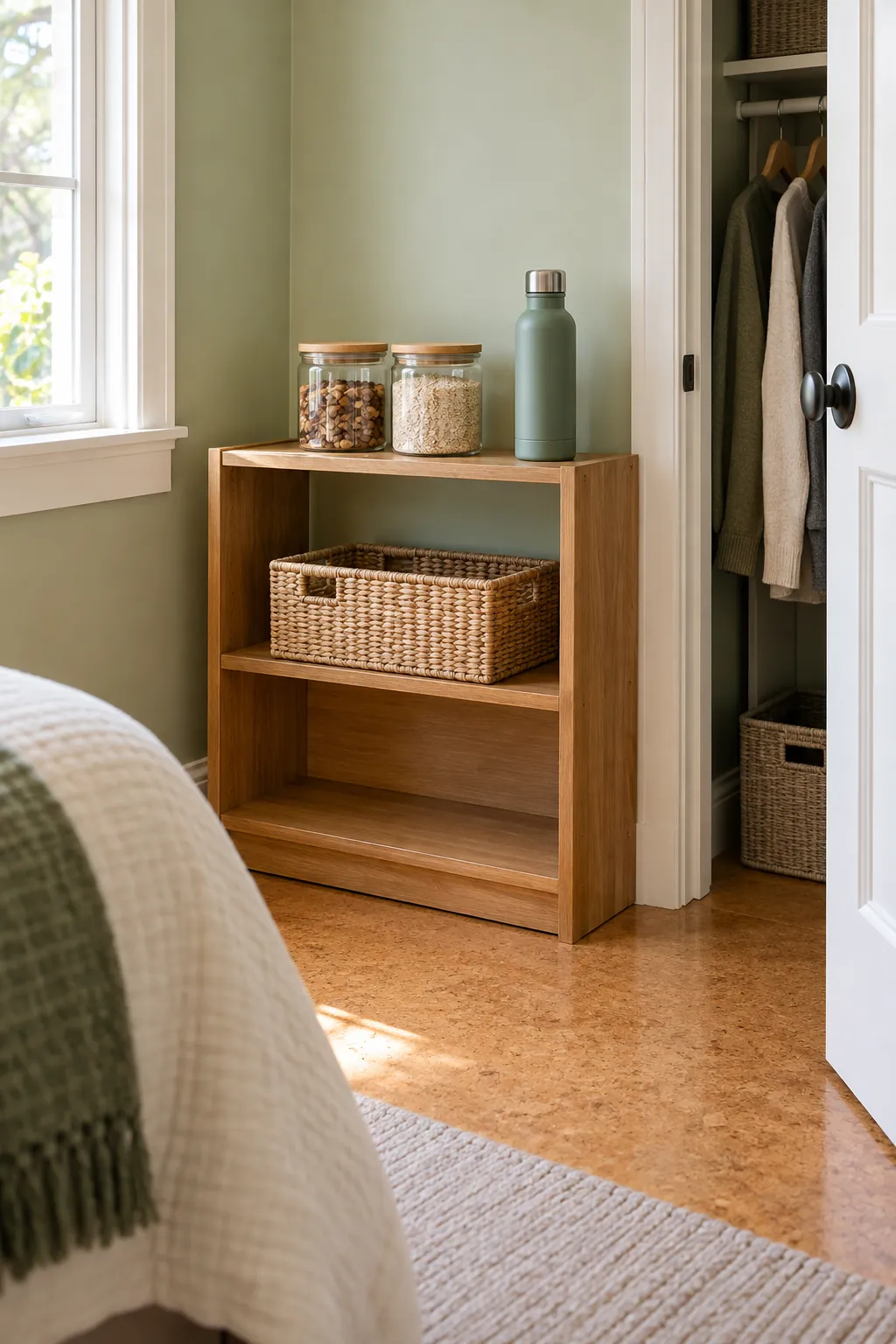
Write down practical local details
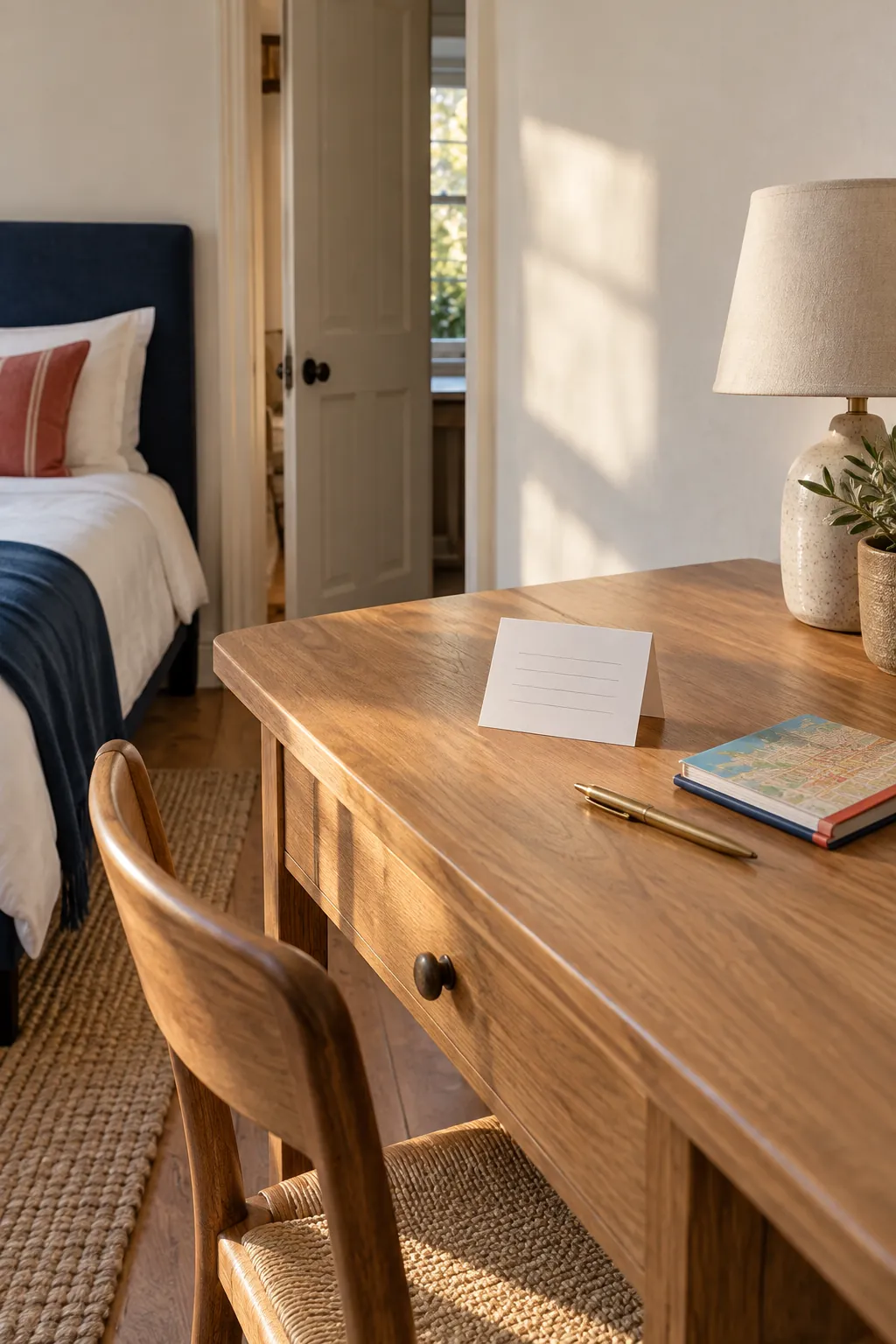
A simple card can list the home address, nearest transit stop, emergency contact, and where to find household basics. Keep private passwords and security codes off a card that remains in the room. Update the information before each visit and remove anything the guest no longer needs.
Make the window easy to control
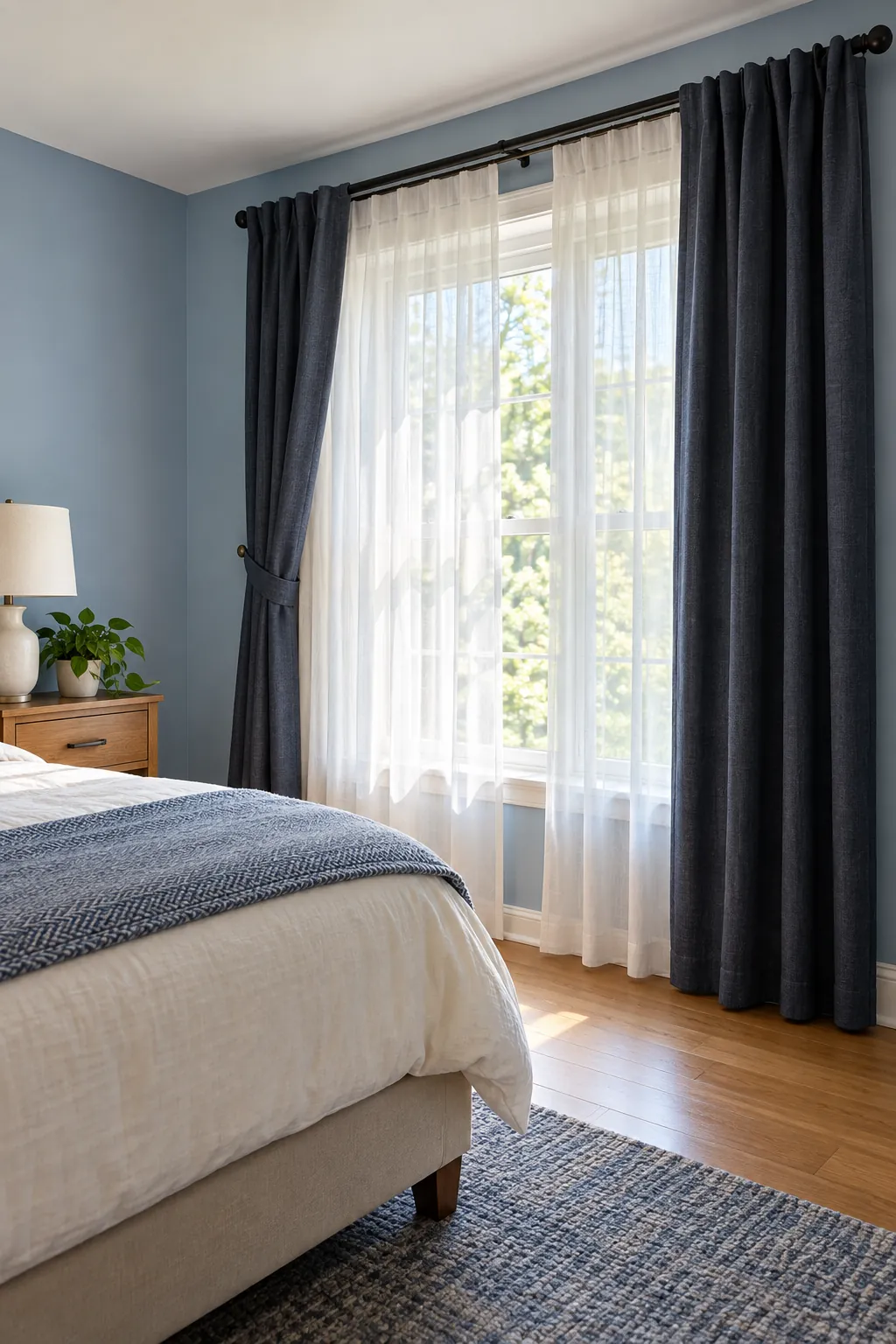
Combine a privacy layer with a darker curtain or shade when outside light interrupts sleep. Check that cords and controls are safe, obvious, and within reach. Let guests choose daylight during the day rather than fixing the room in permanent darkness.
Keep a quiet fan available
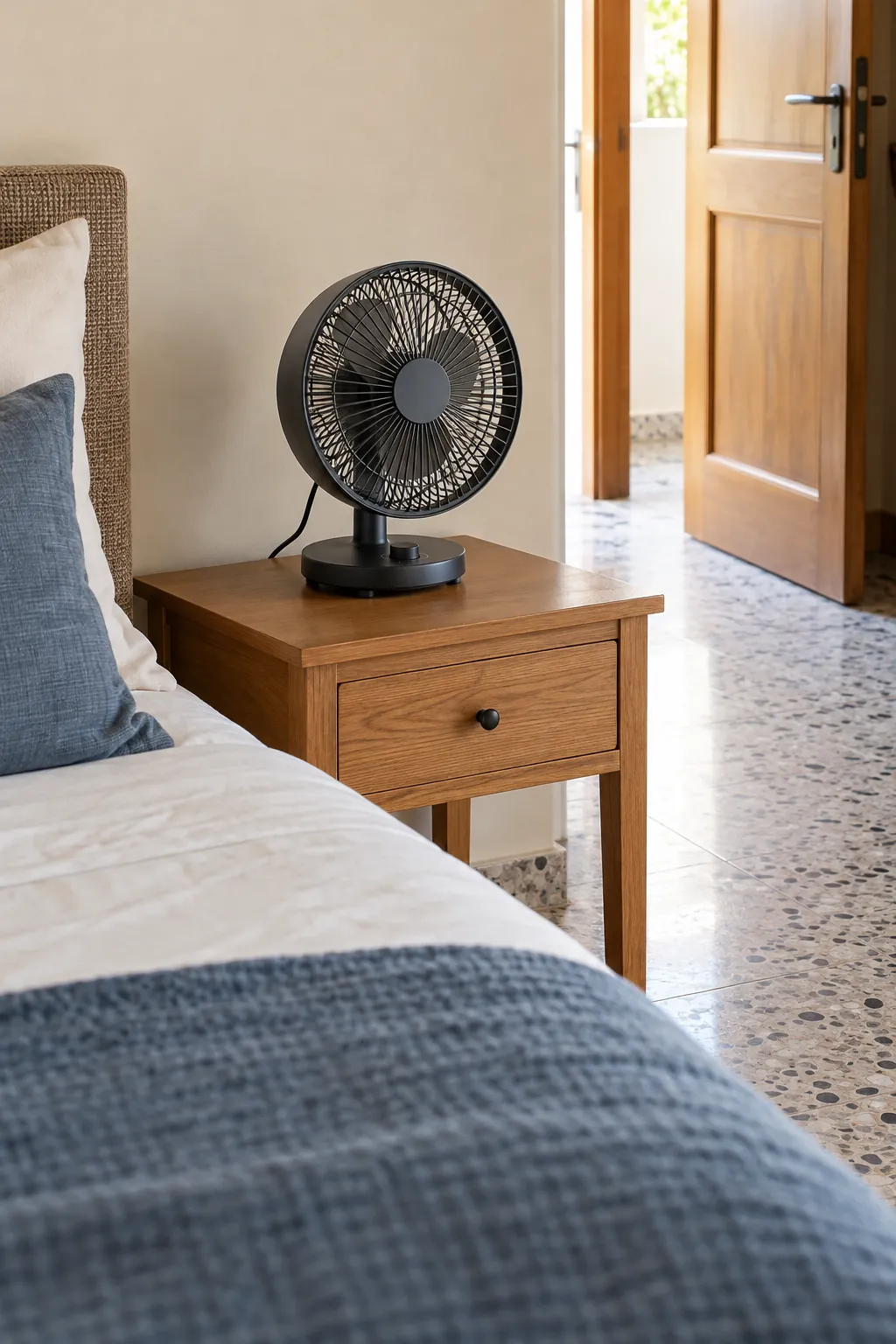
A small clean fan helps with warmth, air movement, and steady background sound. Choose stable equipment with simple controls and a cord that does not cross the floor. Clean the grille before arrival and show the guest where to store it when not needed.
Explain the temperature controls
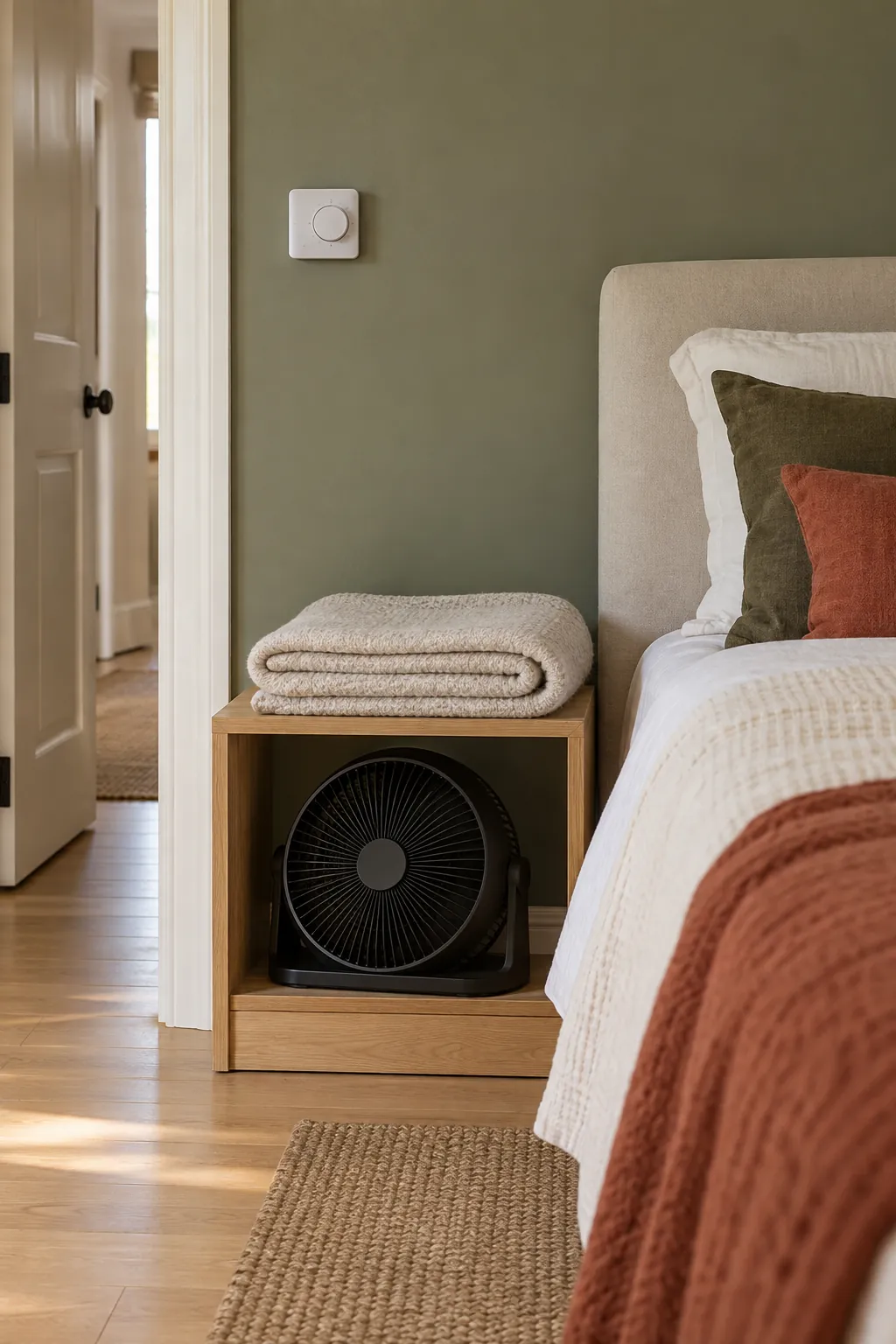
A room that runs warmer or cooler than the rest of the home needs clear guidance. Show visitors the safe controls they may use and explain any limits before bedtime. Provide an extra layer or fan so every adjustment does not require a conversation.
Give the door dependable privacy
The bedroom door should close properly and offer the level of privacy your household allows. Fix rattles or sticking through the appropriate maintenance route and discuss knocking before entering. If there is no lock, do not add unsafe hardware without permission.
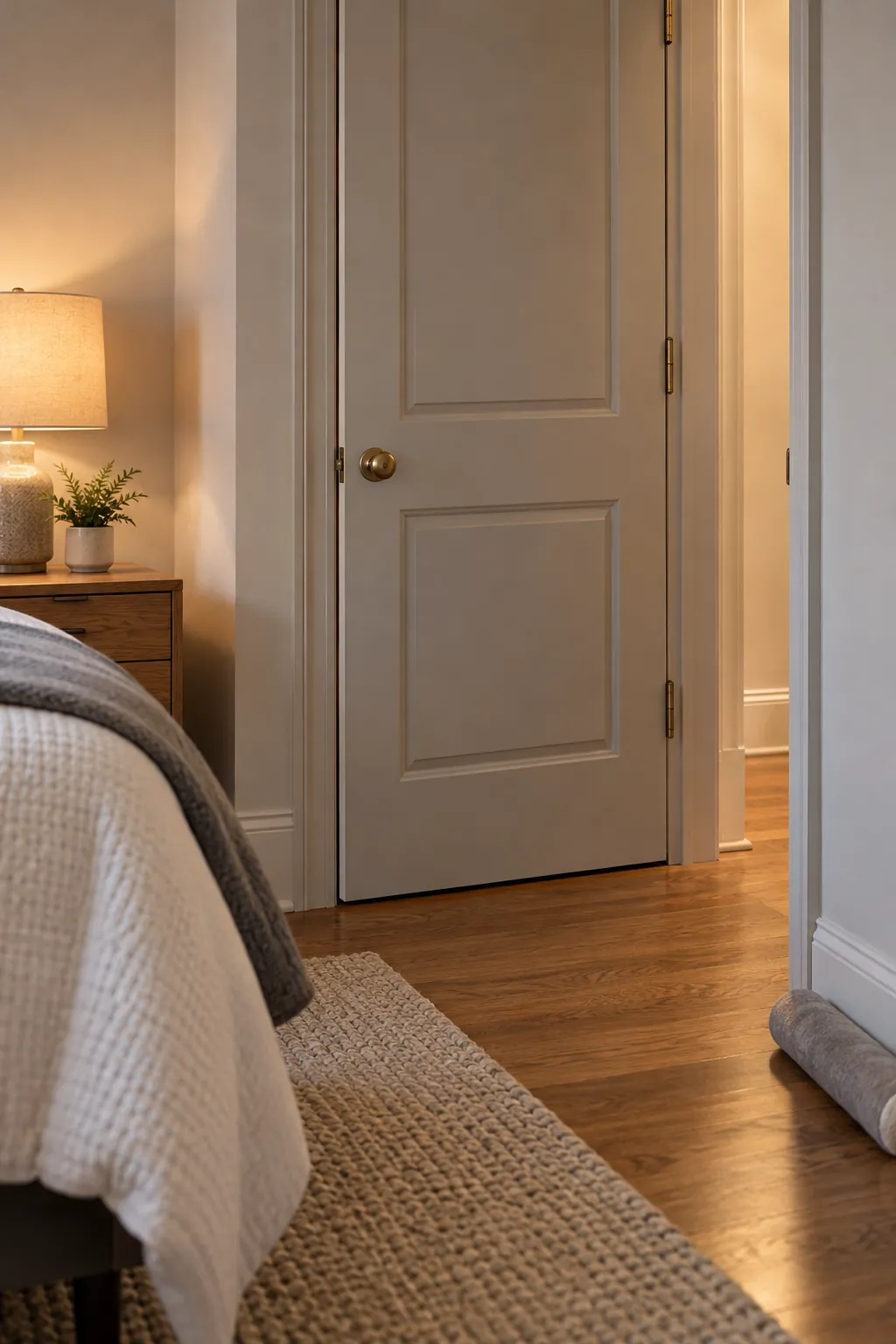
Soften echo with washable materials
Curtains, a rug, an upholstered headboard, and a fabric chair reduce the exposed sound of a sparse room. Choose materials that can be cleaned between visits and avoid heavy fragrance. The softer sound also gives a guest more comfort when taking a private call.

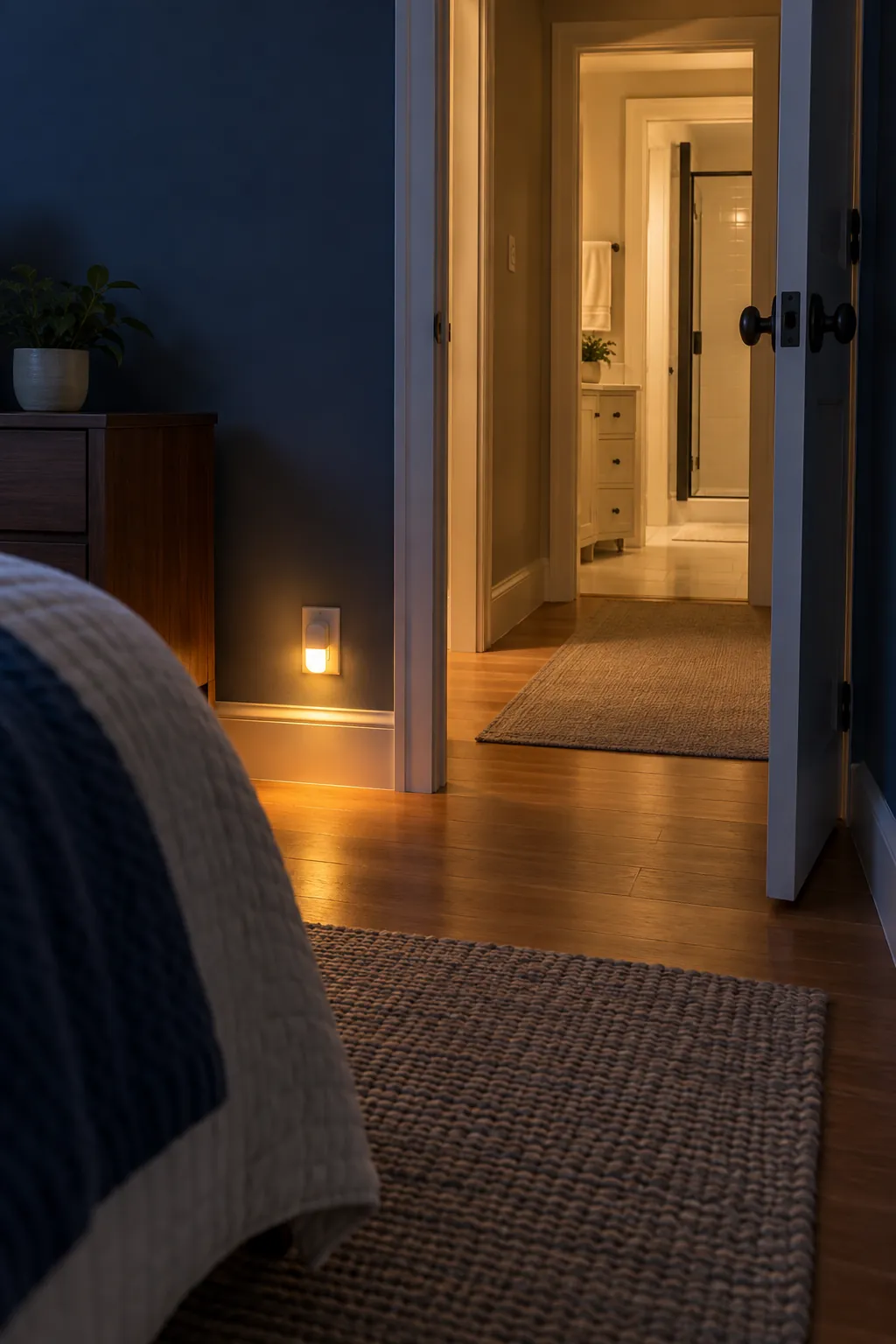
Light the route to the bathroom
A low warm night light helps visitors move through an unfamiliar home without switching on every ceiling fixture. Place it where it marks the doorway or hall without shining toward the pillow. Keep stairs and walking routes clear and explain any motion lights.
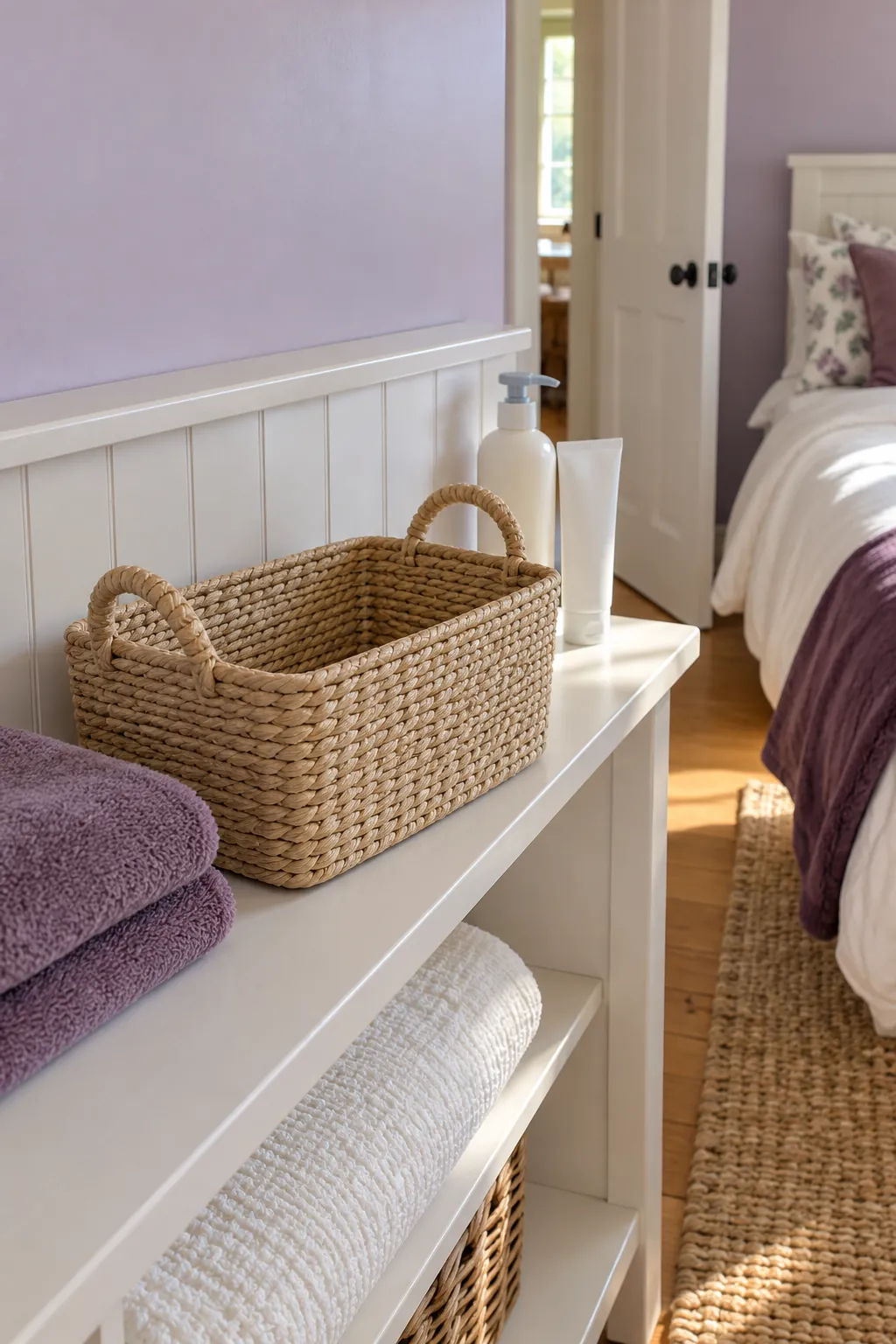
Prepare a bathroom carry basket
When the bathroom is shared, a light handled basket keeps toiletries organized and private. Leave it empty or include only basic unopened items, then show where it can be stored. Choose a washable basket that fits on a stable shelf and does not crowd the bedroom floor.
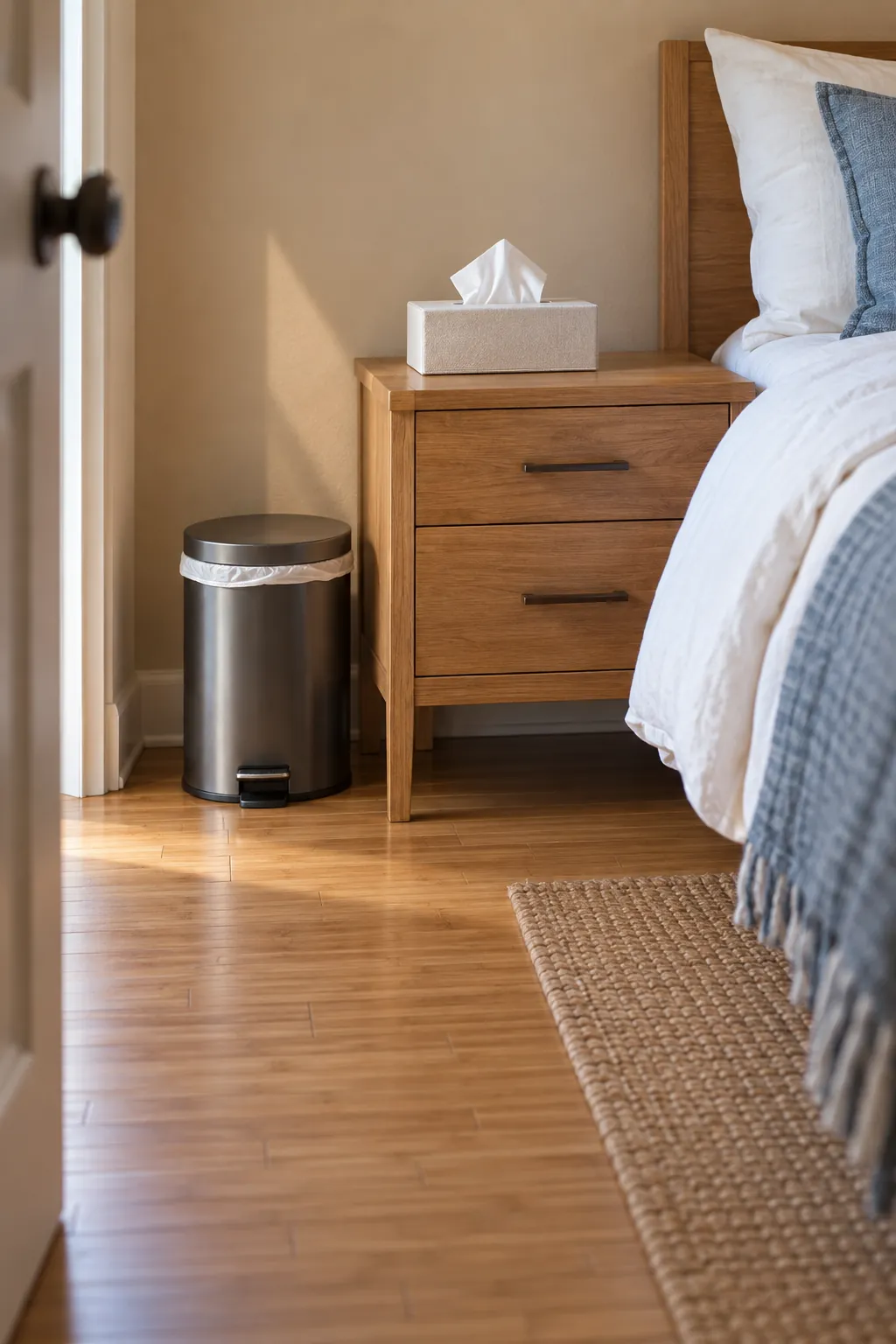
Place tissues and a lined bin nearby
A small lined bin and tissues are basic guest bedroom essentials during a longer stay. Put them where they are easy to see but not beside food or clean towels. Empty the bin with the household routine while respecting the guest’s privacy.
Post a simple household rhythm
A discreet note can explain typical breakfast time, quiet hours, laundry days, and when the bathroom is busiest. Discuss these details in person so the card supports conversation rather than replacing it. Clear expectations help long stay visitors relax and help hosts protect their routines.
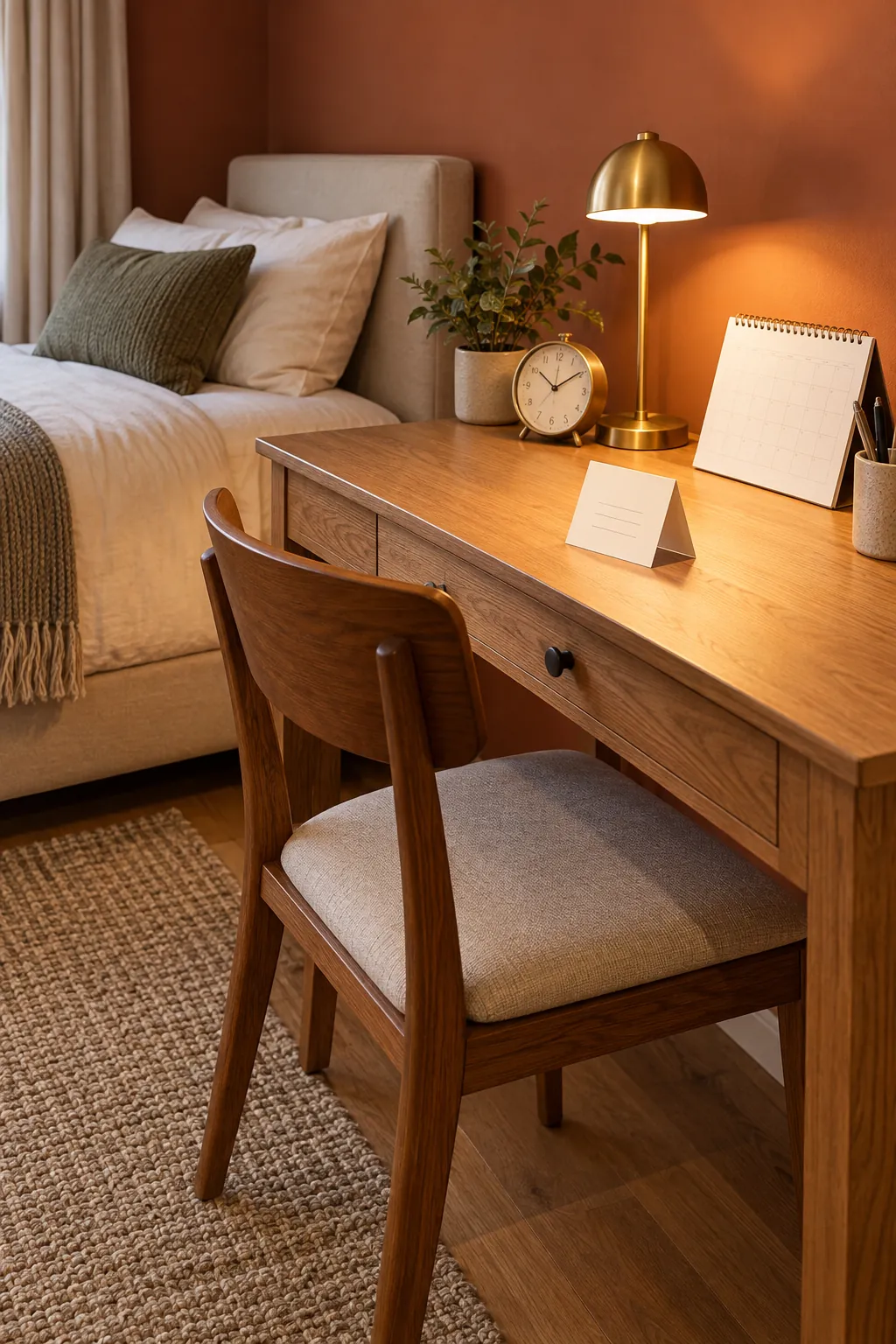
Keep one surface completely personal
An empty shelf, dresser top, or console gives a guest space to make the room feel temporarily theirs. Do not decorate it after they unpack or use it for household deliveries. That protected blank area can matter more during a long visit than another vase, candle, or framed sign.