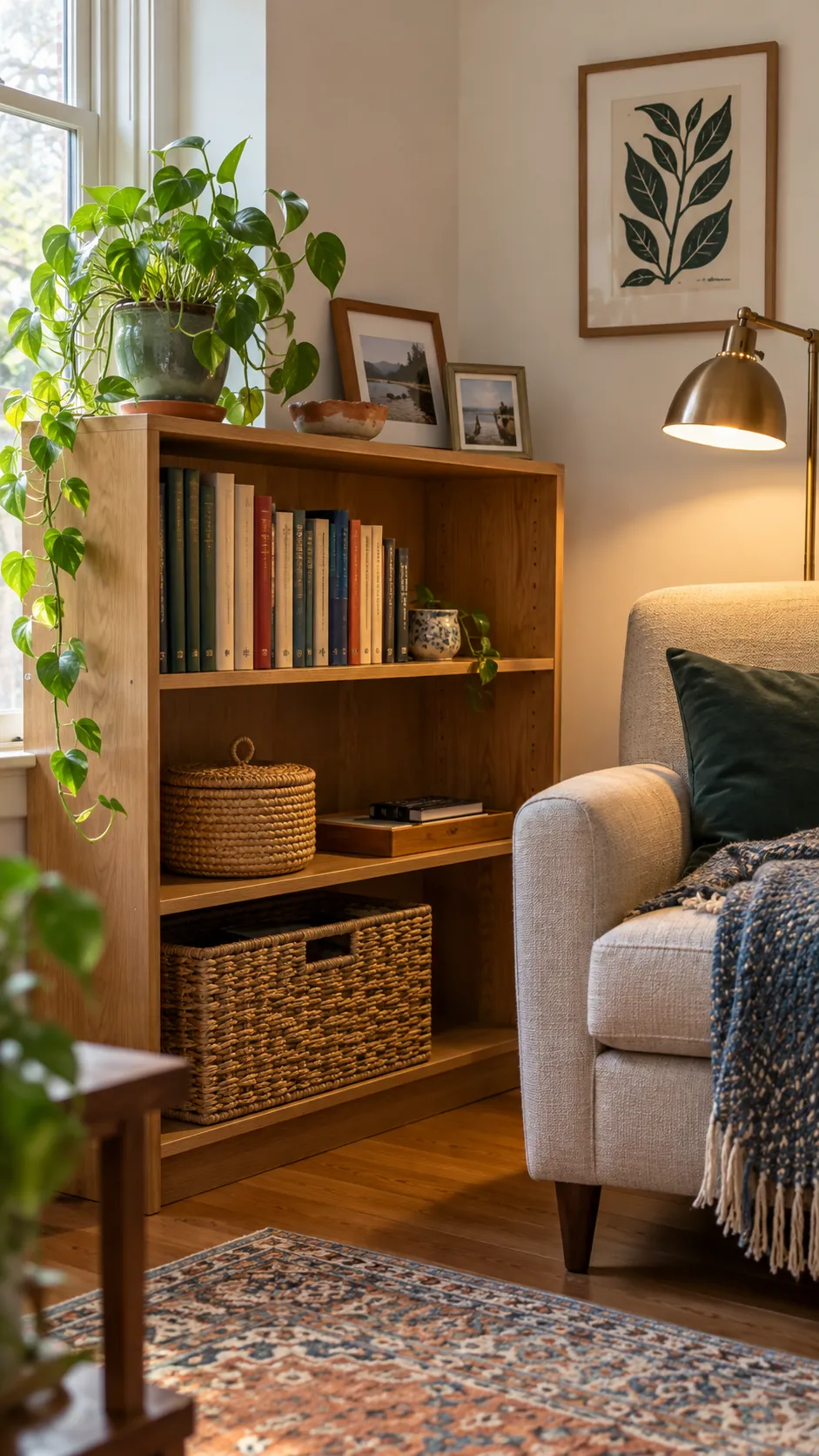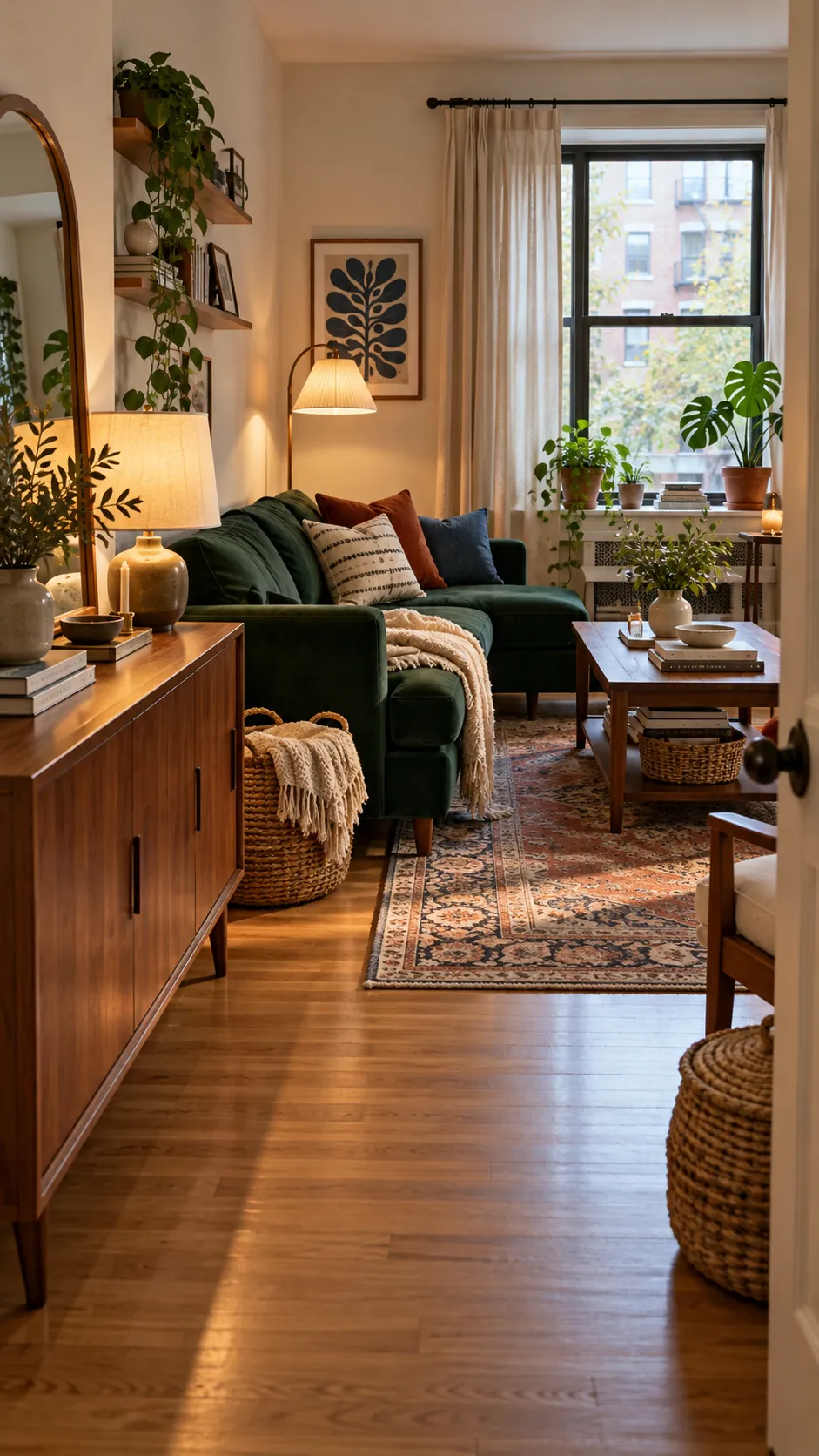
A small decorating budget works best when every purchase solves a visible problem. Random bargains can fill a room quickly, yet the space may still lack useful light, storage, or a comfortable place to sit. Decide what the room must do, keep what already works, and spend in an order that makes each later choice easier.
Set a room budget by function
List the tasks the room must support, then name the one missing item that affects each task. A lamp may matter more than wall decor if reading feels difficult. A narrow cabinet may improve daily life more than several small accessories.
Divide the money into essentials, useful improvements, and finishing details. Keep part of the total unspent until the main furniture is in place. This pause prevents a cheap purchase from becoming expensive when it must be replaced or stored later.
Improve the largest useful pieces first
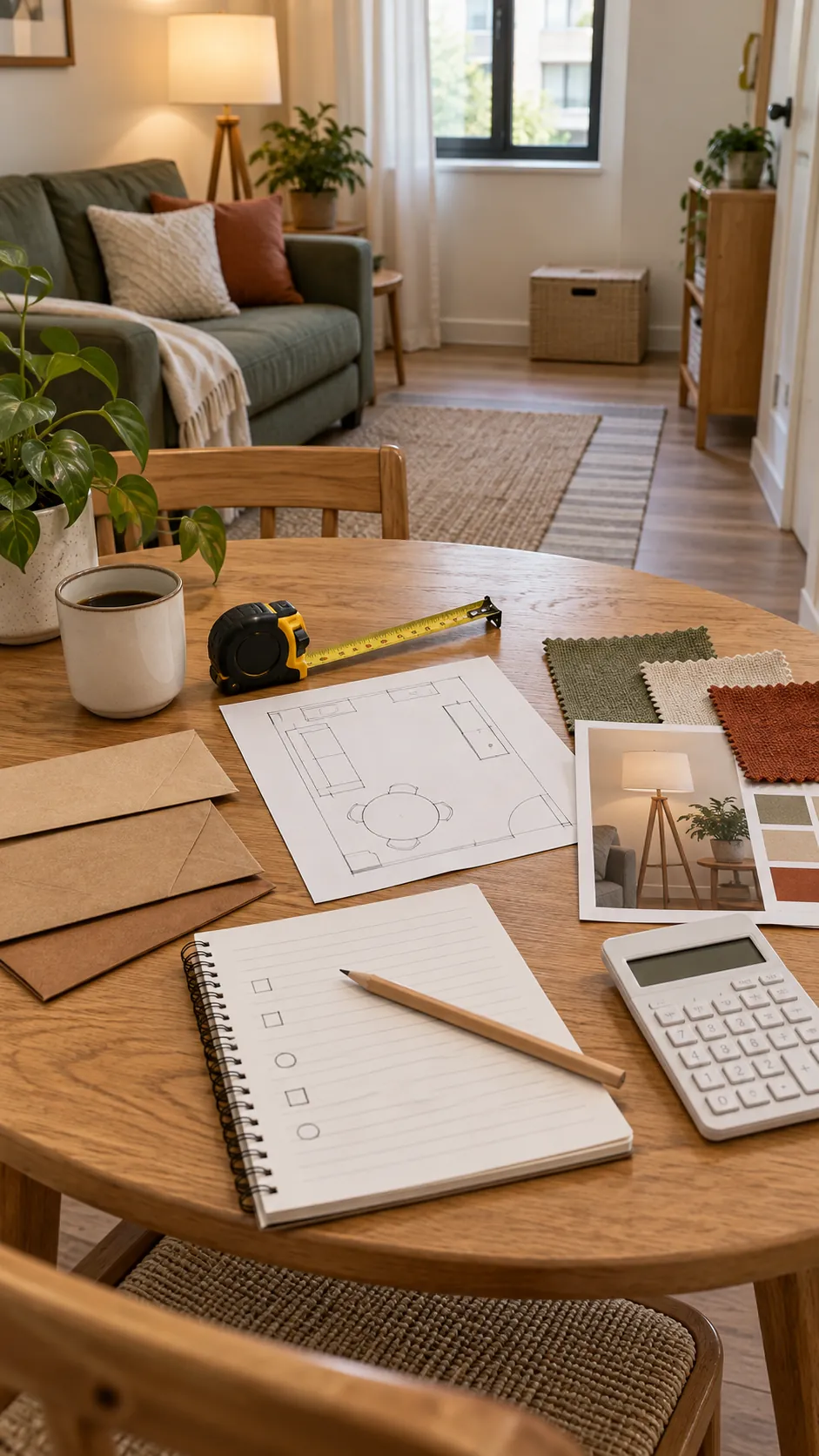
Keep a good sofa, bed, table, or storage unit even when its finish does not match the final plan. A washable cover, new hardware, or careful rearrangement can change how it reads without replacing it. Spend more on items that carry weight, support the body, or receive daily use.
Measure before bringing in another piece. Budget small space decor should leave room to move and clean. One useful cabinet with doors can replace several cheap open shelves, while a stool can serve as seating, a plant stand, or a side table.
Thrift solid hard furniture and decor
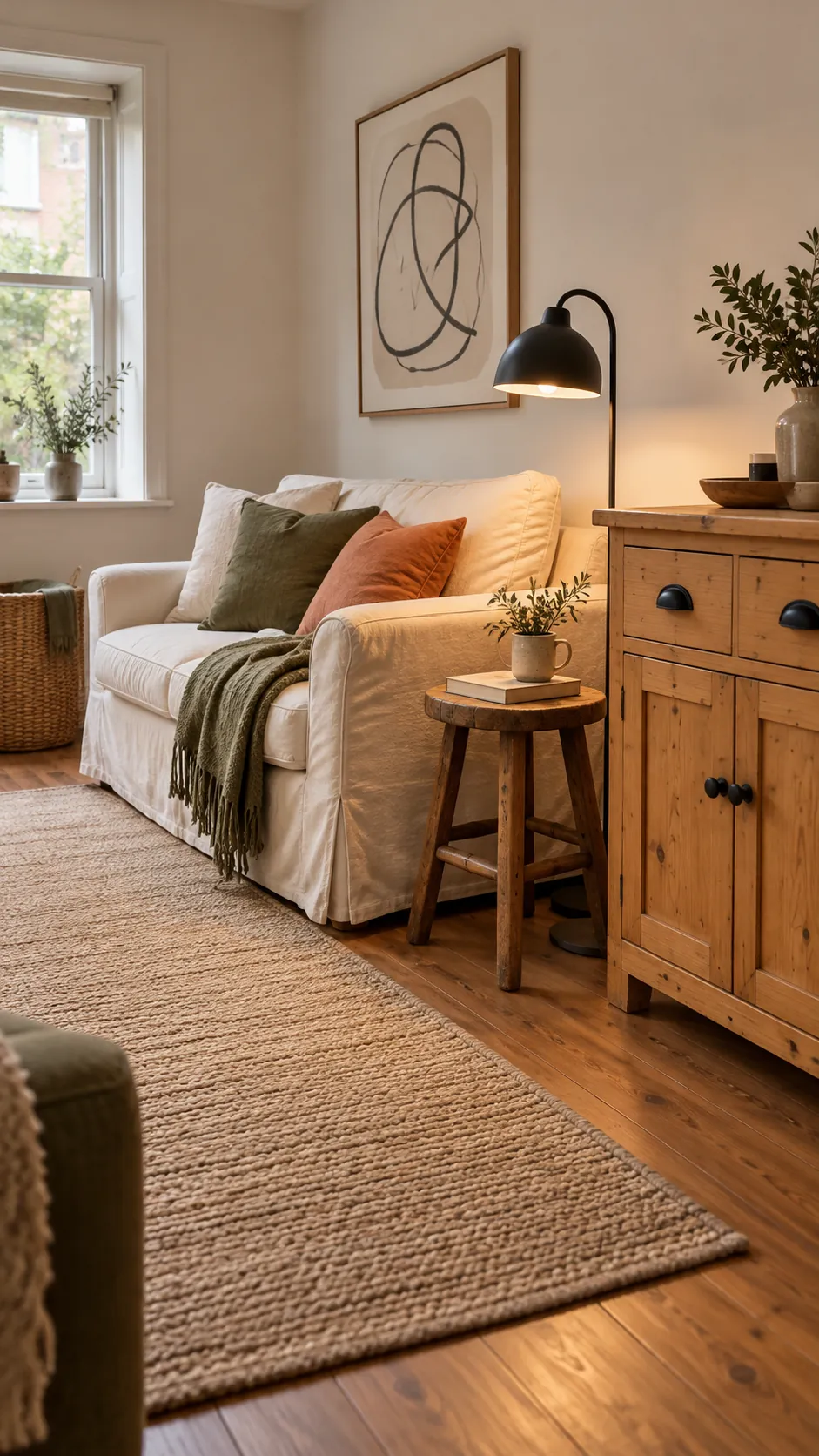
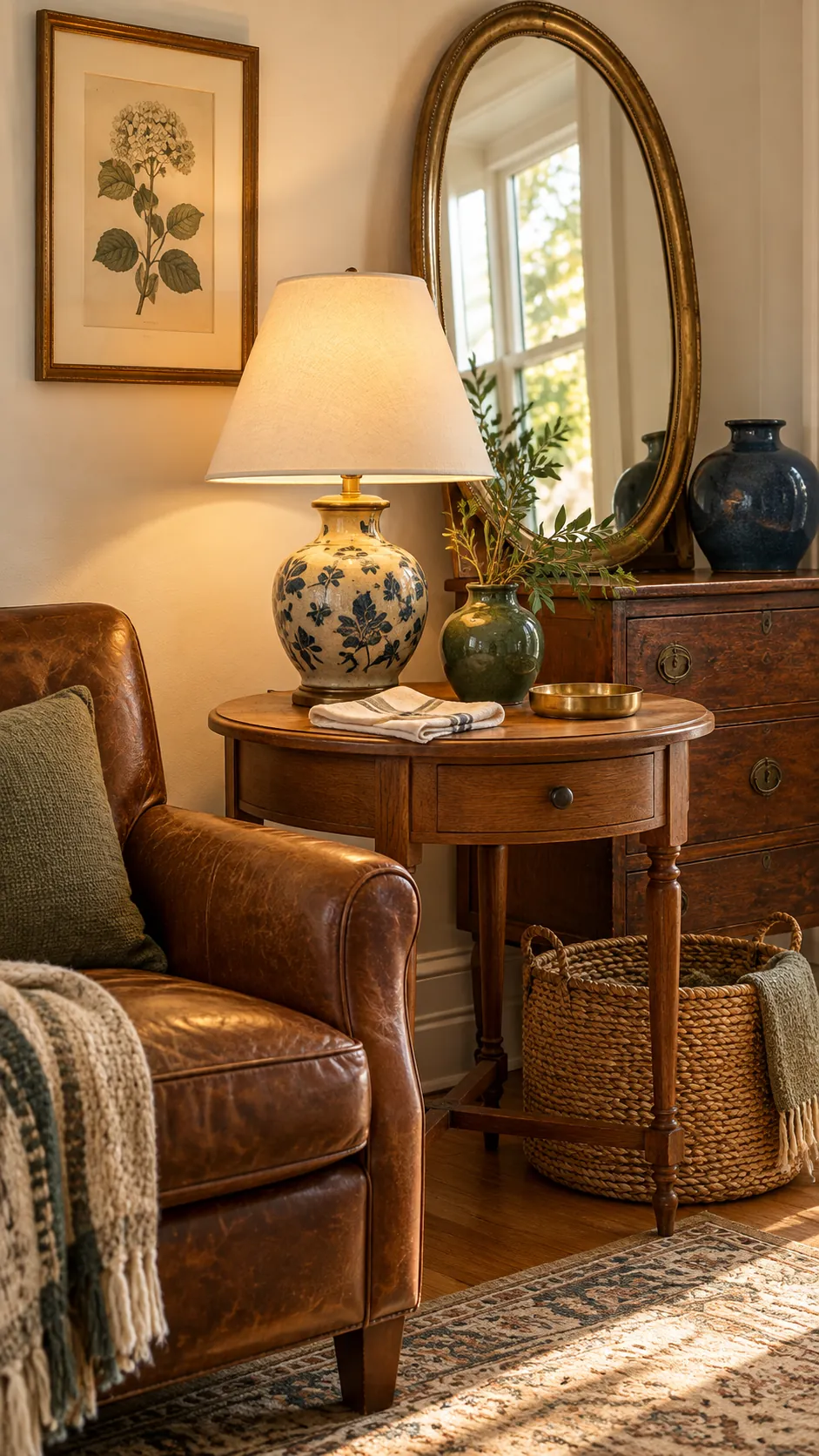
Thrifted home decor is most useful when the material can be cleaned and inspected. Look for solid wood tables, mirrors, lamps, frames, baskets, and ceramics. Check joints, drawers, odors, cracks, and electrical parts before paying.
Skip a bargain that needs tools, transport, or repairs beyond your plan. Repeated wood tones or one paint color can make unrelated finds feel connected. Buy upholstered secondhand pieces only when their condition, source, and cleaning needs are clear.
Use light and textiles for the biggest mood change
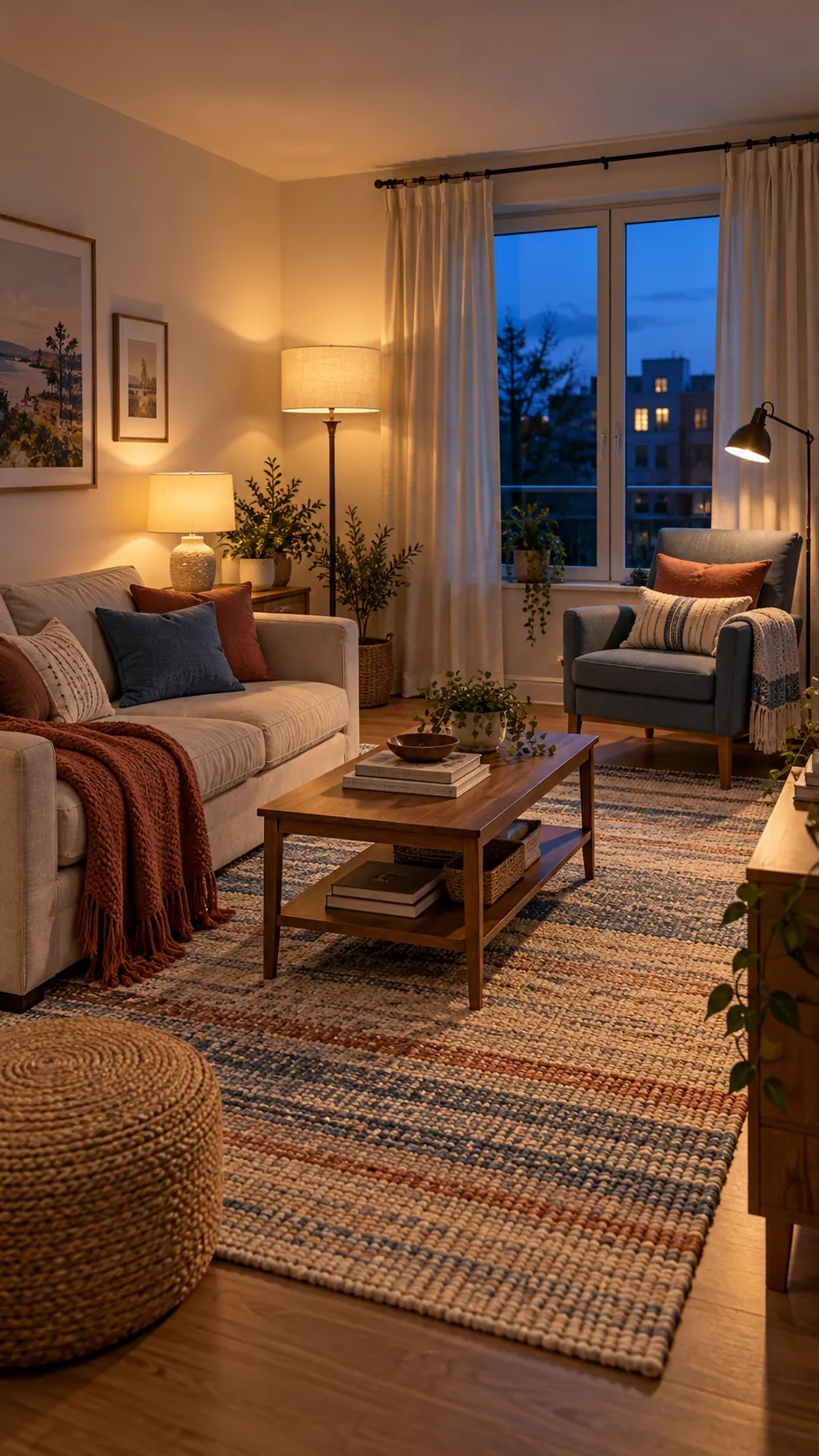
Layer one general light with a task lamp and a smaller warm lamp. This gives a cozy room on a budget more depth than one bright ceiling fixture. Reuse compatible lamp bases and replace only unsafe or damaged parts.
Curtains, a rug, cushion covers, and a throw carry more color and texture than many small objects. Choose washable materials and repeat two or three tones already present in the room. A larger simple rug often makes the space feel calmer than several tiny mats.
Make renter friendly walls feel intentional
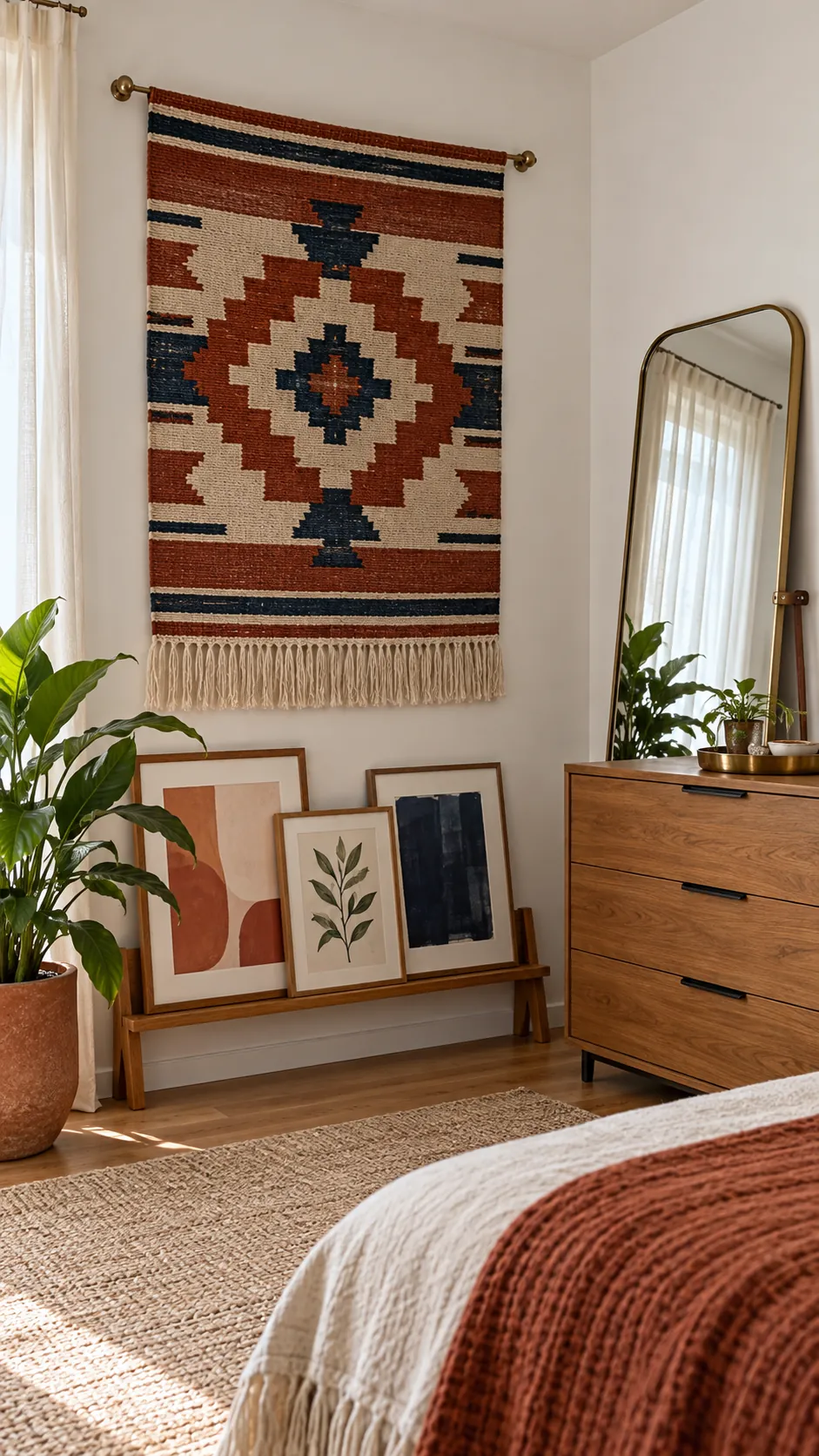
Affordable wall decor can come from one large textile, a thrifted mirror, or a focused group of frames you already own. Plan the full arrangement on the floor before attaching anything. Follow the lease and use only hardware that suits the wall material and the object’s weight.
When paint and wall mounting are not allowed, lean a secured mirror on a stable surface, use a freestanding screen, or hang curtains from an approved tension system. Avoid adhesive products on delicate paint unless the maker and landlord confirm that the surface is suitable.
Finish with useful personal details
Use books, photographs, plants, and handmade objects that already have meaning. Group a few pieces on one tray or shelf and leave open space around them. Cheap storage solutions are successful only when they fit the items used in that exact location.
A DIY small room makeover does not need to happen in one weekend. Live with each change, photograph the room, and note what still feels difficult. Add the next item only when it improves a function or completes a clear visual relationship.