A beautiful pot earns its place when you can water the plant, lift the container and protect the surface underneath it. Start with those everyday tasks, then choose the shape and finish that suit your space. Handmade details feel more convincing when they belong to a useful vessel.
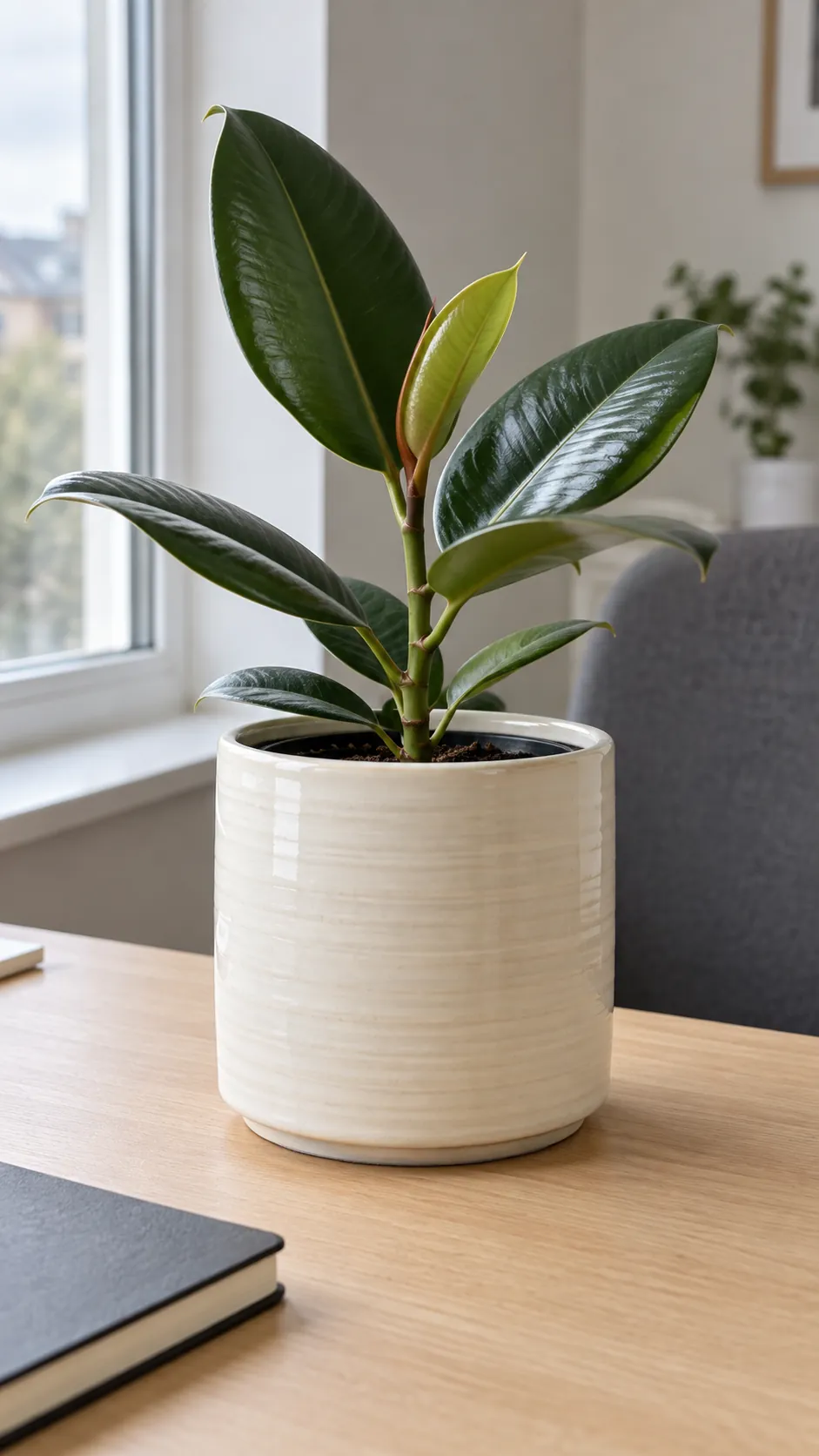
Simple wheel thrown cylinder
A straight cylinder is a useful starting point when you want the plant to carry most of the visual weight. Choose an inside diameter that leaves room to remove the nursery container, and check that the opening does not narrow unexpectedly below the rim. Subtle throwing rings add character without making the pot hard to wipe.
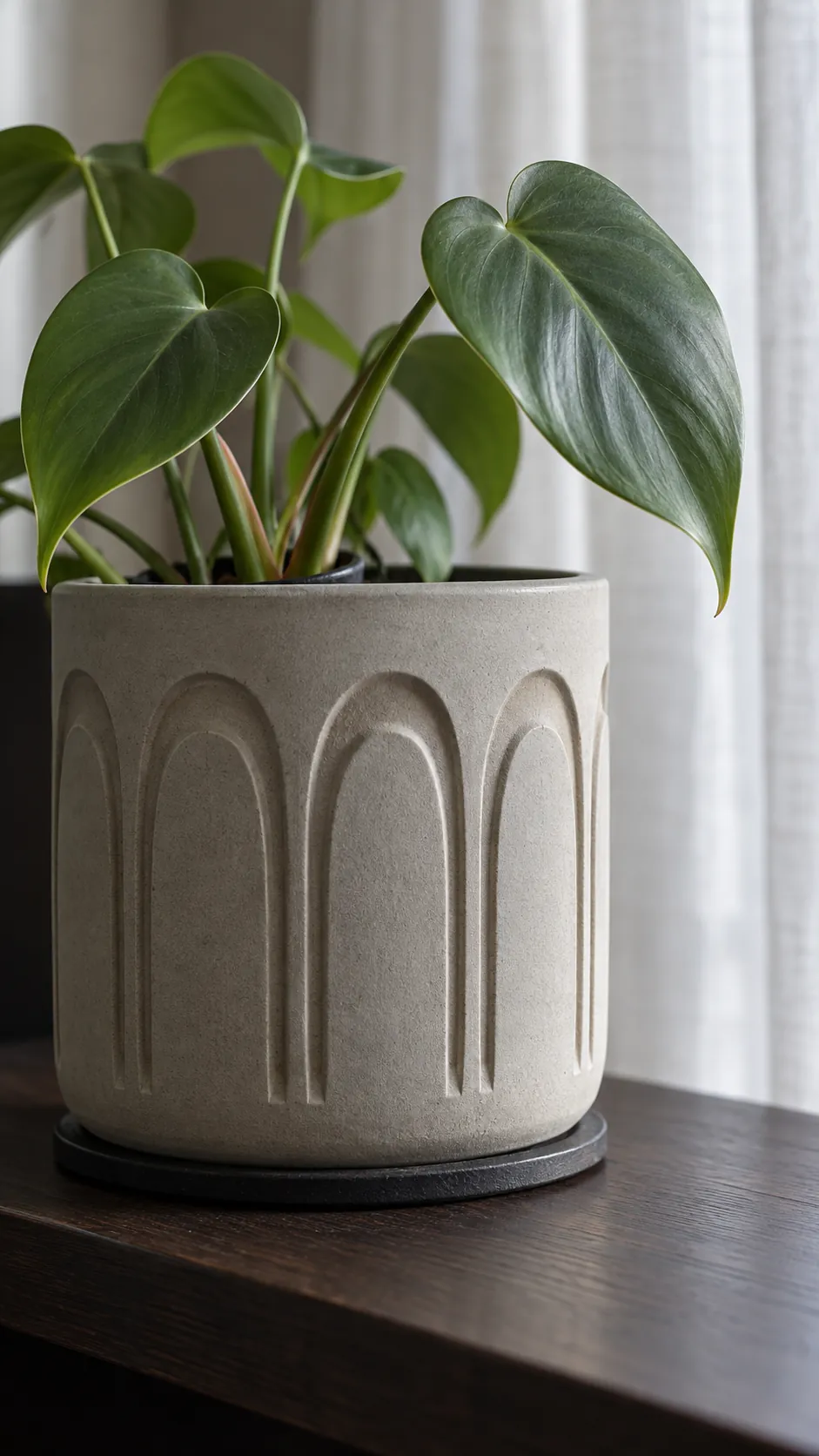
Carved arch stoneware
Shallow arches around a stoneware pot create a strong rhythm in side light. Keep the carving on the exterior so the inner surface stays easy to clean. A plain plant with broad leaves lets the carved pattern remain visible. When making this design, avoid cutting so deeply that the wall becomes weak.
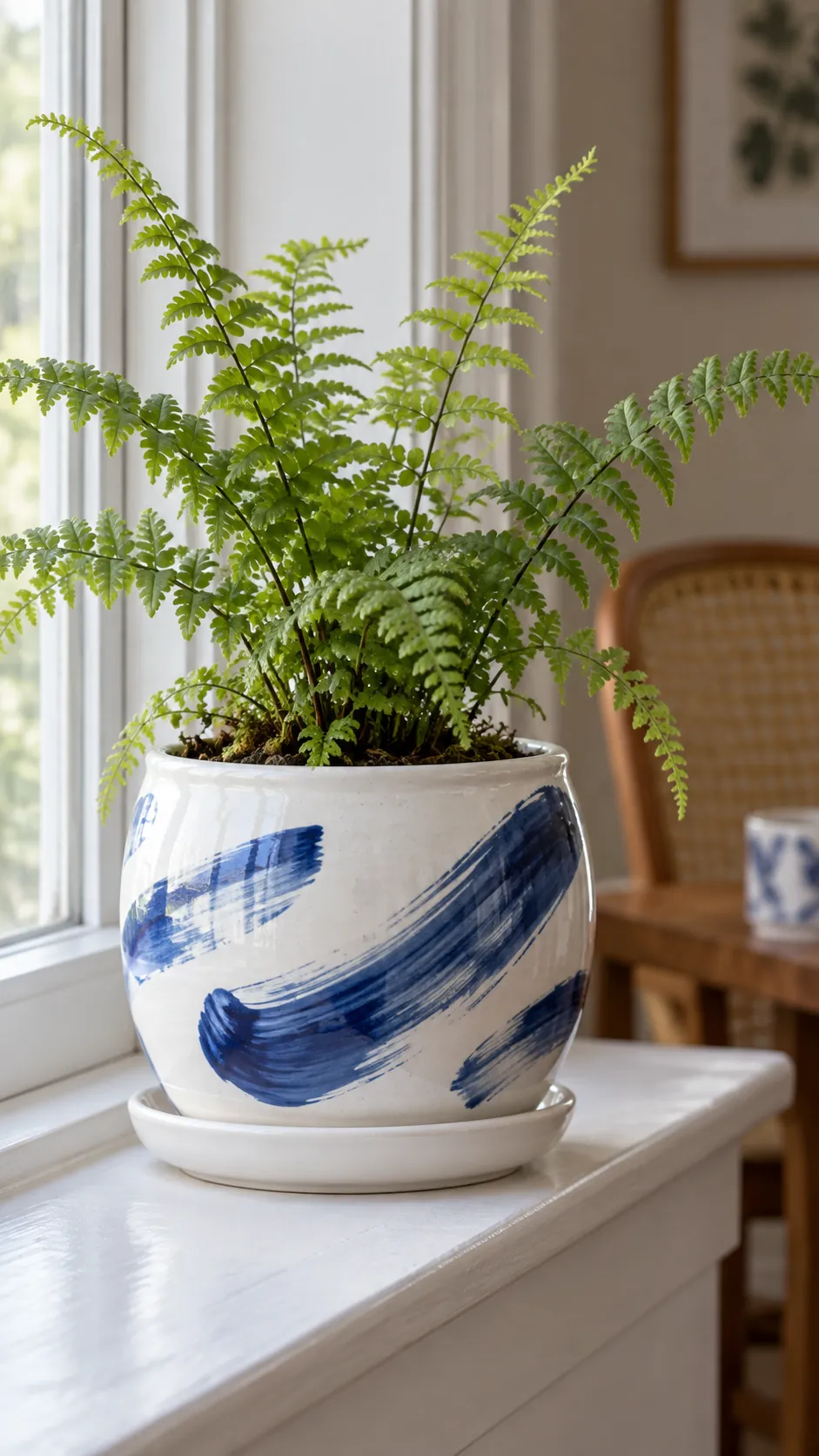
Blue brushwork on white glaze
Loose blue strokes can make a plain white vessel feel individual without requiring a complicated silhouette. Try a few broad marks with open space between them rather than covering every surface. A test tile helps a pottery maker check whether the pigment moves under the chosen glaze. The effect pairs well with fresh green foliage and a simple white saucer. Keep any painted craft finish suited to its intended contact with moisture.
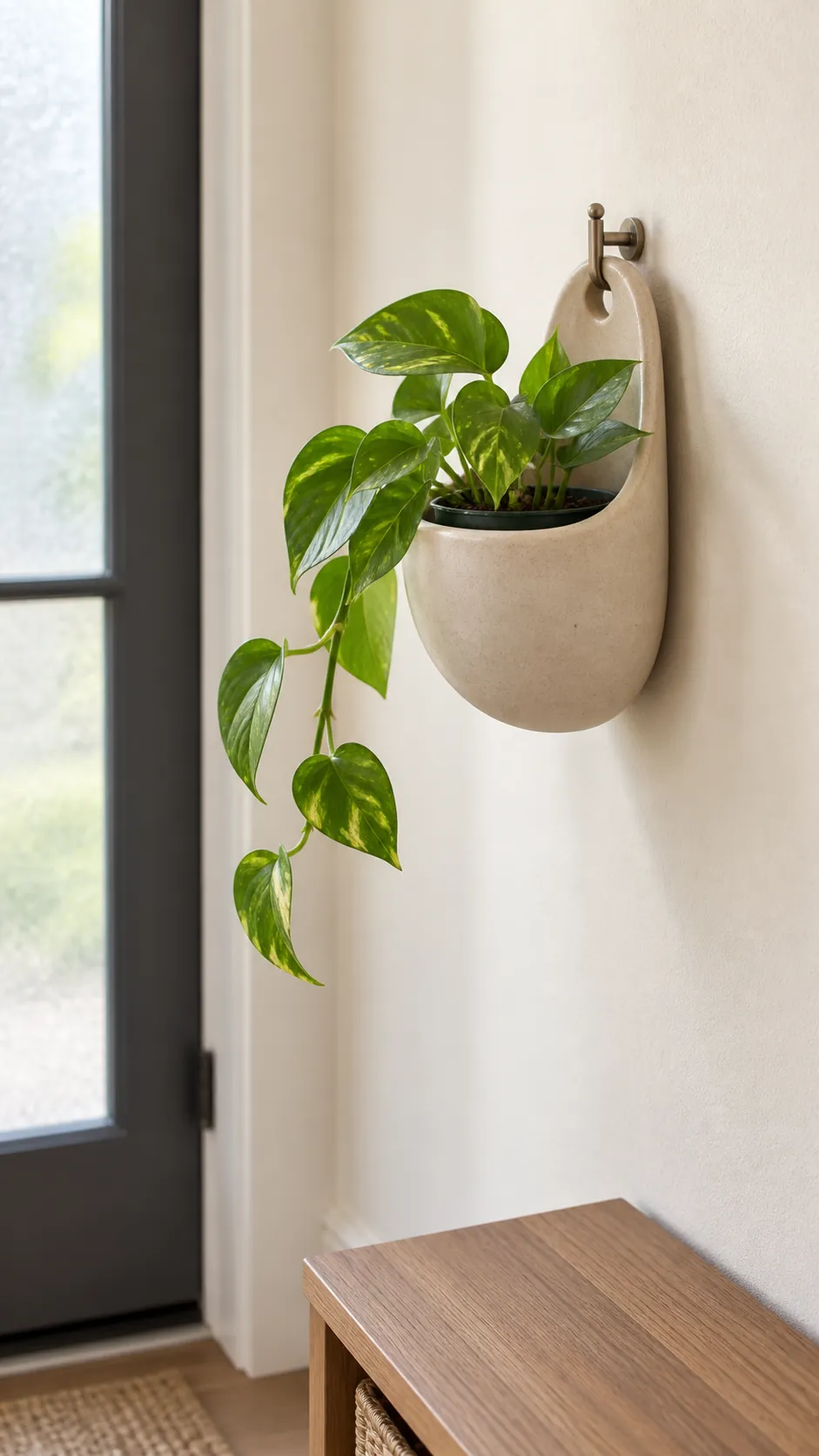
Ceramic hanging pocket
A shallow wall pocket puts foliage at eye level where floor space is limited. Use a removable inner container so you can water away from the wall. The mounting hardware must suit the wall material and the full wet weight of the planted piece.
Choose a pocket with enough opening space to reach the inner pot comfortably. Short trailing growth is easier to manage than a heavy tangle over the mounting point. Leave a small air gap behind the piece if its design and mounting system allow it.
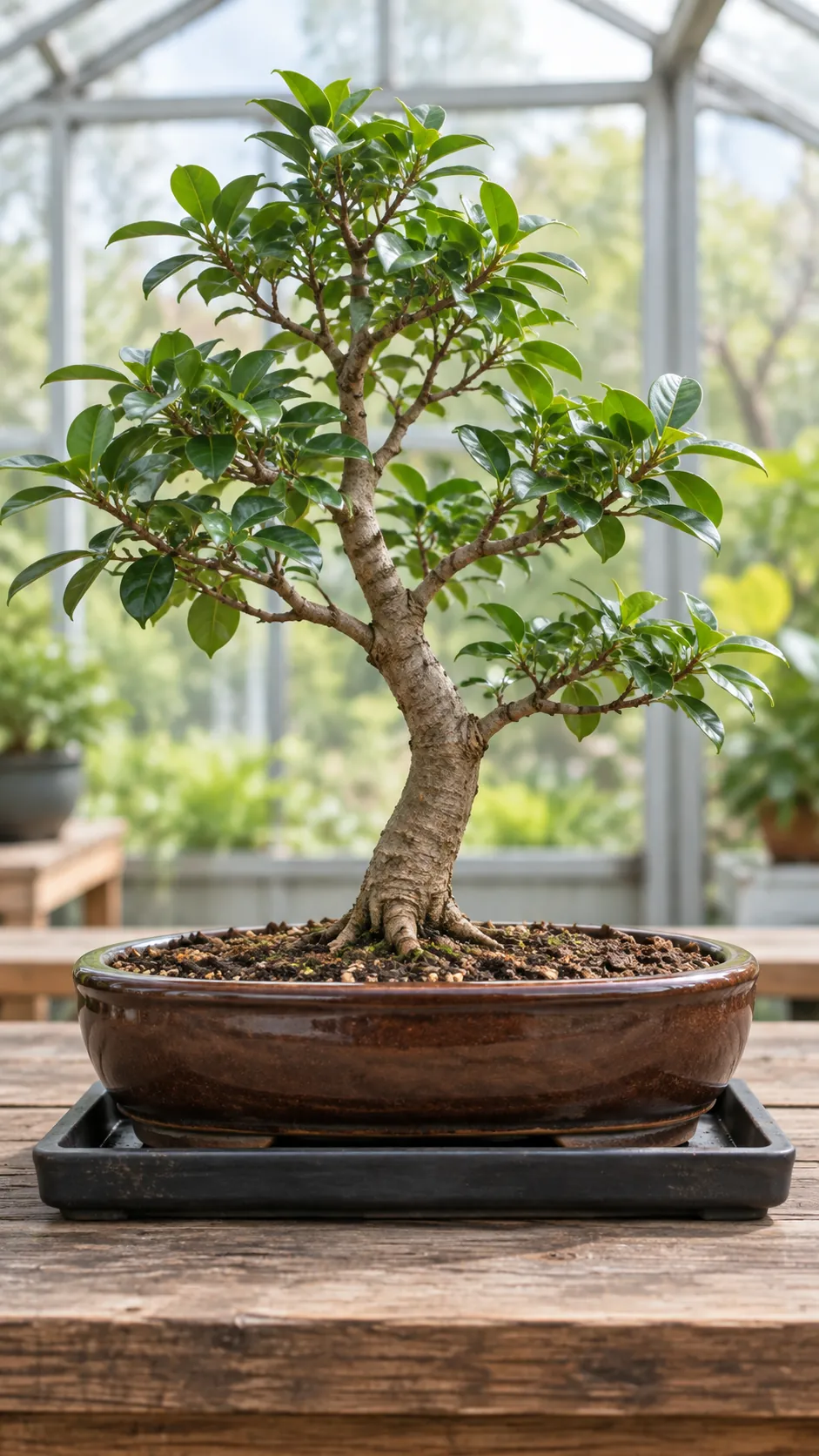
Oval pot for a compact tree
An oval ceramic pot gives a small trained tree a calmer base than a tall cylinder. Match depth and drainage to the tree and its root care needs rather than selecting a shallow bowl for appearance alone. Keep the lip simple so the trunk and branching remain the focal point.
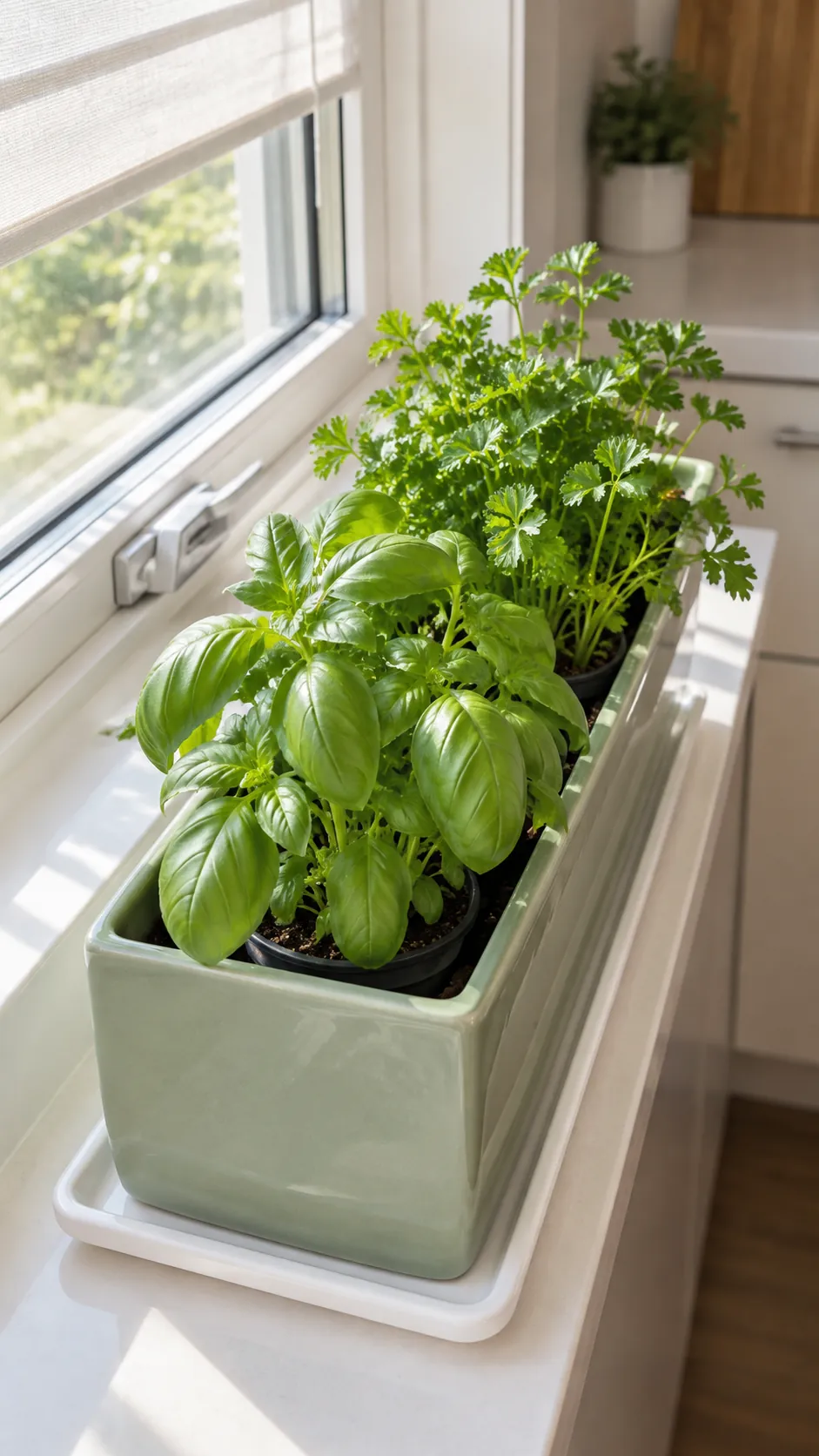
Window herb trough
A rectangular trough can bring order to several small herbs on a broad sill. Separate nursery pots inside the outer vessel let you replace one plant and adjust its watering independently. Check that the trough can be lifted safely when full. Use a waterproof tray and keep the arrangement clear of the window mechanism.
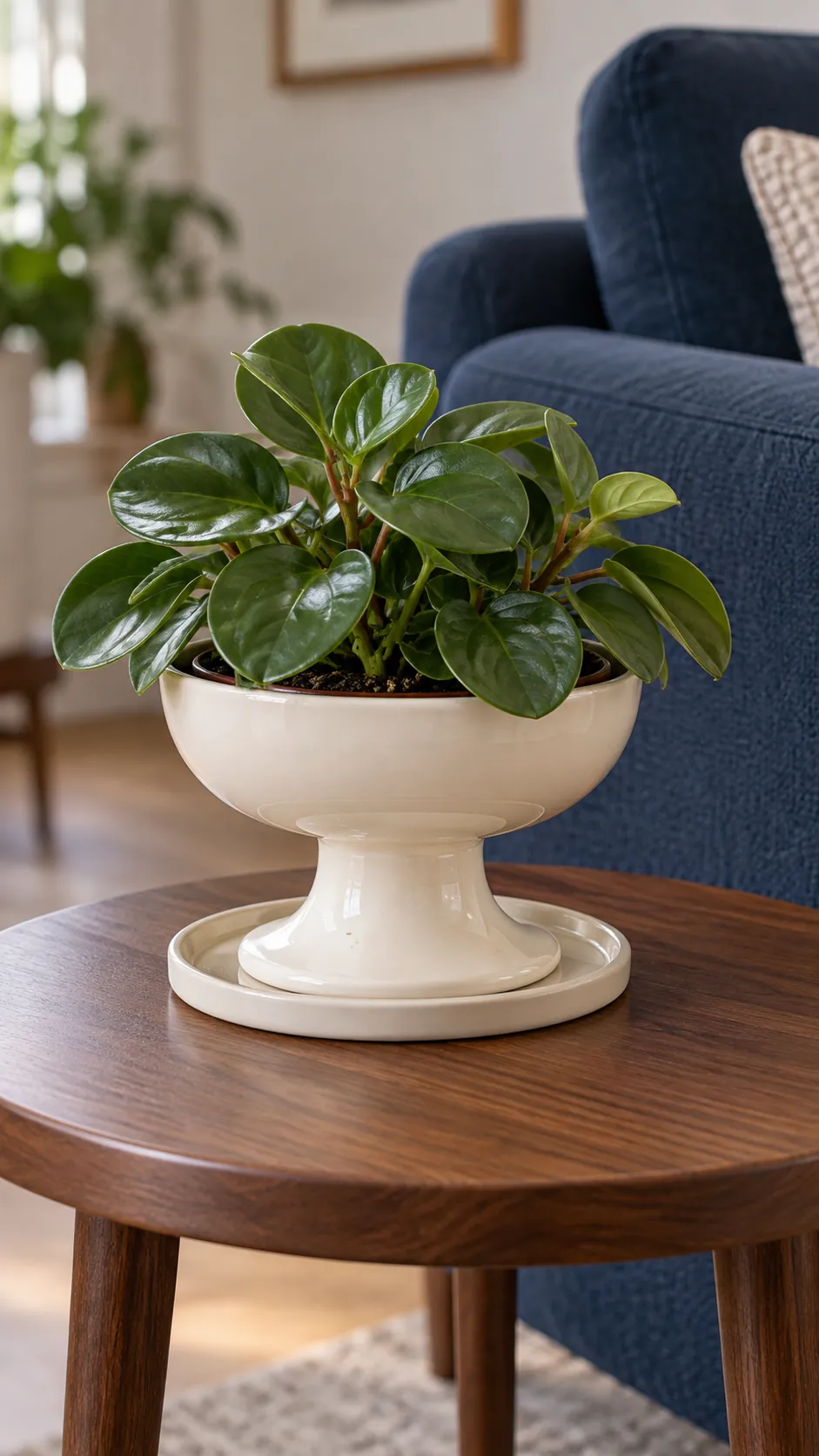
Low pedestal planter
A short pedestal adds height without needing another plant stand. Choose a broad foot that can carry the weight of the plant and wet mix securely. The pedestal should remain low enough that you can inspect the soil without lifting the entire piece. A separate catch tray is still necessary if the vessel drains through its base. Keep tall, leaning growth out of a narrow pedestal shape.
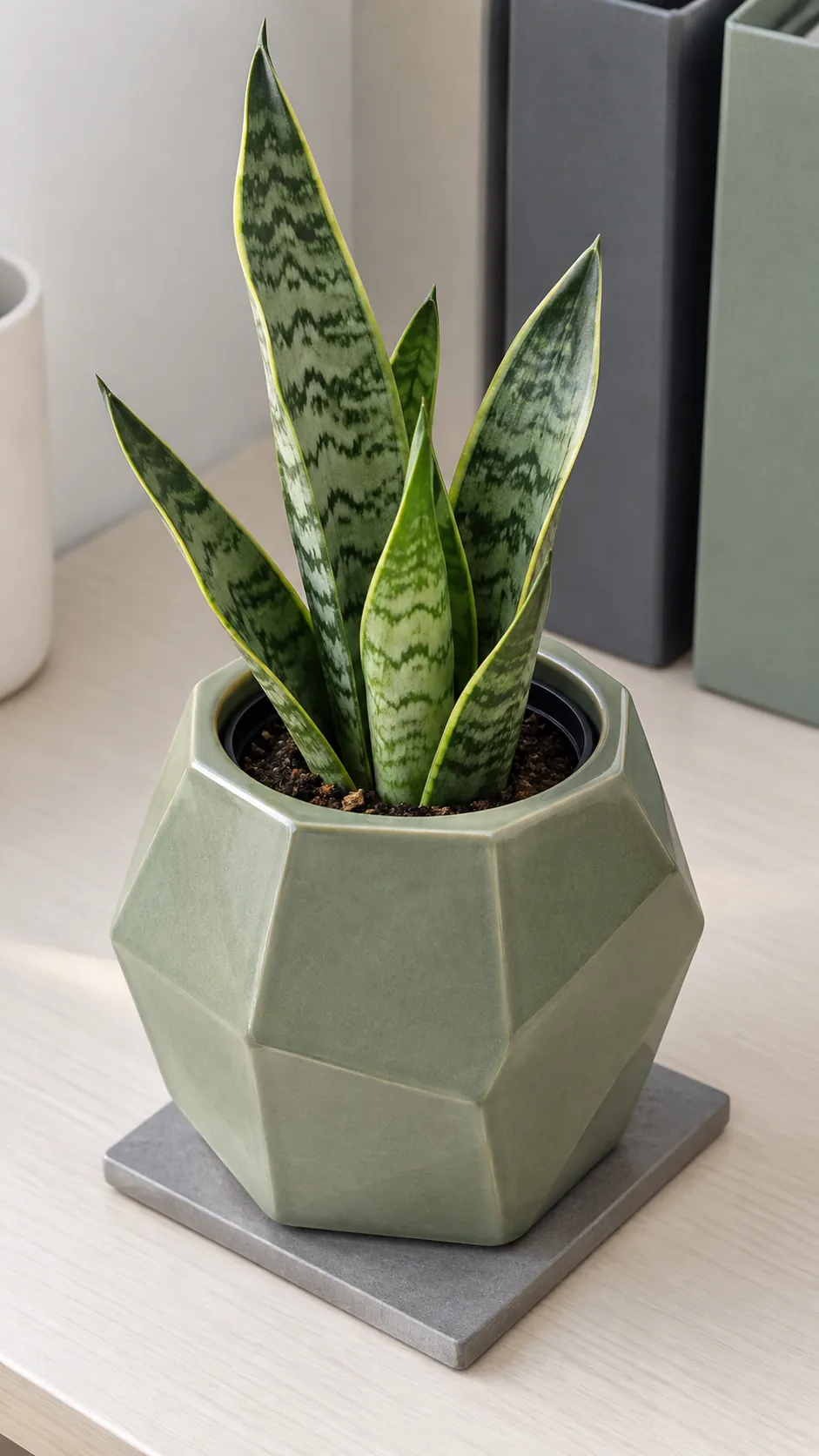
Faceted geometric pot
Flat facets change character as daylight moves across the room. A quiet single glaze makes the geometry easier to read than several competing colors. Check the inside cavity because a dramatic angular exterior can conceal a small round planting space.
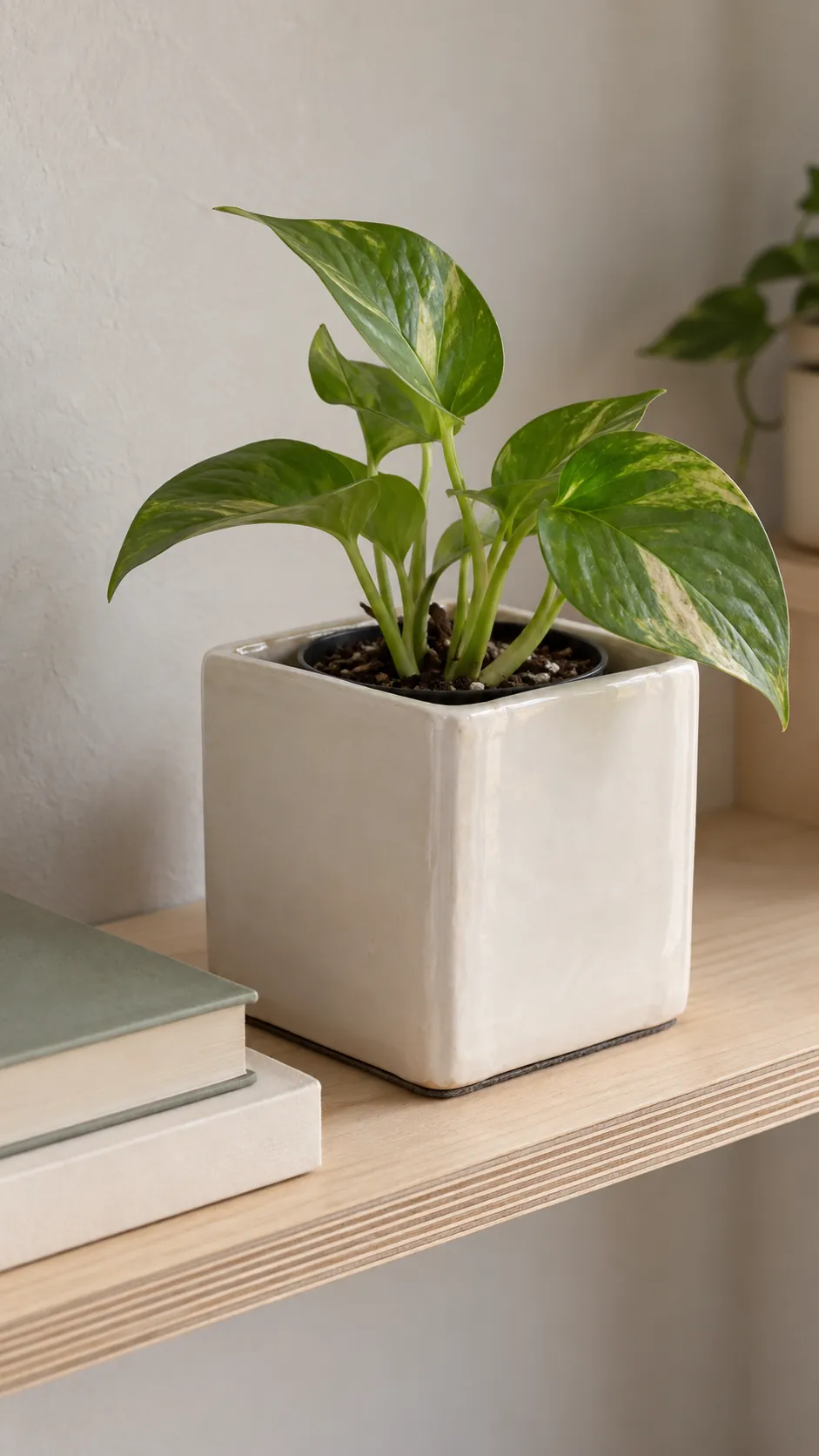
Slab built square planter
A square planter gives a small shelf a clean edge and works well beside books. For handmade work, strong joins and even drying matter more than perfectly sharp corners. Slightly softened edges are more comfortable to handle. Fit an inner pot before committing to the final opening size.
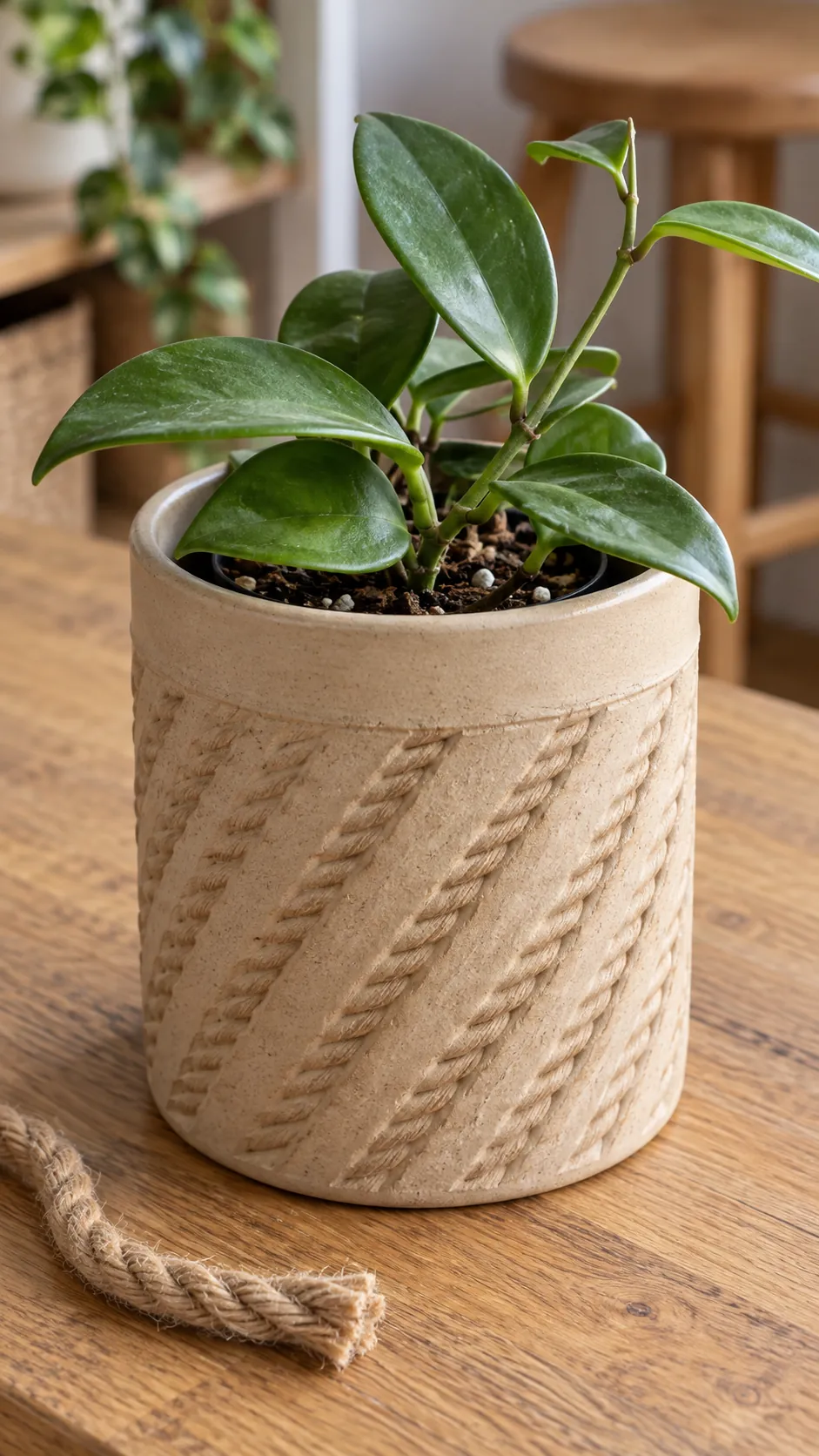
Rope impressed clay surface
A rope impression creates a tactile pattern without adding fragile pieces to the pot. Pressing too deeply can thin the wall, so test the depth on spare clay first. Keep the pattern away from the upper lip if you want a smooth place to hold the vessel.
A restrained glaze can reveal the impression through subtle pooling. Wipe the finished grooves with a soft brush when dust gathers. This approach suits pottery pot ideas where texture provides the decoration and the overall form stays simple.
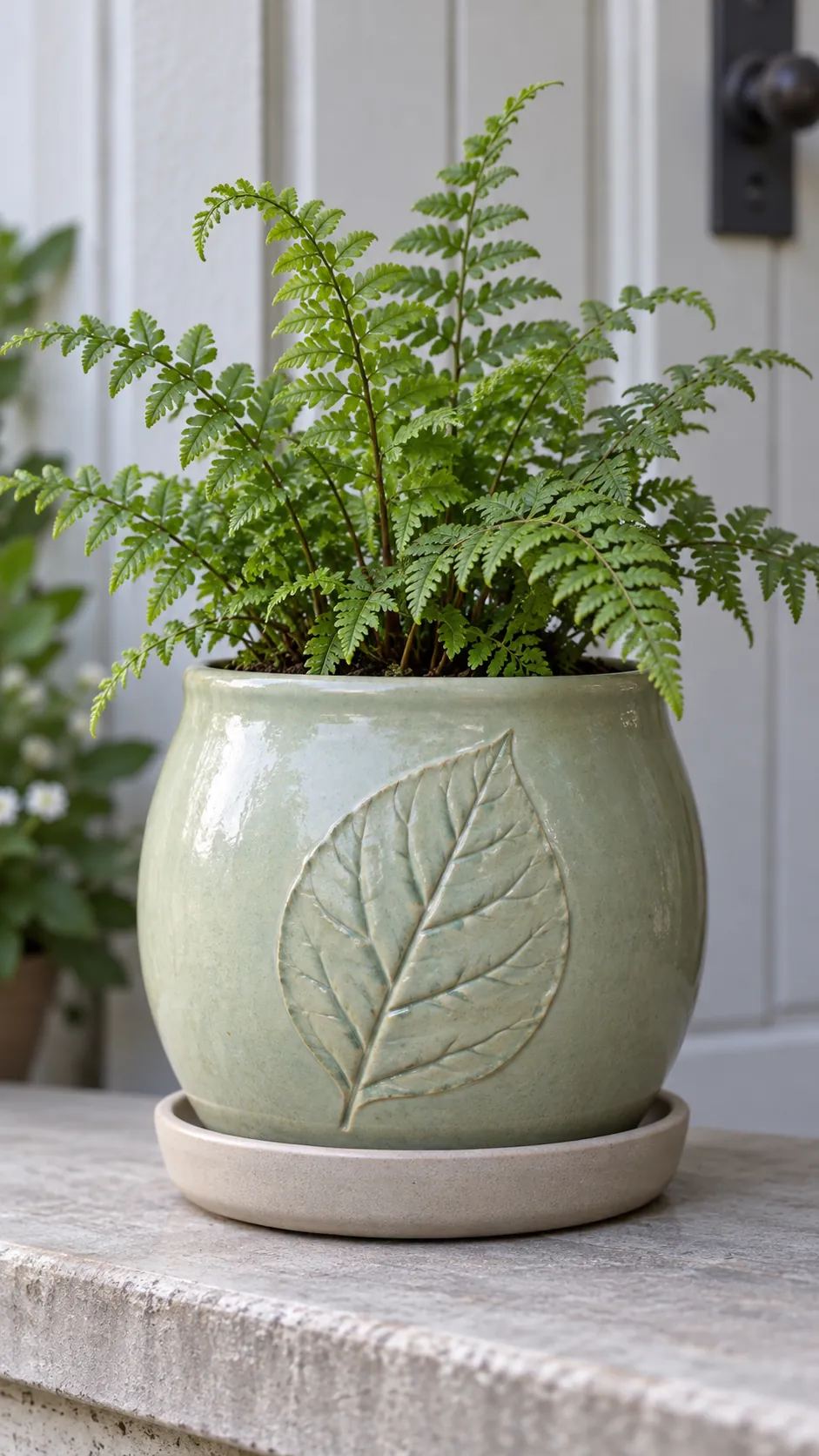
Pressed leaf relief
A single leaf impression gives garden ceramics a direct connection to the plants they hold. Choose a leaf with clear veins and use the imprint as one focal area rather than repeating it everywhere. A soft green or pale clay finish lets the relief stay readable.
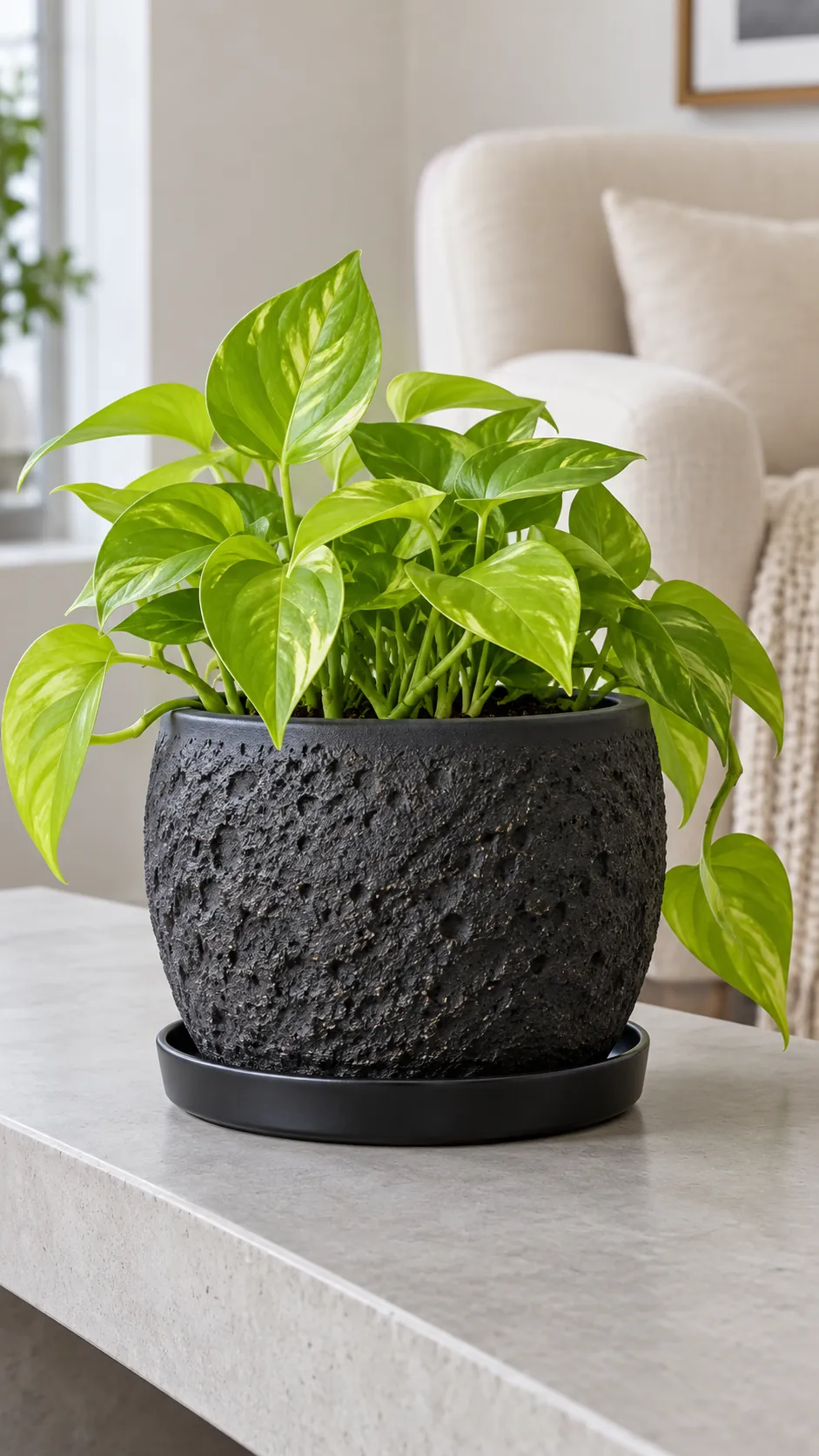
Charcoal volcanic texture
A dark textured pot can ground bright foliage in a pale room. Keep the interior practical even if the exterior finish is deliberately rough. Check that the surface will not scratch a shelf or snag a cloth when you move it. A smooth waterproof tray makes the piece easier to live with.
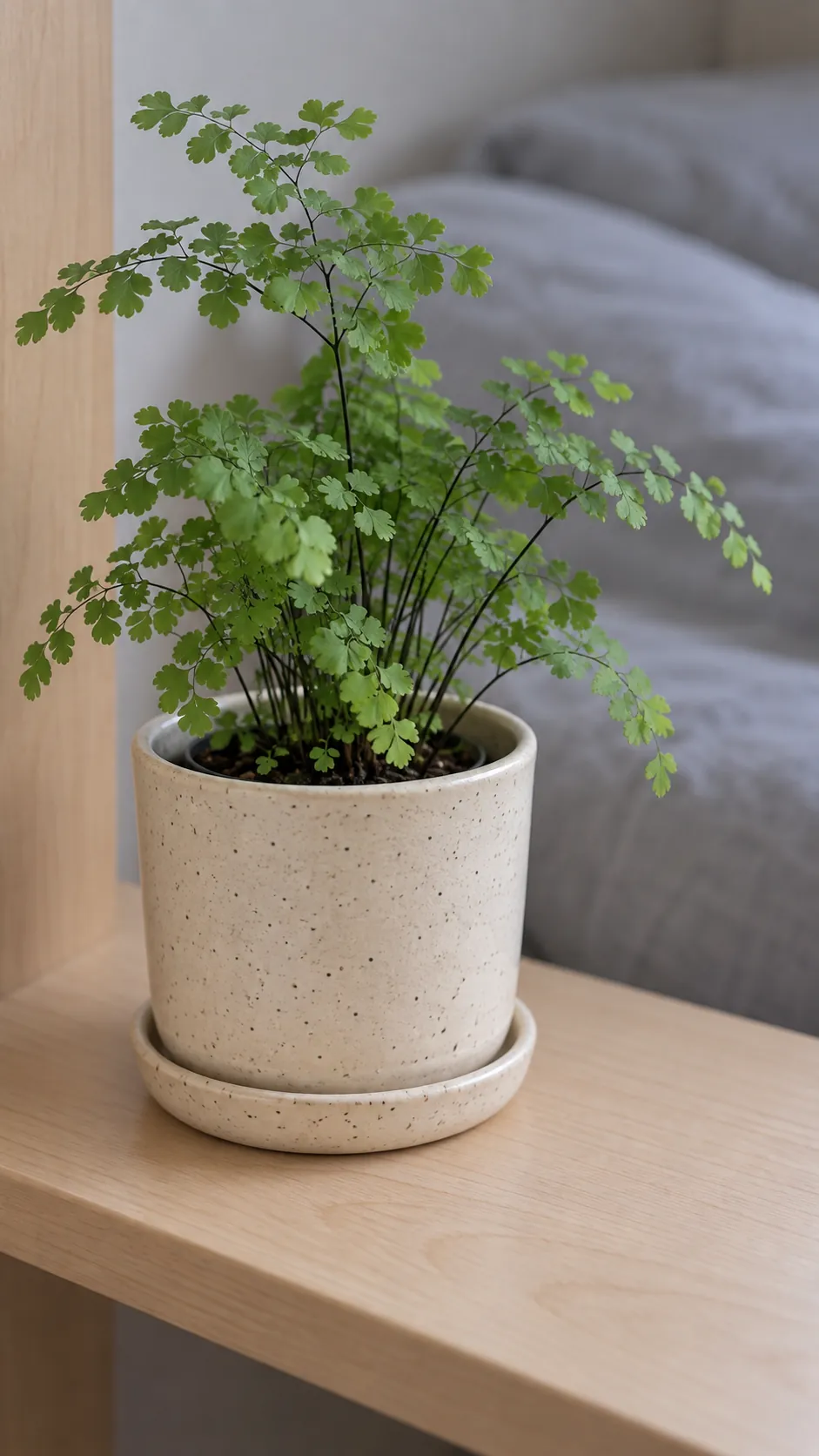
Cream stoneware with quiet speckles
Fine natural speckles add depth to an otherwise simple pot. Use the clay body or a tested ceramic finish rather than assuming a painted effect will tolerate watering. A small fern or rounded foliage plant keeps the result soft. Leave the rim and saucer plain so the surface does not feel busy. The pot should feel easy to combine with pieces you already own.
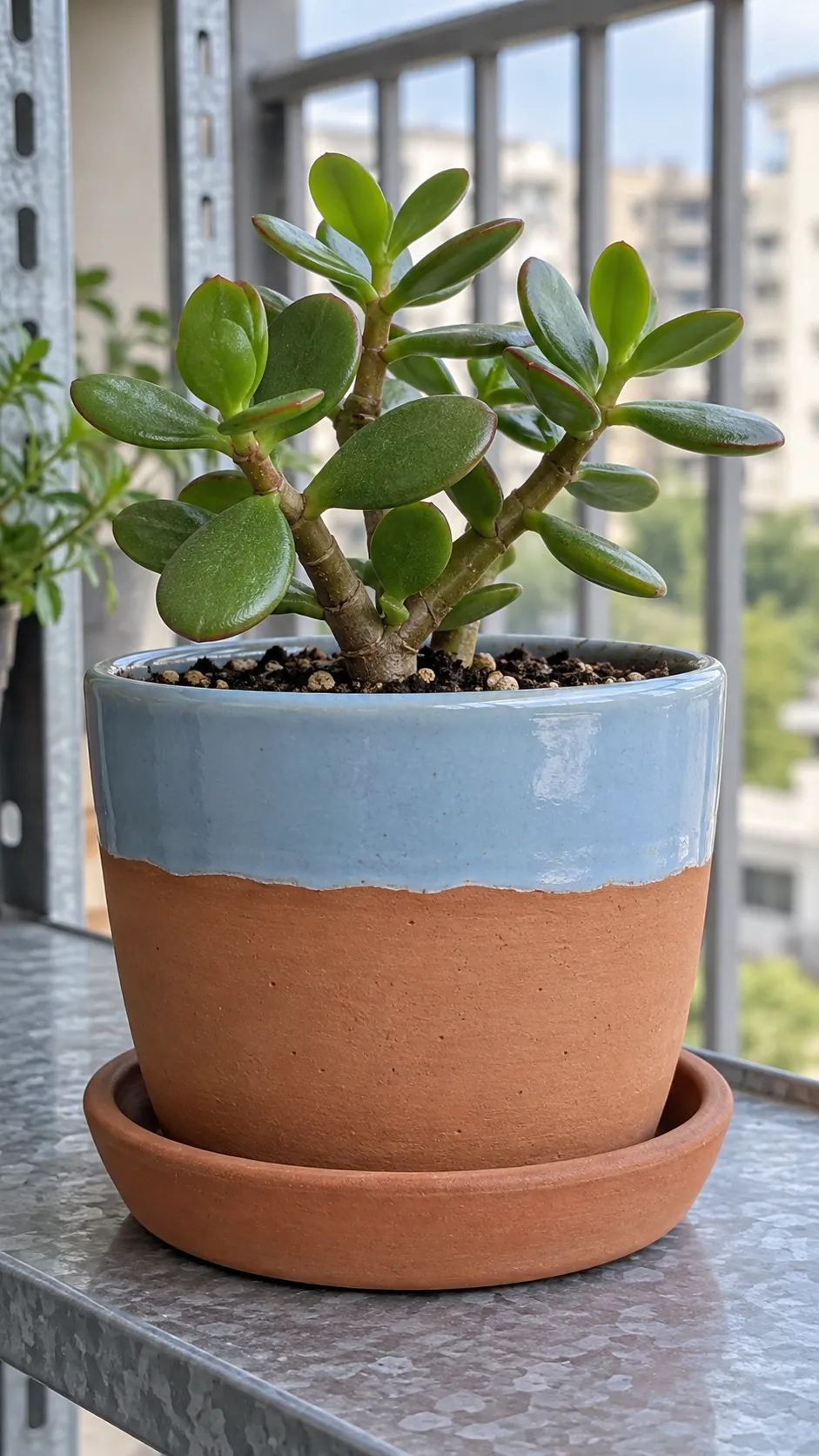
Terracotta with a dipped rim
A band of glaze near the top gives terracotta a clear finish change. The unglazed portion may behave differently from the glazed portion, so assess drying in the actual growing conditions. Keep the planting opening broad and the lower foot stable.
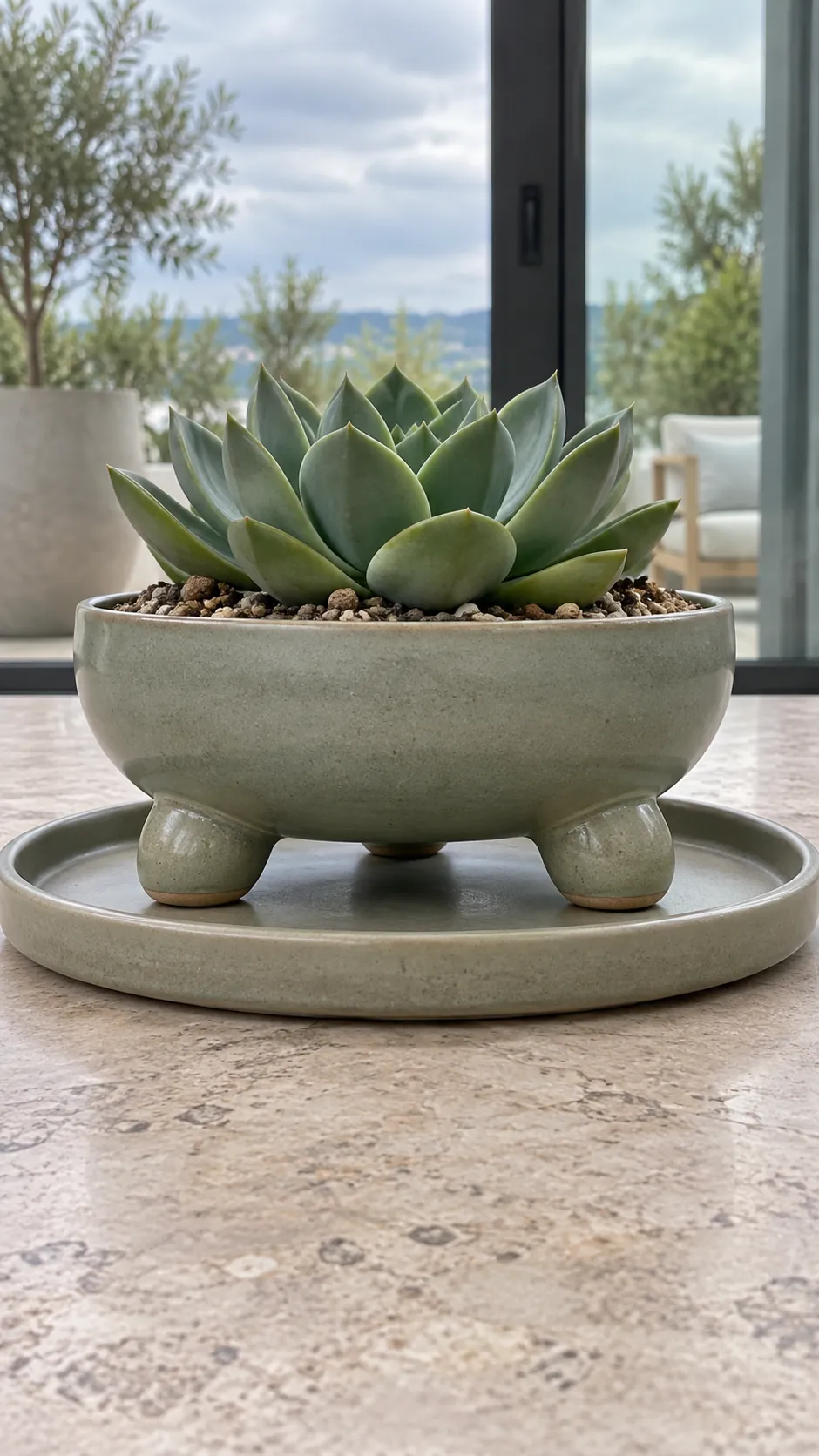
Three footed bowl
A bowl on three sturdy feet lifts a small plant just enough to show its silhouette. All feet should contact a level surface without rocking. Set the bowl in a tray if it has a drainage hole, because raising it does not stop runoff. Use a compact plant that will not shift the center of gravity far beyond the feet.
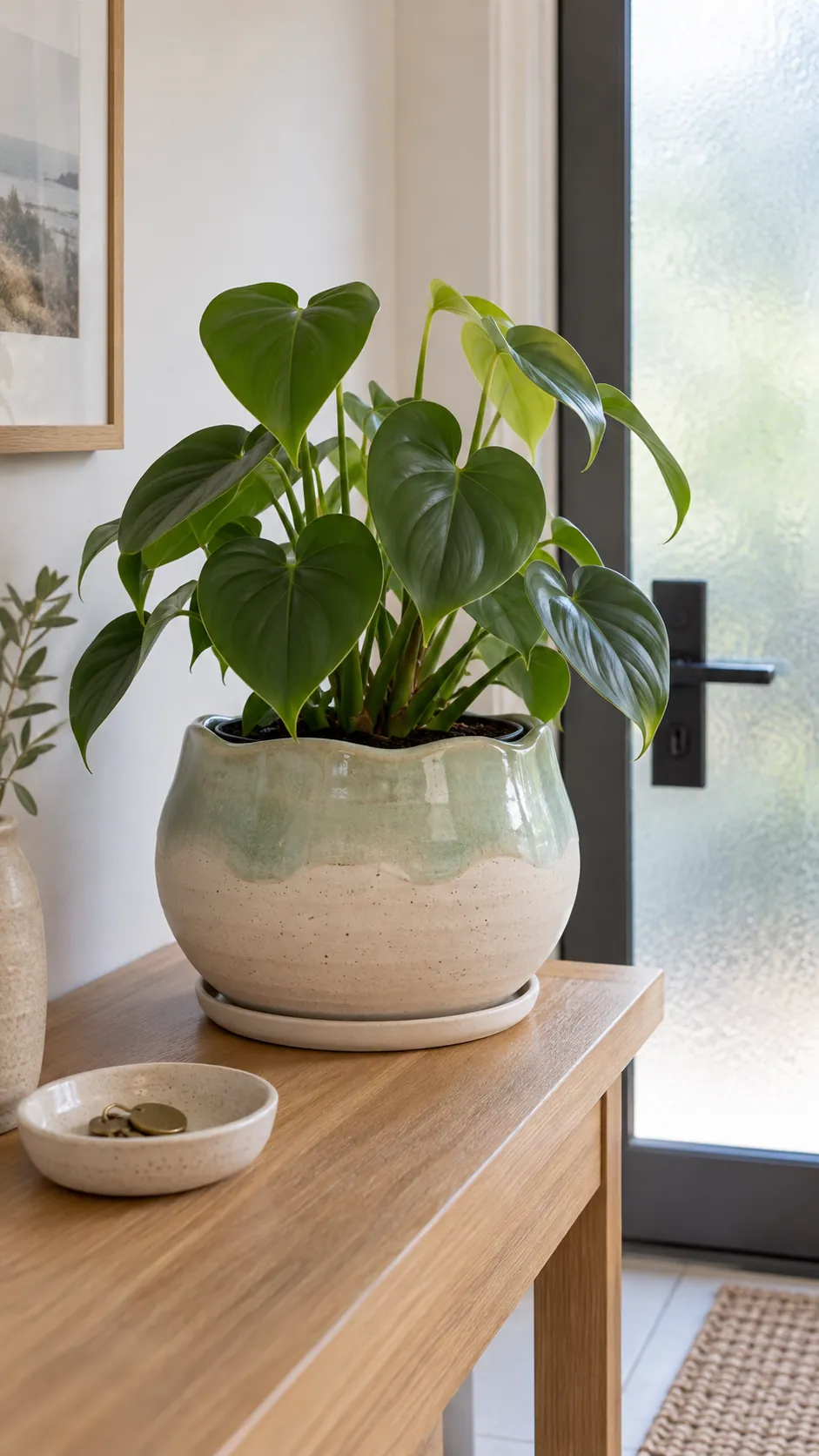
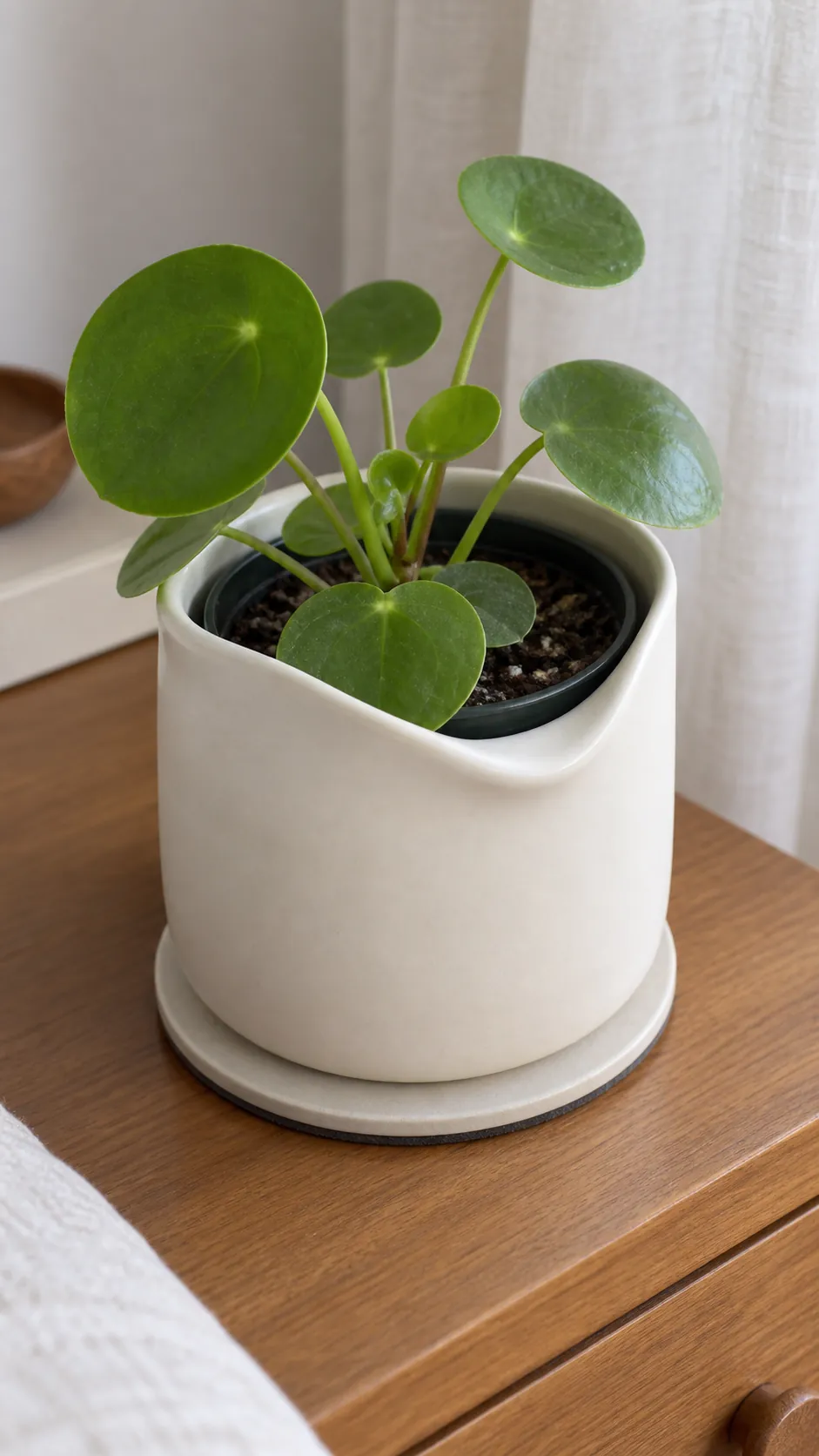
Soft folded rim vessel
A gentle fold in the rim can make a plain pot look sculptural. Avoid a deeply inward fold that traps the nursery container. The best version leaves a usable round opening beneath the decorative movement. A smooth light glaze helps the fold read in ordinary daylight. Keep trailing leaves from filling every dip if you want the shape to remain visible.
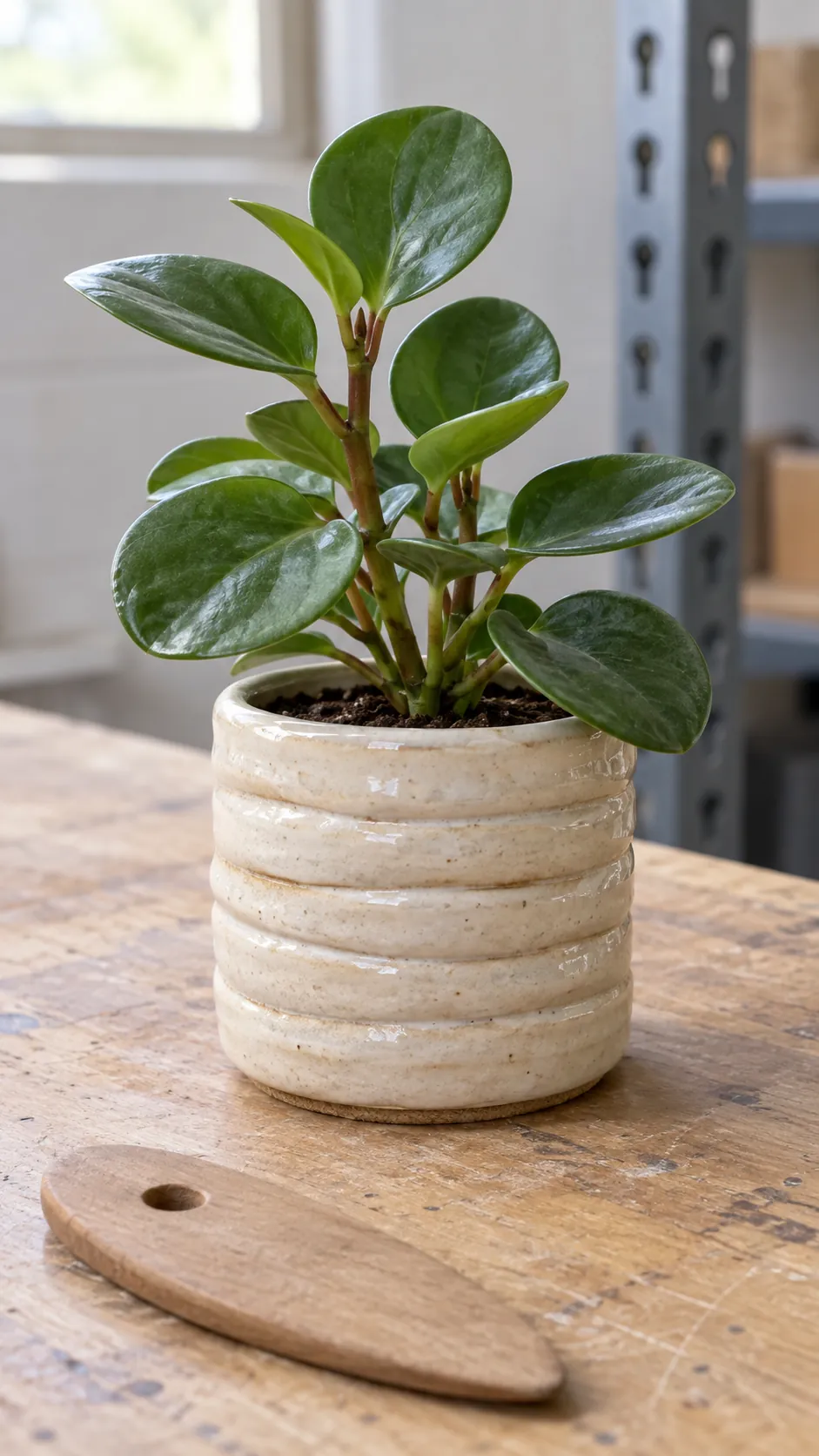
Small coil built planter
Visible clay coils can turn the construction method into the decoration. Join and compress them properly rather than leaving weak gaps between stacked ropes of clay. A modest size is a useful first project for someone exploring clay plant pots handmade in a studio.
Ask the studio how the selected clay and glaze should be fired for the intended use. Keep drainage decisions part of the making process rather than an afterthought. Let the finished piece dry between cleanings so you can spot cracks or leaks before it returns to a wooden shelf.
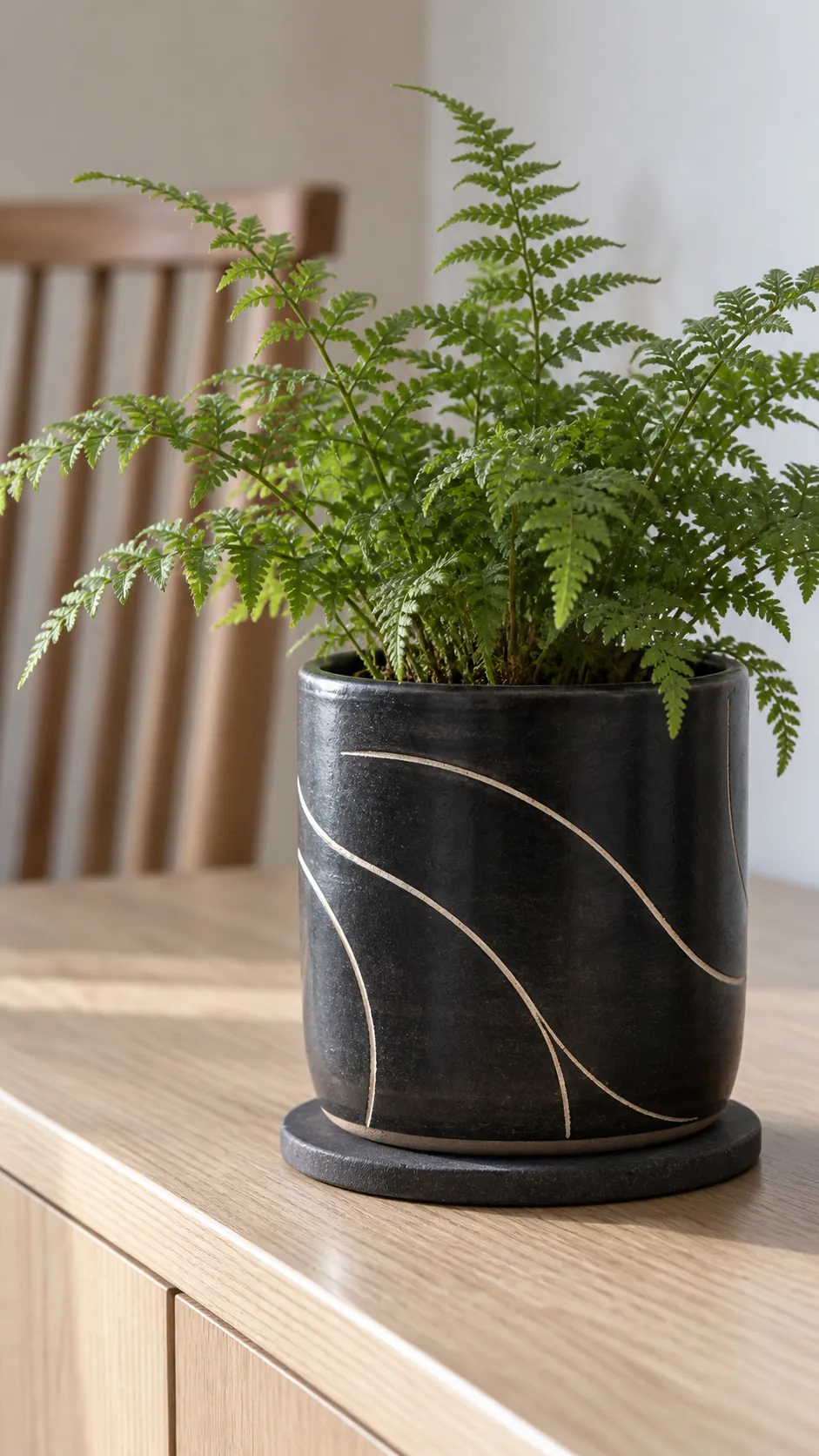
Sgraffito line pattern
Scratched lines through a contrasting slip layer can create a crisp graphic pot. A few flowing lines are easier to appreciate than a crowded surface of tiny marks. Keep the underlying form simple so the pattern remains the main detail.
Paired pots on one tray
Two small pots on a shared tray can make a narrow shelf feel organized. Keep each plant in its own growing container so their root space and replacement remain independent. Do not allow runoff from one pot to leave the other standing in water. A tray with enough finger room makes the arrangement easier to lift and clean.
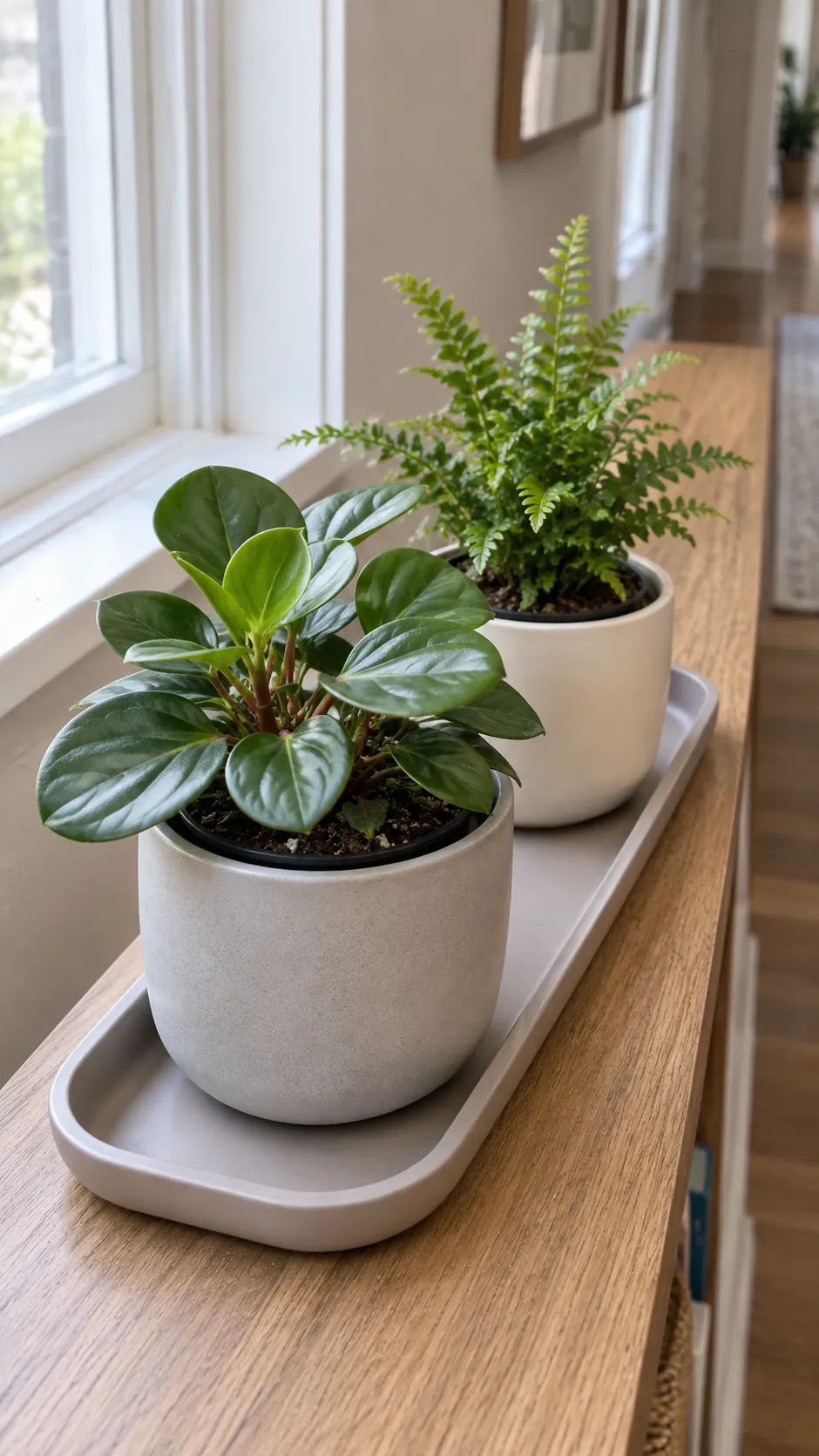
Ceramic basket weave finish
A basket weave relief gives pottery the visual warmth of woven material while keeping a solid container beneath it. Choose shallow relief around the body and a plain rim for easier handling. A smooth inner pot keeps soil away from the exterior grooves. The woven effect works best with a restrained earthy glaze. Give the planter space from actual baskets so the textures do not blur together.
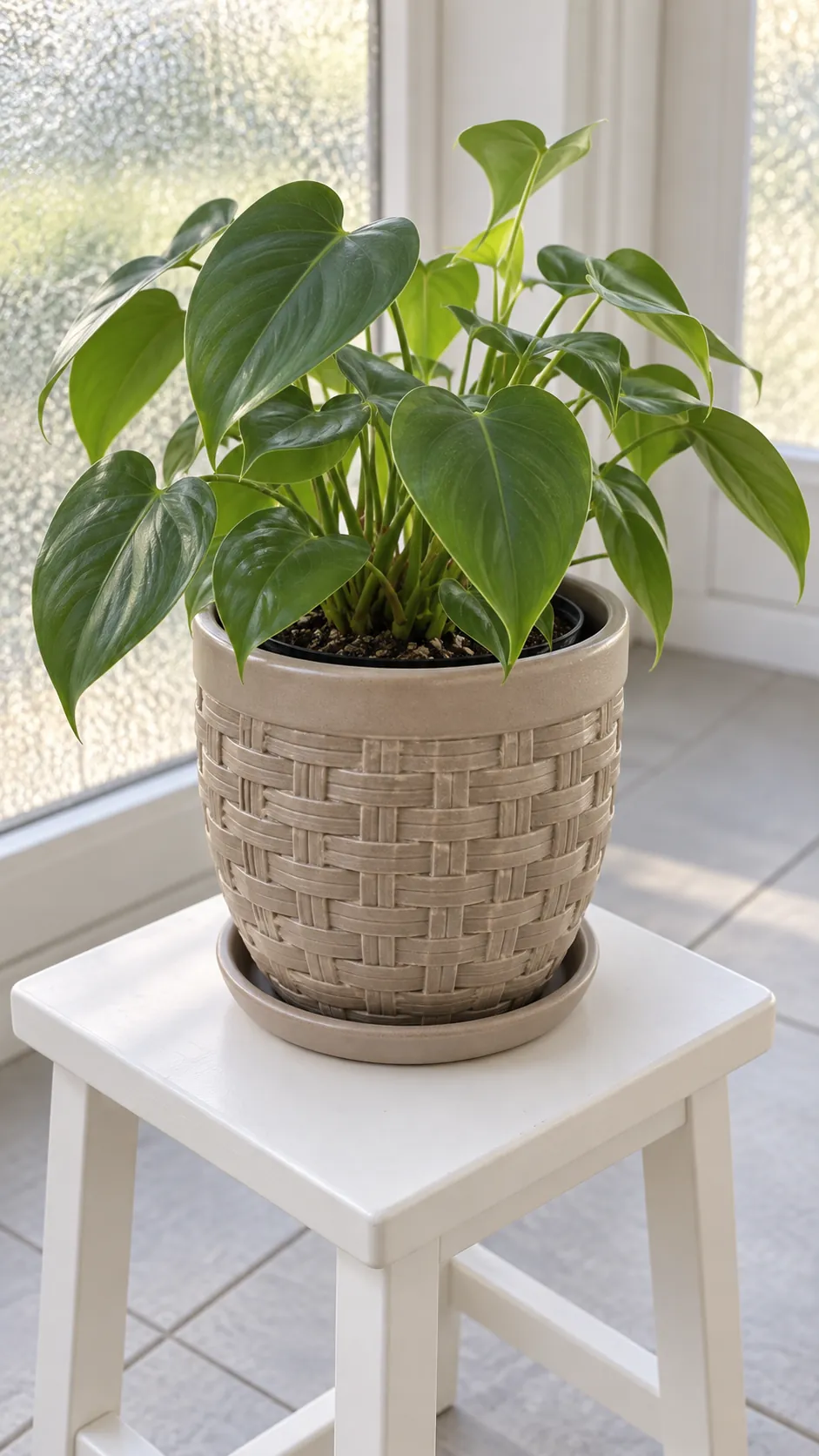
Narrow ledge rectangle
A slim rectangular vessel can fit a ledge where round pots waste space. Measure the usable depth of the ledge and leave a clear margin rather than balancing the pot flush with the edge. Keep the planting cavity large enough for the chosen roots, even if that means selecting a smaller plant.
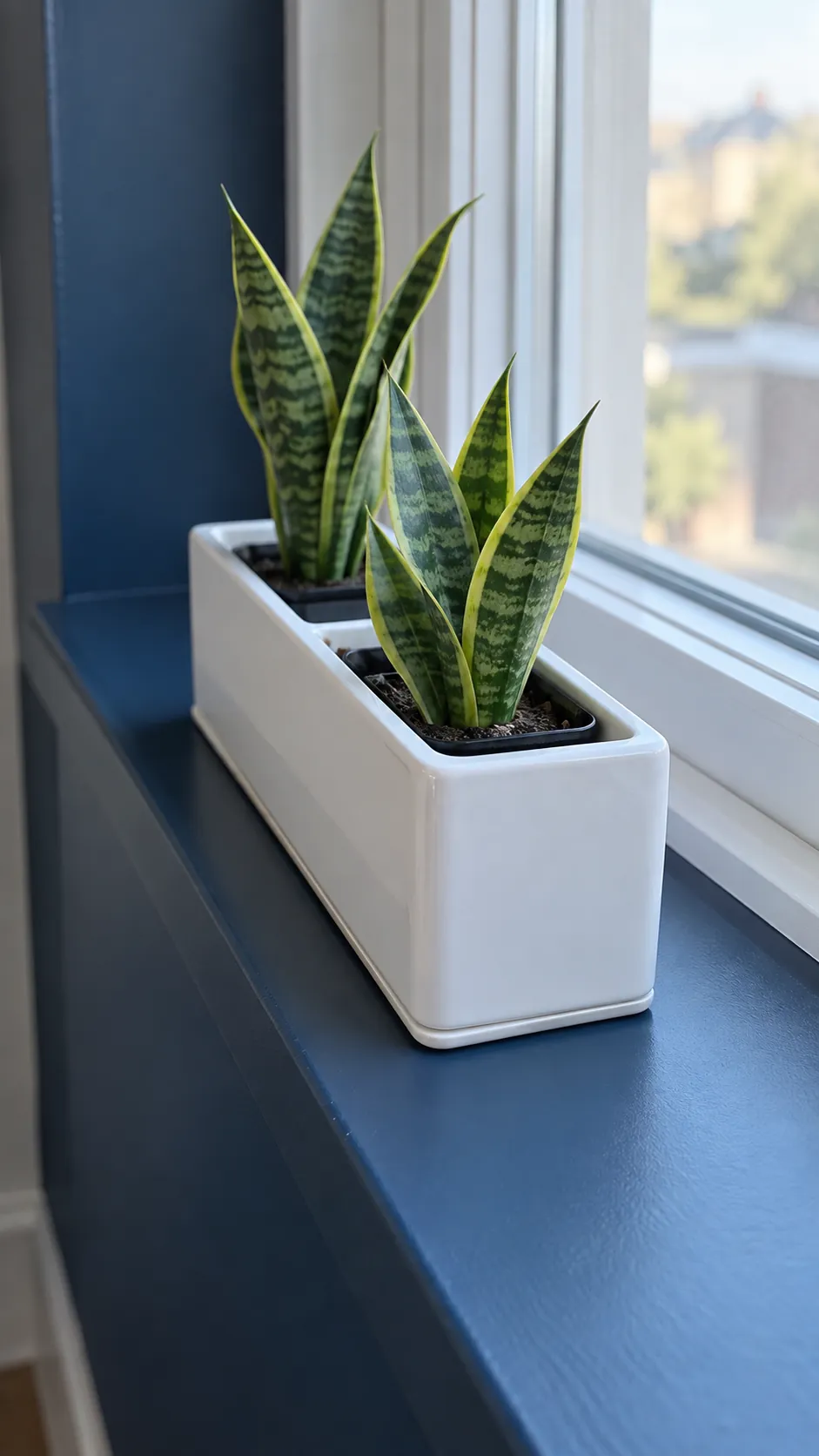
Pebble shaped cachepot
A smooth pebble form creates a quiet contrast with upright leaves. Check the lowest contact area because an attractive rounded body still needs a stable base. Use it as an outer cover when the piece has no drainage. The inner container should lift out without turning sideways or pulling on the plant.
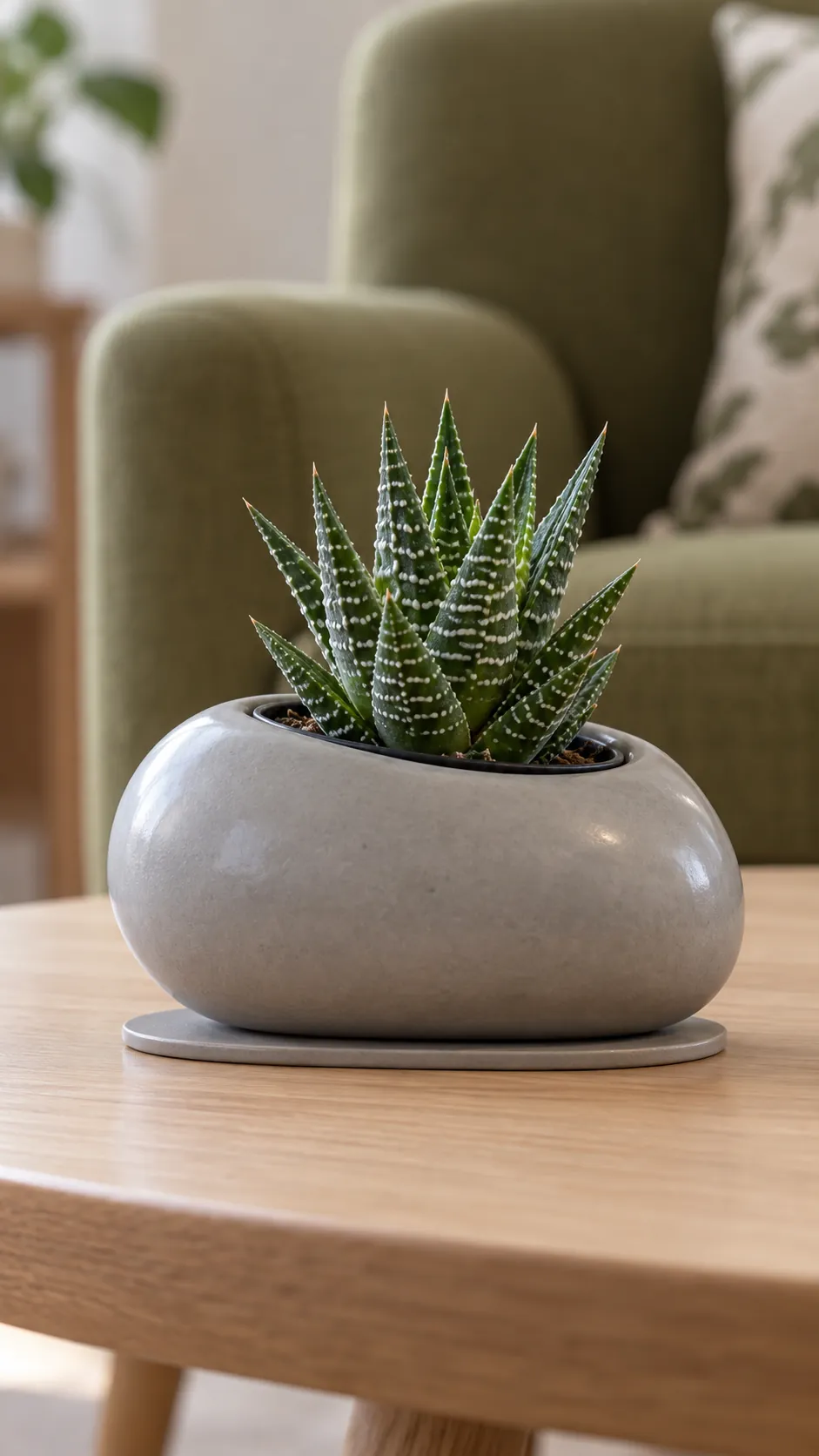
Large floor pot with a removable liner
A substantial ceramic pot can make one plant feel settled in a room. A removable liner helps separate routine plant care from moving the heavy outer vessel. Plan the location before filling it and protect the floor with a suitable waterproof base.
Keep enough access around the plant to reach the soil and inspect the leaves. Avoid choosing an oversized liner simply to fill the outer pot. A raised internal support may be useful only when it is stable, moisture resistant and suited to the load.
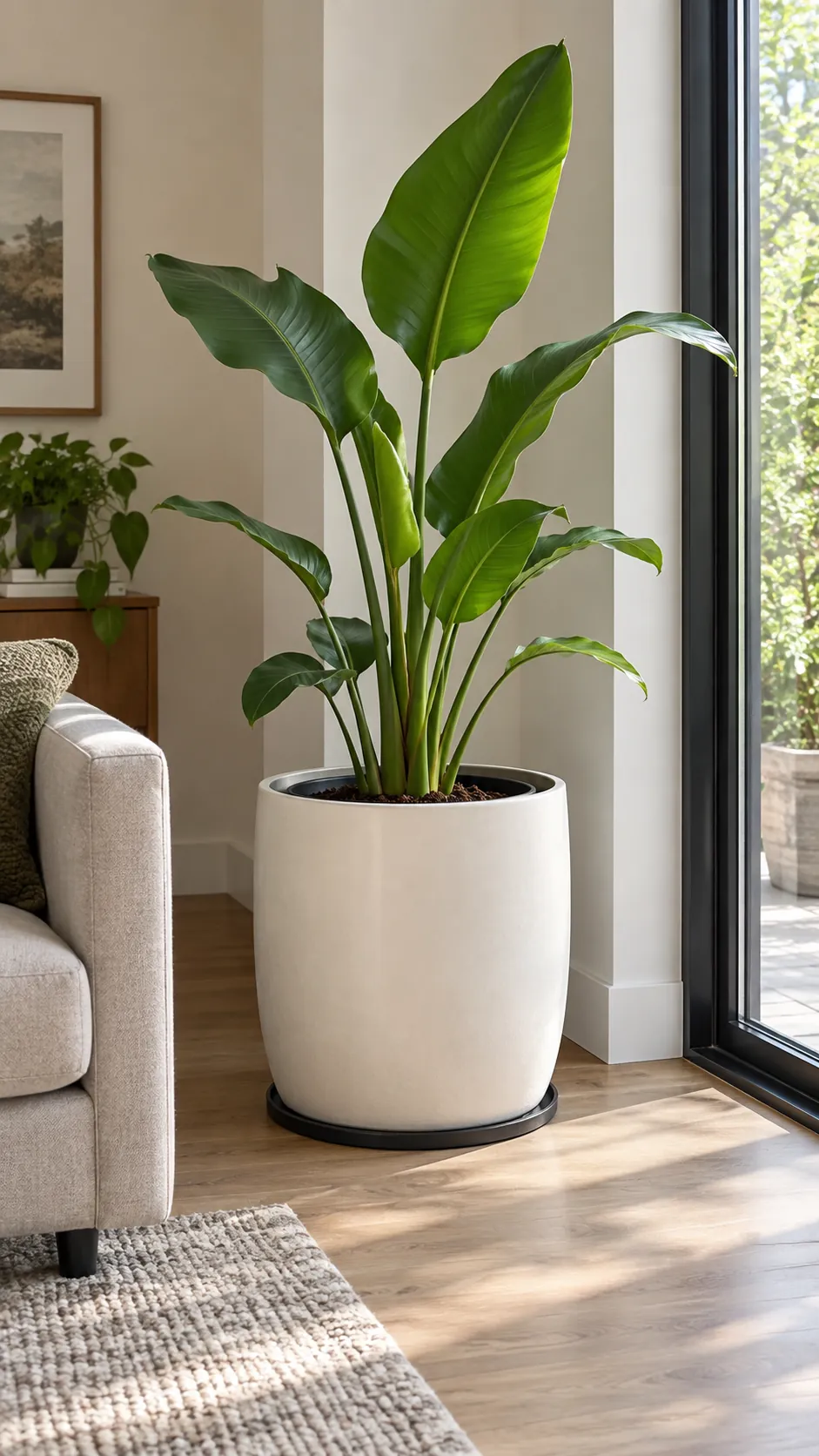
Celadon crackle look
A subtle crackle glaze creates a delicate network across pale ceramic. Decorative glaze crazing does not by itself prove that a vessel is watertight or suitable for planting. Use a liner and test the intended water protection rather than trusting appearance alone.
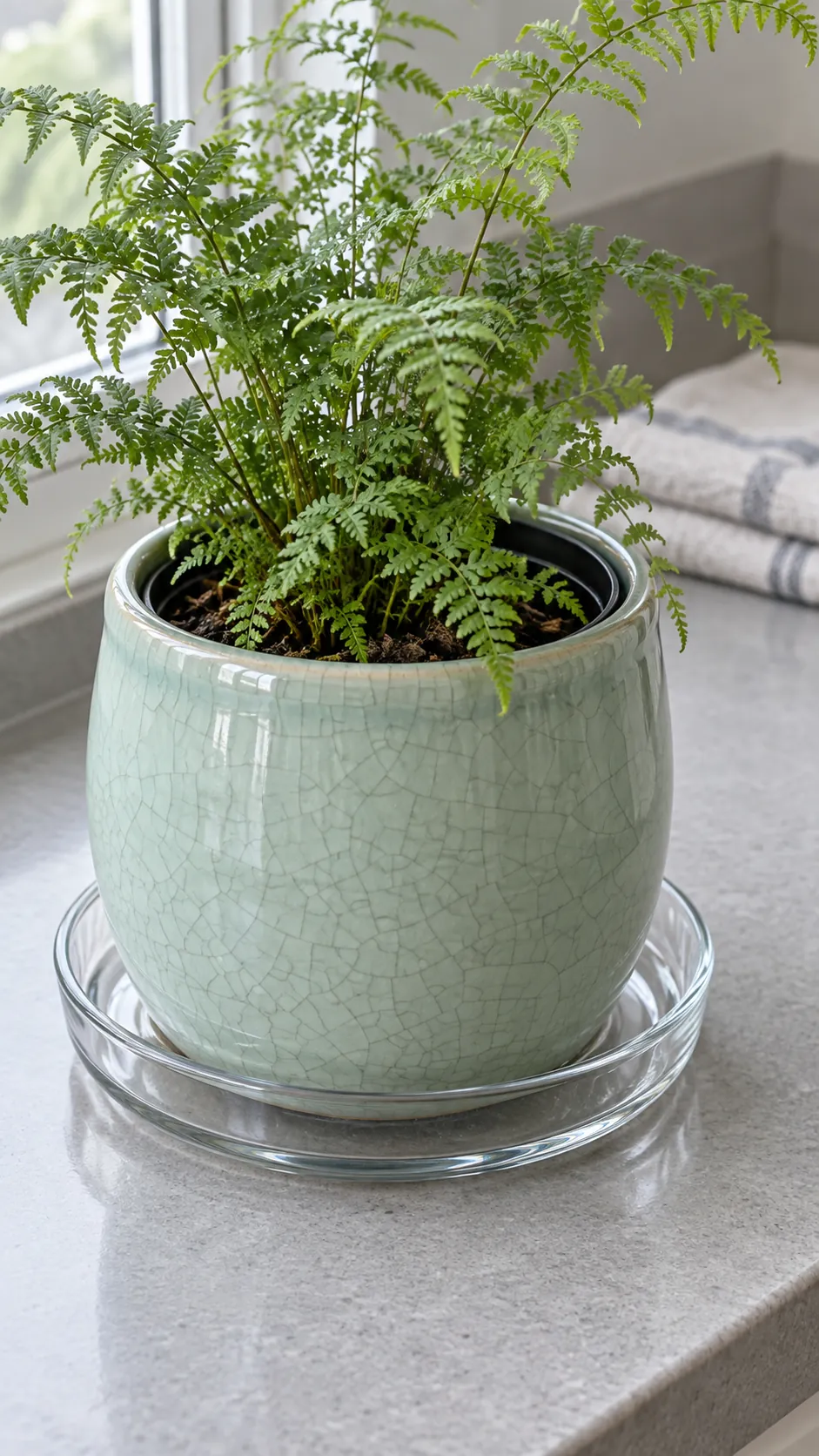
Matte sand colored planter
A sandy neutral finish can make leaf shape more prominent than the pot. Matte ceramic can still be glazed, so do not infer its porosity from appearance. Choose a surface that is comfortable to grip and practical to clean. This is a useful base for strong silhouettes such as upright snake plant leaves.
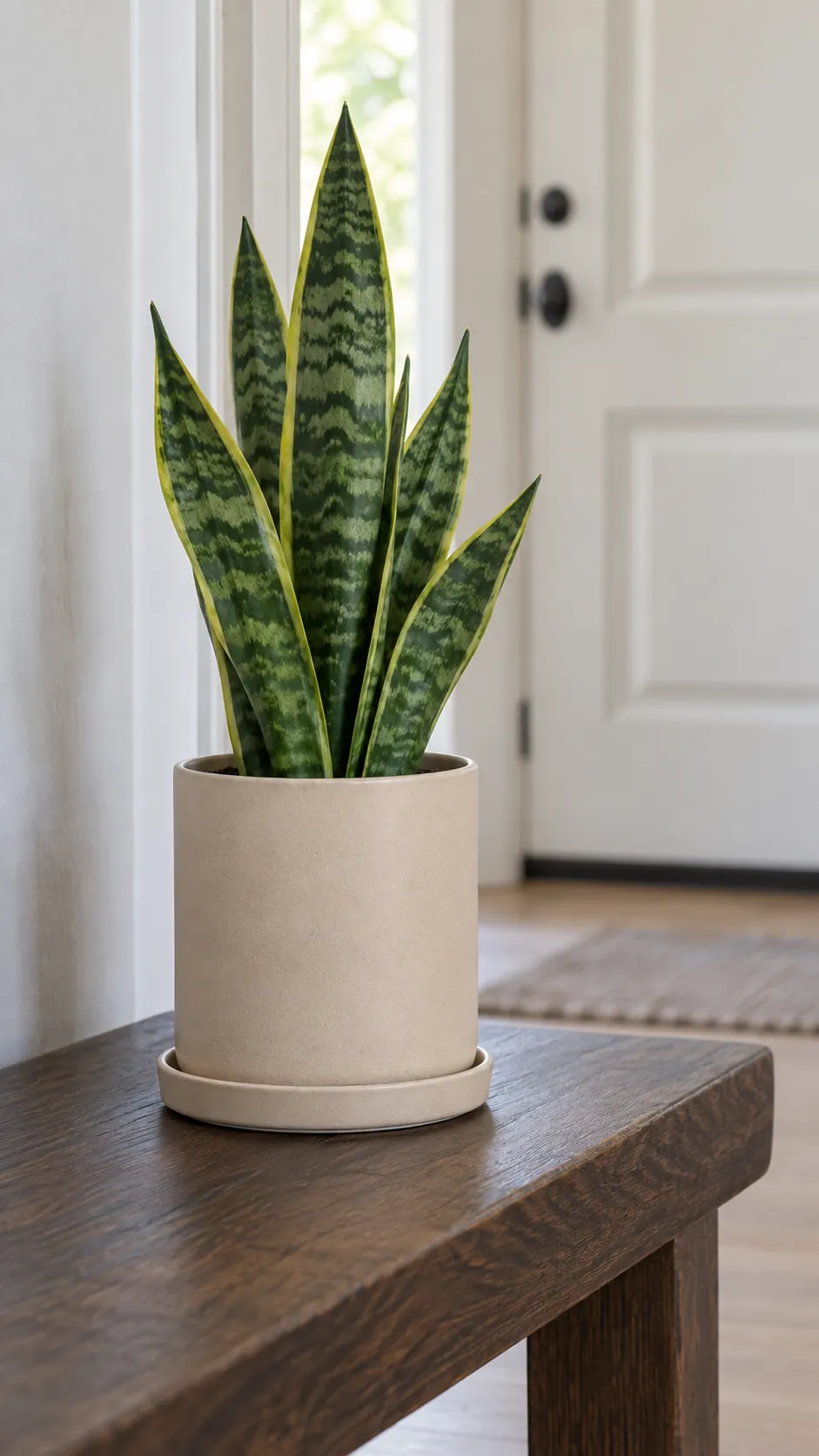
Ceramic pot with small side lugs
Short side lugs add a traditional pottery detail to a simple body. Treat them as decoration unless the maker confirms they can bear the full planted weight. Lift the pot from underneath with secure support. Keep the lugs compact if the piece sits where clothing or bags pass nearby. A plain glaze makes their sculpted shape easy to see.
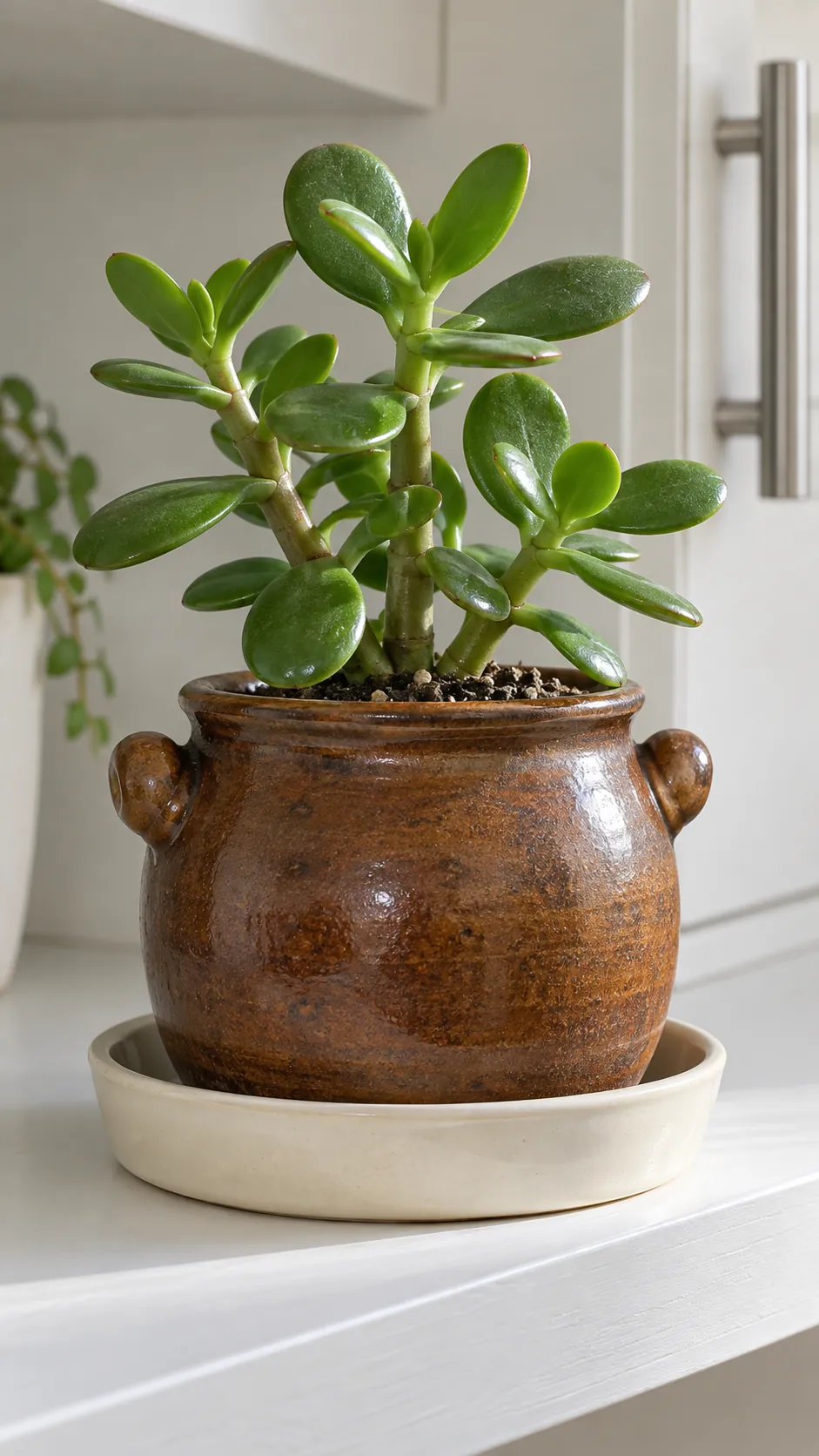
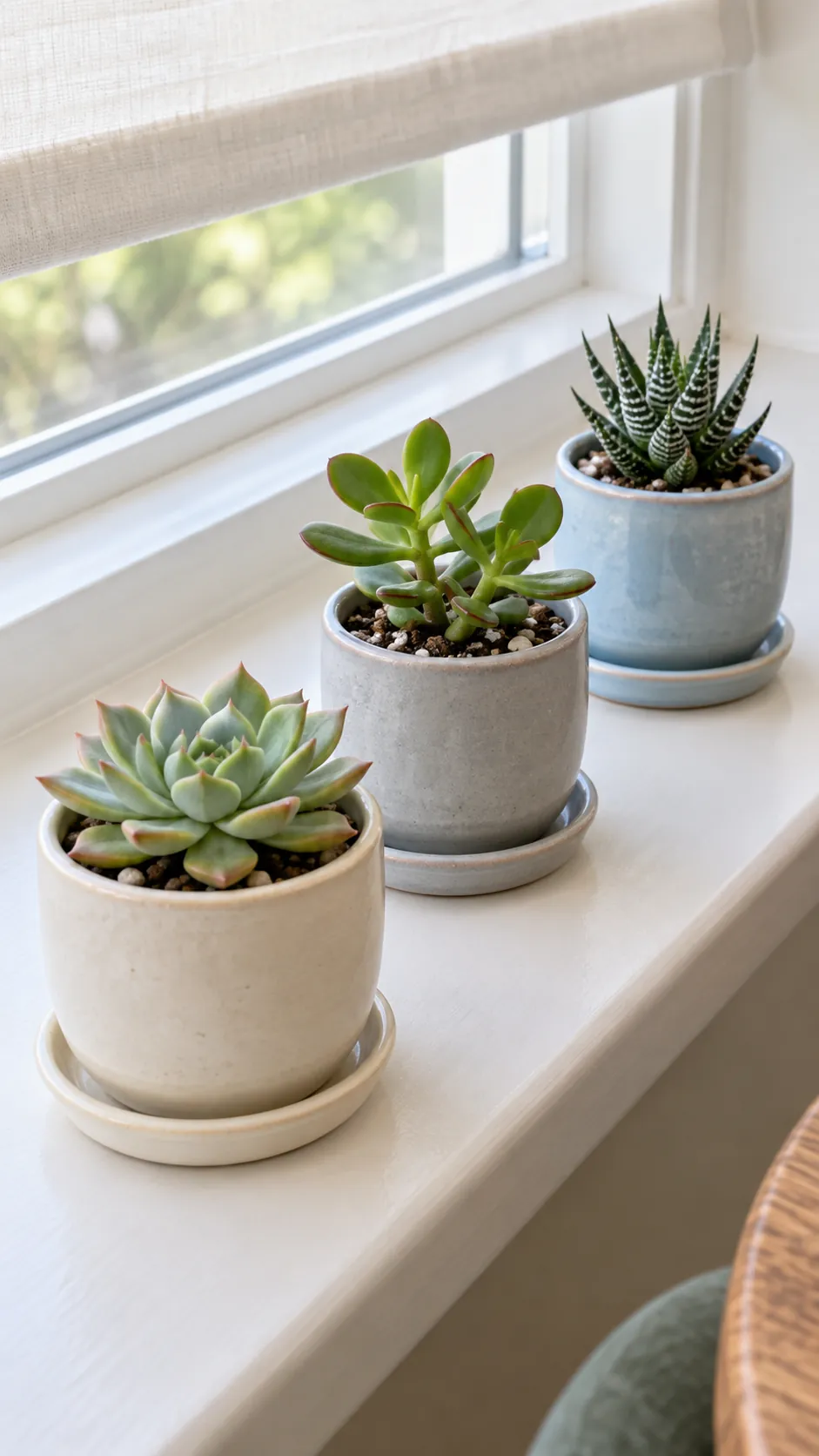
Miniature windowsill set
A small set can display several young plants without putting them into one shared root space. Choose pots with similar height but allow modest differences in glaze or shape. Grouping them on individual saucers makes it easier to see which one has collected water.
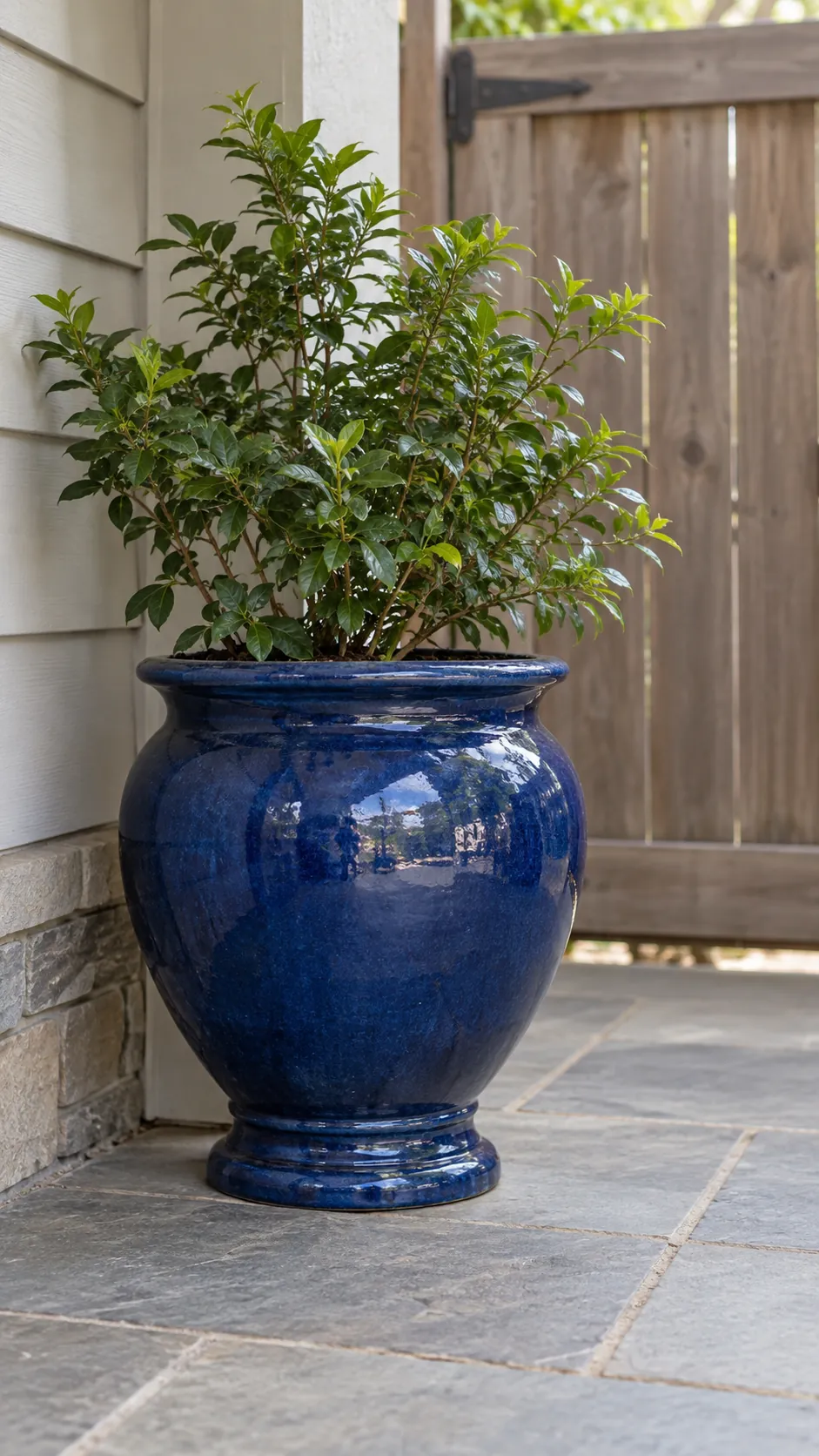
Deep blue garden urn
An urn shape brings a traditional accent to a sheltered garden corner. Check outdoor and frost suitability with the maker before leaving it exposed through winter. A broad base and manageable planted weight matter more than an elaborate rim. Keep drainage outlets clear of paving and accumulated debris.
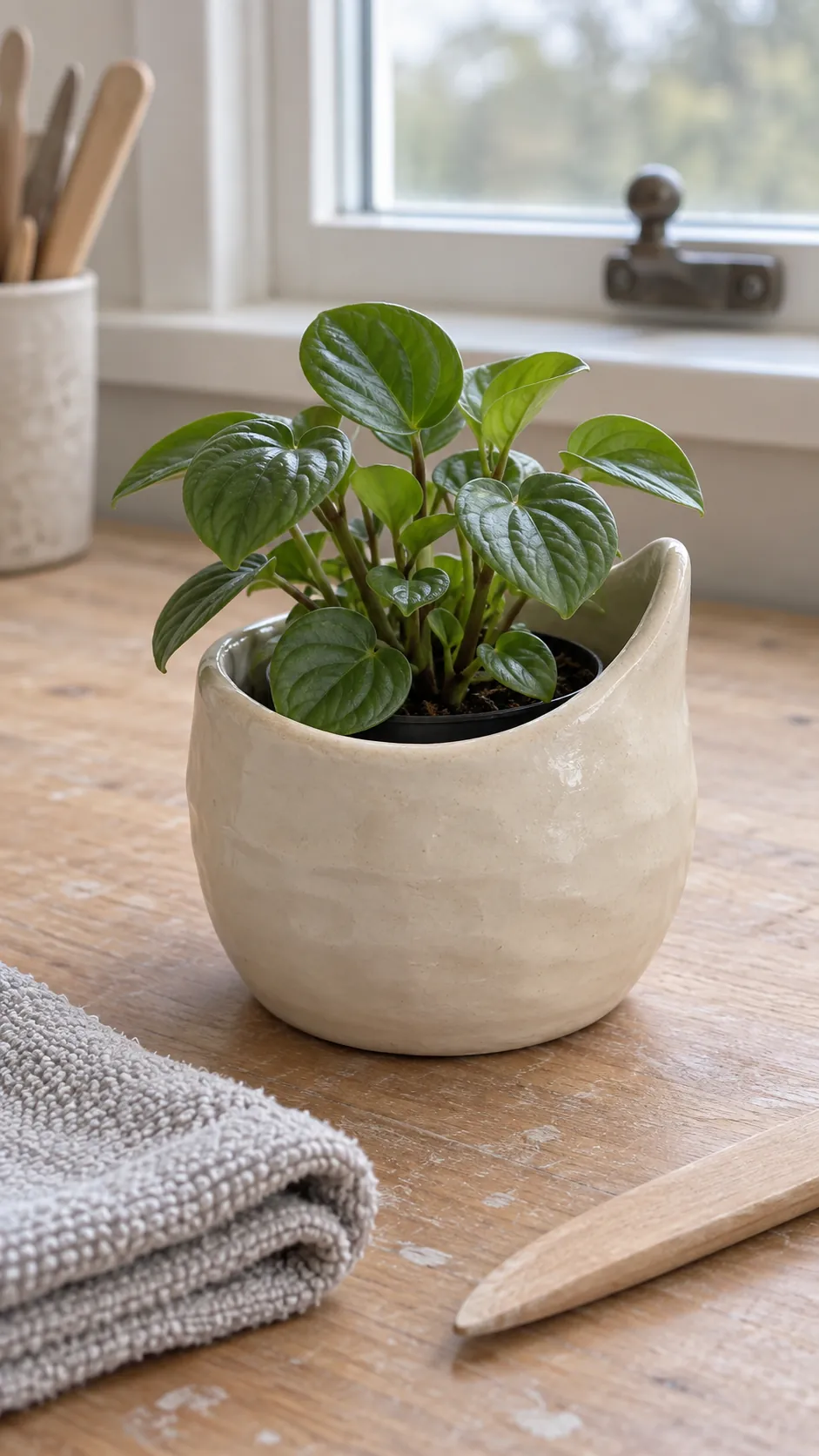
Asymmetric pinch pot
Pinch pot designs can feel lively when one side rises a little higher than the other. Keep the asymmetry outside a useful planting opening instead of squeezing the root space into an awkward shape. Small scale helps you learn how the walls dry and hold their form.
For live planting, work with a clay and firing process appropriate to repeated moisture exposure. A removable liner is useful when the finished piece is primarily decorative. Let the irregular rim be the feature rather than adding several unrelated motifs.
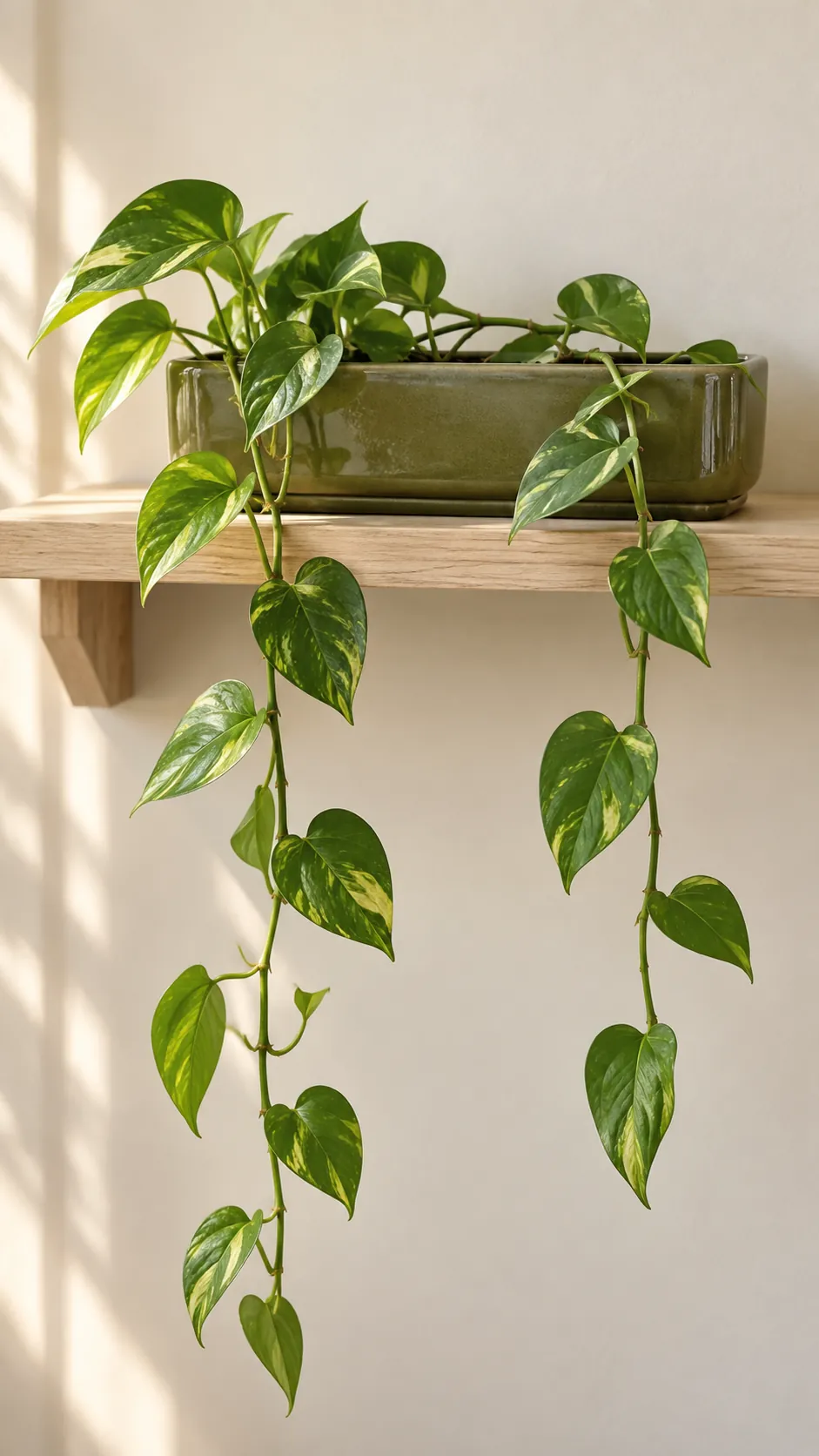
Ceramic trough for trailing stems
A low trough gives a trailing plant room to spread along a shelf before its stems descend. Keep the container far enough back that its weight stays fully supported. Leave the front rim accessible so you can check the mix without lifting a curtain of foliage. A single plant is often easier to manage than several competing root systems in the same small trough.
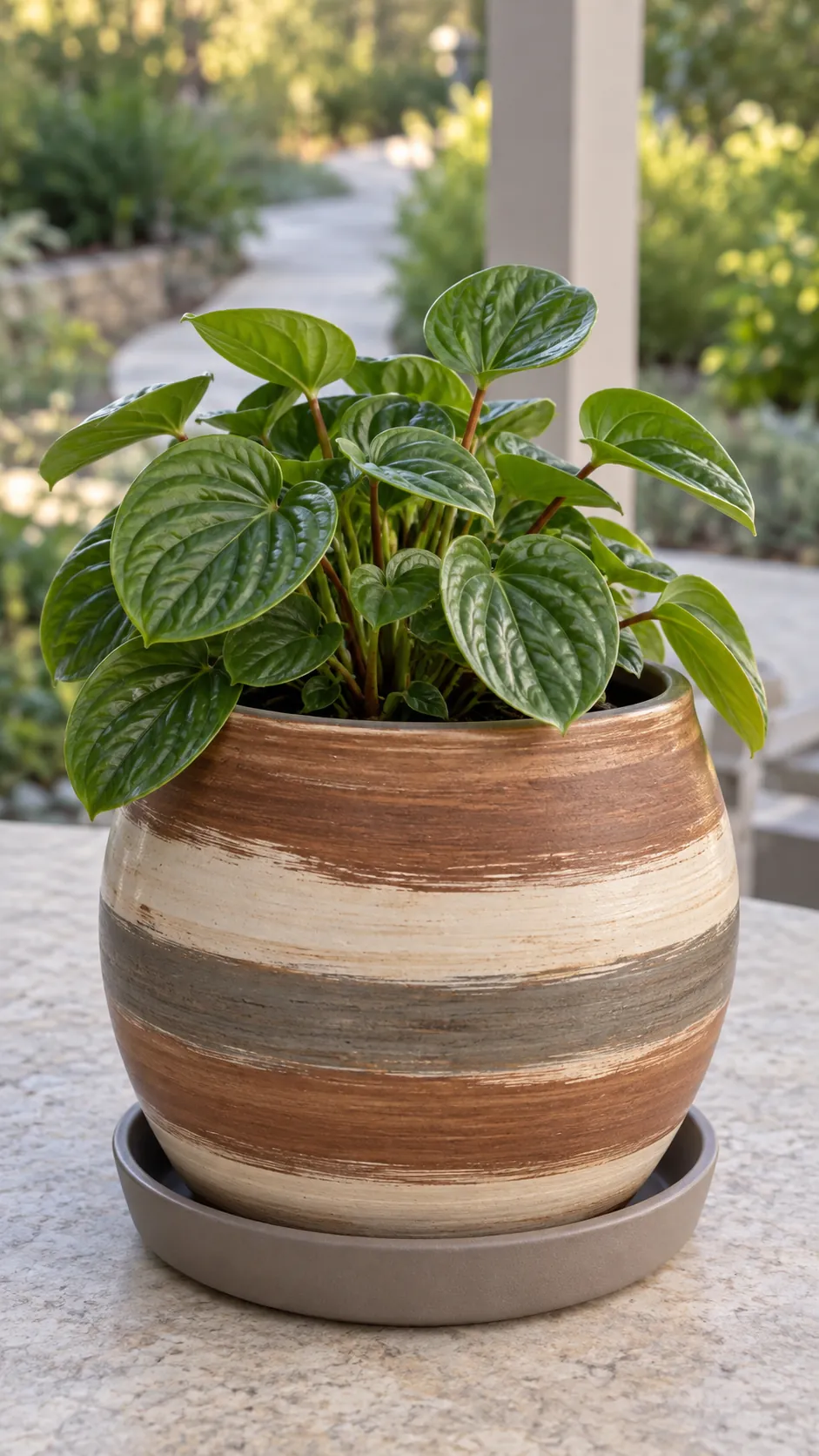
Hand brushed earth tone bands
Broad horizontal bands can give a handmade pot character while leaving its form calm. Choose two or three related earth tones and let slight brush variation remain visible. Test the finish before applying it to the final vessel. The strongest ideas for ceramic planters leave room for both the plant and ordinary care, so finish by checking the opening, base and water protection rather than adding one more decorative detail.