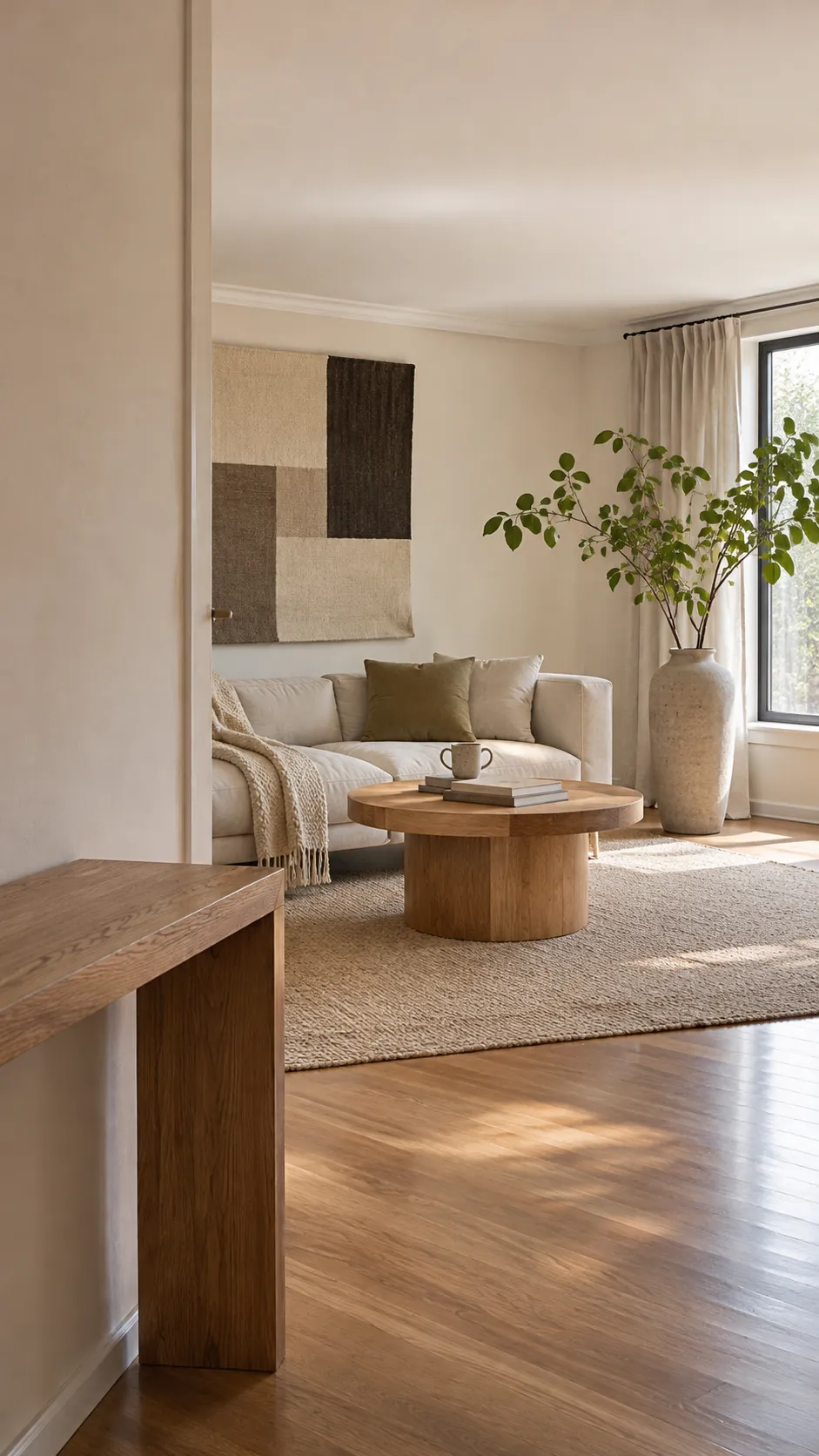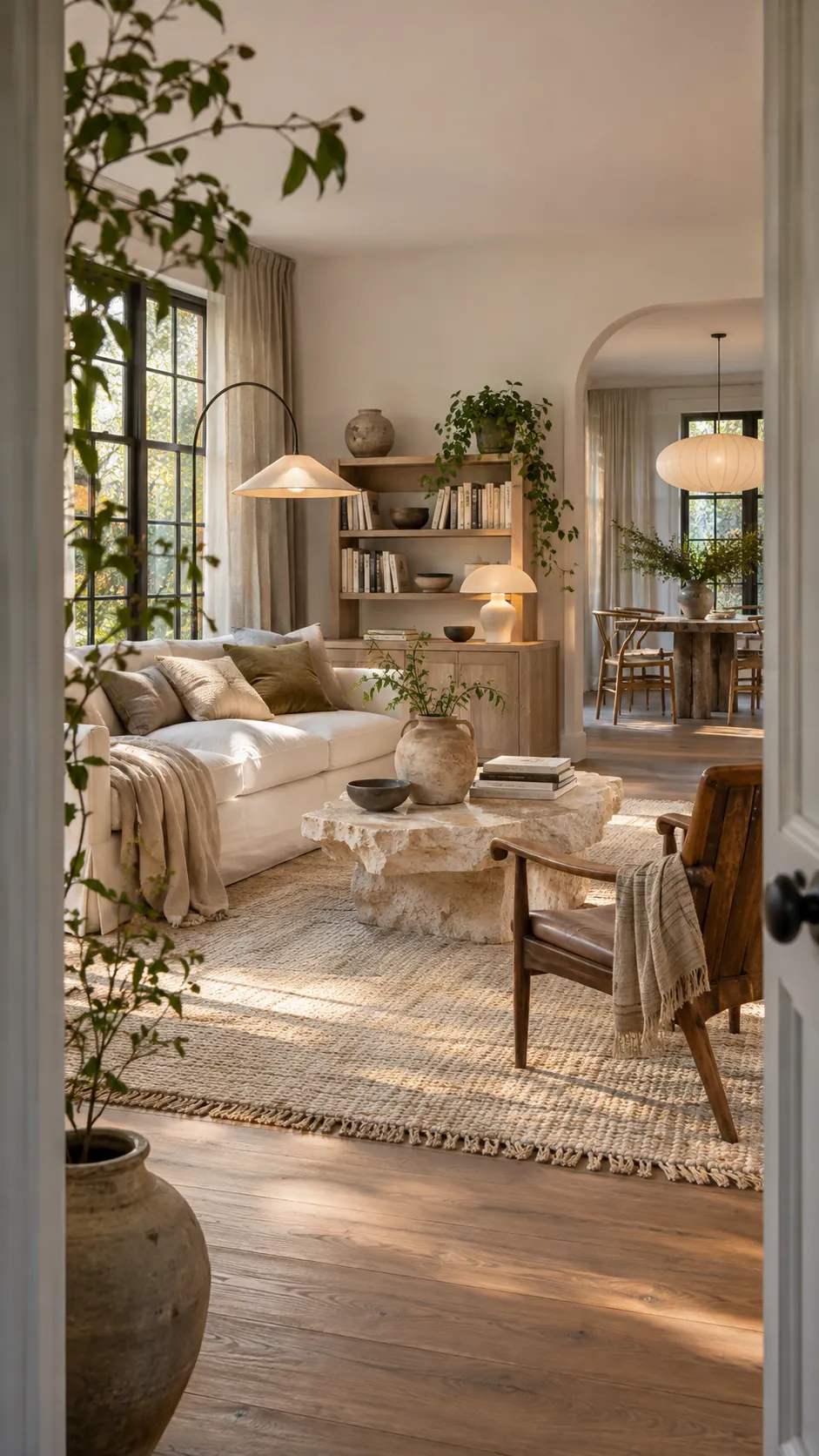
Coordinated furniture can make a home easy to furnish, but too much repetition hides the materials and objects that give a room life. You can keep the useful pieces and change how they relate through texture, shape, spacing, color, and light. Begin with one visible adjustment, then stop and assess the room before adding another.
Break Up a Matching Set Across Rooms
Move one piece from a coordinated set into another room before buying anything new. The remaining group will read as related furniture instead of a complete showroom package. Give the moved piece a different job so the change feels intentional.
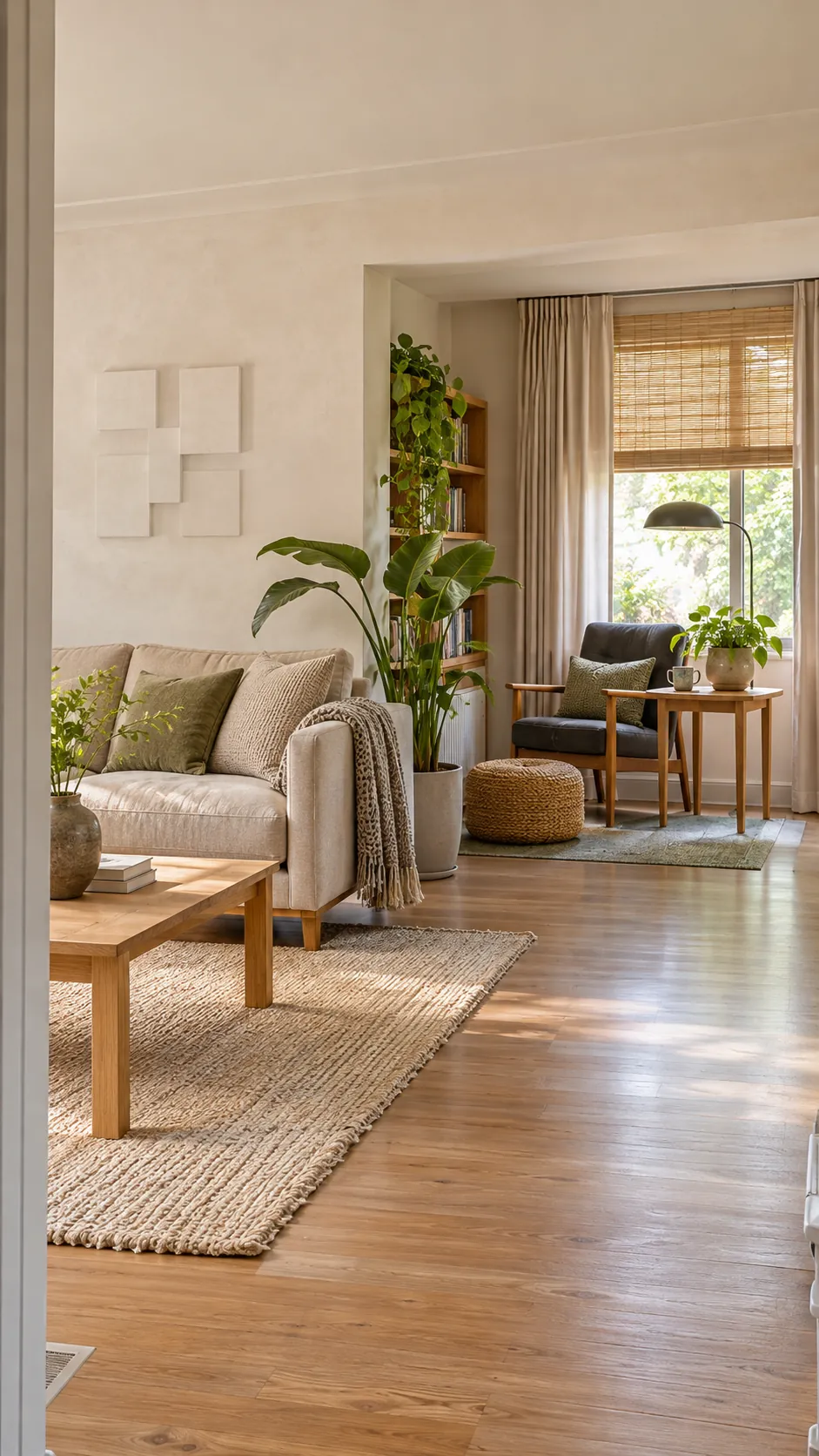
Keep One Matching Pair and Separate the Rest
A matching pair can create calm when every other repeated piece has a new location. Keep two useful chairs together, then separate matching tables, lamps, or cabinets. The pair becomes a deliberate anchor rather than evidence that everything arrived at once.
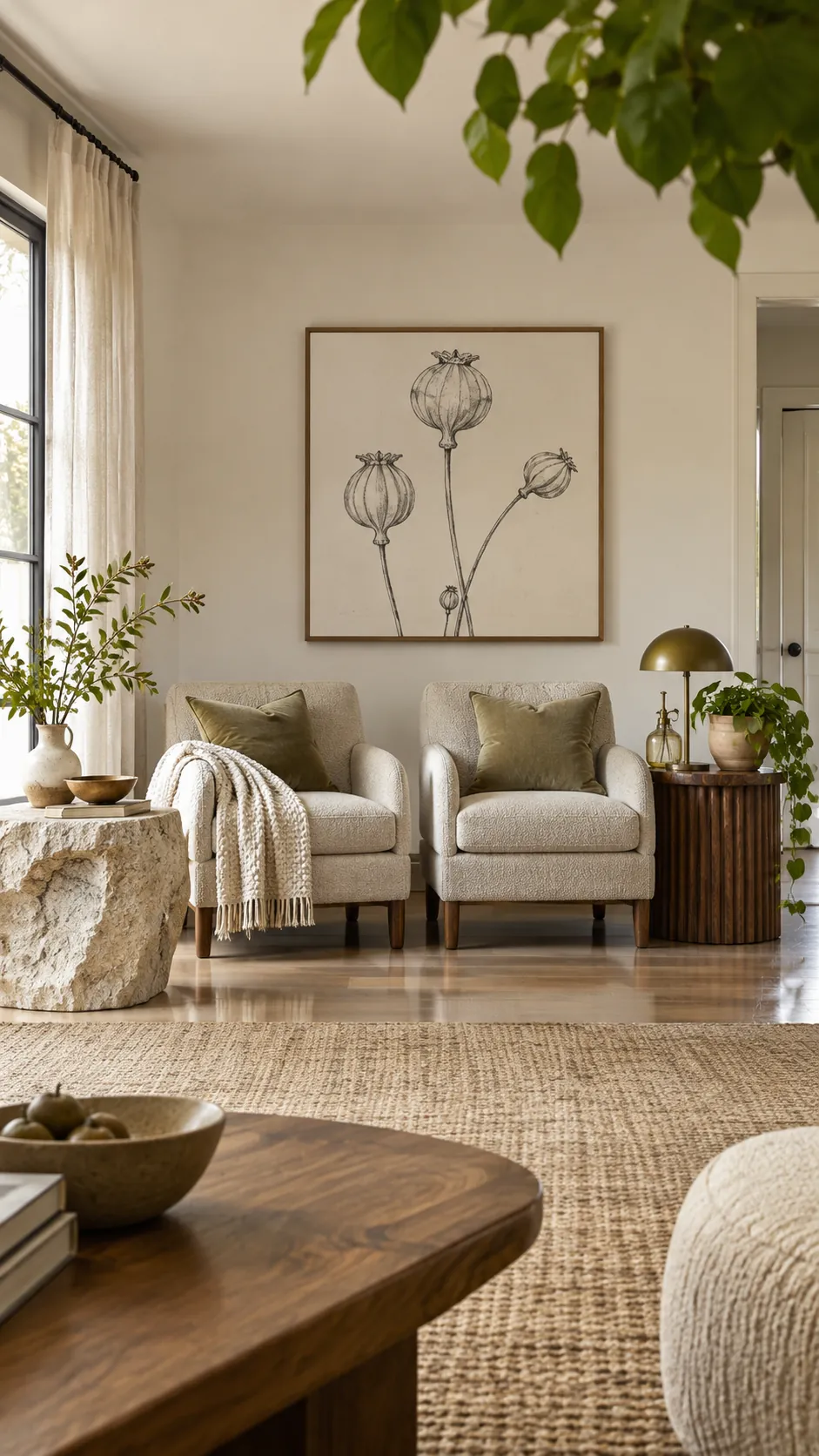
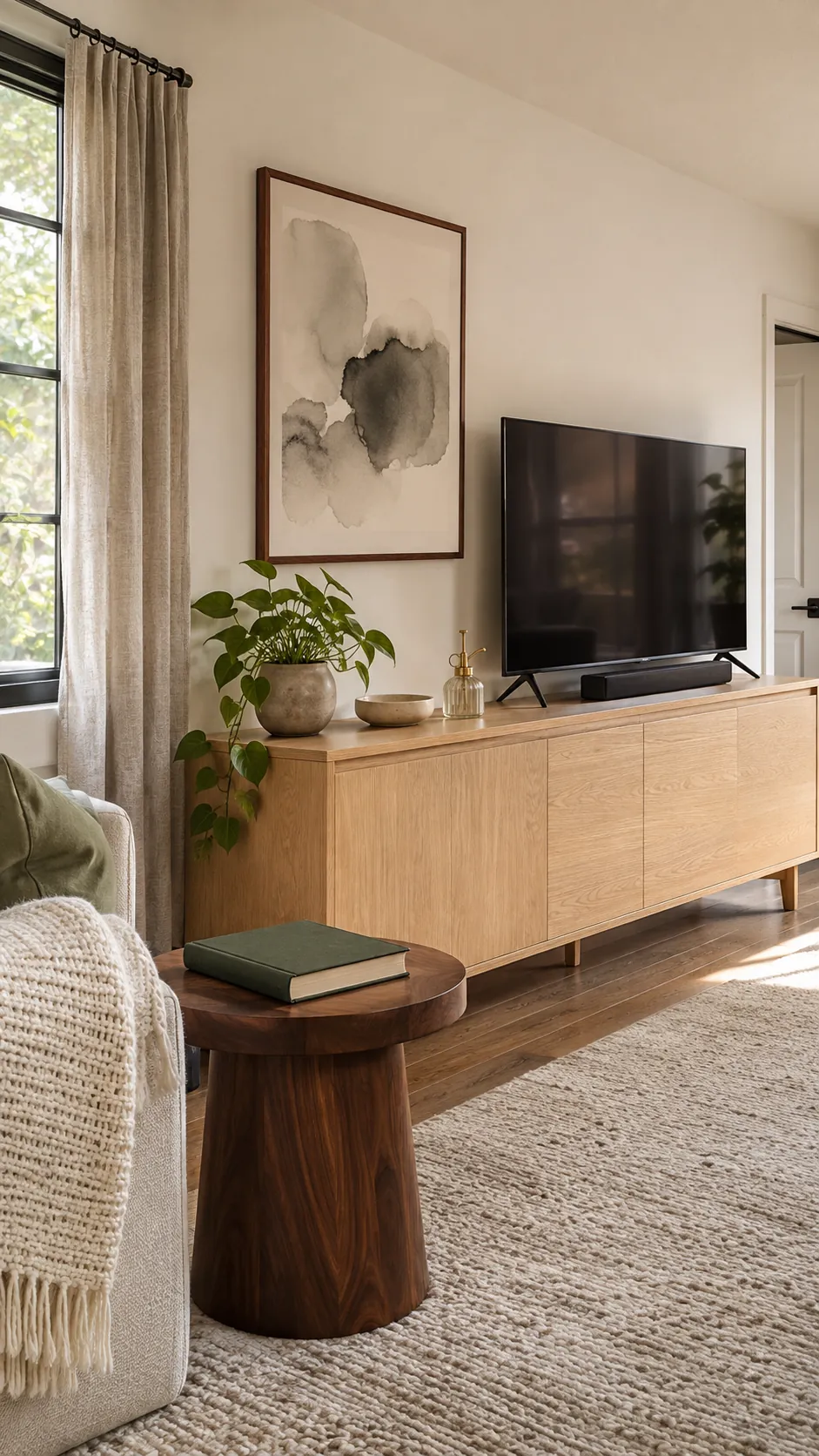
Introduce a Different Wood Tone
Do not force every wood surface to match the largest cabinet. Add one darker or lighter tone with a clear purpose, such as a stool, frame, or side table. Repeat that new tone once in a small detail so it belongs without becoming another set.
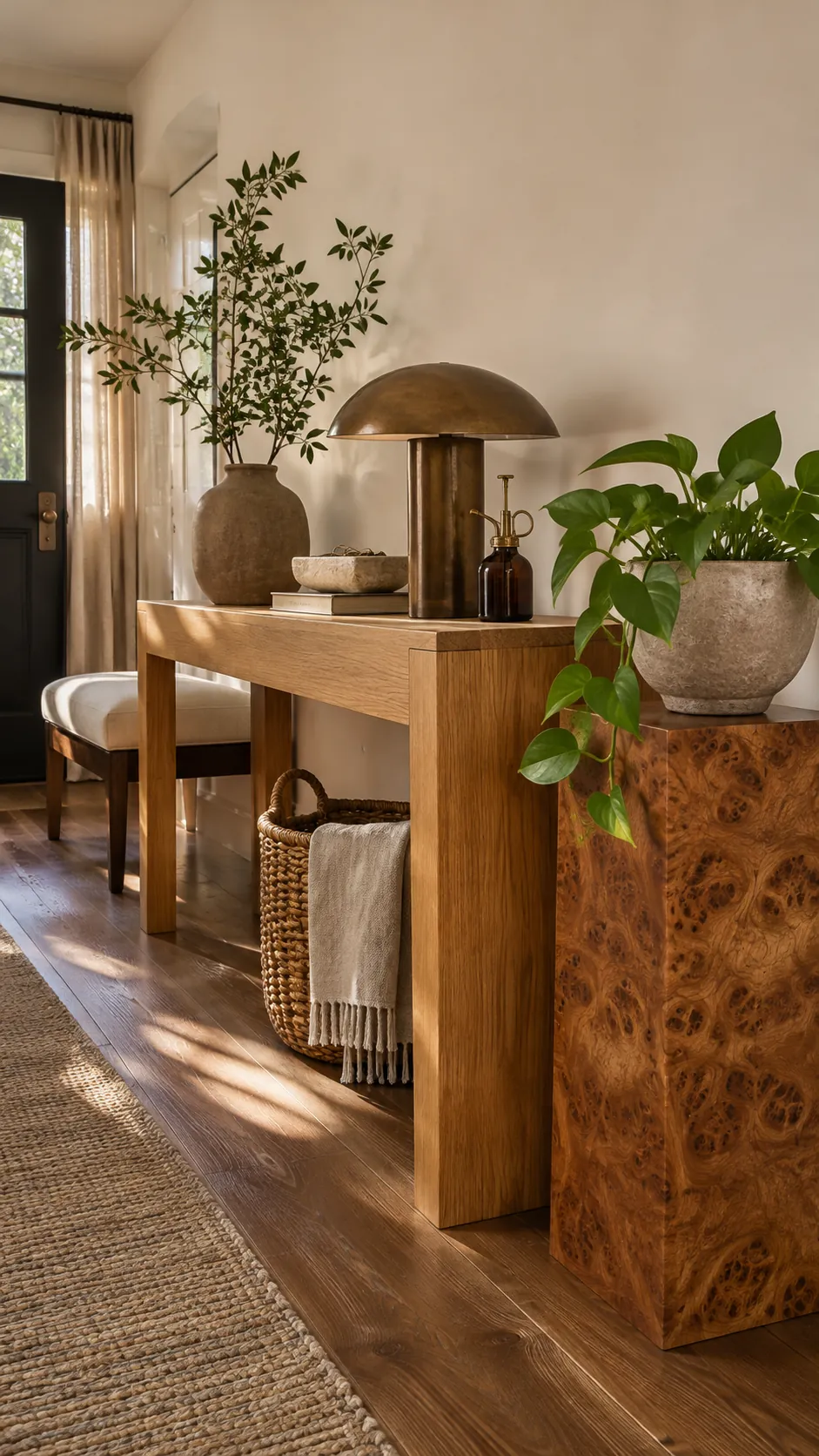
Let Wood Grain Create Contrast
Two pieces can share a color while differing in grain, cut, and finish. Place straight grained oak near a burled or live edge accent so the eye notices nature rather than a furniture collection. Keep the shapes simple because the grain already supplies movement.
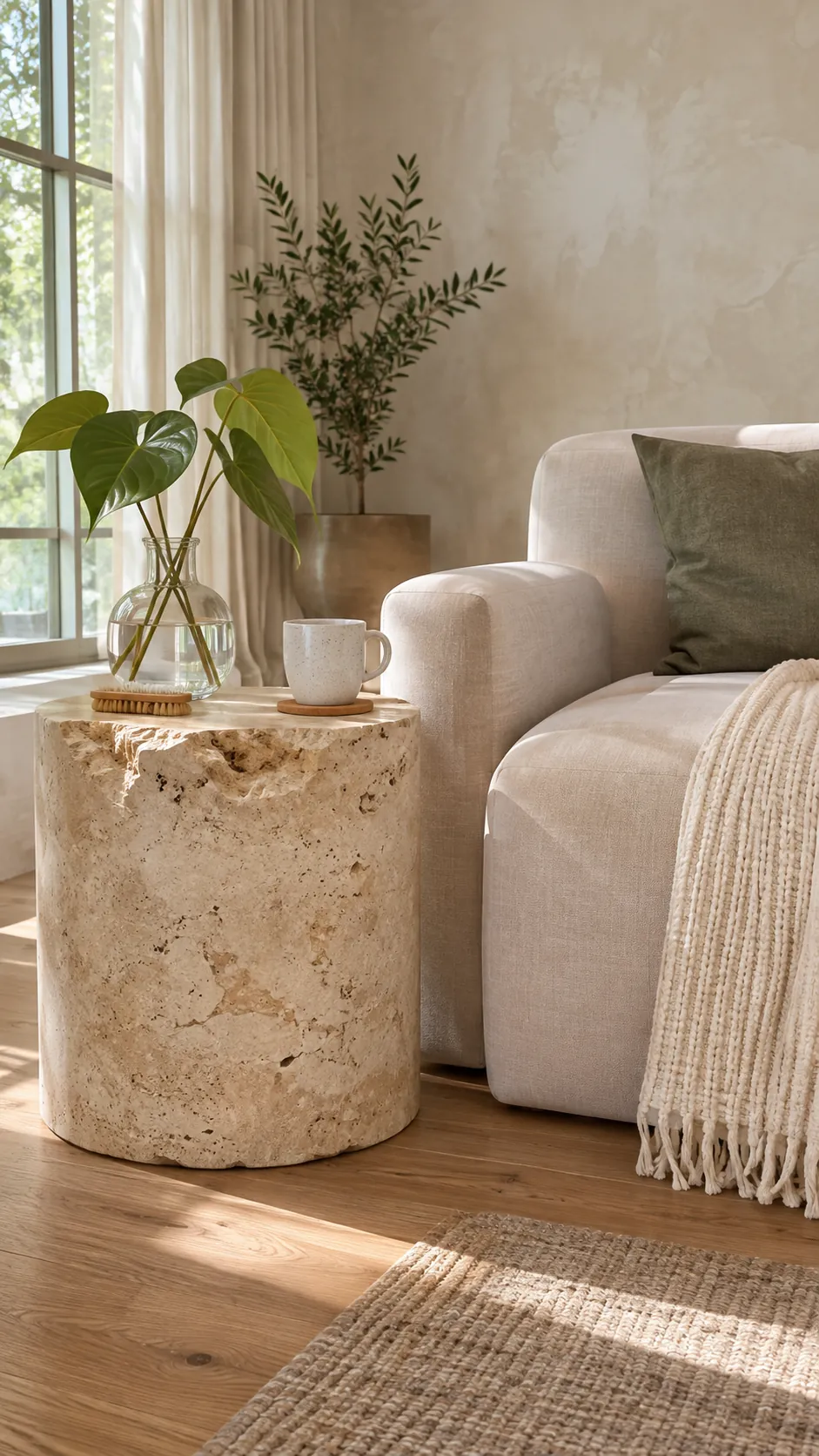
Add a Rough Stone Side Table
A rough stone surface interrupts polished matching furniture with weight and irregularity. Choose a stable piece with a level top and enough clearance for daily use. Let its edge and pores remain visible instead of covering it with many accessories.
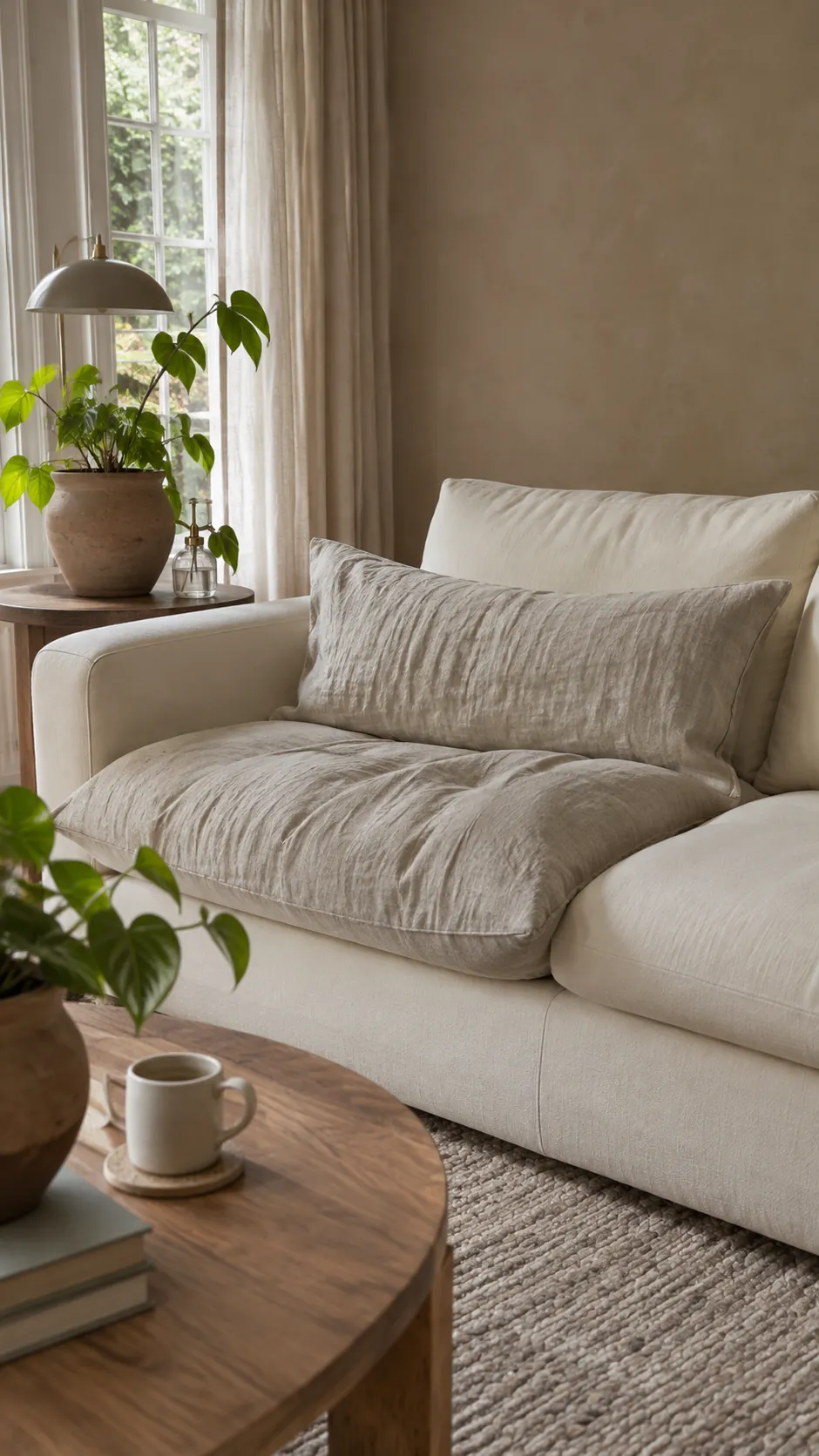
Layer Linen Over Smooth Upholstery
A washed linen slipcover or large cushion can soften upholstery that looks too perfect. Use a related neutral with visible creases and a dry hand. The contrast should come from texture, not from a loud pattern that competes with the room.
Ground the Room With a Handwoven Wool Rug
A handwoven rug gives matching furniture a common ground without repeating its finish. Choose subtle variation in the yarn so the floor has depth from several viewpoints. Size it to hold the front legs of the main seating pieces and preserve a clear walking edge.
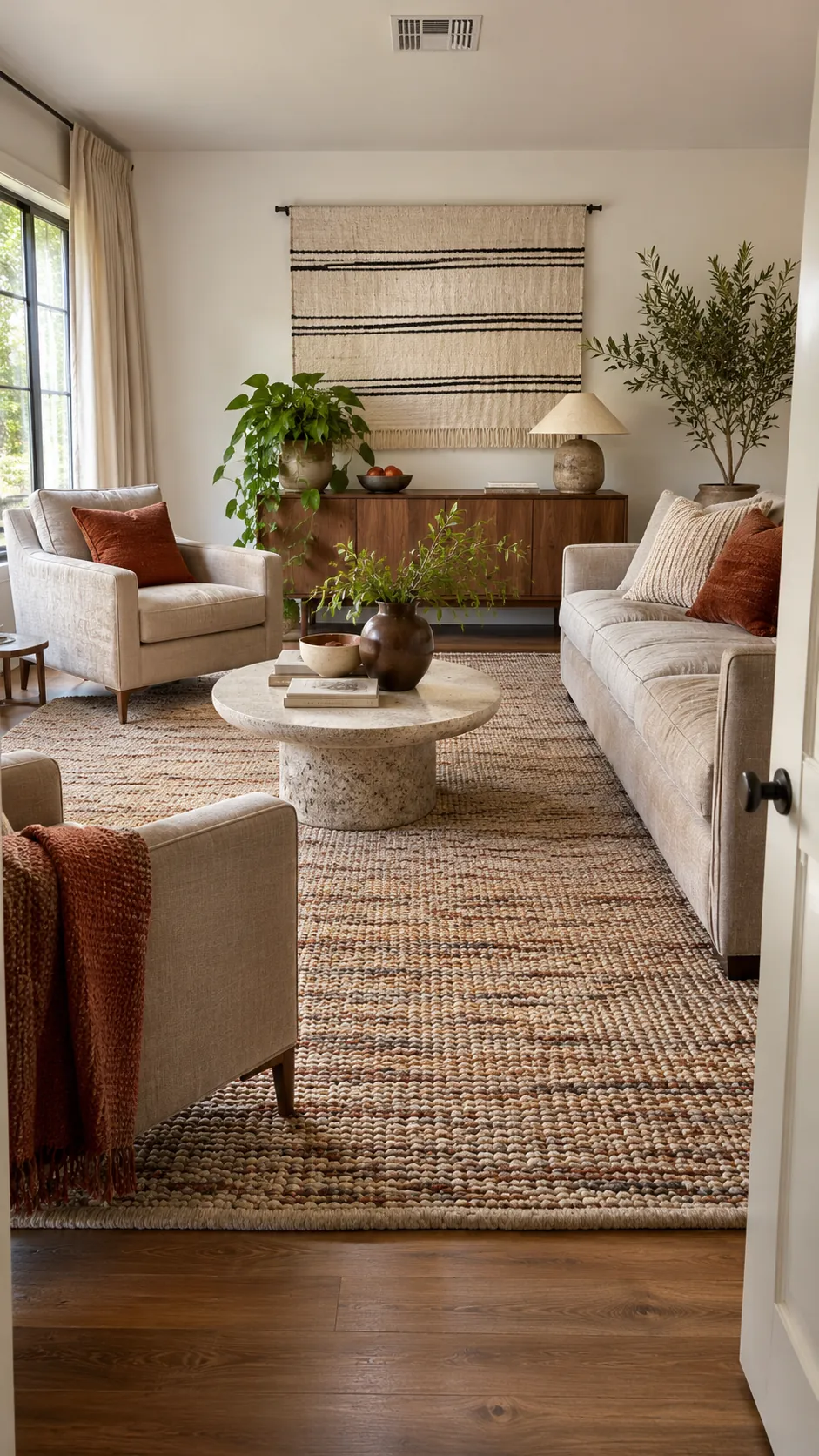
Mix Rounded and Straight Silhouettes
When every item has the same squared profile, introduce one curved shape. A round table, arched lamp, or softly formed chair gives the eye a pause while clean lines remain dominant. Check the surrounding clearance because a curve still needs practical space.
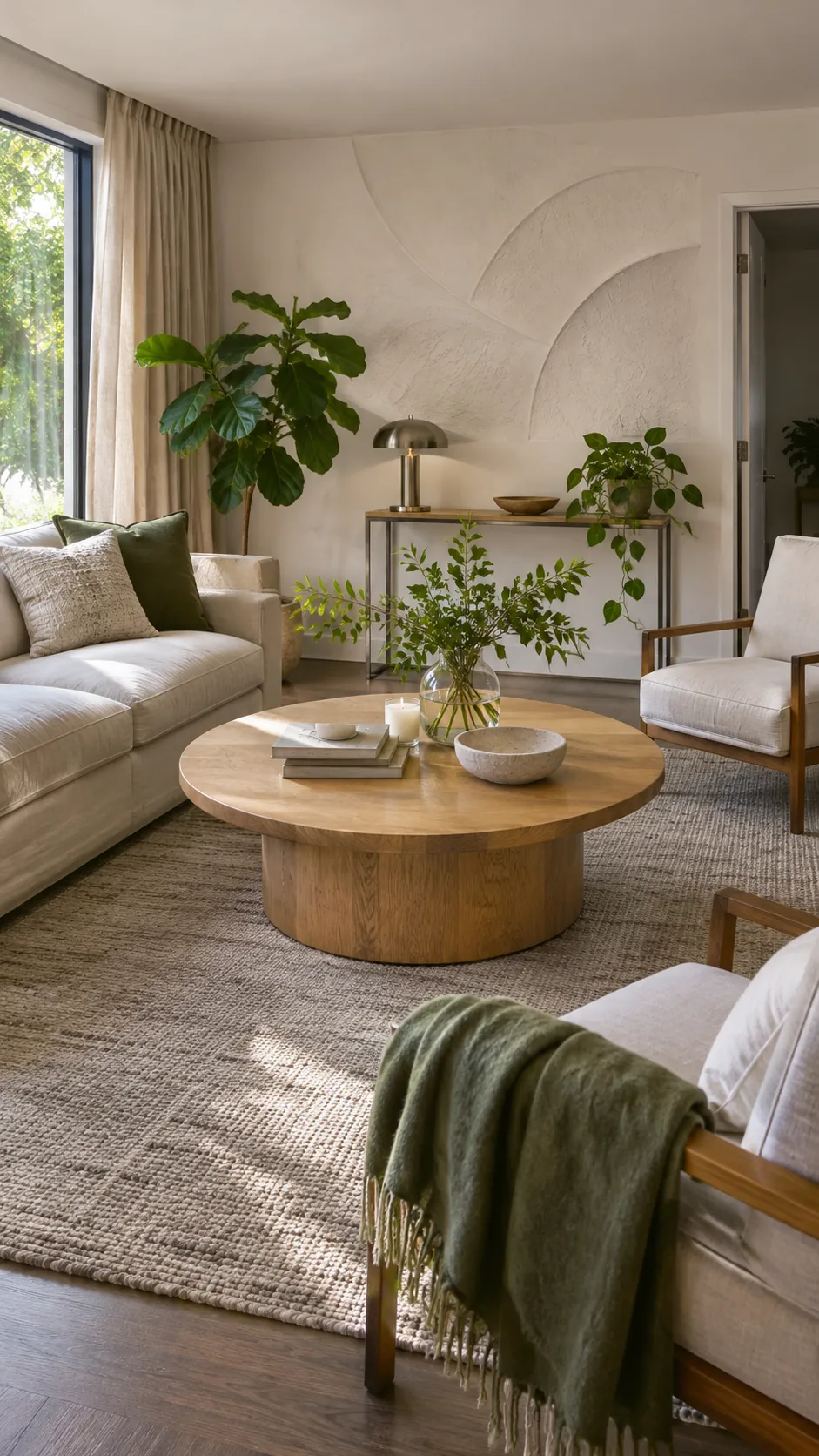
Replace One Matching Lampshade
Identical lamps can stay, but one shade can change the rhythm. Fit a woven or softly pleated shade to one base while keeping the scale and bulb output appropriate. The small difference is enough to make the lighting feel collected over time.
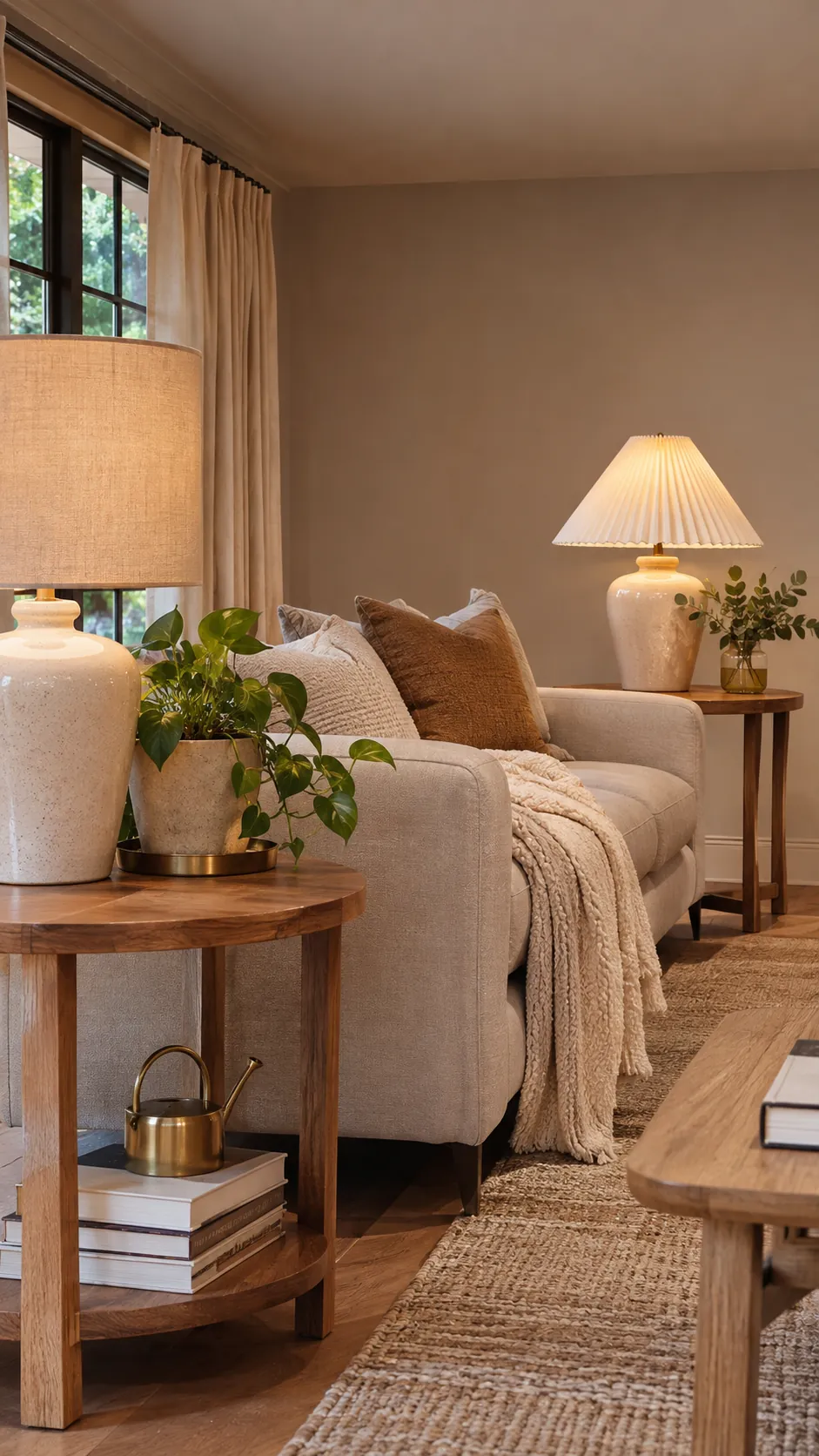
Use Asymmetrical Table Lamps
A room does not need a lamp at each end of every surface. Put one substantial table lamp on a console, then balance it with a lower bowl or small stack of books. The uneven heights add life while the visual weight remains stable.
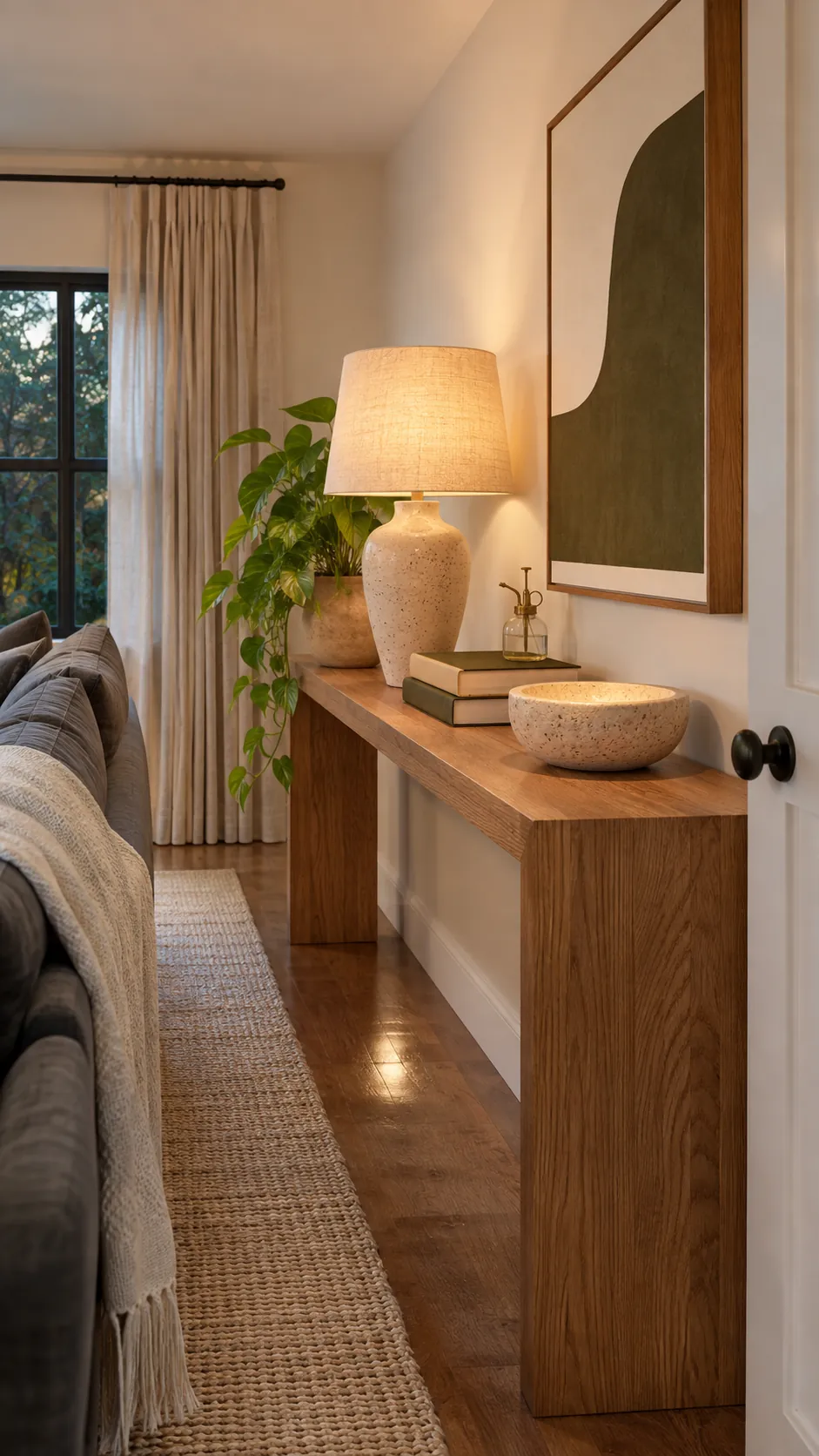
Bring In a Vintage Accent Chair
One older chair can loosen a room full of new furniture. Look for a sturdy frame, comfortable seat, and a wood tone that connects to something already present. Reupholster only when needed, and keep signs of age that do not affect function.
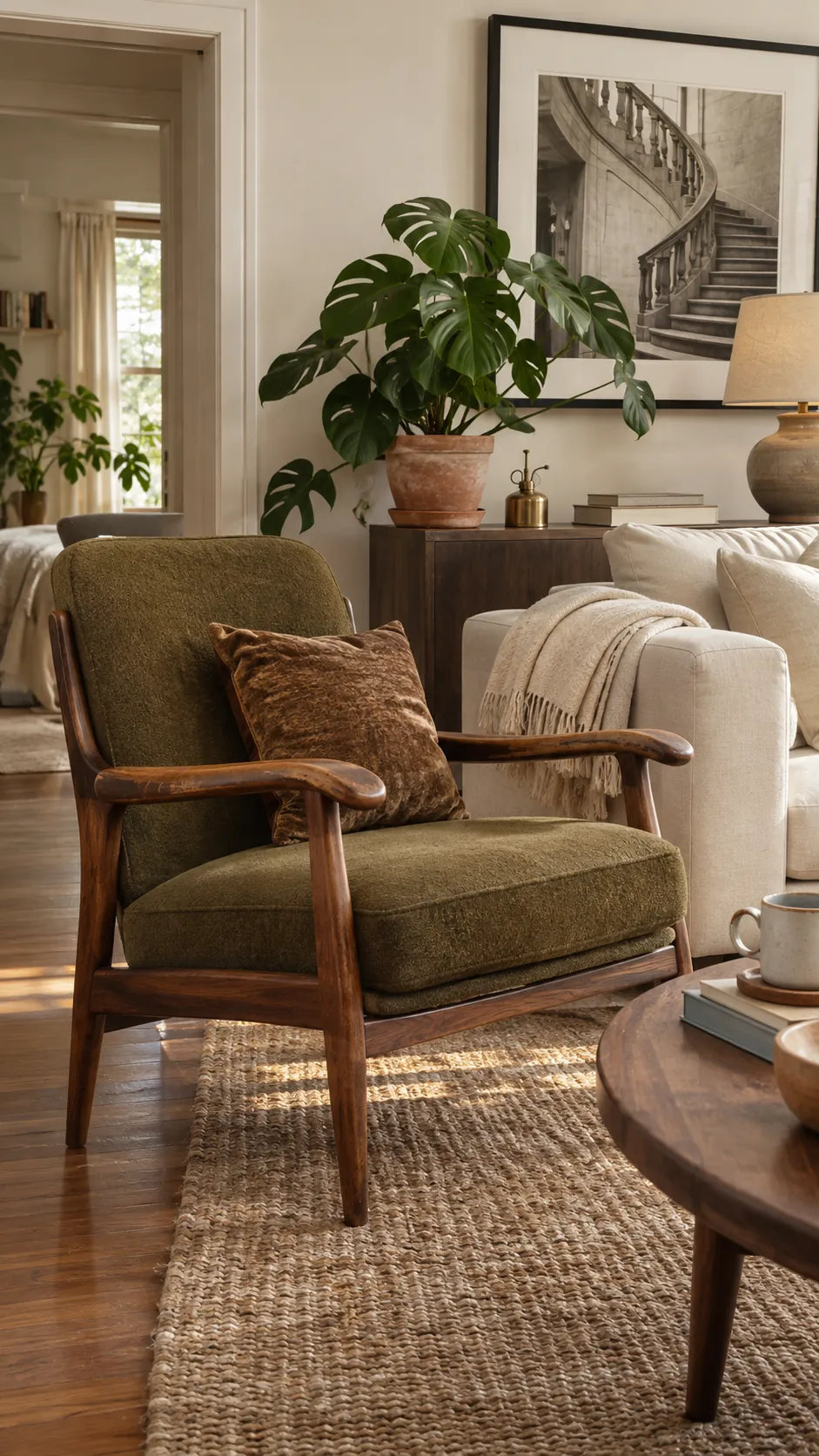
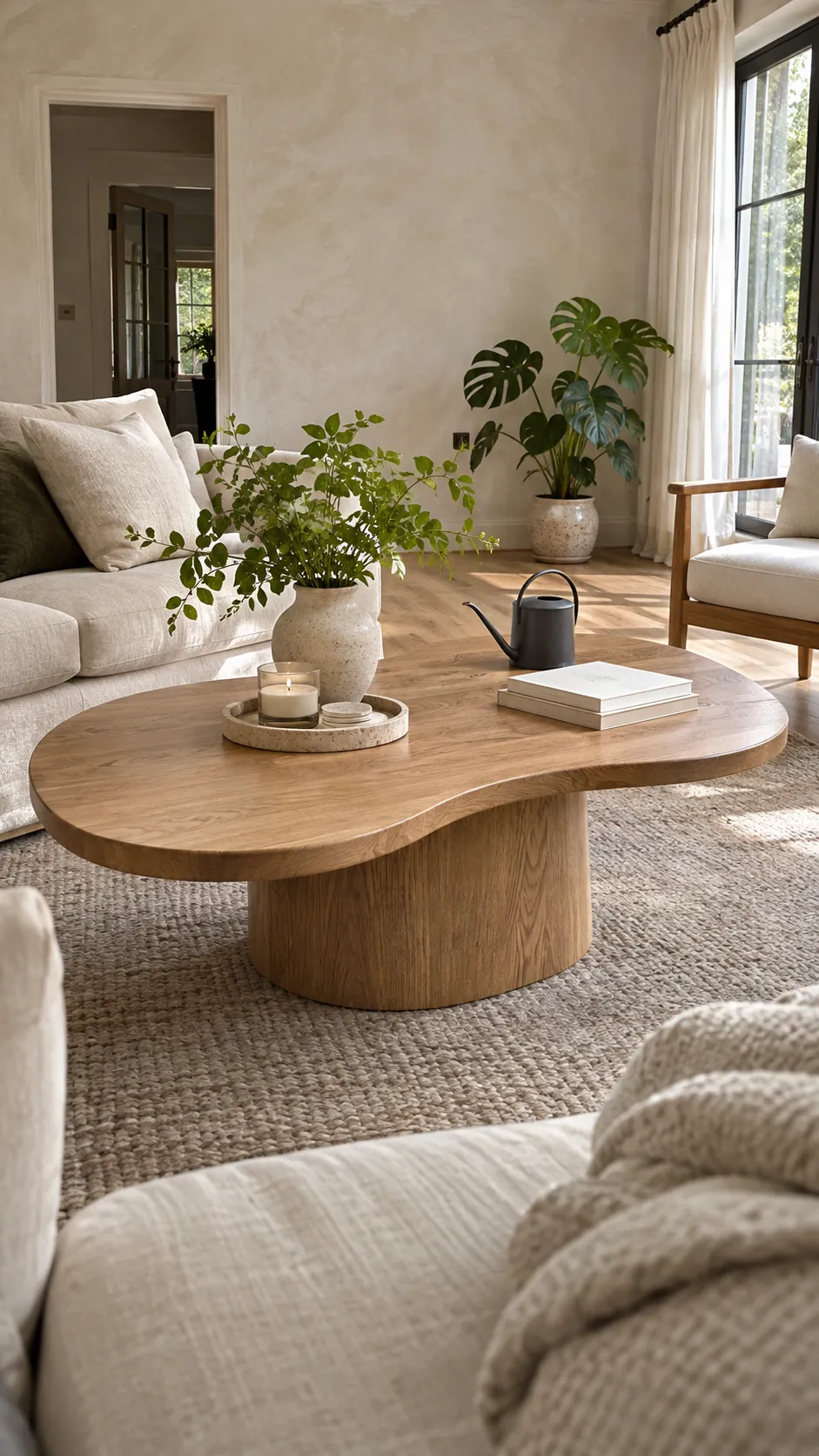
Choose a Sculptural Coffee Table
A coffee table with an organic outline can become the room's single strong gesture. Keep the surface practical and the base stable enough for daily use. Surround it with quieter seating so its form has space to register.
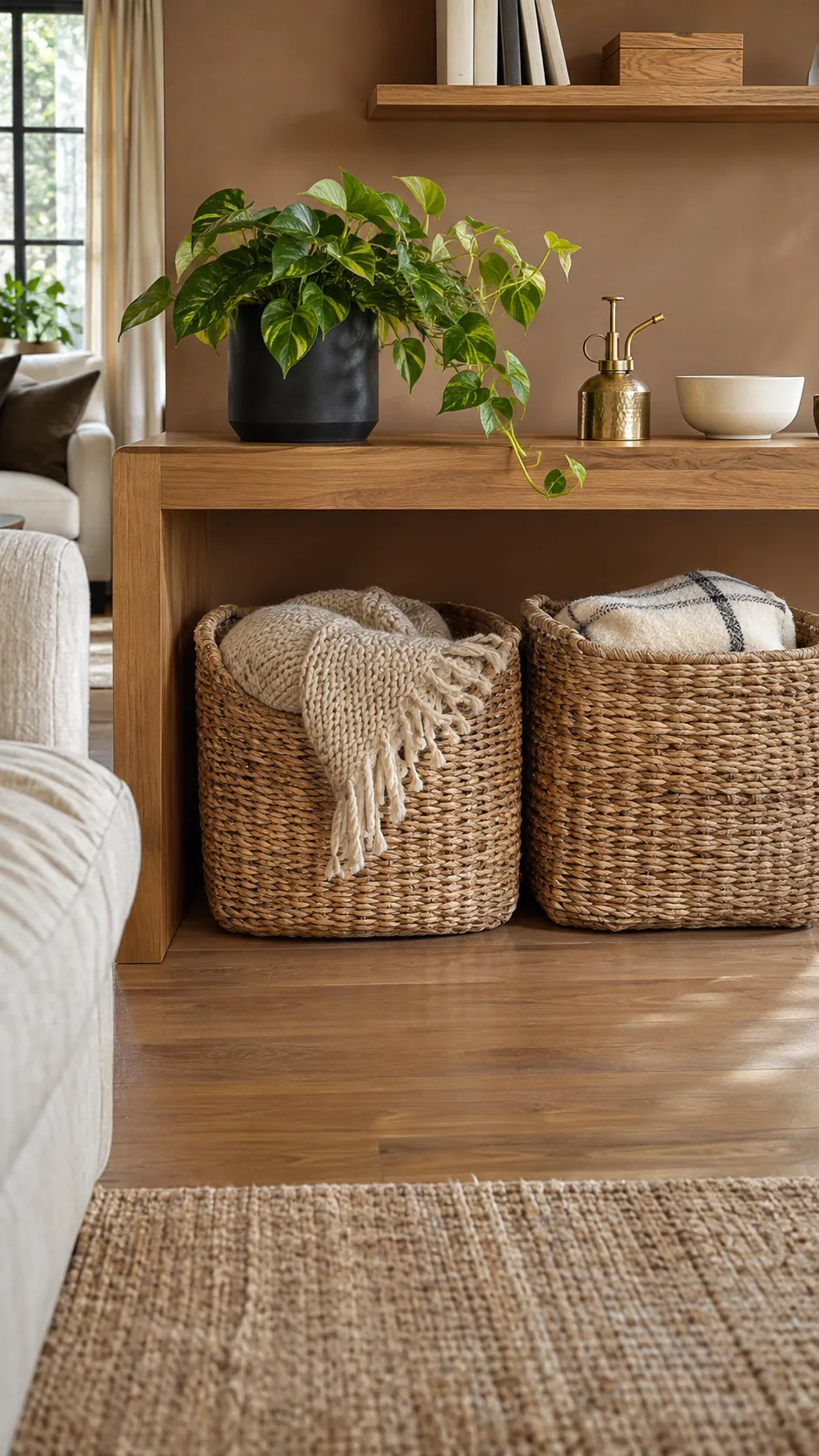
Add Woven Basket Storage
Storage can introduce hand worked texture while solving visible clutter. Use one or two sturdy baskets sized for throws, toys, or media supplies rather than lining the room with decorative containers. Keep handles reachable and lids easy to open.
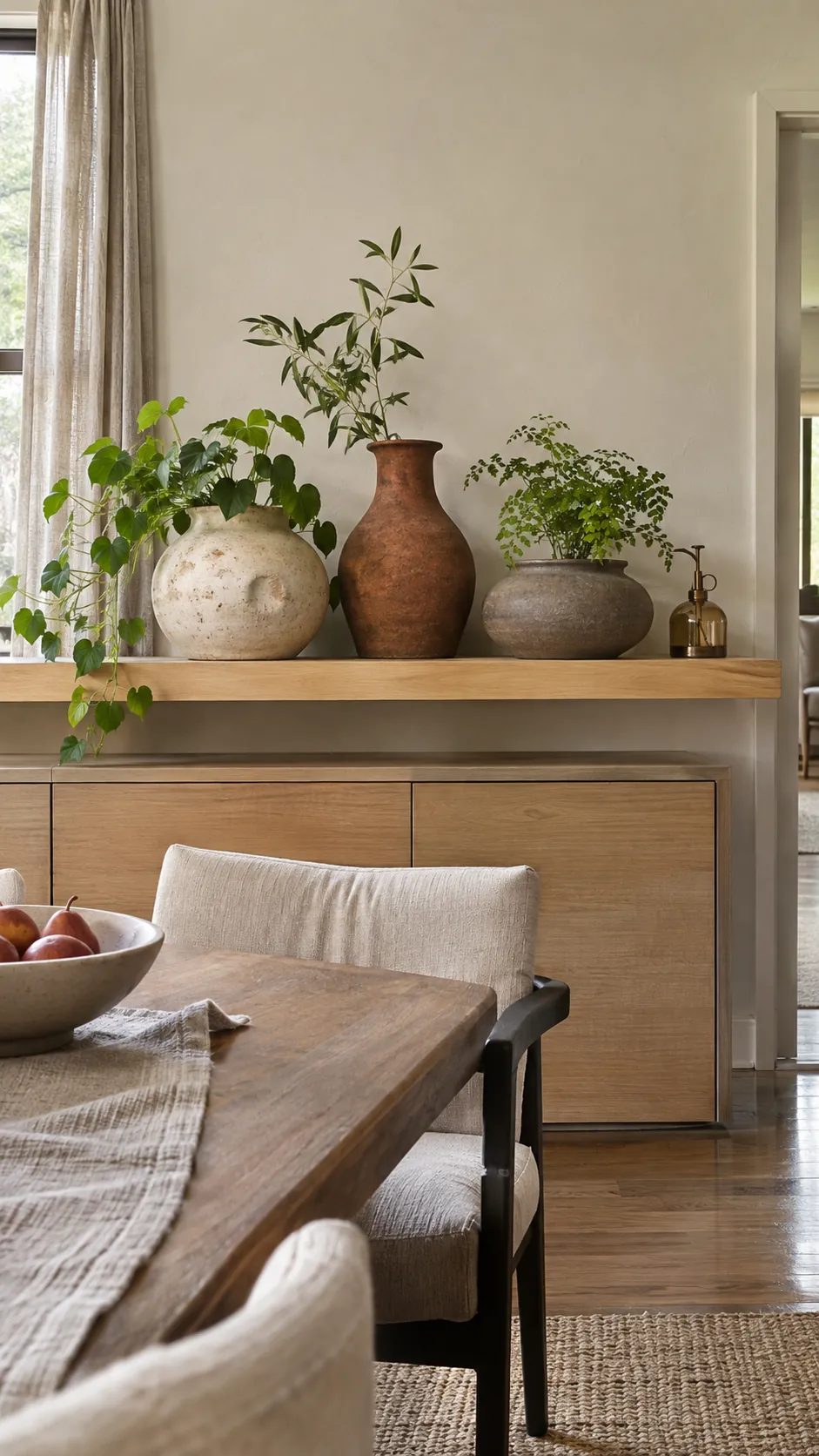
Display Handmade Ceramics in a Small Group
Three handmade vessels can provide variation in profile, glaze, and touch. Group them with enough space to see each outline, and keep the arrangement away from busy edges. A small collection feels personal because the pieces relate without being identical.
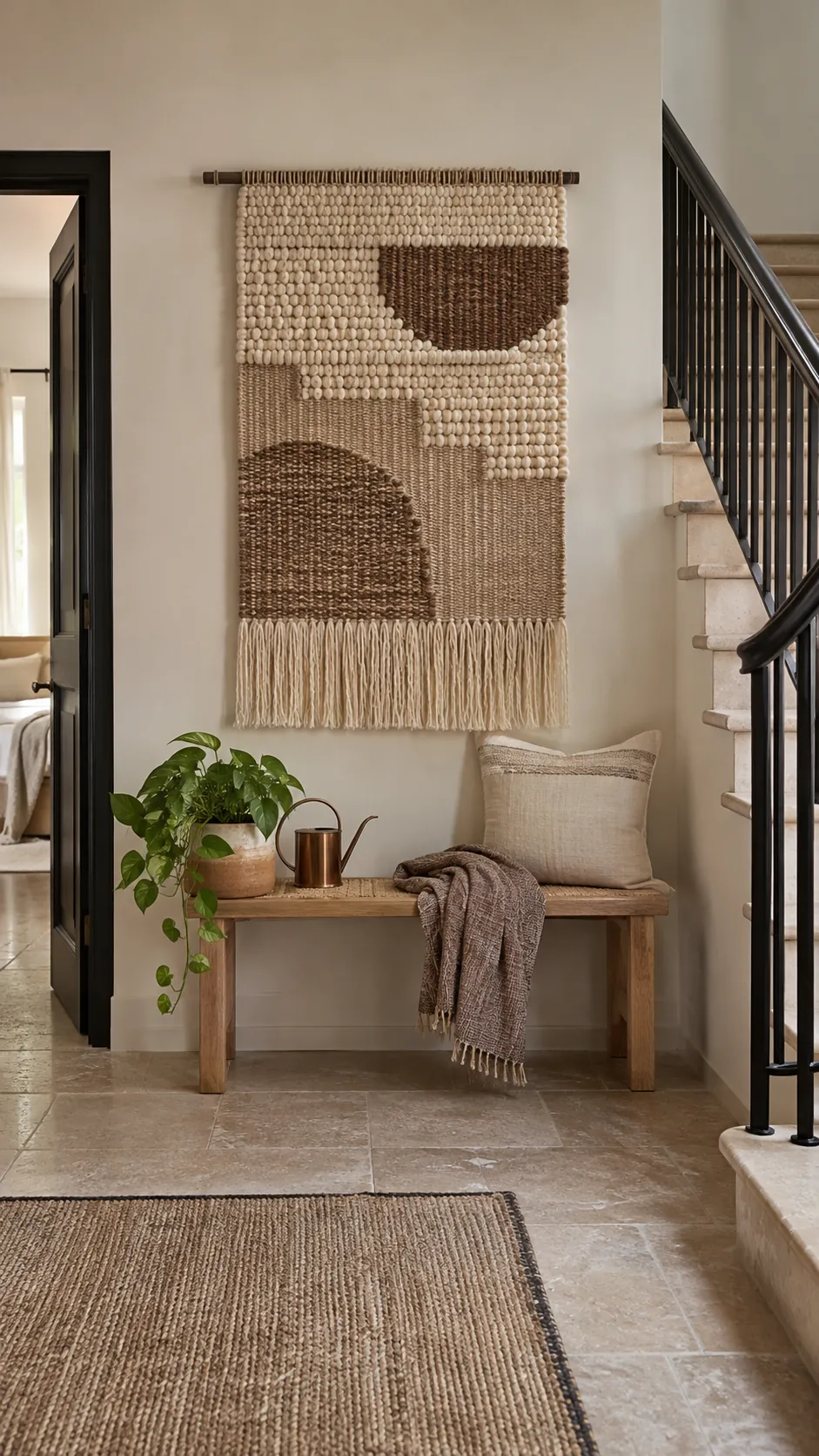
Hang One Textural Fiber Work
Fiber art can warm a blank wall without adding another hard frame. Select a piece with visible construction and enough open wall around it. Keep nearby furniture simple so the fibers remain the material focus.
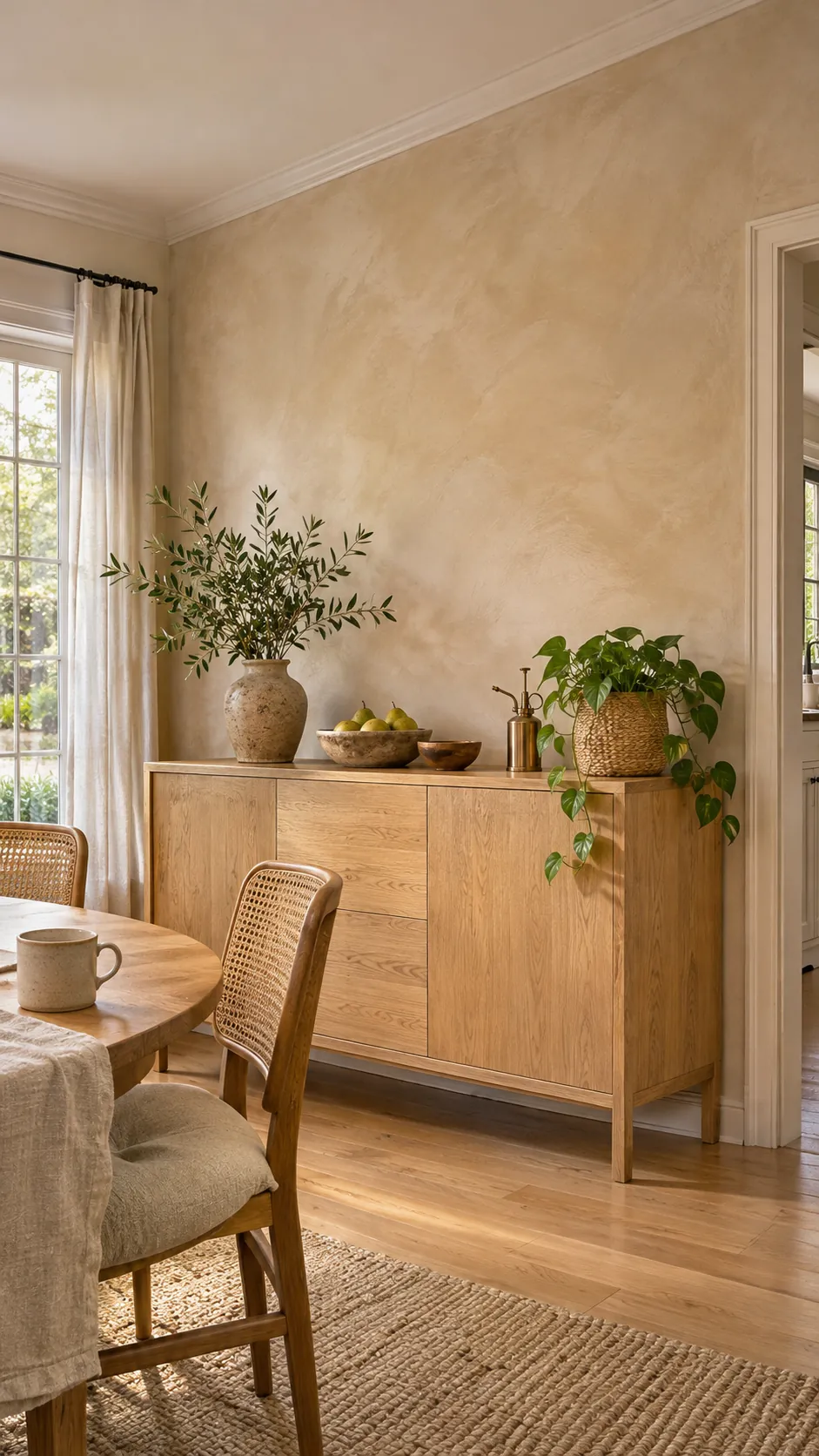
Use Limewash on a Single Wall
A limewash finish creates tonal movement that flat paint cannot provide. Apply it to one wall that receives changing daylight, then leave adjacent walls calm. The variation should be soft enough to support furniture rather than mimic a theatrical backdrop.
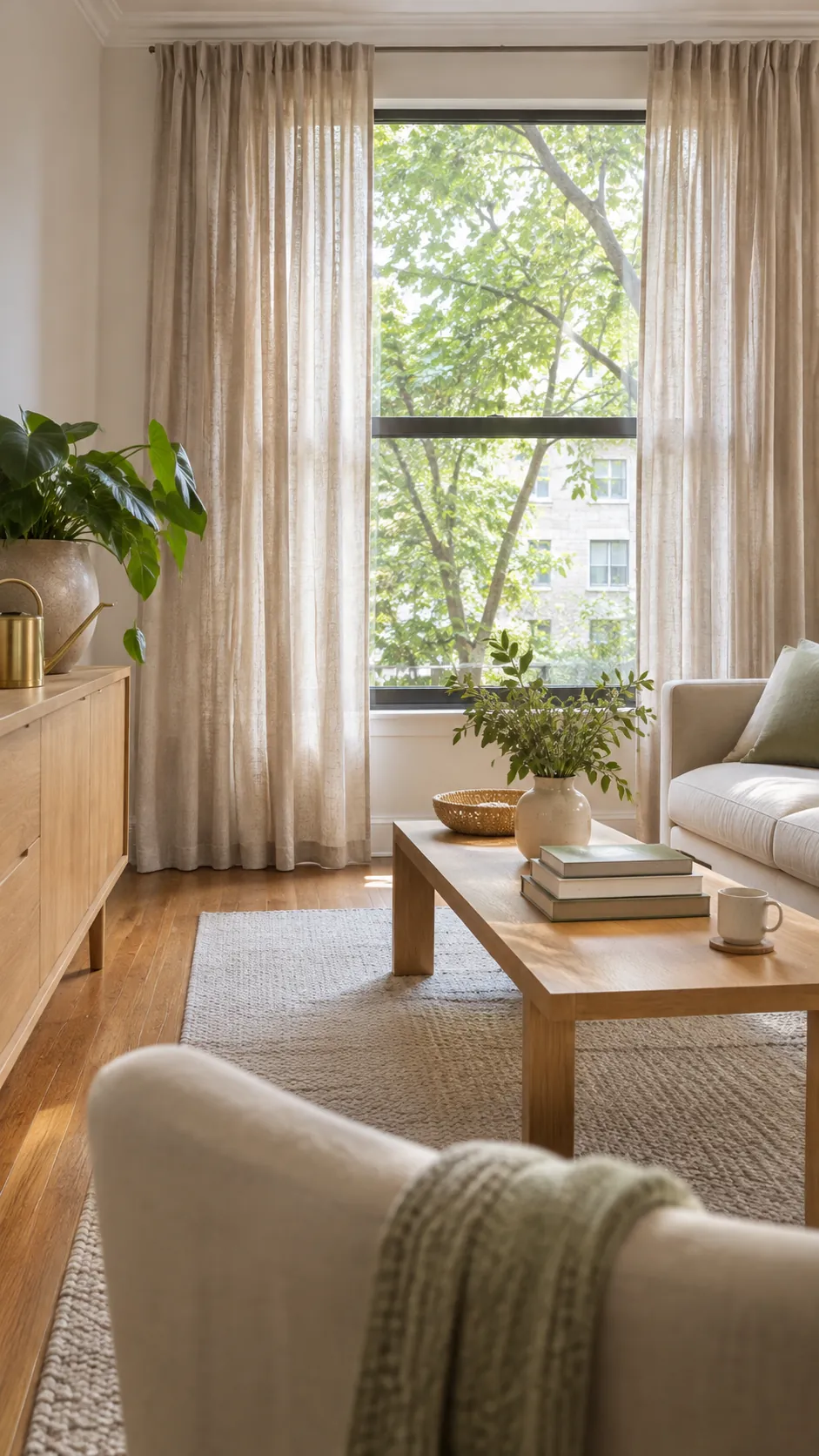
Soften Windows With Washed Linen
Crisp matching furniture often needs a softer boundary at the window. Hang washed linen curtains high enough to clear the floor and wide enough to stack beyond the glass. Their irregular weave filters light without blocking the room's useful view.
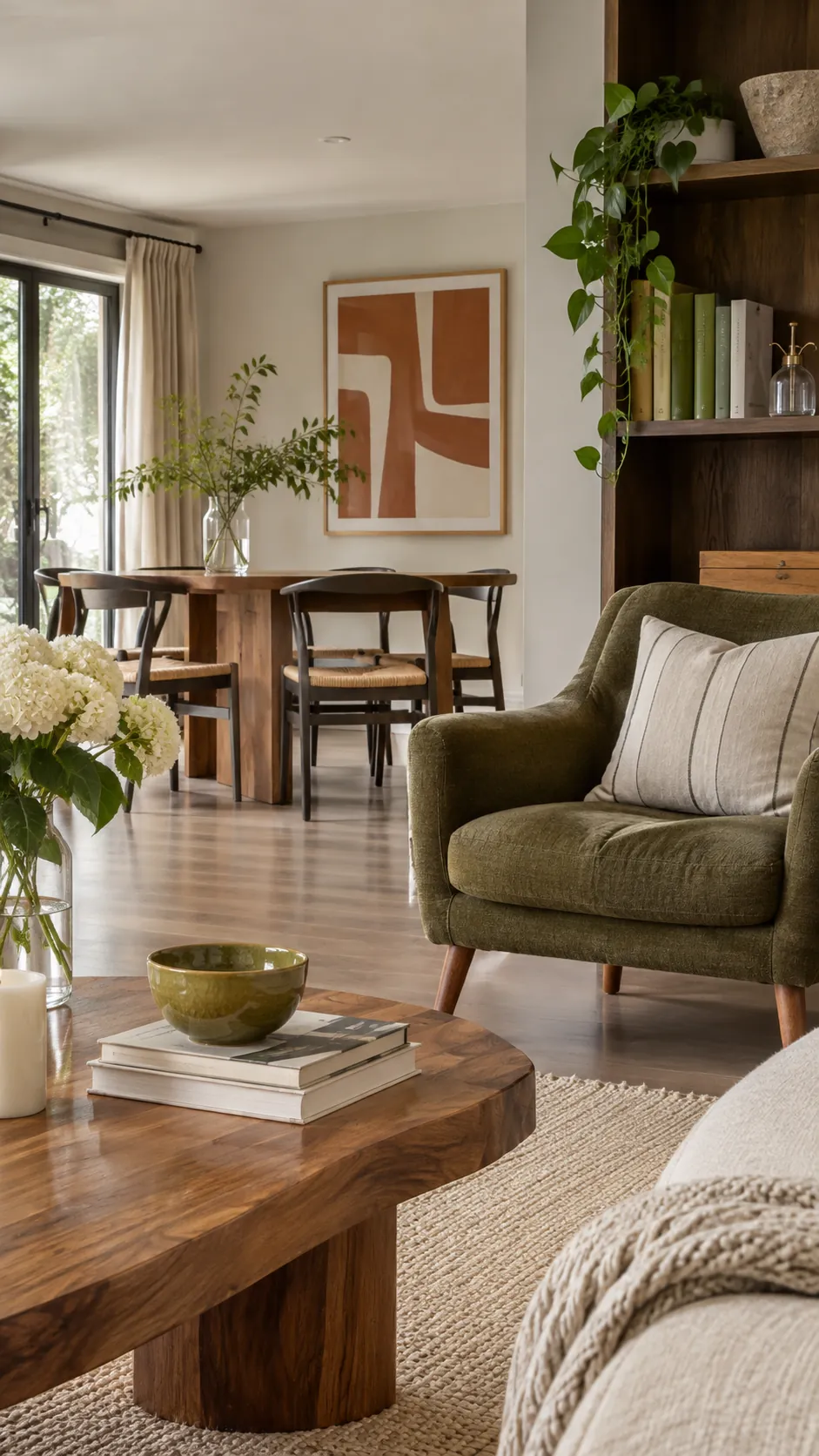
Repeat One Color Three Times
A varied room still needs a thread that the eye can follow. Repeat one muted color in three places of different scale, such as a chair, a book spine, and a ceramic glaze. Do not match the exact shade because close relatives feel more natural.
Shift Neutrals From Cool to Warm
A gray matching set can feel detached when every nearby neutral is equally cool. Add warm flax, mushroom, camel, or clay tones in fabrics and natural surfaces. Keep some gray visible so the room gains range instead of changing from one formula to another.
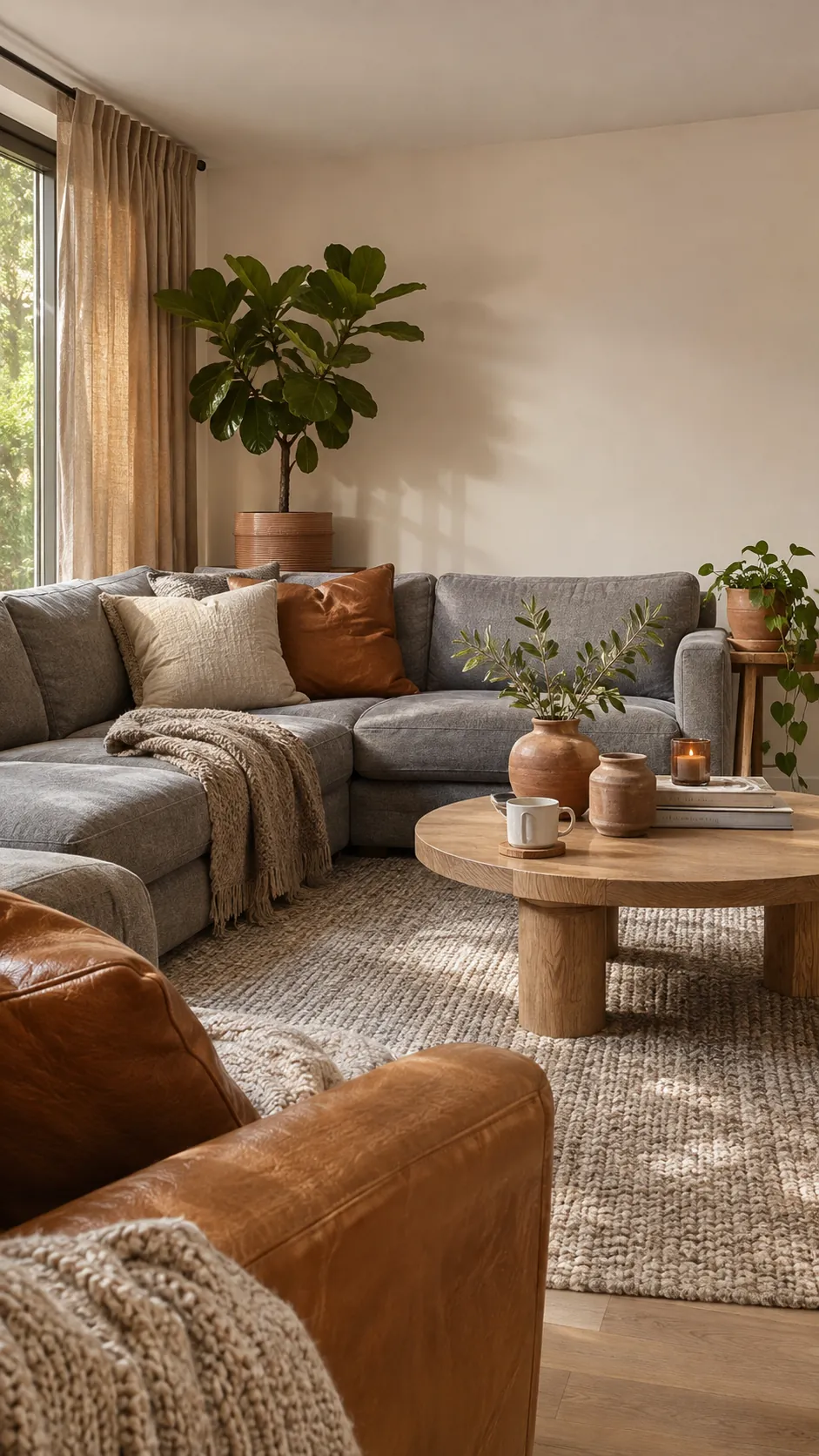
Add Black in Narrow Accents
Small black details can sharpen a pale organic palette. Use narrow lines in a lamp stem, frame, handle, or table base instead of one heavy black mass. Repeat the line sparingly so it guides the eye around the room.
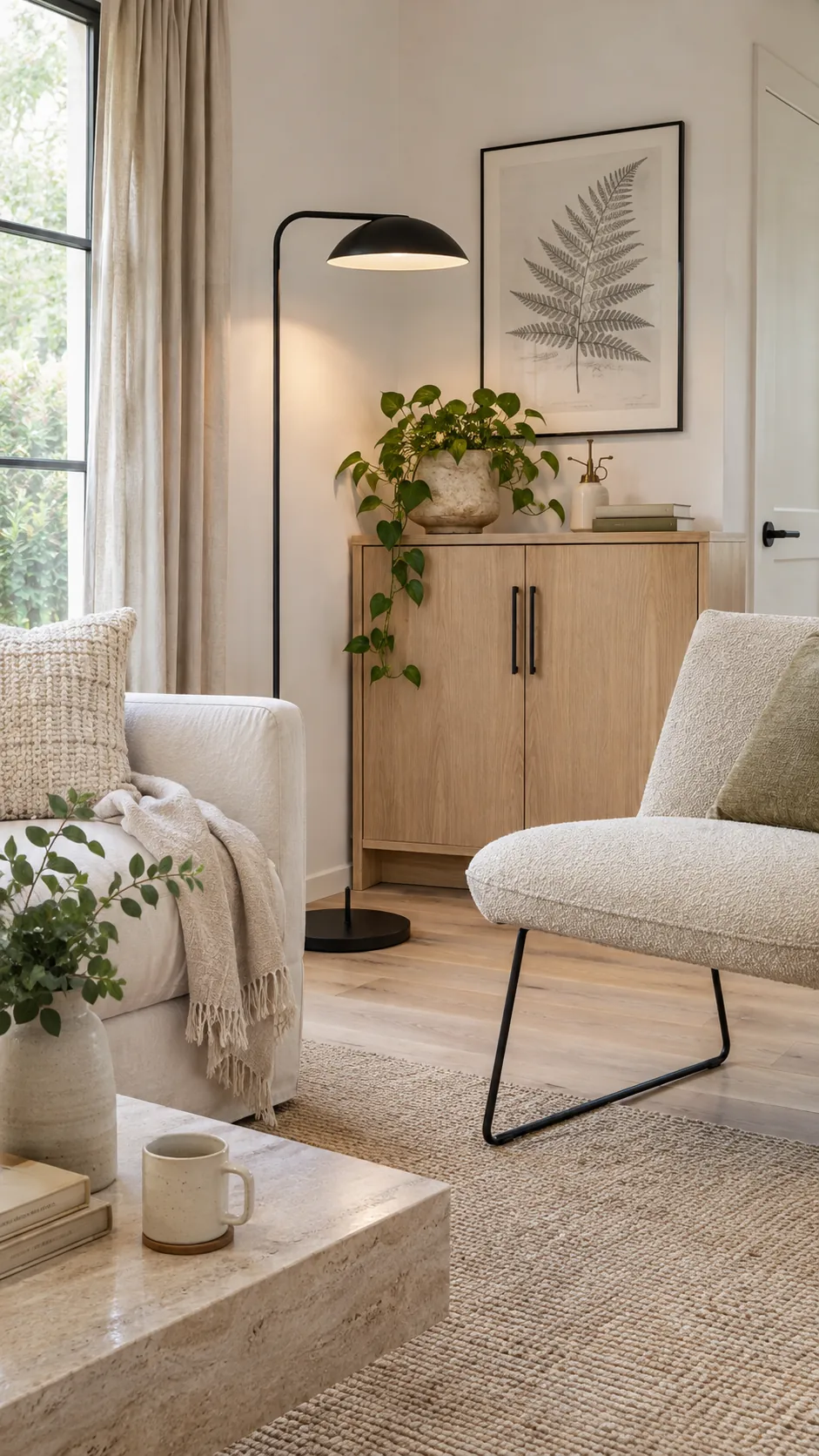
Place Oversized Branches in a Vessel
A few real branches can add height and seasonal movement without filling the room with small decor. Choose a heavy vessel, trim the stems to a safe scale, and keep them away from walkways. Let the branching form contrast with the repeated geometry of cabinets and tables.
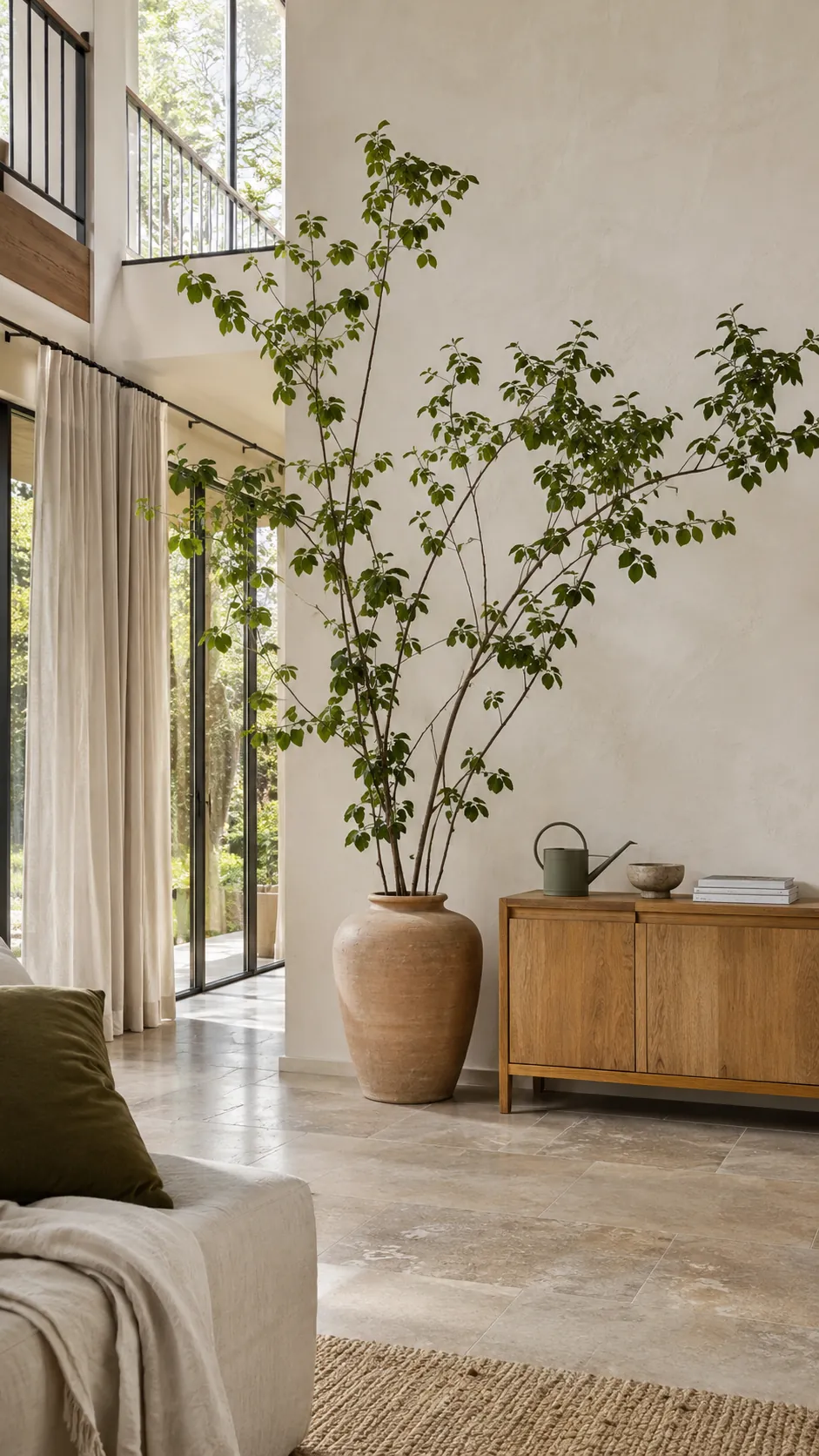
Cluster Plants by Leaf Shape
Several scattered plants can look like repeated accessories. Group two or three species with contrasting leaf shapes in one bright zone, then leave other surfaces open. Use varied pot heights while keeping every container stable and reachable for care.
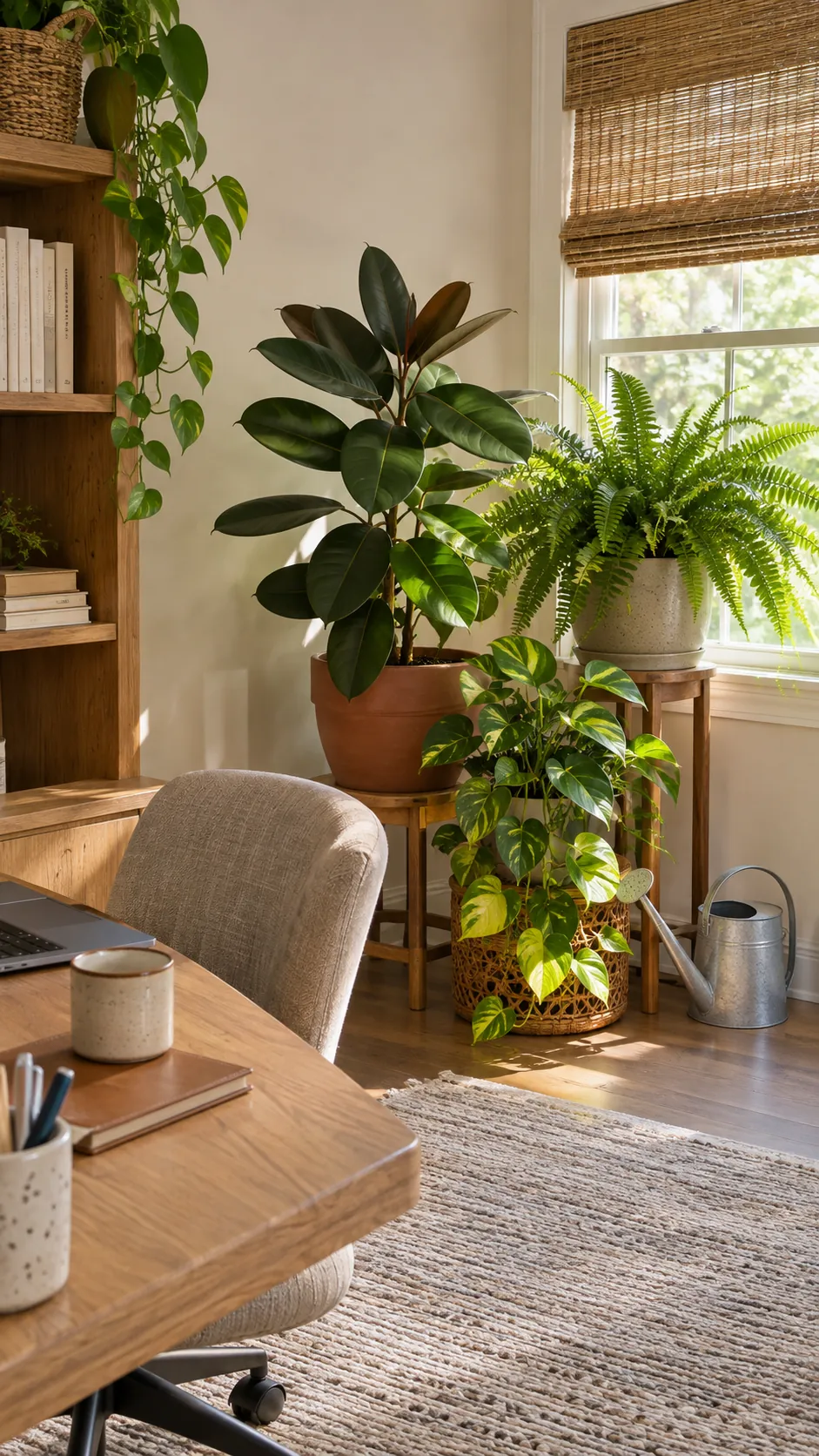
Leave Breathing Room Around Furniture
Visual variety disappears when every gap holds another object. Remove one side table or basket and preserve a clear border around the main seating group. Empty floor lets different silhouettes read separately and improves movement through the room.
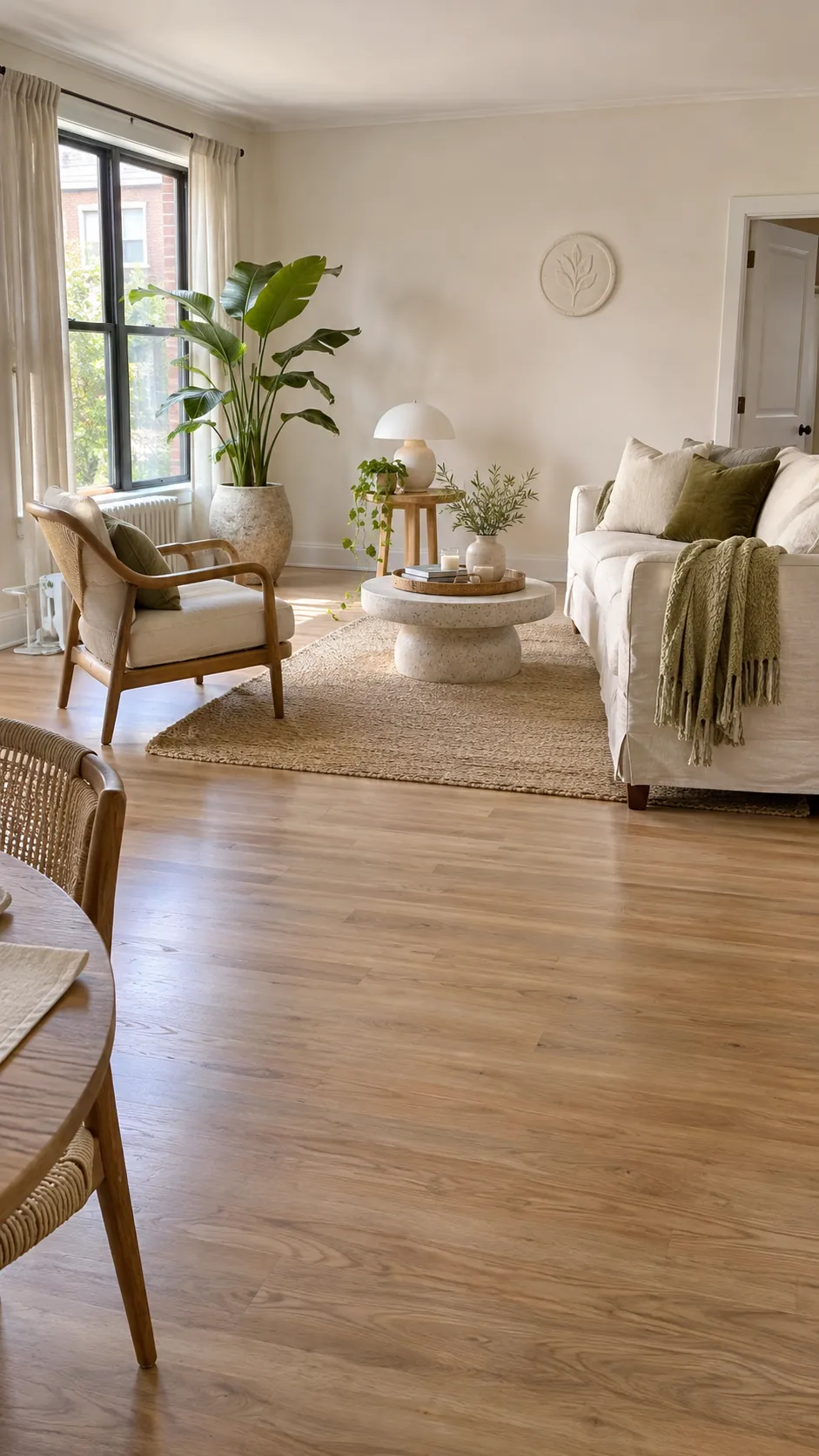
Angle One Chair Toward Conversation
A matching chair placed square to the wall can reinforce a rigid grid. Turn it slightly toward the sofa so the arrangement supports conversation and gains a relaxed diagonal. Check that the new angle does not narrow the main path.
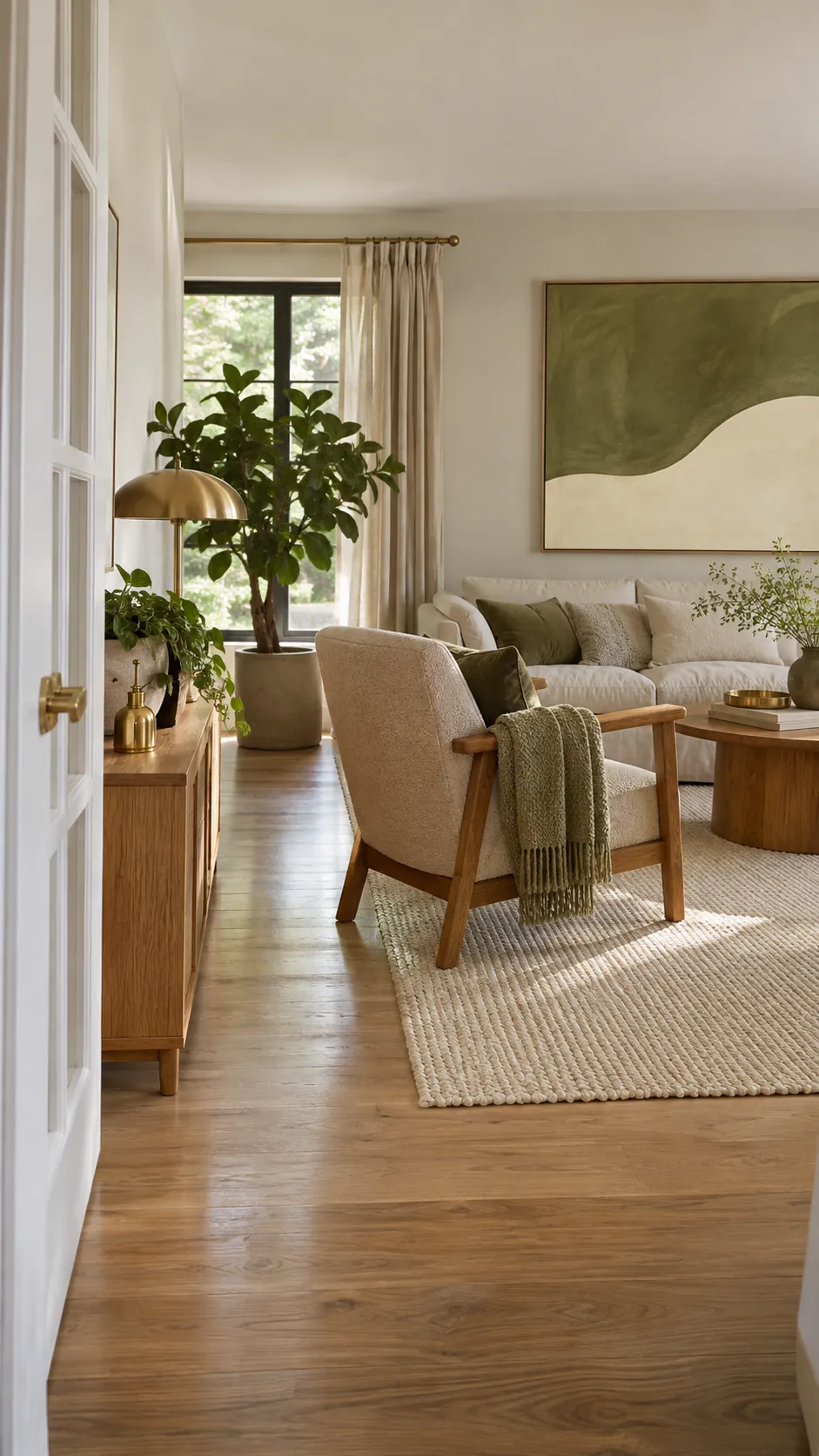
Float the Sofa Away From the Wall
Even a small gap behind the sofa can make a room feel intentionally planned. Pull it forward enough for curtains, vents, or a slim console to function. Measure the remaining path before deciding whether the move works.
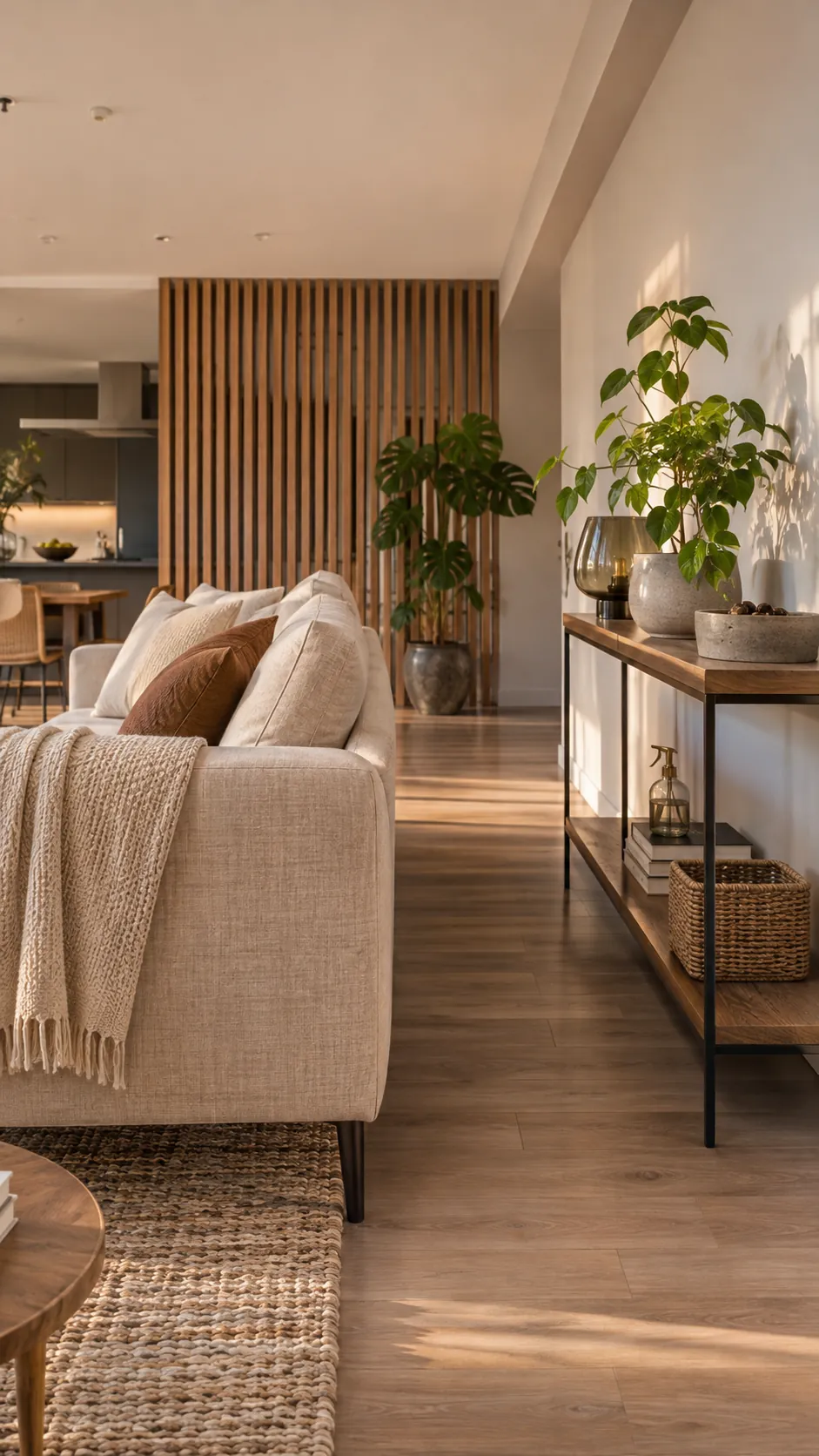
Mix Sofa Pillows by Texture
Replace a pile of identical cushions with a smaller group in related colors and different materials. Combine linen, wool, and a restrained woven stripe while varying size and shape. Keep enough open seat space for the sofa to remain comfortable.
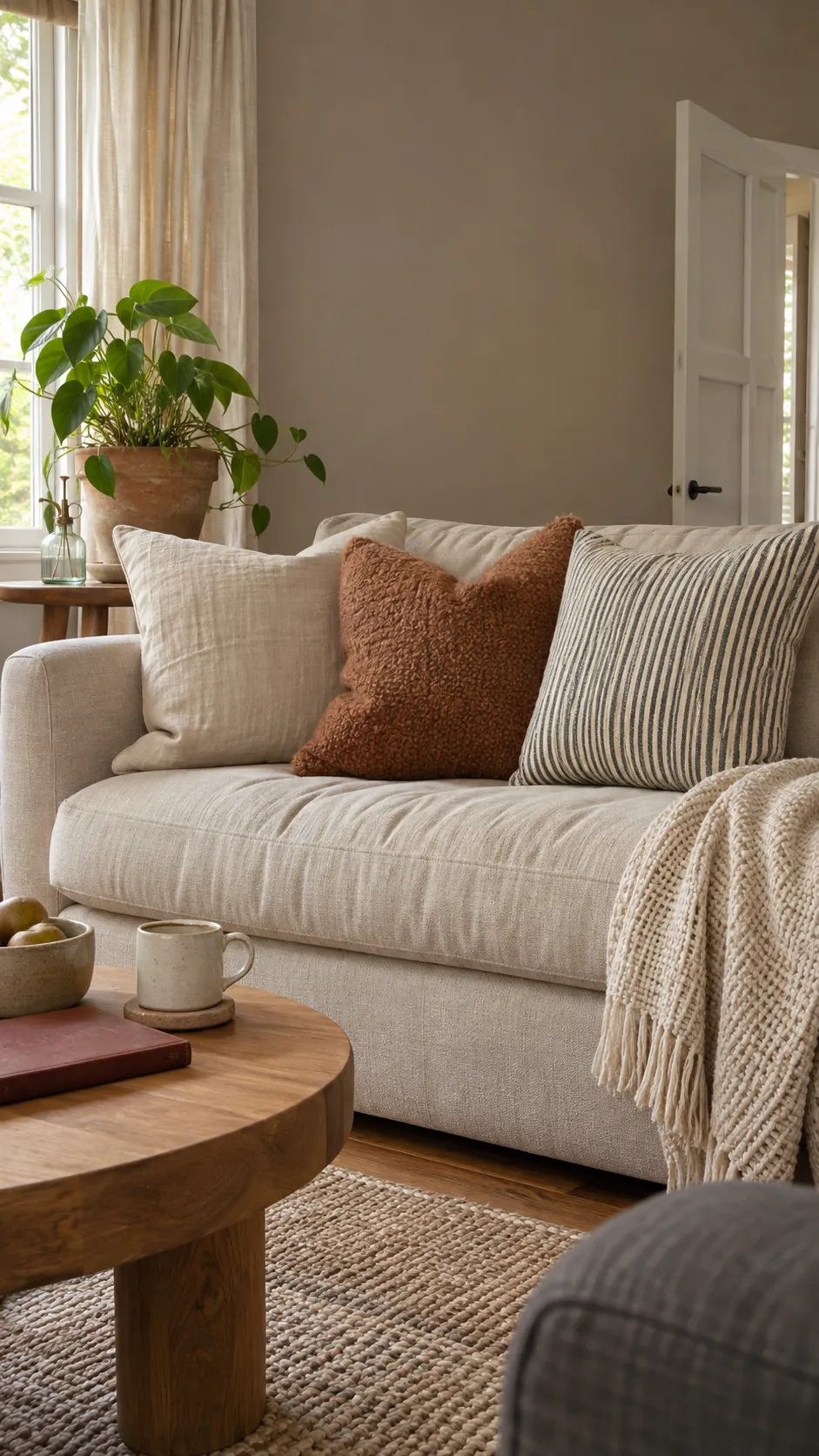
Drape One Casual Throw
A single throw can introduce an imperfect line across crisp upholstery. Fold it once, then let one end fall naturally without covering the whole chair or sofa. Choose a breathable fiber and a color already present elsewhere.
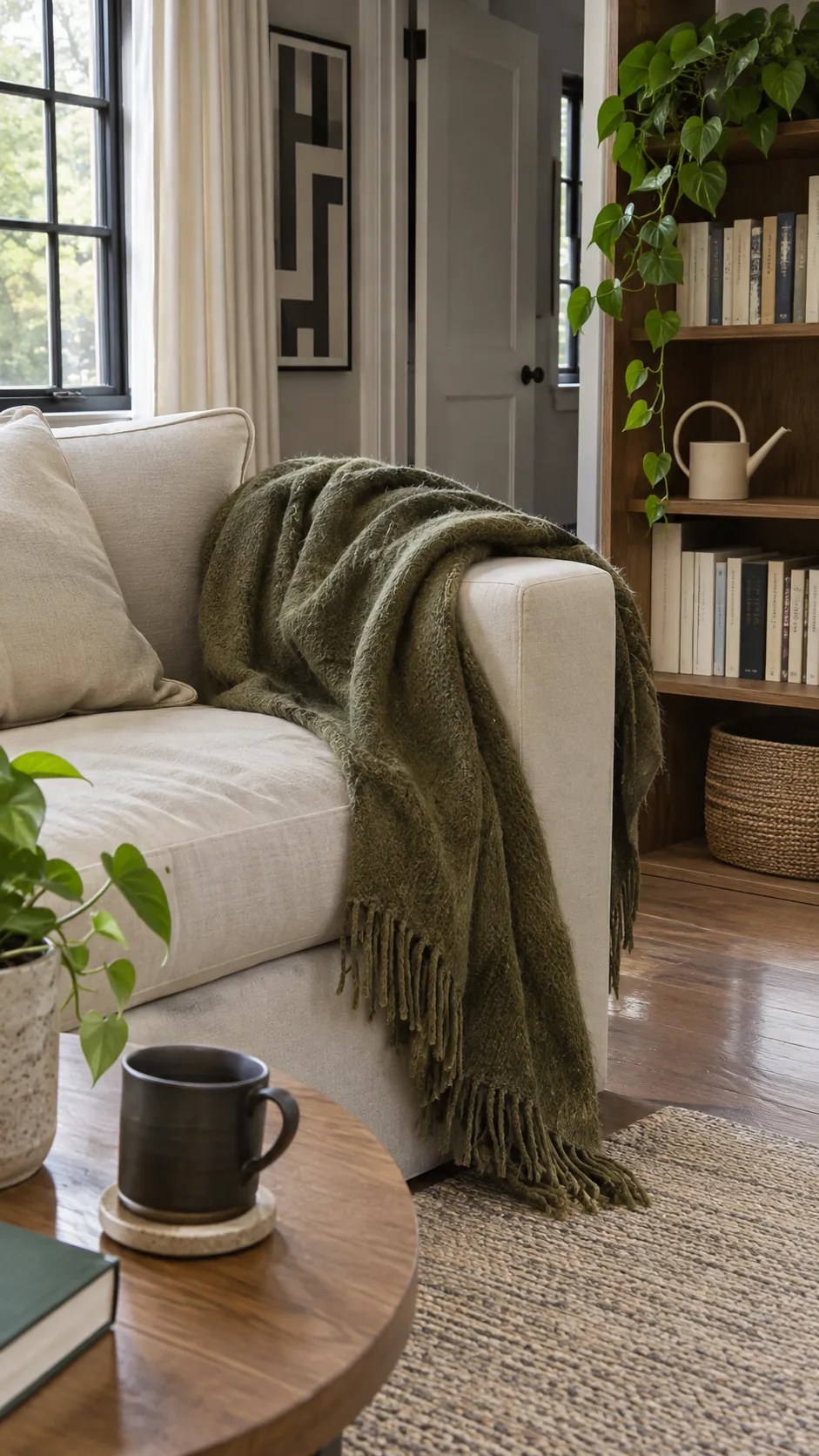
Stack Art and Design Books
Books add color, scale, and evidence of real interests. Build one short stack on a low table or shelf and leave the rest of the surface open. Rotate the titles as you read them so the arrangement stays useful rather than staged.
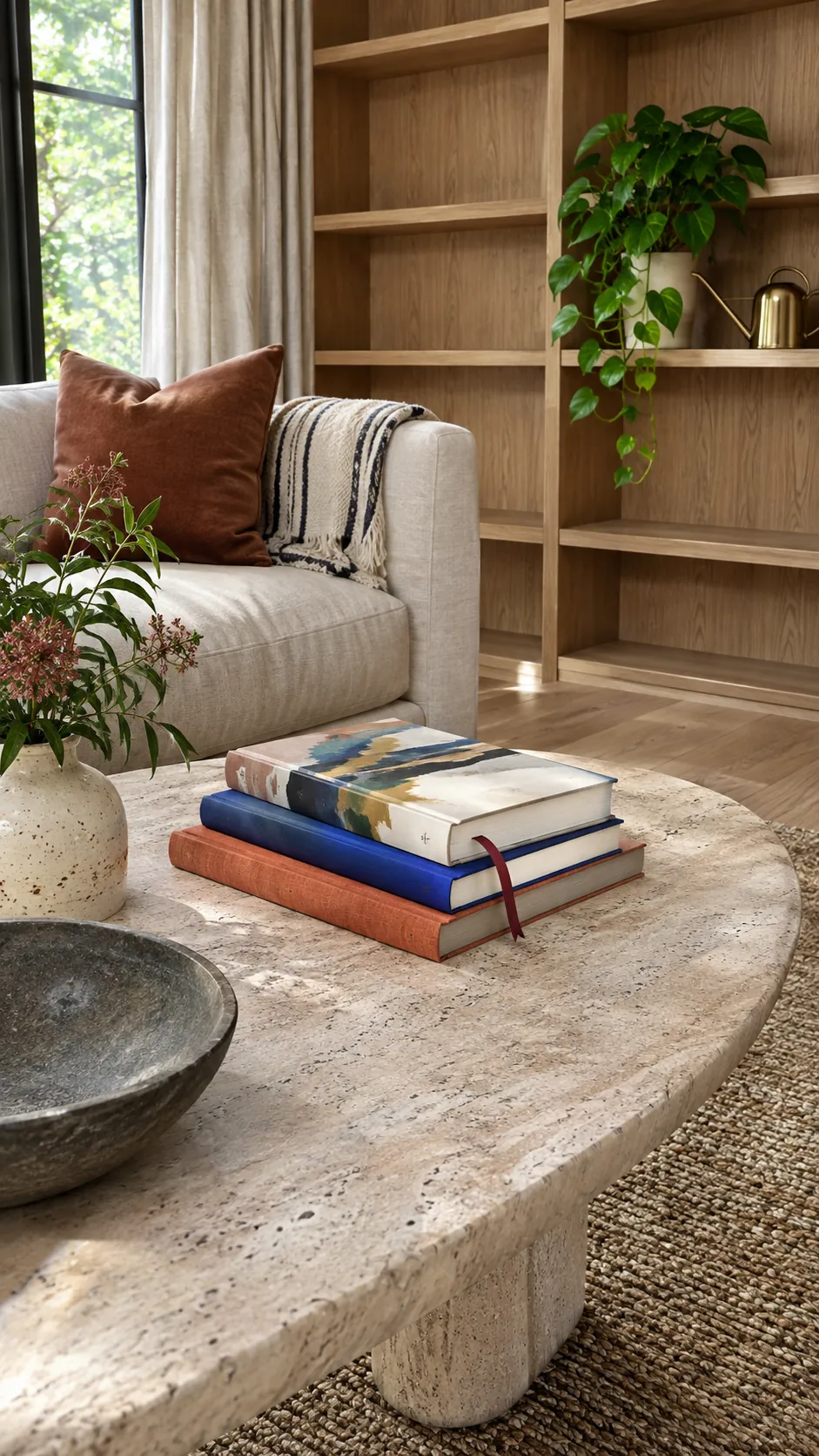
Use a Found Object as Sculpture
A weathered branch, smooth stone, or old tool can carry more character than a generic decorative object. Choose one piece with a clear shape, clean it safely, and give it a stable base. Its material history should remain visible without turning the room into a rustic theme.
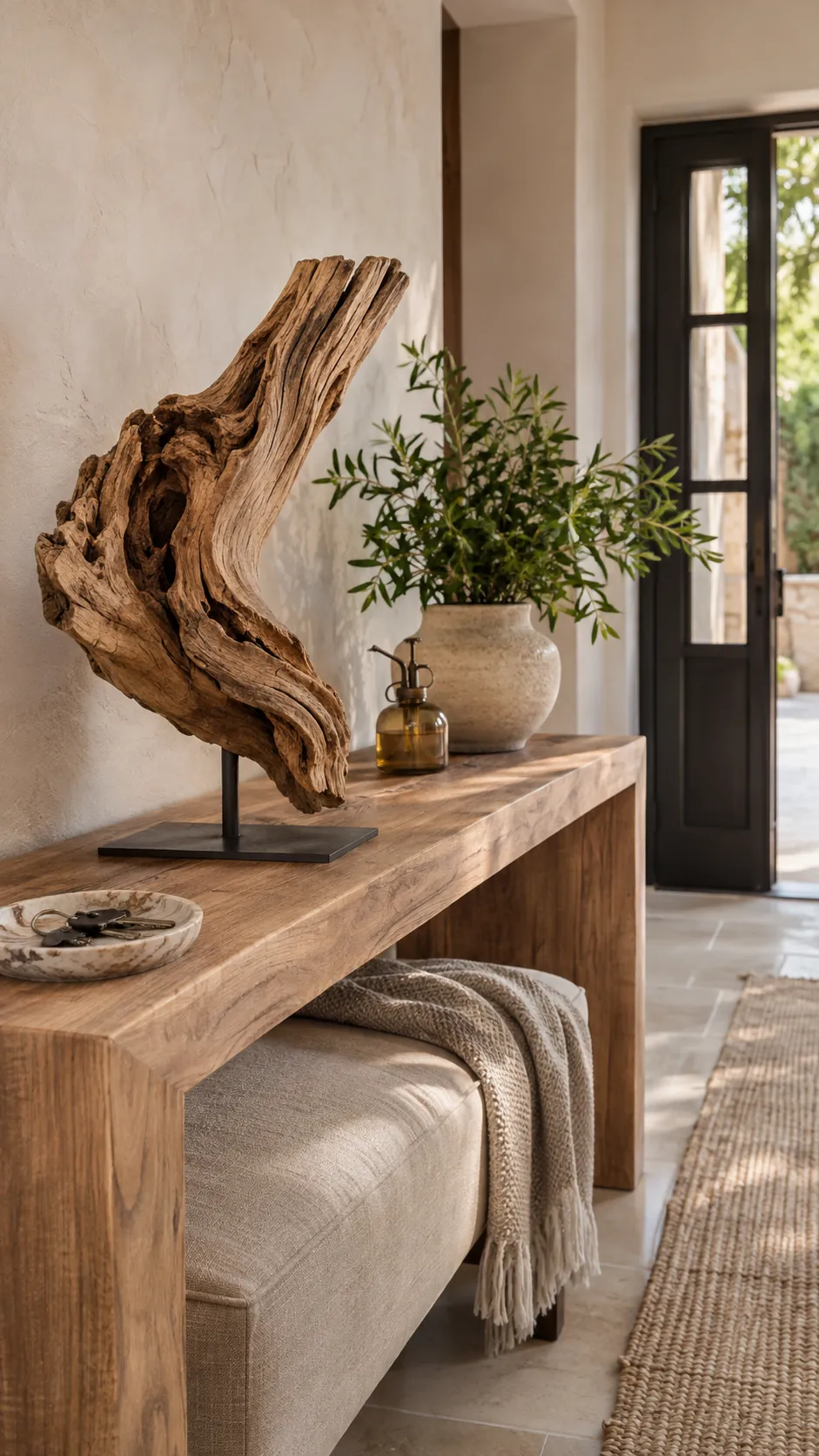
Expose Useful Objects on an Open Shelf
A few daily objects can soften shelves that look like a coordinated display unit. Place a bowl, books, and one care item where they are easy to reach, then leave several bays empty. Function gives the arrangement a rhythm that identical decor cannot provide.
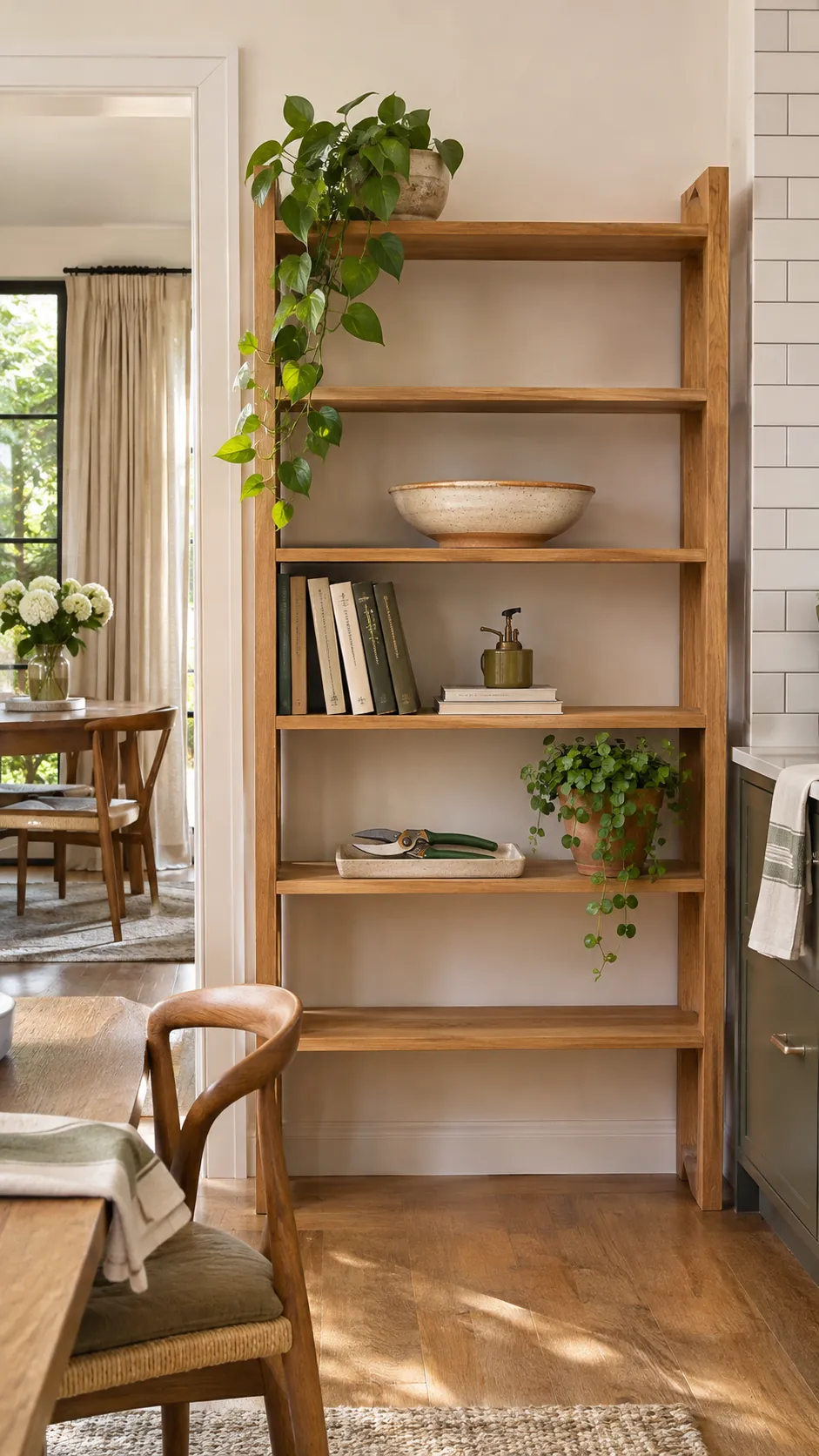
Replace Matching Hardware Selectively
Changing every handle can create another uniform layer. Update only the doors or drawers that need a clearer grip, and choose a finish that relates to nearby lighting. Keep the original hardware elsewhere so the cabinet retains history and variation.
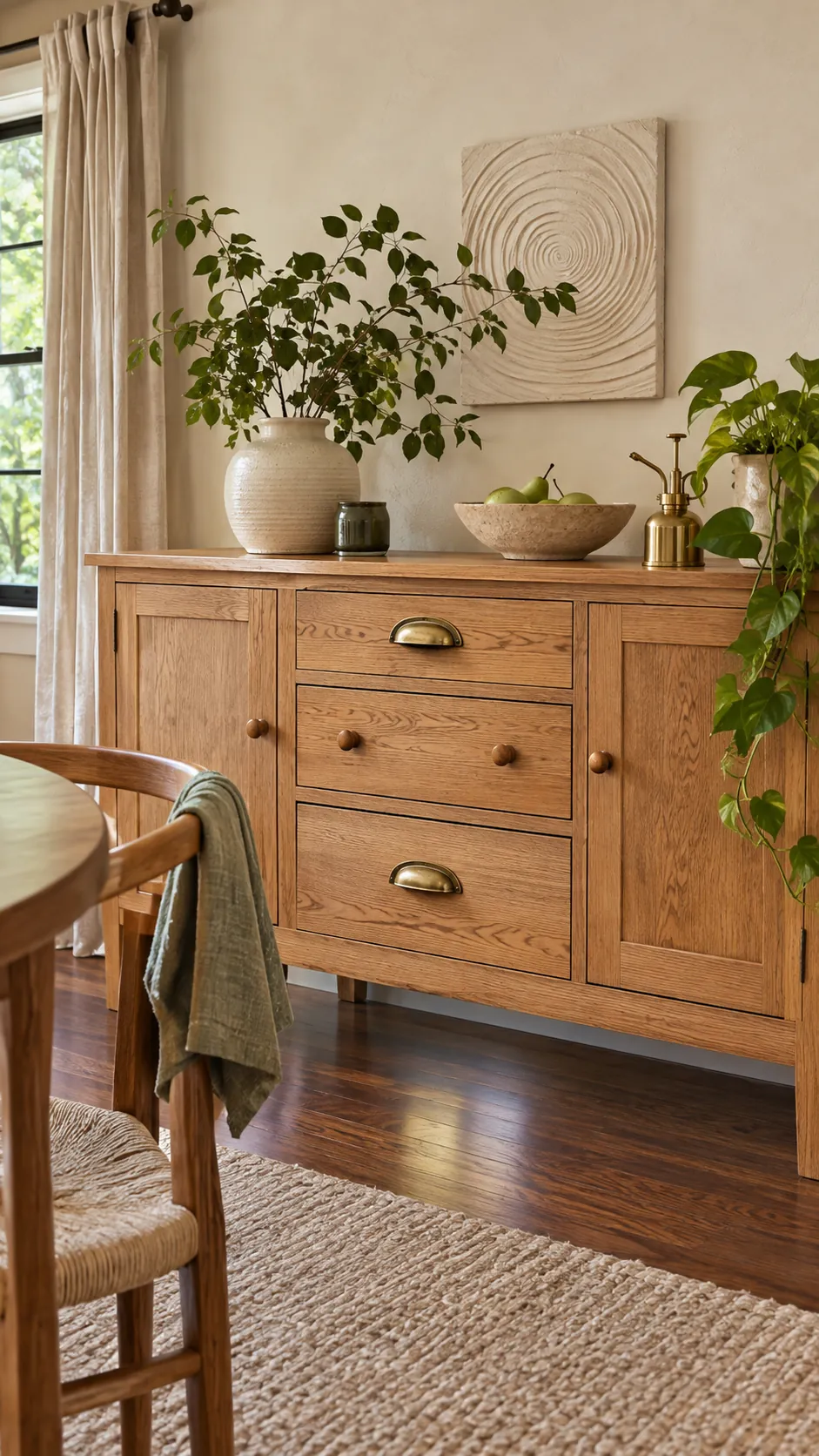
Combine Aged Brass and Black Metal
Mixed metals work when each finish has a job. Use aged brass where warmth helps, such as a lamp or pull, and black metal where a thin structural line is useful. Repeat each finish no more than needed to make the relationship legible.
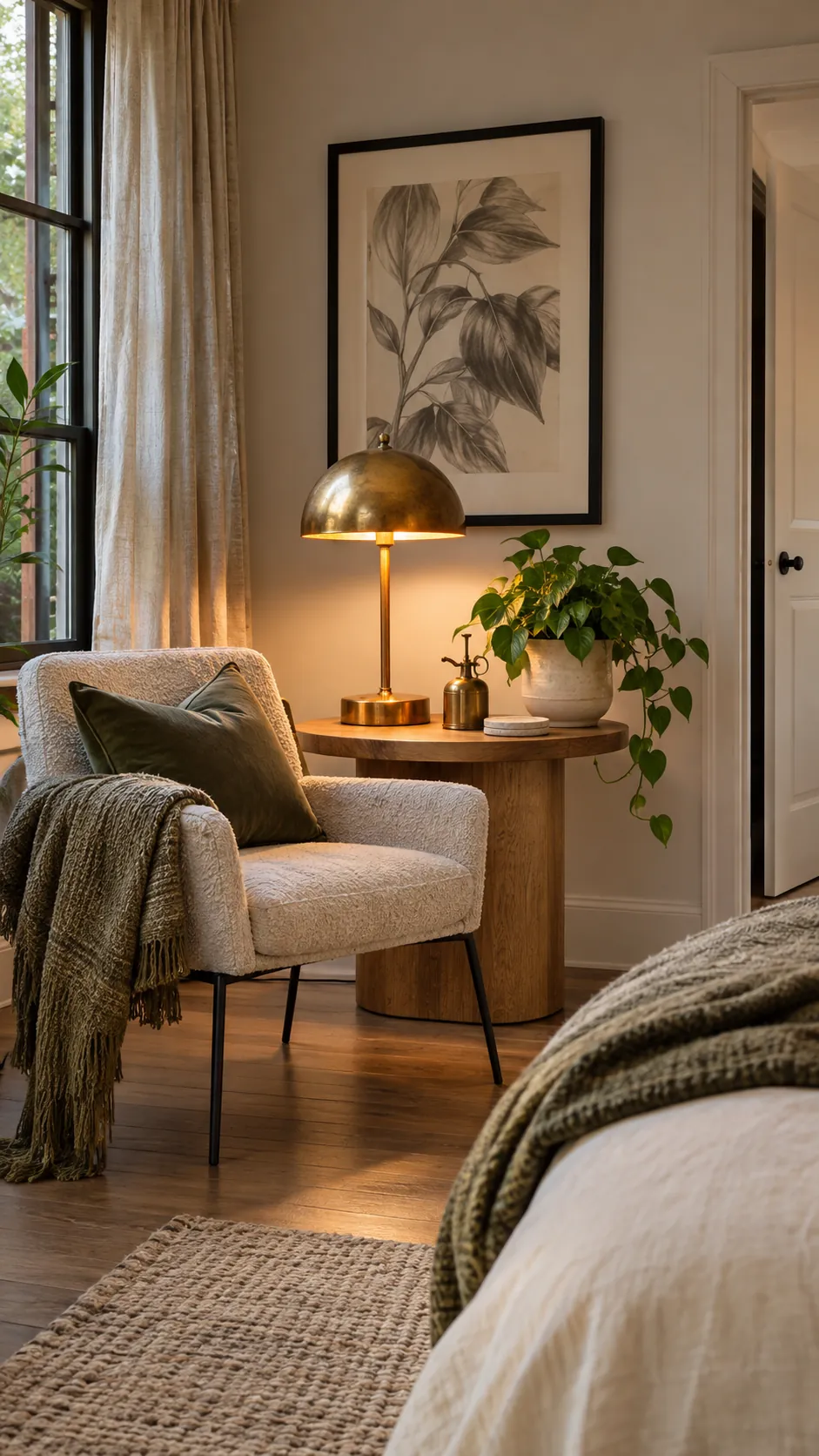
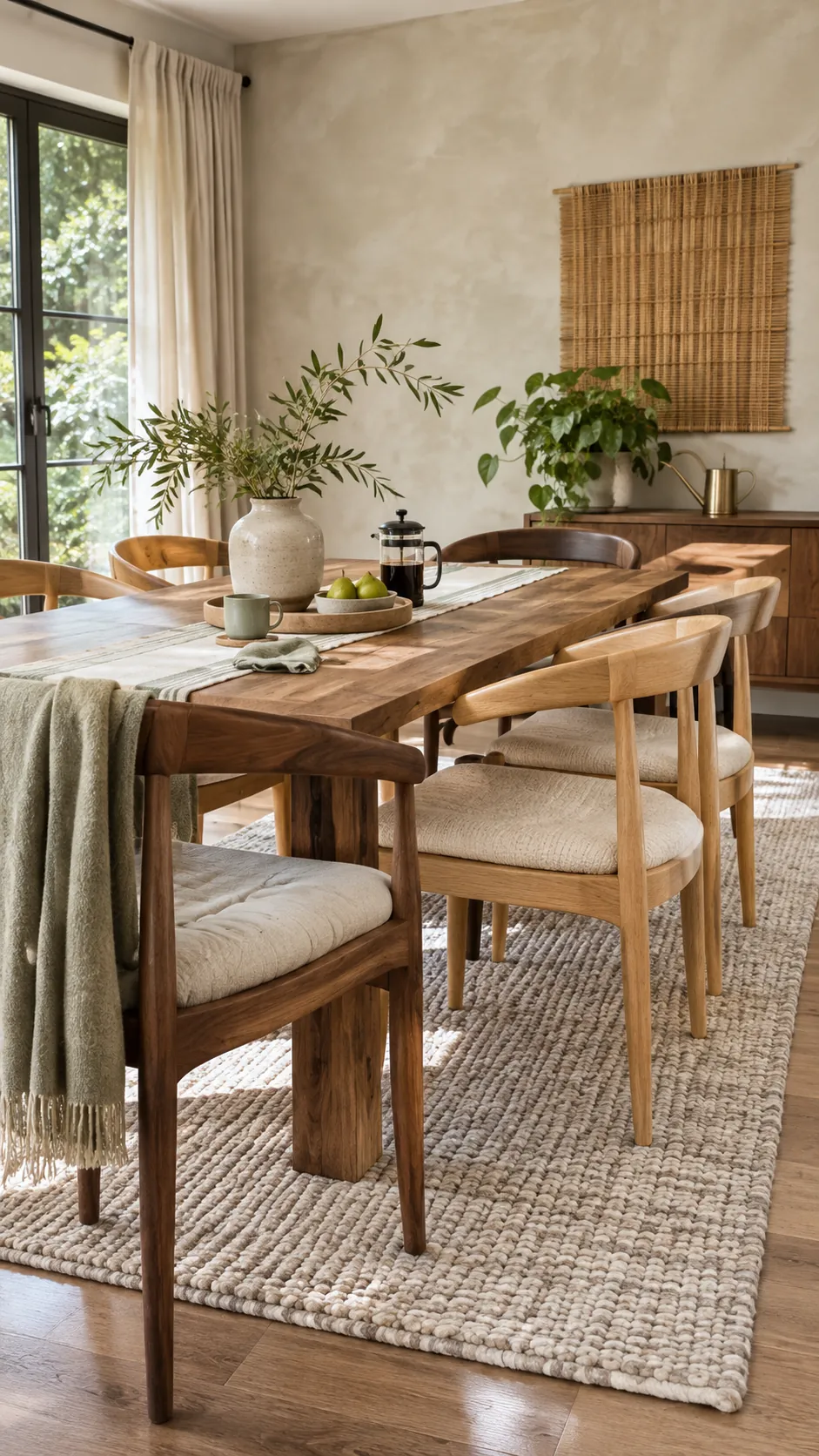
Choose Dining Chairs With Related Shapes
Dining chairs do not need identical finishes when their proportions and back shapes relate. Mix two wood tones or place distinct end chairs around a simpler group. Keep seat heights compatible and preserve comfortable space at every setting.
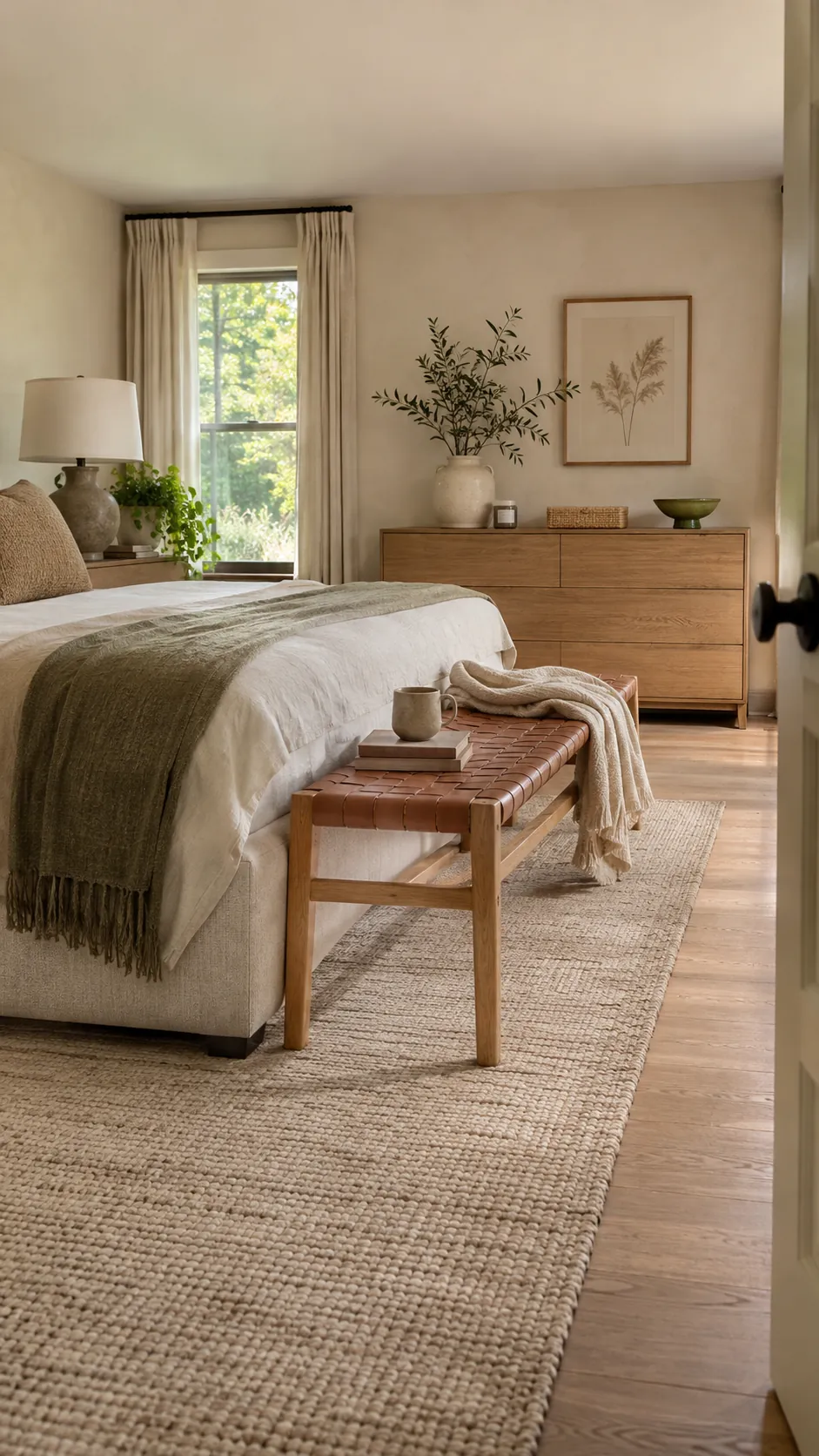
Add a Bench at the End of the Bed
A bench can break a complete bedroom suite when its material differs from the bed and cabinets. Choose a narrow upholstered or woven design that leaves a clear route around the mattress. Its length should relate to the bed without copying the frame.
Vary the Bedside Tables
Two bedside tables can share height without sharing design. Pair a compact drawer table with an open shelf table in related woods, then use lamps that differ modestly in form. Each sleeper keeps practical storage while the room loses rigid symmetry.
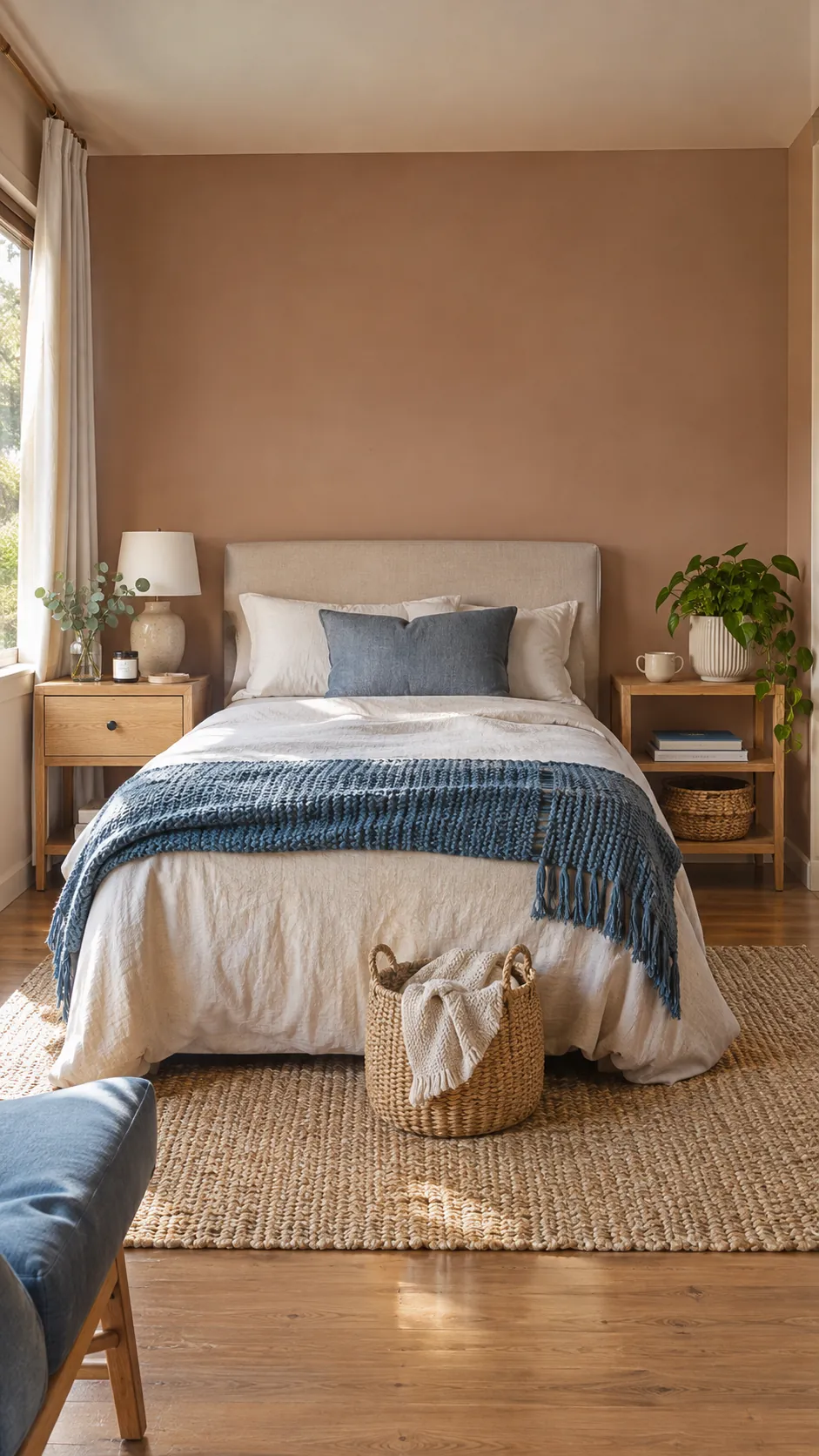
Layer Ambient Light at Different Heights
A ceiling fixture alone can flatten every material into one uniform surface. Add a floor lamp near seating and a low table lamp across the room so light arrives at several heights. Use warm bulbs with similar color so the layers feel connected.
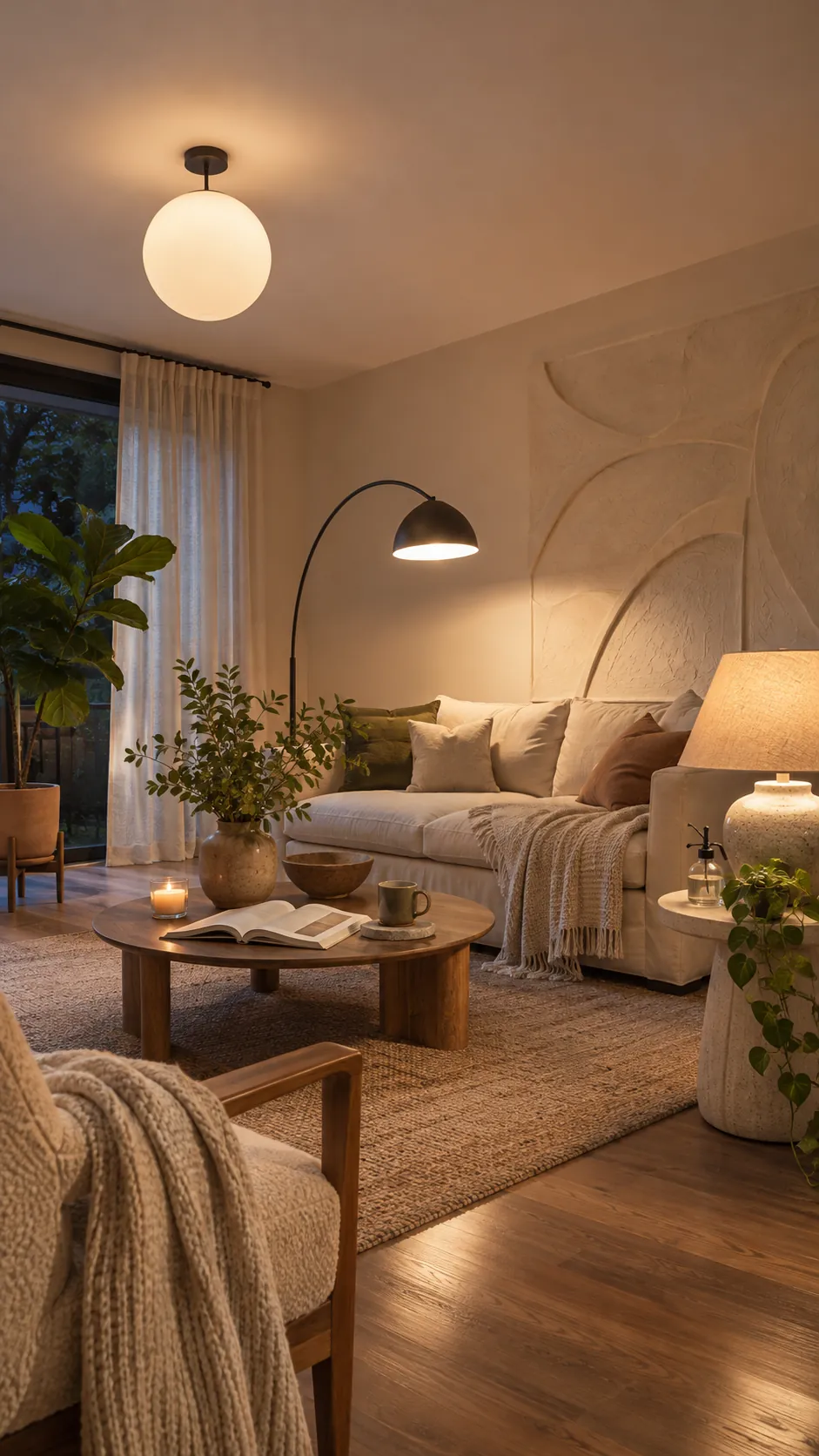
Remove Decor That Repeats the Same Shape
The final edit often matters more than another purchase. Remove extra round trays, matching vases, or repeated arches until each remaining shape has a purpose. Photograph the room from the doorway, then clear any cluster that still reads as a product display.