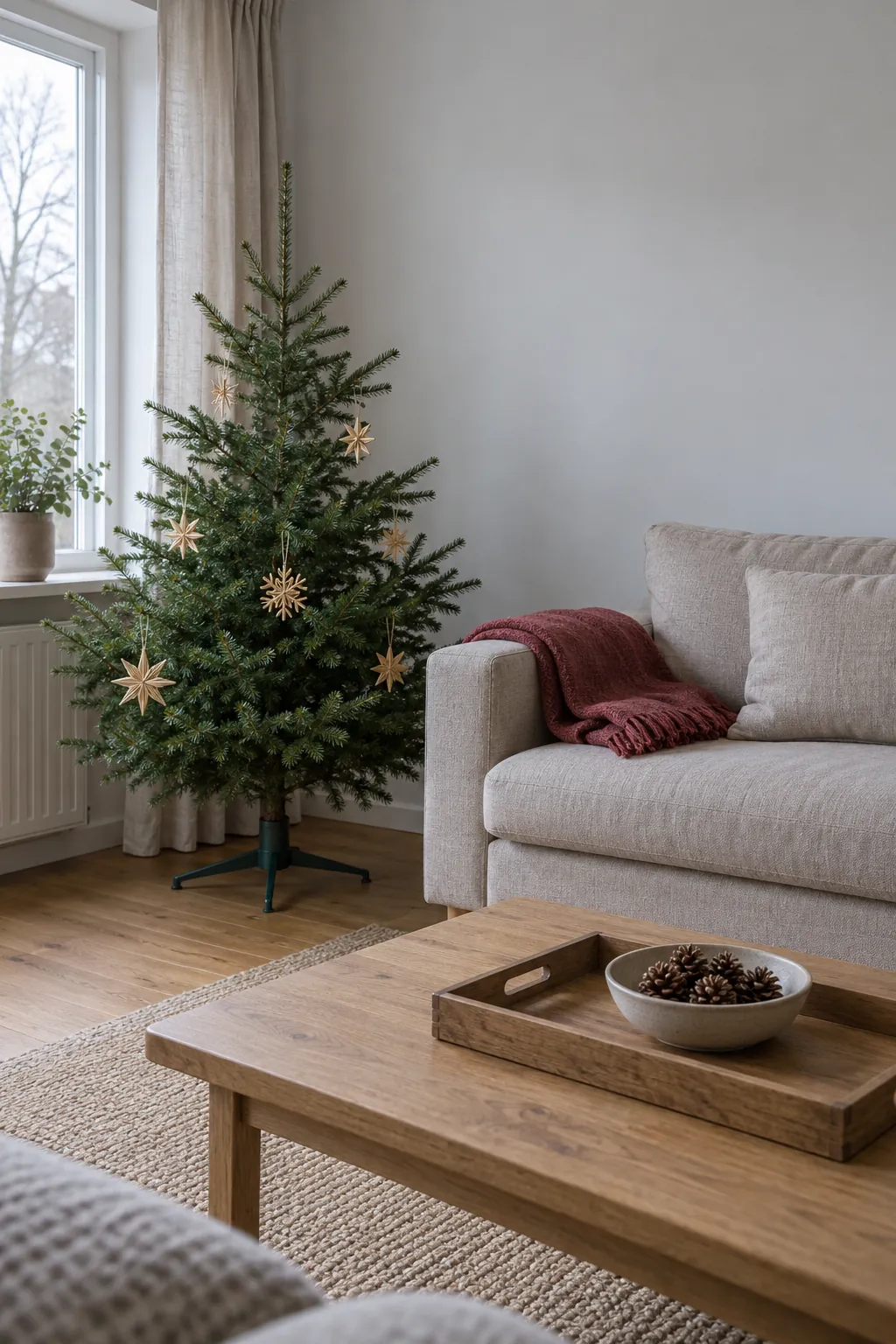
Shiny decorations can look disconnected from a room full of timber, woven fabric and quiet colors. Start with the materials already in your home, then choose a few seasonal additions that suit how each space is used. Natural does not automatically mean safe, sustainable or effortless, so check plant identity, care needs and product labels as carefully as appearance.
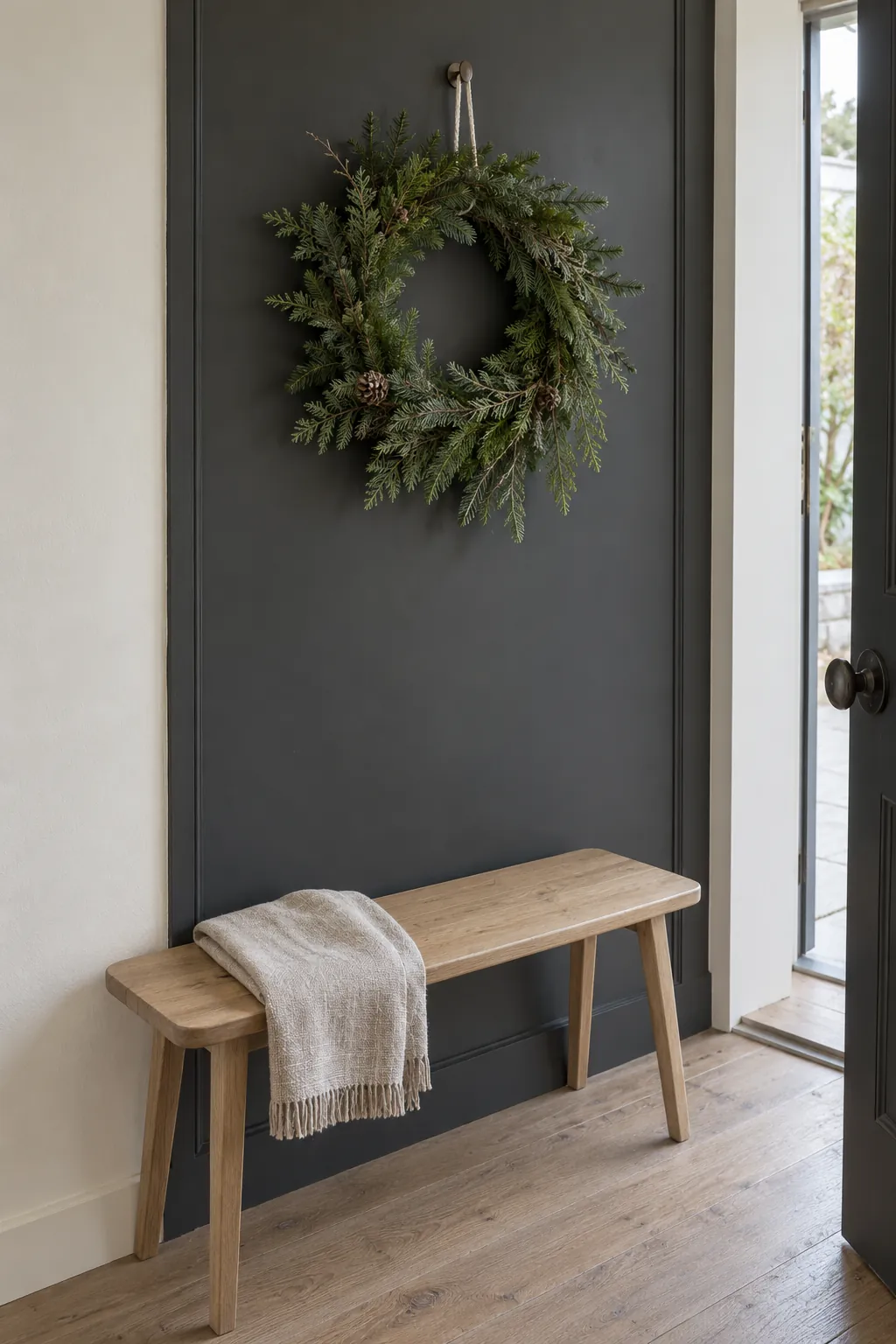
A fresh evergreen wreath
A small wreath brings the scent and uneven texture of real foliage to a room that already uses wood and linen. Choose greenery you can identify, attach it to a reusable frame, and protect the surface behind it from sap or moisture. Keep it away from radiators and replace it when it becomes dry or brittle.
Cedar across an unused mantel
A loose line of cedar can soften a bare mantel without covering its entire length. Leave gaps where the timber or stone can still show, and place a protective barrier beneath fresh cuttings. Use this only on an unused fireplace or another surface well away from heat and flame. Keep the greenery clear of electrical equipment and inspect it for drying.

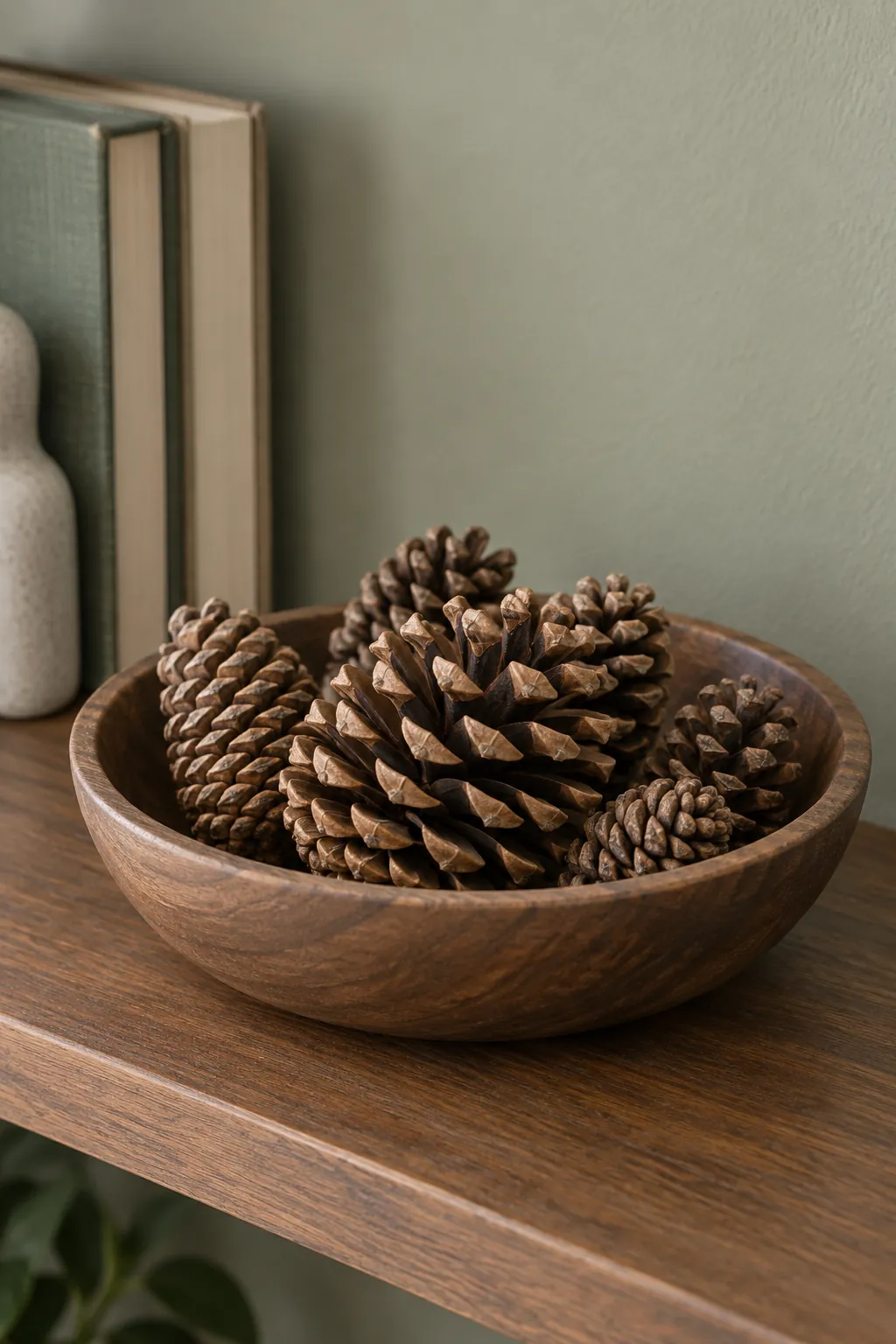
Pinecones in a shallow wooden bowl
Pinecones look strongest when their different sizes remain visible rather than packed into a tall tower. Clean and dry them before bringing them indoors, then arrange a small collection in a bowl you already use for display. Leave the rim exposed so the container still reads as part of the composition. A low bowl belongs on a shelf or side table where it cannot be mistaken for food.
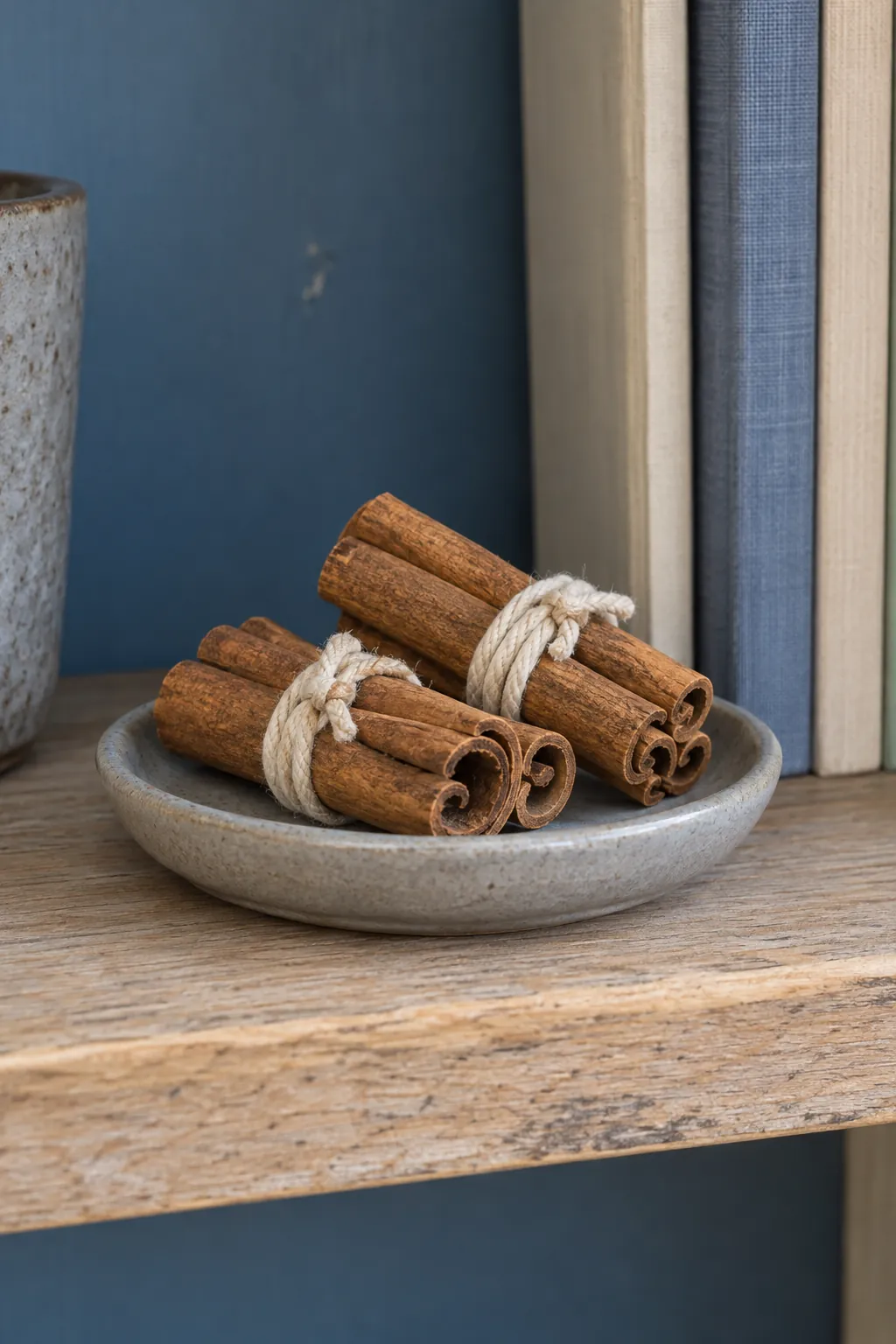
A sculptural branch in a heavy vase
One fallen branch can supply height without the visual density of a second Christmas tree. Use a clean dry branch collected where permission allows, and trim sharp ends before placing it in a stable vase. The branch should stay inside the available corner rather than extending into a walkway.
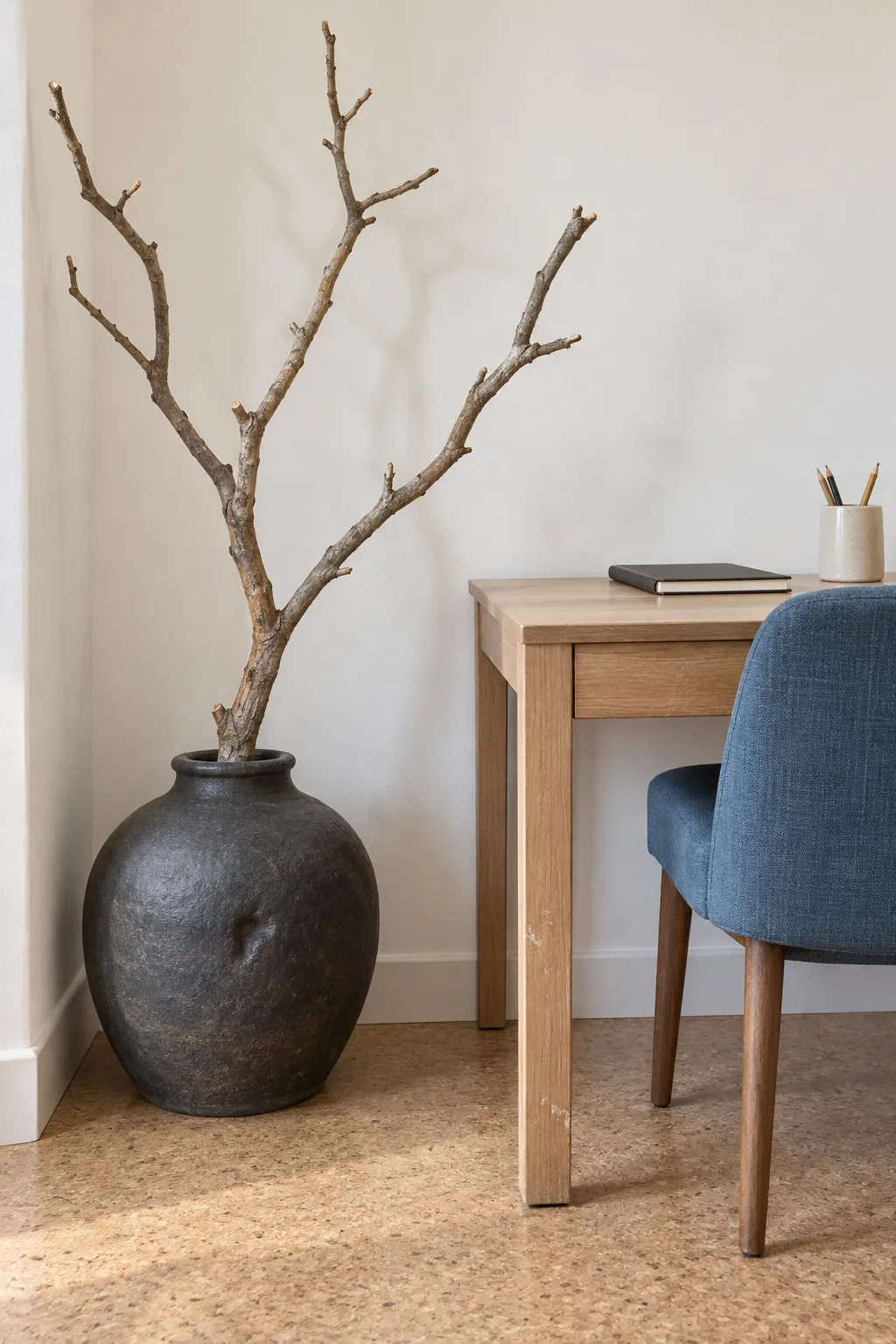
Dried orange slices along a window
The translucent color of dried orange suits bright windows and warm timber interiors. Use fully dried slices and thread them onto a simple cord with space between each piece. Keep the strand away from condensation so the fruit does not soften or develop mold.
Check the slices during the season rather than assuming they will last indefinitely. They are decoration after handling and display, not a snack for visitors. Store only pieces that remain dry and sound, or dispose of them appropriately when they deteriorate.
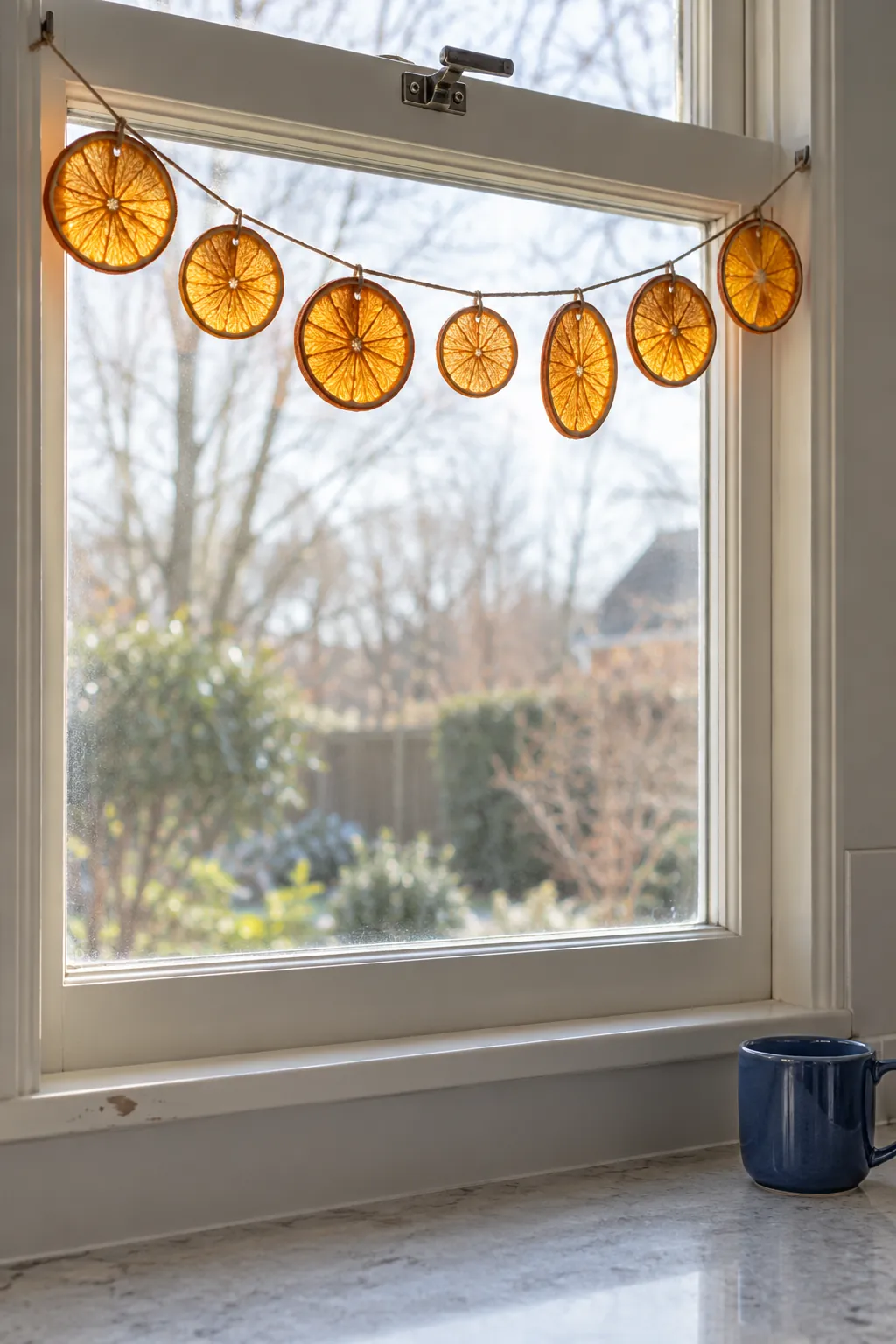
A bowl of red apples
Fresh apples can bring a familiar Christmas red to the kitchen without a new set of ornaments. Arrange a few sound fruits in a ceramic bowl and keep the surface accessible for everyday cooking. Inspect them regularly and move edible fruit into normal use before it spoils. Do not mix fruit intended for eating with glue, paint or decorative treatments.
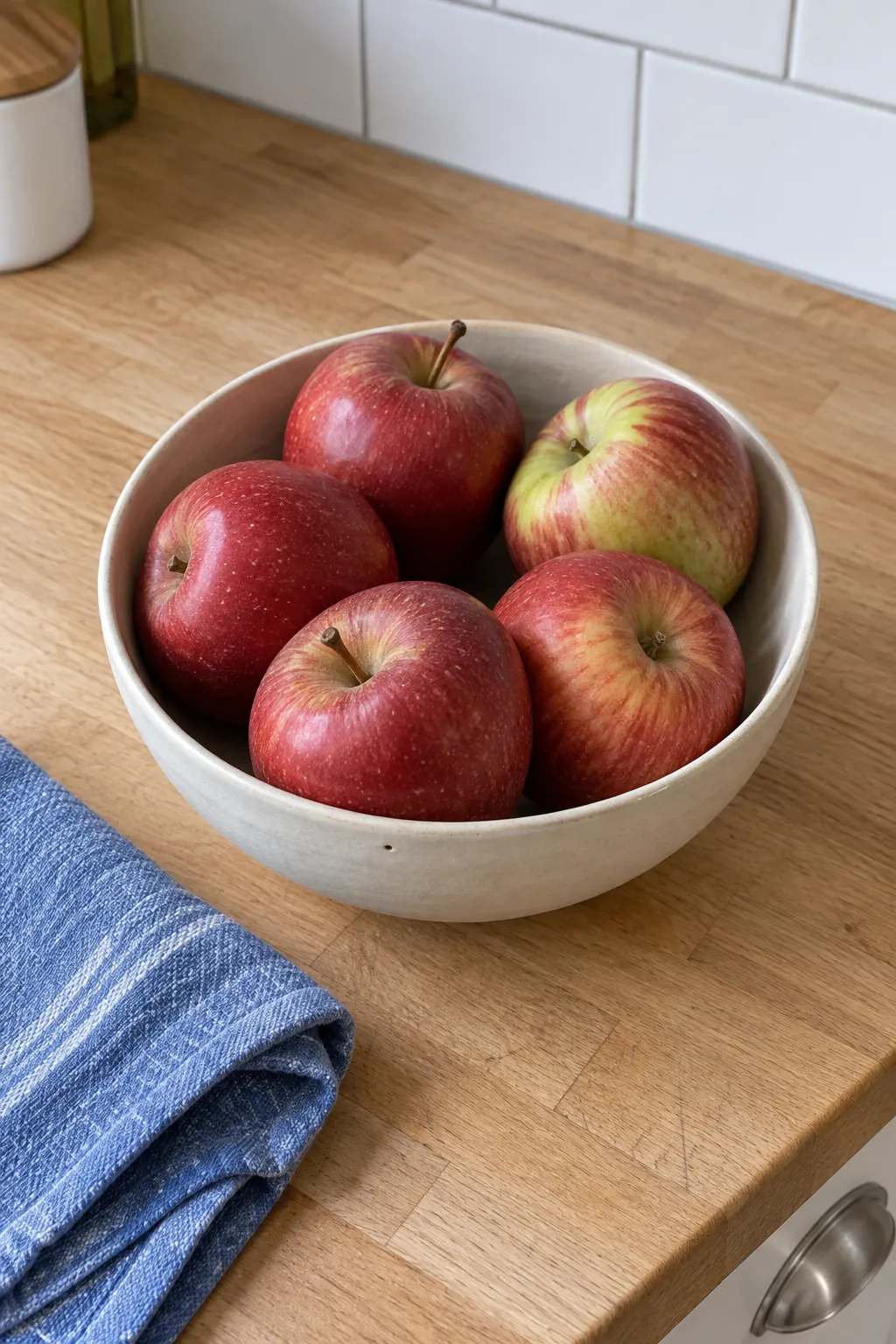
Small cinnamon bundles
Tie a few cinnamon sticks with plain cotton cord for a small shelf accent. The bundles add warm brown texture without needing glitter or imitation snow. Keep them separate from ingredients intended for cooking once they have been handled and displayed.
Rosemary beside each place setting
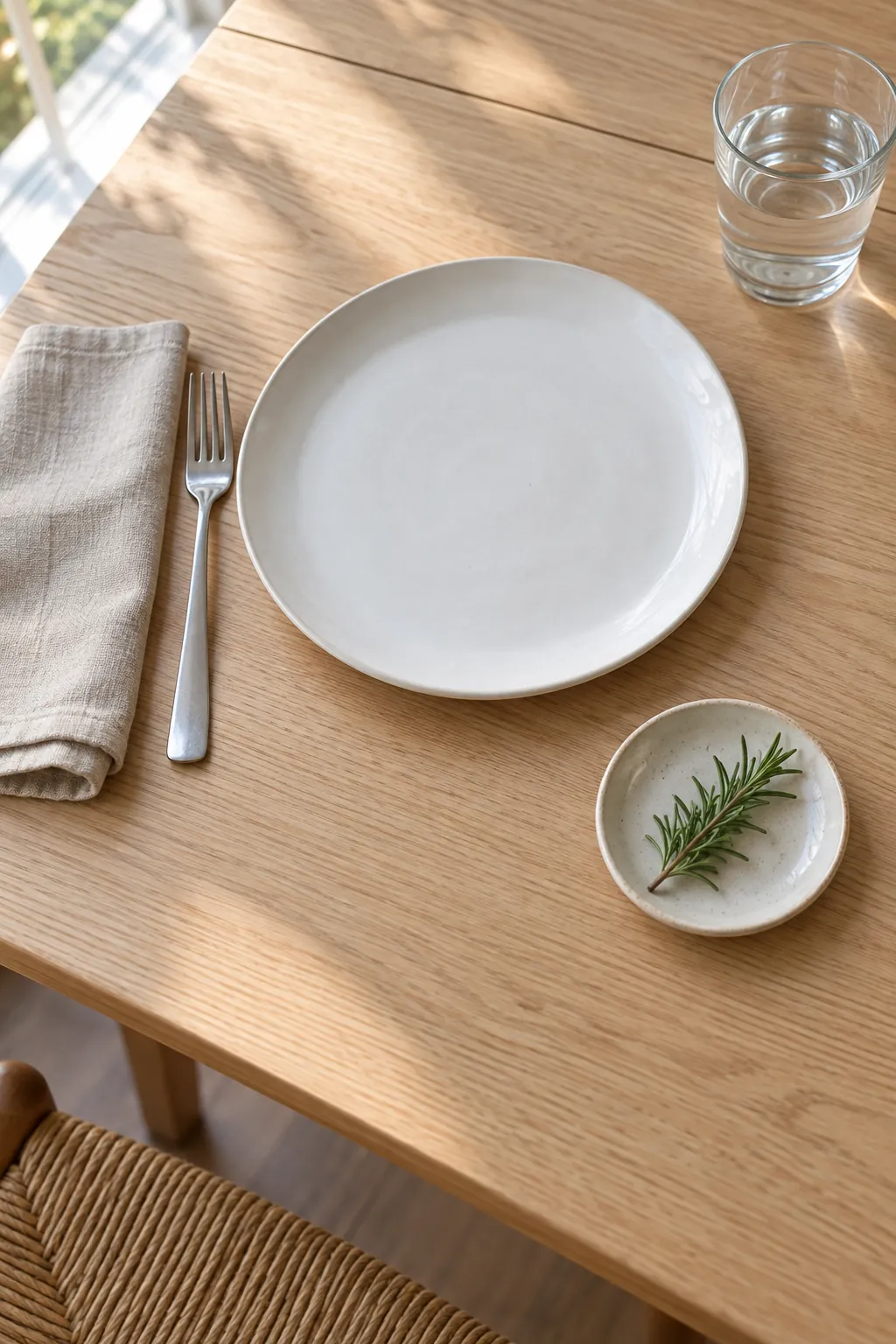
A short rosemary sprig can connect a Christmas table to the garden or kitchen. Set it beside the napkin on a small protective dish rather than directly against food if its source or handling is uncertain. Remove loose leaves before guests sit down so the place setting stays tidy. Avoid strongly scented decoration when guests are sensitive to fragrance.
Washed linen napkins
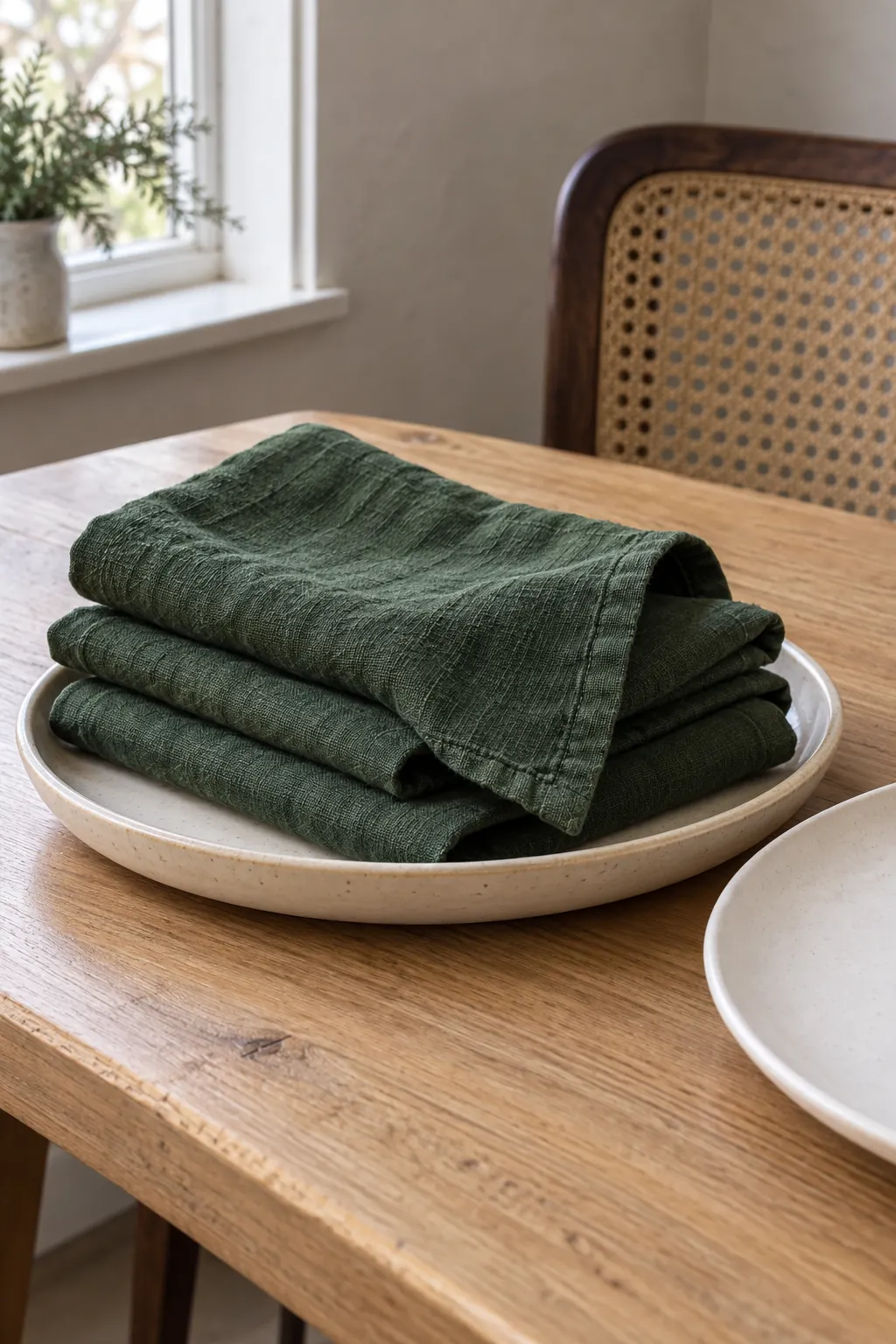
Linen napkins provide the soft irregular texture that natural Christmas decor often needs. Choose one quiet color that works with your existing plates, then fold them simply instead of adding several decorative layers. Wash according to the fabric label and accept a little crease as part of the material.
Plain wooden napkin rings
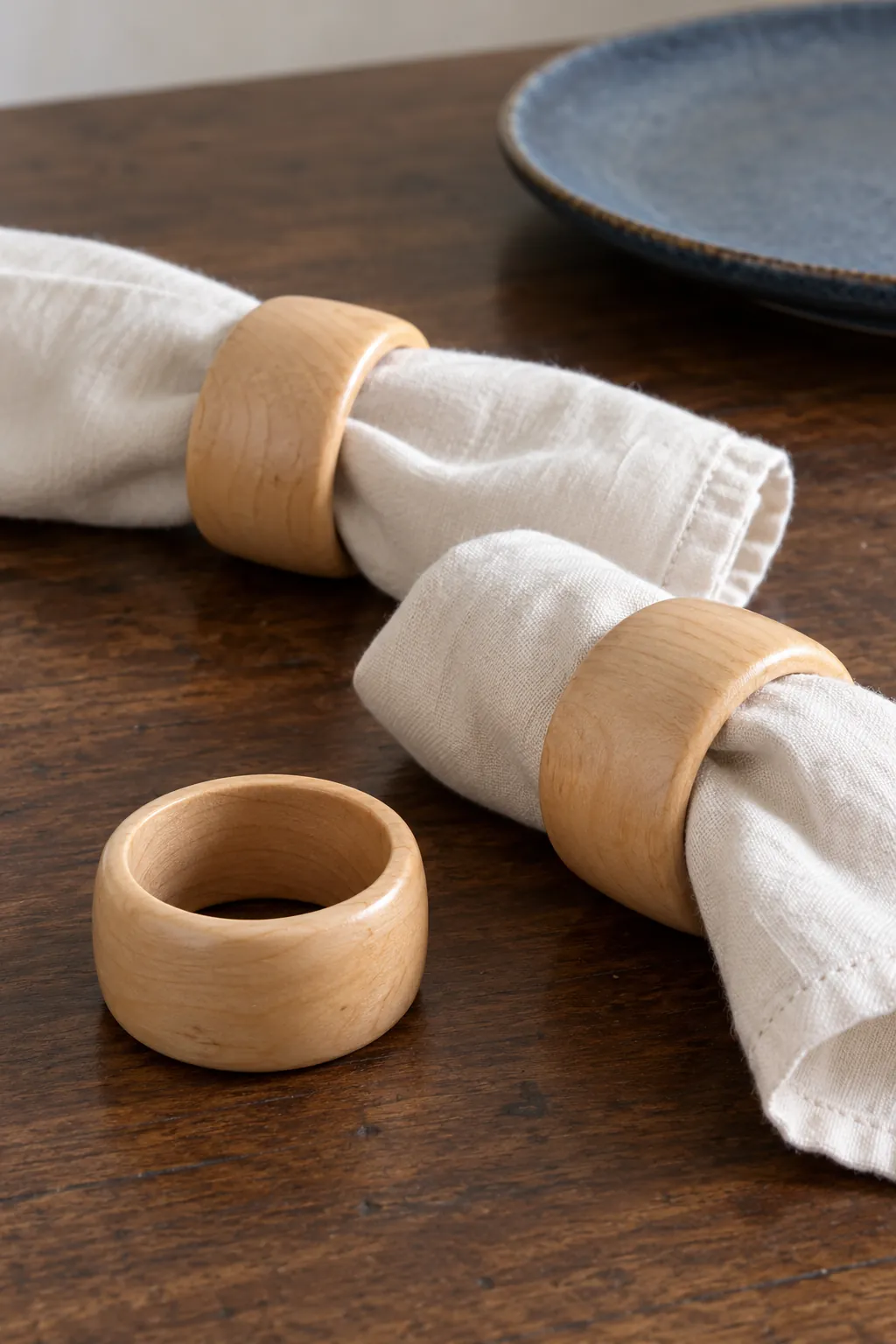
Wooden rings add shape to a table without competing with the food or greenery. Check that their openings fit your napkins comfortably and that the surfaces are smooth enough not to snag fabric. A plain finish is easier to combine with different table settings in later seasons. Wipe and store them dry after use.
A cotton table runner
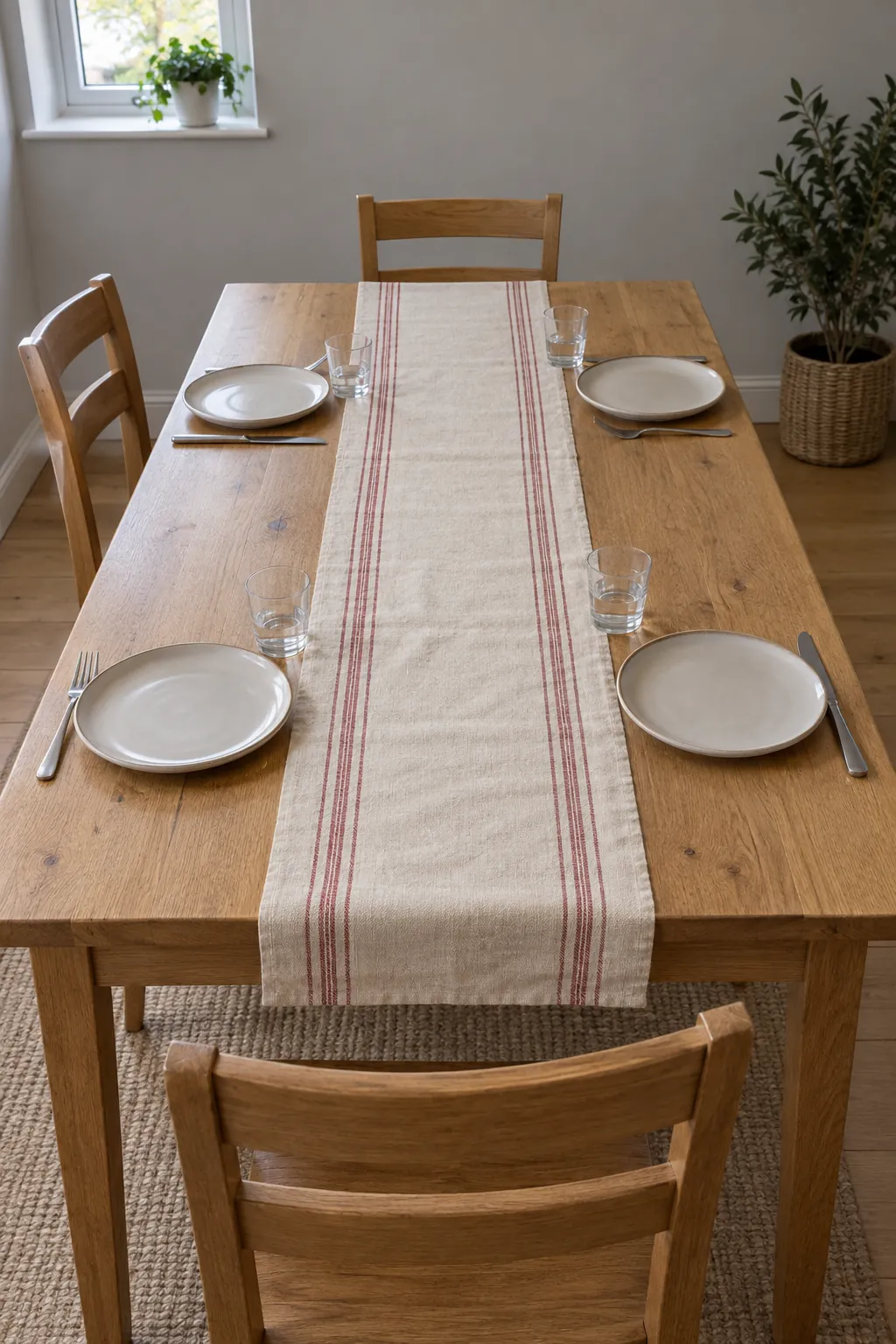
A narrow cotton runner can define the festive center of the table while leaving room for plates. Choose a washable fabric and keep its ends clear of chair seats and serving routes. A subtle weave or stripe supplies detail without needing a printed Christmas motif. Remove the runner for messy craft activities rather than treating it as a protective work surface.
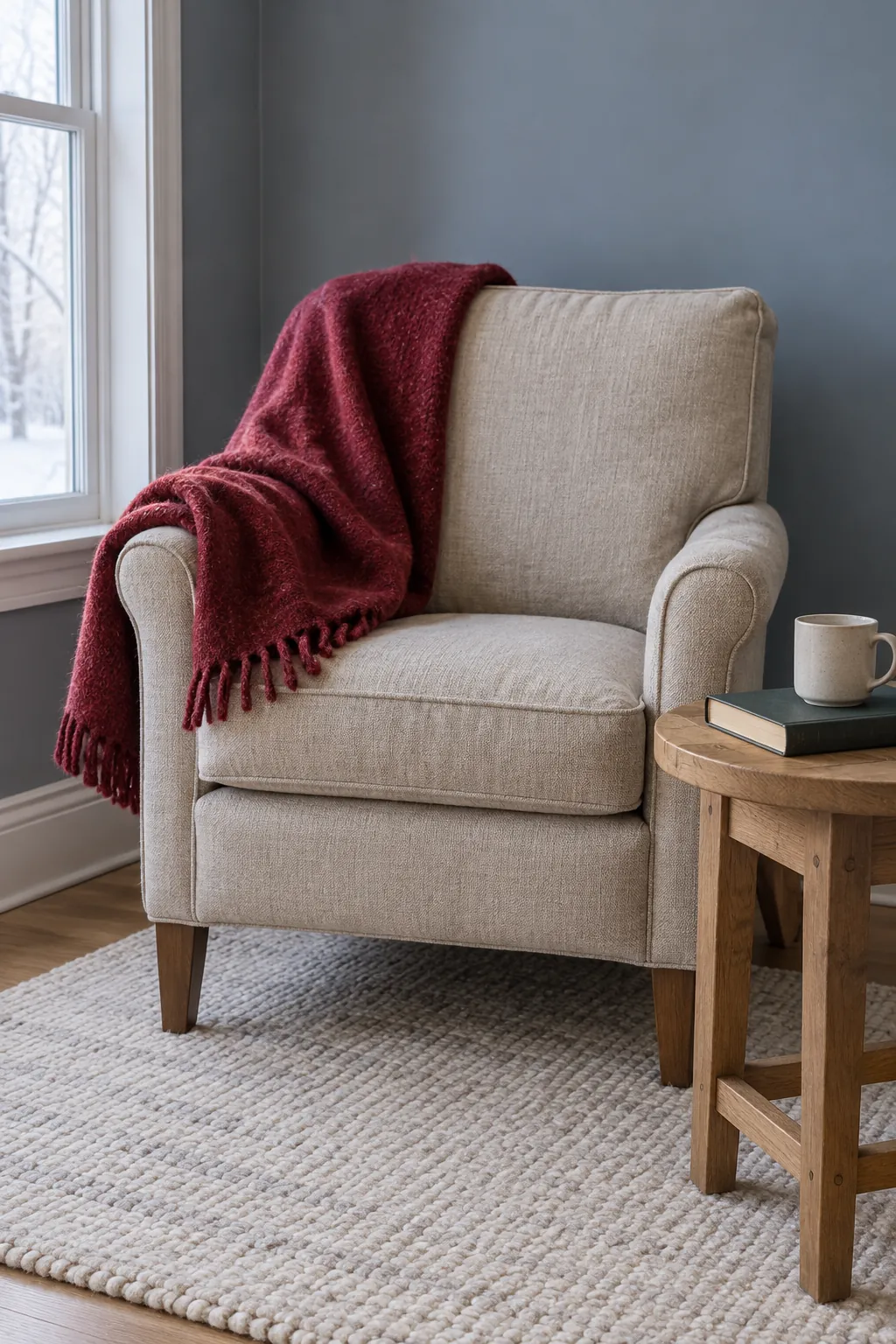
A wool throw on the reading chair
A wool throw creates a cozy natural Christmas mood through material rather than ornament count. Place it on the chair people actually use, with its lower edge clear of the floor. Check the fiber content and care label if natural material is part of your buying decision.
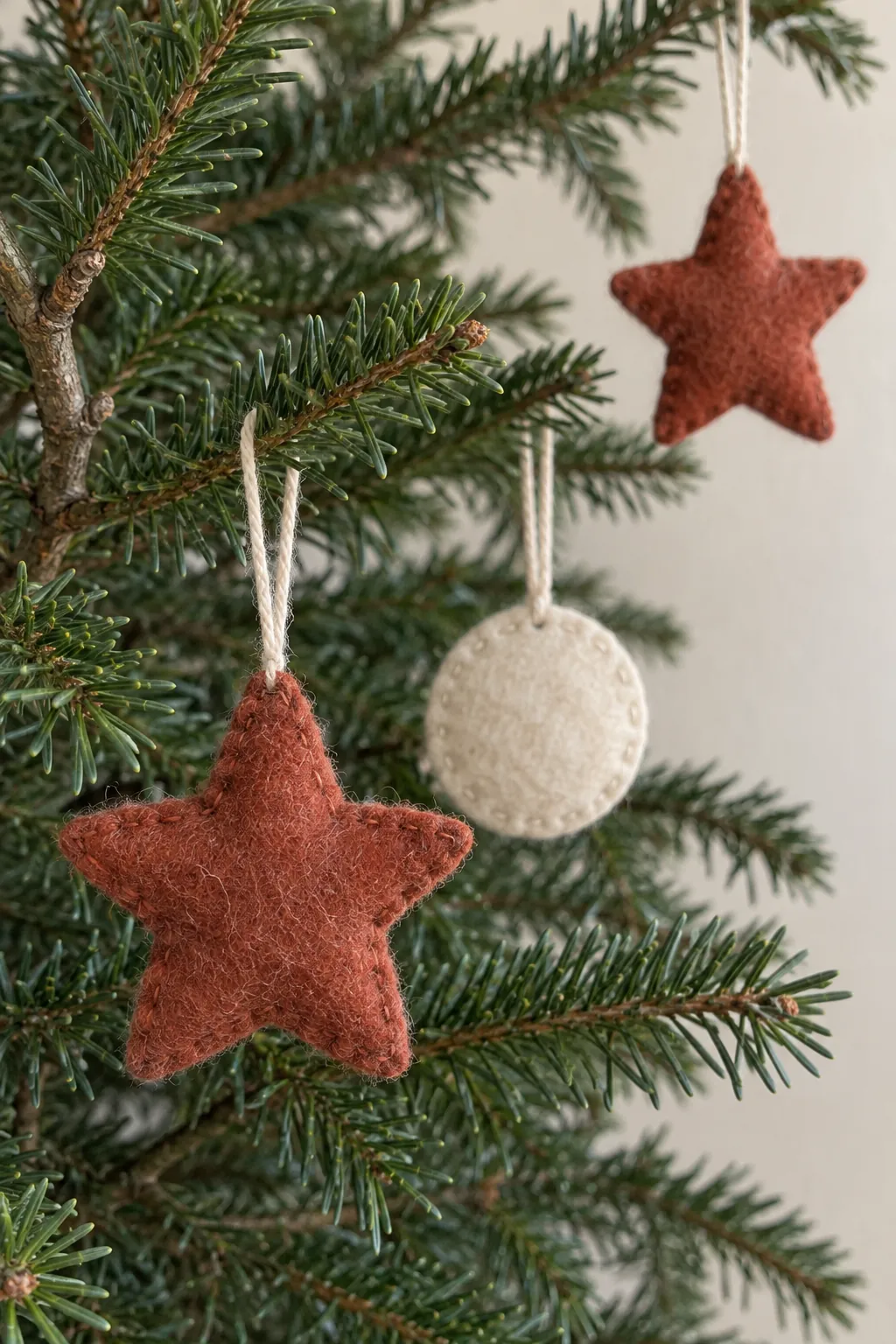
A few wool felt tree ornaments
Wool felt shapes bring softness to a tree dominated by hard baubles. Choose simple stars or circles and verify the material label, because some felt is synthetic. Keep each hanging loop short enough to avoid tangling with neighboring branches.
Use only as many shapes as the tree can carry without drooping. Store them clean and fully dry, following any advice about moth protection for the material. Small ornaments and loops should stay out of reach of children and pets who may swallow them.
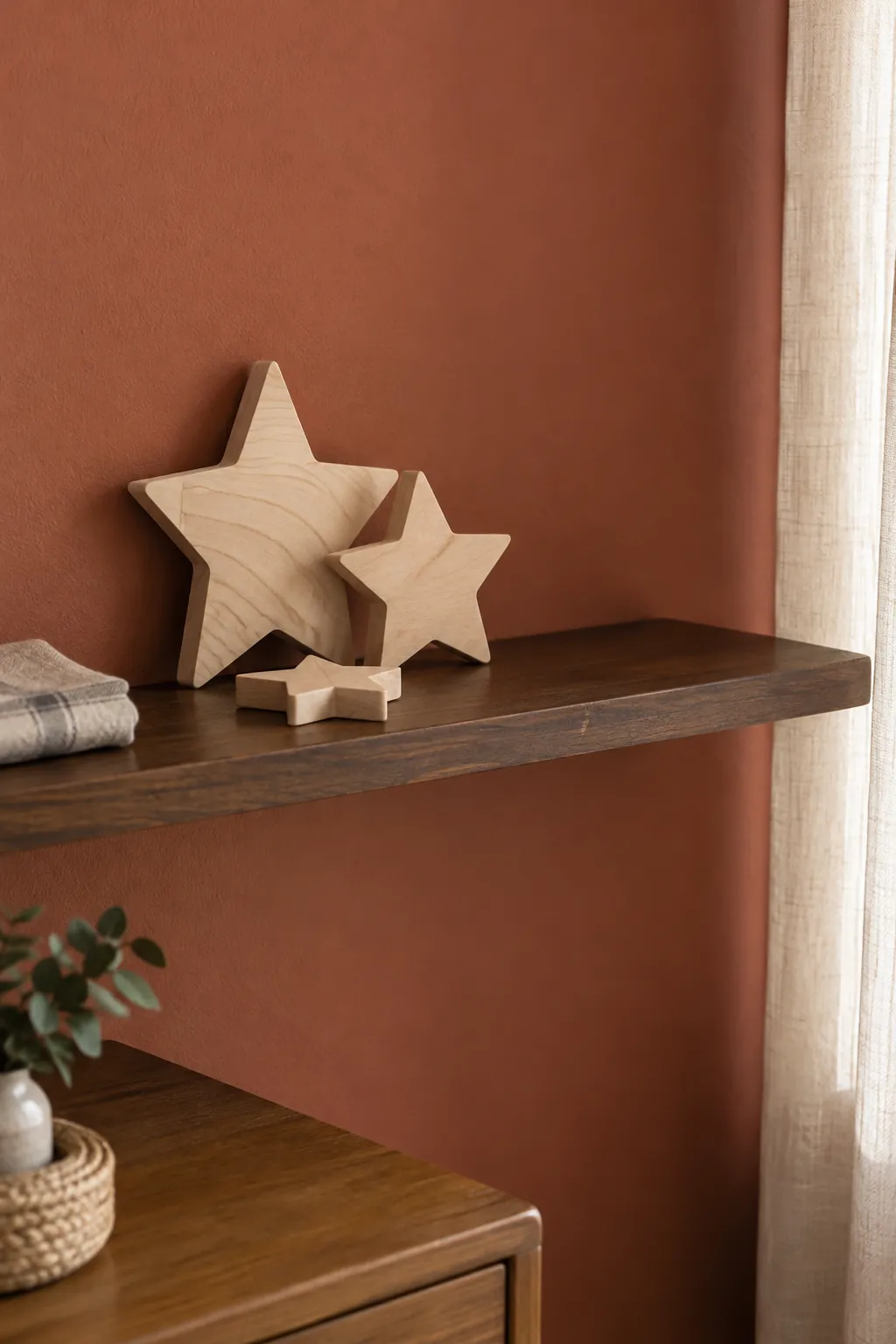
Unpainted wooden stars
Small wooden stars can sit on a shallow shelf or hang from suitable tree branches. Look for smooth edges and a sound attachment point rather than assuming unfinished wood is automatically well made. Let the grain supply the interest, with a few stars spaced apart instead of a dense collection. Remove splintered pieces from use.
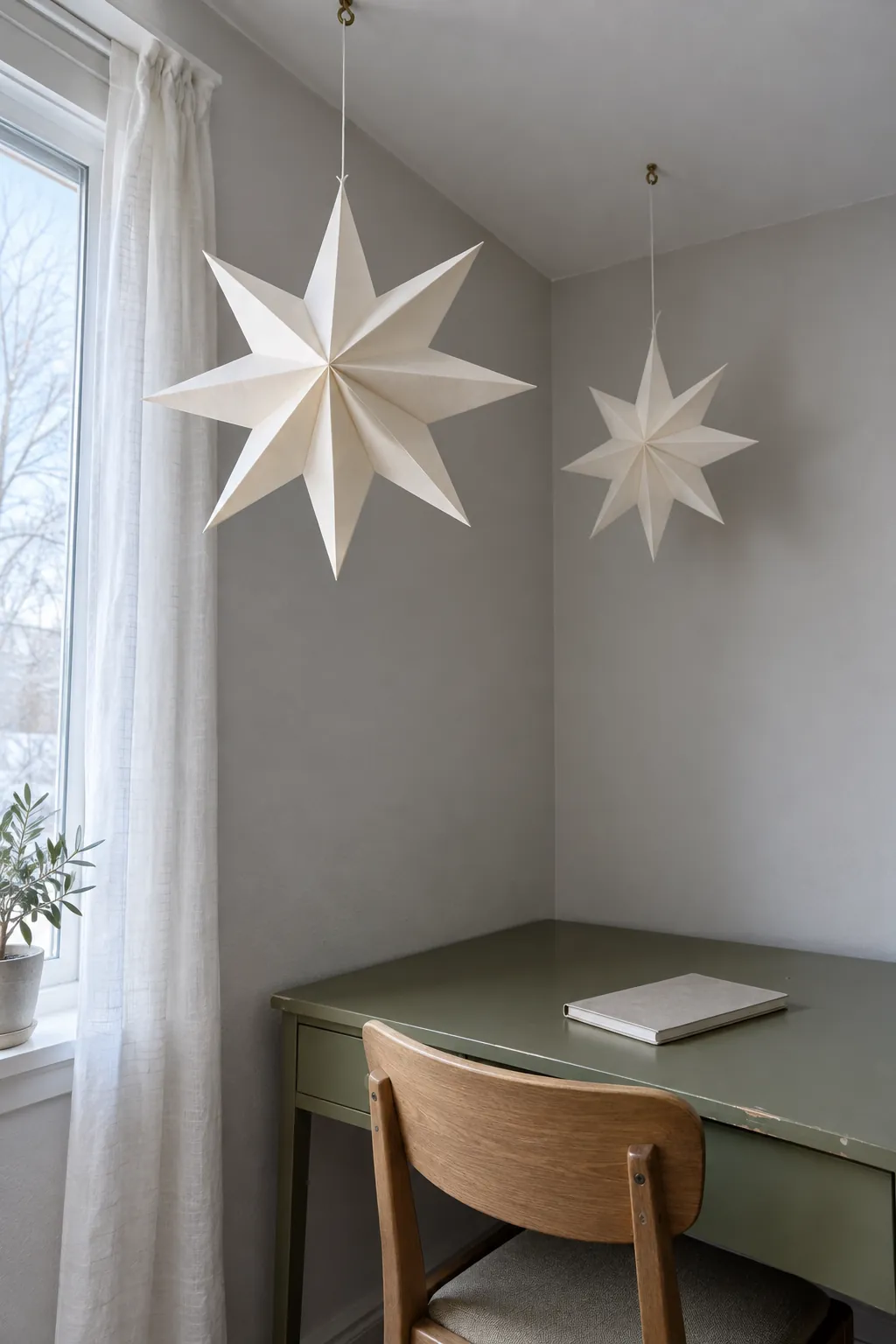
Folded paper stars in a quiet corner
Paper stars create a clear festive silhouette against a plain wall or window. Use dry indoor locations and secure each lightweight piece without damaging the surface. Keep paper away from lamps, candles and heaters. A few different sizes produce depth without requiring an entire ceiling installation.
Plain kraft paper around gifts
Uncoated kraft paper gives gifts a warm neutral surface that fits woodland holiday interiors. Add one simple tie rather than covering the package with multiple decorative layers. Check local recycling guidance and remove any ribbons or mixed material additions before disposal.
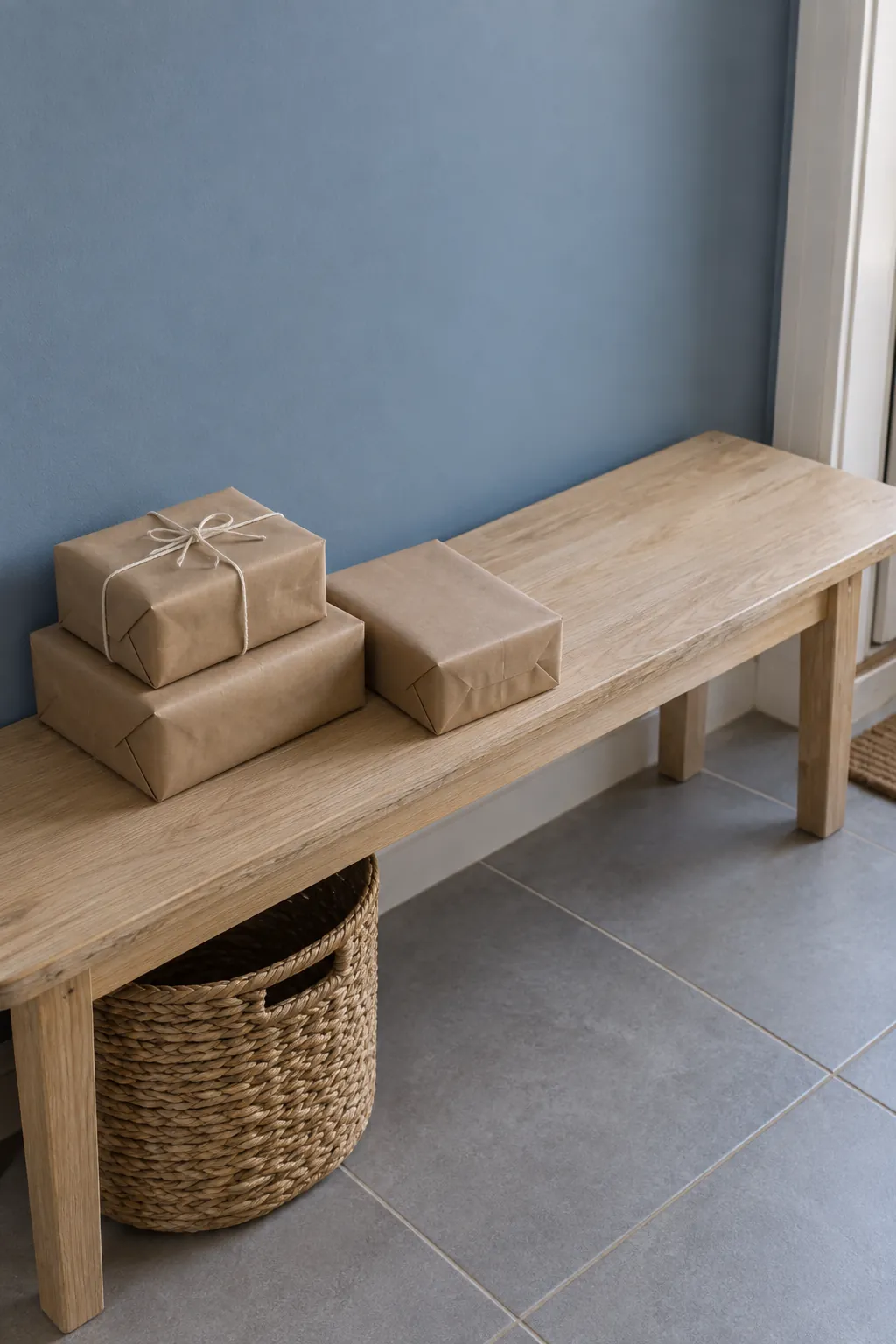
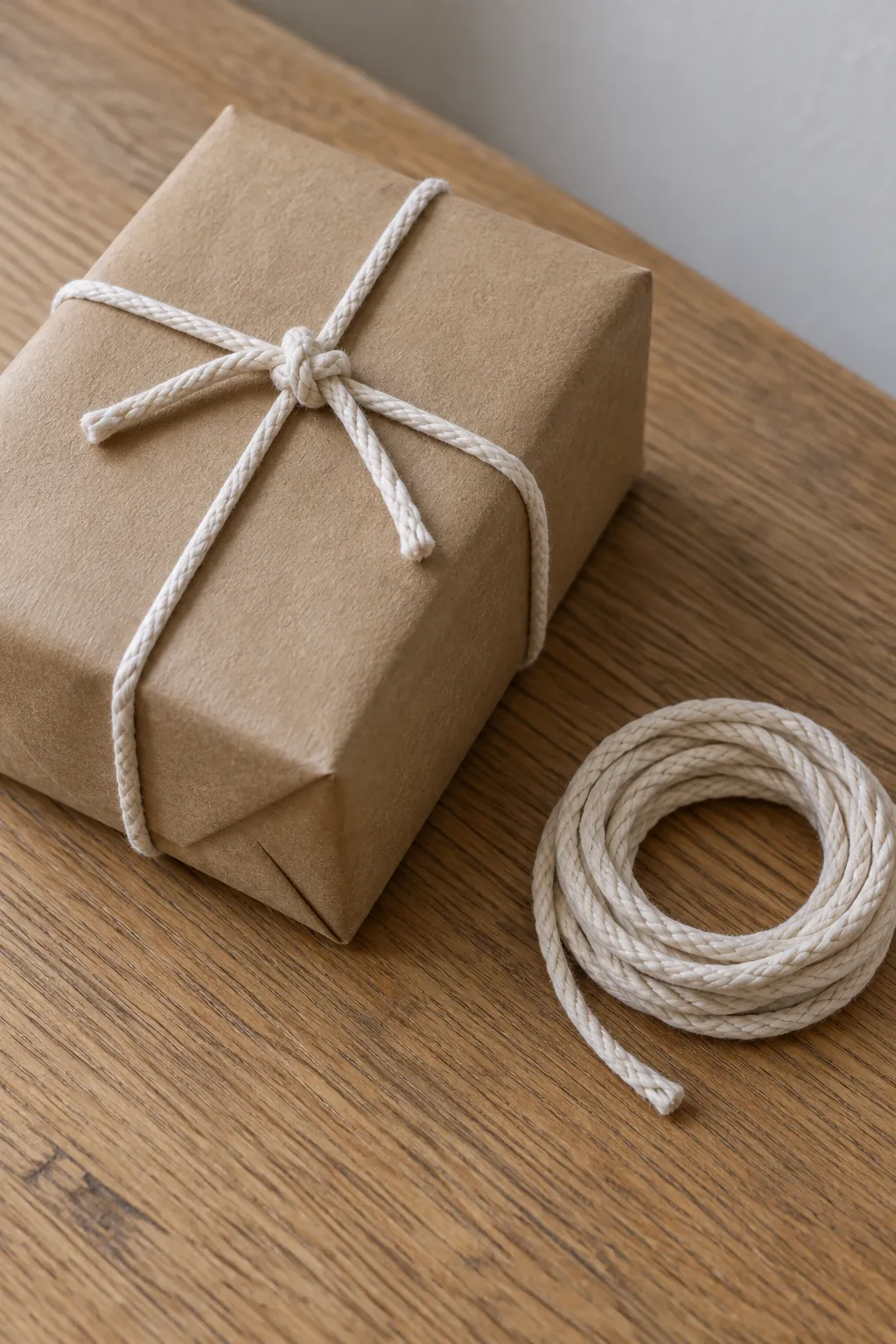
Cotton cord tied around packages
A plain cotton tie can replace a shiny decorative ribbon on a small package. Tie it securely enough to stay in place without crushing the contents or making opening difficult. Save useful lengths after gifts are opened and store them without knots. Keep loose cord away from young children and animals.
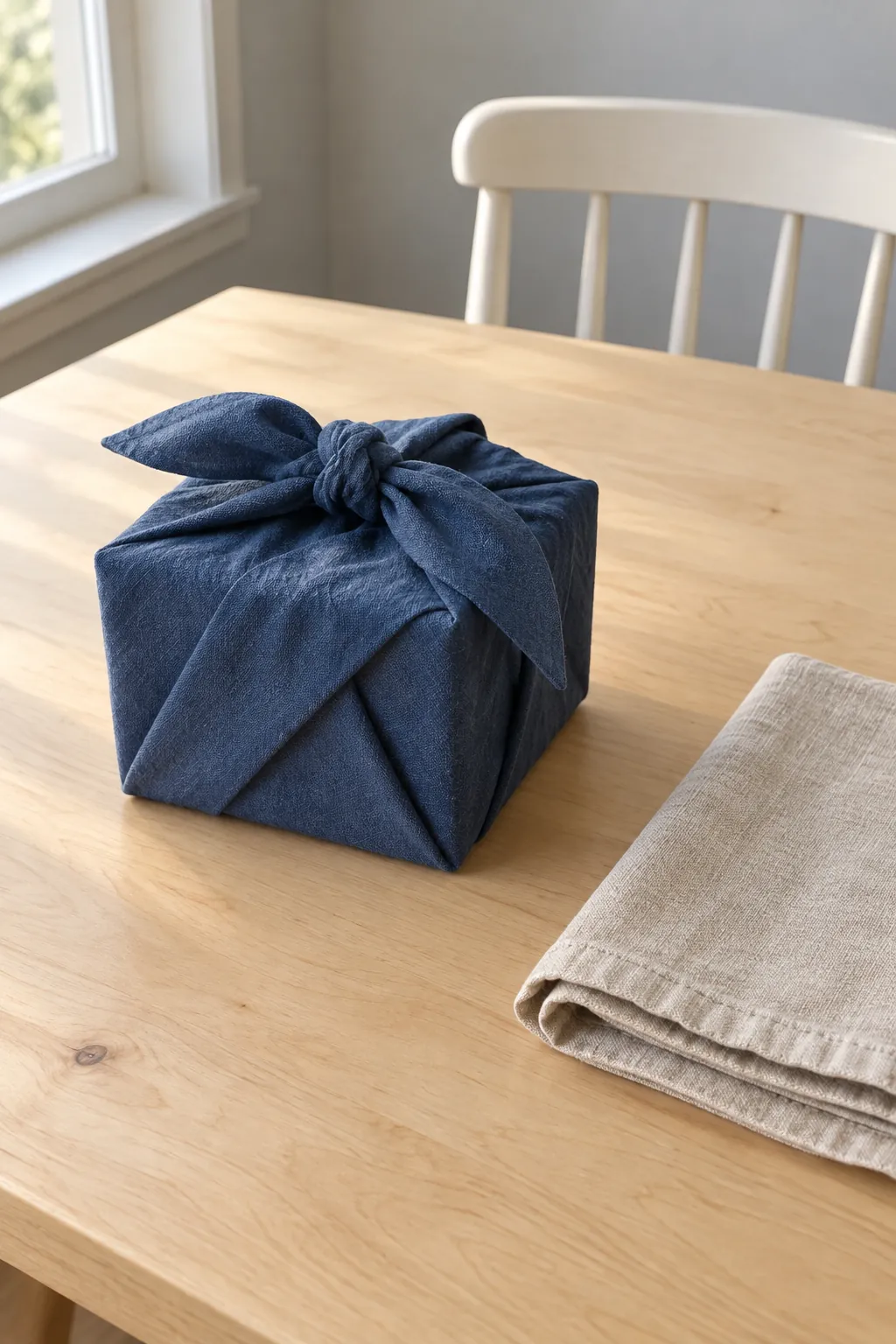
Fabric wraps from existing cloth
A clean scarf or square cloth can become part of the gift as well as its wrapping. Choose a size that covers the package with enough fabric to tie a secure knot. Ask the recipient to keep or return the wrap according to your intention, rather than leaving its purpose unclear.
Check that the fabric will not transfer dye to the package or its contents. Wash reusable wraps according to their labels before putting them away. Using cloth already in circulation makes more sense than buying elaborate new fabric for a single presentation.
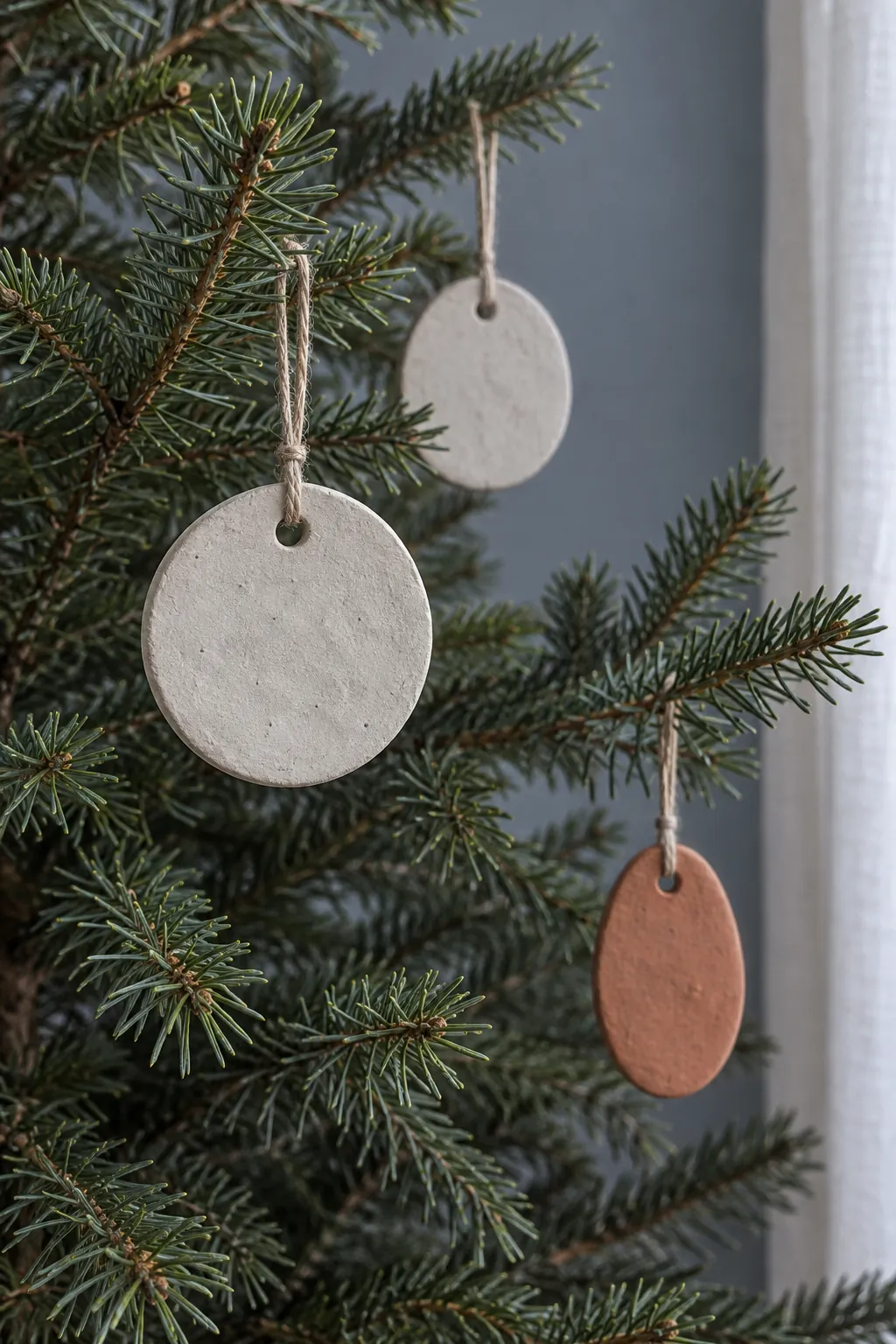
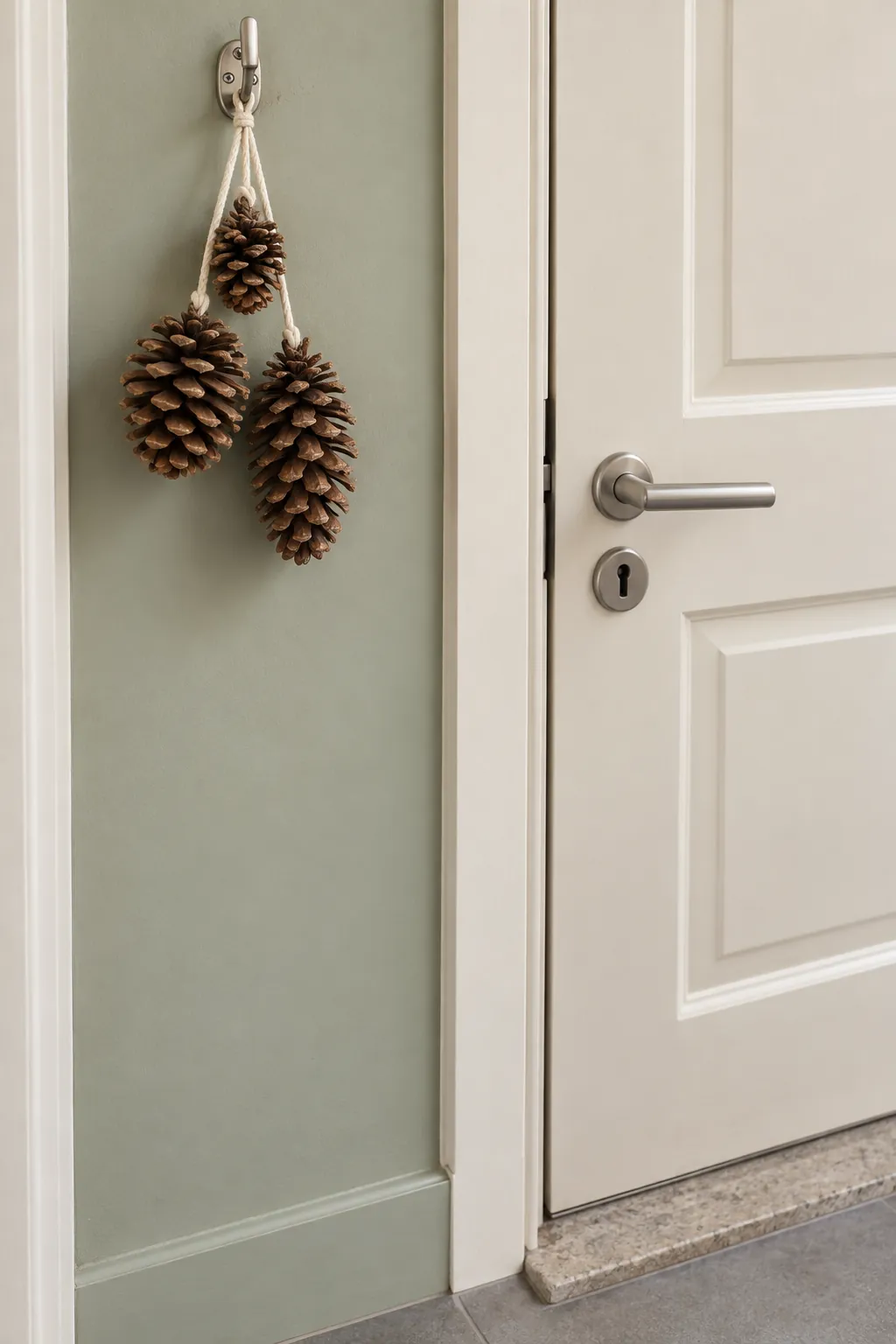
Small clay ornaments
Clay ornaments offer a muted mineral surface beside wood and greenery. Choose lightweight pieces with properly formed hanging holes, and follow the maker’s instructions for drying or curing if you create them yourself. Keep them away from damp areas unless the finish is intended for that exposure. Handmade irregularity is attractive, but cracks near the hanging hole need attention.
Salt dough shapes for a family display
Salt dough can turn a familiar kitchen craft into a modest seasonal display. Follow a reliable recipe and dry the shapes fully before hanging them so they do not sag or trap moisture. Treat the finished pieces as decoration rather than food. Keep salt dough away from pets, because eating it can be dangerous.
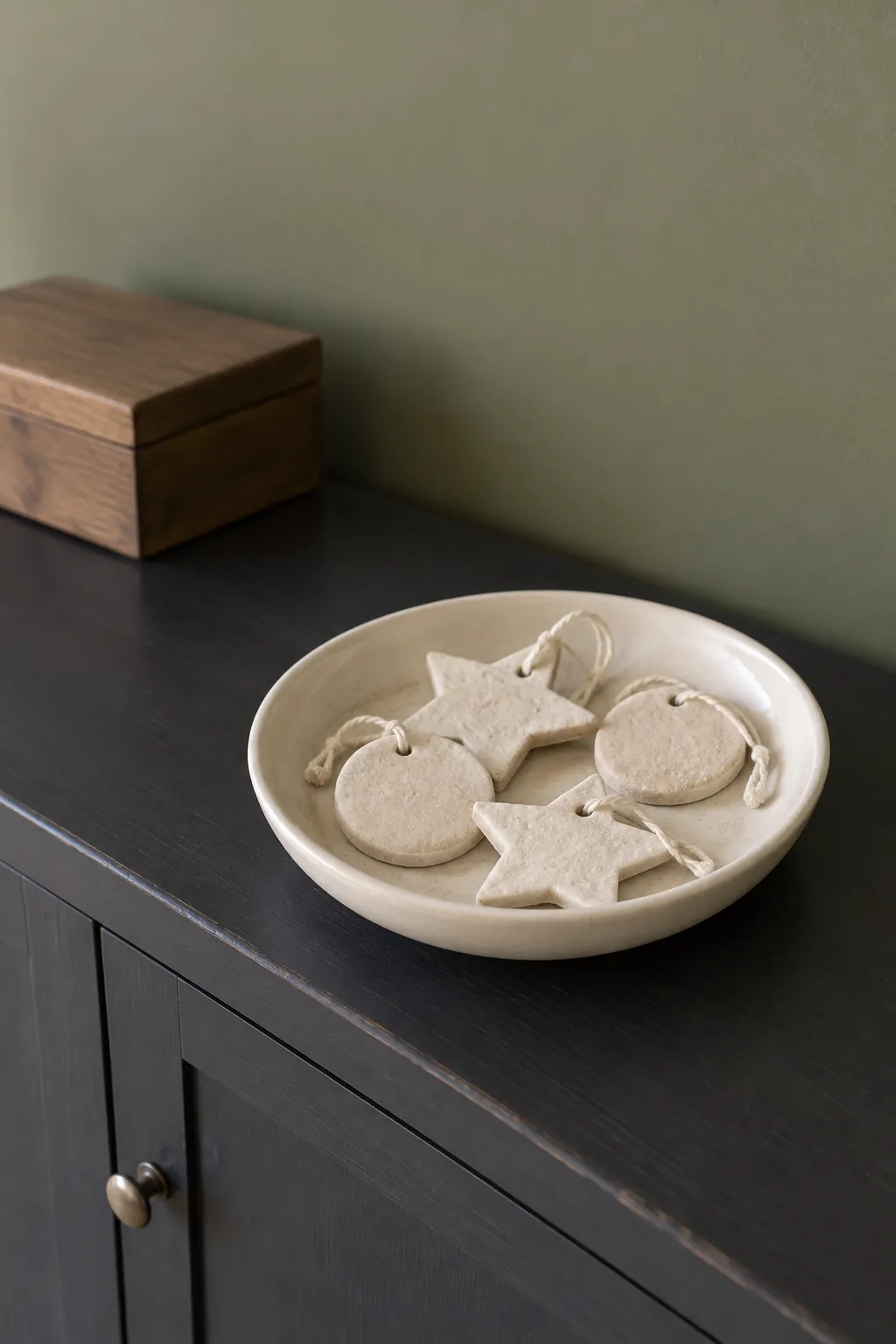
Straw stars on a sparse tree
Straw stars give a tree fine structure without much visual weight. Choose sound pieces with secure thread joins and hang them where branches can support them without bending. Their pale color works especially well against dark evergreen needles. Keep the display well away from heat and open flame.
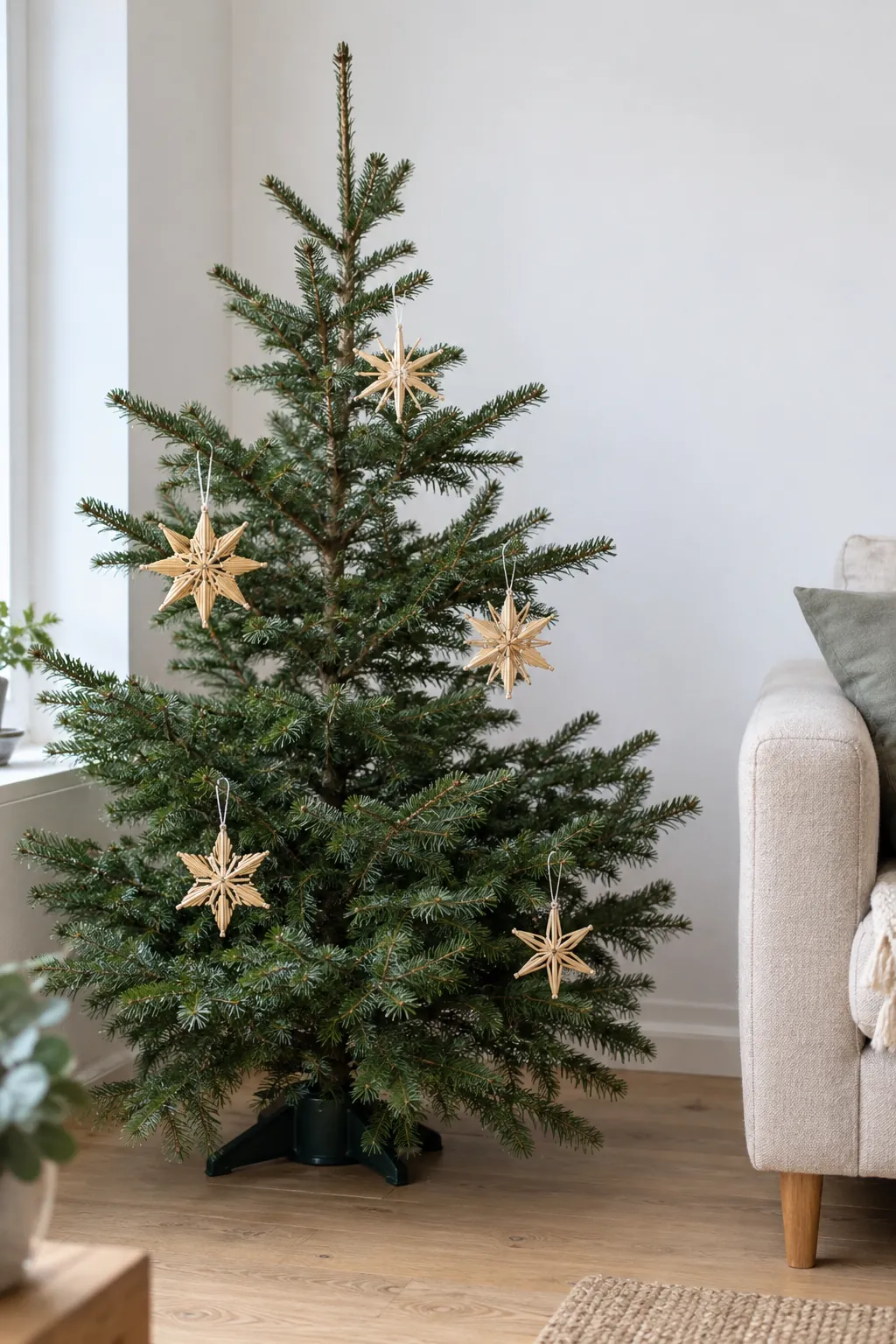
A wooden bead strand
Wooden beads can create a quiet rhythm across an indoor tree. Check that the cord is strong and each bead is securely threaded before adding the strand. Drape it loosely between suitable branches rather than pulling it tight around the trunk. Beads are small objects, so keep loose pieces away from children and pets.
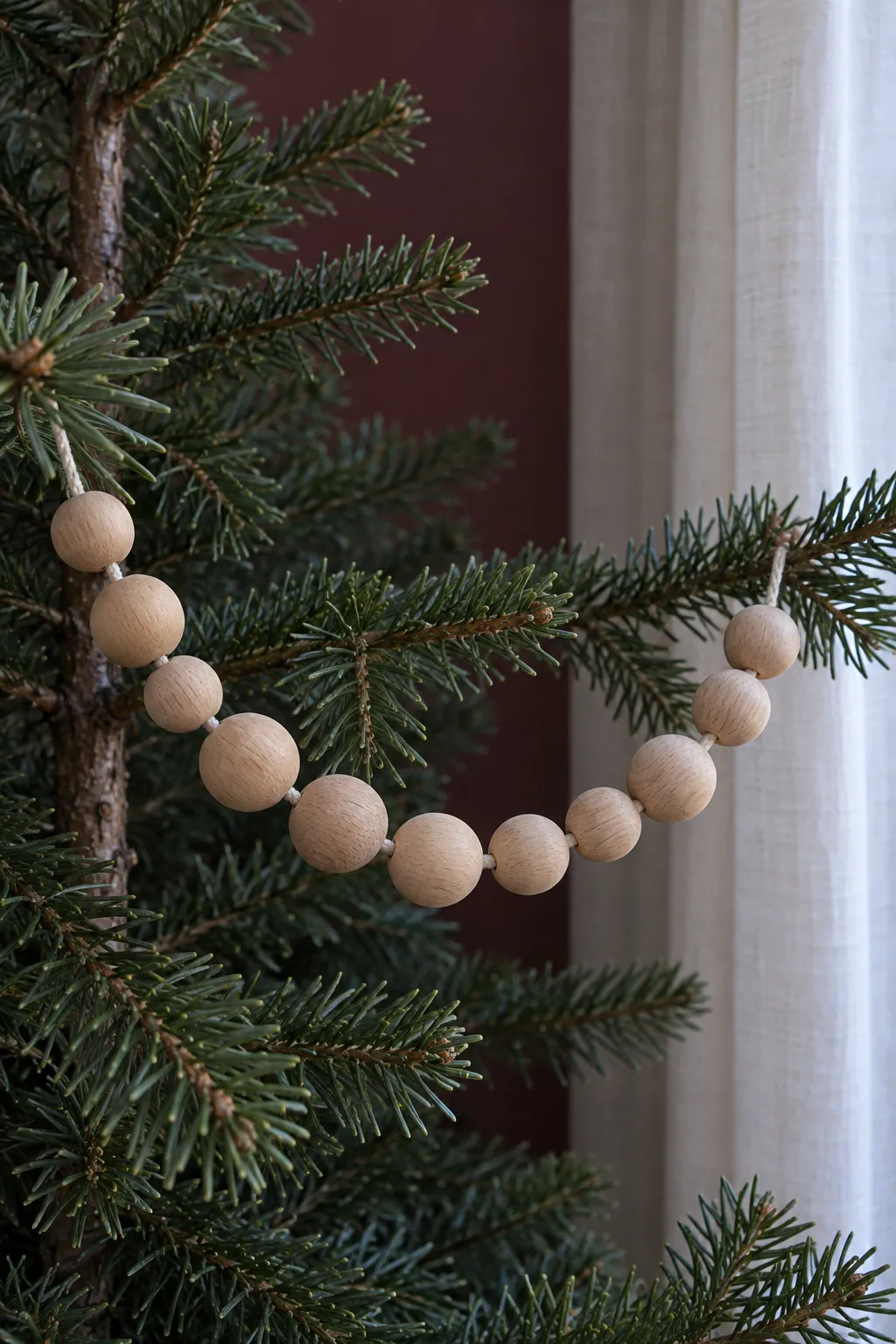
A pinecone detail beside the door
A small cluster of pinecones can decorate a fixed entrance hook or shelf indoors. Use a secure fastening and position it where it cannot swing into a visitor’s face. Keep the scale modest so the door still opens fully and the handle remains obvious.
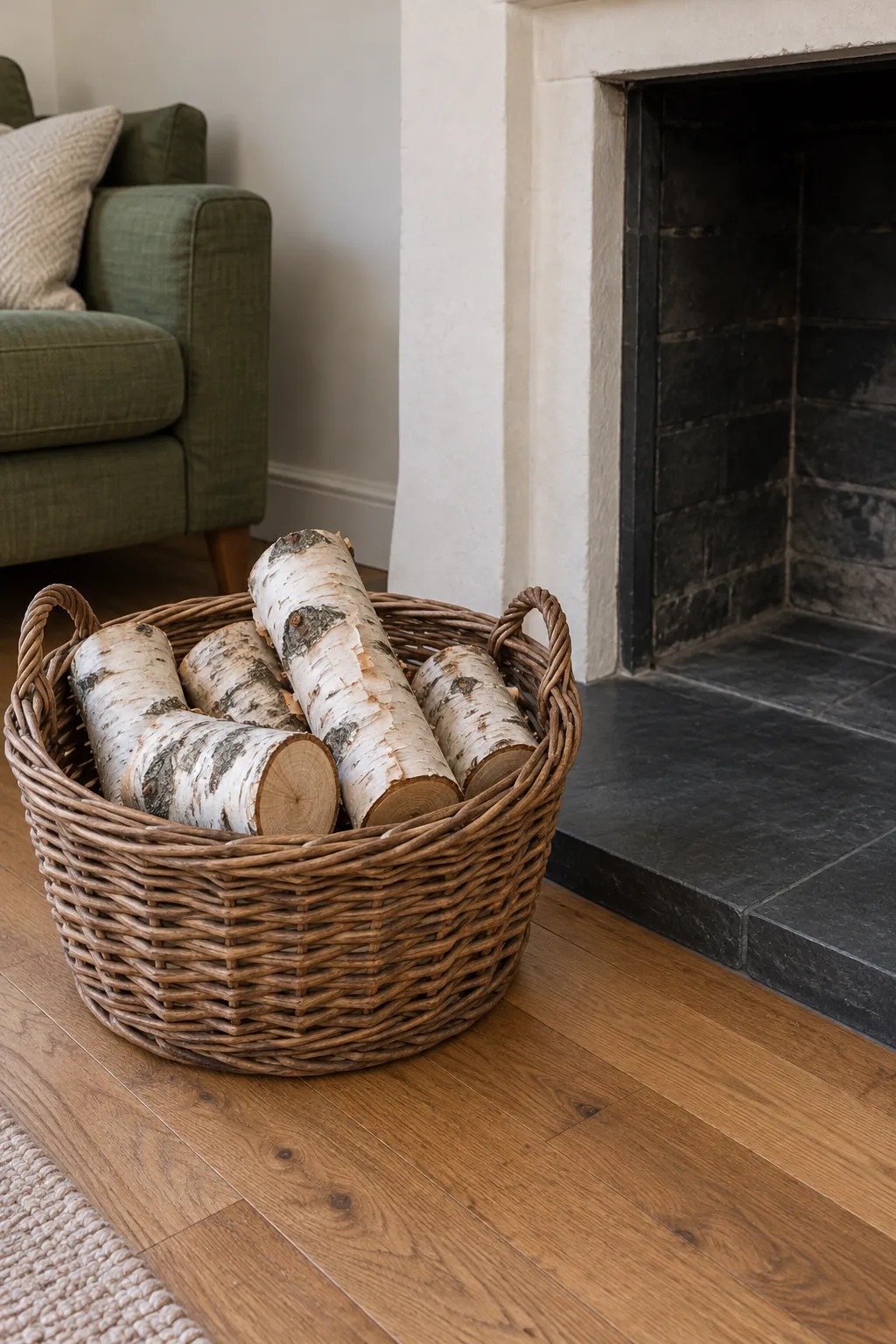
A basket of decorative birch pieces
Short birch pieces bring pale bark texture to a room with darker furniture. Place them in a stable basket beside an unused hearth or another location away from heat. Do not use decorative arrangements to disguise access to a working fireplace. Source the wood responsibly and check it for loose debris before bringing it inside.
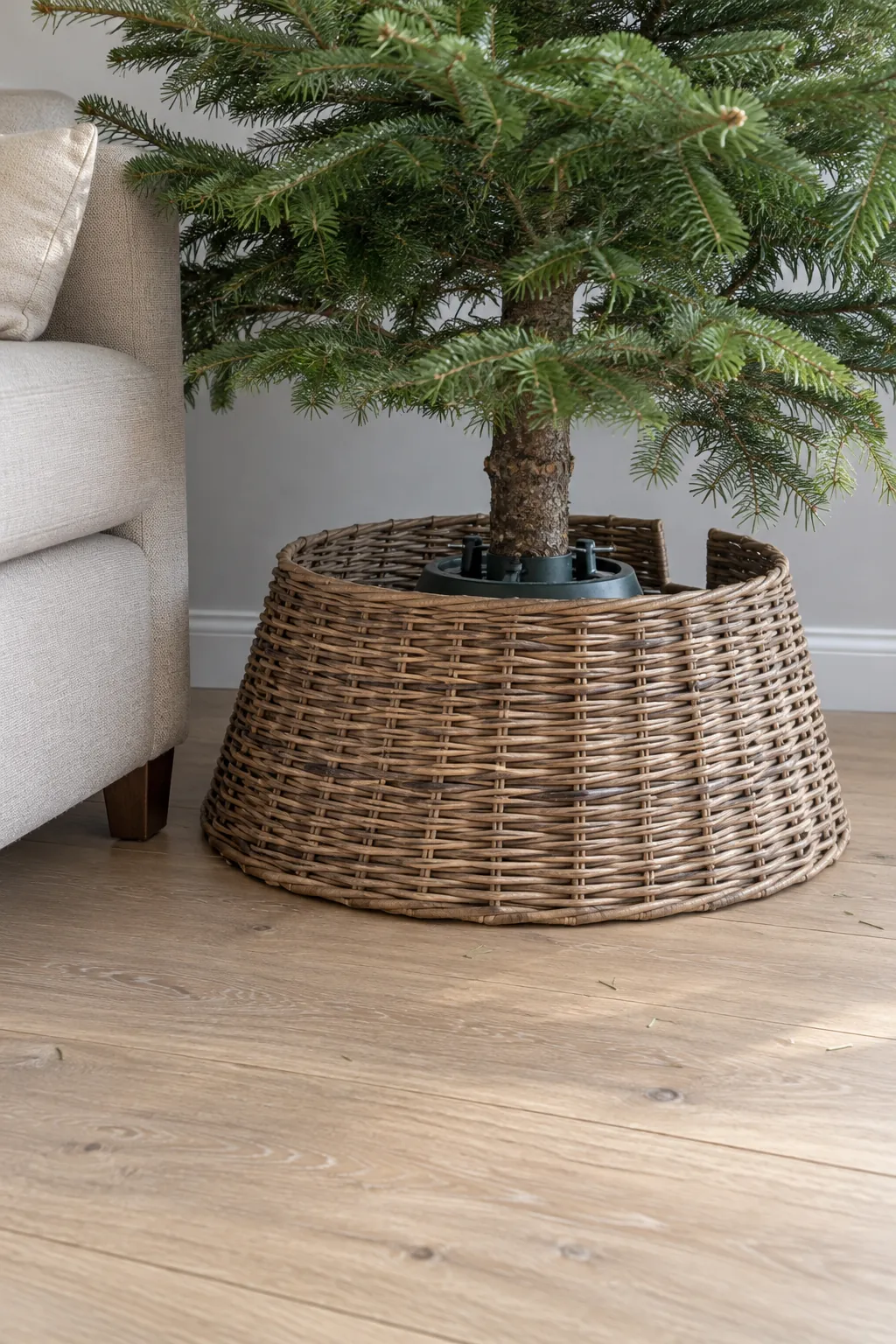
A woven cover around the tree stand
A woven cover can hide the tree stand while repeating the room’s natural textures. Choose a shape that leaves the stand stable and makes watering accessible when the tree is cut and fresh. The cover should not trap cables, press against sockets or conceal a leak.
Lift it occasionally to check the floor and clear shed needles. Keep the weave separated from heat producing equipment. A cover is decoration around the stand, not a substitute for the stand’s support.
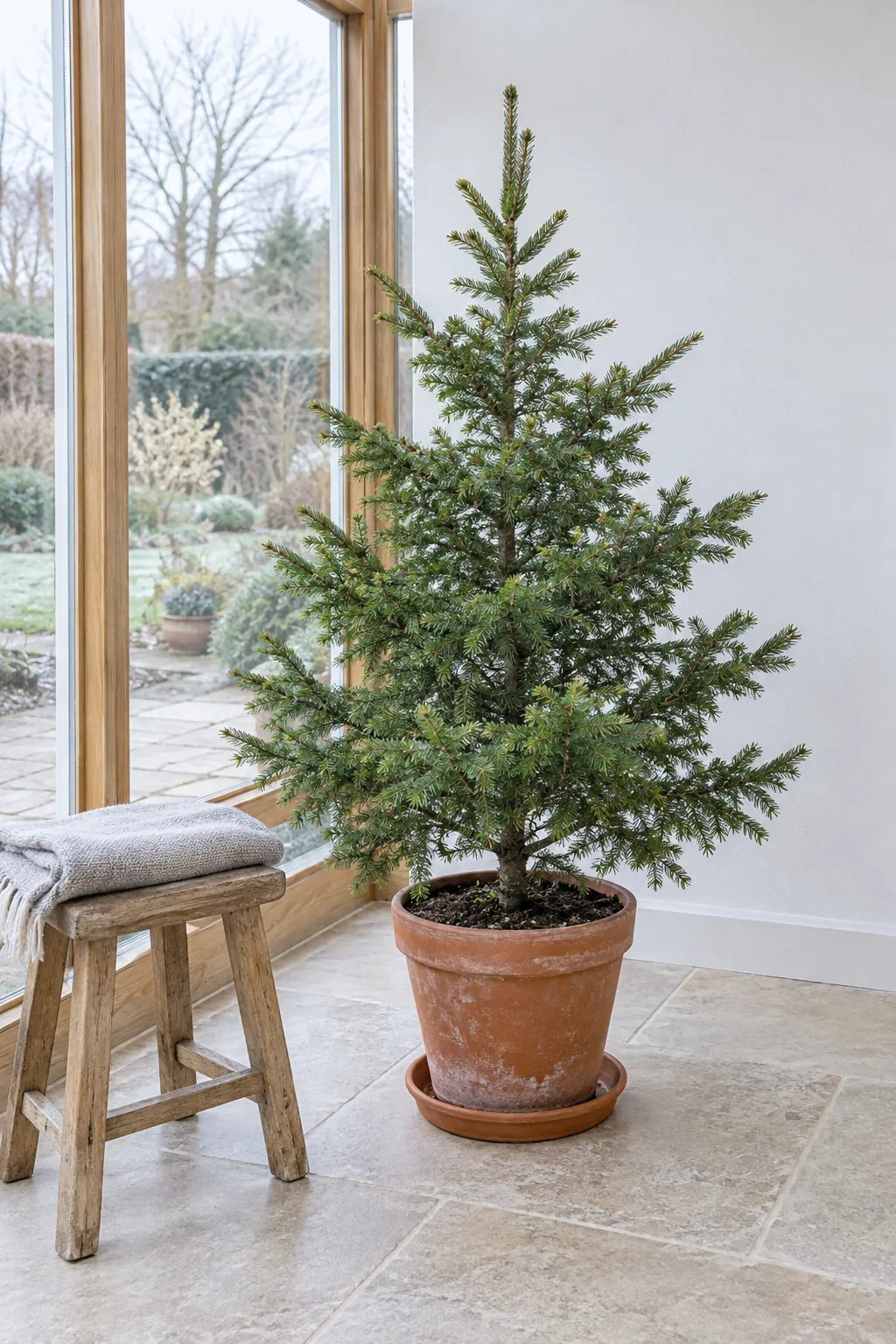
A small living potted tree
A living tree can be an option when you have suitable space and a realistic care plan. Select a species suited to your climate, and ask the nursery about indoor duration, light and temperature needs. Avoid keeping a cold adapted tree in a warm room longer than its care guidance allows. Plan its outdoor destination before buying it.
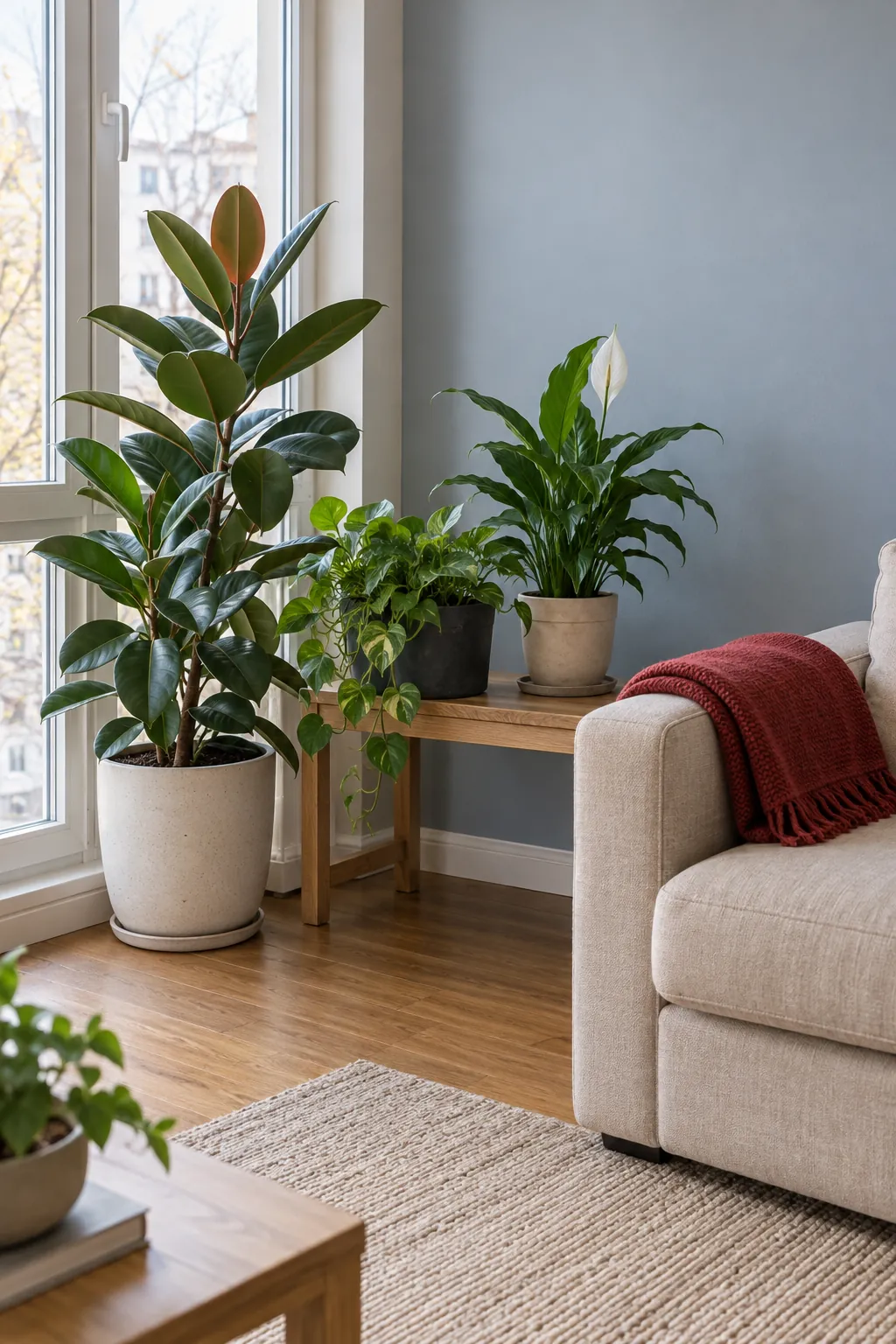
Existing houseplants as part of the room
Healthy houseplants already contribute to an organic Christmas home. Group a few pots visually near the seasonal display without moving them into unsuitable light or cold drafts. Leave leaves free of glitter, spray paint and tight ornamental ties. The plants can remain themselves rather than becoming imitation Christmas trees.
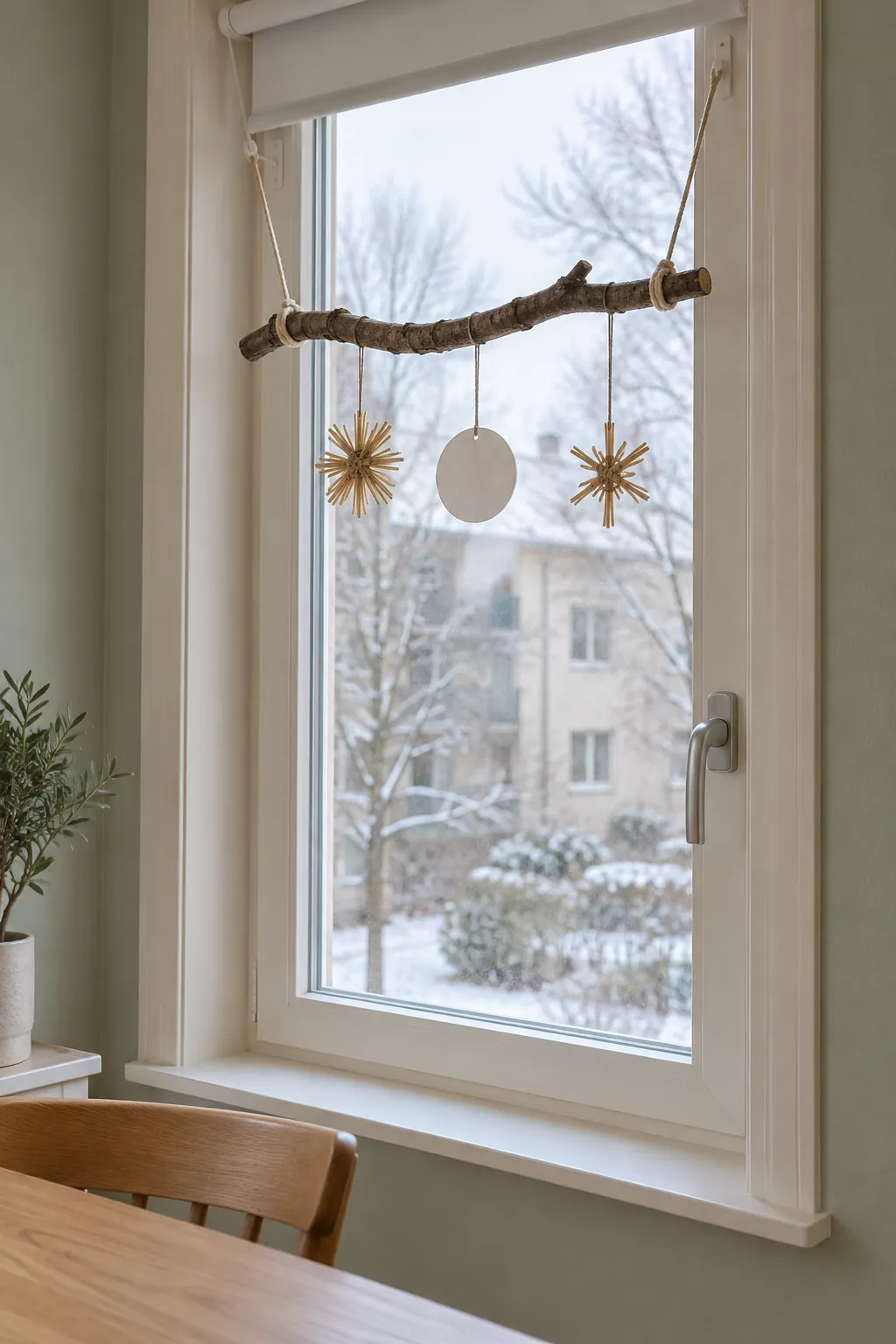
A branch hung inside the window
A lightweight dry branch can support a few paper or straw ornaments indoors. Use secure mounting appropriate to the frame and check the load before hanging the finished piece. Keep window handles, blinds and emergency access clear. The branch should not scrape the glass or sway into anyone using the window.
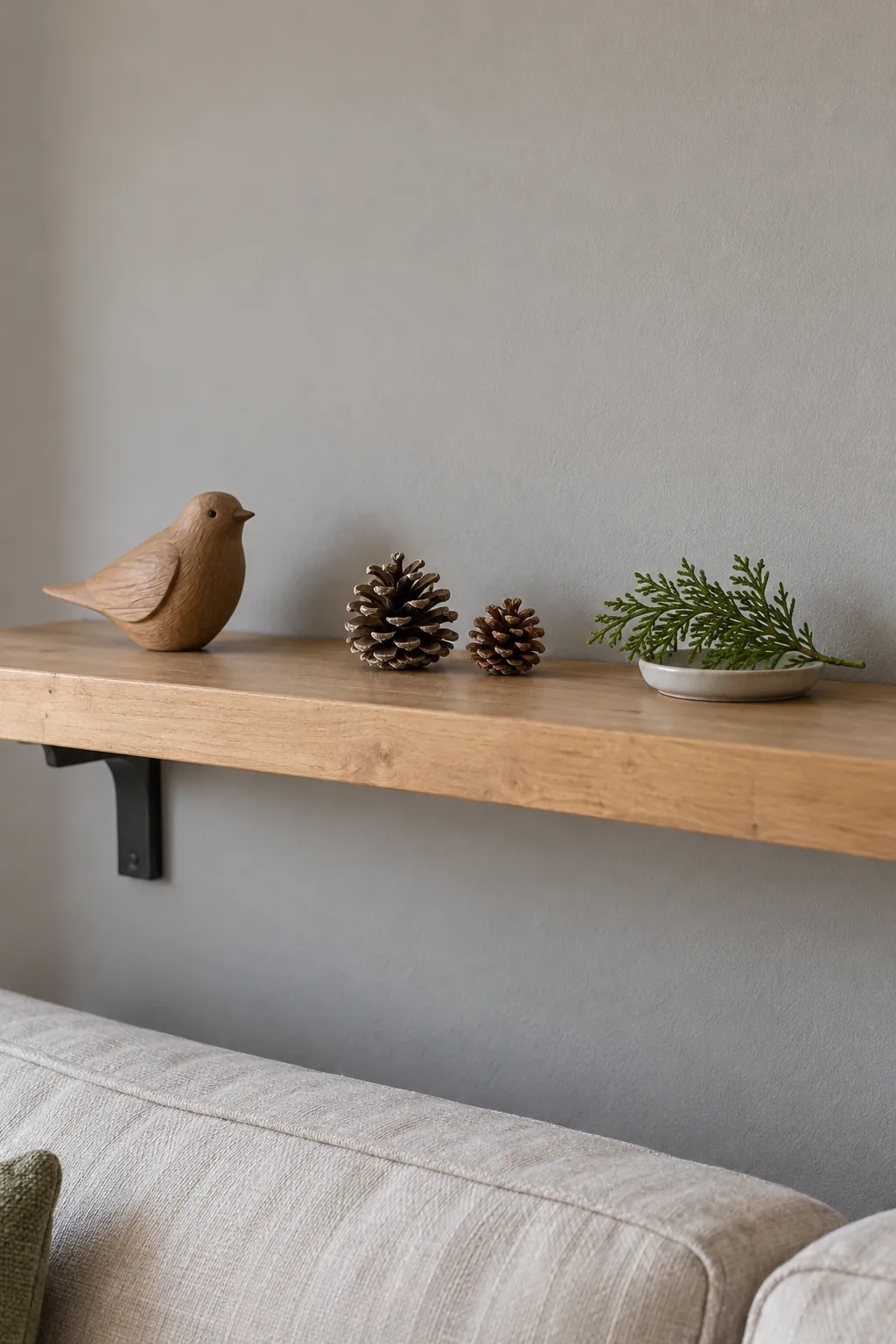
A woodland shelf with open space
Combine one small wooden object, a few cones and a short foliage sprig on an existing shelf. Give each material room to read instead of covering the shelf with every natural object you own. Protect timber from moisture and keep heavy pieces away from the front edge. Open space makes the arrangement easier to dust and more believable in a room used daily.
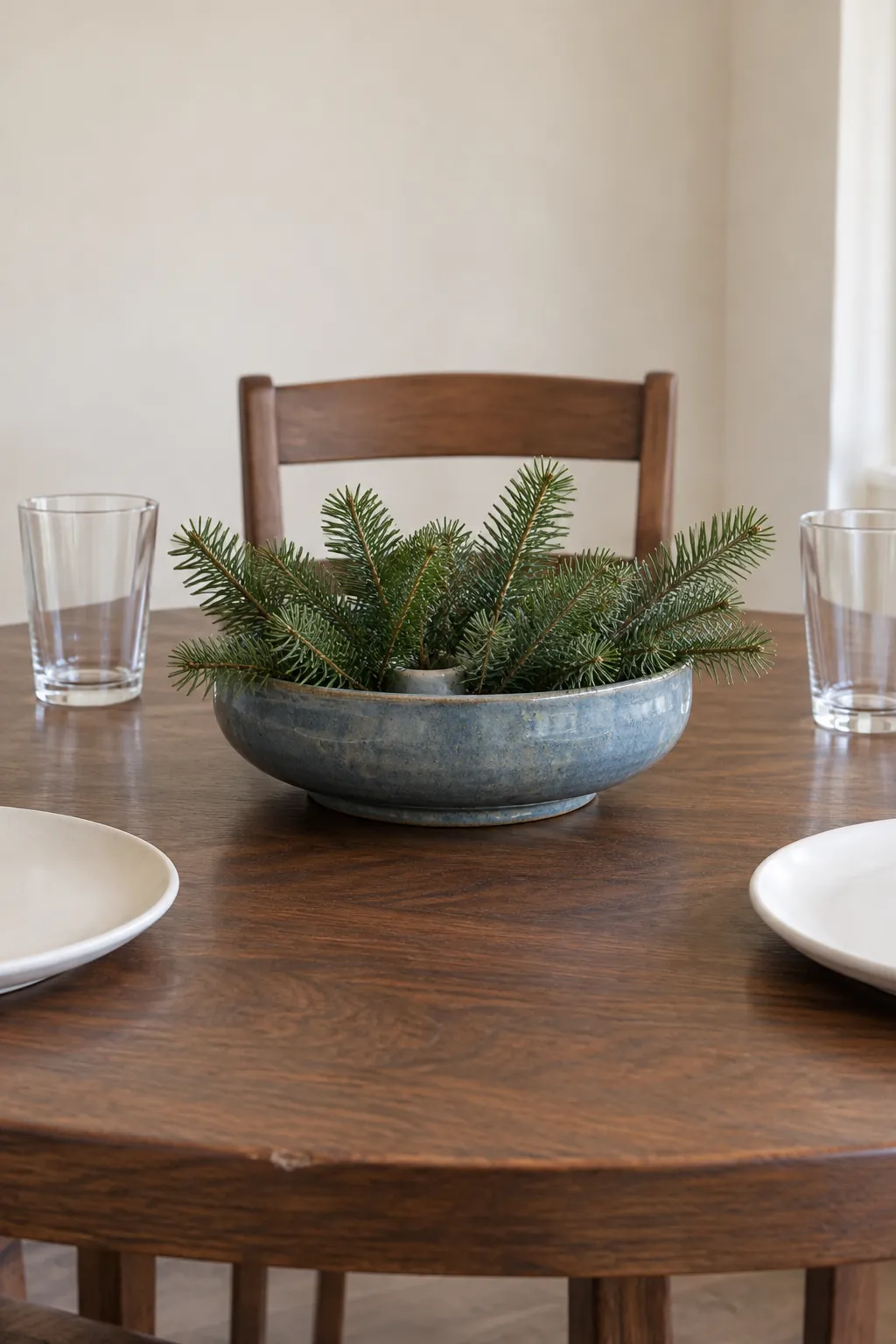
A stoneware centerpiece
A stoneware bowl or vase can give a Christmas table a quiet center without glitter. Choose a low shape so guests can see each other across the table. Put greenery in a suitable inner vessel when water is needed, and keep the outside dry before setting it on timber.
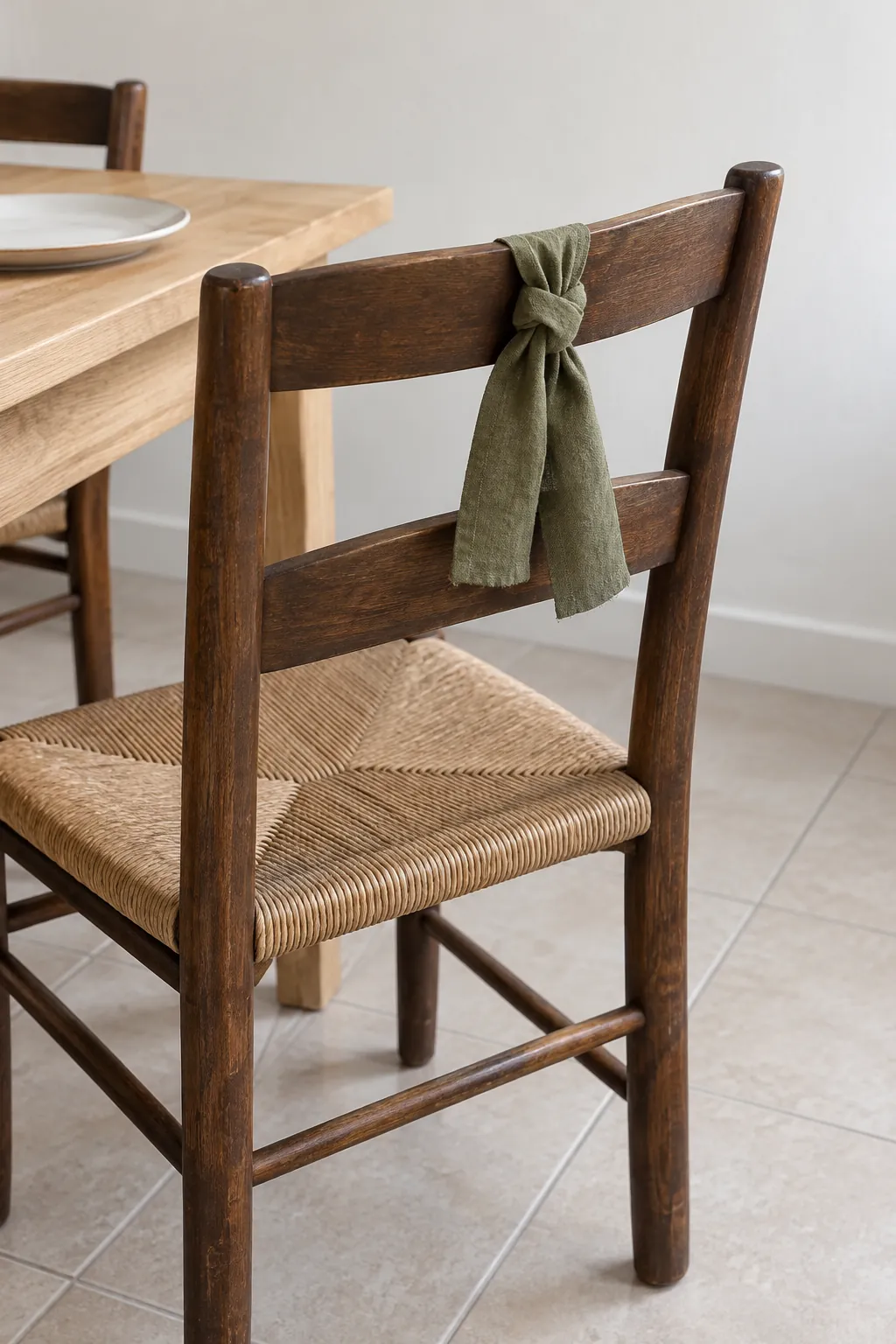
A linen tie on dining chairs
A short linen tie can add seasonal softness to chairs without changing their everyday function. Fasten it where it will not rub against a guest or catch on clothing. Keep tails above the seat and away from the floor. Skip the tie on folding or adjustable chairs if it interferes with their moving parts.
A cotton ribbon on existing stockings
A simple cotton ribbon can refresh stockings you already own. Tie it near a sound hanging loop and check that the stocking’s support can carry the intended contents. Keep long tails away from heat and passing children. The ribbon adds one quiet material detail without requiring a new stocking collection.
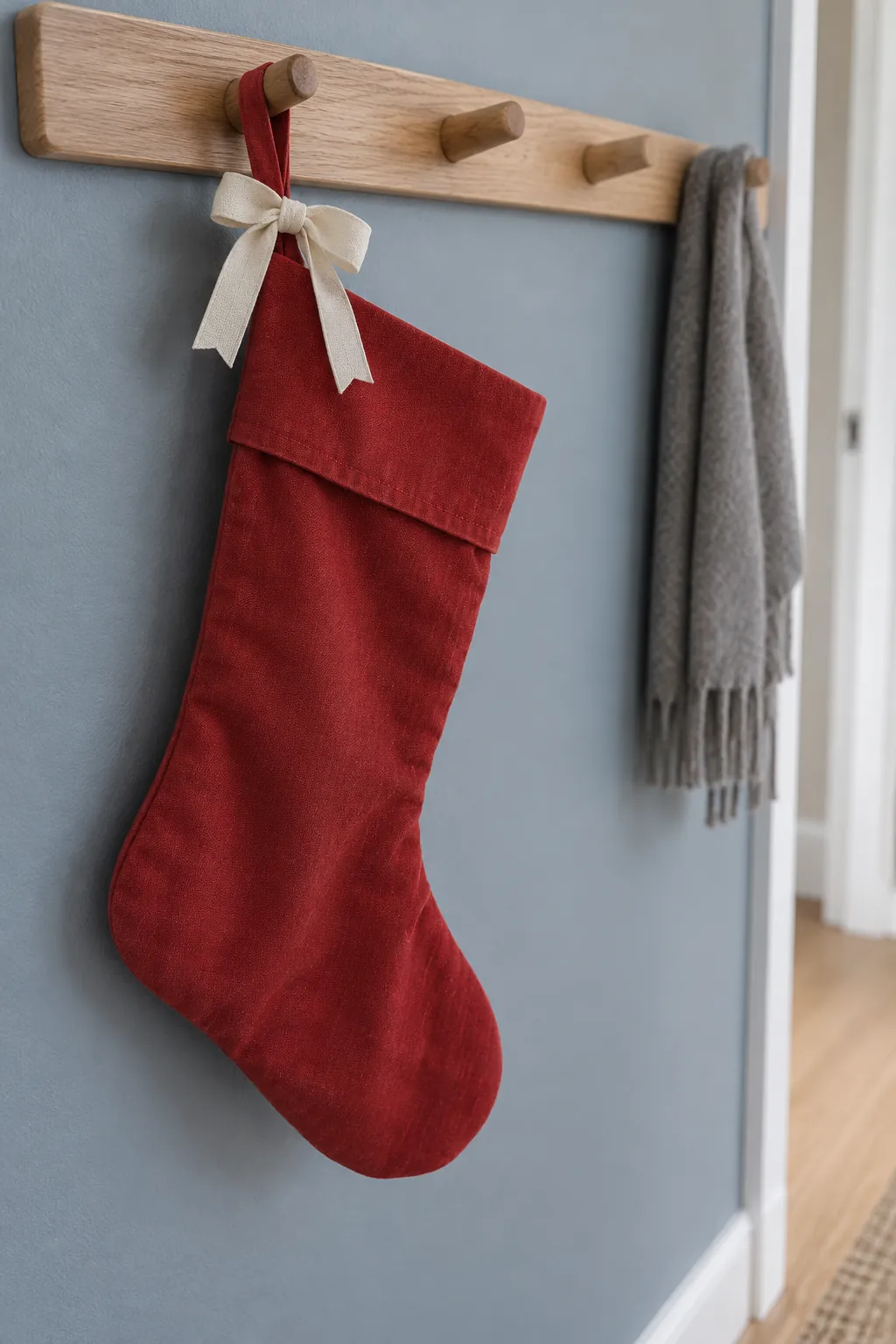
Plain cotton stockings
Cotton stockings fit a room that uses simple textiles and restrained color. Look for strong seams and secure loops, especially if they will hold gifts rather than remain empty. Follow the washing instructions before storing them for another year.
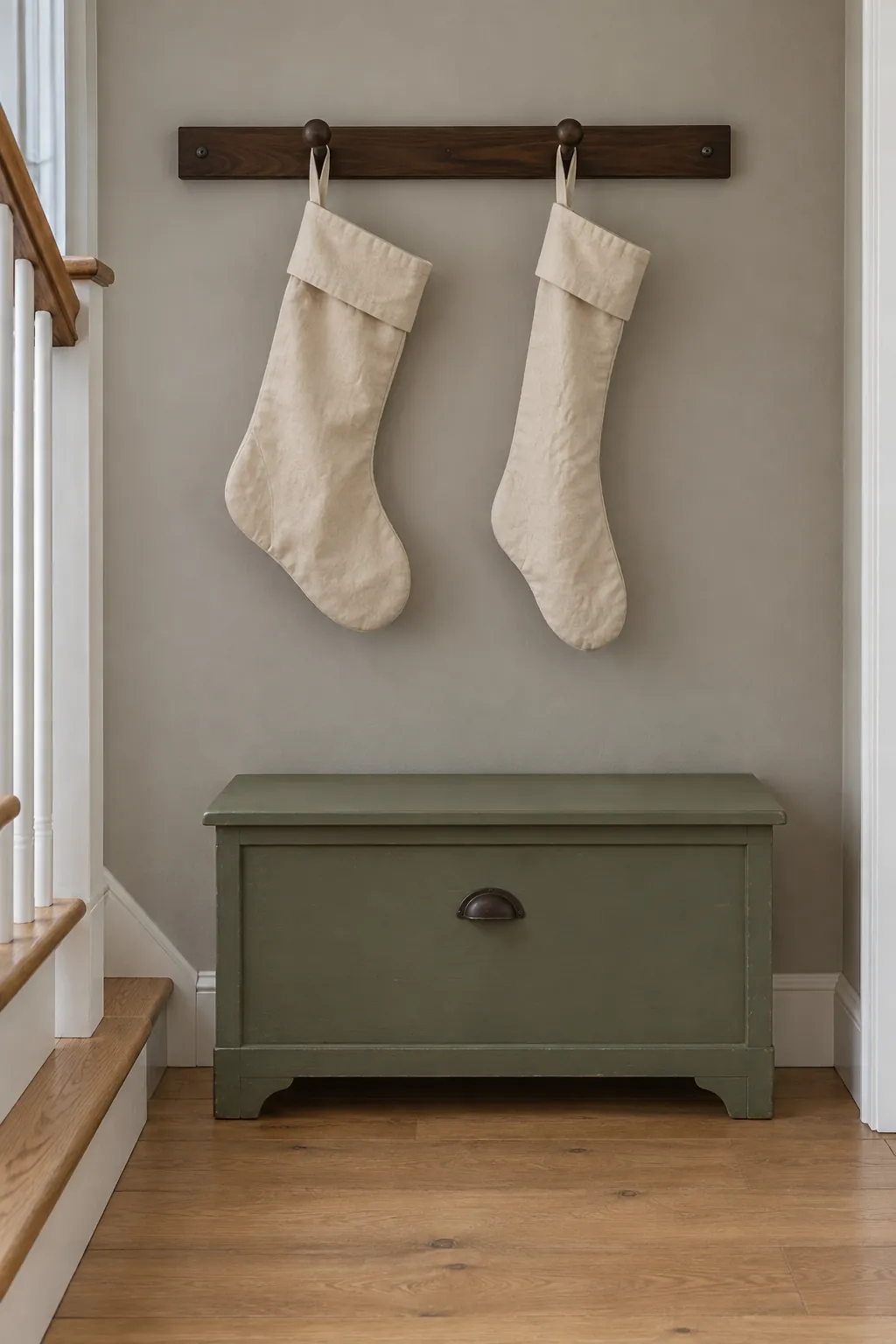
A cork board for seasonal cards
A cork board gathers Christmas cards into one place instead of spreading them across every surface. Arrange the cards so each can be opened or read without dismantling the whole display. Keep loose pins out of reach of children and pets. An existing board can return to its everyday purpose after the holiday.
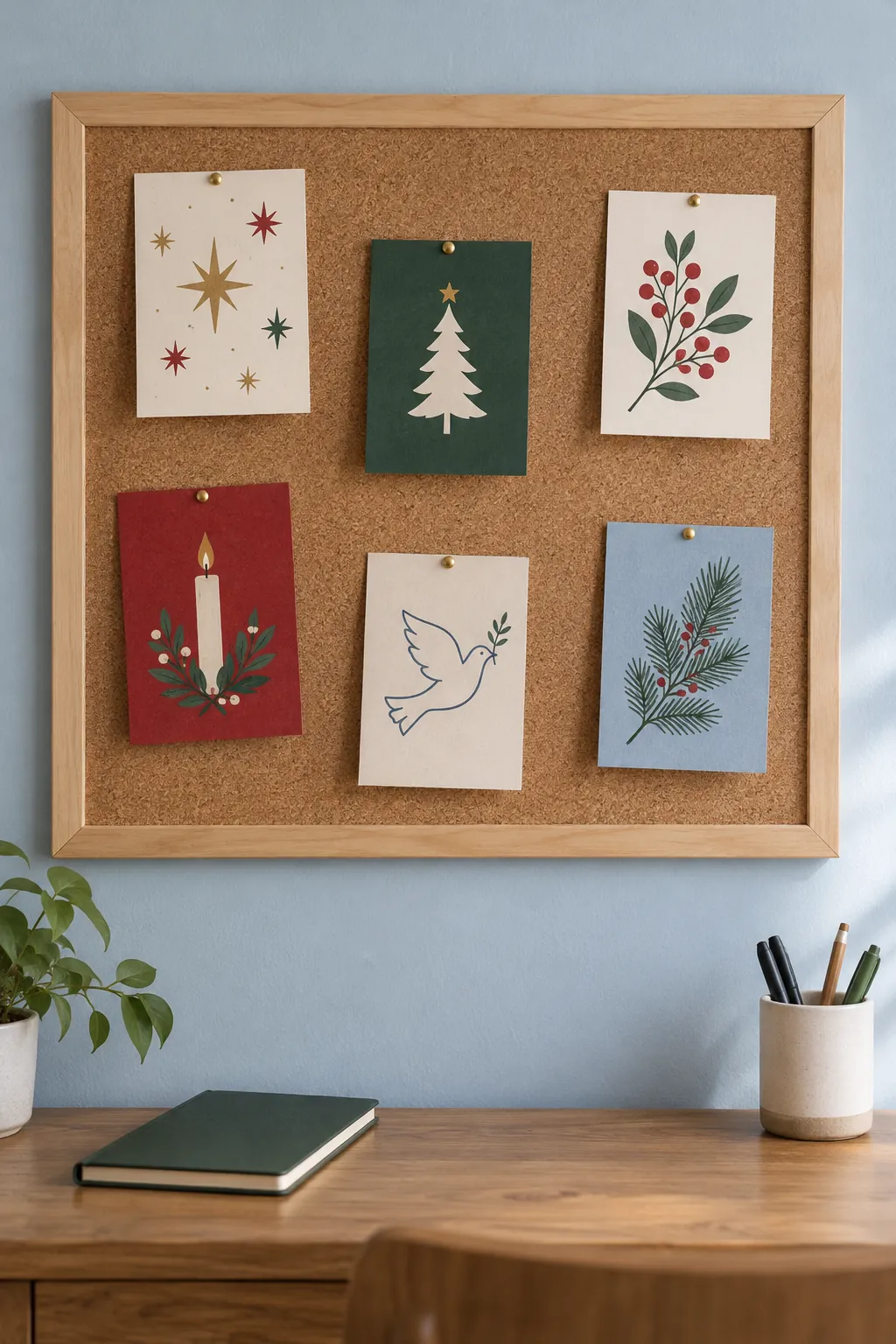
A reusable wooden Advent display
A wooden Advent display can make the daily ritual the decoration. Choose a design with practical compartments or clear places for your chosen activities, and use it again with fresh contents. Check for small removable parts before placing it within a child’s reach. Its value comes from a useful routine rather than from filling every box with another object.
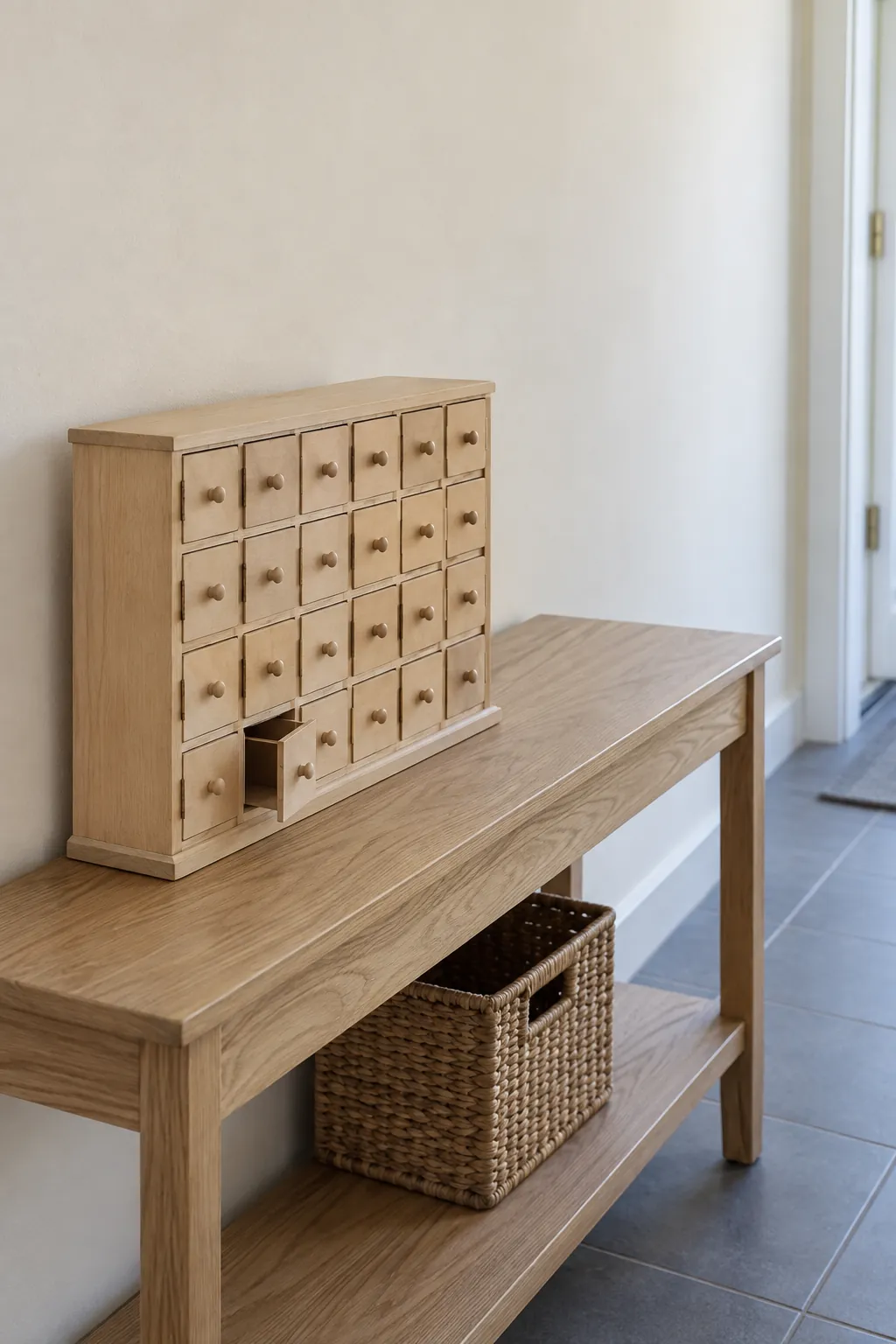
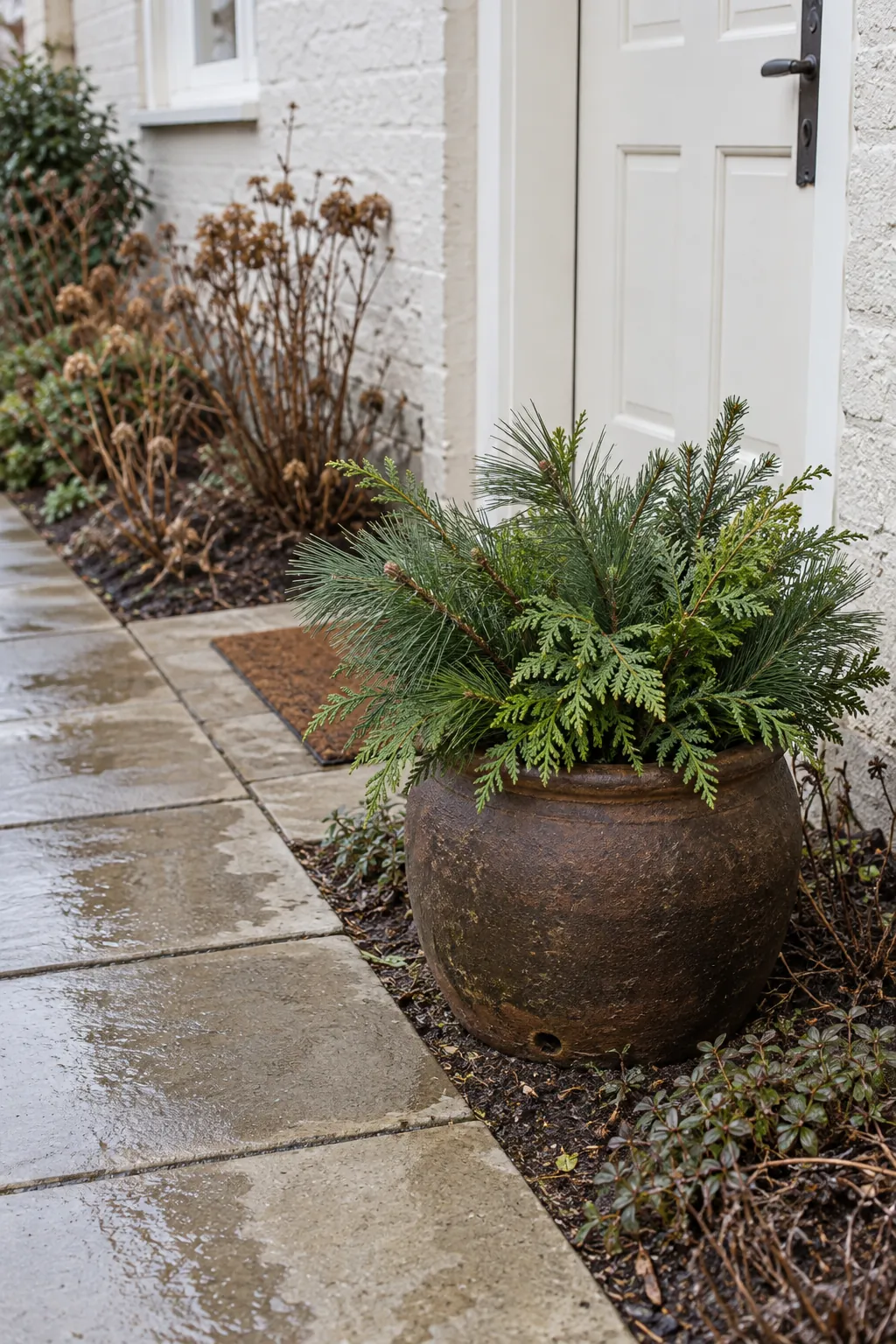
Local greenery in an outdoor pot
Suitable local foliage can connect an entrance to its landscape. Use garden prunings or responsibly sourced stems that you can identify, rather than taking material from protected areas or someone else’s property. Choose an outdoor container with drainage and keep the arrangement stable. Observe how the plants and fastening respond to actual weather.
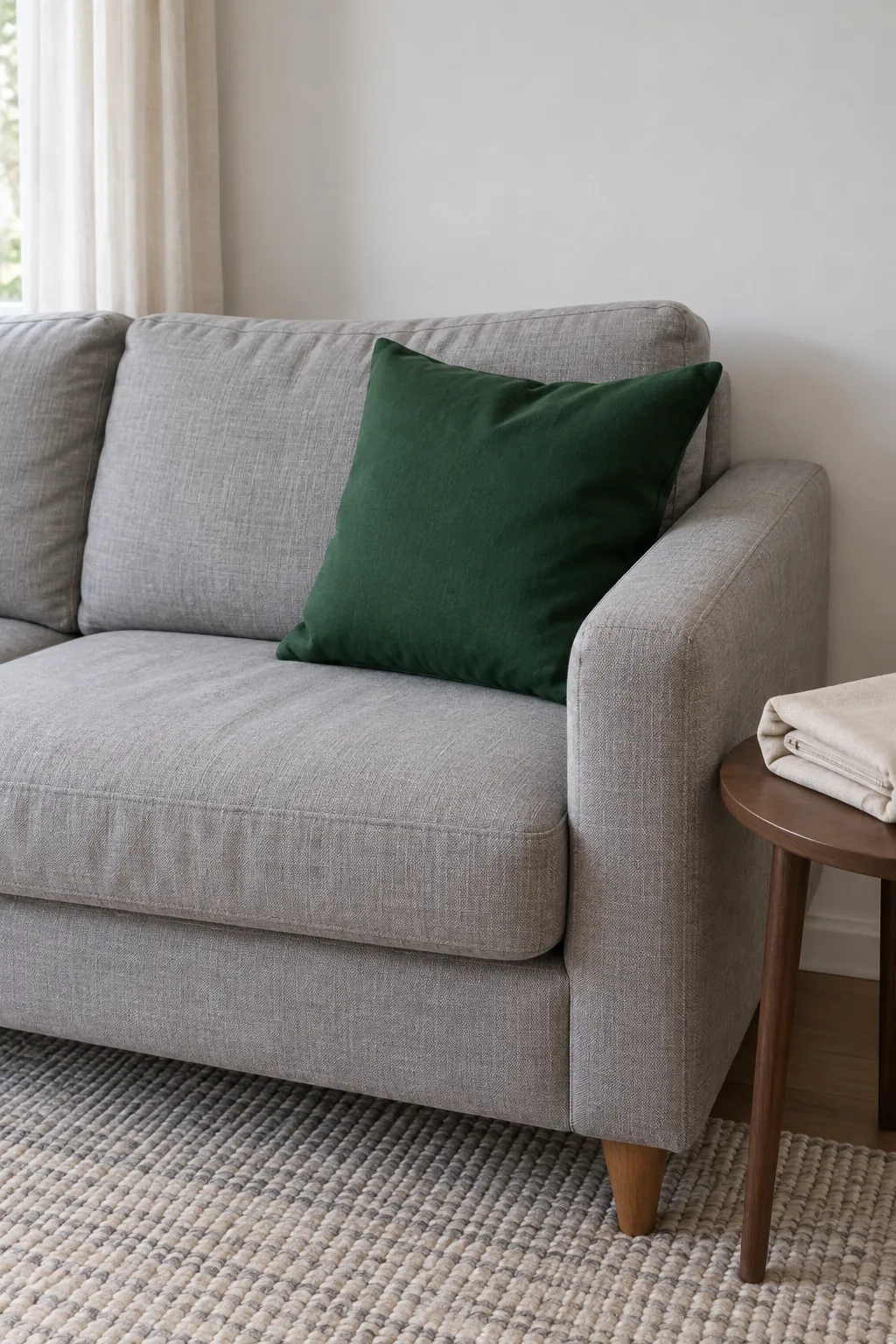
A deep green cotton cushion cover
A plain green cotton cover can give the sofa a seasonal color without an oversized slogan. Choose a shade that works with the upholstery and keep the number of cushions practical for sitting. Confirm the size and care instructions before replacing an existing cover. Store the everyday cover clean rather than buying a second full cushion unnecessarily.
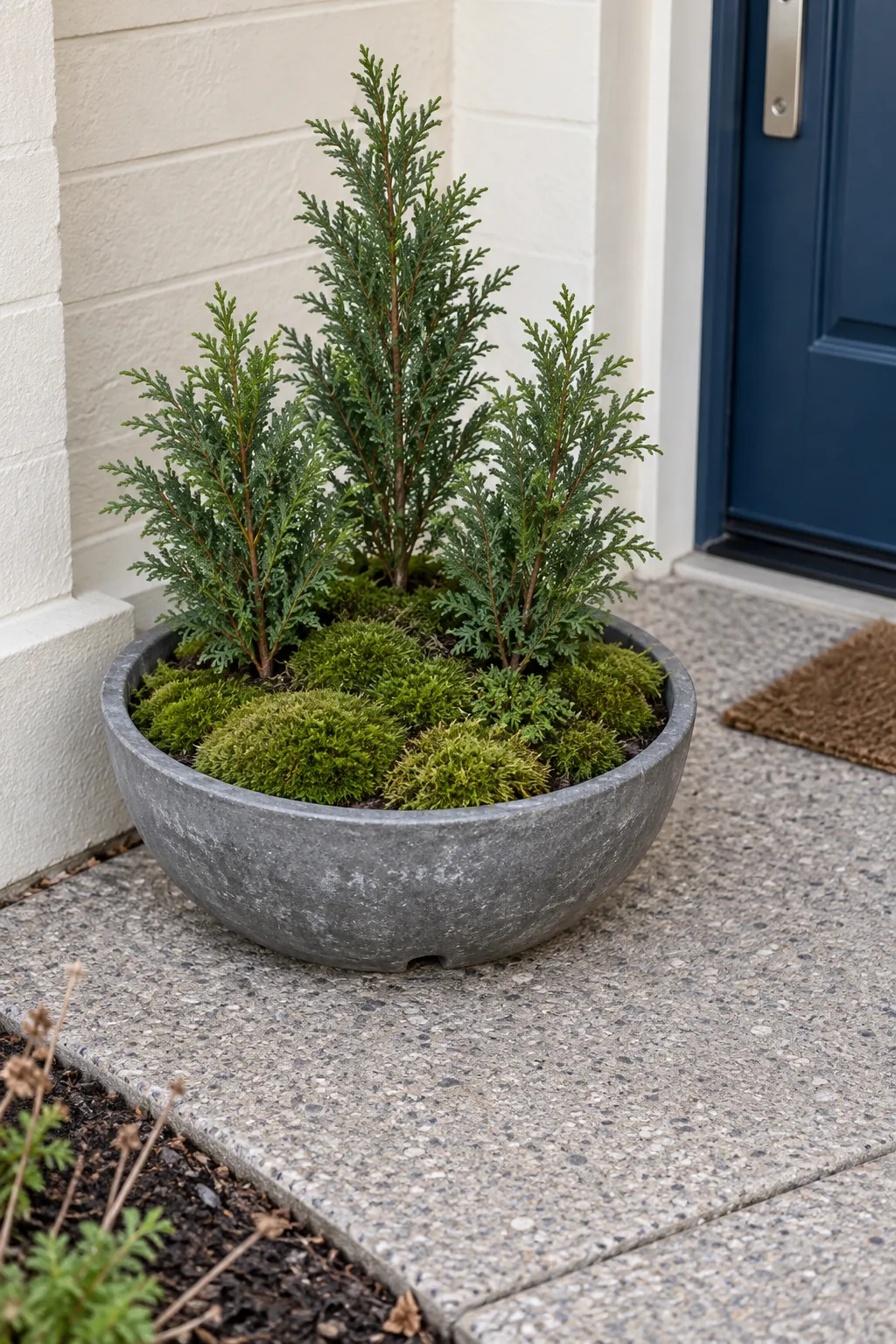
Nursery grown moss in a porch arrangement
Moss can supply a low soft surface inside a suitable outdoor arrangement. Use responsibly sourced material, such as nursery grown moss, and follow its care needs rather than stripping wild patches from the landscape. Keep it confined to the container so it does not create a slippery surface. Match the arrangement to the actual moisture and temperature conditions.
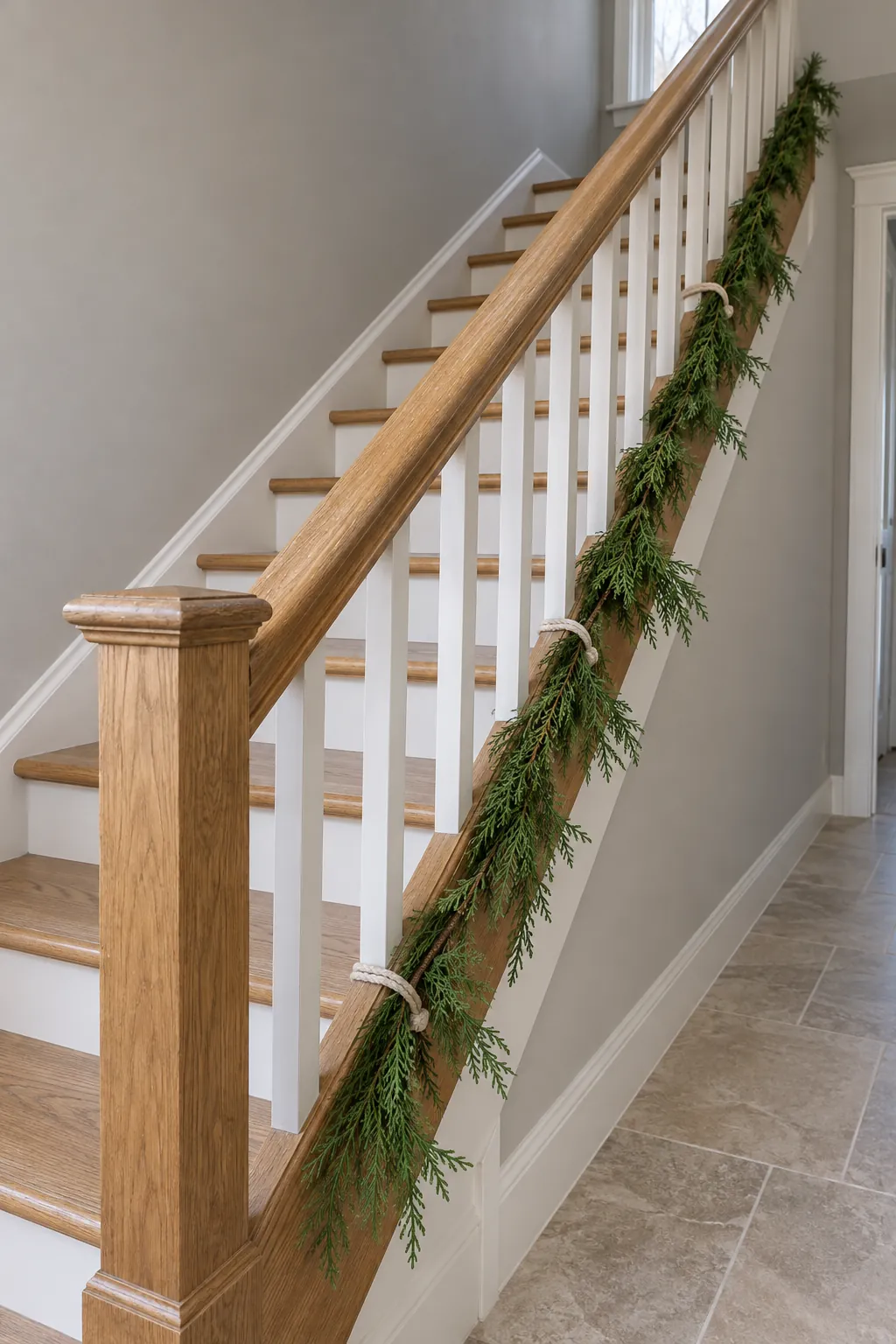
A little greenery below the stair handrail
A narrow greenery run can decorate the outside lower portion of a stair rail while leaving the gripping surface bare. Secure it at several points and keep stems away from the treads. Do not wrap foliage around the place people need to hold for support. Remove brittle or loose sections promptly.
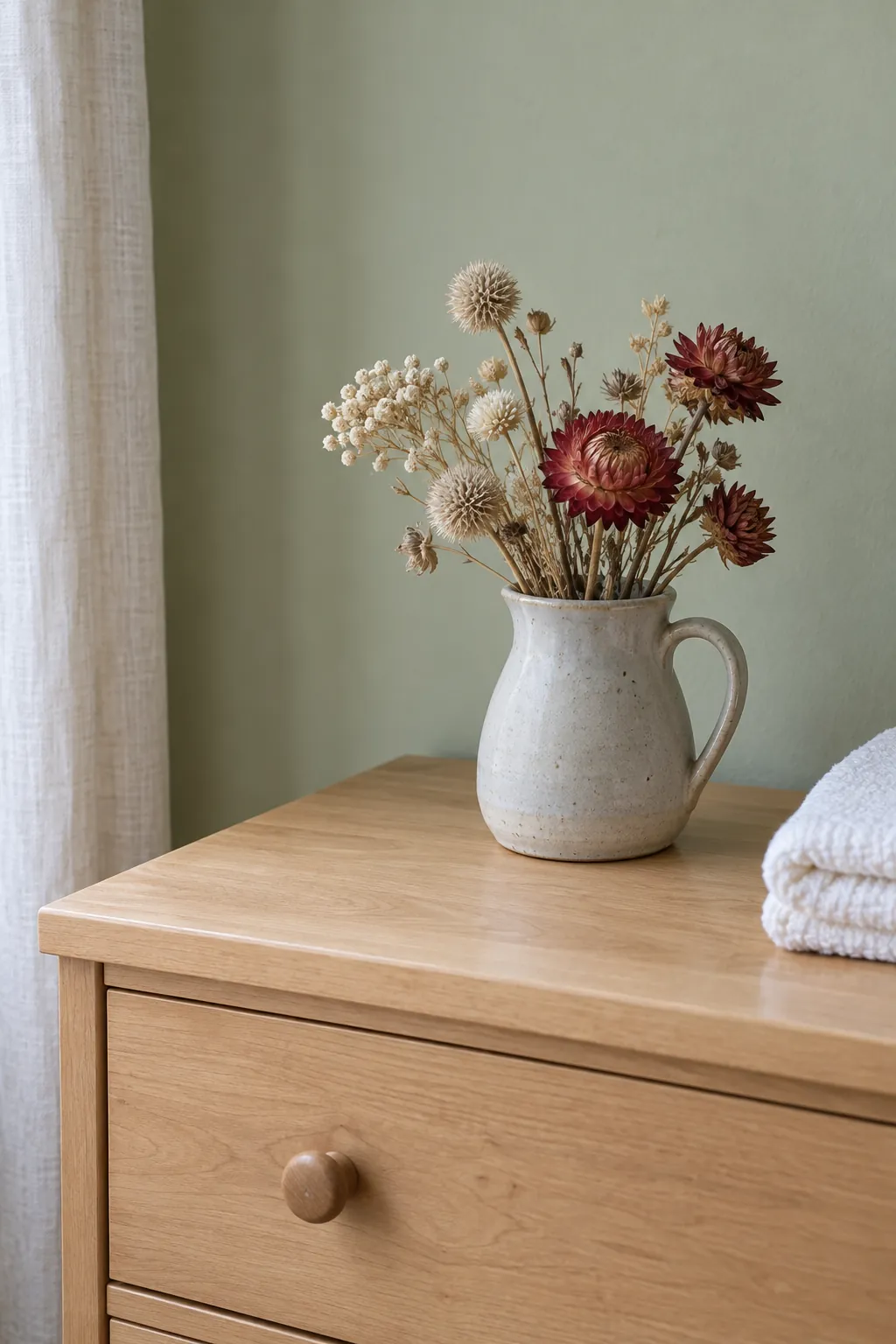
Dried flowers in a simple jug
Dried flowers can extend an earthy Christmas palette into rooms where fresh greenery is impractical. Choose a small arrangement with stems that do not shed heavily into everyday surfaces. Place the jug away from humid rooms and direct heat. A few faded red or cream flowers can supply seasonal color without pretending to be fresh blossoms.
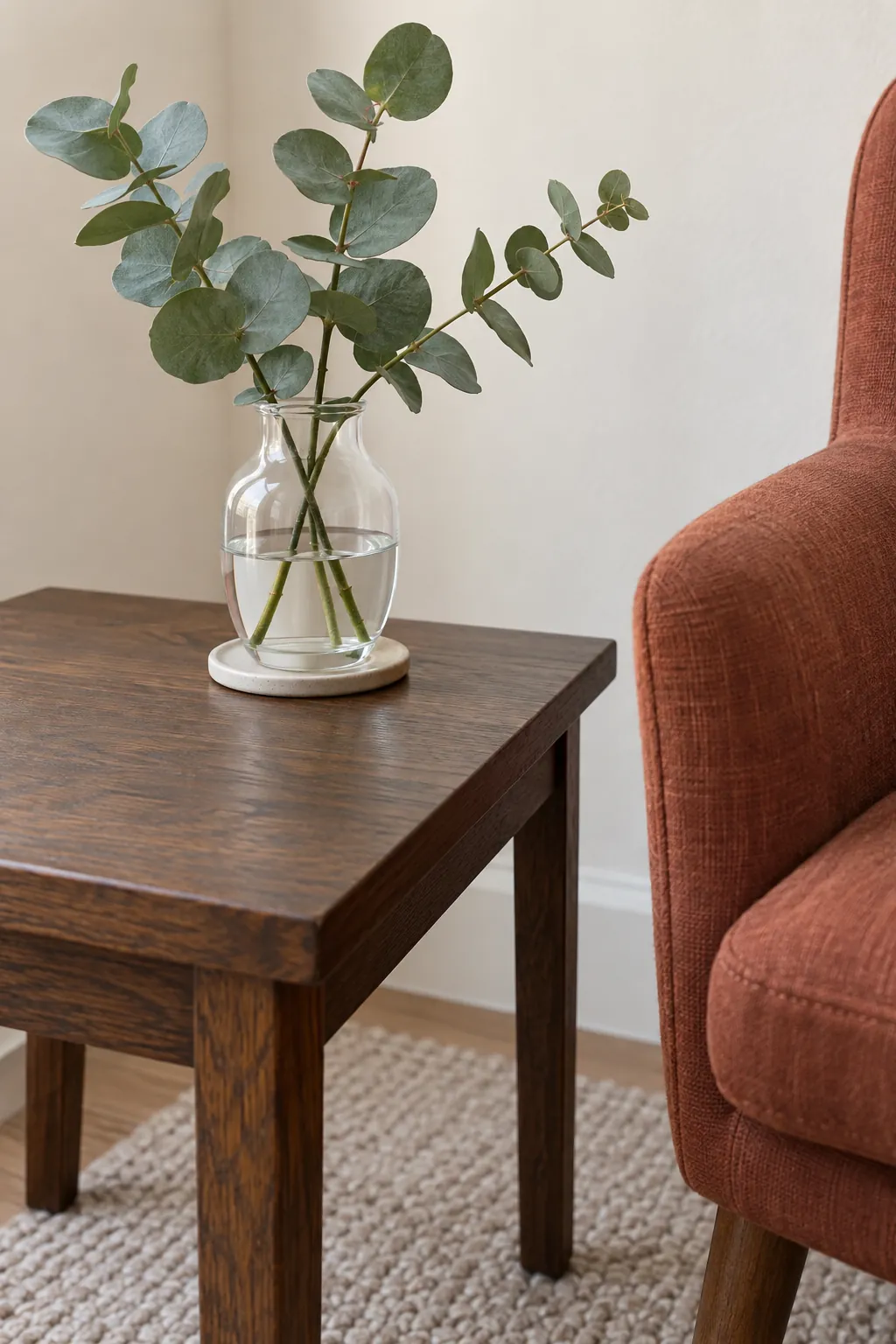
A small eucalyptus accent on a side table
A few eucalyptus stems can add a different leaf shape to traditional greenery decor. Use a stable suitable vase with water when the stems require it, and protect the table beneath. Keep the arrangement away from pets and children who might chew plant material. Avoid it when strong scent would make the room uncomfortable.
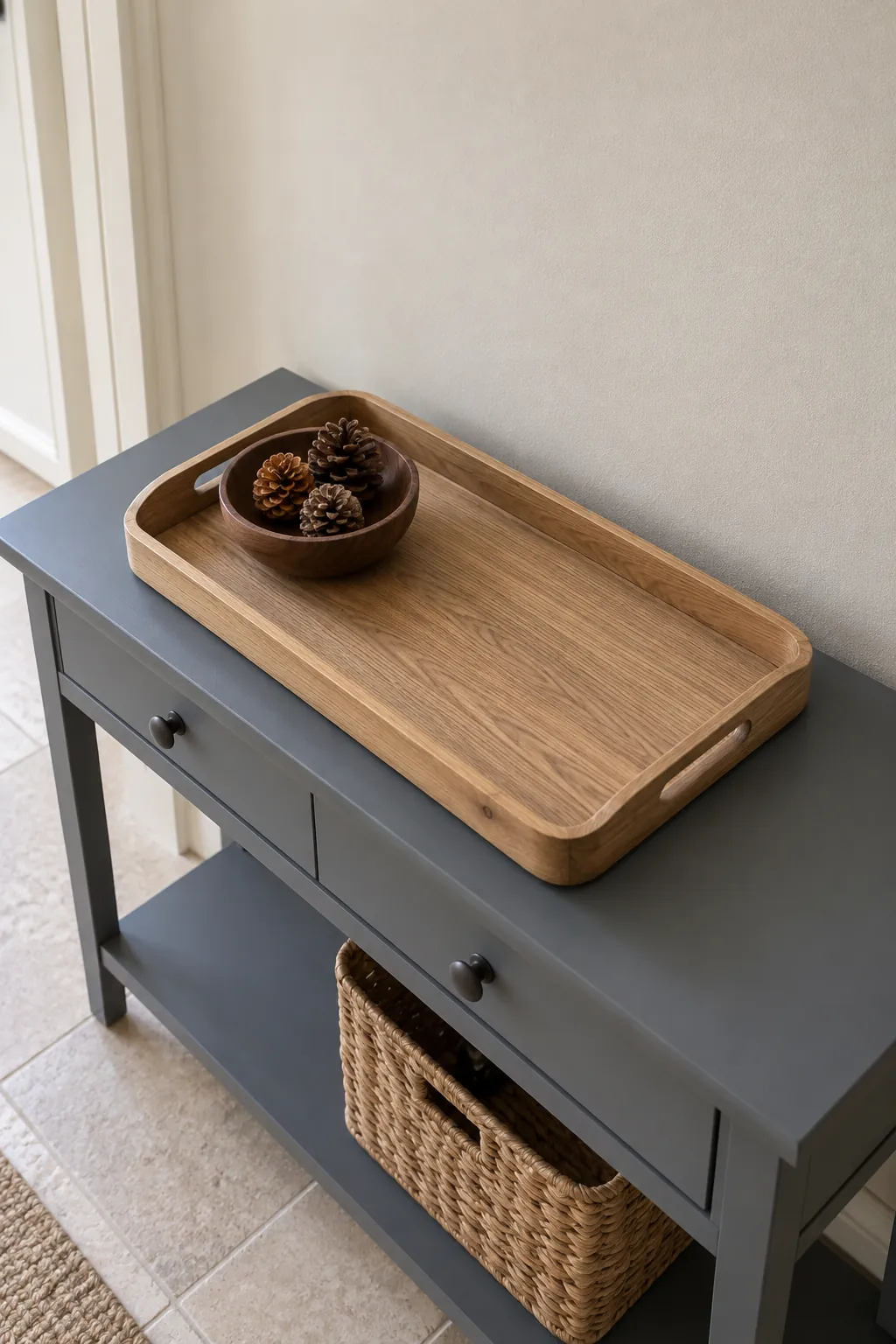
A natural tray that works after Christmas
Build the final small display on a tray you can keep using when the season ends. Combine a wooden bowl and a few removable cones, then leave the remaining surface empty for everyday objects. After Christmas, clear the foliage and check the tray for moisture marks. The best fit for a natural home is often a useful object with one temporary seasonal layer.