
Living in a small apartment usually means choosing between a comfortable sofa and a massive library. When your collection starts taking over the floor or piling up on the kitchen table, it’s time to rethink your layout. You don’t need a dedicated library room to keep your favorite reads organized and accessible.
This list covers practical ways to use every inch of your home, from the space above your doors to the gaps under your bed. Whether you want to try some DIY book storage or find clever bookshelf ideas for small spaces, these tips will help you clear the clutter without getting rid of your books.
Floating Shelves Installed Above Door Frames

The space between the top of your door and the ceiling is almost always wasted. By installing a sturdy floating shelf here, you create a home for books that you don’t need to reach every day. It keeps the floor clear while adding a unique visual element to the room. Just make sure the shelf is deep enough to hold your largest hardcovers safely.
Vertical Stackable Spine Bookcases

Standard bookshelves take up a lot of horizontal wall space. Vertical spine bookcases, often called tower shelves, allow you to stack books upward in a very small footprint. These are great small room book storage ideas because they can fit into narrow gaps next to a desk or in a corner where a traditional unit wouldn’t fit.
Under-Bed Storage Bins with Casters

If you are wondering how to store books without bookshelf units, look under your bed. Low-profile bins with wheels make it easy to slide your collection in and out. This keeps books out of sight but still easy to find. Use clear bins so you can see the titles at a glance, or label the ends of the bins by genre.
Repurposed Wooden Crates as Modular Wall Units
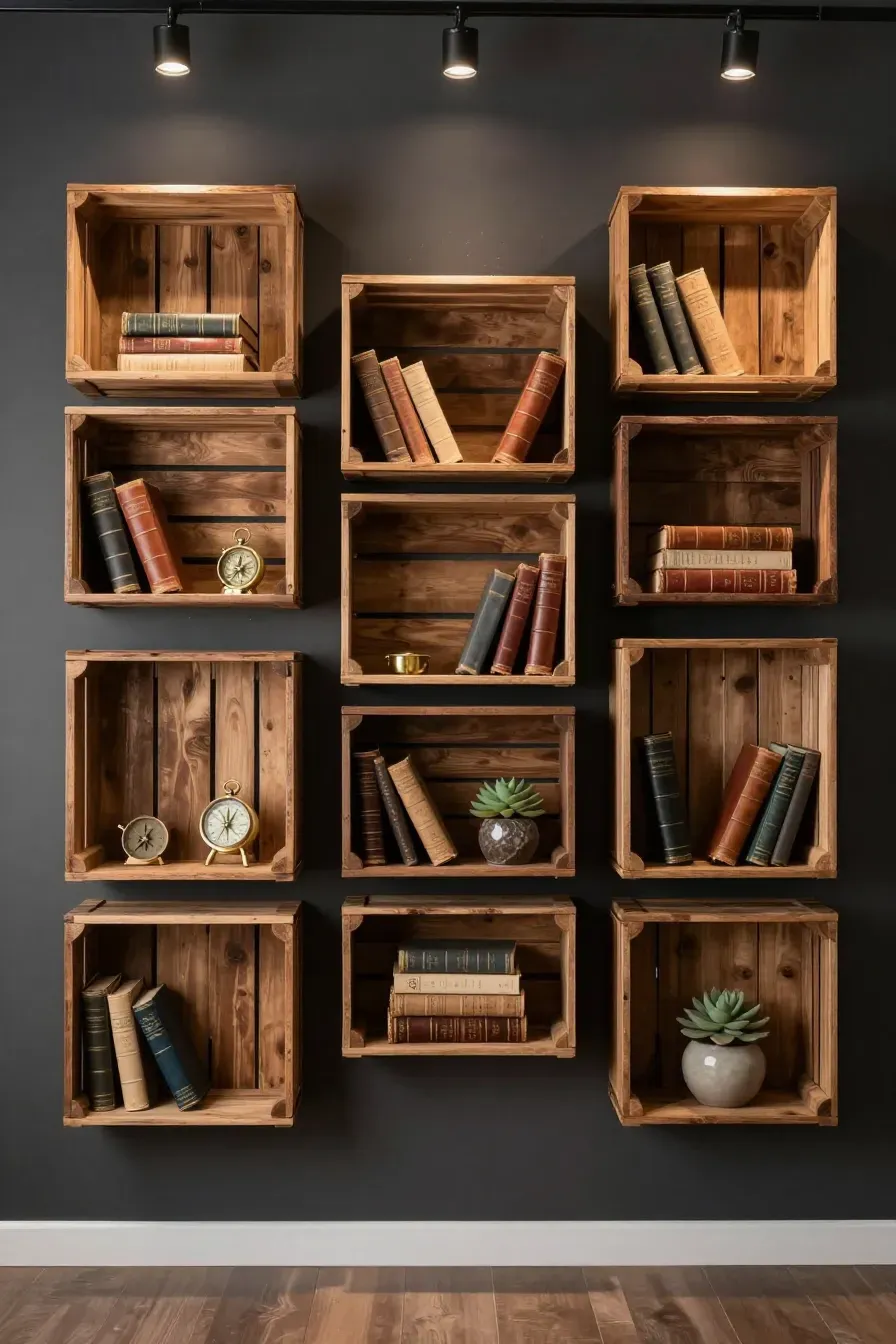
Wooden crates are versatile tools for DIY book storage. You can sand them down, paint them, and screw them directly into wall studs. Arrange them in an asymmetrical pattern to fit around existing furniture. This approach gives you the flexibility to add more crates as your collection grows over time.
Over-the-Door Fabric Pocket Organizers
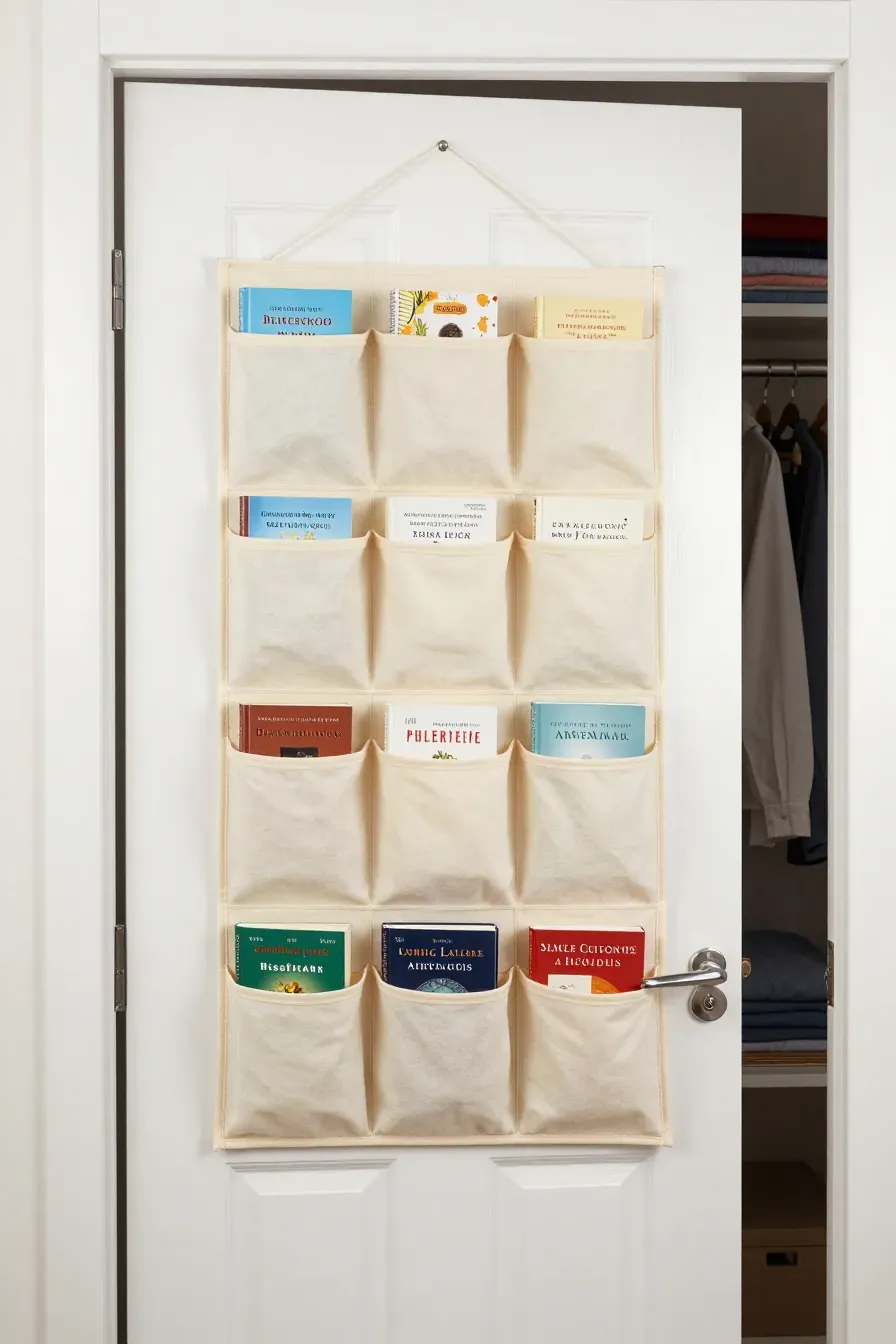
While usually meant for shoes, fabric or mesh over-the-door organizers work well for lightweight paperbacks. This is one of the most effective closet organization ideas for small bedrooms. It utilizes the back of a door that would otherwise stay empty, keeping your current reads within reach but off your nightstand.
Slim Rolling Carts Tucked Between Furniture
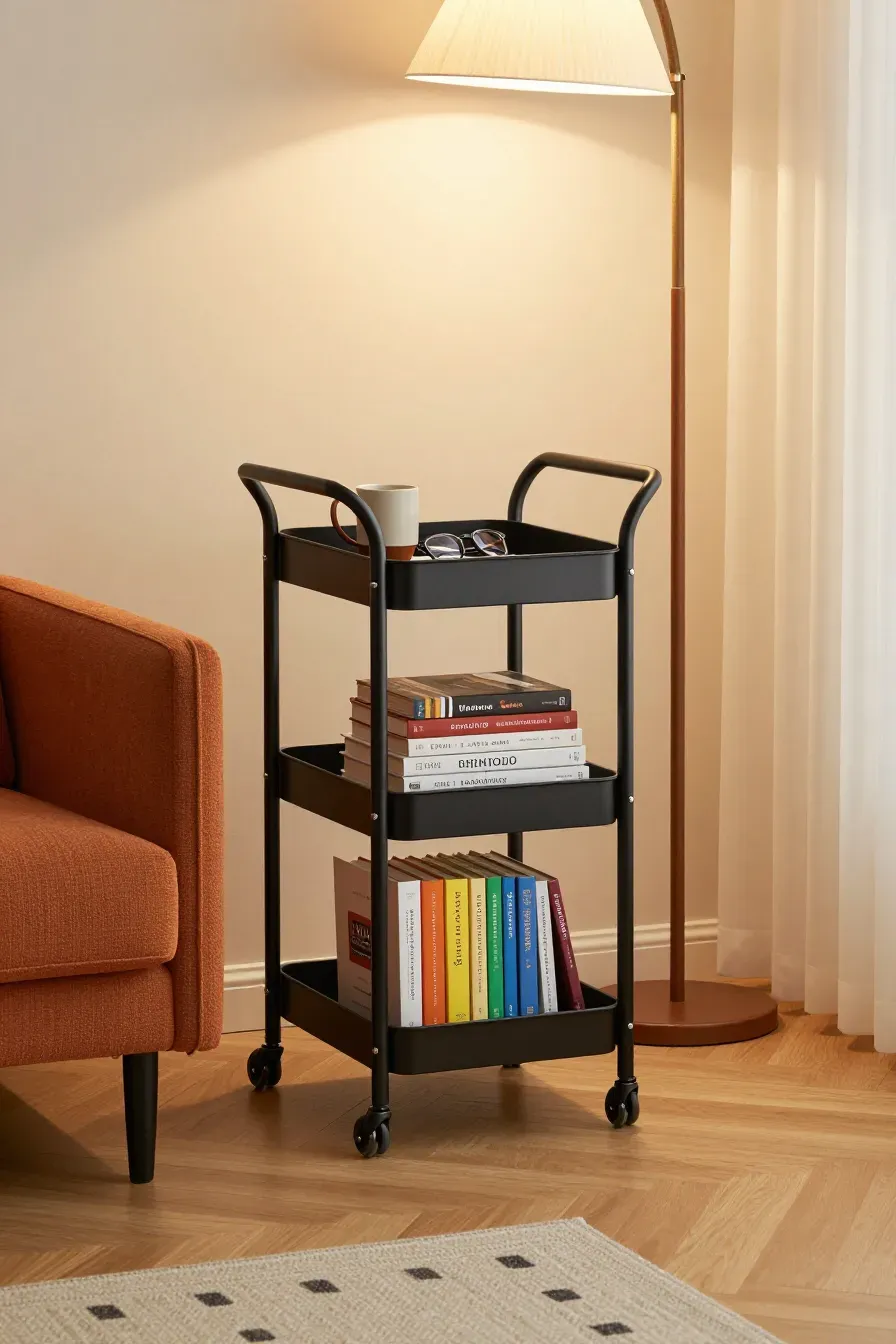
Three-tier rolling carts are excellent for book organization small spaces. They are narrow enough to fit between a sofa and a wall or in the gap next to a refrigerator. Because they have wheels, you can move your entire mini-library to wherever you happen to be sitting that day.
Window Sill Extensions for Extra Depth
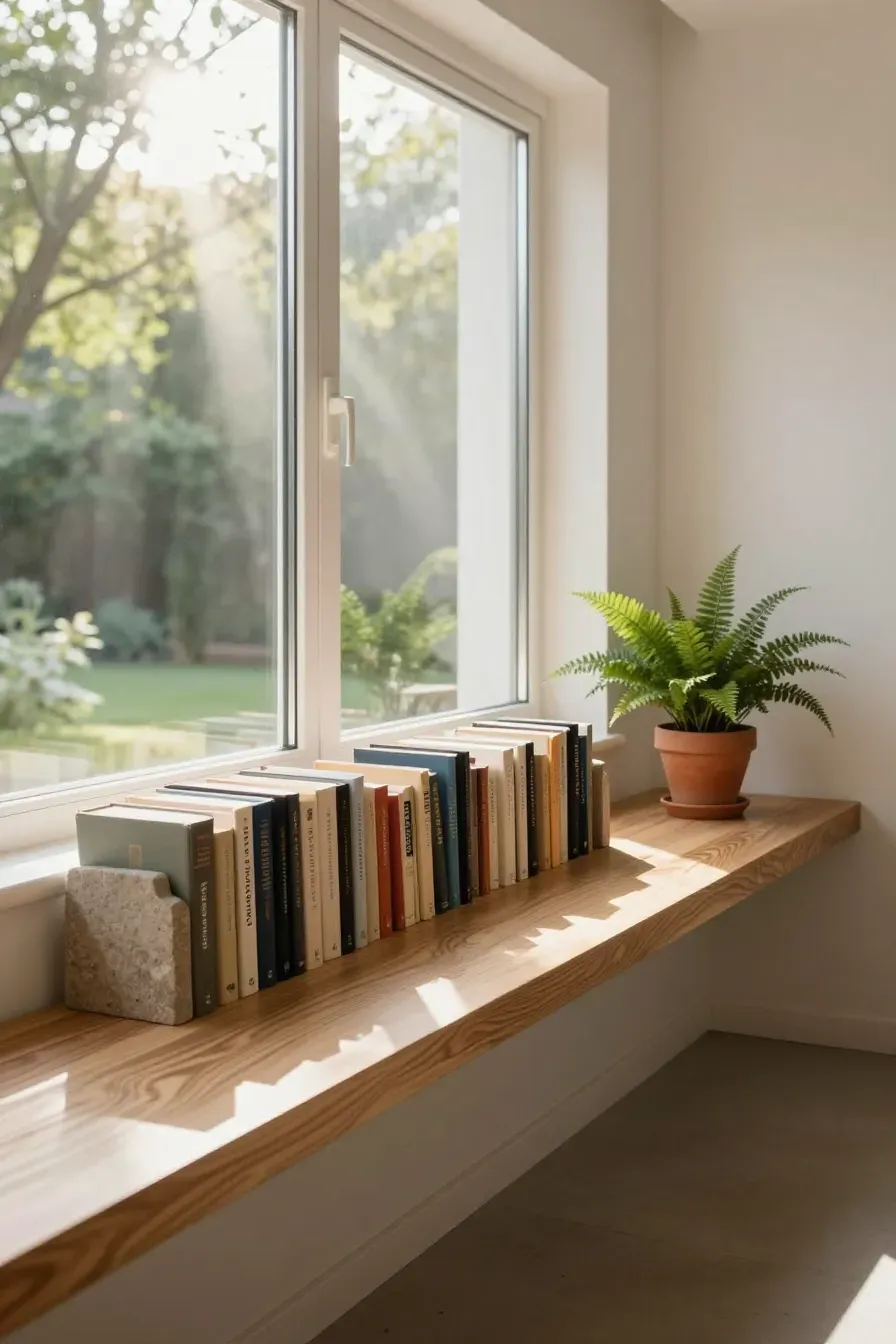
If your window sills are too narrow to hold anything, you can add a simple wooden extension. This creates a deep ledge for books and plants. It uses the natural light of the window to highlight your collection and turns a plain window into a functional feature of the room.
Ladder Shelves Using Vertical Wall Space
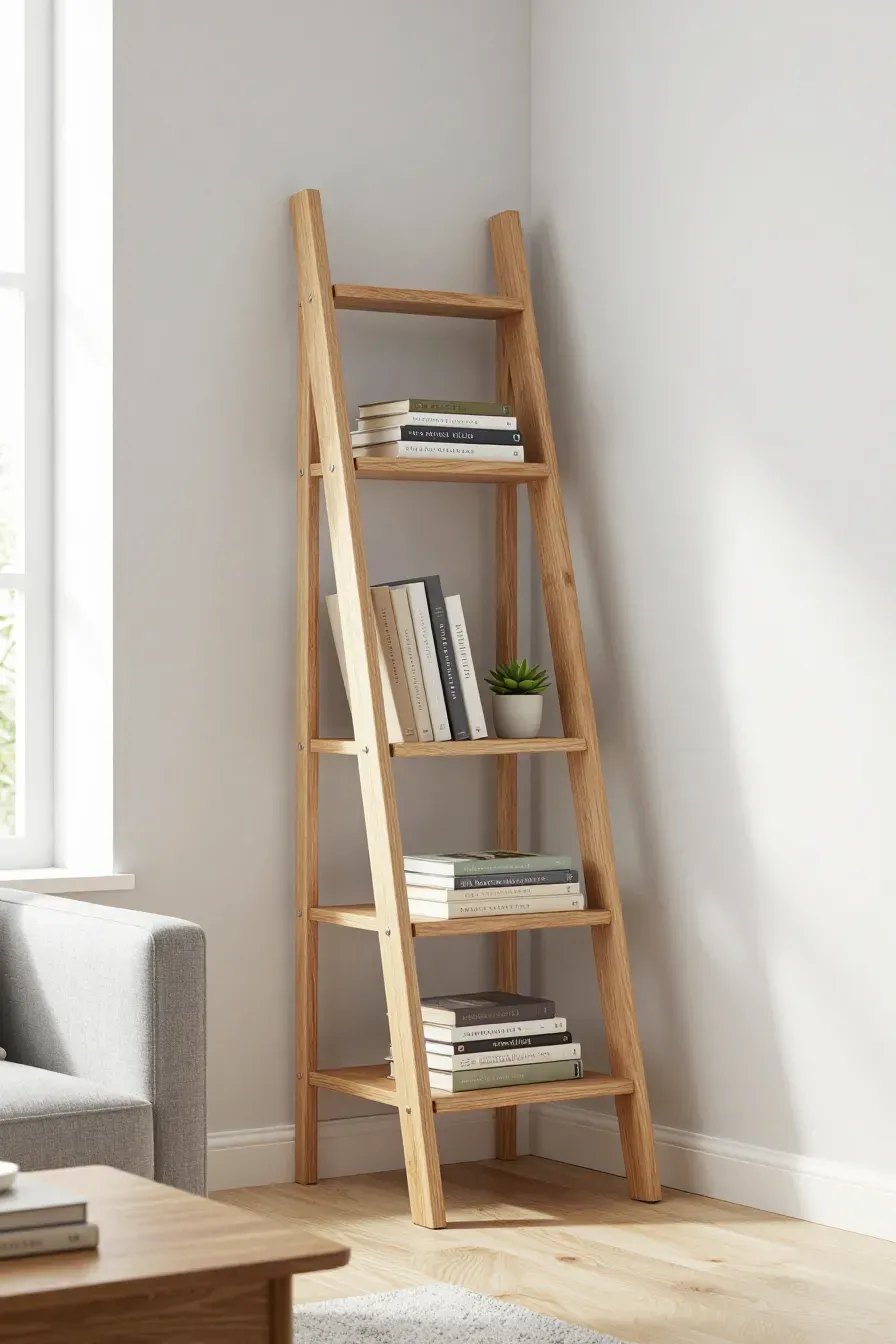
Ladder shelves lean against the wall, taking up very little floor depth at the top. This design offers great small bookshelf inspiration because the shelves usually get deeper toward the bottom. You can put large coffee table books on the lower rungs and smaller paperbacks near the top.
Corner Wall Brackets for Angled Displays
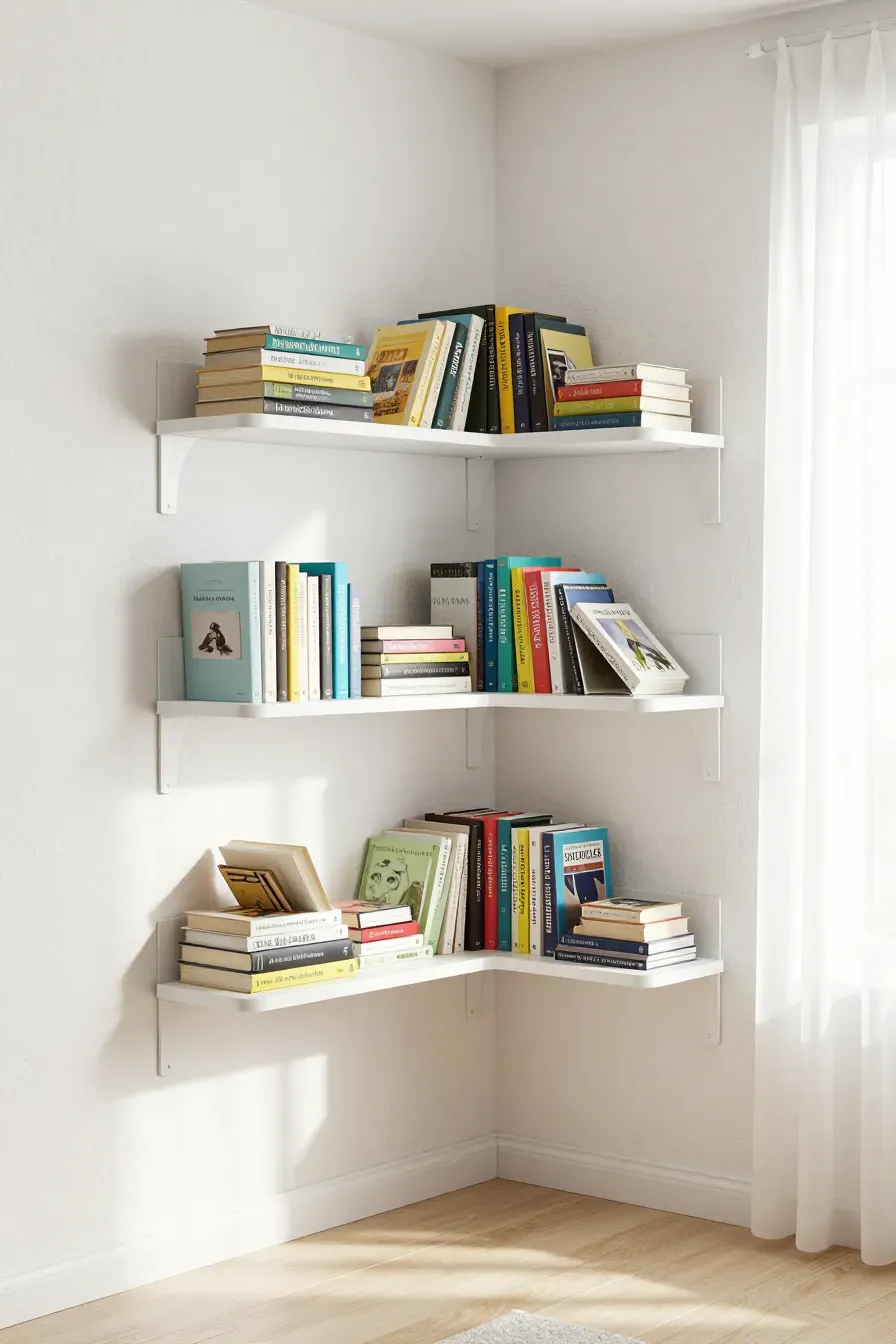
Corners are often left empty in small rooms. Installing small L-shaped brackets or dedicated corner shelves turns these dead zones into useful storage. These book shelves ideas small spaces work particularly well in entryways or small bedrooms where every square inch of wall matters.
Hidden Shelving Units Inside Closet Door Frames
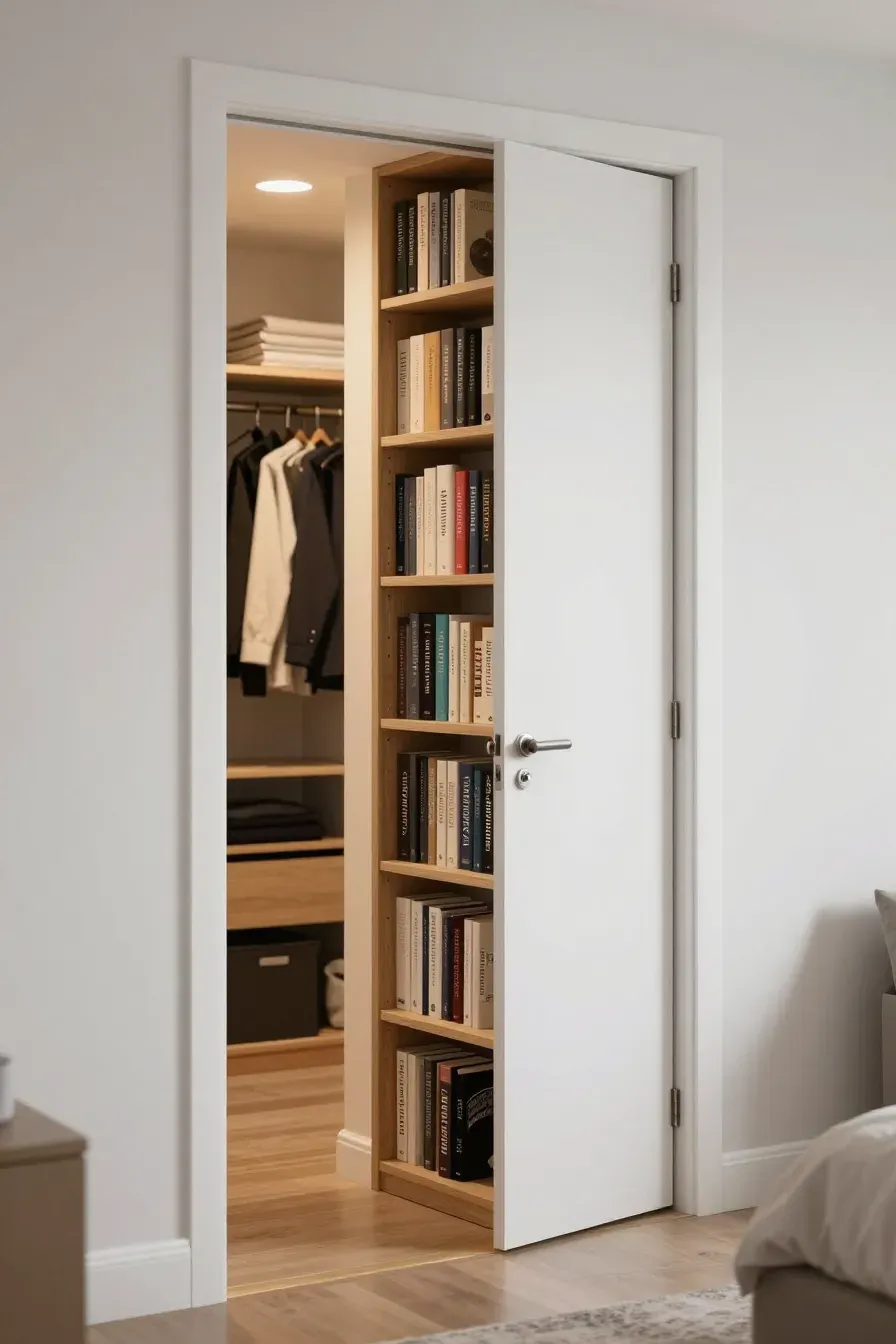
If you have a deep closet, you can install shallow shelves along the interior side of the door frame. These stay hidden when the door is closed but provide a lot of extra room for books. It is a smart way to use the structural ‘dead space’ found in many older apartment closets.
Floor-to-Ceiling Narrow Column Shelves
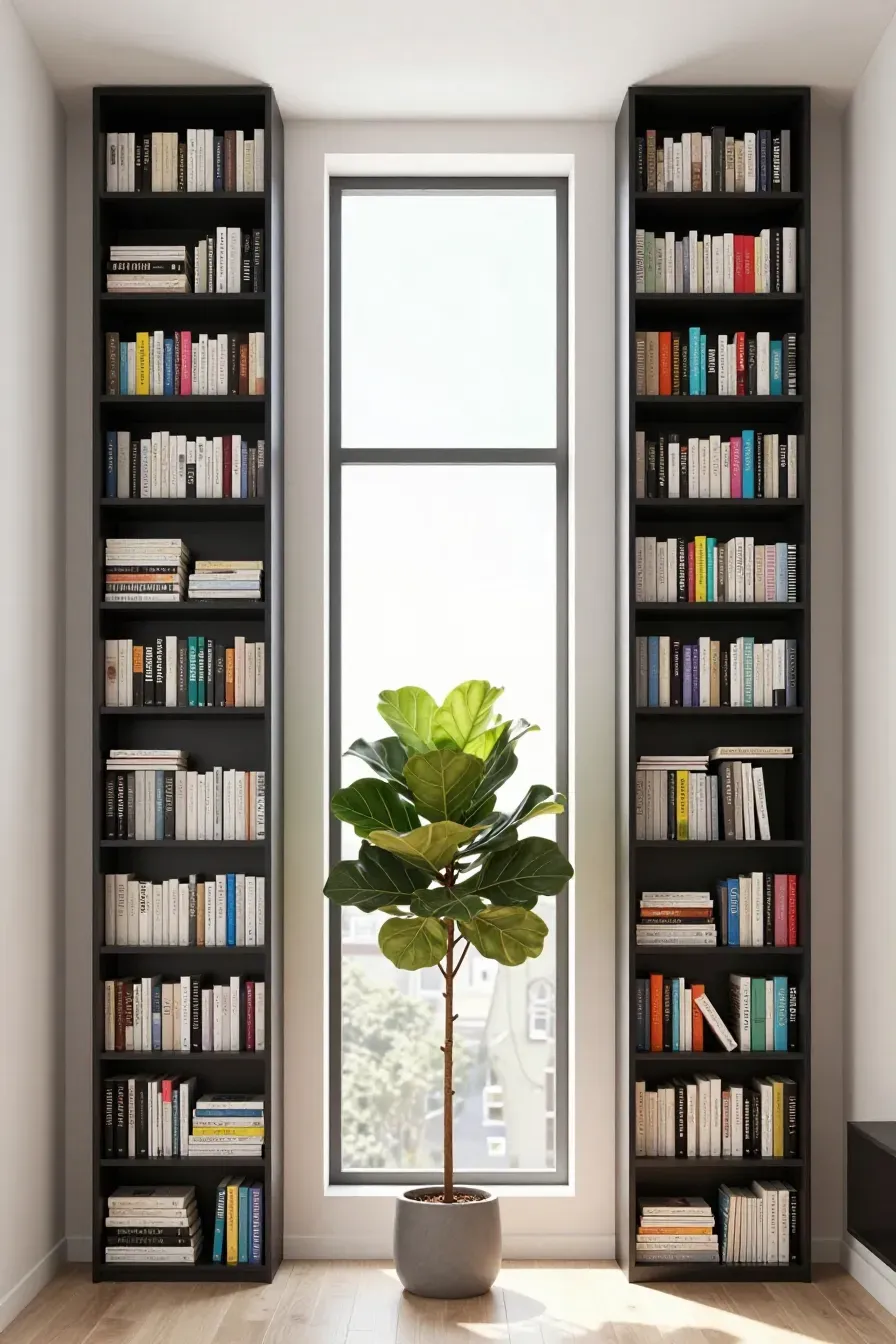
Instead of one wide bookcase, use two or three very narrow tall units. These space saving bookshelves draw the eye upward, making the ceiling feel higher. They can fit into the small gaps on either side of a window or a television stand, maximizing vertical storage without crowding the room.
Hanging Macramé Book Slings
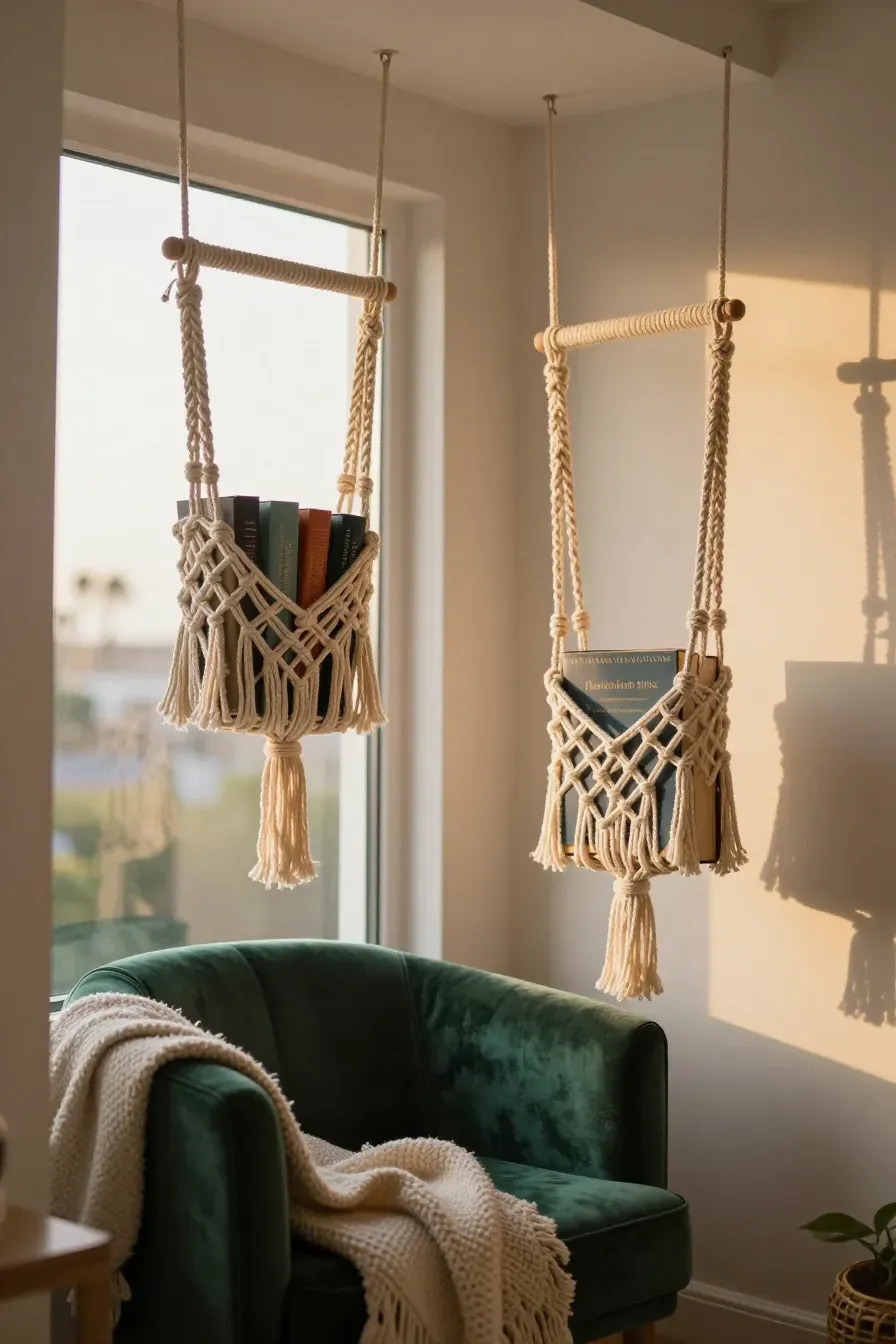
For a more creative look, use fabric or macramé slings that hang from the ceiling or a wall hook. These are best for holding a few books you are currently reading. They add texture to your decor while keeping your nightstand clear of clutter.
Magazine Racks Mounted to Kitchen Islands
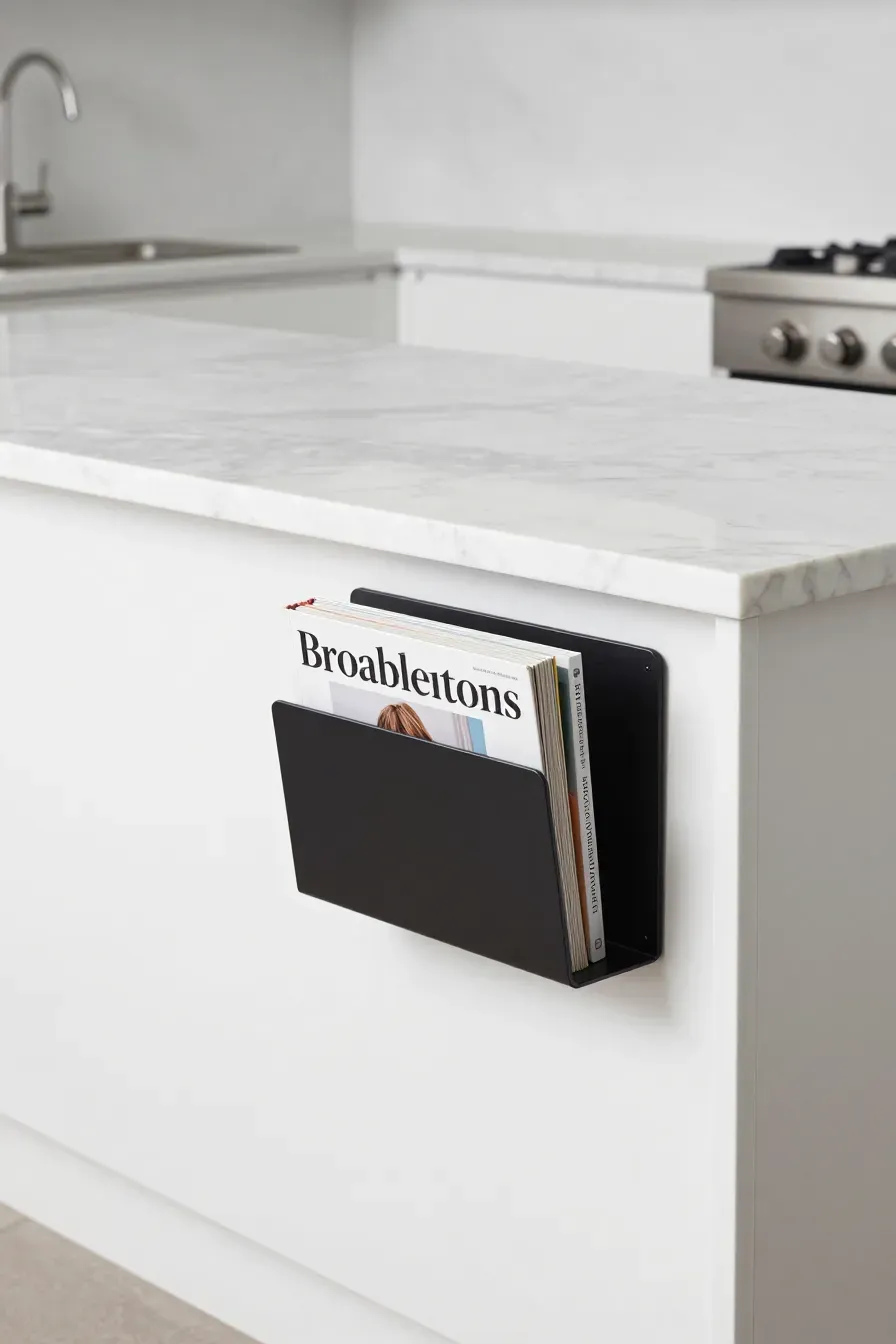
Kitchen islands or the ends of cabinets are often overlooked. Mounting a slim magazine rack to the side provides a place for cookbooks or magazines. This keeps them off the counters where they might get wet or dirty while you are cooking.
Bed Headboards with Built-In Storage Cubbies
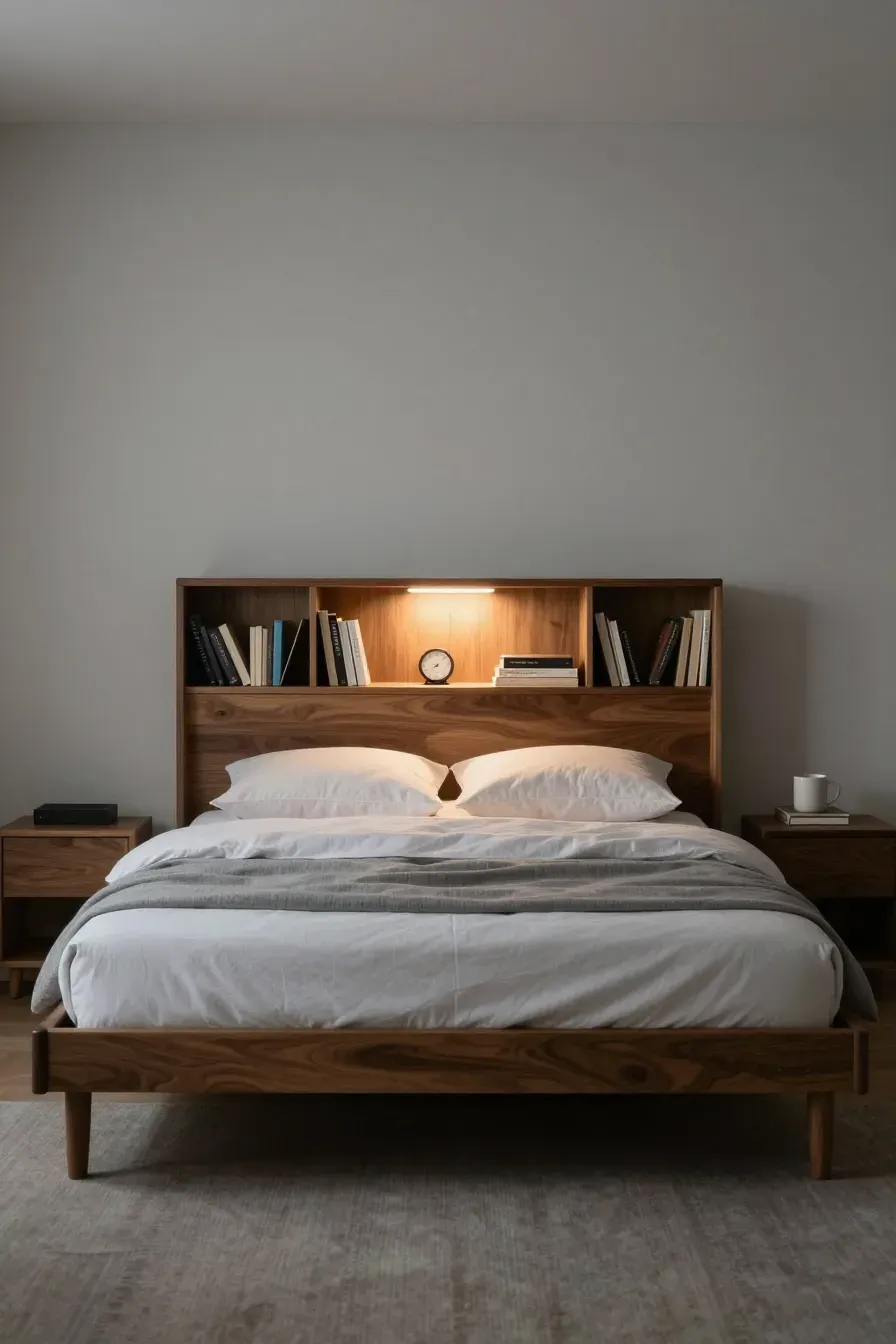
A storage headboard replaces the need for a bulky nightstand. These creative bookshelves for small spaces allow you to keep your library right behind your head. Many designs include built-in lighting, making it even easier to read in bed without extra lamps.
Acrylic Clear Ledges for Forward-Facing Covers
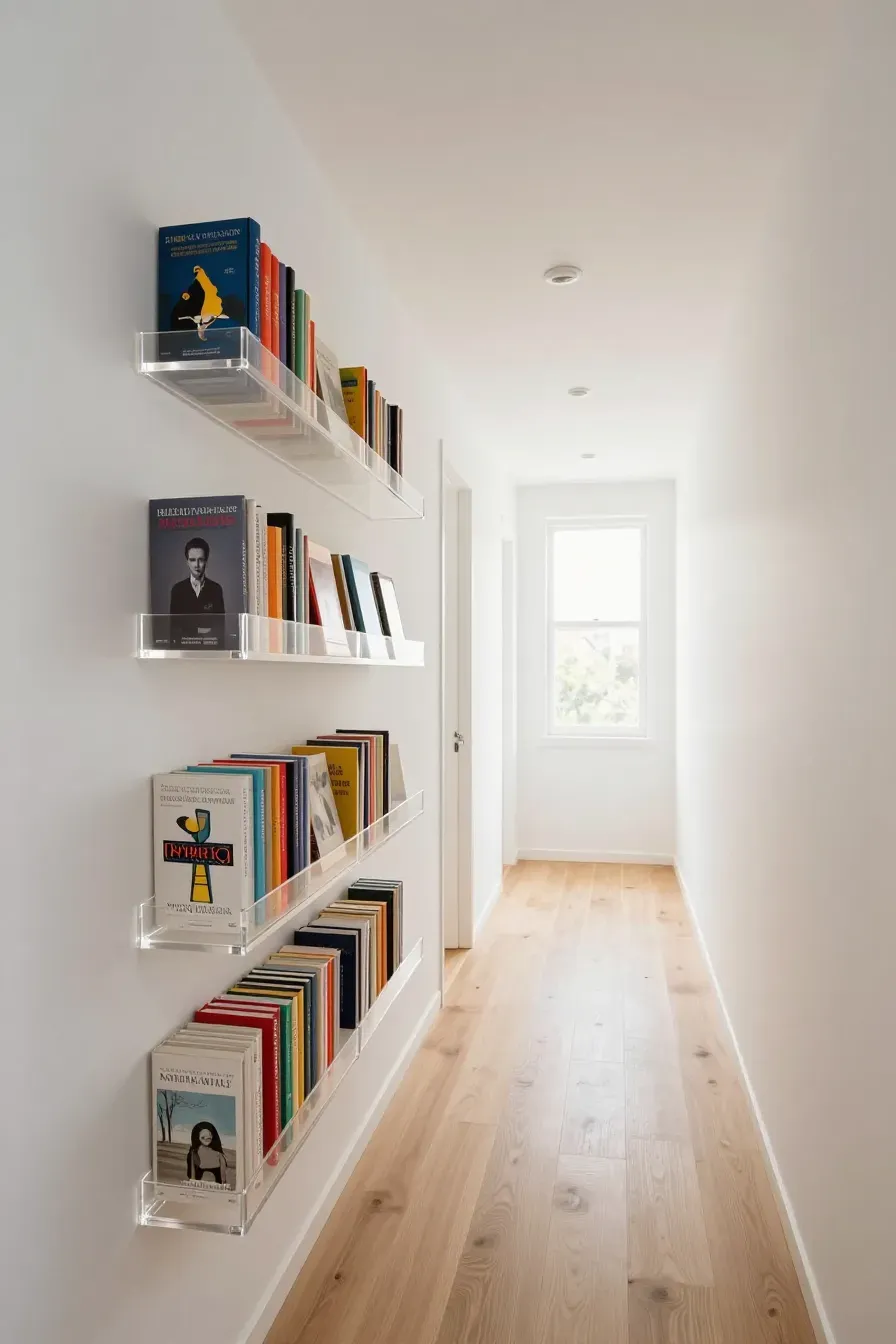
Clear acrylic shelves are nearly invisible on the wall. They allow you to display books with the covers facing out, which is great for art books or favorites. Since they are shallow, they work well in narrow hallways where a standard shelf would block the path.
Storage Ottomans with Internal Compartments
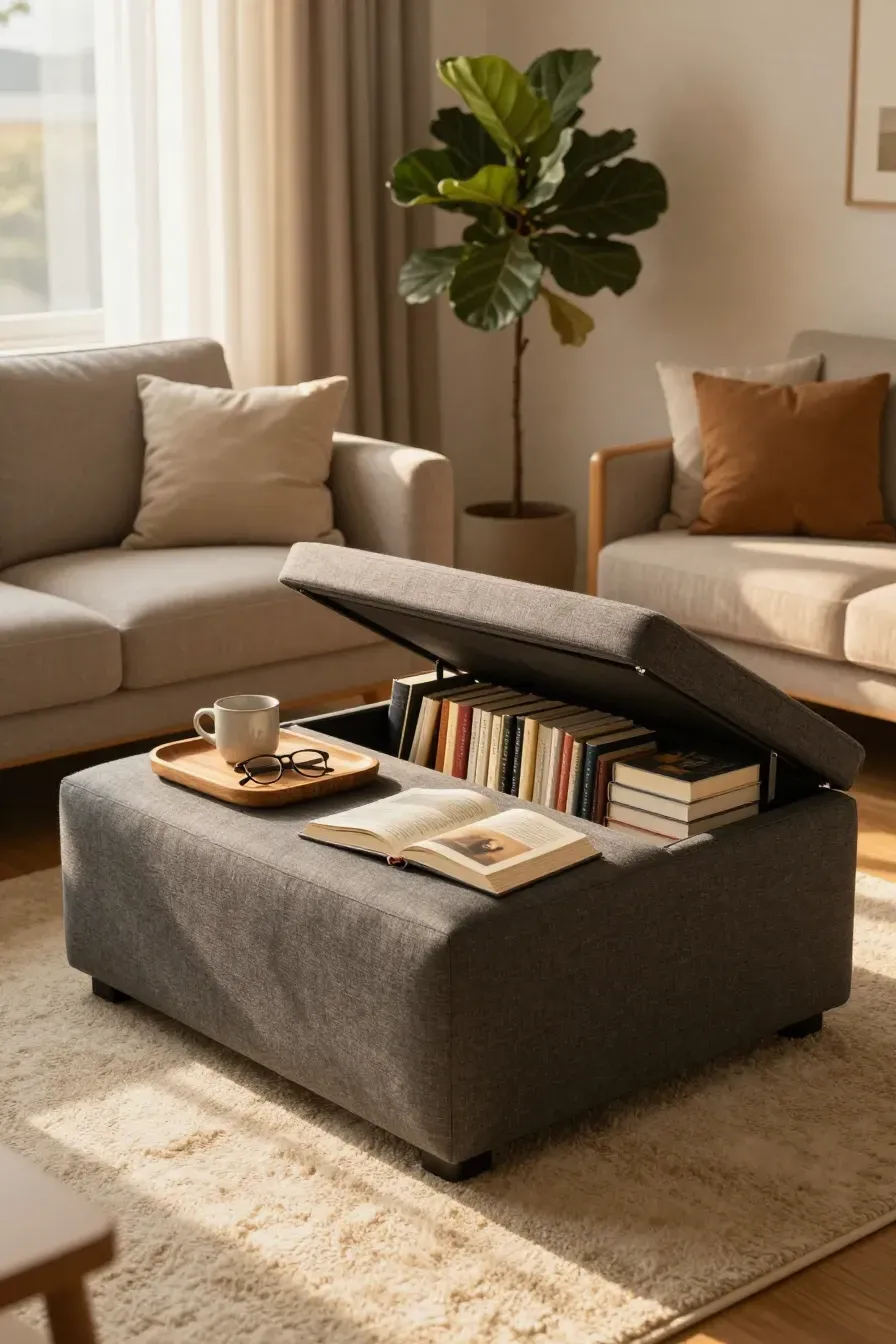
An ottoman can serve as a footrest, a coffee table, and a book bin all at once. Look for models with a removable lid. You can store dozens of books inside, keeping them dust-free and out of sight when you have guests over.
Industrial Pipe Shelving for Narrow Hallways
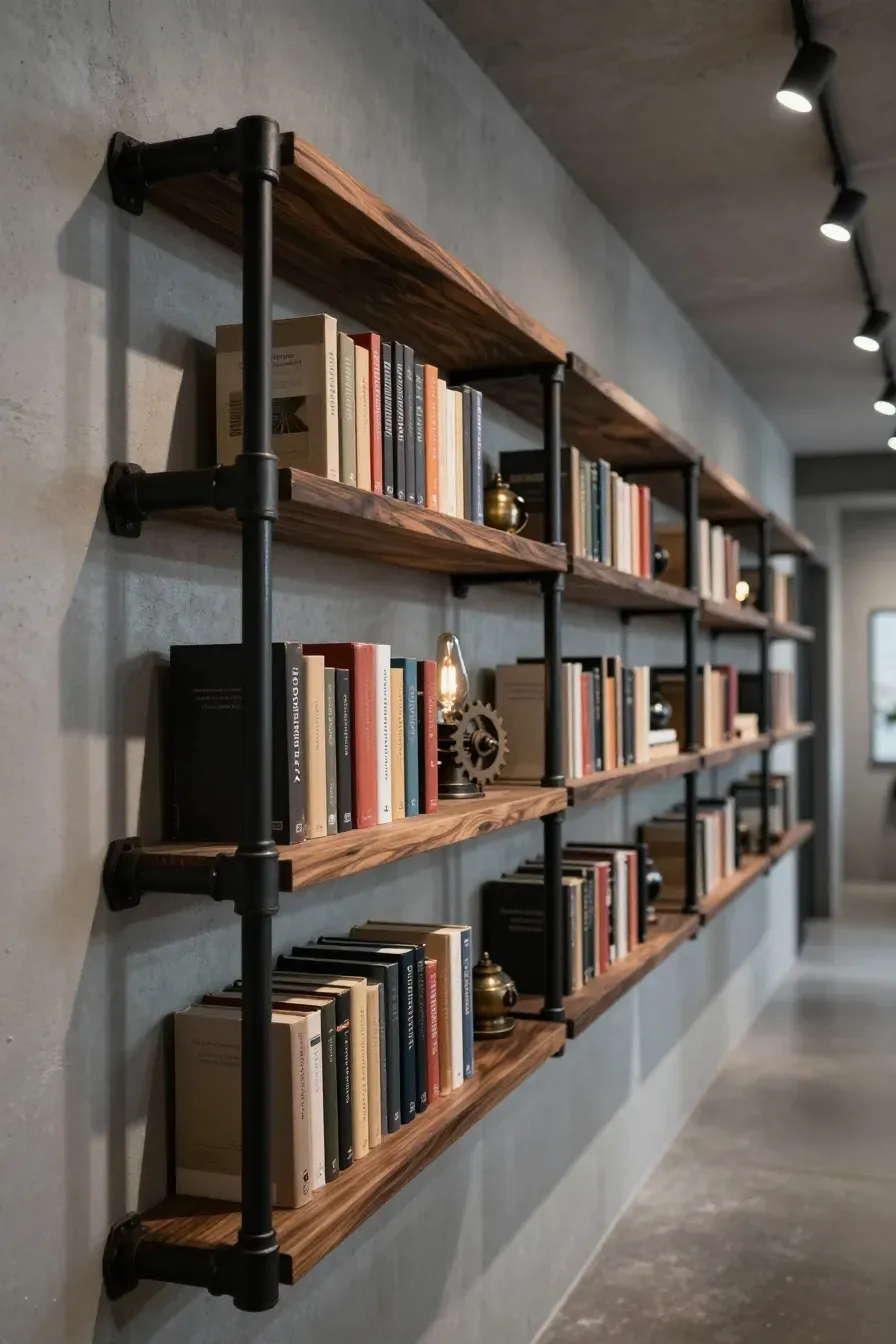
Using metal pipes and wood planks allows you to build custom-sized shelves. You can make them as shallow as five or six inches, which is just enough for most books. This is a durable way to use hallway walls without making the space feel cramped.
Bench Seating with Open Cubby Bases
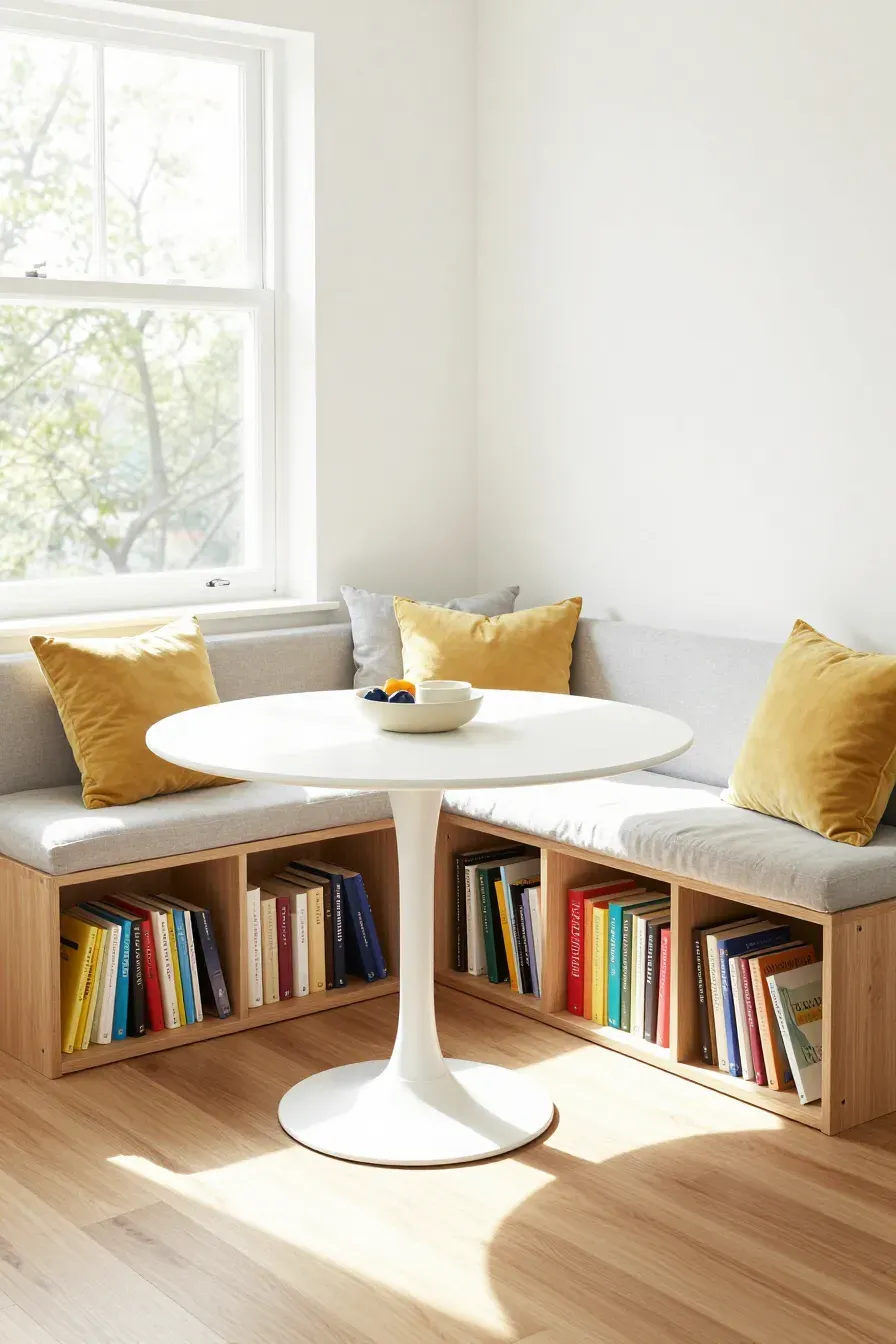
Replace your standard chairs or sofa with a storage bench. The area under the seat can be divided into cubbies for books. This provides a large amount of storage space while serving as functional seating for your dining table or living area.
Staircase Side Panels with Recessed Shelving
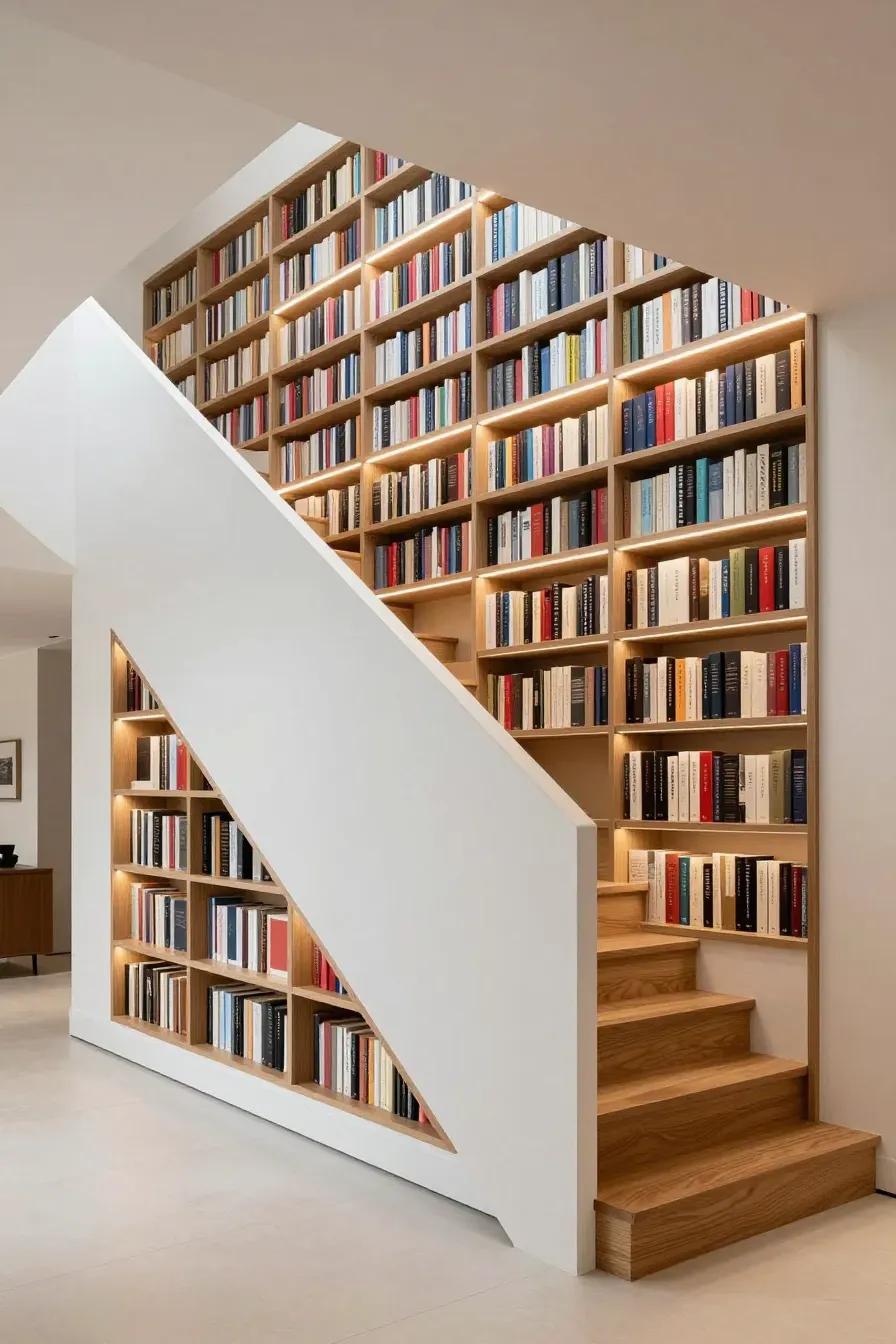
If you have a staircase, the side paneling is a prime spot for recessed shelves. By cutting into the space under the stairs, you can create a built-in look that doesn’t take up any extra floor space. It turns a structural necessity into a beautiful library wall.
Picture Ledges Mounted in Small Alcoves
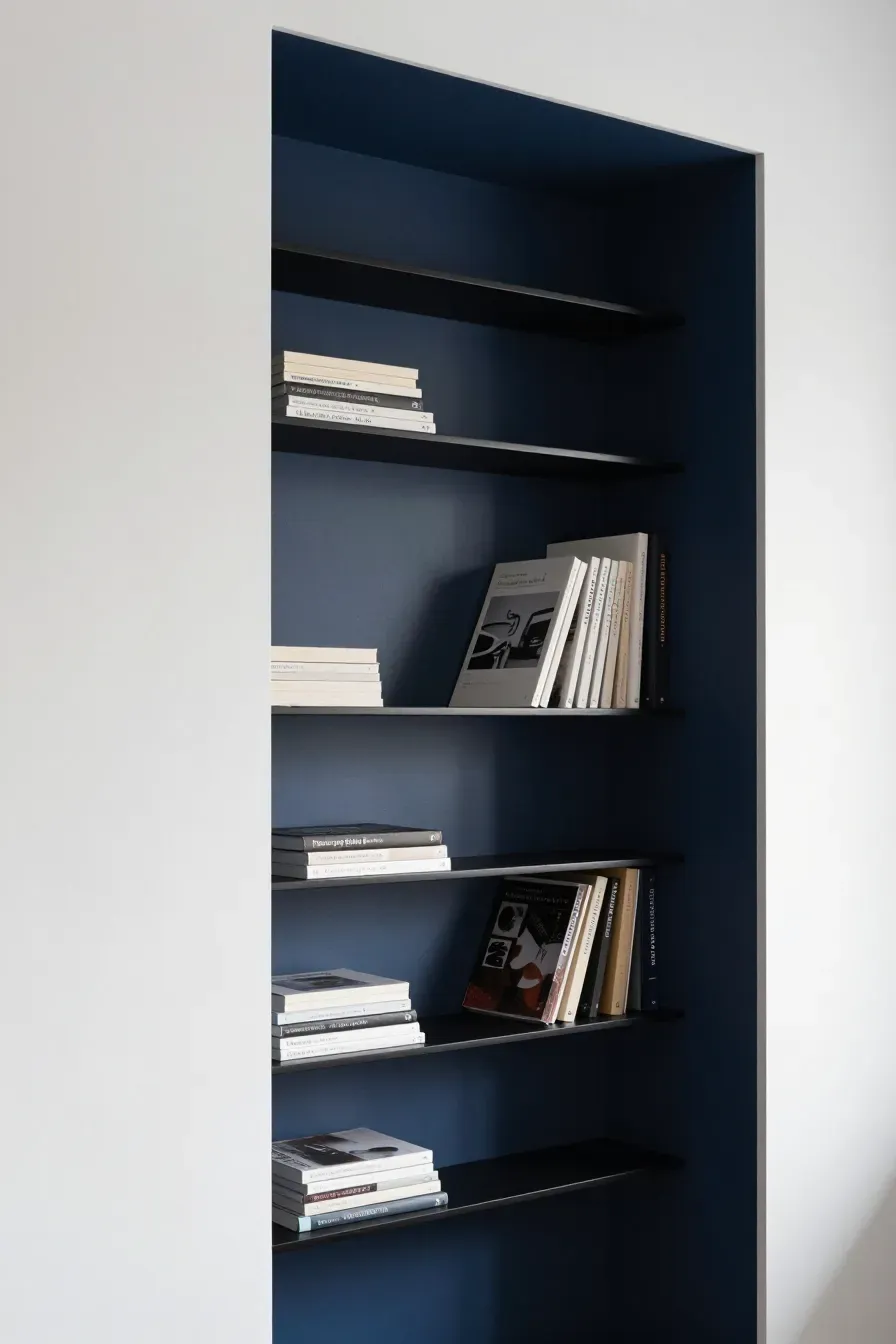
Picture ledges are very thin and designed to hold frames, but they are perfect for thin books. If you have a small alcove or a recessed wall, lining it with these ledges creates a sleek look. It is an easy way to fill awkward architectural gaps with your favorite titles.
Baskets Tucked Under Side Tables
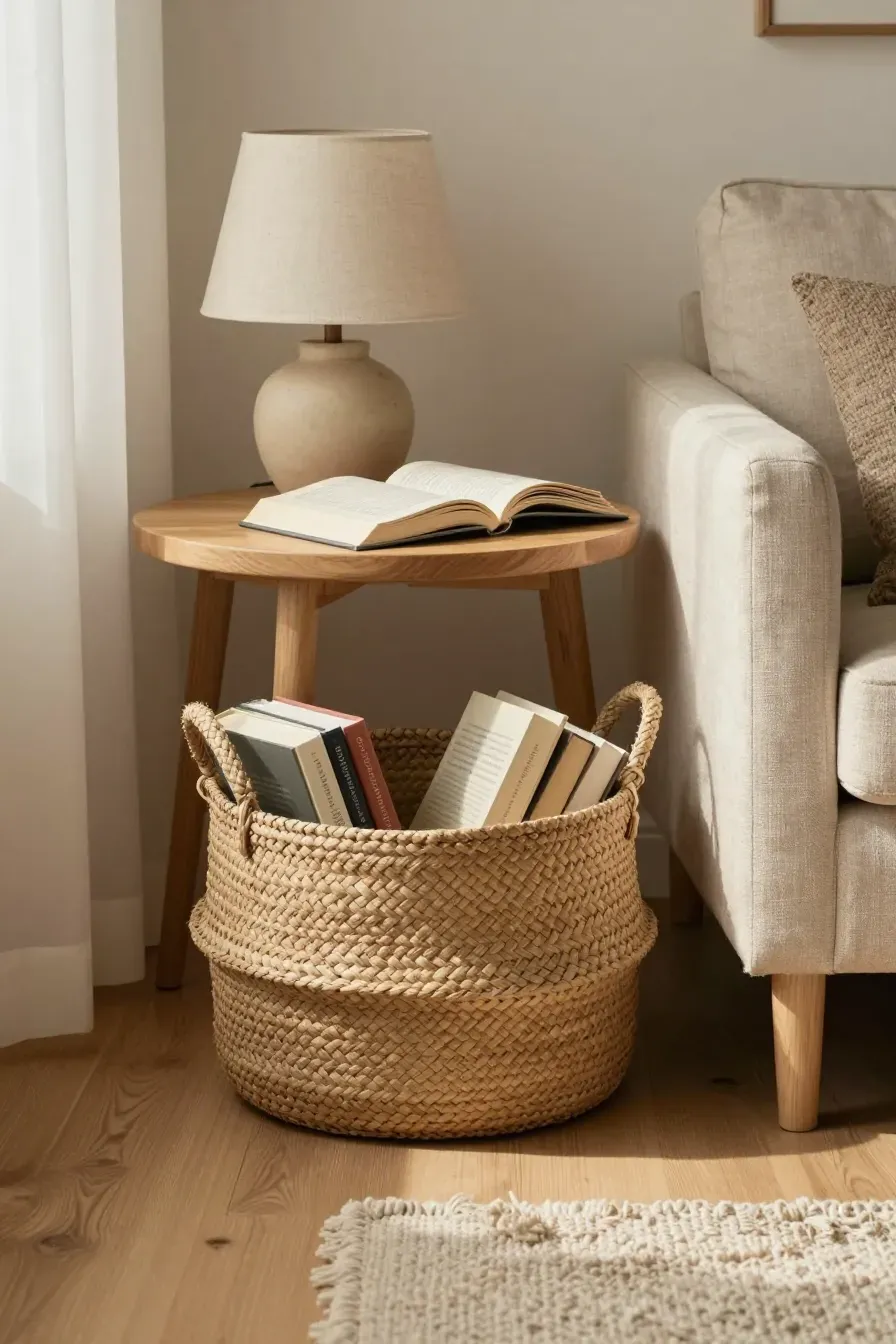
Woven baskets are a simple way to manage book overflow. Instead of leaving books in messy piles, tuck a sturdy basket under a side table or coffee table. It keeps the room looking tidy and makes it easy to carry your books to another room if needed.
Tension Rod Shelves in Recessed Wall Gaps
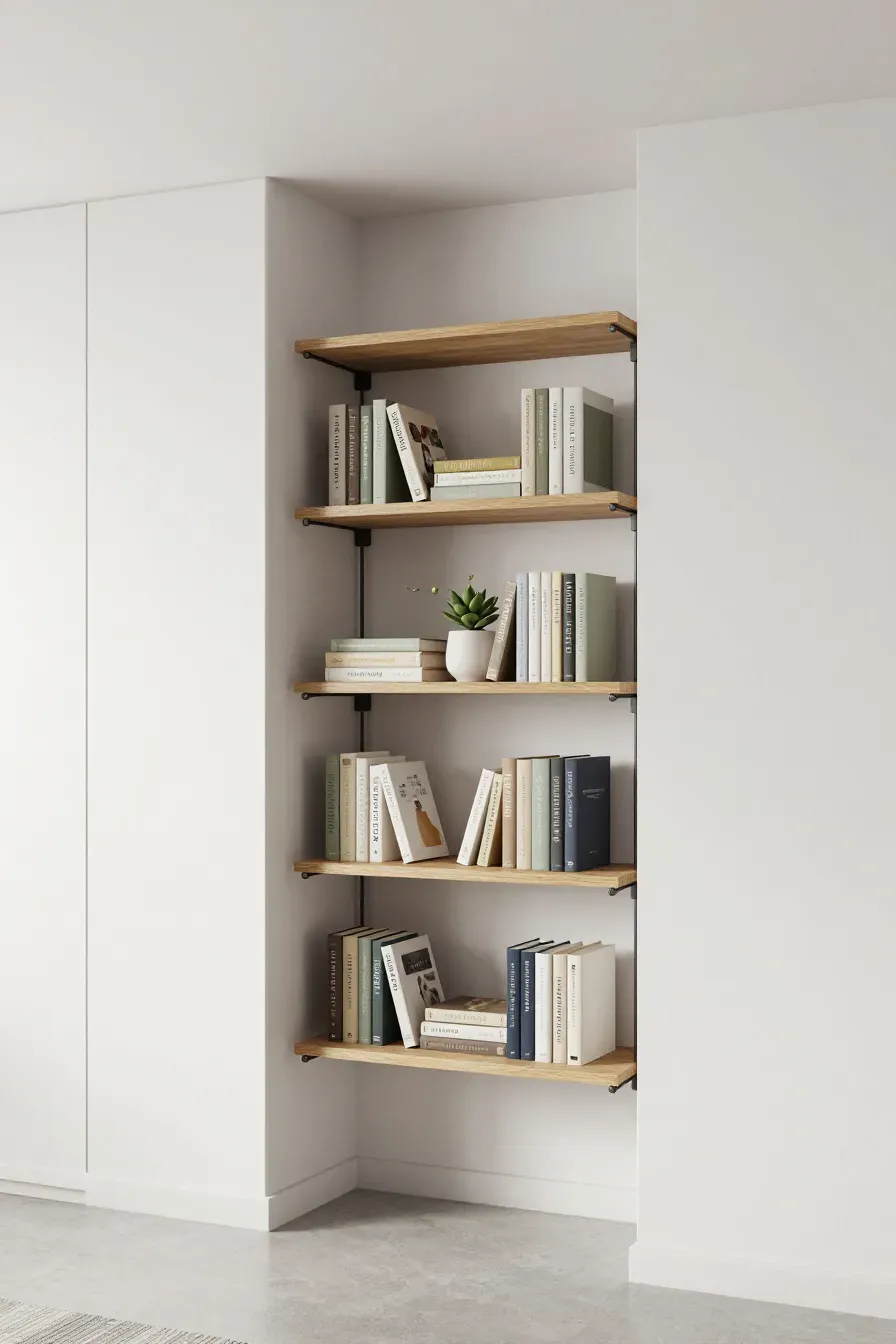
In some apartments, there are narrow gaps between cabinets or in closets. You can use heavy-duty tension rods to create temporary shelves. Place a thin piece of wood over two parallel rods to create a stable surface for books without drilling any holes into the walls.
Organizing a book collection in a small home doesn’t have to be stressful. By looking at your walls, corners, and even the space under your furniture differently, you can find plenty of room for your library. Start with one or two of these ideas to clear your floor and make your home feel more spacious.