
Walking into a room lit by a modern LED bulb can feel a bit cold and sterile. But when you flip the switch on a piece of history, the whole mood changes. Antique lighting does more than just help you see; it adds a layer of soul and story to your home that new store-bought fixtures simply cannot match. Whether you like the ornate details of the 1800s or the sleek lines of the mid-century, there is a specific style of lighting that fits your space.
This list covers 27 distinct types of vintage and antique lighting. You will find details on everything from heavy iron floor lamps to delicate glass pendants. Knowing what to look for helps you spot a real treasure at an estate sale or antique shop. These pieces are built to last and can turn a plain corner into the focal point of your house.
Victorian Brass Banquet Lamp with Hand-Painted Globe
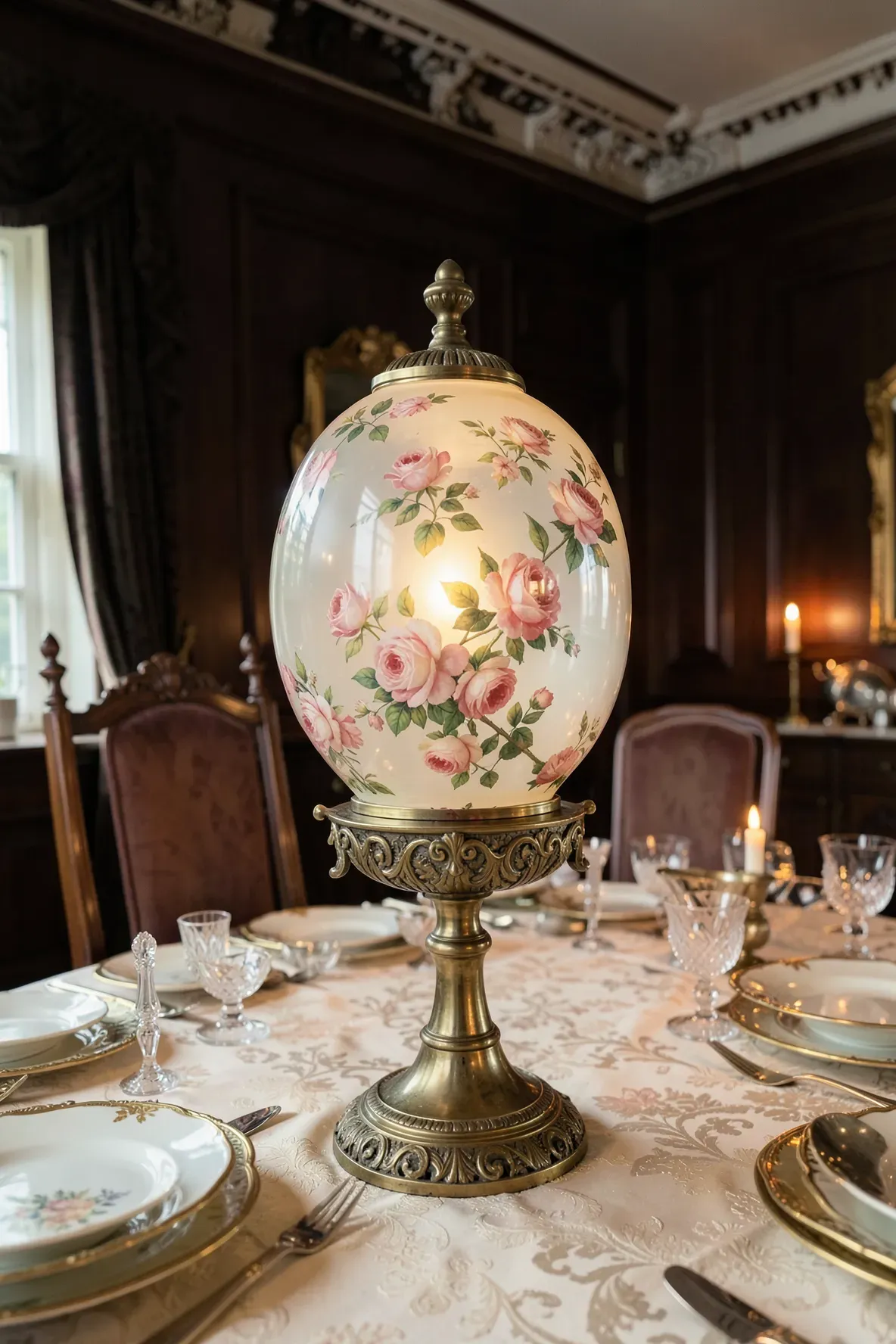
These tall, ornate pieces were once the centerpieces of high-end dining tables. Antique Lamps Victorian style often feature a heavy brass base with intricate floral or scrollwork carvings. The most prized versions come with a large glass globe that has been hand-painted with roses or landscapes. If you find one, check the brass for a maker’s mark and look for any chips in the painted glass, as these affect the value significantly.
Art Deco Geometric Milk Glass Pendant
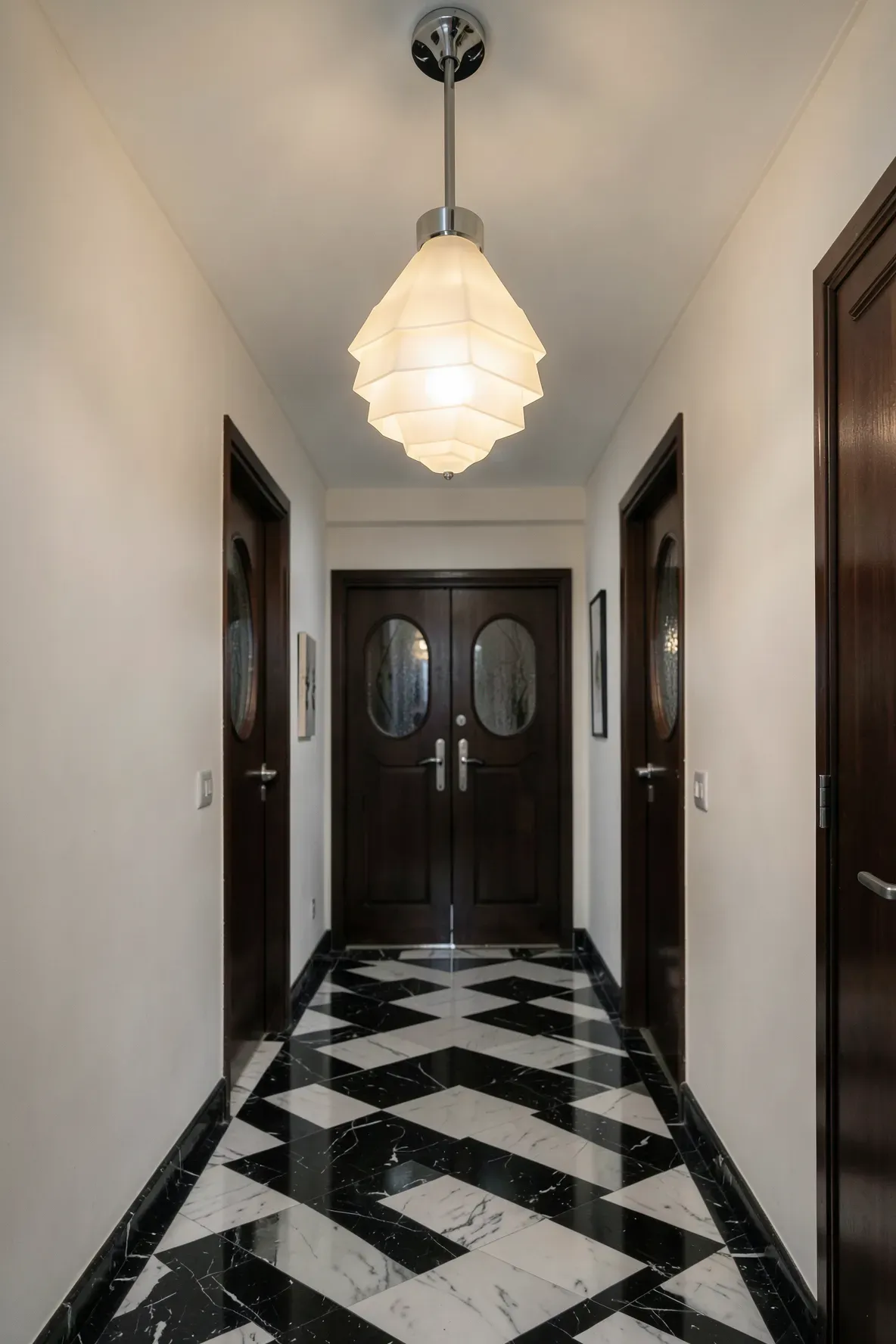
Art Deco lighting moved away from the flowery Victorian look and toward sharp lines and symmetry. These pendants usually feature white milk glass shaped into stepped pyramids or skyscrapers. They provide a soft, even light that works well in hallways or small kitchens. When installing one of these, use a warm-toned bulb to prevent the white glass from looking too cold or clinical.
Mid-Century Modern Teak and Ceramic Table Lamp
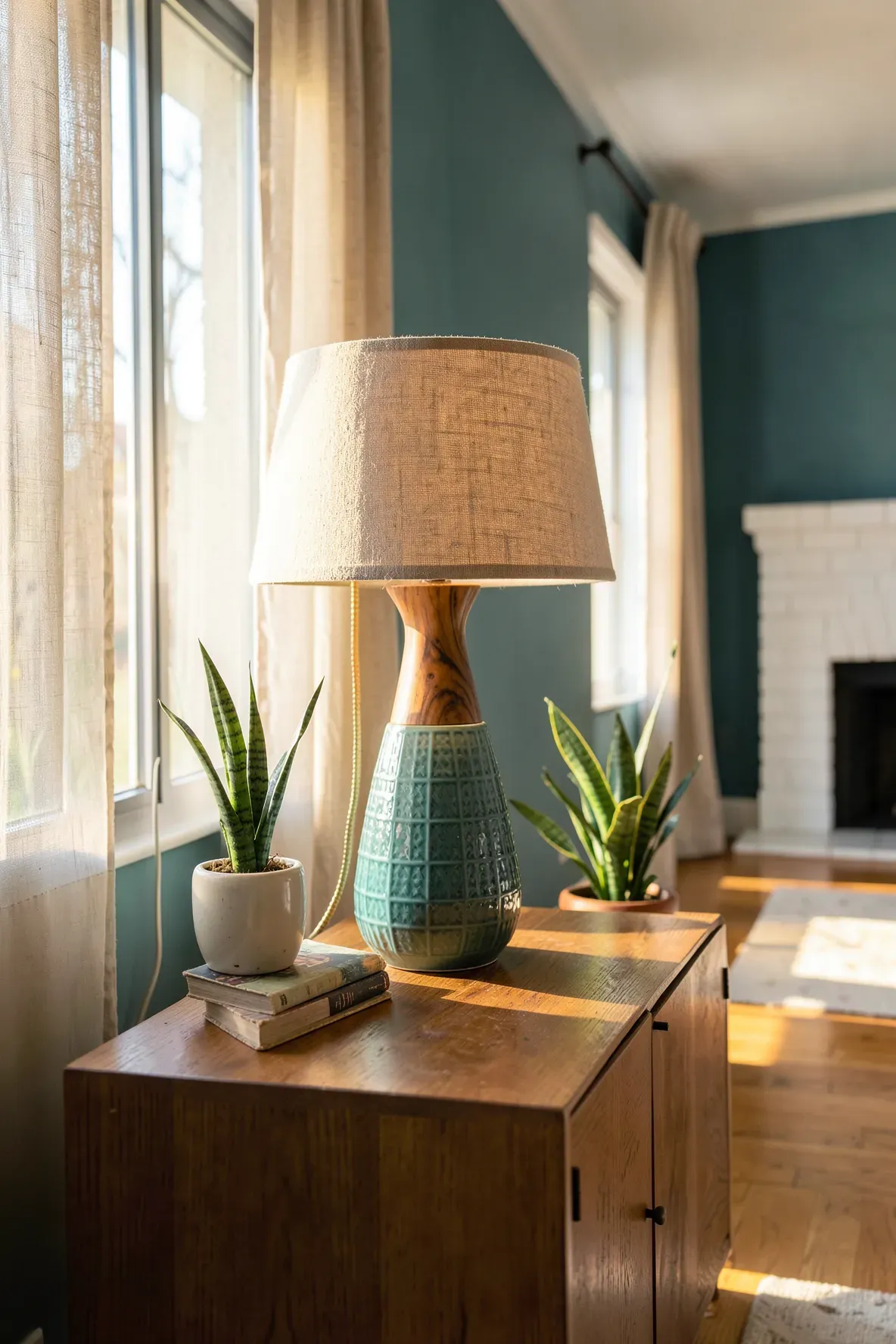
The 1950s and 60s brought a mix of natural wood and earthy ceramics. These lamps often have a tall, tapered teak neck and a textured pottery base in colors like mustard yellow or teal. They look best when paired with a simple linen drum shade. If the wood looks dry, a small amount of teak oil can bring back the original glow without ruining the finish.
Stained Glass Tiffany-Style Peony Shade
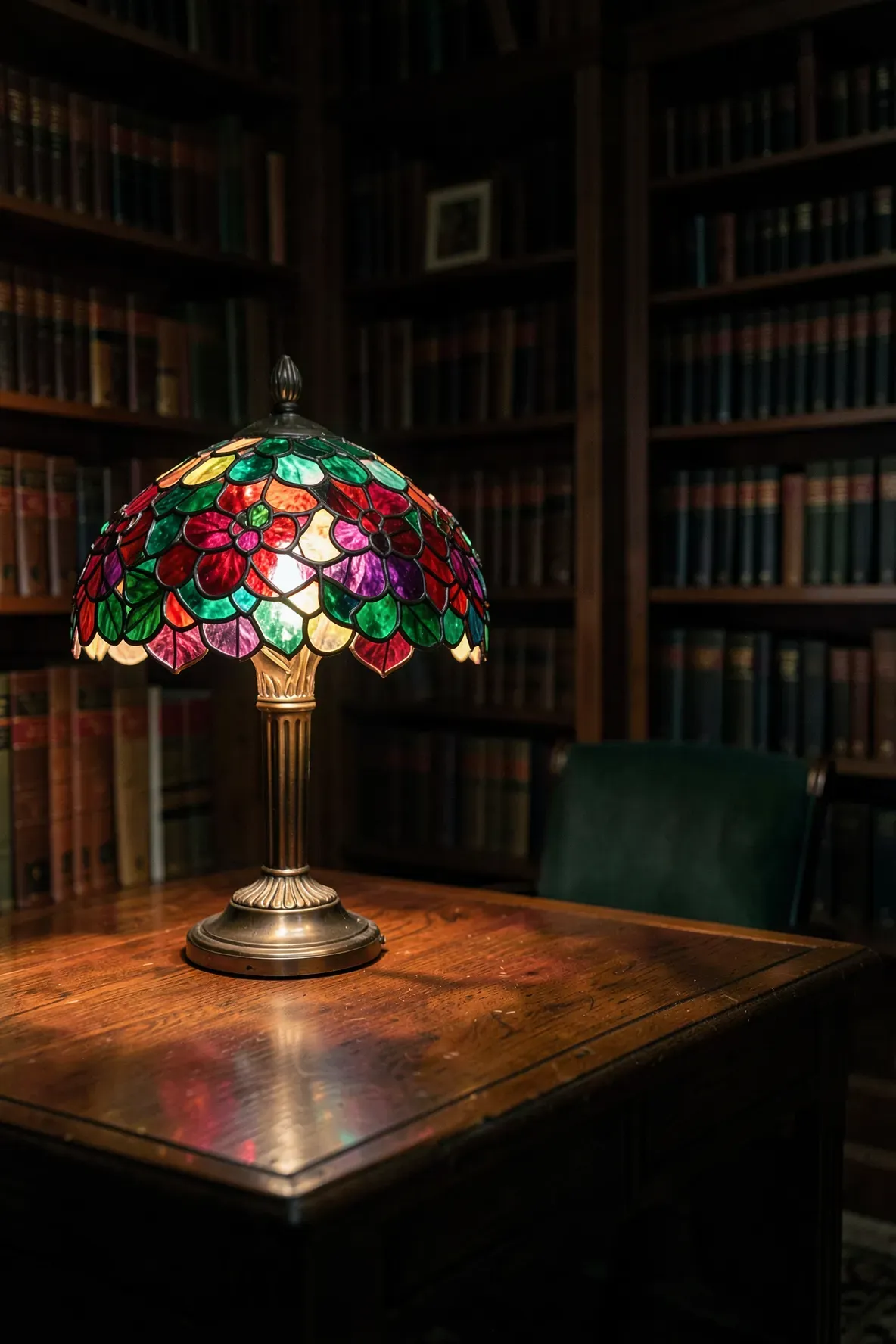
A true Tiffany-style lamp is famous for its intricate leaded glass work. The peony pattern is a classic, using hundreds of small glass pieces to create a vibrant floral scene. When the lamp is on, the colors bleed through and create a warm atmosphere. To tell a quality piece from a cheap reproduction, tap the glass gently; real leaded glass should have a dull thud rather than a sharp plastic click.
Industrial Factory Pendant with Green Enamel Finish
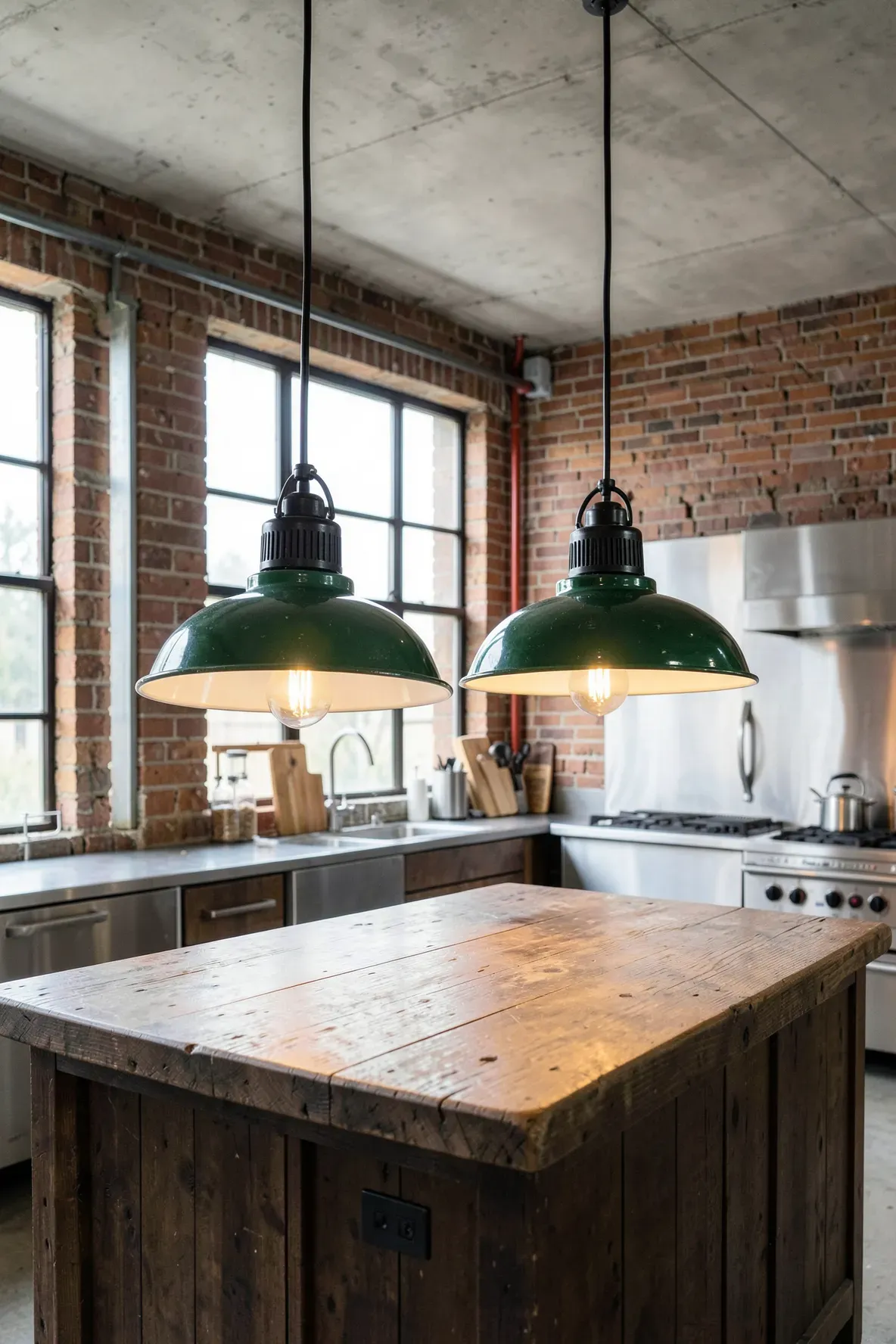
These rugged lights were originally made for workshops and warehouses. The green porcelain enamel finish is iconic and very durable, designed to withstand heat and dust. They work well over a kitchen island or a dining table. Look for versions that still have the original cast iron hardware at the top for an authentic look, though you may need to have them rewired for modern safety.
French Bouillotte Lamp with Tole Shade
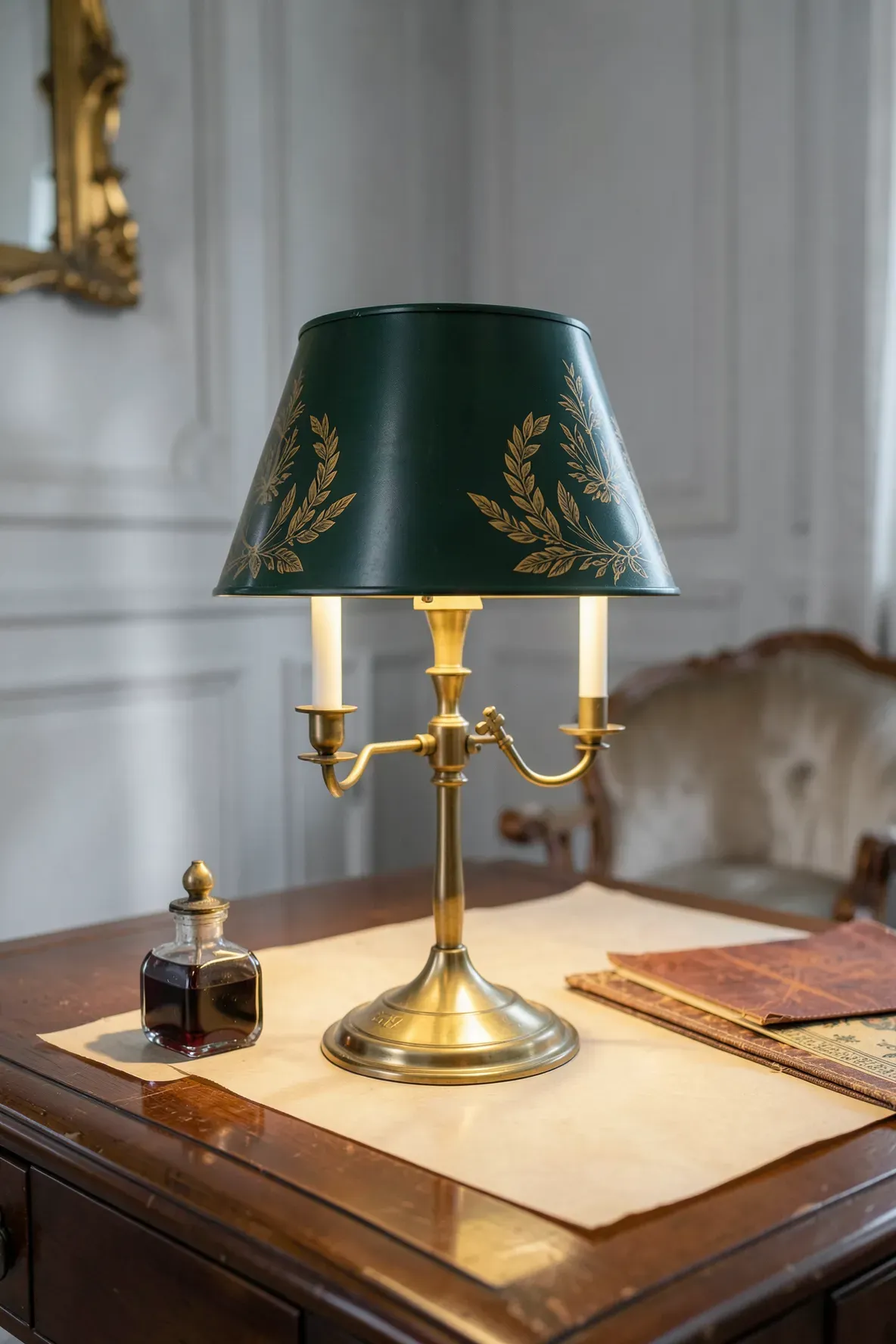
This lamp was originally used for card games in France. It usually features two or three candle-style arms and a metal shade, known as a tole shade, that can be adjusted up or down. The shade was meant to block the glare from the players’ eyes. These are excellent for desks or side tables where you want a classic look that doesn’t take up too much horizontal space.
Wrought Iron Antique Floor Lamps with Bridge Arms
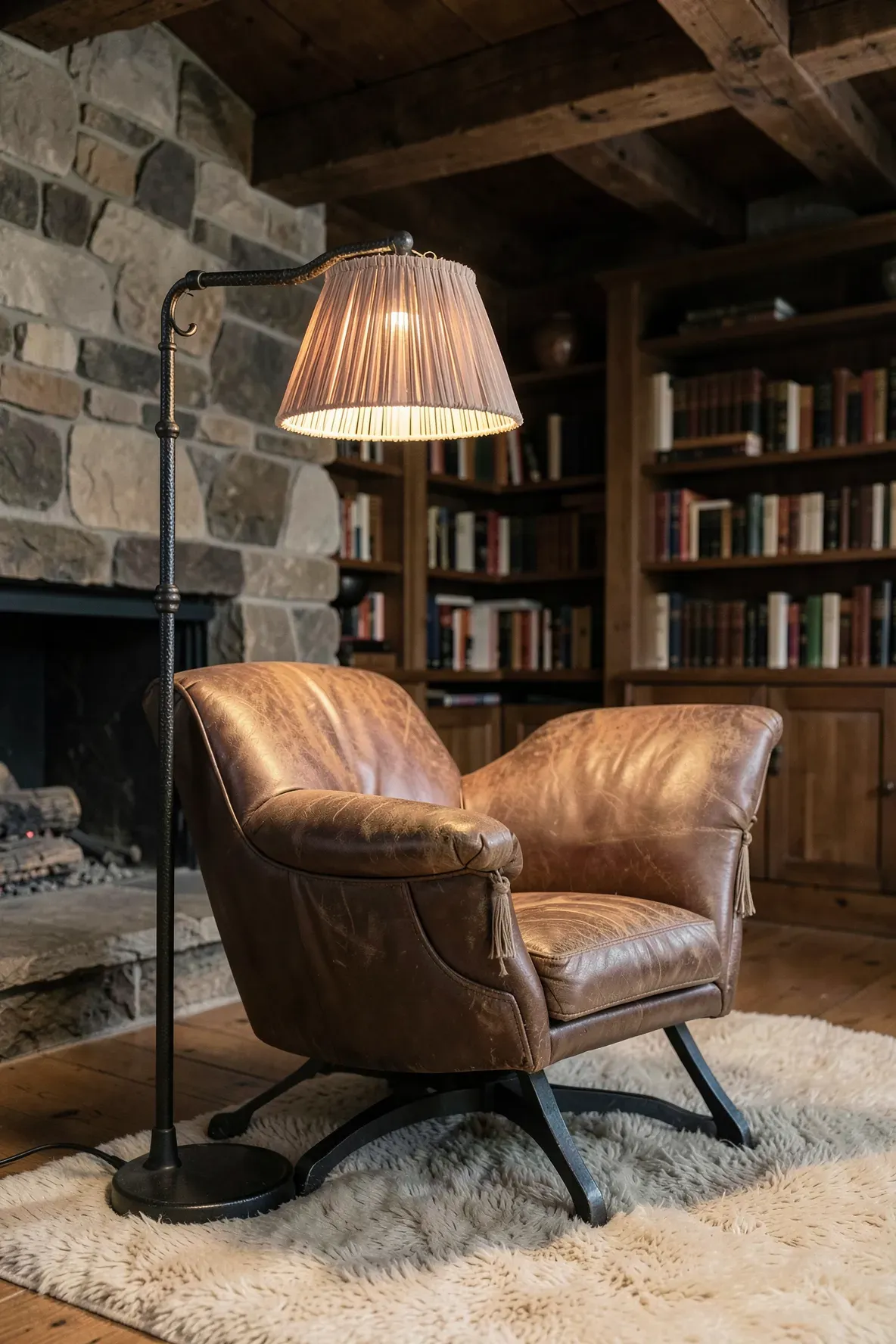
Antique Floor Lamps made of wrought iron are heavy and stable. The bridge arm style features a horizontal arm that extends out from the main pole, allowing the light to hang directly over a chair. This makes them the best choice for a reading nook. Many of these lamps feature hammered details or small tassels that give them a hand-crafted feel from the early 20th century.
Holophane Prismatic Glass Streetlight Pendant
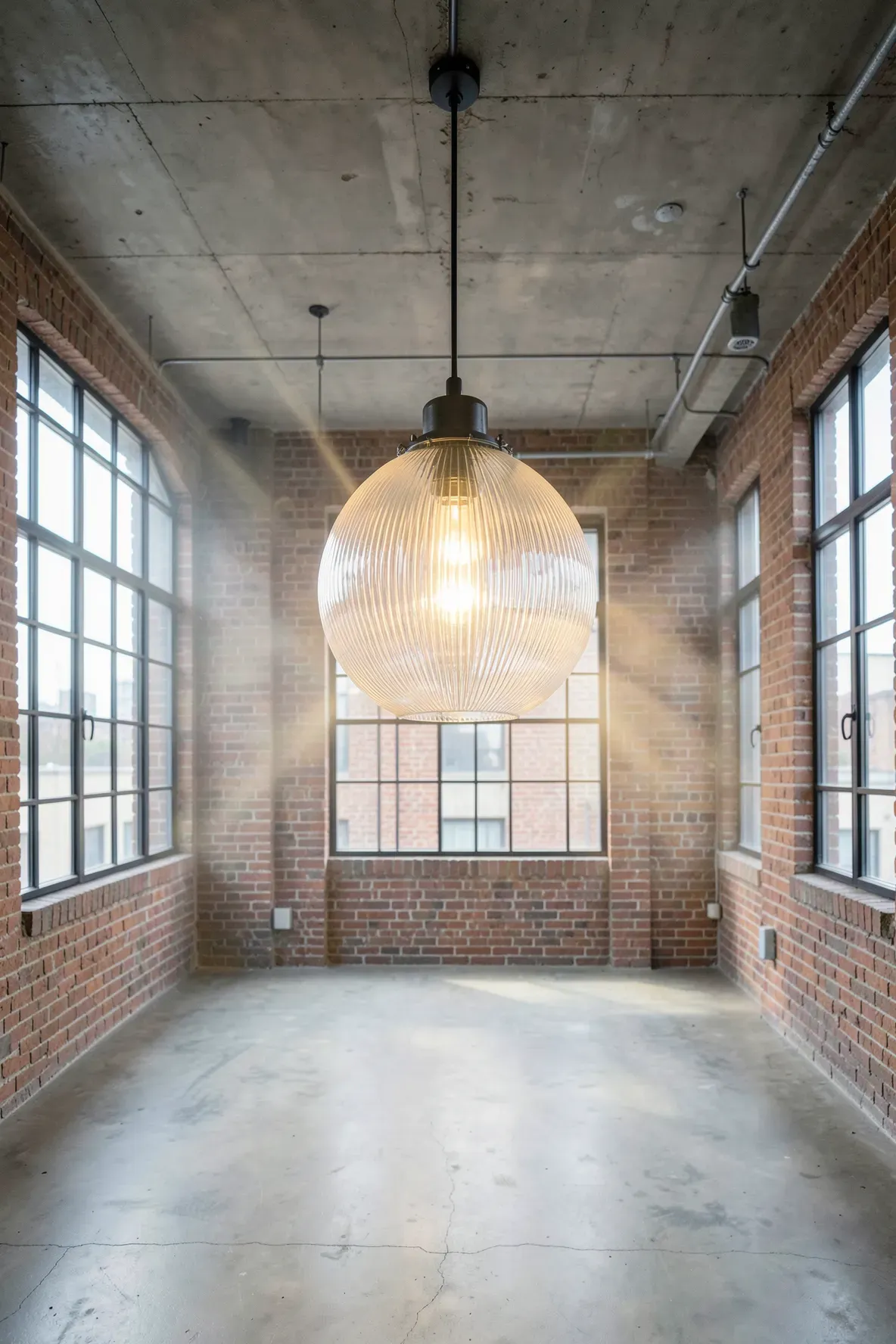
Holophane glass is famous for its ribbed texture. These ribs are designed to refract light outward, making the bulb appear brighter and spreading the light more evenly. Originally used in factories and streetlights, they have a clean, scientific look. They are quite heavy, so make sure your ceiling junction box is reinforced before hanging one of these glass giants.
Vintage Hanging Lamps with Macramé Accents
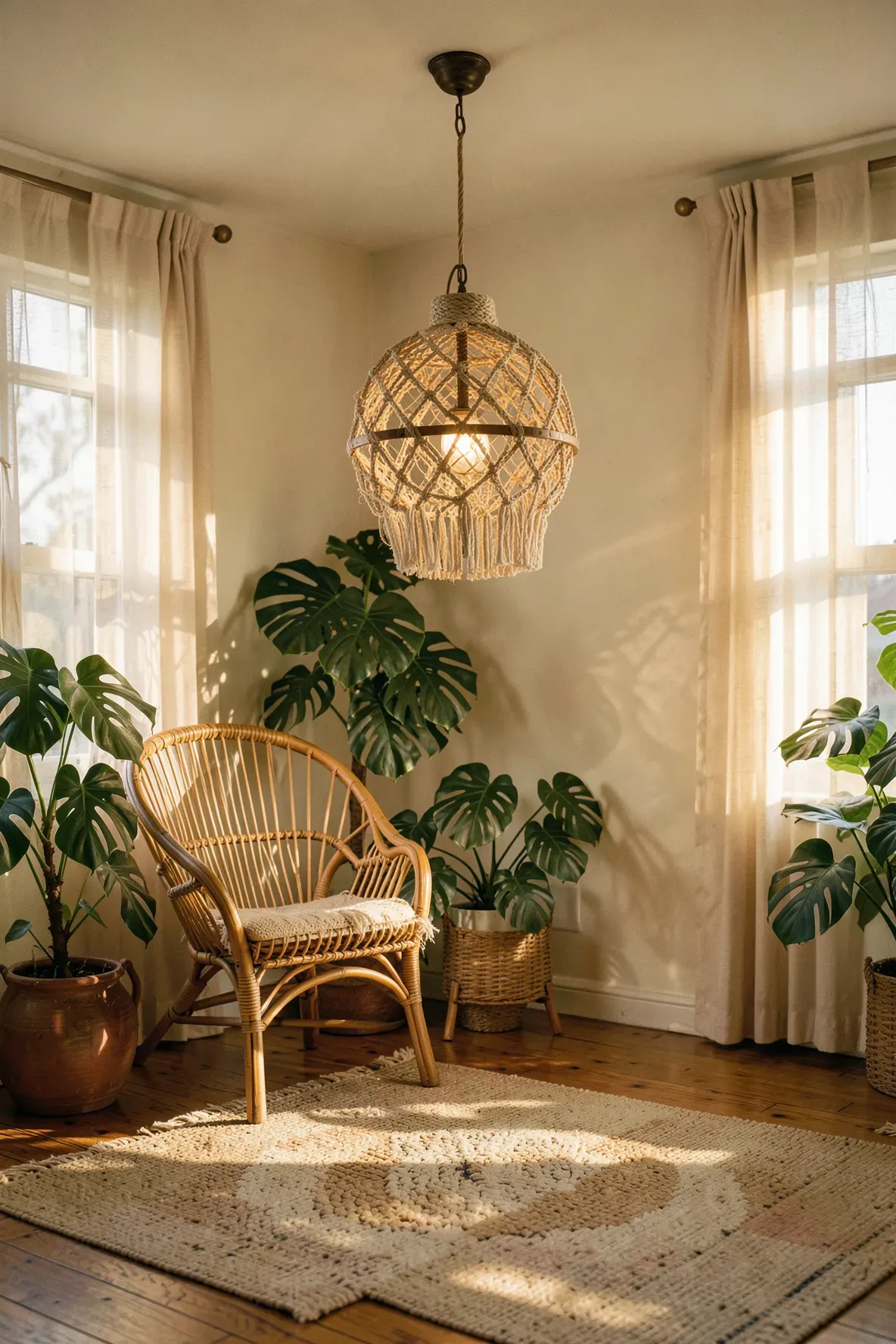
In the 1970s, Vintage Hanging Lamps often featured handmade fiber art. These lamps usually have a glass or plastic globe encased in a knotted rope or twine hanger. They add a soft, bohemian texture to a room. If you find an original, check the rope for signs of dry rot or fraying, as the weight of the lamp can cause old fibers to snap over time.
Hobnail Milk Glass Hurricane Lamp
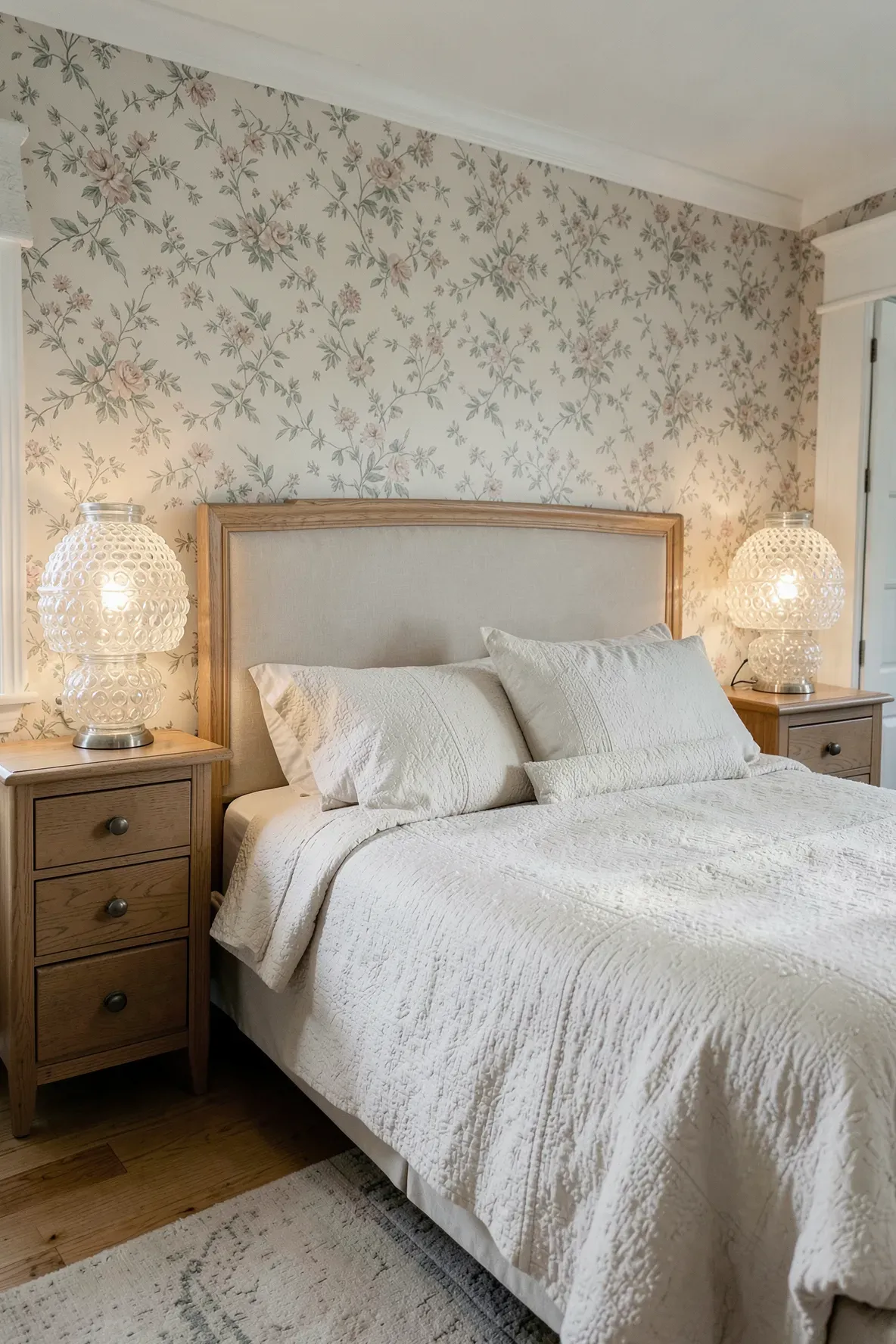
Hobnail glass is covered in small, raised bumps that give it a distinct texture. These lamps often come in two parts: a base and a matching chimney or shade. They were very popular in the mid-20th century as a nod to colonial styles. Because they provide a very soft, diffused light, they are a good choice for a nightstand or a cozy guest bedroom.
Brass Gasolier Chandelier Converted to Electric
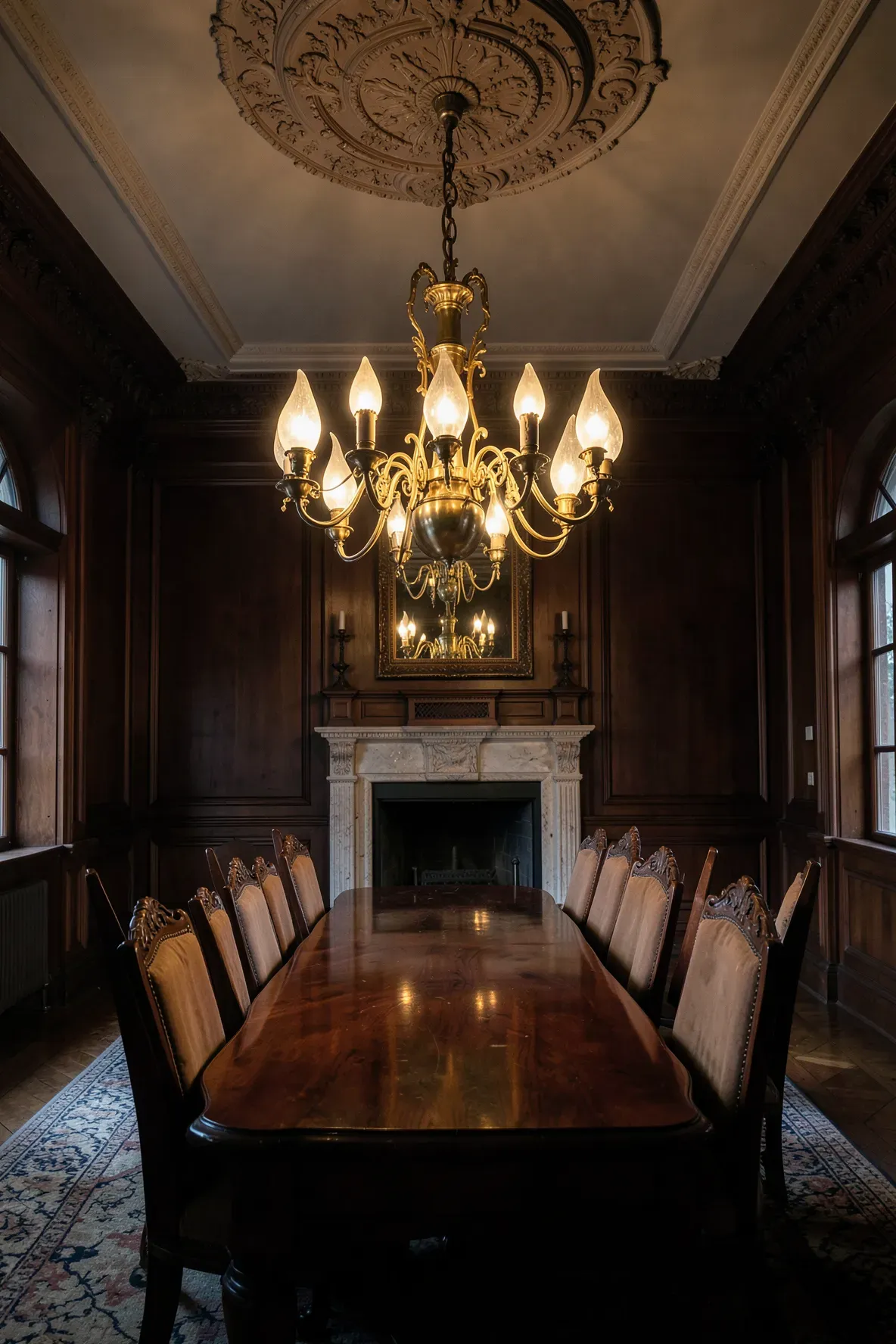
A gasolier was a chandelier that originally ran on gas. You can tell them apart by the thick arms that once carried fuel and the valves near the bulbs. Most have been converted to electricity now. They have a massive, historical presence in a room. When buying one, ensure the conversion was done professionally so the wires are hidden and the fixture is grounded.
Bakelite Desk Lamp with Flexible Gooseneck
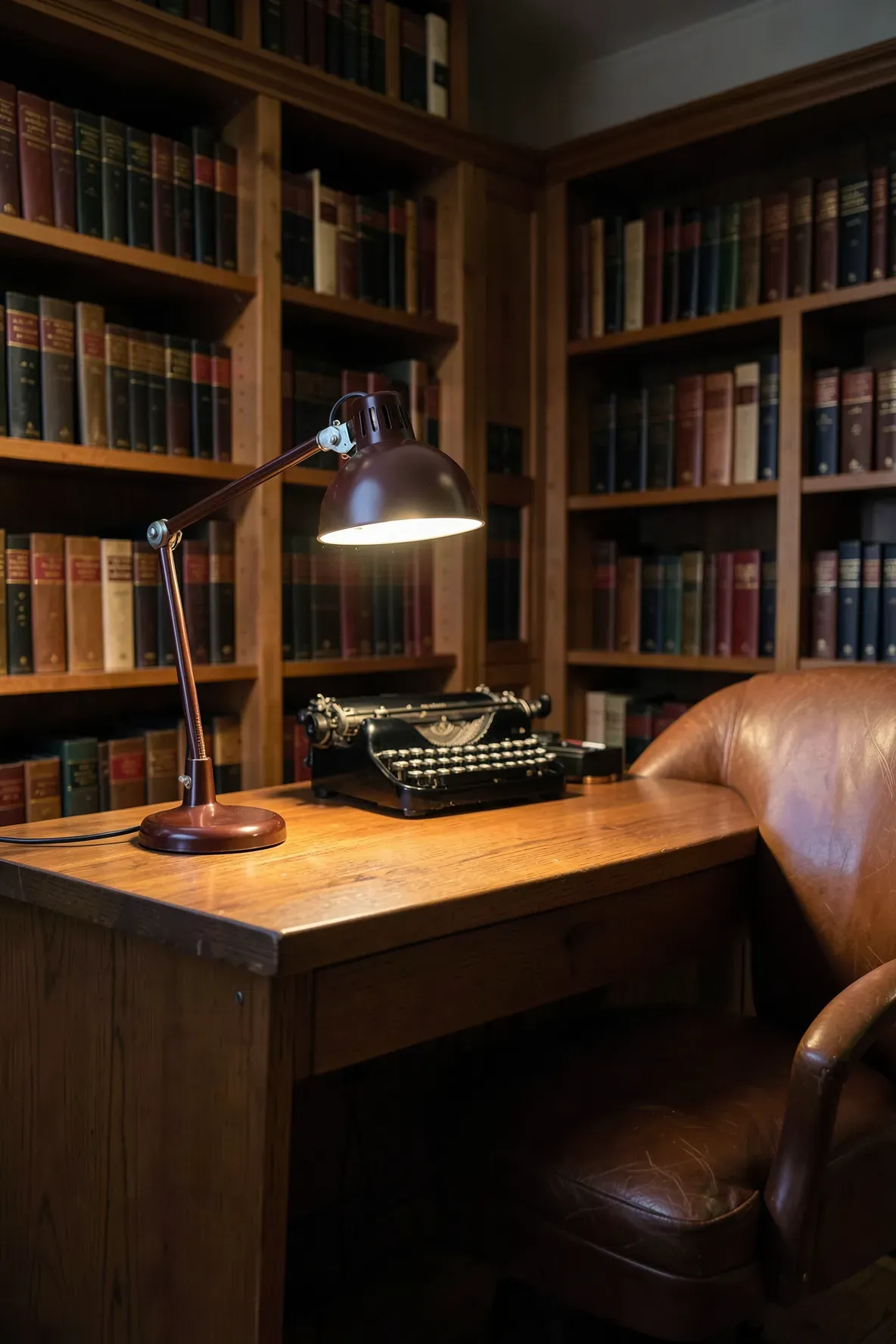
Bakelite was one of the first plastics used for consumer goods. These desk lamps usually have a heavy base and a flexible neck that stays in whatever position you bend it. They often come in deep browns or blacks. These are great for a home office because they are compact and sturdy. Just be careful not to use high-wattage bulbs, as the heat can make old Bakelite brittle.
Vintage Glass Lamp with Bubble Effect Base
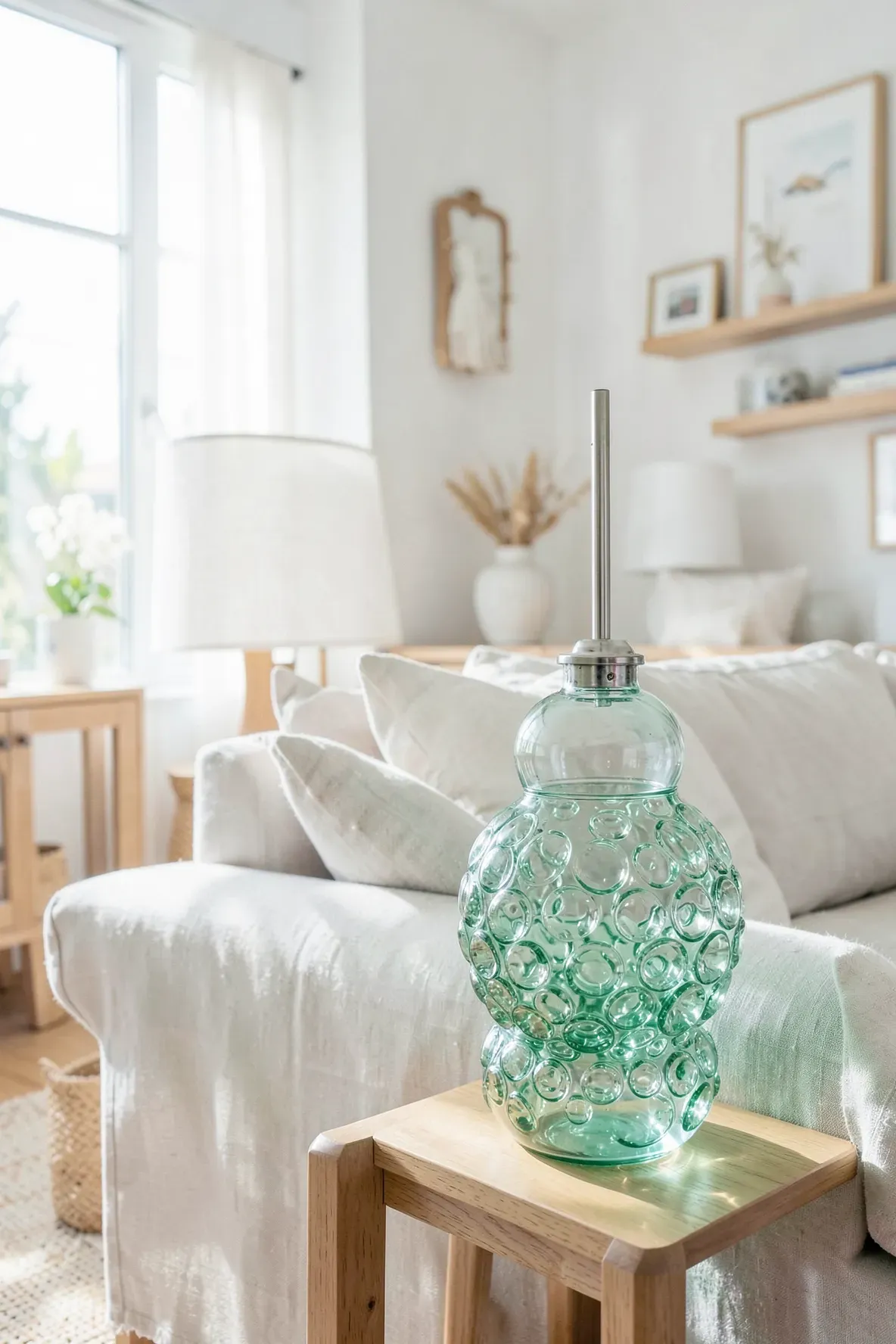
A Vintage Glass Lamp with intentional bubbles trapped inside the glass is often called ‘bullicante’ glass. This technique was popular with Murano glassmakers in Italy. The bubbles create a sense of depth and catch the light beautifully even when the lamp is off. These bases are often heavy and come in vibrant colors like amber, seafoam green, or royal blue.
Art Nouveau Figural Bronze Base with Lily Shades
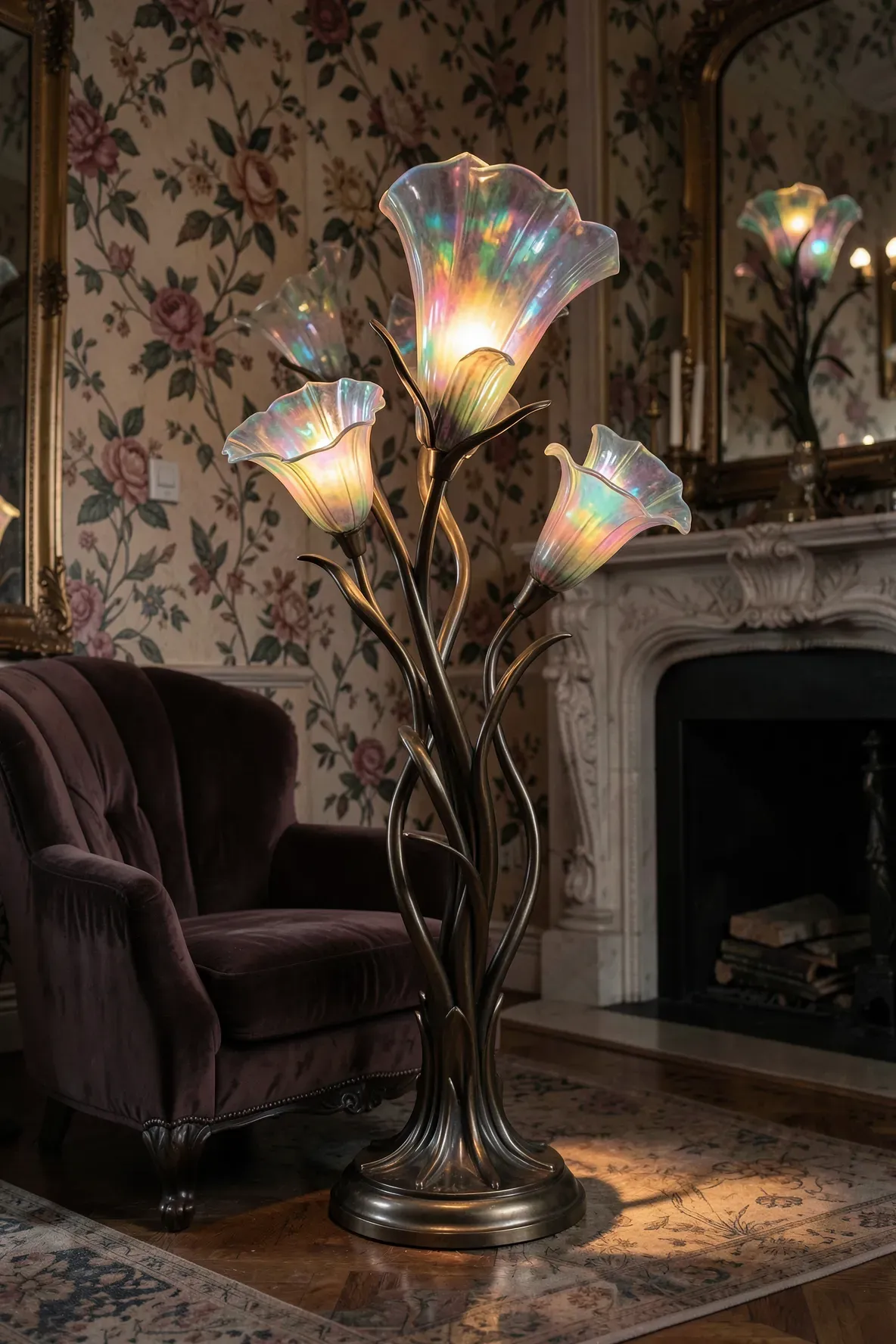
Art Nouveau lighting is all about flowing, organic shapes. These lamps often look like bronze vines or flower stems growing out of a base. The shades are usually shaped like trumpet lilies and made of iridescent glass. Because these are highly collectible, look for a consistent patina on the bronze to ensure the base and the shades have stayed together over the years.
Oil Lamp with Cranberry Glass Reservoir
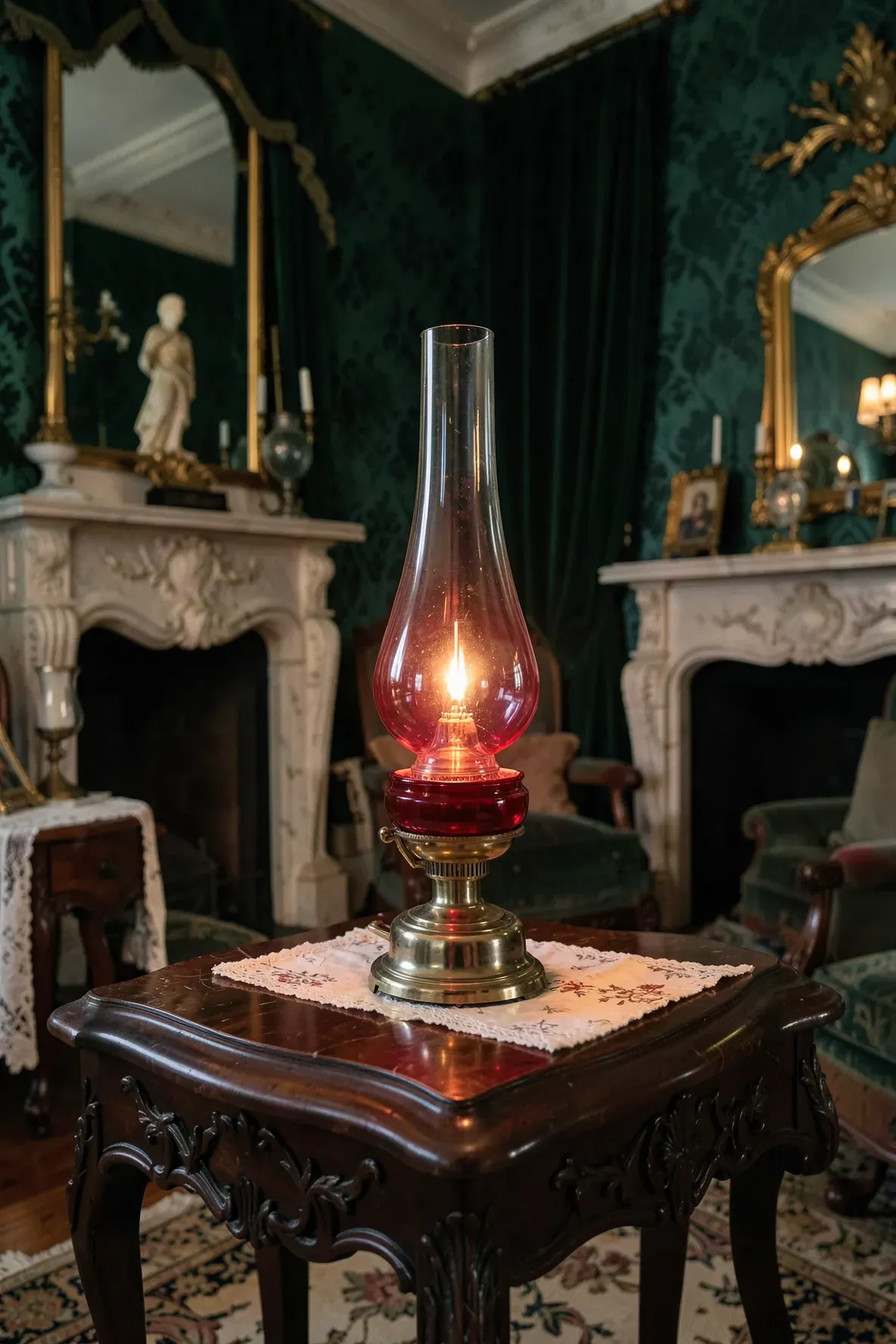
Cranberry glass gets its red color from gold salts added to the molten glass. Many of these lamps started as oil-burning units but have been fitted with electric adapters. The red glass creates a very warm, cozy glow in a room. If you want to use it as a decorative piece, you can still find the clear glass chimneys that sit inside the red shade to complete the look.
Pleated Silk Vintage Lampshades with Beaded Fringe
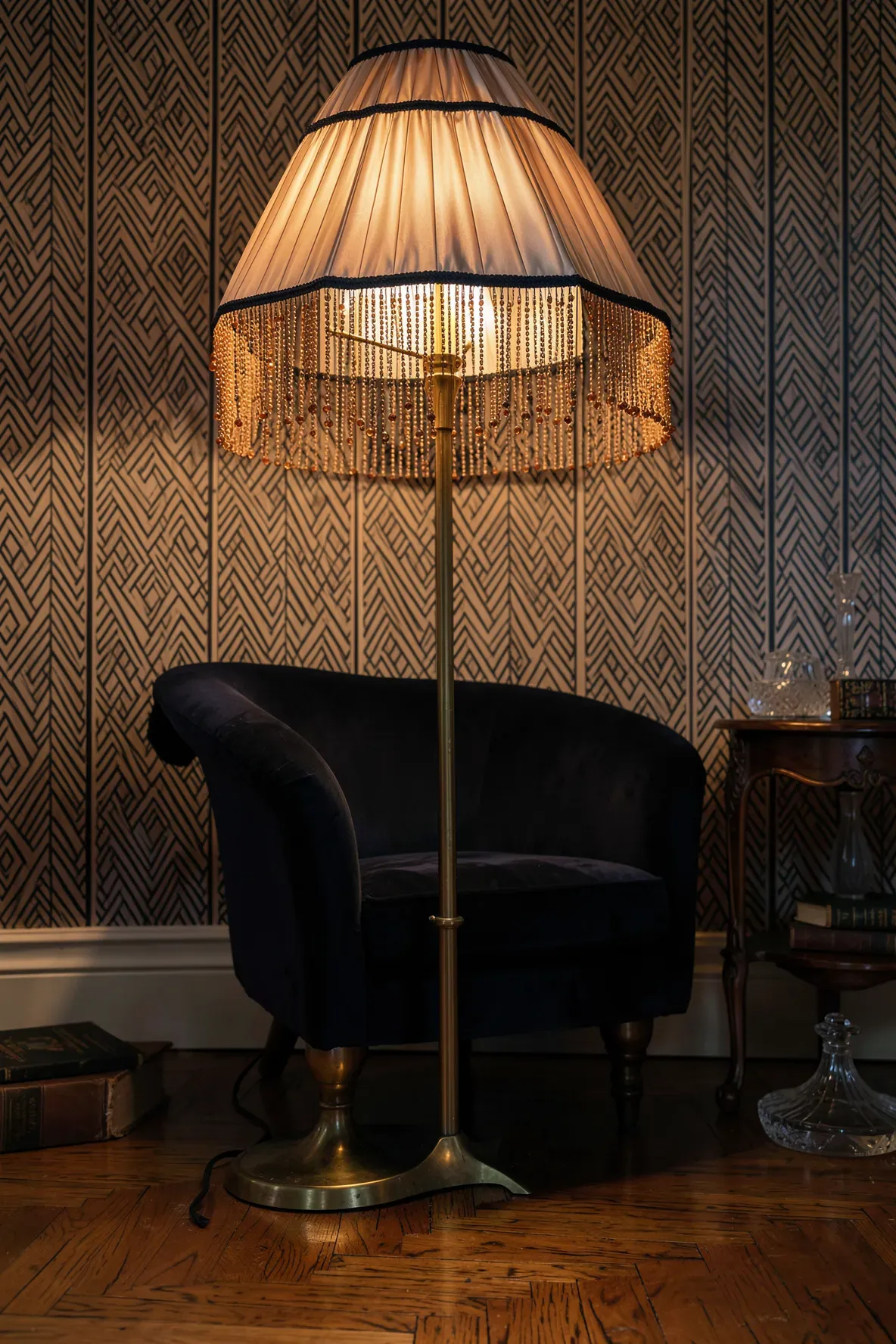
The right shade can change everything. Vintage Lampshades made of pleated silk often feature long beaded fringe that dangles from the bottom rim. These were common in the 1920s and add a bit of drama to a simple lamp base. If the silk is shattering or torn, you can sometimes have them recovered, but keeping the original beadwork is key to maintaining the value.
Gilded Age Crystal Candelabra
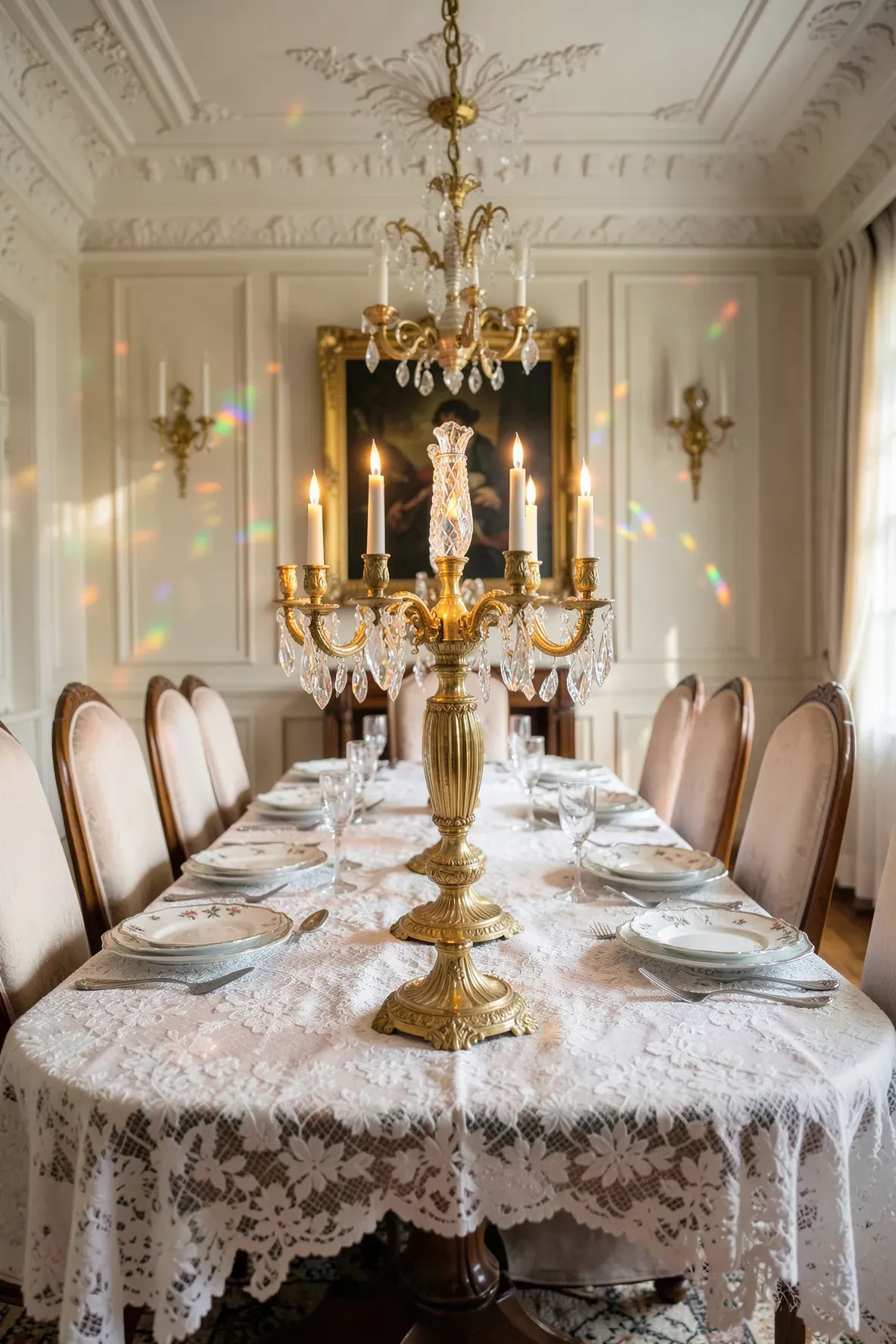
These are the height of Victorian luxury. They feature heavy brass or silver-plated frames dripping with lead crystal prisms. When the light hits the crystals, it creates tiny rainbows across the walls. These work best on a sideboard or a formal dining table. Cleaning them takes time, as each crystal needs to be wiped down, but the sparkle they provide is worth the effort.
Atomic Era Sputnik Ceiling Fixture
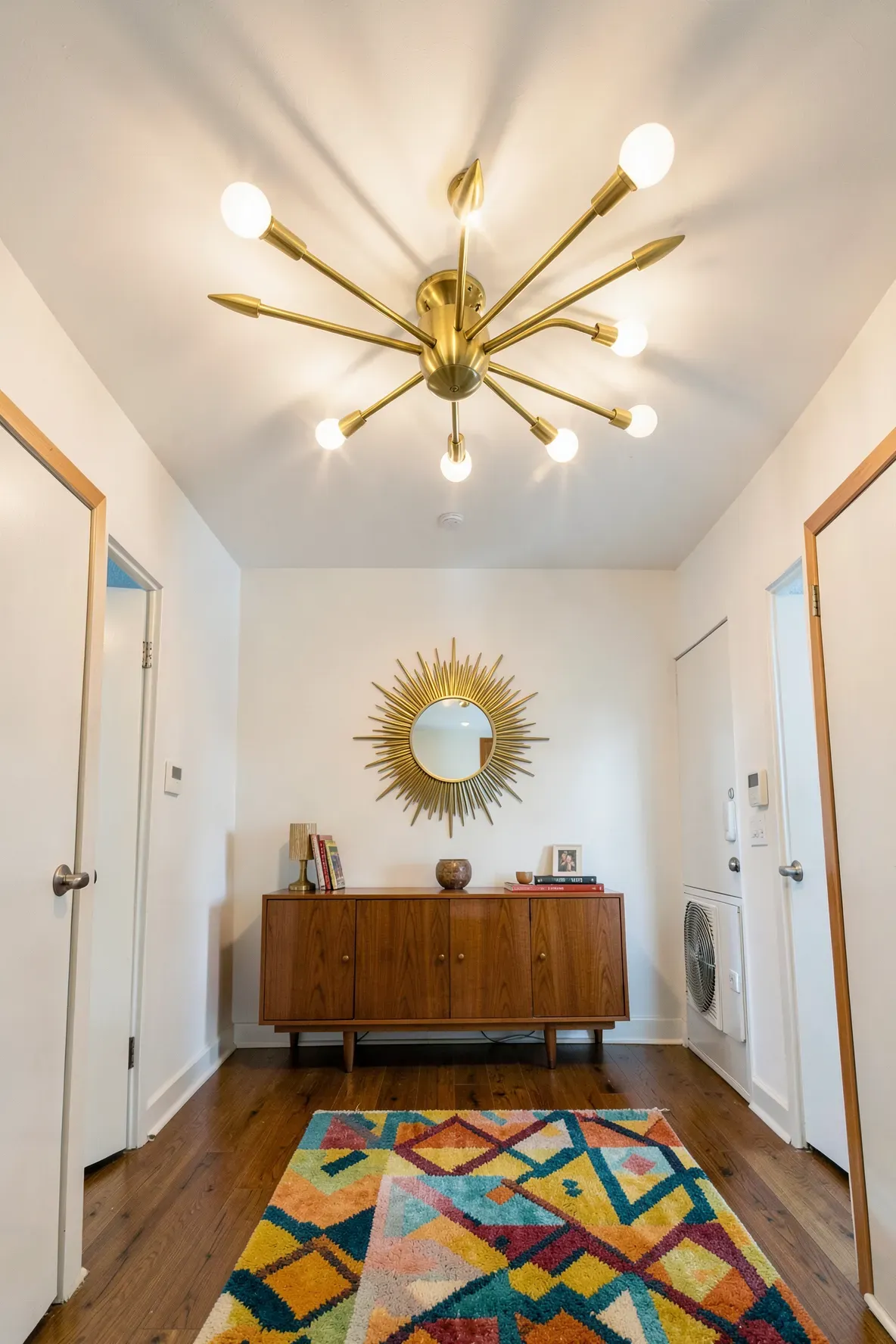
Named after the first satellite, these fixtures feature arms pointing in every direction, often ending in small bulbs or starburst accents. They represent the excitement of the space race. These are bold statement pieces for an entryway or dining room. To keep the look authentic, use round ‘G-shape’ bulbs instead of standard pointed ones.
Antique Lamps Victorian Piano Style with Adjustable Height
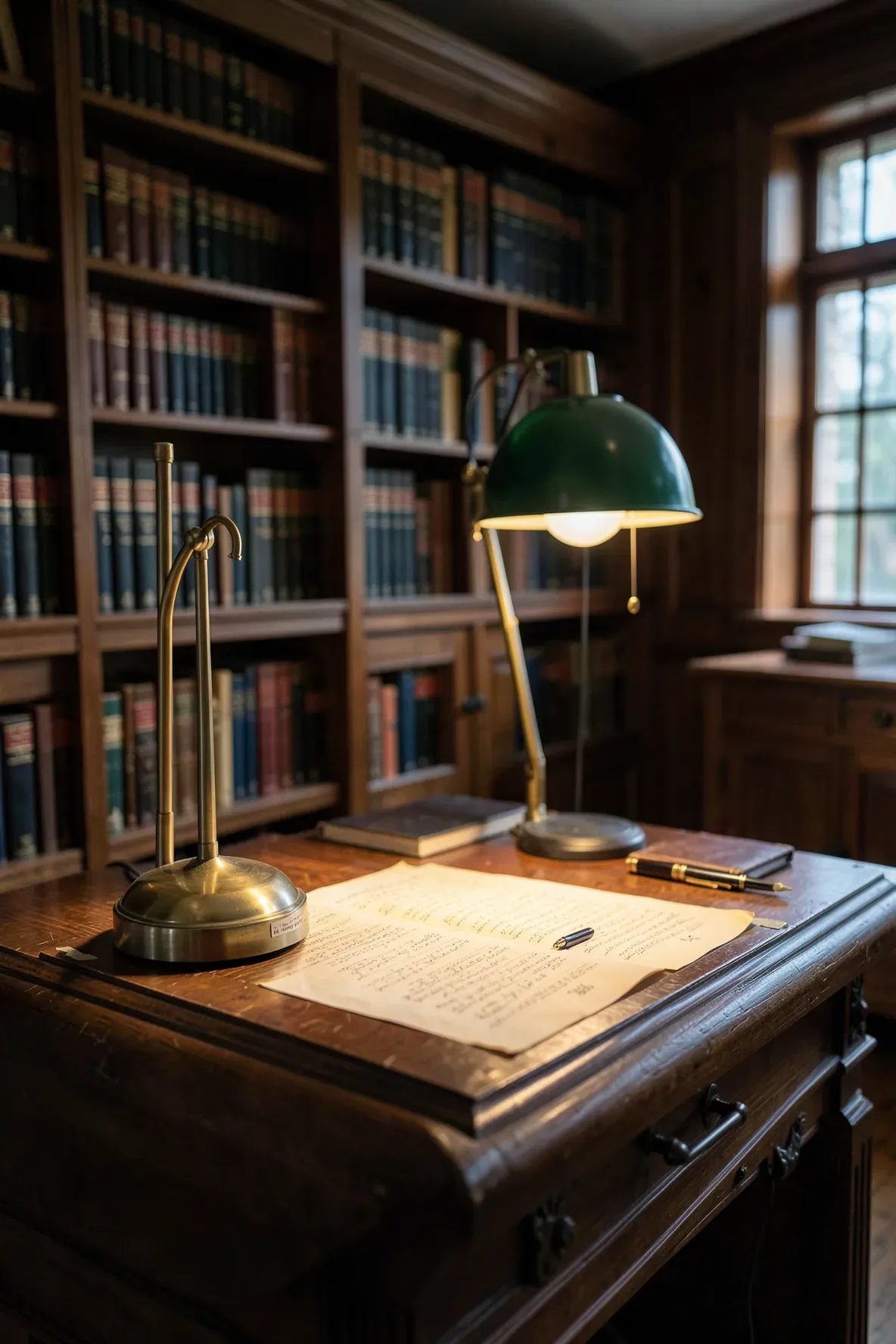
Piano lamps were designed to sit on top of an upright piano to light the sheet music. Antique Lamps Victorian versions often have a heavy, weighted base and a hinge that lets you tilt the shade. The height is usually adjustable via a thumb screw on the main pole. These are very practical for desks because you can direct the light exactly where you need it without moving the whole lamp.
MCM Tension Pole Lamp with Conical Shades
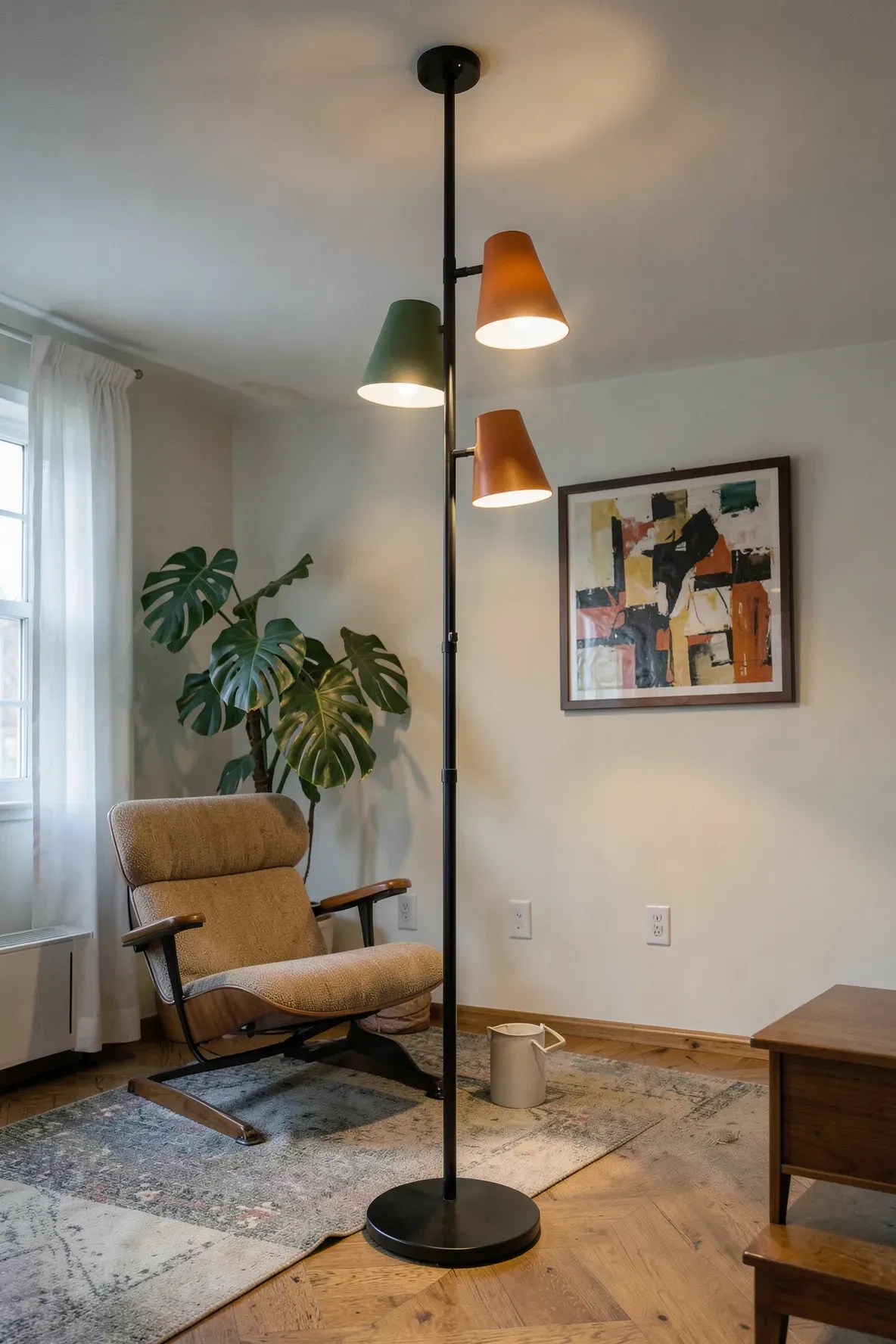
Tension pole lamps were the space-saving solution of the 1960s. They use a spring-loaded pole that wedges between the floor and the ceiling. Usually, they have three separate conical shades that can be pointed in different directions. This allows you to light up a chair, a painting, and the ceiling all at once. They are perfect for apartments where you cannot drill holes for new fixtures.
Swedish Pine Slat Pendant Light
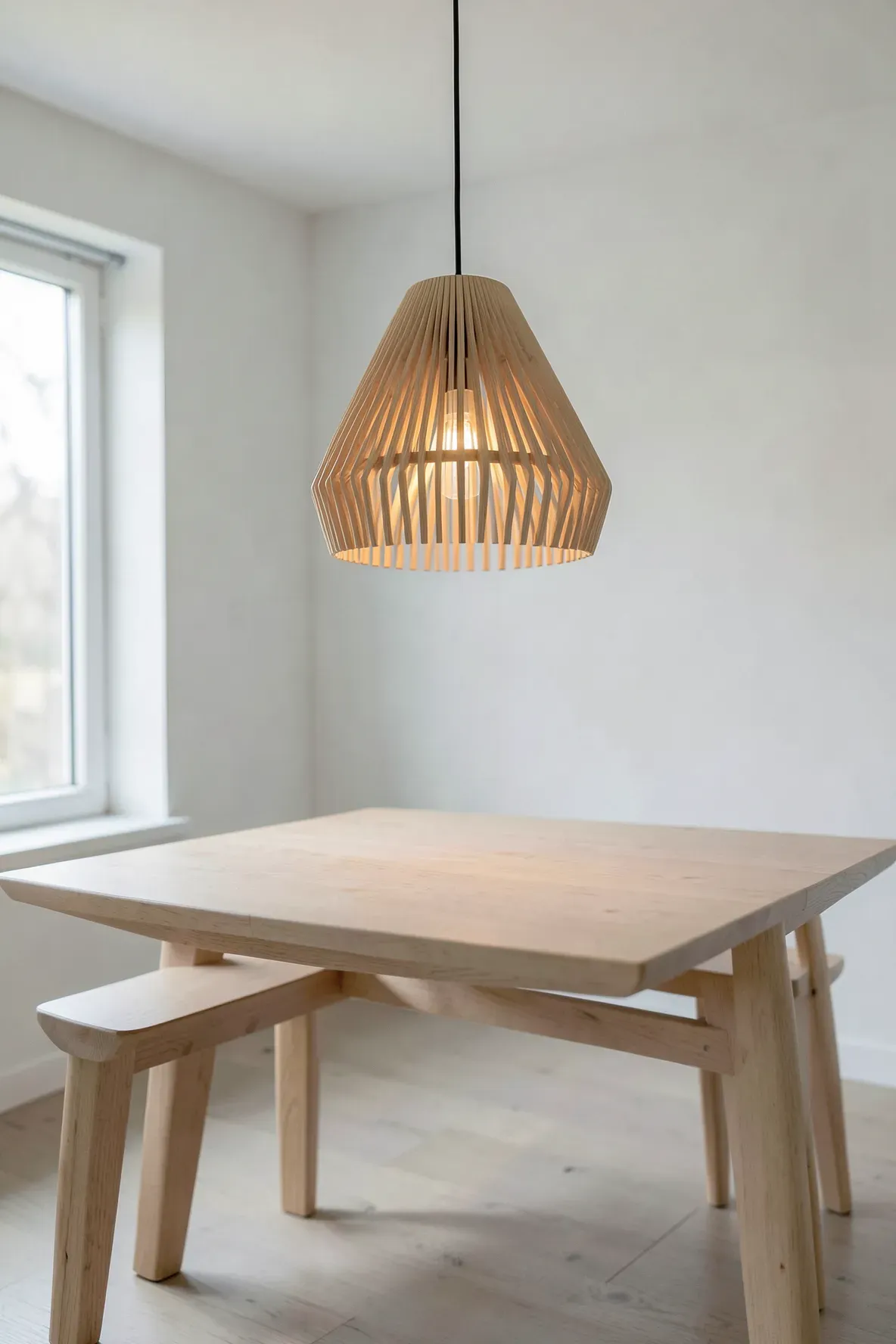
Scandinavian vintage lighting often uses natural materials to create warmth. These pendants are made from thin strips of pine wood layered over each other. The light glows through the wood grain and between the slats. They are very lightweight and bring an organic, soft feel to a room. Avoid using high-heat bulbs with these, as the wood can warp or dry out over time.
Bankers Lamp with Emerald Green Glass Shade
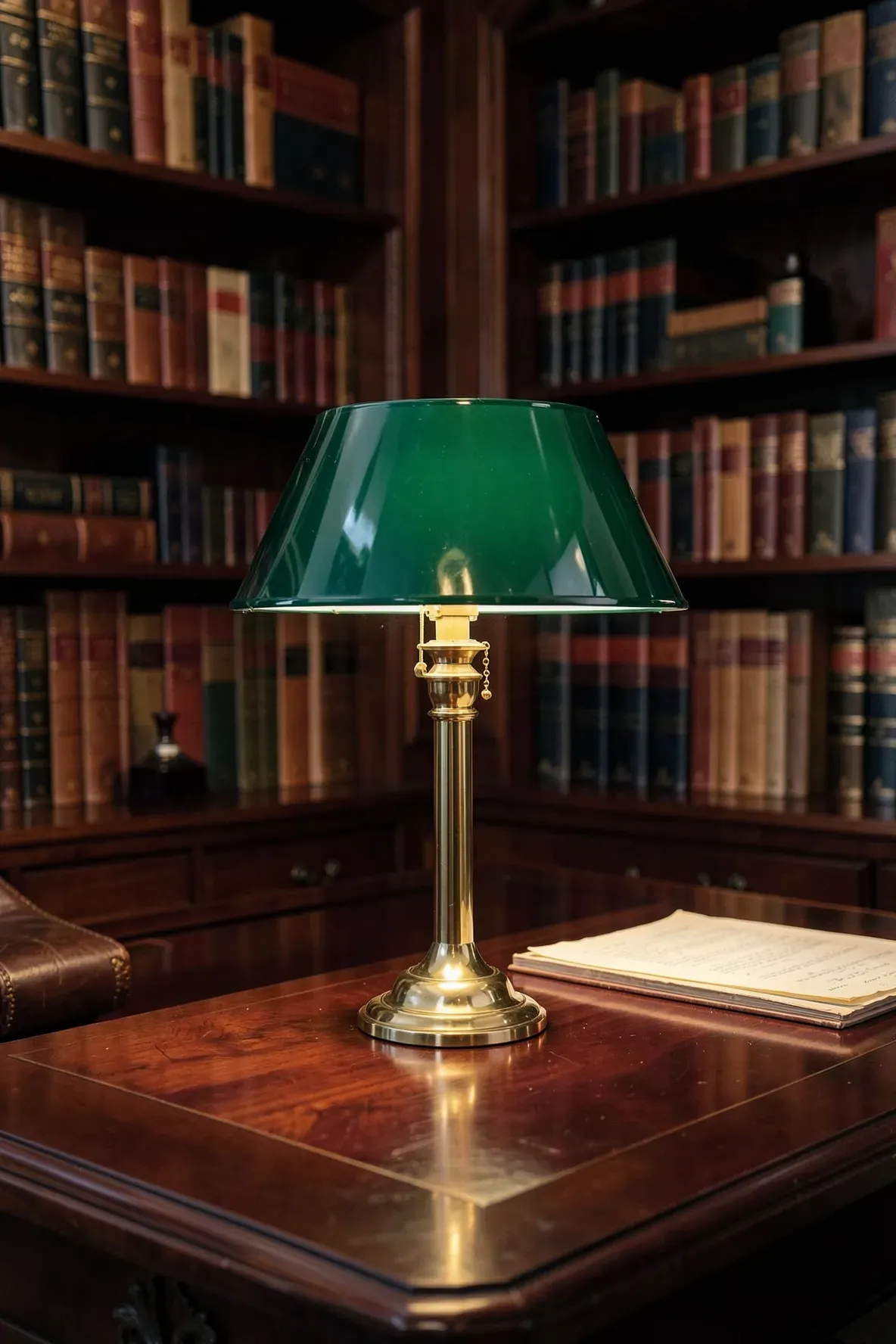
The bankers lamp is a classic for a reason. It features a solid brass base and a rounded green glass shade that is white on the inside. The green glass is easy on the eyes for long hours of work, while the white interior reflects plenty of light onto your papers. Look for the pull-chain switch, which is a signature feature of the original designs.
Mission Style Oak Floor Lamp with Slag Glass
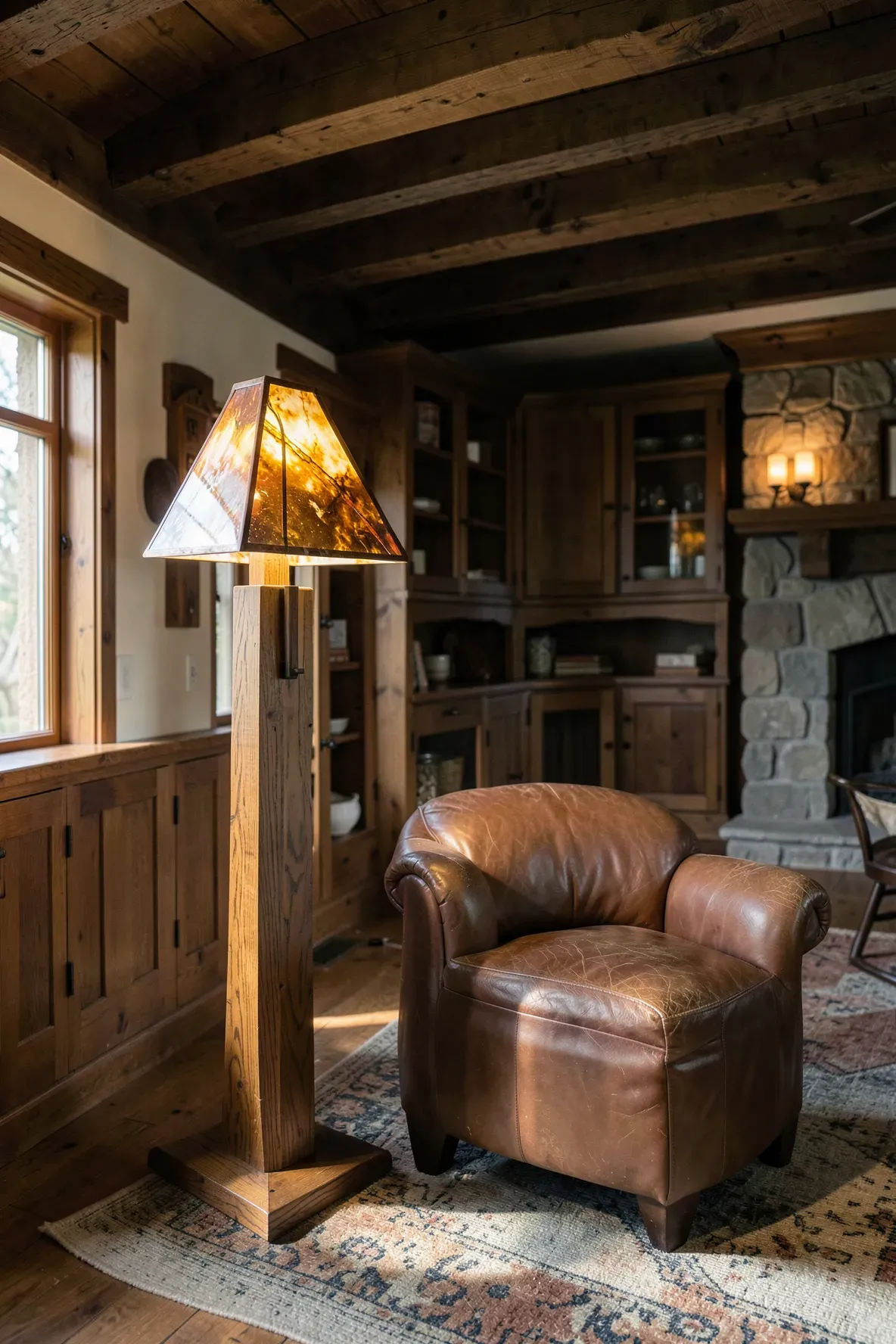
Mission or Arts and Crafts lighting focuses on simple, honest construction. These floor lamps are usually made of dark-stained oak with a square or pyramidal shade. The shade panels are made of slag glass, which has a marbled, milky appearance. These lamps are very sturdy and look great in rooms with leather furniture or heavy wood trim.
Vintage Italian Toleware Floral Sconce
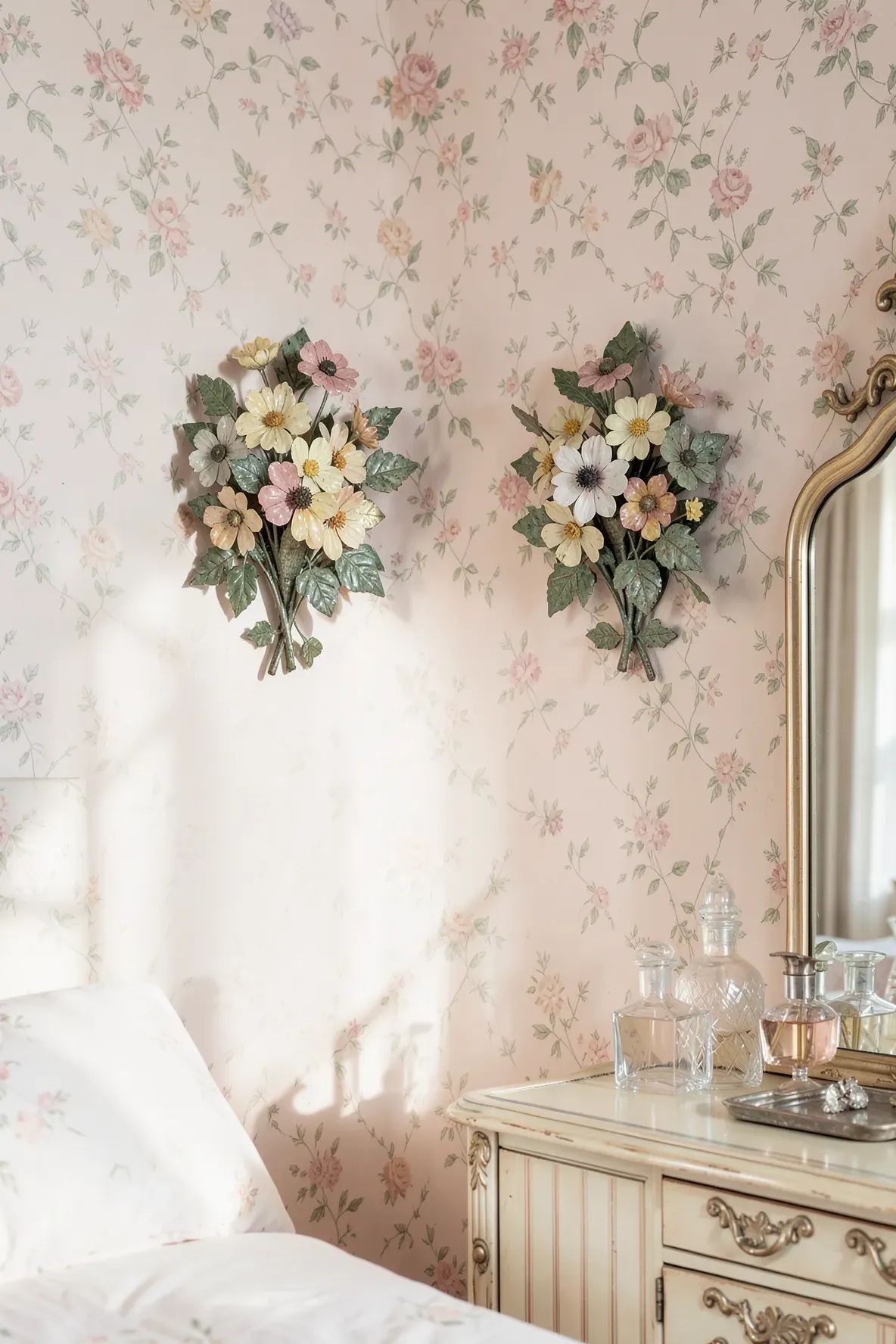
Toleware is painted metal, and Italian versions from the mid-century are often shaped like bouquets of flowers or climbing ivy. These wall sconces add a pop of color and a bit of whimsy to a bathroom or bedroom. Because they are made of metal, they are quite durable, but you should check for any rust spots if they were previously used in a damp area.
Cast Iron Nautical Ship Lantern
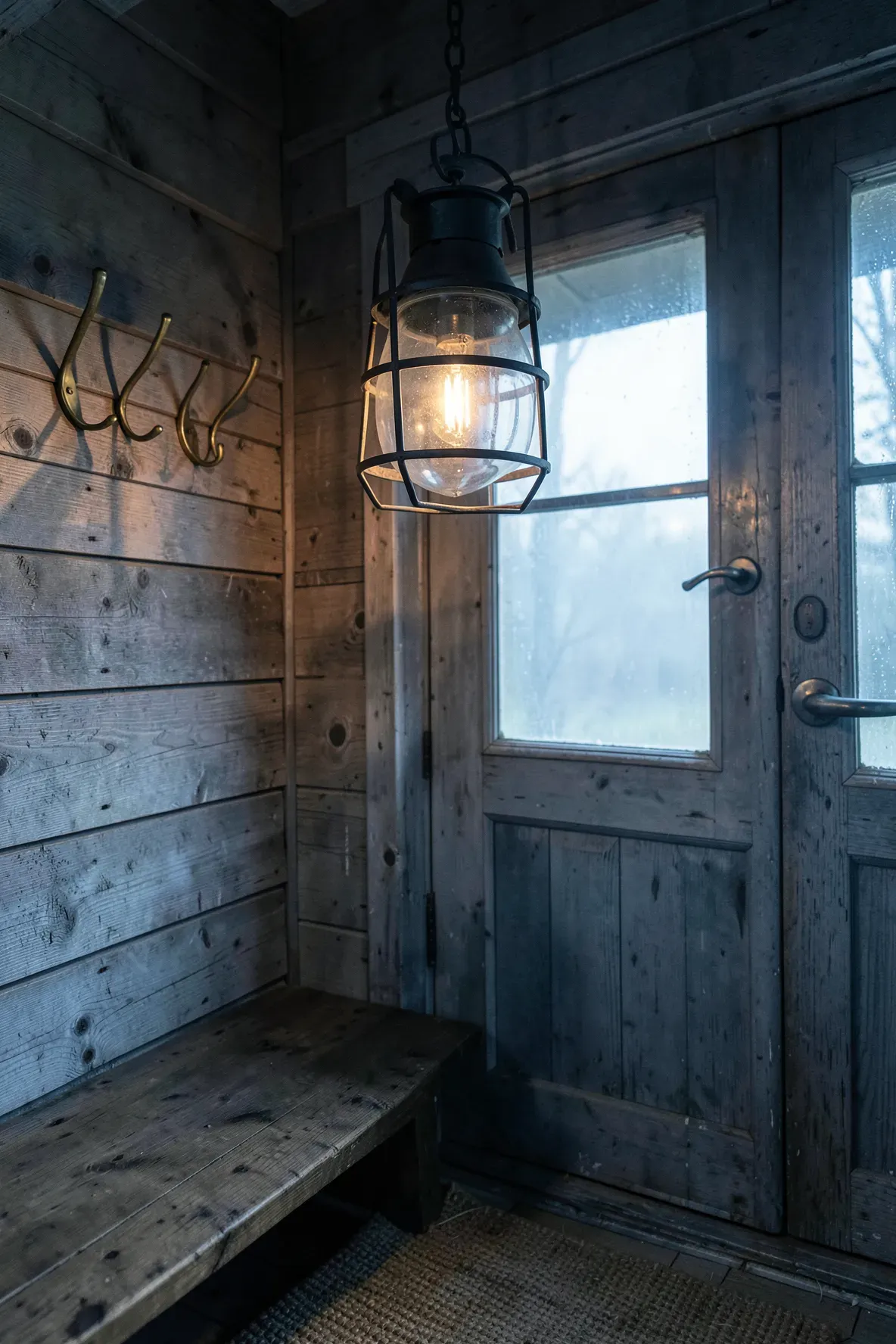
Originally used on boats, these lanterns are built to be tough. They usually have a thick glass lens, sometimes with a protective metal cage around it. While they were meant for oil, many have been converted for home use. They look great in a mudroom or a coastal-themed sunroom. The heavy cast iron gives them a sense of permanence that modern plastic lights lack.
Opaline Glass Schoolhouse Pendant
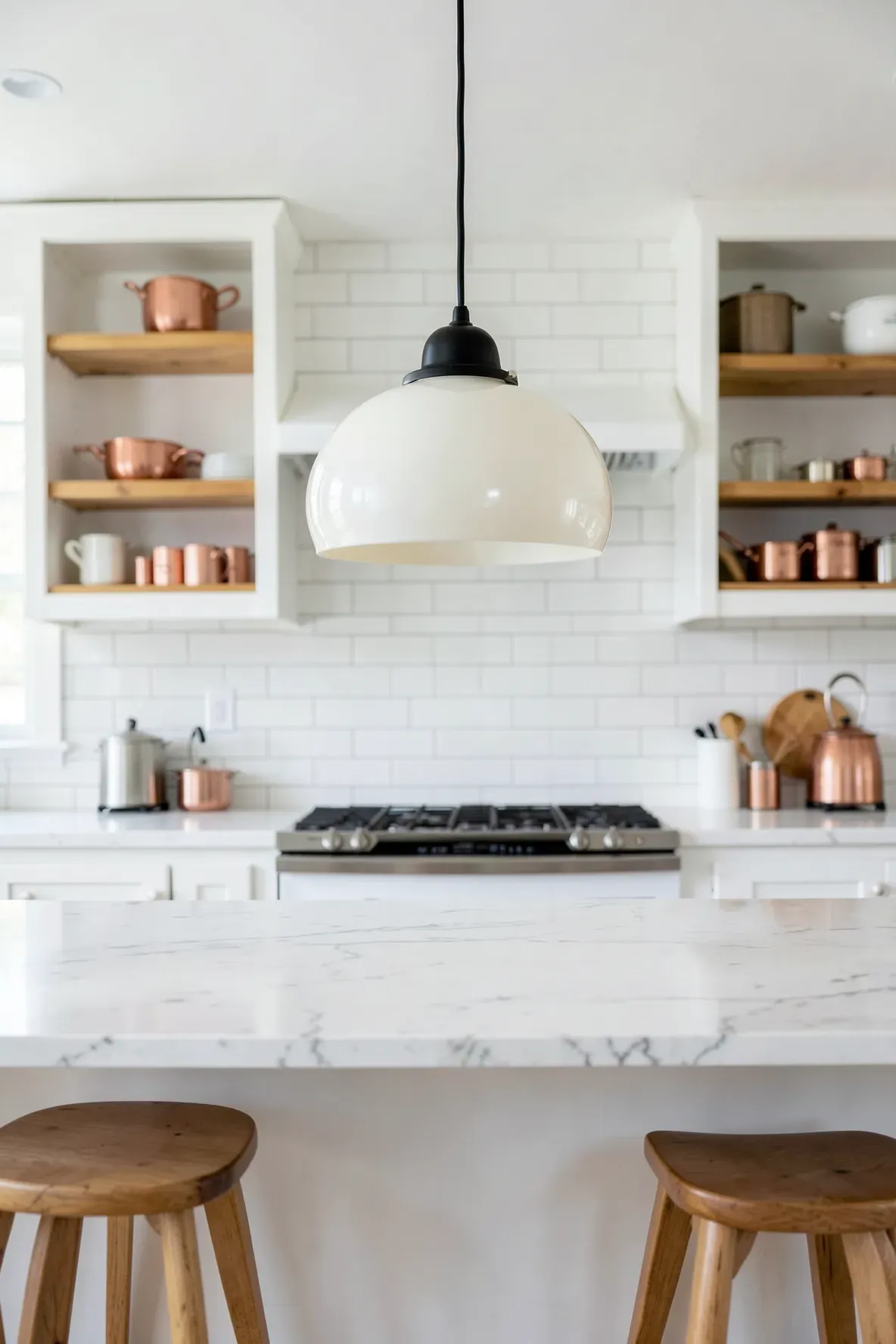
You probably recognize these from old classrooms or libraries. The ‘schoolhouse’ style features a large, rounded milk glass shade that hides the bulb completely. This produces a bright but soft light that doesn’t cause glare. They are a classic choice for kitchens because they have a clean, timeless look that matches almost any decor style.
Chinese Lacquer Ginger Jar Lamp with Silk Shade
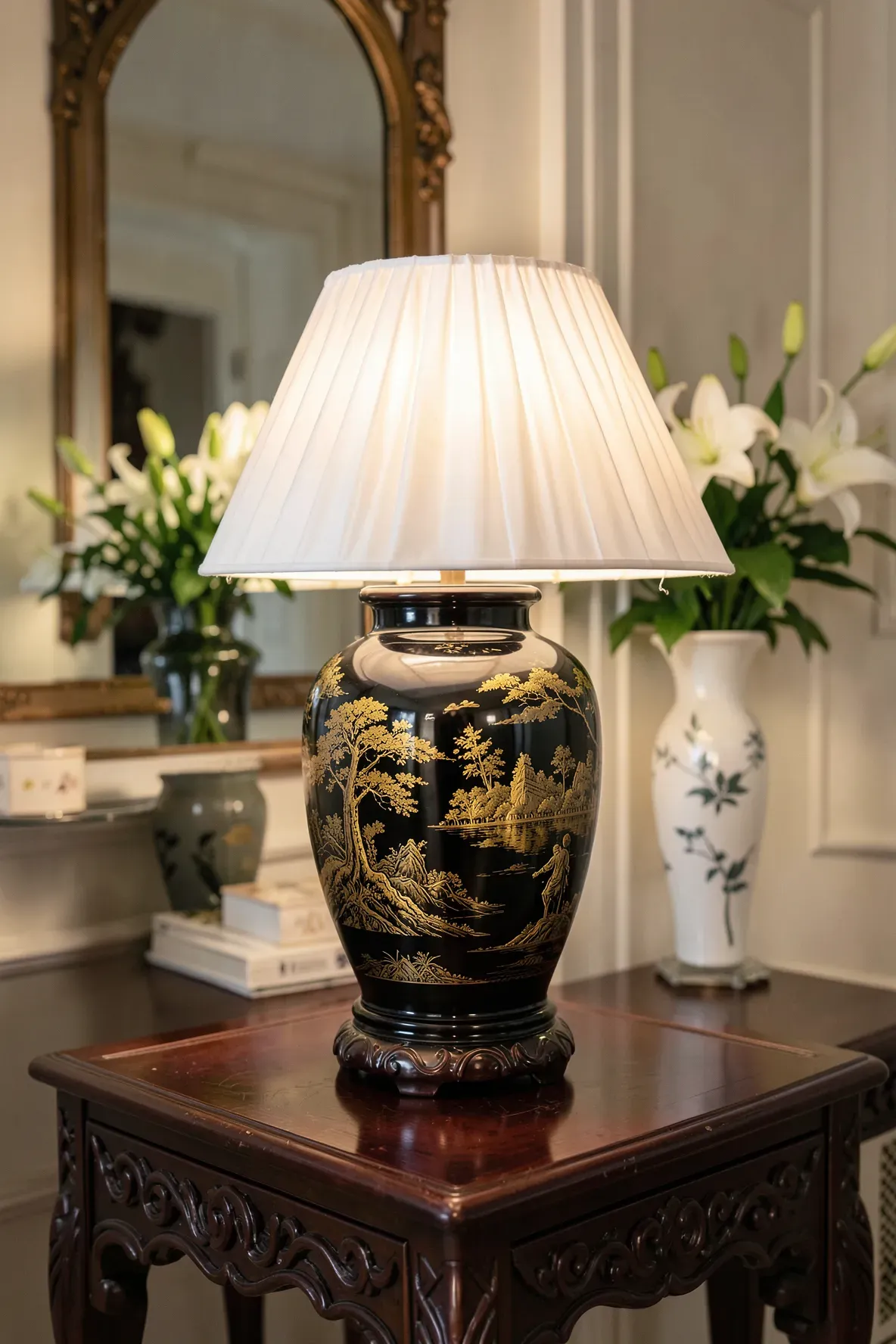
These lamps use a traditional ceramic ginger jar as the base, often finished with detailed lacquer work or hand-painted scenes. They usually sit on a carved wooden stand. To keep the look balanced, they are almost always paired with a high-quality silk lampshade. These add a touch of formality and global style to a living room or entry console.
Choosing the right vintage light fixture is about more than just finding a way to brighten a room. It is about bringing a piece of craftsmanship into your daily life. Whether you choose a heavy iron floor lamp or a delicate glass pendant, these pieces offer a character that new items cannot replicate. Take your time to find the style that speaks to you, and don’t be afraid to mix different eras to create a home that feels truly yours.