
Eating outside is one of the simplest joys of owning a home, but many families find their backyard dining area goes unused because it feels too exposed to the sun or wind. A pergola acts as an architectural anchor that defines a space, making it feel like a true room without losing the open-air feeling. Whether you want to host large dinners or enjoy a quiet morning coffee, a well-placed structure provides the framework for a functional and inviting spot.
In this guide, we will look at how to design an outdoor entertaining area that works for your lifestyle. We will cover everything from selecting the right materials for a wooden pergola to choosing the best pergola seating ideas to ensure your guests stay comfortable for hours.
Choosing the Right Location for Your Outside Dining Area
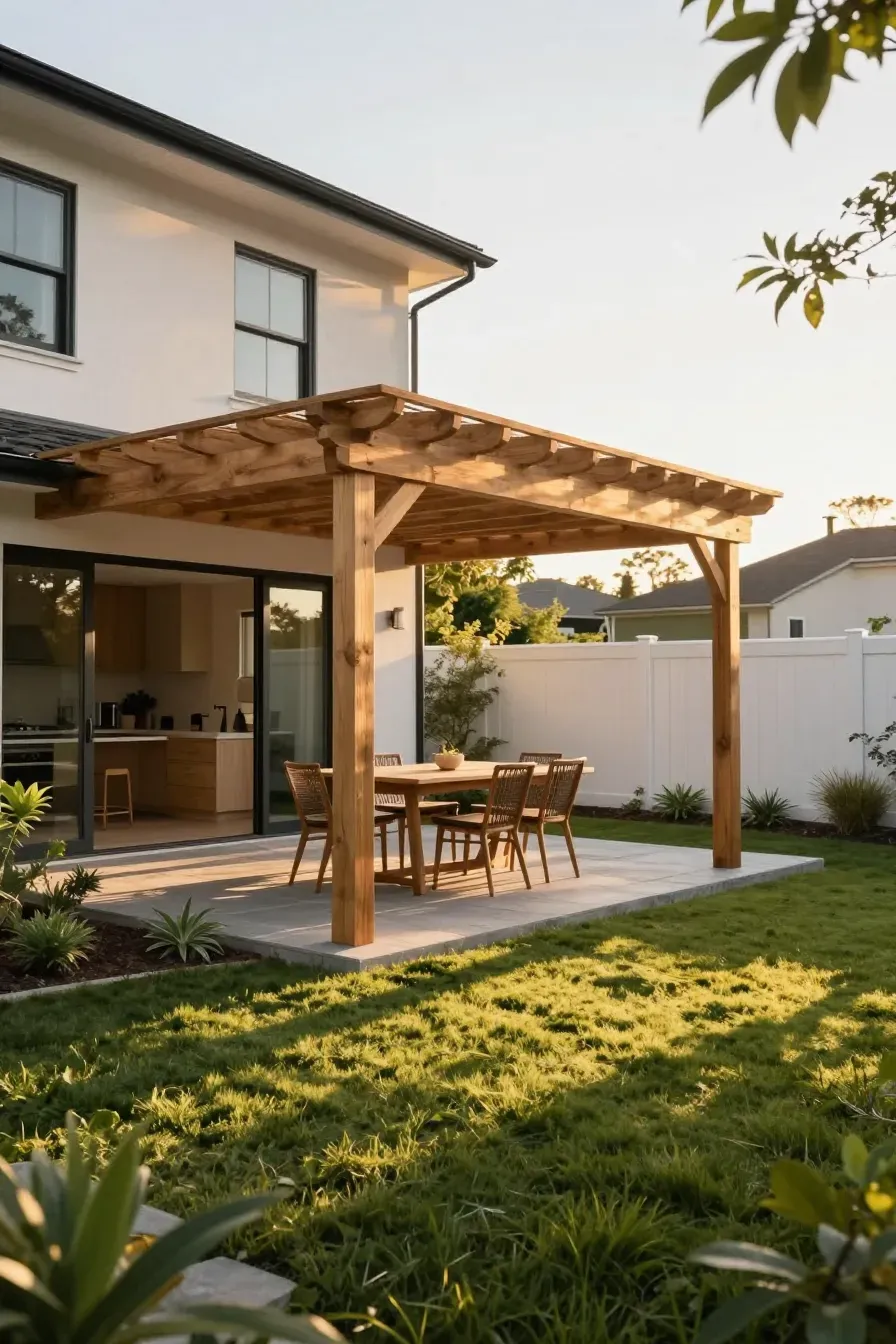
The success of your outside dining area depends heavily on where you place it. Most people naturally want to build close to the house for easy access to the kitchen. This makes carrying heavy plates and drinks much simpler. However, you should also watch how the sun moves across your yard throughout the day. If your goal is to eat dinner outside, notice where the shadows fall in the late afternoon.
Avoid placing your pergola in low-lying spots where water might pool after rain. You should also consider the wind. A corner of the yard that is shielded by a fence or the house itself will be much more comfortable than an open, windy patch of lawn. Look for a spot that offers a balance of convenience and natural protection.
Selecting Durable Materials for a Wooden Pergola
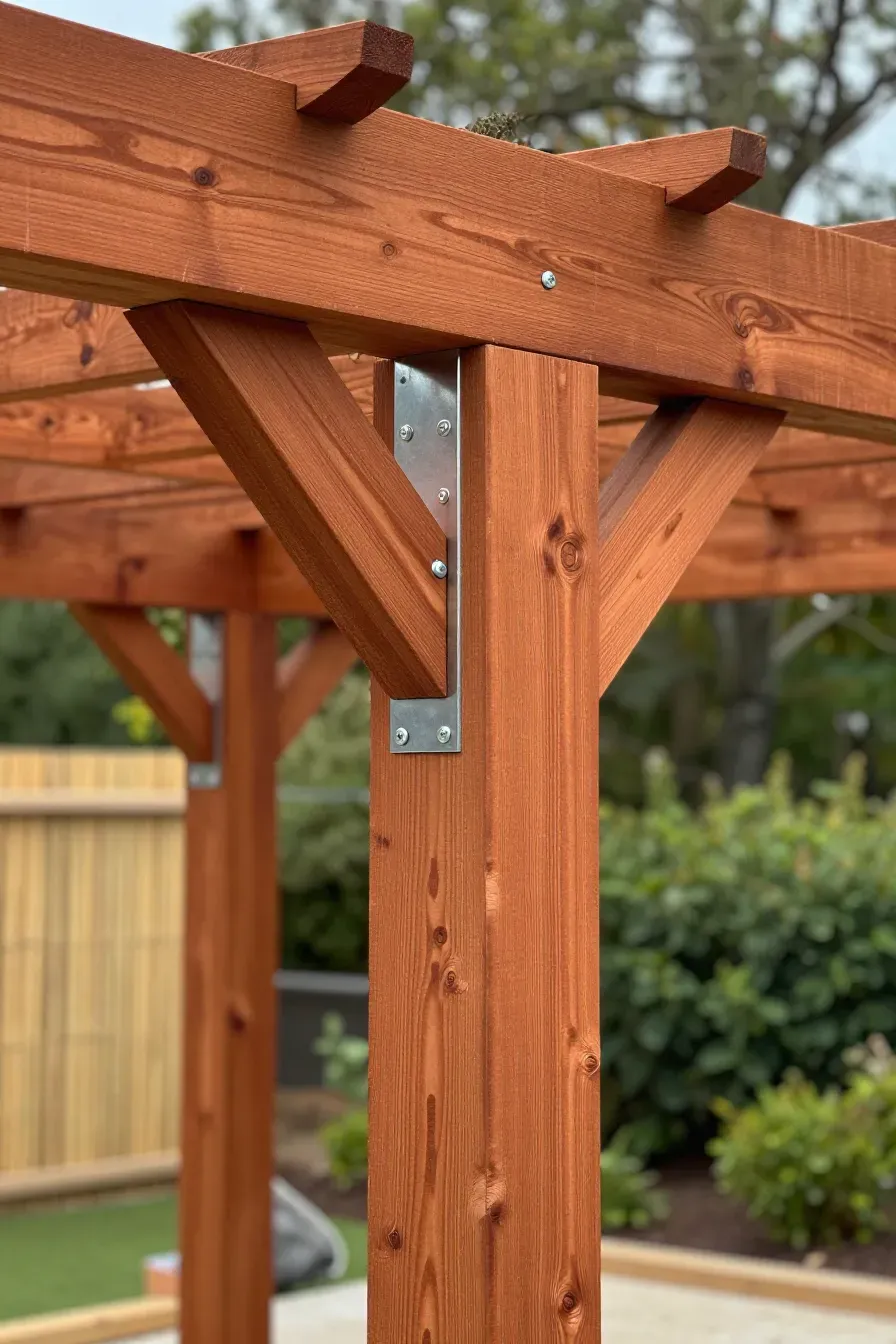
When browsing wooden pergola ideas, the type of timber you choose is the most important decision for long-term maintenance. Cedar and redwood are popular choices because they naturally resist rot and insects. They age to a beautiful silver-grey if left untreated, or you can stain them to keep their original warm tones.
Pressure-treated lumber is a more budget-friendly option, though it requires regular sealing to prevent warping. For a more sustainable and unique look, some homeowners are turning to thick bamboo poles. Regardless of the wood, ensure all hardware is stainless steel or galvanized to prevent rust streaks from ruining the look of your structure.
Adding a Roof to Your Garden Pergola for All Weather Use
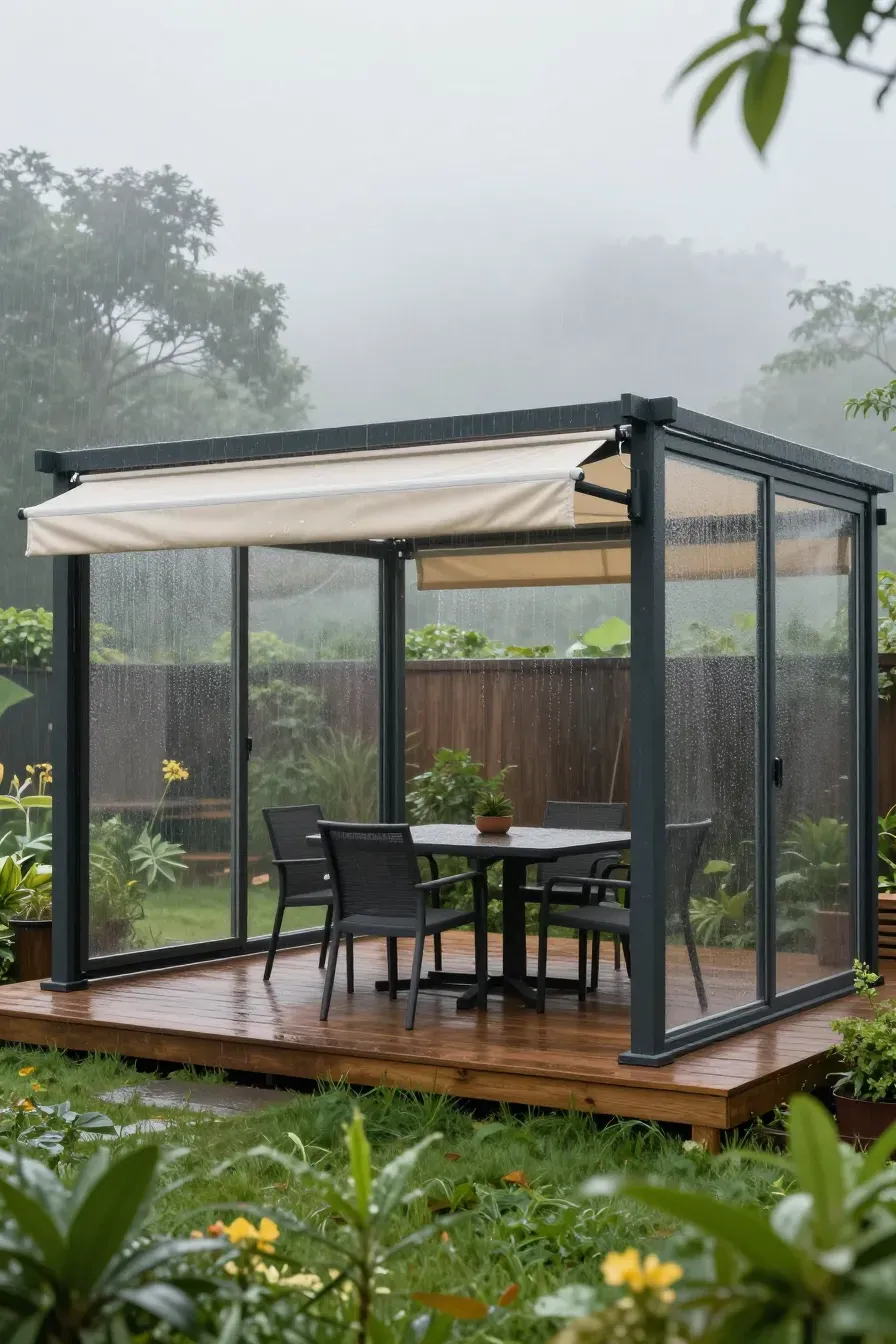
A traditional pergola has an open-slat top, but garden pergola ideas with roof additions are becoming more common for those who want to eat outside regardless of a light drizzle. You can install polycarbonate panels that let light through while keeping rain out. These are lightweight and easy to attach to the existing rafters.
If you prefer a more natural look, consider a retractable fabric canopy. This allows you to pull the shade over when the sun is intense and retract it when you want to see the stars at night. For a permanent, rustic feel, metal roofing or even fixed wooden shingles can turn the space into a true garden covered seating area that stays dry year-round.
Arranging Furniture for Better Pergola Seating
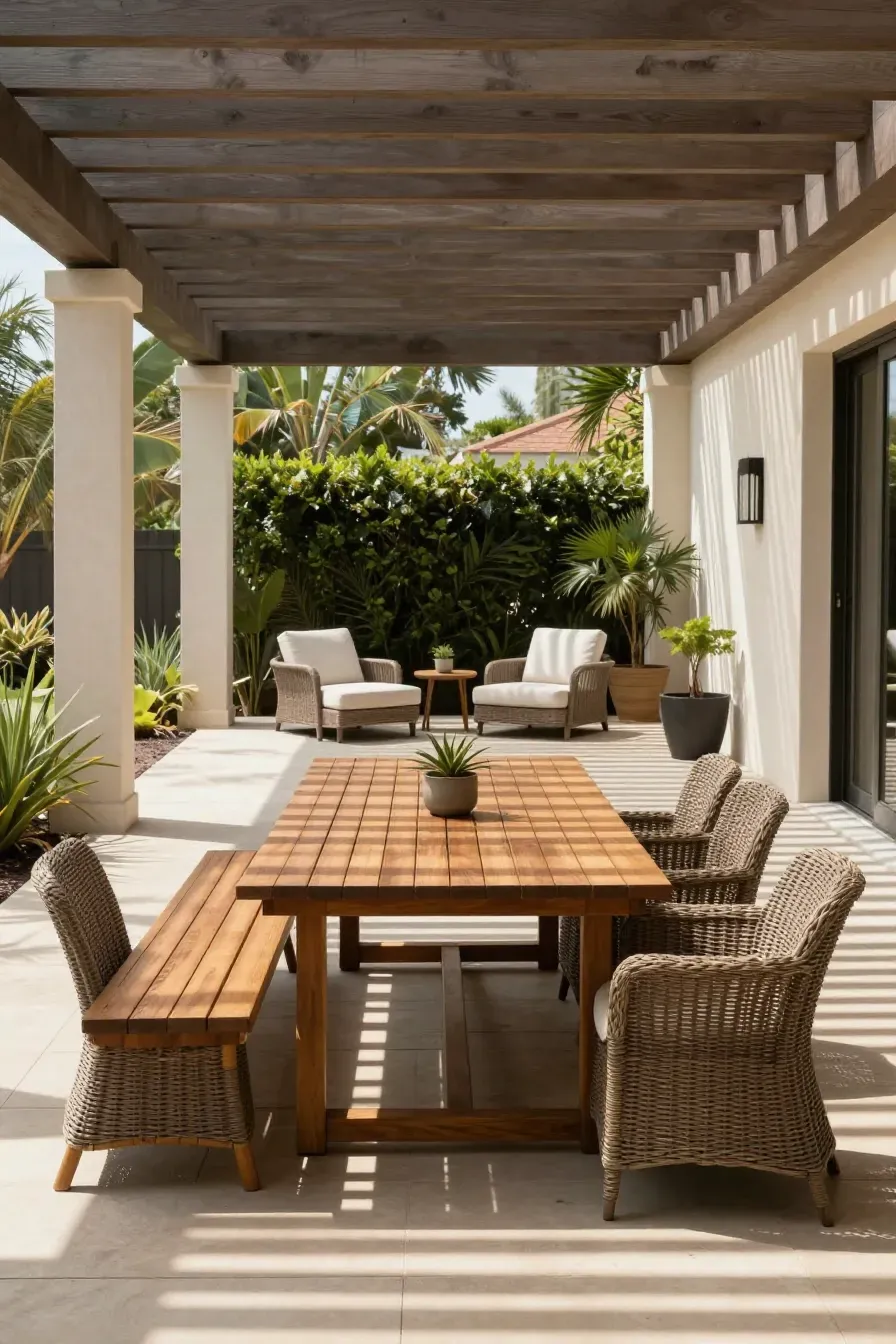
The way you arrange your furniture dictates the flow of the space. For pergola seating ideas that work, start with the table as the centerpiece. Leave at least three feet of space around the table so people can pull out their chairs without hitting the pergola posts.
If your pergola is large enough, try to create a secondary zone with a couple of armchairs or a small bench. This allows guests to linger after a meal. Using a mix of seating, like a long bench on one side and individual chairs on the other, can make the area feel more relaxed and less like a formal dining room.
Integrating Climbing Plants and Natural Greenery
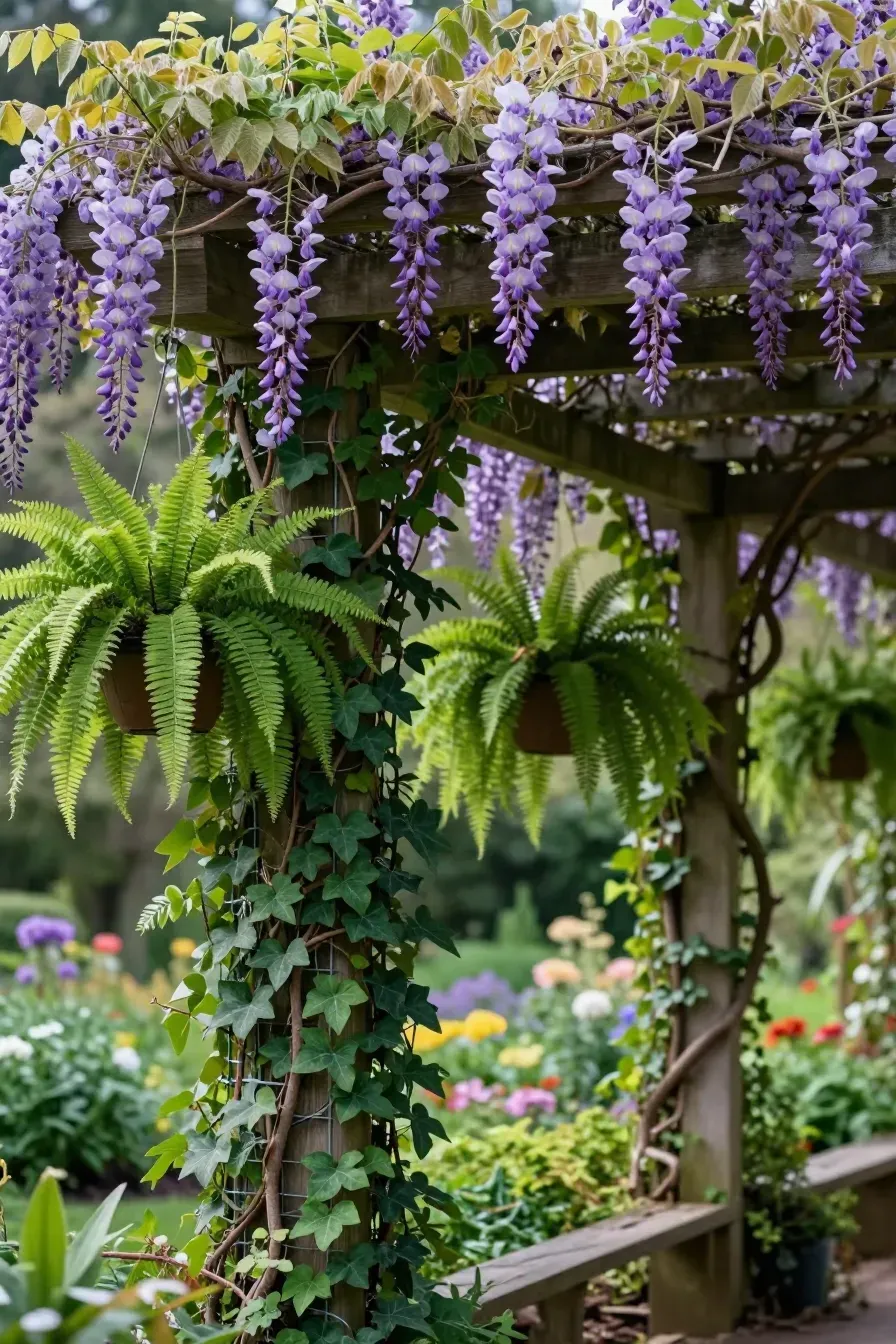
A pergola with plants looks more established and blends into the landscape. Climbing varieties like wisteria, jasmine, or grapevines are classic choices. They grow up the posts and spread across the rafters, providing natural shade and a pleasant scent.
To get the best results, install a simple wire trellis or lattice against the posts to give the vines something to grab onto. If you want faster results, hang large potted ferns or trailing ivy from the crossbeams. This adds immediate greenery at eye level while you wait for your climbing plants to mature over several seasons.
Setting Up an Outdoor Entertaining Area with Proper Lighting
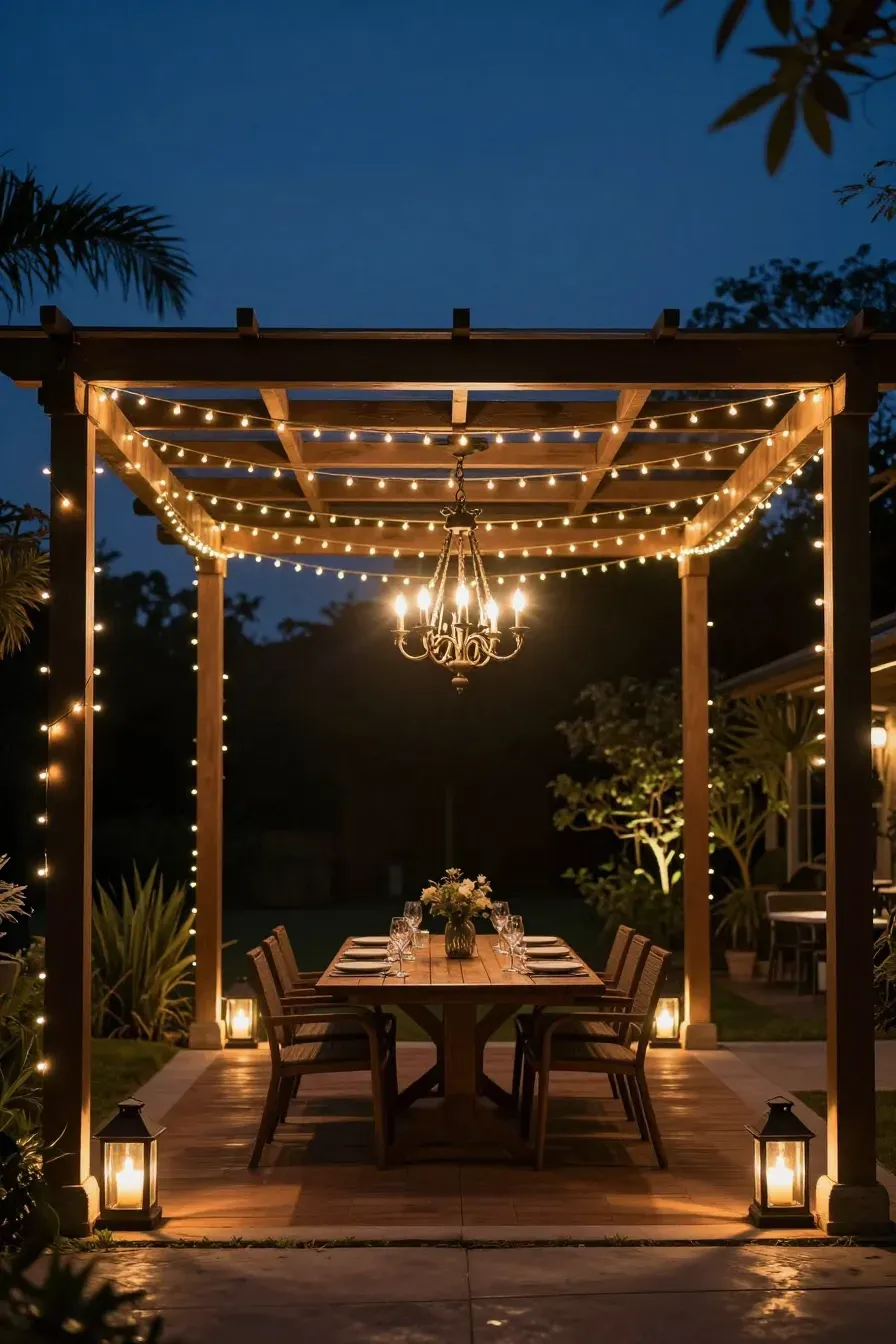
Lighting is what makes an outdoor entertaining area usable after the sun goes down. String lights, often called bistro lights, are a simple and effective way to add a warm glow. You can drape them zig-zag across the rafters for an even distribution of light.
For a more polished look, consider installing a weatherproof chandelier over the center of the dining table. It creates a focal point and provides enough light for eating without being too bright. Solar-powered lanterns placed around the base of the pergola can also help define the perimeter and prevent trips in the dark.
Practical Flooring Options for Your Backyard Dining Area
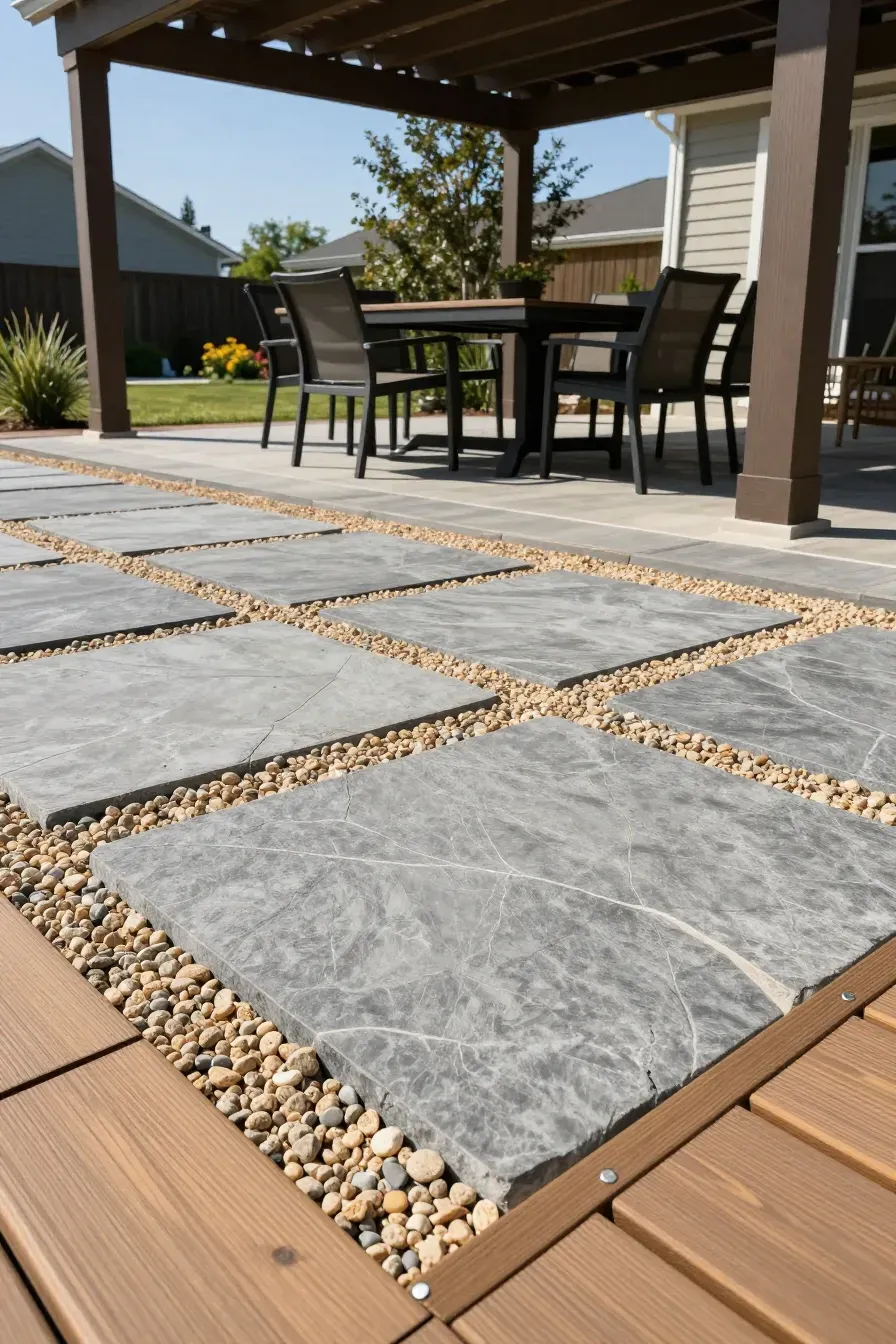
The floor under your pergola needs to be level and stable for chairs and tables. Many back patio ideas involve using pavers or natural stone. These are durable and easy to clean with a garden hose. If you want a warmer feel, a wooden or composite deck works well, especially if the pergola is attached to the house.
For a more casual and affordable backyard dining area, pea gravel or crushed stone can work. Just keep in mind that chairs with thin legs might sink into the gravel. Using large, flat flagstones set into the gravel can solve this problem while maintaining a relaxed, organic look.
Keeping Your Garden Covered Seating Area Private and Wind Protected
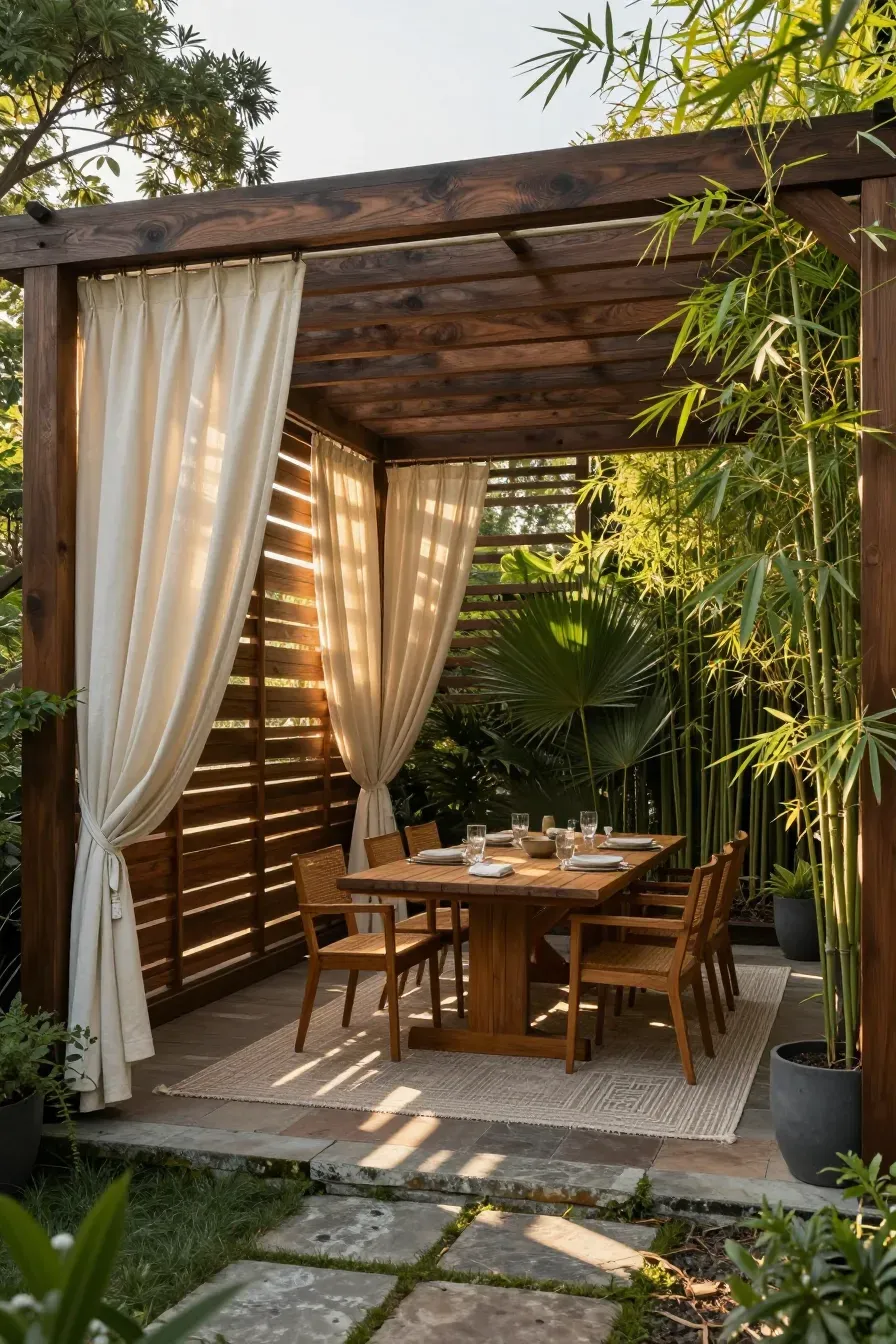
Privacy can be a concern if your neighbors live close by. You can make your garden covered seating area feel more secluded by adding side elements. Outdoor curtains are a great choice; they add a soft texture and can be tied back when not needed.
Fixed wooden slats or a decorative screen on one side of the pergola can block the wind and shield the view from the street. Another option is to use tall potted plants or a row of bamboo to create a living wall. These additions don't just provide privacy; they also help dampen noise, making your dining experience feel more intimate.
Building a pergola is one of the best ways to turn an empty patch of grass into a functional backyard dining area. By considering your location, choosing quality materials, and adding personal touches like plants and lighting, you create a space that draws people outside. Start by sketching out a simple plan for your yard and think about how much shade and privacy you really need. With a bit of effort, you will have a comfortable spot to enjoy meals with friends and family for years to come.