
Imagine hosting a dinner party where you never have to worry about a sudden rain shower ruining the food. A well-designed garden entertainment area acts as an extension of your home, providing a reliable spot to relax regardless of the weather. By focusing on durability and comfort, you can create a space that feels just as inviting as your indoor dining room but with the fresh air and scenery of the outdoors.
In this guide, we will look at the practical steps needed to build a lasting outdoor seating space. From choosing the right structural materials to planning a layout that works for your family, these tips will help you turn a basic backyard into a functional retreat. You will learn how to balance aesthetics with weatherproofing to ensure your investment stands the test of time.
Choosing a Permanent or Temporary Patio Roof
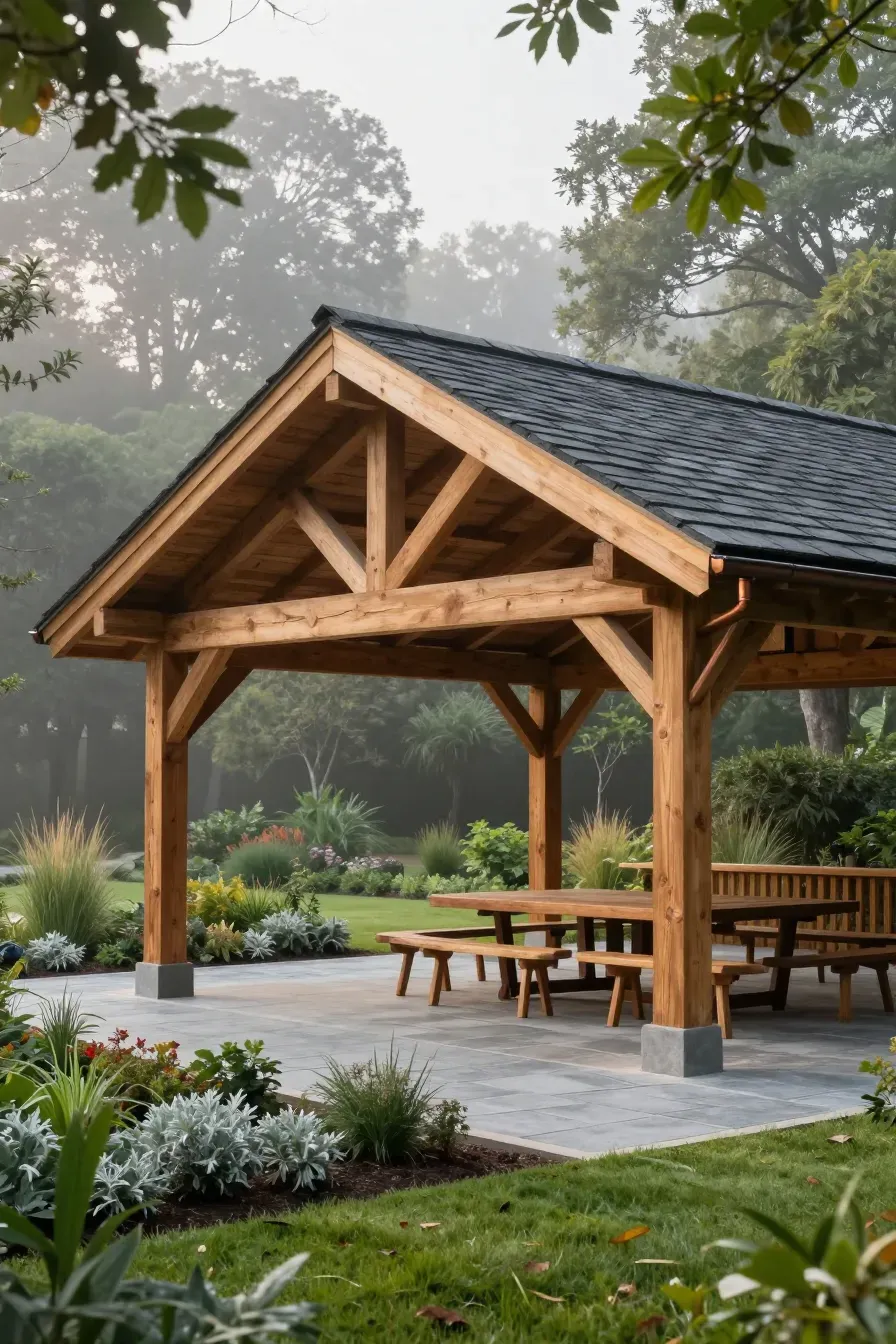
The first step in creating a garden covered seating area is deciding on the type of overhead protection you need. A permanent patio roof, such as a wooden pergola with shingles or a polycarbonate lean-to, offers the best long-term value. These structures are sturdy and can handle heavy snow or wind. If you want something more flexible, high-quality retractable awnings or heavy-duty sail shades are good options. While temporary covers are easier to install, they often require more maintenance and need to be stored away during harsh winters to prevent damage.
Designing Practical Outdoor Eating Spaces for All Seasons
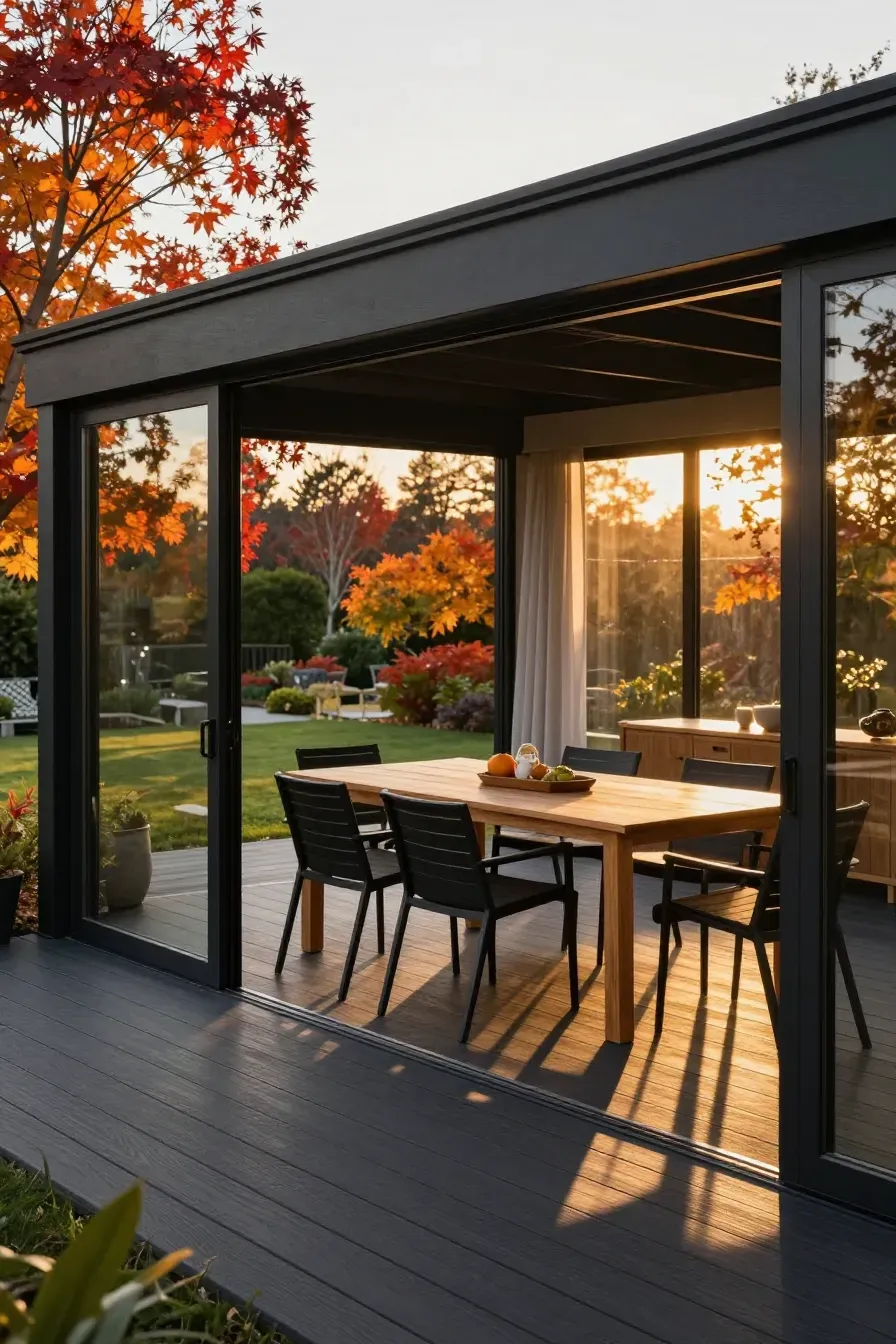
To make outdoor eating spaces useful throughout the year, you need to think beyond just a table and chairs. Consider the direction of the wind and the path of the sun. Adding side panels or glass sliding doors can block cold breezes in October while allowing for an open-air feel in July. A solid floor, like stone pavers or composite decking, is also essential. These surfaces stay level and are easy to clean after a meal, unlike gravel or grass which can become muddy and uneven over time.
Essential Layout Considerations for a Garden Covered Seating Area
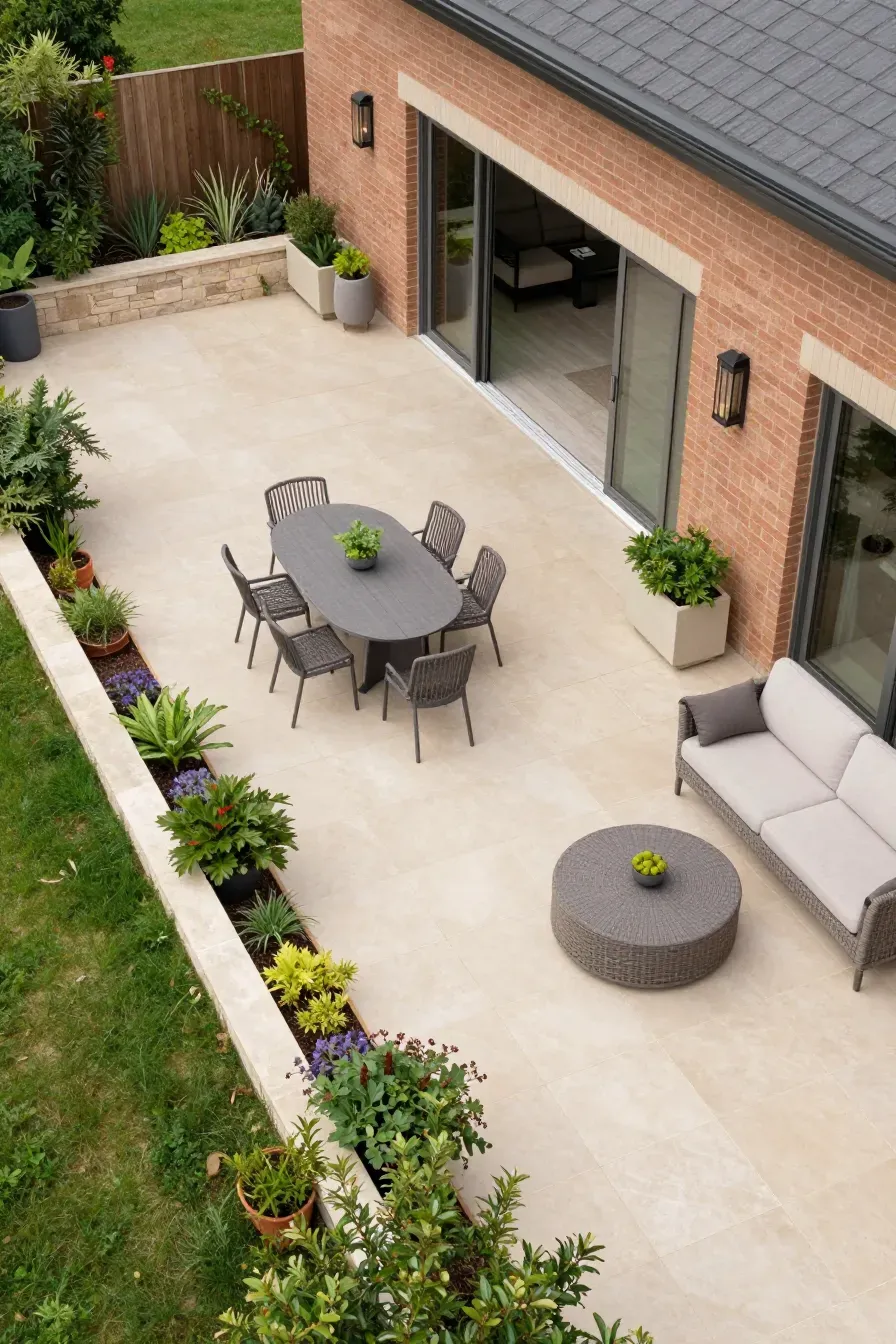
A successful outdoor dining area ideas list always starts with traffic flow. You need enough room for people to pull out their chairs without hitting a wall or falling off the edge of the patio. Aim for at least three feet of clearance around your dining table. It is also helpful to keep the seating area close to the kitchen door. This makes carrying heavy trays of food and dirty dishes much easier. If your space is large, try creating zones: one for lounging and another specifically for the dining table to help the area feel organized.
Material Selections for Durable Outside Dining Area Structures
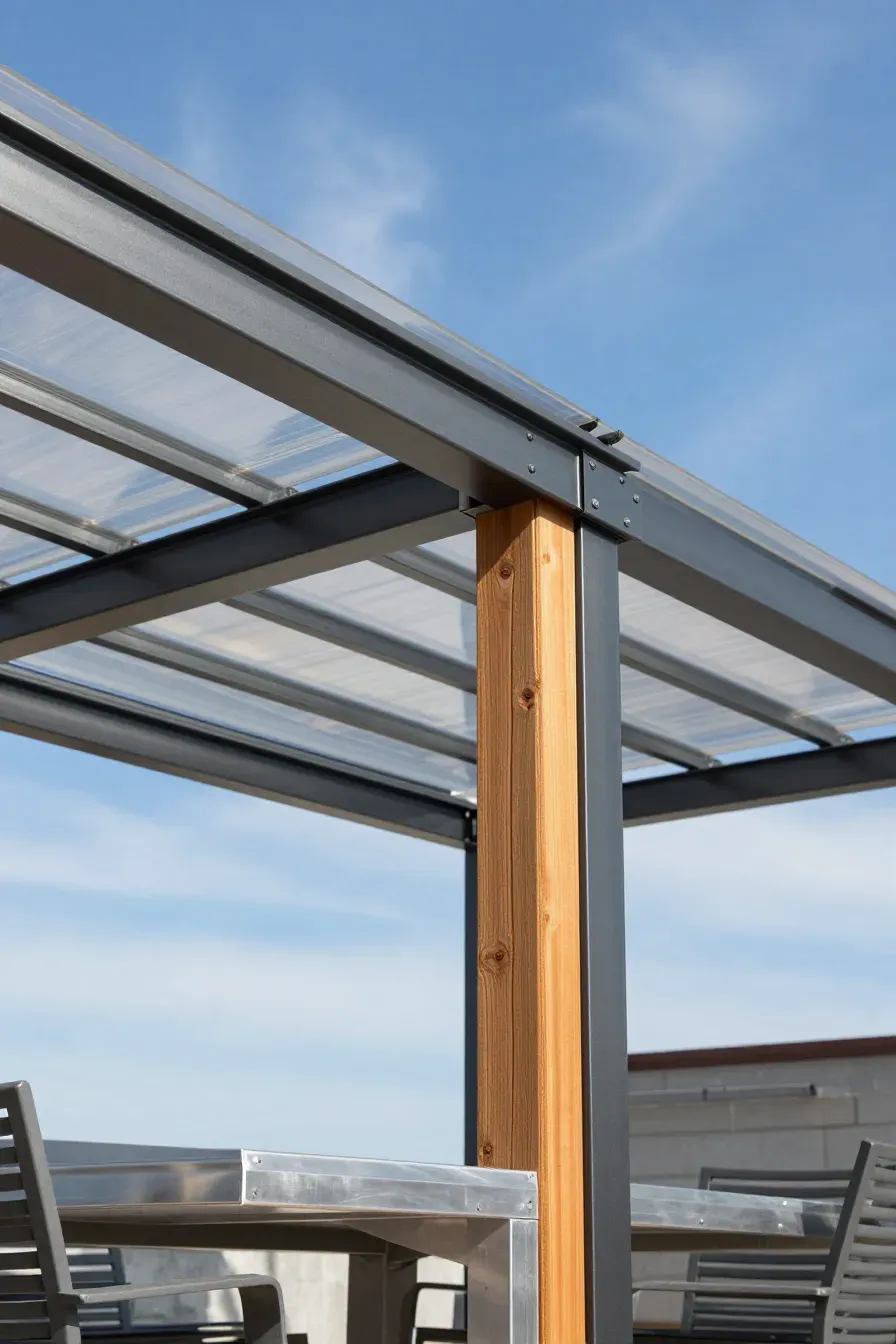
The materials you choose will determine how much work you have to do every spring. Pressure-treated timber is a classic choice for an outside dining area, but it requires regular staining to prevent rot. For a lower-maintenance approach, aluminum or steel frames are excellent because they do not warp or rust easily. When it comes to the roof, clear polycarbonate panels are popular because they let in light while blocking rain. If you prefer a natural look, cedar is naturally resistant to insects and moisture, making it a premium choice for exposed structures.
Lighting and Heating for Your Garden Entertainment Area
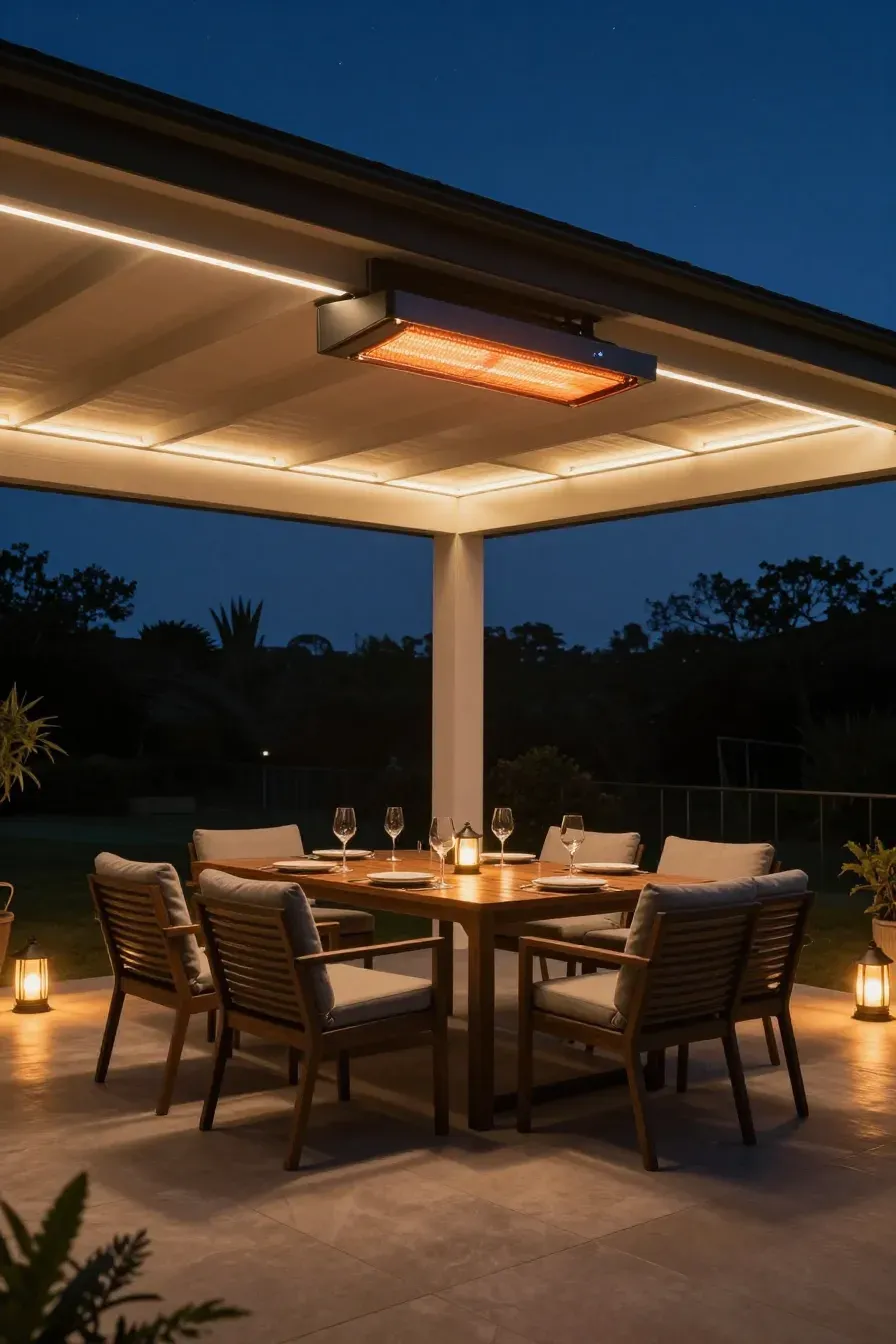
To keep your garden entertainment area functional after the sun goes down, you need a mix of lighting. Overhead LED strips or pendant lights provide clarity for eating, while solar-powered lanterns add a soft glow to the perimeter. For warmth, electric infrared heaters are often safer and more efficient under a roof than gas fire pits. They provide instant heat and can be mounted to the rafters, keeping the floor clear for furniture. This setup extends your season by several months, allowing for cozy dinners even in early spring or late autumn.
Integrating Garden Rooms Outdoor Spaces with Existing Landscaping
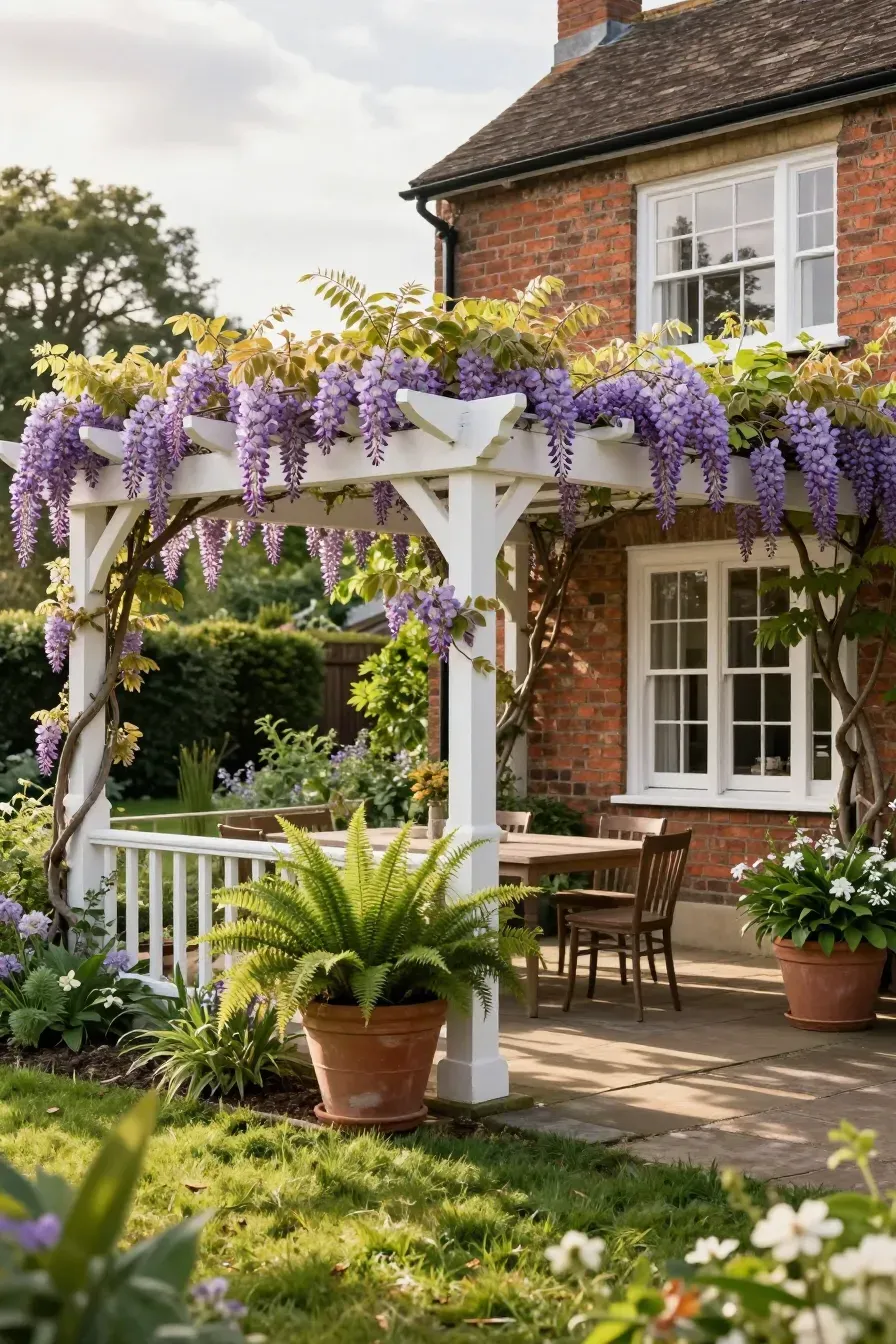
Your new structure should not look like it was just dropped into the yard. Integrating garden rooms outdoor spaces with your existing plants helps the area feel grounded. Use large planters at the corners of your patio to soften the hard lines of the roof. Climbing plants like jasmine or wisteria can be trained up the support posts to blend the structure into the garden. Matching the color of your patio roof to the trim of your house also creates a cohesive look that makes the outdoor space feel like a natural part of the property.
Adding Privacy and Comfort to Outdoor Covered Seating Areas
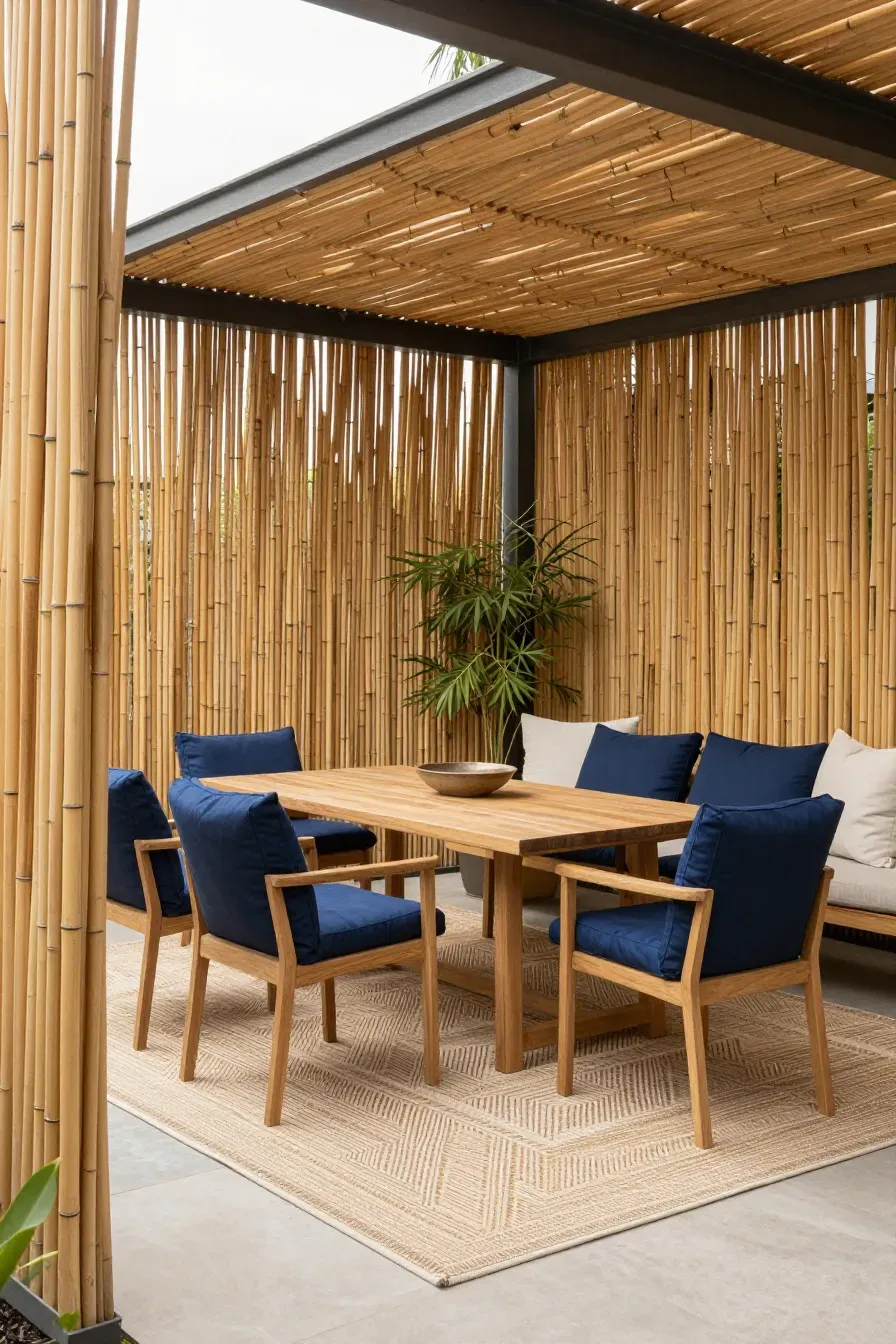
Privacy is key to making outdoor covered seating areas feel like a true sanctuary. Tall bamboo screens or wooden slats can block the view from neighbors without stopping the airflow. For comfort, invest in high-quality outdoor cushions made from solution-dyed acrylic fabrics. These fabrics resist fading in the sun and dry quickly after a storm. Adding an outdoor rug can also define the space and make it feel more like an indoor room, providing a soft surface for bare feet during the summer.
Maintenance Tips for Year Round Outdoor Entertaining Spaces
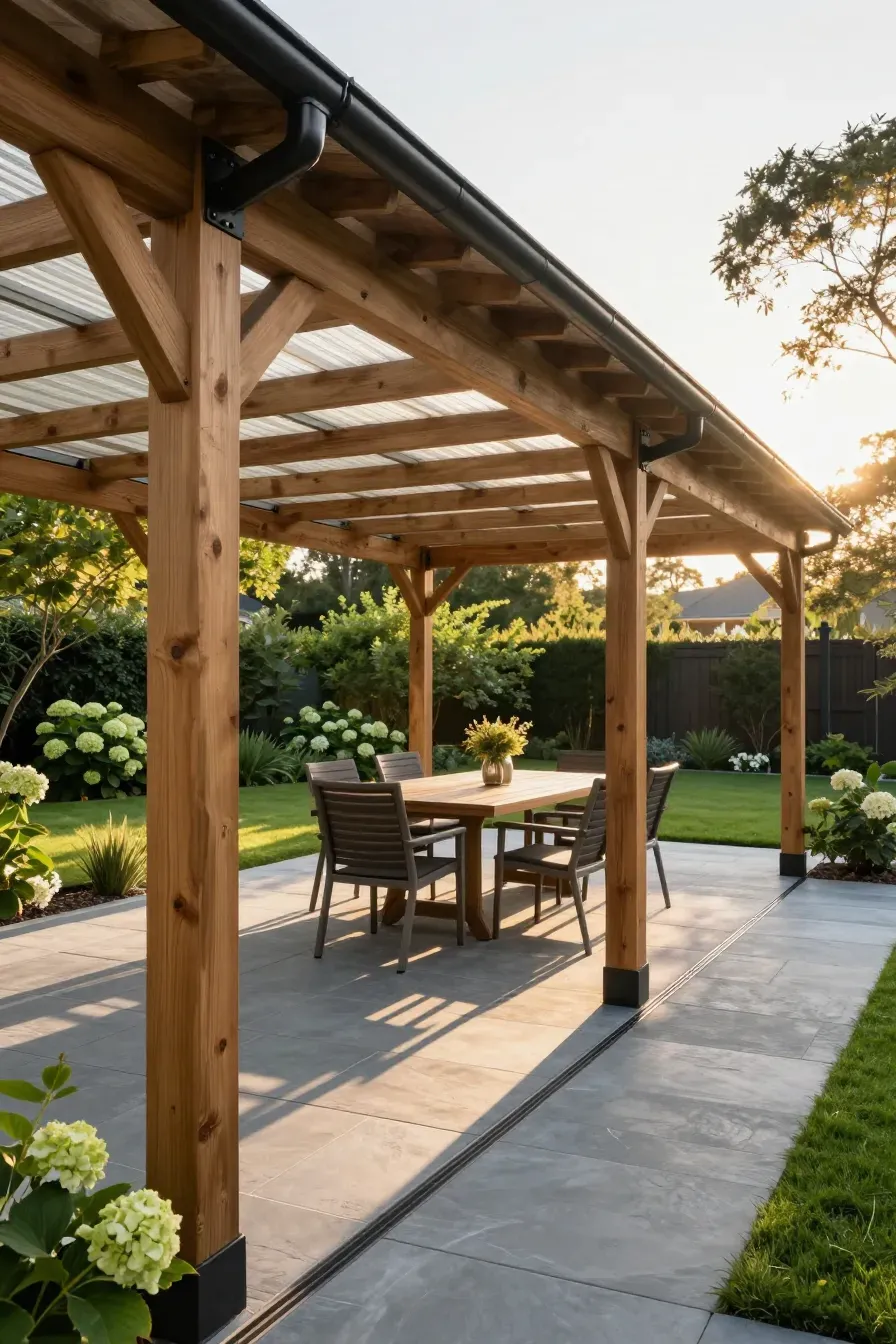
Consistent care is the secret to long-lasting outdoor entertaining spaces. Once a year, check all the bolts and fasteners on your roof structure to ensure they are tight. Clean the roof panels with mild soap and water to remove debris and bird droppings, which can cause staining if left too long. If you have wooden elements, look for signs of peeling paint or cracks that might need a touch-up. Clearing gutters and ensuring water drains away from the foundation of your patio will prevent puddling and prolong the life of your flooring.
Building a covered area for dining is one of the best ways to get more use out of your backyard. By choosing durable materials and a smart layout, you create a space that works for everything from quiet morning coffees to large family gatherings. Start by assessing your space and deciding which type of roof fits your needs best. Once the structure is in place, you can focus on the small details like lighting and plants that make the area truly yours. Now is the time to start planning so you can enjoy your outdoor retreat all year long.