
Eating outside is one of the simplest joys of homeownership, but a great outdoor dining area doesn't happen by accident. It requires a balance of choosing the right spot, picking furniture that can survive the weather, and making sure the space feels as cozy as your indoor dining room. Whether you have a sprawling lawn or a tiny balcony, creating a dedicated spot for meals can change how you use your home throughout the warmer months.
In this guide, we will look at how to plan your backyard patio for maximum comfort. You will find practical advice on selecting a modern outdoor dining table, managing small outdoor dining area layouts, and adding the right lighting to keep the conversation going long after the sun sets.
Choosing the Best Location for Your Backyard Patio
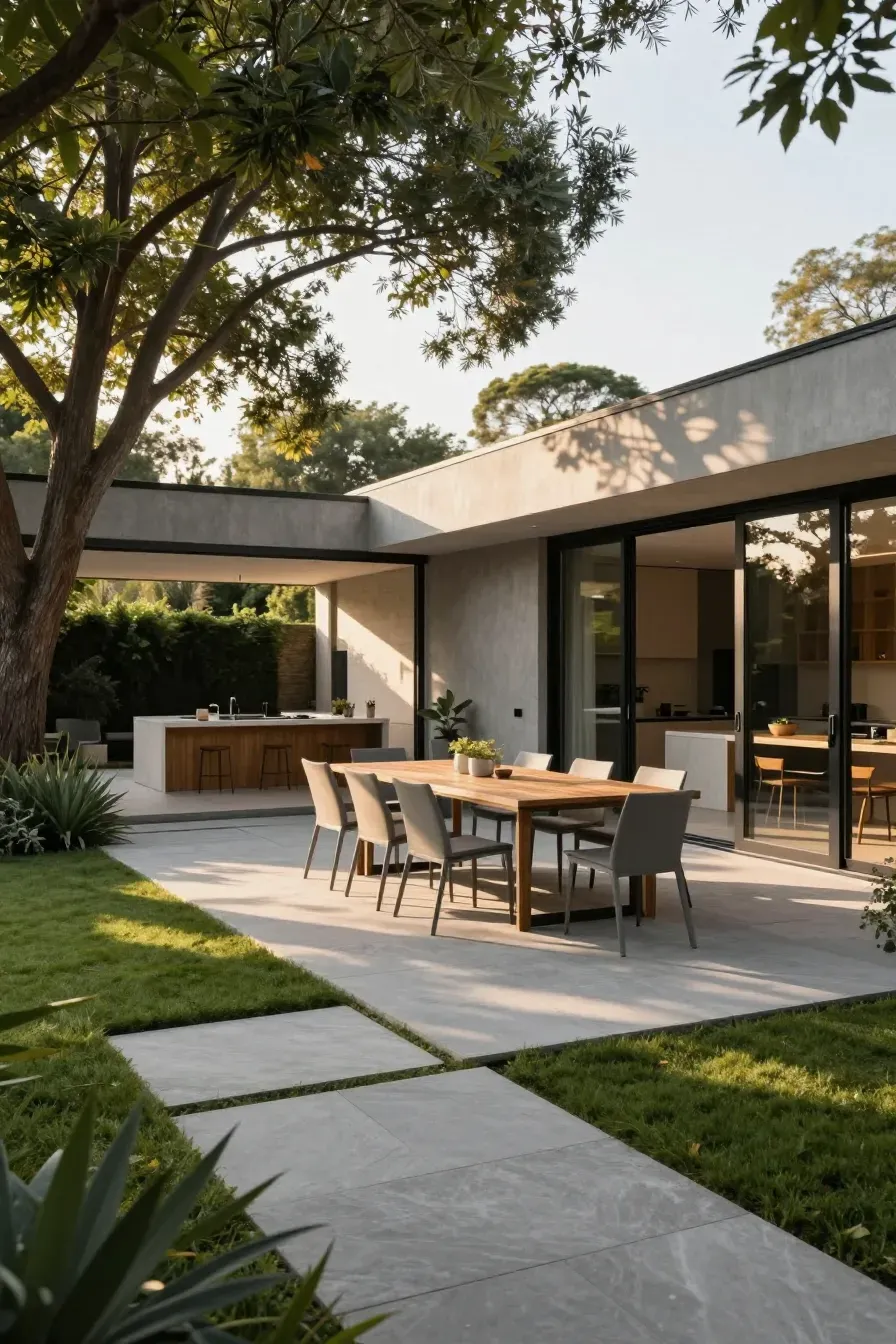
The success of your outside dining area depends largely on where you put it. Most people naturally gravitate toward the area closest to the kitchen. This is practical because carrying heavy trays of food and dirty dishes across a long yard becomes a chore very quickly. If your kitchen has a door that opens directly onto a backyard patio, that is usually your best bet.
However, you should also consider the path of the sun. A spot that gets blasted by the afternoon heat might be uncomfortable during dinner time. Look for a location that offers some natural relief, such as the shadow of the house or a large tree. Also, keep an eye on the wind. A constant breeze can make it hard to keep napkins on the table or food warm, so try to find a sheltered nook if your yard is particularly open.
Selecting Durable Outdoor Dining Furniture Materials
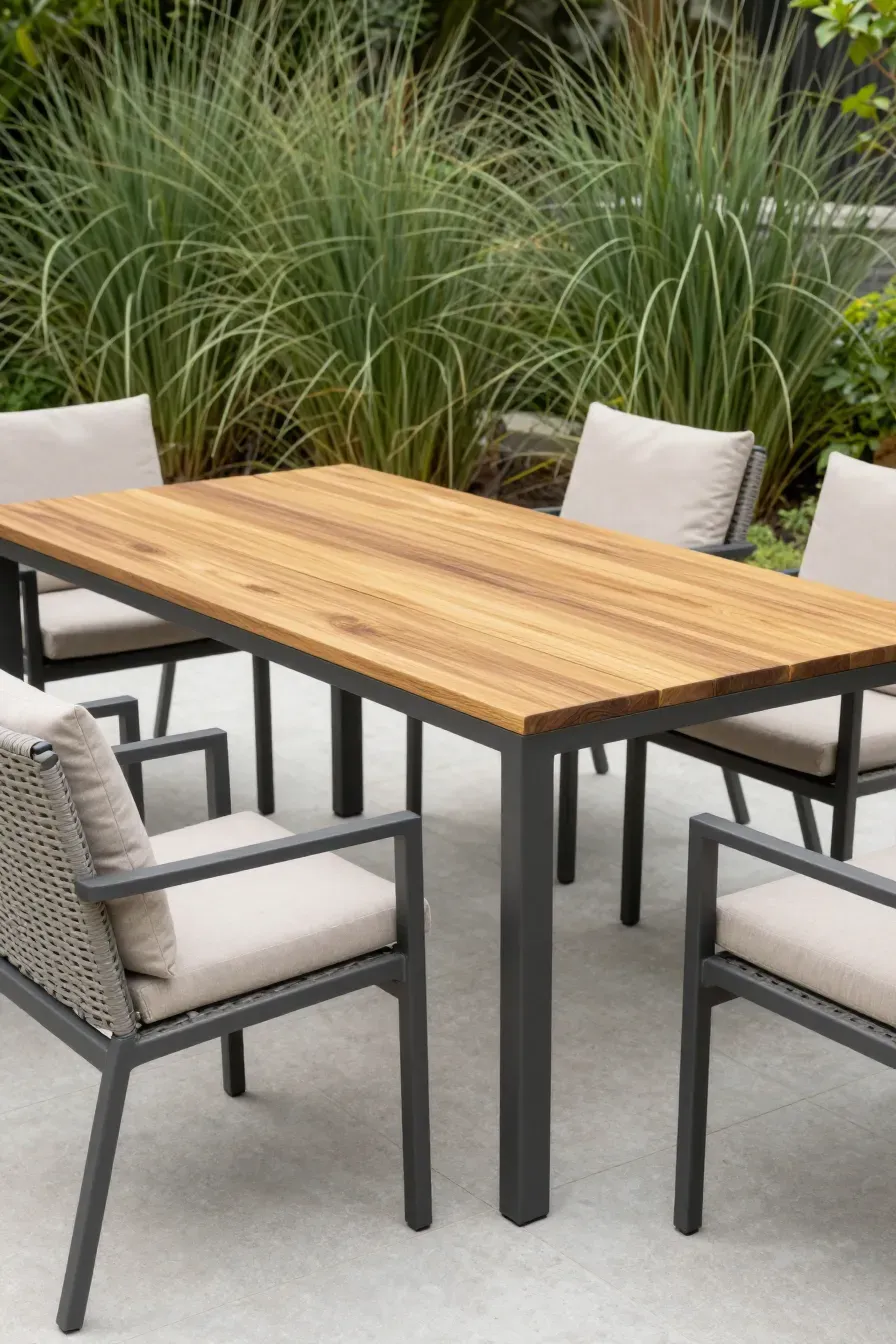
When picking out outdoor dining furniture, the material is more important than the look. Teak is a popular choice because it has natural oils that prevent rot, though it will turn a silvery-grey over time if not oiled. Metal options like powder-coated aluminum are great because they are lightweight and won't rust.
Synthetic wicker is another solid option for a modern look, as long as it is high-quality polyethylene rather than cheap plastic that cracks in the sun. If you live in a rainy climate, look for quick-dry foams in your chair cushions. The goal is to choose materials that can stay outside without requiring you to run out and cover them every time a cloud appears.
Finding the Right Size for a Garden Dining Table
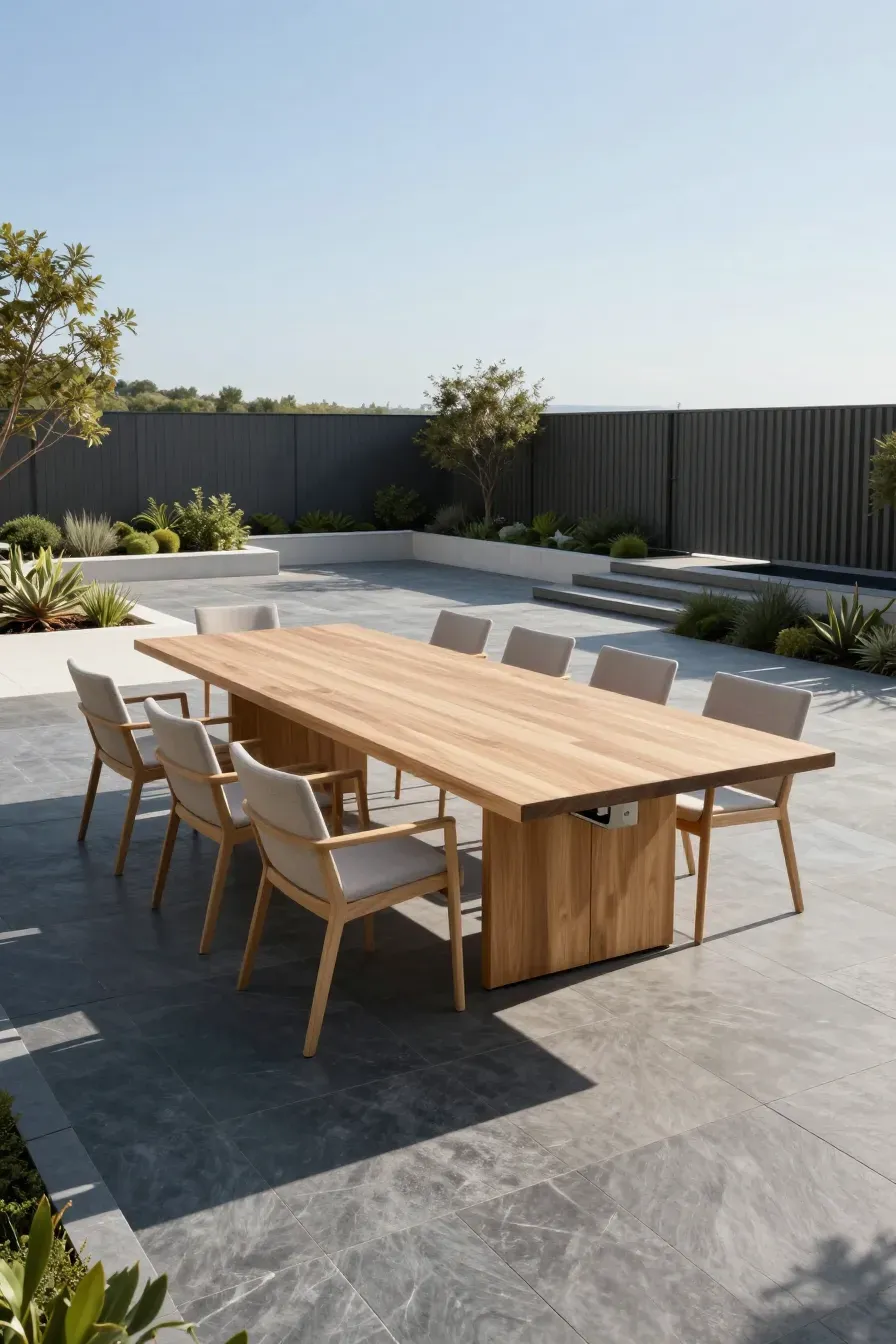
A common mistake is buying a garden dining table that is too big for the space or too small for the family. As a rule of thumb, you need about 36 inches of clearance around all sides of the table. This allows people to pull their chairs out and walk behind others who are seated.
For a standard family of four, a 48-inch round table or a 60-inch rectangular table usually works well. If you like to host larger groups, consider an extendable modern outdoor dining table. These allow you to keep the footprint small for daily use while providing extra room for guests when needed. Always measure your patio twice before committing to a purchase.
Smart Layouts for a Small Outdoor Dining Area
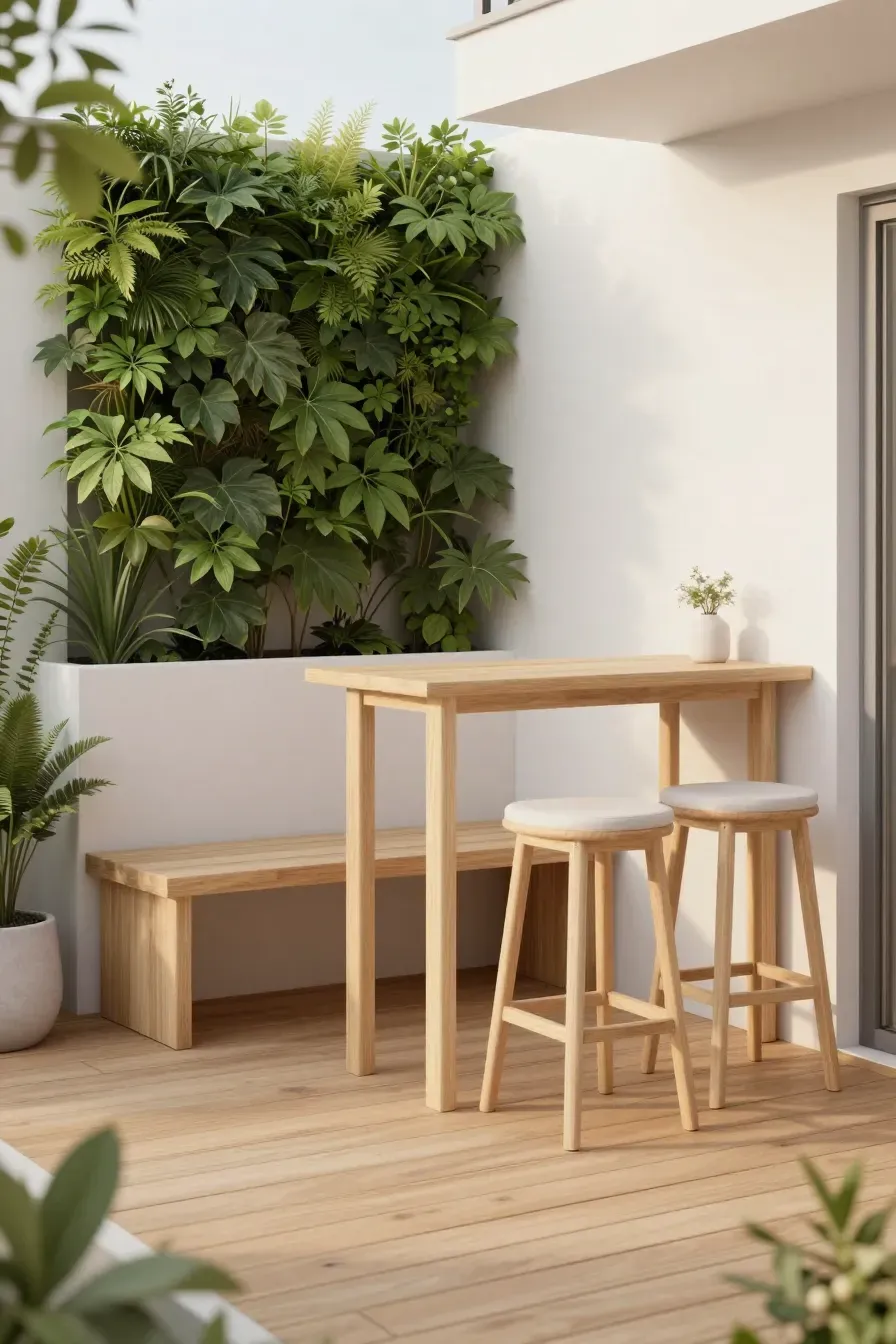
You don't need a massive yard to enjoy a meal outside. Designing a small outdoor dining area is all about efficiency. Bistro sets are a classic choice for tight spots, but you can also look at 'bar height' tables which have a smaller footprint and can make a cramped area feel more open.
Using a bench on one side of the table is another clever trick. Benches can often be tucked completely under the table when not in use, clearing up walkway space. If space is really at a premium, look for folding furniture that can be hung on a wall or stored in a shed between meals. Keeping the area clutter-free will make the space feel larger and more inviting.
Providing Shade and Shelter for Outside Dining Area Comfort
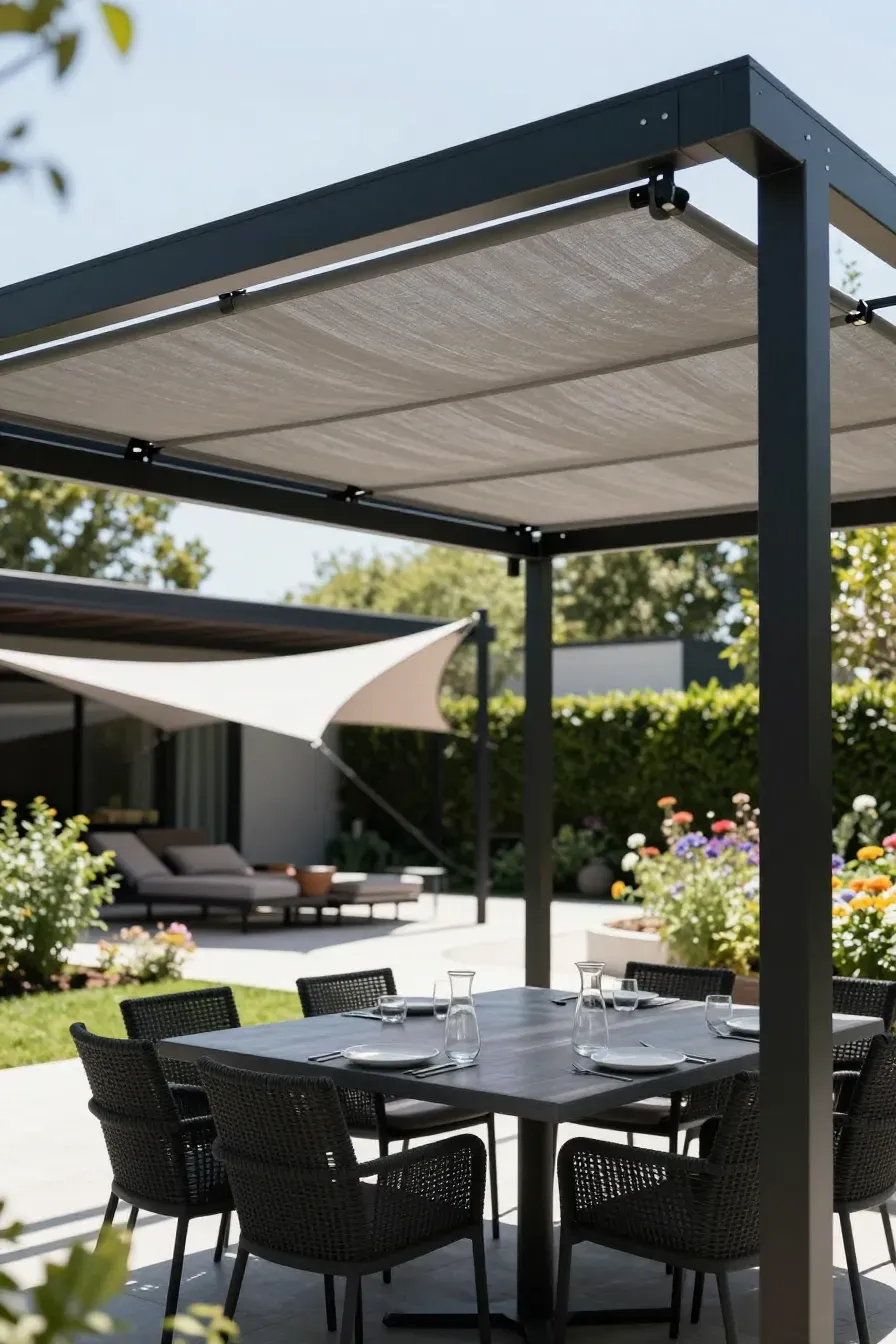
No one wants to eat while squinting into the sun or worrying about a light drizzle. A large patio umbrella is the most flexible way to provide shade, especially if it has a tilting mechanism. For a more permanent feel, a pergola with a retractable fabric canopy offers a high-end look and excellent sun protection.
If you want to use the space during different seasons, consider a gazebo or a hard-top pavilion. These structures provide enough shelter to keep your outdoor dining furniture dry even during a downpour. For those on a budget, simple sail shades are an effective and modern way to block UV rays without taking up any floor space with heavy bases.
Modern Outdoor Dining Table Styles for Terrace Dining
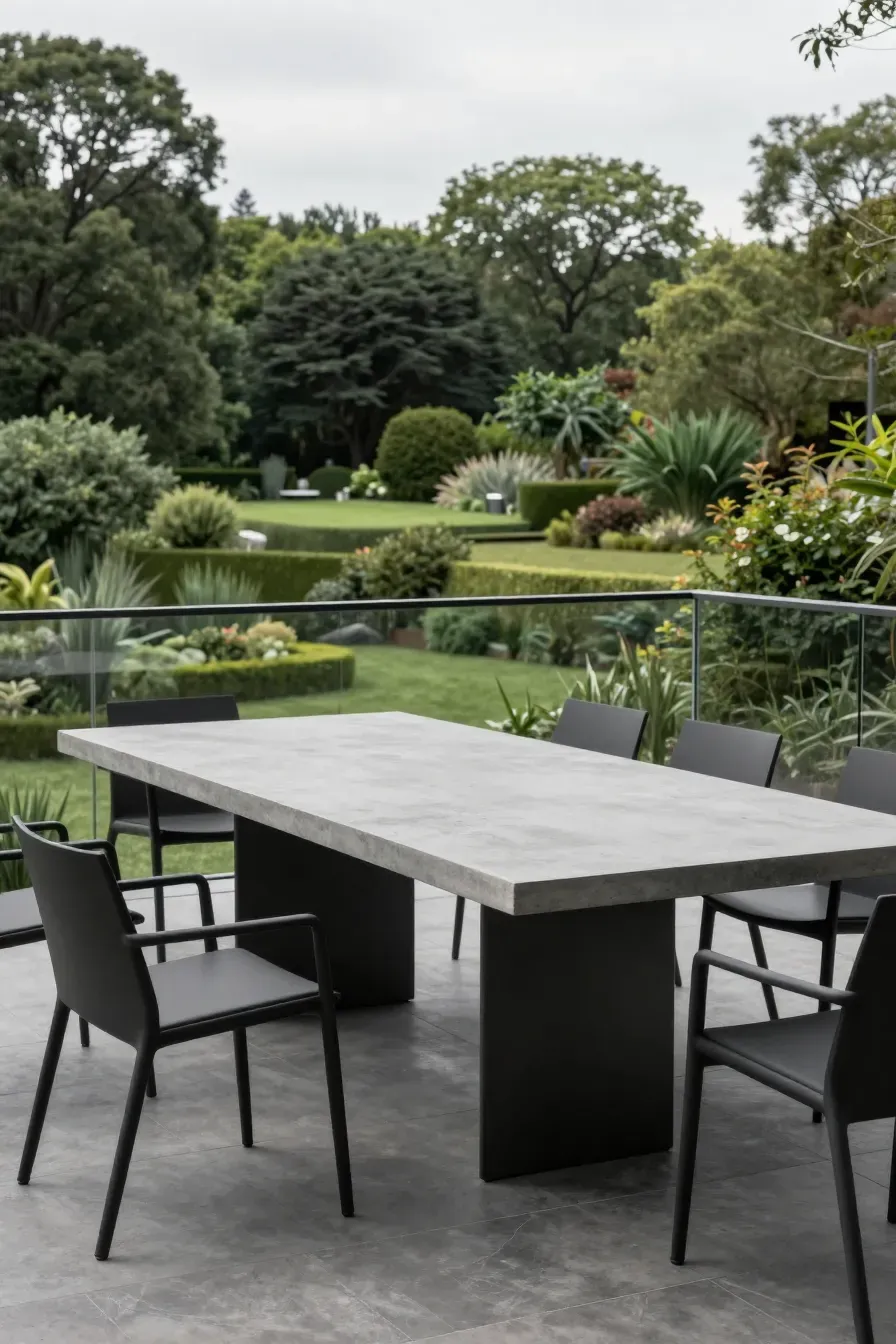
Terrace dining often calls for a sleeker aesthetic than a traditional rustic garden. Modern outdoor dining table designs often feature clean lines and mixed materials, such as concrete tops with wooden legs or glass tops with metal frames. These styles help bridge the gap between your indoor decor and the outdoors.
Low-profile designs are also popular for terraces, as they don't block the view of the rest of the garden. When choosing a style, think about how the table legs are positioned. Pedestal bases are excellent for maximizing legroom and allowing you to squeeze in an extra chair without someone having to straddle a table leg.
Lighting and Atmosphere for Evening Outdoor Eating Spaces
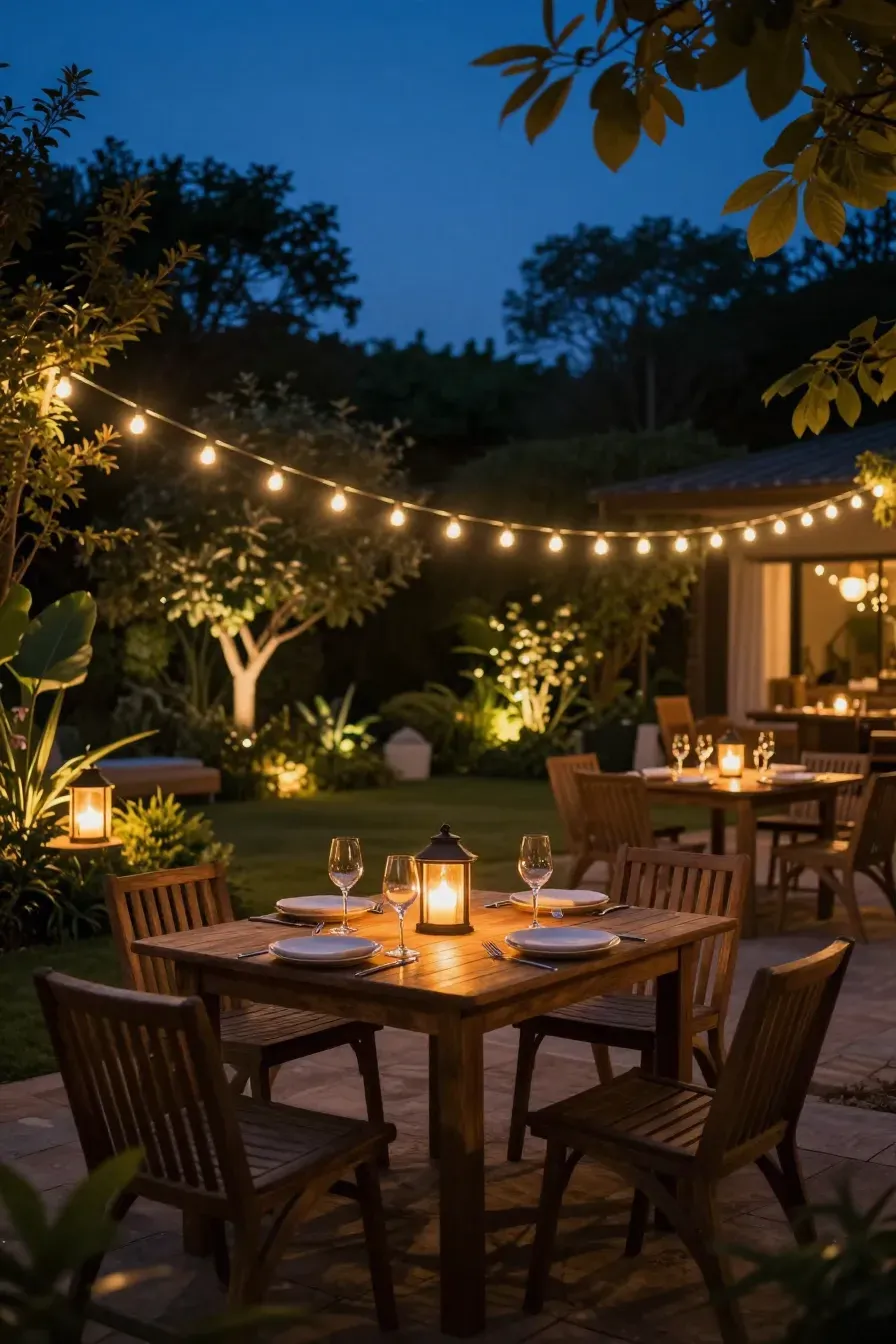
Lighting is what turns outdoor eating spaces into a true destination after dark. Avoid harsh overhead floodlights. Instead, use a layer of different light sources. String lights (often called Edison bulbs) draped over the dining area provide a soft, festive glow that isn't too overpowering.
Solar-powered lanterns on the table or LED candles can add a flickering warmth without the worry of a fire hazard. If you have nearby trees or shrubs, consider small spotlights aimed upward into the foliage. This creates a sense of enclosure and privacy, making the dining area feel like a cozy outdoor room rather than just a table in a dark yard.
Practical Flooring Options for Your Outdoor Dining Area
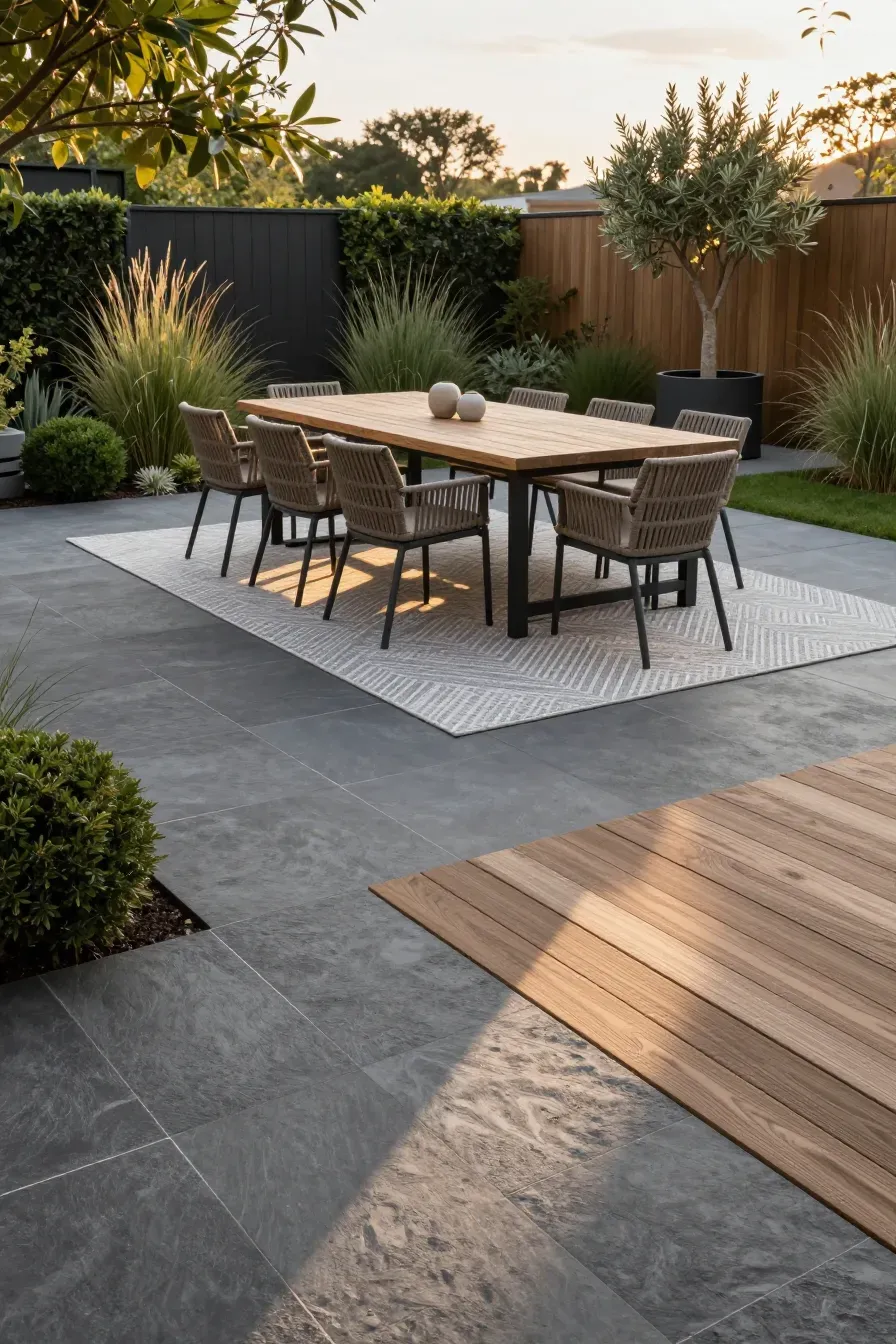
The ground beneath your feet matters for both safety and stability. A garden dining table needs a flat, level surface so drinks don't slide and chairs don't wobble. Natural stone pavers or concrete are the most durable options and are very easy to spray clean with a hose.
If you are working with an existing deck, make sure the wood is well-maintained to avoid splinters. For a quick and affordable update, outdoor rugs are fantastic. They define the dining zone visually and feel much better underfoot than hot pavement. Just ensure the rug is made of a weather-resistant material like polypropylene so it doesn't mold.
Building a functional dining space outside is about more than just buying a table and chairs. By thinking about the location, the durability of your materials, and how you will handle shade and lighting, you create a space that you will actually want to use every day. Start with the basics of a level surface and a sturdy table, then add the comforts that make it your own. Now is the time to head outside, look at your yard, and start planning your new favorite place to eat.