
There is something special about sharing a meal under the open sky. Whether it is a quiet breakfast or a large dinner party, a well-designed outside dining area extends your living space and makes your home feel much larger. It provides a dedicated spot to relax and connect with friends away from the distractions of indoor screens and chores.
This guide covers the essentials of setting up functional outdoor eating spaces. You will find practical advice on choosing the right spot in your yard, selecting furniture that lasts, and creating a sense of privacy. By focusing on comfort and durability, you can build an area that you will actually use throughout the warmer months.
Choosing the Right Location for Your Outside Dining Area
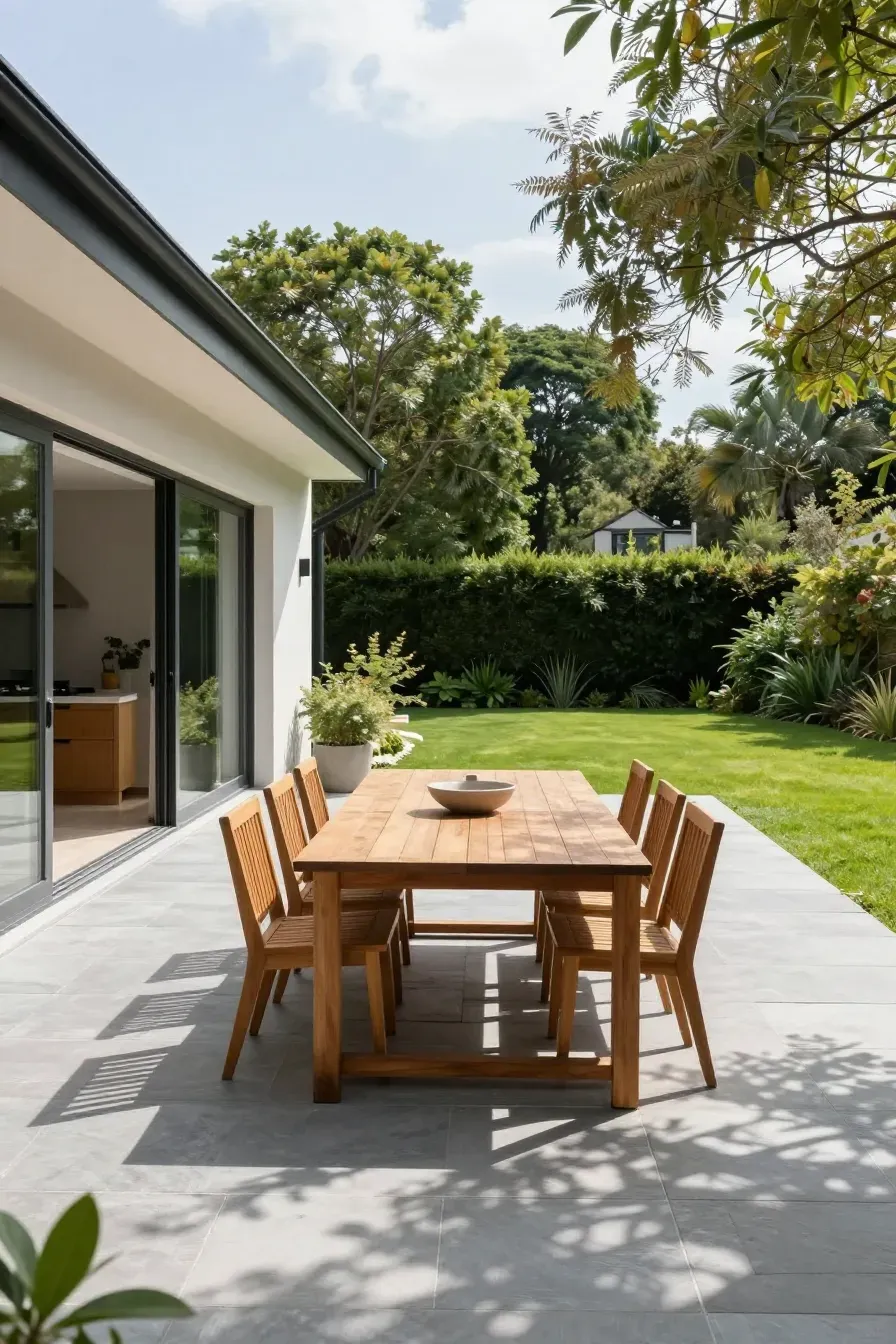
The success of your backyard dining area often depends on its proximity to the kitchen. Carrying heavy trays and drinks across a large lawn can become a chore, so placing the table near a door is usually the best choice. Consider how the sun moves across your yard throughout the day. A spot that feels great at noon might be blindingly bright during dinner time. Look for natural shade from trees or the shadow of the house to keep guests cool.
Ground stability is another factor. You want a flat surface so chairs do not wobble and drinks do not spill. If you do not have a flat patio, you might need to level a small patch of ground or use gravel to create a steady base for your furniture.
Selecting Durable Materials for Your Garden Dinner Table
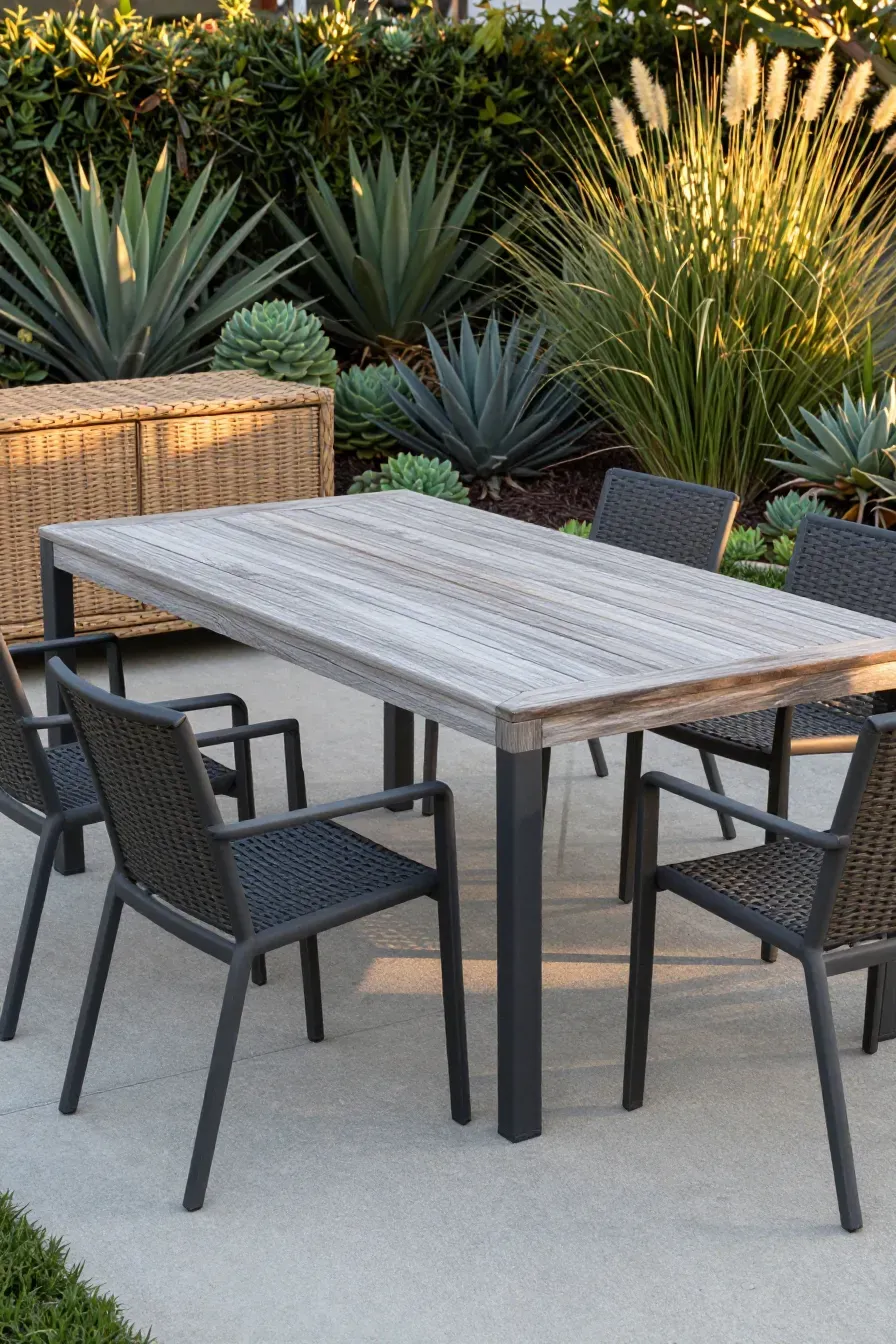
A garden dinner table faces harsh conditions like rain, UV rays, and temperature changes. Choosing the right material saves you from replacing furniture every few years. Teak is a popular high-end choice because its natural oils prevent rot, though it will turn silver-grey over time if not oiled. Metal options like powder-coated aluminum are lightweight, rust-resistant, and easy to wipe clean after a storm.
For those who prefer a more modern or industrial look, concrete tables are incredibly sturdy and won't blow over in high winds. Synthetic wicker is another durable alternative to natural fibers, providing a classic look without the risk of splintering or molding when left outdoors.
Arranging Furniture in a Small Outdoor Dining Area
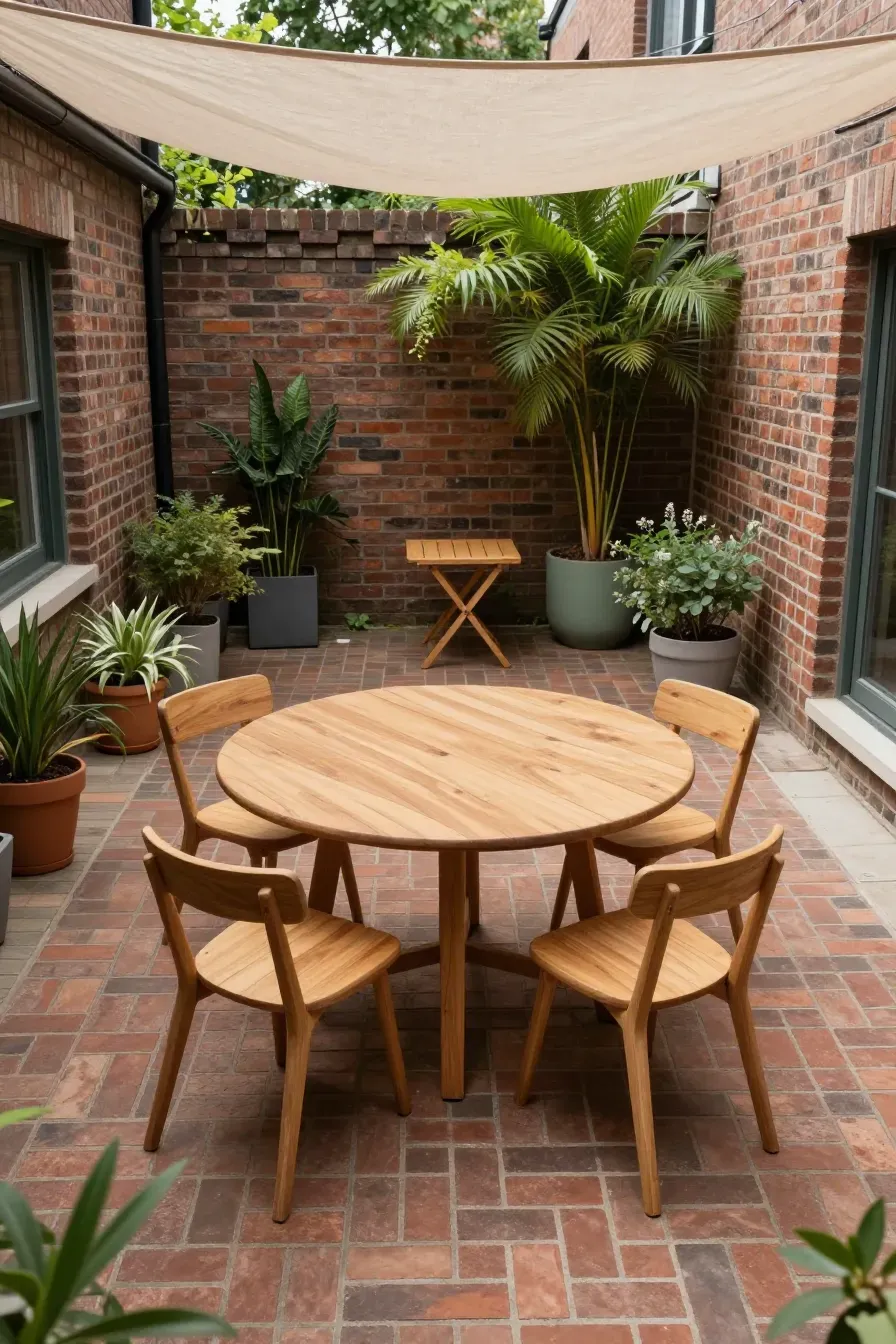
Designing a small outdoor dining area requires a focus on scale and movement. Avoid bulky chairs with wide armrests that eat up floor space. Instead, look for slim profiles or benches that can tuck completely under the table when you are not using them. Round tables are often better for tight corners because they have no sharp edges and allow people to squeeze in more easily.
Keep the pathways clear. You should leave at least two to three feet of space around the table so people can pull out their chairs without hitting a wall or a planter. If space is very tight, a bistro set or a wall-mounted folding table can provide a functional eating spot without permanently blocking your walkway.
Practical Back Patio Ideas for Ground Level Seating
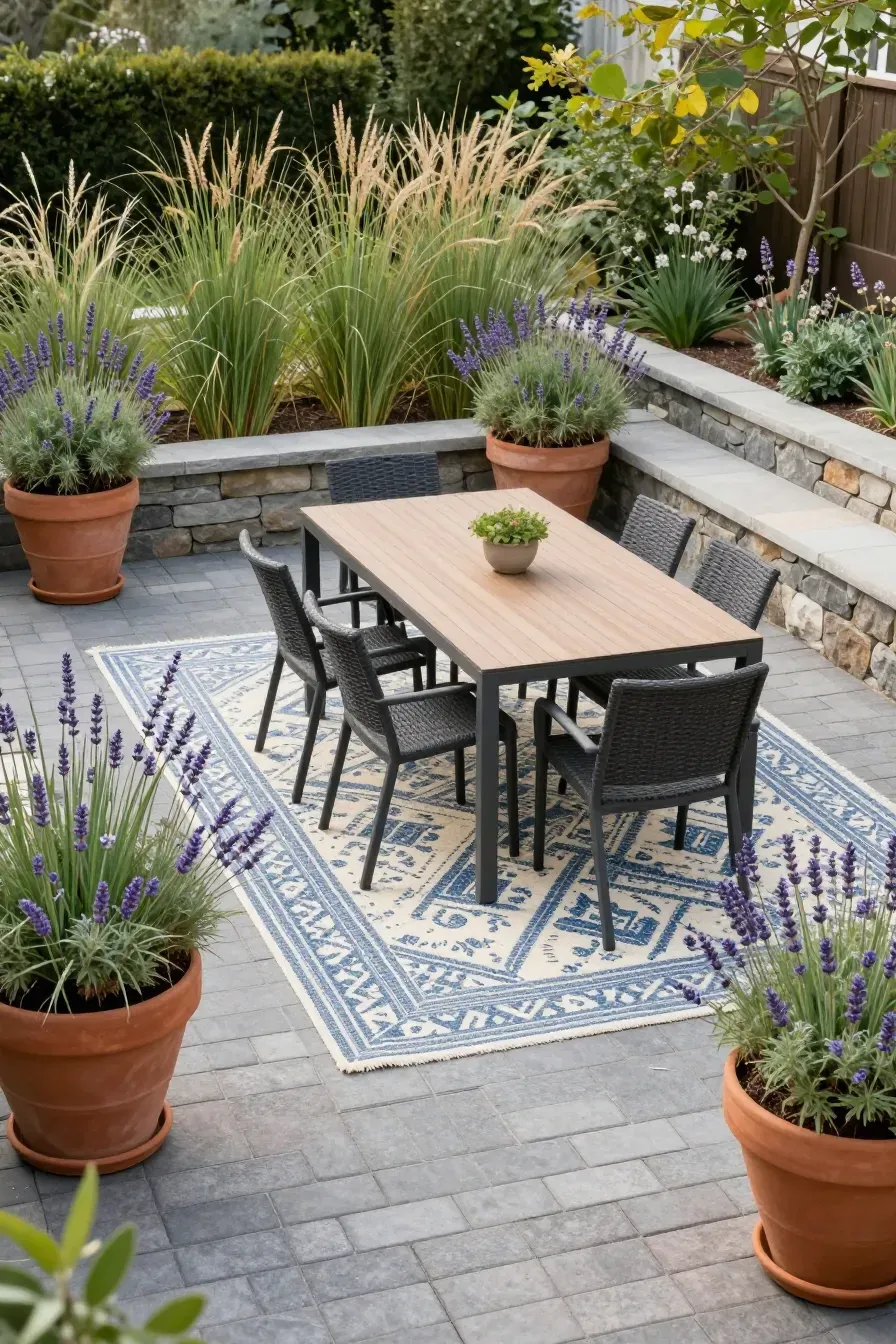
If you are working with a basic concrete slab or a paver patio, you can make it feel more like a room by defining the edges. Use large potted plants or outdoor rugs to separate the eating zone from the rest of the yard. These back patio ideas help ground the furniture and make the space feel intentional rather than just a table sitting on a flat surface.
For a low-profile look, consider built-in seating. A low stone wall at the edge of a patio can double as extra seating for guests when the table is full. This keeps the center of the patio open and provides a sturdy place for people to sit and talk.
Natural Screening and Privacy for a Backyard Dining Area
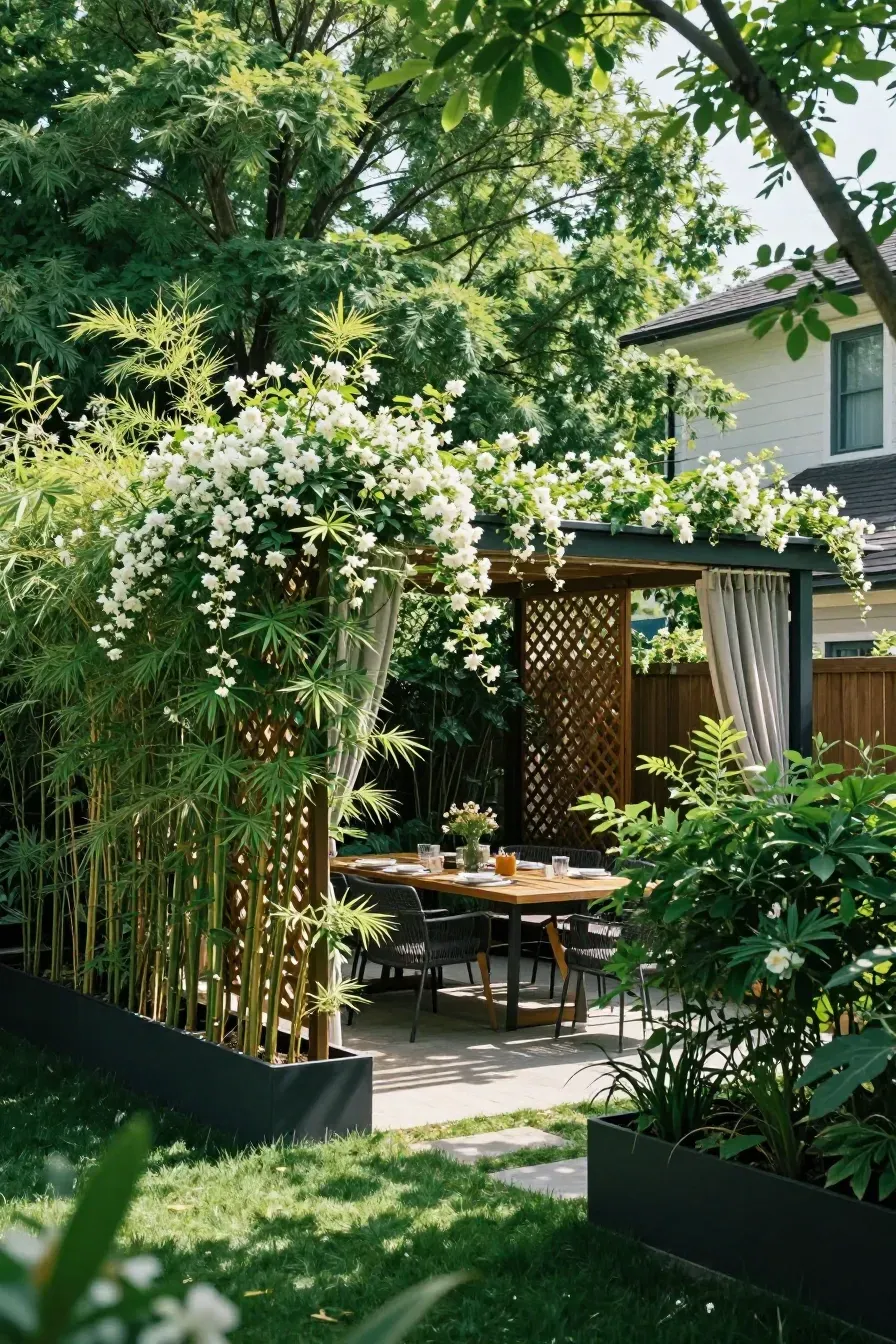
Privacy is key to feeling relaxed while eating outside. You do not need a tall wooden fence to block the view from neighbors. Taller plants like bamboo in troughs or a row of evergreen shrubs create a soft, living wall that also acts as a windbreak. Lattice panels with climbing vines like jasmine or clematis offer privacy while adding a pleasant scent to your meals.
If you need a faster solution, outdoor curtains or retractable screens can be attached to a pergola. These allow you to close off the backyard dining area when you have guests and open it back up when you want to enjoy the full view of your garden.
Lighting and Shelter Options for Your Outdoor Entertaining Area
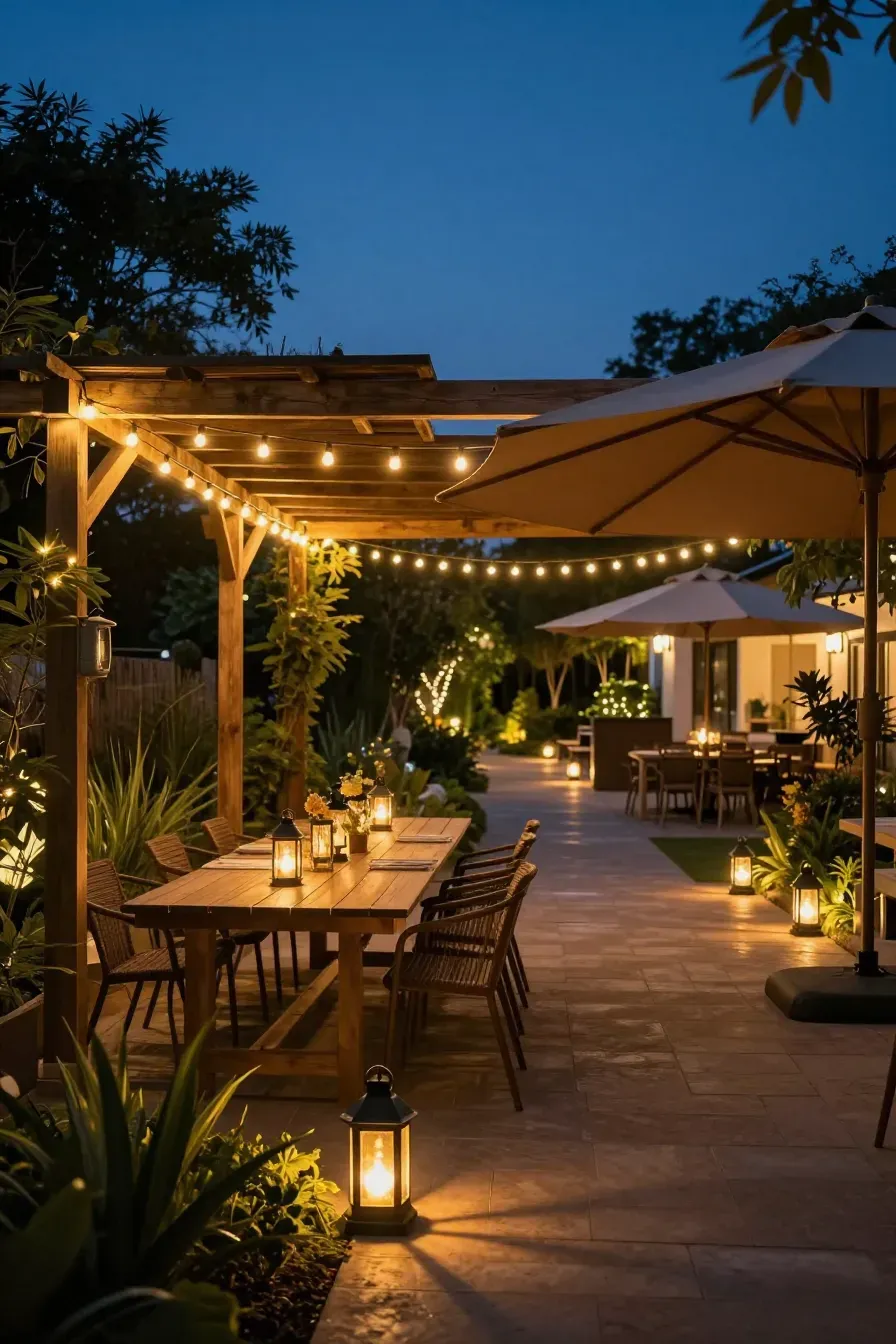
Good lighting allows your outdoor entertaining area to be used long after the sun goes down. Avoid bright floodlights that feel harsh. Instead, use string lights overhead or solar-powered lanterns on the table to create a warm glow. Path lights tucked into nearby flower beds can help guests navigate safely back to the house.
Shelter is just as important for comfort. A large cantilever umbrella provides flexible shade that you can move as the sun shifts. For a more permanent solution, a pergola or gazebo offers protection from light rain and gives you a structure to hang fans or heaters, extending the time you can spend outdoors into the cooler autumn weeks.
Garden Table Ideas Outdoors Using Sustainable Materials
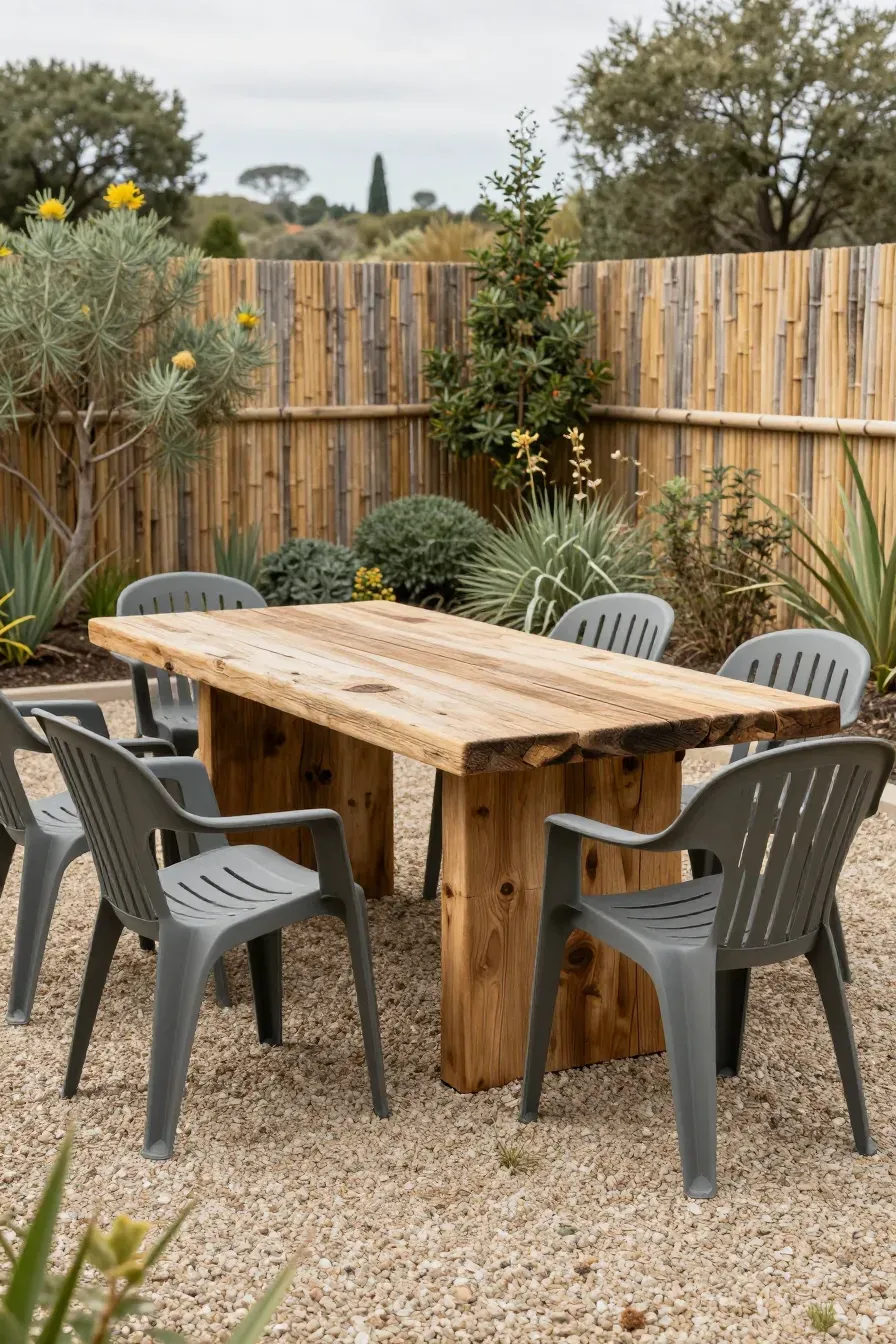
When looking for garden table ideas outdoors, sustainability is a growing priority for many homeowners. Reclaimed wood tables offer a unique, rustic character and repurpose old timber that might otherwise go to waste. Bamboo is another excellent eco-friendly choice; it grows rapidly and is naturally tough, making it a great alternative to traditional hardwoods.
Recycled plastic lumber is also becoming more common. It looks like painted wood but is made from high-density polyethylene (HDPE). It never needs staining, does not splinter, and is heavy enough to stay put during a storm. Choosing these materials helps reduce the environmental footprint of your landscaping projects.
Comfortable Outdoor Garden Seating Ideas for Long Meals
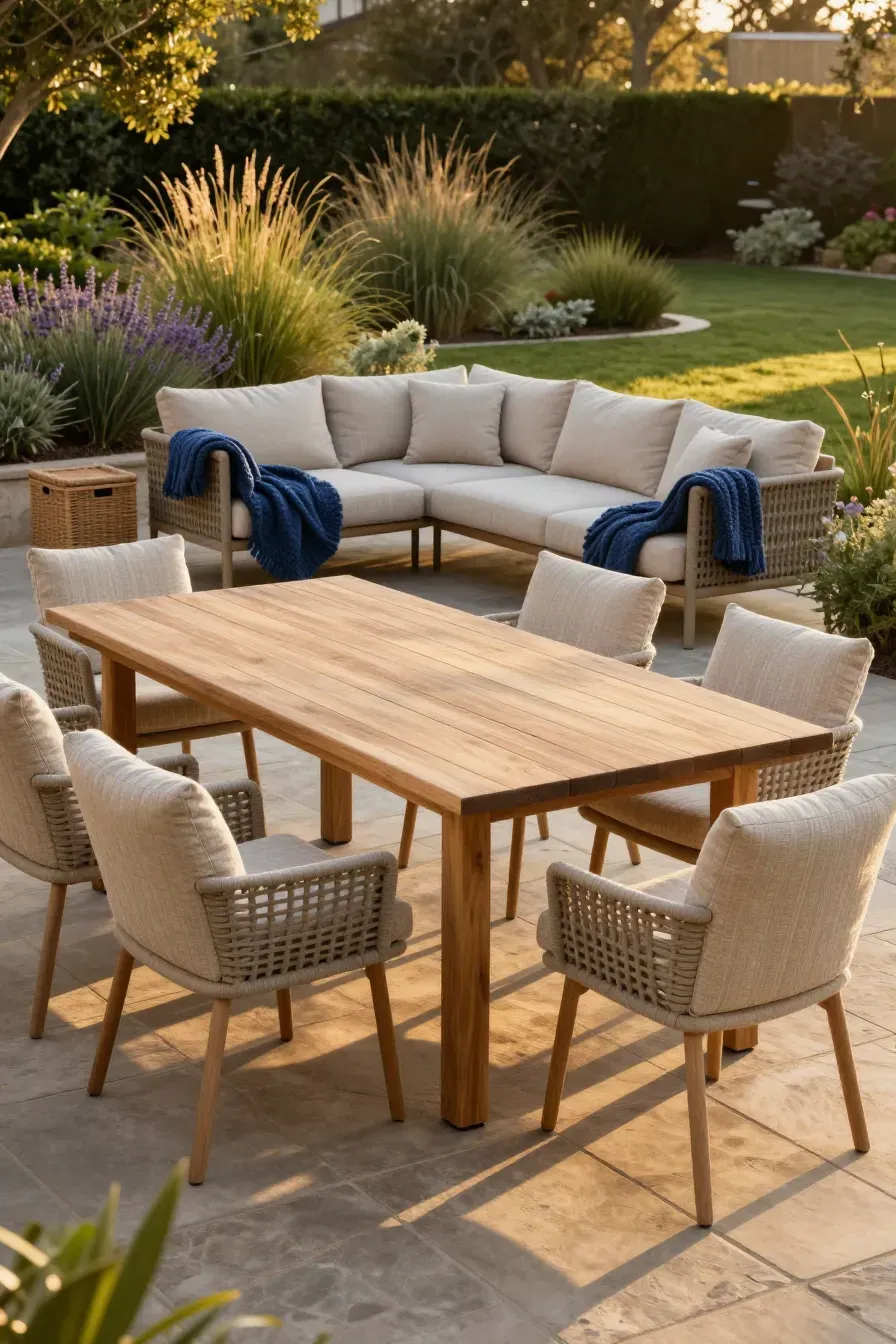
If you want guests to stay for dessert and coffee, comfort is the priority. Many outdoor garden seating ideas focus on aesthetics, but ergonomics matter more for long meals. Look for chairs with a slight lean and deep seats. High-quality outdoor cushions made from solution-dyed acrylic fabrics will resist fading and dry quickly after it rains.
Adding a few lounge-style chairs or a small outdoor sofa near the dining table allows guests to transition from eating to relaxing without leaving the area. Throw blankets kept in a nearby weather-proof bin are a thoughtful touch for when the temperature drops in the evening.
Maintaining Your Outdoor Eating Spaces Through the Seasons
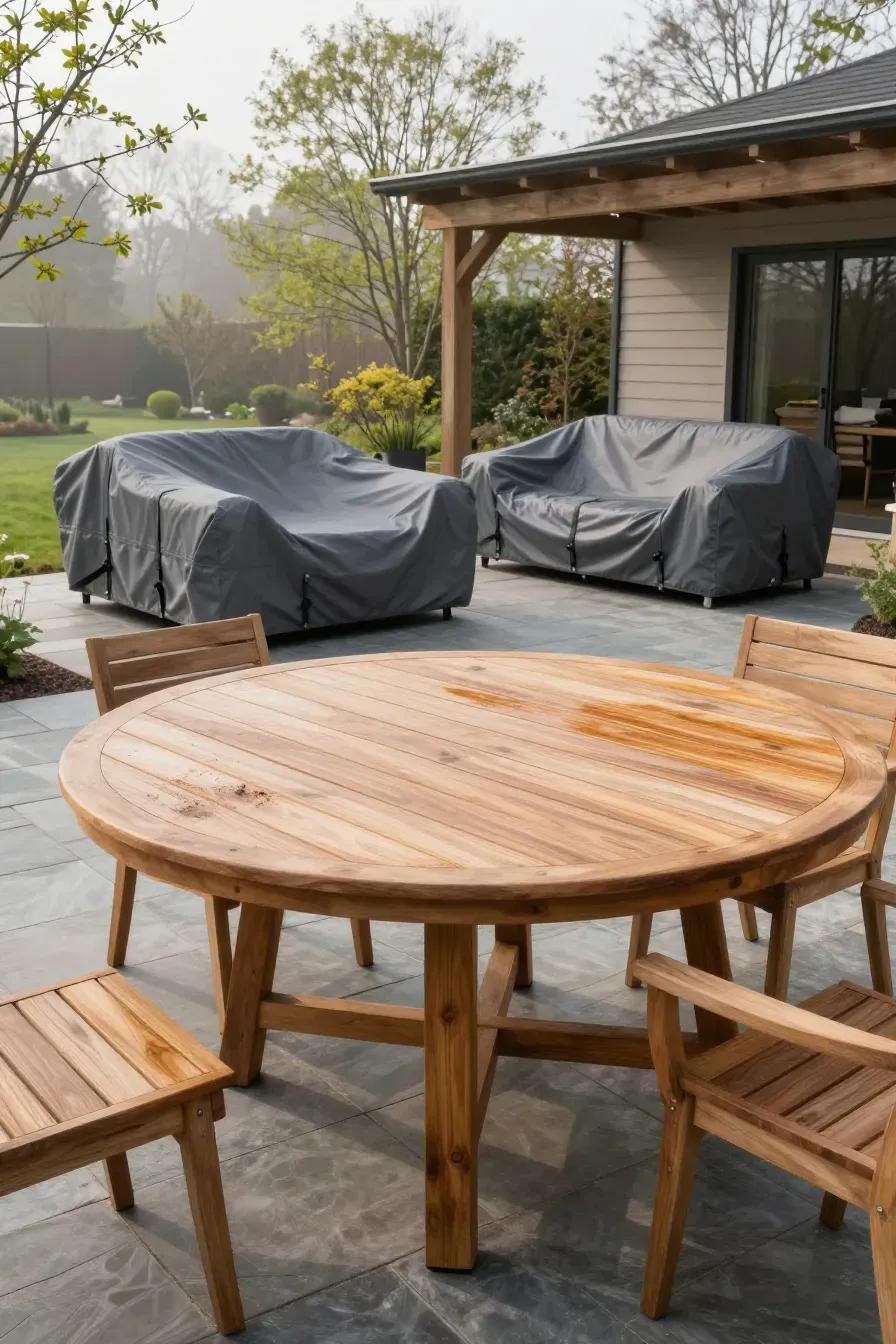
Regular maintenance keeps your outdoor eating spaces looking fresh. Make it a habit to wipe down the table and chairs once a week to prevent pollen and dust buildup. If you have wooden furniture, check for signs of wear or peeling sealant every spring. A quick sanding and a fresh coat of protector can add years to the life of the wood.
During winter, it is best to store cushions indoors and use breathable covers for the larger furniture pieces. If you live in a climate with heavy snow, try to move your table to a sheltered area or a garage. Keeping the surfaces dry and clean during the off-season ensures that the area is ready for use as soon as the first warm day of spring arrives.
Building a functional dining space in your garden does not have to be a complicated project. By focusing on a convenient location, durable materials, and comfortable seating, you create a place where people naturally want to gather. Start by looking at your yard's layout and choosing one or two areas that offer the best shade and privacy. With the right setup, your backyard will become your favorite place to eat every day.