
There is nothing quite like sitting down for a meal surrounded by fresh air and greenery. Whether you are hosting a large summer party or enjoying a quiet morning coffee, a well-designed outside dining area can become the most used part of your home. It bridges the gap between your indoor living space and the natural beauty of your garden, making every meal feel like a special occasion.
Key Takeaways:
- Select a location based on wind protection and kitchen proximity.
- Choose weather-resistant materials like teak, metal, or treated wood.
- Use vertical plants and screens to create privacy in small spaces.
- Layer lighting to extend the use of your garden into the evening.
- Prioritize a flat, stable surface for safety and comfort.
Choosing the Best Location for Your Outside Dining Area

The success of your outdoor eating spaces often depends on where you place them. Think about how far you want to carry heavy plates and trays of food from the kitchen. If the table is too far away, you might find yourself using it less often. Look for a spot that offers a balance of sun and shade throughout the day. A location near a natural windbreak, like a hedge or a sturdy wall, will keep napkins from blowing away and make the space feel more protected. Also, consider the view; aim to face the most attractive part of your garden rather than the side of a garage or a neighbor's driveway.
Selecting Durable Tables and Chairs for Outdoor Eating Spaces
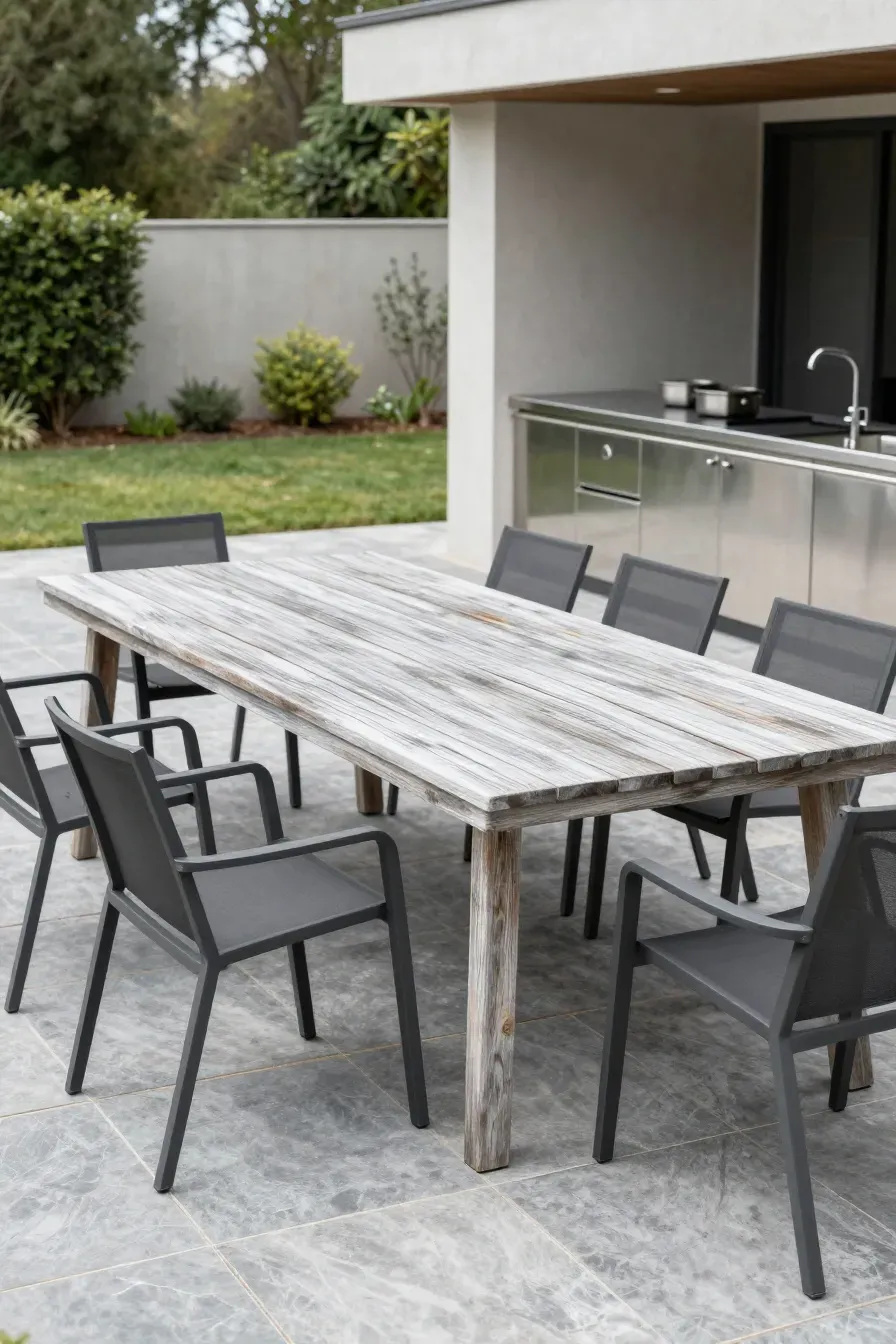
Furniture in a garden needs to be tough enough to handle rain, sun, and temperature shifts. Teak is a popular choice because it has natural oils that prevent rot, though it requires some maintenance to keep its color. Metal options, like powder-coated aluminum, are lightweight and won't rust. If you prefer a more modern look, high-quality resin furniture can be very durable and easy to clean. When choosing your garden dinner table, make sure the legs are sturdy and the surface is easy to wipe down. Chairs should be comfortable enough for long conversations, so test them out before you buy.
Designing a Small Outdoor Dining Area in Limited Spaces
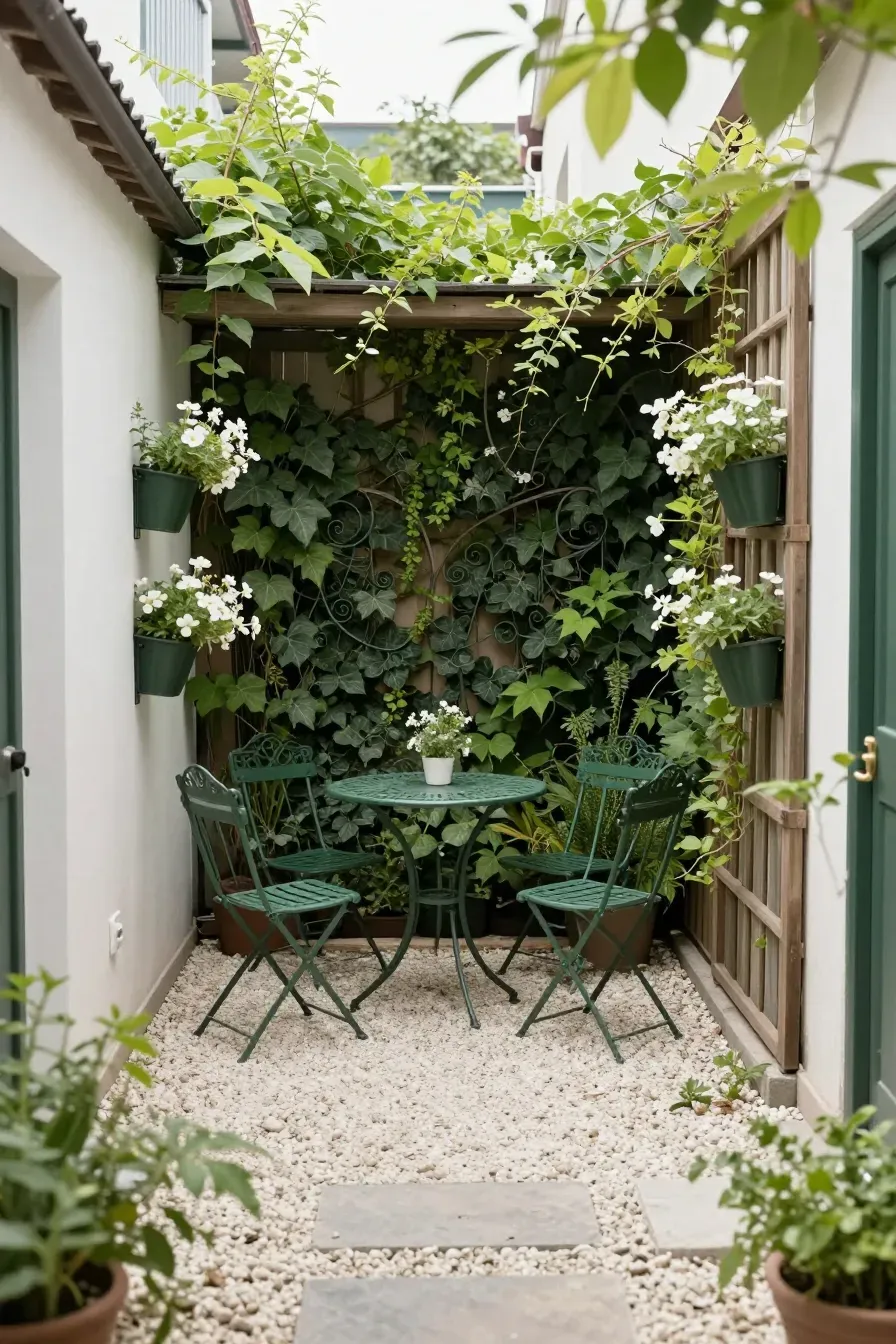
You don't need a massive lawn to enjoy eating outside. A small outdoor dining area can be very charming if you use the right scale of furniture. Bistro sets with two chairs and a round table are great for tight corners or narrow side yards. Look for foldable furniture that you can tuck away when you need more floor space. Using a monochromatic color scheme can also make a small area feel less cluttered. Wall-mounted tables or benches that hug the perimeter of the space can save valuable square footage while providing plenty of room for guests.
Using Plants and Screens for Seating Area Privacy
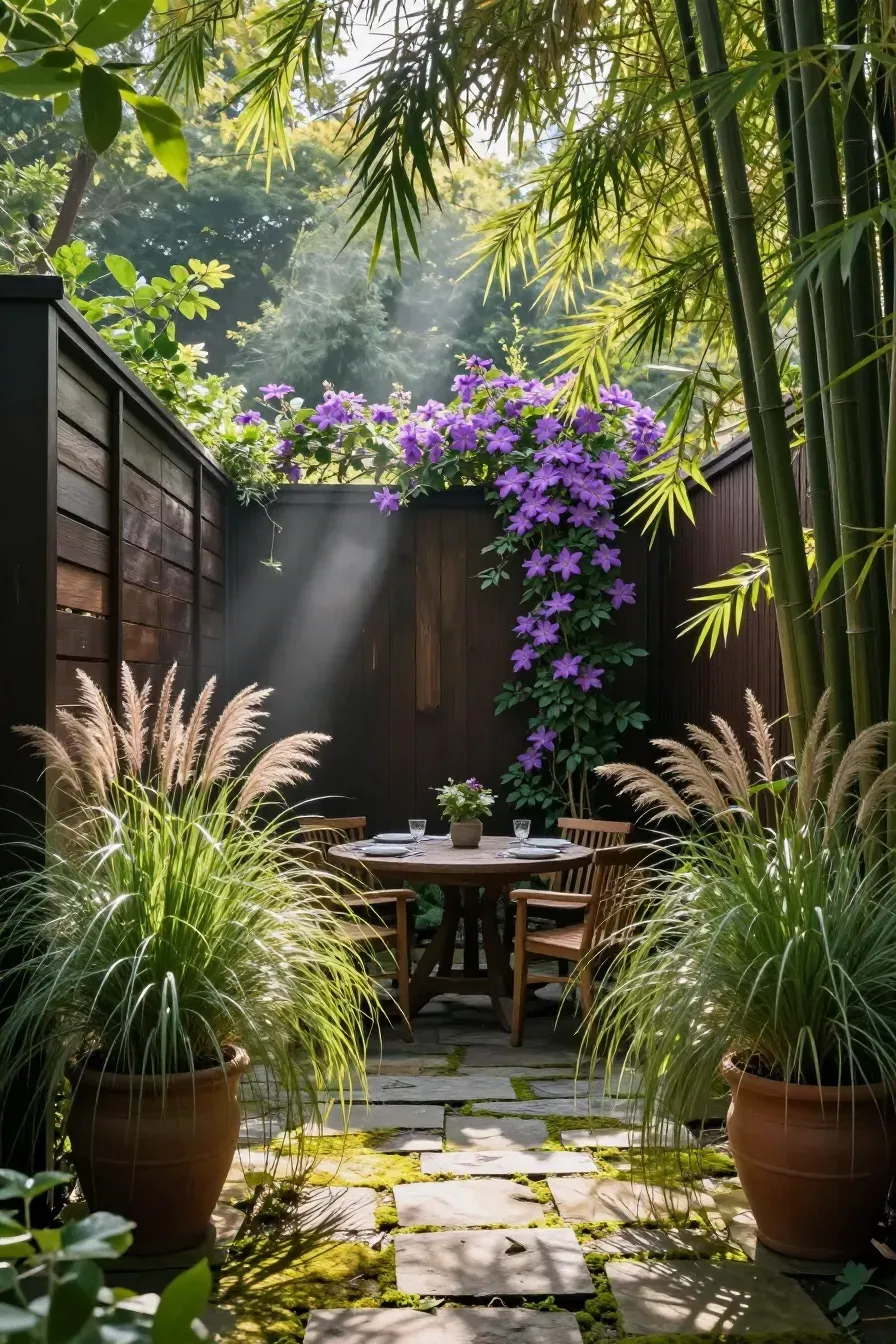
A seating area in garden settings feels much more relaxed when you aren't being watched by neighbors. You can create a sense of seclusion without building a solid wall. Tall ornamental grasses or bamboo in planters offer a soft, swaying screen that filters light while blocking views. Trellises with climbing plants like jasmine or clematis add fragrance and vertical interest. If you need an immediate solution, outdoor curtains or simple wooden slat screens work well. These barriers also help define the dining area as a distinct 'room' within the wider landscape.
Lighting Ideas for Evening Garden Dinner Table Settings
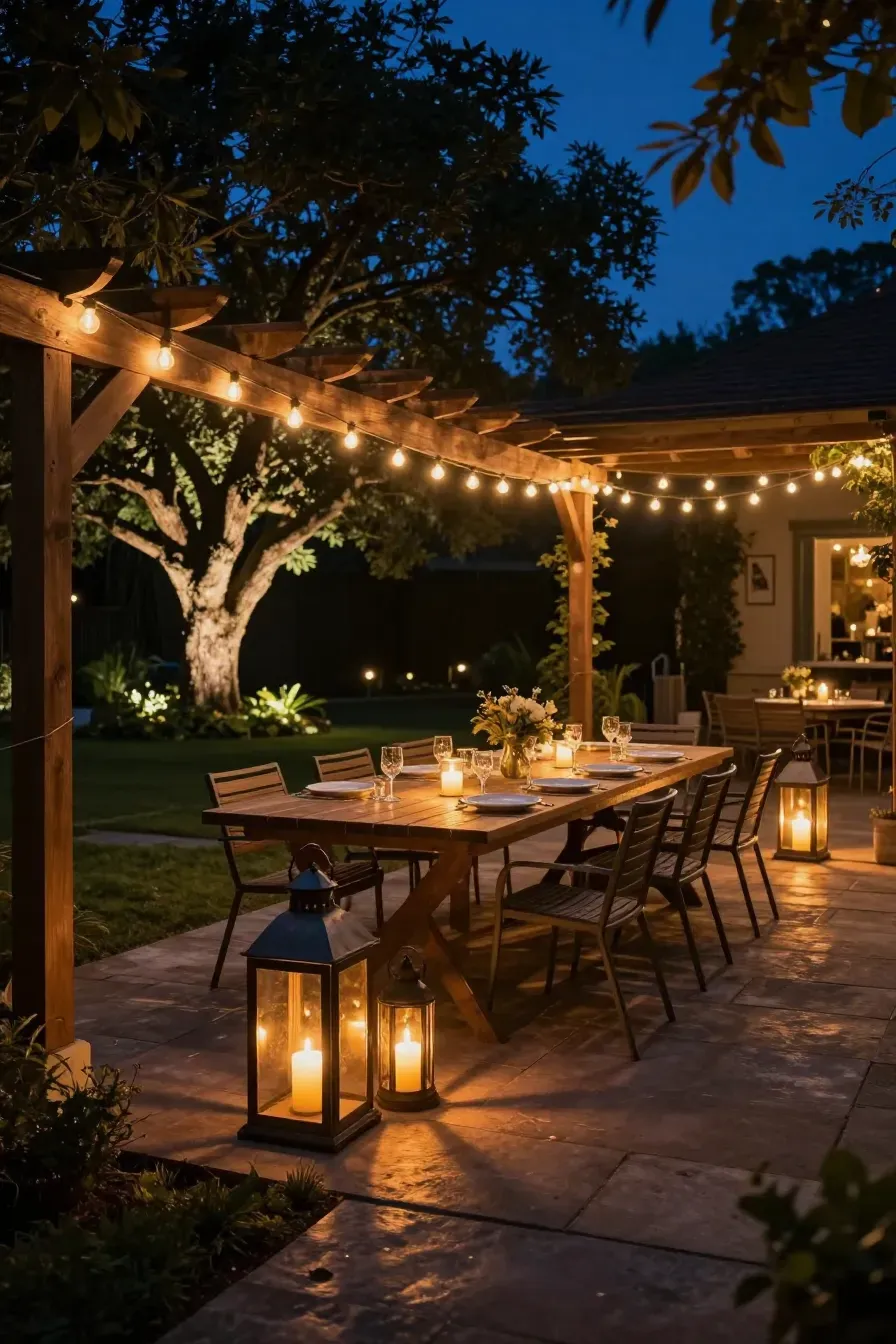
Good lighting allows you to use your dining space long after the sun goes down. Start with functional light over the table so people can see what they are eating. String lights draped overhead create a festive, warm glow that isn't too harsh. For a more intimate feel, place lanterns with LED candles on the table or along the path leading to the area. Uplighting nearby trees or shrubs can add depth to the backyard and prevent the space beyond the table from looking like a black void. Avoid bright floodlights, which can feel clinical and attract too many bugs.
Ground Surfaces and Flooring for Outside Patio Ideas
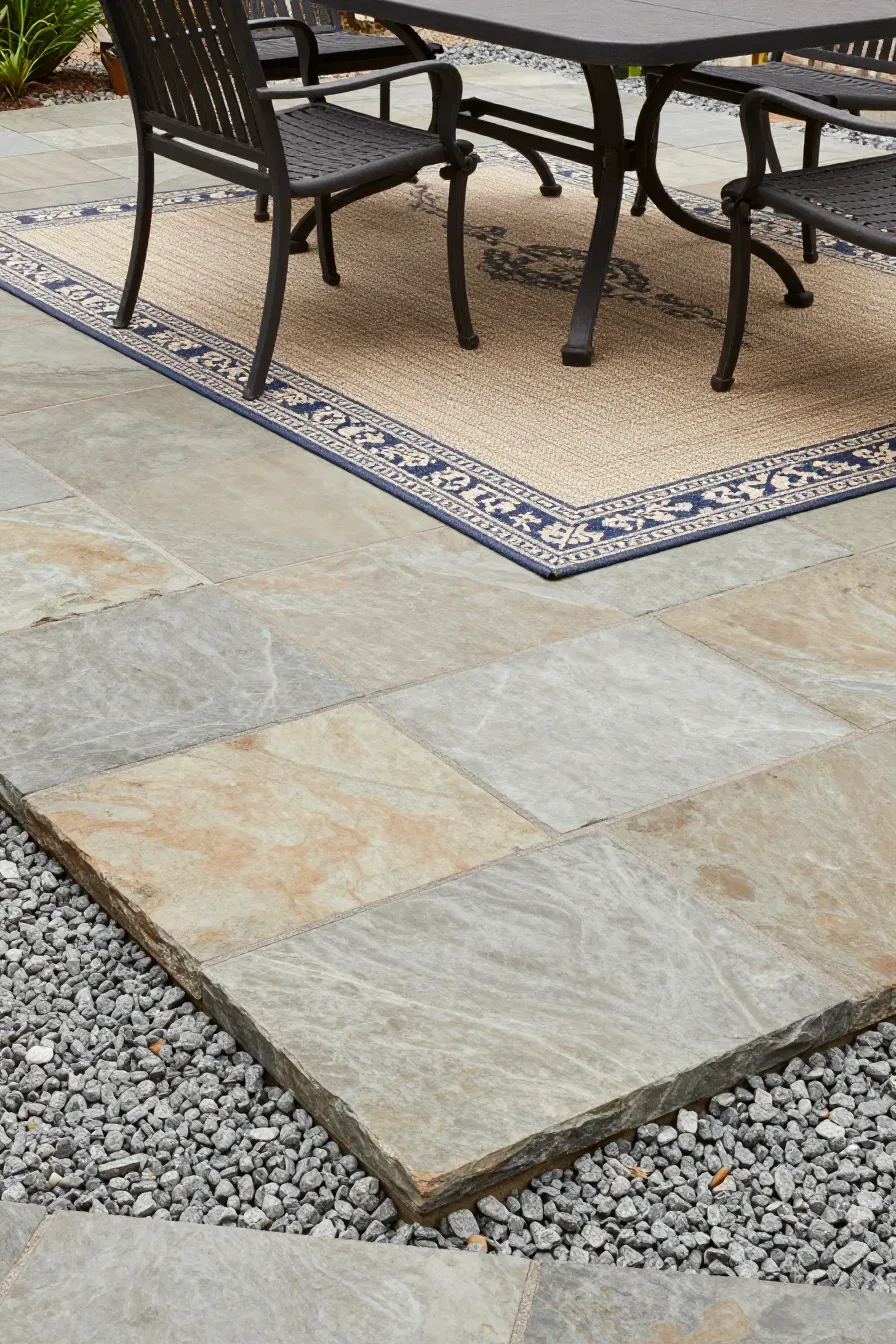
The floor of your dining area needs to be level and stable. Wobbly chairs are a quick way to ruin a dinner party. Natural stone or pavers are classic outside patio ideas that provide a permanent, flat surface. If you want something softer, a wooden deck works well but requires regular staining. For a more budget-friendly or DIY approach, compacted gravel or pea stone can be effective, though it may be harder to slide chairs back and forth. Using an outdoor rug is a simple way to add color and define the dining zone while providing a comfortable surface for bare feet.
Weather Protection and Shade for Al Fresco Dining Backyard Use
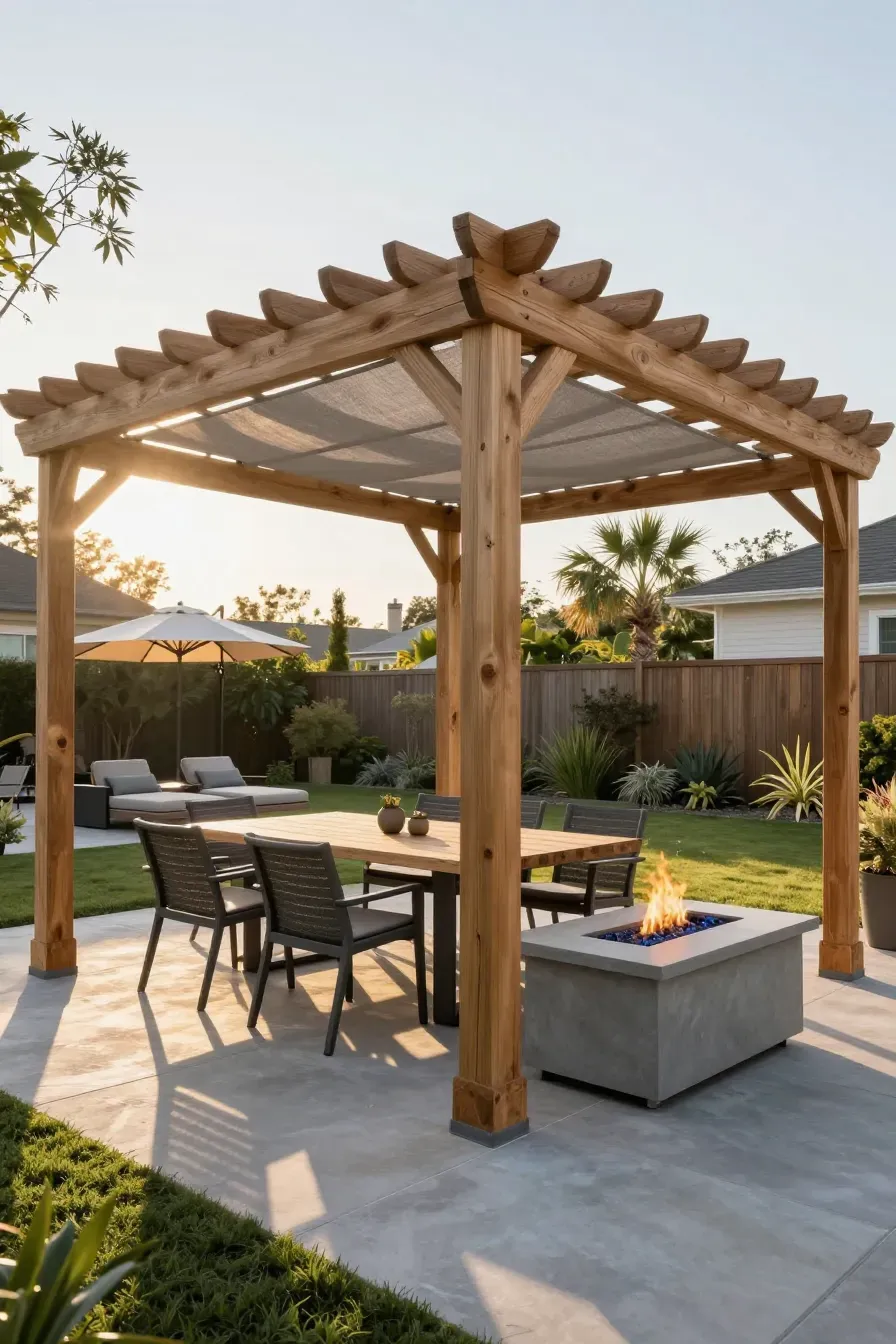
To get the most out of your al fresco dining backyard, you need a plan for the elements. A large patio umbrella is the most flexible option, as you can move it as the sun shifts. Pergolas provide a more permanent structure and can be covered with retractable fabric or climbing vines for extra shade. If you live in a rainy climate, a gazebo or a permanent roof extension might be worth the investment. Don't forget about the cold; adding a fire pit or portable patio heaters can extend your dining season into the autumn and early spring.
Adding Comfort with Textiles and Cozy Backyard Ideas

Hard furniture becomes much more inviting with the addition of soft textures. Use weather-resistant cushions and throw pillows to add comfort and a pop of style. Keeping a basket of rolled-up blankets nearby is one of those simple but effective cozy backyard ideas for when the temperature drops at night. Outdoor rugs not only look good but also help dampen sound, making conversations feel more private. Choose fabrics designed for outdoor use to ensure they resist fading in the sun and don't grow mold when it gets damp.
Practical Layouts for an Entertaining Garden

When planning an entertaining garden, think about the flow of movement. There should be enough space for people to pull out their chairs without hitting a wall or falling into a flower bed. Aim for at least three feet of clearance around the table. If you often host large groups, consider a long rectangular table or several smaller tables that can be pushed together. Placing a side table or a 'buffet' station nearby is helpful for holding extra drinks, snacks, or dirty dishes, keeping the main dining surface clear and uncluttered.
Setting up a backyard dining space is one of the best ways to enjoy your home more. By focusing on a stable layout, comfortable seating, and a bit of privacy, you can create a spot that feels like a getaway just steps from your back door. Start with the basics of a good table and level ground, then slowly add lighting and plants to make it your own. Now is the perfect time to head outside and pick the best spot for your next meal under the stars.