
Creating a space for outdoor meals is about more than just placing a table on the grass. It is about capturing a lifestyle that values slow afternoons and long evenings with friends. A Mediterranean garden dining area blends natural beauty with practical design, making it easy to host dinner parties or enjoy a quiet breakfast in the fresh air. Whether you have a sprawling yard or a compact patio, the principles of Mediterranean design can help you build a space that feels both grounded and inviting.
This guide covers the essentials of building your own outdoor sanctuary. You will learn about choosing weather-resistant materials, planning a layout that flows, and selecting plants that thrive in sunny conditions. By focusing on simple textures and functional zones, you can create a backyard that serves as a true extension of your home.
Choosing Durable Materials for a Mediterranean Outdoor Patio
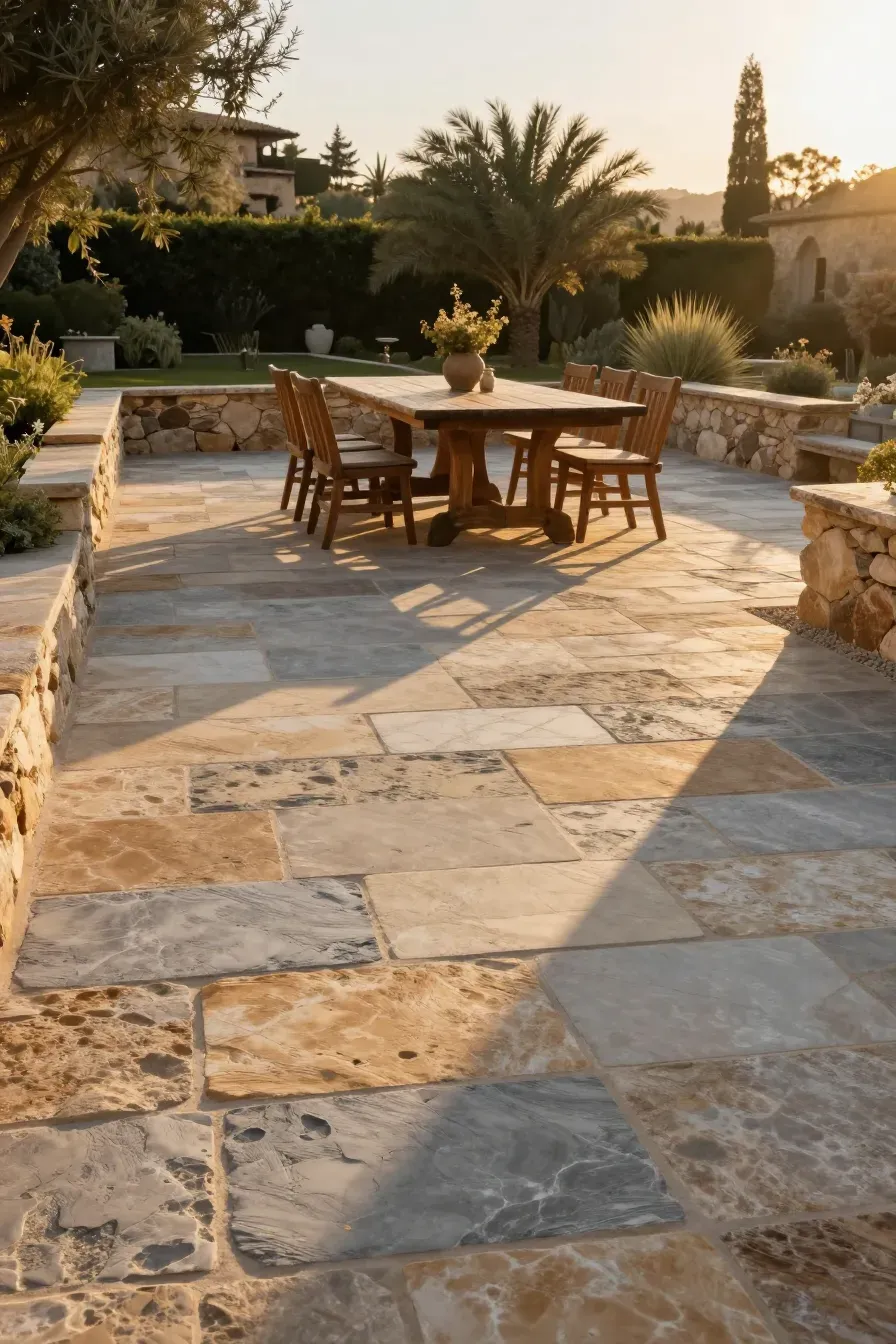
A Mediterranean outdoor patio needs to withstand the elements while looking natural. Stone is the primary choice here. Flagstone, travertine, and limestone are popular because they stay relatively cool under the sun and develop a beautiful patina over time. If you prefer a more rustic look, gravel is an affordable and traditional alternative that provides excellent drainage. Avoid materials that look too manufactured or shiny. Instead, look for matte finishes and earthy tones like ochre, tan, and soft grey. These materials connect the ground to the surrounding landscape, making the space feel like it has always been there.
Essential Layout Principles for an Italian Outdoor Dining Space
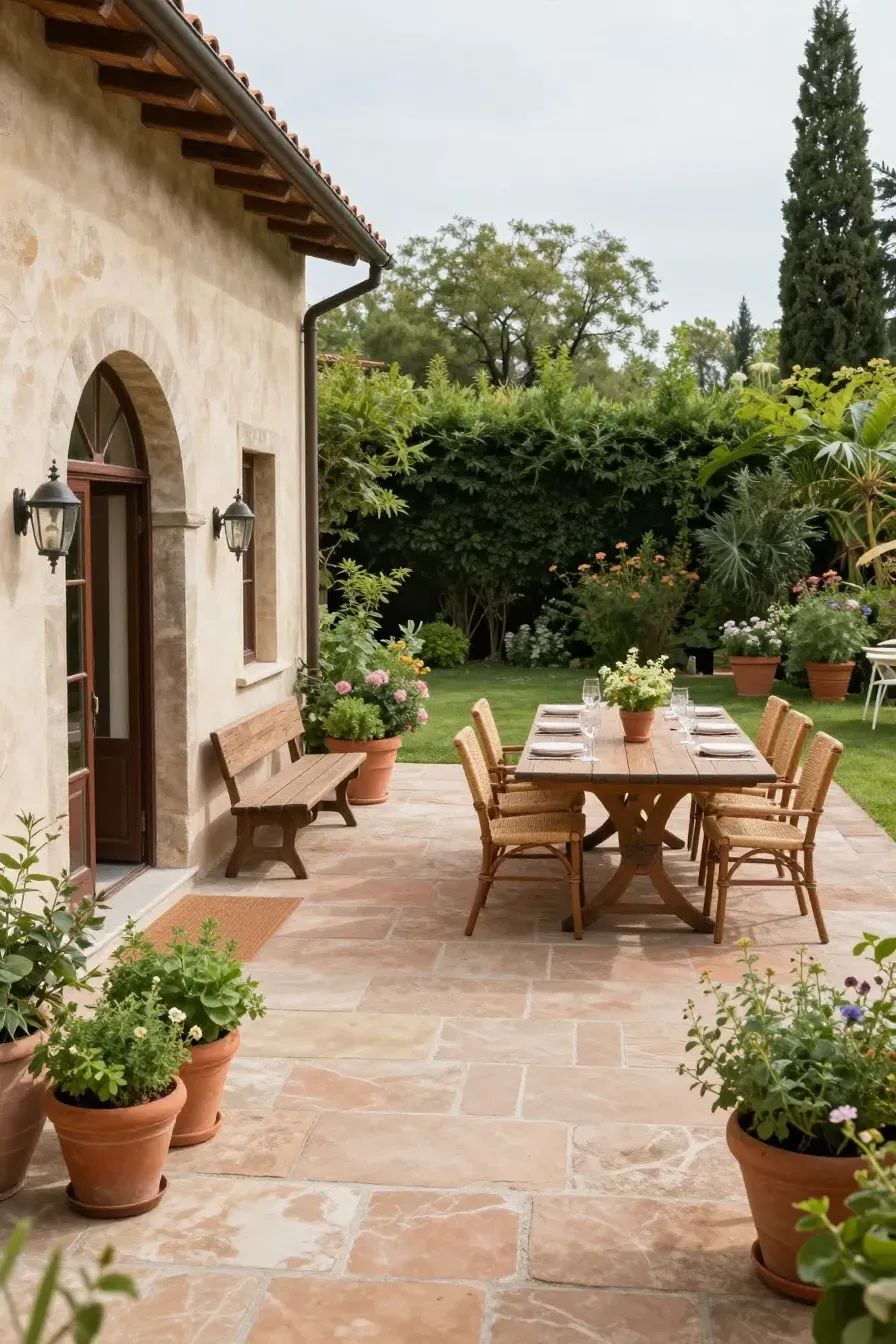
Italian outdoor dining is centered around the table. The layout should prioritize a clear path from the house to the dining area to make carrying plates and drinks easy. Position the table in a spot that offers a view of the garden but remains protected from heavy winds. It is helpful to leave at least three feet of space around the table so guests can move their chairs without hitting a wall or a planter. If your space allows, create a 'transition zone' between the door and the table, perhaps with a small bench or a group of potted herbs, to help the indoor and outdoor areas feel connected.
Integrating a Mediterranean Outdoor Kitchen into Your Backyard
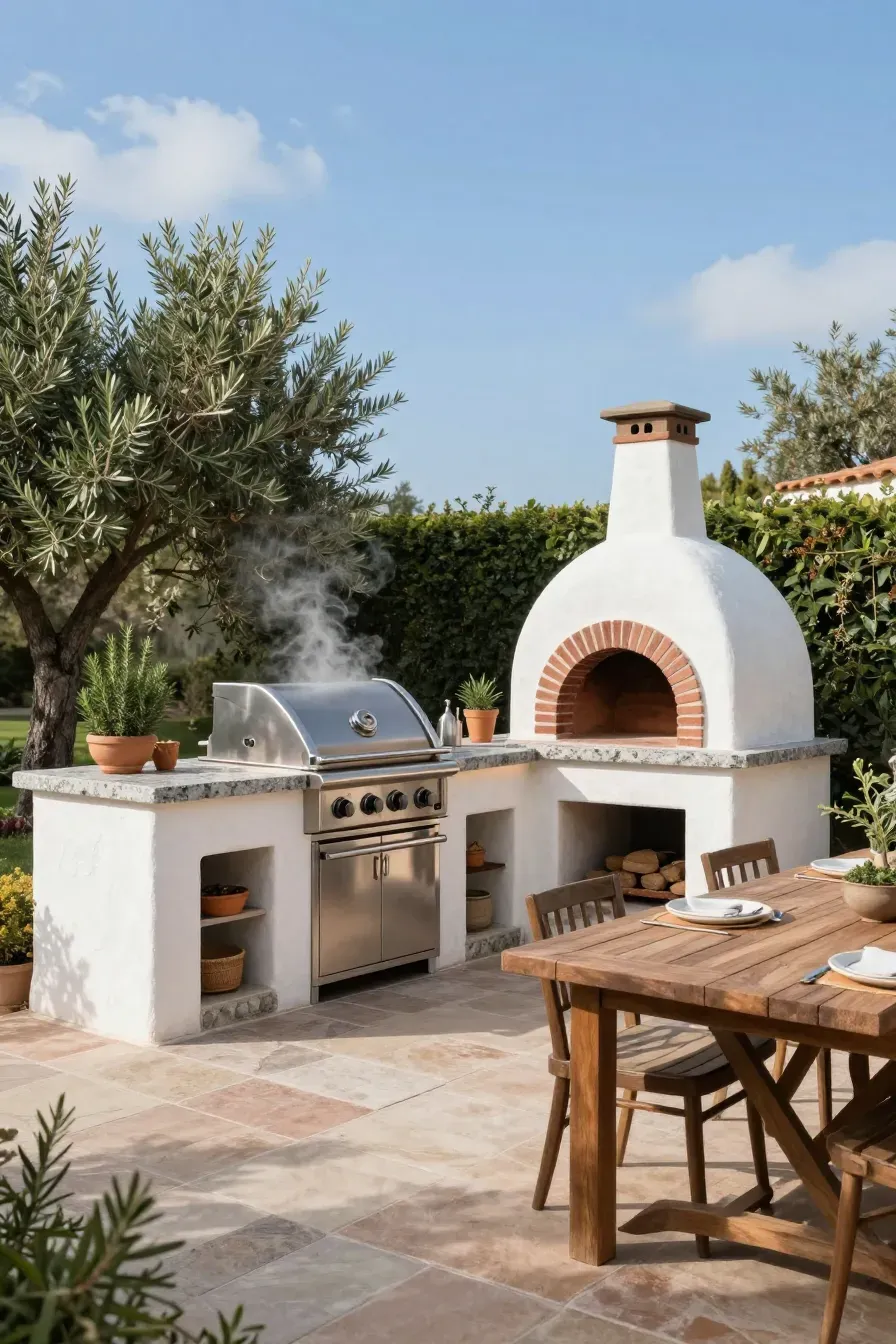
A Mediterranean outdoor kitchen does not need to be complex to be effective. Focus on the basics: a high-quality grill, a sturdy prep surface, and a sink if plumbing is available. Using masonry or stucco for the base of the kitchen island helps it blend with the architecture of a Mediterranean backyard. Wood-fired pizza ovens are a classic addition that serves as a focal point. Keep the kitchen close to the dining table so the cook can stay part of the conversation, but ensure smoke is directed away from where people are eating.
Plants and Greenery for a Modern Mediterranean Garden
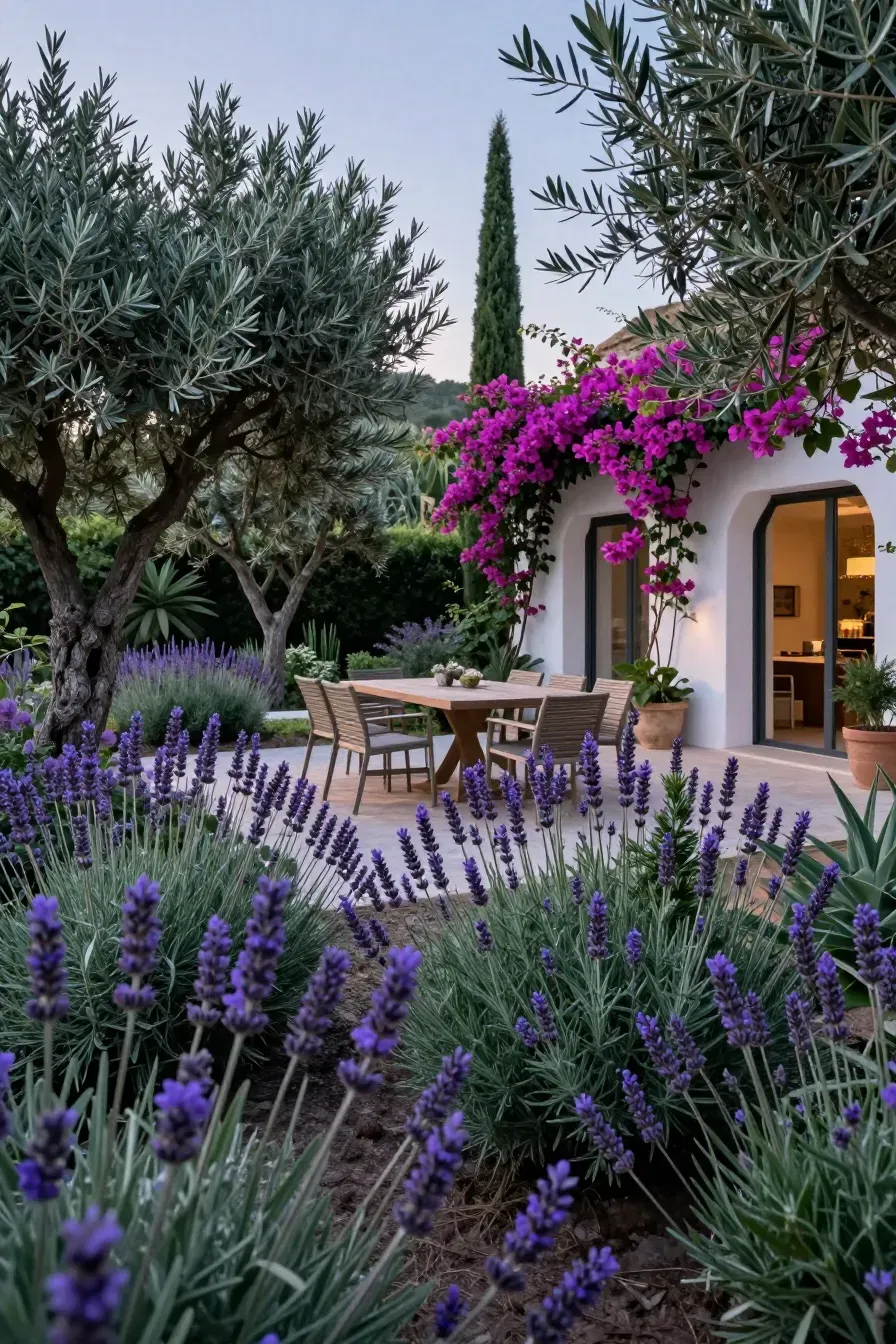
The right plants define the atmosphere of a modern Mediterranean garden. Focus on drought-tolerant species that offer both fragrance and visual interest. Lavender, rosemary, and sage are staples that grow well in rocky soil and provide a lovely scent during dinner. For structure, consider cypress trees or olive trees, which can be grown in large terracotta pots if ground space is limited. Climbing plants like bougainvillea or jasmine add vertical greenery and can be trained to grow over walls or fences. Stick to a palette of silver-greens, deep purples, and whites to keep the look cohesive.
Arranging a Small Mediterranean Garden for Meals and Entertaining
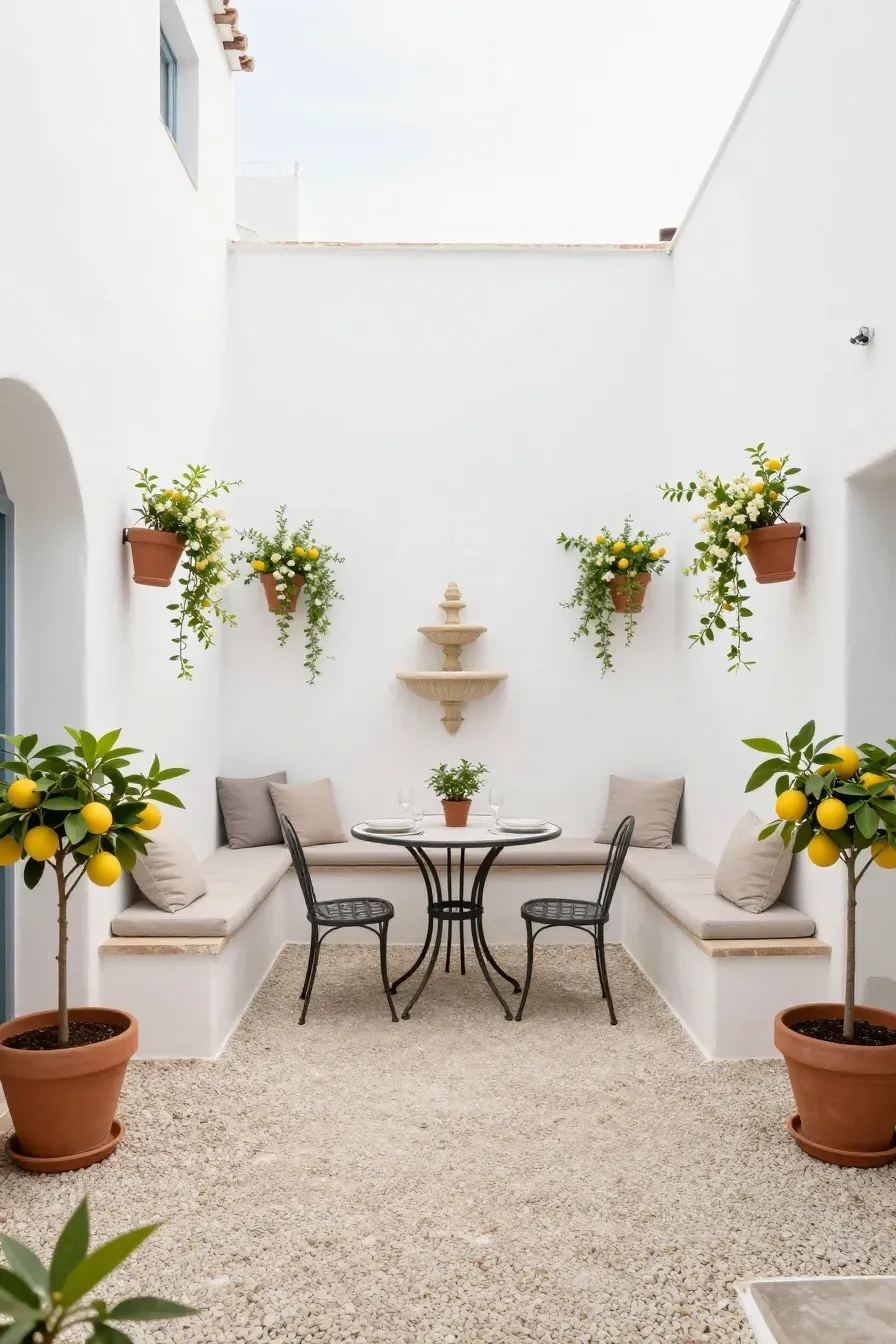
A small Mediterranean garden requires smart spatial planning. Use vertical space by hanging planters or installing wall-mounted fountains. Instead of a large rectangular table, a round bistro set can save space while still providing a spot for coffee or light meals. Use light-colored stone or gravel to make the area feel larger and more open. Built-in bench seating along a wall is another great way to maximize floor space. By keeping the center of the area clear, even a tiny courtyard can feel like a spacious Mediterranean terrace.
Adding Shade and Privacy with Pergolas and Mediterranean Terrace Walls
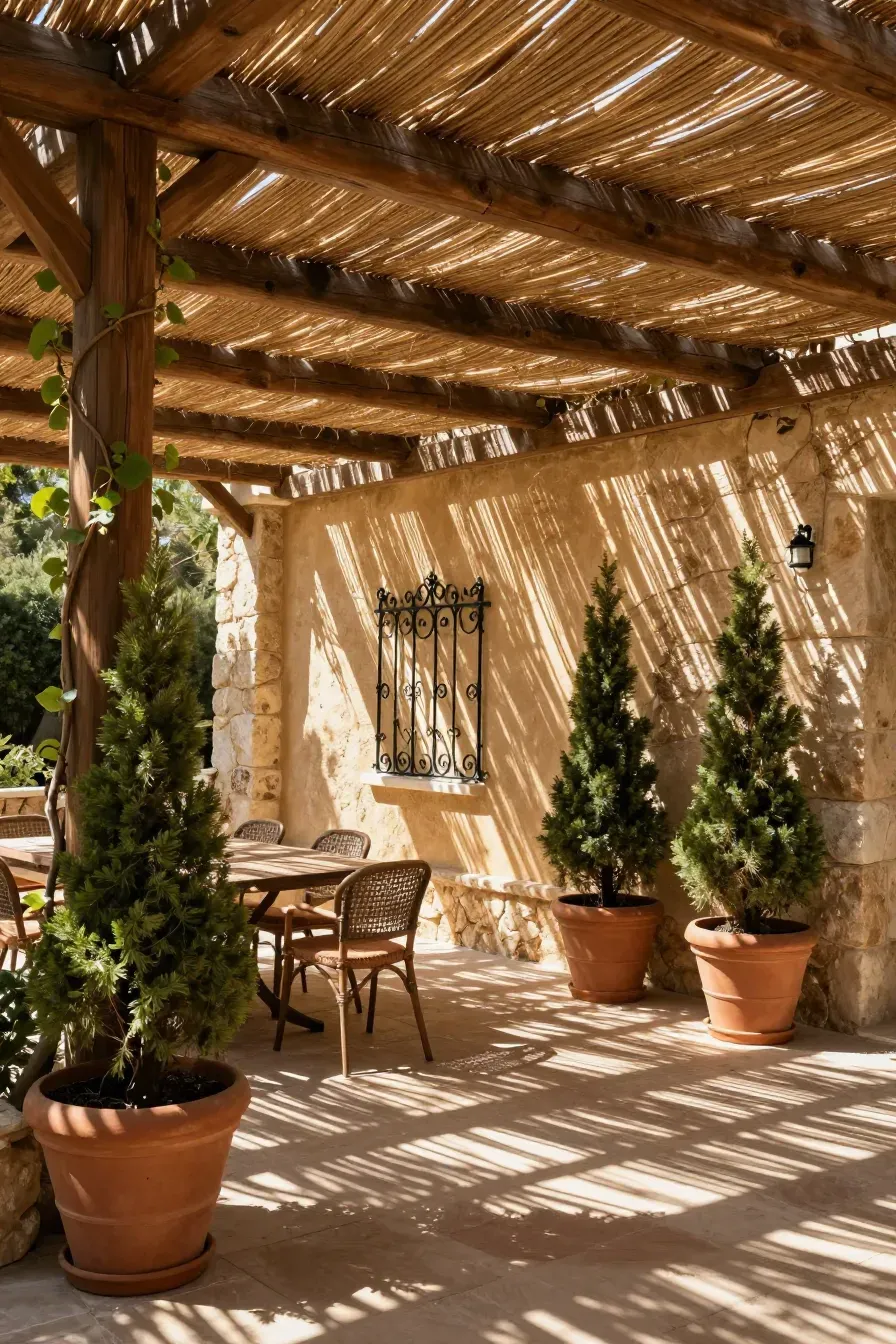
Sun protection is vital for comfort. A wooden pergola is a traditional solution that provides dappled shade. You can cover it with reed mats or let climbing vines grow over the top for a natural roof. Privacy can be achieved through Mediterranean terrace walls made of stone or plastered brick. These walls do more than just block the wind; they create a sense of enclosure and intimacy. If a permanent wall is too much, use tall terracotta planters with evergreen shrubs to create a soft, living screen around your dining area.
Stone and Tile Selections for Spanish Style Patio Outdoor Spaces
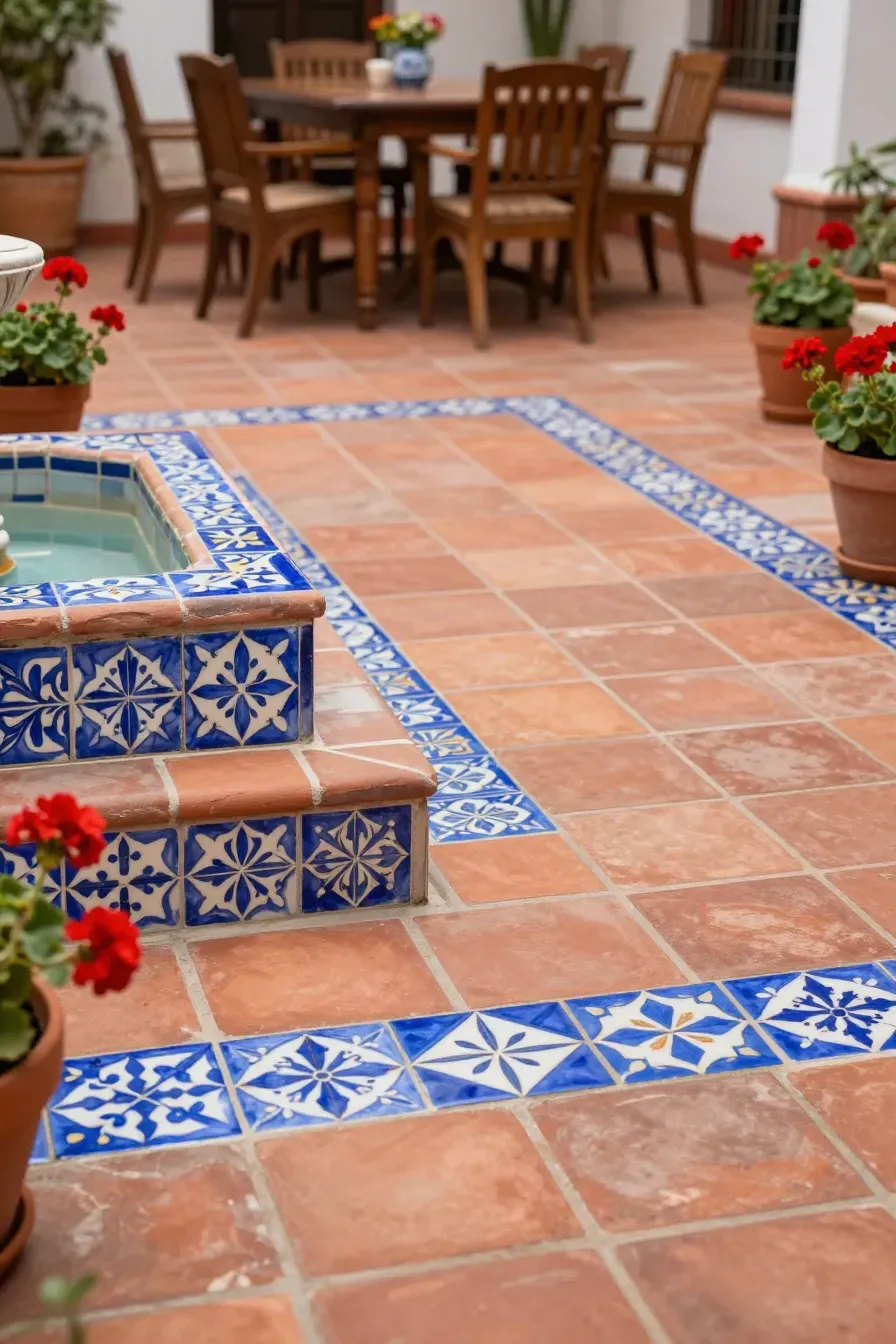
Spanish style patio outdoor spaces often feature vibrant tile work. Hand-painted ceramic tiles, known as azulejos, can be used as accents on stair risers, around a fountain, or as a decorative border on the floor. Pair these colorful accents with terracotta tiles for a warm, traditional feel. Saltillo tile is a classic choice that offers a handmade look with varied shades of red and orange. These materials are porous, so they should be sealed to prevent staining from food and drink spills in the dining area.
Lighting and Finishing Touches for a Modern Mediterranean Backyard
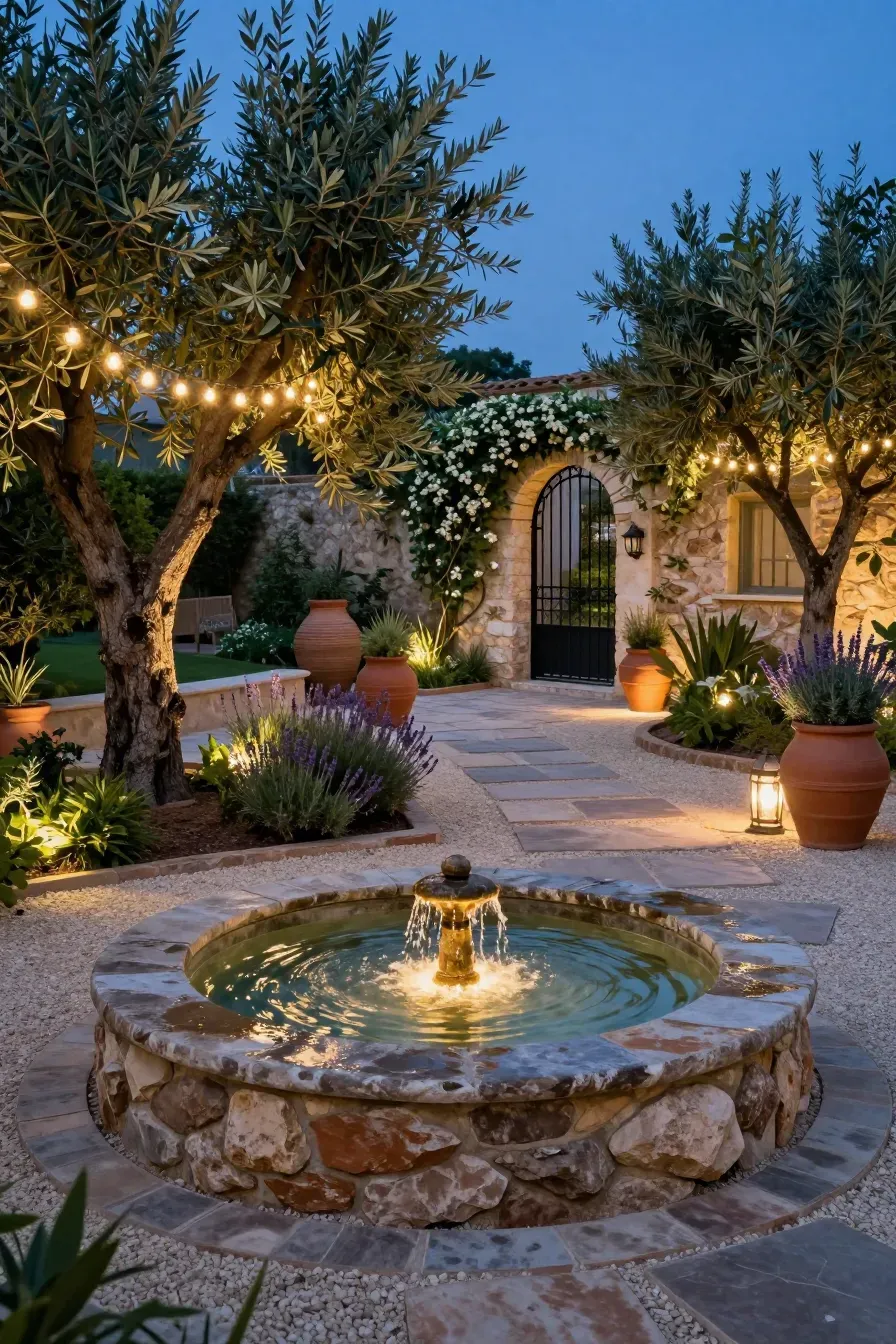
Lighting should be subtle in a modern Mediterranean backyard. Avoid bright overhead lights. Instead, use lanterns, string lights with warm bulbs, or low-voltage path lights tucked into the greenery. The goal is to mimic the soft glow of twilight. Water features also play a big role in the atmosphere; the sound of a small bubbling fountain can mask neighborhood noise and add a cooling sensation to the air. Keep decorations simple: a few large clay pots and a wrought iron gate are often all you need to complete the look.
Furniture and Decor Inspired by Italian Backyard Ideas
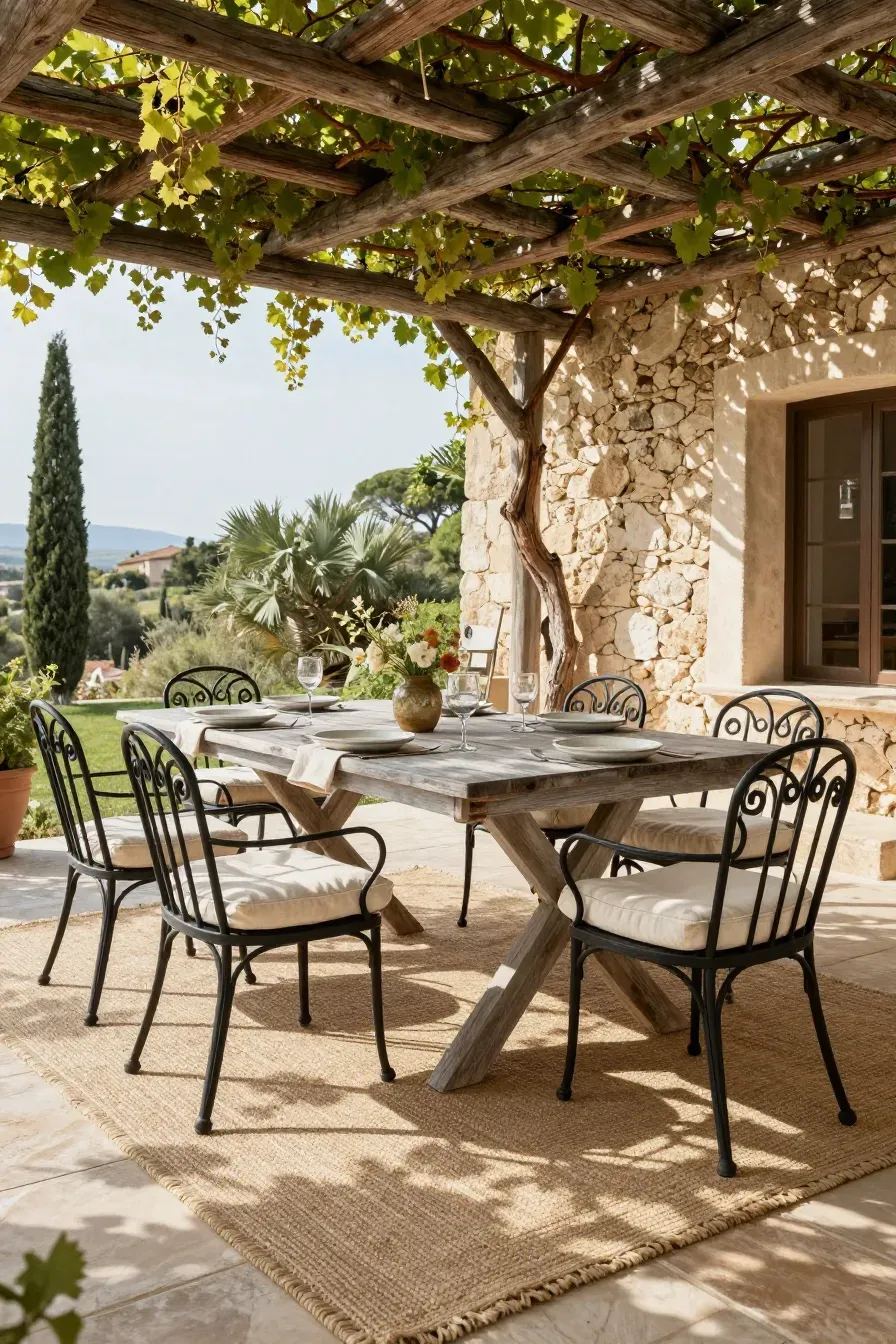
When looking at Italian backyard ideas, furniture is usually heavy and durable. Wrought iron chairs and tables are iconic and can last for decades. For a more modern look, consider high-quality teak or eucalyptus wood that weathers to a soft grey. Use seat cushions in natural fabrics like linen or heavy cotton in neutral tones. To add a layer of comfort, place an outdoor rug under the dining table to define the space. The decor should feel collected over time rather than matched perfectly, so don't be afraid to mix a vintage finds with newer pieces.
Building a Mediterranean-inspired dining area is a practical way to enjoy your garden more often. By focusing on natural materials, climate-appropriate plants, and a comfortable layout, you create a space that feels timeless. Start by looking at your existing landscape and seeing where you can add a bit of stone or a few fragrant herbs. Whether you are installing a full kitchen or just setting up a small table, these design choices will help you create an outdoor area you'll use for years to come.