
Lighting is often the most overlooked part of home design, yet it has the biggest impact on how a room feels. When you choose large lamps living room spaces immediately feel more finished and intentional. These pieces aren't just for light; they act as anchors for your furniture and can change the entire mood of a shared space.
In this guide, we will look at how to pick the right scale for your surfaces, where to place tall lamps for the best effect, and how to mix different styles without making your home look cluttered. You will learn how to use these pieces to create a warm, inviting atmosphere while ensuring you have enough light for daily tasks.
Getting the Scale Right for Side Table Lamps in the Living Room
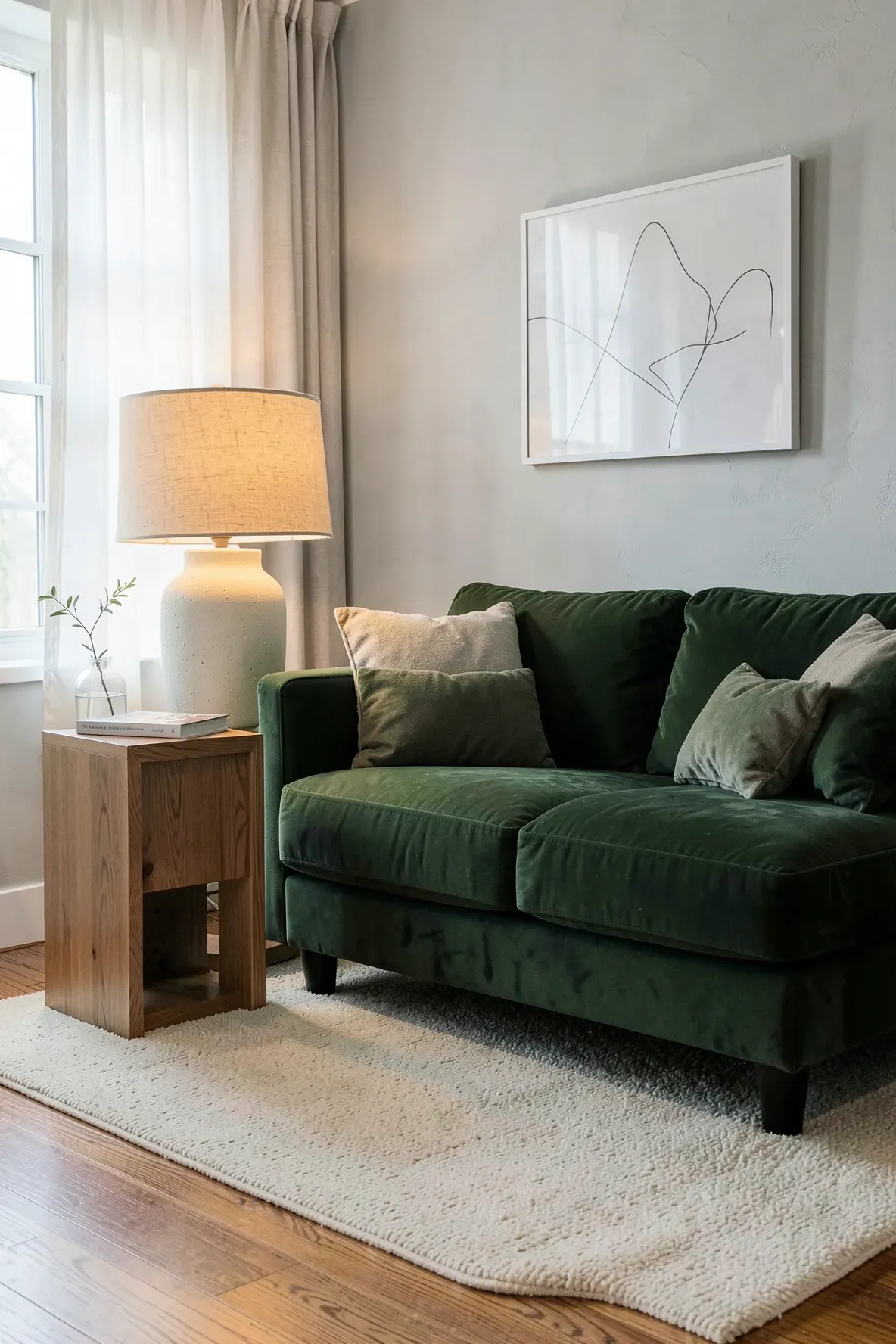
Scale is the most important factor when picking side table lamps living room setups. If the lamp is too small, it looks like an afterthought; if it is too big, it can feel top-heavy. A good rule of thumb is that the lamp should not be more than 1.5 times the height of the table it sits on. When you are sitting on the sofa, the bottom of the lampshade should be roughly at eye level. This prevents the bulb from shining directly into your eyes while providing enough light for reading. Consider the width of the table too. A wide, bulky lamp on a narrow table will look unstable and risk being knocked over.
Using Tall Table Lamps to Add Height to Console Tables
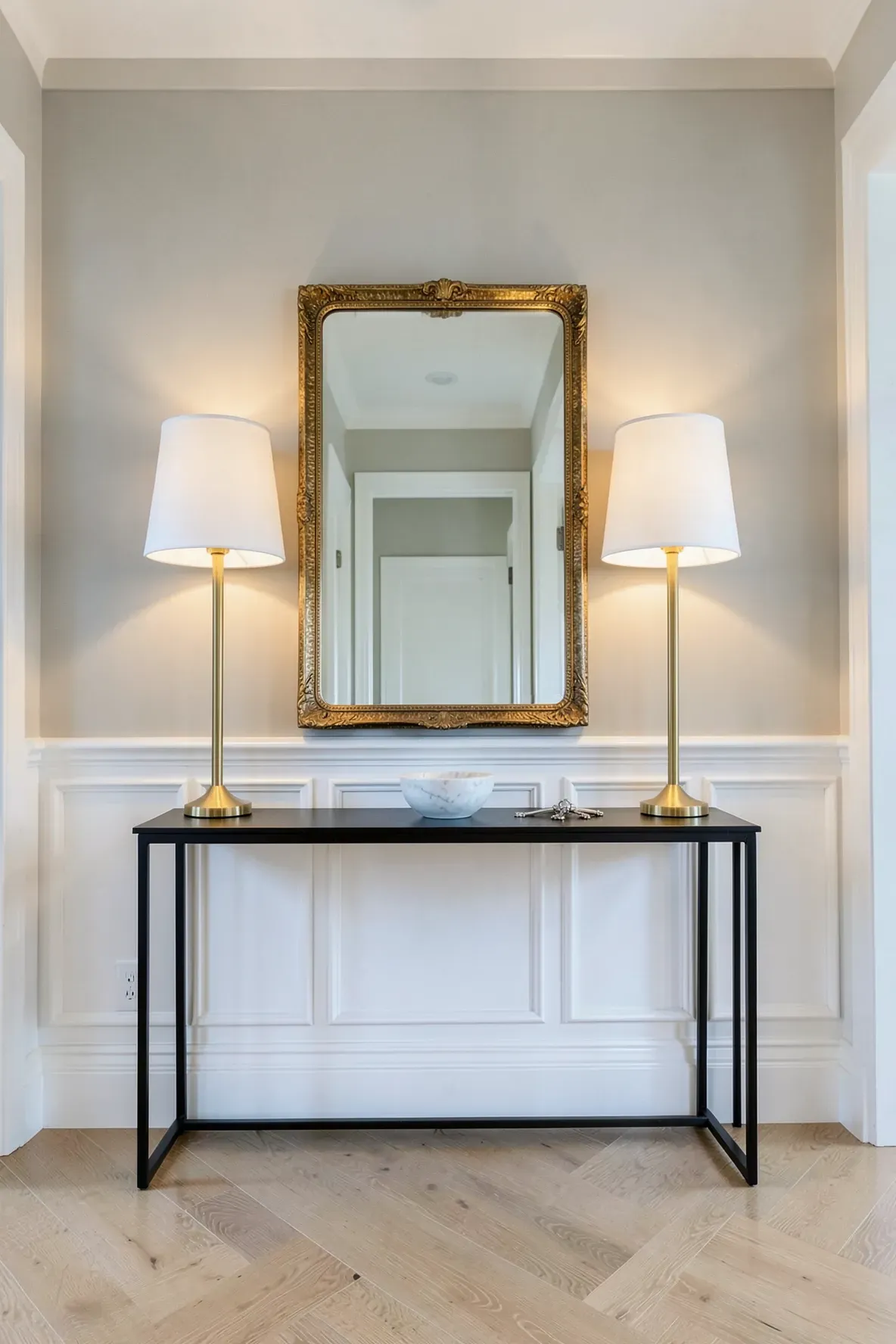
Console tables are usually thin and long, which can make them look a bit flat against a wall. Using tall table lamps is a great way to break up that horizontal line. These lamps draw the eye upward and make the ceiling feel higher. If you have a large mirror or a piece of art above the console, place a lamp on either side to frame it. This creates a balanced, symmetrical look that works well in entryways. Ensure the lamps are tall enough so that the shades don't block the center of the artwork, but rather sit slightly to the side to highlight the colors and textures of the piece.
Creating Visual Interest with Unique Table Lamps in Shared Spaces
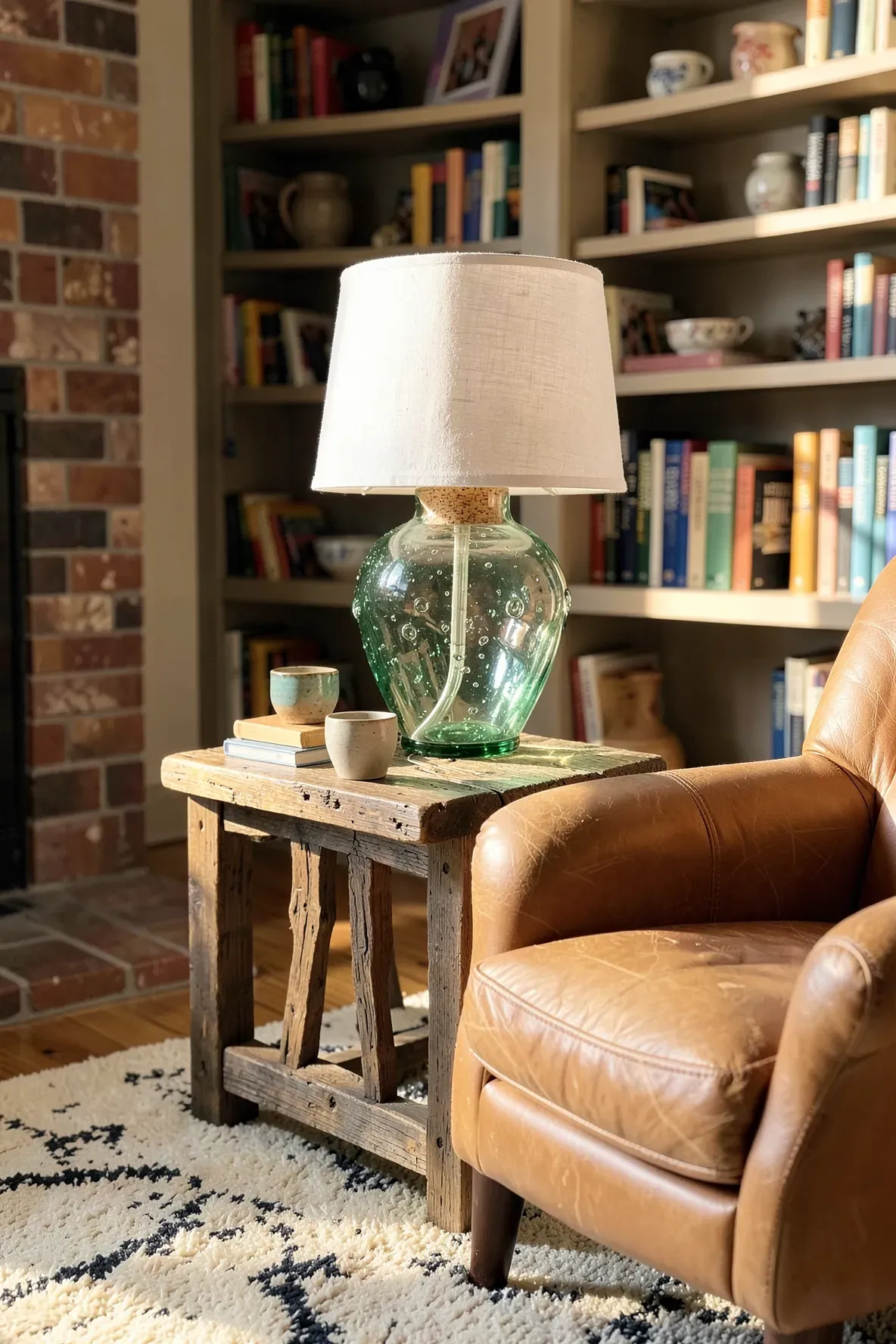
Shared spaces like family rooms or dens benefit from unique table lamps that serve as conversation starters. Instead of standard ceramic bases, look for materials like recycled glass, hand-forged metal, or carved wood. These pieces add texture and personality. When using a bold lamp, keep the surrounding decor simple so the lamp can stand out. A lamp with an unusual shape or an interesting base material can act as a piece of sculpture during the day and a warm light source at night. It is a simple way to show off your personal style without needing a lot of extra floor space.
Selecting Contemporary Table Lamps for Modern Interiors
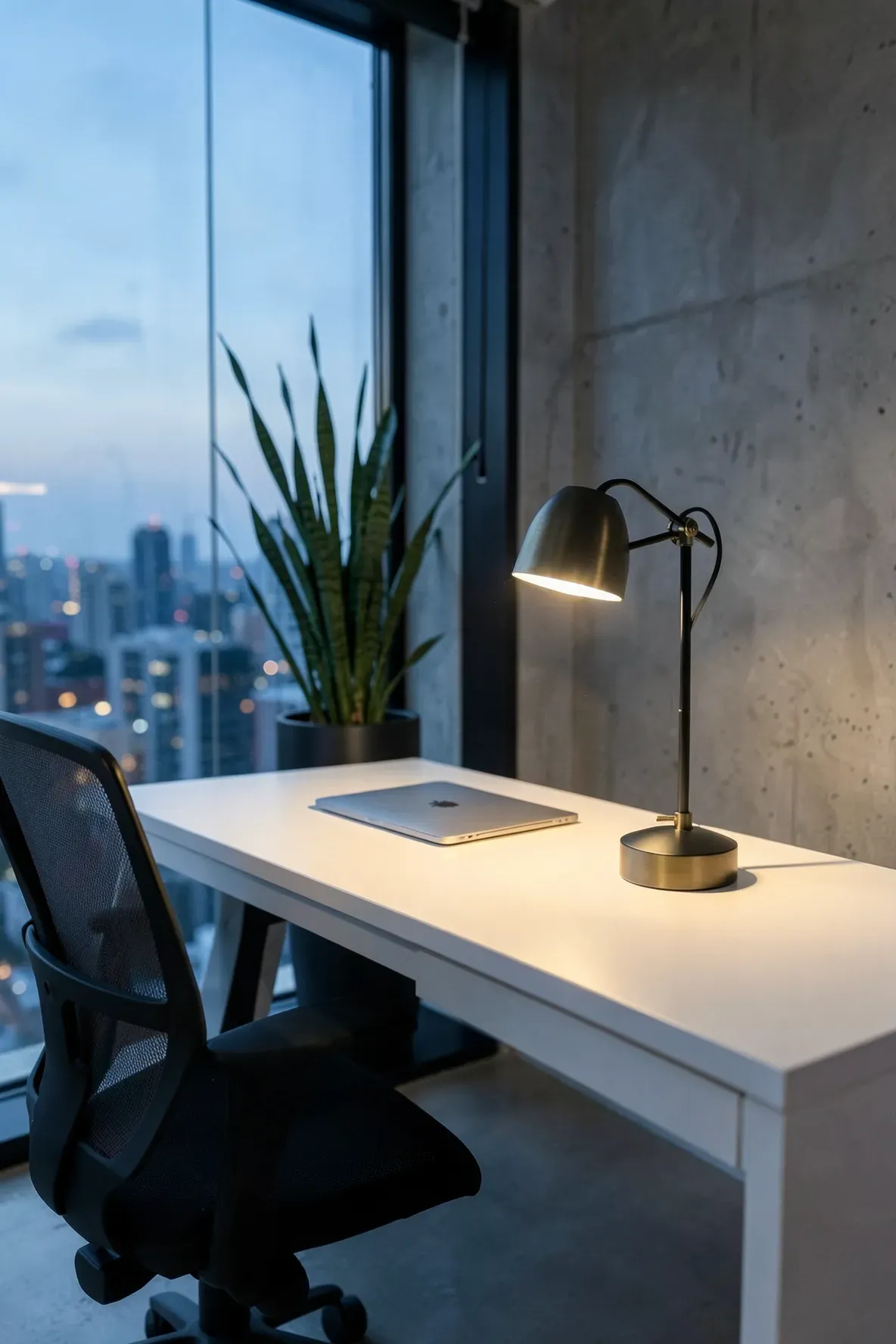
Modern homes often feature clean lines and a minimalist feel. Contemporary table lamps fit this style by using geometric shapes and modern materials like matte black steel or brushed brass. Look for lamps with slim profiles and integrated LED technology for a sleek look. In a modern setting, the lampshade often matters as much as the base. Drum shades in neutral colors like white, grey, or black provide a crisp look that complements modern furniture. If your room feels too cold, a contemporary lamp with a warm-toned metal base can add the right amount of softness.
The Role of Luxury Table Lamps in Formal Dining Rooms
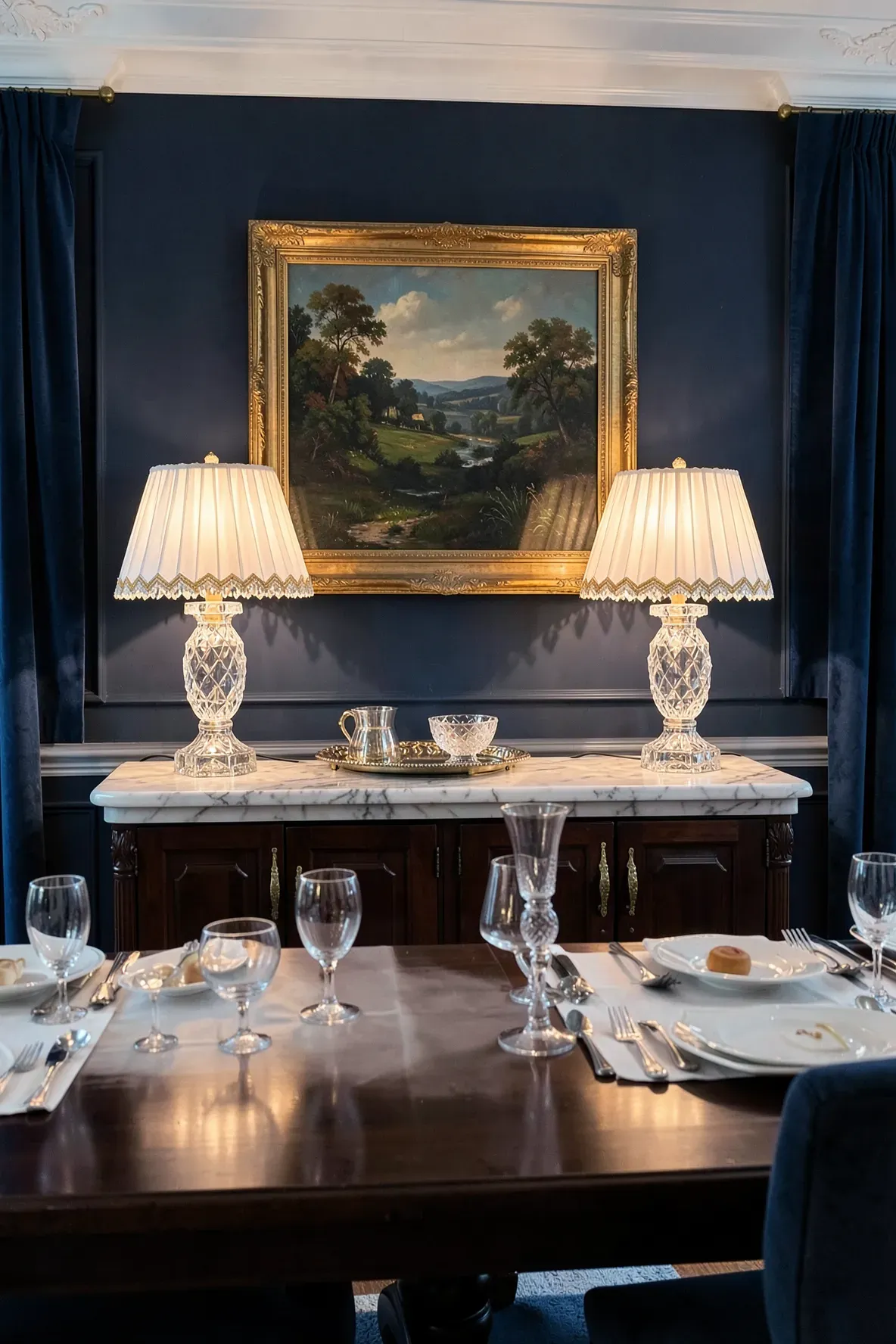
While many people rely on chandeliers for dining areas, luxury table lamps placed on a sideboard or buffet add a layer of warmth that overhead lighting cannot match. These lamps create a soft glow at eye level, which makes dinner parties feel more intimate. Look for high-quality materials like crystal, marble, or fine porcelain. Because these lamps are in a formal setting, you can opt for more decorative shades, such as silk or pleated fabric. Using a pair of matching lamps on a buffet creates a sense of order and elegance that fits the formal nature of the room.
Mixing Designer Table Lamps with Existing Furniture Styles
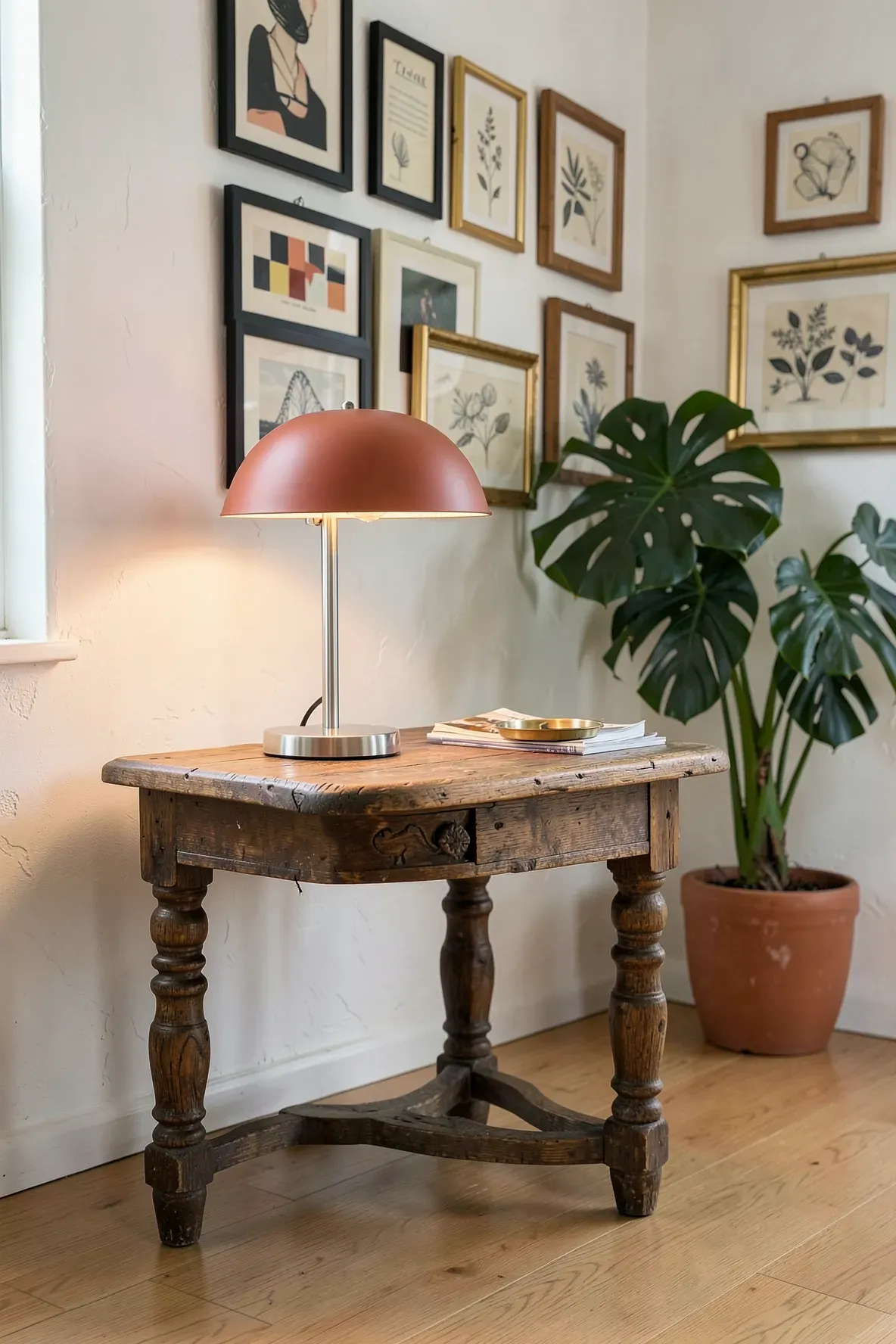
You don't need a house full of expensive furniture to make designer table lamps look good. In fact, a high-end lamp can make more affordable furniture look more sophisticated. The trick is to find a common element between the lamp and the room. For example, if you have a rustic wooden coffee table, a designer lamp with a bronze base will complement the warm wood tones. Don't be afraid to mix eras. A mid-century modern lamp can look fantastic on a traditional end table as long as the colors are cohesive. It creates a curated look that feels like it was put together over time.
Practical Table Lamp Ideas for Ambient and Task Lighting
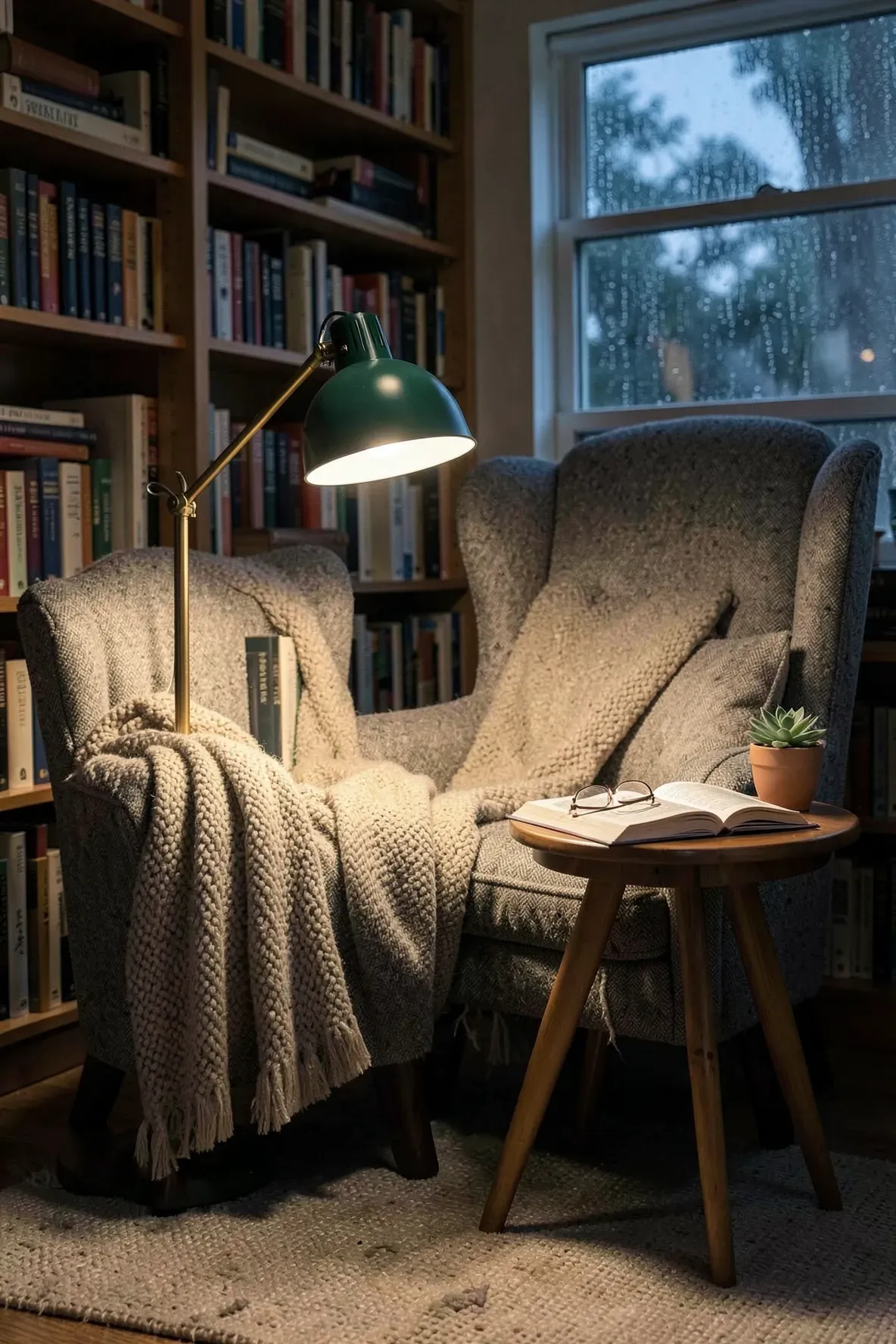
When looking for table lamp ideas, think about what you actually do in the room. If the lamp is for a reading nook, you need a shade that directs light downward. If it is for general atmosphere, a linen shade that diffuses light in all directions is better. You can also use lamps to highlight specific areas, like a favorite plant or a collection of books. Consider using smart bulbs or dimmers. This allows you to change the lamp from a bright task light for working into a soft glow for watching movies or relaxing at the end of the day.
Common Mistakes to Avoid When Sizing Large Lamps for Small Tables
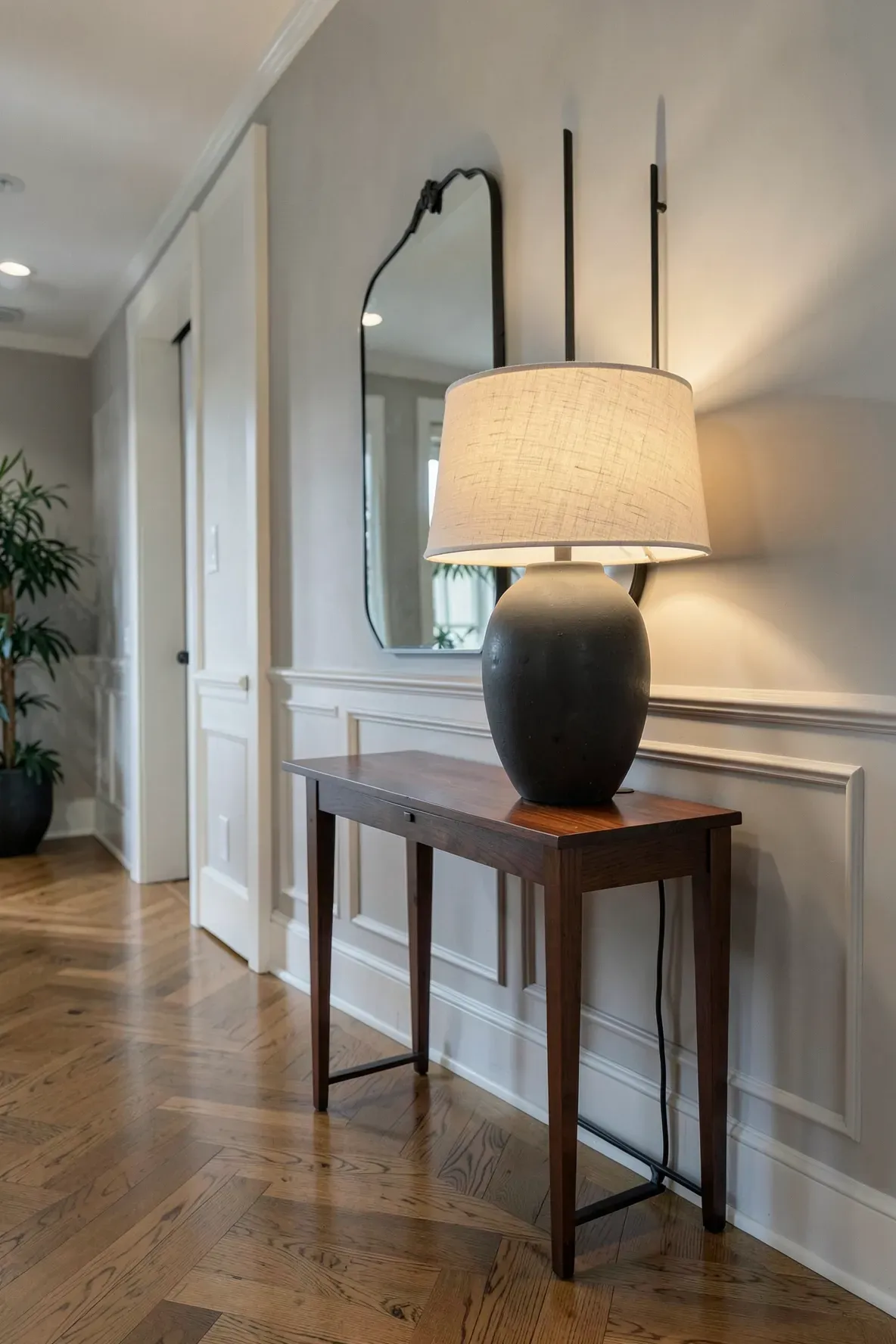
One of the most frequent mistakes is placing a very heavy lamp on a delicate, spindly table. Not only does this look unbalanced, but it is also a safety hazard. If you are using console table lamps on a narrow hallway table, make sure the base is heavy enough to stay put but the shade isn't so wide that people bump into it as they walk by. Another mistake is forgetting about the cord. Large lamps often have thick cords; try to tuck these behind the furniture or use cord clips to keep the setup looking tidy. Always check that the lamp doesn't hang over the edge of the table, as this breaks the visual flow of the room.
Choosing the right lighting is about balancing function and style. By paying attention to the height and scale of your lamps, you can make any room feel more comfortable and well-designed. Start by looking at your current surfaces and identifying where a bit of extra light or height is needed. Whether you choose a bold designer piece or a simple contemporary design, the right lamp will make your home feel much more inviting. Take a look at your living room today and see where a larger lamp might make a difference.