
Imagine waking up and washing your face while watching the sunrise or seeing the trees sway in your backyard. Placing a window directly above a bathroom vanity is a bold design choice that replaces a standard wall with a view and a flood of natural light. While it looks beautiful, it does present some unique challenges regarding where to put your mirror and how to keep the neighbors from seeing in.
This guide covers the practical side of this layout. We will look at how to arrange your fixtures, choose the right glass for privacy, and select materials that won't warp when they get splashed. Whether you are remodeling a small powder room or building a master suite, these tips will help you balance aesthetics with daily function.
Practical placement of mirrors and fixtures
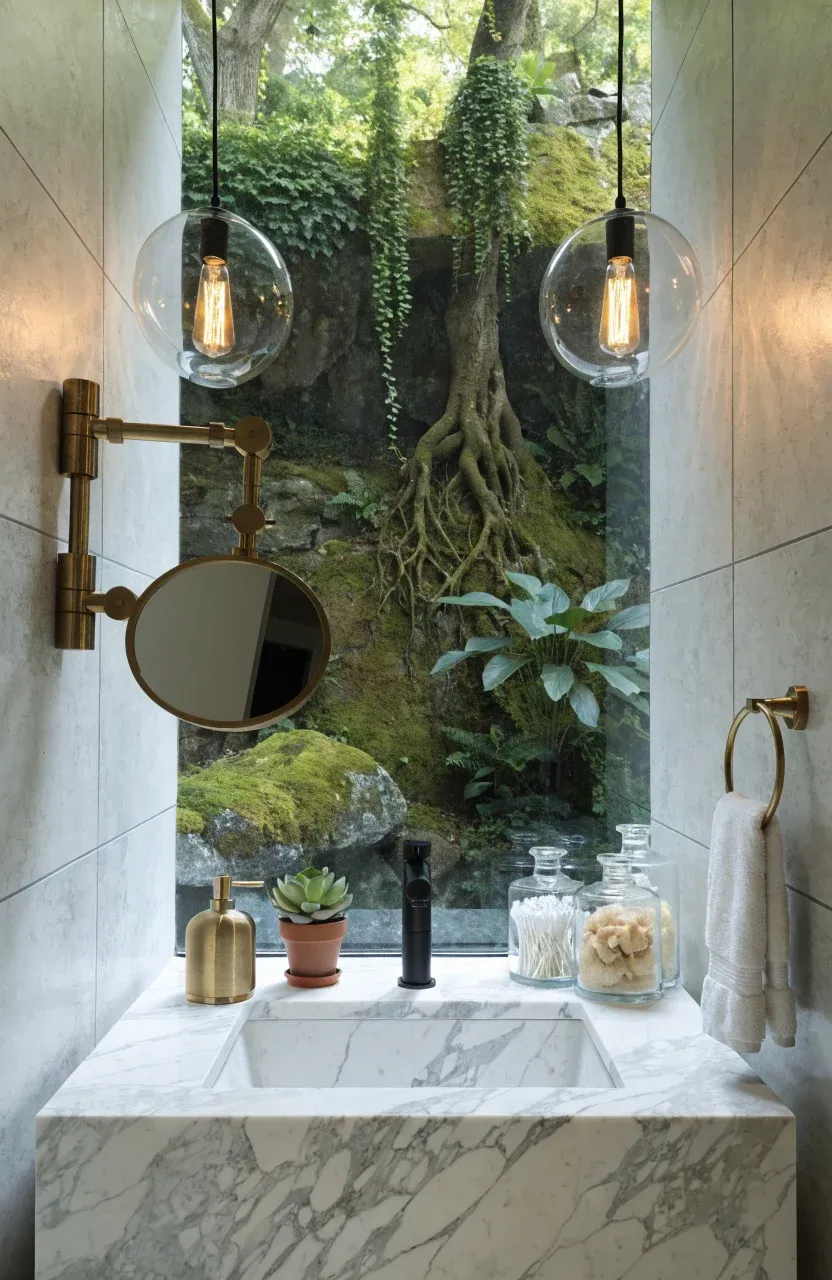
The biggest hurdle with a window above the sink is the mirror. Since you can't hang a standard mirror on glass, you have to get creative. One popular option is to use a swing-arm mirror attached to the side wall. These can be pulled in front of the window when you need them and pushed away when you want the view. Another choice is to hang a mirror from the ceiling using thin cables or metal rods. This keeps the mirror centered over the sink while allowing light to flow around it. If the window is small enough, you might even place two narrow mirrors on either side of the frame, though this works best for double vanities.
Choosing the right window style for privacy
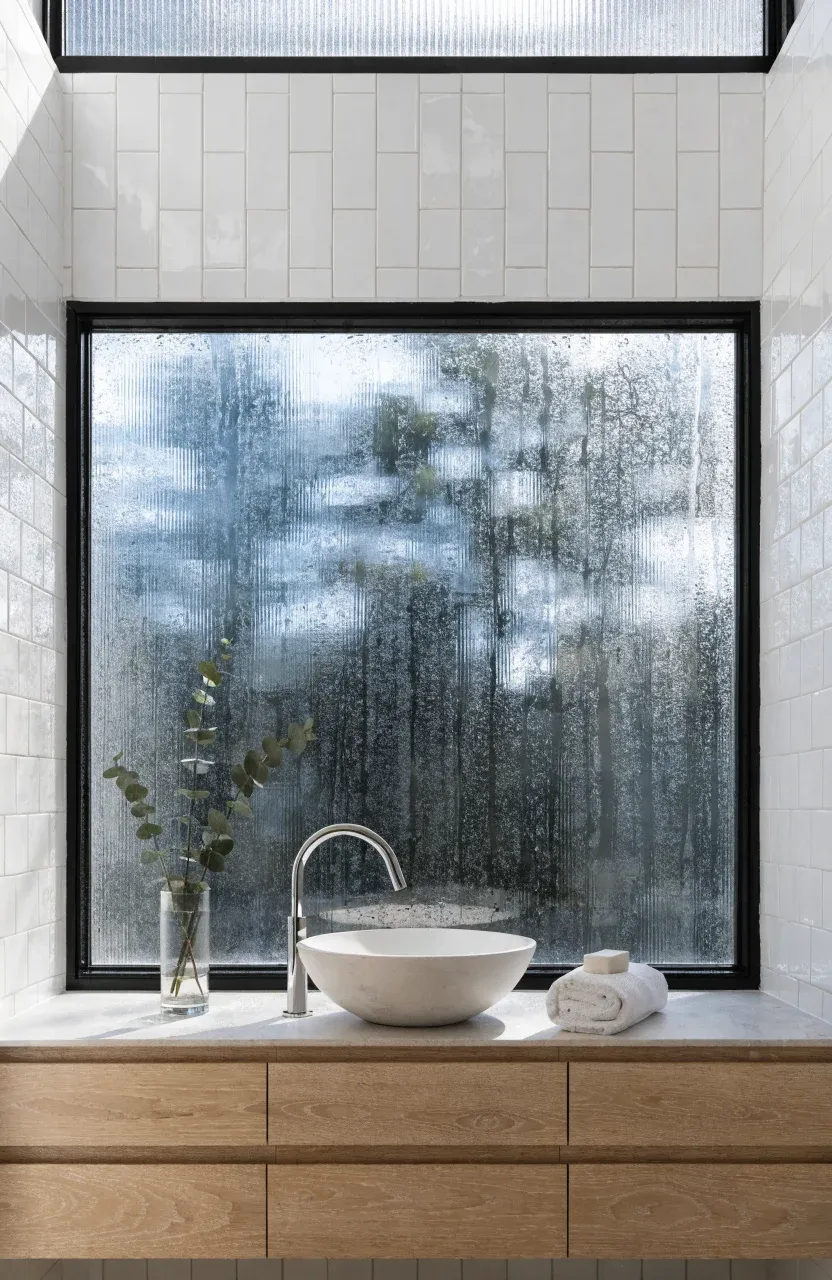
Privacy is usually the first concern for most homeowners. You don't have to sacrifice light to stay hidden. Frosted or acid-etched glass is a great way to let light in while blurring everything else. If you prefer clear glass, consider a clerestory window, which is a thin, horizontal window placed high up near the ceiling. This keeps the vanity area bright but stays above eye level from the outside. Textured glass patterns, like rain glass or ribbed styles, also provide a modern look while keeping your morning routine private.
Managing natural light and glare for grooming
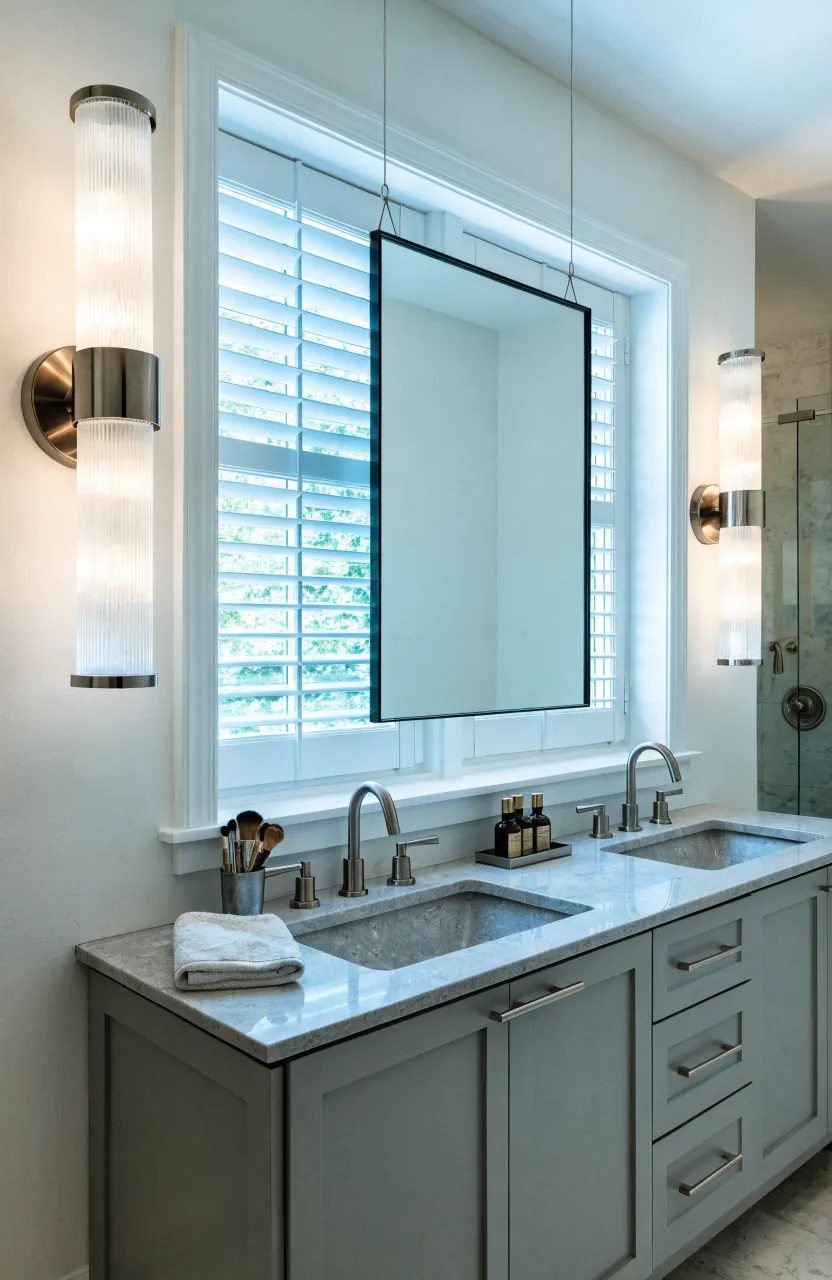
Natural light is usually a benefit, but it can be tricky for shaving or applying makeup. If the sun shines directly through that window at a certain time of day, it can create harsh shadows on your face or blind you in the mirror. To fix this, use window treatments like moisture-resistant shutters or simple blinds. You should also install wall-mounted sconces on either side of the window. These provides 'fill light' to balance out the bright light from behind the vanity, ensuring your face is evenly lit regardless of the weather outside.
Materials that handle moisture and humidity near the sink
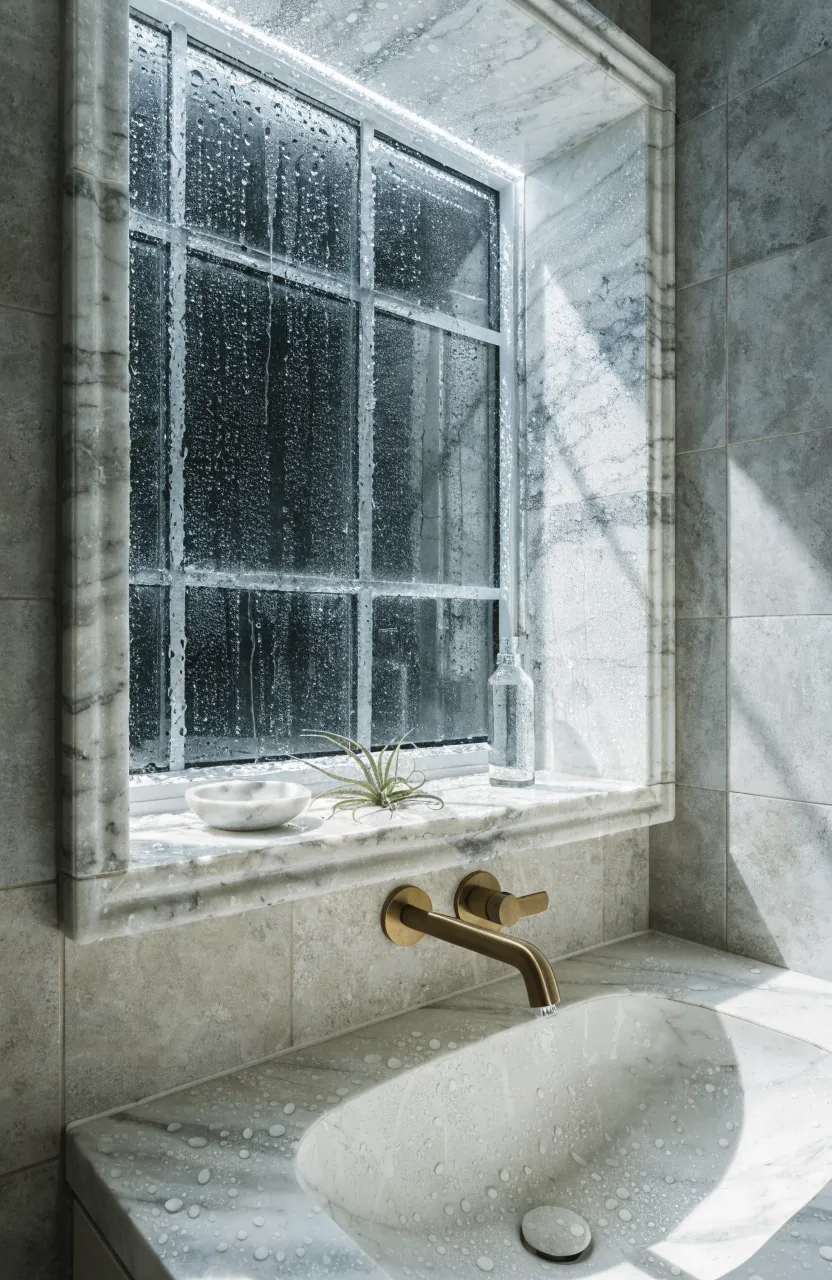
Windows near a sink are prone to splashes and high humidity from the shower. Avoid using standard wood trim around the window, as it can rot or peel over time. Instead, use PVC trim, stone, or tile to frame the window opening. These materials are waterproof and easy to wipe down. If you do use wood, make sure it is treated with a high-quality marine-grade sealant. For the window itself, vinyl or fiberglass frames are better than wood because they won't expand or contract when the bathroom gets steamy.
Structural considerations for plumbing and wall space
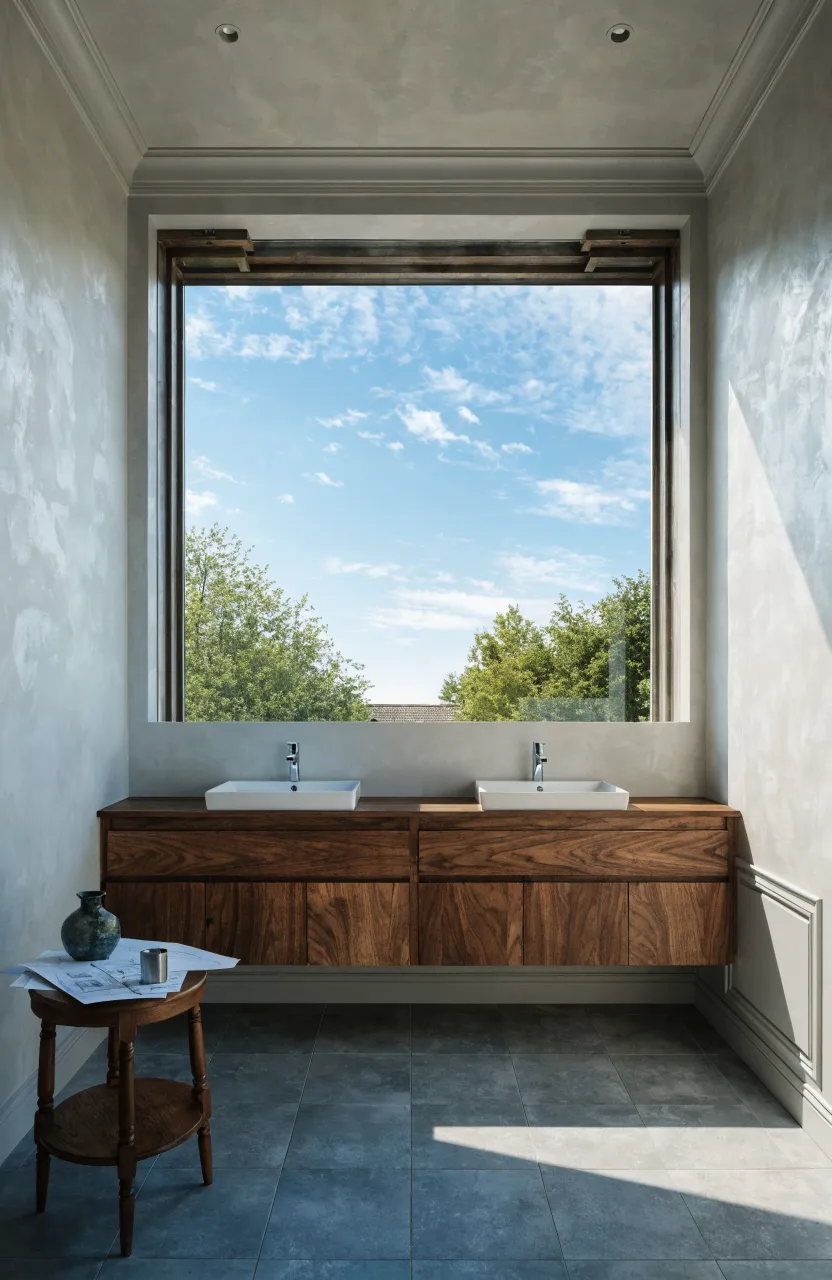
Before you cut a hole in the wall, check your plumbing. Most bathroom sinks have a vent pipe that runs vertically behind the vanity and through the roof. If you put a window there, that pipe has to be moved. This usually means rerouting the vent through a nearby wall, which can add to your labor costs. You also need to ensure the wall still has enough structural support. A wide window requires a header to carry the weight of the roof, so consult with a builder to make sure your wall can handle the change without sagging.
Ventilation benefits and air circulation
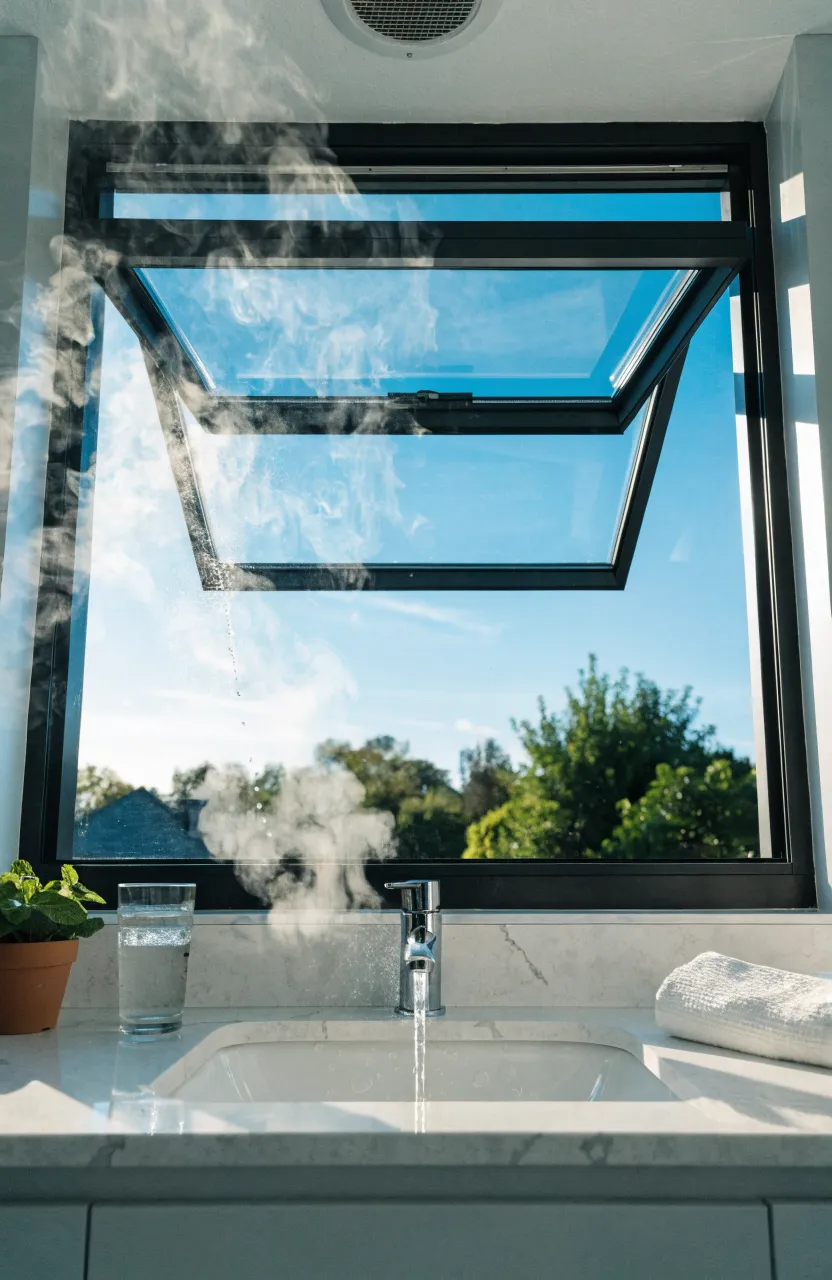
One of the best reasons to put a window above the vanity is the extra airflow. Even if you have a vent fan, an operable window helps clear out steam much faster. An awning window is a smart choice here; it hinges at the top and opens outward, which means you can leave it cracked for fresh air even when it is raining. Better circulation prevents mold growth on your ceiling and keeps the bathroom smelling fresh. Just make sure the window is easy to reach over the vanity so you don't have to strain to open or close it.
A window above the vanity is a refreshing departure from standard bathroom layouts. While it requires some extra planning for mirrors and plumbing, the payoff is a bright, airy space that feels much larger than it is. If you are ready to change your view, start by talking to a contractor about your wall structure and start looking at waterproof trim options to get the project moving.