
A small bathroom can easily feel cramped and dark, but a white vanity is one of the most effective ways to open the space up. The bright color reflects light, making the room feel larger than it actually is, while providing essential storage for your daily essentials. Choosing the right one involves more than just picking a style you like; it requires careful planning to ensure the piece fits your floor plan and stands up to daily use.
In this guide, we will look at how to measure your bathroom accurately, choose materials that handle high humidity, and coordinate finishes for a cohesive look. We will also cover the basic steps for a secure installation so you can update your space with confidence.
Measuring your space for a functional layout
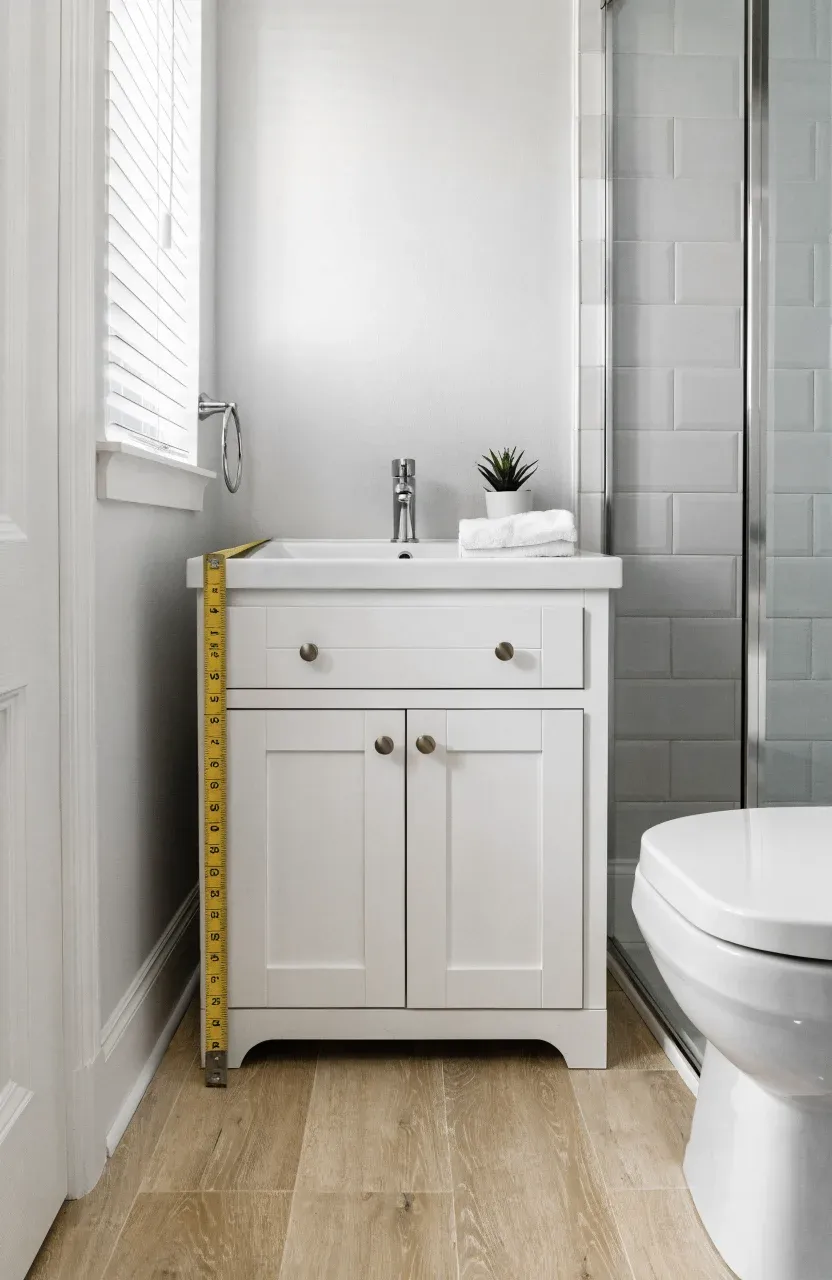
Before you buy anything, you need to know exactly how much room you have. Start by measuring the width of the wall where the vanity will sit. But don’t stop there. You also need to check the depth to ensure you can still walk past the vanity and open the bathroom door fully. If the vanity is near a shower or toilet, leave at least 15 to 18 inches of clearance from the center of the toilet to the side of the cabinet for comfort.
Don't forget to account for the swinging of the vanity doors or the extension of drawers. In a very tight spot, a vanity with open shelving or a single door might work better than several drawers. Also, mark the location of your existing plumbing. Moving pipes is expensive, so it’s usually best to choose a vanity that aligns with your current drain and water lines.
Selecting a vanity style to match your storage needs
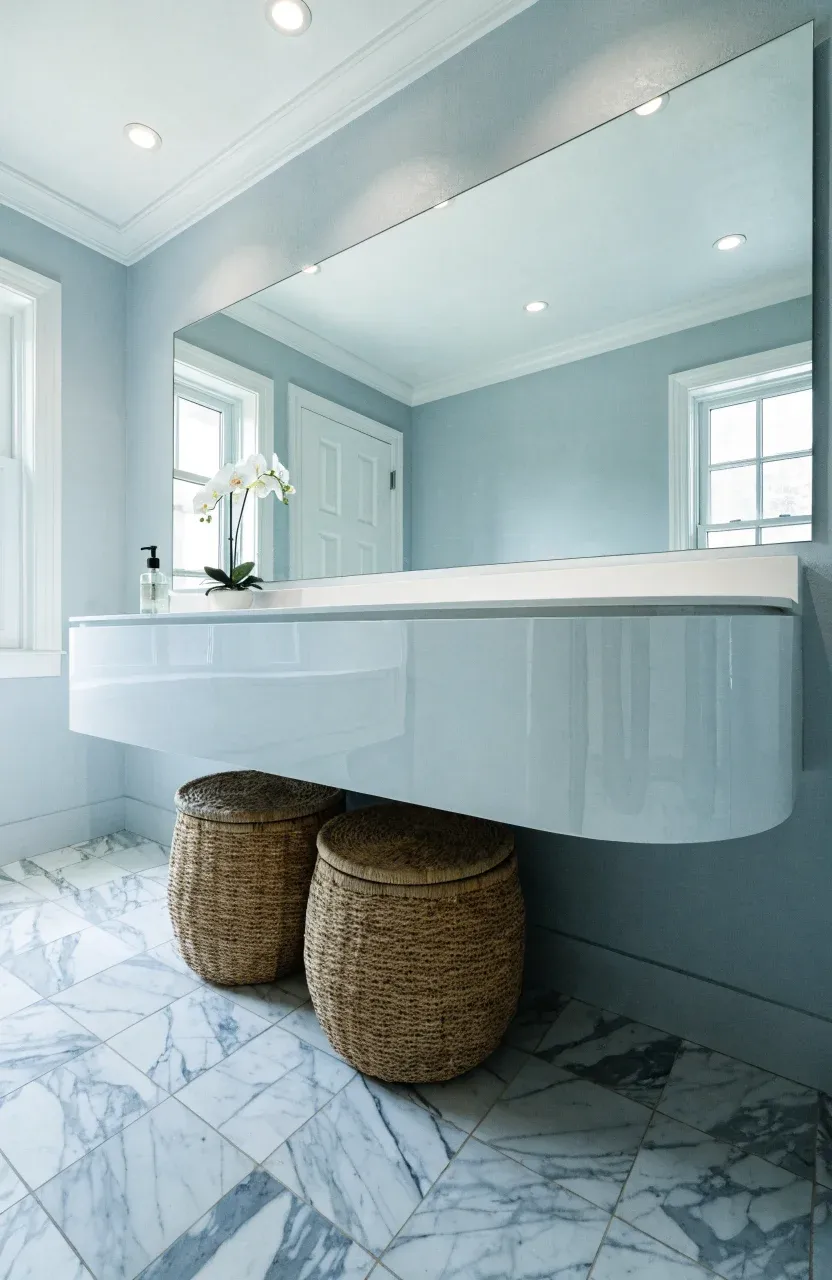
White vanities come in several styles, from floor-standing cabinets to floating models. If you need to hide a lot of toiletries and cleaning supplies, a standard cabinet with doors is usually best. For a more modern and airy feel, a wall-mounted or 'floating' vanity shows more of the floor, which tricks the eye into thinking the room is bigger. However, floating vanities often have less storage space inside.
Think about who uses the bathroom. A guest bath might only need a small drawer for a few items, while a primary bathroom requires deep drawers for hair tools and bottles. If you choose a vanity with a pedestal or open legs, you may need to add baskets underneath to keep things organized and prevent the space from looking cluttered.
Materials and finishes that stand up to moisture
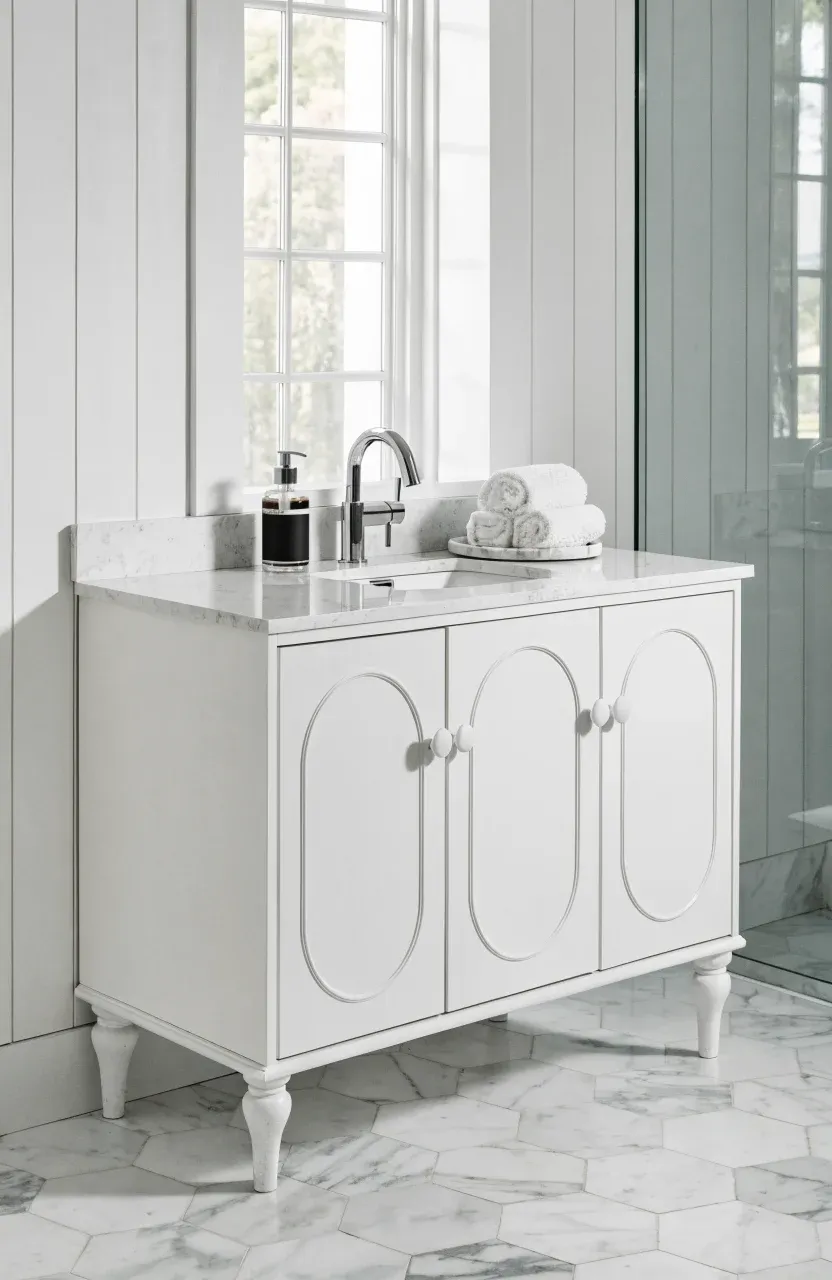
Bathrooms are wet and humid, so the material of your white vanity matters. Solid wood is beautiful but can warp over time if the bathroom isn't well-ventilated. Plywood is often a better choice because it is more stable in humid conditions. Many budget-friendly vanities are made of MDF (medium-density fiberboard). If you go this route, ensure it has a high-quality, water-resistant lacquer or thermofoil finish to prevent the edges from swelling when they get wet.
For the countertop, quartz and marble are popular for white vanities. Quartz is non-porous and very easy to maintain, whereas natural marble requires regular sealing to prevent stains. If you want a seamless look, integrated ceramic sinks are a great choice because they are easy to wipe down and don't have edges where grime can build up.
Coordinating hardware and faucet finishes with white cabinetry
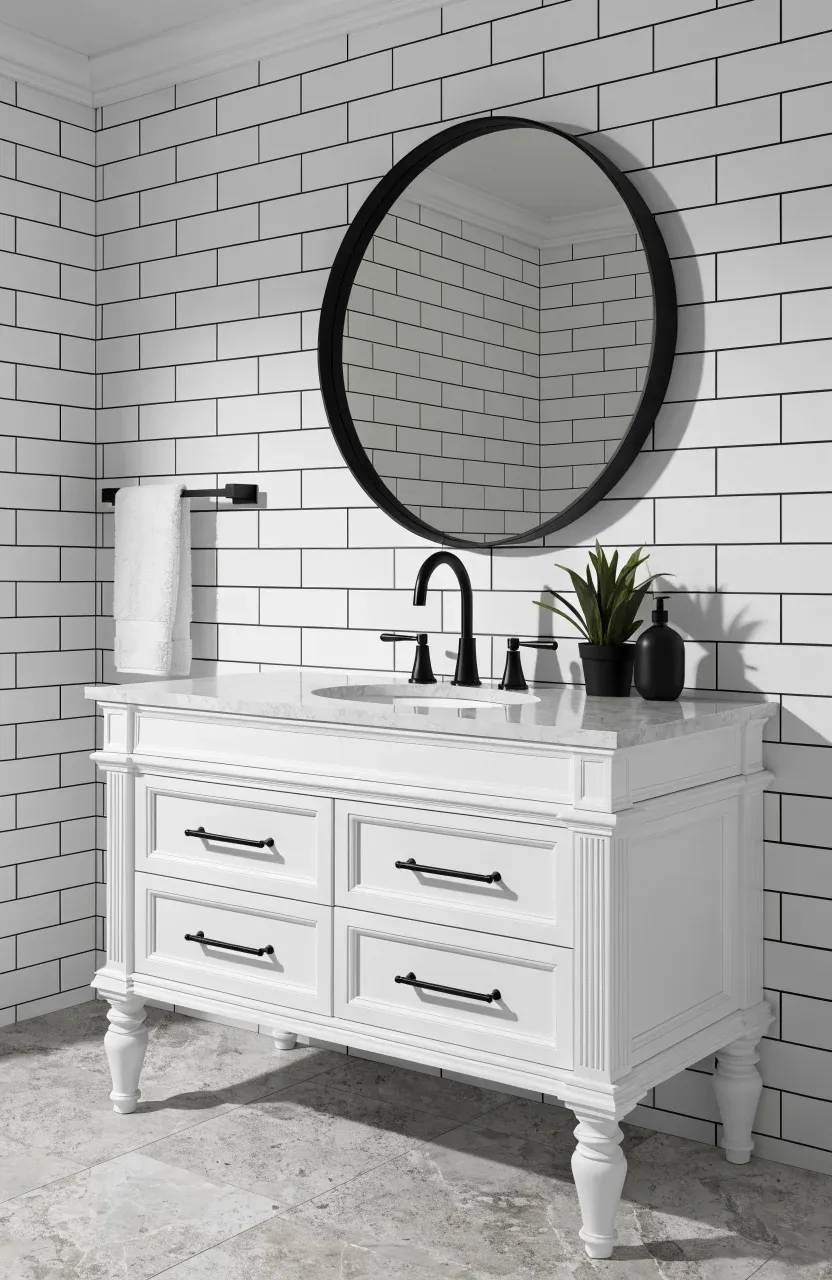
White is a neutral base, so almost any hardware finish will work. Matte black hardware creates a sharp, modern contrast against white doors. If you want a warmer, more traditional feel, brushed gold or brass is a great option. Chrome and brushed nickel are classic choices that match most standard bathroom fixtures and help reflect even more light.
Try to match your faucet finish to your cabinet handles for a consistent look. If you decide to mix metals, keep one finish as the dominant choice and use the second as an accent. For example, you could have black handles on the vanity but keep the faucet and towel bars in chrome. This keeps the small space from looking too busy or mismatched.
Lighting and mirror placement to brighten the room
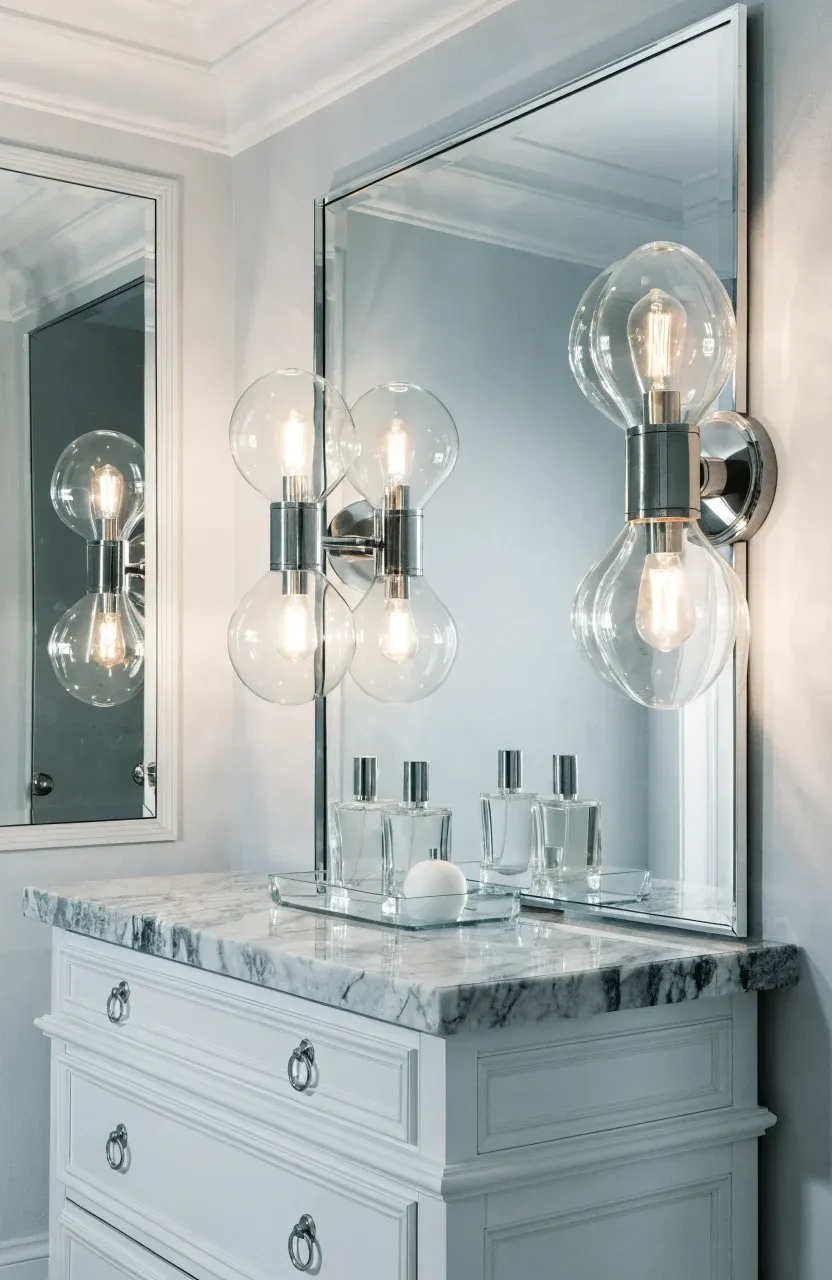
The mirror and lighting you place above your white vanity are just as important as the cabinet itself. A large mirror reflects the white finish and the opposite wall, doubling the perceived depth of the room. In a small bathroom, consider a recessed medicine cabinet with a mirrored front to gain extra storage without taking up physical space.
For lighting, avoid a single overhead light that casts harsh shadows on your face. Instead, place sconces on either side of the mirror at eye level. If the vanity is too narrow for side lights, a light bar mounted above the mirror works well. Use 'cool white' or 'daylight' bulbs to keep the white vanity looking crisp rather than yellowed or dingy.
Installation steps for a secure and level fit
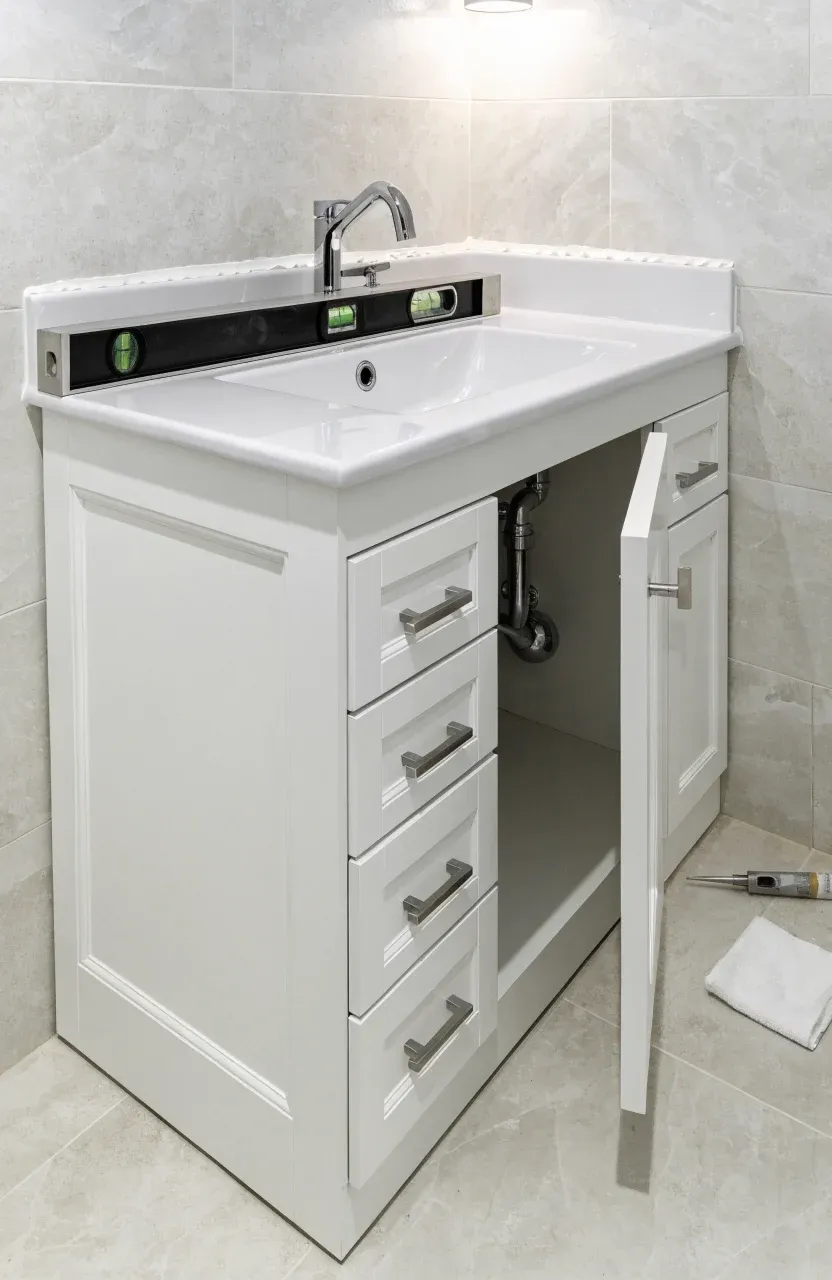
Once you have your vanity, start by turning off the water valves and removing the old unit. Place the new vanity in position and use a level to check it from side to side and front to back. If your floor is uneven, use plastic shims under the base until it is perfectly level. This is crucial because an unlevel vanity can cause the sink to drain poorly or the doors to hang crooked.
Secure the vanity to the wall by driving screws through the back mounting rail and into the wall studs. Once the cabinet is stable, apply a bead of silicone caulk to the top edge before setting the countertop in place. Connect your faucet and drain assembly according to the manufacturer's instructions, then turn the water back on and check for leaks. Finally, caulk the gap between the backsplash and the wall to keep water from seeping behind the cabinet.
A white vanity is a smart investment for any small bathroom renovation. It provides a clean, timeless look that makes the most of limited square footage and natural light. By measuring carefully and choosing durable materials, you can create a functional space that looks great for years. Now that you know what to look for, you can start shopping for a vanity that fits both your style and your storage needs.