
Choosing a wall-mounted vanity can make a small or mid-sized bathroom feel much larger by opening up the floor space. At 36 inches wide, these vanities offer a great balance between generous counter space and a compact footprint. However, switching from a floor-standing unit to a floating model requires more than just picking a style you like; it involves careful planning for weight and plumbing.
Key takeaways include:
- Always verify wall stud locations before purchasing.
- Moisture-resistant materials like plywood or solid wood are better than MDF.
- Plumbing lines often need to be moved higher into the wall for a clean look.
- Blocking or wall reinforcement is necessary to prevent the unit from sagging.
Measuring your space and wall clearance

Before you buy a 36-inch vanity, you need to measure the actual width of your bathroom wall. While the cabinet is 36 inches, you should allow for at least two to three inches of clearance on either side if it is not being installed against a corner. This prevents the space from looking cramped and makes cleaning the sides of the cabinet easier. Don't forget to check the depth as well. Most standard vanities are 21 inches deep, but in narrow bathrooms, a shallow-depth model might be necessary to keep the walkway clear. Also, measure the height from the floor. Standard vanity height is 34 to 36 inches, but since you are mounting it yourself, you can adjust this to fit your personal comfort.
Selecting durable materials for humid environments
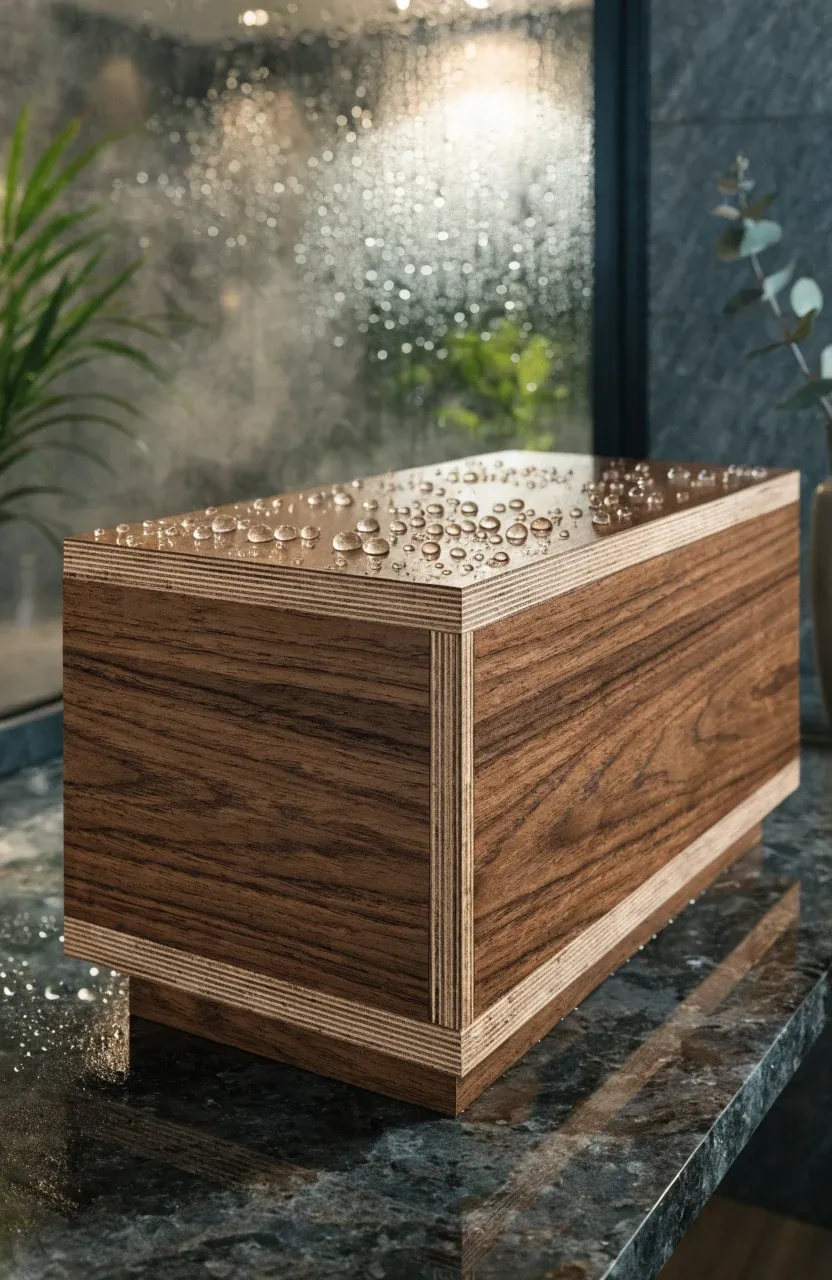
Bathrooms are naturally wet and humid, which is tough on furniture. For a wall-mounted vanity, the material needs to be both strong and water-resistant. Solid wood is a sturdy choice but can be expensive. Furniture-grade plywood is often the best middle ground because it handles moisture better than medium-density fiberboard (MDF) or particleboard. MDF tends to swell and peel if it gets wet, which is common around sinks. Look for finishes that are specifically rated for high-moisture areas to ensure the cabinet doesn't warp or degrade over time.
Wall reinforcement and structural support requirements
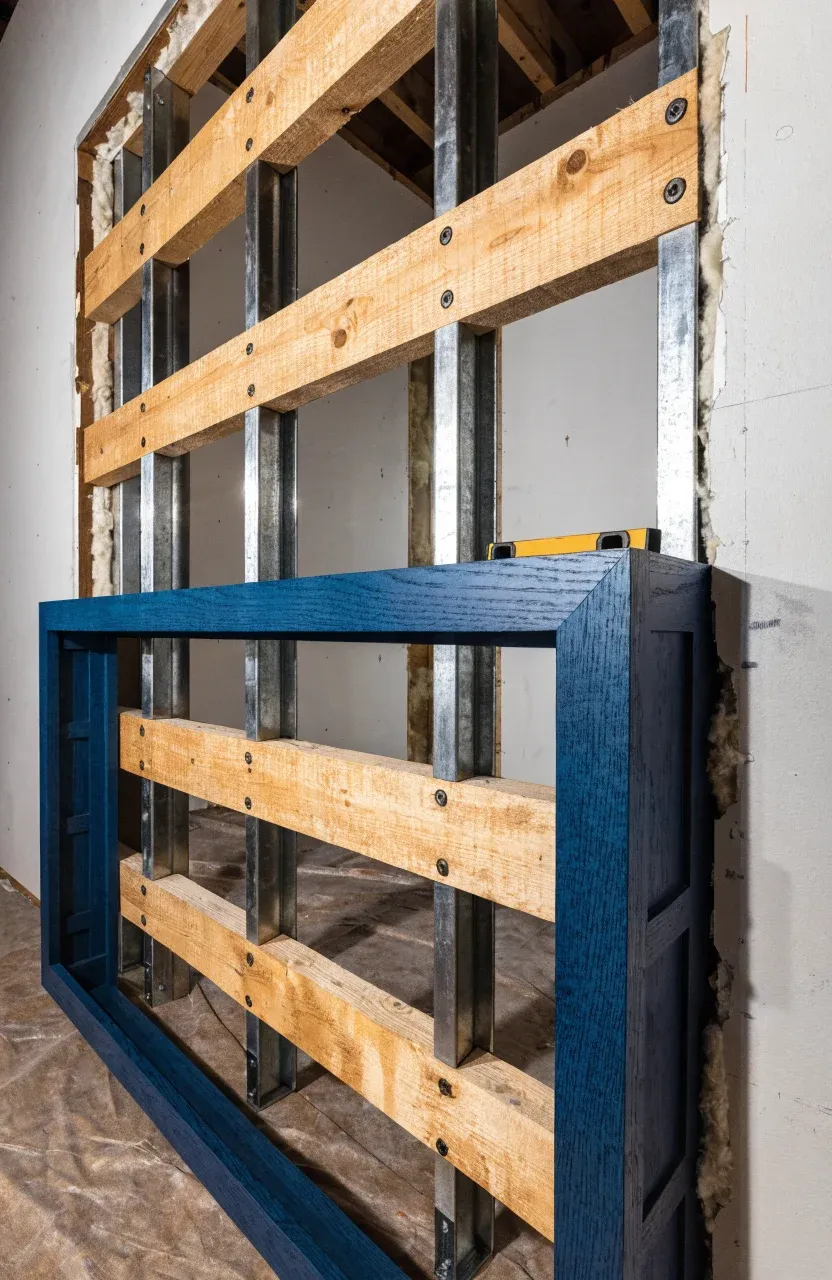
A 36-inch vanity is heavy, especially once you add a stone countertop and a sink full of water. You cannot simply screw it into drywall. You must secure the vanity directly into the wall studs. If the studs don't align perfectly with the vanity's mounting points, you will need to open the wall and install 'blocking.' This involves horizontal wood supports (usually 2×6 or 2×8 boards) nailed between the studs. This creates a solid frame that can hold the weight of the vanity without it pulling away from the wall or sagging over time.
Plumbing adjustments for a clean look
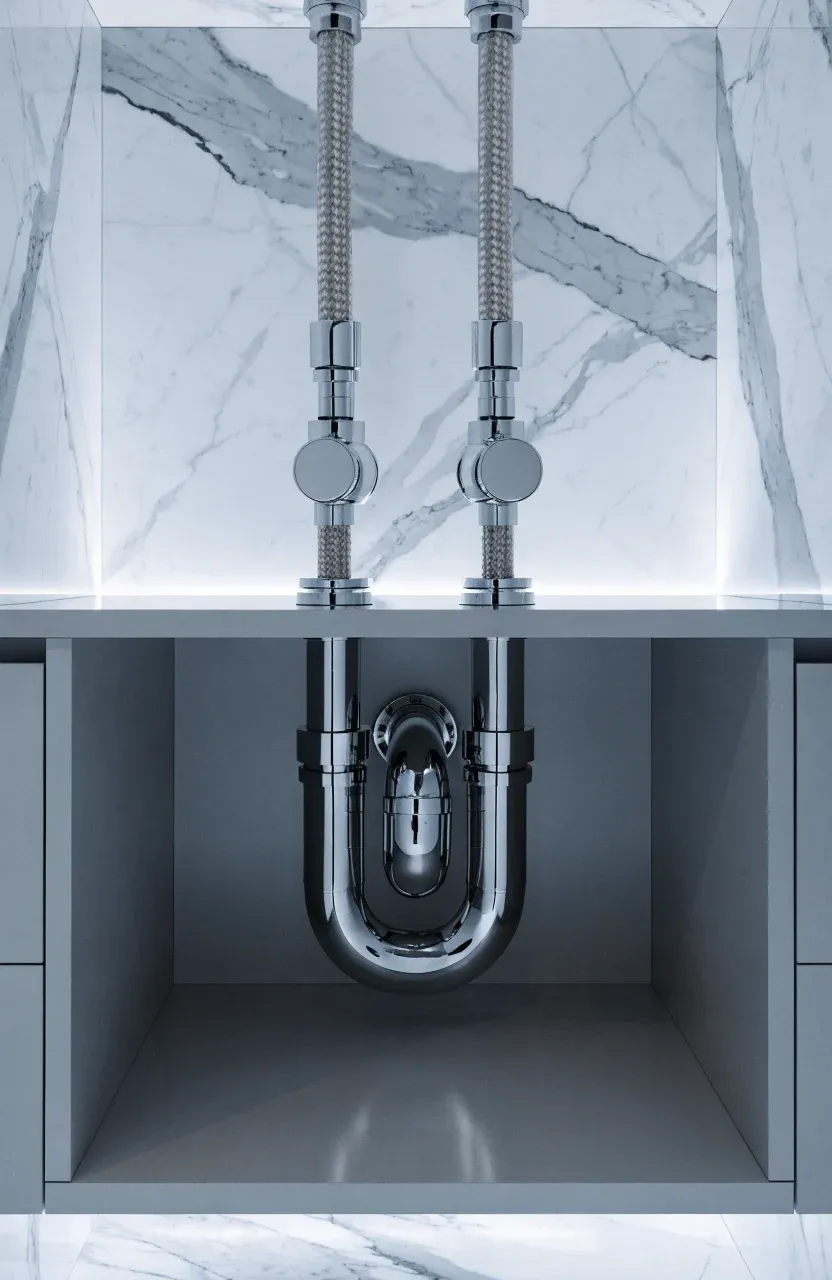
One of the main reasons people choose floating vanities is the modern, airy look. However, if your existing plumbing comes out of the floor or low on the wall, the pipes will be visible underneath the cabinet. To get the best look, you may need to hire a plumber to move the water supply lines and the drain pipe higher up so they are hidden behind the vanity drawers or doors. Keep in mind that 36-inch vanities often have drawers, so the plumbing needs to be centered and tucked back to avoid interfering with the drawer slides.
Storage options within a mid-sized floating cabinet
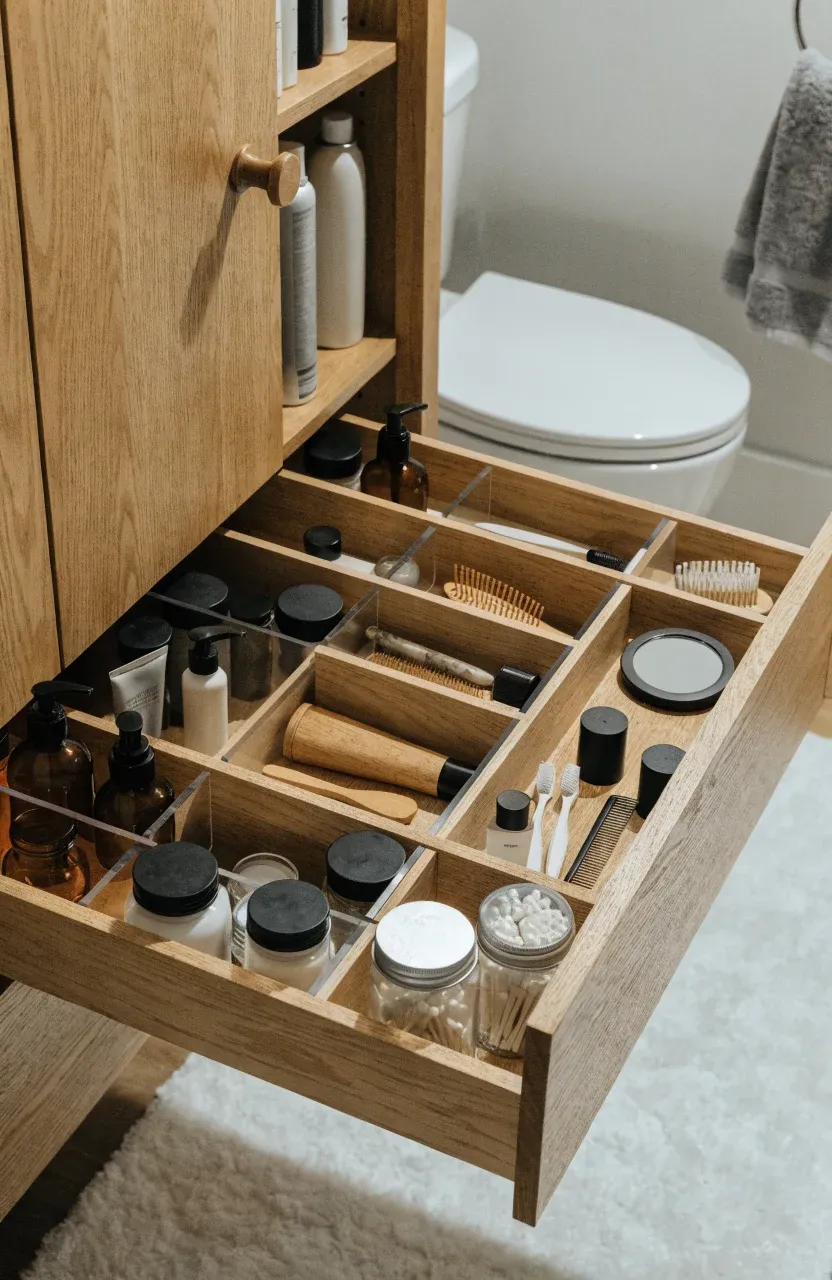
While you lose the floor-level storage of a traditional cabinet, 36-inch floating models offer clever ways to stay organized. Many designs feature deep U-shaped drawers that wrap around the plumbing. This allows you to use the space right under the sink. If you prefer a minimalist look, some models use a large single drawer with internal dividers. Others offer a combination of a small cabinet door for taller items like hairspray and a drawer for smaller essentials. Think about what you store daily to decide if drawers or open shelves work better for your routine.
Countertop and sink pairing considerations
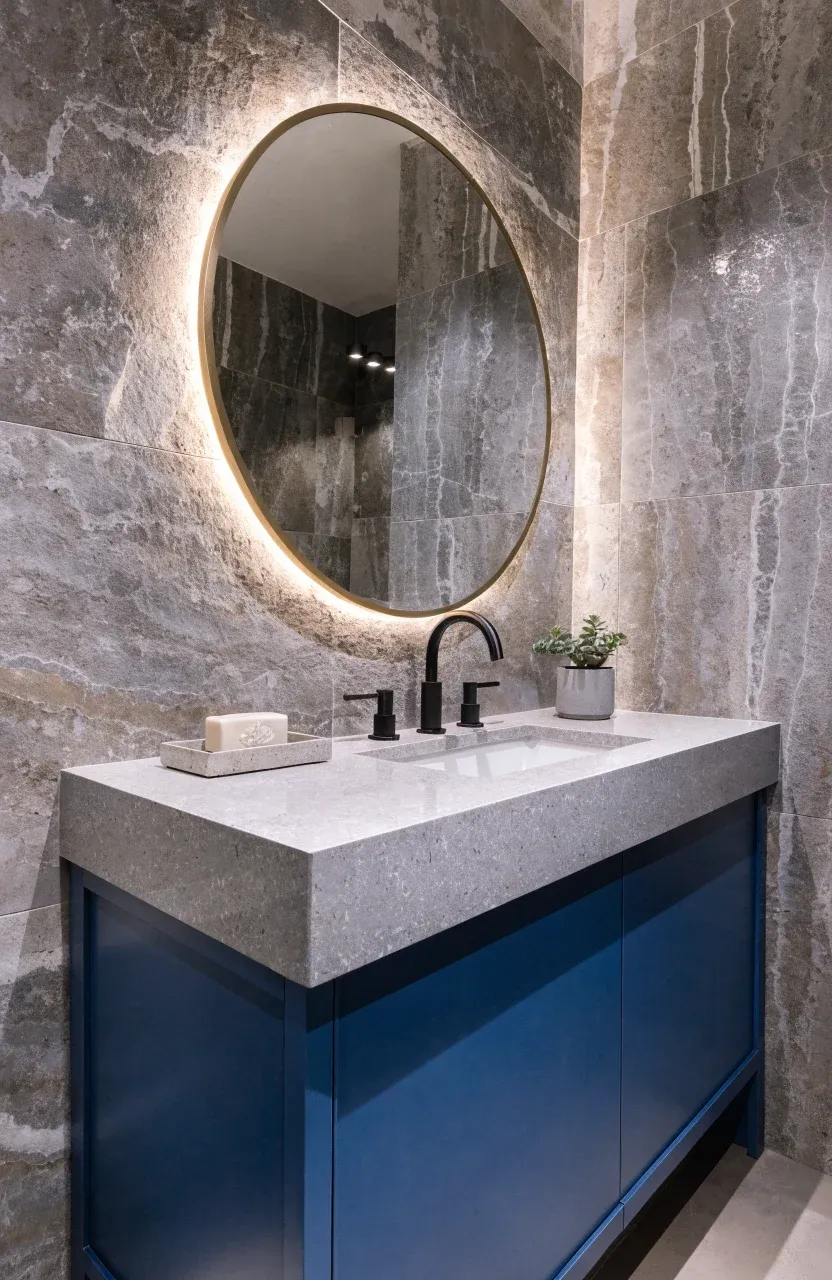
The top you choose affects both the weight and the maintenance of the vanity. Quartz is a popular choice for 36-inch vanities because it is non-porous and doesn't require sealing like marble or granite. For the sink, an undermount style provides a seamless look and makes it easy to wipe water from the counter directly into the basin. If you want something more unique, a vessel sink sits on top of the counter, but remember that this will require you to mount the vanity cabinet lower on the wall so the rim of the sink stays at a comfortable height.
Installing a 36-inch wall-mounted vanity is a practical way to update your bathroom with a modern feel. By focusing on structural support and moisture-resistant materials, you can create a setup that is as durable as it is stylish. If you are ready to start your renovation, begin by checking your wall studs and plumbing layout to ensure a smooth installation process.