
Most of us spend about a third of our lives in bed, yet we rarely think about what is inside our pillows. Traditional fills often rely on synthetic plastics and chemicals that can off-gas while you sleep or sit in a landfill for centuries once they are thrown away. Choosing sustainable materials helps reduce your environmental footprint while often providing better airflow and support than mass-produced alternatives.
This list covers various natural materials that work for bedrooms, living areas, and even outdoor spaces. Whether you need firm neck support or a soft place to rest your head, these eco-friendly options offer a way to make your home more comfortable without compromising your values. You will see how simple swaps in fabric and filling can improve your sleep quality and home decor.
Bamboo Fiber Fill for Breathable Sleep
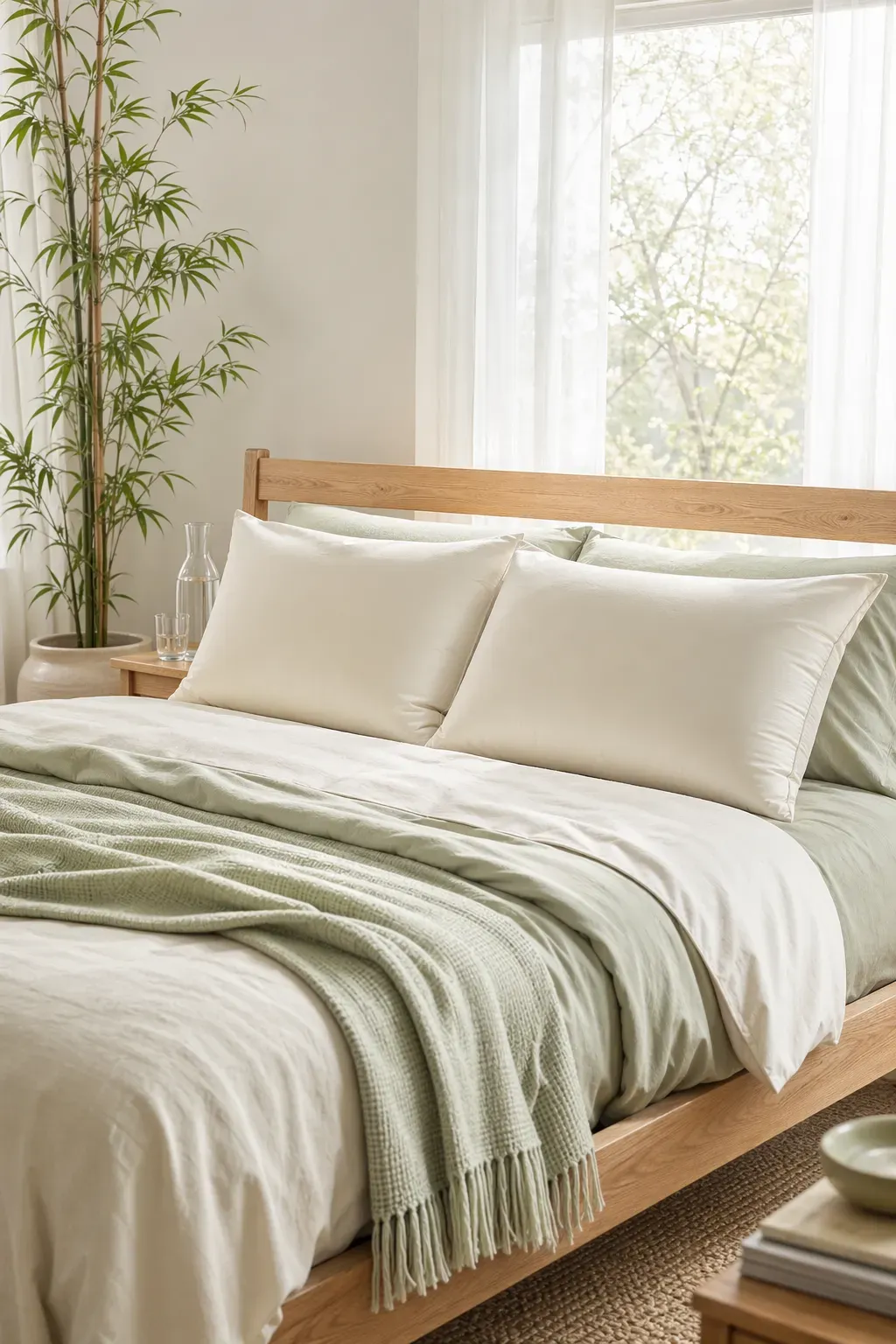
Bamboo fiber is a great choice if you tend to run hot at night. This material naturally wicks away moisture and allows air to circulate better than standard polyester stuffing. It feels soft and light, which is helpful for those who prefer a pillow that does not feel too heavy or dense. When shopping, look for pillows that use mechanically processed bamboo or lyocell processes to ensure the manufacturing is as clean as possible.
To keep these pillows in good shape, use a breathable organic cotton protector. This prevents sweat and oils from reaching the fibers, meaning you won’t have to wash the actual pillow as often. If the pillow starts to lose its loft, a quick tumble in the dryer on a low, cool setting can help fluff the bamboo fibers back up.
Buckwheat Hull Bolsters for Neck Support
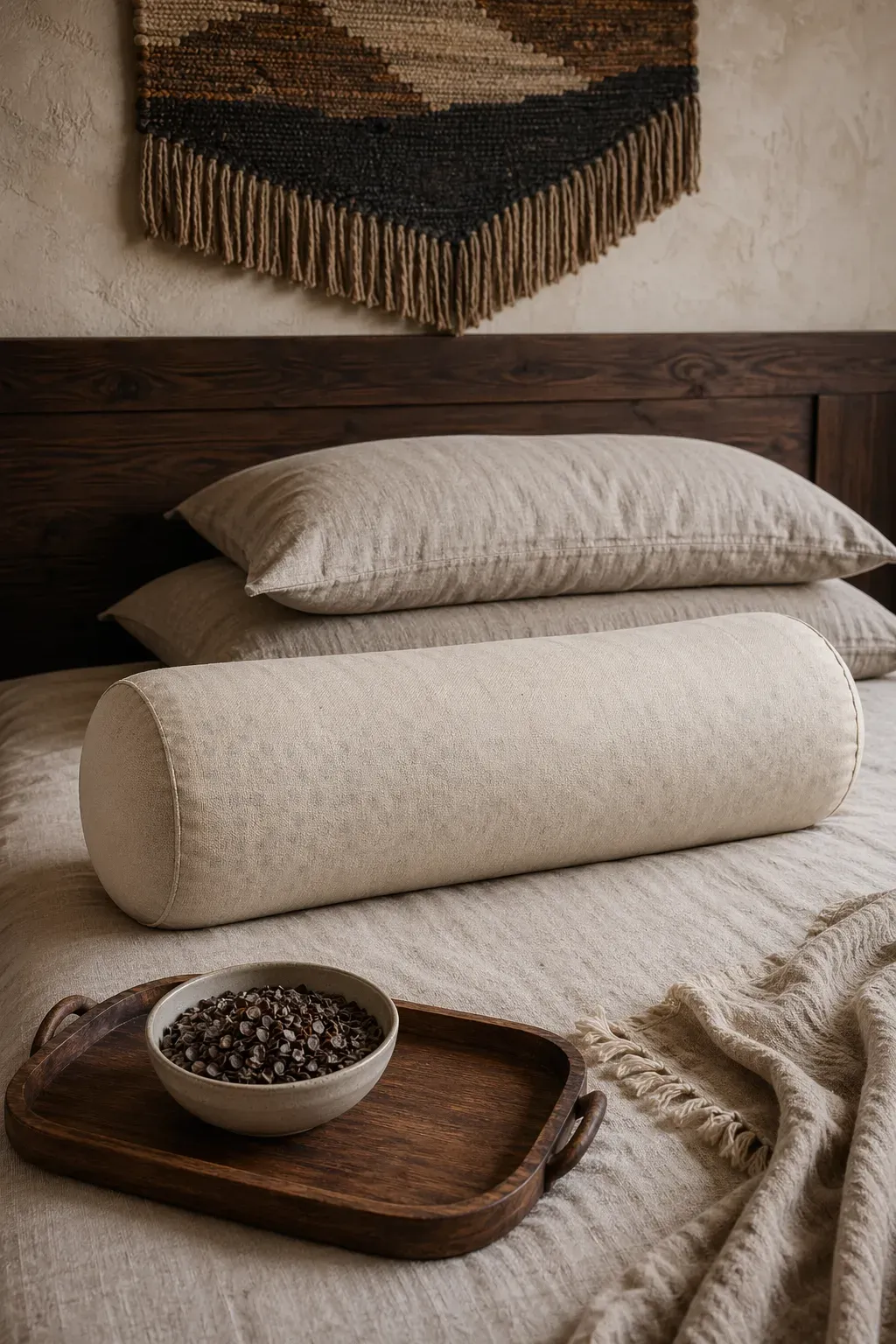
Buckwheat pillows are filled with the hard outer shells of buckwheat seeds. They don’t feel like a fluffy cloud, but they are excellent for people with chronic neck pain. The hulls shift to match the exact shape of your head and neck, then stay in place to provide firm support throughout the night. Since the hulls are irregular shapes, there is plenty of space for air to move through the pillow, keeping it cool.
Many buckwheat bolsters come with a zipper so you can add or remove hulls to get the height just right. If the pillow feels too high or hard, simply pour some hulls into a jar and save them for later. These pillows can last for many years, and when the hulls eventually break down, you can put them in your compost bin and buy a fresh bag of hulls for the existing fabric casing.
Natural Latex Cushions for Firm Pressure Relief
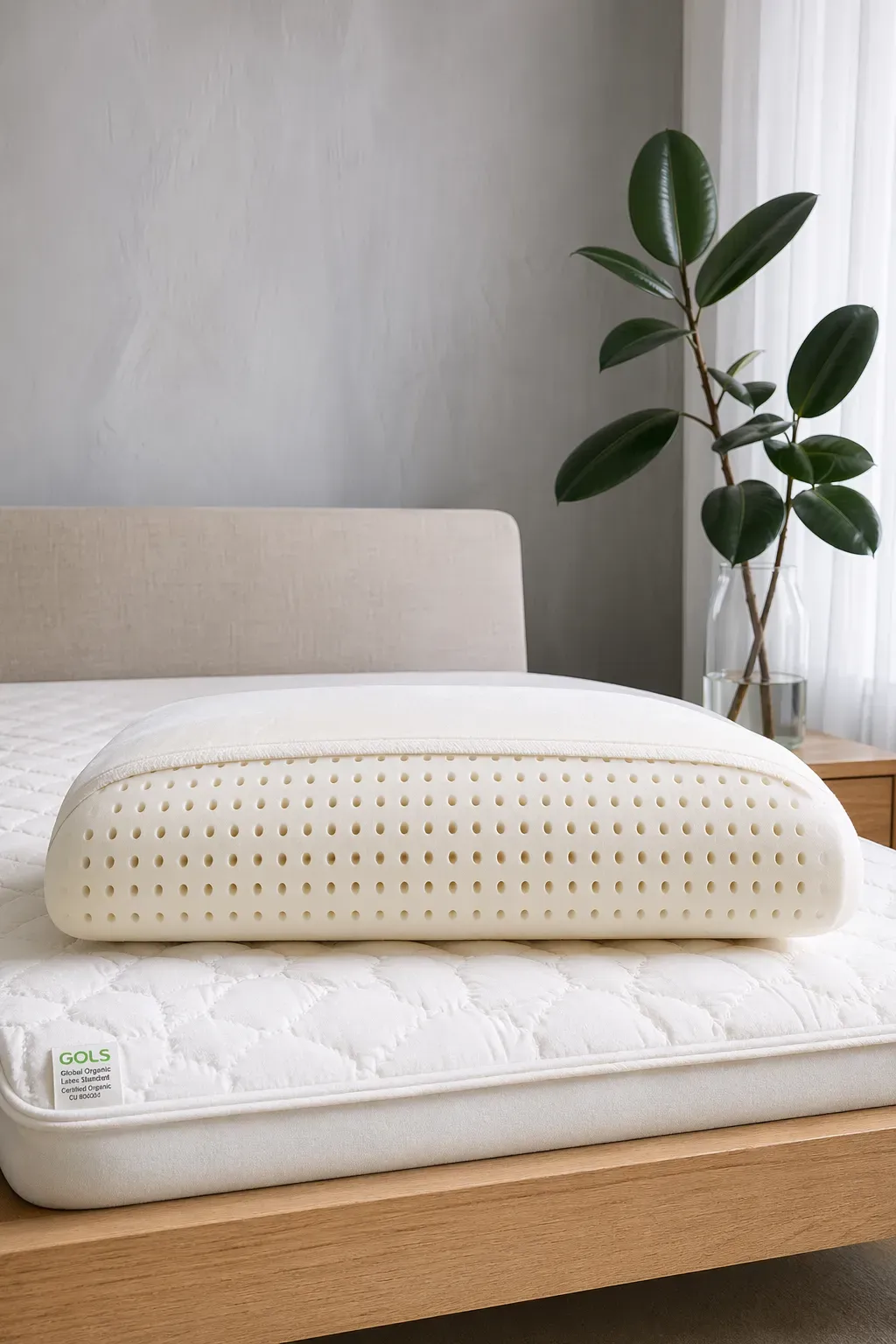
Natural latex comes from the sap of rubber trees and is a renewable resource. Unlike synthetic foam, natural latex is bouncy and regains its shape immediately when you move. It provides a consistent level of support that helps keep your spine aligned. It is also naturally resistant to dust mites and mold, which makes it a solid pick for people with common indoor allergies.
Look for GOLS (Global Organic Latex Standard) certification to make sure the latex is truly organic. These cushions are often available as solid blocks or contoured shapes specifically designed for side sleepers. Because latex is quite durable, these pillows won’t develop those annoying flat spots that usually happen with cheap foam or fiberfill options over time.
Recycled Cotton Covers for Living Room Accents
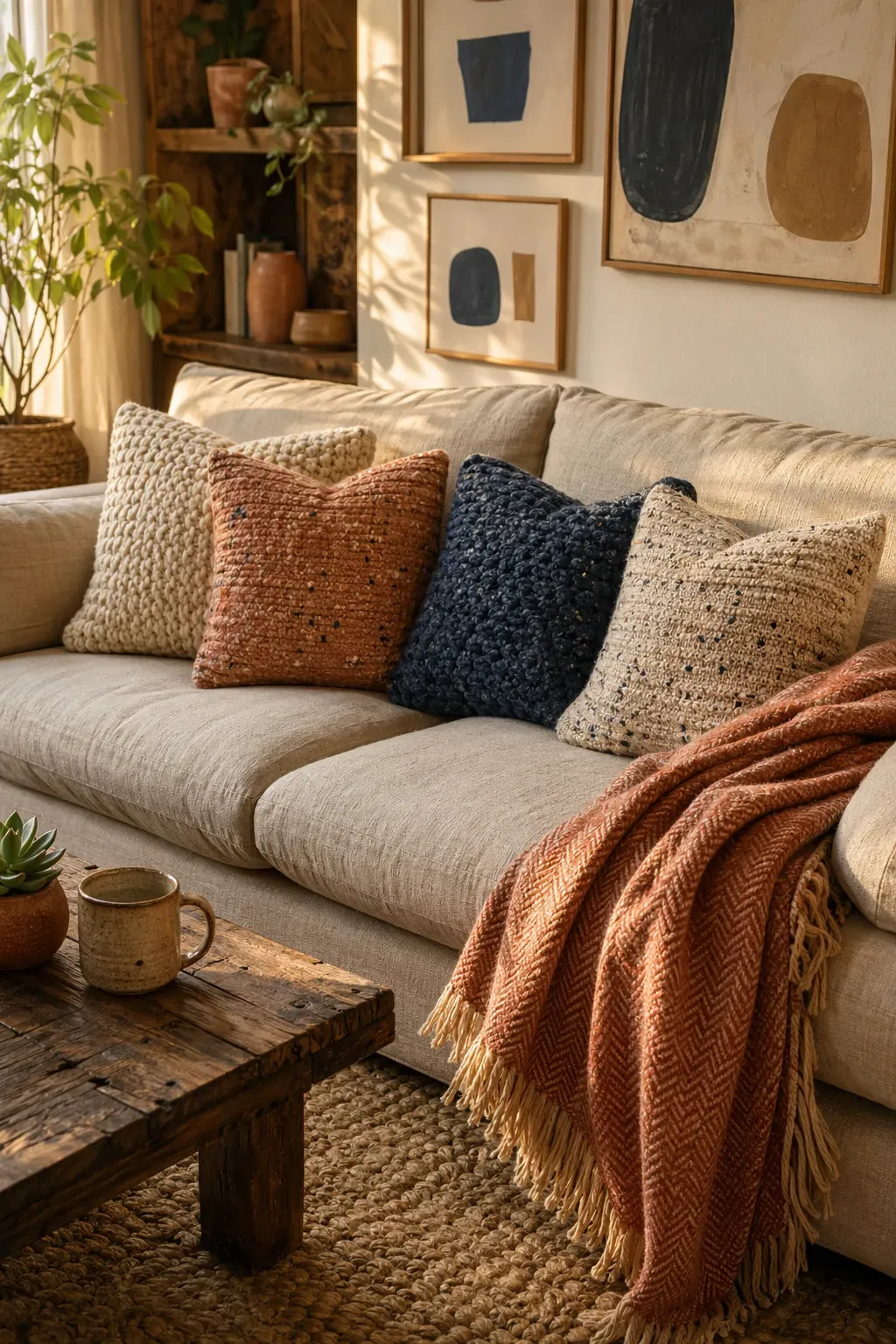
Throw pillows add a lot of personality to a sofa, but the textile industry produces a massive amount of waste. Recycled cotton covers use fabric scraps and old garments that would otherwise end up in the trash. These covers feel just as soft as virgin cotton but require much less water and no new pesticides to produce. They are a simple way to update your living room look while supporting a circular economy.
You can find these in various weaves, from smooth canvases to chunky knits. Since recycled cotton fibers are shorter, they sometimes have a slightly more textured, rustic look that hides wear and tear well. When they get dirty, most can be tossed in the washing machine with a mild detergent, making them practical for homes with kids or pets.
Organic Kapok Silk Pillows for Softness
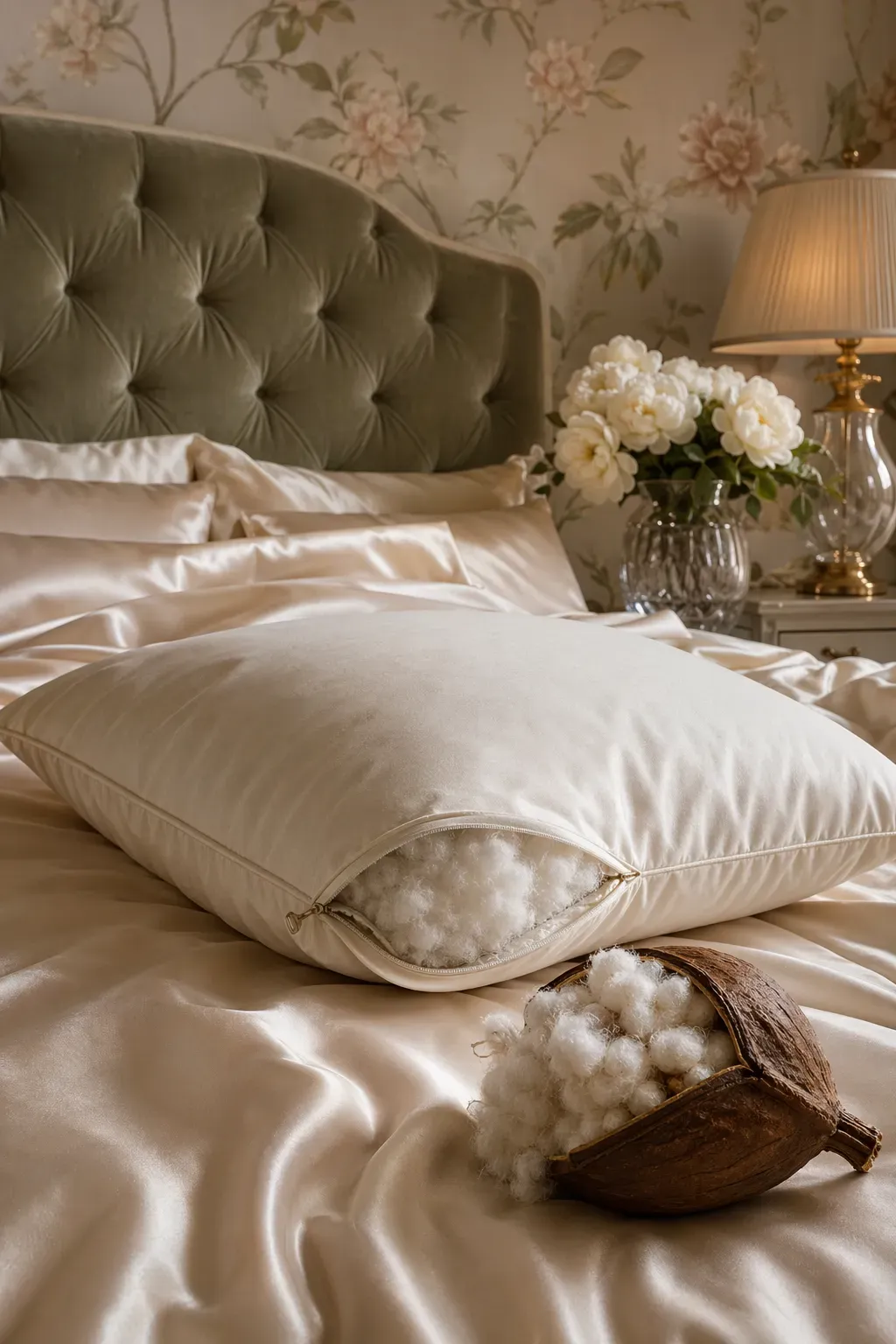
Kapok is a fiber harvested from the seed pods of the Ceiba tree. It is often called silk cotton because it is incredibly soft and has a natural sheen. It is a great vegan alternative to down feathers because it provides that same light, airy feel without using animal products. Kapok is naturally water-resistant and buoyant, which helps the pillow stay dry and fresh.
Because kapok is so light, it can sometimes be messy if you open the pillow casing. If you need to adjust the fill, do it in a draft-free room and keep a bag handy to catch the flyaway fibers. It is best to spot clean the outer cover and use a pillow protector, as washing the raw kapok fiber can cause it to clump and lose its signature fluffiness.
Shredded Memory Foam with Bamboo Encasements
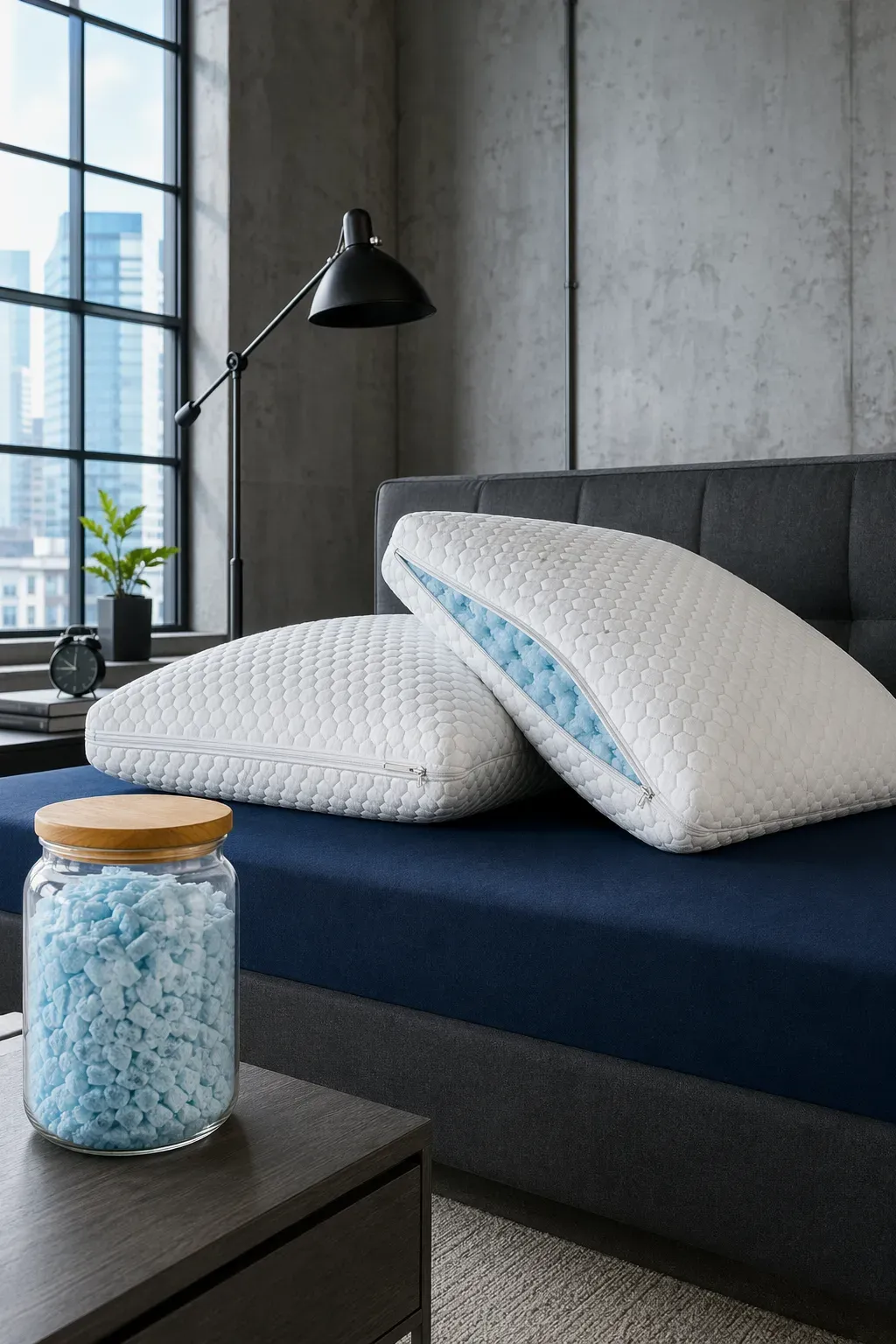
If you like the feel of memory foam but hate how hot it gets, look for shredded versions wrapped in bamboo fabric. Shredded foam allows for better airflow than a solid block, and the bamboo cover helps pull heat away from your skin. This combination gives you the contouring benefits of foam with a much more comfortable temperature profile. Many brands use CertiPUR-US certified foam to ensure there are no heavy metals or harmful flame retardants.
These pillows are very adjustable. You can move the shredded bits around to create a divot for your head or more support under your neck. If you find the pillow is too firm, you can take out some of the foam. Just make sure to store the extra foam in a sealed bag so it stays clean in case you want to add it back in later as the foam settles.
Wool Batting Inserts for Temperature Regulation

Wool is one of the best materials for people who struggle with temperature swings. It keeps you warm when it is cold and cool when it is hot by managing moisture and humidity. Organic wool batting is cleaned without harsh chemicals, retaining its natural lanolin and bounce. It is also naturally flame-retardant, so these pillows don’t need the chemical coatings found in many synthetic versions.
Wool pillows tend to be flatter and firmer than down. They are ideal for back or stomach sleepers who need a lower profile to keep their neck in a neutral position. To refresh a wool pillow, hang it outside in the sun for an hour or two. The sunlight and fresh air help the wool fibers release any trapped moisture and maintain their natural loft without needing a washing machine.
Linen Floor Pillows for Extra Seating
Linen is made from the flax plant, which requires very little water and fewer pesticides than cotton. Using large linen floor pillows is a smart way to add seating to a small apartment without buying bulky furniture. Linen is extremely durable and actually gets softer every time you wash it. It has a relaxed, slightly wrinkled look that fits well in a casual home environment.
When using floor pillows, choose inserts made from heavy-duty recycled materials or dense wool so they don’t bottom out when someone sits on them. You can stack them in a corner when they aren’t in use to save space. Since linen is a breathable fabric, these pillows won’t feel sticky or uncomfortable even if you are sitting on them for a long movie or game night.
Canvas Outdoor Cushions for Patio Benches
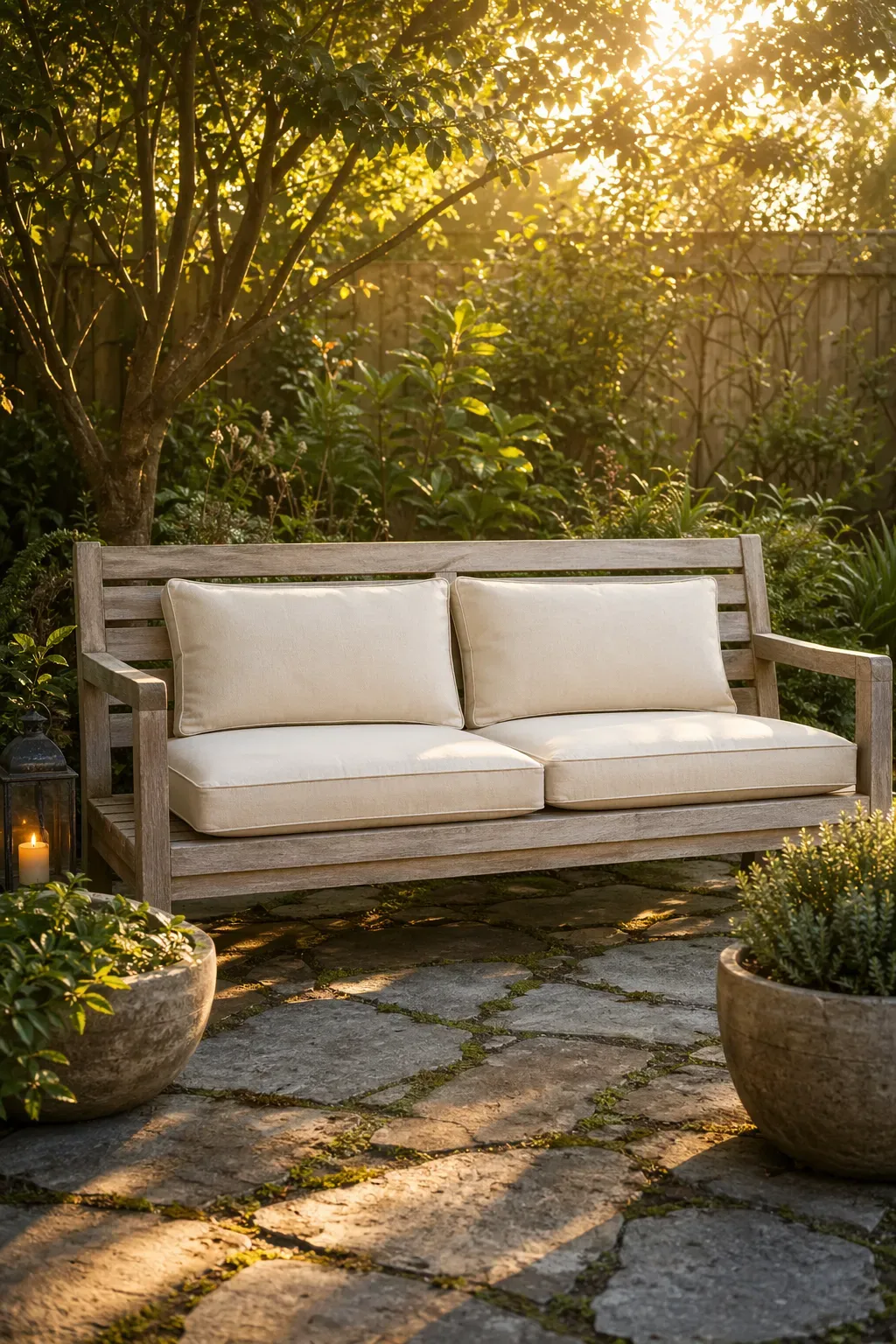
For outdoor spaces, look for heavy-duty organic cotton canvas or recycled polyester. These materials are tough enough to handle the sun and wind while being much better for the earth than standard plastic-based outdoor fabrics. Natural canvas provides a classic look for patio benches and chairs. It is thick enough to resist tearing and provides a comfortable barrier between you and the furniture frame.
To make these last as long as possible, bring them inside during heavy rain or the winter months. You can treat organic canvas with natural wax finishes to make them more water-resistant without using fluorocarbons. If they get muddy, a stiff brush and some soapy water are usually all you need to get them looking clean again.
Hemp Fabric Throw Pillows for Durability
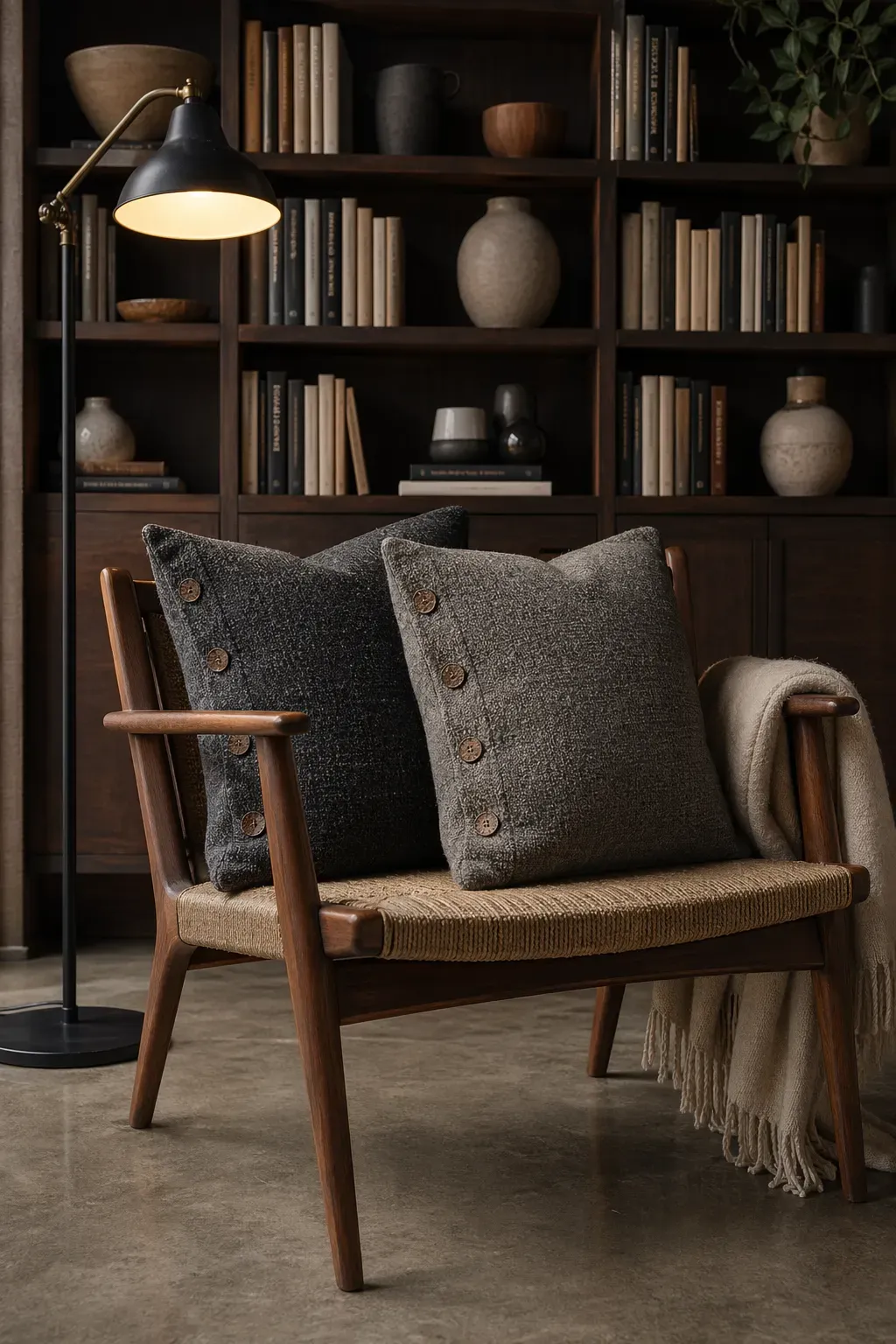
Hemp is one of the most sustainable fabrics available because the plant grows quickly and improves the soil it lives in. Hemp fabric is incredibly strong—much stronger than cotton—meaning these throw pillows can handle years of use on a busy sofa. It has a texture similar to linen but is generally thicker and more resistant to pilling. It also has natural antimicrobial properties that help keep the fabric smelling fresh.
These pillows are perfect for high-traffic areas like a family room or a reading nook. While hemp can feel a bit stiff when it is brand new, it softens significantly with use and washing. Look for hemp covers with coconut shell buttons or wooden toggles instead of plastic zippers to keep the entire pillow as biodegradable as possible.
Switching to sustainable pillows is a simple way to create a healthier home and support better manufacturing practices. Whether you choose the firm support of buckwheat or the soft feel of kapok, these natural materials offer long-lasting comfort. By picking items that are durable and biodegradable, you can enjoy a cozy space while being mindful of the environment.